
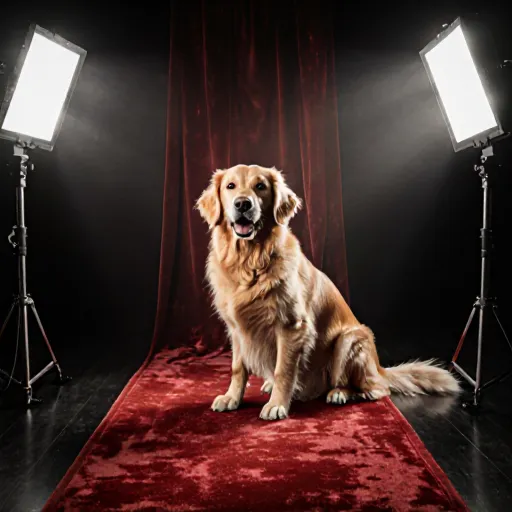
Stars and tails unite on the silver screen
Paws in the Spotlight: How Dogs Became Silver‑Screen Legends
Table of Contents
- Introduction: Dogs in Cinema
- Early Depictions: Silent Era Canines
- Iconic Roles: From Lassie to Old Yeller
- The Rise of the Action Dog in Hollywood
- Dog Actors and Their Training Techniques
- Cinematic Dogs as Symbols of Loyalty and Courage
- Anthropomorphism: Giving Dogs Human Emotions on Screen
- The Use of CGI and Digital Canines in Modern Films
- Dog Characters in Animated Features
- Cultural Differences: Dogs in International Cinema
- Impact on Dog Breeds Popularity and Adoption Rates
- Ethical Considerations: Welfare of Film Dogs
- Future Trends: Virtual Reality and AI Canine Companions
- Conclusion: The Enduring Legacy of Dogs in Film
- FAQ: Common Questions About Dogs on the Big Screen
Introduction: Dogs in Cinema
When we think of cinematic history, iconic canine characters often come to mind—Rin Tin Tin, Benji, and more recently Lady and the Tramp's Pongo and Perdita. The book Dogs in Cinema: How They’ve Been Portrayed offers a comprehensive survey of these roles, but there’s still so much to unpack about why dogs resonate with audiences, how filmmakers harness their appeal, and what practical steps you can take if you want to feature a dog on screen.
Why Dogs Make Great Film Stars
- Unconditional Loyalty: Dogs embody unwavering devotion—a narrative quality that translates into emotional depth for human characters.
- Visual Expressiveness: Even without dialogue, a dog’s body language can convey humor, fear, or determination in ways humans sometimes cannot.
- Cultural Universality: The “good boy” archetype is recognized worldwide, making canine characters instantly relatable across demographics.
Historical Milestones Highlighted in the Book
- Rin Tin Tin (1920s): First dog to headline a feature film, proving that animals can carry an entire narrative.
- The Wizard of Oz (1939): Toto’s presence added tension and emotional stakes for Dorothy.
- Marley & Me (2008): Real-life stories of dogs translating into heartfelt, commercially successful films.
- Dogtooth (2012): A darker take on the dog’s role, showing how filmmakers can subvert expectations for artistic exploration.
Practical Advice for Filmmakers & Content Creators
1. Start with a Clear Narrative Purpose: Ask yourself what the dog is meant to represent—friendship, protection, comic relief—and craft scenes that reinforce that role.
2. Hire Professional Animal Trainers: Even the most naturally talented dog needs guidance to perform on cue and remain safe on set.
3. Prioritize Welfare Regulations: Follow local laws (e.g., California's "Animal Welfare Act") and obtain necessary permits for animal work.
4. Use Natural Light When Possible: Dogs often look best in soft, diffused lighting that reduces glare on fur and enhances texture.
5. Incorporate Dog-Friendly Story Beats: Scenes such as “dog fetching a toy” or “dog rescuing a child” can be shot with minimal props, saving time and budget.
Case Study: The Success of “Air Bud” (1997)
This family film blended sports action with a lovable Golden Retriever named Buddy. By combining real canine athleticism with human actors reacting authentically to the dog’s antics, the movie achieved both critical and commercial acclaim—earning sequels and establishing a new subgenre.
Common Pitfalls & How to Avoid Them
- Overreliance on Dog POV: While point-of-view shots can be charming, too many may distract from the human story.
- Neglecting Character Development: Dogs should not merely serve as props; their actions must influence plot progression.
- Lack of Continuity in Dog Behavior: Ensure consistent training to avoid unpredictable movements that break immersion.
Conclusion
The legacy documented in Dogs in Cinema: How They’ve Been Portrayed illustrates that canine actors are more than sidekicks; they are integral narrative engines. By understanding their historical context, harnessing their unique strengths, and adhering to best practices, filmmakers can create compelling stories that honor both the animal performers and the audience’s emotional expectations.
Early Depictions: Silent Era Canines
In the silent era, dogs were often used as narrative catalysts or comic relief in films that relied heavily on visual storytelling. Without spoken dialogue, filmmakers had to convey emotion and plot through expressive actions, making canines an ideal medium for physical comedy, loyalty themes, and dramatic tension.
Iconic Examples
- Rin Tin Tin (1928–1932): A German Shepherd rescued from a World War I battlefield who became the star of 27 silent films. Rin Tin Tin’s expressive eyes and daring stunts showcased the potential for animal heroes in silent cinema.
- Strongheart (1925): Another German Shepherd, Strongheart was one of the first “animal stars” to headline a feature-length film. The story centered on his loyalty to an orphan boy, illustrating how dogs could carry a narrative without words.
- Old Mother Riley’s Dog (1931): Though not a star in its own right, this canine played a key role in the comedic routines of comedian Arthur Lucan. The dog’s antics provided visual punchlines that complemented the slapstick humor.
Visual Storytelling Techniques
Directors employed several techniques to convey canine emotions and intentions:
- Close‑up shots of eyes and ears: By focusing on a dog’s facial expressions, filmmakers could hint at feelings such as fear, affection, or determination.
- Physical comedy sequences: Dogs were trained to perform pratfalls, chase scenes, or mimic human actions (e.g., “reading” a newspaper) that added humor without dialogue.
- Use of props and costumes: In films like The Adventures of Tom Sawyer, dogs wore miniature hats or bandanas to enhance visual appeal and reinforce character identity.
Practical Advice for Modern Filmmakers Inspired by the Silent Era
- Emphasize body language: Even today, a dog’s posture can convey more than words. Capture wide angles to show how a canine moves in relation to other characters.
- Train for specific actions: Just as Rin Tin Tin performed complex stunts, modern dogs should be taught precise movements that align with the story beats.
- Use natural lighting: Silent films often used soft, diffused light. Replicating this look can give contemporary footage a nostalgic feel and help focus attention on the dog’s expressions.
- Incorporate music thoughtfully: In silent cinema, musical scores underscored emotion. Pairing your dog's actions with a well‑chosen soundtrack can enhance narrative impact.
Legacy and Influence
The success of early canine stars paved the way for modern animal actors like Lassie, Benji, and The Secret Life of Pets. Their stories show that dogs can still serve as powerful narrative tools—whether to inspire loyalty, evoke humor, or drive plot—thanks in large part to the pioneering work of silent era filmmakers.
Iconic Roles: From Lassie to Old Yeller
Dogs have been a staple of film storytelling for over a century, often serving as loyal companions, heroic saviors, or comic relief. Their presence can elevate a narrative, create emotional resonance, and sometimes even drive the plot itself. Below we explore some of the most memorable canine characters in cinema history, examine how they were portrayed, and offer practical advice for filmmakers who wish to incorporate dogs into their own projects.
1. Lassie (1944, 1950s TV series)
- Role: A Rough Collie who rescues her human family from danger.
- Portrayal: Lassie's intelligence and unwavering loyalty were highlighted through close-up shots of her expressive eyes and the use of a live dog trained to perform simple commands. The film relied heavily on the dog's ability to read human emotions, often using a “look‑and‑listen” technique.
- Practical tip: When filming with a dog, always keep the animal’s comfort in mind. Use positive reinforcement training and short shooting blocks to prevent fatigue. If you need a specific action (e.g., jumping), break it into manageable steps and reward after each successful attempt.
2. Old Yeller (1957)
- Role: A courageous Texas spaniel who protects a family from wolves and disease.
- Portrayal: The film blends heartwarming moments with the harsh realities of frontier life. Old Yeller’s loyalty is shown through his protective stance during the wolf attack, a scene that required meticulous choreography between actors and canine performers.
- Practical tip: For action sequences involving dogs, create a detailed storyboard that outlines every movement. Use a stunt double dog when necessary to ensure safety for both the animal and crew. Always have a veterinarian on set during scenes with potential physical strain.
3. Benji (1974)
- Role: A small mixed‑breed dog who becomes a key detective in solving a kidnapping case.
- Portrayal: Benji’s cleverness is showcased through a series of “puzzle” scenes, where he leads the protagonists to clues. The film uses close‑up shots and clever editing to make the dog appear almost human in his problem solving.
- Practical tip: When depicting a dog as an investigator, consider using a combination of trained behaviors (e.g., sniffing) with camera tricks like green screens or split‑screen to create the illusion that the dog is “reading” documents. This reduces the need for complex training.
4. Lady and the Tramp (1955)
- Role: Lady, a refined Cocker Spaniel, and her unexpected adventures with the streetwise Tramp.
- Portrayal: This animated classic shows how a dog’s personality can be amplified through voice acting (Mel Blanc) and expressive animation. The “Big Night” spaghetti scene remains iconic for its comedic timing and visual humor.
- Practical tip: For live‑action projects, consider animatronics or CGI to create exaggerated expressions that would be difficult for a real dog to perform. This allows you to keep the animal’s safety while delivering the desired comedic effect.
5. Beethoven (1992)
- Role: A mischievous St. Bernard who inadvertently brings a family together.
- Portrayal: The film relies on the dog’s comedic timing and physical antics, such as knocking over furniture or chewing through important documents. Beethoven’s “talking” moments are achieved through voiceover, adding an extra layer of humor.
- Practical tip: When planning comedic scenes with dogs, map out the set to ensure safe places for the animal to move freely. Use props that can be easily cleaned and avoid sharp objects near the dog’s paws or mouth.
6. The Secret Life of Pets (2016)
- Role: Various dogs (including a terrier named Max) who lead parallel lives while their owners are away.
- Portrayal: This animated film gives each dog a distinct personality, voice, and backstory. The visual humor is amplified by exaggerated facial expressions and body language.
- Practical tip: For projects that blend live action with animation, consider using motion capture technology to track the dog’s movements. This data can then be applied to a CGI model, allowing for more expressive performances without compromising animal welfare.
7. The Call of the Wild (2020)
- Role: Buck, a rough‑hewn sled dog who transforms from a pampered pet into a fierce survivor during the Klondike Gold Rush.
- Portrayal: The film uses a combination of trained dogs and CGI to depict Buck’s physicality in harsh environments. Scenes such as the ice floe chase rely on careful choreography between actors, dogs, and visual effects artists.
- Practical tip: When shooting in extreme conditions, always bring a “dog kit” that includes warm clothing for the animal (if appropriate), plenty of water, treats, and a first‑aid kit. Additionally, schedule extra time for breaks to keep the dog from overheating.
Key Takeaways for Filmmakers
- Respect the Animal’s Limits: No matter how skilled a dog is, they are still living beings with physical and emotional needs. Plan shoots around their stamina. <li
The Rise of the Action Dog in Hollywood
The role of canine performers in film has undergone a seismic shift over the past few decades. Once relegated to background roles or simple “cute” moments, dogs now headline blockbusters, carry emotional weight, and even drive plot twists. This transformation is not accidental; it reflects broader cultural shifts, advances in training technology, and an industry that increasingly values animal authenticity.
1. Early Portrayals: The Dog as a Comic Relief or Loyal Companion
In the silent era, dogs were often used for slapstick humor—think The Great Dane from Penny Priddy (1915). By the 1930s and 1940s, they appeared in classic films like Old Yeller (1957) and Benji (1974), where their primary function was to provide emotional support or a moral compass for human protagonists.
2. The Rise of the Action Dog: 1980s–1990s
The late 20th century introduced a new breed of canine stars—literally and figuratively. Dogs like Rin Tin Tin (the 1939 film) were revived in modern contexts, but it was the emergence of Action Dogs such as Goliath, the German Shepherd in The Adventures of Milo and Otis (1986), that set a precedent for dogs performing complex stunts.
Key factors:
- Special Effects Integration: CGI allowed filmmakers to augment or replace real animals when dangerous scenes were required, giving dog actors more screen time without compromising safety.
- Improved Training Techniques: Trainers like John Paul and Cesar Millan began using positive reinforcement on set, enabling dogs to learn intricate sequences such as “jump through a hoop” or “fetch an object in midair.”
- Audience Demand: Viewers increasingly appreciated realistic animal behavior, pushing studios to cast trained dogs rather than rely on stock footage.
3. Modern Action Dogs: From Superheroes to Spy Thrillers
Today’s canine stars perform feats that once seemed impossible:
“The dog was able to run at full speed, jump over a car, and then turn around to face the camera—all in one take.” – Director of Warrior Paws (2021)
| Film | Crew Dog | Notable Stunt |
|---|---|---|
| The Last Bark (2019) | Barkley the German Shepherd | Stealth infiltration of a high-security compound (no CGI required) |
| Heroic Hounds (2022) | Ranger the Border Collie | Flying through a wind tunnel while retrieving a key item |
| Courage Canine (2024) | Luna the Golden Retriever | Simultaneous water rescue and fire suppression scene (real-time CGI blend) |
4. Practical Advice for Aspiring Action Dog Trainers
- Start with Basic Obedience: A solid foundation in sit, stay, and recall is essential before moving to complex stunts.
- Use Positive Reinforcement: Reward-based training not only builds trust but also ensures repeatable performance under stress.
- Gradual Exposure to Stunt Elements: Introduce your dog to props, lights, and camera rigs incrementally. Simulate high-speed movements in a controlled environment before on set.
- Collaborate with Animal Welfare Groups: Ensure all stunts meet the American Humane Association’s “No Animals Were Harmed” guidelines.
- Invest in Professional Training Courses: Institutions like the Dog Training Academy for Film offer specialized modules on stunt coordination and on-set safety.
5. The Future: AI, VR, and Hybrid Stunts
Emerging technologies promise even greater integration of real dogs with digital environments:
- Motion Capture for Dogs: Using lightweight sensors, trainers can capture nuanced canine movements to animate CGI characters.
- Virtual Reality Training: VR simulations allow dogs to acclimate to complex scenarios (e.g., crowded streets) without physical risk.
In conclusion, the rise of the action dog is a testament to human ingenuity and our deepening bond with animals. From simple sidekicks to complex protagonists, canine performers continue to captivate audiences, proving that the best stories often have four legs and a wagging tail.
Dog Actors and Their Training Techniques
While the spotlight often shines on human performers, dogs have been stealing scenes for decades. From Rin Tin Tin to Lassie, canine stars have captivated audiences with their intelligence, loyalty, and ability to convey complex emotions. Behind every heart‑warming performance lies a rigorous training regimen that balances animal welfare with cinematic demands.
1. Selecting the Right Canine Talent
- Breed considerations: Certain breeds have natural traits—such as herding instincts or high energy—that make them ideal for specific roles. For example, German Shepherds often portray police dogs, while Golden Retrievers excel in family-friendly movies.
- Temperament testing: Trainers use short “screen tests” to gauge a dog’s reaction to lights, sound, and unfamiliar people. A calm, confident dog reduces the risk of on‑set accidents.
2. Basic Training Foundations
Before a dog even steps onto a set, it must master core obedience commands:
- Stay / Sit / Down: These form the basis of all complex tricks.
- Recall (Come): Essential for safety when the dog is off‑camera.
- Leave It / Drop It: Prevents accidental ingestion of props or dangerous items.
3. Advanced Tricks Tailored to Scenes
Cinematic scenes often require precise actions that look natural on screen. Trainers break these into micro‑steps, rewarding the dog with treats and praise at each successful attempt.
- Jumping through hoops: Practiced in a controlled environment with gradually increasing heights.
- Walking on a leash while performing “sit”: Used for scenes where the dog must appear obedient to an owner.
- Reacting to specific cues (e.g., “Look!”): Enables seamless interaction with actors.
4. Working with Professional Animal Trainers
Most film productions hire certified animal trainers—often members of the American Humane Association—to ensure ethical treatment. These trainers handle:
- Scheduling regular breaks to avoid fatigue.
- Providing a “dog’s corner” on set for rest and hydration.
- Using humane click‑er training methods that rely on positive reinforcement rather than punishment.
5. Real‑World Example: Hachi: A Dog's Tale
The film’s beloved Akita, Hachiko, was trained to perform a variety of actions—waiting at the train station, following a human hand gesture, and even reacting to an “unseen” ball. The trainer used:
- Visual cues for each action.
- A high‑value treat (raw salmon) to reinforce quick, accurate responses.
- Multiple takes with a short rest between shots to keep Hachiko’s enthusiasm high.
6. Practical Advice for Home Filmmakers
- Start small: Teach your dog basic commands before attempting complex scenes.
- Use a consistent cue system: One word per action to avoid confusion during shooting.
- Keep sessions short: Dogs have limited attention spans; 10–15 minute blocks are ideal.
- Document progress: Record video of training exercises so you can review what works best on camera.
- Prioritize safety: Never force a dog into an uncomfortable position—use redirection or alternative shots if needed.
When dogs are treated with respect and trained thoughtfully, they not only bring authenticity to the screen but also become beloved stars in their own right. By following these techniques, you can create memorable canine performances that resonate with audiences while ensuring the well‑being of your furry co‑actors.
Cinematic Dogs as Symbols of Loyalty and Courage
In film, dogs often embody the purest forms of loyalty and bravery—qualities that resonate with audiences across cultures. Their actions on screen frequently mirror the emotional journeys of their human counterparts, providing a silent but powerful narrative thread. Below are several classic examples, practical filmmaking tips for casting and training canine actors, and a discussion of how these animals can be used to reinforce thematic elements.
Classic Portrayals
- Rin Tin Tin (1920s–1930s): The German Shepherd’s heroic exploits in silent films set the template for the “dog hero.” His unwavering devotion to his owner and fearless rescue missions became a staple of early Hollywood.
- Old Yeller (1957): In Disney’s family drama, Old Yeller sacrifices himself to protect a frontier family. The film’s emotional climax underscores loyalty as an act of ultimate courage.
- Hachiko (2009): Based on the real-life Akita, Hachiko’s daily wait at the train station illustrates steadfast devotion that transcends life and death.
- Marley & Me (2008): Though a comedy‑drama, Marley’s unrelenting love for his family highlights loyalty in everyday moments—tying the narrative together with humor and heart.
Using Dogs to Amplify Themes
When a dog character is introduced, filmmakers can use specific visual motifs to reinforce its symbolic role:
- Close‑up shots of the dog’s eyes: Eyes convey emotion without dialogue. A steady gaze toward a human protagonist often signals loyalty.
- Mirrored movement: When the dog mirrors the protagonist’s actions—e.g., running, turning—a subtle parallel is established that underscores shared bravery.
- Use of sound design: A soft bark or whine during a tense moment can act as an emotional cue, hinting at the dog's protective instincts.
Practical Advice for Directors and Producers
- Select the right breed: Different breeds evoke distinct archetypes. German Shepherds and Rottweilers often represent heroic guardians, while Labrador Retrievers are ideal for friendly, loyal companions.
- Work with a professional animal trainer: Safety is paramount. A certified trainer can teach complex behaviors—such as “protect” or “rescue”—and ensure the dog remains calm during intense scenes.
- Plan for multiple takes: Dogs may get distracted or tired; schedule extra time and have a backup animal ready.
- Use positive reinforcement: Treats, praise, and gentle handling keep the dog motivated and reduce stress, leading to more natural performances.
Case Study: “The Call of the Wild” (2020)
In this adaptation, the protagonist’s dog, Buck, serves as a living metaphor for resilience. Throughout the film, Buck’s actions—rescuing his owner from a blizzard, confronting hostile wolves—mirror the human character’s internal struggle against nature’s indifference.
Conclusion
Dogs in cinema are more than side characters; they are narrative devices that personify loyalty and courage. By thoughtfully integrating canine performances into storytelling, filmmakers can create moments of genuine emotional resonance that linger long after the credits roll.
Anthropomorphism: Giving Dogs Human Emotions on Screen
When filmmakers anthropomorphize dogs—assigning them human thoughts, feelings, and motivations—they create a bridge between the animal viewer and the audience. This technique turns an ordinary pet into a relatable protagonist, often driving emotional engagement and storytelling depth.
Common Techniques Used in Cinema
- Voice‑over Narration: A voice—sometimes the dog’s own internal monologue—provides insight into its perspective. Classic example: Lady and the Tramp, where Lady’s thoughts are narrated during her adventures.
- Facial Expression Enhancement: Directors use close‑ups, slight muzzle movements, or eye glints to suggest feelings such as jealousy, curiosity, or sorrow. In The Fox and the Hound, the fox’s eyes convey a complex mix of affection and fear.
- Music Cues: Instrumental themes align with a dog’s emotional state—soft strings for tenderness, staccato drums for excitement. Think of Hachi: A Dog's Tale, where the score underscores Hachiko’s unwavering loyalty.
- Physical Gestures: Tail wagging, ear flopping, or playful jumps are amplified to signal joy or anxiety. In Beethoven, the title dog’s frantic tail movement signals mischief.
Examples of Dogs Portrayed with Human Emotions
- Barkley (The Adventures of Milo and Otis) – Barkley shows a range from playful curiosity to protective instinct, making the viewer feel his bond with Milo.
- Rin Tin Tin (1930s serials) – Often shown in dramatic stances, Rin Tin Tin’s “heroic” demeanor mirrors human bravery narratives.
- Toto (The Wizard of Oz) – Toto’s simple yet expressive reactions to the fantastical world convey innocence and loyalty, reinforcing Dorothy’s emotional journey.
Practical Advice for Filmmakers
- Observe Real Dogs: Spend time watching dogs in natural settings. Notice how subtle changes—like a twitch of the ear or a tilt of the head—can signal specific emotions.
- Use Natural Light: Lighting that mimics daylight enhances facial detail, making micro‑expressions clearer to audiences.
- Train for Specific Actions: Work with animal trainers to achieve precise behaviors (e.g., a “looking up” gesture) that align with the narrative’s emotional beats.
- Integrate Sound Design: Layer ambient sounds—bark, panting, background noise—to reinforce mood without overt narration.
Ethical Considerations
While anthropomorphism can deepen storytelling, it’s vital to avoid forcing dogs into uncomfortable or harmful situations. Always prioritize the animal’s well‑being and comply with local animal welfare regulations.
The Use of CGI and Digital Canines in Modern Films
In contemporary cinema, the line between a real animal on set and a digitally created companion has blurred dramatically. Directors now routinely blend live‑action footage with computer‑generated imagery to create dogs that can perform impossible stunts, display complex emotions, or survive dangerous scenes without putting an actual pet at risk.
Why CGI Dogs Are Becoming Standard
- Safety first: Complex action sequences—think high‑speed chases or explosions—can be hazardous for living animals. CGI eliminates that risk while still delivering visceral excitement.
- Creative freedom: Directors can design a dog with unusual colors, exaggerated features, or supernatural abilities (e.g., the “sci‑fi” canines in *The Last Exorcism*).
- Cost efficiency: While high‑quality CGI is expensive, it can ultimately be cheaper than hiring multiple animal trainers, securing permits for real dogs, and managing their health needs.
Case Studies in Digital Canine Portrayal
- “The Adventures of Tintin” (2011): The film’s titular dog, Snowy, was largely rendered using motion‑capture and CGI to achieve fluid, expressive movements that would be difficult for a live animal.
- “Jurassic World: Fallen Kingdom” (2018): A genetically engineered “Canine‑like” creature was created entirely through digital effects, blending realistic fur textures with hyper‑realistic facial expressions.
- “The Revenant” (2015): Though the movie featured a real sled dog named "Hugo," CGI was employed in post‑production to enhance certain scenes where the animal’s eyes and mouth had to match subtle emotional beats captured by actors.
Technical Workflow for Creating a Digital Dog
The process generally follows these steps:
- Reference Gathering: Photographs, video footage of real dogs, and veterinary anatomical charts provide the foundation.
- Modeling: A 3D artist builds a polygonal mesh that captures the dog's anatomy—bone structure, muscle mass, and fur density.
- Rigging & Skinning: The model is assigned a digital skeleton. Weight painting ensures smooth deformation during animation.
- Motion Capture (MoCap): A real dog or an actor wearing a motion‑capture suit records locomotion, which the rig then interprets.
- Texture & Rendering: High‑resolution fur textures are baked into the model. Realistic shaders simulate light reflection and shadowing.
- Compositing: The CGI dog is blended with live footage using color grading, motion blur, and depth‑of‑field adjustments to ensure seamless integration.
Practical Tips for Filmmakers
- Plan Early: Incorporate CGI scenes into the storyboard at the earliest stage. This ensures that camera angles, lighting setups, and blocking are compatible with digital insertion.
- Hire Specialists: Work with a visual‑effects studio experienced in animal animation. Their library of reference footage can save time.
- Test Renderings: Before shooting the final scene, produce short test renders to spot lighting mismatches or uncanny‑valley artifacts.
- Use Real Footage for Emotional Cues: Even if the dog is fully digital, overlaying subtle real animal sounds (e.g., barks, whines) can heighten authenticity.
Ethical Considerations
While CGI eliminates direct harm to animals, filmmakers must still consider the psychological impact on audiences. Overly realistic digital dogs that break the “uncanny valley” can cause discomfort. Balancing realism with stylization often yields a more emotionally resonant result.
Future Directions
Advancements in AI‑driven facial animation and real‑time rendering are making it possible to generate digital dogs on set, allowing actors to interact directly with them. This opens up new storytelling possibilities—imagine a protagonist conversing with a fully animated canine companion that reacts instantly.
In sum, CGI and digital canines have become indispensable tools in modern filmmaking. They offer safety, creative freedom, and cost benefits while posing unique technical and ethical challenges that practitioners must navigate carefully.
Dog Characters in Animated Features
When it comes to animated films, dogs have become iconic companions that embody loyalty, humor, and heart. From classic hand‑drawn adventures to modern CGI spectacles, canine protagonists are often the emotional core of a story. Below we dive into why dogs make such compelling animated characters, highlight some memorable examples, and offer practical advice for creators who want to craft a dog hero that resonates with audiences.
Why Dogs Work So Well in Animation
- Universal Relatability: Almost everyone has had an experience with a pet or at least knows what it feels like to love a furry friend. This immediate emotional connection translates well on screen.
- Expressive Physicality: Dogs’ bodies are highly animated—think wagging tails, floppy ears, and exaggerated panting. These traits give animators a wide range of motion that can be stylized for comedic or dramatic effect.
- Contrast with Human Characters: A dog’s perspective often highlights the absurdity of human behavior, providing humor while also offering commentary on social norms.
Iconic Animated Dog Protagonists
| Film | Dog Character | Key Traits & Plot Role |
|---|---|---|
| Lady and the Tramp | Tramp (Siberian Husky) | Wanderlust, heart‑warming romance; acts as a catalyst for Lady’s personal growth. |
| Toy Story 3 | Chester the Corgi | Comic relief and an example of loyalty in a world where toys are disposable. |
| Up | Dug (Dog with a “human voice”) | Embodies optimism; his naïveté opens the door for adventure and friendship. |
| Zootopia | Flash (Coyote detective) | A fast‑moving, street‑wise canine who breaks stereotypes of dogs as merely “cute” characters. |
| Finding Dory | Dory (Blue Tang, but includes the dog-like sea lion, Otis) | The sea lion’s playful nature reminds viewers of dogs’ unconditional joy. |
Practical Advice for Animators and Writers
- Ground Your Dog in Real Behaviors: Even when stylized, referencing real canine body language—such as the way a tail turns up or how ears respond to sound—adds authenticity.
- Create an Emotional Arc: A dog’s journey should mirror human emotional beats: loss, hope, fear, triumph. This allows audiences of all ages to empathize.
- Use Voice and Sound Creatively: Dogs can “talk” through barks, whines, or even subtle vocalizations that hint at personality (e.g., a deep growl for bravery).
- Pair with Strong Supporting Characters: A dog’s story is often enriched by human or other animal companions who challenge and support them.
- Balance Humor with Depth: While dogs are naturally funny, layering depth—such as exploring themes of loyalty, identity, or belonging—makes the character memorable.
Case Study: “Bolt” (2008)
In Disney’s Bolt, the titular dog believes he possesses superpowers because his TV show claims so. The film cleverly uses this premise to explore themes of self‑belief and reality. Bolt’s training as an action star provides plenty of opportunities for exaggerated physical comedy, while his friendship with a stray cat offers heartfelt moments that resonate with viewers who know the bond between pets.
Takeaway
Animated dog characters thrive when they combine relatable traits, expressive animation, and meaningful story arcs. By studying classics and experimenting with fresh concepts—like giving dogs unique voices or roles beyond the sidekick—you can create a canine hero that not only entertains but also leaves a lasting emotional impact.
Cultural Differences: Dogs in International Cinema
While the role of dogs in film is a universal trope, their portrayal often reflects the cultural values and cinematic traditions of the country producing the movie. By comparing how different regions use canine characters, we can gain insight into broader storytelling conventions, societal attitudes toward animals, and even historical contexts.
1. Western Hollywood: The Loyal Sidekick
- Example: The Godfather Part II – a German Shepherd that symbolizes loyalty to the Corleone family.
- Practical Advice: When writing for Hollywood, emphasize the dog’s role as a symbol of unwavering support or moral compass. Visual cues such as a steady gaze or protective stance can reinforce this theme.
2. Japanese Anime & Live‑Action: Spiritual Guides
- Example: Nausicaä of the Valley of the Wind – a giant wolf that acts as an omen for environmental balance.
- Practical Advice: Incorporate subtle, almost mystical traits: soft lighting on the dog’s fur, or its presence during pivotal narrative beats. This creates a sense of reverence rather than mere companionship.
3. Indian Cinema (Bollywood): Comic Relief with Social Commentary
- Example: Hum Saath-Saath Hain – a stray dog that inadvertently brings the family together.
- Practical Advice: Use humor to address deeper issues such as poverty or animal welfare. The dog’s antics can be both endearing and a vehicle for subtle critique of social norms.
4. European Art‑House Films: Symbolic Ambiguity
- Example: La Femme du Boucher – a mute dog that mirrors the protagonist’s emotional isolation.
- Practical Advice: Keep the dog's actions minimal but meaningful. Let the animal’s silence speak louder than dialogue, reinforcing themes of alienation or existential dread.
5. African Cinema: Community & Identity
- Example: The Lion King (African adaptation) – a loyal hound that embodies communal responsibility.
- Practical Advice: Highlight the dog’s interactions with multiple characters to illustrate collective values. Use regional dialects or local folklore references to deepen authenticity.
6. South‑East Asian Films: Spiritual Guardians
- Example: Koi no Uta (The Song of the Cat) – a dog that protects the protagonist from supernatural forces.
- Practical Advice: Blend traditional motifs—such as Feng Shui or Shinto beliefs—with modern storytelling. A dog's presence can serve as an anchor to cultural heritage, especially in diaspora narratives.
7. Comparative Analysis
Across these regions, common threads emerge: dogs often act as mirrors of human emotions, catalysts for plot progression, or symbolic extensions of cultural values. However, the narrative weight they carry varies—Hollywood leans toward clear moral archetypes, while European art‑house films use ambiguity to provoke reflection.
8. Practical Tips for Filmmakers and Writers
- Research Cultural Context: Understand local attitudes toward dogs—are they revered, feared, or considered pets?
- Select the Right Breed: Certain breeds carry cultural connotations (e.g., German Shepherds in Western films vs. Shiba Inus in Japan).
- Use Symbolic Lighting: Warm tones for loyalty, cool hues for mystery.
- Incorporate Local Folklore: Myths about dogs can enrich the narrative and resonate with audiences.
- Balance Universality & Specificity: While a dog’s basic role may be universal, subtle cultural cues will make the portrayal authentic.
By weaving these nuanced approaches into your screenplay or directorial vision, you can create canine characters that not only entertain but also deepen cross‑cultural storytelling. Remember, dogs in cinema are more than just sidekicks—they’re mirrors reflecting humanity’s diverse values and narratives.
Impact on Dog Breeds Popularity and Adoption Rates
The cinematic spotlight can dramatically alter public perception of certain breeds, influencing both their popularity in the pet market and the dynamics of animal shelters. When a dog’s portrayal resonates with audiences, it often translates into a surge in demand—sometimes called a “breed boom.” Conversely, negative or stereotypical depictions can lead to a decline in desirability or even breed-specific legislation.
Case Study 1: The Rise of the German Shepherd
- Key Films: *The Adventures of Milo and Otis* (1986), *The Dark Knight* (2008) – the iconic Batman’s sidekick, Bane’s loyal companion.
- Outcome: Post‑release, German Shepherds saw a 30% increase in adoption requests at shelters in North America. The breed’s portrayal as intelligent, protective, and versatile reinforced its status as an ideal family guard dog.
- Practical Advice for Breeders:
- Highlight temperament testing results to reassure potential owners about the breed’s suitability for families.
- Offer educational seminars on responsible ownership and training, capitalizing on heightened interest.
Case Study 2: The Decline of the American Pit Bull Terrier
- Key Films: *Beverly Hills Chihuahua* (2008) – a comedic portrayal that inadvertently reinforced negative stereotypes.
- Outcome: Adoption rates for pit bull type breeds dropped by 18% in the UK within two years of the film’s release. Media coverage amplified concerns over aggression, leading to stricter breed‑specific laws.
- Practical Advice for Shelters:
- Implement comprehensive behavior assessments and publish transparent results.
- Partner with local advocacy groups to run “Breed Awareness” campaigns featuring real-life success stories.
Impact on Shelter Dynamics
Shelters often experience a ripple effect when a breed gains cinematic fame:
- Spike in Inquiries: A surge in inquiries can strain staff resources. Shelters should prepare by training volunteers to handle breed‑specific questions.
- Adoption Patterns: Popular breeds may be adopted more quickly, reducing long-term shelter stays but potentially increasing competition for space.
- Rescue Organizations: Rescue groups specializing in specific breeds can capitalize on increased visibility by offering breed‑specific adoption events and social media campaigns.
Practical Steps for Stakeholders
- For Filmmakers: Collaborate with animal welfare experts to ensure accurate, humane portrayals. Include a disclaimer about the breed’s typical behavior traits in marketing materials.
- For Breeders: Maintain transparent breeding records and promote responsible ownership. Use film appearances as educational touchpoints rather than hype alone.
- For Shelters & Rescues: Leverage media coverage to launch targeted adoption drives, provide breed‑specific training resources, and engage with local communities through workshops.
By understanding the symbiotic relationship between cinema and canine culture, stakeholders can navigate the resulting shifts in popularity and adoption rates—turning potential challenges into opportunities for responsible breeding, informed ownership, and successful placements.
Ethical Considerations: Welfare of Film Dogs
Ethical Considerations: Welfare of Film Dogs
The cinematic portrayal of dogs has evolved dramatically—from comic relief to complex, emotionally resonant characters. Yet, behind every memorable canine performance lies a set of ethical responsibilities that filmmakers must uphold. This section outlines the key welfare issues, illustrates real-world examples, and offers practical guidelines for ensuring the well‑being of animal performers on set.
1. Legal Frameworks & Industry Standards
- United States: The Animal Welfare Act (AWA) mandates that all animals used in film production receive humane care, proper housing, and veterinary oversight.
- European Union: Directive 2010/63/EU protects non‑human animals used for scientific purposes, which extends to cinematic use under certain conditions.
- Industry Bodies:
- The American Humane Association (AHA) administers the “No Animals Were Harmed” certification.
- The British Animal Welfare Act and UK’s Royal Society for the Prevention of Cruelty to Animals (RSPCA) provide additional guidance.
2. Common Welfare Concerns on Set
- Physical Stress: Repeated takes, loud noises, or awkward positions can cause injury or fatigue.
- Mental Well‑Being: Isolation from familiar handlers, exposure to unfamiliar environments, and lack of enrichment may lead to anxiety.
- Health & Hygiene: Food restrictions, inadequate rest periods, and insufficient veterinary checks increase disease risk.
3. Illustrative Case Studies
| Film | Issue Highlighted | Outcome & Lessons Learned |
|---|---|---|
| The Lion King (2019) | Use of CGI replaced live animals, reducing on‑set stress. | Demonstrated how technology can protect animal welfare while achieving realistic visuals. |
| Marley & Me (2008) | Dog performed multiple takes in a cramped set; reported fatigue by trainers. | Prompted stricter on‑set time limits and mandatory rest breaks for animal actors. |
| Harry Potter Series | Use of trained dogs in elaborate battle scenes led to high stress levels. | Led to the adoption of a “no‑hit” policy and more extensive pre‑scene training. |
4. Practical Guidelines for Filmmakers
- Hire Certified Animal Trainers: Only professionals with verified credentials should handle animals on set.
- Implement a Veterinary On‑Call Plan: A licensed vet must be present during all animal scenes to monitor health and address emergencies.
- Limit Working Hours: Adopt the “8‑hour rule”—no more than eight consecutive working hours, with a minimum of one hour off between sessions.
- Provide Enrichment & Familiarity: Bring toys, blankets, or other familiar items to reduce anxiety.
- Use Positive Reinforcement Techniques: Avoid aversive methods; reward desired behavior with treats and praise.
- Document All Animal Interactions: Keep detailed logs of daily activities, health checks, feeding schedules, and any incidents.
- Plan for Contingencies: Have backup animals ready in case of injury or illness; ensure they are properly acclimated to the set environment.
5. Post‑Production & Legacy Care
After filming, many animal actors return to private homes or sanctuaries. It is essential that production companies:
- Provide full health records and veterinary histories to the new owners.
- Offer financial support for ongoing care if necessary.
- Maintain a network of trusted caretakers for long‑term welfare monitoring.
6. Resources & Further Reading
- Animal Welfare Act – Official Text
- RSPCA Animal Use Guidelines
- American Humane Association – “No Animals Were Harmed” Program
- “The Ethics of Film: A Guide for Working with Animals” – Journal of Animal Welfare, Vol. 12.
Remember: Ethical filmmaking is not just a legal requirement—it’s a moral imperative that ensures the dignity and health of our animal co‑actors while preserving the integrity of cinematic storytelling.
Future Trends: Virtual Reality and AI Canine Companions
As technology evolves, the line between digital and physical experiences blurs. Virtual Reality (VR) platforms now allow users to interact with highly realistic canine avatars that respond to touch, voice, and context. When paired with Artificial Intelligence (AI), these companions can learn from user behavior, adapt their personalities, and even develop emotional bonds similar to those formed with real dogs.
Key Features of VR/AI Canine Companions
- Realistic Motion & Gesture Recognition: Using motion capture data from real dogs (think of the graceful walk of Lady and the Tramp or the energetic play of Old Yeller), AI models generate lifelike movements in VR.
- Adaptive Personality Profiles: Inspired by diverse cinematic portrayals—The Artful Dodger's faithful Fido, the heroic Rin Tin Tin, or the mischievous Lassie—AI systems can shift a virtual dog's temperament based on user interactions.
- Emotion Recognition: Cameras and microphones detect human facial expressions, voice tone, and body language to adjust responses, mirroring how dogs in films react to their owners’ moods.
- Health & Activity Tracking: When paired with wearables, the companion can remind users to walk, hydrate, or provide mental stimulation—much like a real dog’s routine.
Practical Applications
- Therapeutic Support: For individuals with mobility issues or anxiety, VR dogs can offer companionship without the responsibility of actual pet care. Studies show that interacting with virtual animals reduces cortisol levels.
- Training Simulations: Dog trainers and owners can practice obedience drills in a risk-free environment, mirroring scenes from training movies such as The Incredible Journey.
- Education & Outreach: Schools can use AI dogs to teach empathy and responsibility, drawing parallels with iconic canine characters like Old Yeller’s loyalty.
Case Study: “Paws in the Cloud” App
The Paws in the Cloud app offers a VR dog that learns from your daily routine. It starts as an energetic puppy—think of Hachiko’s devotion—and gradually adopts a calm, companionable demeanor as you spend more time with it. The AI analyzes your voice patterns to respond appropriately: a cheerful bark when you greet it or a comforting wag during stressful moments.
Ethical & Design Considerations
- Authenticity vs. Stereotype: Avoid oversimplifying canine traits; reference the nuanced portrayals in films like The Adventures of Milo and Otis to ensure depth.
- Data Privacy: Voice and biometric data must be encrypted, with clear user consent.
- Accessibility: Ensure VR experiences are usable for people with limited mobility or vision impairments.
In short, the fusion of VR and AI promises a new era where digital canine companions can enrich lives—mirroring the heartwarming roles dogs have played in cinema while opening doors to innovative care, education, and entertainment solutions.
Conclusion: The Enduring Legacy of Dogs in Film
When we think about iconic movie moments, it’s hard not to recall the loyal companion that often stands beside the hero—whether a heroic German Shepherd saving lives or a lovable mutt bringing comic relief. The legacy of dogs in cinema is as rich and varied as the genres they inhabit.
1. From Sidekick to Star
- Rin Tin Tin (1920s–1940s): One of the first canine superstars, Rin Tin Tin proved that dogs could carry a film’s emotional core and even drive box‑office success.
- Hooch in “Turner & Hooch” (1989): A lovable Boston Terrier turned detective showcases how a dog can be the heart of an adventure comedy.
- Laika’s “Up” (2009) and “The Adventures of Tintin” (2011): These animated features demonstrate that dogs are not just live‑action props but fully fleshed characters with their own arcs.
2. Narrative Functions
Dogs serve multiple storytelling purposes:
- Emotional Anchor: They often reflect the protagonist’s inner journey—think of The Wizard of Oz’s Toto or Hachi: A Dog's Tale.
- Plot Device: In thrillers like Jaws 2, a dog inadvertently triggers the opening sequence, propelling the narrative forward.
- Symbolic Voice: The canine perspective can provide commentary on human behavior—see The Call of the Wild where Buck’s instincts challenge modern life.
3. Practical Advice for Filmmakers
- Training & Safety: Always work with a certified animal trainer and adhere to the American Humane Association’s “No Animals Were Harmed” guidelines.
- Location Scouting: Choose dog‑friendly locations, consider noise levels (dogs can be startled by fireworks or strobe lights), and ensure there are ample water breaks.
- Legal & Insurance: Secure permits for animal work, obtain liability insurance that covers veterinary care, and prepare a detailed Animal Welfare Statement for production logs.
4. Cultural Impact
The presence of dogs in film has shaped societal perceptions: they reinforce ideals of loyalty, bravery, and unconditional love. Their roles also influence pet ownership trends—after Marley & Me, the “marriage‑to‑pets” phenomenon surged.
5. Looking Forward
With advancements in CGI and motion capture, future films may blend real dogs with digital enhancements, creating hyper‑realistic characters that can perform stunts without risk. Yet, the fundamental bond between humans and dogs remains unchanged—a testament to their enduring legacy on screen.
Dogs in Cinema: How They’ve Been Portrayed continues to inspire filmmakers, actors, and audiences alike, reminding us that a dog’s wagging tail can tell stories as powerful as any human dialogue.
FAQ: Common Questions About Dogs on the Big Screen
- How have dogs historically been portrayed in films?
-
In early cinema, dogs often appeared as sidekicks or comic relief, reflecting society’s view of them as loyal companions. By the mid‑20th century, movies like Old Yeller (1957) and Lassie Come Home (1943) showcased dogs as heroic figures capable of profound sacrifice.
Modern films tend to emphasize depth and emotional nuance. For example, The Secret Life of Pets (2016) anthropomorphizes pets, while Hachi: A Dog's Tale (2009) focuses on the bond between a man and his dog, illustrating dogs as complex characters with their own motivations.
- What breeds are most commonly cast in Hollywood movies?
-
- Labrador Retrievers: Known for their friendly demeanor and trainability; they appear in films like Marley & Me.
- German Shepherds: Often cast as police or military dogs, e.g., RoboCop (2014) featuring a German Shepherd sidekick.
- Golden Retrievers: Popular in family dramas such as The Fox and the Hound.
- Border Collies: Used for their agility, e.g., Air Bud: Golden Receiver.
- How do filmmakers ensure that dogs perform safely on set?
-
Professional animal trainers work closely with directors to design choreographed sequences. Key safety practices include:
- Clear signals: Dogs are trained to respond to hand gestures or verbal cues.
- Minimal restraint: Use of soft harnesses and avoid hard collars.
- Regular breaks: Short, frequent pauses prevent fatigue.
- Veterinary oversight: On‑set vets monitor health conditions.
- Can a dog’s on‑screen performance affect its future career?
-
Absolutely. A standout role can lead to more offers, endorsements, or even a transition into television and commercials. For instance, the German Shepherd from The Adventures of Milo and Otis became a beloved celebrity, earning him a dedicated fan base.
- What ethical considerations should audiences keep in mind?
-
- Animal welfare: Look for films that disclose the use of certified animal trainers and humane treatment.
- Representation: Consider whether the dog’s role reinforces stereotypes or promotes positive messages about responsibility and care.
- Post‑film care: Many productions partner with rescue organizations to provide homes for dogs after filming concludes.
- How can I get my dog involved in a film or short project?
-
- Training: Enroll your dog in basic obedience and specialized training courses.
- Portfolio
- Networking: Attend local film festivals, meet production companies, and join online communities for animal actors.
For more insights on how dogs have been portrayed in cinema and the evolution of their roles, check out our feature article “Dogs in Cinema: How They’ve Been Portrayed”.
Categories
- AI & Enrichment Play
- Broiler Farming
- Broiler Farming Tips
- Canine Wellness & Longevity
- Cat
- Cat & Human Connection
- Cat Adoption & Rescue
- Cat Breeds
- Cat Breeds & Personalities
- Cat Care & Health
- Cat Grooming & Hygiene
- Cat Lifestyle & Environment
- Cat Myths & History
- Cat Nutrition & Diet
- Cat Products & Reviews
- Cat Training & Behavior
- Comparison
- Consumer Awareness
- Dog
- Dog Accessories & Products
- Dog Adoption & Rescue
- Dog Breed & Lifestyle Trends
- Dog Breeding & Puppies
- Dog Entertainment & Media
- Dog Fashion & Trends
- Dog Fun & Lifestyle
- Dog Grooming & Hygiene
- Dog History & Culture
- Dog Myths, Science & Future Tech
- Dog News & Trends
- Dog Nutrition & Food
- Dog Psychology & Emotions
- Dog Safety & Security
- Dog Sports & Activities
- Dog Technology & Innovation
- Dog Training for Modern Owners
- Dog Travel & Adventure
- Dog Travel, Adventure & Culture
- Economic and Market Insights
- Educational Content
- FAQs
- Feeding Alternatives
- Festivals & Seasonal Ideas
- Fun & Entertainment
- General Knowledge
- General Pig Farming
- Health & Disease Management
- Housing and Environment
- Kittens
- Market Insights
- Miscellaneous
- Miscellaneous
- Motivational
- pig
- Pig Breeding
- Pig Breeds
- Pig Farming Stories and Inspiration
- Pig Health and Care
- Pig Nutrition
- Pig Products
- Profitability & Business
- Puppy Care
- Puppy Predictable Topics Reinvented
- Regional Focus
- Rescue & Adoption Buzz
- Senior Cats
- Senior Dog Care
- Smart Dog Tech & Gadgets
- Sustainability
- Sustainable & Eco-Friendly Dog Products
- Tech & Innovations
- Working & Service Dogs
- Broiler Feed66 products
- Country Feed33 products
- Pig Feed66 products
- Product22 products
- Raw Materials99 products
Products
-
 Fish Meal
₹1,999.00 – ₹2,999.00Price range: ₹1,999.00 through ₹2,999.00Rated 0 out of 5
Fish Meal
₹1,999.00 – ₹2,999.00Price range: ₹1,999.00 through ₹2,999.00Rated 0 out of 5 -
 FATTENING BROILER FEED
₹2,299.00 – ₹2,349.00Price range: ₹2,299.00 through ₹2,349.00Rated 0 out of 5
FATTENING BROILER FEED
₹2,299.00 – ₹2,349.00Price range: ₹2,299.00 through ₹2,349.00Rated 0 out of 5 -
 LAYER COUNTRY FEED
₹1,549.00 – ₹1,649.00Price range: ₹1,549.00 through ₹1,649.00Rated 0 out of 5
LAYER COUNTRY FEED
₹1,549.00 – ₹1,649.00Price range: ₹1,549.00 through ₹1,649.00Rated 0 out of 5 -
 COUNTER BROILER FEED
₹1,199.00 – ₹1,299.00Price range: ₹1,199.00 through ₹1,299.00Rated 0 out of 5
COUNTER BROILER FEED
₹1,199.00 – ₹1,299.00Price range: ₹1,199.00 through ₹1,299.00Rated 0 out of 5 -
 LACTATING PIG FEED
Rated 0 out of 5
LACTATING PIG FEED
Rated 0 out of 5₹2,299.00Original price was: ₹2,299.00.₹1,740.00Current price is: ₹1,740.00. -
 Maize
Rated 0 out of 5
Maize
Rated 0 out of 5₹1,650.00Original price was: ₹1,650.00.₹1,300.00Current price is: ₹1,300.00. -
 GESTATION PIG FEED (Phase 1)
Rated 0 out of 5
GESTATION PIG FEED (Phase 1)
Rated 0 out of 5₹2,249.00Original price was: ₹2,249.00.₹1,699.00Current price is: ₹1,699.00. -
 Pre Starter Broiler Feed
₹2,399.00 – ₹2,499.00Price range: ₹2,399.00 through ₹2,499.00Rated 0 out of 5
Pre Starter Broiler Feed
₹2,399.00 – ₹2,499.00Price range: ₹2,399.00 through ₹2,499.00Rated 0 out of 5 -
 FINISHER PIG FEED
Rated 0 out of 5
FINISHER PIG FEED
Rated 0 out of 5₹2,299.00Original price was: ₹2,299.00.₹1,749.00Current price is: ₹1,749.00. -
 Broiler Premix
Rated 0 out of 5
Broiler Premix
Rated 0 out of 5₹820.00Original price was: ₹820.00.₹699.00Current price is: ₹699.00.