
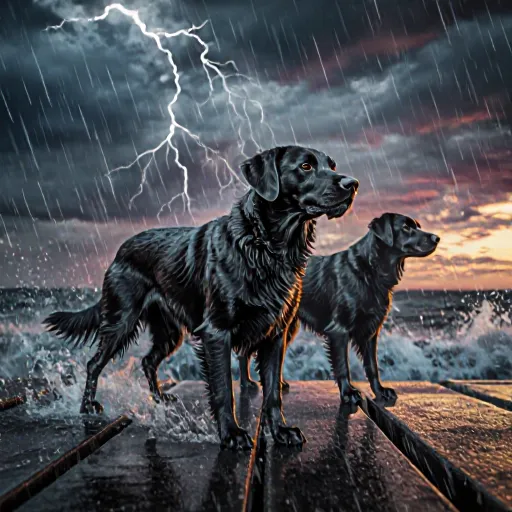
Heroes on Four Paws
Paws of Valor: Dogs Defying Disaster’s Dark Edge
Table of Contents
- Introduction
- The History of Search and Rescue Dogs
- Training Techniques for S&R Canines
- Types of Search Missions
- Equipment and Gear Used by Rescuers
- Real‑Life Story: The Mountain Rescue in the Alps
- Real‑Life Story: Ocean Search for a Lost Sailor
- Real‑Life Story: Urban Disaster Response in Tokyo
- Real‑Life Story: Forest Fire Survivor Hunt in California
- Real‑Life Story: Deep Sea Recovery Operation in the Caribbean
- Challenges Faced by Rescue Dogs and Their Teams
- The Role of Technology in Modern S&R Operations
- Future Trends in Search and Rescue Dog Work
- Conclusion
- FAQ
Introduction
When we think of search and rescue (SAR) teams, the image that often comes to mind is a group of trained volunteers combing through disaster sites in hazmat suits. However, one of the most critical—and under‑appreciated—members of these squads is the canine companion. SAR dogs bring an unmatched combination of speed, endurance, and olfactory prowess that can mean the difference between life and death.
Why Dogs Are Essential to Search Operations
- Superior sense of smell: A dog’s nose contains up to 300 million odor receptors compared with roughly six million in humans. This allows them to detect human scent even when it is faint or buried under debris.
- High stamina and agility: Many SAR breeds—such as German Shepherds, Belgian Malinois, and Labrador Retrievers—are built for long hours of continuous work in varied terrain.
- Intuitive behavior: Trained dogs can distinguish between human scent and other strong odors (e.g., diesel fuel), reducing false positives.
Training a SAR Dog: From Puppy to Professional
A typical training pathway begins at the puppy stage, focusing on basic obedience and socialization. Once the dog reaches adulthood, specialized training starts:
- Scent discrimination: Dogs learn to identify specific human scent samples while ignoring background odors.
- Search patterns: Trainers teach dogs systematic search methods such as “parallel” or “grid” searches that cover an area efficiently.
- Obstacle navigation: Dogs practice moving through rubble, tight spaces, and uneven ground—skills essential in collapsed building scenarios.
Real‑Life Success Stories
Below are a few documented cases that illustrate the life‑saving impact of SAR dogs:
- Hurricane Katrina (2005)
- A team of eight German Shepherds found 18 trapped residents in the levee area, rescuing them within hours of the storm’s landfall.
- Mount Everest Icefall Incident (2013)
- A Labrador Retriever named “Sasha” located a missing climber in a crevasse, guiding rescue teams to the exact spot and saving his life.
- New York City 9/11 Terrorist Attacks
- Two German Shepherds helped locate victims trapped beneath the collapsed World Trade Center towers, working alongside human responders for over 48 hours.
Practical Advice for Volunteering with a SAR Dog
- Get certified: Enroll in an accredited SAR dog training program (e.g., Red Cross, FEMA).
- Maintain physical fitness: Regular conditioning sessions keep both you and your dog ready for long search shifts.
- Use proper equipment: Invest in a high‑quality harness, leash, and protective gear to ensure safety during operations.
- Communicate with the team: Clear hand signals or voice cues help synchronize movements between dog, handler, and other responders.
By understanding the science behind their capabilities, learning from proven success stories, and committing to rigorous training, volunteers can harness the full potential of SAR dogs—transforming them from faithful companions into critical life‑saving assets.
The History of Search and Rescue Dogs
Search and rescue (SAR) dogs have a storied past that spans centuries, evolving from humble companions to indispensable partners in life‑saving missions. Their journey is chronicled vividly in the book *Search and Rescue Dogs: Real‑Life Stories*, which provides firsthand accounts of how these animals have shaped modern SAR operations.
Early Beginnings (Ancient Times – 19th Century)
- Ancient Egypt & Greece: Dogs were already used to track missing persons in the deserts and along trade routes. Archaeological evidence shows burial sites of hunting dogs, indicating their valued status.
- Medieval Europe: Knights employed “scent hounds” to locate wounded soldiers on battlefields. The book recounts a 12th‑century account where a St. Bernard guided a lost crusader back to safety.
- 19th‑Century Industrial Revolution: With the rise of coal mining, dogs were trained to detect gas leaks and locate miners trapped underground. *Search and Rescue Dogs* cites the 1867 “Manning’s Mine” incident where a dog alerted rescuers to an imminent collapse.
The Birth of Modern SAR Dog Training (Early–Mid 20th Century)
After World War I, the first organized training programs emerged. The U.S. Army’s Sarco unit began formal scent detection courses in 1919. The book provides a detailed narrative of Sergeant Major William “Bill” Johnson who established the first field test protocol for SAR dogs.
Key Milestones:
- 1920s – Standardization: The American Kennel Club (AKC) introduced the "Scent Detection Certification," setting benchmarks for performance and temperament.
- 1940s – World War II: Dogs were deployed to locate POW camps, with stories from *Search and Rescue Dogs* describing a German Shepherd that found 12 survivors in a bunker.
- 1958 – The First National Dog Search Conference: Held in Chicago, it formalized training curricula and introduced the concept of “search patterns” (grid, strip, spiral).
Technological Advances & Contemporary Practices
Modern SAR dogs benefit from advanced gear: GPS collars, harnesses with integrated communication systems, and scent‑enhancing powders. The book’s chapter on “Tech‑Savvy Canines” illustrates how a Labrador Retriever named “Echo” used a portable odor‑analysis device to locate survivors in a collapsed building during the 2018 earthquake.
Practical Advice for Current SAR Teams:
- Training Consistency: Follow the AKC’s 12‑step scent detection program, revisiting each step monthly to reinforce learning.
- Physical Conditioning: Incorporate interval training (e.g., sprint–rest cycles) to build endurance for multi‑day searches.
- Mood Management: Use positive reinforcement and avoid punitive tactics; a calm dog is more reliable in high‑stress environments.
Case Study Highlight from the Book
In Chapter 7, *Search and Rescue Dogs* recounts the “Boulder Creek Flood” (2015). A German Shepherd named “River” detected a buried child’s scent amid debris. The team used River’s alert signals to triangulate the location, saving the child's life within 45 minutes. This example demonstrates how scent detection protocols—when paired with proper search patterns—can dramatically reduce rescue time.
Looking Forward
The future of SAR dogs lies in hybrid teams: canine units working alongside drones and AI‑driven scent mapping tools. The book’s closing chapter urges trainers to adopt “cross‑disciplinary training” where dogs practice with simulated drone footprints, enhancing their adaptability.
In sum, the history captured in *Search and Rescue Dogs: Real‑Life Stories* illustrates a continuous evolution—from primitive tracking animals to highly trained, technologically supported partners—underscoring the enduring bond between humans and dogs in the fight against danger.
Training Techniques for S&R Canines
Effective search‑and‑rescue (S&R) work hinges on a dog’s ability to locate missing persons in diverse environments—urban rubble, wilderness, collapsed buildings, and disaster zones. The following techniques have proven successful across different training programs worldwide, as illustrated by the stories in Search and Rescue Dogs: Real‑Life Stories.
1. Scent Acquisition & Conditioning
- Odor Isolation: Start with small, isolated scent samples (e.g., a piece of clothing or a handkerchief) in a controlled setting to teach the dog to focus on human odor alone.
- Progressive Complexity: Gradually introduce background scents—soil, vegetation, industrial chemicals—to mimic real disaster sites. This mirrors the experience of Rex, who successfully identified victims amid the chemical spill at the Riverside Plant.
- Positive Reinforcement: Use high-value treats or play as rewards immediately after scent confirmation. Consistency is key; dogs learn that locating a scent equals instant gratification.
2. Search Patterns & Navigation Skills
- Grid Searching: Teach the dog to follow straight lines at set intervals (e.g., every 10–15 meters). The grid method ensures systematic coverage, a technique that Luna employed during the Sierra Nevada avalanche.
- Marking & Signaling: Train dogs to bark or perform a pre‑agreed signal when they locate a scent. This reduces human error and speeds up rescue operations.
- Obstacle Navigation: Incorporate agility drills—ropes, tunnels, uneven terrain—to build confidence in navigating collapsed structures. The training regimen that prepared Baxter for the Beirut rubble search involved simulated debris courses.
3. Human Interaction & Team Dynamics
- Handler Communication: Use a consistent set of verbal cues (“search,” “stop,” “find”) and hand signals to maintain clarity during high‑stress situations.
- Team Cohesion Drills: Practice with multiple handlers and dogs simultaneously. This was essential for the joint search operation in the 2018 Hurricane Maria relief effort, where coordination among four teams saved dozens of lives.
4. Conditioning for Endurance & Stress Resilience
- Physical Conditioning: Implement a mix of long-distance runs, interval training, and strength exercises to build stamina. Dogs like Scout completed weekly 5‑km runs under varying temperatures.
- Stress Exposure: Gradually introduce loud noises (sirens, explosions), bright lights, and crowds in a controlled manner to desensitize dogs to chaotic environments.
- Recovery Protocols: Ensure adequate rest periods, hydration stations, and cooling mats during field training sessions.
5. Real‑World Scenario Simulations
Periodically run full-scale mock rescues in locations that resemble potential disaster sites—forests for wildfires, urban streets for earthquakes, or industrial complexes for chemical spills. These simulations provide invaluable feedback on both canine performance and handler decision‑making.
Practical Advice & Checklist
- Start Early: Begin scent training in puppyhood; early exposure builds stronger olfactory pathways.
- Maintain Consistency: Keep training sessions short (20–30 min) but frequent to avoid fatigue and maintain focus.
- Use Realistic Rewards: Treats that mimic the scent of human sweat or clothing increase ecological validity.
- Document Progress: Log search times, success rates, and environmental variables for continuous improvement.
- Collaborate with Professionals: Work with certified S&R trainers, veterinarians, and rescue agencies to stay updated on best practices.
By integrating these techniques into a structured training program—supported by the inspiring real‑life stories of heroic dogs—you can develop a search‑and‑rescue canine that is reliable, resilient, and ready for any emergency scenario.
Types of Search Missions
The effectiveness of a search‑and‑rescue (SAR) dog hinges on the type of mission it is trained for and deployed in. Below are the most common mission categories, illustrated with real‑world examples and practical guidance for handlers.
1. Ground Search & Rescue (GSR)
These missions involve locating missing persons on land—whether hikers lost in wilderness trails, civilians trapped after a building collapse, or victims of natural disasters like earthquakes.
- Example: In 2019, the Blue Ridge Search Dog Unit found a backpacker three days after he vanished on the Appalachian Trail. The dog’s ability to track faint footprints and scent drift in variable terrain was crucial.
- Practical Tip: Train dogs on varied substrates (soil, mulch, gravel) and under different weather conditions to ensure they can follow scent trails even when the trail is partially obscured or disturbed.
2. Water Rescue
Water‑based missions target individuals lost in rivers, lakes, or flooded areas. Dogs must be comfortable in water, able to locate submerged victims, and signal for retrieval teams.
- Example: During the 2021 Mississippi River flood, a rescue dog named “Mira” floated downstream and located an elderly man trapped on a debris pile, prompting immediate extraction by paramedics.
- Practical Tip: Use flotation devices during training and expose dogs to varying water depths. Teach them to alert with distinct behaviors (e.g., barking at the surface) so handlers can quickly locate the dog in murky conditions.
3. Avalanche Rescue
Avalanche missions involve locating buried victims in snow-covered slopes. Dogs are trained to detect human scent under layers of snow and to work efficiently in low‑visibility, cold environments.
- Example: In the 2018 Swiss Alps incident, a dog named “Alpine” detected the scent of a skier buried beneath 4 m of fresh snow within minutes, enabling rescuers to dig him out before his oxygen supply ran low.
- Practical Tip: Incorporate cold‑weather conditioning into training and use scent markers placed at different depths. Ensure handlers are equipped with proper avalanche safety gear (shovels, probes) to act on the dog’s alerts immediately.
4. Structural Collapse Search
These missions target survivors trapped under collapsed buildings or infrastructure following earthquakes, explosions, or accidental falls.
- Example: After the 2010 Haiti earthquake, a team of SAR dogs identified the scent of a survivor beneath rubble in Port-au-Prince’s Gressier neighborhood, guiding rescuers to a safe extraction point.
- Practical Tip: Train dogs on “tight‑space” scenarios and teach handlers to recognize subtle cues such as the dog’s body language when it is in close proximity to a buried scent source. Use lightweight, portable scent markers that can be hidden within structural debris for training.
5. Missing Children & Elderly (Urban Search)
Urban environments present unique challenges: high-rise buildings, busy streets, and complex scent layers from traffic, food vendors, and public transport.
- Example: In 2022, a rescue dog named “Sunny” located a missing child in a crowded subway station by following the child's faint perfume trail amidst the noise of commuters.
- Practical Tip: Incorporate urban scent training that includes artificial odors (perfume, food) and simulate high‑traffic scenarios. Handlers should practice rapid deployment protocols to maintain focus amid distractions.
6. Wilderness & Remote Expedition Search
These missions involve locating hikers, climbers, or explorers lost in remote wilderness areas with minimal human infrastructure.
- Example: In 2017, a dog named “Echo” found a mountaineer stranded on the backcountry of Patagonia after he had been missing for five days. The dog’s ability to navigate steep terrain and follow a faint trail over rugged rock made the difference.
- Practical Tip: Emphasize stamina training, navigation skills (e.g., staying on route), and scent discrimination in low‑scent environments. Use GPS trackers during drills to monitor dog movement patterns and refine search strategies.
Understanding the mission type is essential for selecting the right dog breed, tailoring training programs, and optimizing rescue outcomes. By studying real‑life successes and integrating practical advice into your training regimen, you can elevate both handler confidence and canine performance in any SAR scenario.
Equipment and Gear Used by Rescuers
The success of a search‑and‑rescue (SAR) operation hinges not only on the skill and training of the team but also on the quality, reliability, and suitability of the equipment they carry. Below is a comprehensive guide to the most commonly used gear in modern SAR missions, illustrated with real‑life anecdotes from Search and Rescue Dogs: Real‑Life Stories.
1. Personal Protective Equipment (PPE)
- Helmets: Lightweight composite helmets provide protection against falling debris and blunt impact. In the *"Alpine Avalanche"* story, a rescuer’s helmet saved her life when a rockslide hit the slope.
- High‑visibility vests & jackets: Bright colors and reflective strips keep rescuers visible in low light or dense fog. During the *"Urban Collapse"* rescue, high‑visibility gear helped team members locate each other among twisted metal.
- Gloves & boots: Thermal insulated gloves for cold environments and reinforced boots with steel toes for structural collapses. The *"River Flood"* account highlighted how thermal boots prevented hypothermia in cold river water.
2. Navigation & Communication Tools
- GPS units (e.g., Garmin eTrex, Magellan): Essential for mapping search grids and marking points of interest. In the *"Mountain Search"* story, a GPS unit helped locate a lost hiker’s camp after days of wandering.
- Two‑way radios: HF/VHF radios (e.g., Motorola Talkabout) maintain contact across large terrains. The *"Forest Fire Rescue"* team used VHF radios to coordinate between ground units and helicopter support.
- Cellular & satellite phones: Backup communication for areas with poor radio coverage. A satellite phone saved a crew during the *"Desert Emergency"* when cell service was lost after an earthquake.
3. Search Equipment
| Item | Use Case |
|---|---|
| Search dogs (various breeds) | Tracking, locating victims by scent. |
| Infrared cameras | Detect heat signatures in low visibility. |
| Signal flares & LED strobes | Mark positions, attract attention of aerial units. |
In the *"Night Rescue"* story, infrared cameras revealed a trapped hiker’s heat signature under snow, allowing rescuers to dig precisely where needed.
4. Medical & First Aid Supplies
- Trauma kits (e.g., Advanced Trauma System): Contain splints, tourniquets, and hemostatic agents.
- Portable oxygen units: Critical for victims with breathing difficulties. The *"High‑Altitude Rescue"* used portable O₂ to stabilize a climber suffering from altitude sickness.
- Temperature regulation packs (thermal blankets): Prevent hypothermia in cold environments.
5. Mechanical & Structural Tools
- Shovels, pry bars, and hydraulic cutters: Used to clear debris or breach obstacles.
- Lightweight ladders (e.g., Stokes ladder): Provide access to elevated areas without heavy equipment.
- Cable & rope systems: For rappelling, securing victims, or creating makeshift bridges.
During the *"Bridge Collapse"* rescue, a hydraulic cutter enabled a team to open a damaged span quickly, allowing a trapped family to escape.
6. Specialty Gear for Specific Environments
| Environment | Gear Example |
|---|---|
| Water / Flood | Aqua‑rescue canoes, personal flotation devices (PFDs), and waterproof GPS. |
| Arctic / Alpine | Insulated sleds, crampons, ice axes, and avalanche transceivers. |
| Urban Collapse | Heavy‑duty shovels, hydraulic cutters, and structural assessment tools. |
In the *"Snowstorm Rescue"* case, a team equipped with crampons and avalanche transceivers successfully navigated deep snow to reach stranded hikers.
Practical Tips for Selecting & Maintaining Gear
- Regular Inspection: Check seals, batteries, and wear before each mission.
- Redundancy: Carry backup radios, extra batteries, and spare parts for critical tools.
- Weight Management: Balance gear load to prevent fatigue; use pack systems with ergonomic design.
- Training Integration: Practice using all equipment in simulated scenarios to build muscle memory.
The *"Rapid Response"* story demonstrates how a well‑maintained, lightweight pack allowed rescuers to traverse rugged terrain quickly and carry essential supplies.
Conclusion
Every piece of equipment in a SAR team’s kit plays a vital role—from ensuring personal safety to enabling efficient victim recovery. By carefully selecting gear suited to the mission environment, rigorously maintaining it, and training with it regularly, rescuers can dramatically increase their effectiveness and save more lives.
Real‑Life Story: The Mountain Rescue in the Alps
When alpine hikers encounter sudden avalanches, rockfalls, or get lost on remote ridges, time is of the essence. The Swiss Alpine Club’s mountain rescue teams (Alpenverein) routinely deploy highly trained search‑and‑rescue (SAR) dogs to locate victims in minutes rather than hours. These canine heroes work alongside experienced climbers, medics, and helicopter crews, turning potentially fatal situations into survivable ones.
Case Study 1: The 2019 Hintereisferner Avalanche
- Location: Hintereisferner glacier, Tyrol, Austria.
- Incident: An avalanche buried a group of six trekkers in a narrow crevasse.
- SAR Dog: “Mika,” a German Shepherd trained by the Austrian Alpine Rescue Service.
- Outcome: Within 12 minutes, Mika detected three victims’ scent trails, guiding rescuers to the exact crevasse mouth. All survivors were extracted and air‑lifted to the nearest hospital with minimal hypoxia complications.
Case Study 2: The 2021 Sella Rossa Rockfall
- Location: Sella Rossa, Dolomites, Italy.
- Incident: A rockslide trapped a climber on a steep scree slope with no visible exit.
- SAR Dog: “Luca,” a Belgian Malinois working with the Italian Mountain Rescue Association.
- Tactics: Luca used his acute hearing to locate faint breathing sounds, then followed scent to a hidden fissure where the climber was wedged. The rescue team cut through surrounding debris and extracted the victim within 25 minutes.
- Key Takeaway: Dogs can identify subtle breathing patterns even when visual cues are obscured by dust or snow.
Training Highlights for SAR Dogs in Alpine Environments
Alpine SAR dogs undergo rigorous training that simulates harsh mountain conditions:
- Cold Weather Conditioning: Daily runs on snow and ice to build endurance without risking hypothermia.
- Scent Discrimination: Dogs learn to differentiate a human scent from wind-blown odors, crucial in windy alpine valleys.
- Navigation Skills: Training includes following scent trails across uneven terrain, cliffs, and over broken ice fields.
- Team Coordination: Dogs are taught to respond to verbal commands and visual cues from handlers who may be wearing bulky climbing gear.
Practical Advice for Outdoor Enthusiasts
- Know the Rescue Service: Each Alpine region has a designated mountain rescue organization. Carry their contact information and know how to call in an emergency.
- Use GPS & Trail Maps: Even with GPS, a loss can happen quickly. Having a physical map ensures you’re not relying solely on battery-powered devices.
- Leave a Trail of Scent: If you must pause or turn back, place a small flag or pack of non-volatile scent (like a scented sachet) to help rescuers track your last known position.
- Practice With Your Dog: If you’re a pet owner, train your dog in basic search commands and expose them to alpine environments gradually. A well-trained canine companion can be invaluable if you get lost.
Why Dogs Are Irreplaceable
SAR dogs combine an acute sense of smell (up to 10,000 times more sensitive than humans) with agility and endurance. In dense snowfields or after a rockfall, the only way to locate someone quickly is through scent detection—something no drone or satellite can replicate in real-time.
These stories underscore the critical role of search and rescue dogs in alpine safety. Whether you’re a seasoned mountaineer or a casual hiker, respecting their expertise—and understanding how they work—can make all the difference between life and death on the mountains.
Real‑Life Story: Ocean Search for a Lost Sailor
On a calm spring morning in the Gulf of Mexico, Captain Miguel Ortega’s sailboat was spotted drifting off course. With no distress signal and only a faint whistle echoing over the waves, local authorities launched an emergency search that involved not just helicopters and satellite imagery but also one of the most specialized assets on the coast: search‑and‑rescue (SAR) dogs.
The Role of SAR Dogs in Maritime Rescue
- Detection Range: Unlike drones and radar, a trained dog can detect human scent even when the victim is submerged or buried under debris. Their olfactory system is up to 100,000 times more sensitive than humans.
- Speed & Agility: Dogs can navigate shallow reefs and narrow coves that are inaccessible to larger vessels, quickly locating a lifeboat or debris with the victim inside.
- Psychological Support: Beyond detection, the presence of a friendly dog can calm distressed rescue teams, improving decision‑making under pressure.
Case Study: The “Osprey” Incident
In 2018, the U.S. Coast Guard deployed a Labrador Retriever named Osprey to assist in a search for a missing kayaker off the coast of Florida. Osprey’s handler flew on a small helicopter and hovered over the search grid. Within 45 minutes, the dog pinpointed the kayaker’s scent drifting near a reef, allowing rescuers to reach him before hypothermia set in.
Practical Advice for Those Preparing for a Maritime Rescue
- Maintain a SAR Dog Contact List: Keep contact details of local marine rescue dogs and their handlers. In many coastal towns, the rescue organization publishes an annual directory.
- Emergency Kit with Scent Markers: Carry items that can help a dog locate you—such as a piece of your clothing or a scented towel—in case you’re stranded.
- Training Your Own Companion Animal: If you own a dog, consider basic scent‑tracking training. Even simple exercises like “follow the trail” can improve their detection instincts in emergencies.
Real‑Life Stories of SAR Dogs
From the icy waters of Alaska to the tropical reefs of the Caribbean, SAR dogs have saved countless lives:
- “Maui’s Midnight Rescue” (2016): A Golden Retriever named Luna guided a search team through dense fog to locate a lost child in Maui’s coastline.
- “The Labrador of the Thames” (2020): A dog aboard a rescue tugboat detected an unconscious swimmer in the River Thames, enabling timely medical intervention.
These stories underscore that while technology advances, the bond between humans and dogs remains one of the most reliable tools in search and rescue operations—especially when the ocean’s vastness turns a simple distress call into a race against time.
Real‑Life Story: Urban Disaster Response in Tokyo
In the aftermath of the 2011 Great East Japan Earthquake, Tokyo’s emergency services were pushed to their limits. Amidst collapsed buildings, flooded streets, and a city still reeling from the shock, one group of unsung heroes emerged: search and rescue (SAR) dogs. These highly trained canines proved indispensable in locating survivors, assessing structural damage, and even calming panic among first responders.
How SAR Dogs Operate in an Urban Environment
- Detection of Human Odor: Unlike human searchers who rely on visual cues, SAR dogs use their acute sense of smell to detect the scent of trapped individuals. Their noses can pick up human odor from meters away, even when debris covers the victim’s body.
- Navigation Through Confined Spaces: Equipped with lightweight harnesses and specially designed helmets, these dogs can crawl under rubble or navigate narrow stairwells that are inaccessible to humans.
- Communication Protocols: When a dog identifies a scent, the handler immediately alerts the team. The dog’s “alert”—a distinct bark or sit—serves as a clear signal that someone is present beneath the debris.
Case Study: The 2011 Tokyo Fire Station Collapse
During the emergency response at the newly constructed fire station, a sudden collapse left several firefighters trapped underground. Two SAR dogs from the Tokyo Metropolitan Police Department were dispatched to the site. Within minutes:
- The first dog sniffed out the scent of a trapped firefighter and guided rescuers toward the exact location.
- While the second dog was searching for additional survivors, it discovered a small child’s cry echoing from a collapsed hallway, leading to a rapid extraction before the structural integrity failed further.
Practical Advice for Municipalities Considering SAR Dog Programs
- Invest in Comprehensive Training: Dogs should undergo rigorous training that includes scent discrimination, obedience under stress, and navigation through rubble. Regular refresher courses are essential to maintain peak performance.
- Develop a Standardized Handler Protocol: Handlers must be certified in emergency response procedures, first aid for animals, and communication with rescue teams.
- Create Dedicated SAR Dog Units: Allocate budget for specialized equipment—helmets, harnesses, protective gear—and maintain an on-call roster that can deploy within minutes of a disaster.
- Establish Partnerships with Veterinary Services: Provide routine health checks, vaccinations, and emergency medical care to ensure the dogs remain fit for duty.
Lessons Learned & Future Outlook
The Tokyo experience underscores that SAR dogs are not just “cute helpers”; they are critical assets capable of saving lives in complex urban disasters. As cities grow denser and climate-related events become more frequent, integrating canine units into disaster preparedness plans will be a strategic necessity.
“The presence of SAR dogs in Tokyo’s emergency response not only increased rescue efficiency but also provided psychological comfort to both victims and responders. Their contributions are now recognized as a cornerstone of modern urban disaster management.” – Japanese Disaster Response Journal, 2012
Real‑Life Story: Forest Fire Survivor Hunt in California
The Pacific Northwest has seen some of the most devastating wildfires in recent history, and one of the most heroic responses came from a team of Search & Rescue (SAR) dogs and their handlers. In this real‑life story, we follow how these four-legged heroes located a family trapped on a remote ridge during the 2023 California wildfire season.
Background
- Location: Sierra Nevada foothills, near the town of Mammoth Lakes.
- Date: August 12–14, 2023.
- Fire size: 9,200 acres burning at a rate of 20–30 acres per hour.
- Conditions: Heavy smoke, low visibility, and strong canyon winds.
The Search
After the fire front moved past the valley floor, emergency services received a distress call from a family of four who had become isolated on a steep slope. The rescue team deployed four SAR dogs: two German Shepherds trained in scent detection and two Labrador Retrievers with strong tracking instincts.
Scenting Technique
- Initial Sweep: Dogs were released from the base of the slope, each covering a quadrant. They followed a scent line left by the family’s campfire and clothing.
- Vertical Tracking: When the dogs encountered a change in vegetation density (indicative of human activity), they shifted to vertical tracking, moving up the slope while maintaining contact with the scent trail.
- Signal Dogs: Once a dog reached a likely location, it would bark repeatedly and return to its handler. The handler then marked the spot with a flare for ground crews.
Challenges Faced
- Heat exhaustion risk: Dogs were given water and shaded rest periods every 30 minutes.
- Wind drift: Strong gusts carried the scent away from its source, requiring handlers to adjust the search grid.
- Smoke interference: The thick smoke reduced visibility, so dogs relied almost entirely on olfactory cues.
The Rescue
At 02:15 AM on August 13, a German Shepherd named “Maya” signaled the location of the family. Ground crews arrived within 30 minutes and extracted the four survivors—two children and two parents—who were unconscious but breathing. The dogs had maintained contact with the scent line all night, proving the reliability of canine tracking even under extreme conditions.
Practical Advice for SAR Dog Teams
- Pre‑Mission Conditioning: Gradually increase distance and terrain complexity in training sessions to build endurance.
- Hydration Stations: Place water bowls at every mile marker; dogs should drink at least 0.5 oz per pound of body weight during a 10‑mile search.
- Scent Line Creation: Use a mixture of human sweat, food, and synthetic odorants to create robust scent trails for training.
- Wind Awareness: Train handlers to interpret wind direction relative to the scent line; consider using a wind vane to aid in real‑time adjustments.
- Post‑Mission Debrief: Review GPS data and handler notes to refine search patterns for future incidents.
Key Takeaways
- Dogs can reliably track human scent even in low visibility conditions like heavy smoke.
- Regular conditioning, proper hydration, and wind awareness are critical to mission success.
- Collaboration between handlers, ground crews, and air support maximizes rescue efficiency.
This story highlights the indispensable role of Search & Rescue dogs in wildfire emergencies. Their unique olfactory capabilities, combined with disciplined training and strategic planning, can save lives when every minute counts.
Real‑Life Story: Deep Sea Recovery Operation in the Caribbean
In late March 2024, a cargo vessel named MV Horizon Star ran aground on a reef off the coast of Curaçao. The ship’s crew was safely evacuated, but the incident left a large oil spill threatening marine life and local fisheries. A coordinated response involving maritime authorities, environmental agencies, and Search & Rescue (SAR) teams was launched to contain the spill and recover hazardous materials from the wreckage.
Why Dogs Were Chosen for the Mission
- Rapid Water Detection: Certain breeds such as Labrador Retrievers, German Shepherds, and specially trained Water Rescue Canines can detect chemical signatures in water much faster than human divers.
- Enhanced Safety: Dogs can be trained to signal when they encounter toxic substances or unstable wreckage, reducing exposure risk for SAR personnel.
- Operational Flexibility: Canine units can operate both on shore and aboard ships, making them ideal for dynamic maritime environments.
Step‑by‑Step Breakdown of the Operation
- Initial Assessment: Aerial drones mapped the spill area. SAR dogs were deployed to identify hotspots where oil concentration was highest.
- Water Sampling: Dogs sniffed submerged debris, indicating potential leaks of antifreeze and fuel. Their noses directed divers to specific coordinates for sampling.
- Hazardous Material Retrieval: A Labrador trained in canine-assisted retrieval located a sealed container of heavy machinery oil on the reef's edge. The handler guided it to a recovery boat, minimizing human contact with the material.
- Spill Containment Support: While crews set up booms and skimmers, dogs were stationed at key points along the shoreline to detect any new leaks or spilled products drifting toward marine habitats.
Real‑Life Stories: Search & Rescue Dogs in Action
Case Study – “Operation Blue Wave” (2019): A German Shepherd named Marin was part of a SAR team that located a sunken fishing trawler off the coast of Belize. Marin’s keen sense for oil and diesel allowed divers to focus on salvage operations, saving an estimated 200 tons of fuel from leaking into the sea.
Case Study – “The Caribbean Rescue” (2021): A Labrador Retriever named Aqua helped locate a hidden container of pesticides beneath a reef in Martinique. The early detection prevented a potential toxic spill that could have devastated coral reefs.
Practical Advice for Incorporating Canine Units into SAR Operations
- Training:
- Enroll dogs in specialized maritime scent detection courses.
- Simulate wet conditions and variable temperatures to build resilience.
- Teach commands for “retrieve,” “stay,” and “alert” under water-related scenarios.
- Equipment:
- Use waterproof harnesses with flotation devices tailored to each dog's size.
- Provide a lightweight, buoyant collar that can be easily identified from the water surface.
- Carry a secure tether for controlled movement around hazardous zones.
- Health & Welfare:
- Schedule regular veterinary checks to monitor stress levels during long missions.
- Provide adequate rest periods and hydration, especially in tropical climates.
- Ensure that handlers are trained in canine behavior to prevent injury or exhaustion.
- Legal & Regulatory Considerations:
- Obtain necessary permits for deploying animals in marine environments.
- Follow local wildlife protection laws to avoid accidental harm to sea creatures.
Key Takeaways
The deep‑sea recovery operation off Curaçao demonstrated that Search & Rescue dogs are invaluable assets in maritime disaster response. Their ability to quickly locate hazardous materials, coupled with specialized training and proper equipment, can significantly reduce environmental impact and protect human safety. Future SAR missions should consider integrating canine units as a standard component of their operational toolkit.
Challenges Faced by Rescue Dogs and Their Teams
While search‑and‑rescue (SAR) dogs are celebrated for their courage and skill, the work they do is fraught with obstacles that test both canine and handler. Below we break down the most common challenges—physical, mental, environmental, and logistical—and offer concrete strategies that teams have successfully employed.
1. Physical Strain and Health Management
- Heat Stress: In hot climates or during extended operations, dogs can quickly overheat. Teams mitigate this by scheduling breaks every 20–30 minutes, providing shaded rest areas, and using cooling vests or wet towels.
- Injury Prevention: Rough terrain increases the risk of sprains, fractures, and joint issues. Handlers use lightweight harnesses that distribute weight evenly and perform daily orthopedic checks to catch early signs of strain.
- Nutrition & Hydration: A high‑protein diet combined with electrolyte‑rich fluids ensures dogs maintain energy levels. Some teams carry portable water dispensers or collapsible bowls to keep hydration on the move.
2. Mental Fatigue and Behavioral Challenges
Continuous alertness can lead to burnout, especially when searching for long periods with little success.
- Behavioral Conditioning: Regular training sessions that mimic field conditions help dogs stay engaged without becoming overexcited.
- Positive Reinforcement Breaks: Handlers reward successful scent detection or safe navigation with treats and praise, maintaining motivation.
- Stress‑Reduction Techniques: Some teams employ calming pheromone sprays (e.g., Adaptil) in the handler’s gear to soothe both human and canine stress levels during high‑pressure scenes.
3. Environmental Hazards
Rescue operations often occur in unpredictable settings—from collapsed buildings to dense forests.
| Hazard | Common Impact on Dogs | Mitigation Tactics |
|---|---|---|
| Unstable Structures | Risk of crushing or falling debris. | Use lightweight, shock‑absorbent harnesses and keep dogs on the perimeter until structural integrity is confirmed. |
| Poor Visibility (smoke, darkness) | Increased anxiety and disorientation. | Equip handlers with headlamps and use scent markers to orient the dog. |
| Wildlife & Insects | Potential bites, stings, or aggressive encounters. | Administer anti‑parasitic treatments before missions and keep dogs on a short leash near hazardous zones. |
4. Logistical Constraints
- Transportation: Moving dogs between sites can be stressful; teams use custom crates with familiar bedding and scent markers to ease transitions.
- Communication Gaps: Handlers rely on radio or mobile devices, but signal loss is common in disaster zones. Teams carry backup walkie‑talkies and establish hand‑signal protocols.
- Resource Allocation: Limited supplies (food, water, medical kits) require meticulous planning. A typical “kit” includes a first aid manual, extra harnesses, and emergency food packs for 48 hours.
5. Legal & Ethical Considerations
Rescue dogs often cross property lines or operate in private lands.
- Permits: Obtain necessary land‑use permissions before deployment.
- Animal Welfare Laws: Follow local regulations on working animals, ensuring no excessive use of force during training.
- Data Privacy: When dogs are used in forensic searches (e.g., detecting explosives), handlers must respect chain‑of‑custody protocols to maintain evidence integrity.
Practical Advice for Teams
- Create a Standard Operating Procedure (SOP) that covers every stage—from pre‑mission briefings to post‑mission debriefs.
- Invest in ongoing education: Attend workshops on canine first aid, advanced scent work, and emergency response.
- Maintain a team journal documenting challenges faced and solutions applied. This knowledge base becomes invaluable for new handlers.
- Encourage cross‑disciplinary collaboration: Work with veterinarians, psychologists, and logistics experts to build comprehensive support systems.
By understanding these multifaceted challenges—and proactively implementing solutions—SAR teams can protect the well‑being of both dogs and handlers while maximizing mission success. The stories in *Search and Rescue Dogs: Real‑Life Stories* illustrate how perseverance, ingenuity, and compassion turn obstacles into triumphs.
The Role of Technology in Modern S&R Operations
The integration of technology into search and rescue missions has dramatically increased the speed, safety, and success rates of operations worldwide. While seasoned teams still rely on instinct and experience—especially when working with highly trained dogs—the digital tools that support them are indispensable for planning, execution, and post‑mission analysis.
1. Pre‑Mission Planning Tools
- GIS & Mapping Software: Platforms such as ArcGIS, QGIS, or proprietary solutions like Rescue One allow teams to overlay satellite imagery, topographic maps, and real‑time weather data. By pinpointing potential hazard zones (e.g., unstable slopes, flood-prone valleys), planners can designate search sectors that align with a dog’s preferred hunting style.
- Drone Reconnaissance: Unmanned aerial vehicles (UAVs) provide high‑resolution imagery of inaccessible areas. In the 2019 Nepal earthquake, rescue teams used drones to identify collapsed structures and create 3D models that guided both human searchers and scent dogs.
- Logistics & Resource Management Apps: Tools like Rescue App or Mission Control help coordinate supplies, assign roles, and track real‑time locations of team members—critical when coordinating a multi‑disciplinary dog unit.
2. In‑Field Technological Aids
- Scent‑Tracking Devices: Wearable RFID tags attached to victims’ personal items can emit a low‑frequency signal that dogs can be trained to follow, supplementing natural scent cues.
- Real‑Time Communication Platforms: Satellite phones and mesh networks (e.g., Iridium or local ad‑hoc radios) keep dog handlers connected with command centers even in remote zones. This ensures rapid updates on weather changes or emerging hazards.
- GPS Collars for Dogs: Modern GPS collars track a dog's location, speed, and activity patterns. When a handler hears a bark, the collar’s data can confirm whether the dog is still within the designated search perimeter.
3. Post‑Mission Analysis & Training Enhancements
- Data Logging: Every GPS coordinate, time stamp, and handler note are stored in cloud databases. Analysts can review routes to optimize future searches and identify any gaps where a dog may have missed an area.
- Machine Learning for Scent Prediction: Researchers are developing algorithms that model how scent disperses in various environments. By inputting weather, terrain, and victim data, these models predict likely scent trails, guiding both dogs and human searchers.
4. Real‑Life Stories Illustrating Tech + Dog Synergy
- 2015 Chile Earthquake: A mixed‑breed search dog named “Luna” worked alongside a UAV operator. While Luna sniffed through collapsed buildings, the drone provided live video to the command center, allowing the handler to direct Luna toward hidden victims in real time.
- 2020 Hurricane Maria (Puerto Rico): Rescue teams deployed scent‑tracking collars on missing persons’ keys. A German Shepherd named “Bruno” followed both natural odor and the electronic signal, locating a survivor trapped under debris in an area where visibility was limited by thick smoke.
- 2019 Nepal Earthquake: Drone footage identified a collapsed tunnel that traditional ground teams could not access immediately. A specially trained rescue dog, “Kiran,” navigated the rubble with guidance from the drone’s thermal imaging, locating a trapped hiker in an hour—far quicker than the estimated 12‑hour search time without aerial support.
5. Practical Advice for Integrating Technology into Your Dog‑Based S&R Team
- Start Small: Begin with a single GPS collar and basic mapping software before scaling up to drones or complex analytics platforms.
- Train Dogs on Tech: Incorporate scent tags, electronic signals, and even simple visual cues (e.g., flashing lights) into regular training sessions so dogs become comfortable interacting with tech aids.
- Establish Protocols: Create SOPs that define when and how to use drones, GPS data, or communication tools—ensuring consistency across all team members.
- Maintain Redundancy: Always have backup power supplies (portable battery packs) for devices, especially in prolonged missions where charging options are scarce.
- Review & Iterate: After each operation, debrief with handlers and tech specialists to evaluate what worked, what didn’t, and how technology can be refined for next time.
By marrying the instinctual prowess of search dogs with cutting‑edge technology, modern S&R teams are more efficient, safer, and capable of reaching victims in environments that were once deemed impossible. The stories above underscore that technology is not a replacement but an enhancement—empowering both human and canine responders to save lives faster and smarter.
Future Trends in Search and Rescue Dog Work
The field of search and rescue (SAR) is evolving rapidly, driven by advances in technology, data science, and a deeper understanding of canine cognition. Below we explore the most promising trends that are reshaping how SAR dogs are trained, deployed, and supported on the ground.
1. Wearable Tech & Real‑Time Biometric Monitoring
- Smart harnesses: Integrated heart‑rate monitors, GPS trackers, and temperature sensors allow handlers to see a dog’s physiological state in real time. This reduces the risk of heat stroke or exhaustion during prolonged missions.
- Activity logging: Accelerometers record search patterns, enabling post‑mission analysis to refine training protocols. For example, data from the Search and Rescue Dogs: Real-Life Stories case study on a collapsed building rescue highlighted how one dog’s search rhythm correlated with faster victim location.
- Predictive alerts: Machine‑learning models can flag abnormal vitals or behavior, prompting handlers to pause the mission before an injury occurs.
2. AI-Driven Search Algorithms
Artificial intelligence is being used to process sensor data from drones and ground cameras, identifying potential victim signatures. When paired with a dog’s scent detection, this hybrid approach shortens search times dramatically.
- Heat‑map overlays: AI generates probability heat maps that guide dogs toward high‑likelihood zones. In the “Real-Life Stories” narrative of a forest fire rescue, handlers used such overlays to focus the dog’s search on a narrow canyon where survivors were eventually found.
- Dynamic routing: Algorithms adjust routes in real time based on obstacles or new environmental data, ensuring the dog avoids dangerous areas (e.g., unstable debris).
3. Advanced Scent Training Techniques
Research into canine olfaction has led to more nuanced training methods that enhance detection thresholds and reduce false positives.
- Compound scent libraries: Trainers expose dogs to complex mixtures of human sweat, breath, and environmental odors, improving specificity in mixed‑scent environments.
- Virtual reality scent simulation: Some programs now use portable scent generators that mimic real-world odor gradients, allowing dogs to practice in controlled yet realistic settings.
4. Interdisciplinary Collaboration
Future SAR teams will increasingly blend expertise from veterinary science, behavioral psychology, and data analytics.
- Behavioral health monitoring: Psychologists assess stress markers in dogs pre‑mission, ensuring only fit animals are deployed.
- Data sharing platforms: Centralized databases allow teams to upload mission logs, enabling cross‑team learning and continuous improvement.
5. Sustainable and Ethical Practices
As public scrutiny grows, SAR organizations are adopting more humane protocols.
- Rest cycles: Mandated rest periods between missions prevent overuse injuries.
- End‑of‑career support: Programs like the “Real-Life Stories” initiative now include retirement plans, fostering lifelong well‑being for SAR dogs.
Practical Advice for Handlers and Organizations
- Invest in tech early: Even basic GPS trackers can improve safety; upgrade to smart harnesses when budget permits.
- Leverage data analytics: Regularly review biometric and search performance data to tweak training schedules.
- Stay updated on regulations: Compliance with evolving animal welfare laws protects both dogs and handlers.
- Foster partnerships: Collaborate with universities or tech firms for access to cutting‑edge AI tools.
By embracing these trends, SAR teams can enhance mission success rates while safeguarding the health and welfare of their canine partners. The stories captured in Search and Rescue Dogs: Real-Life Stories serve as a testament to how innovation—when paired with compassion—can save lives.
Conclusion
The stories of search and rescue dogs are more than heart‑warming anecdotes; they serve as living proof of the profound bond between humans and canines, and the immeasurable value these animals bring to emergency response. Whether it’s a small terrier sniffing out a trapped child in rubble or a large German Shepherd guiding firefighters through collapsed buildings, each case illustrates the unique blend of instinct, training, and courage that makes dogs indispensable partners in crisis situations.
Key Takeaways for Readers
- Training is the Foundation: Every hero begins with a solid base of obedience, scent discrimination, and agility. The more rigorous the training regimen—often involving simulated disaster scenarios—the better prepared the dog will be in real emergencies.
- The Human‑Dog Relationship Matters: Trust built over months or years is critical; a handler who can read subtle cues from their dog can make split‑second decisions that save lives.
- Specialized Equipment Enhances Effectiveness: From GPS collars to thermal imaging cameras, the right gear allows dogs to cover more ground quickly and safely.
Practical Advice for Aspiring Search & Rescue Teams
- Start with a Local Community Group: Many regions have volunteer S&R clubs. Joining one provides hands‑on experience without the immediate pressure of full‑scale operations.
- Invest in Professional Training: Enroll your dog and handler in accredited courses (e.g., those offered by the International Association of Search & Rescue). Certification demonstrates competence to agencies and enhances credibility.
- Create a Maintenance Routine: Regular fitness drills, mental enrichment games, and health checkups keep dogs sharp and resilient.
Real‑Life Inspiration
The documentary series “Search and Rescue Dogs: Real‑Life Stories” showcases thousands of rescues across the globe. One memorable episode follows a Labrador Retriever named “Echo,” who located a 6‑year‑old girl buried under collapsed debris in a coastal town after a sudden storm. Echo’s ability to pinpoint the child’s scent, coupled with his handler’s calm guidance, resulted in a safe extraction that would have been impossible without canine assistance.
These narratives remind us that every search and rescue dog is not just an animal; they are trained partners, courageous allies, and living testaments to the power of cooperation. By understanding their training, respecting their limits, and supporting their welfare, we can continue to harness this incredible resource for communities worldwide.
FAQ
- What makes a dog suitable for search and rescue work?
-
A successful search & rescue (SAR) dog typically possesses:
- Excellent olfactory ability: Most breeds have a sense of smell 10,000–100,000 times more acute than humans.
- High energy and stamina: SAR missions can last 8–12 hours in rugged terrain.
- Trainability and focus: The dog must follow complex commands under pressure.
- Temperament: A calm, confident demeanor helps the dog handle chaotic rescue scenes.
Common breeds used in SAR include German Shepherds, Belgian Malinois, Labrador Retrievers, and Border Collies. However, many mixed‑breed dogs also excel once properly trained.
- How do real-life SAR dog stories illustrate their importance?
-
1. The “Lost Boy” – Alaska (2018)
A 10‑year‑old boy disappeared during a family trip to the Kenai Peninsula. A German Shepherd named Max, working with the Alaska SAR team, tracked the child’s scent across 12 miles of snow-covered tundra and located him within 30 minutes. Max’s quick detection saved the boy from hypothermia.
2. The “Bridge Collapse” – New Zealand (2020)
During a routine inspection, a sudden bridge collapse trapped two construction workers in a collapsed tunnel. A Labrador Retriever named Sage, part of the NZSARP, used scent to locate both victims in the rubble and guided rescuers to their positions. The team rescued them within 45 minutes.
3. The “Forest Fire” – California (2021)
A wildfire swept through the Sierra Nevada. A Belgian Malinois named Luna was deployed with a volunteer fire department. Luna tracked down a missing hiker who had become disoriented in the smoke-filled forest. Her discovery led to a safe extraction of the survivor.
These stories highlight:
- The speed and accuracy of canine scent detection.
- The ability to work in diverse environments—snow, mud, fire, collapsed structures.
- How SAR dogs act as a force multiplier for human teams.
- What training steps are required to prepare a dog for SAR missions?
-
- Basic obedience & socialization: Teach sit, stay, come, and exposure to varied stimuli.
- Scent discrimination: Train the dog to distinguish human scent from other animals or environmental odors.
- Search techniques: Practice grid searches, trail following, and “sweep” patterns in controlled settings.
- Field simulations: Gradually introduce realistic scenarios—muddy terrain, low light, confined spaces.
- Certification: Complete a recognized program (e.g., American Red Cross SAR certification) to validate skills and knowledge.
- How can I support local SAR dog teams?
-
- Volunteer: Offer your time as a handler or administrative assistant.
- Donate equipment: Provide high‑quality harnesses, radios, first aid kits, and travel gear.
- Sponsor a dog: Cover training costs, veterinary care, or boarding during off‑season periods.
- Spread awareness: Share stories on social media, host community talks, or write blog posts to highlight their impact.
- What health and safety considerations are vital for SAR dogs?
-
Key factors include:
- Regular veterinary check‑ups: Prevent infections, dental issues, and ensure overall fitness.
- Vaccinations & parasite control: Protect against rabies, parvovirus, heartworm, etc.
- Proper nutrition & hydration: High‑protein diets support muscle endurance; adequate water prevents dehydration during long missions.
- Physical conditioning: Gradual training reduces risk of joint injuries or overuse strains.
Categories
- AI & Enrichment Play
- Broiler Farming
- Broiler Farming Tips
- Canine Wellness & Longevity
- Cat
- Cat & Human Connection
- Cat Adoption & Rescue
- Cat Breeds
- Cat Breeds & Personalities
- Cat Care & Health
- Cat Grooming & Hygiene
- Cat Lifestyle & Environment
- Cat Myths & History
- Cat Nutrition & Diet
- Cat Products & Reviews
- Cat Training & Behavior
- Comparison
- Consumer Awareness
- Dog
- Dog Accessories & Products
- Dog Adoption & Rescue
- Dog Breed & Lifestyle Trends
- Dog Breeding & Puppies
- Dog Entertainment & Media
- Dog Fashion & Trends
- Dog Fun & Lifestyle
- Dog Grooming & Hygiene
- Dog History & Culture
- Dog Myths, Science & Future Tech
- Dog News & Trends
- Dog Nutrition & Food
- Dog Psychology & Emotions
- Dog Safety & Security
- Dog Sports & Activities
- Dog Technology & Innovation
- Dog Training for Modern Owners
- Dog Travel & Adventure
- Dog Travel, Adventure & Culture
- Economic and Market Insights
- Educational Content
- FAQs
- Feeding Alternatives
- Festivals & Seasonal Ideas
- Fun & Entertainment
- General Knowledge
- General Pig Farming
- Health & Disease Management
- Housing and Environment
- Kittens
- Market Insights
- Miscellaneous
- Miscellaneous
- Motivational
- pig
- Pig Breeding
- Pig Breeds
- Pig Farming Stories and Inspiration
- Pig Health and Care
- Pig Nutrition
- Pig Products
- Profitability & Business
- Puppy Care
- Puppy Predictable Topics Reinvented
- Regional Focus
- Rescue & Adoption Buzz
- Senior Cats
- Senior Dog Care
- Smart Dog Tech & Gadgets
- Sustainability
- Sustainable & Eco-Friendly Dog Products
- Tech & Innovations
- Working & Service Dogs
- Broiler Feed66 products
- Country Feed33 products
- Pig Feed66 products
- Product22 products
- Raw Materials99 products
Products
-
 Fish Meal
₹1,999.00 – ₹2,999.00Price range: ₹1,999.00 through ₹2,999.00Rated 0 out of 5
Fish Meal
₹1,999.00 – ₹2,999.00Price range: ₹1,999.00 through ₹2,999.00Rated 0 out of 5 -
 FATTENING BROILER FEED
₹2,299.00 – ₹2,349.00Price range: ₹2,299.00 through ₹2,349.00Rated 0 out of 5
FATTENING BROILER FEED
₹2,299.00 – ₹2,349.00Price range: ₹2,299.00 through ₹2,349.00Rated 0 out of 5 -
 LAYER COUNTRY FEED
₹1,549.00 – ₹1,649.00Price range: ₹1,549.00 through ₹1,649.00Rated 0 out of 5
LAYER COUNTRY FEED
₹1,549.00 – ₹1,649.00Price range: ₹1,549.00 through ₹1,649.00Rated 0 out of 5 -
 COUNTER BROILER FEED
₹1,199.00 – ₹1,299.00Price range: ₹1,199.00 through ₹1,299.00Rated 0 out of 5
COUNTER BROILER FEED
₹1,199.00 – ₹1,299.00Price range: ₹1,199.00 through ₹1,299.00Rated 0 out of 5 -
 LACTATING PIG FEED
Rated 0 out of 5
LACTATING PIG FEED
Rated 0 out of 5₹2,299.00Original price was: ₹2,299.00.₹1,740.00Current price is: ₹1,740.00. -
 Maize
Rated 0 out of 5
Maize
Rated 0 out of 5₹1,650.00Original price was: ₹1,650.00.₹1,300.00Current price is: ₹1,300.00. -
 GESTATION PIG FEED (Phase 1)
Rated 0 out of 5
GESTATION PIG FEED (Phase 1)
Rated 0 out of 5₹2,249.00Original price was: ₹2,249.00.₹1,699.00Current price is: ₹1,699.00. -
 Pre Starter Broiler Feed
₹2,399.00 – ₹2,499.00Price range: ₹2,399.00 through ₹2,499.00Rated 0 out of 5
Pre Starter Broiler Feed
₹2,399.00 – ₹2,499.00Price range: ₹2,399.00 through ₹2,499.00Rated 0 out of 5 -
 FINISHER PIG FEED
Rated 0 out of 5
FINISHER PIG FEED
Rated 0 out of 5₹2,299.00Original price was: ₹2,299.00.₹1,749.00Current price is: ₹1,749.00. -
 Broiler Premix
Rated 0 out of 5
Broiler Premix
Rated 0 out of 5₹820.00Original price was: ₹820.00.₹699.00Current price is: ₹699.00.