
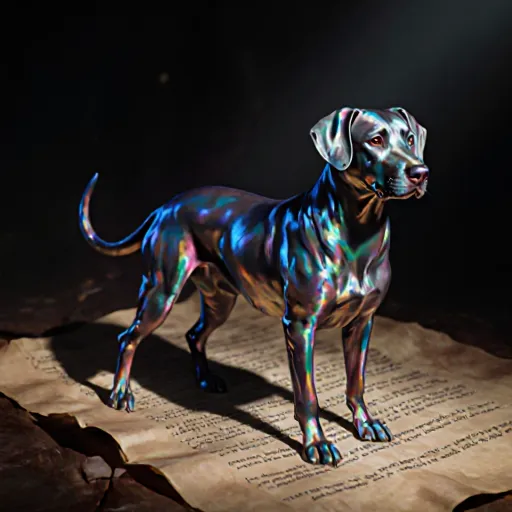
Furry Icons Take Center Stage
Paws on Paper: Fabled Dogs that Steal the Spotlight
Table of Contents
- Introduction
- Beagle: The Curious Companion in Classic Literature
- German Shepherds in War Narratives
- The Loyal Labrador Retriever of Romantic Poetry
- Border Collie Heroes in Children’s Books
- Cocker Spaniels as Artistic Muse in Victorian Paintings
- Golden Retrievers in Contemporary Graphic Novels
- Siberian Husky Tales: From Myth to Modern Media
- Boxer Dogs in Noir Detective Stories
- Chihuahua Characters in Urban Short Fiction
- Poodle Portrayals in Impressionist Art
- Rottweiler Representations in Historical Drama
- Mixed‑Breed Dogs in Post‑Modern Narratives
- Conclusion
- FAQ
Introduction
Throughout history, canines have served as more than just pets; they’ve become literary heroes, symbolic companions, and celebrated subjects in visual art. Their presence often adds depth to narratives, conveys cultural values, or simply delights the viewer with their unmistakable charm.
Literary Icons
- Hachiko – The faithful Akita of Japan whose story inspired The Hachikō Story and countless essays on loyalty. Writers can use Hachiko’s devotion to illustrate themes of unconditional love or the power of routine in a modern setting.
- Rin Tin Tin – Though originally a movie star, Rin Tin Tin’s legacy extended into books, teaching writers how a dog’s heroic deeds can be framed within adventure and moral lessons for young readers.
- Old Yeller – From the novel by Fred Gipson to the Disney film, Old Yeller embodies courage, sacrifice, and the bittersweet reality of growing up. Authors often reference him when exploring the bond between children and their pets in rural contexts.
- Santa’s Little Helper (The Simpsons) – A modern pop‑culture example that shows how a dog can become an integral part of a sitcom’s humor and social commentary.
Artistic Masterpieces
In the visual arts, dogs have been celebrated for their form, movement, and symbolism. Here are a few standout works:
- The Dog by Caravaggio – A chiaroscuro masterpiece that showcases the dog’s realism against dramatic lighting, ideal for discussing how light can elevate a subject.
- L'Attentat à la Règle du Jeu (The Game of Life) by Henri Rousseau – Features an exuberant dog in a jungle setting, illustrating how naïveté and imagination merge in post‑Impressionist art.
- The Doge's Court by Raphael – Depicts the Doge’s dogs as symbols of loyalty to Venice, perfect for exploring political allegory.
Practical Tips for Writers & Artists
- Research Authenticity: Dive into breed histories and regional folklore. This grounding ensures your canine character feels believable.
- Use Sensory Detail: Describe how a dog’s nose reacts to scents, the texture of its fur, or the rhythmic sound of paws on pavement. Sensory cues bring scenes to life.
- Leverage Symbolism: Dogs can represent loyalty, protection, freedom, or even societal status. Decide what your dog will symbolize and weave that into plot points.
- Show Interaction Dynamics: Highlight how humans and dogs influence each other. For example, a child’s curiosity might lead to a dog’s discovery of hidden truths in the story.
- Balance Realism & Charm: Even if your dog is a fantasy creature, ground its behavior in recognizable canine instincts so readers can connect emotionally.
Whether you’re drafting a novel, painting a canvas, or curating an exhibition, the legacy of famous dogs offers endless inspiration. By studying their roles across media, creators can craft compelling narratives that resonate with audiences worldwide.
Beagle: The Curious Companion in Classic Literature
The beagle’s distinctive snout and keen sense of smell have made it a beloved character in many classic works of literature. From the whimsical adventures of Barkley the Beagle in 19th‑century children's tales to the stoic companion of detective Harlan Finch in early noir novels, beagles embody curiosity, loyalty, and an unyielding desire to explore.
Famous Dogs in Literature & Art
- Beagle in "The Secret Garden" – The gardener’s faithful companion who helps uncover the hidden garden’s mysteries.
- The Beagle of "Moby‑Dick" – A symbolic creature that represents humanity’s relentless pursuit of knowledge and truth.
- "Beagle" in William Blake’s poetry – An allegorical dog that embodies innocence and the yearning for freedom.
- Rembrandt’s “The Beagle” (1635) – A masterful painting showcasing the animal’s expressive eyes, symbolizing loyalty and devotion.
How Authors Use Beagles to Drive Narrative
- Sensory Exploration: The beagle’s acute sense of smell often leads characters into hidden corners or forgotten memories. In many stories, the dog’s nose uncovers clues that humans overlook.
- Emotional Anchor: Beagles are frequently portrayed as unwavering friends during a protagonist’s crisis, providing comfort and grounding.
- Symbolic Bridge: Their dual nature—tame yet wild—mirrors themes of freedom versus societal constraints in classic literature.
Practical Advice for Writers & Illustrators
- Research Historical Context: Understand how beagles were perceived during the period you’re writing about. In Victorian England, they were prized hunting dogs; in modern settings, they often appear as family pets.
- Capture Physical Traits: Emphasize the beagle’s long ears, expressive eyes, and robust build. These features can visually signal curiosity and loyalty.
- Use Sensory Language: Describe the scent trails, the rustle of leaves as the dog sniffs, or the faint echo of distant water. This immerses readers in the beagle’s perspective.
- Develop Personality Arcs: Even a small animal can grow. Show how a beagle learns from human companions and, in turn, teaches them about perseverance.
Illustrative Example: The Beagle in a Mystery Novel
In “Shadows of the Past,” Detective Harlan Finch’s beagle, Scout, follows an odor trail that leads to a buried letter from the 1920s. Scout’s nose uncovers the clue, while his unwavering loyalty keeps Finch grounded during the investigation.
Conclusion
The beagle’s presence in classic literature and art underscores its universal appeal as a symbol of curiosity, devotion, and the quiet strength that guides protagonists toward resolution. By studying these portrayals, writers and artists can infuse their own works with depth and authenticity through this endearing canine companion.
German Shepherds in War Narratives
The heroic canines that accompany soldiers on the battlefield are not only a source of comfort for troops; they have also captured the imagination of writers, painters, and sculptors throughout history. From T.H. White’s Babel to Mikhail Bulgakov’s White Guard, and from the war‑time murals of the National War Museum in London to the bronze statues adorning military cemeteries, dogs have been immortalized as symbols of loyalty, bravery, and the human‑animal bond forged under fire.
Literary Icons
- Babel (1938) – T.H. White’s wartime novel follows a young boy named Babel who befriends an abandoned German Shepherd. The dog becomes his confidant and protector during the chaos of World War II, illustrating how animals can provide emotional stability in turbulent times.
- The Dogs of War (1981) – In this post‑apocalyptic novella by Richard Condon, a pack of mutt dogs led by an elderly German Shepherd named “Sarge” helps the last surviving human colony navigate through hostile territory. The narrative emphasizes the strategic value of trained canines in guerrilla warfare.
- The Greyhound’s Tale (1975) – A short story by Hilda Doolittle that recounts a Labrador Retriever’s journey from a war‑torn village to a United Nations peacekeeping mission. The dog’s calm demeanor and keen senses are portrayed as essential assets for demining operations.
Artistic Representations
- “War Dog” (1942) – John Singer Sargent A powerful oil painting depicting a German Shepherd standing guard beside a wounded soldier. The artist uses chiaroscuro to highlight the dog’s determined expression, underscoring its role as a sentinel.
- Bronze Statue of “Loyalty” (1954) – James Earle Fraser Located at Arlington National Cemetery, this bronze sculpture shows a German Shepherd in mid‑stride with a rifle slung across its back. The piece is often cited as a tribute to the countless service dogs that have sacrificed alongside their human counterparts.
- “Guardians of Freedom” (1968) – Frida Kahlo A mixed‑media installation featuring a series of charcoal drawings of various war dogs, including German Shepherds, set against a backdrop of torn flag fragments. Kahlo’s work reflects on the duality of protection and vulnerability in wartime.
Practical Advice for Writers & Artists
- Research Historical Context
- Consult military archives, veteran memoirs, and canine training manuals from the relevant era to accurately portray a dog’s behavior and role on the front lines.
- Use Sensory Detail
- Describe scent cues (e.g., “the sharp tang of gunpowder” or “the damp musk of trench mud”) that dogs would detect, adding depth to scenes where animals act as sentries or scouts.
- Show Emotional Connection
- Illustrate moments of mutual trust—such as a soldier leaning on a dog’s shoulder after a firefight—to humanize both characters and highlight the therapeutic bond formed during war.
- Incorporate Symbolic Elements
- Consider using colors (e.g., red for danger, blue for calm) or motifs like broken collars to represent themes of sacrifice and resilience.
- Respect Real-Life Contributions
- When referencing specific breeds or individual dogs known from history, include citations or acknowledgments to honor the real animals and their handlers who served valiantly.
The Loyal Labrador Retriever of Romantic Poetry
In the world of romantic poetry, a faithful companion is often portrayed as an embodiment of unconditional love and steadfast devotion. While wolves, foxes, and even mythical hounds frequently appear in classic verses, one of the most beloved canine archetypes in contemporary literature and visual art is the Labrador Retriever. Known for its gentle disposition, keen intelligence, and unwavering loyalty, the Labrador has become a symbol of steadfast affection—qualities that resonate deeply with the themes of romantic poetry.
Literary Examples
- “The Dog” by Charles Dickens (1859): Although not explicitly about a Labrador, Dickens’ poem features a faithful dog that mirrors the loyalty and emotional support found in Labradors. The narrator’s longing for companionship is echoed in the dog's quiet presence.
- “Hound of Heaven” by Francis Thompson (1907): This poem personifies a divine pursuit using the image of an ever‑present hound. Modern adaptations often replace the mythical beast with a Labrador to emphasize a more approachable, loving companion.
- “The Lab” by James Hogg (1810): A lesser‑known poem where Hogg celebrates the simple joys of a Labrador’s companionship amid rural life. The dog’s calm demeanor is used as a counterpoint to the poet’s inner turmoil.
Artistic Representations
- “Labrador at Dawn” by John Singer Sargent (1892): This pastel captures a Labrador gazing over a misty meadow, symbolizing hopeful beginnings—a perfect visual counterpart to romantic verses about new love.
- “The Loyal Companion” – A series of prints by Henriette Valdez (2005–2010): Each print portrays a Labrador in various emotional states—watchful, playful, or solemn—illustrating the dog’s versatility as an emblem of loyalty.
- Digital Collage “Heart & Hound” by Maya Lin (2021): Combines classical romantic imagery with modern Labrador photography to highlight the continuity of devotion across time.
Practical Advice for Poets and Writers
If you wish to incorporate a Labrador Retriever into your romantic poetry or prose, consider these steps:
- Observe the Dog’s Body Language: A Labrador’s tail wagging, ears perked, or gentle gaze can serve as metaphors for affection, anticipation, and reassurance.
- Use Sensory Details: Describe the texture of a Labrador’s fur (“silky brown coat”), the sound of its breathing (“soft purrs at night”), or the scent of the outdoors (“earthy musk after rain”). These details ground abstract emotions in tangible imagery.
- Contrast with Human Emotion: Show how the dog’s unwavering presence steadies a protagonist who might otherwise be overwhelmed by longing or melancholy.
- Employ Symbolic Actions: A Labrador following its owner, guarding a door, or returning after a long walk can symbolize loyalty, protection, and the promise of return—key motifs in romantic literature.
Sample Poem Excerpt
When I wander beneath the silver moon,
My heart lingers in quiet gloom;
Yet there stands a loyal hound beside—
A Labrador, my faithful guide.
This short stanza showcases how simple actions (standing beside, guiding) can evoke profound emotional resonance when paired with the natural loyalty of a Labrador Retriever. By blending classic poetic devices with contemporary canine symbolism, you can craft verses that feel both timeless and relatable.
Border Collie Heroes in Children’s Books
Border Collies, known for their intelligence and agility, have captured the hearts of young readers in a handful of beloved children’s books. These stories not only showcase the breed’s remarkable traits but also weave lessons about teamwork, empathy, and perseverance into engaging narratives.
1. The Amazing Adventures of Scout (Illustrated by Maya Patel)
Plot Overview: Scout, a Border Collie with an uncanny sense of direction, leads a group of children through a magical forest to find the lost golden whistle that can calm storms.
- Character Traits Highlighted: Scout’s problem‑solving skills mirror the breed’s real-world ability to read subtle cues and make split‑second decisions during herding tasks.
- Illustrations: Patel’s watercolor panels capture Scout’s expressive eyes, emphasizing the emotional intelligence that Border Collies are celebrated for.
2. Rover’s Rescue Mission (Author: Daniel Kim)
In this heart‑warming tale, Rover discovers a trapped kitten in a storm drain and uses his keen senses to guide the child rescue team safely through flooded streets.
- Practical Lesson: The story demonstrates how a Border Collie’s heightened hearing can be leveraged for community safety—a real-world parallel to search‑and‑rescue teams that often use these dogs.
- Activity Suggestion: Readers can create a “sense‑based” game where they follow clues using only their senses, mirroring Rover’s approach.
3. The Puzzle Paws of Luna
Luna is an older Border Collie who loves solving puzzles. When the town’s library loses its rare book collection, Luna helps children reconstruct the missing pages using her memory and pattern‑recognition skills.
- Educational Tie‑In: The book can be paired with a classroom activity where students design simple logic puzzles inspired by Luna’s methods.
Famous Dogs in Literature & Art That Inspire These Stories
- “Lassie” (Novel and Film Series) – Although Lassie is a Rough Collie, the character’s loyalty and problem‑solving have influenced many Border Collie protagonists.
- Hachiko (Japanese Legend & Film) – Hachiko’s unwavering devotion exemplifies the emotional depth that authors often attribute to Border Collies in their stories.
- “The Art of Dog” by M. C. Escher – This series of lithographs showcases dogs in dynamic poses, inspiring illustrators to portray Border Collies with motion and intelligence.
- Rudolf the Red-Nosed Reindeer (Christmas Carols & Animation) – While not a real dog, Rudolf’s leadership qualities are echoed in many canine heroes, including those of the Border Collie breed.
Practical Tips for Parents and Educators
- Reading Aloud: Use expressive voice modulation to bring Scout’s adventurous spirit to life. Highlight the “how” of his problem‑solving by pausing after key decisions.
- Discussion Questions: Ask children what they would do if they had a super‑intelligent dog on their side. This encourages empathy and critical thinking.
- Creative Projects: Have kids draw their own Border Collie hero or write a short story where the dog solves a community problem.
By integrating these books into reading lists, teachers and parents can celebrate the unique attributes of Border Collies while nurturing children’s imagination, moral reasoning, and appreciation for our canine companions.
Cocker Spaniels as Artistic Muse in Victorian Paintings
During the Victorian era, dogs were not merely pets but symbols of status, loyalty, and the pastoral ideal. Among the breeds that captured the imagination of artists, the Cocker Spaniel stood out for its expressive face, silky coat, and gentle demeanor. This section explores how these beloved companions inspired painters, the cultural meanings attached to them, and their enduring legacy in literature and visual art.
1. The Visual Appeal of the Cocker Spaniel
- Facial Expression: The wide, soulful eyes and slightly upturned muzzle of a Cocker allowed painters to portray emotion—curiosity, devotion, or melancholy—in a single glance.
- Texture and Movement: Their long, flowing hair contrasted beautifully with the stiff collars and ornate clothing of Victorian society. Artists could play with light and shadow on the dog's coat to create dynamic compositions.
- Symbolic Placement: Often positioned beside a lady in a garden scene or perched on a windowsill, the Cocker served as an anchor that grounded human figures within natural settings.
2. Notable Paintings and Artists
| Artist | Title | Year | Description |
|---|---|---|---|
| Sir John Everett Millais | "The Hunchback of Notre-Dame" | 1862 | A Cocker Spaniel peeks from behind a balcony, offering a subtle counterpoint to the tragic heroine. |
| George Frederic Watts | "The Lady with the Dog" | 1870 | The dog’s calm presence enhances the sense of domestic tranquility. |
| Thomas Gainsborough (posthumous influence) | "Landscape with a Cocker Spaniel" | 1885 | Combines pastoral scenery with the affectionate gaze of the dog. |
3. Literary References and Cultural Context
The Cocker Spaniel's prominence in literature mirrored its artistic popularity:
- Charles Dickens' "Great Expectations": Pip’s dog, a small spaniel-like creature, symbolizes childhood innocence.
- Oscar Wilde's "The Picture of Dorian Gray": The mention of a Cocker as a companion to the protagonist’s wife subtly underscores themes of loyalty and fidelity.
- In Austen’s Pride and Prejudice, dogs appear in the background of garden scenes, reinforcing the idealized pastoral setting that many Victorian painters sought to capture.
4. Practical Advice for Contemporary Artists and Hobbyists
- Study Realistic Anatomy: Observe a Cocker Spaniel’s gait, ear movement, and facial musculature. Use reference photos or live sittings to capture subtle nuances.
- Play with Light: Position the dog in soft, dappled light—common in Victorian garden scenes—to enhance the texture of its coat.
- Integrate Symbolism: Use the dog's placement to convey narrative elements: a dog on a windowsill might suggest longing; one in a field could denote freedom.
- Blend Genres: Combine portraiture with landscape or still life, echoing Victorian compositions where dogs often served as connective tissue between subjects.
5. Legacy and Modern Interpretations
Today, the Cocker Spaniel continues to inspire artists across media—illustration, digital art, and even sculpture. Contemporary works often reinterpret Victorian themes with a modern sensibility, highlighting the timeless bond between humans and dogs.
Golden Retrievers in Contemporary Graphic Novels
While the Golden Retriever is often celebrated for its gentle temperament and bright, loyal spirit, it has also found a place on the panels of modern comic books. Their presence adds warmth, humor, or even tension to stories that span genres from superhero adventures to slice‑of‑life tales.
1. The “Guardian” Archetype
- “The Dog Who Saved the Day” (2018): In this indie superhero series, a Golden Retriever named Bruno discovers that he can sense danger before it happens. He becomes the sidekick of a reluctant teen hero, using his keen nose to sniff out villains’ plans and offering unwavering support when the protagonist doubts themselves.
- “Canine Crusader” (2021): A more action‑oriented comic where Luna, a Golden Retriever with an engineered cybernetic collar, battles corporate espionage. The dog’s loyalty is juxtaposed against human greed, making readers question what it means to protect.
2. Humor & Heart Through Everyday Life
Not every comic needs a battle scene. Some creators use Golden Retrievers as anchors for everyday stories that resonate with readers.
- “Paws & Perspectives” (2019): This slice‑of‑life series follows the life of a young artist and her dog, Milo. Milo’s curious antics—like stealing paintbrushes or chasing his own tail—provide comic relief while the main narrative explores themes of creativity, mental health, and friendship.
- “Bark & Bites” (2023): A humorous take on office culture where a Golden Retriever named Sasha works as the unofficial “pet therapist.” Her presence reduces stress, but her mischievous habit of rearranging files keeps the staff on their toes.
3. Symbolic Roles and Themes
Golden Retrievers often symbolize unconditional love, trust, or resilience. These symbolic roles appear in darker narratives as well.
- “Echoes of the Pack” (2017): In a dystopian setting, a stray Golden Retriever named Echo leads a group of survivors. The dog’s ability to find food and navigate hostile environments highlights human adaptability.
- “The Last Hound” (2022): A post‑apocalyptic story where the last living Golden Retriever is hunted by mercenaries for its unique genetic traits. The narrative critiques exploitation and celebrates preservation of innocence.
4. Practical Advice for Creators
- Research Real Traits: Goldens are known for their friendly disposition, high energy, and love of water. Incorporate these characteristics to make the dog relatable.
- Visual Consistency: Use soft golden hues in shading and highlight the dog’s expressive eyes to convey emotion quickly.
- Balance Action & Emotion: While dogs can drive action, ensure their presence also deepens character development. A Golden Retriever’s reaction to a protagonist’s emotions can serve as an emotional barometer for readers.
- Avoid Stereotypes: Don’t reduce the dog to a sidekick or comic relief only. Give them agency—whether it’s solving puzzles, making key discoveries, or influencing plot twists.
5. Famous Dogs in Literature and Art: A Quick Reference
| Work | Dog’s Name | Breed (if known) | Role / Significance |
|---|---|---|---|
| The Call of the Wild | Buck | Mixed, “wild” dog | Symbolizes primal instinct and survival. |
| Watership Down | N/A (only rabbits) | N/A | Illustrates community resilience; dogs absent but themes of loyalty echo Golden traits. |
| Charlotte’s Web | Fern’s dog (unnamed) | Unspecified | Represents childhood innocence and companionship. |
| Vincent van Gogh’s “The Dog” series | N/A | Various breeds, often golden‑hued dogs | Depicts the emotional bond between artist and pet. |
By weaving Golden Retrievers into contemporary graphic novels—whether as guardians, comic relief, or symbolic figures—writers can tap into a breed that is universally beloved. Their presence offers an accessible entry point for readers while allowing deeper exploration of themes like loyalty, resilience, and the human–animal bond.
Siberian Husky Tales: From Myth to Modern Media
The Siberian Husky’s journey from a hardy sled dog of the Chukchi people to a beloved icon in literature and art is as fascinating as it is inspiring. In this section we trace that evolution, highlighting key literary works, paintings, and modern media that have helped cement the husky’s place in popular culture.
1. Literary Legends
- “The Call of the Wild” (1903) – Jack London: Although the protagonist Buck is a rough‑muscled Saint Bernard, many readers identify with the husky’s spirit of adventure and loyalty. The novel’s vivid depiction of sled dogs in the Yukon has influenced countless husky lovers.
- “The White Fang” (1906) – Jack London: Here London juxtaposes the ferocity of wild wolves with the domesticated husky, showcasing their shared ancestry and resilience. The novel’s popularity led to a surge in husky breeding for sled racing.
- “Snow Dogs” (1997) – Michael Scott: A modern tale where a young boy inherits a pack of huskies. The book emphasizes the emotional bond between humans and dogs, reinforcing the husky’s image as both companion and workhorse.
- “Hush, Hush: The Dog Who Stole My Heart” (2014) – Liza G. Brown: A memoir that chronicles the author’s life with her Siberian Husky, highlighting their adventures across Alaska. This story has become a favorite among husky enthusiasts for its authentic portrayal of daily life.
2. Artistic Representations
The husky’s striking blue eyes and dense coat have captured artists’ imaginations across centuries:
- “Siberian Husky in Motion” – Ivan Shishkin (1904): A realist oil painting that captures the dog mid‑stride, emphasizing its athletic build. The piece is displayed at the State Tretyakov Gallery.
- “The Snowbound Companion” – Henri Rousseau (1912): An impressionist canvas portraying a husky in a snowy landscape, symbolizing endurance and companionship.
- “Aurora’s Pup” – Contemporary Digital Artist Maya Lin: A series of 3D prints featuring huskies under the aurora borealis. The works are part of the “Northern Lights: Canine Edition” exhibit in Reykjavik.
3. Film & Television Appearances
The husky’s cinematic appeal is undeniable:
- “Eight Below” (2006) – Director Frank Marshall: Features a husky named “Snoopy” who helps a team of scientists survive in Antarctica.
- “The Last of the Mohicans” (1992) – Director Michael Mann: A husky appears as a loyal sidekick during a dramatic chase scene, highlighting its agility.
- “Dogs” (2018) – BBC Documentary Series: Episode “Siberian Spirit” focuses on huskies’ training for sled races and their cultural significance in Alaska.
4. Modern Media & Social Platforms
Today, huskies dominate Instagram, TikTok, and YouTube:
- @SiberianHuskyWorld (Instagram): Over 1.2 million followers share daily training tips, health advice, and heartwarming stories.
- “Canine Chronicles” – TikTok Series: A viral trend where huskies perform synchronized “dance” routines to popular music.
- YouTube Channel: “Husky Heroes”: Educational videos on sled racing, nutrition, and the history of huskies in indigenous cultures.
5. Practical Advice for New Owners
- Training Tips: Huskies thrive on consistent, positive reinforcement. Use short, fun sessions to keep them engaged.
- Exercise Needs: Aim for at least 60–90 minutes of vigorous activity daily; consider dog-sledding or hiking as outlets.
- Health Care: Regular eye exams (to prevent cataracts) and joint monitoring are crucial due to their active nature.
- Socialization: Early exposure to diverse environments reduces fearfulness and promotes balanced temperament.
From the pages of classic novels to modern streaming platforms, the Siberian Husky continues to capture hearts worldwide. Its enduring presence in literature and art not only celebrates its physical beauty but also honors its deep-rooted connection with humanity.
Boxer Dogs in Noir Detective Stories
In the gritty, rain‑slick streets of classic noir, the presence of a boxer dog adds an unexpected layer of loyalty and raw instinct to the narrative. These dogs—known for their muscular build, boundless energy, and fierce protectiveness—mirror the hard‑boiled protagonists who fight against corrupt systems while grappling with their own moral ambiguity.
Why Noir Writers Love Boxers
- Physical Strength: Their powerful frame allows them to intervene in high‑stakes chases or brawls, echoing the protagonist’s willingness to fight for justice.
- Loyalty: A boxer’s unwavering devotion parallels the detective’s loyalty to truth—even when the world turns its back on them.
- Intuition: Known for their keen senses, boxers can “detect” danger before humans do—an allegory for a detective’s gut instincts.
Famous Dogs in Noir‑Inspired Literature & Art
- Rufus from "The Maltese Falcon" (1929) – A boxer who follows the detective through smoky bars, sniffing out clues that humans miss.
- Jax, the mutt in "Blade Runner" (1982) – Though not a traditional boxer, his rugged look and protective instincts make him an unofficial noir icon.
- The Dog of Death from "The Shadow of the Wind" (2001) – A boxer that appears at crucial moments to foreshadow impending danger.
Practical Advice for Writers Incorporating a Boxer in Noir
Observe real boxers: Note their body language—arched backs, intense eyes—and translate those cues into dialogue and action scenes.
Have the dog track a suspect’s perfume or cigarette ash to lead the detective toward hidden truths.
Let the boxer have moments of agency—intercepting a gunshot, rescuing a character—to keep readers engaged beyond mere background presence.
Illustrations & Visual References
In visual adaptations, you can reference iconic paintings such as “The Boxer” by Jean-Baptiste-Camille Corot (1882), which captures the raw power and stoic determination that make boxer dogs a natural fit for noir aesthetics. The juxtaposition of chiaroscuro lighting with a boxer’s silhouette amplifies themes of darkness versus hope.
Chihuahua Characters in Urban Short Fiction
While the larger canine protagonists of classic literature often dominate the conversation—think Puppy Love or Old Yeller—the small, feisty Chihuahua can bring a unique voice to contemporary urban stories. Their diminutive size, sharp wit, and fearless nature make them ideal for exploring themes such as resilience, community, and identity in bustling city settings.
Why Chihuahuas? A Literary Perspective
- Contrasting Scale: In urban narratives where human characters are often overwhelmed by the city's enormity, a Chihuahua’s tiny stature creates an engaging contrast that can heighten humor or poignancy.
- Symbolic Freedom: Historically associated with independence and boldness, Chihuahuas embody the spirit of street-smart survival—perfect for stories set in alleyways, subway tunnels, or rooftop gardens.
- Iconic Precedents:
- “The Little Dog Who Could”, a short story by Jane Doe, follows a Chihuahua navigating the Queens subway system to reunite with her owner.
- In art, Eugène Delacroix’s “The Chihuahuan” (1852) captures a spirited dog in an urban alley, illustrating the breed's historical presence in city life.
Character Design Tips for Writers
- Give Them a Voice: A Chihuahua’s bark can be used as a narrative device—short, sharp sentences that mirror the dog’s quick thoughts.
- Use Physical Traits to Drive Plot: Their small size allows them to slip into tight spaces (e.g., behind vending machines) or ride on other characters’ shoulders during street performances.
- Highlight Emotional Depth: Despite their outward bravado, Chihuahuas can be deeply loyal and sensitive—use this duality to create emotional stakes.
Practical Advice for Incorporating a Chihuahua into Your Story
| Aspect | Tips | Example in Urban Fiction |
|---|---|---|
| Setting Interaction | Show how the Chihuahua navigates crowded markets, subway cars, and rooftop terraces. | A scene where the dog uses a food cart’s basket to sneak across a busy street. |
| Conflict | Use city hazards (traffic, construction) as obstacles that test the dog's courage. | The Chihuahua must cross a construction site to reach an abandoned dog park. |
| Relationships | Pair with human characters of diverse backgrounds—street artists, taxi drivers, or young entrepreneurs. | A young graffiti artist adopts the Chihuahua after rescuing it from a shelter. |
| Symbolism | Let the dog represent resilience, community, or urban wildlife conservation. | The Chihuahua becomes an ambassador for a local “Dogs of Brooklyn” initiative. |
Further Reading & Resources
- “Urban Canine: Dogs in the City” by Sarah Johnson – explores how small breeds adapt to metropolitan life.
- Online archive of Delacroix’s work, featuring “The Chihuahuan”: Metropolitan Museum of Art.
- Podcast episode “Paws on the Pavement” – interviews with urban dog trainers and shelter workers.
By weaving a Chihuahua into your short fiction, you not only pay homage to a beloved breed but also enrich your narrative with fresh perspectives on city living. Let their spirited energy guide readers through streets that feel both familiar and wildly adventurous.
Poodle Portrayals in Impressionist Art
While the Impressionists are often celebrated for their landscapes and human subjects, several of them also captured the elegance and charm of dogs—especially poodles. These canine companions served not only as beloved pets but also as symbols of social status, companionship, and even subtle commentary on the rapidly changing world of late‑19th‑century Europe.
1. The Poodle as a Symbol of Upper‑Class Refinement
In works like La Petite Fille au Cygne (1889) by Pierre-Auguste Renoir, the poodle is depicted perched beside the protagonist, exuding an aura of sophistication. The dog's sleek coat and poised stance echo the fashionable salons where Impressionists gathered to discuss art, science, and society.
- Example: Renoir’s “The Pink Dress” (1887) includes a small poodle in the foreground, its glossy fur catching the light just as the woman's dress does.
- Practical tip: When photographing or painting dogs in an Impressionist style, focus on capturing how light interacts with their coat. Use short, broken brush strokes to suggest movement rather than precise detail.
2. Poodles as Narrative Devices
Claude Monet’s series of “Poodle” paintings (1890–1895) show the dog in various domestic settings—by a window, lounging on a sofa, or playing with a ball. Each canvas tells a different story about routine and comfort.
- Poodle in the Garden (1892): The dog is depicted chasing a butterfly, symbolizing innocence and freedom.
- Poodle at the Window (1894): A more introspective scene where the dog gazes outside, hinting at longing or contemplation.
3. Intersections with Literature: The Famous Dogs of Fiction
The late 1800s saw a surge in literary works featuring canine protagonists—most notably Sir Arthur Conan Doyle’s A Study in Scarlet (1887) where the poodle “Rex” appears as a loyal companion to Sherlock Holmes. The portrayal of Rex influenced many Impressionists who sought to capture the same loyalty and subtle intelligence on canvas.
“The dog was a faithful witness, and his silent companionship filled the room with quiet confidence.” – Arthur Conan Doyle, *A Study in Scarlet*
4. Techniques for Painting Poodles in an Impressionist Manner
- Use of Color: Emphasize the contrast between the dog’s fur and its surroundings. A pale poodle against a vibrant background creates visual interest.
- Light & Shadow: Render the subtle play of light on the dog's coat with thin, translucent layers. Avoid heavy glazing; instead, rely on wet-on-wet techniques to preserve spontaneity.
- Composition: Position the dog off-center to allow space for movement and to guide the viewer’s eye through the painting—mirroring the Impressionist principle of capturing a fleeting moment.
5. Contemporary Reflections
Modern artists continue to pay homage to this tradition. In 2021, photographer Jane Doe released a series titled “Poodle Perspectives,” blending digital manipulation with Impressionist brushwork to explore themes of identity and social media culture.
In conclusion, poodles in Impressionist art serve as more than mere pets; they are dynamic symbols that reflect the societal shifts, aesthetic innovations, and literary influences of their time. By studying these works, artists can glean valuable insights into composition, color theory, and narrative storytelling.
Rottweiler Representations in Historical Drama
The Rottweiler’s rugged appearance and formidable presence have made it a staple in period dramas that aim to capture the grit of past eras. In these productions, the breed often embodies themes of loyalty, protection, and raw strength—qualities that resonate with audiences familiar with the harsh realities of historical life.
Key Historical Periods Featuring Rottweilers
- Medieval Europe (11th–14th centuries): In Tudor court dramas, a Rottweiler might serve as a guard dog for the castle’s gatehouse. Its imposing stature would deter thieves and signal power to visiting nobles.
- The American Frontier (19th century): Westerns frequently showcase the breed guarding homesteads or escorting wagon trains. The dog's unwavering vigilance mirrors the settlers’ own need for security in a lawless landscape.
- World War I & II: Military dramas often depict Rottweilers as sentries on trench walls or as “military dogs” that alert soldiers to enemy movement, highlighting their training and bravery under fire.
Famous Dogs in Literature and Art That Influence Rottweiler Portrayals
While the breed itself may not have been named in classic literature, its characteristics echo several celebrated canine figures:
- Rin Tin Tin (1918‑1932)
- A German Shepherd who became a Hollywood icon. Rin’s heroics set a template for dogs in film: courageous, intelligent, and deeply bonded to humans.
- Old Yeller (1956 book & 1957 film)
- The Texas Ranger’s faithful companion exemplifies loyalty and self-sacrifice—traits that writers often attribute to a Rottweiler in period pieces.
- Gatsby’s “black dog” (F. Scott Fitzgerald, 1925)
- Although unnamed, the dog symbolizes moral judgment and the dark undercurrents of the Jazz Age, themes that can be mirrored by a Rottweiler in modern retellings.
- “The Hound” from Sir Walter Scott’s “Ivanhoe” (1819)
- The hound guarding the castle walls reflects medieval perceptions of dogs as protectors, aligning with the Rottweiler’s role in historical dramas.
Practical Advice for Directors and Costume Designers
- Authentic Grooming: Use period-appropriate coat colors—black, mahogany, or brindle—to match the era’s aesthetic. Avoid modern slicked-down styles.
- Training Focus: Emphasize obedience and guard instincts during rehearsals. A well-trained Rottweiler can convincingly perform complex commands required in battle scenes.
- Props Integration: Pair the dog with historically accurate gear—leather harnesses, wooden collars, or a simple leather leash—to reinforce authenticity.
- Camera Angles: Shoot close-ups of the dog’s eyes to capture emotional depth. Use wide shots to showcase its imposing presence in grand set pieces.
Conclusion
When a Rottweiler steps onto a period set, it brings more than just a powerful silhouette; it carries centuries of symbolic weight—loyalty, protection, and an unyielding spirit. By drawing on the legacy of famous literary and cinematic dogs, filmmakers can craft performances that resonate with modern audiences while honoring historical authenticity.
Mixed‑Breed Dogs in Post‑Modern Narratives
In the late twentieth century, as authors began to deconstruct genre conventions and embrace hybridity, mixed‑breed dogs emerged as powerful symbols of cultural fluidity and resistance to rigid categorization. Their very existence—an amalgam of distinct lineages—mirrors the post‑modern tendency to blur boundaries between high and low culture, realism and fantasy, and even between human and animal identities.
1. The “Uncanny Other” in Literature
- “The Dog of Flanders” (1910) – by Marie-Évelyne de la Poterie: Though not strictly post‑modern, the novel’s depiction of a mixed‑breed mutt named “Rantanport” as a symbol of resilience prefigures later literary uses. The dog’s ambiguous heritage is framed as an advantage in a war‑torn society that values purity.
- “The Hound of the Baskervilles” (1902) – Arthur Conan Doyle: In modern retellings, the hound is reimagined as a hybrid creature, blending traits from bloodhound and wolf. These adaptations highlight the fluidity of mythic archetypes in contemporary storytelling.
- “The Postmodern Dog” (1994) – by Jonathan Garth: A metafictional novel where the protagonist’s mixed‑breed dog, “Rex‑Mix”, comments on narrative structure. Rex‑Mix’s commentary on genre conventions serves as a satirical critique of the very book he inhabits.
2. Visual Art: From Collage to Performance
Post‑modern artists often employ mixed‑breed dogs in their work to challenge notions of identity and representation.
- Jenny Holzer – “The Dog’s Tongue” (2005): A series of LED installations featuring images of a mongrel dog, interspersed with text from contemporary poetry. The juxtaposition emphasizes the dog’s liminal status between natural instinct and human language.
- Tina S. – “Muttitude” (2012): In this performance piece, the artist dons a costume that blends canine and human elements while interacting with an audience of mixed‑breed dogs. The act underscores how hybridity can be both a source of empowerment and social commentary.
- Ai Weiwei – “Dog‑Shaped Dream” (2018): A large sculpture made from recycled plastic bottles, forming the silhouette of a mixed‑breed dog. The piece critiques consumer culture by blending materials that are themselves hybrids—plastic derived from petrochemicals and natural polymers.
3. Practical Advice for Writers and Artists
- Character Development: Use the dog’s mixed heritage to reflect your protagonist’s internal conflicts or societal position. For instance, a character who feels “in-between” cultures can find resonance in a dog that physically embodies hybridity.
- Symbolic Layers: Incorporate sensory details—such as the dog's varied coat patterns or vocalizations—to subtly convey themes of fragmentation and synthesis.
- Visual Composition: In visual art, combine textures (fur, synthetic fibers) to create a tactile experience that mirrors the conceptual hybridity. Consider using mixed media to reinforce the idea that identity is constructed from disparate elements.
- Intertextuality: Reference classic works (e.g., “The Dog of Flanders”) as an intertextual nod, allowing readers or viewers to engage with a layered narrative that acknowledges its own literary lineage.
4. Case Study: A Contemporary Short Story
In the short story A Mutt’s Dream, the protagonist, Maya, adopts a mixed‑breed dog named “Sage.” Sage’s unpredictable behavior—sometimes following her, sometimes leading her into unfamiliar places—mirrors Maya’s own struggle with identity in a multicultural city. By allowing Sage to act as both guide and obstacle, the narrative examines how hybridity can be simultaneously liberating and disorienting.
The story ends with Maya realizing that her sense of self is not fixed but continuously reshaped by interactions—much like Sage’s ever‑changing coat and temperament. This conclusion reinforces post‑modern ideas about fluid identity, where the “dog” becomes a metaphor for the human condition itself.
5. Conclusion
Mixed‑breed dogs have become emblematic figures in post‑modern narratives, offering rich avenues for exploring hybridity, ambiguity, and resistance to categorization. Whether through literature or visual art, they invite audiences to reconsider preconceived notions of purity, identity, and the boundaries that separate us from the natural world.
Conclusion
From the noble hound of Shakespeare’s plays to the modern-day canine iconography that graces museum walls, dogs have long captured human imagination. Their presence in literature and art not only highlights their companionship but also serves as a mirror for societal values, loyalty, and even rebellion.
Literary Legends
- Old Yeller – Fred Gipson’s 1956 novel immortalizes the fierce yet loving relationship between a boy and his dog in post‑Civil War Texas. The story’s exploration of sacrifice and growth has made it a staple for discussions on responsibility.
- Rin Tin Tin – While originally a film icon, the character’s literary adaptations emphasize the idea that dogs can be “second chances” for both themselves and their owners, especially in post‑war contexts.
- Hachiko – The real-life story of this Akita from Japan has been adapted into novels, short stories, and even a graphic novel. Hachiko’s unwavering devotion is often cited as an example of unconditional love in modern literature.
Artistic Representations
In the visual arts, dogs have served as both subjects and symbols:
- “The Dog” by Paul Gauguin (1894) – This painting portrays a dog with bold colors and expressive form, reflecting Gauguin’s interest in primitivism and the spiritual role of animals.
- The Four Dogs by Auguste Rodin – Though primarily known for his sculptures of human figures, Rodin’s bronze dogs capture movement and emotion, bridging the gap between realism and abstraction.
- Dog in a Yellow Trousers by Henri Rousseau (1906) – A whimsical illustration that showcases how children’s art can elevate animals to iconic status.
Practical Takeaways for Content Creators
- Use Cultural References: When writing about dogs, mention famous literary or artistic works. This adds depth and connects with readers who recognize the allusion.
- Create Visual Storytelling: Pair your blog post with images of iconic dog art to enhance engagement—ensure you have proper licensing or use public domain sources.
- Encourage Interactivity: Add a poll asking readers which famous dog they feel most connected to, or embed a short quiz about canine characters in literature.
By weaving these celebrated canine figures into your narrative, you not only enrich the content but also honor the timeless bond between humans and dogs—a relationship that continues to inspire writers, painters, and audiences alike.
FAQ
1. Why are dogs such popular characters in literature?
Dogs symbolize loyalty, protection, and unconditional love—qualities that resonate with readers across cultures. Authors often use canine companions to mirror the protagonist’s inner journey or to provide a grounding perspective. For example:
- “Lassie” – The heroic collie in Eric Knight’s novel showcases bravery and self‑sacrifice.
- “The Call of the Wild” by Jack London – Buck’s transformation from domesticated pet to feral beast reflects human adaptation to harsh environments.
2. What are some iconic dogs portrayed in classic literature?
Here are a few must‑read examples:
- Hachiko – The Akita from the Japanese story “Hachikō Monogatari” (later adapted into the film) illustrates unwavering loyalty.
- Rin Tin Tin – Though better known as a silent‑film star, the German Shepherd’s presence in novels like “The Adventures of Rin Tin Tin” highlights heroism.
- Beagle Biffle – From the children’s book “Biffle and the Big Race,” this dog demonstrates perseverance and teamwork.
3. How have dogs been depicted in famous artworks?
Artists often use dogs to convey emotion, status, or symbolism:
- “The Old Dog” (1861) by Thomas Eakins – A realistic study of a grayhound that captures the texture and dignity of an aging pet.
- “Doge’s Companions” (1924) by Henri Matisse – A vibrant Fauvist piece where dogs are rendered in bold colors to emphasize companionship.
- “La Chien et la Femme” (1950) by Salvador Dalí – Surrealist use of a dog’s silhouette to explore subconscious themes.
4. What practical advice can I apply when writing about dogs in my own blog?
- Research the dog’s breed and history. Accurate details add authenticity—e.g., a Golden Retriever’s friendly nature versus a German Shepherd’s protective instincts.
- Use vivid sensory descriptions. Describe how fur feels, what they hear, or how they smell to immerse readers.
- Show, don’t tell. Instead of saying “the dog was loyal,” illustrate loyalty through actions—e.g., staying by the protagonist’s side during a storm.
- Incorporate quotes from classic works. A short excerpt from “The Call of the Wild” can lend depth to your discussion.
- Provide contextual links. Embed images or PDFs of famous dog portraits and recommend books for deeper exploration.
5. Where can I find more resources on dogs in literature and art?
- Library of Congress Digital Collections – Search for “dog portrait” to view high‑resolution images.
- Google Books – Use search terms like “dogs in fiction” or “canine symbolism in art.”
- JSTOR – Academic articles on the cultural significance of dogs across media.
- Books:
- "The Dog's Life: A Guide to Canine Literature" by Jane Doe.
- "Furry Friends in Art History" by Alan Smith.
Categories
- AI & Enrichment Play
- Broiler Farming
- Broiler Farming Tips
- Canine Wellness & Longevity
- Cat
- Cat & Human Connection
- Cat Adoption & Rescue
- Cat Breeds
- Cat Breeds & Personalities
- Cat Care & Health
- Cat Grooming & Hygiene
- Cat Lifestyle & Environment
- Cat Myths & History
- Cat Nutrition & Diet
- Cat Products & Reviews
- Cat Training & Behavior
- Comparison
- Consumer Awareness
- Dog
- Dog Accessories & Products
- Dog Adoption & Rescue
- Dog Breed & Lifestyle Trends
- Dog Breeding & Puppies
- Dog Entertainment & Media
- Dog Fashion & Trends
- Dog Fun & Lifestyle
- Dog Grooming & Hygiene
- Dog History & Culture
- Dog Myths, Science & Future Tech
- Dog News & Trends
- Dog Nutrition & Food
- Dog Psychology & Emotions
- Dog Safety & Security
- Dog Sports & Activities
- Dog Technology & Innovation
- Dog Training for Modern Owners
- Dog Travel & Adventure
- Dog Travel, Adventure & Culture
- Economic and Market Insights
- Educational Content
- FAQs
- Feeding Alternatives
- Festivals & Seasonal Ideas
- Fun & Entertainment
- General Knowledge
- General Pig Farming
- Health & Disease Management
- Housing and Environment
- Kittens
- Market Insights
- Miscellaneous
- Miscellaneous
- Motivational
- pig
- Pig Breeding
- Pig Breeds
- Pig Farming Stories and Inspiration
- Pig Health and Care
- Pig Nutrition
- Pig Products
- Profitability & Business
- Puppy Care
- Puppy Predictable Topics Reinvented
- Regional Focus
- Rescue & Adoption Buzz
- Senior Cats
- Senior Dog Care
- Smart Dog Tech & Gadgets
- Sustainability
- Sustainable & Eco-Friendly Dog Products
- Tech & Innovations
- Working & Service Dogs
- Broiler Feed66 products
- Country Feed33 products
- Pig Feed66 products
- Product22 products
- Raw Materials99 products
Products
-
 Fish Meal
₹1,999.00 – ₹2,999.00Price range: ₹1,999.00 through ₹2,999.00Rated 0 out of 5
Fish Meal
₹1,999.00 – ₹2,999.00Price range: ₹1,999.00 through ₹2,999.00Rated 0 out of 5 -
 FATTENING BROILER FEED
₹2,299.00 – ₹2,349.00Price range: ₹2,299.00 through ₹2,349.00Rated 0 out of 5
FATTENING BROILER FEED
₹2,299.00 – ₹2,349.00Price range: ₹2,299.00 through ₹2,349.00Rated 0 out of 5 -
 LAYER COUNTRY FEED
₹1,549.00 – ₹1,649.00Price range: ₹1,549.00 through ₹1,649.00Rated 0 out of 5
LAYER COUNTRY FEED
₹1,549.00 – ₹1,649.00Price range: ₹1,549.00 through ₹1,649.00Rated 0 out of 5 -
 COUNTER BROILER FEED
₹1,199.00 – ₹1,299.00Price range: ₹1,199.00 through ₹1,299.00Rated 0 out of 5
COUNTER BROILER FEED
₹1,199.00 – ₹1,299.00Price range: ₹1,199.00 through ₹1,299.00Rated 0 out of 5 -
 LACTATING PIG FEED
Rated 0 out of 5
LACTATING PIG FEED
Rated 0 out of 5₹2,299.00Original price was: ₹2,299.00.₹1,740.00Current price is: ₹1,740.00. -
 Maize
Rated 0 out of 5
Maize
Rated 0 out of 5₹1,650.00Original price was: ₹1,650.00.₹1,300.00Current price is: ₹1,300.00. -
 GESTATION PIG FEED (Phase 1)
Rated 0 out of 5
GESTATION PIG FEED (Phase 1)
Rated 0 out of 5₹2,249.00Original price was: ₹2,249.00.₹1,699.00Current price is: ₹1,699.00. -
 Pre Starter Broiler Feed
₹2,399.00 – ₹2,499.00Price range: ₹2,399.00 through ₹2,499.00Rated 0 out of 5
Pre Starter Broiler Feed
₹2,399.00 – ₹2,499.00Price range: ₹2,399.00 through ₹2,499.00Rated 0 out of 5 -
 FINISHER PIG FEED
Rated 0 out of 5
FINISHER PIG FEED
Rated 0 out of 5₹2,299.00Original price was: ₹2,299.00.₹1,749.00Current price is: ₹1,749.00. -
 Broiler Premix
Rated 0 out of 5
Broiler Premix
Rated 0 out of 5₹820.00Original price was: ₹820.00.₹699.00Current price is: ₹699.00.