
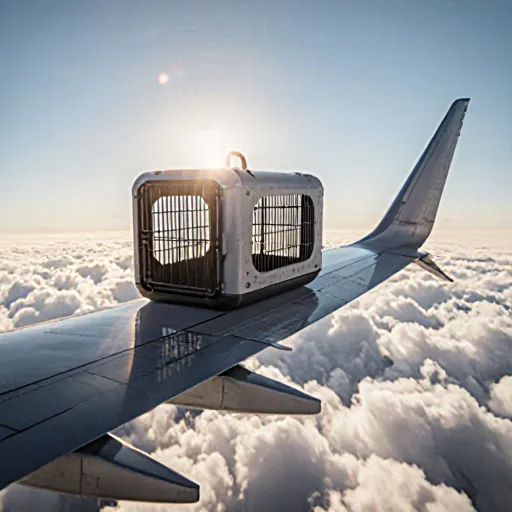
Jet‑Ready Journeys for Your Furry Friend
“Paws on Planes: Find the Ultimate Travel Crate”
Table of Contents
- Choosing the Right Dog Carrier for Travel
- Understanding Your Dog’s Size and Weight Limits
- Airline Regulations: What You Need to Know
- Types of Carriers: Soft‑Sided vs. Hard‑Sided
- Material Matters: Durability and Comfort Features
- Ventilation and Safety Locks
- Weight Distribution for Air Travel
- Ground Transportation Considerations
- Carriers for Long‑Haul vs. Short Trips
- Budgeting: Premium Features vs. Value Picks
- Ease of Cleaning and Maintenance
- Brand Reputation and Warranty Options
- User Reviews and Testimonials
- Conclusion
- FAQ
Choosing the Right Dog Carrier for Travel
- Size and Weight Limits: Measure your dog’s length from nose to tail and height at the shoulder. Use an airline or transport company’s size chart to find a carrier that accommodates those dimensions plus some extra room for comfort.
- Material & Construction: Lightweight foam carriers are ideal for short trips, while padded hard-shell models provide better protection on long flights or road trips. Look for sturdy zippers, reinforced seams, and breathable mesh panels.
- Ventilation: Adequate airflow prevents overheating. Mesh windows on all sides, a vented top, or an adjustable air filter are key features for hot climates.
- Security & Locking Mechanisms: Double-zippered fronts, twist-lock latches, and TSA-approved locks ensure the carrier stays secure during transit.
- Ease of Cleaning: Removable, machine‑washable liners or a wipe‑clean exterior reduce odor buildup. Consider carriers with detachable pads for quick cleaning.
- Compliance with Airline Policies: Verify that the carrier meets in‑flight dimensions (e.g., 18 x 14 x 9 inches for most U.S. airlines) and is labeled “carry‑on” or “checked” as required.
- Acclimate Your Dog: Start by letting your dog explore the carrier at home. Place familiar bedding, toys, and a water dish inside to create a positive association.
- Pre‑Flight Hydration & Feeding Schedule: Feed your dog 2–3 hours before departure to avoid motion sickness, but offer a small snack or chew during the flight. Keep a refillable water bottle in the carrier’s side pocket.
- Secure the Carrier Inside the Vehicle: Use seat belts or a dedicated pet harness attachment. The carrier should be stable and not slide forward when the car accelerates or brakes.
- Ventilation During Long Trips: Open mesh panels slightly during layovers or long drives to circulate air, especially in hot weather.
- Check for Comfort: If your dog appears anxious or restless, pause the trip if possible. A quick walk or gentle petting can help calm them before resuming travel.
| Scenario | Recommended Carrier | Key Features |
|---|---|---|
| Short Flights (≤2 hours) | Sporty Dog Travel Carrier | Lightweight, fold‑out design, TSA lockable zipper |
| Long Haul Flights (>5 hours) | Travelpro Hard Shell Pet Carrier | Padded interior, reinforced corners, mesh ventilation |
| Road Trips (multiple stops) | Mighty Paw 2‑Way Dog Carriers | Convertible to backpack, sturdy handle, water bottle holder |
| Pet Boarding or Hotel Stays | AmazonBasics Travel Pet Carrier | Affordable, removable interior pad, easy cleaning |
- Confirm carrier dimensions with the airline or travel provider.
- Pack a small bag of your dog’s favorite treats, a leash, and a spare collar.
- Label the carrier with your contact information and any medical notes.
- Perform a quick safety check: secure zippers, test lock mechanisms, and ensure no loose parts that could become hazards.
Choosing the right dog carrier is essential for a safe, comfortable journey. By evaluating size, material, ventilation, and compliance with travel regulations—and by preparing your dog beforehand—you’ll reduce stress for both of you and enjoy a smoother adventure together.
Understanding Your Dog’s Size and Weight Limits
When selecting a travel carrier for your canine companion, the most fundamental consideration is the dog’s size and weight. A carrier that fits comfortably will reduce stress for both you and your pet, while an ill-fitting one can lead to injury or even legal complications if it doesn’t meet airline regulations.
1. Measure Your Dog Accurately
- Length: From the tip of the nose to the base of the tail. This gives you an idea of how long the carrier needs to be.
- Height: Measured from the floor to the top of the head or ears (whichever is higher). Don’t forget to account for a slightly raised back, especially in breeds like German Shepherds.
- Weight: Weigh your dog on a reliable scale. If you’re unsure about the exact weight, err on the side of caution and choose a carrier that can accommodate a bit more than the measured value.
2. Apply the “Rule of Thumb” for Carrier Dimensions
A widely accepted guideline is to add 25–30 % to each dimension (length, height, width) when selecting a carrier. This extra space allows your dog to stand, turn around, and lie down comfortably.
| Dog Size | Approximate Carcass Dimensions (inches) | Suggested Carrier Size (inches) |
|---|---|---|
| Small (≤15 lb) | 12 × 9 × 8 | 15 × 12 × 10 |
| Medium (16–30 lb) | 18 × 13 × 11 | 22 × 17 × 14 |
| Large (31–50 lb) | 24 × 16 × 12 | 30 × 20 × 15 |
| Extra‑Large (>50 lb) | 32 × 18 × 14 | 40 × 24 × 18 |
3. Check Airline and Transportation Regulations
Different carriers (e.g., airlines, trains, ferries) impose varying weight limits for pets in the cabin or cargo hold. Always verify:
- Maximum allowed weight per pet.
- Maximum combined weight of all pets on a flight.
- Specific carrier certification requirements (e.g., IATA, FAA).
4. Practical Examples
- Case 1: A 20‑lb Beagle traveling on a commercial flight. The beagle’s carcass measures 16 × 10 × 8 inches. Adding 30 % yields a carrier size of approximately 21 × 13 × 11 inches, which fits comfortably in the overhead bin and complies with most airline pet policies.
- Case 2: A 45‑lb Labrador on a train. The dog’s dimensions are about 22 × 14 × 12 inches. A carrier of 30 × 20 × 15 inches is recommended to allow the Labrador to stand and turn, while staying within typical rail transport limits.
5. Practical Tips for Choosing the Right Carrier
- Opt for a collapsible carrier if you travel frequently: It’s lightweight yet sturdy, making it easier to meet weight restrictions on flights.
- Select carriers with ventilation and secure latches: Proper airflow prevents overheating, and a reliable latch system keeps your dog safe during movement.
- Consider the carrier’s material: Aluminum or high‑density plastic carriers are robust but heavier; foam or fabric carriers are lighter but may not be suitable for cargo holds.
- Label clearly: Include a tag with your name, address, phone number, and your dog’s breed, age, and weight. This is especially important if the carrier ends up in a storage area or if your pet needs medical attention.
6. Final Checklist Before You Travel
- Measure your dog accurately (length, height, weight).
- Select a carrier that exceeds those measurements by at least 25 % in each dimension.
- Confirm the carrier’s weight and dimensions meet airline/transport regulations.
- Ensure the carrier has proper ventilation, secure latches, and is labeled with your contact information.
- Pack a small bag of familiar items (treats, toys, bedding) to keep your dog calm during transit.
By paying close attention to your dog’s size and weight limits and choosing a carrier that meets those specifications, you’ll make the travel experience safer, more comfortable, and less stressful for everyone involved.
Airline Regulations: What You Need to Know
Flying with a dog can be stressful, but a clear understanding of airline rules will make the journey smoother for both you and your pet. Below are the key points every traveler should consider when choosing a carrier that complies with airline regulations.
1. Carrier Size & Type Requirements
- Cabin (Carry‑on) Dogs: Most carriers allow small dogs to fly in the cabin if the carrier meets specific dimensions (typically no larger than 18” x 14” x 9” for domestic flights). The carrier must fit under the seat in front of you.
- Baggage/Checked‑in Dogs: For larger pets, carriers can be checked as luggage. These carriers usually need to be more robust (often made of hard plastic) and meet airline-specific size limits (e.g., 45” x 30” x 25”).
- In‑flight Safety Harnesses: Some airlines require pets in the cabin to wear a harness or seatbelt attachment. Ensure your carrier has an external strap that can be secured to the seat belt.
2. Labeling and Documentation
Your carrier must have clear labeling: “Live Animal,” “Pet,” and the dog’s name, weight, and destination. Additionally:
- Health Certificate: Most airlines require a health certificate issued within 10 days of departure.
- Vaccination Records: Proof of up‑to‑date rabies vaccination is mandatory for most international flights.
- Microchip Information: Some carriers ask for microchip details; keep a copy handy.
3. Airline-Specific Rules and Fees
Every airline has its own pet policy, so always check the latest guidelines before booking:
- American Airlines: Allows small dogs in cabin for a $125 fee; larger dogs must be checked for an additional charge.
- Delta Air Lines: Permits one pet per passenger in the cabin with a $200 fee; offers a dedicated “Pet Travel” service for larger animals.
- Southwest Airlines: Does not allow pets in the cabin but permits small dogs in the cargo hold for a flat $75 fee.
4. Preparing Your Dog and Carrier
Once you’ve confirmed your carrier meets regulations, prepare for the flight with these practical tips:
- Acclimate the Carrier: Let your dog explore the carrier at home for a week before travel.
- Ventilation & Comfort: Add breathable mesh panels and non‑slip liners to keep your pet comfortable.
- Hydration & Food: Attach a spill‑proof water bottle or provide a small bowl. Feed a light meal 4–6 hours before departure to avoid nausea.
- Identification Inside the Carrier: Place a clear, waterproof ID tag on the carrier’s front panel with your contact info and dog’s name.
5. During the Flight
Here are steps to keep your pet calm while flying:
- Place the carrier under the seat in front of you, ensuring it is secure and does not obstruct the aisle.
- Use a calming spray or natural supplement (e.g., valerian root) after consulting with your vet.
- Avoid opening the carrier during flight; if necessary, open only briefly for a quick bathroom break at gate level.
6. After Arrival
Upon landing:
- Retrieve your pet promptly from the baggage claim area to reduce stress.
- Check for any signs of dehydration or injury and contact a local vet if needed.
- Confirm that the carrier’s temperature and ventilation were adequate during transit.
By understanding airline regulations, choosing an appropriate carrier, and preparing thoroughly, you can ensure a safe, comfortable flight for your beloved dog. Happy travels!
Types of Carriers: Soft‑Sided vs. Hard‑Sided
When it comes to traveling with your canine companion, the type of carrier you choose can significantly affect both safety and comfort. The two main categories are soft‑sided carriers (often made from fabric or nylon) and hard‑sided carriers (constructed from plastic, aluminum, or composite materials). Below is a detailed comparison to help you decide which option best suits your needs.
Soft‑Sided Carriers
- Weight and Portability: Typically lighter than hard‑sided models. Ideal for hand‑carry, backpacking, or when you need to lift the carrier over shoulder straps.
- Flexibility & Comfort: The fabric walls can conform to your dog’s body shape, reducing pressure points during long flights or car rides.
- Ventilation: Most come with mesh panels that allow airflow—essential for hot climates or when the carrier is left in a vehicle.
- Security Features: Look for reinforced zippers, multiple locking points, and sturdy harness attachments. Some soft‑sided carriers include a removable seatbelt strap to keep your dog tethered inside the cabin.
- Ideal Use Cases:
- Air travel (especially when the airline allows carry‑on pets).
- Short car trips or rideshare services.
- Outdoor adventures where a lightweight pack is preferable.
Hard‑Sided Carriers
- Durability: Resistant to dents, crushing, and water damage. Great for rough handling or high‑impact situations.
- Safety: Provides a rigid “safe zone” that can protect your dog during sudden stops or turbulence on planes.
- Temperature Control: Many hard‑sided carriers include insulated panels or thermal liners to keep dogs cool in summer and warm in winter.
- Ventilation Options: Though less flexible, many models feature built‑in mesh windows or adjustable vents. Check that the vents are large enough for your dog’s head to breathe comfortably.
- Ideal Use Cases:
- Long flights where airline safety standards require a hard case.
- Road trips with frequent stops, especially if you plan to leave the carrier in the vehicle for extended periods.
- Traveling with larger breeds or dogs that may be prone to restlessness.
Key Factors to Consider
- Size & Fit: Measure your dog’s length, height, and weight. The carrier should allow them to stand, turn around, and lie down comfortably.
- Airline Policies: Many airlines have specific size limits and require carriers to fit under the seat. Check if they accept soft‑sided or hard‑sided carriers and whether a pet must be in a crate.
- Comfort Accessories: Pads, blankets, and odor‑absorbing liners can make any carrier more comfortable.
- Ventilation vs. Security: If you’re traveling to hot climates, prioritize ventilation; if safety is paramount (e.g., flying), hard‑sided may be better.
- Budget & Longevity: Hard‑sided carriers tend to cost more but last longer. Soft‑sided options are usually cheaper and easier to replace if damaged.
Practical Advice & Examples
- Example: Soft‑Sided – Sherpa Original Deluxe Pet Carrier: Lightweight, comes with a seatbelt strap for cabin travel, and includes mesh windows. Ideal for small to medium dogs on short flights.
- Example: Hard‑Sided – Petmate Sky Kennel 3‑Tier: Fully rigid, meets most airline requirements for carry‑on or checked pets, features an insulated interior and adjustable vents. Perfect for larger breeds traveling long distances.
- Pro Tip: Before a trip, practice walking with the carrier in the car to ensure your dog is comfortable and that you can secure it properly on the seat belt.
Ultimately, the best choice depends on your travel style, your dog’s temperament, and airline regulations. By weighing these factors carefully, you’ll choose a carrier that keeps both you and your pet safe, relaxed, and ready for adventure.
Material Matters: Durability and Comfort Features
A good dog carrier is more than just a pretty bag—it’s the safety net that keeps your pet secure and comfortable during every trip. When you’re choosing between canvas, nylon, leather, or hybrid materials, consider how each one stacks up on three key fronts:
- Strength & Build Quality
- Comfort for Your Dog
- Ease of Maintenance
1. Strength & Build Quality
Durability starts with the carrier’s construction:
- Teflon‑coated canvas – Offers a rugged weave that resists tears and is often reinforced with a metal frame or heavy‑gauge steel buckles.
- Nylon (e.g., ripstop, polyester) – Lightweight yet highly tear‑resistant. Look for double stitching around high‑stress points such as the handle and wheels.
- Leather – Provides a sleek look and natural breathability, but only works well if it’s thick, full‑grain leather with reinforced seams. Avoid cheap faux‑leather that can crack under pressure.
- Hybrid (canvas + nylon) – Combines the best of both worlds—sturdy canvas body with a nylon lining for extra strength and easy cleaning.
Practical Test:
Give each material a gentle tug at the handle, then try a quick “squeeze” on the sides. A carrier that flexes but doesn’t snap is usually built to last. Also check the zipper quality—metal or heavy‑grade plastic zippers with reinforced edges are preferable over flimsy nylon ones.
2. Comfort for Your Dog
Your pet’s well‑being depends on how the carrier feels:
- Ventilation – Mesh panels or a breathable mesh top keep air circulating, especially in hot climates.
- Padding & Support – Look for carriers with foam or padded shoulder straps and a reinforced bottom. A removable, washable pillow can add extra comfort for longer trips.
- Size & Shape – Ensure the carrier is wide enough that your dog doesn’t feel cramped. Some models feature an adjustable interior divider so you can create a cozy nook or a spacious open area.
- Secure Latches – Easy‑to‑open, yet secure latches keep your dog from escaping while still allowing quick access for feeding and bathroom breaks.
Real‑World Example:
A 10‑lb terrier in a lightweight nylon carrier with a mesh top will feel breezy during a car ride, whereas a larger breed like a Labrador needs a reinforced canvas carrier with a padded interior to prevent the dog from pressing against hard edges.
3. Ease of Maintenance
Traveling can get messy—wet fur, drool, and accidental spills are inevitable. Choose a material that’s easy to clean:
- Water‑resistant canvas – Can be wiped down with a damp cloth; some even come with removable liners that you can wash separately.
- Nylon – Most nylon carriers are machine washable or at least spot‑cleanable. A quick rinse in warm soapy water often does the trick.
- Leather – Requires special conditioners and protective sprays; not ideal if you anticipate a lot of outdoor use.
Cleaning Tip:
After every trip, remove any bedding or toys, shake out loose fur, then wipe the carrier with a mild detergent solution. Let it air dry completely before storing to prevent mold or mildew.
Select a carrier that balances strength, ventilation, padding, and ease of cleaning. A well‑constructed, comfortable carrier will keep your dog safe, reduce travel anxiety, and make the whole journey smoother for both of you.
Ventilation and Safety Locks
When selecting a dog carrier for travel, two features often decide whether the journey will be safe, comfortable, and hassle‑free: ventilation and safety locks. Below we break down why each is essential, how to evaluate them, and what specific options you should look for in different travel scenarios.
Why Ventilation Matters
- Temperature Regulation: Dogs cannot sweat effectively; they rely on panting. Adequate airflow helps prevent overheating during long car rides or flights.
- Air Quality: Fresh air reduces the risk of respiratory irritation, especially in small breeds with narrow nostrils.
- Mental Well‑Being: A well-ventilated carrier allows your pet to see outside, reducing anxiety and restlessness.
**Practical Tips for Assessing Ventilation:**
- Check the Mesh Coverage: Aim for at least 50% of the carrier’s exterior surface covered in breathable mesh. A quick test is to hold a hand near the carrier; you should feel a breeze.
- Look for Adjustable Vents: Some carriers feature side or top vents that can be opened or closed depending on weather conditions.
- Consider the Material: Lightweight aluminum frames with mesh panels often provide better airflow than rigid plastic models.
The Role of Safety Locks
Safety locks are mechanisms that secure your dog inside the carrier and prevent accidental openings. They come in several varieties, each suited to different travel modes.
- Latch‑Type Locks: Simple screw or button latches found on most pet carriers. Ideal for short car trips where you’ll be seated at the front.
- Double‑Lock Systems: Combine a primary latch with a secondary safety bar. These are recommended for airplane travel, where cabin pressure changes could shift unsecured items.
- Quick‑Release Mechanisms: Allow you to open the carrier rapidly in emergencies (e.g., sudden illness). Look for child‑proof designs that prevent accidental disengagement.
**Evaluating Safety Locks:**
- Test Strength: Gently pull on the latch to ensure it holds firmly. A lock should withstand at least 20 lb of force without loosening.
- Inspect for Wear: Check for frayed edges, loose screws, or broken springs—these can compromise safety.
- Compatibility with Airline Regulations: Most airlines require carriers to have a secure latch that stays closed during flight. Verify the carrier meets TSA dog travel guidelines.
Real‑World Examples
- Carrie-A-Lou 4-in-1 Carrier: Features a top vent that opens for airflow and a robust latch system approved by most airlines.
- Kurgo Skybox Airplane Pet Carrier: Comes with a double‑lock design and a mesh side panel, making it ideal for frequent flyers.
- Petmate Sky Kennel: Offers adjustable side vents and a child‑proof quick release, perfect for road trips across varying climates.
Final Checklist Before You Buy
1. Verify the carrier’s mesh coverage and adjustability.
2. Test the latch strength with your own hands or a weighted test.
3. Confirm compliance with airline and transport regulations.
4. Consider your dog’s size, temperament, and travel frequency.
By prioritizing both ventilation and safety locks, you’ll ensure that every trip—whether by car, train, or plane—is a positive experience for both you and your canine companion.
Weight Distribution for Air Travel
When flying with your canine companion, weight distribution is a critical factor that can affect safety, comfort, and compliance with airline regulations. An improperly balanced dog carrier not only makes the journey uncomfortable for your pet but can also pose risks to the aircraft’s handling and to other passengers.
Why Weight Distribution Matters
- Aerodynamic Stability: A heavy or unevenly loaded cabin can shift the center of gravity, affecting how the plane rolls and pitches during flight. This is especially important on smaller regional jets where even minor weight changes are noticeable.
- Cabin Safety: Airlines often store pet carriers in overhead bins or under seats. If a carrier is too heavy, it may exceed the bin’s load limit, potentially leading to accidental release during turbulence.
- Comfort for Your Dog: A well‑balanced carrier allows your dog to settle naturally without being pressed against the side of the container by excessive weight on one end.
Practical Steps to Achieve Proper Weight Distribution
- Select a Carrier with a Flat Bottom: Carriers that are too tall or have uneven bottoms can create a “top‑heavy” situation. Look for models with a sturdy, flat base that sits level on the floor of the cabin.
- Pack Light and Strategically:
- Place heavier items (e.g., travel bed, food cans) at the bottom of the carrier, closest to the plane’s floor.
- Use a lightweight backpack or pouch for lighter supplies (e.g., water bottle, toys). This keeps the upper portion of the carrier relatively light.
- Check Airline Load Limits: Every airline specifies a maximum weight per pet and a total weight limit for in‑cabin carriers. Verify these limits on the airline’s website or by calling their customer service before booking.
- Use a Carrier with Adjustable Straps: Some carriers come with removable or adjustable shoulder straps that allow you to shift the carrier’s center of gravity when carrying it over long distances, such as from the check‑in desk to the gate.
- Test Before Travel: Weigh your fully packed carrier with a kitchen scale. If it exceeds the airline’s limit by even a few pounds, remove non‑essential items or switch to a lighter carrier.
Choosing the Right Dog Carrier for Air Travel
Below are three popular carriers that excel in weight distribution and meet common airline requirements:
| Carrier Model | Maximum Weight (lbs) | Dimensions (inches) | Key Features |
|---|---|---|---|
| Petmate Sky Kennel 3‑Tier | 60 | 28 x 18.5 x 15.5 | Flat base, removable mesh panels for airflow, lightweight aluminum frame. |
| Sleepypod Air Pet Carrier | 30 | 22 x 13.6 x 12.8 | Built‑in foam padding for stability, dual ventilation vents, lightweight nylon shell. |
| Kurgo Skybox Airplane Carrier | 35 | 20 x 12.5 x 15 | Hard outer shell with reinforced corners, adjustable seat belt strap for in‑cab safety. |
Real‑World Example: Flying a Large Dog on a Regional Jet
Scenario: You’re traveling with a 40‑lb Labrador named Max on a commuter airline that allows only a single in‑cabin pet weighing up to 45 lbs.
- Step 1 – Choose Carrier: The Petmate Sky Kennel 3‑Tier fits Max comfortably and is under the weight limit.
- Step 2 – Pack: Place a lightweight travel bed on the bottom layer, Max’s food cans on the middle layer, and his water bottle in a pouch on top. Total carrier weight: 42 lbs.
- Step 3 – Verify Compliance: Call the airline to confirm that your carrier meets their size restrictions (maximum 22 x 18.5 x 15 inches).
- Result: Max remains calm, the carrier stays level on the seat floor, and you avoid any last‑minute weight‑limit issues.
Final Tips
- Always weigh your carrier before booking flights.
- Use a travel scale or smartphone app that supports the metric system for precision.
- Keep a copy of airline weight limits handy in case you need to double‑check during check‑in.
By paying close attention to weight distribution and choosing a carrier designed with these principles in mind, you’ll ensure a smoother, safer journey for both you and your four‑legged travel companion.
Ground Transportation Considerations
When traveling by car, train, or bus, the way you transport your dog inside the vehicle can greatly influence both safety and comfort. A well‑chosen carrier not only protects your pet but also helps you stay compliant with local regulations and airline policies if you’re taking a flight later.
1. Choosing the Right Carrier Size
- Measure Your Dog: Use a tape measure to record height (from floor to the top of the head) and length (nose to base of tail). Add a few inches for comfort.
- Check Vehicle Space: Most cars can accommodate carriers that fit snugly in the back seat or trunk. For larger dogs, consider a carrier with wheels or a collapsible frame that fits into a cargo area.
- Regulation Compliance: Some states require that pets be secured in a crate or harness while driving. Verify local laws before choosing a carrier type.
2. Safety Features for Road Travel
- Seat Belt Attachment: Many carriers come with a seat‑belt strap that clips into the vehicle’s existing belt system, keeping the crate from shifting during sudden stops.
- Secure Latches and Locks: Look for sturdy latches that lock in place. If you’re traveling long distances, a double‑lock mechanism can prevent accidental opening.
- Ventilation: Proper airflow is crucial. Choose carriers with mesh panels on all sides or replace the lid with a breathable cover during hot weather.
3. Comfort Enhancements for Long Drives
- Soft Bedding: Add a memory‑foam pad or a small, washable blanket to reduce motion sickness and give your dog a cozy spot.
- Cooling Pads: For hot climates, attach a cooling gel pad that can be frozen overnight. This helps regulate body temperature during extended trips.
- Toy & Familiar Item: Place a favorite toy or a towel with your scent to reduce anxiety and provide mental stimulation.
4. Practical Tips for Train and Bus Travel
- Pre‑Booking Carriers: Some train services allow carriers up to a certain size. Call ahead to confirm space availability, especially on busy routes.
- Labeling: Attach a label with your contact information and “Live Animal” stickers to alert staff in case of emergencies.
- Temperature Control: Avoid placing carriers near heating vents or windows where temperatures can fluctuate drastically. Position them on the floor or low seat for stability.
5. Maintenance & Hygiene
- Cleaning Routine: After each trip, wash any removable bedding with mild detergent and allow it to air dry completely before reuse.
- Inspect for Damage: Regularly check seams, zippers, and locks for wear. Replace or repair immediately to maintain safety integrity.
6. Sample Carrier Options
| Brand & Model | Dimensions (L x W x H) | Key Features |
|---|---|---|
| Petmate Sky Kennel XL | 27" x 19.5" x 22" | Mesh windows, seat‑belt strap, sturdy plastic frame |
| AmazonBasics Soft-Sided Travel Carrier | 23" x 14" x 13" | Lightweight, collapsible, removable padded liner |
| Sherpa Original Pet Carrier | 20.5" x 12" x 11" | Water‑resistant canvas, multiple ventilation panels, handles for easy transport |
By thoughtfully selecting a carrier that fits your dog’s size, the vehicle’s layout, and the specific mode of ground transportation, you’ll ensure a safe, comfortable journey every time. Remember to test the setup during short drives before embarking on longer trips to identify any adjustments needed.
Carriers for Long‑Haul vs. Short Trips
Whether you’re planning a weekend getaway or an international flight, the type of carrier you choose can make a huge difference in your dog’s comfort and safety. Below we break down the key factors that differentiate carriers for short trips from those suited to long‑haul travel, with real‑world examples and practical tips so you can pick the perfect fit.
1. Size & Capacity
- Short Trips: A compact carrier that fits under most airplane seats or in a car’s back seat is ideal. For example, a 22‑inch by 14‑inch carrier works well for a small to medium dog (up to 25 lb) and can be stored in the trunk of a sedan.
- Long‑Haul: Larger carriers (24–30 inches) provide more space for standing, turning around, or lying down comfortably. Airlines often require “in‑cabin” carriers that meet specific dimensions (e.g., 22 × 14 × 9 inches), but for flights where the dog is checked as luggage, a sturdy crate of 36 × 24 × 20 inches may be necessary.
2. Ventilation & Airflow
Dogs need fresh air on every journey. For short trips, carriers with multiple mesh panels (front, sides, and bottom) keep the dog cool during a quick drive or a one‑hour flight. Long‑haul carriers should have at least three layers of ventilation: front, side, and rear. Some high‑end airline-approved crates come with built‑in fans that can be powered by a 12V adapter.
3. Material & Durability
- Short Trips: Lightweight polycarbonate or reinforced nylon carriers are easy to carry and transport, making them perfect for last‑minute trips.
- Long‑Haul: For longer flights or road trips that may involve rough handling, choose a hard plastic crate with double‑walled construction. Look for crates with impact‑resistant corners and secure latches—many airlines require the crate to meet ASTM F963 standards.
4. Comfort Features
A soft, removable pad is essential for any trip, but especially for long-haul flights where a dog might rest for hours. For short trips, a thin foam lining suffices; for longer journeys, consider a padded floor that can be replaced with a cooling mat or heated pad (if the airline permits).
5. Ease of Cleaning
Dogs may vomit or have accidents during travel. Short‑trip carriers often come with a detachable tray that is dishwasher safe, while long‑haul crates usually feature a removable floor that can be wiped down. Look for carriers with non‑porous surfaces to prevent odors from lingering.
6. Airline Regulations
- Short Trips: Many airlines allow small dogs in the cabin if they fit under the seat and weigh less than 20 lb (including carrier). Check the airline’s “pet travel” page for exact dimensions.
- Long‑Haul: Some carriers are only allowed as checked baggage or cargo. Verify that your chosen crate meets the airline’s specifications for height, weight, and secure latching. For international flights, you’ll also need a valid health certificate and possibly a microchip and vaccination records.
7. Practical Examples
| Scenario | Carrier Type | Key Features |
|---|---|---|
| Weekend road trip in a sedan | Compact nylon carrier (22 × 14 × 9 inches) | Lightweight, removable tray, 3‑way ventilation |
| One‑hour flight to a nearby city | Hard plastic crate (24 × 18 × 12 inches) | Secure latch, reinforced corners, removable foam pad |
| International flight over 8 hours | Checked‑in cargo crate (36 × 24 × 20 inches) | Double‑walled, padded floor, compliant with IATA regulations |
8. Final Checklist Before You Go
- Measure your dog: Length from nose to tail + shoulder height.
- Confirm airline rules: Cabin or cargo, weight limits, and required documentation.
- Acclimate your dog: Practice with the carrier for 10–15 minutes daily before travel.
- Pack wisely: Include a water bowl that won’t tip over, a small amount of familiar bedding, and any medication.
- Label everything: Carrier ID tags, your contact info, and a “Pet Travel” sticker.
By matching the carrier’s size, ventilation, durability, and airline compliance to the length of your trip, you’ll give your dog the safest and most comfortable travel experience possible. Happy travels!
Budgeting: Premium Features vs. Value Picks
When you’re planning a trip with your canine companion, selecting the right carrier is as important as packing snacks and a first‑aid kit. The market offers everything from ultra‑luxurious, feature‑packed carriers to budget‑friendly options that still meet safety standards. Understanding what truly matters—and what can be trimmed—helps you strike the perfect balance between cost and comfort.
What Premium Carriers Offer
- Advanced Ventilation & Cooling: Built‑in mesh panels, breathable fabrics, or even built‑in cooling fans for hot climates.
- Modular Interior: Removable dividers, padded seats, and storage pockets for treats, water bottles, or vet documents.
- Smart Features: Built‑in GPS trackers, Bluetooth connectivity for temperature alerts, and automatic door locks that integrate with mobile apps.
- High‑End Materials: Carbon fiber frames, waterproof ballistic nylon, or reinforced polycarbonate windows that resist dents and scratches.
- Compliance & Certification: Certified by the International Air Transport Association (IATA) for air travel, or meeting ASTM standards for pet safety.
Why You Might Skip the Extras
Premium features can add $200–$400 to a carrier’s price. For many owners, the most critical factors—durability, ventilation, and safety—are available in mid‑range or budget models:
- Ventilation: A simple mesh panel on each side provides adequate airflow for most breeds.
- Weight & Size: Many affordable carriers use lightweight aluminum or high‑strength polymer frames that still hold up to heavy usage.
- Certifications: Even budget carriers can be IATA compliant; check the label before purchasing.
Practical Decision Matrix
Use this quick table to evaluate your needs. Assign a score (1‑5) for each category and total them up:
| Feature | Budget Carrier | Mid‑Range Carrier | Premium Carrier |
|---|---|---|---|
| Ventilation | 4 | 5 | 5 |
| Durability (frame material) | 3 | 4 | 5 |
| Weight capacity | 3 | 4 | 5 |
| Smart tech (GPS, temp alerts) | 1 | 2 | 5 |
| Compliance (IATA/ASTM) | 4 | 5 | 5 |
Real‑World Examples
- Budget Pick: Petmate Sky Kennel – $129, aluminum frame, removable mesh panel, IATA compliant. Great for short flights or car trips.
- Mid‑Range Pick: Lily's Pet Travel Carrier – $199, carbon‑fiber frame, built‑in water bottle holder, GPS tracking via a companion app.
- Premium Pick: PetSafe SmartFlight Pro – $399, dual‑zone ventilation, integrated cooling fan, automatic door lock with smartphone control.
Tips for Getting the Most Value
- Prioritize Safety: Ensure the carrier meets airline and transport regulations first. A cheaper model that isn’t compliant can cost you more in fines or denied boarding.
- Read Reviews & Test Handles: Look for user feedback on durability, weight distribution, and ease of cleaning.
- Consider Your Dog’s Size & Temperament: Larger dogs need sturdier frames; anxious dogs benefit from extra padding or a quieter interior.
- Look for Warranty & Return Policies: A 1‑year warranty on the frame can save you future replacement costs.
- Buy During Off‑Season Sales: Many retailers discount pet carriers during holiday periods; catch a deal and add it to your travel kit.
By matching your dog’s needs with the appropriate level of features, you’ll travel confidently—without breaking the bank. Remember: the best carrier is one that balances safety, comfort, and budget, ensuring both you and your furry friend arrive stress‑free at your destination.
Ease of Cleaning and Maintenance
When you’re traveling with a dog, the last thing you want to worry about is a dirty carrier. A clean carrier not only keeps your pet comfortable but also reduces the risk of odor, mold, or bacterial buildup that can affect both you and your furry friend. Below are practical tips, real‑world examples, and product recommendations to help you choose a carrier that’s easy to keep pristine on every trip.
1. Choose Materials That Are Washable or Quick‑Dry
- Mesh with removable liners: Many carriers feature a mesh shell for ventilation and a detachable, washable inner lining (often made of cotton or polyester). After a long walk in the park, simply pull out the liner, rinse it in hot water, and let it air dry.
- Water‑resistant fabrics: Look for carriers coated with a breathable waterproof finish. These resist spills from drool or accidental rain splashes, allowing you to wipe them down with a damp cloth without damaging the material.
- Microfiber topsheets: Microfiber is highly absorbent and dries quickly. If your carrier’s top layer is microfiber, you can spot‑clean it with a mild soap solution and a soft brush.
2. Opt for Removable or Foldable Components
Carriers that allow you to remove the seat cushion, handle grips, or even the entire interior panel make cleaning much easier. You can take these parts out of the carrier and wash them separately in a washing machine.
Example: The “TravelMate” Carrier
- The TravelMate’s padded seat is removable and machine‑washable on a gentle cycle.
- The interior mesh panel can be taken out, rinsed in a sink, and left to dry inside the carrier.
- Its detachable handle grips are made of silicone, which can be wiped clean with soap and water.
3. Prioritize Easy‑to‑Clean Fastenings
Zippers, buckles, and Velcro should be smooth and free from crevices where fur or dirt can accumulate. Look for carriers that use smooth zipper pulls and high‑quality buckles made of metal or sturdy plastic.
Practical Tip:
- Before traveling, run a quick inspection: pull all zippers open to check for debris. If you find any stuck fur, use a small brush or dental floss to remove it.
- After each trip, give the carrier a quick wipe‑down with a damp microfiber cloth and let it air dry in sunlight (if possible).
4. Use Protective Covers
If you’re traveling frequently or plan to use the carrier on rough terrain, consider an additional protective cover. Many pet travel accessories come with a waterproof rain cover that fits over the carrier’s exterior.
Example: “Canine Shield” Rain Cover
- Made from lightweight nylon with a breathable mesh panel for ventilation.
- Features elastic hems to secure it around the carrier, preventing rain infiltration.
- Easy to remove and toss in a bag for quick cleaning.
5. Store Properly Between Trips
A clean carrier stays clean longer if stored correctly:
- Keep it in a ventilated area or inside a breathable storage bag to avoid mold.
- Avoid leaving the carrier sealed in a plastic container for extended periods, as this traps moisture and promotes bacterial growth.
- If you’re using a hard shell carrier, consider placing a small dehumidifier pouch inside to keep humidity low.
6. Quick‑Fix Cleaning Hacks
For unexpected messes on the go:
- Spray & Wipe: Use a pet‑safe cleaning spray and a microfiber cloth to wipe down surfaces.
- Portable Brush: Keep a small dog brush or comb in your bag; it can remove loose fur from the carrier’s interior quickly.
- Disposable Liners: Some carriers come with disposable, pre‑soaked cleaning pads that you can simply discard after use.
Product Recommendation: “PawsPort” Travel Carrier
This carrier combines many of the features above:
- Removable, machine‑washable seat pad.
- Waterproof polyester shell with a quick‑dry interior lining.
- Smooth zippers and Velcro fasteners for easy cleaning.
- Includes an optional rain cover that fits snugly over the carrier.
By choosing a carrier designed with cleaning in mind, you’ll spend less time scrubbing and more time enjoying adventures with your dog. Remember: a clean carrier is not just about hygiene—it’s also a sign of good care and respect for your pet’s well‑being.
Brand Reputation and Warranty Options
When it comes to choosing a dog carrier for travel, the brand reputation and warranty coverage are often overlooked but critical factors that can affect safety, durability, and overall satisfaction. Below we break down what to look for, real‑world examples, and practical tips for making an informed decision.
1. Why Brand Reputation Matters
- Safety Standards: Established brands typically adhere to stricter safety guidelines (e.g., ASTM or ISO certifications) because they have a track record of meeting industry expectations and handling recalls responsibly.
- Quality Materials: Reputable manufacturers invest in higher‑grade fabrics, zippers, and hardware that can withstand frequent use, rough handling, and extreme temperatures.
- Customer Support: A well‑known brand will usually have a dedicated support line or chat service, making it easier to resolve issues quickly.
2. Warranty Coverage: What It Covers and How It Helps
A good warranty protects you from manufacturing defects and material failures that could compromise your pet’s safety. Here are key points to consider:
- Length of coverage: Look for at least a 1‑year warranty; some premium carriers offer up to 5 years.
- Scope: Does it cover all parts (frames, straps, zippers) or just the frame?
- Claim process: Is there an online claim form? Do you need to ship the carrier back for inspection?
- Replacement vs. repair: Some warranties offer a full replacement if the defect cannot be repaired.
3. Real‑World Brand Examples
| Brand | Reputation Highlights | Warranty Details | Typical Price Range (USD) |
|---|---|---|---|
| Petmate | Trusted for decades, strong focus on safety; frequent updates to product lines. | 2‑year limited warranty covering frame and zippers. | $25–$60 |
| Kurgo | Known for innovative designs (e.g., bike carriers); frequent positive reviews from pet owners. | 5‑year comprehensive warranty on frame, zippers, and straps. | $40–$120 |
| Sleepypod | High-end comfort carriers with patented sleep technology; often recommended by veterinarians. | Lifetime warranty on frame; 1‑year on accessories. | $150–$300 |
| Apex | Specializes in travel carriers with reinforced frames and multiple attachment points. | 3‑year limited warranty covering all structural components. | $50–$90 |
4. Practical Advice for Evaluating a Brand
- Read third‑party reviews: Look at sites like Amazon, Chewy, and specialized pet blogs to see real user experiences.
- Check safety certifications: Verify that the carrier meets ASTM F963 or ISO 9001 standards. This information is often listed on the manufacturer’s website or product packaging.
- Contact customer support: Send a quick email asking about warranty terms and how to file a claim. A prompt, helpful response indicates good after‑sales service.
- Compare warranties side‑by‑side: Create a simple spreadsheet of warranty length, coverage scope, and claim process for the top three brands you’re considering.
- Test the carrier in person: If possible, visit a pet store or local event to physically inspect the carrier’s build quality, zipper smoothness, and strap comfort.
5. Summary Checklist Before Purchase
- Brand has at least one safety certification.
- Warranty covers major structural components for a minimum of 1 year.
- Positive user reviews on durability and ease of cleaning.
- Clear, accessible claim process with a reasonable turnaround time.
- Price aligns with the brand’s reputation and warranty offer.
By combining these research steps with real‑world examples, you’ll be well‑equipped to choose a dog carrier that not only meets your travel needs but also offers peace of mind through reputable branding and solid warranty protection.
User Reviews and Testimonials
Below are real stories from travelers who’ve chosen the right dog carrier for their journeys. Their experiences highlight key factors—comfort, safety, and convenience—that make all the difference when you’re on the road with your furry friend.
Emma L., Portland, OR
I booked a round‑trip flight to New York for my German Shepherd, Luna. I chose a certified airline carrier that met the FAA’s “Dog Travel Safety” guidelines. The carrier had a padded floor and a secure latch system, so Luna stayed calm throughout the flight. On arrival, I could quickly remove her from the carrier and give her a water bowl—no fuss or delays.
Marcus R., Dallas, TX
During our road trip across Texas with my Corgi, I invested in a reversible hammock carrier. It folded flat against the car’s seat and had side vents for airflow. The back‑strap strap kept the carrier secure even on rough roads. My Corgi slept through most of the drive, which made our 12‑hour journey a breeze.
Sofia G., Madrid, Spain
When traveling by train across Europe with my Boxer, I selected a lightweight aluminum frame carrier. The carrier’s “air‑lock” design allowed me to keep the dog out of the aisle while still keeping her visible for safety checks. It was also easy to clean—just wipe down the mesh walls after each stop.
Javier T., Buenos Aires, Argentina
I had a last‑minute trip to a wildlife reserve with my Labrador. I chose a compact travel carrier that fit into the overhead compartment of a regional flight. The carrier’s padded side panels protected my dog from sudden jolts, and the quick‑release latch meant I could get him out instantly when we landed.
What to Look For in a Dog Carrier – Quick Takeaways
- Certification: Ensure it meets airline or train safety standards (e.g., FAA, IATA).
- Ventilation: Mesh panels or built‑in fans keep your dog cool.
- Secure Latching System: Dual latches or a locking mechanism prevent accidental opening.
- Weight Capacity & Size: Match the carrier to your dog’s size and weight for comfort.
- Ease of Cleaning: Removable, washable liners reduce odors and stains.
Choosing the right carrier is more than just picking a box—it’s about ensuring safety, comfort, and peace of mind for both you and your pet during travel. Use these reviews as a guide to find the perfect match for your next adventure.
Conclusion
Selecting a dog carrier isn’t just about picking the biggest or the cheapest option; it’s about ensuring safety, comfort, and compliance with travel regulations. Below is a practical checklist that distills everything you’ve learned into actionable steps.
- Know the Rules: Before booking your flight or road trip, consult the airline’s pet policy (e.g., American Airlines, Delta, United) and the TSA’s guidelines for in‑flight pets. For car travel, check state regulations that might dictate carrier type or size.
- Measure Your Dog:
- Length: from nose to base of tail.
- Height: chest height when standing.
- Weight: always weigh your dog on a calibrated scale.
- Pick the Carrier Type:
- Hard‑Shell: Ideal for long flights or rough road conditions. Look for ventilation panels, a secure latch, and an interior pocket for treats.
- Soft‑Sided: Best for short trips or when you need to carry the carrier in the cabin. Ensure it has sturdy side walls or a removable panel for extra support.
- Bucket‑Style: Great for dogs that like to sit upright and can stay calm on a seat belt. Verify that it meets TSA pet travel guidelines.
- Prioritize Comfort:
- Lining: Use washable, breathable fabrics. Add a non‑slip mat for dogs that like to stand.
- Ventilation: Check airflow on both the front and rear of the carrier. For hot climates, consider carriers with mesh windows or a built‑in fan.
- Padding: A thick foam base prevents injuries during sudden stops.
- Safety Features:
- Secure latch mechanisms that lock in place and resist opening mid‑flight or in a car crash.
- Side panels or an inner frame to keep the dog from sliding out of the carrier during movement.
- Reflective strips for nighttime visibility if you’ll be walking with your pet after arrival.
- Test Before You Travel:
- Set up the carrier in a similar environment (car seat, airplane seat).
- Let your dog explore and stay inside for at least 30 minutes to gauge comfort.
- Observe behavior: does your dog seem anxious or secure? Adjust padding or ventilation as needed.
- Pack Smart:
- Water bottle and collapsible bowl.
- Favorite toys or a blanket with familiar scent.
- A small first‑aid kit: gauze, antiseptic wipes, and any medication your vet recommends.
- Practice Makes Perfect: On short trips, practice securing the carrier in place. For flights, bring it to a local airport for a “test flight” – many airlines allow you to walk through the boarding process with a pet carrier on hand.
- Know When to Upgrade:
- If your dog grows beyond the carrier’s weight limit.
- If the current carrier lacks ventilation or safety features required by newer airline policies.
- When you notice signs of stress, such as excessive panting or vocalization during travel.
- Final Tip: Keep a photo of your dog’s measurements and the carrier’s specifications handy. This can be invaluable when dealing with airline staff or cross‑border regulations.
By following this checklist, you’ll ensure that every journey is as safe, comfortable, and stress‑free for both you and your furry companion as possible. Remember: the right carrier isn’t just a piece of equipment—it’s an essential part of responsible pet travel.
FAQ
1. Size Matters: Matching Your Dog’s Dimensions
Before you even browse a store, measure your dog’s height from shoulder to ground and length from nose to base of tail. Add a few inches for comfort—dogs should be able to stand up, turn around, and lie down in the carrier.
- Small breeds (≤ 25 lb): A carrier with dimensions roughly 18″ × 12″ × 12″ works well.
- Medium breeds (26–50 lb): Look for carriers around 22″ × 15″ × 14″.
- Large breeds (> 50 lb): Choose a carrier that’s at least 28″ × 18″ × 16″ or larger.
If your dog is on the cusp of two categories, err on the side of a slightly bigger carrier; you can always use a foam insert to fill excess space.
2. Airline and Transport Regulations
Every airline has its own rules about pet carriers. Check these before booking:
- Size limits: Most airlines allow carriers up to 18 inches tall, 14 inches wide, and 10 inches deep in the cabin.
- Weight limits: Many carriers must weigh under 15–20 lb (including the pet).
- Material restrictions: Airlines often require hard-shell carriers for cabin travel but allow soft‑shelled ones in the cargo hold.
Save a copy of your airline’s policy and keep it handy during check‑in to avoid surprises.
3. Hard vs. Soft Shell: Pros & Cons
| Feature | Hard‑Shell Carrier | Soft‑Shell Carrier |
|---|---|---|
| Security | Provides a rigid barrier against impacts. | More flexible but less protective. |
| Ventilation | Often has metal mesh windows; may need additional airflow. | Typically includes multiple mesh panels for better airflow. |
| Portability | Heavier and bulkier to carry. | Lighter, easier to lift or sling over shoulder. |
| Cargo Hold Compatibility | Accepted by most airlines for in‑flight cargo. | Sometimes rejected due to lack of structural integrity. |
4. Comfort Features That Make a Difference
- Padding & Bedding: Use moisture‑resistant liners that can be washed or replaced.
- Adjustable Straps: A shoulder strap with a quick‑release buckle keeps the carrier secure on your arm.
- Easy‑Open Latches: Look for carriers with one‑hand open latches—ideal when you’re juggling luggage.
- Cooling Pads: For hot climates, attach a gel cooling pad or use a carrier made from breathable mesh.
5. Safety Checks Before the Trip
- Secure Latches: Ensure all zippers and locks are fully closed; test by gently shaking the carrier.
- No Loose Items: Remove any loose accessories that could become projectiles during turbulence.
- Identification: Attach a tag with your dog’s name, your contact info, and an emergency number.
- Water & Food: Pack a spill‑proof water bottle and a small snack; many carriers have pockets for this purpose.
6. Practical Examples
- Case 1 – A 20 lb Labrador traveling by plane: The Petmate Sky Kennel (22″ × 14″ × 16″) meets airline cabin limits and offers a sturdy metal frame.
- Case 2 – A 7 lb Chihuahua on a road trip: The Sleepypod Air Travel Carrier (18″ × 12″ × 13″) fits in the overhead bin, is lightweight, and has ample ventilation.
- Case 3 – A 60 lb German Shepherd on a train: Use a large hard‑shell carrier like the K9 Sport 2.0 (28″ × 18″ × 16″) with a padded handle for easy carrying between stations.
7. Final Checklist Before You Go
| Item | Done? |
|---|---|
| Carrier meets airline size & weight limits | No |
| Latches and zippers secure | No |
| ID tag attached | No |
| Padded liner in place | No |
| Water bottle & snack ready | No |
By following these guidelines, you’ll ensure a safe, comfortable journey for both your dog and yourself. Happy travels!
</divCategories
- AI & Enrichment Play
- Broiler Farming
- Broiler Farming Tips
- Canine Wellness & Longevity
- Cat
- Cat & Human Connection
- Cat Adoption & Rescue
- Cat Breeds
- Cat Breeds & Personalities
- Cat Care & Health
- Cat Grooming & Hygiene
- Cat Lifestyle & Environment
- Cat Myths & History
- Cat Nutrition & Diet
- Cat Products & Reviews
- Cat Training & Behavior
- Comparison
- Consumer Awareness
- Dog
- Dog Accessories & Products
- Dog Adoption & Rescue
- Dog Breed & Lifestyle Trends
- Dog Breeding & Puppies
- Dog Entertainment & Media
- Dog Fashion & Trends
- Dog Fun & Lifestyle
- Dog Grooming & Hygiene
- Dog History & Culture
- Dog Myths, Science & Future Tech
- Dog News & Trends
- Dog Nutrition & Food
- Dog Psychology & Emotions
- Dog Safety & Security
- Dog Sports & Activities
- Dog Technology & Innovation
- Dog Training for Modern Owners
- Dog Travel & Adventure
- Dog Travel, Adventure & Culture
- Economic and Market Insights
- Educational Content
- FAQs
- Feeding Alternatives
- Festivals & Seasonal Ideas
- Fun & Entertainment
- General Knowledge
- General Pig Farming
- Health & Disease Management
- Housing and Environment
- Kittens
- Market Insights
- Miscellaneous
- Miscellaneous
- Motivational
- pig
- Pig Breeding
- Pig Breeds
- Pig Farming Stories and Inspiration
- Pig Health and Care
- Pig Nutrition
- Pig Products
- Profitability & Business
- Puppy Care
- Puppy Predictable Topics Reinvented
- Regional Focus
- Rescue & Adoption Buzz
- Senior Cats
- Senior Dog Care
- Smart Dog Tech & Gadgets
- Sustainability
- Sustainable & Eco-Friendly Dog Products
- Tech & Innovations
- Working & Service Dogs
- Broiler Feed66 products
- Country Feed33 products
- Pig Feed66 products
- Product22 products
- Raw Materials99 products
Products
-
 Fish Meal
₹1,999.00 – ₹2,999.00Price range: ₹1,999.00 through ₹2,999.00Rated 0 out of 5
Fish Meal
₹1,999.00 – ₹2,999.00Price range: ₹1,999.00 through ₹2,999.00Rated 0 out of 5 -
 FATTENING BROILER FEED
₹2,299.00 – ₹2,349.00Price range: ₹2,299.00 through ₹2,349.00Rated 0 out of 5
FATTENING BROILER FEED
₹2,299.00 – ₹2,349.00Price range: ₹2,299.00 through ₹2,349.00Rated 0 out of 5 -
 LAYER COUNTRY FEED
₹1,549.00 – ₹1,649.00Price range: ₹1,549.00 through ₹1,649.00Rated 0 out of 5
LAYER COUNTRY FEED
₹1,549.00 – ₹1,649.00Price range: ₹1,549.00 through ₹1,649.00Rated 0 out of 5 -
 COUNTER BROILER FEED
₹1,199.00 – ₹1,299.00Price range: ₹1,199.00 through ₹1,299.00Rated 0 out of 5
COUNTER BROILER FEED
₹1,199.00 – ₹1,299.00Price range: ₹1,199.00 through ₹1,299.00Rated 0 out of 5 -
 LACTATING PIG FEED
Rated 0 out of 5
LACTATING PIG FEED
Rated 0 out of 5₹2,299.00Original price was: ₹2,299.00.₹1,740.00Current price is: ₹1,740.00. -
 Maize
Rated 0 out of 5
Maize
Rated 0 out of 5₹1,650.00Original price was: ₹1,650.00.₹1,300.00Current price is: ₹1,300.00. -
 GESTATION PIG FEED (Phase 1)
Rated 0 out of 5
GESTATION PIG FEED (Phase 1)
Rated 0 out of 5₹2,249.00Original price was: ₹2,249.00.₹1,699.00Current price is: ₹1,699.00. -
 Pre Starter Broiler Feed
₹2,399.00 – ₹2,499.00Price range: ₹2,399.00 through ₹2,499.00Rated 0 out of 5
Pre Starter Broiler Feed
₹2,399.00 – ₹2,499.00Price range: ₹2,399.00 through ₹2,499.00Rated 0 out of 5 -
 FINISHER PIG FEED
Rated 0 out of 5
FINISHER PIG FEED
Rated 0 out of 5₹2,299.00Original price was: ₹2,299.00.₹1,749.00Current price is: ₹1,749.00. -
 Broiler Premix
Rated 0 out of 5
Broiler Premix
Rated 0 out of 5₹820.00Original price was: ₹820.00.₹699.00Current price is: ₹699.00.