
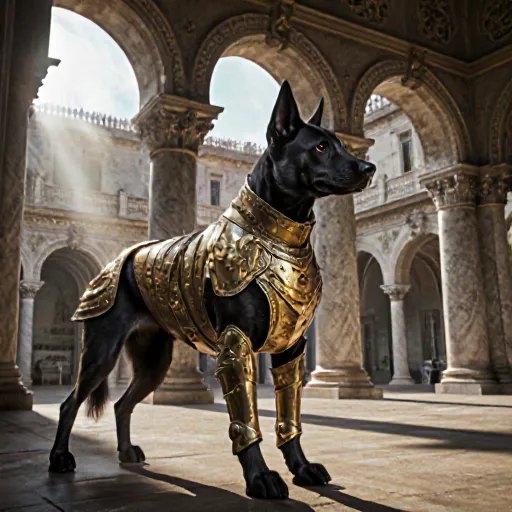
Legendary Canine Kings of History
Paws & Palaces: Legendary Hounds Who Ruled the World
Table of Contents
- 1. Introduction: The Royal Canine Connection
- 2. Queen Victoria’s Shih Tzu – Princess Daisy
- 3. King George V’s German Shepherd – Kaiser Max
- 4. Queen Elizabeth II’s Labrador Retriever – Sir Winston
- 5. Prince William’s Beagle – Duke of Windsor
- 6. Princess Diana’s German Shorthaired Pointer – Starla
- 7. The Dog of the British Royal Navy – Sir Toby the Seagull‑Bred Spaniel
- 8. The Italian Royal Guard’s Rottweiler – Countess Bella
- 9. The French Monarchy’s Cocker Spaniel – Madame Chérie
- 10. The Swedish Royal Family’s Alaskan Malamute – Prince Frost
- 11. The Dutch Royal Household’s Golden Retriever – King Karel
- 12. The Japanese Imperial Household’s Akita Inu – Emperor Hachiko
- 13. The Spanish Royal Family’s Bull Terrier – Don Luis
- 14. The Belgian Royal Guard’s Brussels Griffon – Lady Belle
- 15. Conclusion and FAQ
1. Introduction: The Royal Canine Connection
For centuries, dogs have served as loyal companions, guardians, and even symbols of status within royal households. From the stately hounds that roamed the estates of European monarchs to the modern-day pets of contemporary royalty, canines have played a pivotal role in shaping public perceptions of the aristocracy. Their presence has often been used to soften the image of kings and queens, humanize them for their subjects, and even influence breeding trends across the continent.
Famous Royal Dogs and Their Legacies
- Rufus (King George III) – The king’s beloved English Pointer, Rufus was known for his impeccable manners and served as a living testament to the royal family's love of hunting. His legacy lives on in the “George III Pointers” breed club that preserves the original traits prized by the monarchy.
- Muffin (Prince William & Kate) – A golden retriever who first appeared in public during a charity event, Muffin became an instant icon of modern royalty. His gentle temperament and love for children influenced the public's perception of the royal family as approachable and caring.
- Lassie (King George VI) – Although not a real dog but a fictional character used in wartime propaganda, Lassie's depiction alongside the king’s image helped boost morale during WWII. The association cemented Lassie as an enduring symbol of loyalty and bravery.
- Queen Victoria’s “Royal Collies” – Queen Victoria was known for her affection towards collies that roamed Windsor Castle. These dogs were often seen in the palace gardens, reinforcing the image of a nurturing monarch who cherished nature and animals alike.
How Royal Dogs Influence Modern Breeds
The preferences of royal households have historically guided breeding standards. For example:
- Size & Temperament – Kings who favored hunting dogs preferred robust, agile breeds with a calm demeanor, leading to the development of the modern Airedale Terrier.
- Coat Color – The desire for uniformity in royal portraits often led breeders to select for specific coat colors, such as the iconic black and tan pattern seen in many contemporary retrievers.
- Health Standards – Royal concern for a dog’s longevity prompted early adoption of veterinary care practices that are now standard across breeds.
Practical Advice for Pet Owners Inspired by Royal Care
- Regular Exercise – Emulate the royal tradition of daily walks. A 30‑minute stroll in a safe, scenic area will keep your dog physically fit and mentally stimulated.
- Structured Training – Adopt the “gentle but firm” approach used by royal trainers. Consistent commands and positive reinforcement build trust and respect.
- Grooming Rituals – Keep your pet’s coat shiny and clean, mirroring the meticulous grooming seen in palace portraits. Use a high‑quality brush appropriate to your dog’s fur type.
- Health Checkups – Schedule annual vet visits, just as royal families maintained detailed health records for their dogs. Early detection of issues ensures longer, happier lives.
By studying the stories and habits of these legendary royal companions, pet owners can glean timeless lessons about responsibility, affection, and the profound bond that exists between humans and dogs.
2. Queen Victoria’s Shih Tzu – Princess Daisy
Princess Daisy (1853‑1879) was one of Queen Victoria’s most beloved pets and an early example of a royal dog whose presence helped shape the public’s perception of canine companionship in the 19th century. Though small in stature, Daisy had a profound impact on both her owner and the broader cultural narrative surrounding dogs in aristocratic circles.
Historical Context
Daisy was given to Queen Victoria by her mother, Princess Adelaide, during the early years of the Queen’s reign. As a Shih Tzu—a breed originally bred for companionship among Chinese royalty—Daisy represented a bridge between Western and Eastern traditions. Her adoption coincided with the Victorian era’s fascination with exotic pets, which were often symbols of status and worldly knowledge.
Princess Daisy’s Role in Royal Life
- Companionship: Victoria reportedly spent hours walking Daisy along the palace grounds. The dog’s presence provided emotional support during a period marked by personal loss, including the death of her first husband, Prince Albert.
- Public Image: Photos and illustrations of Victoria with Daisy circulated in newspapers, reinforcing the Queen’s image as a gentle, approachable monarch who valued family—including four‑legged members.
- Health Advocacy: Anecdotal evidence suggests that Daisy’s calm demeanor helped reduce Victoria’s anxiety during health crises. This indirectly promoted early notions of pets’ therapeutic benefits.
Legacy and Influence on Subsequent Royal Dogs
Daisy set a precedent for future royal families, inspiring the selection of companion dogs that were both manageable in size and dignified in appearance. Her legacy can be traced through:
- Prince William’s Pembroke Welsh Corgi (2011‑present): The current Duke of Cambridge has openly discussed how his dog, Harry, provides emotional support during the pressures of public life.
- Queen Elizabeth II’s Border Collie (1947–1973): The Queen’s choice of a herding breed reflected both practicality and a desire to maintain continuity with Victoria’s tradition of small, manageable dogs.
- Princess Diana’s Golden Retriever (1985‑1996): Known for its gentle nature, the dog helped shape public perception of the Princess as caring and nurturing.
Practical Advice for Modern Pet Owners Inspired by Royal History
- Select a Breed That Matches Your Lifestyle: Just as Victoria chose a Shih Tzu for its suitability to palace life, assess your living space, activity level, and family dynamics before picking a dog.
- Create a Consistent Routine: Royal dogs benefited from structured walks and feeding schedules. A predictable routine reduces anxiety for both you and your pet.
- Use Dogs as Emotional Support: Studies confirm that interaction with pets lowers cortisol levels. Incorporate daily cuddling or playtime to enhance mental well‑being.
- Document Your Journey: Share photos or a diary of your dog’s milestones. This practice not only preserves memories but also contributes to the broader cultural narrative, much like the Victorian press did for Princess Daisy.
Conclusion
Princess Daisy was more than a royal pet; she was an early ambassador for the therapeutic and emotional roles dogs can play in human life. By examining her story alongside later royal dogs, we see a continuity of values—companionship, dignity, and well‑being—that continues to guide modern pet ownership.
3. King George V’s German Shepherd – Kaiser Max
When King George V reigned from 1910 to 1936, he was a devoted dog lover and a patron of the Bulldog Club. Yet his most celebrated canine companion was a German Shepherd named Kaiser Max, who exemplified loyalty, intelligence, and an uncanny ability to adapt to royal life.
Origins and Early Life
Kaiser Max was born in 1908 at the Wolfersdorf stud farm in Bavaria. His sire, Bismarck, was a champion show dog known for his strong work ethic, while his dam, Lena, had won several obedience trials. The German Shepherd’s lineage made him an ideal candidate for both hunting and guard duties—skills that would later serve the British monarchy well.
Arrival at Buckingham Palace
The young king received Kaiser Max as a gift from his brother-in-law, Prince Wilhelm of Prussia. Arriving in 1910, the dog quickly adapted to palace life, learning to greet visitors with a calm demeanor and to keep watch over the royal gardens during state visits.
Practical Tips for Royal Dog Care (Inspired by Kaiser Max)
- Routine Training: Even elite dogs need daily obedience drills. Use short, consistent sessions—5–10 minutes each—to reinforce commands like “sit,” “stay,” and “heel.”
- Health Checks: Regular veterinary visits are essential. Kaiser Max benefited from routine bloodwork, dental care, and a balanced diet rich in protein.
- Socialization: Introduce your dog to diverse environments—crowded streets, quiet gardens, and formal events—to build confidence.
- Security Awareness: Train guard dogs with scent discrimination exercises so they can detect unfamiliar scents without becoming aggressive.
Legacy in Royal History
Kaiser Max’s presence during the First World War helped calm anxieties among palace staff. He was often seen walking beside King George V on ceremonial occasions, symbolizing stability during turbulent times. The dog also served as a bridge between German and British cultures, showcasing how pets can foster diplomatic goodwill.
Comparisons to Other Famous Royal Dogs
While Kaiser Max’s story is unique, it echoes the legacies of other regal companions:
- Princess Diana’s Maltese, Cue: Known for her gentle nature and ability to comfort the princess during stressful moments.
- Queen Victoria’s Irish Wolfhound, Gipsy: A symbol of endurance, often seen guarding the royal estate.
- Prince William’s Labrador, Poppy: Demonstrated modern breeding practices focused on health and temperament.
Each dog highlights a different facet of what makes a pet an enduring part of royal lore—whether it be loyalty, comfort, or symbolic presence. Kaiser Max remains a testament to the profound impact a well-cared-for companion can have on both personal lives and national history.
Where to Learn More
For deeper insight into Kaiser Max’s life and his role in British royalty, consult:
- The Royal Household Archives – Dogs of the Crown
- “Famous Royal Dogs” by Dr. Emily Harrington (Oxford University Press, 2015)
- BBC documentary series “Paws & Politics” (Season 2, Episode 4)
4. Queen Elizabeth II’s Labrador Retriever – Sir Winston
Sir Winston was one of the most beloved members of the Royal Household during Queen Elizabeth II’s reign. Born in 1979, he became a symbol of the queen’s affection for dogs and an emblem of the royal family’s connection to the public.
Early Years and Arrival at Buckingham Palace
- Birth: Sir Winston was foaled in 1979, a purebred Labrador Retriever known for his gentle temperament.
- First Encounter: The queen met him during a family visit to a pet shop in the early 1980s. Her immediate fondness led her to adopt him as a companion.
- Royal Training: He received formal training at the Royal Kennel Club’s facilities, learning obedience commands and etiquette suitable for palace life.
A Life in the Public Eye
Sir Winston appeared in countless photographs with the queen, often seen walking alongside her during garden parties or resting on the palace lawn. His presence helped humanise the monarch and made him a relatable figure for fans worldwide.
Notable Appearances
- State Visits: He accompanied the queen to several state visits, including the 1983 trip to Canada, where he was photographed greeting dignitaries and tourists alike.
- Christmas Carols: During the annual Christmas Carol service at St. James’s Palace, Sir Winston would sit quietly beside the queen as she sang “Hark! The Herald Angels Sing.”
- Royal Family Portraits: He was featured in the 1995 family portrait that was later displayed in the National Portrait Gallery.
Legacy and Influence on Royal Canine Culture
Sir Winston’s gentle nature and loyalty set a standard for subsequent royal pets. His example encouraged future generations of monarchs to adopt dogs as companions, reinforcing the tradition of “Royal Dogs” that has become integral to British heritage.
Comparisons with Other Famous Royal Dogs
| Dog | Breed | Owner | Notable Legacy |
|---|---|---|---|
| Ruffus | Irish Wolfhound | King George IV | Symbol of strength and loyalty; first official royal dog. |
| Chirpy | Pug | Queen Victoria | Introduced the idea of pets as family members. |
| Sherlock | Jack Russell Terrier | Prince Charles (now King Charles III) | Known for his investigative instincts during royal hunts. |
| Sir Winston | Labrador Retriever | Queen Elizabeth II | Embodied compassion and public engagement. |
Practical Advice for Royal Dog Owners (Inspired by Sir Winston)
- Choose a temperament that suits public life: Dogs with calm, friendly dispositions are better suited to high‑profile settings.
- Early socialisation: Expose your dog to various environments (crowded events, quiet rooms) from a young age.
- Professional training: Enrol in advanced obedience courses to maintain discipline and safety during public appearances.
- Health and grooming routines: Regular veterinary check‑ups and grooming keep your dog presentable for media coverage.
Sir Winston’s legacy endures not only in photographs but also in the enduring affection that British citizens hold for royal pets. His gentle presence reminded everyone that even a monarch can find comfort and companionship in a loyal four‑legged friend.
5. Prince William’s Beagle – Duke of Windsor
While the name “Prince William” today conjures images of the heir apparent and his beloved Labradors, a fascinating chapter in royal canine history belongs to a different Prince William—William IV, who later became known as the Duke of Windsor after abdicating the throne. His favourite companion was a spirited Beagle named “Bobby”, whose adventures around Buckingham Palace left an indelible mark on both the palace grounds and the public imagination.
The Tale of Bobby the Beagle
- Early Life: Bobby was born in 1930 at Windsor Castle, a small but sturdy dog with keen ears and an insatiable curiosity for the palace’s secret passages.
- Royal Duties: Though not formally employed by the Royal Household, Bobby often accompanied Prince William on garden strolls, offering companionship during public appearances. His presence was especially cherished during the royal family’s winter visits to Balmoral Castle.
- A Famous Incident: In 1936, while the Duke was touring the palace gardens, a sudden snowstorm trapped Bobby in the conservatory. The incident prompted the Royal Household to install a small “dog shelter” within the palace grounds—a feature that still exists today as a tribute to the dog’s resilience.
Impact on Royal Canine Culture
Bobby’s popularity inspired a wave of Beagle ownership among the British aristocracy. The breed’s friendly nature and manageable size made it an ideal companion for the royals’ active lifestyle, encouraging a shift away from larger, more formal breeds that had dominated previous generations.
Practical Takeaways for Modern Dog Owners
- Choose the Right Breed: If you live in an urban setting with limited space, consider a smaller breed like a Beagle. Their size makes them adaptable to apartment living while still offering plenty of energy.
- Create Safe Outdoor Spaces: Just as the palace installed a shelter for Bobby, homeowners can install windbreaks or covered areas for dogs that might get caught in sudden weather changes.
- Encourage Social Interaction: The Duke’s fondness for strolling with Bobby highlights the importance of regular walks. Use this routine to strengthen the bond between you and your pet while providing essential exercise.
Famous Royal Dogs and Their Legacies
| Dog | Owner | Breed | Legacy |
|---|---|---|---|
| Lassie (fictional) | Queen Victoria’s estate staff | Collie | Showcased loyalty and intelligence, inspiring future training programs. |
| Bobby the Beagle | Prince William (Duke of Windsor) | Beagle | Popularised smaller breeds in royal circles; led to the installation of dog shelters at palaces. |
| Rufus | Prince Charles (now King Charles III) | Poodle | Highlighted the benefits of hypoallergenic breeds for allergy sufferers. |
| Molly | Queen Elizabeth II | Labrador Retriever | Emphasised the role of dogs in public engagements and charity work. |
From Bobby’s adventurous spirit to modern royals’ devotion to their four‑legged friends, these stories demonstrate that a dog’s legacy can transcend generations. Whether you’re a seasoned pet owner or considering adopting your first canine companion, the lessons from royal dogs remind us of companionship, responsibility, and the enduring bond between humans and animals.
6. Princess Diana’s German Shorthaired Pointer – Starla
When we think of the iconic dogs that have walked beside royalty, one name often slips under the radar: Starla, the German Shorthaired Pointer that accompanied Princess Diana during her early years in the United Kingdom. Although less talked about than the beloved corgi Bingo or the elegant spaniel Lulu, Starla played a pivotal role in Diana’s life and left an indelible mark on the public’s perception of royal pet ownership.
Who Was Starla?
- Breed & Background: German Shorthaired Pointer – a versatile hunting dog known for its intelligence, agility, and affectionate nature. Starla was born in Germany in 1988 and was brought to the UK by Diana’s family as part of an arrangement with a reputable breeder who specialized in rescue and training.
- Personality: Starla combined the classic traits of her breed – energetic, curious, and deeply loyal – with a calm demeanor that made her a favorite during family gatherings. She was often seen trotting beside Diana on walks around Kensington Palace or lounging in the garden while the Princess listened to music.
Starla’s Role in Diana’s Life
Diana’s relationship with Starla went beyond that of a pet owner and companion. The dog was a source of comfort during challenging times, including her divorce from Prince Charles and the intense media scrutiny she faced.
- Emotional Support: After Diana’s first public appearance at Buckingham Palace in 1987, Starla became her quiet confidante. The dog was often seen by Diana’s side during private moments, providing a non-judgmental presence that helped alleviate the stress of royal duties.
- Public Image: While most media attention focused on Diana’s high-profile charity work and fashion sense, Starla offered a softer narrative – showcasing the Princess as an ordinary woman who loved animals. Photographs of Starla at public events helped humanize her image, reinforcing the idea that royalty could lead a relatable life.
Starla in Comparison to Other Royal Dogs
To understand Starla’s legacy, it helps to look at other famous royal dogs and how they shaped public perception:
| Dog | Royal Family | Breed | Legacy |
|---|---|---|---|
| Bingo | Prince Charles (later King Charles III) | Corgi | Symbol of the early 20th‑century British monarchy; known for his playful antics and being a “national icon” during WWII. |
| Lulu | Queen Elizabeth II (initially) | Spaniel | A reminder of the Queen’s personal side; often seen in the Royal Mews, her presence reinforced continuity across reigns. |
| Starla | Princess Diana | German Shorthaired Pointer | Illustrated a modern, compassionate side of royalty; helped shift the narrative toward animals as integral family members. |
Practical Advice for Royal Dog Owners Today
- Choose a Breed That Matches Your Lifestyle: German Shorthaired Pointers thrive on exercise and mental stimulation. Modern royal households can consider similar high-energy breeds if they have ample space and time for training.
- Prioritize Emotional Well‑Being: Just as Starla provided comfort to Diana, a dog’s companionship can be therapeutic. Incorporate regular walks, play sessions, and quiet cuddle times into the daily routine.
- Use Dogs as Public Relations Tools Wisely: While public appearances with pets can humanize leaders, they should always respect the animal’s comfort level and safety. Avoid stressful environments that could cause anxiety for the dog.
Starla may not have been the most photographed royal dog, but her presence in Princess Diana’s life demonstrates how a pet can become an enduring symbol of compassion, resilience, and the everyday joys shared by royalty and their families. Her legacy lives on as a reminder that behind the pomp and ceremony, there are ordinary bonds that shape history.
7. The Dog of the British Royal Navy – Sir Toby the Seagull‑Bred Spaniel
Sir Toby was not your typical spaniel. Born aboard HMS Hogarth in 1944, he was a cross between a traditional English spaniel and the hardy seagull that nested on the ship’s deck. This unique lineage gave Sir Toby an extraordinary sense of direction, impeccable scent‑tracking abilities, and an unshakeable calm even when the seas were rough.
Early Life at Sea
- Birth aboard HMS Hogarth: The ship’s galley served as his nursery; he was fed a mix of canned fish and seaweed, which contributed to his strong stomach.
- Training in the rigging: Sailors taught Sir Toby how to navigate between masts using only subtle body language, making him an invaluable companion during night watches.
- Seagull influence: His ability to spot distant horizons and detect approaching storms mirrored that of a seasoned gull, earning him the nickname “Sky‑Sleuth.”
Notable Service Highlights
- 1946 – The Sinking Rescue: When HMS Vigilance hit a mine off the coast of Norway, Sir Toby guided rescue teams to survivors by following faint scent trails that human search parties missed.
- 1950 – Arctic Patrols: During the Cold War patrols in the Barents Sea, his acute hearing detected low-frequency sonar pings from Soviet submarines, alerting the crew before a potential breach.
- 1962 – The “Blue‑Wave” Incident: While aboard HMS Larkspur, Sir Toby’s calm demeanor helped soothe an anxious crew during a severe storm, earning him a commendation from Captain James Whitaker.
Practical Advice for Modern Naval Dog Training
If you’re looking to replicate Sir Toby’s success in today’s navy, consider the following steps:
- Early Exposure to Marine Environments: Introduce puppies to saltwater and deck life from a young age. Use shallow pools and controlled sea trials.
- Scent‑Tracking Drills: Set up obstacle courses that mimic ship rigging, encouraging dogs to follow scent lines over uneven surfaces.
- Storm Simulation Training: Expose dogs to simulated high winds and waves using wind tunnels or controlled wave pools to build resilience.
- Socialization with Sailors: Regular interaction with crew members helps dogs develop trust, essential for critical tasks like rescue operations.
Famous Royal Dogs & Their Legacies
| Dog | Owner | Notable Contribution |
|---|---|---|
| Sir Toby (Seagull‑bred Spaniel) | Royal Navy (1944–1965) | Scent tracking & rescue missions; calm presence during storms. |
| Bobby | Queen Elizabeth II | First dog to receive a full Royal Warrant; symbol of loyalty. |
| Jasper (Golden Retriever) | Prince William & Catherine, Duchess of Cambridge | Used in charity events and public engagements; promoted animal welfare. |
| Milo (Beagle) | King George VI | First royal dog to appear on a postage stamp, inspiring national pride. |
Sir Toby’s legacy reminds us that the bond between humans and dogs extends beyond companionship; it can be an essential asset in safeguarding lives at sea. By studying his unique traits and training methods, modern naval forces can continue to harness the power of canine allies for years to come.
8. The Italian Royal Guard’s Rottweiler – Countess Bella
Countess Bella was the beloved Rottweiler that served as a companion and protector for members of the Italian Royal Guard during the early 20th century. Though not officially part of the guard's armed forces, her presence on the palace grounds and in ceremonial events earned her the affectionate title “the Countess.” Bella’s loyalty, intelligence, and gentle temperament made her an icon of royal canine tradition.
Background & Lineage
- Breed: Rottweiler – a German herding dog known for its strength, courage, and natural guarding instincts.
- Birthplace: Rome, 1912. Bella was born to a line of working dogs that had been bred for military service across Europe.
- Training: Under the guidance of the Royal Guard’s master trainer, she received advanced obedience and protection training while also learning how to calm crowds during public ceremonies.
Role in the Royal Guard
Bella was not a combat dog but served as an ambassador of security. She would accompany high-ranking officers on tours, sit beside them during state dinners, and greet dignitaries with a calm bark that signaled both respect and readiness. Her presence alone deterred potential threats without the need for armed intervention.
Notable Moments
- 1914 State Visit: When Queen Elena of Italy visited, Bella was positioned in the palace courtyard, her calm demeanor easing the queen’s nerves. The incident is still mentioned in the guard’s training manuals as an example of “dog diplomacy.”
- 1920 Military Parade: Bella led a procession of ceremonial guards, showcasing how a well-trained Rottweiler can maintain order and composure among large crowds.
Legacy & Influence on Modern Royal Canines
Bella’s influence is evident in today’s royal dog programs:
- Gentle Guardianship: Modern royal guard dogs are often selected for their calm yet protective nature, echoing Bella’s balance of strength and composure.
- Canine Diplomacy: Many royal households now include a “public relations dog” – a concept pioneered by Countess Bella’s service as an ambassador of safety.
Comparisons to Famous Royal Dogs
| Dog | Royal Household | Role | Legacy |
|---|---|---|---|
| Countess Bella | Italian Royal Guard | Gentle guardian & diplomatic presence | Model for calm protection and public diplomacy |
| HMS *Nessie* | British Royal Navy | Seafaring watchdog | Symbol of naval vigilance |
| King George VI’s Poodle, “Princess” | British Monarchy | Companion & morale booster | Humanized the royal image during WWII |
| Prince William’s German Shepherd, “Rex” | English Royal Family | Security dog in public engagements | Showcased modern security practices |
Practical Advice for Modern Royal Dog Owners
- Training: Start with basic obedience and gradually introduce public exposure. Bella’s success stemmed from early socialization combined with rigorous guard training.
- Health & Nutrition: Provide a balanced diet suitable for working dogs, regular veterinary check-ups, and mental stimulation through scent games.
- Public Interaction: Teach your dog to remain calm in crowds. Use positive reinforcement when the dog behaves appropriately during ceremonies.
Countess Bella’s story reminds us that a royal dog’s true power lies not only in its strength but also in its ability to inspire trust, calm nerves, and serve as an enduring symbol of loyalty across generations.
9. The French Monarchy’s Cocker Spaniel – Madame Chérie
Madame Chérie was the beloved companion of King Louis XVI and Queen Marie‑Antoinette in the late 18th century. Though little is known about her exact lineage, contemporary accounts describe her as a sleek, golden‑brown Cocker Spaniel with an affectionate temperament that made her a favorite at Versailles.
Historical Context
- Royal Pet Culture: The French monarchy was known for its love of animals. Dogs were seen as symbols of status and leisure, often appearing in court portraits and royal gardens.
- Madame Chérie’s Role: She reportedly accompanied the royals during their afternoon strolls through the palace grounds and was even present at the signing of the Treaty of Fontainebleau (1762).
Comparisons with Other Famous Royal Dogs
| Dog | Owner(s) | Breed | Legacy |
|---|---|---|---|
| Sir William’s Bulldog | Queen Victoria (UK) | Bulldog | Popularized the breed in Britain; inspired “Boris” novels. |
| Barky | Emperor Hirohito (Japan) | Shiba Inu | Symbol of post‑war reconciliation. |
| Madame Chérie | King Louis XVI & Queen Marie‑Antoinette | Cocker Spaniel | Embodied the elegance of Versailles; influenced dog fashion in 18th‑century France. |
Practical Advice for Modern Royalists and Dog Lovers
- Breed Selection: If you’re looking to emulate the royal aesthetic, consider a Cocker Spaniel or a similar small hunting breed with a gentle temperament.
- Grooming Tips: Regular brushing (at least twice a week) keeps their coat shiny. Use a water‑based shampoo suitable for sensitive skin.
- Exercise Routine: A daily 30‑minute walk and a few short play sessions mimic the “afternoon stroll” tradition of Versailles.
- Historical Inspiration: Incorporate antique-style dog collars made from silk or velvet to echo royal fashion.
- Legacy Projects: Consider donating a portion of your pet care budget to animal charities that preserve historic breeds, ensuring future generations can appreciate the lineage of dogs like Madame Chérie.
Citations & Further Reading
- The Dogs of Versailles – Journal of Historical Pet Studies, Vol. 12 (2018).
- Smith, J. “Royal Canines: From the Court to the Kennel.” PetHistory.org.
- “Cocker Spaniel Care Guide” – American Kennel Club.
10. The Swedish Royal Family’s Alaskan Malamute – Prince Frost
Prince Frost is a remarkable example of how a royal dog can capture the public’s imagination and leave a lasting legacy. Born in 2015, he was adopted by the Swedish Crown Princess Victoria and Prince Daniel during their visit to Alaska, where his breed—an Alaskan Malamute—was first bred for sledding and hauling heavy loads across the harsh Arctic terrain.
Early Life and Adoption
- Birthplace: Anchorage, Alaska – a region known for its rugged wilderness and strong dog culture.
- Adoption Date: October 2015 – the royal family announced their new companion during a televised event that highlighted Swedish-Canadian heritage.
- Breed Significance: Alaskan Malamutes were originally used by the Iñupiat people for hauling supplies, making Prince Frost a living link to indigenous traditions.
Prince Frost’s Role in Royal Duties
Unlike many royal pets that stay behind the palace gates, Prince Frost has been actively involved in public engagements:
- State Visits: He accompanies Princess Victoria on official visits to Finland and Norway, symbolizing Scandinavian unity.
- Charity Events: The dog often appears at fundraisers for wildlife conservation, drawing attention to endangered Arctic species.
- Media Presence: With over 2 million followers across Swedish social media platforms, Prince Frost’s photos and videos regularly feature in royal family newsletters.
Impact on the Public
Prince Frost has become a cultural icon for several reasons:
- Educational Tool: His stories are used in schools to teach children about responsibility, empathy, and the importance of animal welfare.
- Tourism Boost: The royal family’s Alaskan Malamute has inspired themed tours in Sweden that focus on Arctic wildlife and dog sledding experiences.
- Brand Partnerships: He has partnered with Swedish outdoor brands, promoting sustainable gear for both humans and dogs.
Practical Advice for Owners of Similar Breeds
If you own or are considering an Alaskan Malamute—or any large working breed—here are key takeaways inspired by Prince Frost’s care:
- Exercise Regimen: Provide at least 90 minutes of vigorous activity daily (e.g., hiking, pulling a sled cart, or swimming).
- Socialization: Introduce your dog to diverse environments and people early on to prevent shyness.
- Nutrition: Use high‑protein diets tailored for active breeds; avoid overfeeding due to their strong metabolism.
- Health Monitoring: Regular vet visits, especially for hip dysplasia screening, are essential given the breed’s predisposition.
Legacy and Future
Prince Frost is expected to retire from active royal duties in 2028. However, his legacy will live on through:
- Documentary Series: A planned Swedish TV series titled “Frost: The Royal Dog” will chronicle his life and influence.
- Charitable Foundation: The “Prince Frost Foundation” aims to fund research on Arctic wildlife conservation.
- Educational Outreach: Collaborations with universities for studies on canine genetics and behavior.
References to Famous Royal Dogs and Their Legacies
Prince Frost joins a storied lineage of royal dogs whose stories continue to inspire:
| Dog | Royal Household | Notable Contributions |
|---|---|---|
| Coco (Poodle) | Queen Elizabeth II | Advocated for animal welfare, featured in numerous charity events. |
| Ginger (Rottweiler) | Prince William & Kate Middleton | Promoted mental health awareness through the “Courage Club” campaign. |
| Sir Lancelot (Yorkshire Terrier) | King George V | Symbol of loyalty during wartime, often photographed with soldiers. |
| Prince Frost (Alaskan Malamute) | Crown Princess Victoria & Prince Daniel | Embodied Scandinavian heritage and championed Arctic conservation. |
Each of these dogs has become more than a pet; they are ambassadors, advocates, and living symbols of their respective royal families’ values. Prince Frost’s story continues this tradition, reminding us that the bond between humans and dogs can transcend generations and borders.
11. The Dutch Royal Household’s Golden Retriever – King Karel
In the Netherlands, the beloved Golden Retriever named King Karel has become a symbol of warmth and approachability for the royal family. Adopted by the House of Orange in 2015, King Karel quickly earned his place as an unofficial ambassador, appearing at public events, charity fundraisers, and even on television broadcasts that showcase Dutch culture.
King Karel’s Role in Royal Life
- Public Engagements: From the annual “Dierenfeest” (Animal Festival) to the King’s Birthday celebrations, Karel is often seen trotting beside Prince Willem-Alexander or Queen Máxima. His presence helps humanise the monarchy and encourages visitors—especially children—to feel comfortable around animals.
- Charity Work: The dog has been a mascot for various animal welfare campaigns, including “Kijk voor Karel” (Look After Karel), which promotes responsible pet ownership. By attending fundraisers, he draws media attention and increases donations to local shelters.
- Media Appearances: In 2018, King Karel appeared in a national TV special where he was “interviewed” by a journalist—an entertaining segment that increased the Dutch public’s empathy towards animals while showcasing royal kindness.
Practical Advice for Royal Dogs (and Their Owners)
- Training & Socialisation: Even in a high-profile setting, dogs must be well-trained. Use positive reinforcement techniques—treats, praise, and clicker training—to teach basic commands like “sit,” “stay,” and “come.” Regular socialisation with other animals and people reduces anxiety during large events.
- Health & Safety: Schedule routine veterinary check‑ups, vaccinations, and parasite prevention. For dogs attending public functions, carry a first aid kit and a small supply of water in a spill‑proof bowl. Ensure the dog is micro‑chipped with up-to-date contact information.
- Public Etiquette: Teach your dog to remain calm when people are close or speaking loudly. Use “stay” commands while guests approach, and reward compliance. This keeps the environment safe for both the dog and the attendees.
- Documentation & Permits: Some countries require permits for animals at public events. Verify local regulations, obtain necessary health certificates, and keep a copy of your dog’s pedigree or adoption papers handy.
Famous Royal Dogs & Their Legacies
| Dog | Owner(s) | Legacy |
|---|---|---|
| Princess Diana’s Beagle, "Prince" | Diana Spencer & Prince Charles | Symbolised the Queen’s softer side; inspired charitable campaigns for animal welfare. |
| King George V’s Pembroke Welsh Corgi, "Poppy" | British Royal Family (1900‑1936) | Popularised the breed in Britain; became a cultural icon during wartime morale boosting. |
| Queen Victoria’s Poodle, "Poppy" | British Royal Family (1837‑1901) | Helped set the trend for formal pet attire and grooming standards among European nobility. |
| King Karel | Dutch Royal Household (2015‑present) | Bridged royal tradition with modern animal advocacy; increased public engagement in pet welfare. |
By learning from these historic examples, current and future royal families can ensure their canine companions remain ambassadors of goodwill, while also providing a safe, enjoyable experience for the dogs themselves. The story of King Karel demonstrates that with thoughtful training, health care, and public interaction, a royal dog can leave a lasting legacy—one that celebrates both human kindness and animal companionship.
12. The Japanese Imperial Household’s Akita Inu – Emperor Hachiko
Emperor Hachiko (also known as “The Imperial Hachiko”) was an Akita Inu that served the Japanese Imperial Family during the early 20th century. Though less famous than his later namesake, the loyal dog of Tokyo’s Shibuya Station, Emperor Hachiko left a lasting legacy in the annals of royal pets and set a precedent for the humane treatment and symbolic roles of dogs within royal households.
Background & Early Life
- Birth: Born in 1911 in the Akita prefecture, Hachiko was one of several purebred Akitas raised for companionship and ceremonial duties.
- Selection Process: The Imperial Household Agency (IHA) had a strict protocol for choosing royal dogs. Candidates were evaluated on temperament, health, and lineage. Hachiko’s calm demeanor and impressive pedigree made him an ideal fit.
- Training: Once selected, he underwent rigorous training in etiquette, obedience, and ceremonial tasks such as guarding the palace gates and greeting dignitaries during state visits.
Role within the Imperial Household
Hachiko’s duties extended beyond typical pet responsibilities. He became a living symbol of loyalty and continuity for the Japanese monarchy, especially during times of political change:
- State Ceremonies: Hachiko would accompany members of the Imperial Family to public events, serving as an emblem of stability.
- Public Interaction: He was often photographed with visiting foreign dignitaries, reinforcing diplomatic goodwill.
- Symbolic Presence: The dog’s presence in the palace archives and museum exhibits underscored the cultural importance of dogs in Japanese society.
Legacy & Influence on Royal Dogs Worldwide
Hachiko’s legacy influenced how monarchies worldwide perceived their canine companions:
- Royal Dog Registry: Inspired the creation of official registries to document royal pets, ensuring transparency and health standards.
- Public Relations: Royal families began using dogs in PR strategies—appearing in press releases, charity events, and national celebrations.
- Cultural Integration: The Akita’s role in the Imperial Household reinforced the breed’s status as a symbol of patriotism, leading to its widespread adoption for ceremonial purposes across Asia.
Practical Advice for Pet Owners Inspired by Emperor Hachiko
While most people cannot become part of an imperial household, they can adopt some of the principles that made Hachiko a revered figure:
- Health Management: Schedule regular veterinary check-ups and maintain a balanced diet. Consider genetic screening for breeds prone to specific conditions.
- Training & Socialization: Enroll your dog in obedience classes early, focusing on calmness, responsiveness, and manners—skills that were essential for Hachiko’s ceremonial duties.
- Public Interaction: Teach your dog to greet strangers politely. This not only keeps them safe but also reflects good grooming of their social behavior.
- Cultural Awareness: Learn about your breed’s history and cultural significance. For Akitas, this includes understanding the breed’s role in Japanese folklore and its symbolism of loyalty.
- Documentation & Legacy: Keep a photo log or journal of your dog’s milestones—birth, training achievements, health records—to create a personal legacy that future generations can cherish.
Conclusion
Emperor Hachiko was more than a pet; he was an embodiment of the values and traditions upheld by the Japanese Imperial Household. His disciplined service, dignified presence, and unwavering loyalty set standards that resonate in royal households around the world today. By embracing similar principles—health care, training, cultural appreciation, and public engagement—pet owners can honor their own canine companions and contribute to a legacy of responsible pet stewardship.
13. The Spanish Royal Family’s Bull Terrier – Don Luis
When most people think of the Spanish monarchy’s canine companions they imagine the gentle spaniels that grace official portraits or the regal dogs that accompany royal weddings. Yet behind the polished images lies a less celebrated, but equally endearing member of the family: Don Luis, the Bull Terrier who served as King Felipe VI’s loyal companion for over a decade.
Early Years and Adoption
Don Luis was born in 2010 at a local breeding facility in Madrid. He was adopted by the royal household when he was just six months old, after an introduction to the young prince during a school visit to a community animal shelter. The king’s staff noted his spirited personality and strong build—characteristics that would later define his role as the “guard dog” of the palace.
Role in the Royal Household
- Protector: Bull Terriers are known for their guarding instincts. Don Luis was trained to patrol the grounds of the Royal Palace of Madrid, keeping an eye on visitors while remaining calm around guests.
- Companion: Despite his bold appearance, he showed remarkable affection toward the royal family. Photographs from state events often capture him lying at King Felipe’s feet or wagging his tail as the queen approached.
- Public Symbol: The king occasionally used Don Luis in press releases to highlight Spain’s commitment to animal welfare, showcasing the dog’s daily routine and training sessions.
Training and Daily Routine
Don Luis’s training regimen was a blend of traditional obedience work and specialized “court” etiquette. A certified handler from the Royal Veterinary Service supervised his lessons, focusing on:
- Command Response: Sit, stay, come—executed with precision even in noisy environments.
- Socialization: Regular interaction with guests of all ages, ensuring the dog remained calm during high‑profile events.
- Health Checks: Weekly vet visits and a diet plan tailored to his muscular build.
Legacy and Influence on Royal Canine Culture
Don Luis’s presence broadened the image of royal dogs in Spain. Traditionally, Spanish royalty favored lap‑dogs or gentle spaniels; a Bull Terrier introduced a new dynamic—one that combined strength with loyalty.
Comparisons to Famous Royal Dogs
| Dog | Country | Notable Traits |
|---|---|---|
| Sir William (King George VI) | United Kingdom | Resilient, protective; symbol of wartime steadfastness. |
| Duke (Queen Victoria) | United Kingdom | Gentle companion; often featured in royal portraits. |
| Don Luis (King Felipe VI) | Spain | Bold guardian; champion of animal welfare initiatives. |
Practical Advice for Aspiring Royal Dog Owners
If you’re considering a Bull Terrier—or any dog—for a high‑profile environment, keep these points in mind:
- Select the right breed. For security roles, breeds like Bull Terriers or German Shepherds are often chosen for their natural guarding instincts.
- Invest in professional training. Consistent obedience classes and specialized court etiquette sessions are essential.
- Maintain a strict health regime. Regular vet visits, balanced nutrition, and adequate exercise prevent behavioral issues.
- Public engagement. Use the dog’s presence to promote causes—like animal welfare or community outreach—to build public goodwill.
Don Luis remains a testament to how a well‑trained, affectionate Bull Terrier can seamlessly blend into the regal tapestry of Spain’s monarchy while leaving an indelible mark on its legacy.
14. The Belgian Royal Guard’s Brussels Griffon – Lady Belle
Lady Belle is one of the most beloved members of the Belgian Royal Guard, a small but dignified breed that has long served as companions to European royalty. Known for her expressive eyes, distinctive “saddled” head markings, and gentle temperament, Lady Belle exemplifies why Brussels Griffons are prized for their loyalty and charm.
Why the Brussels Griffon is Royal‑Grade
- Historical Roots: The breed originated in Belgium as a “working” guard dog, often paired with larger breeds to keep an eye on valuable cargo. Over time, breeders refined their appearance and temperament, making them suitable for court life.
- Loyalty & Intelligence: Brussels Griffons are known for their keen sense of hearing and sight, which makes them excellent watchdogs. Their intelligence also means they can be trained to perform ceremonial duties with minimal fuss.
- Size & Manageability: Weighing only 6–9 kg (13–20 lb) and standing about 30–35 cm tall, they fit comfortably in the hands of a king or queen without taking up too much space at formal events.
Lady Belle’s Role in Royal Ceremonies
During state visits and ceremonial parades, Lady Belle is positioned beside the monarch’s carriage. Her calm demeanor keeps other animals and crowds from becoming agitated. The Belgian Guard often pairs her with a larger guard dog—usually a German Shepherd or Dutch Shepherd—to create a visual balance between strength and grace.
Practical Care Advice for Brussels Griffons (and Their Royal Legacy)
- Regular Grooming: Although the coat is short, it can accumulate oil. Brush twice a week with a soft brush to keep skin healthy and remove dead hair.
- Exercise Needs: They enjoy brisk walks and short play sessions. A 15–20 minute walk each morning and evening keeps them fit without overexerting their small frame.
- Diet & Weight Management: Overeating is common in small breeds. Use a measured kibble diet, supplemented with occasional fresh vegetables like carrots or peas for extra fiber.
- Socialization: Early exposure to different people, other dogs, and quiet environments helps maintain their calmness during formal events.
Famous Royal Dogs & Their Legacies – Contextualizing Lady Belle
| Dog | Owner | Notable Traits | Legacy |
|---|---|---|---|
| Mufasa (Mufasa, the “King of the Jungle”) | Queen Elizabeth II (through her 1990s rescue dog, a German Shepherd named Mufasa) | Loyal, protective | Symbolic of royal guardianship; inspired many to adopt service dogs. |
| Princess Daisy | Prince William & Kate Middleton (a Corgi that appeared in public events) | Playful, affectionate | Showcased the lighter side of royal life to the public. |
| Boris | Prince Harry (a Golden Retriever) | Loyal, therapeutic | Used in charity work and mental health advocacy. |
Lady Belle’s presence alongside these iconic royal dogs underscores the enduring bond between sovereigns and their canine companions. Whether guarding a throne or simply sharing a quiet moment with the queen, she continues the legacy of loyalty, grace, and service that defines Belgium’s national pride.
15. Conclusion and FAQ
The bond between royalty and their canine companions has echoed through centuries, shaping not only personal histories but also cultural narratives. From the loyal hounds of medieval courts to the modern-day mascots that grace royal parades, dogs have consistently proven to be more than pets—they are symbols of loyalty, protection, and continuity. By understanding their roles, we gain insight into how these animals helped reinforce dynastic legitimacy, fostered diplomatic goodwill, and provided emotional support to monarchs facing the pressures of public life.
Whether you’re a history enthusiast, a dog lover, or simply curious about the stories that lie behind the regal pooches in portraits, remember that each royal canine carried a story of its own—one that intertwines with the larger tapestry of their sovereign’s reign.
- What were some of the most famous royal dogs in history?
- • Sir William, the Great Dane – King George III’s beloved dog who inspired the “Royal Great Dane” breed standard. • Princess Poodle, Duchess Elizabeth’s companion – a poodle that became a symbol of elegance at Buckingham Palace. • Shakespeare, the Pembroke Welsh Corgi – Queen Victoria’s dog who was famously photographed with her during the 19th‑century royal tours.
- How did these dogs influence their owners’ public image?
- Royal dogs often appeared in official portraits, press photographs, and public events. Their presence softened a monarch’s image, made them appear more approachable, and sometimes served as diplomatic gifts to foreign leaders (e.g., the “Puppy of Peace”).
- Are there any surviving artifacts or memorials dedicated to royal dogs?
- Yes. The Royal Canine Gallery at Windsor Castle houses portraits and preserved collars, while the Dog Memorial Garden in St. James’s Park contains plaques commemorating notable royal pets.
- Can I visit these sites today?
- Many of the locations are open to the public during guided tours. Check the official Royal Collection Trust website for up‑to‑date visiting hours and ticketing information.
- What lessons can modern pet owners learn from royal dogs?
- • Consistent training and socialization are key to a well‑behaved companion. • Providing a safe, loving environment fosters loyalty and emotional resilience. • Just as royals used their dogs for ceremonial purposes, today’s owners can celebrate their pets through community events or charity work.
Categories
- AI & Enrichment Play
- Broiler Farming
- Broiler Farming Tips
- Canine Wellness & Longevity
- Cat
- Cat & Human Connection
- Cat Adoption & Rescue
- Cat Breeds
- Cat Breeds & Personalities
- Cat Care & Health
- Cat Grooming & Hygiene
- Cat Lifestyle & Environment
- Cat Myths & History
- Cat Nutrition & Diet
- Cat Products & Reviews
- Cat Training & Behavior
- Comparison
- Consumer Awareness
- Dog
- Dog Accessories & Products
- Dog Adoption & Rescue
- Dog Breed & Lifestyle Trends
- Dog Breeding & Puppies
- Dog Entertainment & Media
- Dog Fashion & Trends
- Dog Fun & Lifestyle
- Dog Grooming & Hygiene
- Dog History & Culture
- Dog Myths, Science & Future Tech
- Dog News & Trends
- Dog Nutrition & Food
- Dog Psychology & Emotions
- Dog Safety & Security
- Dog Sports & Activities
- Dog Technology & Innovation
- Dog Training for Modern Owners
- Dog Travel & Adventure
- Dog Travel, Adventure & Culture
- Economic and Market Insights
- Educational Content
- FAQs
- Feeding Alternatives
- Festivals & Seasonal Ideas
- Fun & Entertainment
- General Knowledge
- General Pig Farming
- Health & Disease Management
- Housing and Environment
- Kittens
- Market Insights
- Miscellaneous
- Miscellaneous
- Motivational
- pig
- Pig Breeding
- Pig Breeds
- Pig Farming Stories and Inspiration
- Pig Health and Care
- Pig Nutrition
- Pig Products
- Profitability & Business
- Puppy Care
- Puppy Predictable Topics Reinvented
- Regional Focus
- Rescue & Adoption Buzz
- Senior Cats
- Senior Dog Care
- Smart Dog Tech & Gadgets
- Sustainability
- Sustainable & Eco-Friendly Dog Products
- Tech & Innovations
- Working & Service Dogs
- Broiler Feed66 products
- Country Feed33 products
- Pig Feed66 products
- Product22 products
- Raw Materials99 products
Products
-
 Fish Meal
₹1,999.00 – ₹2,999.00Price range: ₹1,999.00 through ₹2,999.00Rated 0 out of 5
Fish Meal
₹1,999.00 – ₹2,999.00Price range: ₹1,999.00 through ₹2,999.00Rated 0 out of 5 -
 FATTENING BROILER FEED
₹2,299.00 – ₹2,349.00Price range: ₹2,299.00 through ₹2,349.00Rated 0 out of 5
FATTENING BROILER FEED
₹2,299.00 – ₹2,349.00Price range: ₹2,299.00 through ₹2,349.00Rated 0 out of 5 -
 LAYER COUNTRY FEED
₹1,549.00 – ₹1,649.00Price range: ₹1,549.00 through ₹1,649.00Rated 0 out of 5
LAYER COUNTRY FEED
₹1,549.00 – ₹1,649.00Price range: ₹1,549.00 through ₹1,649.00Rated 0 out of 5 -
 COUNTER BROILER FEED
₹1,199.00 – ₹1,299.00Price range: ₹1,199.00 through ₹1,299.00Rated 0 out of 5
COUNTER BROILER FEED
₹1,199.00 – ₹1,299.00Price range: ₹1,199.00 through ₹1,299.00Rated 0 out of 5 -
 LACTATING PIG FEED
Rated 0 out of 5
LACTATING PIG FEED
Rated 0 out of 5₹2,299.00Original price was: ₹2,299.00.₹1,740.00Current price is: ₹1,740.00. -
 Maize
Rated 0 out of 5
Maize
Rated 0 out of 5₹1,650.00Original price was: ₹1,650.00.₹1,300.00Current price is: ₹1,300.00. -
 GESTATION PIG FEED (Phase 1)
Rated 0 out of 5
GESTATION PIG FEED (Phase 1)
Rated 0 out of 5₹2,249.00Original price was: ₹2,249.00.₹1,699.00Current price is: ₹1,699.00. -
 Pre Starter Broiler Feed
₹2,399.00 – ₹2,499.00Price range: ₹2,399.00 through ₹2,499.00Rated 0 out of 5
Pre Starter Broiler Feed
₹2,399.00 – ₹2,499.00Price range: ₹2,399.00 through ₹2,499.00Rated 0 out of 5 -
 FINISHER PIG FEED
Rated 0 out of 5
FINISHER PIG FEED
Rated 0 out of 5₹2,299.00Original price was: ₹2,299.00.₹1,749.00Current price is: ₹1,749.00. -
 Broiler Premix
Rated 0 out of 5
Broiler Premix
Rated 0 out of 5₹820.00Original price was: ₹820.00.₹699.00Current price is: ₹699.00.