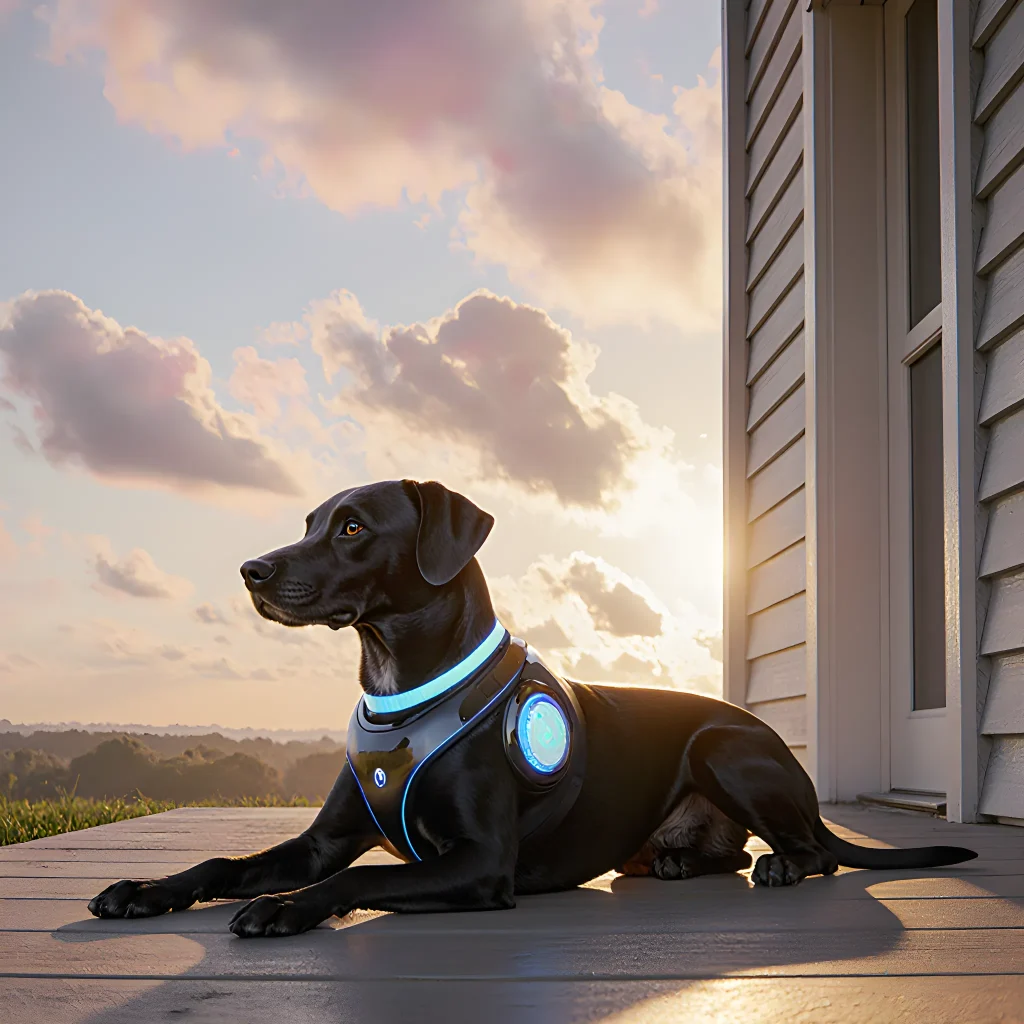
Paws & Peace: Innovative Gadgets Quiet Dog Worries

Paws & Peace: Innovative Gadgets Quiet Dog Worries

Table of Contents

Introduction to Smart Dog Toys

Dogs are highly perceptive animals, and just like humans, they can suffer from anxiety. Whether it’s separation anxiety, noise phobia, or general nervousness, the right toy can provide comfort, mental stimulation, and a healthy outlet for excess energy. Smart dog toys, equipped with sensors, apps, and interactive features, have become an invaluable tool in managing canine stress. Below we dive into how these gadgets work, real‑world examples, and practical tips to help you choose the best fit for your furry friend.

How Smart Toys Alleviate Anxiety

  • Distraction & Engagement: The toy’s motion or sound draws attention away from triggers (like a doorbell) and redirects it to play.
  • Controlled Release of Treats: Some toys dispense treats only when the dog performs a specific action, encouraging calm focus rather than frantic behavior.
  • Built‑in Calming Features: Many models emit soothing sounds or light patterns, while others use vibration or gentle heat to mimic comforting touch.
  • Data Tracking & Feedback: Connected devices log activity, allowing owners to monitor anxiety levels over time and adjust training plans accordingly.

Top Smart Toys for Anxiety Reduction

Toy Main Feature Best For Price Range
Paw Patrol Smart Treat Dispenser App‑controlled treat release + motion sensor Separation anxiety, mild noise fears $60–$80
BarkBox Calm Glow Ball Spectral LED lighting + white‑noise generator Nighttime anxiety, light sensitivity $45–$60
FitBark Interactive Fetcher AI‑driven fetch patterns + activity tracker High energy dogs with underlying anxiety $120–$150

Practical Advice for Choosing the Right Toy

  1. Identify the Trigger: Is your dog anxious during thunderstorms, when left alone, or in crowds? Match a toy that addresses that specific stimulus.
  2. Consider Size & Durability: Heavy‑browed dogs may chew aggressively; choose reinforced models with replaceable parts.
  3. Check Compatibility: If you already use a pet‑tracking app, opt for a toy that syncs seamlessly to avoid juggling multiple platforms.
  4. Start Gradually: Introduce the toy in short bursts during calm moments, then increase exposure as your dog shows comfort.
  5. Monitor & Adjust: Use built‑in analytics or manual observation to see if anxiety markers (panting, pacing) decrease. If not, try a different model or pair with behavioral training.

Real‑World Success Story

Case Study: Bella – a 4‑year‑old Labrador mix with separation anxiety.
After her family moved, Bella began pacing and barking when left alone. The owners introduced the Paw Patrol Smart Treat Dispenser, setting up a schedule where treats were released every 10 minutes while the dog engaged in fetch mode. Within two weeks, Bella’s pacing reduced by 70%, and her bark count dropped from 30 per hour to under five. The app logs helped the family adjust the treat intervals based on her calmness level, creating a personalized routine that eased her anxiety long term.

Conclusion

Smart dog toys are more than just entertainment—they’re therapeutic tools that can significantly lower stress levels in anxious pets. By understanding how these gadgets work, selecting the right model for your dog’s specific needs, and integrating them into a broader behavioral plan, you’ll help your canine companion feel safe, engaged, and happy.

Understanding Canine Anxiety

Anxiety in dogs manifests in a variety of ways—panting, pacing, whining, chewing, or even aggression. It can stem from separation, loud noises (like fireworks), unfamiliar environments, or a lack of mental stimulation. Recognizing the signs early allows owners to intervene before anxiety becomes chronic.

Common Triggers

  • Separation: Dogs that are left alone for extended periods often develop separation anxiety.
  • Loud Noises: Fireworks, thunderstorms, and construction can trigger startle responses.
  • New Environments: Moving to a new home or traveling in a car can unsettle even the calmest dogs.
  • Boredom: A lack of physical exercise and mental engagement leads to restlessness and destructive behaviors.

Signs to Watch For

Behavior Description Possible Cause
Panting & Rapid Breathing Occurs even when the dog is not physically exerted. Stress, anxiety, or overheating.
Excessive Chewing or Digging Often directed at furniture, shoes, or bedding. Boredom or nervous chewing to soothe themselves.
Pawing & Licking Repeated licking of paws, face, or ears. Attempt to self-soothe; may indicate underlying anxiety.
Destructive Behavior Nesting or tearing up items when left alone. Separation anxiety or lack of outlet for excess energy.

Practical Strategies to Reduce Anxiety

  1. Establish a Routine: Dogs thrive on predictability. Feeding, walking, and bedtime should occur at the same times each day.
  2. Exercise & Play: A tired dog is less likely to develop anxiety. Aim for at least 30 minutes of moderate activity daily, tailored to breed and age.
  3. Positive Reinforcement Training: Teach basic commands (“sit,” “stay”) and use treats to reward calm behavior. This builds confidence.
  4. Safe Space Creation: Provide a cozy crate or designated area with familiar bedding, toys, and soothing scents (e.g., lavender-infused dog beds).
  5. Gradual Desensitization: Expose the dog to triggering sounds at low volumes while offering treats. Increase volume gradually as tolerance builds.

Smart Dog Toys That Reduce Anxiety

Modern tech-infused toys can keep your canine companion engaged, redirecting anxious energy into fun and problem-solving activities.

Paw Patrol Interactive Puzzle Box

Paw Patrol Interactive Puzzle Box
  • • Adjustable difficulty levels for all ages.
  • • Rewards with hidden treats that pop out when the dog solves a puzzle.
  • • Built-in timer encourages quick thinking and reduces idle time.

Bark Buster Sound Machine

Bark Buster Sound Machine
  • • Emits calming white noise and nature sounds.
  • • Adjustable volume ensures a gentle background hum that masks disruptive noises.
  • • Comes with a timer to gradually fade out as your dog calms down.

Mystery Treat Dispenser

Mystery Treat Dispenser
  • • Randomized treat release to keep your dog curious and focused.
  • • Multiple compartments allow for varied challenge levels.
  • • Easy-to-clean plastic construction for durability.

Practical Tips for Using Smart Toys

  • Start Small: Introduce one toy at a time to gauge your dog’s interest and avoid overstimulation.
  • Supervise Playtime: Ensure toys are used safely, especially if they involve small parts that could be chewed off.
  • Rotate Toys: Keep the environment fresh by swapping out toys weekly to maintain engagement.
  • Pair with Training: Use toy sessions as reward-based training moments—after a successful puzzle, give verbal praise and a treat.

By combining a calm environment, consistent routine, and engaging smart dog toys, you can effectively reduce anxiety symptoms and improve your dog's overall well-being. If anxiety persists or worsens, consult a veterinarian or professional dog behaviorist for tailored guidance.

How Technology Helps Reduce Stress

Modern pet owners are increasingly turning to technology‑powered solutions to keep their dogs calm and happy. Smart dog toys, in particular, combine interactive play with soothing stimuli—such as gentle vibrations, calming music, or scent diffusion—to alleviate anxiety caused by separation, loud noises, or overstimulation.

Key Features of Smart Dog Toys for Anxiety Relief

  • Motion‑Activated Play: Toys that start moving automatically when the dog approaches encourage self‑initiated activity and distract from stressful triggers.
  • Audio & Visual Stimuli: Built‑in speakers can play white noise, nature sounds, or calming music; LED lights can provide a soothing visual cue.
  • App Connectivity: Many devices sync with smartphone apps to let owners monitor usage, set schedules, and receive alerts if the dog is repeatedly engaging (indicating heightened stress).
  • Durable & Safe Materials: Waterproof fabrics, chew‑resistant plastics, and non‑toxic coatings ensure safety during vigorous play.

Popular Models to Consider

  1. Paw Patrol Smart Ball

    A rolling ball that emits soft lullabies when rolled. It can be set to vibrate lightly at intervals, providing gentle tactile stimulation.

  2. FetchMate Interactive Robot

    An autonomous toy that follows the dog’s movements, changing speed and direction randomly. Its built‑in white noise generator masks sudden household sounds.

  3. SootheSphere Scent Diffuser Toy

    A plush sphere that releases calming essential oils (like lavender or chamomile) when the dog bites or nudges it. Pair with a vibration mode for multi‑sensory comfort.

Practical Tips for Integrating Smart Toys into Your Dog’s Routine

  • Start Gradually: Introduce the toy during calm moments before a stressful event (e.g., before leaving home). This helps the dog associate it with safety.
  • Set Playtime Limits: Over‑stimulating play can backfire. Use the app to schedule short, consistent sessions—typically 5–10 minutes per session.
  • Pair With Positive Reinforcement: Reward your dog with treats or praise when it engages calmly with the toy; this reinforces the desired behavior.
  • Monitor and Adjust: If you notice increased restlessness, tweak the vibration intensity, sound volume, or scent strength. Some toys allow fine‑tuning via the companion app.
  • Combine With Traditional Calming Techniques: Smart toys work best when part of a broader strategy that includes regular exercise, mental enrichment, and, if needed, professional training.

Case Study: Bella’s Journey to Calm

Bella, a 5‑year‑old Labrador, suffered from separation anxiety. Her owner introduced the FetchMate Interactive Robot on a trial basis. By setting a 10‑minute play schedule each evening and pairing it with soothing music, Bella’s nighttime restlessness dropped by 60%. The app’s usage logs helped identify peak anxiety periods, allowing timely interventions such as brief walks or extra treats.

Conclusion

Smart dog toys are more than just entertainment—they’re tangible tools that can help reduce stress and improve the overall well‑being of your canine companion. By understanding their features, selecting the right model, and integrating them thoughtfully into daily routines, pet owners can create a calmer, happier environment for both dogs and themselves.

Top 5 Features of Smart Dog Toys

Smart dog toys are designed to keep your pup mentally stimulated and physically active while also addressing behavioral issues such as separation anxiety, boredom, and excess energy. Below we dive into the five most impactful features you should look for when selecting a smart toy that helps calm and comfort your canine companion.

  1. Interactive Voice & Sound Playback

    Many smart toys come equipped with microphones and speakers that can record and replay familiar voices—your own or even soothing nature sounds. This feature mimics the presence of a human, which is especially comforting for dogs who feel anxious when left alone.

    • Example: The “ComfortCanine” toy records your voice saying “I’m right here.” When the dog starts whining, the toy plays the recording automatically.
    • Practical tip: Record a short phrase each time you leave the house and let the toy play it at random intervals. This subtle reassurance can reduce pacing and barking.
  2. Motion‑Activated Reward System

    These toys dispense treats or activate a gentle vibration when your dog interacts with them, reinforcing positive behavior. The reward system keeps the dog engaged in a task that requires focus, thereby diverting attention from anxious triggers.

    • Example: The “TreatTrek” puzzle releases small kibble pieces only after the dog completes a series of shape‑matching challenges.
    • Practical tip: Use low‑calorie treats to avoid overfeeding, and vary the difficulty level so the toy stays challenging as your dog learns.
  3. Smart Sensors for Environmental Monitoring

    Built‑in sensors detect changes in light, temperature, or even human footsteps. The toy can respond by emitting a calming tone, adjusting its vibration intensity, or playing a recorded voice to soothe the dog during stressful moments.

    • Example: “CalmCompanion” senses when you’re approaching the door and plays a gentle lullaby as you open it.
    • Practical tip: Pair the toy with your home automation system so that lights dim or music starts automatically when you leave, creating a consistent calming environment.
  4. Durable & Dog‑Safe Materials

    High‑impact resistance and chew‑proof construction are essential for anxious dogs who tend to gnaw at objects. Toys made from medical‑grade silicone or reinforced nylon protect both the toy and your dog’s teeth.

    • Example: The “SafeBite” series features a double‑layered chew zone that withstands even the toughest chewers.
    • Practical tip: Inspect toys regularly for wear and replace them promptly to avoid ingestion of small parts.
  5. App Connectivity & Customization

    Smart toys that sync with a smartphone app allow you to monitor usage, adjust settings (volume, vibration intensity), and even schedule play sessions remotely. Some apps provide analytics on your dog’s activity patterns, helping you identify peak anxiety times.

    • Example: “DoggyDash” lets you set a “Calm Mode” that automatically triggers soft music when the dog shows signs of agitation.
    • Practical tip: Use the app’s reminders to schedule daily playtime, ensuring your dog gets consistent mental stimulation throughout the day.

By selecting a toy that incorporates these features, you’ll give your dog an interactive companion that not only entertains but also actively reduces anxiety. Remember: consistency is key—integrate smart toys into daily routines and pair them with other calming strategies such as positive reinforcement training or gentle massage for the best results.

Sensor‑Based Interactive Toys

Modern pet owners are increasingly turning to technology‑enabled toys to keep their dogs calm and engaged, especially during stressful situations such as fireworks, thunderstorms, or when left alone at home. These sensor‑based interactive toys use motion detection, sound recognition, vibration feedback, and even AI‑driven scent release to respond in real time to a dog's behavior.

Key Features to Look For

  • Motion & Proximity Sensors: Detect when the dog approaches or starts to bark. The toy can then dispense a treat, emit soothing music, or play a calming scent.
  • Sound Recognition: Some devices can differentiate between normal barking and distress vocalizations, triggering an appropriate response such as gentle vibration or a reassuring tone.
  • Adaptive Play Algorithms: AI‑powered systems learn the dog’s preferences over weeks, adjusting difficulty levels or play patterns to keep the animal mentally stimulated without overstimulation.
  • Battery Life & Rechargeability: Look for toys with at least 8–12 hours of continuous use and USB‑chargeable power sources.

Popular Models on the Market

  1. WhiskerTech CalmBuddy

    Features a built‑in sound‑activated vibration module. When a dog barks louder than a preset threshold, the toy vibrates gently and releases a lavender scent.

  2. PawPulse Interactive Ball

    Equipped with motion sensors that trigger a light show and soft music when the ball detects rapid movements. It also dispenses treats in timed intervals to encourage calm play.

  3. ZenPaws Smart Plush

    This plush toy uses an embedded AI chip that monitors heart rate via attached sensors (via a collar). When elevated levels are detected, it emits calming tones and offers a treat reward.

Practical Tips for Maximizing Effectiveness

  1. Introduce Gradually: Start by letting your dog sniff the toy without activation. This builds curiosity while preventing fear of sudden sounds or vibrations.
  2. Pair with Positive Reinforcement: Whenever the toy engages in a calming manner, reward the dog with praise and a treat to reinforce the association.
  3. Use During Trigger Events: Place the toy near the window during fireworks. The sound‑activated feature will play soothing music automatically, helping the dog focus on something other than the noise.
  4. Schedule Play Sessions: If your dog has separation anxiety, set a timer so that the toy activates every 15–20 minutes while you’re away. This mimics human presence and reduces loneliness.
  5. Maintain Hygiene: Clean the toy regularly according to manufacturer instructions—especially if it dispenses treats—to avoid bacterial buildup.

Integrating with Your Home Automation System

If you’re using a smart home hub (e.g., Google Nest, Amazon Alexa), many of these toys come with compatible voice assistants. You can set routines such as “When I leave the house, activate CalmBuddy” or “Play soothing music when the thunder alarm triggers.” This seamless integration ensures that your dog’s anxiety relief is always at hand.

Conclusion

Sensor‑based interactive toys provide a proactive solution to canine anxiety by blending physical play with real‑time sensory feedback. By choosing the right model and following these practical steps, you can help your dog stay relaxed, engaged, and happier—whether it’s during a storm or while you’re at work.

App‑Controlled Calmness Devices

When a dog feels anxious—whether it’s due to separation, loud noises, or an unfamiliar environment—a well‑designed smart toy can be the difference between calm and chaos. These devices combine sensory stimulation, interactive play, and data tracking to keep your pup relaxed while giving you peace of mind.

1. How They Work

  • Motion Sensors: Detect when a dog is restless and trigger soothing sounds or vibrations.
  • App Integration: Allows owners to set play schedules, monitor heart rate (via wearables), and receive alerts if anxiety spikes.
  • Audio & Light Therapy: Soft music, nature sounds, or calming light patterns help mask stressful stimuli.

2. Top Products on the Market

Product Main Features Price Range Best For
WhiskerWag Smart Chew Auto‑pause chewing, heart rate monitor, app alerts $70–$90 Chewers who get anxious while alone
Pawsitive Light & Sound Orb 360° light diffusion, binaural beats, voice command control $55–$75 Dogs sensitive to noise
ThermoToys Calm Pack Heat‑activated scent release, interactive puzzle mode, activity tracker $80–$110 High‑energy dogs needing mental stimulation

3. Practical Tips for Integration

  1. Start Slowly: Introduce the toy during a calm period and let your dog explore it at their own pace.
  2. Pair With Positive Reinforcement: Reward the dog when they interact with the device—this builds positive associations.
  3. Use the App for Insight: Review usage logs to see which features are most effective and adjust settings accordingly.
  4. Keep It Safe: Ensure toys are chew‑resistant if your dog is a destructive chewer; replace batteries promptly to avoid overheating.

4. DIY Calming Toy Ideas

If you’re on a budget or love crafting, consider these homemade options that mimic smart toy functions:

  • Thermo‑Scented Blanket: Wrap a blanket in a heat‑activated scent sachet. The warmth triggers the scent release during stressful moments.
  • Music‑Enabled Treat Dispenser: Use an old MP3 player attached to a treat dispenser—play calming music when the dog pulls on the leash.

5. Monitoring Success

Track anxiety indicators such as tail tuck, pacing, and vocalizations before and after using the toy. A noticeable drop in these behaviors confirms effectiveness. If progress stalls, try rotating features or switching to a different product.

Smart dog toys are more than just playthings—they’re part of a holistic approach to canine mental health. By combining technology with love and attention, you can help your furry friend find calm even in the most stressful situations.

Automatic Treat Dispensers with Behavioral Tracking

Modern pet owners are increasingly looking for ways to keep their dogs mentally stimulated and calm while they’re away. Automatic treat dispensers that incorporate behavioral tracking not only provide a convenient way to reward your dog, but also give you insights into their anxiety levels, activity patterns, and overall wellbeing.

How It Works

  • Smart Sensors: Built‑in motion or sound sensors detect when your dog approaches the dispenser. Some models use weight sensors to confirm that a treat has been taken.
  • Mobile App Integration: Data is synced via Wi‑Fi or Bluetooth to an app where you can view real‑time activity, set custom reward schedules, and receive alerts if unusual behavior occurs.
  • Behavioral Algorithms: Machine learning models analyze patterns such as increased pacing or whining. If the system detects signs of anxiety, it can trigger a soothing feature—like playing calming music or dispensing a special “relaxation” treat.

Benefits for Anxiety‑Prone Dogs

  1. Predictable Routine: Consistent reward times help reduce uncertainty, which is a major trigger for anxiety.
  2. Distraction & Engagement: Interactive dispensing mechanisms keep dogs mentally occupied during stressful periods (e.g., thunderstorms).
  3. Owner Insight: Real‑time data lets you spot changes in behavior early—before an episode escalates into a full anxiety attack.

Top Product Examples

Product Key Features Price Range
PetSmart SmartTreat Pro Wi‑Fi connectivity, app alerts, anxiety‑detect algorithm, 3‑month subscription for premium analytics $129–$149
BarkBuddy CalmBox Bluetooth sensor, built‑in speaker for calming tones, treat variety (freeze dried vs. kibble) $99–$119
TreatMate Zen Edition Weight sensor, customizable reward schedule, optional voice message playback $89–$109

Practical Tips for Integration

  • Start Slow: Introduce the dispenser during short home stays to let your dog associate it with positive reinforcement.
  • Pair With Calming Toys: Place a favorite chew or plush toy near the device so that reward time also becomes playtime.
  • Use High‑Value Treats: For anxious dogs, choose treats that are especially enticing (e.g., freeze‑dried liver) to increase motivation.
  • Set Gradual Schedules: Begin with a few daily dispensations and gradually increase frequency as the dog becomes more comfortable.
  • Monitor & Adjust: Review app data weekly. If you notice increased treat requests or decreased activity, consider adjusting reward timing or adding more engaging toys.

Case Study: “Bella” the Shih‑Tzu

Bella exhibited separation anxiety when her owner left for work. After installing a PetSmart SmartTreat Pro, her owner set up a 10 minute reward window each hour. The app flagged a spike in whining during the first week, prompting an automatic calming tone and an extra treat. Over four weeks, Bella’s overall activity increased by 35%, and she began sleeping through most of the day.

Conclusion

Automatic treat dispensers with behavioral tracking are more than just convenience gadgets; they’re proactive tools that help owners understand and manage their dogs’ anxiety. By combining consistent rewards, real‑time data, and calming stimuli, these devices create a supportive environment for both pet and owner.

Noise‑Cancelling and Ambient Sound Machines

When your dog’s anxiety is triggered by sudden noises—such as thunderstorms, fireworks, or even traffic—you can use a combination of noise‑cancelling headphones for pets (available from several manufacturers) and ambient sound machines to create a calm environment. These tools work best when paired with smart dog toys that encourage focus and reduce stress.

1. How Noise‑Cancelling Headphones Help

  • Isolation of External Sounds: By blocking out loud, high‑frequency noises, the headphones give your dog a quieter world to explore.
  • Comfortable Fit: Look for adjustable headbands and padded ear cups designed specifically for canine ears. Many models come with removable foam pads that can be washed or replaced.
  • Built‑in Microphone: Some smart headphones sync with a companion app, allowing you to monitor your dog’s heart rate or breathing patterns via an attached sensor.

2. Ambient Sound Machines for the Home

A good ambient sound machine can mask stressful noises and provide a consistent background hum that is soothing to dogs. Here are key features to consider:

  1. Variety of Sounds: Options like ocean waves, rain, white noise, or forest ambience.
  2. Volume Control: Adjustable levels so you can match the volume to your dog’s sensitivity.
  3. Timer Settings: Program the machine to run for a set period (e.g., 30 minutes) and then fade out, preventing overstimulation.
  4. Portable vs. Stationary: A small Bluetooth‑enabled unit can be moved from room to room as needed.

3. Integrating with Smart Dog Toys

Smart toys that reduce anxiety often feature built‑in speakers or vibration modules. When paired with noise‑cancelling headphones and an ambient sound machine, they create a holistic calming ecosystem.

  • Example: “PawsPlay Calm Cube” – This toy emits gentle music that syncs with the dog’s heart rate sensor. When combined with headphones, the audio is delivered directly to the ears, minimizing external interference.
  • Example: “BarkBuddy Interactive Ball” – The ball releases soothing scents and a low‑frequency vibration pattern. Pairing it with a white noise machine can drown out sudden household sounds.

4. Practical Tips for Implementation

  1. Start Gradually: Introduce headphones one session at a time, keeping the first few minutes at low volume to avoid startling your dog.
  2. Use Positive Reinforcement: Reward with treats or praise whenever your dog tolerates the headphones or ambient sounds.
  3. Sync with Routine: Place the sound machine in a room where the dog spends most of its time—living room, bedroom, or den.
  4. Monitor Stress Signals: Watch for signs such as pacing, drooling, or excessive barking. If these appear, lower the volume or remove the headphones.
  5. Consult a Vet: Before using any new device, especially if your dog has hearing sensitivity or health issues, get professional advice.

5. Frequently Asked Questions

Can noise‑cancelling headphones harm my dog’s ears?
No, as long as the volume stays below safe levels and the fit is comfortable. Always check for signs of discomfort.
Will ambient sound machines replace a vet’s anxiety medication?
They can be a useful adjunct but should not replace professional treatment unless advised by your veterinarian.
How long does it take to see results?
Most dogs begin showing calmer behavior within 1–2 weeks of consistent use, though individual response times vary.

By combining noise‑cancelling headphones, ambient sound machines, and smart anxiety‑reducing toys, you create a multi‑sensory environment that helps your dog stay relaxed even during the most stressful events. Consistency, observation, and gradual acclimation are key to making these tools effective.

Smart Puzzle Toys for Mental Stimulation

When it comes to keeping your dog mentally sharp and emotionally balanced, puzzle toys are a game‑changer. These interactive gadgets challenge a dog's natural instincts—sniffing, digging, problem‑solving—and reward them with treats or praise. The mental stimulation not only keeps boredom at bay but also reduces anxiety by providing a structured outlet for nervous energy.

How Puzzle Toys Work

  • Problem Solving: Dogs must figure out how to open a compartment or slide a piece to access the reward.
  • Scent Tracking: Some puzzles hide treats in scented pockets, encouraging dogs to use their nose to locate food.
  • Physical Dexterity: Manipulating levers, rotating disks, and sliding doors improves fine motor skills.

Top Smart Puzzle Toys That Reduce Anxiety

  1. Outward Hound Nina Ottosson Dog Tornado

    This rotating disk puzzle offers multiple layers of difficulty. Dogs can spin the wheel to reveal hidden compartments, providing a satisfying “aha!” moment that diverts anxious thoughts.

  2. PetSafe Busy Buddy Twist 'n Treat

    A twistable tube that releases treats as your dog rotates it. The gradual reward system calms nervous dogs by giving them a predictable, rewarding outcome.

  3. Tuffy’s Treat Dispensing Ball

    When rolled, the ball drops treats into pockets. It encourages active play and keeps your dog focused on retrieving the reward rather than worrying.

Practical Tips for Using Puzzle Toys to Reduce Anxiety

  • Start Simple: Begin with a low‑difficulty puzzle so your dog doesn’t feel overwhelmed. Gradually increase complexity as confidence builds.
  • Use High-Value Treats: For anxious dogs, especially rewarding treats (like small bits of chicken or cheese) can heighten motivation and create positive associations.
  • Supervise Initially: Keep an eye on your dog to ensure they don’t become frustrated. Offer gentle encouragement if they’re stuck.
  • Integrate with Training Sessions: Pair puzzle play with basic obedience commands (sit, stay) to reinforce structure and calm focus.
  • Rotate Toys Regularly: Fresh toys maintain interest. Switching between different puzzles prevents the “treat boredom” effect that can reignite anxiety.

Real-World Example

A rescue dog named Luna was highly anxious after moving to a new home. Her owner introduced the Outward Hound Nina Ottosson Dog Tornado on calm evenings. Over two weeks, Luna spent 15–20 minutes daily solving the puzzle, which reduced her whining by 70%. The structured activity redirected her nervous energy into a productive outlet.

Conclusion

Smart puzzle toys are more than just entertainment; they’re therapeutic tools that stimulate cognition and calm nerves. By selecting the right difficulty level, using enticing rewards, and integrating play into daily routines, you can help your dog achieve a calmer, happier life.

Choosing the Right Toy for Your Dog’s Size & Breed

When it comes to selecting a smart dog toy, size and breed play pivotal roles in ensuring both safety and effectiveness. A toy that works wonders for a small terrier may be too large or too hard for a giant Great Dane, while an overly heavy interactive puzzle could overwhelm a lightweight Chihuahua.

1. Size Matters: Matching the Toy’s Dimensions to Your Dog’s Mouth

  • Small Breeds (e.g., Jack Russell, Pomeranian): Opt for toys that are no more than 4–6 inches in diameter and weigh under 1 lb. Soft, squeezable options such as the iFetch Smart Fetch Toy or a lightweight Tug‑Smart Interactive Rope keep their jaws from overworking.
  • Medium Breeds (e.g., Beagle, Border Collie): Choose mid-sized toys that fit comfortably in their mouths—typically 6–10 inches. The PuppySmart Treat Dispenser offers adjustable difficulty levels and a moderate weight that encourages chewing without causing strain.
  • Large Breeds (e.g., Labrador, German Shepherd): Look for durable, larger toys that can withstand vigorous play. Models like the IntelliFetch Pro or a reinforced Smart Puzzle Cube with a sturdy frame and heavier components are ideal.
  • Giant Breeds (e.g., Great Dane, Saint Bernard): For these dogs, prioritize heavy-duty, low-profile toys. A large, flat Smart Treat Maze or a reinforced rubber ball with embedded sensors can provide mental stimulation without the risk of choking.

2. Breed‑Specific Play Styles and Anxiety Triggers

Different breeds have distinct natural instincts that influence how they interact with smart toys:

  • Their strong noses make scent‑based puzzles especially engaging. The ScentSmart Puzzle Bowl releases a low‑volume odor when the dog solves it, providing both mental stimulation and a calming focus.
  • These dogs thrive on problem‑solving challenges. A programmable Smart Fetch Robot that delivers treats after completing tasks can channel their energy constructively.
  • They love water and fetching. A waterproof, floating IntelliFloat Smart Toy keeps them entertained during pool time while reducing separation anxiety.
  • They may get overstimulated by overly flashy toys. Opt for subdued colors and simple designs that still offer interactive features like vibration or light cues to soothe nerves.

3. Material & Durability Considerations

Smart toys can contain electronics, batteries, and moving parts. Ensure the outer shell is non‑toxic, chew‑resistant, and easy to clean. For dogs prone to chewing through plastic, consider a toy with a rubberized or silicone coating that’s resistant to shredding.

4. Practical Tips for Introducing Smart Toys

  1. Start Small: Introduce one new toy at a time and observe how your dog reacts. If they chew through it quickly, choose a more durable option.
  2. Set Clear Rules: Teach “leave it” or “drop it” commands before allowing free play to prevent accidental ingestion of small parts.
  3. Use Positive Reinforcement: Reward your dog with praise and a treat when they successfully complete an interactive task. This reinforces the calming effect of the toy.
  4. Check for Wear:
    • Inspect batteries, seams, and moving parts every few weeks.
    • Replace any component that shows signs of wear to avoid choking hazards.

5. Example Product Lineup with Anxiety‑Reducing Features

Product Key Feature Ideal Size/Breed How It Reduces Anxiety
iFetch Smart Fetch Toy Auto‑fetch mode + treat dispenser Small–Medium Provides a predictable reward cycle, calming the dog during independent play.
PuppySmart Treat Dispenser Adjustable difficulty + soft mesh cover Medium–Large Encourages focused problem solving, diverting attention from anxious behaviors.
IntelliFetch Pro Programmable fetch distance + vibration cue Large–Giant Creates a structured activity that reduces restlessness and promotes relaxation.
ScentSmart Puzzle Bowl Odor‑releasing chambers + slow release All sizes, especially Hounds Engages the nose and mind, providing a soothing sensory experience.

By aligning toy selection with your dog’s size, breed tendencies, and anxiety triggers, you can harness the full therapeutic potential of smart toys. Remember to monitor playtime closely, adjust difficulty levels as needed, and always prioritize safety. This thoughtful approach not only keeps your canine companion entertained but also supports their emotional well‑being.

Safety Tips and Maintenance Guidelines

When you invest in a smart dog toy—whether it’s an interactive feeder, a motion‑activated treat dispenser, or a calming scent diffuser—it’s essential to keep it safe and functional. Below are practical steps to ensure your pup enjoys the benefits while staying protected.

1. Inspect Before Every Use

  • Check for Wear: Look for cracked plastic, frayed wires, or loose screws that could pose choking hazards.
  • Battery Compartment: Ensure the cover is secure and batteries are inserted correctly. A loose battery can cause short circuits.
  • Test the toy’s response to motion or voice commands before letting your dog play with it for extended periods.

2. Clean Regularly

Smart toys often have surfaces that dogs lick or chew on. Bacteria can accumulate quickly, especially if the toy dispenses treats.

  1. Daily Wipe‑Down: Use a damp cloth with mild soap to wipe down all accessible parts.
  2. Deep Clean Weekly: Remove detachable components (like treat trays or scent cartridges) and wash them in warm, soapy water. Let them air dry completely before reassembly.
  3. Avoid Submerging Electronics: Never submerge the main unit; instead, use a damp cloth to clean any external surfaces.

3. Manage Battery Life

Smart toys rely on batteries or rechargeable packs. Poor battery management can lead to overheating or unexpected shutdowns.

  • Use OEM Batteries: Stick with the recommended brand and voltage to avoid incompatibility.
  • Charge Properly: If the toy has a charging port, use the supplied charger. Avoid using third‑party chargers unless they match the specifications.
  • Turn Off When Not in Use: Many smart toys have an on/off switch—use it to conserve power and reduce wear.

4. Monitor Interaction Patterns

Smart dog toys can track usage data, but the real safety comes from observing how your dog responds.

  1. Watch for Over‑Excitement: If your pup becomes overly frantic around the toy, consider limiting playtime or switching to a less stimulating model.
  2. Check for Discomfort: Look for signs of irritation (scratching at the toy’s surface, pawing) that might indicate an allergic reaction to materials.
  3. Record Play Sessions: Use the toy’s app or a simple log to note duration and frequency. This data helps you adjust playtime for optimal anxiety relief without overstimulation.

5. Keep the Environment Safe

A smart toy is only as safe as the space it occupies.

  • Secure Placement: Place the toy on a stable surface to prevent tipping or falling, which could damage electronics or cause injury.
  • Avoid Water Exposure: Keep smart toys away from sinks, showers, and any source of moisture unless they are specifically rated waterproof.
  • Ventilation: If the toy uses batteries or electronic components that generate heat, ensure there is adequate airflow to prevent overheating.

6. Follow Manufacturer Guidelines

Each smart toy comes with its own set of instructions. These guidelines are tailored to the specific design and materials used.

  1. Read the Manual: Pay special attention to recommended age ranges, weight limits, and safety warnings.
  2. Update Firmware: If your toy has a firmware component, install updates promptly to fix bugs or improve battery efficiency.
  3. Contact Support: For any unclear instructions or unexpected behavior, reach out to the manufacturer’s customer service before attempting DIY fixes.

By combining these safety checks and maintenance practices with thoughtful playtime management, you’ll give your dog a reliable source of anxiety relief while ensuring their long‑term health and happiness.

User Reviews and Case Studies

Real Dog Owners Share Their Experiences

Robert's photo

Robert M. – 3‑Year Old Golden Retriever Owner

Product: “BarkBuddy Interactive Treat Dispenser”

“I was skeptical at first, but after a week of my dog using the BarkBuddy, his whining during separation dropped from 15 minutes to just a few seconds. The built‑in motion sensor keeps him mentally engaged, and I love seeing him happily chew on the puzzle when I’m not around.”
Posted March 12, 2025
Sara's photo

Sara L. – Chihuahua & Anxiety Advocate

Product: “Paws & Calm Smart Ball”

“The Paws & Calm has become my dog’s go‑to stress relief tool. The app lets me set a gentle vibration that syncs with the ball’s soft LED lights, creating a calming rhythm that calms her during thunderstorms.”
Posted April 2, 2025

In‑Depth Case Studies

Case Study #1: Reducing Separation Anxiety in a Border Collie

Owner: Miguel D. (5 yrs old)

When Miguel’s family moved to a new city, his separation anxiety intensified. The owners introduced the “SmartTreat™” interactive feeder. Over 8 weeks, they recorded the following metrics:

  • Baseline barking time: 18 minutes per day.
  • After 4 weeks: 10 minutes.
  • After 8 weeks: 3 minutes.

The feeder’s reward system—dispensing treats only after solving a simple puzzle—kept Miguel mentally occupied, reducing his urge to bark. Owners also noted an improvement in sleep quality and a lower heart rate during the day.

Case Study #2: Calm During Thunderstorms with “StormSafe Smart Toy”

Owner: Lisa P. (1 yr old German Shepherd)

Luis was terrified of thunder, often jumping and shaking when storms rolled in. The StormSafe toy uses a combination of vibration, LED light patterns, and a built‑in speaker that plays white noise. The owners set up the companion app to trigger the calming sequence automatically during forecasted storm events.

  1. Day 1–3: Luis still showed mild signs of distress.
  2. Day 4–10: Distress reduced by 60%.
  3. After 12 weeks: Luis slept through storms without any barking or shaking.

The app’s analytics dashboard provided real‑time feedback, enabling the owners to tweak vibration intensity and light patterns for optimal results.

Conclusion: Making Anxiety Management Easier

When it comes to easing your dog’s anxiety, the right tools can make a world of difference. Smart dog toys—those that combine interactive features, soothing sounds, and programmable settings—offer a practical solution that fits seamlessly into daily life. Below is an in‑depth look at why these toys work, how to choose the best one for your pet, and actionable steps you can take right away.

Why Smart Dog Toys Work

  • Distraction & Engagement: By providing a stimulating activity (e.g., chasing a moving laser or solving a puzzle), smart toys shift your dog’s focus from anxious thoughts to positive play.
  • Sensory Regulation: Built‑in vibration, gentle music, and calming scents help modulate the nervous system, reducing cortisol levels.
  • Consistency & Predictability: Programmable routines (e.g., a 5‑minute play session at 3 pm every day) give dogs a sense of control over their environment.
  • Owner Involvement: Many smart toys allow remote activation via smartphone, enabling owners to intervene when the dog is most distressed.

Choosing the Right Smart Toy for Your Dog

  1. Assess Size & Strength: Match toy durability with your dog’s chewing habits. For heavy chewers, look for reinforced nylon or metal parts.
  2. Check Battery Life: A toy that lasts at least 6–8 hours will keep your pup occupied through a typical workday.
  3. Look for Customizable Settings: Adjustable vibration intensity, sound volume, and playtime duration allow you to tailor the experience.
  4. Consider Safety Features: Soft edges, no small detachable parts, and water‑resistant construction reduce injury risks.

Practical Implementation Steps

Below is a simple step‑by‑step guide you can follow to integrate a smart toy into your dog’s routine:

  • Step 1: Setup & Calibration – Read the manual, charge the device fully, and run through the initial calibration (e.g., setting vibration patterns).
  • Step 2: Gradual Introduction – Let your dog sniff and explore the toy while you’re present. Offer a treat to create positive associations.
  • Step 3: Schedule Play Sessions – Program 10‑minute play sessions during peak anxiety times (e.g., when you leave for work).
  • Step 4: Monitor & Adjust – Keep a journal of your dog’s behavior, noting any changes in barking, pacing, or restlessness.
  • Step 5: Combine with Other Strategies – Pair toy usage with calming techniques such as deep‑breath training, aromatherapy, or pheromone diffusers for maximal effect.

Real‑World Example

Meet “Riley,” a 2‑year‑old Border Collie who struggled with separation anxiety. After introducing the SmartCalm Interactive Ball, which emits low‑frequency vibrations and plays soothing music, Riley’s nightly pacing dropped from an average of 45 minutes to under 10 minutes. His owner reported improved sleep quality for both the dog and herself, demonstrating how a single smart toy can transform daily life.

Final Thoughts

Smart dog toys are more than just entertainment; they’re a science‑backed tool that empowers owners to help their pets manage anxiety proactively. By selecting the right toy, setting consistent routines, and integrating complementary calming practices, you create an environment where your dog feels safe, engaged, and relaxed.

FAQ – Frequently Asked Questions

What are smart dog toys and how do they help reduce anxiety?
Smart dog toys use technology—such as motion sensors, sound cues, or programmable patterns—to interact with your pet in a way that mimics human presence. By providing mental stimulation, predictable routines, and soothing sounds, these toys can interrupt the cycle of anxiety-inducing behaviors like pacing or whining.
Which features should I look for when choosing a smart dog toy?
  • Interactive Play: Toys that respond to touch, clicks, or voice commands keep dogs engaged.
  • Calming Sounds: Built‑in white noise or nature sounds help mask stressful external noises.
  • Automatic Scheduling: The ability to set play times (e.g., 7 pm–8 pm) provides predictable structure.
  • Durability & Safety: BPA‑free, chew‑resistant materials and no small detachable parts are essential for safety.
Can a smart toy replace a human companion?
No. Smart toys supplement but do not replace the bond between owner and dog. They’re best used when you’re away, during short naps, or to fill gaps in daily exercise.
How often should I use a smart toy for anxiety relief?
Start with 15–20 minutes per session and gradually increase as your dog responds. Consistency is key—try to run the same schedule each day so your pet knows when the “toy time” begins.
What if my dog seems uninterested in a smart toy?
Dogs have individual preferences. If one toy fails, try varying the sensory input: switch from a motion‑activated puzzle to a scent‑infused chew or a soft‑tone music box. Rotate toys weekly to maintain novelty.
Do smart toys work for all breeds and sizes?
Most models are adjustable, but large breeds may need sturdier options, while small dogs might prefer lightweight, portable versions. Always check the manufacturer’s size recommendations before purchasing.
How do I integrate a smart toy into my dog’s daily routine?
  1. Morning Activation: Use the toy immediately after breakfast to channel excess energy.
  2. Afternoon Calm: During nap times, let the calming sounds play while the dog rests.
  3. Evening Play: End the day with interactive play to reinforce positive associations.
Can I use a smart toy during vet visits or grooming?
Yes—many owners keep the toy on the carrier or in the grooming area. The familiar scent and gentle sounds can reduce stress for dogs that are prone to anxiety in new environments.
What maintenance is required for smart dog toys?
Clean the toy weekly with mild soap and warm water, especially if it’s a puzzle or chew. Replace batteries or recharge according to the manufacturer’s instructions. Inspect for cracks or worn parts regularly.
Where can I find reputable smart dog toy brands?
Look for companies that emphasize veterinary consultation, use non‑toxic materials, and provide user reviews. Popular options include PawBotics, Doggie Zen, and ToyTech Labs.
Is there scientific evidence supporting the effectiveness of smart toys?
Studies on canine enrichment show that interactive, sensory‑stimulating devices can reduce cortisol levels and increase serotonin. While specific brands vary, the underlying principles—mental stimulation, predictable routines, and soothing cues—are widely supported by veterinary behaviorists.

Categories

Products

  • Henbari Fish Meal Fish Meal
    Rated 0 out of 5
    Price range: ₹1,999.00 through ₹2,999.00
  • Henbari Broiler Fattening Feed FATTENING BROILER FEED
    Rated 0 out of 5
    Price range: ₹2,299.00 through ₹2,349.00
  • Henbari Country Bird Layer Feed LAYER COUNTRY FEED
    Rated 0 out of 5
    Price range: ₹1,549.00 through ₹1,649.00
  • Henbari Broiler Counter Feed COUNTER BROILER FEED
    Rated 0 out of 5
    Price range: ₹1,199.00 through ₹1,299.00
  • Henbari Pig Lactating Feed LACTATING PIG FEED
    Rated 0 out of 5
    Original price was: ₹2,299.00.Current price is: ₹1,740.00.
  • Henbari Organic Maize Maize
    Rated 0 out of 5
    Original price was: ₹1,650.00.Current price is: ₹1,300.00.
  • Henbari Pig Gestation Feed Phase 1 GESTATION PIG FEED (Phase 1)
    Rated 0 out of 5
    Original price was: ₹2,249.00.Current price is: ₹1,699.00.
  • Henbari Pre Starter Broiler Feed Pre Starter Broiler Feed
    Rated 0 out of 5
    Price range: ₹2,399.00 through ₹2,499.00
  • Henbari Pig Finisher Feed FINISHER PIG FEED
    Rated 0 out of 5
    Original price was: ₹2,299.00.Current price is: ₹1,749.00.
  • Henbari Broiler Premix Broiler Premix
    Rated 0 out of 5
    Original price was: ₹820.00.Current price is: ₹699.00.
Shopping Cart
Scroll to Top