
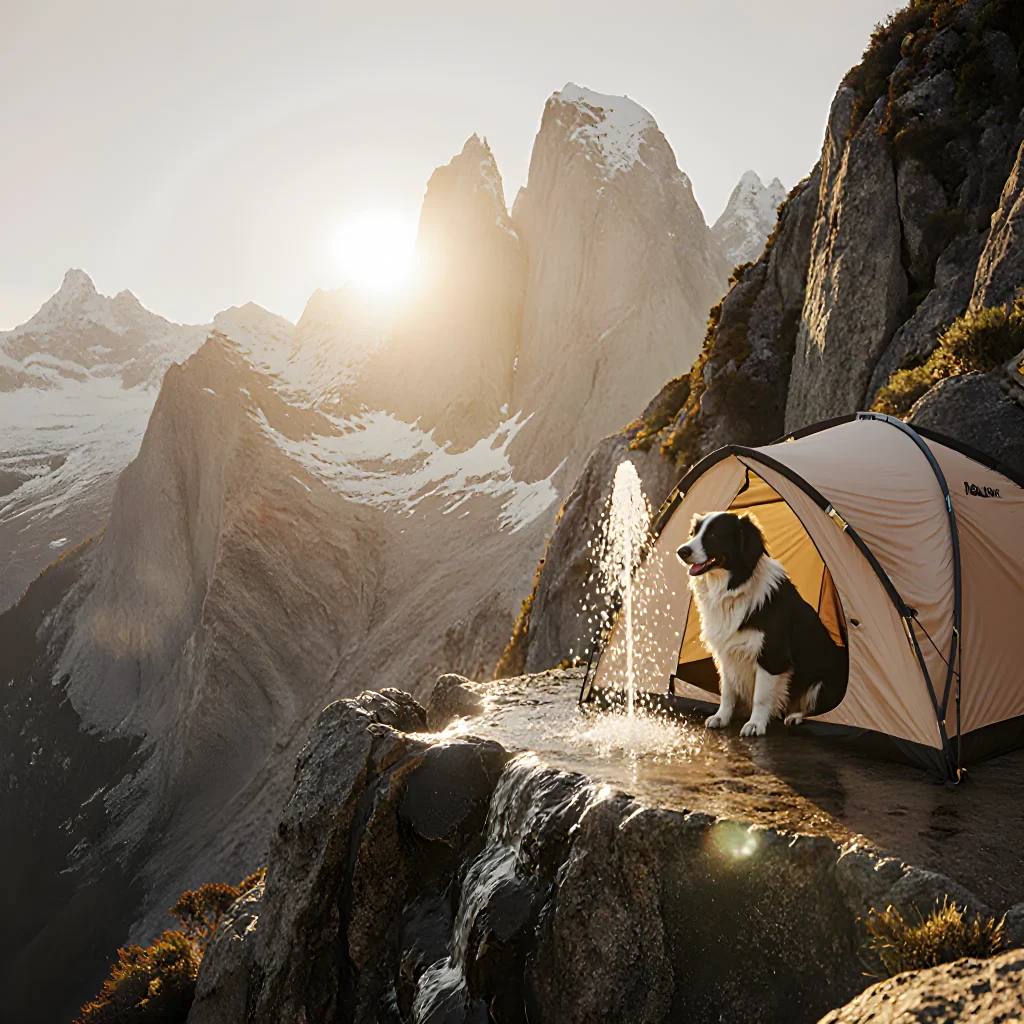
Pamper Pups, Explore Peaks
Paws & Peaks: Luxurious Dog Spas Meet Rugged Trails
Table of Contents
- Introduction to Wellness Travel for Dogs
- Benefits of Spa Treatments for Canine Health
- Choosing the Right Dog Spa: Facilities and Services
- Preparing Your Dog for a Spa Day
- Top Spa Treatments: Baths, Massages, and Grooming
- Adventure Travel Ideas for Dogs
- Planning a Hiking Trip with Your Dog
- Dog-Friendly Camping Essentials
- Water Adventures: Lakes, Rivers, and Beaches
- Safety Tips for Outdoor Activities with Dogs
- Combining Spa & Adventure in One Trip
- Travel Logistics: Packing, Vaccinations, and Documentation
- Post-Trip Care: Recovery and Wellness Checks
- Conclusion
- FAQ
Introduction to Wellness Travel for Dogs
In today’s fast‑moving world, our four‑legged companions deserve more than just a comfortable bed and a bowl of food. They need holistic care that nurtures their body, mind, and spirit—especially when you’re traveling together. The book *Wellness Travel for Dogs: Spa & Adventure* provides a roadmap to making every trip an opportunity for rejuvenation and bonding.
Why Wellness Travel Matters
- Stress Reduction: Long car rides, unfamiliar airports, or new environments can trigger anxiety. Wellness practices—gentle massages, calming scents, and familiar routines—help keep your dog calm.
- Physical Health: Regular movement, balanced nutrition, and targeted supplements prevent injuries and support joint health, especially important for active breeds.
- Mental Stimulation: New sights, sounds, and smells stimulate cognition. Structured play and puzzle toys keep their minds sharp.
Key Concepts from the Book
- Pre‑Trip Preparation: The author recommends a “wellness audit”—checking vaccinations, vet notes, and a travel kit that includes your dog’s favorite chew, a calming spray, and a portable water bowl.
- On‑the‑Road Spa Routine: Simple massage techniques for the neck, shoulders, and paws can be performed during stops. The book details a 5‑minute “relaxation circuit” that incorporates light stretching and gentle ear massages.
- Adventure Planning with Wellness in Mind: From hiking trails with low-impact terrain to beach walks timed with tide changes, the guide outlines activities that boost cardiovascular health while protecting joints.
Practical Tips for Your Next Trip
| Aspect | What to Do |
|---|---|
| Pre‑Travel Vet Check | Schedule a wellness exam 4–6 weeks before departure. Discuss supplements like glucosamine or omega‑3s. |
| Pack the Essentials | Water bottle, collapsible bowl, leash, travel blanket, first aid kit, calming pheromone spray, and a small selection of toys. |
| Daily Routine | Keep feeding times consistent. Use the same bed or crate to reduce confusion. |
| During Travel | Every 45 minutes, pause for a short walk or gentle massage. Use calming music if your dog responds well. |
| Post‑Adventure Recovery | Offer a warm bath followed by a light massage to soothe muscles and promote circulation. |
Real‑World Example: The “Beach & Balance” Day
Take your Labrador mix on a sunrise walk along the shoreline. Begin with a gentle foot massage to loosen tight muscles, then let them explore the sand—this stimulates sensory nerves. Midway, pause for a short stretch session (the book’s “5‑minute relaxation circuit”). Finish with a cool‑down swim in shallow water, followed by a calm belly rub while you both enjoy the sunset.
Takeaway
By integrating spa techniques and thoughtful adventure planning, as outlined in *Wellness Travel for Dogs: Spa & Adventure*, you can transform ordinary trips into holistic experiences that keep your dog healthy, happy, and deeply connected to you. Ready to pack a wellness kit? Your next journey awaits.
Benefits of Spa Treatments for Canine Health
Just like humans, dogs thrive when they receive regular pampering and holistic care. A canine spa—whether it’s a grooming salon with therapeutic massages or a specialized wellness retreat—offers a range of physical, mental, and emotional benefits that can improve overall health and longevity.
1. Physical Health Enhancements
- Improved Circulation: Light massage stimulates blood flow to muscles and joints, reducing stiffness and supporting recovery after exercise or surgery.
- Skin & Coat Care: Professional brushing removes mats, distributes natural oils, and helps prevent skin conditions such as hot spots or dermatitis.
- Joint Health: Hydrotherapy sessions (e.g., warm-water pools) provide buoyancy that eases joint pressure while allowing dogs to move freely, benefiting those with arthritis or hip dysplasia.
2. Mental & Emotional Well‑Being
Spas are designed to reduce stress and anxiety in dogs through calming scents (like lavender), gentle touch, and a quiet environment.
- Behavioral Improvement: A relaxed dog is less likely to bark excessively or engage in destructive chewing.
- Social Confidence: Dogs that regularly experience positive interactions with humans tend to be more sociable and better at handling new situations (e.g., vet visits, grooming).
3. Preventative Care & Early Detection
Regular spa appointments provide an opportunity for owners and groomers to spot early signs of health issues.
- Skin Lesions: Routine checks can catch unusual bumps or sores before they become serious.
- Ear Infections: Groomers often notice excessive wax or redness, prompting timely veterinary treatment.
4. Tailored Wellness Programs
Many spas now offer “Wellness Packages” that combine grooming with specialized therapies such as:
- Aromatherapy baths using essential oils safe for dogs.
- Swedish or deep‑tissue massages tailored to breed-specific muscle groups.
- Hydrotherapy and aquatic therapy sessions for rehabilitation after injury.
5. Enhancing Travel Experiences with Wellness Retreats
When planning a Wellness Travel for Dogs: Spa & Adventure trip, consider the following practical tips:
- Choose a Certified Facility: Look for spas that hold certifications from organizations like the American Veterinary Society of Animal Care (AVSAC) or local pet health authorities.
- Plan Ahead: Book spa sessions at least two weeks in advance, especially during peak travel seasons.
- Bring Familiar Items: A favorite blanket or toy can help your dog acclimate to a new environment and reduce anxiety.
- Check Travel Insurance: Ensure coverage includes veterinary care for pre‑existing conditions that may arise during spa treatments.
Real‑World Example: The “Paws & Peaks” Retreat
A popular wellness retreat in the Rockies offers a weekend package featuring:
- Morning guided hikes with rest stops for joint-friendly stretching.
- Afternoon hydrotherapy sessions in a warm, mineral‑rich pool.
- Evening “doggy spa” nights with gentle massages and organic coat treatments.
Owners report that their dogs return home lighter, calmer, and with noticeably smoother coats. The retreat also provides on‑site veterinary support for any unforeseen health concerns.
Practical Advice for Home Care
Even if you can’t travel to a spa, incorporate these simple practices into your routine:
- Weekly Massage: Spend 5–10 minutes massaging each muscle group, especially the neck, shoulders, and back.
- Daily Grooming: Brush twice a week to maintain coat health and reduce shedding.
- Hydration & Exercise: Keep your dog well‑hydrated and active—both are foundations for spa-level wellness at home.
By integrating professional spa treatments with daily care, you create a holistic approach that supports your dog’s physical health, mental clarity, and overall happiness. Whether it’s a weekend getaway or regular grooming sessions, the benefits of canine spa care are undeniable.
Choosing the Right Dog Spa: Facilities and Services
When you’re planning a wellness trip for your dog, the spa experience is just as important as the adventure itself. A top‑tier dog spa should combine comfort, safety, and professional care to keep your furry friend relaxed and healthy during the journey. Below we break down what to look for in facilities, services, and how they tie into the overall wellness travel package.
1. Cleanliness & Hygiene Standards
- Sanitation protocols: Look for spas that use pet‑safe disinfectants, sterilized equipment, and have separate areas for clean vs. soiled grooming.
- Ventilation & air quality: Adequate airflow prevents odors from building up; some high‑end spas install HEPA filters or UV sanitizers.
- Visible cleanliness: A quick walk through should reveal spotless floors, no leftover hair, and fresh towels awaiting each pup.
2. Specialized Treatment Areas
Modern dog spas often feature distinct zones tailored to different therapies:
| Zone | Purpose |
|---|---|
| Hydrotherapy Pool | Low‑impact exercise and muscle relaxation. |
| Sauna/Steam Room | Improves circulation; helps with joint pain. |
| Massage & Reflexology Studio | Targeted muscle relief and stress reduction. |
| Acupuncture/Chiropractic Suite | Advanced pain management for seniors or injured dogs. |
3. Qualified Staff & Credentials
- Certified groomers: Look for IAGG (International Association of Grooming) or local certification.
- Licensed veterinarians: Some spas employ vets who can administer medications or treat minor ailments on site.
- Trained massage therapists: Certifications from the American Veterinary Massage Therapy Association (AVMTA) indicate a higher level of skill.
4. Customization Options
Your dog’s needs vary by breed, age, and health status. A good spa offers:
- Pre‑visit assessments: Physical exams to determine suitable treatments.
- Tailored packages: Combine grooming, hydrotherapy, or massage based on the dog’s condition.
- Optional add‑ons: Aromatherapy, CBD oil baths, or natural herbal compresses for sensitive dogs.
5. Integration with Wellness Travel Itinerary
The spa should seamlessly fit into your travel schedule:
- Location proximity: A facility near the hotel or lodge saves time and reduces stress for the dog.
- Flexible booking: Last‑minute changes are common when traveling; look for spas with easy rescheduling.
- Package bundles: Some travel providers offer “Spa & Adventure” deals that include spa credits, guided hikes, and healthy meals.
6. Practical Tips for Booking
- Ask for a tour: Most reputable spas welcome prospective clients to view the premises.
- Request references: Speak with other pet owners who’ve used the spa during their travels.
- Check policies: Understand cancellation fees, emergency protocols, and what happens if your dog needs medical attention.
By focusing on these criteria, you’ll choose a dog spa that not only pampers but also supports the overall wellness of your pet during an adventurous trip. A well‑designed spa experience can boost your dog’s confidence, improve mobility, and make the journey as enjoyable for them—and you—as possible.
Preparing Your Dog for a Spa Day
Just like humans, dogs benefit from a pre‑trip routine that ensures they arrive relaxed and ready to enjoy every pampering moment. Below is a step‑by‑step guide inspired by the Wellness Travel for Dogs: Spa & Adventure philosophy.
1. Schedule a Vet Check‑In
- Health clearance: A quick vet visit guarantees your dog is fit for travel and spa treatments (e.g., baths, massages).
- Vaccination record update: Many pet hotels require up‑to‑date shots; keep a digital copy handy.
2. Pack Smart
Keep essential items within easy reach:
- Collapsible water bowl – hydration is key during transit and after the spa session.
- Favorite treats & chews – use them to reward calm behavior during travel.
- Comfortable bedding or blanket – familiar scents reduce anxiety.
- Toy or interactive puzzle – helps keep your dog engaged on the road.
3. Gradual Acclimation to Travel Gear
If your dog is new to car rides, start with short trips:
- First exposure: Drive for 5–10 minutes around the block while offering treats.
- Increase duration: Add another 10–15 minutes each week until you reach the full journey length.
- Introduce the crate or seat belt: Let your dog explore it at home before placing them inside during a short drive.
4. Practice Spa‑Ready Grooming
Familiarize your dog with the spa environment by mimicking some steps at home:
- Bath practice: Use a gentle, pet‑safe shampoo and let them get used to being wet.
- Brush routine: Regular brushing reduces shedding and loosens mats that could become painful during a spa session.
- Ear cleaning: Inspect ears for wax buildup; this will help the spa staff perform safe ear massages.
5. Establish a Calm Travel Routine
Dogs thrive on predictability:
- Pre‑trip walk: A brief stroll helps burn excess energy and reduces restlessness.
- Quiet car time: Play soft music or leave a low‑volume podcast for dogs to help them relax.
- Consistent feeding schedule: Feed 1–2 hours before departure to avoid motion sickness, but keep water available.
6. Communicate with the Spa Staff
Before arrival, contact the spa to discuss any special needs or preferences:
- Health concerns: Mention allergies, medications, or behavioral triggers.
- Preferred treatments: Some dogs enjoy aromatherapy or specific massage techniques; let staff know.
- Emergency contacts: Provide your phone number and a backup contact in case the spa needs to reach you immediately.
7. Post‑Spa Care
After the spa, help maintain the benefits:
- Rinse thoroughly: Remove any residual products that could irritate skin.
- Dry and brush: Keep fur fluffy and reduce matting.
- Hydration check: Offer fresh water; hydration aids in muscle recovery.
By following these steps, you’ll ensure your dog arrives at the spa day calm, healthy, and ready to enjoy every moment of pampering. Happy travels!
Top Spa Treatments: Baths, Massages, and Grooming
When planning a wellness‑focused getaway for your canine companion, the spa experience is just as vital as the adventure itself. A well‑designed dog spa not only keeps pets clean and healthy but also nurtures their emotional wellbeing. Below are the essential treatments you’ll find at top pet spas, complete with practical tips for choosing the right service and ensuring a safe, enjoyable visit.
1. Luxury Bath & Coat Care
- Deep‑Clean Bath: Uses hypoallergenic shampoos infused with natural botanicals such as chamomile or oatmeal to soothe irritated skin. Followed by a conditioner that detangles and adds a healthy shine.
- Drying & Blow‑Dry: Gentle, low‑heat blow dryers help reduce moisture-related issues like fungal infections while keeping the coat fluffy.
- Coat Conditioning Treatments: A lightweight spray or balm that moisturizes and protects the fur against harsh weather conditions—ideal for dogs on a hiking trip who will face wind and sun.
Practical Tip: Ask about the pH balance of the products. Dogs have a different skin acidity than humans, so a pH‑neutral formula reduces the risk of dryness or irritation.
2. Therapeutic Massage & Mobility Care
- Swedish‑Style Dog Massage: Uses long, rhythmic strokes to improve circulation and reduce muscle tension—great for active breeds that run and play.
- Aromatherapy Massage: Incorporates essential oils like lavender or peppermint (in dog‑safe concentrations) to promote relaxation and alleviate anxiety during travel.
- Joint & Mobility Sessions: Targeted pressure points for dogs with arthritis or post‑surgery recovery. Therapists use gentle kneading and light stretching to keep joints flexible.
Practical Tip: If your dog has a history of joint pain, request a pre‑session consultation where the therapist can assess mobility before beginning treatment.
3. Grooming & Nail Care
- Full Grooming Package: Includes brushing, ear cleaning, eye care, and trimming of claws to prevent overgrowth that could lead to gait issues.
- Custom Coat Trims: Tailored trims for breeds with specific coat needs (e.g., terriers or poodles) help maintain hygiene while keeping the dog’s comfort in mind.
- Nail Care & Paw Protection: Regular nail trimming and paw pad conditioning protect against rough terrain during outdoor adventures.
Practical Tip: Bring a small towel or blanket from home if your dog is sensitive to new textures. Familiar scents can reduce stress during grooming.
4. Specialty Treatments for Adventure‑Ready Dogs
- Cold Water Therapy: A brief, controlled exposure to cool water helps reduce inflammation after strenuous hikes.
- Hydrotherapy Sessions: For dogs recovering from injury or simply needing a low‑impact workout, gentle swimming in a temperature‑controlled pool can aid rehabilitation.
- Post‑Adventure Recovery Kit: A curated set of items—anti‑inflammatory gels, compression sleeves for paws, and soothing balms—that the owner can take home to continue care.
Practical Tip: If your dog is embarking on a multi‑day trek, schedule spa sessions every 3–4 days. This routine helps maintain skin health and prevents muscle fatigue.
Choosing the Right Spa for Your Dog’s Wellness Journey
- Check Credentials: Ensure staff are certified in canine massage or veterinary‑assistant grooming techniques.
- Ask About Hygiene Practices: Look for single‑use towels, sterilized equipment, and a clean environment—critical for preventing infections during travel.
- Discuss Your Dog’s History: Provide the spa with a full medical record so they can tailor treatments to any allergies or conditions.
- Request a Trial Session: If you’re new to dog spas, start with a short bath and massage. Observe how your pet reacts before booking more extensive packages.
By integrating these spa treatments into your wellness travel itinerary, you give your canine companion the ultimate blend of physical rejuvenation and emotional comfort—setting the stage for unforgettable adventures together.
Adventure Travel Ideas for Dogs
When planning a getaway that’s both rejuvenating and exciting, consider blending spa treatments with outdoor adventures. Modern pet‑friendly resorts now offer “wellness packages” that cater to your dog’s physical and mental health while you enjoy scenic activities.
1. Hydrotherapy & Mud Baths
- Why it helps: Warm, mineral‑rich mud relaxes sore muscles and improves circulation. Aquatic therapy sessions keep joints moving without strain.
- Practical tip: Choose a resort with a dedicated dog pool or spa. Ask if they offer “dog‑friendly” mud baths—some use natural clays free of chemicals.
- Example: The Lakeview Pet Spa in Colorado offers 30‑minute hydrotherapy sessions followed by a gentle massage for dogs over 20 lbs.
2. Guided Nature Walks & Trail Runs
- Why it helps: Exposure to fresh air, varied terrain, and natural scents stimulates cognitive function and reduces anxiety.
- Practical tip: Keep walks on well‑marked trails. Bring a collapsible water bowl and a lightweight leash for quick breaks.
- Example: The Evergreen Trailhead in Oregon offers a 5‑mile loop with shaded rest spots, perfect for dogs that love a moderate challenge.
3. Yoga & Mindfulness Sessions (Doggy Yoga)
- Why it helps: Gentle stretching improves flexibility; synchronized breathing promotes calmness in both owner and pet.
- Practical tip: Many resorts host weekly “Yappy Hour” yoga classes. Bring your own mat or ask if they provide one for dogs.
- Example: The Paws & Poses Studio in Austin offers beginner sessions where owners practice as their dogs follow simple poses.
4. Aromatherapy and Essential Oil Infusions
- Why it helps: Calming scents like lavender or chamomile reduce stress and support better sleep.
- Practical tip: Use only pet‑safe essential oils in a diffuser. Avoid citrus or eucalyptus, which can irritate dogs.
- Example: The Serenity Pet Retreat uses a low‑concentration lavender mist during evening wind‑down sessions.
5. Interactive Play & Skill Training
- Why it helps: Structured play enhances socialization and mental sharpness, while training boosts confidence.
- Practical tip: Bring a few favorite toys or fetch sticks. Many resorts offer “obstacle courses” designed for dogs of all sizes.
- Example: The Canine Adventure Park in Nevada provides agility training with a certified instructor and a complimentary dog‑friendly spa after the session.
6. Nutritional Guidance & Grooming Services
- Why it helps: Balanced meals support overall health; regular grooming reduces shedding, skin irritation, and improves coat quality.
- Practical tip: Ask the resort for a dietitian’s recommendation if your dog has special needs. Opt for organic or hypoallergenic shampoos during spa days.
- Example: The Pure Pet Wellness Center in Florida offers customized meal plans and a grooming station that uses eco‑friendly products.
7. Post‑Adventure Relaxation Zones
After an active day, let your dog unwind in shaded loungers or floating pools. Some resorts feature “Doggy Lounges” with comfortable mats and gentle music to aid recovery.
Planning Tips for the Perfect Wellness Getaway
- Check Accreditation: Look for certifications from veterinary associations or pet‑wellness organizations.
- Book Early: Spa and adventure packages often have limited slots, especially during peak seasons.
- Pack Essentials: Bring familiar toys, a blanket with your scent, medications, and any specific grooming tools.
- Vet Consultation: Prior to travel, confirm that all recommended spa treatments are safe for your dog’s breed, age, and health status.
By thoughtfully combining wellness practices with adventure activities, you can create a memorable trip that nurtures both your dog’s body and spirit. Whether it’s a serene mud bath or an invigorating trail run, the key is to choose reputable facilities that prioritize safety, comfort, and holistic care.
Planning a Hiking Trip with Your Dog
When you’re ready to hit the trails with your four‑legged companion, a little preparation can turn an ordinary hike into a memorable wellness adventure for both of you. Drawing inspiration from Wellness Travel for Dogs: Spa & Adventure, this guide covers everything from choosing the right trail to ensuring your dog’s comfort and safety.
1. Pick a Trail That Matches Your Dog’s Fitness Level
- Beginner trails: Flat, well‑maintained paths (e.g., Lakeview Loop) are ideal for first‑time hikers or dogs with joint issues.
- Intermediate trails: Gentle inclines and moderate distances (e.g., River Ridge Trail) suit active dogs that have some hiking experience.
- Advanced trails: Steep ascents, rocky terrain, and longer distances (e.g., Pine Peak Summit) are best for highly conditioned dogs.
Use resources like AllTrails or local hiking clubs to read reviews and check trail difficulty ratings. Look for trails that offer shaded areas, water sources, and dog‑friendly rest stops.
2. Prepare a Dog‑Friendly Packing List
| Item | Why It’s Needed |
|---|---|
| Portable water bowl and enough water | A dog can get dehydrated quickly, especially in heat. |
| High‑energy treats or jerky | Use them for motivation and to reward good behavior. |
| First‑aid kit (including tick remover) | Accidents happen; having basic supplies can prevent complications. |
| Collapsible waste bag dispenser | Keep trails clean and follow the “Leave No Trace” principle. |
| Dog‑sized backpack (optional) | Distribute weight evenly if your dog is used to carrying gear. |
| Cooling vest or bandana | Help regulate body temperature in hot weather. |
| First‑aid wipes and paper towels | Clean paws after muddy sections. |
3. Pre‑Trip Health Check
Before you leave, schedule a vet visit to confirm your dog’s vaccinations are up to date (especially rabies and distemper). Discuss any concerns about joint health or allergies that might affect trail performance. If your dog has chronic conditions, ask the vet for advice on medication timing during hikes.
4. Train Your Dog for Trail Etiquette
- Leash control: Practice short leash walks in varied environments so your dog learns to stay close without pulling.
- Leave‑no‑trace behavior: Teach them to avoid picking up rocks or disturbing wildlife. Use a “leave it” cue before they approach potential hazards.
- Water breaks: Train your dog to pause at water sources and not splash excessively, which can cause contamination.
5. Hydration & Nutrition Strategy
Plan for hydration every 20–30 minutes. In hot climates, consider adding electrolytes to the water or offering a small portion of low‑salt dog treats. For longer hikes, pack a light snack (e.g., boiled chicken chunks) and a calorie‑dense treat to keep your dog energized.
6. Safety Gear & Emergency Plan
- Dog GPS collar or tag: Ensure it has up‑to‑date contact information.
- Whistle or bell: Useful for locating your dog if they get lost.
- Emergency contact list: Include the nearest animal hospital and a friend who can help in case of an emergency.
7. Post‑Hike Recovery & Spa Time
After the trail, give your dog a gentle massage focusing on the shoulders, hips, and legs—just like the spa treatments highlighted in Wellness Travel for Dogs: Spa & Adventure. Use warm compresses to soothe sore muscles. Follow up with a cool shower or a damp wipe‑down to remove any mud or debris.
Finally, reward your dog with a relaxing session at a local pet spa (many offer “hiker’s specials”) where they can enjoy aromatherapy, hydrotherapy, and a professional paw massage. This combination of adventure and recovery ensures that both you and your dog return home refreshed and ready for the next outing.
Dog-Friendly Camping Essentials
If you’re planning a wellness trip that blends spa relaxation with outdoor adventure, the first step is packing the right gear for your four‑legged companion. Below is a curated list of must‑have items that will keep your dog comfortable, healthy, and happy while you both enjoy nature’s therapeutic benefits.
1. Comfort & Shelter
- Portable Dog Bed or Blankets: A lightweight, quick‑dry mattress or a set of fleece blankets provides a familiar base that can be laid out under a tarp or tent. For added comfort, choose a bed with raised edges to help your dog maintain proper posture.
- Insulating Mat: Ground temperature can drop sharply at night. An insulating mat (like a foam or self‑inflating pad) protects against cold and dampness, preventing muscle stiffness that could hinder morning hikes.
- Tarp & Rain Cover: A small, breathable tarp with a rain cover keeps the dog’s sleeping area dry while allowing airflow—key for maintaining a healthy skin barrier during wet weather.
2. Hydration & Nutrition
- Collapsible Water Bowl: Lightweight and easy to carry, a collapsible bowl can be filled from streams or water bottles on the trail.
- Water Purification Tablets or Filter: Even if you’re in a pristine area, treat water with tablets or a pump filter to eliminate parasites that might cause gastrointestinal upset.
- High‑Energy Snacks: Pack dehydrated jerky, freeze‑dried treats, or specially formulated “trail mix” for dogs. These help maintain energy levels during long hikes and are easy to store.
3. Health & Safety Kit
- First Aid Supplies: Include gauze, antiseptic wipes, a small pair of tweezers (for splinters or ticks), and a basic dog‑specific pain reliever if prescribed by your vet.
- Tailored Medications: If your dog has allergies or chronic conditions, bring enough medication for the entire trip plus an extra day’s supply in case of delays.
- Insect Repellent & Sunscreen (Dog‑Safe): Use a repellent safe for pets to protect against mosquitoes and ticks. Apply a pet‑safe sunscreen on exposed skin—especially on short‑haired breeds or those with light-colored noses.
- Portable GPS Tracker: A small, battery‑powered tracker can be clipped to your dog’s collar, giving peace of mind if you’re exploring remote trails.
4. Comfort & Wellness Extras
- Dog‑Friendly Massage Oil or Lotion: After a long day, apply a calming oil (like lavender or chamomile) to your dog’s joints and belly. This helps reduce stiffness and promotes relaxation—perfect for the “spa” component of your wellness trip.
- Cooling Vest or Bandana: In hot climates, a cooling vest can regulate body temperature during hikes, preventing overheating and fatigue.
- Portable Dog Spa Kit: Include a small brush, a towel, and a quick‑dry dog shampoo. A brief bath in a shaded area after a muddy trek helps keep skin healthy and reduces the risk of infections.
5. Training & Behavioral Tools
- Positive Reinforcement Treats: Use high‑value treats to reinforce calm behavior around unfamiliar wildlife or other campers.
- Collar & Leash with ID Tags: A sturdy leash and a collar that holds an up‑to‑date ID tag are essential for safety in the wilderness.
- Portable Training Aids: A whistle or clicker can help maintain focus during hikes, especially when navigating dense brush or rocky terrain.
Practical Packing Tips
- Use a Dedicated Dog Backpack: Many manufacturers offer packs designed to carry water, food, and gear while keeping the dog’s weight off its back. This reduces strain on joints during long walks.
- Pack in Ziploc Bags: Store small items—treats, medicine, grooming tools—in sealed bags to prevent spills and keep them organized.
- Test the Gear at Home: Before heading out, simulate a day of hiking with your dog. Check that the bed stays in place, the water bowl holds up, and the cooling vest fits comfortably.
By thoughtfully preparing these essentials, you’ll create an environment where both you and your canine companion can enjoy the therapeutic benefits of nature—whether it’s a soothing hike through pine forests or a peaceful evening by a campfire. Remember: wellness travel for dogs is about balance—spa care meets adventure—so equip yourself with gear that supports health, safety, and joy on every step of the journey.
Water Adventures: Lakes, Rivers, and Beaches
If you’re planning a wellness getaway that’s as refreshing for your dog as it is for you, water-based activities are a must‑do. Whether it’s a serene lake swim, an invigorating river run, or a relaxing beach day, these experiences help keep your pup’s body and mind in balance.
1. Lakes: Calm Waters & Gentle Exercise
- Lake Tahoe, California/Nevada: With its crystal‑clear water and abundant dog‑friendly trails, Lake Tahoe offers both paddleboarding and easy shoreline walks. Bring a lightweight leash‑free zone (if the park allows) for your pup to splash safely.
- Lakes of the Adirondacks, New York: The many small lakes here have dog‑allowed beaches. Pack a portable water bowl so your dog can stay hydrated while you enjoy a scenic picnic.
2. Rivers: Dynamic Flow & Adventure
- Colorado River, Grand Canyon: For the more adventurous, a guided river run with a certified guide ensures safety for both you and your dog. Make sure the guide’s policy allows pets and bring a sturdy dog life jacket.
- The Seine, Paris: A relaxed boat tour on the Seine is perfect for dogs that enjoy gentle movement. Many tours offer pet‑friendly seating areas with shade.
3. Beaches: Sun, Sand & Serenity
- Maui’s Wailea Beach, Hawaii: This beach has a designated dog zone where pups can run freely. The gentle waves are ideal for dogs that love to splash without getting overwhelmed.
- San Diego’s Mission Bay: Known for its calm waters and dog‑friendly amenities, Mission Bay offers boardwalks, picnic spots, and even doggie swim lanes during certain times of the year.
Practical Tips for a Wellness-Focused Water Trip
- Hydration is Key: Always bring a collapsible water bowl and extra water. Dogs can dehydrate quickly, especially in hot climates.
- Protect Their Skin & Coat: Use pet‑safe sunscreen on exposed areas and rinse your dog with fresh water after swimming to remove chlorine or salt.
- Safety Gear: Invest in a well-fitting life jacket for dogs that are not natural swimmers. Even calm waters can pose risks during sudden waves.
- Check Local Rules: Some beaches and lakes have leash laws, dog‑free zones, or seasonal restrictions. Always verify before heading out.
- Mind the Temperature: Water temperature affects your dog’s comfort. In colder waters, consider a wetsuit for extended swims.
Enhancing Wellness Through Water Play
Water activities stimulate circulation, improve joint mobility, and reduce stress hormones in dogs—mirroring the benefits you experience from spa treatments. Incorporate short, frequent sessions into your itinerary to keep both of you energized and relaxed.
Safety Tips for Outdoor Activities with Dogs
Whether you’re hiking a rugged trail, swimming in a lake, or simply exploring your neighborhood, keeping your dog safe during outdoor adventures is paramount. The Wellness Travel for Dogs: Spa & Adventure guide offers practical advice that blends adventure with well‑being.
1. Prepare Before You Go
- Vaccinations & ID: Ensure your dog’s rabies, distemper, and parasite shots are up to date. Attach a microchip or keep an updated collar tag with contact information.
- Health Check: For older dogs or those with chronic conditions, get a vet clearance before strenuous activities.
- Pack Essentials: Bring water, collapsible bowl, dog-friendly first aid kit (bandages, antiseptic wipes), waste bags, and a leash or harness designed for hiking.
2. Hydration & Nutrition
Dogs lose electrolytes quickly in the heat. Use a dog‑safe electrolyte powder mixed with water or offer commercial hydration tablets. For long trips, consider a portable dog food pack to keep energy levels steady.
Example: Trail Run with a Labrador Retriever
- Start with a light warm‑up walk.
- Carry 1 L of water per hour of activity.
- Offer a small, low‑fat snack every 30 minutes.
3. Temperature & Weather Awareness
- Heat Warning: Avoid peak sun hours (10 am–4 pm). Use shaded paths and bring a reflective collar.
- Cold Weather: In temperatures below 45°F, consider a thermal dog jacket or booties to protect paws from ice and salt.
4. Trail Etiquette & Safety
- Leash Rules: Keep your dog on a short leash (≤6 ft) in crowded areas; allow them to explore only on designated off‑leash zones.
- Paw Protection: Check for thorns, hot rocks, or debris. Use a protective bootie if you plan a rocky hike.
- Wildlife Awareness: Keep dogs away from wildlife and avoid feeding them any unfamiliar animals.
5. First Aid Basics
- Know how to treat a dog’s heatstroke: move to shade, offer cool water, use a fan or damp cloth, and call a vet if symptoms persist.
- For injuries: clean wounds with antiseptic wipes, apply an elastic bandage for sprains, and keep the injured limb immobilized.
6. Post‑Activity Recovery
After strenuous outings, allow your dog to rest in a shaded area, offer fresh water, and monitor for signs of overexertion (labored breathing, excessive panting). A gentle massage or a quick walk can help soothe sore muscles.
7. Spa & Adventure Integration
The Wellness Travel guide emphasizes pairing adventure with relaxation. Plan a scenic spot where you and your dog can unwind: a quiet lake for a dip, a meadow for a gentle massage session, or a pet‑friendly spa that offers canine treatments such as deep‑tissue massages, hot stone therapy, or aromatherapy.
8. Checklist Summary
| Item | Why It Matters |
|---|---|
| ID & Vaccinations | Legal compliance & health safety. |
| Water & Hydration Kit | Avoid dehydration & heatstroke. |
| First Aid Kit | Immediate treatment for injuries. |
| Paw Protection Gear | Prevents burns, cuts, and infections. |
| Thermal Clothing | Regulates body temperature in extremes. |
By combining thorough preparation, mindful on‑trail practices, and post‑activity care, you’ll ensure that every outdoor adventure is both safe and enjoyable for your canine companion. Remember: the goal is to create lasting memories while safeguarding your dog’s health and happiness.
Combining Spa & Adventure in One Trip
The modern traveler is increasingly looking for experiences that blend relaxation with excitement. A trip that offers both a rejuvenating spa session and an adrenaline‑filled adventure can be the perfect balance—especially when you’re traveling with your four‑legged companion. Below are practical tips, real‑world examples, and wellness‑focused advice to help you plan a seamless itinerary.
1. Choose Destinations That Offer Dual Experiences
- Lake Tahoe, CA: Spend a day at the Lakeshore Spa & Wellness Retreat, then hike the Doon Trail for panoramic views.
- Santorini, Greece: Relax with a sunset yoga session on the caldera cliffside and later explore volcanic caves by kayak.
- Costa Rica’s Arenal Region: Enjoy hot‑spring baths in La Fortuna, then go zip‑lining through Monteverde Cloud Forest.
2. Pack Smart for Both Relaxation and Activity
Essentials for you: Lightweight yoga pants, a waterproof jacket, hiking boots, sunscreen, and a reusable water bottle.
Essentials for your dog: Collapsible food dish, travel-sized grooming kit, portable dog bed or blanket, high‑quality leash, and a dog‑safe first aid kit (include items like tweezers for ticks, an EpiPen if your dog has allergies, and a small bag of anti‑nausea medication).
3. Plan Your Itinerary to Maximize Downtime
A typical day might look like this:
- Morning (7:00–9:30 am): Start with a gentle walk around the spa’s botanical garden.
- Mid‑morning (10:00–11:30 am): Book a couples massage or a dog‑friendly “Paw & Relax” session.
- Noon (12:00–1:00 pm): Enjoy a light, protein‑rich lunch—think grilled salmon with quinoa and steamed veggies.
- Afternoon (2:00–4:30 pm): Hit the adventure activity: rock climbing, whitewater rafting, or a guided hike.
- Evening (6:00–8:00 pm): Wind down with a sunset yoga class on the beach or a quiet walk along a trail that’s dog‑friendly.
4. Wellness Travel for Dogs: Tailored Spa Treatments
Many high‑end resorts now offer spa services specifically designed for pets:
- Doggie Massage: Uses gentle pressure to relieve muscle tension and improve circulation.
- Aromatherapy Baths: Incorporates lavender or chamomile essential oils (dog‑safe) to calm anxiety.
- Hot‑Stone Therapy: Warm stones help relax joints—ideal for senior dogs with arthritis.
5. Practical Tips for Dog‑Friendly Spa Days
- Check Policies Early: Some spas require a vet’s note or proof of vaccination before allowing pets inside.
- Hydration is Key: Bring plenty of fresh water. Dogs can dehydrate quickly, especially after exercise.
- Keep Them Cool: Use a doggy cooling mat if the spa’s temperature rises during the day.
- Post‑Spa Walks: A short stroll helps your dog digest and prevents lethargy.
6. Real‑World Example: A Weekend Getaway in Asheville, NC
Day 1: Arrive early to the Asheville Animal Spa & Wellness Center. Book a doggie aromatherapy bath and a gentle massage for yourself at the on‑site spa. After lunch, take your pup to the Blue Ridge Parkway Trail, where you can hike in shaded sections and enjoy scenic overlooks.
Day 2: Start with sunrise yoga on the rooftop terrace of a boutique hotel that allows dogs. Then head out for a guided horseback riding adventure through the Great Smoky Mountains, bringing along your dog’s gear to keep them comfortable and safe throughout the ride.
7. Safety Checklist for the Whole Group
| Item | Description |
|---|---|
| Travel Insurance | Cover medical emergencies for both humans and pets. |
| Vaccination Records | Keep a digital copy on your phone for quick access. |
| Emergency Contacts | Local vet, nearest hospital, and spa contact numbers. |
Conclusion
By carefully selecting destinations that pair luxurious wellness experiences with thrilling adventures—and by preparing a thoughtful itinerary that caters to both you and your dog—you can create a holiday that rejuvenates the body, feeds the soul, and strengthens the bond between owner and pet. Remember: the key is balance, planning, and an eye for detail in every step of the journey.
Travel Logistics: Packing, Vaccinations, and Documentation
Packing Essentials for Your Canine Companion
When you’re planning a wellness trip that combines spa treatments with outdoor adventures, the items you pack can make or break your experience. Below is a checklist of must‑have gear and some optional extras to keep your dog comfortable, healthy, and happy.
- Crate & Travel Bed: A well‑ventilated crate that fits comfortably in the car’s back seat or in an airplane cabin. Add a familiar blanket or toy to reduce stress.
- Hydration Kit: Portable water bowl, collapsible cup, and plenty of fresh water. Consider adding electrolytes for active days.
- Food & Treats: Pack enough high‑quality dog food (preferably the same brand you feed at home) plus a few extra treats for training or reward during spa sessions.
- Leash, Harness, and ID Tags: Ensure your harness fits snugly; double‑check that ID tags have up‑to‑date contact info. A GPS collar can be invaluable on hikes.
- First‑Aid Kit: Bandages, antiseptic wipes, tweezers for ticks, and a copy of your dog’s medical record. Include any prescription meds in their original containers with labels.
- Grooming Supplies: Brush, comb, shampoo (if not using spa services), ear cleaner, nail clippers, and dental chews.
- Travel Blanket & Rain Gear: A lightweight blanket for the car seat or airplane aisle. Waterproof jacket or raincoat if you’re heading to a wet destination.
- Comfort Items: Your dog’s favorite toy, a piece of your clothing (to provide scent comfort), and a calming aid such as a pheromone spray or natural supplement (consult vet first).
Example: If you’re heading to the Rocky Mountains for an adventure spa retreat, pack a sturdy hiking harness, plenty of water, a lightweight rain jacket, and a small, portable grooming kit. The spa may provide some items, but having your own ensures consistency with what your dog is used to.
Vaccinations & Preventative Care
Most wellness travel facilities require proof of core vaccinations before admission. Here’s a quick rundown of the key shots and preventive measures:
- Rabies: Required in almost all states; must be up‑to‑date and documented.
- Distemper, Parvovirus, Adenovirus (DHPP): Core combo vaccine for puppies and adult dogs.
- Leptospirosis: Recommended if you’ll be in wet or rural areas where exposure is possible.
- Hepatitis (Canine Influenza): Important for multi‑dog environments like spas.
- Heartworm Prevention: Monthly chewables or injections, especially before hiking in wooded areas.
- Ticks & Fleas: Use a vet‑approved spot-on or oral medication; bring an extra supply for the trip.
Practical tip: Bring both the vaccination record and a copy of your dog’s medical history. Some spa facilities may require a health clearance certificate issued within 7 days of arrival, especially if they’ll administer treatments like massages or hydrotherapy.
Documentation & Travel Forms
Paperwork can be intimidating, but it’s essential for a smooth wellness journey. Below is a checklist to keep you organized:
- Proof of Vaccinations: Original vaccination certificates or a digital copy printed out.
- Health Clearance Certificate: Issued by your veterinarian within 7 days before travel; confirms no contagious disease.
- Travel Insurance Policy: Coverage for medical emergencies, accidental injury, or trip cancellations. Look for policies that include pet-specific clauses.
- Identification & Registration Forms: If traveling internationally or through certain state lines, you may need a USDA Animal Health Certificate (for U.S.) or equivalent.
- Facility Agreements: Spa contract, waiver of liability, and any service agreements. Read carefully to understand what treatments are covered and the cost structure.
- Emergency Contact List: Vet contact, local emergency clinic, and spa staff phone numbers. Keep a backup on your phone and in a printed folder.
Example: For a weekend wellness retreat in Asheville, NC, you’ll need the vaccination record, a health clearance certificate issued within 7 days of departure, and proof that you have travel insurance covering pet emergencies. The spa will provide a waiver form detailing the scope of services (e.g., massage, hydrotherapy) and any associated fees.
Post-Trip Care: Recovery and Wellness Checks
After an adventurous day or a long flight, your canine companion needs a gentle transition back to everyday life. A structured post‑trip care routine helps prevent stress-related ailments, supports muscle recovery, and ensures that your dog’s health remains on track.
1. Immediate Rest & Hydration
- Quiet Space: Set up a shaded, comfortable area in a low‑traffic part of the house or yard where your dog can rest undisturbed.
- Hydration Station: Offer fresh water every 15–20 minutes. If your dog was on a long flight, consider adding electrolytes (e.g., Pedialyte for dogs) to replenish salts lost during travel.
2. Gentle Exercise & Stretching
- Short Walks: A 10–15 minute stroll helps flush out any lingering adrenaline and encourages healthy digestion.
- Passive Range‑of‑Motion: Gently move your dog’s limbs to maintain joint mobility. For example, slowly lift each leg a few inches, hold for 2–3 seconds, then lower.
3. Nutrition Check
- Meal Timing: Feed the usual meal after 1–2 hours of rest to avoid post‑travel stomach upset.
- Special Diets: If your dog was on a special diet or received treats during travel, revert to their regular kibble and monitor for any digestive changes.
4. Monitor Vital Signs & Symptoms
Keep an eye out for the following indicators that may warrant veterinary attention:
- Excessive lethargy or reluctance to move
- Persistent vomiting, diarrhea, or loss of appetite
- Visible pain (whimpering, limping, stiffness)
- Changes in breathing rate or difficulty swallowing
5. Post‑Travel Wellness Checkup
Schedule a vet visit within 48–72 hours of return for a comprehensive check. This is especially important if:
- Your dog had a health condition that could be aggravated by travel (e.g., heart disease, arthritis)
- The trip involved significant altitude changes or extreme temperatures
- There was any exposure to unfamiliar environments that might introduce parasites or allergens
6. Gradual Reintegration into Routine Activities
Don’t rush back into intensive training or long hikes immediately. Instead, follow a phased plan:
- Day 1–2: Light play and short walks.
- Day 3–5: Increase walk duration by 5 minutes each day; reintroduce training sessions (10–15 minutes).
- Week 2: Resume normal activity levels if no issues are observed.
7. Documentation & Record Keeping
Maintain a travel log noting:
- Date, time, and duration of flights or drives
- Temperature and humidity conditions at the destination
- Any medications, supplements, or treats given
- Observations on behavior, appetite, and health post‑arrival
This information helps your veterinarian make informed decisions and can be invaluable for future travel planning.
8. Wellness Travel for Dogs: Spa & Adventure Resources
- Spa Retreats for Dogs: Learn how therapeutic massages, hydrotherapy, and aromatherapy can accelerate recovery.
- Adventure Trails & Guided Excursions: Find certified guides who tailor activities to your dog’s fitness level and ensure safety protocols are met.
By following this structured post‑trip care plan, you’ll help your dog return to peak health faster while safeguarding against common travel‑related complications. Remember, a well‑rested, hydrated, and monitored canine is the best companion for future adventures!
Conclusion
Traveling with your canine companion is no longer a compromise between adventure and well‑being. By choosing Wellness Travel for Dogs: Spa & Adventure, you’re opting for a holistic experience that nurtures both the body and the spirit of your furry friend. From spa treatments that soothe sore muscles to guided hikes that stimulate mental agility, every element is designed with pet health in mind.
Here are a few take‑aways to help you make the most of this unique approach:
- Plan Ahead: Book spa and adventure packages well in advance—especially during peak seasons—to secure your preferred dates and activities.
- Pack Smart: Bring a small first‑aid kit, water bowl, and familiar toys to keep your dog calm during transitions.
- Stay Hydrated & Cool: Opt for cooler times of day for hikes and ensure the spa sessions include hydrotherapy or massage with cooling gels.
- Vet Check‑In: A recent health check-up guarantees your dog is fit for both adventure and spa treatments, reducing the risk of injury or illness.
- Share Your Experience: Post photos, tips, and reviews on social media or pet forums. It helps other owners discover reliable wellness travel options and builds a supportive community.
By integrating wellness into every step of your trip—be it a mountain trek or a soothing mud bath—you give your dog the chance to thrive physically, mentally, and emotionally. Whether you’re a seasoned traveler or new to pet‑friendly adventures, Wellness Travel for Dogs: Spa & Adventure offers an unmatched blend of care and excitement that transforms ordinary vacations into transformative journeys.
FAQ
- What makes a dog-friendly spa experience different from a regular pet grooming session?
-
A dog‑friendly spa goes beyond basic grooming. It includes:
- Therapeutic massage – uses gentle strokes to relieve muscle tension and improve circulation.
- Hot stone or infrared treatments – help with joint pain, especially in senior dogs.
- Aromatherapy baths – lavender or chamomile oils calm nerves; always use pet‑safe blends.
- Specialized shampoos and conditioners – hypoallergenic formulas for sensitive skin.
These services aim to boost overall well‑being, not just appearance.
- How do I prepare my dog for a wellness travel adventure?
-
- Vet check‑up: Ensure vaccinations are current and get a health clearance if required by the spa or activity.
- Familiarization: Bring familiar toys, blankets, and scent items to reduce anxiety in new environments.
- Gradual acclimation: If your dog is nervous around crowds, practice short trips to similar venues (e.g., a quiet park) before the full adventure.
- Dietary prep: Feed a light meal 2–3 hours before travel; avoid heavy or spicy foods that could upset their stomach during activities.
- What types of adventure activities are suitable for dogs?
-
Choosing the right activity depends on age, breed, and health status:
Activity Best For Key Considerations Hiking (short, flat trails) All breeds, especially those with moderate energy. Keep on a leash; bring water and dog‑safe snacks. Water play – beach or lake swims Breeds that love water (Labradors, Golden Retrievers). Check water temperature; supervise closely for safety. Canine-friendly obstacle courses Active dogs with good coordination. Start slow and use positive reinforcement. Dog yoga (doga) classes Calm, trainable dogs of any size. Use a non‑slip mat; keep sessions short for beginners. - How can I ensure my dog’s safety during spa treatments?
-
- Supervision: Never leave your dog unattended in the treatment area.
- Check for allergies: Verify that all products are hypoallergenic and free from common irritants like sulfates or artificial fragrances.
- Hydration: Offer water before and after treatments to prevent dehydration.
- Post‑treatment monitoring: Watch for signs of overheating, dizziness, or discomfort; contact the spa staff if anything seems off.
- What are some budget-friendly wellness travel options?
-
Even on a tight budget you can give your dog a wellness experience:
- DIY spa day at home: Use organic dog shampoo, a calming playlist, and a homemade treat bath.
- Local park adventures: Many parks have walking trails, water fountains, and safe play areas.
- Community dog meet‑ups: Look for free or low‑cost events that combine exercise with socialization.
- Pet-friendly cafés: Some cafés offer dog menus and a relaxed environment for short stays.
- How do I choose the right spa or adventure provider?
-
Ask yourself these questions:
- Are they licensed and insured?
- Do they have positive reviews from other pet owners?
- What is their emergency protocol (e.g., access to a vet)?
- Can they customize treatments based on my dog’s medical history?
Request a trial session or walk-through before committing to a full package.
Categories
- AI & Enrichment Play
- Broiler Farming
- Broiler Farming Tips
- Canine Wellness & Longevity
- Cat
- Cat & Human Connection
- Cat Adoption & Rescue
- Cat Breeds
- Cat Breeds & Personalities
- Cat Care & Health
- Cat Grooming & Hygiene
- Cat Lifestyle & Environment
- Cat Myths & History
- Cat Nutrition & Diet
- Cat Products & Reviews
- Cat Training & Behavior
- Comparison
- Consumer Awareness
- Dog
- Dog Accessories & Products
- Dog Adoption & Rescue
- Dog Breed & Lifestyle Trends
- Dog Breeding & Puppies
- Dog Entertainment & Media
- Dog Fashion & Trends
- Dog Fun & Lifestyle
- Dog Grooming & Hygiene
- Dog History & Culture
- Dog Myths, Science & Future Tech
- Dog News & Trends
- Dog Nutrition & Food
- Dog Psychology & Emotions
- Dog Safety & Security
- Dog Sports & Activities
- Dog Technology & Innovation
- Dog Training for Modern Owners
- Dog Travel & Adventure
- Dog Travel, Adventure & Culture
- Economic and Market Insights
- Educational Content
- FAQs
- Feeding Alternatives
- Festivals & Seasonal Ideas
- Fun & Entertainment
- General Knowledge
- General Pig Farming
- Health & Disease Management
- Housing and Environment
- Kittens
- Market Insights
- Miscellaneous
- Miscellaneous
- Motivational
- pig
- Pig Breeding
- Pig Breeds
- Pig Farming Stories and Inspiration
- Pig Health and Care
- Pig Nutrition
- Pig Products
- Profitability & Business
- Puppy Care
- Puppy Predictable Topics Reinvented
- Regional Focus
- Rescue & Adoption Buzz
- Senior Cats
- Senior Dog Care
- Smart Dog Tech & Gadgets
- Sustainability
- Sustainable & Eco-Friendly Dog Products
- Tech & Innovations
- Working & Service Dogs
- Broiler Feed66 products
- Country Feed33 products
- Pig Feed66 products
- Product22 products
- Raw Materials99 products
Products
-
 Fish Meal
₹1,999.00 – ₹2,999.00Price range: ₹1,999.00 through ₹2,999.00Rated 0 out of 5
Fish Meal
₹1,999.00 – ₹2,999.00Price range: ₹1,999.00 through ₹2,999.00Rated 0 out of 5 -
 FATTENING BROILER FEED
₹2,299.00 – ₹2,349.00Price range: ₹2,299.00 through ₹2,349.00Rated 0 out of 5
FATTENING BROILER FEED
₹2,299.00 – ₹2,349.00Price range: ₹2,299.00 through ₹2,349.00Rated 0 out of 5 -
 LAYER COUNTRY FEED
₹1,549.00 – ₹1,649.00Price range: ₹1,549.00 through ₹1,649.00Rated 0 out of 5
LAYER COUNTRY FEED
₹1,549.00 – ₹1,649.00Price range: ₹1,549.00 through ₹1,649.00Rated 0 out of 5 -
 COUNTER BROILER FEED
₹1,199.00 – ₹1,299.00Price range: ₹1,199.00 through ₹1,299.00Rated 0 out of 5
COUNTER BROILER FEED
₹1,199.00 – ₹1,299.00Price range: ₹1,199.00 through ₹1,299.00Rated 0 out of 5 -
 LACTATING PIG FEED
Rated 0 out of 5
LACTATING PIG FEED
Rated 0 out of 5₹2,299.00Original price was: ₹2,299.00.₹1,740.00Current price is: ₹1,740.00. -
 Maize
Rated 0 out of 5
Maize
Rated 0 out of 5₹1,650.00Original price was: ₹1,650.00.₹1,300.00Current price is: ₹1,300.00. -
 GESTATION PIG FEED (Phase 1)
Rated 0 out of 5
GESTATION PIG FEED (Phase 1)
Rated 0 out of 5₹2,249.00Original price was: ₹2,249.00.₹1,699.00Current price is: ₹1,699.00. -
 Pre Starter Broiler Feed
₹2,399.00 – ₹2,499.00Price range: ₹2,399.00 through ₹2,499.00Rated 0 out of 5
Pre Starter Broiler Feed
₹2,399.00 – ₹2,499.00Price range: ₹2,399.00 through ₹2,499.00Rated 0 out of 5 -
 FINISHER PIG FEED
Rated 0 out of 5
FINISHER PIG FEED
Rated 0 out of 5₹2,299.00Original price was: ₹2,299.00.₹1,749.00Current price is: ₹1,749.00. -
 Broiler Premix
Rated 0 out of 5
Broiler Premix
Rated 0 out of 5₹820.00Original price was: ₹820.00.₹699.00Current price is: ₹699.00.