
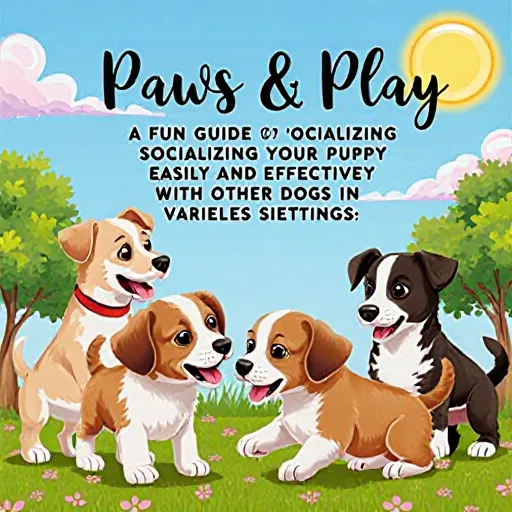
Unlock your pet's social skills with ease!
Paws & Play: Socialization Made Easy
Table of Contents
- Choosing a Litter Box and Proper Placement
- Handling the Kitten Gently
- Establishing a Routine
- Providing Playtime and Toys
- Introducing to Other Pets Gradually
- Socializing with People of Different Ages
- Visiting the Vet Without Fear
- Teaching Basic Commands and Training
- Handling Shyness or Aggression
- Introducing the Outdoor Environment
- Playing Interactive Games
- Creating a Comfortable Sleep Area
- Introducing New People and Situations Gradually
- Handling Separation Anxiety
- Conclusion
- FAQ
Choosing a Litter Box and Proper Placement
When choosing a litter box for your kitten, it is important to consider both functionality and safety. A good litter box should be large enough for your kitten to easily turn around in and use comfortably without feeling cramped. Kittens are more playful than adult cats, so opt for one made of non-slip material with high sides to prevent messes and to help the kitten feel secure.
When it comes to litter box placement, consider making the area a low-stress environment. Avoid placing the litter box near noisy or busy areas such as the kitchen or laundry room where there may be loud sounds or excessive foot traffic. Instead, choose a quiet corner of your home that offers some level of privacy.
Just like socializing a kitten, proper placement is about gradual introduction and creating positive experiences. By gradually introducing your kitten to different areas of the house with positive reinforcement, you can help them become comfortable in various environments. This process helps avoid stress and anxiety which may otherwise lead to inappropriate behaviors such as using furniture or carpets for elimination.
To further enhance comfort, consider placing a few soft toys nearby that can provide entertainment and stimulate your kitten's natural hunting instincts. Similarly, the litter box itself should be clean and well-maintained; change the litter regularly and clean the box thoroughly to prevent any negative associations with the area.
Remember, just as you gradually introduce kittens to new experiences, so too should their litter box environment. This can involve gradually moving the litter box to different locations or introducing new scents that your kitten will become familiar with over time. By providing a safe and comfortable space for your kitten’s potty needs, you are contributing positively to their overall health and well-being.
Handling the Kitten Gently
Tips to Socialize a Kitten require gentle handling and care, ensuring that your kitten grows up to be friendly and confident. Handling a kitten gently is crucial for their social development as it helps them form positive associations with human touch early on.
Understanding the Kitten's Needs
Your first step in handling the kitten gently is understanding its needs at different stages of growth. Kittens are born without a fear of humans, but this changes over time as they start to perceive new experiences. Here are some key points to remember:
- Newborn to 4 Weeks: Kittens are very fragile during this period and require constant care from their mother. Handling them gently at this stage can cause stress, so it's best to observe and handle them only when necessary.
- 4 Weeks to 12 Weeks: As kittens start exploring the world around them, gentle handling can help them become comfortable with human touch. Be careful not to overwhelm them; a few minutes of interaction each day is sufficient at this stage.
- 12 Weeks and Beyond: By now, kittens are more independent but still need guidance on how humans interact. Gentle handling should include playtime, petting, and positive reinforcement through treats or verbal praise.
Practical Tips for Gentle Handling
To ensure you're handling the kitten gently, follow these practical tips:
- Avoid Squeezing Firmly: Kittens have delicate bones and can be easily hurt by firm squeezes. Always use your hands to support their back and legs when holding them.
- Pick Up Gently: When lifting a kitten, always pick it up carefully from under its chest, supporting its spine and legs. Avoid picking them up by the scruff of the neck or just one leg.
- Provide Comfort: Kittens love to be cuddled; however, make sure they are in a comfortable position. If they seem uncomfortable or try to escape your hold, gently place them back on the ground or into their carrier.
Examples of Gentle Handling
Here are some examples of how you can handle a kitten gently:
- Petting and Grooming: Use your fingers to gently stroke the kitten’s back or sides. If they enjoy it, you may use a soft brush to groom them.
- Toys for Play: Engage in playtime with toys that mimic hunting, such as feathers or small balls on strings. This helps socialize them while keeping them entertained.
- Short Sessions of Interaction: Kittens have short attention spans and can get tired easily. Keep interaction sessions brief (around 5-10 minutes) to avoid overwhelming them.
Conclusion
Gently handling a kitten is an essential part of socializing them properly. By understanding their needs, following practical tips for gentle handling, and providing positive experiences through play and petting, you can ensure that your kitten grows up to be a friendly and well-socialized companion.
Establishing a Routine
Just as establishing a routine is crucial for socializing a kitten, creating a structured daily schedule can significantly enhance your experience with a new blog. Here’s how you can apply similar principles to ensure your WordPress-compatible blog thrives:
Tips to Socialize a Kitten
- Consistency is Key: Kittens need consistency in their daily routine, just like a blog needs regular updates. By setting specific times for feeding and playtime, you establish trust and predictability.
- Patience and Positive Reinforcement: Socializing kittens requires patience and rewarding positive behavior. Similarly, when writing your blog, be patient with the learning curve and celebrate small victories like a well-received post or an increase in traffic.
- Interactive Playtime: Kittens enjoy interactive play sessions to help them bond and socialize. For your blog, this could translate into engaging readers through comments, social media shares, and community-building activities.
Tips for Establishing a Routine in Your Blog
- Consistent Posting Schedule: Decide on a specific time each week or day to post new content. For example, you could choose every Monday and Thursday at 10 AM local time. Consistency helps your audience know what to expect and when.
- Engage with Your Audience: Just as kittens respond well to interaction, so does a blog. Respond to comments, participate in discussions on social media, and engage directly with readers through newsletters or exclusive content.
- Mix it Up: Kittens need variety in their routine to stay stimulated. Similarly, keep your blog posts varied—mix different types of articles like tutorials, reviews, interviews, and opinion pieces to maintain reader interest.
Practical Advice for Blogging Routine
To make the most out of your routine, consider setting small, achievable goals. For instance:
- Set Daily Writing Goals: Aim to write a certain number of words each day, even if it’s just 500 words. This helps build momentum and keeps you focused on the task at hand.
- <Research and Planning: Spend time researching topics that are relevant and interesting to your audience before diving into writing. This ensures that your content is valuable, well-researched, and engaging.
- Schedule Breaks: Just as a kitten needs breaks to rest and play, so does a blogger need downtime. Schedule short breaks throughout the day or week to recharge and avoid burnout.
By following these tips, you can establish a routine that not only helps socialize your kittens but also nurtures the growth of your WordPress-compatible blog into a thriving community hub.
Providing Playtime and Toys
To ensure your kitten's socialization process is on track, providing ample playtime and appropriate toys is crucial. Playtime not only helps kittens develop essential motor skills but also encourages interaction with you or other pets, which is vital for their emotional well-being. Here are some tips to make the most out of your play sessions:
Choose the Right Toys
Select toys that mimic natural prey items such as feathers, small mice, or crinkly paper. These types of toys can stimulate a kitten's hunting instinct and keep them engaged. You can also opt for interactive toys like wand toys with dangling objects, which allow you to engage in play sessions even when you're not home.
Rotate Toys Regularly
To maintain your kitten's interest, it is important to rotate their toys regularly. A new toy can reignite excitement and prevent boredom. This also helps in keeping the environment stimulating for your kitten, which is essential for their development.
Encourage Safe Play
It’s crucial that playtime remains safe and positive. Avoid using any toys that could be harmful if swallowed or have small parts that can detach easily. Always supervise play sessions to ensure your kitten doesn't get overstimulated, which might lead to biting or aggressive behavior.
Create a Playful Environment
Using different play areas in the house can make playtime more exciting for your kitten. For example, you could set up an enclosed area with climbing structures and hide treats around it. This not only provides entertainment but also encourages exploration.
Interactive Play Sessions
Incorporate interactive elements into your play sessions. Spend time chasing after the toy with your kitten, throwing balls or other safe objects for them to fetch. This kind of interaction helps strengthen the bond between you and your kitten while also promoting healthy behavior.
Remember, each kitten is unique, so observe what they enjoy most and tailor your play sessions accordingly. By providing a variety of stimulating toys and engaging in regular playtime, you're not only entertaining your kitten but also contributing to their socialization process, which will benefit them throughout their life.
Introducing to Other Pets Gradually
Welcome to introducing your new pet gradually! This process is crucial for ensuring a smooth and stress-free transition. Just like socializing a kitten, introducing another animal or pet into the household requires patience, understanding, and careful planning. Here are some tips based on the principles of socializing a kitten to help you create a harmonious environment.
1. Prepare Your Home
Before bringing your new pet home, prepare the space by ensuring that there is enough room for both pets to have their own areas without feeling confined or threatened. Set up separate feeding stations, litter boxes, and sleeping spaces. This helps in reducing territorial conflicts.
2. Start with a Neutral Space
When introducing the new pet, use a neutral room where both pets can explore at their own pace without any sense of territory. Use this space to acclimate your pets gradually. For example, you could set up food and water bowls in one corner, provide toys or bedding in another, and let them smell each other through barriers like a door.
3. Supervised Encounters
Always supervise the initial meetings to prevent any aggressive behaviors from escalating into harmful encounters. Gradually increase the time they spend together under your watchful eye. Start with short, positive interactions such as feeding them in proximity to each other or playing games where both pets can participate.
4. Positive Reinforcement
Use treats and praise to encourage calm behavior during these encounters. If your pets seem to be getting along well, reward this with positive reinforcement. This helps build trust and strengthens the bond between them.
5. Monitor Behavior Closely
Keep a close eye on both pets' body language to ensure they are comfortable. Signs of stress can include tense posture, dilated pupils, or excessive grooming. If either pet shows signs of anxiety or aggression, it might be necessary to decrease the time spent together and reintroduce them more gradually.
6. Consider Professional Help
If you find that your pets are having difficulty adjusting despite your best efforts, consider consulting a professional trainer or animal behaviorist. They can provide guidance tailored specifically for your situation, ensuring both pets receive the care they need to thrive in their new environment.
By following these steps and adapting them to suit your specific circumstances, you can create a harmonious coexistence between your pets. Remember, patience is key when introducing another pet into your household.
Visiting the Vet Without Fear
Taking your kitten to the vet can be an intimidating experience, both for you and your pet. Just like socializing a kitten as described in "Tips to Socialize a Kitten," preparing them early for visits to the vet is crucial. By gradually introducing your kitten to new experiences, people, and environments, you can help ensure that they have a positive association with these encounters.
Step-by-Step Guide
- Familiarize Your Kitten: Start by making the carrier a comfortable place for your kitten. Place treats and toys inside it so they associate it with pleasant experiences. When you pick them up, give them lots of love and attention.
- Example: Place a favorite toy or blanket in the carrier to make it feel like home.
- Regular Carrying: Carry your kitten around the house frequently. This helps them get used to being picked up and transported without fear.
- Example: Take short trips with your kitten in the carrier, even when you're not planning a vet visit. This builds their confidence.
- Positive Reinforcement: Reward your kitten for calm behavior during car rides or carrier time. Positive reinforcement is key to teaching them that these experiences are positive and safe.
- Example: Praise your kitten with words of encouragement and give treats after short carrier sessions.
- Petting Sessions: Spend time petting your kitten while they’re in the carrier. This helps them associate the carrier with something enjoyable.
- Example: Sit quietly with your kitten in the carrier and let them get used to the feeling of being enclosed for a short period.
- Gradual Exposure: Start taking short trips out of the house, gradually increasing the duration. This helps them become accustomed to travel without stress.
- Example: Begin with small walks around the block and slowly increase the distance over time.
- First Vet Visit: When you do take your kitten to the vet, try to make it as positive an experience as possible. Keep them calm by using treats and a soft voice. Your presence will also help reassure them.
- Example: Bring their favorite toy or blanket along for comfort during the visit.
- Consistent Routine: Establish a routine that includes regular check-ups with your vet. This helps your kitten become more comfortable and less fearful over time.
- Example: Schedule annual or bi-annual visits to keep their health in top shape while reinforcing positive associations with the vet.
Additional Tips
Just like socializing a kitten, you need patience and consistency when preparing your kitten for vet visits. By following these steps consistently, you can help ensure that every visit to the vet is a positive experience for both you and your pet.
Teaching Basic Commands and Training
Once your kitten has started to feel more comfortable around you, it's time to move on to teaching basic commands and training. This is a crucial part of socialization as it helps build trust and sets the foundation for good behavior in the home.
Tips to Socialize a Kitten
Before diving into training, ensure your kitten feels secure with you by following these tips:
- Create a Safe Space: Allow your kitten time to explore and feel safe in its new environment. Provide hiding spots and places where it can retreat if feeling overwhelmed.
- Use Positive Reinforcement: Use treats, praise, and gentle petting as positive reinforcement during interactions. This encourages the kitten to see you as a source of good things.
- Introduce Slowly to New People and Environments: Introduce your kitten gradually to new people and environments. Let it adjust at its own pace before introducing more stimuli.
- Play Regular Games: Play games with your kitten to build a bond and provide mental stimulation, which is essential for socialization.
Teaching Basic Commands
The goal of teaching basic commands early on is not only about obedience but also about reinforcing the trust built during socialization. Here are some simple commands to start with:
1. Sit
- Have your kitten facing you, holding a treat in front of its nose.
- Slowly move the treat up and back over its head, making it look upwards.
- As soon as it sits, praise enthusiastically and give it the treat. Repeat this several times daily until it learns to sit on command.
2. Stay
- Say "stay" while holding your kitten in a sitting position with one hand.
- Take two steps away from the kitten, turn around, and stay there for 5-10 seconds.
- If it stays put, come back, praise, and reward. Gradually increase the distance and duration of the "stay" command as your kitten learns.
3. Come
This is crucial for safety but can be challenging to teach. Start by using a consistent verbal cue like "come." Use positive reinforcement by calling it near you when it's having fun or doing something enjoyable.
4. Down
- Lie on the floor and call your kitten over with a treat.
- When it reaches you, gently press its shoulders down until it lies flat.
- Praise and give a treat when it's lying down. Repeat this several times daily to help it associate laying down with positive reinforcement.
Remember that consistency is key in training your kitten. Stick to the same words and hand signals, and be patient as kittens learn at their own pace. By following these steps and integrating them into a structured routine, you'll see progress in no time!
Handling Shyness or Aggression
Tips to Socialize a Kitten can be particularly useful when dealing with shyness or aggression in other situations as well. Whether you're handling a new pet, a child who struggles with socialization, or even an adult with anxiety issues, the principles remain the same: patience, consistency, and positive reinforcement.
Shyness in pets can manifest as withdrawal from interactions, fear-based behavior, or reluctance to approach new environments. On the other hand, aggression is a more severe response where the animal shows signs of hostility and may attempt to intimidate others.
Handling Shyness
- Create a Safe Space: Just like a kitten needs a warm, cozy area when it first comes home, people with shyness or social anxiety need a safe space where they can feel secure. Encourage them to come out of their shell at their own pace.
- Praise and Positive Reinforcement: Praise any attempt made towards socialization. For example, if your kitten approaches you for petting, praise it with words or treats. Similarly, commend someone who steps out of their comfort zone in a social setting.
- Gradual Exposure: Introduce them to new people, places, and situations gradually. Start small—perhaps by introducing your kitten to one new person at home first before taking it to a cat-friendly public place like a pet park.
Handling Aggression
- Stay Calm: If you encounter aggression, it's crucial not to react in fear. For instance, if your kitten hisses or growls when meeting a new person, avoid showing anger or panic. Instead, remain calm and wait for the kitten to calm down before proceeding.
- Identify Triggers: Understanding what triggers aggressive behavior is key. This could be a loud noise, another pet in your home, or simply being overstimulated. By identifying these triggers, you can help manage the situation more effectively.
- Professional Help: If aggression persists and affects daily life, seeking professional advice from animal behaviorists or therapists is recommended. They can provide tailored strategies based on individual cases.
Consistency is key in socializing both pets and people. Set aside specific times for socialization exercises, much like you would with training a kitten. Consistent positive interactions will help build trust and confidence over time.
Caring for someone who has shyness or aggression can be challenging, but remember that every step forward is progress worth celebrating!
Introducing the Outdoor Environment
Introducing your kitten to the outdoor environment can be both exciting and challenging. Just as you would gradually socialize a kitten, ensuring they are comfortable with various stimuli before venturing outside, it's crucial to approach introducing them to the outdoors thoughtfully. The outdoor world offers numerous opportunities for exploration and play but also comes with its own set of risks. Here’s how you can prepare your kitten for their first steps into the great outdoors.
Step-by-Step Guide
- Familiarize Inside First: Before introducing your kitten to outdoor spaces, it's essential that they are well-acquainted with life indoors. This includes getting used to various sounds, scents, and interactions that the outside world introduces. Ensure your kitten is comfortable in different rooms of the house, has explored all corners, and can navigate safely.
- Play sessions with toys to simulate outdoor experiences.
- Carefully monitor their reactions to visitors or other animals indoors.
- Safeguard the Indoor Space: While your kitten is learning, keep certain areas of your home secure. Remove any hazards such as electrical wires, toxic plants, and small objects that could be ingested. This helps build their confidence in the space before they venture out.
- Create a safe play area for indoor exploration.
- Use baby gates or barriers to control access to certain areas.
- Select Suitable Outdoors: Not all outdoor spaces are suitable for kittens. Look for well-maintained parks, yards with secure fencing, or other enclosed areas that offer a balance of safety and stimulation. Avoid busy streets or areas with high traffic where sudden movements could startle your kitten.
- Park benches can provide shade and a break from direct sunlight.
- Choose grassy areas over concrete to prevent injuries.
- Start Small, Gradually Increase Exposure: Introduce your kitten to the outdoors gradually. Start with short walks or supervised visits in quiet, controlled environments. As they become more comfortable, increase the duration and complexity of their outdoor experiences.
- Short excursions around your neighborhood can be a good start.
- Incorporate regular breaks to ensure they are not overstimulated.
- Ensure They Are Vaccinated: Before taking your kitten outside, make sure all vaccinations are up-to-date. This protects them from diseases that can be found in outdoor environments or transmitted by wildlife.
- Consult with a vet to understand which shots are necessary for their specific area and lifestyle.
- Ensure they have proper identification, such as a microchip or collar with tags.
- Provide Comfort and Security: Your kitten should feel secure in the outdoor environment. If they show signs of fear or anxiety, it's important to reassess their readiness and provide additional support. This can include carrying them on your lap during walks or visits if they are overwhelmed.
- Carry a small, soft blanket for them to hold onto.
- Talk soothingly and reassure them with gentle petting.
Practical Advice
Remember that each kitten is unique, and the pace at which they adapt to new environments will vary. The key is patience and gradual exposure. By following these steps, you can help ensure your kitten enjoys their time outside while staying safe and happy.
Examples
- A kitten named Luna was initially very fearful of the outdoors but gradually became more confident with regular supervised walks around a quiet neighborhood park.
- Jake, another kitten, adapted well to outdoor playtime in a fenced backyard where he could explore safely without fear of vehicles or predators.
Playing Interactive Games
Tips to Socialize a Kitten can also be applied when you're playing interactive games with your kitten. Just like socializing, the key is to start early and make sure that each play session is positive and enjoyable for both of you. Here are some practical tips and examples:
Start Early
Just as kittens need early exposure to different people and environments to be well-adjusted, starting interactive games at a young age can help them develop confidence and learn appropriate play behaviors.
- Age: Begin introducing toys when your kitten is about 8 weeks old. This is around the time they start to become more curious and playful.
- Environment: Provide a variety of safe, stimulating environments where your kitten can explore and play with you or other pets.
Create a Positive Play Experience
The goal is to make the experience enjoyable for both of you. This will ensure that your kitten looks forward to these sessions rather than dreading them.
- Choose Appropriate Toys: Kittens enjoy toys that move, make sounds, or have textures they can chew on. Feather wands, laser pointers, and small balls are good choices.
- Use Positive Reinforcement: Praise your kitten when they engage in the right behaviors during play sessions. This helps reinforce positive interactions and creates a fun association with you.
Mimic Natural Behaviors
Kittens are naturally curious, but their instincts can be unpredictable. By mimicking natural behaviors, you can make the games more engaging and safe.
- Chase: Use a toy to mimic prey behavior by making it move in short bursts or loops. This encourages your kitten to chase after it.
- Pounce: After chasing, encourage your kitten to pounce on the toy. Pouncing is an essential hunting skill for kittens and helps them develop coordination and strength.
Monitor and Adjust
Observe your kitten's responses during play sessions. If they are too excited or show signs of stress, it’s important to adjust the games accordingly.
- Adjust Intensity: If the game becomes too intense for your kitten, slow down the pace and reduce the intensity of the toys.
- Take Breaks: Allow your kitten time to rest between play sessions. This helps them maintain their excitement without becoming overwhelmed.
Encourage Safe Play
It’s crucial to ensure that your kitten learns safe play behaviors from an early age. Teaching them the difference between what is appropriate and inappropriate can prevent future behavioral issues.
- No Roughhousing: Avoid roughhousing or activities that could be seen as aggressive, which might lead to unwanted behavior later in life.
- Use Toys for Biting: If your kitten begins to bite during play, redirect their attention by offering a toy instead. This teaches them that toys are the appropriate object for biting and chewing.
Consistency is Key
Regularly engaging in interactive games will help reinforce positive behaviors and ensure your kitten remains happy and well-adjusted. Aim to play with your kitten at least once a day, but not too frequently that they become bored.
Remember, the goal is to make these sessions enjoyable for both you and your kitten. With patience, consistency, and the right approach, playing interactive games can be a rewarding experience for everyone involved!
Creating a Comfortable Sleep Area
Creating a comfortable sleep area for your kitten can greatly enhance their well-being and promote healthy growth. Just as socializing a kitten requires time, patience, and the right approach, ensuring they have a cozy sleeping environment is equally important. A good night's rest is crucial for kittens to develop properly and maintain energy levels for playtime and exploration.
- Soft Bedding: Kittens need soft, warm bedding that mimics the warmth and comfort of their mother's fur. Consider using fleece blankets or specially designed kitten beds.
- Quiet Space: Kittens thrive in a quiet environment where they feel safe and secure. Minimize noise and disturbances to help them relax and sleep soundly.
- Temperature Control: Kittens are sensitive to temperature changes. Ensure the sleeping area is not too hot or cold, ideally maintaining a room temperature between 65°F and 75°F (18°C to 24°C).
- Scent Familiarity: Kittens will feel more secure in an environment that smells familiar. Introduce scents from their mother and siblings by placing items they’ve been around, like toys or clothing.
Just as creating the right sleeping area is vital for your kitten's comfort, socialization plays a crucial role in their development. Socializing involves exposing kittens to different environments and experiences in a safe way.
- Introduce Them Gradually: Start by introducing new stimuli and people slowly. Let the kitten explore at its own pace without overwhelming it.
- Use Positive Reinforcement: Encourage positive interactions through treats, toys, and praise to make social experiences enjoyable for your kitten.
- Handle Them Gently: Cats are delicate creatures. Always handle them gently, especially when they are young kittens. Use a soft touch and allow the kitten to come to you when they feel comfortable.
- Create Positive Associations: Ensure that your kitten associates new experiences with positive outcomes, such as playtime or feeding.
By combining these elements and tips for creating a comfortable sleeping area and socializing your kitten, you are setting the foundation for a happy and healthy pet. Remember that each kitten is unique; observe their reactions and adjust as needed to ensure they feel secure and content.
Introducing New People and Situations Gradually
Just like socializing a kitten, introducing new people and situations gradually into your life can help you build confidence and resilience. A well-socialized kitten is one that has been exposed to various environments, sounds, and human interactions from an early age. Similarly, in the context of a blog or any writing endeavor, easing into new ideas and concepts prevents overwhelming both yourself and your audience.
Gradual Exposure Builds Confidence
Introducing something unfamiliar step by step allows you to acclimate smoothly without feeling overwhelmed. This is especially important when dealing with complex topics or when transitioning from one genre of writing to another. Start small, perhaps with a brief introduction in your blog posts about the new topic or idea. Gradually increase the complexity and depth as you get more comfortable.
Creating Comfort Zones
Comfort zones are crucial for both kittens and writers. Just like how it's important to allow a kitten time to explore and adapt, giving yourself enough space and time to adjust to new writing styles or subjects is essential. For instance, if you're planning to write more technical content, start by incorporating a few relevant terms in your existing posts before dedicating an entire post to the topic.
Positive Reinforcement
Positive reinforcement works wonders for both kittens and writers. Praise yourself or your blog's performance when you successfully introduce something new. This not only boosts morale but also motivates you to continue expanding your horizons. For example, if a particular post about a new topic gets good feedback from readers, it can encourage you to tackle more challenging topics in the future.
Consistency is Key
Consistent exposure and practice are vital for both kittens and writers. Regularly incorporating new elements into your writing routine will help you maintain momentum. Whether it's a weekly blog post on a new topic or experimenting with different formats like videos, podcasts, or infographics, consistency ensures that you keep growing and improving.
Seek Feedback
Just as kittens benefit from human interaction and feedback during their socialization process, writers can also learn a lot by seeking constructive criticism. Engage with your audience through comments, surveys, or social media to gauge how they receive new content. This will help you refine your approach and tailor your writing to better suit the needs of your readers.
Be Patient
Socializing a kitten can take months, but it's worth it for their long-term well-being. Similarly, be patient with yourself as you introduce new things into your blog or writing life. Changes don't happen overnight, and there will be setbacks along the way. Embrace these learning moments and use them to refine your approach.
Handling Separation Anxiety
Handling separation anxiety, especially for pet owners who have recently acquired a kitten, can be quite challenging. Just as with socializing a kitten to ensure they become well-adjusted and comfortable around different environments, managing their separation anxiety is crucial for maintaining their happiness and overall health.
Before diving into tips for handling separation anxiety, it's important to note that socializing your kitten appropriately during its early stages of life can greatly influence how they react in different situations. Here are some key points from the "Tips to Socialize a Kitten" guide:
- Create a Safe Environment: Ensure your home is safe and stimulating for your kitten with toys, scratching posts, and places to hide.
- Introduce Them Gradually: Introduce kittens gradually to different people, sounds, and experiences. This helps them become more confident in new environments.
- Regular Social Interaction: Spend quality time with your kitten every day to build a strong bond and trust between you and the pet.
Just like socializing, managing separation anxiety requires patience, consistency, and understanding. Here are some practical tips for dealing with separation anxiety:
Consistency in Routine
Establish a consistent daily routine that includes feeding times, playtime, and cuddle sessions. Cats thrive on predictability; therefore, having a structured day can help reduce their stress when you leave the house.
Create a Calming Environment
- Provide Toys: Keep interactive toys available for your cat to play with while you're away. Puzzle feeders or simple toy mice can keep them engaged and distracted from feeling anxious.
- Cat-Directed TV: Some pet owners find that having a television on that shows cat-directed content can be soothing. Programs that feature cats in natural settings might help your pet feel less alone.
- Muffle Sounds: If loud noises are a trigger for your cat's anxiety, consider using a white noise machine or playing soft classical music to cover up these sounds.
Gradual Exposure
If possible, start by gradually increasing the time you're away from home. For example, initially leave your kitten for 5 minutes and then work your way up to longer durations. This process helps them become used to being alone without feeling overwhelmed.
Consult a Veterinarian
If separation anxiety becomes severe or persistent despite these strategies, it's wise to consult a veterinarian or a certified animal behaviorist who can provide expert advice tailored to your specific situation. They may recommend anti-anxiety medications or further behavioral modifications.
Stay Positive and Patient
Remember that every cat is different, and what works for one might not work for another. The key is staying patient and positive throughout the process of addressing separation anxiety. With time and effort, you'll be able to help your kitten thrive even when they're alone.
Conclusion
When it comes to socializing a kitten, understanding and implementing effective strategies is crucial for ensuring they grow into well-adjusted, friendly adult cats. Socialization should begin as early as possible, ideally within the first three months of their lives, which is when kittens are particularly receptive to new experiences.
One key tip from "Tips to Socialize a Kitten" is to expose your kitten to various environments and people in a controlled manner. This means gradually introducing them to different situations that they might encounter later on. For instance, take the kitten to quiet areas of your home where there are no loud noises or sudden movements. Letting them explore at their own pace can help reduce stress and build confidence.
Another important aspect is handling the kitten correctly. Always pick up the kitten using both hands, supporting their back end while gently cradling under their belly. Handling should be gentle but firm to give the kitten a sense of security during interactions. This can be done by gently holding them and allowing them to walk on your hand or lap.
Socialization also extends beyond just people. Cats need to meet different animals, such as dogs or other cats, under controlled conditions. Ensure that these encounters are positive experiences; provide treats and praise when the kitten interacts well with others. This will help prevent future fear-based behaviors towards unfamiliar animals.
Consistency is key in socializing kittens. Establishing a routine where you consistently expose your kitten to new things can make the process more effective. For example, take the kitten out for short walks or trips to the vet’s office at regular intervals so they become familiar with these experiences over time.
Lastly, remember that every kitten is unique and may respond differently to socialization techniques. Be patient and observe your kitten closely to gauge their comfort levels. If you notice any signs of distress or anxiety, it’s important to ease up on the exposure gradually until they feel more comfortable.
FAQ
Tips to Socialize a Kitten go beyond just handling them gently. Here are some additional tips and practical advice for socializing your kitten effectively:
1. Consistent Handling
To help your kitten feel more comfortable with human interaction, it's important to handle them consistently but gently from a young age. This can be done by petting their head, ears, and body in short sessions. Start with just holding your kitten for a few seconds, then gradually increase the time as they become more accustomed to being touched.
2. Introducing Them Gradually
Gradually introduce your kitten to new environments, people, and animals. This helps them learn that these experiences are normal and positive. For instance, you can start by placing your kitten in a room with a few safe toys for a short time each day. Slowly increase the duration as they become more comfortable.
3. Using Positive Reinforcement
Positive reinforcement is key to socializing kittens effectively. Reward good behavior with treats, praise, and affection. For example, if your kitten approaches a new person without fear, offer them some cat treats and pet them gently. This will reinforce the positive association they have with this experience.
4. Encouraging Playtime
Play is an excellent way to socialize kittens. Interactive toys like feather wands or laser pointers can engage your kitten in play, which also helps them develop important physical and mental skills. Ensure the environment is safe for their exploration by removing any hazards.
5. Supervised Exposures
Supervised exposures to other pets or animals are crucial. This allows your kitten to learn social boundaries and behavior from a young age. Make sure that all interactions happen in a controlled environment where you can step in if necessary.
6. Patience and Consistency
Socializing kittens is a long-term process, requiring patience and consistency. Every kitten is unique, so it's important to observe their reactions and adjust the socialization approach accordingly.
7. Handling Distress Appropriately
If your kitten shows signs of distress during socialization activities, such as hiding or crying, it's essential to stop the activity immediately and try again later when they are more relaxed. This ensures that the experience remains positive for them.
By following these tips, you can help your kitten become well-socialized and confident in various situations. Remember, each kitten is different, so adapt the socialization process to suit their individual needs and temperament.
Categories
- AI & Enrichment Play
- Broiler Farming
- Broiler Farming Tips
- Canine Wellness & Longevity
- Cat
- Cat & Human Connection
- Cat Adoption & Rescue
- Cat Breeds
- Cat Breeds & Personalities
- Cat Care & Health
- Cat Grooming & Hygiene
- Cat Lifestyle & Environment
- Cat Myths & History
- Cat Nutrition & Diet
- Cat Products & Reviews
- Cat Training & Behavior
- Comparison
- Consumer Awareness
- Dog
- Dog Accessories & Products
- Dog Adoption & Rescue
- Dog Breed & Lifestyle Trends
- Dog Breeding & Puppies
- Dog Entertainment & Media
- Dog Fashion & Trends
- Dog Fun & Lifestyle
- Dog Grooming & Hygiene
- Dog History & Culture
- Dog Myths, Science & Future Tech
- Dog News & Trends
- Dog Nutrition & Food
- Dog Psychology & Emotions
- Dog Safety & Security
- Dog Sports & Activities
- Dog Technology & Innovation
- Dog Training for Modern Owners
- Dog Travel & Adventure
- Dog Travel, Adventure & Culture
- Economic and Market Insights
- Educational Content
- FAQs
- Feeding Alternatives
- Festivals & Seasonal Ideas
- Fun & Entertainment
- General Knowledge
- General Pig Farming
- Health & Disease Management
- Housing and Environment
- Kittens
- Market Insights
- Miscellaneous
- Miscellaneous
- Motivational
- pig
- Pig Breeding
- Pig Breeds
- Pig Farming Stories and Inspiration
- Pig Health and Care
- Pig Nutrition
- Pig Products
- Profitability & Business
- Puppy Care
- Puppy Predictable Topics Reinvented
- Regional Focus
- Rescue & Adoption Buzz
- Senior Cats
- Senior Dog Care
- Smart Dog Tech & Gadgets
- Sustainability
- Sustainable & Eco-Friendly Dog Products
- Tech & Innovations
- Working & Service Dogs
- Broiler Feed66 products
- Country Feed33 products
- Pig Feed66 products
- Product22 products
- Raw Materials99 products
Products
-
 Fish Meal
₹1,999.00 – ₹2,999.00Price range: ₹1,999.00 through ₹2,999.00Rated 0 out of 5
Fish Meal
₹1,999.00 – ₹2,999.00Price range: ₹1,999.00 through ₹2,999.00Rated 0 out of 5 -
 FATTENING BROILER FEED
₹2,299.00 – ₹2,349.00Price range: ₹2,299.00 through ₹2,349.00Rated 0 out of 5
FATTENING BROILER FEED
₹2,299.00 – ₹2,349.00Price range: ₹2,299.00 through ₹2,349.00Rated 0 out of 5 -
 LAYER COUNTRY FEED
₹1,549.00 – ₹1,649.00Price range: ₹1,549.00 through ₹1,649.00Rated 0 out of 5
LAYER COUNTRY FEED
₹1,549.00 – ₹1,649.00Price range: ₹1,549.00 through ₹1,649.00Rated 0 out of 5 -
 COUNTER BROILER FEED
₹1,199.00 – ₹1,299.00Price range: ₹1,199.00 through ₹1,299.00Rated 0 out of 5
COUNTER BROILER FEED
₹1,199.00 – ₹1,299.00Price range: ₹1,199.00 through ₹1,299.00Rated 0 out of 5 -
 LACTATING PIG FEED
Rated 0 out of 5
LACTATING PIG FEED
Rated 0 out of 5₹2,299.00Original price was: ₹2,299.00.₹1,740.00Current price is: ₹1,740.00. -
 Maize
Rated 0 out of 5
Maize
Rated 0 out of 5₹1,650.00Original price was: ₹1,650.00.₹1,300.00Current price is: ₹1,300.00. -
 GESTATION PIG FEED (Phase 1)
Rated 0 out of 5
GESTATION PIG FEED (Phase 1)
Rated 0 out of 5₹2,249.00Original price was: ₹2,249.00.₹1,699.00Current price is: ₹1,699.00. -
 Pre Starter Broiler Feed
₹2,399.00 – ₹2,499.00Price range: ₹2,399.00 through ₹2,499.00Rated 0 out of 5
Pre Starter Broiler Feed
₹2,399.00 – ₹2,499.00Price range: ₹2,399.00 through ₹2,499.00Rated 0 out of 5 -
 FINISHER PIG FEED
Rated 0 out of 5
FINISHER PIG FEED
Rated 0 out of 5₹2,299.00Original price was: ₹2,299.00.₹1,749.00Current price is: ₹1,749.00. -
 Broiler Premix
Rated 0 out of 5
Broiler Premix
Rated 0 out of 5₹820.00Original price was: ₹820.00.₹699.00Current price is: ₹699.00.
Socializing with People of Different Ages
Just as socializing a kitten is crucial for its development, interacting effectively with people of different ages can be equally important for personal and professional growth. It's essential to understand the nuances of communication across age groups to foster meaningful connections.
With Older Adults:
With Younger People:
Socializing with people of different ages is a rewarding endeavor. By applying these tips and adapting your approach, you can build stronger connections and gain valuable insights from those around you.