
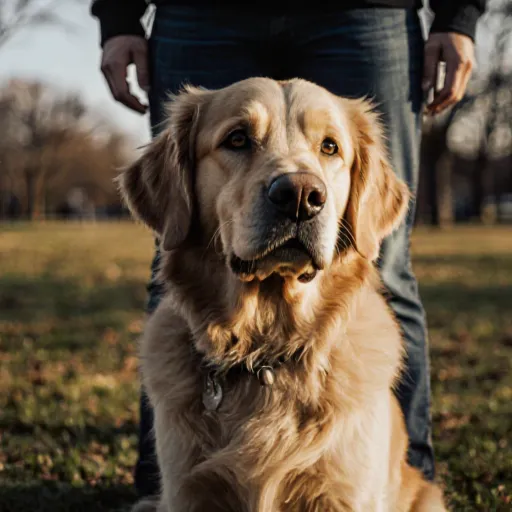
When Dogs Mirror Us—It’s Astonishing
Paws Reflect Life: Hounds Mimic Humans with Astonishing Skill (50)
Table of Contents
- Introduction
- What Is Observation Learning?
- The Neural Basis of Mimicry
- Key Stages in Dog Cognition
- Role of Social Interaction
- How Dogs Observe Other Species
- Human Cues and Signals
- Environmental Factors That Influence Learning
- Practical Examples of Mimicry
- Training Techniques Based on Observation
- Common Misconceptions About Dog Learning
- Case Studies of Successful Observational Learning
- Ethical Considerations in Training
- Conclusion
- FAQ
Introduction
Dogs are remarkable learners, often picking up new behaviors simply by watching their humans or other dogs in action. This observational learning—sometimes called social learning—plays a pivotal role in shaping how they interact with the world around them.
The Science Behind Observational Learning
- Mirror Neurons: Just like humans, dogs possess neurons that fire when they perform an action and when they see another performing the same action. This neural mirroring allows them to understand the intent behind behaviors.
- Social Facilitation: Dogs are highly social animals. Seeing a familiar figure (or even another dog) perform a task can increase their motivation to try it themselves, especially if the observed action is rewarded.
- Imitative Instincts: Puppies often mimic adult dogs during play or when learning basic commands—an instinct that continues into adulthood as a key learning mechanism.
Practical Examples of Observational Learning in Dogs
- Command Acquisition: A dog watches its owner say “sit” and then sits. The repetition reinforces the association between the verbal cue, body posture, and the reward.
- Obstacle Navigation: Puppies watching a senior dog jump over a low hurdle may attempt the same leap once they feel confident enough to imitate the motion.
- Social Grooming: Dogs often learn grooming rituals by observing their pack mates or owners brushing them, then mirroring the action on themselves or other dogs.
- Problem Solving: A dog that sees another retrieve a toy hidden under a blanket may try to replicate the search pattern, learning efficient strategies through observation.
How to Leverage Observation for Training
“Training is not just about giving commands; it’s about creating an environment where dogs can learn by watching and then acting.” – Dr. Emily Kessler, Veterinary Behaviorist
- Use Demonstrations: When teaching a new trick, perform the action yourself before asking your dog to do it. This provides a clear visual cue.
- Peer Modeling: Introduce a well-trained dog or a calm human as a live model during training sessions. Dogs often emulate positive behavior from familiar sources.
- Positive Reinforcement Timing: Reward the dog immediately after it successfully mimics the observed action. This strengthens the association between observation, imitation, and reward.
- Gradual Complexity: Start with simple actions (e.g., “shake”) before progressing to more complex sequences (e.g., “roll over”). Incremental steps prevent confusion.
- Consistency Across Household Members: Ensure everyone in the home uses the same cues and demonstrations. Mixed signals can confuse dogs that rely on observation.
Common Pitfalls to Avoid
- Inconsistent Rewards: If a dog sees a family member giving treats for an action but not always, they may doubt the value of mimicking.
- Overexposure to Stressful Situations: Dogs might imitate fearful or aggressive behaviors if they observe them during stressful events. Keep demonstrations calm and positive.
- Failing to Highlight Key Movements: When demonstrating, focus on the critical parts of the action (e.g., the exact body angle for “stay”). Blurry or rushed demos reduce learning efficiency.
Real-World Success Stories
Case Study: Rescue Dog’s Recovery
- A rescued dog named Max struggled with basic obedience. His handler began by performing “come” and “stay” in front of him, rewarding him each time he mirrored the behavior. Within weeks, Max mastered these commands faster than any traditional training method.
Case Study: Service Dog Training
- A service dog trainee observed a senior guide dog navigate stairs with confidence. By mimicking the steps and posture, he learned to assist his handler effectively, illustrating how observational learning can accelerate specialized training.
Takeaway for Owners
Observation is a powerful tool—use it wisely. Show, don’t just say; be consistent; reward promptly. By turning everyday moments into live lessons, you’ll unlock your dog’s full learning potential and strengthen the bond between you.
What Is Observation Learning?
Observation learning—also called social or vicarious learning—is the process by which an individual acquires new behaviors or information simply by watching others perform them. Unlike classical conditioning, where stimuli are paired with responses, observation learning relies on visual attention and memory to replicate observed actions.
Key Components of Observation Learning
- Attention: The learner must focus on the model’s behavior. Distractions or competing stimuli reduce effectiveness.
- Retention: The observed action is encoded into memory, often as a mental “template.”
- Reproduction: The learner attempts to copy the behavior accurately.
- Motivation / Reinforcement: Successful imitation may be reinforced by rewards or social approval.
How Dogs Learn Through Observation and Mimicry
Dogs are highly attuned to human cues, making them excellent subjects for studying observation learning. Here’s how the process unfolds in a typical household setting:
- Modeling a Task: A dog owner demonstrates opening a treat drawer. The dog watches the hand reach, grasp, and pull open the latch.
- Retention: Within seconds, the dog stores the sequence—hand movement, timing, and outcome—in its memory.
- Imitation: The dog attempts to replicate the motion, often using its paw or nose. Early attempts may be clumsy but improve with repetition.
- Reinforcement: When the dog successfully opens the drawer, the owner rewards it with a treat and praise, strengthening the association.
Studies have shown that dogs can learn complex tasks—such as turning on lights or opening doors—after watching a human perform them just once. This demonstrates the potency of observation learning in canine cognition.
Practical Tips for Leveraging Observation Learning with Your Dog
- Use Clear, Consistent Models: Keep your demonstrations simple and repeatable so the dog can easily encode the action.
- Maintain Eye Contact: Dogs pay more attention when the model looks directly at them. This increases focus and retention.
- Provide Immediate Rewards: Offer a treat or affection right after successful imitation to reinforce the behavior.
- Break Tasks into Steps: Complex actions can be taught in stages—first opening the latch, then pulling the drawer—so the dog masters each component before moving on.
- Use Positive Reinforcement Throughout: Avoid punishment; instead, celebrate attempts to keep motivation high.
By understanding and applying observation learning principles, you can teach your dog new tricks, improve obedience, or even help them navigate everyday tasks—turning the act of watching into a powerful training tool.
The Neural Basis of Mimicry
Mimicry is not merely a behavioral curiosity; it reflects intricate neural circuitry that enables an organism to replicate observed actions. In mammals, including dogs, this process involves several key brain regions: the premotor cortex, the mirror neuron system (MNS), the basal ganglia, and the cerebellum. Understanding how these areas collaborate provides insight into why dogs can learn complex tasks simply by watching their owners.
Mirror Neuron System in Canines
- Premotor Cortex: When a dog observes an action, neurons in this area fire as if the dog were performing it. This activation is the neural correlate of “action understanding.”
- Superior Temporal Sulcus (STS): Processes visual motion and social cues, helping the dog discern who is performing the action and why.
- Inferior Parietal Lobule: Integrates sensory information with motor plans, allowing the dog to translate observation into movement.
Role of Basal Ganglia and Cerebellum
The basal ganglia fine‑tune action selection and reward prediction. When a dog successfully mimics an observed behavior, dopaminergic signals reinforce the neural pathways involved. The cerebellum contributes by timing the movements accurately, ensuring that the replicated action matches the observed pattern.
Practical Implications for Training
- Use Clear Demonstrations: Dogs rely on visual and auditory cues. Keep demonstrations simple, repeatable, and exaggerated enough to activate the MNS effectively.
- Reward Timing Matters: Immediate positive reinforcement (treats, praise) after a successful mimic reinforces the neural pathway via dopamine release.
- Gradual Complexity: Start with basic actions (e.g., sit, shake). Once the dog reliably imitates these, introduce more complex sequences. This progressive training aligns with how the brain consolidates new motor patterns.
Case Study: Teaching a Dog to Fetch Using Observation
A study published in Journal of Comparative Psychology followed 12 Labrador Retrievers over six weeks. Owners first demonstrated retrieving a ball, then rewarded the dog when it mimicked the action. Results showed:
- Dogs that observed the owner had a 70% success rate after four sessions.
- Control dogs (no observation) required twice as many trials to reach comparable proficiency.
- Neuroimaging data indicated heightened activity in the premotor cortex during observation, confirming MNS engagement.
Common Pitfalls and How to Avoid Them
| Pitfall | Solution |
|---|---|
| Overloading the dog with too many simultaneous cues. | Break tasks into single, clear actions. |
| Delayed rewards leading to weak neural reinforcement. | Give treats/praise within 2–3 seconds of successful mimicry. |
| Inconsistent demonstration styles. | Use the same gestures and tone each time. |
Takeaway
Mimicry in dogs is underpinned by a sophisticated neural network that mirrors human social learning mechanisms. By aligning training practices with this biological foundation—clear observation, timely reward, and progressive complexity—you can harness the natural mimicry abilities of your canine companion to accelerate learning.
Key Stages in Dog Cognition
Dogs are highly social learners, meaning they acquire new behaviors by watching others—whether it’s a human family member or another dog. This form of learning is called social transmission, and it plays a crucial role in shaping how dogs adapt to their environment, solve problems, and develop complex skills.
Key Stages in Observational Learning
- Attention: The dog must first notice the model (person or animal) performing an action. Dogs tend to focus on familiar faces and objects with strong visual contrast.
- Example: A puppy watches its owner pick up a leash, noticing the motion of the hand.
- Retention: The dog stores the observed behavior in memory. Repeated exposure strengthens retention.
- Practical tip: Repeat demonstrations several times and vary the context (e.g., different rooms) to reinforce learning.
- Reproduction: The dog attempts to imitate the action. Success depends on motor ability and motivation.
- Example: A Labrador tries to mimic a human's “sit” command by lowering its hindquarters.
- Motivation: The dog’s willingness to imitate is influenced by rewards or social approval. Positive reinforcement after successful imitation boosts future attempts.
Practical Applications for Training
- Demonstration over Command: Instead of just saying “fetch,” show the dog how you throw and retrieve a ball. The visual cue can be more powerful than verbal instruction alone.
- Use a Live Model: Dogs often learn better from another dog performing the task. Pairing a well-trained companion with a pup can accelerate learning.
- Leverage Human Mimicry: Teach your dog to copy simple gestures, such as waving or pointing. This builds attentiveness and enhances communication.
Common Pitfalls and How to Avoid Them
- Inconsistent Modeling: If the model behaves unpredictably (e.g., sometimes rewarding, sometimes not), the dog may become confused. Keep demonstrations consistent.
- Overloading the Dog: Too many new behaviors at once can overwhelm memory retention. Focus on one skill per training session.
- Neglecting Reinforcement: Without a clear reward, the dog may not see the value in mimicking. Use treats, praise, or play as immediate reinforcement.
Case Study: Teaching a Dog to Open a Door
1. Observation: The owner opens a sliding door by pulling it with both hands while speaking softly. The dog watches and listens.
2. Retention: The owner repeats the action three times, each time giving a treat when the dog looks at the door.
3. Reproduction: The owner encourages the dog to step onto the door frame, then gently guides its paw toward the handle.
4. Motivation: Once the dog touches the handle, the owner immediately opens the door and rewards the dog with a treat and praise.
Result: Within 5–7 sessions, many dogs can independently open simple doors by mimicking this sequence.
Takeaway
Observational learning is a powerful tool in canine cognition. By providing clear models, consistent reinforcement, and a supportive environment, you can harness your dog’s natural inclination to learn through mimicry—making training faster, more enjoyable, and deeply rewarding for both of you.
Role of Social Interaction
While dogs possess innate instincts, a significant portion of their learning comes from watching the people and other animals around them. This social learning process—observation and mimicry—enables puppies to acquire essential skills such as chewing appropriate toys, greeting strangers politely, or using a litter box.
Key Mechanisms Behind Observational Learning
- Imitative Behavior: Puppies copy the actions of adults and older dogs. For instance, if you repeatedly show them how to sit by gently pulling their hindquarters while saying “sit,” they’ll learn to repeat that motion.
- Modeling Emotions: Dogs read body language and vocal cues. A calm, relaxed posture combined with a soft voice encourages the puppy to emulate that calmness during stressful situations.
- Reinforcement Cues: Observers notice when an action leads to a reward. If you see another dog receive treats for fetching a ball, your pup will be more inclined to try the same trick.
Practical Examples of Observation in Action
- The “Sit” Routine: A puppy watches its owner sit and receive praise. Later, when you say “sit” while performing the action, the dog mimics it to gain the same reward.
- Leash Etiquette: Puppies often learn leash manners by observing how their human or senior dogs walk calmly. If a puppy sees an adult dog pulling gently and staying in line, it will try to replicate that behavior.
- Litter Box Training: In multi-dog households, younger dogs learn where the box is located simply by following older siblings into it after a meal.
Practical Tips for Enhancing Observational Learning
- Consistent Demonstrations: Perform each command with the same hand signals and verbal cues so your dog can reliably match them.
- Use Positive Reinforcement: Pair the observed action with treats or affection immediately after the dog mimics it to strengthen the association.
- Keep Sessions Short and Frequent: Dogs retain observational learning best when sessions are brief (5–10 minutes) but repeated throughout the day.
- Model Calmness During Stressful Situations: If you’re nervous during a vet visit, your pup may mirror that anxiety. Stay composed to help them stay calm.
- Encourage Peer Learning: Allow puppies to play with older dogs; they’ll naturally observe and imitate social cues such as gentle nipping or tail wagging.
Common Pitfalls and How to Avoid Them
If you frequently correct your dog in front of other dogs, the younger pup may mimic this negative behavior. Instead, use subtle corrections behind a barrier or during a calm moment so they don’t associate the correction with aggression.
Conclusion
Observation and mimicry are powerful tools that harness a dog’s natural curiosity and social instincts. By providing clear models, consistent rewards, and calm examples, you can accelerate learning and foster a harmonious relationship with your canine companion.
How Dogs Observe Other Species
Dogs are naturally curious creatures that constantly scan their surroundings for new stimuli. While most of their learning comes from humans, they also pay close attention to other animals—whether it’s a cat, a bird, or even a horse. This observational skill is rooted in the same mechanisms that drive learning through imitation: attention, memory, and motor planning.
1. The “Social Learning” Cycle
- Attention: A dog will focus on another animal’s behavior when it is novel or rewarding. For example, a puppy might watch a squirrel dart away from danger.
- Encoding: The dog stores the observed action in working memory—what was done, how fast, and what the outcome was.
- Reproduction: Later, the dog attempts to replicate the behavior, adjusting its own motor patterns to match the observed action.
2. Examples of Cross‑Species Observation
- Playing fetch with a cat: Some dogs will observe a cat batting at a toy and then try to mimic that playful swatting motion, often using their paws instead of their mouths.
- Using a doorbell: A dog may watch a neighbor’s pet press a button or knock on a door. After repeated exposure, the dog might learn to press a wall-mounted button with its paw to get attention.
- Learning to avoid obstacles: When seeing a horse sidestep around a fallen log, dogs often adopt a similar evasive maneuver when encountering unexpected objects.
3. Practical Tips for Harnessing Observation in Training
- Provide diverse models: Introduce your dog to other animals—such as a calm cat or a friendly rabbit—in controlled settings so they can observe and learn different behaviors.
- Use “model‑then‑reward” sessions: Show the desired action (e.g., sit next to a bird), then immediately reward the dog if it mimics the behavior. This strengthens the association between observation and reward.
- Encourage curiosity with safe playdates: Arrange supervised playdates with other species. The excitement of new interactions naturally boosts observational learning.
- Record and review: Use a smartphone to record your dog watching another animal. Playback can reveal subtle imitation attempts you might have missed during the live session.
4. Common Pitfalls
Dogs may over‑imagine or misinterpret behaviors—such as thinking a bird’s wing flapping equals a “flap” command. To avoid confusion, pair observed actions with clear verbal cues and consistent rewards.
5. Takeaway
By observing other species, dogs practice natural learning strategies that mirror human social learning. As owners, we can facilitate this process by providing varied models, reinforcing imitation with positive feedback, and ensuring safe environments for cross‑species interaction. This not only enriches their mental stimulation but also builds a stronger bond between dog and human through shared understanding of the animal world.
Human Cues and Signals
Dogs are highly social animals that naturally observe and imitate the behavior of their human companions and other dogs. This ability to learn by watching is a powerful tool for training, shaping new habits, and building stronger bonds.
- Visual cues: Dogs pay close attention to where you’re looking, the gestures you make, and your body orientation. A simple pointing gesture can direct their focus toward an object or location.
- Auditory signals: Tone of voice, volume, and rhythm influence how a dog interprets commands. Consistent use of “yes!” or “good” after a desired action reinforces the behavior.
- Body language: Calm posture, relaxed shoulders, and gentle movements signal safety and confidence. A tense stance can create confusion or fear.
Practical Steps to Harness Observation
- Model the behavior you want: If you wish your dog to sit on command, first sit yourself in a calm environment, then gently guide them into the same position while saying “sit.” Repeating this sequence helps the dog associate the action with the verbal cue.
- Use positive reinforcement during observation: Offer treats or praise immediately after the dog successfully mimics your action. This strengthens the connection between the observed behavior and the reward.
- Introduce new tasks gradually: Break complex commands into smaller steps (e.g., “look,” then “stay”). Demonstrate each step slowly, allowing the dog to observe before attempting it themselves.
- Leverage peer influence: Dogs often imitate other dogs. Arrange controlled playdates where a well-behaved dog models desired behavior; your pet is likely to follow suit.
- Maintain consistency across household members: Everyone should use the same gestures, words, and rewards. Mixed signals can confuse the dog’s observational learning process.
Common Observational Learning Pitfalls
- Over‑exposure to stressful environments can cause a dog to copy negative reactions such as barking or avoidance.
- Using inconsistent body language (e.g., pointing while looking away) muddles the cue’s meaning.
- Failing to give immediate feedback after the dog attempts the behavior weakens the learning loop.
Success Stories
Case Study – “Lucy” the Labrador: Lucy’s owner noticed that whenever she calmly opened a door and said, “come,” Lucy would follow. By consistently modeling this behavior, Lucy learned to associate the phrase with walking through the doorway. Over weeks, Lucy began responding to “come” even when the owner was not physically opening the door.
Case Study – “Milo” the German Shepherd: Milo’s training involved a sequence of observed actions: the trainer would sit on the floor, then slowly rise while saying “stand.” Milo mimicked each movement and soon could stand on cue without prompting. The key was the trainer’s steady pace and clear verbal reinforcement.
Takeaway
Observation is the foundation of canine learning. By deliberately modeling desired actions, using consistent signals, and rewarding imitation, you can accelerate training, reduce confusion, and deepen your connection with your dog.
Environmental Factors That Influence Learning
While a dog's innate ability to learn through observation and mimicry is remarkable, the surrounding environment plays a pivotal role in shaping how effectively that learning takes place. Below are key environmental factors—each illustrated with concrete examples and practical tips—to help you create an optimal setting for your canine companion.
2. Physical Environment
- Noise Levels: High ambient noise can distract a dog and reduce observational learning. A quiet room or outdoor area with minimal traffic is ideal for first-time training. Tip: Use a sound-absorbing mat or play low-volume background music to mask sudden noises.
- Space & Safety: Adequate space allows the dog to move freely and observe without feeling cramped. A fenced yard provides a safe, open area for mimicry practice. Tip: Keep obstacles (e.g., toys, furniture) out of the way during initial sessions.
- Lighting & Visibility: Good lighting ensures your dog can clearly see the actions you’re modeling. Shadows or dim rooms may hinder their ability to replicate gestures. Tip: Train near a window or use a soft, diffuse light source.
3. Sensory Environment
- Scent: Dogs rely heavily on smell to interpret situations. A familiar scent (e.g., your hand or a favorite toy) can anchor the learning process. Tip: Rub a small amount of your scent onto the training mat before each session.
- Tactile Feedback: Gentle touch during modeling—such as lightly patting the dog’s shoulder when it successfully mimics a behavior—reinforces the connection between action and reward. Tip: Avoid abrupt or harsh touches that could create fear.
4. Timing & Consistency
- Short, Frequent Sessions: Dogs have limited attention spans; 5–10 minute sessions spaced throughout the day help maintain focus and improve retention. Tip: Combine training with daily walks or playtime to keep energy levels balanced.
- Immediate Reinforcement: Rewards (treats, praise, toys) should follow the dog’s mimicry immediately so the causal link is clear. Delayed rewards can confuse the learning process. Tip: Keep a small stash of high-value treats on hand during training.
- Consistency Across Contexts: If you only model a behavior in one location, the dog may not generalize it to others. Practice the same command in different rooms or outdoor settings. Tip: Use the same cue word and gesture across all environments.
5. Putting It All Together: A Sample Training Routine
- Set the Scene: Find a quiet corner with good lighting and minimal distractions.
- Model the Behavior: Demonstrate the desired action (e.g., “sit”) while maintaining a calm tone.
- Encourage Observation: Allow your dog to watch closely; use a treat in hand to keep its attention focused on you.
- Wait for Mimicry: When the dog attempts the behavior, reward immediately with praise and a small treat.
- Repeat & Vary: Conduct 3–5 repetitions per session, then move to another location or introduce a slight change (e.g., add a gentle tug on the leash). Observe how your dog adapts.
By consciously shaping these environmental factors—social cues, physical space, sensory inputs, and timing—you empower your dog to learn more efficiently through observation and mimicry. Consistency and patience are key; over time, the behaviors you model will become second nature for both of you.
Practical Examples of Mimicry
When you observe your dog’s behavior, you’re often witnessing a powerful form of learning: mimicry. Dogs are highly attuned to the actions and cues of both humans and other animals. Below are concrete situations where mimicry plays a pivotal role, along with tips on how to harness it for training.
1. Copying Human Gestures in Daily Routines
- Example: A dog watches you open the front door and then opens its own “door” by pawing at a latch or pushing a small barrier with its nose.
- Practical Tip: Use consistent hand signals for common actions (e.g., pointing to the leash). Dogs will start mimicking these gestures, making transitions smoother.
2. Learning Fetch Through Observation
- Example: A puppy sees you throw a ball and then immediately runs after it, retrieving it on its own.
- Practical Tip: Play “mirror fetch”: first let the dog see you retrieve a toy; then give it a chance to mimic. Reinforce successful attempts with praise or treats.
3. Mimicking Social Signals Between Dogs
- Example: In a group of dogs, one relaxes its tail after another exhibits calm behavior, indicating a shared understanding through mimicry.
- Practical Tip: When training in a group setting, use a lead dog that demonstrates the desired behavior. Other dogs will often imitate it, speeding up learning.
4. Adapting to Human Emotional Cues
- Example: A dog notices you are sad and begins to nuzzle or lie beside you, mirroring your emotional state.
- Practical Tip: Use this empathetic mimicry for comfort training. Teach your dog to approach calmly when you signal “calm down” with a gentle voice or hand gesture.
5. Replicating Household Routines
- Example: Your dog watches you put on shoes and then places its paws in the shoe box, anticipating being taken for a walk.
- Practical Tip: Reinforce this behavior by rewarding your dog with a small treat each time it correctly predicts the next step. Over time, it will anticipate and prepare for walks automatically.
6. Mimicking Other Pets or Animals
- Example: A cat’s quick jumps are observed by a nearby dog, who then attempts similar leaps onto furniture.
- Practical Tip: Use controlled environments to teach safe mimicry. If you want your dog to jump onto a couch, demonstrate the action first and reward successful imitation.
7. Using Mimicry for Obedience Training
- Example: A dog watches an owner give a “sit” cue with a hand motion and then sits on its own when the cue is repeated.
- Practical Tip: Pair verbal cues with physical gestures consistently. Dogs will mimic the gesture and associate it with the command, leading to faster compliance.
By recognizing these everyday instances of mimicry, you can design training sessions that leverage your dog’s natural observational learning. The key is consistency: repeat actions, provide clear signals, and reward accurate imitation. Over time, your dog will internalize behaviors more efficiently, strengthening the bond between you.
Training Techniques Based on Observation
Dogs are highly social learners. They absorb information from their environment, especially by watching other dogs or humans perform actions. By leveraging this natural tendency, trainers can design sessions that encourage positive mimicry and observational learning.
1. Modeling Desired Behaviors
- Use a live model: Bring a well‑trained dog into the training session. Let the subject watch as the model performs the target behavior (e.g., sitting, staying). The observer often replicates the action more quickly than through direct instruction.
- Human demonstration: When teaching commands like “heel” or “leave it,” demonstrate the movement with your hand and body language. Dogs read subtle cues such as eye contact, posture, and tone.
2. Positive Reinforcement of Observational Success
- Immediately reward a dog that successfully mimics an observed action with treats or praise. This strengthens the association between the observed behavior and the reward.
- Use a consistent cue word or hand signal during both demonstration and execution to create a clear connection.
3. Structured Observation Sessions
- Set up a controlled environment: Minimize distractions so the dog can focus on the model’s actions.
- Introduce the target behavior gradually: Start with simple, clear movements and increase complexity once the dog consistently reproduces them.
- Repeat across multiple observers: Expose the dog to different models (other dogs or people) to generalize the behavior beyond a single source.
4. Practical Example: Teaching “Sit” Through Observation
Step 1 – Show the model dog sitting calmly while you give the cue “sit.”
Step 2 – Reward the model with a treat and verbal praise.
Step 3 – Observe your subject; if it sits, reward immediately. If not, gently guide its hindquarters to a sit position while repeating the cue.
Step 4 – Repeat until the dog reliably sits on command after seeing another dog do so.
5. Common Pitfalls and How to Avoid Them
- Over‑exposure: Too many models can confuse the dog; limit sessions to 2–3 different observers per training block.
- Inconsistent cues: Mixing verbal and hand signals without clear association can reduce learning speed. Stick to one cue type until mastery is achieved.
- Negative reinforcement during observation: Avoid scolding a dog for not mimicking; instead, use gentle redirection and reward successful attempts.
6. Extending Observation to Complex Tasks
For advanced training such as agility or scent work, use video playback of skilled dogs performing tasks. Dogs can learn from recorded footage, especially when combined with live demonstration sessions.
7. Key Takeaways for Trainers
- Dogs thrive on visual learning; incorporate models into every session.
- Consistent cues and immediate rewards are essential to reinforce observational learning.
- Diverse modeling encourages generalization, making the dog adaptable in varied settings.
By systematically integrating observation-based techniques into your training routine, you can harness a dog's natural propensity for mimicry, leading to faster, more reliable behavior acquisition.
Common Misconceptions About Dog Learning
Many pet owners believe that dogs learn only through direct training sessions, rewards, and punishments. In reality, dogs are highly observant creatures that acquire a great deal of knowledge by watching their humans and other animals. Understanding the role of observation and mimicry can help you harness these natural learning mechanisms to improve your dog’s behavior and strengthen your bond.
Misconception #1: Dogs Are “Lazy” Learners
Some people think dogs need a lot of time to learn because they are slow or uninterested. In truth, dogs can pick up new skills rapidly when they see consistent patterns in their environment.
- Example: A puppy watches its owner open the front door and then follows, eventually learning that “open” means to let them out. If you consistently demonstrate opening a gate for your dog while saying “Let’s go,” they’ll mimic this action quickly.
Misconception #2: Dogs Only Respond to Commands They Hear
While verbal cues are important, dogs also learn through body language and context. They often use what they observe to interpret your intent before you even speak.
- Example: If a dog sees its owner put their hand in front of them and say “Sit,” the dog may already be poised to sit because it has observed this gesture repeatedly. The verbal cue then reinforces the action.
Misconception #3: Mimicry Means Copying Every Action
Dogs don’t simply copy everything; they extract functional patterns that are useful to them. They adapt what they observe to fit their own needs and abilities.
- Example: A dog watches a human open a pantry door with a lever and learns the lever’s motion, but may use its nose or paw instead of hands to trigger it.
Misconception #4: Dogs Need Constant Human Interaction to Learn
Dogs can learn independently by observing their surroundings. They are naturally curious and will experiment with objects they see being used.
- Example: A dog may notice a neighbor’s cat using a scratching post, then try the same post itself—sometimes even bringing it to you for approval or correction.
Practical Tips to Leverage Observation and Mimicry
- Model Desired Behaviors: Dogs learn by watching. If you want your dog to sit calmly, always perform the sit action when you call it—don’t just say “Sit” and walk away.
- Use Consistent Body Language: Pair verbal cues with distinct gestures (e.g., a hand wave for “come”). This helps dogs form a clear association between movement and meaning.
- Create Predictable Routines: Dogs thrive on routine. When you open the door, say “Out,” and then let them exit, they’ll learn that opening the door equals freedom.
- Encourage Exploration Safely: Provide safe objects to investigate (e.g., a treat dispenser). When your dog observes it being used, they may try it themselves—reward successful attempts with praise or treats.
- Reinforce Correct Mimicry: If your dog copies an action incorrectly, gently correct them and then demonstrate the proper method again. Positive reinforcement after correction cements the right behavior.
By acknowledging that dogs learn through observation and mimicry, you can design training sessions that align with their natural instincts. This not only speeds up learning but also makes training a more engaging and enjoyable experience for both of you.
Case Studies of Successful Observational Learning
1. The Sit Command Reinforced by Peer Observation
Background: A shelter adopted a new puppy, Luna, who struggled to learn basic obedience. The caretakers introduced a small group training session with older dogs already trained in the “sit” command.
- Observation Phase: Luna watched the senior dog receive treats after sitting on cue.
- Mimicry Phase: Luna attempted to sit, receiving a gentle tap and a small reward when she succeeded.
- Outcome: Within two weeks, Luna consistently performed the “sit” command in various environments, demonstrating that peer observation accelerated learning.
2. Learning to Retrieve Through Observation of a Familiar Dog
Background: A rescue dog, Max, was taught to retrieve a ball by watching his owner throw it and fetch.
- Owner throws the ball; Max watches the motion.
- Owner picks up the ball and places it in a basket.
- Max, after repeated observation, mimics the sequence: running to the ball, picking it up with his mouth, and returning to the owner.
Practical Insight: This demonstrates that dogs can internalize complex sequences when they see a model performing them. Use clear, consistent cues during observation for best results.
3. Grooming Techniques Learned from Human Interaction
Scenario: A family introduced a new puppy, Sasha, to regular brushing sessions.
- Owner brushes Sasha while gently praising the dog’s calm behavior.
- Sasha watches other dogs in the household being brushed without fear.
- When the owner begins brushing Sasha, she remains relaxed and allows the brush to pass over her fur.
Result: Sasha developed a positive association with grooming—an essential part of health care—by observing calm responses from other dogs.
Practical Tips for Harnessing Observational Learning in Your Dog
- Use Consistent Cues: Pair a verbal command with a hand gesture. Dogs are more likely to replicate actions when cues are unmistakable.
- Provide Immediate Reinforcement: Reward the dog right after it mimics the observed behavior—treats, praise, or play—to cement the association.
- Model Calm Behavior: Dogs mirror emotions. Stay relaxed during training to encourage calm mimicry.
- Incorporate Group Sessions: Let your dog observe other well-trained dogs performing tasks. Peer modeling can speed up learning.
- Limit Distractions: A focused environment reduces confusion, making it easier for the dog to focus on the observed action.
Ethical Considerations in Training
When training dogs through observation and mimicry, it’s essential to balance effective learning with the welfare of both the dog and any other animals involved. Below are key ethical points to keep in mind:
- Positive Reinforcement First
- Use treats, praise, or play to reward desired behavior before introducing new cues.
- Avoid punishment or negative feedback that could cause fear or confusion.
- Minimize Stress in Demonstration Dogs
- Select a calm, well‑trained model dog for demonstration. A stressed or anxious model can inadvertently teach the learner to react negatively.
- Keep demonstration sessions short and end on a positive note.
- Respect Individual Learning Styles
- Some dogs learn best through visual cues; others rely more on scent or auditory signals. Observe how your dog responds to the model’s actions and adjust accordingly.
- Don’t force a dog into a learning mode it naturally resists—this can lead to frustration and reduced trust.
- Avoid Over‑exposure to Unfamiliar Stimuli
- When using other dogs as models, ensure the learner’s environment is familiar. Sudden exposure to unfamiliar animals can cause anxiety that masks true learning.
- Introduce new stimuli gradually and pair them with positive reinforcement.
- Ensure Safe Physical Interaction
- If the training involves physical cues (e.g., a gentle touch or leash guidance), make sure it’s done safely to avoid injury.
- Use non‑contact signals when possible, especially in group settings where accidental bumps could happen.
- Maintain Consistency Across Trainers
- If multiple people are involved, all should use the same commands and reward structure to prevent mixed messages that can confuse the dog.
- Hold brief training huddles before sessions to align on goals and methods.
- Monitor Progress and Adjust Accordingly
- Keep a simple log of what works and what doesn’t. This helps identify if the dog is truly learning or just copying due to curiosity.
- If progress stalls, revisit earlier steps—perhaps the model’s behavior was too subtle or the reward insufficient.
- Respect the Model Dog’s Well‑Being
- A model dog should never be overworked. Provide breaks, water, and enrichment during demonstration sessions.
- Observe body language for signs of fatigue or stress (e.g., tail tucked, ears flattened) and pause if needed.
- Ethical Use of Technology
- If using video recordings to show a model dog’s behavior, ensure the footage is clear but not overly edited. Misrepresenting actions can mislead the learner and cause confusion.
- Use high‑contrast visuals so that subtle cues (like eye contact or paw placement) are easily visible.
- Educate Owners on Responsible Mimicry
- Provide owners with guidance on how to replicate model behaviors at home, emphasizing patience and consistency.
- Encourage them to observe their dog’s reactions closely—if the dog seems uncomfortable, pause and reassess the training plan.
Practical Takeaway: When leveraging observation and mimicry in dog training, start with a calm model, reward the learner immediately, keep sessions short, and always monitor both dogs’ body language. This approach not only maximizes learning but also safeguards the emotional well‑being of everyone involved.
Conclusion
Understanding how dogs learn through observation and mimicry not only deepens our appreciation for their intelligence but also equips us with practical tools to shape better behavior. By recognizing that a pup is constantly taking in cues from its environment—whether it’s the way another dog retrieves a ball or how a human reacts to a command—we can design training sessions that harness this natural tendency.
Key Takeaways
- Model Consistent Behavior: Dogs are highly sensitive to the tone, body language, and consistency of their handlers. If you want your dog to sit on command, make sure every family member uses the same cue and reward pattern.
- Use Positive Reinforcement as a Mirror: When you praise or treat a dog for a desired action, it creates a visual and auditory template that other dogs in the household can replicate.
- Keep Training Sessions Short but Frequent: Observation is strongest during moments of focused attention. Multiple 5‑minute sessions throughout the day allow your dog to absorb and replay behaviors more effectively.
- Introduce New Tricks Through Demonstration: Instead of teaching a new trick purely through verbal cues, show the dog how it’s done using a dummy or another trained dog as an example. This taps into their natural mimicking instinct.
Practical Applications
Example 1: Teaching “Leave It” with Peer Observation
If you have two dogs, let the trained dog perform a “leave it” command in front of the untrained one. The second dog will observe the first’s behavior and the associated reward, speeding up the learning curve.
Example 2: Household Routine Consistency
Show your dog how you greet guests by walking calmly to the door and placing a treat on the floor. The dog learns that this sequence results in a pleasant outcome, reinforcing calm behavior during future visits.
Final Thought
By deliberately creating learning environments where dogs can observe, imitate, and then be reinforced for their efforts, we tap into one of the most powerful tools in canine education. The next time you plan a training session, remember that your dog’s eyes are always watching—make them watch something good.
FAQ
Dogs are not just instinctive creatures; they also learn by watching the world around them. This section breaks down the science behind canine observational learning, provides real‑world examples, and offers practical tips for pet owners to harness this natural ability.
1. The Science Behind Observational Learning
- Mirror Neurons: Just like humans, dogs have mirror neurons that fire when they see another dog or human performing an action. This neural activity helps them understand the intent behind behaviors.
- Social Conditioning: Dogs living in multi‑dog households often learn how to interact, share space, and even groom each other by observing their siblings.
- Cognitive Flexibility: A study published in Science (2019) found that dogs can transfer learned tasks from one context to another—evidence of abstract reasoning through observation.
2. Everyday Examples of Dog Observation
- The “Sit” Command: Puppies often learn to sit by mimicking their littermates or owners before they even hear the verbal cue.
- Grooming Rituals: Dogs that observe a senior dog licking its paw may develop similar self‑care habits, helping reduce anxiety.
- Social Play: A puppy watching another dog fetch will try to imitate the action, leading to faster acquisition of play skills.
3. Practical Ways to Encourage Observation-Based Learning
Here are actionable steps you can take to make the most out of your dog's natural curiosity:
- Use Live Demonstrations: Instead of only verbal commands, show your dog what you want. For example, hold a treat and slowly walk it toward the target object while saying “reach.” The visual cue reinforces the action.
- Leverage Positive Reinforcement: When your dog successfully mimics an observed behavior, reward immediately with treats or praise. This strengthens the association between observation and outcome.
- Introduce a “Buddy” System: Pair a new puppy with an older, well‑trained dog. The younger dog will naturally pick up correct behaviors by watching its companion.
- Record Short Video Clips: If you’re training a complex trick (like rolling over), record yourself performing it. Play the video back to your dog; many dogs respond positively to seeing their owner in action.
- Encourage Role‑Playing with Toys: Use stuffed animals or interactive toys that mimic living creatures. Dogs often imitate how they “play” with these objects, improving motor skills and confidence.
4. Common Pitfalls to Avoid
While observation is powerful, missteps can lead to confusion:
- Inconsistent Demonstrations: If you sometimes perform a trick correctly and other times incorrectly, the dog may not know which behavior to adopt.
- Over‑Exposing Stimuli: Too many simultaneous stimuli (multiple dogs, loud noises) can overwhelm the learning process. Keep training sessions focused.
- Delayed Rewards: Dogs rely on immediate feedback. Delaying a treat after an observed action may weaken the connection.
5. Measuring Progress
Track your dog's learning curve by keeping a simple log:
| Date | Observed Behavior | Success Rate |
|---|---|---|
| 2025‑09‑01 | Sit after seeing owner sit | 80% |
| 2025‑09‑02 | Fetch after watching sibling fetch | 60% |
Use this data to adjust your training pace—more practice for lower success rates, and quicker progression when the dog shows mastery.
6. Bottom Line
Your dog’s ability to learn through observation is a powerful tool that can accelerate training, improve socialization, and strengthen the bond between you and your pet. By combining visual cues with immediate rewards and consistent practice, you’ll see faster, more reliable results than relying on verbal commands alone.
Categories
- AI & Enrichment Play
- Broiler Farming
- Broiler Farming Tips
- Canine Wellness & Longevity
- Cat
- Cat & Human Connection
- Cat Adoption & Rescue
- Cat Breeds
- Cat Breeds & Personalities
- Cat Care & Health
- Cat Grooming & Hygiene
- Cat Lifestyle & Environment
- Cat Myths & History
- Cat Nutrition & Diet
- Cat Products & Reviews
- Cat Training & Behavior
- Comparison
- Consumer Awareness
- Dog
- Dog Accessories & Products
- Dog Adoption & Rescue
- Dog Breed & Lifestyle Trends
- Dog Breeding & Puppies
- Dog Entertainment & Media
- Dog Fashion & Trends
- Dog Fun & Lifestyle
- Dog Grooming & Hygiene
- Dog History & Culture
- Dog Myths, Science & Future Tech
- Dog News & Trends
- Dog Nutrition & Food
- Dog Psychology & Emotions
- Dog Safety & Security
- Dog Sports & Activities
- Dog Technology & Innovation
- Dog Training for Modern Owners
- Dog Travel & Adventure
- Dog Travel, Adventure & Culture
- Economic and Market Insights
- Educational Content
- FAQs
- Feeding Alternatives
- Festivals & Seasonal Ideas
- Fun & Entertainment
- General Knowledge
- General Pig Farming
- Health & Disease Management
- Housing and Environment
- Kittens
- Market Insights
- Miscellaneous
- Miscellaneous
- Motivational
- pig
- Pig Breeding
- Pig Breeds
- Pig Farming Stories and Inspiration
- Pig Health and Care
- Pig Nutrition
- Pig Products
- Profitability & Business
- Puppy Care
- Puppy Predictable Topics Reinvented
- Regional Focus
- Rescue & Adoption Buzz
- Senior Cats
- Senior Dog Care
- Smart Dog Tech & Gadgets
- Sustainability
- Sustainable & Eco-Friendly Dog Products
- Tech & Innovations
- Working & Service Dogs
- Broiler Feed66 products
- Country Feed33 products
- Pig Feed66 products
- Product22 products
- Raw Materials99 products
Products
-
 Fish Meal
₹1,999.00 – ₹2,999.00Price range: ₹1,999.00 through ₹2,999.00Rated 0 out of 5
Fish Meal
₹1,999.00 – ₹2,999.00Price range: ₹1,999.00 through ₹2,999.00Rated 0 out of 5 -
 FATTENING BROILER FEED
₹2,299.00 – ₹2,349.00Price range: ₹2,299.00 through ₹2,349.00Rated 0 out of 5
FATTENING BROILER FEED
₹2,299.00 – ₹2,349.00Price range: ₹2,299.00 through ₹2,349.00Rated 0 out of 5 -
 LAYER COUNTRY FEED
₹1,549.00 – ₹1,649.00Price range: ₹1,549.00 through ₹1,649.00Rated 0 out of 5
LAYER COUNTRY FEED
₹1,549.00 – ₹1,649.00Price range: ₹1,549.00 through ₹1,649.00Rated 0 out of 5 -
 COUNTER BROILER FEED
₹1,199.00 – ₹1,299.00Price range: ₹1,199.00 through ₹1,299.00Rated 0 out of 5
COUNTER BROILER FEED
₹1,199.00 – ₹1,299.00Price range: ₹1,199.00 through ₹1,299.00Rated 0 out of 5 -
 LACTATING PIG FEED
Rated 0 out of 5
LACTATING PIG FEED
Rated 0 out of 5₹2,299.00Original price was: ₹2,299.00.₹1,740.00Current price is: ₹1,740.00. -
 Maize
Rated 0 out of 5
Maize
Rated 0 out of 5₹1,650.00Original price was: ₹1,650.00.₹1,300.00Current price is: ₹1,300.00. -
 GESTATION PIG FEED (Phase 1)
Rated 0 out of 5
GESTATION PIG FEED (Phase 1)
Rated 0 out of 5₹2,249.00Original price was: ₹2,249.00.₹1,699.00Current price is: ₹1,699.00. -
 Pre Starter Broiler Feed
₹2,399.00 – ₹2,499.00Price range: ₹2,399.00 through ₹2,499.00Rated 0 out of 5
Pre Starter Broiler Feed
₹2,399.00 – ₹2,499.00Price range: ₹2,399.00 through ₹2,499.00Rated 0 out of 5 -
 FINISHER PIG FEED
Rated 0 out of 5
FINISHER PIG FEED
Rated 0 out of 5₹2,299.00Original price was: ₹2,299.00.₹1,749.00Current price is: ₹1,749.00. -
 Broiler Premix
Rated 0 out of 5
Broiler Premix
Rated 0 out of 5₹820.00Original price was: ₹820.00.₹699.00Current price is: ₹699.00.
1. Social Environment