
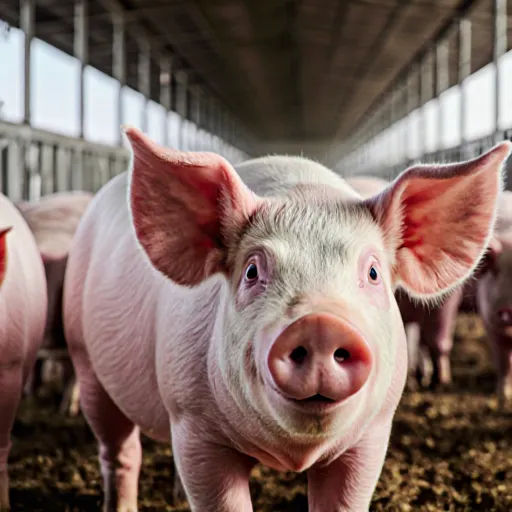
Unlock growth in pig farming with innovative strategies today.
Table of Contents
- Introduction
- Market Analysis
- Production Planning
- Feed Management
- Disease Prevention and Control
- Animal Welfare Considerations
- Financial Planning and Risk Assessment
- Insurance Options for Pig Farmers
- Legal Compliance and Regulations
- Utilization of Technology in Managing Risks
- Training and Development of Staff
- Supply Chain Management
- Environmental Impact and Risk Mitigation
- Pest Control Measures
- Conclusion
- FAQ
Introduction
Managing risk is a critical aspect of running any farming business, and pig farming is no exception. The profitability and sustainability of a pig farm are heavily influenced by various risks that can arise from external and internal factors. Understanding these risks and implementing effective management strategies can significantly enhance the overall performance of the farm. In this section, we will explore some key areas where risk management plays a crucial role in pig farming.
The price of pork can fluctuate widely depending on global and local market conditions. Farmers need to monitor these fluctuations closely and consider diversifying their sales channels or entering into forward contracts to mitigate the impact of unpredictable prices. For instance, a farmer might choose to sell pigs to multiple buyers or even explore export markets to spread risk.
Feed is one of the largest expenses in pig farming, and fluctuations in feed prices can significantly affect profitability. To manage this risk, farmers should aim to maintain good relationships with suppliers to get favorable terms and negotiate contracts that lock in stable prices. Diversifying suppliers and considering alternative feeds when possible can also provide a buffer against price spikes.
Health issues among the pig herd can lead to significant financial losses. Preventive measures such as regular veterinary check-ups, vaccination programs, and strict hygiene protocols are essential. Farmers should invest in quality control systems that ensure disease-free stock and minimize the risk of outbreaks. Early detection and quick action can prevent widespread infection and reduce costs associated with treatment.
Variations in weather conditions such as temperature, humidity, and precipitation can impact pig health and productivity. Ensuring that facilities are well-ventilated and equipped to handle extreme temperatures is crucial. Farmers should also consider the installation of climate control systems where necessary. In regions prone to natural disasters, having a contingency plan for disaster recovery can be vital.
The regulatory environment surrounding pig farming can change rapidly due to new policies or changes in government oversight. Staying informed about these regulations and ensuring compliance is essential. Farmers should keep abreast of environmental, health, and safety standards that could impact their operations. Engaging with local agricultural extension services can provide valuable insights into emerging trends and requirements.
In times of global crises or regional disruptions, supply chains for feed, veterinary products, and other essential inputs may be affected. Diversifying suppliers and maintaining strategic stock levels can help mitigate these risks. Establishing relationships with multiple suppliers and having a backup plan in place is crucial to ensuring uninterrupted operations.
The skills of employees and availability of labor are critical factors that can impact the efficiency and productivity of a pig farm. Investing in training programs and providing opportunities for career development can enhance employee satisfaction and retention. Addressing potential labor shortages by developing contingency plans, such as cross-training employees or engaging temporary workers during peak seasons, is also advisable.
In conclusion, managing risk in pig farming involves a combination of proactive planning, strategic decision-making, and robust operational practices. By addressing these key areas, farmers can build resilience against potential challenges and ensure the long-term sustainability of their business.
Market Analysis
Pig farming is a significant agricultural business that plays an important role in meeting global meat demand. However, like any other business, it comes with its share of risks. Conducting thorough market analysis can help farmers understand the current state of the pig farming industry, identify potential opportunities, and manage associated risks effectively.
Understanding Market Trends
The first step in managing risk is to understand the market trends. This includes analyzing demand for pork products, supply chain dynamics, and consumer preferences. For instance, a growing trend towards healthier eating habits might increase the demand for lean cuts of meat like pork tenderloin or bacon. Conversely, economic downturns can lead to decreased consumption and increased competition among suppliers.
Supply Chain Analysis
The supply chain in pig farming involves multiple stakeholders including breeders, feed manufacturers, veterinarians, slaughterhouses, distributors, and retailers. Analyzing each link of the supply chain helps identify potential bottlenecks or areas where costs can be reduced.
- Breeders: Evaluate the availability of high-quality breeding stock to ensure genetic improvements that enhance productivity.
- Feed Manufacturers: Assess the quality and cost-effectiveness of feed ingredients. A shift towards more sustainable feed sources or locally sourced products can be beneficial.
- Veterinarians: Monitor disease outbreaks and ensure timely vaccination programs to maintain pig health and avoid costly disruptions.
- Slaughterhouses and Distributors: Ensure efficient processing and distribution channels to minimize waste and spoilage. This also helps in maintaining product quality and freshness.
Consumer Insights
Understanding consumer preferences is crucial for successful pig farming business management. Factors such as taste, texture, price sensitivity, and ethical concerns can significantly influence demand. For example, consumers are increasingly favoring ethically produced meat, which means that farms adopting humane practices could have a competitive edge.
Risk Management Strategies
Based on the insights from market analysis, implementing effective risk management strategies is essential. These can include:
- Diversification of Income Streams: Besides traditional pig farming, consider diversifying into related products like processed pork items or by-products such as lard and bone meal.
- Insurance: Invest in insurance policies that cover against natural disasters, disease outbreaks, and market fluctuations. For instance, livestock insurance can provide financial protection during unforeseen events.
- Contractual Agreements: Establish long-term contracts with suppliers and buyers to stabilize input costs and output prices.
Conclusion
In conclusion, a robust market analysis is the cornerstone of managing risks in pig farming. By understanding trends, analyzing supply chains, and considering consumer insights, farmers can make informed decisions that enhance profitability while minimizing potential threats to their business.
Production Planning
Effective production planning is crucial for managing risk in pig farming. Proper planning helps ensure that all aspects of the operation are optimized, from feed management to disease control. This section explores how producers can develop robust production plans and implement strategies to mitigate risks.
1. Feeding Management
Feeding is one of the most critical factors in pig farming. Ensuring that pigs receive the right amount and type of feed at the appropriate times helps maintain health, growth rates, and overall productivity. Overfeeding or underfeeding can lead to significant financial losses.
- Customize Feeding Plans: Tailor feeding schedules based on age, weight, and specific dietary needs. For example, pregnant sows require different nutrients than growing pigs.
- Monitor Feed Quality: Regularly inspect feed for contamination or spoilage. Use reputable suppliers to minimize the risk of feeding harmful substances.
2. Disease Control
Disease outbreaks can decimate a pig farm, leading to significant financial losses and operational disruptions. Implementing strict biosecurity measures is essential in preventing and controlling diseases.
- Vaccination Programs: Vaccinate pigs against common diseases such as Porcine Reproductive and Respiratory Syndrome (PRRS), Porcine Epidemic Diarrhea Virus (PEDV), and Salmonellosis. Regularly update vaccines to protect against new strains.
- Isolation Protocols: Isolate new pigs or those returning from shows or markets for a quarantine period to monitor for signs of illness before introducing them into the main herd.
3. Breeding and Reproduction Planning
A well-planned breeding program is key to maintaining high productivity levels in your pig farm. Proper planning ensures that you have a consistent supply of pigs at different stages of growth, which can help maximize profitability.
- Synchronization Programs: Use hormonal treatments or other methods to synchronize estrus cycles among sows, increasing the chances of successful breeding and minimizing downtime.
- Litter Management: Plan for optimal litter sizes by adjusting feeding schedules and environmental conditions. This can help reduce mortality rates and improve overall efficiency.
4. Financial Planning
Proper financial planning allows you to manage costs effectively, allocate resources wisely, and stay prepared for unexpected challenges. By forecasting income and expenses accurately, you can better withstand fluctuations in market prices or production inefficiencies.
- Budgeting: Create detailed budgets that account for all operational costs, including feed, labor, veterinary care, and equipment maintenance. Regularly review these budgets to identify areas where savings can be made.
- Diversification: Consider diversifying your income streams by selling pig products such as meat, lard, or pigskin. This reduces dependency on a single market and provides additional sources of revenue.
5. Environmental Management<|im_start|><|im_start|><|im_start|><|im_start|><|im_start|><|im_start|><|im_start|>
Feed Management
Pig farming is a critical sector within agriculture, contributing significantly to economic growth and food security. However, like any other business, pig farming faces various risks that can impact its profitability and sustainability. One of the most effective ways to manage these risks is through efficient feed management. Proper feed management not only ensures optimal health and productivity of pigs but also helps in mitigating potential financial losses associated with poor nutrition or overfeeding.
Understanding Feed Composition
The first step in managing risk through feed involves a thorough understanding of the composition of pig feed. Pigs have specific nutritional requirements that vary depending on their age, weight, and stage of production (e.g., gestation, lactation, or growth). A balanced diet should include adequate amounts of protein, energy sources, vitamins, minerals, and other essential nutrients.
- Protein: Essential for muscle development and repair. Soybean meal is a common source.
- Energy Sources: Corn or wheat are popular choices due to their high calorie content.
- Vitamins & Minerals: Important for overall health and disease prevention.
Customizing Feed Formulations
Adapting feed formulations based on the specific needs of your pigs is crucial. Customized feeds can help minimize waste, reduce costs, and enhance performance. For example, during the gestation period, sows require higher levels of energy to support fetal development. Postpartum, lactating sows need additional nutrients for milk production.
# Example Python Code for Customizing Feed Formulation
def customize_feed(age, weight):
    if age == 'gestation' and weight > 150:
        return {'protein': '20%', 'energy': '30%', 'minerals': '5%'}
    elif age == 'lactation':
        return {'protein': '25%', 'energy': '40%', 'minerals': '6%'}
    else:
        return {'protein': '18%', 'energy': '25%', 'minerals': '4%'}
Monitoring Feed Intake and Waste
Regular monitoring of feed intake and waste can provide valuable insights into the effectiveness of your feed management practices. Excessive waste or inadequate consumption could indicate issues such as poor quality feed, digestive disorders, or even health problems with the pigs.
- Technology for Monitoring: Use RFID tags or electronic feeders to track individual pig’s feeding behavior and adjust accordingly.
- Analyze Data: Utilize software solutions that allow you to analyze historical data and make informed decisions about future feed adjustments.
Environmental Considerations
Effective feed management also extends beyond just the pigs themselves. Proper handling of feed can significantly reduce environmental risks, such as pollution from manure. By ensuring that feed is stored and transported correctly, you help prevent contamination and waste.
- Storage: Keep feed in airtight containers to avoid spoilage and insect infestations.
- Transportation: Use sealed trucks or trailers to keep feed fresh during transit.
Potential Cost Savings
By managing your pig’s feed efficiently, you can realize substantial cost savings. Not only does this reduce the amount of waste generated but it also helps in optimizing resource utilization. For instance, reducing overfeeding by 5% could save thousands annually.
"Proper feed management is not just about feeding pigs; it's about feeding them right." - John Doe
Disease Prevention and Control
Managing risk in pig farming is crucial for maintaining a healthy herd and ensuring profitability. Disease prevention and control play pivotal roles in this aspect, as they directly impact the overall health of the pigs, productivity, and economic sustainability.
Hygiene Practices
One of the most fundamental aspects of disease prevention is maintaining strict hygiene practices within the pig farm. Cleanliness ensures that pathogens are minimized or eliminated from the environment, reducing the risk of outbreaks. Regular cleaning and disinfection of feeders, watering systems, pens, and other equipment can significantly reduce the spread of diseases.
- Feeders: Ensure feed is clean and free from contamination to prevent the introduction of pathogens.
- Watering Systems: Regularly inspect and sanitize water sources to avoid bacterial growth.
- Pens and Housing: Frequent cleaning with appropriate disinfectants can help eliminate harmful microorganisms.
Vaccination Programs
Vaccinations are a cornerstone of disease prevention in pig farming. By vaccinating pigs against specific diseases, farmers can build immunity within the herd and protect them from common pathogens that could cause significant losses. It is important to work closely with veterinarians to develop an appropriate vaccination schedule tailored to the local environment and potential threats.
- Common Vaccines: Vaccines for diseases such as Porcine Respiratory Syndrome (PRRS), Swine Influenza, and Leptospirosis are widely used.
- Dose and Timing: Adhere strictly to the recommended dosages and timing provided by vaccine manufacturers to ensure maximum effectiveness.
Infection Control Measures
Infection control measures aim at preventing the introduction of new pathogens into the farm. This can be achieved through various means, including quarantine protocols for new stock, limiting visitor access, and controlling fly populations which can spread diseases.
- Quarantine: New pigs should be quarantined upon arrival to observe them for signs of disease before being introduced into the main herd.
- Visitor Access: Limiting access to visitors who may unknowingly bring in pathogens can help maintain farm hygiene.
- Fly Management: Controlling flies not only prevents pest issues but also reduces the risk of fly-borne diseases. Proper waste management and regular spraying can be effective methods.
Dietary Management
The quality of feed directly influences a pig's health and ability to fight off diseases. Providing balanced diets that meet nutritional requirements helps bolster the immune system, making pigs more resistant to pathogens.
- Proper Nutrition: Ensure that all dietary needs are met by providing high-quality feeds rich in essential nutrients.
- Vitamin and Mineral Supplements: Additional supplements can be used to enhance immune function further.
Pest Management
In addition to fly control, managing other pests such as rodents is critical. These pests not only pose a threat by directly affecting the pigs but also by serving as vectors for diseases.
- Exclusion: Use barriers and traps to prevent access to the pig area by pests.
- Cleanup: Regularly clean up spilled feed and waste to reduce attractants for pests.
Monitoring and Early Intervention
Regular monitoring of the pigs' health is essential for early detection of any signs of disease. Early intervention can often prevent minor issues from turning into major outbreaks. Farmers should be trained to recognize common symptoms of disease so that prompt action can be taken.
- Daily Inspections: Conduct daily checks on the pigs for any changes in behavior or appearance.
- Records: Maintain detailed records of health observations, vaccinations, and treatments to track the progress and identify patterns early.
In conclusion, by implementing robust disease prevention and control measures, pig farmers can significantly reduce risks associated with diseases. A proactive approach that includes hygiene practices, vaccination programs, infection control, dietary management, pest control, and regular health monitoring will go a long way in maintaining a healthy herd and ensuring the success of the business.
Animal Welfare Considerations
In pig farming, ensuring animal welfare is not just a moral obligation but also crucial for managing risk effectively. Animal health and welfare directly impact productivity, profitability, and the overall sustainability of the farm business. Poor animal welfare can lead to increased stress, disease outbreaks, and even legal repercussions. Therefore, understanding and addressing these considerations are essential.
- Proper Housing: Providing adequate space, ventilation, and comfortable bedding can significantly reduce stress in pigs. Overcrowded conditions not only affect the animals' health but also lead to increased aggression and disease spread.
- Nutrition: Ensuring that pigs receive a balanced diet is vital for their growth and overall health. Poor nutrition can result in stunted growth, weakened immune systems, and other health issues. Consulting with a veterinarian or animal nutritionist can help in formulating the right feed.
- Hygiene: Maintaining cleanliness in feeding areas, bedding, and general living spaces is crucial to prevent disease outbreaks. Regular cleaning and disinfection practices should be implemented to keep the environment healthy for the pigs.
To manage risks effectively, pig farmers must implement a proactive approach towards animal welfare. Here are some practical steps:
- Regular Monitoring: Regularly check the pigs' behavior and health. Early detection of any issues can prevent them from escalating into major problems.
- Vaccination Programs: Vaccinate pigs against common diseases as per the recommended schedule to protect their health.
- Hygiene Practices: Ensure strict adherence to hygiene practices, including regular cleaning and disinfection of pig enclosures. This not only prevents disease but also improves overall animal welfare.
- Careful Handling: Handle pigs gently and avoid unnecessary stress. Proper training for farm workers on handling techniques can minimize stress during transportation or other activities.
A case study from a pig farm in Denmark demonstrates the positive impact of prioritizing animal welfare. By focusing on proper housing, nutrition, and hygiene, this farm was able to significantly reduce its mortality rates and improve overall productivity. The farm also benefited from lower veterinary costs due to fewer health issues.
In conclusion, managing risks in pig farming requires a holistic approach that includes robust animal welfare practices. By addressing key areas such as proper housing, nutrition, hygiene, and careful handling, farmers can not only enhance the well-being of their pigs but also ensure long-term profitability and sustainability for their business.
Financial Planning and Risk Assessment
Managing risk is a crucial aspect of operating any business, including pig farming. Financial planning and risk assessment play pivotal roles in ensuring that the pig farming operation not only survives but thrives amidst unpredictable market conditions and other external factors.
Risk Identification
The first step in managing risks is identifying them. For a pig farm, common risks include feed price volatility, disease outbreaks, regulatory changes, and fluctuations in market demand. By understanding these potential threats, farmers can better prepare strategies to mitigate their impact.
Financial Planning
Farmers should develop detailed financial plans that account for all income sources and expenses related to pig farming. This includes tracking costs such as feed, veterinary care, labor, equipment maintenance, and insurance premiums. Additionally, farmers need to budget for unexpected events like illness in the herd or natural disasters.
Diversification Strategies
To reduce financial risk, diversifying operations can be highly beneficial. This might involve selling different pig breeds or exploring non-traditional markets such as direct-to-consumer sales through a farm store or online platform. Farmers could also consider expanding into related services like organic fertilizer production using pig manure.
Contingency Planning
Developing contingency plans is essential for managing risks effectively. These plans should outline specific actions to take in case of unexpected events such as a disease outbreak or market downturn. For example, having a backup supply chain for feed and a network of trusted veterinarians can help mitigate the impact of such disruptions.
Insurance Coverage
Appropriate insurance coverage is vital for pig farmers to protect against unforeseen events that could severely impact their business. This includes crop insurance, livestock insurance, and even business interruption insurance to cover lost income during recovery periods after disasters or outbreaks.
Technology and Data Analysis
The use of modern technology can significantly enhance financial planning and risk management. Utilizing software for farm management and accounting can provide real-time insights into the financial health of the operation. Farmers can also leverage data analytics to forecast market trends, optimize production schedules, and improve operational efficiency.
Community and Networking
Building strong relationships within the pig farming community and beyond can offer valuable support systems during challenging times. Joining local or national farming associations, attending industry conferences, and participating in online forums can provide access to resources, advice, and potential partnerships that may help manage risks more effectively.
Pig Farming Case Study
Consider the example of John Doe's pig farm. Initially facing high feed costs due to an increase in grain prices, John decided to diversify his feed supply by purchasing from multiple sources and negotiating long-term contracts with suppliers. He also invested in precision farming technology to monitor and adjust feeding patterns based on real-time data. Additionally, he established a robust contingency plan that included emergency supplies of feed and a rotating backup supplier list. These measures helped John manage the risk effectively and maintain profitability during challenging market conditions.
Insurance Options for Pig Farmers
Pig farming, like any other agricultural business, comes with its share of risks. From health issues affecting pigs to market fluctuations and natural disasters, pig farmers need to be prepared to manage these risks effectively. One crucial strategy is leveraging insurance options tailored for their specific needs.
The first step in managing risk is understanding the potential hazards that can impact a pig farm. Common risks include:
- Pest and disease outbreaks leading to loss of livestock.
- Variations in market prices affecting profitability.
- Natural disasters such as floods, storms, or extreme weather conditions.
- Disruptions due to labor shortages or strikes.
To mitigate these risks, pig farmers have several insurance options available that are specifically designed for the industry:
Livestock Insurance
This type of insurance is essential as it covers losses resulting from unexpected events such as disease outbreaks or accidents. It helps farmers recover financially when their livestock succumbs to illness, injury, or disaster.
Example:
A pig farmer in a region prone to swine fever might opt for Livestock Insurance. If an outbreak strikes and the herd is affected, the insurance payout can help cover vet costs and losses.
Labor Disruption Insurance
This policy provides financial support when labor shortages or strikes disrupt farm operations. It ensures that farmers are not left to bear the brunt of such disruptions financially.
Example:
In a scenario where a pig farmer faces a strike by slaughterhouse workers, Labor Disruption Insurance can cover lost income from delayed sales or processing delays.
Market Price Protection
This type of insurance helps protect against fluctuations in market prices. It allows farmers to hedge their investments and reduce financial exposure to price volatility.
Example:
A pig farmer can use Market Price Protection Insurance when selling a large batch of pigs at a fixed price, thereby securing a guaranteed income despite changes in the market price of pork products.
Natural Disaster Insurance
This covers losses resulting from natural disasters such as floods, storms, or severe weather conditions. It provides financial relief when farm infrastructure and livestock are damaged by adverse weather events.
Example:
If a hurricane causes extensive damage to the pig barns and feed supplies, Natural Disaster Insurance can help with repairs and replacement costs, ensuring the farmer's business continuity.
Selecting the right insurance option(s) involves careful consideration of your specific needs and risks. Here are some practical tips:
- Evaluate your risks: Assess which risks pose the most significant threat to your business.
- Consult with experts: Speak to insurance brokers who specialize in agriculture to get tailored advice.
- Review policies comprehensively: Ensure you understand all terms, conditions, and exclusions before finalizing any policy.
- Consider cost-effectiveness: Balance the coverage needed against affordability.
By understanding the various insurance options available and tailoring them to your unique risk profile, pig farmers can significantly mitigate financial losses. Investing in the right insurance is an essential part of managing risk effectively in the pig farming business.
Legal Compliance and Regulations
Pig farming is a significant enterprise that not only contributes to food security but also plays an important role in rural economies. However, it comes with its own set of legal requirements and compliance issues that must be addressed to manage risk effectively. Ensuring your pig farm business complies with local, state, and federal regulations is crucial for long-term sustainability.
Understanding Legal Frameworks
The first step in managing risk through legal compliance involves understanding the various laws that govern pig farming activities. These can include:
- Environmental Regulations: Pig farms must comply with environmental protection acts and regulations to prevent pollution of water sources, manage waste disposal properly, and ensure air quality standards are met.
- Zoning Laws: Check local zoning laws to determine if your pig farm is located in a permitted agricultural zone. Non-compliance can lead to fines or closure orders.
- Sanitation Standards: Regulations related to hygiene and sanitation are essential to prevent the spread of diseases not only within your farm but also beyond it into wider communities.
Animal Welfare Laws
Pig welfare is a critical component that must be addressed at all times. Compliance with animal welfare laws helps in maintaining ethical standards and can protect you from potential legal actions:
- FDA Regulations on Feed Additives: Ensure feed additives used do not pose risks to human health or the environment.
- OIE (World Organization for Animal Health) Standards: Adherence ensures that your pig farming practices meet international standards which can be beneficial especially if you are exporting pigs or pig products.
Pest and Disease Control
Diseases such as swine fever, leptospirosis, and African swine fever pose significant risks to your business. Compliance with disease control regulations is vital:
- Vaccination Requirements: Regularly vaccinate pigs against common diseases as mandated by local authorities.
- Disease Reporting: Report all suspected or confirmed cases of disease promptly to the relevant health authority. Delayed reporting can lead to more widespread outbreaks and penalties.
Insurance
Pig farming businesses should have adequate insurance coverage against losses resulting from accidents, fires, thefts, or other unforeseen events:
- Agricultural Insurance Policies: These policies are specifically designed to cover risks associated with agricultural activities.
- Pig Health Insurance: This ensures that you can afford the necessary treatments and medications in case of health issues among your pigs.
Record Keeping
Maintaining accurate records is not only important for tax purposes but also to ensure compliance with various regulatory requirements. It helps in tracking:
- Date and type of vaccinations given to pigs.
- Purchase, sale, or transfer of livestock.
- Daily feed consumption records.
- Health conditions and treatments provided for each pig.
Practical Tips for Compliance
To manage risk effectively through legal compliance:
- Stay Informed: Regularly update yourself with any changes in legislation and regulations. Join relevant agricultural associations or subscribe to newsletters.
- Hire Professionals: Consider hiring a consultant specializing in agricultural law who can provide tailored advice on compliance issues specific to your area.
- Conduct Regular Audits: Periodic reviews of your farm’s practices ensure that you are adhering to all necessary regulations and identifying potential areas for improvement.
In conclusion, staying compliant with legal frameworks and regulations is essential for pig farming businesses. By ensuring compliance, not only do you protect yourself from potential fines or closures but also uphold ethical standards and contribute positively to the environment and community health.
Utilization of Technology in Managing Risks
The utilization of technology plays a crucial role in managing risks within the pig farming business. Technology offers farmers and business owners alike the tools necessary to make informed decisions, monitor operations efficiently, and mitigate potential threats that could impact productivity and profitability.
One of the most significant ways technology is utilized in managing risks for pig farming businesses is through monitoring and tracking systems. These systems allow farmers to continuously track various aspects such as feed consumption, water intake, temperature changes, and health conditions of pigs. For instance, IoT-enabled devices can monitor these parameters remotely, providing real-time data that helps in identifying potential issues early.
- Example: A farm using smart sensors to detect signs of disease in piglets earlier than traditional methods, enabling quicker intervention and reducing mortality rates.
- Practical Advice: Invest in reliable monitoring technology that integrates well with existing systems to ensure seamless data collection and analysis.
Data analytics is another critical area where technology helps manage risks. By analyzing historical and real-time data, farmers can identify patterns, trends, and anomalies that might indicate potential risks or opportunities for improvement. This information can be used to optimize feed efficiency, improve herd health, and enhance overall productivity.
- Example: Using predictive analytics to forecast breeding cycles more accurately, thereby increasing the number of piglets born per litter over time.
- Practical Advice: Partner with data scientists or hire in-house analysts who can interpret complex datasets and provide actionable insights based on the analysis.
The best way to manage risks is through preventive measures. Technology offers various solutions that help prevent potential issues before they arise, such as automated feeding systems, climate control devices, and biosecurity protocols implemented via technology.
- Example: Implementing an automated feed delivery system that ensures pigs receive the exact amount of nutrients needed without overfeeding or underfeeding them.
- Practical Advice: Regularly update software and hardware to ensure they are compatible with current best practices in pig farming, thus enhancing overall safety and efficiency.
In case of emergencies such as diseases outbreak or natural disasters, technology can play a vital role. Emergency preparedness plans can be enhanced by using advanced communication tools, mobile applications, and early warning systems provided by technology providers.
- Example: Sending immediate alerts to farmers about the spread of contagious diseases through mobile apps, allowing for rapid containment measures.
- Practical Advice: Develop a comprehensive emergency response plan that includes protocols for using technology during critical situations. Ensure all staff members are trained on how to use these tools effectively.
Tackling environmental risks is also crucial in pig farming businesses. Technology can contribute significantly here by promoting sustainable practices that reduce waste, conserve resources, and minimize pollution. For example, using precision agriculture techniques to manage water usage more efficiently or adopting renewable energy sources like solar panels.
- Example: Implementing a rainwater harvesting system coupled with advanced irrigation methods to reduce dependency on municipal supplies.
- Practical Advice: Explore different technologies that align with sustainability goals and work closely with experts who can guide you towards greener practices without compromising productivity.
In conclusion, the effective utilization of technology in managing risks within pig farming businesses ensures better decision-making processes, improved operational efficiency, enhanced animal welfare, and sustainable growth. By leveraging modern technological advancements, farmers can create resilient operations capable of withstanding challenges while maximizing profitability.
Training and Development of Staff
The training and development of staff are pivotal components in managing the myriad risks associated with pig farming. Effective risk management ensures that all aspects of farm operations are conducted safely, efficiently, and sustainably. Properly trained staff can identify potential issues early on, implement preventive measures, and respond promptly to any emergencies.
Identifying Key Risks
Pig farming is susceptible to various risks such as disease outbreaks, environmental hazards, financial instability, and labor shortages. By understanding these risks, farmers can tailor their training programs accordingly. For instance, if disease control is a major concern, staff should be trained on recognizing early signs of illness in pigs and implementing isolation protocols.
Training Programs
Developing comprehensive training programs is crucial for equipping staff with the necessary skills to mitigate risks. These programs should cover:
- Pig Health Management: Training on recognizing and treating common pig diseases, hygiene practices, and biosecurity protocols.
- Labor Safety: Ensuring that staff are trained in safe handling of equipment, proper use of personal protective gear (PPE), and emergency response procedures.
- Environmental Management: Educating staff on sustainable farming practices, waste management, water conservation, and the impact of farming activities on the surrounding environment.
- Financial Literacy: Providing education on budgeting, cost control, and financial planning to help farmers make informed decisions that reduce risks associated with fluctuating market prices or poor cash flow.
Practical Examples
Here are some practical examples of how training can help manage specific risks:
- Disease Outbreaks: Regular workshops on recognizing symptoms and implementing isolation protocols. For example, if a pig shows signs of illness, staff should immediately isolate it from the rest of the herd to prevent the spread of disease.
- Labor Shortages: Cross-training employees so that they can perform multiple tasks. This ensures that critical operations continue smoothly even when some staff members are unavailable due to sickness or other reasons.
- Environmental Hazards: Training on the proper use of fertilizers and pesticides, as well as understanding local regulations regarding waste disposal and water usage. For instance, using biodegradable cleaning agents in pig housing can reduce environmental pollution.
Continuous Development
To maintain high standards of risk management, it is essential to continuously develop staff skills and knowledge. This includes:
- Encouraging ongoing professional development through workshops, seminars, and courses.
- Providing opportunities for staff to gain hands-on experience in different areas of pig farming.
- Inviting industry experts to conduct training sessions on the latest trends and technologies in pig farming.
In conclusion, investing time and resources into the training and development of staff is one of the most effective ways to manage risks in pig farming. By equipping employees with the necessary skills and knowledge, farmers can ensure a safer, more efficient operation that is resilient to various challenges.
Supply Chain Management
Managing supply chain risks is crucial for the long-term sustainability of pig farming businesses. A robust supply chain management strategy ensures that all stakeholders, from farmers to consumers, are supported by a reliable network. In this section, we delve into how effective supply chain management can mitigate risks and enhance operational efficiency in the pig farming business.
Identifying Key Risks
The first step in managing risk within your supply chain is identifying potential threats that could disrupt operations. Common risks include:
- Poor Quality Feed and Ingredients: Ensuring the quality of feed ingredients is paramount to maintaining pig health and productivity.
- Animal Health Issues: Outbreaks or spread of diseases can have severe consequences for your entire operation.
- Market Volatility: Fluctuations in demand and prices can impact profitability.
- Policies and Regulations: Changes in government regulations affecting farming practices, import/export restrictions, etc., can pose significant challenges.
Strategies for Risk Mitigation
To effectively manage these risks, consider implementing the following strategies:
- Diversification of Suppliers: Avoid over-reliance on a single supplier by diversifying your sourcing network. This reduces dependency and mitigates risks associated with supply shortages or price fluctuations.
- Implementing Quality Control Measures: Establish strict quality control processes for feed, veterinary medicines, and other inputs to ensure they meet the highest standards.
- Partnerships and Collaborations: Form strategic partnerships with suppliers, veterinarians, and research institutions. These collaborations can provide access to cutting-edge technologies, innovations in feeding practices, and expert advice on managing health issues.
- Adaptability and Flexibility: Stay adaptable by regularly reviewing your supply chain strategies. This includes adjusting sourcing methods based on market conditions or regulatory changes.
Technology Integration for Enhanced Efficiency
Incorporating technology can greatly enhance the efficiency of your supply chain management process:
- Supply Chain Management Software: Utilize software solutions to streamline inventory management, track orders, and monitor delivery schedules. This helps in identifying potential bottlenecks early.
- Data Analytics: Leverage data analytics tools to forecast demand accurately, optimize stock levels, and predict market trends. Predictive analytics can also help anticipate regulatory changes or health issues before they become critical.
Case Study: A Successful Supply Chain Management Approach
A leading pig farming business implemented a comprehensive supply chain management strategy that included diversifying its supplier base, implementing advanced quality control measures, and using technology to enhance efficiency. The company reported significant improvements in operational resilience and profitability.
By focusing on these areas, pig farming businesses can build resilient supply chains capable of weathering market uncertainties and regulatory changes while maintaining high standards of animal health and welfare.
Environmental Impact and Risk Mitigation
In pig farming, managing environmental impact and mitigating risks are critical aspects of sustainable business practices. Pig farms generate significant amounts of waste, including manure, wastewater, and feed by-products, which can have detrimental effects on the environment if not managed properly. This section explores various strategies to minimize these impacts while ensuring the safety and health of both livestock and workers.
Waste Management
The management of waste is a key environmental concern in pig farming. Proper waste handling can significantly reduce pollution, protect water sources, and prevent the spread of diseases. Here are some practical steps to manage waste effectively:
- Manure Management: Implementing a composting program or using anaerobic digestion for manure can convert waste into valuable resources like fertilizer.
- Water Treatment: Installing wastewater treatment systems to reduce the load of pollutants before discharge is essential. This helps in protecting water bodies from contamination.
- Feed Waste Reduction: Minimizing feed waste by improving feed efficiency and storage practices can also help in reducing environmental impact.
Risk Mitigation
To mitigate risks in pig farming, it is crucial to implement robust risk management strategies. These strategies should address both internal and external risks that could affect the farm's operations, profitability, and sustainability.
Internal Risks
- Health and Safety: Ensuring proper hygiene practices, providing adequate ventilation, and implementing robust biosecurity measures can prevent disease outbreaks and reduce the risk of transmission to workers and surrounding communities.
- Operational Efficiency: Regular maintenance of facilities and equipment ensures optimal performance, reducing downtime and operational risks.
External Risks
- Market Volatility: Diversifying product offerings and exploring new markets can help mitigate the impact of price fluctuations in pig products.
- Climate Change: Investing in climate-resilient practices such as planting trees, improving soil health, and adopting energy-efficient technologies can reduce vulnerability to changing weather patterns.
Case Study: Sustainable Pig Farming
The Smith family farm has implemented several sustainable practices to manage environmental impact and mitigate risks. By implementing a composting system for manure, they have significantly reduced their carbon footprint. Additionally, by switching to renewable energy sources such as solar panels, the farm has decreased its reliance on fossil fuels.
"By focusing on sustainability, we not only protect our environment but also ensure long-term profitability and community trust," says John Smith, owner of the family farm.
Conclusion
In summary, managing environmental impact and mitigating risks in pig farming requires a comprehensive approach. By focusing on waste management, implementing effective risk mitigation strategies, and adopting sustainable practices, farmers can contribute positively to both their business success and the environment.
Pest Control Measures
Managing risk in pig farming is crucial for maintaining a healthy and productive environment. One of the critical aspects of risk management involves effective pest control measures to prevent the spread of diseases, reduce stress on pigs, and maintain overall farm hygiene. Proper pest control not only ensures the health and well-being of your pig herd but also helps comply with regulatory standards.
Pig farms are prone to various pests that can disrupt operations and affect animal health. Some common pests include:
- Rats: Rodents like rats are carriers of diseases such as leptospirosis, trichinosis, and salmonellosis.
- Mice: Similar to rats, mice can also transmit pathogens that could harm pigs.
- Birds: Birds, particularly sparrows and pigeons, can spread parasites like lice and mites.
- Insects: Flies, beetles, and other insects can not only be a nuisance but also carry harmful bacteria.
An Integrated Pest Management approach is essential for effective pest control. This method combines several strategies to manage pests without causing harm to the environment or human health. The IPM strategy includes:
- Educating Employees: Training staff on recognizing signs of infestations and implementing preventive measures.
- Maintenance Practices: Regularly cleaning feeders, watering systems, and housing areas to minimize pest habitats.
- Physical Barriers: Using screens and mesh covers to keep out pests like birds and rodents.
- Pest-Specific Solutions: Employing traps, baits, and repellents tailored to the specific pest problem faced.
In some instances, chemical control may be necessary. However, it is important to use these methods responsibly:
- Pesticides and Rodenticides: Always follow the manufacturer's guidelines for application and dosage.
- Bait Stations: Place bait stations in areas where pests are most likely to gather, ensuring they are out of reach of non-target animals.
There are several effective non-chemical methods that can be implemented:
- Natural Repellents: Using natural ingredients like neem oil or garlic to repel pests.
- Biopesticides: Utilizing biological agents such as certain bacteria or fungi to control pest populations.
- Cultural Controls: Modifying farming practices, such as adjusting feed schedules and housing conditions, to reduce pest attractiveness.
To ensure that pest control measures are effective, regular monitoring is essential. This involves:
- Careful Inspection: Regularly checking for signs of infestation in various parts of the farm.
- Data Collection: Keeping records of pest populations and any control activities to identify trends and areas needing improvement.
- Consultation with Experts: Seeking advice from veterinarians or agricultural extension agents when faced with complex pest issues.
In conclusion, effective pest control is a vital component of managing risk in pig farming. By implementing a combination of preventive measures and strategic approaches, farmers can minimize the impact of pests on their operations while ensuring the health and safety of their pigs and staff.
Conclusion
Managing risk is crucial for the long-term sustainability and profitability of pig farming businesses. In a highly dynamic agricultural sector, unforeseen events such as market fluctuations, disease outbreaks, or natural disasters can significantly impact operations. Therefore, implementing robust risk management strategies should be an integral part of every pig farmer's business plan.
Market Fluctuations and Price Volatility
The pig farming industry is not immune to market volatility. Prices for pork products fluctuate based on global demand, supply chain disruptions, and economic conditions. To mitigate these risks, farmers can diversify their product offerings or enter into price hedging agreements with buyers. For instance, some pig farmers have successfully entered into contracts that lock in prices for future deliveries, providing a degree of financial stability.
Disease Outbreaks
One of the most significant risks to pig farming is disease outbreaks. Diseases like African Swine Fever (ASF) and Porcine Epidemic Diarrhea Virus (PEDV) can spread rapidly, leading to substantial losses in stock and potential closure of farms. To manage this risk, farmers should maintain strict biosecurity measures, such as regular disinfection of facilities, quarantine procedures for new animals, and vaccination programs.
Natural Disasters
Natural disasters can also pose significant risks to pig farming operations. Extreme weather conditions, floods, or fires can damage infrastructure, disrupt supplies, and affect the health of livestock. Investing in disaster preparedness plans is essential. This includes having backup power systems for critical facilities, securing essential supplies before a disaster strikes, and developing evacuation protocols.
Financial Risks
Financial risks can arise from various factors such as poor cash flow management, over-reliance on debt, or inadequate insurance coverage. To manage these risks, pig farmers should develop comprehensive financial plans that include budgeting for unexpected expenses and maintaining adequate liquidity reserves. Additionally, securing sufficient insurance coverage is vital to protect against potential losses.
Strategic Planning
Effective risk management in pig farming requires strategic planning. This involves setting clear objectives, conducting regular risk assessments, and implementing mitigation strategies based on identified risks. Farmers should also stay informed about industry trends and best practices to adapt their operations accordingly.
In conclusion, managing risk is a multifaceted challenge that demands proactive measures and continuous adaptation. By addressing market fluctuations, disease outbreaks, natural disasters, financial risks, and strategic planning, pig farmers can build resilience into their operations and enhance their chances of long-term success in the competitive agricultural sector.
FAQ
Q: What are some of the most significant risks faced by pig farmers?
The pig farming business is not without its challenges, and managing these risks effectively is crucial for long-term success. Key risks include disease outbreaks, feed cost fluctuations, market volatility, weather conditions, and labor shortages. Proper risk management strategies can help mitigate these issues.
Q: How do you manage the risk of disease outbreaks?
Disease control is a top priority in pig farming. Regular vaccinations, biosecurity measures, and maintaining clean and hygienic conditions are essential steps. For example, ensuring that all visitors to the farm wear protective clothing and undergo disinfection before entering can significantly reduce the risk of disease transmission.
Q: What strategies can be employed to manage feed cost fluctuations?
Pig farmers need to diversify their sources of feed and consider long-term contracts with suppliers. Additionally, optimizing feeding practices through precision feeding techniques can help reduce waste and costs. For instance, using sensors to monitor pig health and adjust feed intake accordingly can lead to more efficient use of resources.
Q: How does market volatility affect the pig farming business?
The global pork market is influenced by various factors such as supply, demand, and economic conditions. Diversifying sales channels and exploring new markets or export opportunities can help reduce dependency on a single market. Understanding market trends through reliable data sources and adjusting production accordingly is also critical.
Q: What role does weather play in pig farming?
Weather conditions, particularly temperature and humidity, greatly affect pig health and performance. Implementing climate-controlled environments in barns can help maintain optimal growing conditions. Additionally, having a contingency plan for extreme weather events like storms or heatwaves is crucial.
Q: How do labor shortages impact the business?
Labor scarcity can be particularly challenging for pig farmers who rely on manual labor for tasks such as feeding, cleaning, and monitoring. Automating certain processes with technology and outsourcing specific tasks to specialized services or hiring temporary staff during peak times are viable solutions.
Q: What tools and resources are available for managing risk in the pig farming business?
To effectively manage risks, pig farmers should leverage various tools and resources. These include:
- Data analytics platforms to track performance metrics and trends
- Insurance policies tailored for agricultural businesses
- Government support programs and subsidies
- Industry networks and forums for knowledge sharing
By staying informed, planning ahead, and implementing robust risk management strategies, pig farmers can navigate the challenges of their business with greater confidence.
Feed Management
Pig farming is a critical sector within agriculture, contributing significantly to economic growth and food security. However, like any other business, pig farming faces various risks that can impact its profitability and sustainability. One of the most effective ways to manage these risks is through efficient feed management. Proper feed management not only ensures optimal health and productivity of pigs but also helps in mitigating potential financial losses associated with poor nutrition or overfeeding.
Understanding Feed Composition
The first step in managing risk through feed involves a thorough understanding of the composition of pig feed. Pigs have specific nutritional requirements that vary depending on their age, weight, and stage of production (e.g., gestation, lactation, or growth). A balanced diet should include adequate amounts of protein, energy sources, vitamins, minerals, and other essential nutrients.
- Protein: Essential for muscle development and repair. Soybean meal is a common source.
- Energy Sources: Corn or wheat are popular choices due to their high calorie content.
- Vitamins & Minerals: Important for overall health and disease prevention.
Customizing Feed Formulations
Adapting feed formulations based on the specific needs of your pigs is crucial. Customized feeds can help minimize waste, reduce costs, and enhance performance. For example, during the gestation period, sows require higher levels of energy to support fetal development. Postpartum, lactating sows need additional nutrients for milk production.
# Example Python Code for Customizing Feed Formulation
def customize_feed(age, weight):
if age == 'gestation' and weight > 150:
return {'protein': '20%', 'energy': '30%', 'minerals': '5%'}
elif age == 'lactation':
return {'protein': '25%', 'energy': '40%', 'minerals': '6%'}
else:
return {'protein': '18%', 'energy': '25%', 'minerals': '4%'}Monitoring Feed Intake and Waste
Regular monitoring of feed intake and waste can provide valuable insights into the effectiveness of your feed management practices. Excessive waste or inadequate consumption could indicate issues such as poor quality feed, digestive disorders, or even health problems with the pigs.
- Technology for Monitoring: Use RFID tags or electronic feeders to track individual pig’s feeding behavior and adjust accordingly.
- Analyze Data: Utilize software solutions that allow you to analyze historical data and make informed decisions about future feed adjustments.
Environmental Considerations
Effective feed management also extends beyond just the pigs themselves. Proper handling of feed can significantly reduce environmental risks, such as pollution from manure. By ensuring that feed is stored and transported correctly, you help prevent contamination and waste.
- Storage: Keep feed in airtight containers to avoid spoilage and insect infestations.
- Transportation: Use sealed trucks or trailers to keep feed fresh during transit.
Potential Cost Savings
By managing your pig’s feed efficiently, you can realize substantial cost savings. Not only does this reduce the amount of waste generated but it also helps in optimizing resource utilization. For instance, reducing overfeeding by 5% could save thousands annually.
"Proper feed management is not just about feeding pigs; it's about feeding them right." - John Doe
Disease Prevention and Control
Managing risk in pig farming is crucial for maintaining a healthy herd and ensuring profitability. Disease prevention and control play pivotal roles in this aspect, as they directly impact the overall health of the pigs, productivity, and economic sustainability.
Hygiene Practices
One of the most fundamental aspects of disease prevention is maintaining strict hygiene practices within the pig farm. Cleanliness ensures that pathogens are minimized or eliminated from the environment, reducing the risk of outbreaks. Regular cleaning and disinfection of feeders, watering systems, pens, and other equipment can significantly reduce the spread of diseases.
- Feeders: Ensure feed is clean and free from contamination to prevent the introduction of pathogens.
- Watering Systems: Regularly inspect and sanitize water sources to avoid bacterial growth.
- Pens and Housing: Frequent cleaning with appropriate disinfectants can help eliminate harmful microorganisms.
Vaccination Programs
Vaccinations are a cornerstone of disease prevention in pig farming. By vaccinating pigs against specific diseases, farmers can build immunity within the herd and protect them from common pathogens that could cause significant losses. It is important to work closely with veterinarians to develop an appropriate vaccination schedule tailored to the local environment and potential threats.
- Common Vaccines: Vaccines for diseases such as Porcine Respiratory Syndrome (PRRS), Swine Influenza, and Leptospirosis are widely used.
- Dose and Timing: Adhere strictly to the recommended dosages and timing provided by vaccine manufacturers to ensure maximum effectiveness.
Infection Control Measures
Infection control measures aim at preventing the introduction of new pathogens into the farm. This can be achieved through various means, including quarantine protocols for new stock, limiting visitor access, and controlling fly populations which can spread diseases.
- Quarantine: New pigs should be quarantined upon arrival to observe them for signs of disease before being introduced into the main herd.
- Visitor Access: Limiting access to visitors who may unknowingly bring in pathogens can help maintain farm hygiene.
- Fly Management: Controlling flies not only prevents pest issues but also reduces the risk of fly-borne diseases. Proper waste management and regular spraying can be effective methods.
Dietary Management
The quality of feed directly influences a pig's health and ability to fight off diseases. Providing balanced diets that meet nutritional requirements helps bolster the immune system, making pigs more resistant to pathogens.
- Proper Nutrition: Ensure that all dietary needs are met by providing high-quality feeds rich in essential nutrients.
- Vitamin and Mineral Supplements: Additional supplements can be used to enhance immune function further.
Pest Management
In addition to fly control, managing other pests such as rodents is critical. These pests not only pose a threat by directly affecting the pigs but also by serving as vectors for diseases.
- Exclusion: Use barriers and traps to prevent access to the pig area by pests.
- Cleanup: Regularly clean up spilled feed and waste to reduce attractants for pests.
Monitoring and Early Intervention
Regular monitoring of the pigs' health is essential for early detection of any signs of disease. Early intervention can often prevent minor issues from turning into major outbreaks. Farmers should be trained to recognize common symptoms of disease so that prompt action can be taken.
- Daily Inspections: Conduct daily checks on the pigs for any changes in behavior or appearance.
- Records: Maintain detailed records of health observations, vaccinations, and treatments to track the progress and identify patterns early.
In conclusion, by implementing robust disease prevention and control measures, pig farmers can significantly reduce risks associated with diseases. A proactive approach that includes hygiene practices, vaccination programs, infection control, dietary management, pest control, and regular health monitoring will go a long way in maintaining a healthy herd and ensuring the success of the business.
Animal Welfare Considerations
In pig farming, ensuring animal welfare is not just a moral obligation but also crucial for managing risk effectively. Animal health and welfare directly impact productivity, profitability, and the overall sustainability of the farm business. Poor animal welfare can lead to increased stress, disease outbreaks, and even legal repercussions. Therefore, understanding and addressing these considerations are essential.
- Proper Housing: Providing adequate space, ventilation, and comfortable bedding can significantly reduce stress in pigs. Overcrowded conditions not only affect the animals' health but also lead to increased aggression and disease spread.
- Nutrition: Ensuring that pigs receive a balanced diet is vital for their growth and overall health. Poor nutrition can result in stunted growth, weakened immune systems, and other health issues. Consulting with a veterinarian or animal nutritionist can help in formulating the right feed.
- Hygiene: Maintaining cleanliness in feeding areas, bedding, and general living spaces is crucial to prevent disease outbreaks. Regular cleaning and disinfection practices should be implemented to keep the environment healthy for the pigs.
To manage risks effectively, pig farmers must implement a proactive approach towards animal welfare. Here are some practical steps:
- Regular Monitoring: Regularly check the pigs' behavior and health. Early detection of any issues can prevent them from escalating into major problems.
- Vaccination Programs: Vaccinate pigs against common diseases as per the recommended schedule to protect their health.
- Hygiene Practices: Ensure strict adherence to hygiene practices, including regular cleaning and disinfection of pig enclosures. This not only prevents disease but also improves overall animal welfare.
- Careful Handling: Handle pigs gently and avoid unnecessary stress. Proper training for farm workers on handling techniques can minimize stress during transportation or other activities.
A case study from a pig farm in Denmark demonstrates the positive impact of prioritizing animal welfare. By focusing on proper housing, nutrition, and hygiene, this farm was able to significantly reduce its mortality rates and improve overall productivity. The farm also benefited from lower veterinary costs due to fewer health issues.
In conclusion, managing risks in pig farming requires a holistic approach that includes robust animal welfare practices. By addressing key areas such as proper housing, nutrition, hygiene, and careful handling, farmers can not only enhance the well-being of their pigs but also ensure long-term profitability and sustainability for their business.
Financial Planning and Risk Assessment
Managing risk is a crucial aspect of operating any business, including pig farming. Financial planning and risk assessment play pivotal roles in ensuring that the pig farming operation not only survives but thrives amidst unpredictable market conditions and other external factors.
Risk Identification
The first step in managing risks is identifying them. For a pig farm, common risks include feed price volatility, disease outbreaks, regulatory changes, and fluctuations in market demand. By understanding these potential threats, farmers can better prepare strategies to mitigate their impact.
Financial Planning
Farmers should develop detailed financial plans that account for all income sources and expenses related to pig farming. This includes tracking costs such as feed, veterinary care, labor, equipment maintenance, and insurance premiums. Additionally, farmers need to budget for unexpected events like illness in the herd or natural disasters.
Diversification Strategies
To reduce financial risk, diversifying operations can be highly beneficial. This might involve selling different pig breeds or exploring non-traditional markets such as direct-to-consumer sales through a farm store or online platform. Farmers could also consider expanding into related services like organic fertilizer production using pig manure.
Contingency Planning
Developing contingency plans is essential for managing risks effectively. These plans should outline specific actions to take in case of unexpected events such as a disease outbreak or market downturn. For example, having a backup supply chain for feed and a network of trusted veterinarians can help mitigate the impact of such disruptions.
Insurance Coverage
Appropriate insurance coverage is vital for pig farmers to protect against unforeseen events that could severely impact their business. This includes crop insurance, livestock insurance, and even business interruption insurance to cover lost income during recovery periods after disasters or outbreaks.
Technology and Data Analysis
The use of modern technology can significantly enhance financial planning and risk management. Utilizing software for farm management and accounting can provide real-time insights into the financial health of the operation. Farmers can also leverage data analytics to forecast market trends, optimize production schedules, and improve operational efficiency.
Community and Networking
Building strong relationships within the pig farming community and beyond can offer valuable support systems during challenging times. Joining local or national farming associations, attending industry conferences, and participating in online forums can provide access to resources, advice, and potential partnerships that may help manage risks more effectively.
Pig Farming Case Study
Consider the example of John Doe's pig farm. Initially facing high feed costs due to an increase in grain prices, John decided to diversify his feed supply by purchasing from multiple sources and negotiating long-term contracts with suppliers. He also invested in precision farming technology to monitor and adjust feeding patterns based on real-time data. Additionally, he established a robust contingency plan that included emergency supplies of feed and a rotating backup supplier list. These measures helped John manage the risk effectively and maintain profitability during challenging market conditions.
Insurance Options for Pig Farmers
Pig farming, like any other agricultural business, comes with its share of risks. From health issues affecting pigs to market fluctuations and natural disasters, pig farmers need to be prepared to manage these risks effectively. One crucial strategy is leveraging insurance options tailored for their specific needs.
The first step in managing risk is understanding the potential hazards that can impact a pig farm. Common risks include:
- Pest and disease outbreaks leading to loss of livestock.
- Variations in market prices affecting profitability.
- Natural disasters such as floods, storms, or extreme weather conditions.
- Disruptions due to labor shortages or strikes.
To mitigate these risks, pig farmers have several insurance options available that are specifically designed for the industry:
Livestock Insurance
This type of insurance is essential as it covers losses resulting from unexpected events such as disease outbreaks or accidents. It helps farmers recover financially when their livestock succumbs to illness, injury, or disaster.
Example:
A pig farmer in a region prone to swine fever might opt for Livestock Insurance. If an outbreak strikes and the herd is affected, the insurance payout can help cover vet costs and losses.
Labor Disruption Insurance
This policy provides financial support when labor shortages or strikes disrupt farm operations. It ensures that farmers are not left to bear the brunt of such disruptions financially.
Example:
In a scenario where a pig farmer faces a strike by slaughterhouse workers, Labor Disruption Insurance can cover lost income from delayed sales or processing delays.
Market Price Protection
This type of insurance helps protect against fluctuations in market prices. It allows farmers to hedge their investments and reduce financial exposure to price volatility.
Example:
A pig farmer can use Market Price Protection Insurance when selling a large batch of pigs at a fixed price, thereby securing a guaranteed income despite changes in the market price of pork products.
Natural Disaster Insurance
This covers losses resulting from natural disasters such as floods, storms, or severe weather conditions. It provides financial relief when farm infrastructure and livestock are damaged by adverse weather events.
Example:
If a hurricane causes extensive damage to the pig barns and feed supplies, Natural Disaster Insurance can help with repairs and replacement costs, ensuring the farmer's business continuity.
Selecting the right insurance option(s) involves careful consideration of your specific needs and risks. Here are some practical tips:
- Evaluate your risks: Assess which risks pose the most significant threat to your business.
- Consult with experts: Speak to insurance brokers who specialize in agriculture to get tailored advice.
- Review policies comprehensively: Ensure you understand all terms, conditions, and exclusions before finalizing any policy.
- Consider cost-effectiveness: Balance the coverage needed against affordability.
By understanding the various insurance options available and tailoring them to your unique risk profile, pig farmers can significantly mitigate financial losses. Investing in the right insurance is an essential part of managing risk effectively in the pig farming business.
Legal Compliance and Regulations
Pig farming is a significant enterprise that not only contributes to food security but also plays an important role in rural economies. However, it comes with its own set of legal requirements and compliance issues that must be addressed to manage risk effectively. Ensuring your pig farm business complies with local, state, and federal regulations is crucial for long-term sustainability.
Understanding Legal Frameworks
The first step in managing risk through legal compliance involves understanding the various laws that govern pig farming activities. These can include:
- Environmental Regulations: Pig farms must comply with environmental protection acts and regulations to prevent pollution of water sources, manage waste disposal properly, and ensure air quality standards are met.
- Zoning Laws: Check local zoning laws to determine if your pig farm is located in a permitted agricultural zone. Non-compliance can lead to fines or closure orders.
- Sanitation Standards: Regulations related to hygiene and sanitation are essential to prevent the spread of diseases not only within your farm but also beyond it into wider communities.
Animal Welfare Laws
Pig welfare is a critical component that must be addressed at all times. Compliance with animal welfare laws helps in maintaining ethical standards and can protect you from potential legal actions:
- FDA Regulations on Feed Additives: Ensure feed additives used do not pose risks to human health or the environment.
- OIE (World Organization for Animal Health) Standards: Adherence ensures that your pig farming practices meet international standards which can be beneficial especially if you are exporting pigs or pig products.
Pest and Disease Control
Diseases such as swine fever, leptospirosis, and African swine fever pose significant risks to your business. Compliance with disease control regulations is vital:
- Vaccination Requirements: Regularly vaccinate pigs against common diseases as mandated by local authorities.
- Disease Reporting: Report all suspected or confirmed cases of disease promptly to the relevant health authority. Delayed reporting can lead to more widespread outbreaks and penalties.
Insurance
Pig farming businesses should have adequate insurance coverage against losses resulting from accidents, fires, thefts, or other unforeseen events:
- Agricultural Insurance Policies: These policies are specifically designed to cover risks associated with agricultural activities.
- Pig Health Insurance: This ensures that you can afford the necessary treatments and medications in case of health issues among your pigs.
Record Keeping
Maintaining accurate records is not only important for tax purposes but also to ensure compliance with various regulatory requirements. It helps in tracking:
- Date and type of vaccinations given to pigs.
- Purchase, sale, or transfer of livestock.
- Daily feed consumption records.
- Health conditions and treatments provided for each pig.
Practical Tips for Compliance
To manage risk effectively through legal compliance:
- Stay Informed: Regularly update yourself with any changes in legislation and regulations. Join relevant agricultural associations or subscribe to newsletters.
- Hire Professionals: Consider hiring a consultant specializing in agricultural law who can provide tailored advice on compliance issues specific to your area.
- Conduct Regular Audits: Periodic reviews of your farm’s practices ensure that you are adhering to all necessary regulations and identifying potential areas for improvement.
In conclusion, staying compliant with legal frameworks and regulations is essential for pig farming businesses. By ensuring compliance, not only do you protect yourself from potential fines or closures but also uphold ethical standards and contribute positively to the environment and community health.
Utilization of Technology in Managing Risks
The utilization of technology plays a crucial role in managing risks within the pig farming business. Technology offers farmers and business owners alike the tools necessary to make informed decisions, monitor operations efficiently, and mitigate potential threats that could impact productivity and profitability.
One of the most significant ways technology is utilized in managing risks for pig farming businesses is through monitoring and tracking systems. These systems allow farmers to continuously track various aspects such as feed consumption, water intake, temperature changes, and health conditions of pigs. For instance, IoT-enabled devices can monitor these parameters remotely, providing real-time data that helps in identifying potential issues early.
- Example: A farm using smart sensors to detect signs of disease in piglets earlier than traditional methods, enabling quicker intervention and reducing mortality rates.
- Practical Advice: Invest in reliable monitoring technology that integrates well with existing systems to ensure seamless data collection and analysis.
Data analytics is another critical area where technology helps manage risks. By analyzing historical and real-time data, farmers can identify patterns, trends, and anomalies that might indicate potential risks or opportunities for improvement. This information can be used to optimize feed efficiency, improve herd health, and enhance overall productivity.
- Example: Using predictive analytics to forecast breeding cycles more accurately, thereby increasing the number of piglets born per litter over time.
- Practical Advice: Partner with data scientists or hire in-house analysts who can interpret complex datasets and provide actionable insights based on the analysis.
The best way to manage risks is through preventive measures. Technology offers various solutions that help prevent potential issues before they arise, such as automated feeding systems, climate control devices, and biosecurity protocols implemented via technology.
- Example: Implementing an automated feed delivery system that ensures pigs receive the exact amount of nutrients needed without overfeeding or underfeeding them.
- Practical Advice: Regularly update software and hardware to ensure they are compatible with current best practices in pig farming, thus enhancing overall safety and efficiency.
In case of emergencies such as diseases outbreak or natural disasters, technology can play a vital role. Emergency preparedness plans can be enhanced by using advanced communication tools, mobile applications, and early warning systems provided by technology providers.
- Example: Sending immediate alerts to farmers about the spread of contagious diseases through mobile apps, allowing for rapid containment measures.
- Practical Advice: Develop a comprehensive emergency response plan that includes protocols for using technology during critical situations. Ensure all staff members are trained on how to use these tools effectively.
Tackling environmental risks is also crucial in pig farming businesses. Technology can contribute significantly here by promoting sustainable practices that reduce waste, conserve resources, and minimize pollution. For example, using precision agriculture techniques to manage water usage more efficiently or adopting renewable energy sources like solar panels.
- Example: Implementing a rainwater harvesting system coupled with advanced irrigation methods to reduce dependency on municipal supplies.
- Practical Advice: Explore different technologies that align with sustainability goals and work closely with experts who can guide you towards greener practices without compromising productivity.
In conclusion, the effective utilization of technology in managing risks within pig farming businesses ensures better decision-making processes, improved operational efficiency, enhanced animal welfare, and sustainable growth. By leveraging modern technological advancements, farmers can create resilient operations capable of withstanding challenges while maximizing profitability.
Training and Development of Staff
The training and development of staff are pivotal components in managing the myriad risks associated with pig farming. Effective risk management ensures that all aspects of farm operations are conducted safely, efficiently, and sustainably. Properly trained staff can identify potential issues early on, implement preventive measures, and respond promptly to any emergencies.
Identifying Key Risks
Pig farming is susceptible to various risks such as disease outbreaks, environmental hazards, financial instability, and labor shortages. By understanding these risks, farmers can tailor their training programs accordingly. For instance, if disease control is a major concern, staff should be trained on recognizing early signs of illness in pigs and implementing isolation protocols.
Training Programs
Developing comprehensive training programs is crucial for equipping staff with the necessary skills to mitigate risks. These programs should cover:
- Pig Health Management: Training on recognizing and treating common pig diseases, hygiene practices, and biosecurity protocols.
- Labor Safety: Ensuring that staff are trained in safe handling of equipment, proper use of personal protective gear (PPE), and emergency response procedures.
- Environmental Management: Educating staff on sustainable farming practices, waste management, water conservation, and the impact of farming activities on the surrounding environment.
- Financial Literacy: Providing education on budgeting, cost control, and financial planning to help farmers make informed decisions that reduce risks associated with fluctuating market prices or poor cash flow.
Practical Examples
Here are some practical examples of how training can help manage specific risks:
- Disease Outbreaks: Regular workshops on recognizing symptoms and implementing isolation protocols. For example, if a pig shows signs of illness, staff should immediately isolate it from the rest of the herd to prevent the spread of disease.
- Labor Shortages: Cross-training employees so that they can perform multiple tasks. This ensures that critical operations continue smoothly even when some staff members are unavailable due to sickness or other reasons.
- Environmental Hazards: Training on the proper use of fertilizers and pesticides, as well as understanding local regulations regarding waste disposal and water usage. For instance, using biodegradable cleaning agents in pig housing can reduce environmental pollution.
Continuous Development
To maintain high standards of risk management, it is essential to continuously develop staff skills and knowledge. This includes:
- Encouraging ongoing professional development through workshops, seminars, and courses.
- Providing opportunities for staff to gain hands-on experience in different areas of pig farming.
- Inviting industry experts to conduct training sessions on the latest trends and technologies in pig farming.
In conclusion, investing time and resources into the training and development of staff is one of the most effective ways to manage risks in pig farming. By equipping employees with the necessary skills and knowledge, farmers can ensure a safer, more efficient operation that is resilient to various challenges.
Supply Chain Management
Managing supply chain risks is crucial for the long-term sustainability of pig farming businesses. A robust supply chain management strategy ensures that all stakeholders, from farmers to consumers, are supported by a reliable network. In this section, we delve into how effective supply chain management can mitigate risks and enhance operational efficiency in the pig farming business.
Identifying Key Risks
The first step in managing risk within your supply chain is identifying potential threats that could disrupt operations. Common risks include:
- Poor Quality Feed and Ingredients: Ensuring the quality of feed ingredients is paramount to maintaining pig health and productivity.
- Animal Health Issues: Outbreaks or spread of diseases can have severe consequences for your entire operation.
- Market Volatility: Fluctuations in demand and prices can impact profitability.
- Policies and Regulations: Changes in government regulations affecting farming practices, import/export restrictions, etc., can pose significant challenges.
Strategies for Risk Mitigation
To effectively manage these risks, consider implementing the following strategies:
- Diversification of Suppliers: Avoid over-reliance on a single supplier by diversifying your sourcing network. This reduces dependency and mitigates risks associated with supply shortages or price fluctuations.
- Implementing Quality Control Measures: Establish strict quality control processes for feed, veterinary medicines, and other inputs to ensure they meet the highest standards.
- Partnerships and Collaborations: Form strategic partnerships with suppliers, veterinarians, and research institutions. These collaborations can provide access to cutting-edge technologies, innovations in feeding practices, and expert advice on managing health issues.
- Adaptability and Flexibility: Stay adaptable by regularly reviewing your supply chain strategies. This includes adjusting sourcing methods based on market conditions or regulatory changes.
Technology Integration for Enhanced Efficiency
Incorporating technology can greatly enhance the efficiency of your supply chain management process:
- Supply Chain Management Software: Utilize software solutions to streamline inventory management, track orders, and monitor delivery schedules. This helps in identifying potential bottlenecks early.
- Data Analytics: Leverage data analytics tools to forecast demand accurately, optimize stock levels, and predict market trends. Predictive analytics can also help anticipate regulatory changes or health issues before they become critical.
Case Study: A Successful Supply Chain Management Approach
A leading pig farming business implemented a comprehensive supply chain management strategy that included diversifying its supplier base, implementing advanced quality control measures, and using technology to enhance efficiency. The company reported significant improvements in operational resilience and profitability.
By focusing on these areas, pig farming businesses can build resilient supply chains capable of weathering market uncertainties and regulatory changes while maintaining high standards of animal health and welfare.
Environmental Impact and Risk Mitigation
In pig farming, managing environmental impact and mitigating risks are critical aspects of sustainable business practices. Pig farms generate significant amounts of waste, including manure, wastewater, and feed by-products, which can have detrimental effects on the environment if not managed properly. This section explores various strategies to minimize these impacts while ensuring the safety and health of both livestock and workers.
Waste Management
The management of waste is a key environmental concern in pig farming. Proper waste handling can significantly reduce pollution, protect water sources, and prevent the spread of diseases. Here are some practical steps to manage waste effectively:
- Manure Management: Implementing a composting program or using anaerobic digestion for manure can convert waste into valuable resources like fertilizer.
- Water Treatment: Installing wastewater treatment systems to reduce the load of pollutants before discharge is essential. This helps in protecting water bodies from contamination.
- Feed Waste Reduction: Minimizing feed waste by improving feed efficiency and storage practices can also help in reducing environmental impact.
Risk Mitigation
To mitigate risks in pig farming, it is crucial to implement robust risk management strategies. These strategies should address both internal and external risks that could affect the farm's operations, profitability, and sustainability.
Internal Risks
- Health and Safety: Ensuring proper hygiene practices, providing adequate ventilation, and implementing robust biosecurity measures can prevent disease outbreaks and reduce the risk of transmission to workers and surrounding communities.
- Operational Efficiency: Regular maintenance of facilities and equipment ensures optimal performance, reducing downtime and operational risks.
External Risks
- Market Volatility: Diversifying product offerings and exploring new markets can help mitigate the impact of price fluctuations in pig products.
- Climate Change: Investing in climate-resilient practices such as planting trees, improving soil health, and adopting energy-efficient technologies can reduce vulnerability to changing weather patterns.
Case Study: Sustainable Pig Farming
The Smith family farm has implemented several sustainable practices to manage environmental impact and mitigate risks. By implementing a composting system for manure, they have significantly reduced their carbon footprint. Additionally, by switching to renewable energy sources such as solar panels, the farm has decreased its reliance on fossil fuels.
"By focusing on sustainability, we not only protect our environment but also ensure long-term profitability and community trust," says John Smith, owner of the family farm.
Conclusion
In summary, managing environmental impact and mitigating risks in pig farming requires a comprehensive approach. By focusing on waste management, implementing effective risk mitigation strategies, and adopting sustainable practices, farmers can contribute positively to both their business success and the environment.
Pest Control Measures
Managing risk in pig farming is crucial for maintaining a healthy and productive environment. One of the critical aspects of risk management involves effective pest control measures to prevent the spread of diseases, reduce stress on pigs, and maintain overall farm hygiene. Proper pest control not only ensures the health and well-being of your pig herd but also helps comply with regulatory standards.
Pig farms are prone to various pests that can disrupt operations and affect animal health. Some common pests include:
- Rats: Rodents like rats are carriers of diseases such as leptospirosis, trichinosis, and salmonellosis.
- Mice: Similar to rats, mice can also transmit pathogens that could harm pigs.
- Birds: Birds, particularly sparrows and pigeons, can spread parasites like lice and mites.
- Insects: Flies, beetles, and other insects can not only be a nuisance but also carry harmful bacteria.
An Integrated Pest Management approach is essential for effective pest control. This method combines several strategies to manage pests without causing harm to the environment or human health. The IPM strategy includes:
- Educating Employees: Training staff on recognizing signs of infestations and implementing preventive measures.
- Maintenance Practices: Regularly cleaning feeders, watering systems, and housing areas to minimize pest habitats.
- Physical Barriers: Using screens and mesh covers to keep out pests like birds and rodents.
- Pest-Specific Solutions: Employing traps, baits, and repellents tailored to the specific pest problem faced.
In some instances, chemical control may be necessary. However, it is important to use these methods responsibly:
- Pesticides and Rodenticides: Always follow the manufacturer's guidelines for application and dosage.
- Bait Stations: Place bait stations in areas where pests are most likely to gather, ensuring they are out of reach of non-target animals.
There are several effective non-chemical methods that can be implemented:
- Natural Repellents: Using natural ingredients like neem oil or garlic to repel pests.
- Biopesticides: Utilizing biological agents such as certain bacteria or fungi to control pest populations.
- Cultural Controls: Modifying farming practices, such as adjusting feed schedules and housing conditions, to reduce pest attractiveness.
To ensure that pest control measures are effective, regular monitoring is essential. This involves:
- Careful Inspection: Regularly checking for signs of infestation in various parts of the farm.
- Data Collection: Keeping records of pest populations and any control activities to identify trends and areas needing improvement.
- Consultation with Experts: Seeking advice from veterinarians or agricultural extension agents when faced with complex pest issues.
In conclusion, effective pest control is a vital component of managing risk in pig farming. By implementing a combination of preventive measures and strategic approaches, farmers can minimize the impact of pests on their operations while ensuring the health and safety of their pigs and staff.
Conclusion
Managing risk is crucial for the long-term sustainability and profitability of pig farming businesses. In a highly dynamic agricultural sector, unforeseen events such as market fluctuations, disease outbreaks, or natural disasters can significantly impact operations. Therefore, implementing robust risk management strategies should be an integral part of every pig farmer's business plan.
Market Fluctuations and Price Volatility
The pig farming industry is not immune to market volatility. Prices for pork products fluctuate based on global demand, supply chain disruptions, and economic conditions. To mitigate these risks, farmers can diversify their product offerings or enter into price hedging agreements with buyers. For instance, some pig farmers have successfully entered into contracts that lock in prices for future deliveries, providing a degree of financial stability.
Disease Outbreaks
One of the most significant risks to pig farming is disease outbreaks. Diseases like African Swine Fever (ASF) and Porcine Epidemic Diarrhea Virus (PEDV) can spread rapidly, leading to substantial losses in stock and potential closure of farms. To manage this risk, farmers should maintain strict biosecurity measures, such as regular disinfection of facilities, quarantine procedures for new animals, and vaccination programs.
Natural Disasters
Natural disasters can also pose significant risks to pig farming operations. Extreme weather conditions, floods, or fires can damage infrastructure, disrupt supplies, and affect the health of livestock. Investing in disaster preparedness plans is essential. This includes having backup power systems for critical facilities, securing essential supplies before a disaster strikes, and developing evacuation protocols.
Financial Risks
Financial risks can arise from various factors such as poor cash flow management, over-reliance on debt, or inadequate insurance coverage. To manage these risks, pig farmers should develop comprehensive financial plans that include budgeting for unexpected expenses and maintaining adequate liquidity reserves. Additionally, securing sufficient insurance coverage is vital to protect against potential losses.
Strategic Planning
Effective risk management in pig farming requires strategic planning. This involves setting clear objectives, conducting regular risk assessments, and implementing mitigation strategies based on identified risks. Farmers should also stay informed about industry trends and best practices to adapt their operations accordingly.
In conclusion, managing risk is a multifaceted challenge that demands proactive measures and continuous adaptation. By addressing market fluctuations, disease outbreaks, natural disasters, financial risks, and strategic planning, pig farmers can build resilience into their operations and enhance their chances of long-term success in the competitive agricultural sector.
FAQ
Q: What are some of the most significant risks faced by pig farmers?
The pig farming business is not without its challenges, and managing these risks effectively is crucial for long-term success. Key risks include disease outbreaks, feed cost fluctuations, market volatility, weather conditions, and labor shortages. Proper risk management strategies can help mitigate these issues.
Q: How do you manage the risk of disease outbreaks?
Disease control is a top priority in pig farming. Regular vaccinations, biosecurity measures, and maintaining clean and hygienic conditions are essential steps. For example, ensuring that all visitors to the farm wear protective clothing and undergo disinfection before entering can significantly reduce the risk of disease transmission.
Q: What strategies can be employed to manage feed cost fluctuations?
Pig farmers need to diversify their sources of feed and consider long-term contracts with suppliers. Additionally, optimizing feeding practices through precision feeding techniques can help reduce waste and costs. For instance, using sensors to monitor pig health and adjust feed intake accordingly can lead to more efficient use of resources.
Q: How does market volatility affect the pig farming business?
The global pork market is influenced by various factors such as supply, demand, and economic conditions. Diversifying sales channels and exploring new markets or export opportunities can help reduce dependency on a single market. Understanding market trends through reliable data sources and adjusting production accordingly is also critical.
Q: What role does weather play in pig farming?
Weather conditions, particularly temperature and humidity, greatly affect pig health and performance. Implementing climate-controlled environments in barns can help maintain optimal growing conditions. Additionally, having a contingency plan for extreme weather events like storms or heatwaves is crucial.
Q: How do labor shortages impact the business?
Labor scarcity can be particularly challenging for pig farmers who rely on manual labor for tasks such as feeding, cleaning, and monitoring. Automating certain processes with technology and outsourcing specific tasks to specialized services or hiring temporary staff during peak times are viable solutions.
Q: What tools and resources are available for managing risk in the pig farming business?
To effectively manage risks, pig farmers should leverage various tools and resources. These include:
- Data analytics platforms to track performance metrics and trends
- Insurance policies tailored for agricultural businesses
- Government support programs and subsidies
- Industry networks and forums for knowledge sharing
By staying informed, planning ahead, and implementing robust risk management strategies, pig farmers can navigate the challenges of their business with greater confidence.
Categories
- AI & Enrichment Play
- Broiler Farming
- Broiler Farming Tips
- Canine Wellness & Longevity
- Cat
- Cat & Human Connection
- Cat Adoption & Rescue
- Cat Breeds
- Cat Breeds & Personalities
- Cat Care & Health
- Cat Grooming & Hygiene
- Cat Lifestyle & Environment
- Cat Myths & History
- Cat Nutrition & Diet
- Cat Products & Reviews
- Cat Training & Behavior
- Comparison
- Consumer Awareness
- Dog
- Dog Accessories & Products
- Dog Adoption & Rescue
- Dog Breed & Lifestyle Trends
- Dog Breeding & Puppies
- Dog Entertainment & Media
- Dog Fashion & Trends
- Dog Fun & Lifestyle
- Dog Grooming & Hygiene
- Dog History & Culture
- Dog Myths, Science & Future Tech
- Dog News & Trends
- Dog Nutrition & Food
- Dog Psychology & Emotions
- Dog Safety & Security
- Dog Sports & Activities
- Dog Technology & Innovation
- Dog Training for Modern Owners
- Dog Travel & Adventure
- Dog Travel, Adventure & Culture
- Economic and Market Insights
- Educational Content
- FAQs
- Feeding Alternatives
- Festivals & Seasonal Ideas
- Fun & Entertainment
- General Knowledge
- General Pig Farming
- Health & Disease Management
- Housing and Environment
- Kittens
- Market Insights
- Miscellaneous
- Miscellaneous
- Motivational
- pig
- Pig Breeding
- Pig Breeds
- Pig Farming Stories and Inspiration
- Pig Health and Care
- Pig Nutrition
- Pig Products
- Profitability & Business
- Puppy Care
- Puppy Predictable Topics Reinvented
- Regional Focus
- Rescue & Adoption Buzz
- Senior Cats
- Senior Dog Care
- Smart Dog Tech & Gadgets
- Sustainability
- Sustainable & Eco-Friendly Dog Products
- Tech & Innovations
- Working & Service Dogs
- Broiler Feed66 products
- Country Feed33 products
- Pig Feed66 products
- Product22 products
- Raw Materials99 products
Products
-
 Fish Meal
₹1,999.00 – ₹2,999.00Price range: ₹1,999.00 through ₹2,999.00Rated 0 out of 5
Fish Meal
₹1,999.00 – ₹2,999.00Price range: ₹1,999.00 through ₹2,999.00Rated 0 out of 5 -
 FATTENING BROILER FEED
₹2,299.00 – ₹2,349.00Price range: ₹2,299.00 through ₹2,349.00Rated 0 out of 5
FATTENING BROILER FEED
₹2,299.00 – ₹2,349.00Price range: ₹2,299.00 through ₹2,349.00Rated 0 out of 5 -
 LAYER COUNTRY FEED
₹1,549.00 – ₹1,649.00Price range: ₹1,549.00 through ₹1,649.00Rated 0 out of 5
LAYER COUNTRY FEED
₹1,549.00 – ₹1,649.00Price range: ₹1,549.00 through ₹1,649.00Rated 0 out of 5 -
 COUNTER BROILER FEED
₹1,199.00 – ₹1,299.00Price range: ₹1,199.00 through ₹1,299.00Rated 0 out of 5
COUNTER BROILER FEED
₹1,199.00 – ₹1,299.00Price range: ₹1,199.00 through ₹1,299.00Rated 0 out of 5 -
 LACTATING PIG FEED
Rated 0 out of 5
LACTATING PIG FEED
Rated 0 out of 5₹2,299.00Original price was: ₹2,299.00.₹1,740.00Current price is: ₹1,740.00. -
 Maize
Rated 0 out of 5
Maize
Rated 0 out of 5₹1,650.00Original price was: ₹1,650.00.₹1,300.00Current price is: ₹1,300.00. -
 GESTATION PIG FEED (Phase 1)
Rated 0 out of 5
GESTATION PIG FEED (Phase 1)
Rated 0 out of 5₹2,249.00Original price was: ₹2,249.00.₹1,699.00Current price is: ₹1,699.00. -
 Pre Starter Broiler Feed
₹2,399.00 – ₹2,499.00Price range: ₹2,399.00 through ₹2,499.00Rated 0 out of 5
Pre Starter Broiler Feed
₹2,399.00 – ₹2,499.00Price range: ₹2,399.00 through ₹2,499.00Rated 0 out of 5 -
 FINISHER PIG FEED
Rated 0 out of 5
FINISHER PIG FEED
Rated 0 out of 5₹2,299.00Original price was: ₹2,299.00.₹1,749.00Current price is: ₹1,749.00. -
 Broiler Premix
Rated 0 out of 5
Broiler Premix
Rated 0 out of 5₹820.00Original price was: ₹820.00.₹699.00Current price is: ₹699.00.