
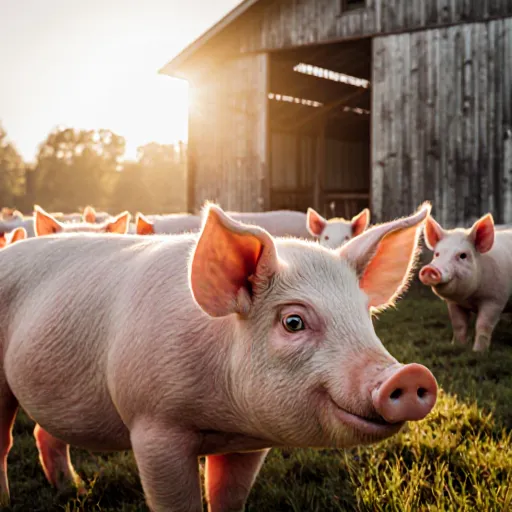
Unlock Pig Farming Secrets for Max Profit!
Table of Contents
- Choosing the Right Breed of Pig
- Proper Housing and Pen Design
- Understanding Nutritional Needs for Growth
- Importance of Clean Water Supply
- Regular Health Checks and Vaccinations
- Balancing Feeding Rations Properly
- Avoiding Overcrowding in Pens
- Proper Waste Management and Hygiene Practices
- Understanding Pig Behavior for Effective Management
- Impact of Weather on Pig Health and Welfare
- Importance of Continuous Learning and Education
- Establishing a Supportive Network of Peers and Experts
- Analyzing Mistakes to Prevent Future Failures
- Conclusion
- FAQs
Choosing the Right Breed of Pig
In pig farming, selecting the right breed is crucial for a successful operation. Lessons learned from past failures highlight the importance of choosing a breed that matches your specific farm conditions and goals. Different breeds have distinct characteristics that make them better suited to certain environments or production methods.
The pitfalls faced by many pig farmers who chose the wrong breed provide valuable lessons for those entering the industry. One common mistake is selecting a breed not adapted to local climatic conditions, leading to increased disease susceptibility and lower productivity.
Climate Adaptation
Breed choice should align with your farm's climate. For instance, breeds like Large White or Landrace are well-suited for colder climates due to their thick coats. In contrast, breeds like Tamworths can thrive in warmer regions. Understanding the breed’s climatic adaptability is essential for long-term success.
Feeding Requirements
Pigs have varying nutritional needs based on their breed and growth phase. Breeds like Piapiac are known to consume more feed, making them less cost-effective in feed-intensive farming operations. On the other hand, breeds such as Pietrain are leaner and thus more efficient in converting feed into meat.
Space Requirements
The space requirements of different pig breeds can vary significantly. Breeds like Hampshire require more spacious accommodations due to their larger size compared to breeds like Duroc. Ensuring that your farm layout and facilities cater to the specific breed's needs is critical for efficient management.
Health Considerations
Some breeds are naturally prone to certain health issues, which can be exacerbated in unsuitable conditions or poor farming practices. For example, Landrace pigs are more susceptible to respiratory problems if kept in overcrowded environments. By choosing a breed with better health resilience and ensuring proper sanitation practices, you can minimize these risks.
Practical Advice
To choose the right breed for your farm, start by assessing your farm's specific needs: climate conditions, feed availability, space constraints, and long-term goals. Research thoroughly to understand the health profiles and management requirements of different breeds.
- Research Thoroughly: Investigate the breed’s history and performance in similar farming settings.
- Consult Experts: Speak with experienced pig farmers or agricultural extension services for guidance tailored to your region.
- Pilot Program: Consider starting with a small number of pigs from different breeds to observe their performance before committing fully.
By carefully selecting the right breed and applying these lessons learned, you can avoid many pitfalls that have plagued other farmers in the past. This careful approach will lead to more successful pig farming operations.
Proper Housing and Pen Design
In pig farming, housing and pen design play a crucial role in ensuring animal welfare, health, and productivity. Lessons learned from past failures have highlighted several key areas that must be addressed to create proper housing and pen designs. These lessons are essential for any farmer or livestock manager aiming to avoid common pitfalls and achieve optimal outcomes.
The first lesson is the importance of providing adequate space per animal. Overcrowding can lead to stress, aggression, and increased disease transmission. For example, in a study conducted by the University of Illinois, it was found that pigs housed in pens with insufficient space exhibited higher levels of aggression and had poorer overall health compared to those in larger spaces.
When designing pens for pigs, ensure there is enough room for each animal to move freely, lie down comfortably, and perform natural behaviors such as rooting. The American Association of Swine Veterinarians recommends a minimum space allowance of 10 square feet per growing pig. This allows the animals to maintain good body condition while reducing stress.
Practical advice: Measure your pen dimensions carefully and calculate the number of pigs that can be housed comfortably within those spaces. Consider future expansion as well, ensuring you have enough room for growth without compromising on space standards.
A clean environment is vital in preventing disease outbreaks and maintaining overall health. One major failure highlighted by previous pig farming ventures was the lack of attention to hygiene practices. Poor sanitation conditions can lead to respiratory infections, skin diseases, and even fatal outbreaks.
To maintain cleanliness, implement regular cleaning schedules and use appropriate disinfectants for both floors and equipment. Proper ventilation is also crucial; it helps reduce ammonia levels which are harmful to pig health.
Practical advice: Invest in automatic feeders and waterers that minimize contact between pigs and their waste products. Regularly inspect and clean these systems, as they can become breeding grounds for pathogens if not properly maintained.
Temperature plays a significant role in pig comfort and performance. Extremes of heat or cold can negatively impact growth rates and reproductive success. An incident at a large-scale commercial farm where pigs died due to extreme temperatures underscored the importance of this aspect.
Proper insulation, ventilation, and climate control measures should be implemented based on geographical location and seasonality. For instance, in hot climates like those found in parts of South America or Africa, providing shaded areas with fans is beneficial. Meanwhile, in colder regions, adequate bedding materials and heaters could help keep pigs warm during winter months.
Practical advice: Monitor temperature fluctuations regularly using sensors placed strategically around the farm. Adjust insulation levels accordingly to maintain an optimal environment for your animals year-round.
The surface on which pigs walk and sleep directly affects their comfort level, which in turn influences their stress levels and appetite. A poorly designed floor can cause foot injuries or infections if not addressed correctly.
A successful example from a Danish pig farm showed that using deep litter bedding significantly improved sow productivity by reducing the incidence of lameness among sows. This method involves spreading straw, sawdust, or wood shavings on top of manure to form a soft layer beneath the animals.
Practical advice: Choose materials like sand or recycled paper for solid flooring options that promote good foot health but offer better hygiene than concrete floors. For deep litter systems, regularly remove waste and replace bedding as needed to maintain cleanliness and comfort levels.
Pigs are intelligent creatures with specific behavioral needs that need to be met in their enclosure design. Failing to provide opportunities for natural behaviors has been linked to increased aggression, boredom, and physical health issues.
Incorporate features such as enrichment items (e.g., balls or tunnels), climbing structures, or areas where pigs can root naturally into the soil. These elements stimulate mental activity while satisfying instincts related to exploration.
Practical advice: Rotate toys regularly so that boredom doesn’t set in too quickly. Observe your pigs’ preferences and adjust accordingly; not all enrichment devices will appeal equally across different groups of pigs.
In summary, learning from past mistakes is critical when designing proper housing and pen structures for pigs. By focusing on size & space, cleanliness, temperature control, comfortable flooring, and encouraging natural behavior, farmers can create healthier environments that support better animal welfare and business profitability.
Understanding Nutritional Needs for Growth
In pig farming, understanding nutritional needs for growth is critical to ensure optimal health and productivity. Lessons learned from past failures have emphasized the importance of providing a balanced diet that meets specific dietary requirements throughout different stages of a pig's lifecycle. Poor nutrition can lead to stunted growth, increased susceptibility to diseases, and reduced profitability for farmers.
The primary nutrients required for optimal pig growth include protein, energy (calories), vitamins, minerals, and water. Each of these components plays a crucial role in the overall health and performance of pigs:
- Protein: Essential for muscle development and tissue repair. A deficiency can result in slow growth rates and poor meat quality.
- Energy: Provided by carbohydrates, fats, and proteins. Ensuring adequate energy intake prevents underweight pigs and supports active behavior.
- Vitamins & Minerals: Vitamins are necessary for various metabolic processes, while minerals support bone development and immune function. Imbalances can lead to nutrient deficiencies that hinder growth.
The history of pig farming is marked with numerous failures due to improper nutrition. One notable example is the over-reliance on a single feed ingredient, which led to imbalances in certain essential nutrients. For instance, excessive use of corn without adequate levels of lysine (an amino acid critical for growth) resulted in suboptimal weight gain and poor meat quality.
Case Study: Corn-Based Diet
A study conducted on a farm highlighted the importance of diversifying feed sources. Initially, all pigs were fed a diet primarily composed of corn. While this approach provided sufficient energy, it lacked essential amino acids like lysine and methionine. Over time, growth rates declined, and the pigs exhibited signs of stress and reduced appetite. By introducing soybean meal to supplement the corn-based diet, the nutrient profile improved significantly, leading to healthier pigs with better feed efficiency.
To prevent similar failures in your own pig farming operations, consider implementing the following strategies:
- Diversify Feed Ingredients: Use a variety of feedstuffs to ensure that all necessary nutrients are included. Common supplements include soybean meal for protein, minerals from oyster shell or limestone, and vitamins from fishmeal.
- Monitor Growth Rates: Regularly check the growth rates of your pigs to identify any potential issues early. This can be done by recording weight gains at regular intervals.
- Adjust Feeding Plans: Based on age, weight, and sex, adjust feeding plans accordingly. Younger pigs have higher nutritional requirements compared to older pigs.
In conclusion, understanding the nutritional needs of growing pigs is essential for achieving optimal growth rates and overall health. By learning from past mistakes in pig farming, farmers can make informed decisions about their feeding strategies. Proper nutrition not only enhances productivity but also contributes to more sustainable and profitable operations.
Importance of Clean Water Supply
The importance of a clean water supply cannot be overstated, especially within the context of pig farming. Proper access to clean and fresh water is crucial for maintaining the health, growth, and productivity of pigs. Lessons learned from various pig farming failures highlight the critical role that water quality and availability play in farm operations.
The contamination of water sources can lead to a range of health issues for pigs, including diarrhea, respiratory infections, and even more severe ailments. For instance, a case study from a large-scale pig farm in Europe found that contaminated drinking water led to widespread outbreaks of pneumonia among the herd, resulting in significant losses and increased veterinary expenses. Ensuring clean water is essential for preventing such diseases.
Poor water quality can stunt growth rates, leading to suboptimal meat production and lower yields. Research from a US-based pig farm revealed that pigs given access to contaminated water had significantly lower average daily weight gains compared to those with clean water. This not only affects the farm's profitability but also impacts environmental sustainability by reducing resource use efficiency.
The introduction of pathogens through contaminated water is a significant risk factor for pig farming operations. Failures in water management can lead to the spread of diseases like Salmonella and E. coli, which are particularly dangerous due to their ability to survive in harsh environmental conditions. By maintaining high standards in water supply, farmers can minimize these risks and protect both livestock and human health.
- Regular Monitoring: Conduct regular tests to ensure that water quality meets safety standards. This includes checking for indicators of contamination such as turbidity, pH levels, and microbial content.
- Pipe Maintenance: Regularly inspect and maintain pipes to prevent leaks or blockages, which can lead to stagnant water and breeding grounds for bacteria.
- Clean Water Storage: Ensure that water storage tanks are clean and regularly disinfected. This prevents the buildup of harmful microorganisms.
For example, a small-scale pig farm in Thailand improved its water supply by installing a filtration system and regularly testing the water. They found that simple measures like this could significantly reduce bacterial counts and improve overall health outcomes for their pigs.
The lessons learned from pig farming failures underscore the critical importance of a clean water supply. By prioritizing water quality, farmers can enhance their herd's health, boost growth rates, and prevent costly outbreaks. Implementing best practices in water management is not only beneficial for animal welfare but also contributes to more sustainable agricultural practices.
Regular Health Checks and Vaccinations
In pig farming, regular health checks and vaccinations are crucial for maintaining optimal productivity and ensuring the well-being of the herd. The lessons learned from failures in these areas can provide valuable insights into best practices that can be applied more effectively in a blog setting.
The failure to conduct regular health checks on pigs often leads to undetected illnesses or infections which can spread rapidly through the herd, causing significant losses. Similar failures in a blog context could result in outdated content, poor user experience, and lost readership. Regularly reviewing and updating your content ensures that it remains relevant and valuable.
Example: Early Detection of Disease
For instance, if a farmer fails to notice the early signs of Porcine Reproductive and Respiratory Syndrome (PRRS) due to lack of regular health checks, the disease can spread quickly leading to high mortality rates. In a blog setting, not updating posts regularly or ignoring user feedback could lead to a similar scenario where issues are allowed to persist, causing dissatisfaction among readers.
Practical Advice
- Schedule Regular Reviews: Set specific times for reviewing your blog's content and structure. This can be quarterly or monthly depending on the frequency of updates required.
- Engage with Your Audience: Encourage feedback through comments, social media, or email surveys to identify areas that need improvement.
- Stay Updated: Keep yourself informed about industry trends and best practices by following relevant blogs and attending workshops.
Vaccinating pigs regularly helps in preventing the spread of diseases, thereby reducing mortality rates and increasing productivity. In a blog context, this translates to ensuring that your content is protected against obsolescence by keeping it updated with current information. Without proper vaccinations (i.e., updates), your blog can become susceptible to outdated practices or incorrect information.
Example: Protection Against Common Diseases
If a pig farmer skips essential vaccines, the herd may be at risk of contracting highly contagious diseases like Swine Flu. Similarly, if a blogger neglects updating their posts with fresh content and insights, they run the risk of being seen as irrelevant in today's fast-paced digital world.
Practical Advice
- Develop an Up-to-Date Vaccination Schedule: Just like a farm has a vaccination schedule for pigs, a blogger should have a content update plan. This ensures that all posts are regularly reviewed and updated.
- Test Your Content Regularly: Like farmers test the effectiveness of their vaccines, bloggers can use tools or analytics to check if their content is reaching and engaging the intended audience effectively.
- Stay Proactive: Always anticipate potential changes in your field. For example, a blog about WordPress development should keep abreast of new versions and plugins that could impact best practices for website design and functionality.
In summary, regular health checks and vaccinations are not just essential for pig farming but also critical in maintaining the quality and relevance of a WordPress-compatible blog. By learning from past failures in these areas within pig farming, bloggers can adopt more effective strategies to ensure their content remains fresh, engaging, and valuable.
Balancing Feeding Rations Properly
In pig farming, the concept of "balancing feeding rations properly" is crucial for ensuring optimal growth and health. This principle involves carefully calculating the nutritional requirements based on factors such as age, weight, breed, and environmental conditions. Lessons learned from past failures in pig farming have underscored the importance of accurate ration balancing to avoid costly mistakes and promote sustainable practices.
Key Factors Influencing Feeding Rations
- Breed: Different breeds of pigs have varying nutritional needs. Breeds that are selected for growth rate may require different proportions of protein, energy, and other nutrients compared to those bred primarily for fat content.
- Age and Stage of Production: Growing pigs have different requirements than breeding stock or sows in lactation. For instance, growing pigs need more protein and energy to support muscle growth, while pregnant sows require additional calories but less protein.
- Weighing and Monitoring Growth Rates: Regular weighing and monitoring of pig growth rates are essential for adjusting feeding rations. Overfeeding can lead to health issues like obesity or lameness, while underfeeding may result in stunted growth.
Lessons from Pig Farming Failures
The history of pig farming is replete with examples where poor ration balancing has led to significant setbacks. One common failure was overemphasizing quantity at the expense of quality, leading to a surplus of feed that was not adequately balanced for essential nutrients.
- Example 1: Excess Corn in Rations: In one instance, a pig farm mistakenly incorporated too much corn into the diet. While corn provides energy, it is lacking in other critical nutrients like protein and vitamins. This imbalance led to poor weight gain and compromised health.
- Example 2: Insufficient Protein for Growing Pigs: Another case involved underestimating the protein needs of growing pigs. Without sufficient protein, these pigs struggled with muscle development and overall growth, leading to suboptimal performance at market age.
Practical Advice
To avoid such pitfalls, farmers should consult with a veterinarian or animal nutritionist who can help tailor feeding rations to meet specific needs. Additionally, regular audits of feed formulation and on-farm practices are advisable to ensure that adjustments can be made promptly.
- Regular Audits: Conduct periodic reviews of your pig's performance against expected growth targets. This helps identify any discrepancies early.
- Consultation with Experts: Regularly consult with nutritionists to ensure that your feeding practices are up-to-date and reflective of the latest research.
- Data Collection: Keep detailed records of feed intake, weight gains, and health conditions. This data can be invaluable for making informed decisions about ration adjustments.
In conclusion, balancing feeding rations properly is not just a technical task; it's a strategic investment in the future success of your pig farm. By learning from past mistakes and continuously refining practices, farmers can achieve healthier pigs and more prosperous operations.
Avoiding Overcrowding in Pens
In pig farming, overcrowding in pens is a common issue that can lead to significant health and welfare problems for the animals. Overcrowded conditions not only increase stress levels but also reduce space availability, which affects the overall productivity of the farm. Lessons learned from various pig farming failures highlight the critical importance of maintaining adequate space per animal to ensure optimal growth rates, lower disease incidence, and higher profitability.
The overcrowding of pigs can lead to a variety of negative outcomes. Pigs that are confined in small spaces exhibit high levels of stress, which can impair their immune system's function. This makes them more susceptible to diseases and infections, leading to increased veterinary costs and reduced growth rates. Furthermore, overcrowded pens facilitate the spread of pathogens, creating an environment where infectious diseases like Porcine Respiratory Syndrome (PRRS) or Salmonellosis thrive.
The failure of several pig farming operations has been directly linked to overcrowded pens. For instance, a large-scale pig farm in the Midwest experienced a significant outbreak of PRRS, which was exacerbated by poor ventilation and high stocking densities. The overcrowding caused pigs to huddle closely together, creating an ideal breeding ground for the virus.
Another example comes from a European pig farmer who reduced feed intake due to financial constraints but failed to adjust pen sizes accordingly. This resulted in even more crowded conditions, leading to poor weight gains and higher mortality rates among younger pigs.
To avoid overcrowding, it is essential to adhere to recommended pen size guidelines based on the age and breed of the pig. For instance, weanling pigs should have at least 0.8 square meters per animal, while growing finishers require more space—around 1.5 square meters per pig. These standards ensure that each pig has adequate room to move around, maintain proper hygiene, and exhibit natural behaviors.
- Regular Monitoring: Regularly check pen sizes and animal densities. This helps identify any potential overcrowding issues early on.
- Adjust Feeding Rates: Adjust feeding rates as pigs grow to prevent overeating, which can lead to increased body weight without corresponding increases in muscle development or overall health.
- Use of Compartments: For smaller farms, using compartments within pens can provide more flexibility and allow for better management of different age groups or genders.
- Enhanced Ventilation: Ensure proper ventilation systems are in place to maintain a clean environment, which indirectly supports optimal pen space utilization by preventing ammonia build-up and respiratory issues.
Avoiding overcrowding in pens is not just about providing more physical space; it's about enhancing the overall welfare of the pigs. By learning from past failures and implementing these best practices, farmers can significantly improve production efficiency while ensuring animal health and well-being.
Proper Waste Management and Hygiene Practices
In the realm of agriculture, particularly within pig farming, waste management and hygiene practices play a crucial role in ensuring sustainable operations. The failure to implement these practices effectively has often led to significant setbacks, including environmental pollution, health hazards, and economic losses. Drawing lessons from past failures can help in establishing robust systems that support not only productivity but also sustainability.
Understanding the Basics
The foundation of effective waste management lies in understanding the types of wastes generated in pig farming. These include organic matter such as manure, bedding materials, and deadstock. Proper identification of these wastes is essential for implementing suitable disposal methods.
Lessons from Pig Farming Failures
The history of failed pig farms provides critical insights into what not to do:
- Overcrowding and Poor Ventilation: High-density animal housing without adequate ventilation can lead to the accumulation of harmful gases like ammonia, carbon dioxide, and methane. This not only affects animal health but also contributes to poor hygiene conditions.
- Example: A farm in Central Europe experienced a significant outbreak due to overcrowded pens leading to high ammonia levels. The animals were affected by respiratory issues, resulting in reduced productivity and increased mortality rates.
- Lack of Proper Waste Collection Systems: Inadequate waste collection methods can lead to environmental contamination. Runoff from pig farms into nearby water bodies is a common issue, causing pollution that affects aquatic ecosystems.
- Example: A farm in North America faced severe legal consequences due to runoff from its manure storage area leading to eutrophication of a nearby lake. The incident highlighted the importance of proper containment and treatment before waste is released into the environment.
- Inadequate Hygiene Practices: Poor hygiene can spread diseases within the farm, affecting both animal and human health. This includes failing to clean and disinfect facilities regularly.
- Example: A pig farming operation in Asia saw a resurgence of swine fever after neglecting basic hygiene practices such as cleaning and disinfection. The outbreak led to large-scale culling, causing significant financial losses.
Promoting Sustainable Waste Management
To prevent these failures, implementing sustainable waste management practices is essential:
- Proper Ventilation and Air Quality Control: Ensuring good air quality in pig housing facilities can significantly improve animal health. This involves regular cleaning of the ventilation systems to remove dust and other pollutants.
- Tips: Use high-efficiency particulate air (HEPA) filters to trap harmful particles from the air, thereby enhancing indoor air quality.
- Effective Waste Collection Systems: Implementing efficient waste collection systems can prevent environmental contamination. This includes using sealed containers for manure and bedding materials.
- Best Practices: Regularly transport collected waste to composting facilities or agricultural lands where it can be used as fertilizers, ensuring that it is properly handled before disposal.
- Regular Hygiene and Sanitation Practices: Maintaining high standards of hygiene reduces the risk of disease transmission. This involves regular cleaning and disinfection of facilities using approved chemicals or natural solutions like hydrogen peroxide.
- Suggestions: Employ a rotating schedule for deep-cleaning areas that are not in use to prevent the build-up of harmful pathogens.
Conclusion
The lessons learned from failed pig farming operations underscore the importance of proper waste management and hygiene practices. By addressing these critical aspects, farms can enhance animal health, reduce environmental impact, and improve overall sustainability. Implementing these strategies not only supports long-term business success but also contributes positively to public health and the environment.
Understanding Pig Behavior for Effective Management
To effectively manage pigs on a farm, it is crucial to understand their behavior. This knowledge can significantly enhance productivity and minimize stress for the animals. Failures in pig farming often stem from a lack of understanding of how pigs behave and interact with their environment. By learning about these behaviors, farmers can create optimal living conditions that promote healthy growth and well-being.
Pigs have highly developed senses that are critical for their survival in the wild. On a farm, understanding how pigs use their senses helps in managing them effectively:
- Sight: Pigs have good eyesight but rely more on smell and sound. They can be trained to respond to visual cues like lights or hand signals.
- Hearing: Pigs are very sensitive to sound, which can affect their stress levels. It is important to minimize loud noises around the farm.
- Olfaction (Smell): Highly developed sense of smell helps pigs find food and navigate their environment. Proper ventilation and cleanliness in the barns help maintain hygiene and reduce odors that could be stressful for pigs.
Pigs are omnivores, meaning they eat both plant and animal matter. Their digestive system is designed to process a wide variety of food sources:
- Feeding Times: Regular feeding times help establish routines, which pigs thrive on. Irregular feeding schedules can lead to stress and reduced eating efficiency.
- Food Preferences: Pigs have specific preferences for certain types of food. Understanding these preferences can enhance feed intake and weight gain.
Pigs are social animals that thrive in groups, much like humans or dogs. Proper group management is essential for their psychological well-being:
- Group Size: Grouping pigs appropriately can reduce stress and aggression. Overcrowding should be avoided as it leads to increased stress and fighting.
- Social Hierarchy: Establish a clear social hierarchy within the group, which helps in reducing aggressive behavior. Recognizing dominant and subordinate animals is important for managing groups effectively.
Many pig farming failures can be attributed to misunderstanding or ignoring certain behaviors:
- Stress Due to Noise: Loud noises such as machinery, barking dogs, or even loud voices can cause stress in pigs. Implementing noise control measures is essential.
- Inadequate Housing: Poor housing conditions that do not meet the needs of pigs for space and cleanliness lead to stress and health issues. Ensuring proper ventilation and clean living spaces is vital.
- Lack of Routine: Irregular feeding schedules or inconsistent care routines can cause confusion and stress in pigs, leading to reduced productivity.
To avoid these pitfalls, here are some practical tips for managing pig behavior effectively:
- Create a Calm Environment: Minimize stress by keeping the environment quiet and clean. Regular maintenance of the farm and its facilities is key.
- Establish Routines: Consistency in feeding, cleaning, and care routines helps pigs feel secure and reduces stress.
- Monitor Health: Regular health checks can catch issues early, preventing them from causing significant problems. Early intervention is crucial for maintaining pig health.
- Use Positive Reinforcement: Encourage good behavior using positive reinforcement techniques like treats or verbal praise. This approach fosters a bond between the farmer and the pigs and promotes desired behaviors.
In conclusion, understanding pig behavior is fundamental to successful pig farming. By learning from past failures and applying these insights, farmers can create optimal conditions that promote healthy growth, reduce stress, and enhance productivity.
Impact of Weather on Pig Health and Welfare
The impact of weather on pig health and welfare is a critical aspect that must be carefully managed to ensure optimal production outcomes. Extreme temperatures, humidity levels, and precipitation can significantly affect the well-being of pigs, leading to various health issues and decreased productivity. This section highlights key lessons learned from pig farming failures due to adverse weather conditions, offering practical advice for farmers to mitigate these risks.
Heat stress is one of the most significant challenges faced by pigs during hot and humid periods. High temperatures can lead to reduced feed intake, increased respiration rates, and elevated body temperature, all of which impair overall health. Pigs have limited ability to regulate their body heat through sweating, making them particularly vulnerable.
- Lesson Learned: Implement cooling systems such as misters or fans in the farrowing house and gestation area to provide relief during hot weather.
- Practical Advice: Ensure adequate ventilation by keeping doors and windows open, which helps in reducing indoor temperature. Consider providing shaded areas outside for pigs to rest.
Cold weather can also pose serious threats to pig health and welfare if not managed properly. Pigs, especially younger ones, struggle to maintain their body temperature in cold environments, leading to hypothermia. In extreme cases, this can result in death.
- Lesson Learned: Provide sufficient insulation and heating in housing structures during winter months. Ensure that heaters are properly maintained and safe from electrical hazards.
- Practical Advice: Add additional bedding material like straw or sawdust to help maintain body heat. Monitor temperature changes closely using thermometers placed strategically around the farm premises.
A high humidity level paired with poor ventilation can create ideal conditions for mold growth within pig barns, which is harmful not only to human health but also to that of pigs. Pigs exposed to moldy environments may develop respiratory problems and other internal issues.
- Lesson Learned: Regularly check the humidity levels inside the buildings and take necessary measures like improving airflow or using dehumidifiers when needed.
- Practical Advice: Use mold inhibitors in feed rations to prevent contamination. Clean up any signs of mold promptly, including removing contaminated food sources immediately.
Rainfall can lead to waterlogging if drainage systems are inadequate or non-existent, causing stress for pigs due to wet bedding and muddy conditions that increase the risk of infectious diseases such as pneumonia.
- Lesson Learned: Design efficient drainage networks around pig farms to prevent flooding during heavy rains. Elevate pens where necessary to keep animals dry.
- Practical Advice: Install automatic waterers equipped with sensors that detect low water levels and refill them promptly. Encourage farmers to rotate pastures frequently between different areas to allow time for drying out after rainfall events.
In conclusion, understanding how weather impacts pig health and welfare is essential for maintaining a successful farm operation. By applying the lessons learned from previous failures along with implementing effective strategies based on environmental factors, farmers can significantly improve both animal well-being and business profitability.
Importance of Continuous Learning and Education
The importance of continuous learning and education cannot be overstated, especially when it comes to fields where practical experience can make all the difference. Pig farming is one such field where lessons learned from failures have underscored the necessity for ongoing education and adaptation. Continuous learning helps farmers stay ahead of challenges by equipping them with the knowledge needed to adapt to new conditions, technologies, and market trends.
Lack of Proper Education and Training
The failure to provide farmers with adequate education and training has often been a root cause of many pig farming ventures ending in disappointment. Without the necessary knowledge, farmers may struggle with basic tasks like feeding, health monitoring, and sanitation practices.
Example: A farmer who did not understand the importance of proper ventilation in pig housing might experience high mortality rates due to respiratory diseases caused by poor air quality. Continuous learning could have taught this farmer the basics of environmental management, thus preventing such losses.
Failure to Adapt to New Practices
Another key lesson from failed pig farms is the importance of staying updated with new technologies and practices in animal husbandry. Failure to adapt can lead to inefficiencies and increased costs.
Example: Not adopting modern feeding techniques or feed management systems could result in higher feed wastage, which ultimately increases operational expenses and reduces profitability. Continuous learning ensures that farmers are aware of the latest advancements that can improve their operation's efficiency and sustainability.
Importance of Health Management
The significance of continuous education on health management cannot be ignored in pig farming. Poor health practices can lead to widespread disease outbreaks, resulting in significant financial losses and even closure of farms.
Example: Without understanding the importance of vaccination schedules and biosecurity measures, a farmer might face an outbreak of African Swine Fever (ASF) or Porcine Reproductive and Respiratory Syndrome (PRRS). Regular training on these topics is essential to maintain the health of the pig herd.
Resource Optimization
The efficient use of resources, such as feed, water, and land, is crucial in any farming operation. Continuous learning helps farmers optimize resource usage for better productivity and profitability.
Example: Understanding the nutritional requirements of pigs at different stages of growth can help in formulating diets that maximize feed efficiency and minimize waste. This knowledge comes from continuous education and experience, which enable farmers to make informed decisions about feeding practices.
The Role of Technology
In today's world, technology plays a pivotal role in pig farming. Continuous learning is vital for farmers to incorporate technological advancements into their operations effectively.
Example: Using automated feeders or smart monitoring systems can significantly enhance the accuracy and efficiency of management tasks. Farmers who invest time in continuous learning about these technologies are better prepared to implement them successfully, leading to improved operational outcomes.
Conclusion
In conclusion, the lessons learned from pig farming failures highlight the critical role that continuous learning and education play in ensuring success. By prioritizing ongoing education, farmers can adapt to changing conditions, improve resource management, enhance health practices, and leverage technology for better outcomes.
Establishing a Supportive Network of Peers and Experts
Establishing a supportive network of peers and experts is crucial for overcoming challenges, especially when embarking on complex ventures like pig farming. Lessons learned from past failures in this domain underscore the importance of building such a network early in your journey. This network serves as a robust foundation upon which you can build a successful business or project.
The agricultural sector, particularly pig farming, involves numerous variables that can impact productivity and profitability. These include environmental factors, disease management, feed quality, market fluctuations, and economic policies. By surrounding yourself with knowledgeable individuals who have experience in these areas, you can mitigate risks and capitalize on opportunities.
- Veterinarians: Essential for understanding pig health issues, preventive care, and dealing with outbreaks. Their expertise is vital when it comes to managing common diseases like Porcine Reproductive and Respiratory Syndrome (PRRS) or African Swine Fever.
- Agronomists: Provide guidance on feed quality, crop selection, and soil management, which directly affect the health and performance of your pigs. They can help you optimize resources and improve overall efficiency.
- Farm Management Consultants: These professionals offer insights into best practices for farm operations, cost management, and production planning. They can also assist in structuring a business plan that aligns with market demands and regulatory requirements.
Peers who have successfully navigated the challenges of pig farming provide invaluable lessons from their experiences. Engaging with these individuals through workshops, seminars, or informal gatherings can offer practical advice on overcoming specific hurdles such as herd management, reproductive success, and sustainable practices.
Case Study: A farmer who lost a significant portion of his herd due to an outbreak of PRRS found that participating in peer learning groups provided him with strategies for early detection and containment. By sharing this knowledge, he not only recovered but also helped other farmers in similar situations.
Collaborating with universities or research centers can be highly beneficial. These institutions often have the latest data on pig health, breeding techniques, and environmental impacts. They may also offer training programs that can equip you with advanced skills necessary for modern pig farming.
Example: A small-scale farmer joined a university's extension program aimed at improving livestock practices in rural areas. Through this collaboration, he learned about precision feeding methods, which significantly boosted his farm's productivity and reduced waste.
The internet has made it easier than ever to connect with experts and peers globally. Platforms like Reddit’s r/pigfarming or specific agricultural forums allow you to ask questions, share stories, and learn from others facing similar challenges.
Tips for Engaging Online: Be respectful, present clear questions, and contribute positively by sharing your own experiences. This creates a mutually beneficial environment where everyone learns and grows together.
Analyzing Mistakes to Prevent Future Failures
In the realm of sustainable agriculture, pig farming stands as a critical component. However, it is not without its challenges. Mistakes in management can lead to significant financial losses and environmental degradation. Analyzing these mistakes with a focus on lessons learned from past failures allows us to prevent future pitfalls. This section delves into how detailed analysis can help farmers make informed decisions and improve their operations.
The first step in preventing future failures is identifying common mistakes in pig farming. These include poor feed management, inadequate sanitation, and failure to monitor health closely. Each of these factors can have severe consequences on the overall productivity and profitability of a farm.
1. Poor Feed Management
Poor feed management is one of the most significant contributors to pig farming failures. Ensuring that pigs receive appropriate nutrition is crucial for their growth and health. Mistakes such as underfeeding or overfeeding can lead to stunted growth, increased susceptibility to diseases, and reduced meat quality. For instance, a study on pig farms highlighted that farms where feed was not properly balanced reported lower rates of weight gain among the pigs.
Practical Advice: Regularly consult with nutritionists and use technology like feeding management systems to ensure precise feed allocation based on age, weight, and health status. This approach helps in optimizing growth rates and minimizing waste.
2. Inadequate Sanitation
Inadequate sanitation is another critical issue that can lead to failures. Pigs are susceptible to various diseases that can spread rapidly if hygiene standards are not met. Poor sanitation can result in higher mortality rates, increased veterinary costs, and reduced productivity.
Example: A farm in the Midwest experienced a significant loss due to an outbreak of swine flu when proper disinfection protocols were not followed. Regular cleaning and disinfection of feeding areas, housing facilities, and equipment are essential for maintaining hygiene levels.
Practical Advice: Implement a strict sanitation schedule that includes regular cleaning, disinfection, and waste management. Training staff on the importance of hygiene is also crucial in preventing outbreaks.
3. Failure to Monitor Health Closely
Failing to monitor pig health closely can lead to severe issues that affect the entire farm. Early detection of diseases or health issues can help prevent the spread of infections and reduce the need for expensive treatments later on.
Example: A farm in Europe lost a large number of pigs due to undetected parasites, which were only identified after significant damage had been done. Regular veterinary check-ups and monitoring of behavioral changes are key practices for maintaining pig health.
Practical Advice: Establish a routine for regular health checks and use early warning systems that alert farmers to potential issues. Keeping detailed records of each pig's health history can also aid in identifying patterns or emerging problems quickly.
Once mistakes are identified, it is essential to implement the lessons learned from past failures effectively. This involves not only correcting the immediate issues but also developing a proactive approach that addresses potential risks.
Example: Farms that have experienced failures due to poor feed management have since invested in automated feeding systems and nutrition monitoring tools. These technologies provide real-time data on pig health and nutrition, allowing farmers to make adjustments promptly.
Practical Advice: Develop a robust risk assessment process that includes regular audits of practices related to feed management, sanitation, and health monitoring. Engage with experts in the field for continuous improvement and stay updated on best practices through agricultural journals and conferences.
In conclusion, analyzing mistakes in pig farming is not just about rectifying past issues but also about preventing future failures. By closely examining these errors and implementing the lessons learned, farmers can significantly enhance their operations. This approach ensures sustainable growth and profitability while minimizing environmental impact.
Conclusion
Lessons Learned from Pig Farming Failures
The journey of pig farming is fraught with challenges that can lead to significant setbacks if not managed properly. By examining the lessons learned from failed farms, we can identify critical areas for improvement and ensure a more successful venture.
One of the most crucial aspects in pig farming is thorough planning and research. Farmers often underestimate the amount of time and resources required to establish a farm. It's essential to conduct extensive market research, understand local regulations, and assess the feasibility of your venture.
Example: A farmer who started a small pig farm in an area with limited feed availability learned that proper planning would have allowed them to source alternative feeds or establish partnerships with local suppliers. Without this foresight, the farm struggled with high feed costs and poor animal health.
Pigs require a balanced diet for optimal growth and health. Poor quality feed can lead to malnutrition, disease, and reduced productivity. Ensuring access to quality feed is paramount in pig farming.
Example: A farmer who purchased cheap, low-quality feed from unreliable suppliers saw their pigs develop diseases that required extensive veterinary care. This not only increased costs but also led to a significant loss of stock.
Diseases can rapidly spread in pig populations, causing substantial losses if left unmanaged. Regular veterinary check-ups and effective disease management protocols are vital for maintaining herd health.
Example: A farmer who neglected to vaccinate their pigs regularly witnessed a rapid outbreak of swine fever that decimated the entire flock. This event highlighted the importance of proactive healthcare practices in pig farming.
Managing finances effectively is crucial for sustaining operations during challenging times. Poor financial management can lead to bankruptcy even with a profitable venture.
Example: A farmer who failed to budget for unexpected expenses such as veterinary care, feed shortages, and equipment maintenance found themselves in severe debt. This situation underscored the need for robust financial planning and contingency funds.
Sustainable practices ensure long-term viability of pig farming operations. These include waste management, environmental considerations, and ethical treatment of animals.
Example: A farm that adopted sustainable practices such as recycling water and using organic manure faced fewer environmental challenges and was better equipped to handle market fluctuations. This approach not only reduced costs but also improved the overall reputation of the farm.
The pig farming industry is ever-evolving, with new technologies, practices, and market trends emerging regularly. Farmers must be adaptable and continuously learn to stay competitive.
Example: A farmer who embraced new feeding techniques and breeding strategies saw improvements in both productivity and profitability. This example illustrates the importance of staying informed and adapting to change.
In summary, pig farming can be a rewarding venture but requires careful planning, proper management, and continuous learning. By avoiding common pitfalls such as inadequate research, poor feed quality, neglecting veterinary care, insufficient financial planning, unsustainable practices, and reluctance to adapt, farmers can significantly enhance their chances of success.
FAQs
Pig farming can be a rewarding venture, but it is not without its challenges. Here are some key lessons that have been learned from failures in pig farming which can help you navigate the complexities of this industry more successfully.
1. Understanding Pig Behavior and Needs
Pigs are intelligent animals with specific environmental and nutritional requirements. Failure to meet these needs often leads to stress, illness, and reduced productivity. For instance, overcrowded pens can cause significant stress leading to aggressive behavior which results in higher rates of injury among the pigs.
Example: In a case study where a farmer ignored the need for sufficient space per pig, he witnessed an increase in respiratory issues due to the confined environment. Proper ventilation and ample space are crucial factors that must be considered from the design stage onward.
Tips for Success: Invest time understanding your pigs' behavior through observation and research. Ensure their living spaces are clean, dry, and large enough to allow them room to move around comfortably.
2. Proper Nutrition
The diet plays a vital role in the health and growth of pigs. An imbalanced or insufficient diet can lead to poor growth rates, increased susceptibility to disease, and lower productivity overall. Overfeeding is also problematic as it increases the cost without improving performance.
Example: A farmer who cut corners by using cheaper feed instead of high-quality nutrition saw a significant decrease in his pig's weight gain over time. This resulted not only in financial losses but also ethical concerns regarding animal welfare.
Tips for Success: Consult with veterinarians or agricultural extension agents to develop a balanced diet plan tailored specifically for your farm’s conditions. Regularly review and adjust feed based on the growth stages of your pigs.
3. Disease Management
Diseases can devastate an entire herd quickly if not managed properly. Preventative measures such as vaccination schedules, regular health checks by professionals, and good hygiene practices go a long way towards maintaining robust herds.
Example: A lack of preventive care led to an outbreak of swine fever which wiped out most of the farmer’s stock despite having seemingly healthy animals initially. The rapid spread highlighted the importance of early detection and isolation protocols.
Tips for Success: Establish a vaccination schedule according to best practices recommended by local authorities or experienced farmers in your area. Implement strict biosecurity measures including regular cleaning and disinfection routines within the farm premises.
4. Management Skills
The success of pig farming heavily depends on effective management skills which include record-keeping, planning, and decision-making abilities. Poor management can lead to inefficient use of resources, increased costs, and lower profits.
Example: A farmer who did not keep accurate records of feed consumption, medical treatments provided, and reproductive cycles faced difficulties in optimizing feeding strategies and breeding programs effectively. Without these details, it was nearly impossible for him to predict future needs accurately or identify areas requiring improvement promptly.
Tips for Success: Invest in software solutions that can help manage your farm operations efficiently. Regularly review financial statements alongside production metrics to make informed decisions about resource allocation and expansion plans.
5. Financial Planning
Pig farming requires careful planning when it comes to budgeting, loan repayments, and capital investments. Unrealistic expectations or insufficient savings can lead to bankruptcy during lean times or unforeseen expenses.
Example: A farmer who underestimated the cost of starting a pig farm and relied solely on short-term loans found himself in severe debt when market prices dropped unexpectedly. This situation prevented him from reinvesting back into his business for several years, severely impacting his recovery time.
Tips for Success: Conduct thorough feasibility studies before embarking on any large-scale project. Always maintain an emergency fund to cover unexpected costs while considering long-term investments carefully after assessing short-term viability.
Conclusion
By learning from past mistakes and implementing best practices, you can avoid common pitfalls faced by many pig farmers. The key lies in continuous learning, proper planning, and maintaining high standards of care for your pigs.
Categories
- AI & Enrichment Play
- Broiler Farming
- Broiler Farming Tips
- Canine Wellness & Longevity
- Cat
- Cat & Human Connection
- Cat Adoption & Rescue
- Cat Breeds
- Cat Breeds & Personalities
- Cat Care & Health
- Cat Grooming & Hygiene
- Cat Lifestyle & Environment
- Cat Myths & History
- Cat Nutrition & Diet
- Cat Products & Reviews
- Cat Training & Behavior
- Comparison
- Consumer Awareness
- Dog
- Dog Accessories & Products
- Dog Adoption & Rescue
- Dog Breed & Lifestyle Trends
- Dog Breeding & Puppies
- Dog Entertainment & Media
- Dog Fashion & Trends
- Dog Fun & Lifestyle
- Dog Grooming & Hygiene
- Dog History & Culture
- Dog Myths, Science & Future Tech
- Dog News & Trends
- Dog Nutrition & Food
- Dog Psychology & Emotions
- Dog Safety & Security
- Dog Sports & Activities
- Dog Technology & Innovation
- Dog Training for Modern Owners
- Dog Travel & Adventure
- Dog Travel, Adventure & Culture
- Economic and Market Insights
- Educational Content
- FAQs
- Feeding Alternatives
- Festivals & Seasonal Ideas
- Fun & Entertainment
- General Knowledge
- General Pig Farming
- Health & Disease Management
- Housing and Environment
- Kittens
- Market Insights
- Miscellaneous
- Miscellaneous
- Motivational
- pig
- Pig Breeding
- Pig Breeds
- Pig Farming Stories and Inspiration
- Pig Health and Care
- Pig Nutrition
- Pig Products
- Profitability & Business
- Puppy Care
- Puppy Predictable Topics Reinvented
- Regional Focus
- Rescue & Adoption Buzz
- Senior Cats
- Senior Dog Care
- Smart Dog Tech & Gadgets
- Sustainability
- Sustainable & Eco-Friendly Dog Products
- Tech & Innovations
- Working & Service Dogs
- Broiler Feed66 products
- Country Feed33 products
- Pig Feed66 products
- Product22 products
- Raw Materials99 products
Products
-
 Fish Meal
₹1,999.00 – ₹2,999.00Price range: ₹1,999.00 through ₹2,999.00Rated 0 out of 5
Fish Meal
₹1,999.00 – ₹2,999.00Price range: ₹1,999.00 through ₹2,999.00Rated 0 out of 5 -
 FATTENING BROILER FEED
₹2,299.00 – ₹2,349.00Price range: ₹2,299.00 through ₹2,349.00Rated 0 out of 5
FATTENING BROILER FEED
₹2,299.00 – ₹2,349.00Price range: ₹2,299.00 through ₹2,349.00Rated 0 out of 5 -
 LAYER COUNTRY FEED
₹1,549.00 – ₹1,649.00Price range: ₹1,549.00 through ₹1,649.00Rated 0 out of 5
LAYER COUNTRY FEED
₹1,549.00 – ₹1,649.00Price range: ₹1,549.00 through ₹1,649.00Rated 0 out of 5 -
 COUNTER BROILER FEED
₹1,199.00 – ₹1,299.00Price range: ₹1,199.00 through ₹1,299.00Rated 0 out of 5
COUNTER BROILER FEED
₹1,199.00 – ₹1,299.00Price range: ₹1,199.00 through ₹1,299.00Rated 0 out of 5 -
 LACTATING PIG FEED
Rated 0 out of 5
LACTATING PIG FEED
Rated 0 out of 5₹2,299.00Original price was: ₹2,299.00.₹1,740.00Current price is: ₹1,740.00. -
 Maize
Rated 0 out of 5
Maize
Rated 0 out of 5₹1,650.00Original price was: ₹1,650.00.₹1,300.00Current price is: ₹1,300.00. -
 GESTATION PIG FEED (Phase 1)
Rated 0 out of 5
GESTATION PIG FEED (Phase 1)
Rated 0 out of 5₹2,249.00Original price was: ₹2,249.00.₹1,699.00Current price is: ₹1,699.00. -
 Pre Starter Broiler Feed
₹2,399.00 – ₹2,499.00Price range: ₹2,399.00 through ₹2,499.00Rated 0 out of 5
Pre Starter Broiler Feed
₹2,399.00 – ₹2,499.00Price range: ₹2,399.00 through ₹2,499.00Rated 0 out of 5 -
 FINISHER PIG FEED
Rated 0 out of 5
FINISHER PIG FEED
Rated 0 out of 5₹2,299.00Original price was: ₹2,299.00.₹1,749.00Current price is: ₹1,749.00. -
 Broiler Premix
Rated 0 out of 5
Broiler Premix
Rated 0 out of 5₹820.00Original price was: ₹820.00.₹699.00Current price is: ₹699.00.