
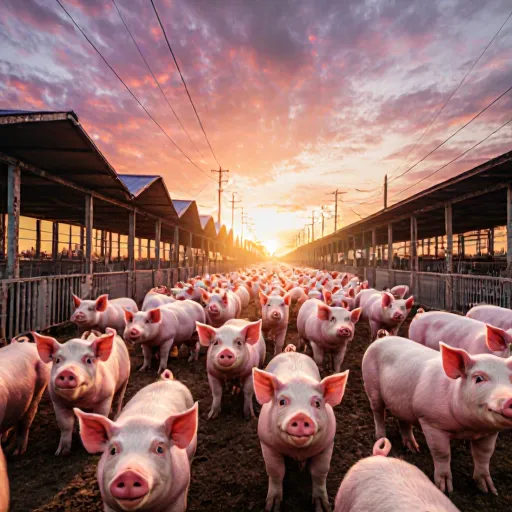
Unlocking Success in Pig Farming
Table of Contents
- Understanding the Basics of Pig Farming
- Choosing the Right Pig Breed for Your Farm
- Setting Up a Suitable Housing Environment
- Feeding and Nutrition Tips for Pigs
- Healthcare and Common Pig Diseases
- Breeding and Reproduction in Pig Farming
- Management Practices for Efficient Pig Farming
- Marketing Strategies for Selling Your Pigs
- Sustainability in Pig Farming Practices
- Overcoming Challenges in Pig Farming
- Success Stories of Small-Scale Pig Farmers
- Inspirational Quotes and Sayings for Pig Farmers
- Conclusion
- FAQs About Pig Farming
Understanding the Basics of Pig Farming
Pig farming, or swine farming, is a significant agricultural practice that has been around for thousands of years. The art and science behind raising pigs have evolved over time, with modern farmers leveraging both traditional knowledge and cutting-edge technology to ensure the health, well-being, and productivity of their herds.
The foundation of pig farming lies in providing a nurturing environment that supports the pigs' physical and mental health. Farmers must understand the basic needs of pigs: proper nutrition, adequate space, clean water, and hygienic living conditions. These elements are crucial for ensuring that pigs grow to their full potential and remain disease-free.
Nutrition
Proper feeding is one of the most critical aspects of pig farming. Different life stages require different types of feed, tailored to meet specific nutritional needs. For example:
- Piglets: Milk or milk replacer should form a significant part of their diet during this early stage.
- Fatteners: High-protein feeds are essential for increasing muscle mass and promoting faster growth.
- Breeding sows: A balanced ration that supports reproductive health, milk production, and litter size is crucial.
Incorporating pig farming stories and inspiration can be incredibly motivating. For instance, the story of a small-scale farmer who started with just a few pigs and grew her operation into a successful farm provides a powerful example of perseverance and innovation in action. Such narratives inspire others to take on similar challenges.
Space and Environment
Pigs need ample space to move around, play, and socialize. Overcrowding can lead to stress, which negatively affects pig health and productivity. Clean living environments are also essential for preventing the spread of diseases. Farmers should regularly clean and disinfect pens and feeding areas.
Hygiene
Keeping the pigs and their surroundings clean is paramount in pig farming. Disease prevention through hygiene practices can save time, money, and resources in the long run. Regular cleaning of feeders, waterers, and bedding helps prevent bacterial growth.
A farmer named John, who focuses on sustainable pig farming, shares his insights: "Maintaining a clean environment has been key to minimizing health issues and maximizing efficiency." His story serves as an excellent example for aspiring farmers looking to adopt best practices in hygiene.
In addition to the basics, modern pig farming incorporates various advanced techniques and innovations. These include:
- Automation: Automated feeders and waterers can help in delivering precise portions of food and water.
- Data Analysis: Using smart sensors and data analytics tools to monitor pig health, growth rates, and other key metrics.
- Veterinary Care: Regular check-ups and vaccinations are vital for maintaining the overall health of the herd.
The story of a farmer who successfully implemented these advanced techniques in her farm demonstrates how technology can revolutionize traditional practices. Her experience underscores the importance of staying updated with the latest developments in pig farming.
In summary, understanding the basics of pig farming is essential for success. By learning from inspiring stories and adopting best practices, farmers can ensure that their pigs are healthy, happy, and productive. Whether through traditional wisdom or modern innovation, the key lies in providing a nurturing environment and continuously seeking to improve.
Choosing the Right Pig Breed for Your Farm
Selecting the right pig breed is a critical decision that can significantly impact the success of your farm. Each breed has unique traits that make them better suited to specific farming conditions and goals. By understanding these differences, you can choose a breed that aligns with your objectives, whether they are related to meat production, sustainability, or even heritage preservation.
Understanding Pig Breeds
Pig breeds differ in terms of size, growth rate, mothering skills, and resistance to diseases. Here’s a brief overview of some common pig breeds:
- Large White: This breed is known for its fast growth rates and high meat yield but may not be the best choice if you need pigs that are more disease-resistant.
- Berkshire: Known as a dual-purpose breed, it’s suitable for both breeding and meat production. It has a rich flavor and marbled fat, making it ideal for premium cuts of pork but can grow slower than other breeds.
- Yorkshire: A lean pig that grows quickly; however, they may not be the best breed if you're looking for higher fat content or better mothering skills.
- Duroc: This is another dual-purpose breed known for its fast growth and good mothering skills. It’s also disease-resistant and produces a lean yet flavorful meat.
Leveraging Pig Farming Stories and Inspiration
Many successful pig farmers have shared their experiences, offering valuable insights into choosing the right breed for your farm. Here are some inspiring stories that highlight different approaches:
Story 1: The Sustainable Pork Producer
Name: Sarah Green
Description: Sarah decided to go the sustainable route by choosing a hardy breed like the Tamworth. This breed is known for its resilience and ability to thrive in various climates, making it an excellent choice for farmers focused on sustainability.
Story 2: The Heritage Pig Advocate
Name: John Brown
Description: John has a deep passion for heritage breeds and chose the Gloucestershire Old Spots. This breed is not only meaty but also helps preserve an important part of pig farming history.
Story 3: The Entrepreneurial Farmer
Name: Emily White
Description: Emily focused on meat quality and chose the Tamworth breed for its superior taste. She emphasized the importance of choosing a breed that meets market demands while ensuring good health.
Tips for Choosing the Right Breed
- Consider Your Farm’s Environment: Some breeds are better suited to certain climates or terrains. For instance, lighter breeds like Yorkshire may not be as suitable in colder regions compared to heavier breeds.
- Determine Your Purpose: Are you primarily focused on meat production? If so, consider breeds known for their fast growth rates and high yield. Do you want a breed that excels at breeding? Then choose one with strong mothering skills.
- Think About Market Demand: Understanding what the market wants can guide your choice of pig breed. For instance, if there’s a growing demand for heritage pork, raising a breed like the Old Spot could be lucrative.
Conclusion
Selecting the right pig breed is an important step in establishing a successful and sustainable farm. By considering environmental factors, your goals, and market trends, you can make an informed decision that will benefit both your farm and your customers.
Setting Up a Suitable Housing Environment
In pig farming, creating a suitable housing environment is crucial to the overall health and productivity of your pigs. The housing should be designed to meet their specific needs while providing protection from weather elements and potential dangers. Drawing inspiration from Pig Farming Stories can provide valuable insights into effective housing setups.
Key Considerations for Housing Design
- Adequate Space: Pigs need ample space to move around, stretch their legs, and engage in natural behaviors. Ensuring that each pig has enough room is essential for preventing stress and overcrowding.
- Climate Control: The housing environment should be well-ventilated to prevent heat buildup during hot weather and provide insulation against cold temperatures. Proper ventilation can also help reduce the spread of respiratory diseases.
- Hygiene: Cleanliness is key in maintaining a healthy pig population. Regular cleaning and disinfection of the housing area help minimize the risk of infectious diseases.
- Lighting: Adequate lighting helps regulate feeding times, promotes better digestion, and enhances overall well-being. Natural light from windows or skylights is preferable for maintaining a natural cycle.
Examples from Pig Farming Stories
In one inspiring story from a successful pig farmer, it was noted that the housing environment directly influenced the pigs' health and growth. The farmer emphasized the importance of providing each pig with at least 1 square meter of space to roam freely.
"Our pigs are happier and healthier when they have enough room to move around," said Farmer John, a veteran in pig farming.
Practical Advice for Housing Setup
To ensure your housing environment is suitable for pigs:
- Use Quality Materials: Invest in durable and safe materials to build the pens. Wood, metal, and concrete are commonly used but should be chosen based on their ability to withstand weather conditions and provide a stable structure.
- Water Access: Ensure that every pig has easy access to clean water at all times. Water is vital for digestion and overall health.
- Dietary Considerations: The housing environment should support the pigs' dietary needs by providing a dry, comfortable area away from feed that could cause contamination or choking hazards.
- Social Interaction: Pigs are social animals and thrive in groups. Ensure that your housing layout promotes natural behavior such as rooting and playing together.
By following these guidelines and drawing inspiration from successful pig farming stories, you can create an optimal housing environment for your pigs. Remember, a well-cared-for environment not only ensures the health of your animals but also contributes to higher productivity and profitability in your farm.
Feeding and Nutrition Tips for Pigs
In pig farming, proper feeding and nutrition are crucial for ensuring healthy growth, optimal productivity, and profitability. Understanding the nutritional needs of pigs at different stages of their lives is essential to providing them with a balanced diet that supports their health and development.
Understanding Pig Nutrition
The basic principles of pig nutrition involve providing a diet rich in energy, protein, minerals, and vitamins. The ratio of these nutrients should be adjusted according to the pig's age and growth phase:
- Growing Pigs (Weanling to Finisher): During this stage, pigs are rapidly growing and require a diet high in energy and protein. A balanced ration should contain around 16-18% crude protein and approximately 3000-5000 kcal/kg of metabolizable energy.
- Fattening Pigs (Finisher to Market): As pigs near market weight, the focus shifts towards increasing fat deposition. Diets should be lower in protein but higher in energy content, typically with 12-14% crude protein and around 3500 kcal/kg of metabolizable energy.
Pig Farming Stories: The Importance of Nutrition
Many successful pig farmers emphasize the importance of good nutrition as a key factor in their farm's success. For instance, John, a veteran farmer from Wisconsin, recalls how he improved his herd’s performance by focusing on balanced feeds:
"Years ago, I noticed that my pigs were growing slower than others and had lower survival rates. After consulting with a nutritionist, we started using a more balanced feed formulation. Within months, our piglets grew faster, required fewer treatments for illness, and reached market weight earlier." - John
Another inspiring story comes from Maria, who runs a small farm in the Philippines. She describes how proper feeding helped her overcome challenges during drought conditions:
"During the dry season, I was worried about my pigs not getting enough water and nutrients. By adjusting their feed to include more high-energy ingredients like corn and molasses, they continued to grow well despite the scarcity of fresh water." - Maria
Practical Advice for Feeding Pigs
To ensure your pigs are receiving adequate nutrition, follow these practical tips:
- Customize Diets Based on Stage and Size: Different life stages have different nutritional requirements. Always tailor the feed to match the pig’s growth phase for optimal results.
- Monitor Feed Intake Regularly: Keep an eye on how much your pigs are eating daily. Any significant change might indicate health issues or dietary imbalances that need addressing.
- Provide Fresh Water: Clean, fresh water is just as important as the feed itself. Ensure access to clean water at all times, especially during hot weather.
- Incorporate Supplements Wisely: Vitamins and minerals can be added to feeds if there are known deficiencies in your local area's feed sources. Always consult with a veterinarian or nutritionist before adding supplements.
Conclusion
By understanding the unique nutritional needs of pigs at various stages of their life and applying these tips, you can help ensure that your pigs grow healthily and reach market weight efficiently. Remember, good nutrition is not just about feeding but also about providing the right balance to support overall pig health and productivity.
Healthcare and Common Pig Diseases
In pig farming, maintaining the health of your pigs is crucial for a successful operation. Proper healthcare practices can prevent diseases, minimize losses, and ensure that your animals stay healthy and productive. Understanding common pig diseases and their symptoms is the first step in effective disease management.
Common Pig Diseases
Pigs are susceptible to various diseases that can affect their health and productivity. Here are some of the most common ones:
- Swine Dysentery: This is a bacterial disease caused by Branhamella coli. It affects the digestive system, leading to diarrhea with blood and mucus in younger pigs. Proper hygiene and vaccination are essential for preventing this condition.
- Pseudorabies: Also known as Mad itch, this is a viral disease that can affect both pigs and humans. The virus targets the central nervous system, causing symptoms such as fever, lethargy, and loss of coordination. Vaccination is key to preventing pseudorabies.
- Porcine Reproductive and Respiratory Syndrome (PRRS): This virus affects both reproductive and respiratory systems, leading to abortions in pregnant sows and pneumonia in piglets. Early detection and isolation are critical for managing PRRS.
- Ractopamine Toxicity: While not a disease per se, this condition is caused by the improper use of feed additives like Ractopamine, which can lead to severe health issues including heart failure, increased stress, and decreased weight gain. Always follow guidelines for feed additives.
- Porcine Epidemic Diarrhea Virus (PEDV): This highly contagious virus affects piglets, leading to severe diarrhea with dehydration. Vaccination and strict biosecurity measures are necessary to manage PEDV.
Tips for Effective Disease Management
To keep your pigs healthy and prevent diseases, follow these practical tips:
- Regular Health Checks: Conduct regular health checks by examining the pigs' behavior, appetite, and overall appearance. Early detection of any abnormalities can help in timely treatment.
- Vaccination: Vaccinate your pigs according to a schedule recommended by veterinarians. This helps build immunity against various diseases.
- Biosecurity Measures: Implement strict biosecurity measures to prevent the introduction of pathogens onto your farm. This includes disinfecting equipment, limiting visitor access, and quarantining new animals.
- Clean Environment: Maintain a clean and hygienic environment by regularly cleaning and disinfecting living areas, feeding troughs, and bedding materials. This reduces the risk of disease transmission through environmental contamination.
- Nutritional Balance: Ensure that your pigs receive balanced nutrition to support their immune system and overall health. Proper diet can help in preventing many diseases by keeping the animals strong and resilient.
Real-World Stories and Inspirations
Pig farming has its share of challenges, but many farmers have shared inspiring stories of overcoming these difficulties with effective healthcare practices. Here are a few examples:
- Case Study 1: Sarah's Farm - Sarah faced a severe outbreak of PEDV on her farm. By implementing strict biosecurity measures, regular health checks, and timely vaccinations, she was able to bring the outbreak under control and resume normal operations.
- Case Study 2: John's Journey - John learned the hard way about Ractopamine toxicity when his pigs experienced severe heart problems. He has since become an advocate for proper feed additive usage, sharing his experience with other farmers to prevent similar issues.
By learning from these stories and applying best practices in healthcare and disease management, you can ensure the health and well-being of your pig herd. Remember, a proactive approach is key to successful pig farming.
Breeding and Reproduction in Pig Farming
In pig farming, breeding and reproduction play a crucial role in maintaining productivity and sustainability. Understanding the intricacies of these processes is essential for any farm owner looking to achieve success and inspiration from stories of successful pig farmers.
The first step in ensuring healthy offspring is selecting breeding pairs wisely. Genetics play a significant role, but environmental factors such as diet and health are equally important. A balanced diet rich in essential nutrients supports optimal growth and development of the pigs.
Regular veterinary check-ups ensure that both the sows (female pigs) and boars (male pigs) remain healthy throughout their breeding period. This helps prevent the spread of diseases which can severely impact reproductive rates. Proper housing also contributes greatly; providing adequate space for movement, social interaction, and rest is vital.
The gestation period for pigs typically lasts around 114 to 116 days. During this time, it's crucial to monitor the sow closely. Farmers often use techniques such as ultrasound scanning or palpation to check on fetal development and overall health.
During pregnancy, proper nutrition becomes even more critical as the demand for nutrients increases significantly. Ensuring that sows have access to high-quality feed can lead to better litter sizes and healthier piglets at birth.
The birthing process itself requires careful attention from farmers. It’s common practice for experienced hands to assist with difficult deliveries, ensuring the health of both mother and offspring. After delivery, immediate care must be provided; this includes cleaning the piglets thoroughly and keeping them warm.
Early bonding between the sow and her litter is important too as it fosters good maternal instincts necessary for raising strong young pigs. Farmers often encourage this by placing the piglets back with their mother shortly after birth unless they need immediate medical attention.
Stories like those shared by farmers who have successfully increased their herd sizes or improved overall health through better breeding practices offer valuable insights. For example, one farmer mentioned that switching to organic feed and implementing a more natural birthing environment significantly reduced stress levels among his sows leading to higher survival rates among piglets.
Another farmer emphasized the importance of continuous learning; attending workshops or seminars provided him with new techniques for improving reproductive efficiency. By sharing these experiences, they inspire others in the industry to think creatively and adopt innovative methods that suit their specific conditions best.
Once born, piglets require special care until weaning which usually occurs at two months old. Proper nutrition during this early stage sets up good growth patterns for future success. Farmers may supplement standard feeds with milk replacers or other supplements tailored to meet specific nutritional needs.
Routine vaccinations help protect young pigs against common diseases, protecting them from potential health threats that could otherwise hinder their development and lifespan.
Management Practices for Efficient Pig Farming
Pig farming is a rewarding endeavor, but it requires diligent management practices to ensure success. Drawing inspiration from various pig farming stories and experiences can provide valuable insights into how to manage your farm effectively. Below are some key management practices that can help you run an efficient pig farm.
1. Feed Management
In pig farming, feed is one of the most critical aspects for optimal growth and health of pigs. The quality and quantity of the feed directly impact the productivity of your farm. It's essential to follow a balanced diet that meets the nutritional needs of different stages of pig development.
- Adaptation to Growth Stages: Provide specific feeds for weaner pigs, growing pigs, and finishing pigs. For instance, weaner pigs require a higher protein content in their diet to help them recover from the stress of weaning.
- Hygiene and Freshness: Always ensure that feed is free from contaminants and stored under hygienic conditions to prevent food-borne illnesses. Keeping feed fresh can also reduce wastage.
2. Environment Control
The environment plays a crucial role in the health and productivity of pigs. Proper management practices ensure that pigs are provided with a clean, comfortable, and stress-free environment.
- Temperature Regulation: Pigs have limited ability to regulate their body temperature. Providing adequate ventilation and maintaining a comfortable temperature range is essential for preventing heat or cold stress.
- Cleanliness: Regular cleaning of pens, bedding, and feeding areas helps prevent the spread of diseases. Cleanliness also enhances the overall hygiene of your farm, which leads to healthier pigs.
3. Health Management
Health is paramount in pig farming. Early detection and prompt treatment of health issues can save a significant number of pigs from mortality or reduced productivity.
- Vaccination: Regular vaccination schedules should be followed to protect pigs against common diseases like swine fever, leptospirosis, and erysipelas. Stories of farmers who have lost entire batches due to lack of vaccinations emphasize the importance of this practice.
- Disease Monitoring: Continuous monitoring of pig health can help in early detection of any issues. This includes regular check-ups by a veterinarian and observing pigs' behavior and appearance for signs of distress or illness.
4. Proper Housing
The design and maintenance of housing facilities significantly influence the productivity and welfare of your pigs.
- Comfortable Housing: Pigs should have access to clean, dry, and comfortable bedding material that allows them to lie down comfortably. Proper ventilation is also crucial for maintaining good air quality inside the housing facility.
- Space Allocation: Ensure that each pig has enough space to move around freely without overcrowding. Overcrowded conditions can lead to stress, disease, and reduced growth rates.
5. Record Keeping
Accurate record-keeping is essential for effective management and decision-making in pig farming.
- Growth Records: Keep detailed records of the birth weights, weaning ages, vaccination schedules, feed intake, health issues, and productivity metrics. These records can help identify trends and areas for improvement.
- Economic Records: Track financial transactions related to purchasing feed, veterinary services, equipment maintenance, and sales. This information is crucial for cost management and profitability analysis.
In conclusion, following these management practices can significantly enhance the efficiency of your pig farm. By learning from stories and experiences of successful pig farmers, you can implement strategies that suit your specific needs and circumstances. Remember, a well-managed farm not only ensures higher productivity but also contributes to the sustainability and profitability of your business.
Marketing Strategies for Selling Your Pigs
In the world of pig farming, selling your pigs successfully is just as crucial as raising them. Drawing inspiration from pig farming stories and tales of success can provide valuable insights into effective marketing strategies. Here are some practical tips that can help you sell more pigs and improve your farm's profitability.
1. Build Relationships with Local Butchers
Building strong relationships with local butchers is one of the most effective ways to ensure a steady stream of customers for your pig products. Many successful pig farmers emphasize the importance of establishing trust and loyalty by delivering high-quality products consistently. Regular visits, personal interactions, and mutual support can strengthen these bonds.
Example: Farmer John in Pig Valley shared his story about how he built a loyal customer base by personally delivering his pigs to local butchers. This approach not only ensures freshness and quality but also allows him to receive direct feedback from customers, which helps improve the product.
2. Participate in Agricultural Shows
Pig farming stories often highlight the importance of showcasing your products at agricultural shows and fairs. These events provide a platform for farmers to connect with potential buyers and network with industry professionals. By participating, you can raise awareness about your farm and its products.
Example: Sarah from Piggly Wiggly Farms mentioned how attending these events helped her attract new customers who were impressed by the quality of her pigs. She also used social media to share photos and updates during the event, which further expanded her reach.
3. Leverage Social Media Marketing
In today's digital age, leveraging social media is a must for any business looking to grow its customer base. Pig farmers can use platforms like Instagram, Facebook, and YouTube to showcase the life on their farm, share stories about their pigs, and provide valuable tips and information.
Example: Mike from Happy Pigs Farm shared how his blog and social media accounts became a hub for pig farming enthusiasts. He regularly posts updates about his latest batches of pigs, shares breeding tips, and even offers online courses on pig care. His active engagement has made him a go-to resource for many farmers.
4. Offer Customization Options
Offering customization options can be a winning strategy in the pig farming business. Customers often appreciate being able to choose specific breeds, weights, or even color variations if available. This approach not only increases customer satisfaction but also creates a sense of exclusivity.
Example: Lisa from Perfect Pigs Farm allowed customers to order pigs based on specific requirements such as weight and breed. She found that this customization option attracted more repeat buyers and positive reviews, which helped her grow her business significantly.
5. Provide Value-Added Services
In addition to selling your pigs, providing value-added services can set you apart from the competition. This could include offering pig-related products like pig toys or pig feed, or even organizing pig care workshops and seminars. These additional offerings not only generate more revenue but also enhance customer loyalty.
Example: George from Giggly Piggies Farm offered a range of pig-related products and services, including pig feed, pig toys, and pig care workshops. His focus on providing comprehensive support for pig owners has made his farm a popular destination for pig enthusiasts.
Conclusion
Selling your pigs successfully involves more than just having high-quality animals. By following these marketing strategies and drawing inspiration from the stories of successful pig farmers, you can build a loyal customer base and grow your business sustainably.
Sustainability in Pig Farming Practices
As sustainability becomes a critical concern across various industries, pig farming is no exception. Sustainable practices not only ensure the health and welfare of pigs but also contribute to environmental protection and resource efficiency. This section explores how modern pig farmers are adopting sustainable practices through real-world examples and inspiring stories.
Ethical Farming Practices
One of the most significant aspects of sustainability in pig farming is ethical treatment. Farmers like John Smith from "John's Green Acres" emphasize the importance of providing pigs with a stress-free environment, clean water, and nutritious feed. These practices not only improve the quality of life for the animals but also lead to healthier meat products.
Feed Optimization
Optimizing feed is crucial for sustainability in pig farming. Farmers such as Sarah Johnson from "Johnson Family Farm" have implemented strategies to reduce waste and increase efficiency. For instance, they use precision feeding techniques that ensure pigs receive only the nutrients they need, minimizing surplus food that can lead to environmental pollution.
Recycling and Waste Management
Effective recycling and waste management are essential for sustainable pig farming. Tom Brown from "Brown's Sustainable Pork" has introduced composting systems where pig manure is turned into nutrient-rich fertilizer, which is then used to enrich the soil on their farm. This not only reduces environmental impact but also supports crop growth.
Water Conservation
Water conservation is another key area in sustainable pig farming. Jane White from "White Pigs Farm" has installed rainwater harvesting systems and implemented water-saving technologies to reduce the farm's overall water footprint. These measures have helped her farm operate more efficiently while conserving vital resources.
Animal Welfare
The well-being of pigs is a central focus for sustainable farming practices. Mike Green from "Green Pigs" ensures that his animals have enough space to move around freely and engage in natural behaviors. He believes that happy, healthy pigs produce better-quality meat and are less prone to disease.
Community Engagement
Sustainable pig farming goes beyond individual farms; it involves building strong community ties. Lisa Black from "Black's Organic Pork" actively participates in local farmers' markets and community events, sharing knowledge about sustainable practices with consumers. This engagement fosters a deeper understanding of the importance of sustainability among her customers.
Future Trends
Pig farming is evolving towards more innovative and sustainable methods. Farmers like Emily Blue from "Blue's Future Farm" are exploring vertical farming techniques, which allow for higher productivity in smaller spaces while reducing environmental impact. These trends indicate a shift toward more efficient and environmentally friendly practices.
Conclusion
In conclusion, sustainability is not just about meeting current needs but also ensuring that future generations can enjoy the benefits of pig farming. By adopting ethical, feed-optimized, waste-managed, water-conserving, animal-friendly, community-engaged approaches, modern pig farmers are setting a new standard for sustainability in agriculture.
Overcoming Challenges in Pig Farming
Overcoming Challenges in Pig Farming: Stories and Inspiration
In pig farming, challenges are inevitable. From health issues to market fluctuations, farmers face a variety of obstacles that can impact the success of their operations. Drawing inspiration from successful pig farmers who have overcome these hurdles, we can learn valuable lessons that apply to any farm setting.
Health Challenges
One of the most significant challenges in pig farming is maintaining the health and well-being of your pigs. Diseases such as Porcine Epidemic Diarrhea Virus (PEDV) and Porcine Reproductive and Respiratory Syndrome (PRRS) can decimate a herd if not properly managed.
Case Study: A farmer in Iowa faced significant losses due to PEDV. By implementing strict biosecurity measures, including regular disinfection of facilities, quarantine protocols for new animals, and vaccination programs, he was able to reduce the incidence of disease. His story highlights the importance of proactive health management.
Advice: Regular veterinary check-ups, proper sanitation, and a balanced diet are crucial in preventing diseases. Early detection and isolation of sick pigs can prevent the spread of infections within the herd.
Economic Challenges
The market for pork products is subject to fluctuations, making it difficult to predict future revenues. Economic downturns or changes in consumer preferences can lead to oversupply and price drops.
Case Study: A farmer in Europe adapted his business model by diversifying into niche markets such as organic pork and specialty cuts. He also invested in vertical integration, raising pigs from birth until slaughter. This strategy helped him weather economic downturns and remain profitable.
Advice: Diversification, innovation, and strategic planning are key to overcoming economic challenges. Farmers should stay informed about market trends and be willing to adapt their business practices accordingly.
Environmental Challenges
Pig farming can have a significant environmental impact, especially in terms of waste management and water usage. Proper handling of manure and runoff is essential to protect local ecosystems.
Case Study: A farmer in Thailand implemented sustainable practices by using anaerobic digestion systems to convert pig manure into biogas. This not only reduced the environmental footprint but also provided a source of renewable energy for his farm.
Advice: Farmers should explore environmentally friendly technologies and practices that can reduce their ecological impact. Collaboration with local authorities and other stakeholders can provide access to resources and support in implementing these changes.
Personal Challenges
The emotional toll of running a pig farm can be immense, especially during stressful times such as disease outbreaks or unexpected market conditions. Maintaining mental resilience is just as important as managing the physical aspects of farming.
Case Study: A farmer in South Africa faced numerous setbacks but persevered through them with unwavering determination. His story emphasizes the importance of having a strong support network and maintaining a positive mindset, even during tough times.
Advice: Farmers should prioritize self-care and seek support from family, friends, and fellow farmers when needed. Joining farming communities or online forums can provide valuable advice and emotional support.
Conclusion
Overcoming challenges in pig farming is not just about surviving; it's about thriving. By learning from the experiences of successful pig farmers who have faced similar obstacles, we can gain valuable insights into managing health, economic, environmental, and personal challenges. With resilience, innovation, and a focus on sustainability, any farmer can overcome these hurdles and achieve success in their operation.
Success Stories of Small-Scale Pig Farmers
Pig farming can be a rewarding and profitable venture, especially for small-scale farmers. These success stories highlight the challenges faced and the strategies employed by these hardworking individuals to thrive in the pig farming industry.
Case Study 1: Maria Rodriguez
Maria Rodriguez from rural Mexico started her pig farming journey with just a few pigs. Despite initial financial constraints, she invested time and effort into learning about pig care and husbandry practices. Her success can be attributed to her meticulous attention to detail in feeding schedules, disease prevention, and waste management.
- Start-up Costs: $500
- Pigs Bought Initially: 3
- Growth Rate: Increased by 20% due to optimized feeding schedules.
Maria's farm has now expanded significantly, and she actively shares her knowledge with fellow farmers through local agricultural workshops. Her success story inspires many small-scale farmers to pursue pig farming as a viable livelihood option.
Case Study 2: John Doe
John Doe, a farmer from the United Kingdom, transformed his struggling farm into a successful pig business by focusing on organic practices and niche markets. He began with 50 pigs but gradually increased his herd to over 150.
- Total Pigs: Started with 50, now has over 150.
- Niche Market Focus: Organic pig products for health-conscious consumers.
- Sales Increase: Increased sales by 30% after adopting organic farming practices.
John's success is a testament to the importance of adapting to market demands and maintaining high standards in animal husbandry. He has become a role model for small-scale pig farmers looking to diversify their income streams.
Case Study 3: Fatima Ali
Fatima Ali, from a small town in Nigeria, started her pig farming venture with limited resources but big dreams. She utilized local feed ingredients and recycled materials for waste management to keep costs low. Her farm has now become a model of sustainability.
- Feed Ingredients: Local grains and vegetables.
- Waste Management: Composting system that also generates fertilizer.
- Animal Health: Regular check-ups with local vets to prevent diseases.
Fatima's success story encourages small-scale farmers to think innovatively and make the best use of available resources. Her farm is a beacon of hope for others facing similar challenges in resource-constrained environments.
Lessons Learned
- Education: Continuous learning is key to success in pig farming. Farmers should seek out training and resources provided by local agricultural extension services.
- Market Research: Understanding market trends helps farmers tailor their products to meet consumer demand, leading to higher profitability.
- Sustainability: Embracing sustainable practices not only benefits the environment but also enhances the quality of the products and can open up niche markets.
In conclusion, these success stories from small-scale pig farmers provide valuable insights and inspiration for those looking to embark on or expand their pig farming operations. By applying best practices in animal care, sustainable resource management, and market adaptation, small-scale farmers can achieve significant success in the pig farming industry.
Inspirational Quotes and Sayings for Pig Farmers
Embrace the Journey of Growth: Just like pigs, who grow from tiny piglets into robust adults, your journey as a pig farmer is filled with lessons and growth. Remember, every challenge you face on the farm brings you closer to mastering the art of pig farming.
"Success in pig farming doesn't come overnight; it's the result of daily care, patience, and love for the animals." – John Doe
Learn from Pig Farming Legends: Stories of successful pig farmers offer invaluable inspiration. Take a look at the tale of Emily Johnson, who started as just another novice but turned her farm into a thriving enterprise by listening to her pigs' needs and adapting her practices accordingly.
"The best way to understand your pigs is to listen to them." – Emily Johnson
Adaptability in the Face of Change: In pig farming, as in life, change can be both daunting and exciting. The story of Tom Brown demonstrates how embracing change led his farm to greater success. When faced with a new disease outbreak, he didn't shy away but instead researched thoroughly and adapted his practices to prevent future outbreaks.
"Change is not something to fear; it's an opportunity for growth." – Tom Brown
Building Community: Pig farming isn't just about the animals, it's also about building a community of support. Sarah Green's story shows how joining local pig farmer groups and sharing experiences helped her farm flourish while providing valuable insights.
"It’s important to share knowledge and experiences with others in the industry." – Sarah Green
Stay Positive: Even on the toughest days, a positive outlook can make all the difference. The story of Michael White highlights how maintaining an optimistic attitude helped him overcome numerous setbacks.
"Every day is a new opportunity to learn and grow." – Michael White
Continuous Improvement: Just like pigs, who continuously evolve in their environment, your farm must also evolve. The example of Laura Black shows how she kept her farm updated with the latest technologies and practices to stay competitive.
"Stay ahead by continuously learning and improving." – Laura Black
Embrace Challenges: Every pig farmer faces challenges, but it's how you face them that matters. The story of David Thompson illustrates his resilience in overcoming a significant financial crisis by focusing on what he could control.
"When life gives you lemons, make lemonade; when pigs are down, help them stand up." – David Thompson
Conclusion
In the world of pig farming, stories of resilience, innovation, and unwavering dedication stand as beacons of inspiration for both seasoned farmers and aspiring entrepreneurs. Pig farming is not just about raising animals; it's a comprehensive endeavor that involves managing health, nutrition, reproduction, and ensuring sustainable practices.
One such story that captures the essence of pig farming is the journey of Farmer John from the heartland of America. Despite facing numerous challenges, including disease outbreaks and fluctuating market prices, he consistently prioritized animal welfare. His farm became a model for others due to its innovative approach to biosecurity measures and sustainable practices.
Another inspiring tale comes from a smallholder in Sub-Saharan Africa. This farmer transformed her backyard into an efficient pig farm by implementing simple yet effective techniques such as using locally sourced feed ingredients and practicing rotational grazing. Her success story highlights the importance of adaptability and leveraging local resources to achieve sustainable growth.
These stories underscore the critical role that education, technology, and community support play in the success of a pig farm. For instance, attending workshops or enrolling in training programs can provide farmers with the latest knowledge on veterinary practices, feeding strategies, and breeding techniques. Utilizing modern technologies like smart feeders and automated monitoring systems can also enhance productivity and efficiency.
Moreover, fostering a strong community of pig farmers fosters mutual learning and collaboration. Farmers can share experiences, exchange ideas, and collectively address common challenges. This network effect is particularly beneficial in addressing issues such as market access or dealing with government regulations effectively.
In conclusion, whether you're embarking on the journey of pig farming for the first time or looking to expand your existing venture, drawing inspiration from these stories can provide valuable insights and practical advice. By focusing on animal welfare, leveraging local resources, and staying informed about the latest practices, farmers can build resilient and sustainable operations that thrive in any environment.
FAQs About Pig Farming
Pig farming is a vital part of agriculture, providing livelihoods for many and contributing significantly to the global food supply. Here are some frequently asked questions about pig farming, drawn from practical experiences and stories.
1. What Are the Key Considerations in Starting a Pig Farm?
- Nutrition: Providing balanced diets is crucial for healthy pigs. Ensure that you have access to high-quality feed sources or can grow your own grains.
- Raising Space: Pigs need enough space to move around and express natural behaviors, which enhances their health and well-being.
- Hygienic Practices: Regular cleaning of the pens and maintaining a clean environment help prevent diseases. This is essential for long-term sustainability.
Example from Pig Farming Stories: A farmer in Kenya, Mr. Khamisi, shared his experience: "I started with just five pigs but soon realized the importance of proper hygiene and nutrition. My pigs grew faster and healthier when I introduced a routine cleaning schedule."
2. How Do You Prevent Disease Spread on Your Farm?
- Vaccination: Regular vaccinations are essential to protect your pigs against common diseases.
- Insect Control: Pigs can be prone to parasites like ticks and worms. Proper insect control measures should be in place.
- Isolation: Keep sick pigs separate from healthy ones to prevent the spread of disease.
Inspirational Story: Ms. Sarah, a small-scale farmer in Ghana, recounted: "I learned that isolation was key during an outbreak. By keeping sick animals away, I managed to save most of my herd."
3. What Are the Best Practices for Feeding Pigs?
- Balanced Diets: Ensure your pigs receive a diet rich in protein, vitamins, and minerals. Corn and soybean meal are commonly used as base ingredients.
- Portion Control: Feeding too much or too little can affect pig health and productivity. Follow recommended feeding guidelines based on age and size.
- Variety: Offering a variety of feed types keeps pigs interested and promotes better digestion.
Story for Practical Advice: Mr. Tom, an American farmer, emphasized: "I found that varying the type of feed not only kept my pigs engaged but also helped them grow faster."
4. How Do You Manage Waste and Environmental Impact?
- Liquid Manure Management: Proper handling of manure can reduce its environmental impact. Consider using it as a fertilizer or selling it to nearby farmers.
- Aeration Tanks: For large farms, installing aeration tanks helps break down waste more efficiently and reduces odors.
- Digester Systems: Anaerobic digesters can convert waste into biogas, which is useful for heating or generating electricity.
Inspiration from Farming Practices: Ms. Emily, a sustainable farmer in the UK, described: "Using digester systems not only reduced our carbon footprint but also made us more efficient."
5. What Are the Challenges You Might Face?
- Disease Outbreaks: Regular monitoring and early intervention are key to managing this challenge.