
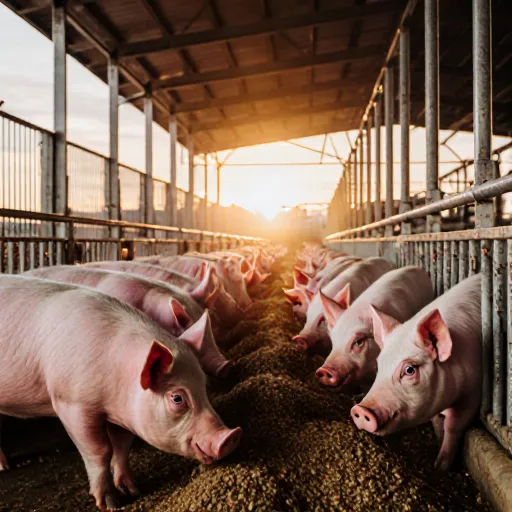
Unlock Pig Farm Profitability with Smart Feeding Strategies
Introduction
Proper nutrition is essential for the health, growth, and productivity of pigs. Whether you're raising pigs for meat production or breeding, providing them with the right type of feed can make a significant difference in their overall well-being and performance. In this guide, we’ll explore the different types of pig feed, the essential nutrients pigs need, and how to formulate an effective feeding strategy.
Understanding the basics of pig feed will help you make informed decisions when it comes to selecting and managing your pigs' diet. Proper feed management not only ensures healthier pigs but also contributes to better feed conversion ratios and more profitable farming.
Types of Pig Feed
There are several different types of pig feed that you can provide depending on the age, breed, and purpose of your pigs. The feed you choose should be tailored to meet the specific nutritional requirements at various stages of growth, from piglets to mature pigs. Below, we will cover the most common types of pig feed:
1. Starter Feed
Starter feed is specifically formulated for piglets in the early stages of life, typically from weaning until around 10 weeks of age. It is rich in protein, vitamins, and minerals to support rapid growth and development. The feed is finely ground to ensure easy digestion and absorption of nutrients.
2. Grower Feed
Grower feed is designed for pigs that are transitioning from the starter phase to the finishing phase. This feed has a balanced composition of protein, carbohydrates, fats, and fiber to support steady growth while preventing excess fat accumulation. The goal is to prepare the pigs for market weight.
3. Finisher Feed
Finisher feed is formulated for pigs that are near market weight and are ready to be slaughtered. It is lower in protein but higher in energy, allowing the pigs to put on muscle mass and increase fat deposition. This type of feed ensures that the pigs reach optimal market weight efficiently.
4. Breeder Feed
Breeder feed is designed for sows and boars that are involved in breeding. This feed is rich in nutrients to support reproductive health, fertility, and the health of piglets during gestation and lactation. The nutrient composition includes higher levels of calcium, phosphorus, and other vital minerals.
5. Sow Feed
Sow feed is formulated for pregnant and lactating sows. It contains higher levels of protein, fat, and energy to meet the increased nutritional needs of the sow during pregnancy and after farrowing. The goal is to maintain the sow’s health and ensure healthy piglets.
6. Specialty Feeds
In addition to the standard feeds mentioned above, there are also specialty feeds available for pigs with specific needs, such as organic feeds or medicated feeds. These can be used to address specific health issues or to meet organic farming standards.

Essential Nutrients for Pigs
Pigs, like all animals, require a variety of nutrients for optimal health and growth. The primary nutrients pigs need include protein, energy, vitamins, and minerals. Let's take a closer look at each category:
1. Protein
Protein is essential for growth, muscle development, and tissue repair. It is an important component of pig feed, especially during the early stages of life when the pigs are growing rapidly. High-quality protein sources for pigs include soybean meal, fish meal, and canola meal.
2. Energy
Pigs require energy for maintenance, growth, and reproduction. The energy in pig feed comes from carbohydrates (like corn), fats, and oils. The energy content in the feed needs to be balanced to avoid overfeeding or underfeeding.
3. Fiber
Fiber is important for maintaining proper digestion and gut health in pigs. It helps prevent digestive disorders like constipation and diarrhea. Good sources of fiber for pigs include alfalfa, silage, and some by-products like wheat bran.
4. Vitamins
Vitamins are essential for maintaining the health and well-being of pigs. They help regulate metabolic processes and promote growth and development. The key vitamins that pigs need include Vitamin A, D, E, and B-complex vitamins.
5. Minerals
Minerals like calcium, phosphorus, sodium, and potassium are vital for maintaining healthy bones, muscle function, and electrolyte balance in pigs. Calcium and phosphorus are especially important for growing pigs and pregnant sows.

Formulating Pig Feed
Formulating pig feed involves balancing the ingredients to provide all the necessary nutrients pigs require at each stage of their growth. The process involves selecting the right raw materials and ensuring the correct proportions of protein, energy, fiber, vitamins, and minerals.
1. Understanding Pig Requirements
The first step in formulating pig feed is understanding the specific nutritional requirements of pigs at various stages of life. For example, piglets need higher protein levels, while finishing pigs require more energy and fat. Sows, on the other hand, need feeds that support reproductive health.
2. Selecting the Right Ingredients
Once you know the nutritional needs, the next step is selecting appropriate ingredients. Common ingredients in pig feed include grains (corn, wheat), protein meals (soybean, fish), and fiber sources (alfalfa, silage). Each ingredient must be chosen based on its nutrient content and how it fits into the overall formula.
3. Mixing and Processing
After selecting the right ingredients, they must be mixed to ensure uniform distribution of nutrients. In some cases, ingredients are processed through methods such as grinding, pelleting, or extrusion to improve digestibility and palatability.
4. Quality Control
Quality control is an essential part of formulating pig feed. Regular testing of the feed for nutrient content, safety, and quality is necessary to ensure the pigs receive the best possible diet.

Feeding Strategies for Pigs
Effective feeding strategies are essential for optimizing pig growth and health. Here are some key strategies that can help improve pig farming outcomes:
1. Provide a Balanced Diet
It is essential to provide a balanced diet that meets all of a pig’s nutritional needs. A balanced diet promotes healthy growth, reproduction, and disease resistance. Always ensure that the feed includes the right proportions of protein, energy, fiber, vitamins, and minerals.
2. Feed at the Right Time
Timing is crucial when feeding pigs. Feed should be provided at regular intervals to avoid periods of hunger or overfeeding. Piglets, for example, should be fed multiple times per day, while adult pigs can be fed twice a day.
3. Monitor Feed Intake
Regularly monitor how much feed your pigs are consuming. Ensuring that they are eating enough is crucial for optimal growth and health. If feed intake is lower than expected, check for possible issues such as poor feed quality or health problems.
4. Use Automatic Feeders
Automatic feeders can help ensure that pigs receive their feed at the right time and in the right amounts. These systems can be programmed to dispense feed based on the pigs' needs, improving efficiency and reducing labor.

Common Pig Feeding Mistakes
Even experienced pig farmers can make mistakes when feeding their pigs. Below are some common feeding mistakes to avoid:
1. Overfeeding
Overfeeding pigs can lead to obesity, which can affect their health and performance. It’s essential to provide the right amount of feed based on their growth stage and activity level.
2. Underfeeding
Underfeeding pigs can result in poor growth and lower feed conversion rates. Make sure your pigs receive enough feed to meet their nutritional needs at each stage of life.
3. Poor Feed Quality
Feeding pigs low-quality feed can lead to nutrient deficiencies and health problems. Always ensure that the feed is fresh and of high quality to meet the pigs' nutritional requirements.
Pig Feed and Health
The quality of pig feed plays a direct role in the health of pigs. Proper nutrition helps strengthen their immune system, reduce the risk of diseases, and improve overall productivity.
1. Strong Immune System
A well-balanced diet can help improve a pig's immune system. Nutrients such as vitamin E, selenium, and zinc support immune function and help prevent infections.
2. Disease Resistance
Pigs that are properly fed and nourished are more likely to resist diseases. Nutrient deficiencies can weaken the immune system and make pigs more susceptible to illnesses.
3. Better Growth and Reproduction
Proper feed supports healthy growth and reproduction. Sows that receive balanced nutrition will have higher fertility rates and produce healthier piglets.
FAQs
What is the best feed for piglets?
Starter feed that is rich in protein, vitamins, and minerals is ideal for piglets. It supports their rapid growth and development.
Can pigs eat human food?
While pigs can consume some human food, it is important to ensure that the food is safe and nutritionally balanced for pigs.
How often should pigs be fed?
Feeding frequency depends on the age and size of the pigs. Piglets should be fed more frequently than adult pigs. Generally, pigs are fed 2-3 times a day.
Conclusion
Pig feed is a critical factor in ensuring the health, growth, and productivity of pigs. By understanding the different types of feed, the essential nutrients, and the importance of feeding strategies, farmers can maximize the potential of their pigs. A well-balanced diet tailored to the needs of pigs at different growth stages can result in healthier pigs, better feed conversion rates, and higher profits in pig farming.
Products
-
 Fish Meal
Price range: ₹1,999.00 through ₹2,999.00
Fish Meal
Price range: ₹1,999.00 through ₹2,999.00
-
 FATTENING BROILER FEED
Price range: ₹2,299.00 through ₹2,349.00
FATTENING BROILER FEED
Price range: ₹2,299.00 through ₹2,349.00
-
 LAYER COUNTRY FEED
Price range: ₹1,549.00 through ₹1,649.00
LAYER COUNTRY FEED
Price range: ₹1,549.00 through ₹1,649.00
-
 COUNTER BROILER FEED
Price range: ₹1,199.00 through ₹1,299.00
COUNTER BROILER FEED
Price range: ₹1,199.00 through ₹1,299.00
-
 LACTATING PIG FEED
Original price was: ₹2,299.00.₹1,740.00Current price is: ₹1,740.00.
LACTATING PIG FEED
Original price was: ₹2,299.00.₹1,740.00Current price is: ₹1,740.00.
-
 Maize
Original price was: ₹1,650.00.₹1,300.00Current price is: ₹1,300.00.
Maize
Original price was: ₹1,650.00.₹1,300.00Current price is: ₹1,300.00.
-
 GESTATION PIG FEED (Phase 1)
Original price was: ₹2,249.00.₹1,699.00Current price is: ₹1,699.00.
GESTATION PIG FEED (Phase 1)
Original price was: ₹2,249.00.₹1,699.00Current price is: ₹1,699.00.
-
 Pre Starter Broiler Feed
Price range: ₹2,399.00 through ₹2,499.00
Pre Starter Broiler Feed
Price range: ₹2,399.00 through ₹2,499.00
-
 FINISHER PIG FEED
Original price was: ₹2,299.00.₹1,749.00Current price is: ₹1,749.00.
FINISHER PIG FEED
Original price was: ₹2,299.00.₹1,749.00Current price is: ₹1,749.00.
-
 Broiler Premix
Original price was: ₹820.00.₹699.00Current price is: ₹699.00.
Broiler Premix
Original price was: ₹820.00.₹699.00Current price is: ₹699.00.