
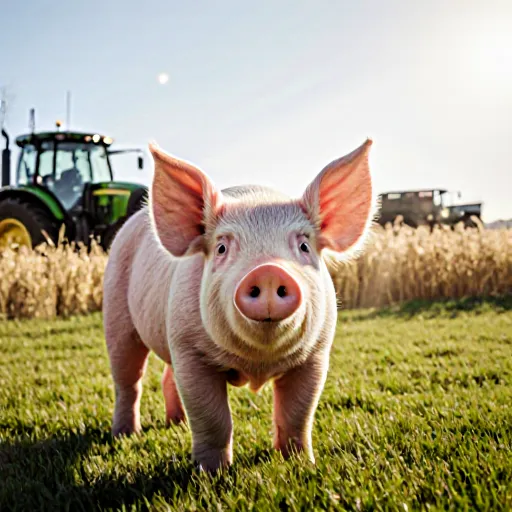
Boost your farm with pig growth secrets!
Table of Contents
- Introduction to Pig Feeding Practices
- Understanding the Digestive System of Pigs
- Role of Protein in Pigs' Diet for Weight Gain
- Importance of Fat in a Pig's Diet
- The Role of Fiber in Feeding Pigs
- Calcium and Phosphorus Requirements for Optimal Growth
- Water Consumption and Its Impact on Weight Gain
- Feed Intake and Feeding Frequency
- Role of Vitamins in Pigs' Nutrition
- Minerals and Their Impact on Weight Gain
- Impact of Environmental Factors on Feeding Practices
- Strategies for Feeding Sick or Recovering Pigs
- Feeding During Different Stages of Pig's Life
- Monitoring and Adjusting Feed Rations
- Conclusion
- FAQ
Introduction to Pig Feeding Practices
In order to achieve optimal weight gain, pigs require a balanced and nutritious diet that meets their specific nutritional needs at different stages of growth. Proper pig feeding practices are crucial in ensuring that the animals grow healthily and efficiently reach their desired market weight. Understanding these practices not only enhances productivity but also contributes to better animal welfare.
The first step in effective pig feeding is understanding the nutritional requirements of pigs at various stages of their life cycle. Pigs have distinct dietary needs from weaning through to maturity, and it is important to tailor feed accordingly. For instance, during the early growth phase, a diet rich in protein and energy is essential for muscle development. Later on, as the pig matures, there is a shift towards maintaining lean meat quality while still providing sufficient nutrients.
The feeding practices implemented directly influence how quickly pigs gain weight and their overall health. Some key practices include:
- Timely Feeding Schedules: Regular, consistent feeding times help regulate pig metabolism and promote efficient digestion.
- Proper Portion Sizes: Overfeeding can lead to obesity and health issues, while underfeeding can stunt growth. Ensuring the right amount of feed is critical for optimal weight gain.
- Quality Ingredients: The use of high-quality ingredients ensures that pigs receive all necessary nutrients. Ingredients like soybean meal, corn, and wheat are commonly used due to their nutritional value.
To implement effective feeding practices for optimal weight gain:
- Monitor Growth: Regularly measure pig growth using scales and adjust feed amounts as necessary. This helps in maintaining the desired rate of weight gain.
- Adjust Feed Formulations: Consult a veterinarian or nutritionist to ensure that feed formulations are appropriate for your specific herd. Factors such as breed, age, and health should be considered.
- Hygiene and Cleanliness: Maintain clean feeding areas to prevent the spread of diseases which can negatively affect weight gain.
Consider a scenario where a farmer is raising pigs for market. If they follow these practices, such as providing consistent feed portions and high-quality ingredients, they are likely to observe faster and more efficient growth rates compared to those who do not adhere to proper feeding protocols.
In conclusion, understanding and implementing the right pig feeding practices can significantly contribute to achieving optimal weight gain. By ensuring that pigs receive balanced diets tailored to their specific needs at different stages of their lives, farmers can enhance both productivity and animal welfare.
Understanding the Digestive System of Pigs
The digestive system of pigs plays a crucial role in their overall health and performance, especially when it comes to achieving optimal weight gain. Understanding the intricacies of this system can help you design feeding programs that meet the nutritional needs of your pigs, leading to healthier animals and better economic returns.
The digestive tract of a pig is similar to other mammals but has distinct characteristics tailored for its specific dietary requirements. It starts with the mouth where food is chewed and mixed with saliva, which contains enzymes that start breaking down carbohydrates.
- Mouth: Chewing and mixing food with saliva.
- Oesophagus: A muscular tube that transports food from the mouth to the stomach.
- Gastric System (Stomach): The stomach of a pig contains two chambers. The first chamber, known as the forestomach, produces acid and helps break down plant material, while the second chamber is primarily responsible for protein digestion.
- Duodenum: Here, food enters the small intestine where further digestion occurs with help from pancreatic enzymes and bile.
- Ileum and Cecum: The ileum absorbs nutrients while the cecum houses symbiotic bacteria that aid in breaking down cellulose.
- Large Intestine: Water absorption happens here, and some nutrients are also absorbed through this part of the digestive tract.
To ensure optimal weight gain, it's essential to provide a balanced diet that meets all the nutritional requirements of pigs. This includes proteins, fats, carbohydrates, vitamins, and minerals.
Proteins
Pigs require high-quality protein sources such as soybean meal or fishmeal. Proteins are crucial for muscle growth and repair.
Fats
Fat in the diet provides energy but should be controlled to avoid excessive weight gain, which can lead to health issues like lameness and respiratory problems.
Carbohydrates
Grains such as corn or wheat are excellent sources of carbohydrates. They provide a substantial amount of energy needed for daily activities and growth.
Frequency and Quantity
Pigs have a high metabolic rate, especially during rapid growth stages. Feeding them multiple small meals throughout the day rather than two large ones can help maintain steady energy levels.
Quality Assurance
Ensure that all feed ingredients are of good quality and free from contaminants. Poor-quality feed can lead to digestive disorders, affecting weight gain negatively.
Hydration
Adequate water intake is critical as pigs need about 10-20 gallons of water daily for optimal digestion. Dehydration can lead to reduced feed intake and poor weight gain.
Monitoring and Adjustments
Regularly monitor your pig's growth rate using scales or body condition scoring systems. If a pig is not gaining weight as expected, consider adjusting the diet by adding more energy-dense ingredients like fats or reducing fiber content slightly.
Understanding the digestive system of pigs and knowing how to feed them properly for optimal weight gain can significantly enhance their performance. By providing a balanced diet tailored to their specific nutritional needs, you not only promote better health but also improve productivity and profitability in your pig farming operation.
Role of Protein in Pigs' Diet for Weight Gain
The role of protein in pigs' diet plays a crucial part in achieving optimal weight gain. Protein is essential for muscle development, tissue repair, and overall growth. In pig farming, the quality and quantity of protein directly impact the efficiency with which feed is converted into body mass.
Proteins are composed of amino acids, some of which are essential and must be obtained through diet because pigs cannot synthesize them. The most important amino acid for weight gain in pigs is lysine. Ensuring sufficient levels of this amino acid can enhance growth rates significantly.
Feeding Strategies
To optimize protein intake, it's crucial to understand the different stages of pig development:
- Weanling Pigs: At this stage, a high-protein diet helps stimulate growth and overcome stress associated with weaning.
- Growing Pigs: Protein intake should be balanced to support rapid growth while minimizing the risk of overfeeding. High-quality protein sources like soybean meal are often used in this phase.
- Fattening Pigs: The focus shifts towards digestibility and energy efficiency rather than high-protein content. A diet that supports fat deposition without compromising lean meat quality is preferred.
Quality vs Quantity
While the amount of protein is important, it's equally critical to consider the source and quality. High-quality proteins are more digestible and provide essential amino acids that support better weight gain. For instance, soybean meal is a common choice for its balanced amino acid profile.
Practical Examples
Here’s how you can adjust protein levels in your pig's diet:
- Weaning Diet: Begin with 20-25% crude protein to support initial growth and recovery.
- Growth Phase: Gradually reduce the protein percentage (to around 18%) as pigs reach maturity, focusing on energy balance instead of protein excess.
- Fattening Diet: Maintain a moderate protein level (about 15-17%), ensuring that the diet is rich in carbohydrates to promote fat deposition.
In conclusion, understanding and managing protein intake through careful formulation of feed can greatly enhance pig weight gain. By focusing on high-quality proteins tailored to specific growth stages, farmers can achieve optimal results while minimizing wastage and environmental impact.
Importance of Fat in a Pig's Diet
The importance of fat in a pig’s diet plays a crucial role in optimizing weight gain and overall health. Fat is not merely an energy source but also contributes to the development of lean muscle, skin integrity, and a healthy reproductive system.
Fat serves as one of the primary sources of energy for pigs, especially during periods when feed intake may be limited due to heat stress or other environmental factors. It helps in maintaining consistent energy levels that are vital for optimal weight gain and growth.
Fat contributes to the development of lean muscle by providing essential fatty acids, which aid in tissue repair and recovery post-exercise or stress. This is particularly important in growing pigs where proper muscle development is critical for future performance as breeding stock.
The inclusion of fat in the diet ensures that pigs have healthy skin. Fatty acids, such as linoleic acid, are necessary for maintaining a strong and resilient skin barrier against infections and environmental stressors.
Adequate fat content in the diet supports reproductive health by providing essential nutrients that contribute to sperm quality (in boars) and embryo development. This is particularly important for sows, as it helps ensure successful lactation and subsequent litter production.
To achieve optimal weight gain in pigs using fat supplementation, consider the following:
- Type of Fat: Choose fats that are easily digestible by pigs. Common choices include corn oil or vegetable oils.
- Dosage: Start with a conservative amount and gradually increase based on pig weight and body condition score.
- Balanced Diet: Ensure the diet is balanced to avoid nutrient imbalances that can occur when fats replace other components like protein or carbohydrates.
In a study conducted by the University of Minnesota, pigs fed diets supplemented with 1% fat showed improved weight gain compared to those on a standard diet without supplemental fat. Another example is a case study from Purdue University where sows receiving an additional 0.5% fat in their diet had higher farrowing rates and healthier piglets.
The Role of Fiber in Feeding Pigs
The role of fiber in feeding pigs is often overlooked, yet it plays a crucial part in ensuring optimal weight gain and overall health. Fiber is the indigestible portion of plant-based feedstuffs that aids in digestive health, prevents gastrointestinal issues, and contributes to efficient nutrient utilization. Understanding how different types of fiber can impact pig growth is essential for formulating feeds that support rapid and healthy weight gain.
Pig feeds typically contain various forms of fiber, which include cellulose, hemicellulose, pectin, and lignin. Each type has a different effect on digestion and nutrient absorption:
- Cellulose: This is the most common form of fiber in pig feeds and is primarily found in plant cell walls. It promotes gut motility but can reduce digestibility of other nutrients.
- Hemicellulose: Found alongside cellulose, it also contributes to gut health but has a higher digestibility compared to cellulose.
- Pectin: Commonly found in fruits and vegetables, pectin is beneficial for improving the consistency of feeds. It can help reduce the risk of digestive upset.
- Lignin: This form of fiber is not digestible by pigs and serves mainly as a structural component. Excessive lignin content can negatively impact pig performance.
Fiber plays a vital role in maintaining the integrity of the digestive tract, which is critical for optimal weight gain. A balanced fiber diet helps to:
- Promote Gut Health: Fiber provides bulk to the diet, which aids in proper bowel movements and prevents constipation. This reduces stress on the pig's body, allowing it to focus more energy on growth.
- Increase Fermentation Efficiency: By promoting a healthy gut microflora, fiber helps break down complex carbohydrates into simpler forms that can be utilized by pigs for energy.
The optimal level of fiber in pig feed varies depending on the age and weight of the pig. Generally:
- Suckling Pigs: These pigs do not require significant amounts of fiber as they are still reliant on milk for their primary nutrient source.
- Growing Pigs: A moderate amount of fiber is beneficial, typically ranging from 4-8% in the diet to promote digestive health without causing nutritional deficiencies.
- Fattening Pigs: The level of fiber should be reduced to around 2-5%, as too much can interfere with nutrient absorption and energy allocation for growth.
To ensure that pigs are receiving the right amount of fiber in their diet, consider the following tips:
- Analyze Feed Composition: Regularly analyze feed samples to understand the fiber content and adjust accordingly.
- Diversify Feed Sources: Incorporating a variety of feeds can help balance fiber intake while providing essential nutrients.
- Monitor Pig Health: Watch for signs of digestive distress such as diarrhea or bloating, which may indicate an imbalance in dietary fiber.
In conclusion, fiber is a vital component in pig feeds that contributes significantly to optimal weight gain. By understanding the types and levels of fiber required at different stages of growth, farmers can ensure their pigs are receiving the best nutrition possible, leading to healthier animals and more efficient production.
Calcium and Phosphorus Requirements for Optimal Growth
For pigs to grow optimally, it is crucial to ensure they receive adequate amounts of calcium and phosphorus through their diet. These minerals play essential roles in bone development, muscle function, and overall growth efficiency.
Understanding Calcium and Phosphorus Roles
Calcium (Ca) and phosphorus (P) are two of the most important minerals needed for pig nutrition. Calcium is primarily used for structural purposes, such as bone and tooth formation, while phosphorus is involved in energy metabolism, cell function, and bone health. A balanced ratio between these two minerals is necessary to prevent deficiencies that can lead to skeletal deformities.
Calcium and Phosphorus Ratios
The calcium-to-phosphorus ratio should ideally be maintained at around 1:1 for growing pigs, which means the amount of calcium in their feed should roughly match the phosphorus content. For finishing pigs, this ratio can be slightly lower (about 2:1), as they are less reliant on these minerals for bone development and more focused on fat deposition.
Deficiencies and Excesses
Calcium Deficiency: Pigs suffering from calcium deficiency may exhibit symptoms such as weak bones, skeletal deformities, and poor growth rate. Ensuring sufficient calcium is crucial, especially during the growing phase when bones are developing rapidly.
Phosphorus Deficiency: Phosphorus deficiencies can lead to similar issues as calcium deficiencies, including bone weakness and deformation. It’s important to balance both minerals correctly in their feed.
Determining Requirements
The exact requirements for calcium and phosphorus will vary based on the age of the pig, its weight, and its stage of growth. Generally, younger pigs require higher levels of these minerals compared to older ones. For instance, lactating sows need more phosphorus due to milk production.
Practical Advice for Feeding Pigs
- Regular Monitoring: Regularly check the calcium and phosphorus levels in your pig’s feed. Use a reliable feed analysis tool to ensure accurate mineral content.
- Customized Diets: Consult with a veterinarian or nutritionist to create customized diets for different stages of growth, ensuring that each batch of pigs receives the right amount of these essential minerals.
- Supplements: If your feed does not meet the required calcium and phosphorus levels, consider adding supplements. However, be careful not to over-supplement as this can lead to health issues such as renal calculi (kidney stones).
Conclusion
In conclusion, ensuring that pigs receive the right balance of calcium and phosphorus is vital for their optimal growth and overall health. By understanding the roles these minerals play in pig nutrition and following practical advice on how to provide them, you can help your pigs reach their full potential.
Water Consumption and Its Impact on Weight Gain
In the realm of weight management, water plays a crucial role. While this is especially relevant for humans, it holds significant importance in livestock farming as well, particularly when it comes to feeding pigs for optimal weight gain.
The Importance of Water in Pig Feeding
Water is essential for all living organisms, and pigs are no exception. In pig nutrition, water consumption directly influences their growth rates and overall health. Proper hydration ensures that the pig's body functions efficiently, supporting metabolism, digestion, and nutrient absorption.
Research has shown that a slight increase in water intake can lead to improved feed efficiency and weight gain in pigs. This is because adequate hydration helps break down food into smaller components, making it easier for the digestive system to process nutrients effectively. As a result, more of the ingested energy goes towards growth rather than maintaining bodily functions.
Water Quality and Its Influence
The quality of water provided can greatly affect pig health and weight gain. Contaminated or unsuitable water can lead to digestive issues, infections, and reduced feed efficiency. This not only impacts immediate growth rates but also long-term health.
It's recommended to provide clean, fresh water at all times. The ideal temperature for drinking water should be around 60-75°F (15-24°C), as this encourages better consumption and absorption by the pig's body. Additionally, ensuring that water sources are easily accessible can encourage higher intake levels.
Water Intake Guidelines
The amount of water a pig needs daily depends on factors such as age, weight, environmental temperature, and feed type. Generally speaking:
- Piglets: Typically consume around 1-2 liters per day.
- Sow during lactation: Can drink up to 40 liters per day.
- Growing Pigs: Require about 3-5 liters daily, depending on their size and feed quality.
The Role of Water in Weight Gain
When pigs are fed a balanced diet with sufficient water content, they tend to gain weight more efficiently. This is because proper hydration supports the body's ability to metabolize fat and convert it into muscle mass.
A study conducted on growing pigs found that those provided with extra water had higher feed efficiency rates compared to those in control groups. The increased consumption of water led to better nutrient absorption, resulting in faster weight gain without increasing feed costs significantly.
Practical Tips for Improving Water Intake
- Regular Cleaning: Ensure that all drinking stations are cleaned regularly to prevent bacterial growth.
- Monitor Temperatures: Adjust water temperature according to the season and keep it within recommended ranges for optimal consumption.
- Use Automated Systems: Consider installing automated watering systems which can help maintain consistent access to clean water throughout the day.
Conclusion
In summary, understanding and managing water consumption is vital for achieving optimal weight gain in pigs. By ensuring proper hydration through quality, temperature-controlled, and accessible water sources, farmers can significantly enhance pig health and productivity. This approach not only leads to better weight gains but also supports sustainable farming practices.
Feed Intake and Feeding Frequency
In order to achieve optimal weight gain, it is crucial to manage the feed intake and feeding frequency of pigs carefully. Proper management ensures that pigs receive the necessary nutrients for growth while avoiding overfeeding or underfeeding, which can lead to suboptimal health and performance.
Understanding Feed Intake
The amount of feed a pig consumes is directly related to its weight gain. However, it's important not only to provide enough food but also to ensure that the quality of the feed is high. High-quality feed should contain balanced levels of protein, energy, vitamins, and minerals necessary for growth.
Factors Influencing Feed Intake
- Growth Stage: Piglets have different nutritional needs compared to growing pigs and finishing pigs. The diet should be adjusted accordingly as the pig matures.
- Health Status: Sick or stressed pigs may reduce feed intake, leading to slower weight gain. Ensuring good health through vaccination, clean environments, and proper care is essential.
- Environmental Conditions: Temperature, humidity, ventilation, and light cycles can affect appetite. Ideal conditions should be maintained for optimal feed intake.
Feeding Frequency
The frequency at which pigs are fed plays a significant role in their overall health and growth rate. Overfeeding during infrequent meals can lead to digestive issues, while frequent small meals can help maintain consistent energy levels and improve digestion.
Recommended Feeding Frequencies
- Piglets: Piglets should be fed multiple small meals daily (typically 8-12 times) to encourage proper growth and development. This frequency helps stimulate their digestive system early.
- Growing Pigs: Growing pigs are often fed two or three larger meals per day, spaced out over the course of the day to allow for better utilization of nutrients.
- Finishing Pigs: Finishing pigs may be fed one large meal in the morning and another late afternoon. This helps them gain weight efficiently without overeating at any single sitting.
PRACTICAL ADVICE
To optimize feed intake and feeding frequency, consider implementing these practical tips:
- Monitor Intake Regularly: Use scales to monitor the weight of each pig daily or every few days. This helps ensure that all pigs are eating appropriately.
- Frequent Feeding for Young Pigs: For younger pigs, providing more frequent meals can help stimulate their appetite and promote better growth.
- Adjust According to Needs: Pay close attention to how pigs respond to changes in feeding frequency and adjust as necessary. If you notice weight loss or gain that is not expected, it might be time to make adjustments.
- Hygiene Practices: Maintain clean feeders and waterers at all times to prevent illness and ensure healthy eating habits.
EXAMPLES
Here are some real-world examples of how adjusting feed intake and feeding frequency has impacted pig performance:
- Case Study 1: A farm increased the number of meals per day for their younger pigs, resulting in a healthier appetite. Over time, this led to improved weight gain without any issues related to digestion.
- Case Study 2: Another farm adjusted the feeding times based on the weather conditions, ensuring that pigs were fed more frequently during hot days when they might not have as much desire to eat at one sitting. This resulted in consistent growth rates throughout the year.
In conclusion, managing feed intake and feeding frequency is a critical aspect of pig care aimed at achieving optimal weight gain. By understanding the factors that influence these aspects and implementing practical advice based on real-world examples, you can help ensure your pigs reach their full potential in terms of growth and health.
Role of Vitamins in Pigs' Nutrition
Vitamins play a crucial role in the overall health and performance of pigs, particularly when it comes to achieving optimal weight gain. Proper vitamin supplementation is essential as they act as cofactors in various metabolic processes that affect growth rates, feed efficiency, and overall productivity.
Essential Vitamins for Pigs
The following vitamins are vital for pigs' nutrition:
- Vitamin A (Retinol): Vitamin A is essential for vision, immune function, and cell growth. Deficiency can lead to poor weight gain and susceptibility to diseases. Beta-carotene, which is converted into vitamin A in the pig's body, can be found in green feed like hay and grass.
- Vitamin D3: Vitamin D plays a key role in calcium and phosphorus metabolism, which are crucial for bone development and mineralization. It also supports immune function. Lack of vitamin D can result in rickets-like symptoms and reduced weight gain.
- Vitamin E (Tocopherol): This is an antioxidant that helps protect cells from damage by free radicals. Vitamin E enhances the immune system, promotes reproductive health, and supports muscle growth. Deficiencies can lead to oxidative stress and poor weight gain.
- B-Vitamins: B-complex vitamins are involved in energy metabolism, DNA synthesis, and neurotransmitter production. They ensure that pigs utilize their feed efficiently for growth. Vitamin B12 is especially important for red blood cell formation and neurological function.
Practical Tips for Providing Vitamins
To optimize weight gain in pigs through proper vitamin supplementation, consider the following tips:
- Diversify the Diet: Ensure that your pig's diet includes a variety of feed types such as grains, vegetables, fruits, and proteins. This helps to provide a broad spectrum of vitamins naturally.
- Use Fortified Feed: If natural sources are insufficient or unavailable, consider using commercially fortified feeds designed for pigs. These products often contain the necessary vitamins in appropriate amounts.
- Monitor Vitamin Levels: Regularly test your pig's feed and water to ensure that vitamin levels meet nutritional requirements. This can help prevent deficiencies and ensure optimal weight gain.
Examples of Vitamin-Rich Feed Ingredients
Here are some examples of feed ingredients rich in specific vitamins:
| Vitamin | Rich Source |
|---|---|
| Vitamin A (Retinol) | Carrots, liver, sweet potatoes. |
| Vitamin D3 | Fish oils, egg yolks, and fatty fish like salmon. |
| Vitamin E (Tocopherol) | Vegetable oils, wheat germ, and whole grains. |
| B-Vitamins | Whole grain corn, oats, and brewers yeast. |
Conclusion
In conclusion, vitamins are indispensable for pigs' overall health and weight gain. By understanding the role of each vitamin and providing a balanced diet rich in these nutrients, pig farmers can ensure their animals grow to their full potential efficiently.
Minerals and Their Impact on Weight Gain
The role of minerals in animal nutrition, particularly pigs, is crucial for achieving optimal weight gain. Minerals are essential components that support various physiological functions, including bone development, enzyme activation, hormone regulation, and water balance. In the context of feeding pigs for optimal weight gain, a well-balanced mineral supplementation regime can make significant differences.
Calcium
Calcium is one of the most critical minerals affecting pig growth and health. It plays a vital role in bone formation, muscle contraction, and nerve function. Ensuring adequate calcium intake is essential to prevent rickets or weak bones which can impede proper weight gain.
- Recommended Levels: Typically 0.8-1% of the diet for growing pigs.
- Deficiency Symptoms: Poor bone density, muscle weakness, and reduced growth rates.
Potassium
Potassium is involved in maintaining proper cell function and fluid balance. It helps regulate blood pressure and supports overall health, which can indirectly contribute to efficient weight gain.
- Recommended Levels: 1-2% of the diet for optimal performance.
- Deficiency Symptoms: Muscle weakness, irregular heartbeats, and poor feed efficiency.
Sodium
Necessary for maintaining electrolyte balance in pigs. Sodium helps regulate body fluids and supports digestive health.
- Recommended Levels: 0.2-0.4% of the diet to prevent deficiencies.
- Deficiency Symptoms: Electrolyte imbalances, reduced feed intake, and poor growth rates.
Phosphorus
Phosphorus is essential for bone development and the production of ATP (adenosine triphosphate), which provides energy. Proper phosphorus levels are crucial to support the rapid growth phase in pigs.
- Recommended Levels: 0.4-0.6% of the diet is generally recommended for growing pigs.
- Deficiency Symptoms: Poor bone density, reduced feed efficiency, and stunted growth.
Zinc
Zinc supports immune function, wound healing, and protein synthesis. It is also involved in carbohydrate metabolism, which can influence weight gain by affecting energy utilization.
- Recommended Levels: 15-20 ppm in the diet for optimal pig health.
- Deficiency Symptoms: Poor skin and coat quality, reduced feed efficiency, and increased susceptibility to infections.
Magnesium
Magnesium is essential for muscle contraction, nerve function, and energy metabolism. It also plays a role in bone health and supports the production of ATP.
- Recommended Levels: 0.15-0.2% of the diet.
- Deficiency Symptoms: Muscle spasms, weak bones, and irregular heartbeats.
Iodine
Iodine is crucial for thyroid function, which regulates metabolism. Proper iodine levels are necessary to ensure that pigs maintain a healthy metabolism rate, supporting efficient weight gain.
- Recommended Levels: 2-4 ppm in the diet.
- Deficiency Symptoms: Goiter (enlarged thyroid), reduced feed efficiency, and stunted growth.
In conclusion, a comprehensive understanding of mineral requirements for pigs is essential to optimize their weight gain. By ensuring that these minerals are supplied in appropriate amounts through the diet, pig farmers can enhance performance and health, leading to more efficient production practices.
Impact of Environmental Factors on Feeding Practices
The impact of environmental factors on feeding practices, particularly for pigs aimed at optimal weight gain, cannot be overstated. Environmental conditions such as temperature, humidity, ventilation, and noise can significantly influence a pig's eating habits and overall health, directly affecting its growth rate and efficiency in converting feed into lean meat. Understanding these interactions is crucial for optimizing pig farming practices.
A stable environment is essential for pigs to maintain their appetite and efficient digestion. Pigs are sensitive to both heat and cold stress, which can lead to reduced feed intake or increased energy expenditure in maintaining body temperature. For optimal weight gain, it's important to provide a thermoneutral zone where the pig feels neither too hot nor too cold.
- Temperature: Pigs are most comfortable at temperatures between 65°F (18°C) and 75°F (24°C). Higher or lower temperatures can suppress appetite, leading to slower weight gain.
- Humidity: Ideal humidity levels should be around 50-60%. High humidity can increase heat stress in warm conditions, while low humidity can cause the air to dry out quickly, affecting feed quality and palatability.
Adequate ventilation is key for maintaining a clean environment. Poor ventilation leads to poor air quality, which can adversely affect pig health and eating habits. Fresh air helps control odors, reduce disease spread, and minimize stress levels in pigs.
- Air Quality: Ensure that the barn is well-ventilated but not drafty. Use fans and filters to maintain a clean environment.
- Humidity Control: Ventilation also helps control humidity levels, which are critical for maintaining comfortable conditions.
The level of noise in the pig barn can significantly impact feeding behavior. Pigs are sensitive to sudden noises and disturbances, which may cause them to stop eating or experience stress leading to reduced weight gain. Consistent, low levels of background noise have been found to be less disruptive than sharp, sudden sounds.
- Noise: Noise from machinery, other animals, or human activity should be kept to a minimum during feeding times.
- Lighting: Proper lighting is essential for guiding pigs to their feed and water stations. Bright lights at night can disturb sleeping patterns, affecting eating habits.
In addition to environmental factors, careful management of nutritional intake plays a vital role in achieving optimal weight gain in pigs. Feeding practices should be tailored to the specific needs of different age groups and stages of growth.
- Feeding Frequency: Younger pigs require more frequent feeding compared to older ones, ensuring they receive enough nutrients for rapid growth.
- Feed Quality: High-quality feed that is palatable to the pigs encourages better consumption rates and efficiency in weight gain.
The social structure of pig groups can also influence feeding behavior. Pigs are herd animals, and their eating habits are affected by pecking order within the group. Ensuring that all pigs have access to feed is important for maintaining overall health and growth rates.
- Group Size: Optimal group size should be balanced between social interaction benefits and minimizing competition for food.
- Space Allocation: Ensure each pig has enough space to eat without feeling crowded or stressed by the presence of other pigs.
In summary, maintaining an optimal environment is crucial for feeding practices aimed at achieving optimal weight gain in pigs. By addressing temperature, humidity, ventilation, noise, and lighting, pig farmers can create a more favorable setting that promotes better eating habits and overall health. Proper nutritional management and understanding of pig behavior are also key components in this holistic approach.
Strategies for Feeding Sick or Recovering Pigs
When pigs are sick or recovering from an illness, their feeding routine should be carefully managed to ensure they receive adequate nutrition without overburdening their digestive systems. The key is to provide a diet that is easily digestible and rich in nutrients but not too heavy or complex for their current health status. Here are some strategies to help you feed sick or recovering pigs effectively:
1. Adjust Feeding Frequency
The first step is to adjust the feeding frequency according to the pig's energy levels and digestive capacity. Start by reducing the amount of food given at each meal but increasing the number of meals throughout the day. For example, instead of giving one large meal in the morning and another in the evening, you might feed three smaller meals evenly spaced throughout the day. This approach helps reduce stress on the digestive system and ensures that the pig receives consistent nutrient intake.
2. Choose Digestible Ingredients
During recovery or illness, it's important to choose ingredients that are easily digestible. Opt for high-quality protein sources like soybean meal or fishmeal, as well as carbohydrates such as corn and oats. Avoid feeding raw vegetables or complex fiber-rich foods that can be difficult to digest. You might also consider using probiotics or prebiotics in the diet to promote gut health.
3. Increase Caloric Density
To help sick pigs gain weight, it's important to increase the caloric density of their feed without making it overly complex. This can be achieved by adding fat sources like vegetable oil or poultry fat to the diet. These fats provide a concentrated source of energy that is easy for the pig to absorb even when appetite is low.
4. Monitor Water Intake
Water is just as important, if not more so, than food during recovery periods. Dehydration can exacerbate health issues and hinder recovery. Ensure that fresh water is always available but avoid giving overly watery foods like soups or broths, which might dilute the pig's nutrient intake.
5. Gradually Transition Back to Regular Diet
Once your sick or recovering pig has started showing signs of improvement, you can gradually transition them back to their regular diet. Start by incorporating small amounts of their usual feed into each meal and slowly increase the proportion over a few days. This helps reintroduce more complex ingredients while minimizing stress on the digestive system.
6. Seek Veterinary Advice
In cases where illness is severe or prolonged, it's essential to consult with a veterinarian. They can provide specific advice tailored to your pig’s condition and may recommend additional supplements or medications that will aid in recovery.
Practical Example: Feeding Plan for a Recovering Pig
Suppose you have a pig recovering from a respiratory infection. Your feeding plan might look something like this:
- Meal 1 (Morning): 20% protein concentrate mixed with 80% digestible carbohydrate feed, supplemented with 1 tablespoon of vegetable oil for extra calories.
- Meal 2 (Mid-Morning): A small portion of a probiotic-enriched feed to promote gut health.
- Meal 3 (Late Morning): Another 20% protein concentrate with digestive enzymes added for easier digestion.
- Meal 4 (Lunch): A slightly larger portion of the same digestible feed as in the morning meals, gradually increasing over a few days.
- Meal 5 (Early Evening): Another small probiotic-enriched meal to support ongoing gut health.
- Meal 6 (Late Evening): The same as Lunch but with a slightly higher proportion of the regular diet ingredients, ensuring that they are reintroduced slowly.
By following these strategies and adjusting your feeding routine based on the pig's progress, you can help ensure optimal weight gain during recovery periods. Remember, the goal is to provide consistent, nutrient-rich feed while minimizing stress on their digestive system.
Feeding During Different Stages of Pig's Life
Feeding pigs during different stages of their life is crucial for ensuring optimal weight gain and overall health. Proper nutrition not only contributes to faster growth but also improves meat quality and reduces the risk of disease. Here's a detailed guide on feeding pigs at various stages:
During the first few weeks, piglets are solely dependent on their mother’s milk for nutrition. It is essential to ensure that the sow has access to adequate feed to produce quality colostrum and milk. Colostrum should be provided in the first 18 hours of life as it contains antibodies crucial for the piglet's immune system development. After this period, lactation feeding becomes important.
Piglets can start on creep feed around three weeks old if available and properly formulated to meet their growing needs. This feed should contain easily digestible proteins and nutrients essential for early growth. Avoid overfeeding as it may lead to digestive issues and waste of resources.
At weaning, piglets transition from a milk-based diet to solid foods. During this phase, the focus shifts towards providing balanced nutrition that supports rapid growth but also prevents any stress caused by dietary changes. A typical feed for weanlings includes high-quality proteins like soybean meal or wheat bran alongside minerals and vitamins.
Proper hydration is equally important; clean water should always be available in separate containers from the feed to prevent contamination. Monitor weight gain closely during this period to adjust feeding amounts as necessary based on individual piglet performance.
As pigs grow, their nutritional requirements change. This stage requires more calories and protein-rich feeds to support muscle development and bone density formation. Corn is often used as a primary energy source at this time since it contains easily digestible carbohydrates.
The feed should be gradually introduced by mixing it with the piglet's current diet over several days until complete replacement occurs. Ensure that water remains readily available and that the environment is comfortable to minimize stress levels, which could affect appetite negatively.
During fattening, the goal becomes increasing lean meat production while minimizing fat accumulation. Lower-energy feeds such as barley or oats can be used here to prevent excessive body fat formation. Protein levels should remain high enough to maintain muscle mass but not so much that they impede weight gain.
It’s important to monitor feed intake carefully during this phase since underfeeding can result in poor weight gains while overfeeding leads to increased costs and health risks due to obesity-related conditions like lameness or respiratory problems. Regular weighing helps track progress effectively.
- Gradual Transition: Introduce new foods gradually to allow pigs’ digestive systems time adjust without causing upset stomachs.
- Hydration: Always ensure fresh, clean water is available.
- Variety: Offer different types of feed options periodically to maintain interest and encourage balanced eating habits.
- Consistency: Keep feeding schedules consistent daily for routine and comfort.
In conclusion, understanding the nutritional needs at each stage of a pig's life cycle is key to achieving optimal weight gain. By providing appropriate diets tailored to specific ages and growth rates, farmers can help their livestock reach market weights efficiently while maintaining good health standards.
Monitoring and Adjusting Feed Rations
Maintaining proper feed rations is crucial for optimizing pig weight gain. Monitoring feed intake and adjusting rations as necessary ensures that pigs receive the right amount of nutrients to support healthy growth and development.
Understanding Growth Stages
Pigs go through distinct growth stages, each requiring different amounts of energy and protein. Understanding these stages helps in tailoring feed rations appropriately:
- Weaning to Growers (2-6 weeks): Focus on high-quality milk replacer or creep feed that provides essential nutrients for early growth.
- Grow-Finish (6 weeks to market weight): Transition to grower feed with higher energy and protein levels as pigs transition from being primarily lean to having more muscle mass.
Regular Monitoring of Feed Intake
Monitoring daily feed intake is essential for ensuring that pigs are consuming the appropriate amount. This can be done through:
- Weighing Feeders Regularly: Use a scale to check how much feed is dispensed or consumed over time.
- Visual Inspection: Observe feed levels in feeders and adjust based on the amount of feed left at feeding times.
Adjusting Feed Rations
If you notice that pigs are not gaining weight as expected, it may be necessary to adjust their rations:
- Increase Protein Content: For younger pigs, increasing the protein content in the feed can help boost muscle mass and growth.
- Adjust Energy Levels: If pigs are growing too quickly or gaining weight too slowly, you may need to adjust energy levels. This could mean adding more carbohydrates to slow down growth or reducing them to speed it up.
Practical Tips for Effective Monitoring and Adjustment
To ensure the best results when monitoring and adjusting feed rations, consider these practical tips:
- Record Feed Intake: Keep detailed records of how much feed is dispensed or consumed. This data can be invaluable for making informed adjustments.
- Consult a Veterinarian: If you notice any unusual behavior or poor weight gain, consult with your veterinarian to rule out health issues that may require medication or dietary changes.
- Adjust Gradually: Make small, gradual adjustments rather than large changes at once. This helps avoid disrupting pig digestion and growth patterns.
Conclusion
Proper monitoring and adjustment of feed rations are key factors in achieving optimal weight gain for pigs. By understanding growth stages, regularly monitoring feed intake, and making adjustments as needed, farmers can ensure that their pigs receive the right nutrients to grow healthy and strong.
Conclusion
Feeding pigs for optimal weight gain is a critical aspect of pig farming, and it requires careful planning and execution. Proper nutrition plays a pivotal role in ensuring that your pigs achieve their full genetic potential and grow efficiently. The key to achieving this lies in understanding the nutritional needs of different life stages of pigs and providing feeds that meet these requirements.
Understanding Nutritional Needs
The dietary requirements of pigs vary significantly depending on their age, weight, and purpose (meat or breeding). For optimal growth, it is essential to provide a balanced diet rich in proteins, fats, carbohydrates, vitamins, and minerals. The protein content should be especially high during the growing phase, as protein is crucial for muscle development.
Feeding Strategies
There are several feeding strategies that can help achieve optimal weight gain:
- Grain-based Diets: Corn and soybean meal form the backbone of most pig diets due to their high protein and energy content. However, these should be balanced with other ingredients like hay or grass for roughage.
- Supplements: Supplements such as vitamins, minerals, and probiotics can enhance digestive health and improve overall performance.
- Stage-Specific Feeds: Use feeds specifically formulated for different stages of pig growth—such as starter feed, grower feed, and finisher feed. This ensures that pigs receive the nutrients they need at each phase of their development.
Practical Tips
To ensure your pigs are getting the most out of their feeds:
- Monitor Feed Intake: Regularly check how much feed each pig is consuming. Uneven consumption patterns can indicate health issues or dietary imbalances.
- Avoid Waste: Minimize feed waste by ensuring that feeders are appropriate for the size of pigs and that feeding schedules allow enough time for all pigs to eat without competition.
- Hydration: Always provide clean, fresh water. Dehydration can lead to reduced feed intake and poor weight gain.
Case Studies
To illustrate the impact of proper nutrition on pig growth, consider the following example. A farmer who switched from a generic commercial feed to a specialized grower feed saw an increase in average daily gain by 15% and reduced the time required for pigs to reach market weight by two weeks.
Conclusion
In summary, feeding pigs for optimal weight gain involves more than just providing food. It requires a comprehensive approach that takes into account the nutritional needs of different life stages, careful monitoring of feed intake and water consumption, and the use of quality feeds tailored to specific growth phases. By implementing these strategies, farmers can ensure their pigs grow efficiently and reach marketable weights in a healthy manner.
FAQ
What types of feed should I use to ensure my pigs gain weight optimally?
To achieve optimal weight gain in pigs, it is essential to provide a balanced diet that meets their specific nutritional needs. Typically, this involves using high-quality commercial pig feeds formulated for different stages of growth. For weanling pigs (young pigs), starter feeds are recommended as they contain essential nutrients and proteins needed for rapid growth. Growing pigs benefit from grower feeds which are designed to support muscle development and weight gain. Finishing pigs should be fed finisher diets that promote lean meat production and efficient feed conversion.
Additionally, incorporating supplementary feeding with local resources such as grains like corn or sorghum can complement commercial feeds if done correctly. However, always consult a veterinarian or animal nutritionist to tailor your pig’s diet according to their age and growth stage.
How much feed should I give my pigs each day?
The amount of feed needed per day varies based on the size, breed, and age of your pig. Generally, smaller breeds like mini-pigs require less feed than larger breeds such as Hampshire or Yorkshires. Always refer to the feeding guidelines provided by the manufacturer of the commercial feed you are using.
As a rule of thumb, for growing pigs, aim for 2% of their body weight in dry matter per day until they reach around 150 kg (330 lbs). Once they start finishing, this should drop to about 1.6%. It's crucial not to overfeed or underfeed as both can negatively impact growth and health.
To prevent waste and ensure proper digestion, provide feed in measured portions rather than leaving unlimited access to feeders. Monitoring your pigs' behavior towards food and adjusting portion sizes accordingly will help maintain their optimal weight gain.
What role does water play in pig nutrition?
Water is just as important as the feed itself when it comes to maintaining healthy pigs. Pigs need constant access to clean, fresh water to stay hydrated and support proper digestion. Without adequate hydration, even a balanced diet can lead to health issues.
In hot weather or during times of stress like transporting new litters, piglets may consume more water than feed. Ensuring that there is always plenty of clean water available will help prevent dehydration and improve overall performance.
Water quality is also significant; contaminated water can lead to illness in pigs just as it does for humans. Regularly check your watering systems and replace any damaged parts promptly to maintain hygiene standards.
Should I supplement my pig's diet with vitamins or minerals?
In most cases, commercial pig feeds are formulated to contain all the necessary vitamins and minerals that growing pigs need. However, there may be specific times when supplementation becomes beneficial—such as during pregnancy, lactation, or for newly weaned piglets.
For instance, choline is crucial for brain development in piglets but isn't always sufficient in standard starter diets. Similarly, adding oregano extract can improve feed intake and reduce the risk of digestive disorders among growing pigs.
Always seek professional advice before introducing any supplements into your pig's diet to ensure they are appropriate and safe for your specific situation. Over-supplementation could lead to health problems too.
How do I know if my pigs are getting enough nutrients?
Monitoring your pigs' behavior, appearance, and overall performance can give you clues about whether their nutritional needs are being met. Healthy pigs should have shiny coats, clear eyes, good muscle tone, and normal appetites.
If you notice any signs of deficiency such as poor coat condition, lethargy, or reduced growth rates despite adequate feed intake, it might indicate that certain nutrients are lacking in their diet. Consulting with a veterinarian can help identify potential deficiencies early so adjustments to the feeding regimen can be made promptly.
Regular veterinary check-ups and routine health assessments are also advisable to catch any nutritional issues before they become more serious problems.
Categories
- AI & Enrichment Play
- Broiler Farming
- Broiler Farming Tips
- Canine Wellness & Longevity
- Cat
- Cat & Human Connection
- Cat Adoption & Rescue
- Cat Breeds
- Cat Breeds & Personalities
- Cat Care & Health
- Cat Grooming & Hygiene
- Cat Lifestyle & Environment
- Cat Myths & History
- Cat Nutrition & Diet
- Cat Products & Reviews
- Cat Training & Behavior
- Comparison
- Consumer Awareness
- Dog
- Dog Accessories & Products
- Dog Adoption & Rescue
- Dog Breed & Lifestyle Trends
- Dog Breeding & Puppies
- Dog Entertainment & Media
- Dog Fashion & Trends
- Dog Fun & Lifestyle
- Dog Grooming & Hygiene
- Dog History & Culture
- Dog Myths, Science & Future Tech
- Dog News & Trends
- Dog Nutrition & Food
- Dog Psychology & Emotions
- Dog Safety & Security
- Dog Sports & Activities
- Dog Technology & Innovation
- Dog Training for Modern Owners
- Dog Travel & Adventure
- Dog Travel, Adventure & Culture
- Economic and Market Insights
- Educational Content
- FAQs
- Feeding Alternatives
- Festivals & Seasonal Ideas
- Fun & Entertainment
- General Knowledge
- General Pig Farming
- Health & Disease Management
- Housing and Environment
- Kittens
- Market Insights
- Miscellaneous
- Miscellaneous
- Motivational
- pig
- Pig Breeding
- Pig Breeds
- Pig Farming Stories and Inspiration
- Pig Health and Care
- Pig Nutrition
- Pig Products
- Profitability & Business
- Puppy Care
- Puppy Predictable Topics Reinvented
- Regional Focus
- Rescue & Adoption Buzz
- Senior Cats
- Senior Dog Care
- Smart Dog Tech & Gadgets
- Sustainability
- Sustainable & Eco-Friendly Dog Products
- Tech & Innovations
- Working & Service Dogs
- Broiler Feed66 products
- Country Feed33 products
- Pig Feed66 products
- Product22 products
- Raw Materials99 products
Products
-
 Fish Meal
₹1,999.00 – ₹2,999.00Price range: ₹1,999.00 through ₹2,999.00Rated 0 out of 5
Fish Meal
₹1,999.00 – ₹2,999.00Price range: ₹1,999.00 through ₹2,999.00Rated 0 out of 5 -
 FATTENING BROILER FEED
₹2,299.00 – ₹2,349.00Price range: ₹2,299.00 through ₹2,349.00Rated 0 out of 5
FATTENING BROILER FEED
₹2,299.00 – ₹2,349.00Price range: ₹2,299.00 through ₹2,349.00Rated 0 out of 5 -
 LAYER COUNTRY FEED
₹1,549.00 – ₹1,649.00Price range: ₹1,549.00 through ₹1,649.00Rated 0 out of 5
LAYER COUNTRY FEED
₹1,549.00 – ₹1,649.00Price range: ₹1,549.00 through ₹1,649.00Rated 0 out of 5 -
 COUNTER BROILER FEED
₹1,199.00 – ₹1,299.00Price range: ₹1,199.00 through ₹1,299.00Rated 0 out of 5
COUNTER BROILER FEED
₹1,199.00 – ₹1,299.00Price range: ₹1,199.00 through ₹1,299.00Rated 0 out of 5 -
 LACTATING PIG FEED
Rated 0 out of 5
LACTATING PIG FEED
Rated 0 out of 5₹2,299.00Original price was: ₹2,299.00.₹1,740.00Current price is: ₹1,740.00. -
 Maize
Rated 0 out of 5
Maize
Rated 0 out of 5₹1,650.00Original price was: ₹1,650.00.₹1,300.00Current price is: ₹1,300.00. -
 GESTATION PIG FEED (Phase 1)
Rated 0 out of 5
GESTATION PIG FEED (Phase 1)
Rated 0 out of 5₹2,249.00Original price was: ₹2,249.00.₹1,699.00Current price is: ₹1,699.00. -
 Pre Starter Broiler Feed
₹2,399.00 – ₹2,499.00Price range: ₹2,399.00 through ₹2,499.00Rated 0 out of 5
Pre Starter Broiler Feed
₹2,399.00 – ₹2,499.00Price range: ₹2,399.00 through ₹2,499.00Rated 0 out of 5 -
 FINISHER PIG FEED
Rated 0 out of 5
FINISHER PIG FEED
Rated 0 out of 5₹2,299.00Original price was: ₹2,299.00.₹1,749.00Current price is: ₹1,749.00. -
 Broiler Premix
Rated 0 out of 5
Broiler Premix
Rated 0 out of 5₹820.00Original price was: ₹820.00.₹699.00Current price is: ₹699.00.