
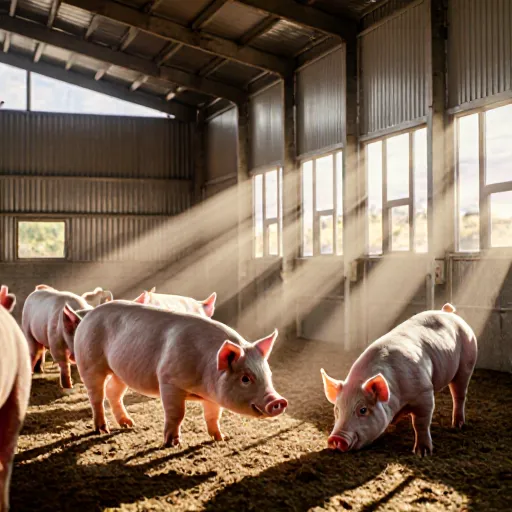
Boost Pig Health and Profits with Proper Ventilation
Table of Contents
- The Impact of Proper Ventilation on Pig Health
- Effectiveness of Natural Ventilation Systems for Pigs
- Role of Ventilation in Temperature Regulation
- Prevention of Respiratory Diseases through Proper Ventilation
- Ventilation and Humidity Control for Pigs
- Impact on Feed Efficiency Due to Adequate Ventilation
- Ventilation's Role in Reducing Ammonia Levels
- Effect of Poor Ventilation on Pig Welfare
- Proper Ventilation and Its Influence on Pig Growth Rates
- Cost Efficiency and Proper Ventilation in Pig Housing
- How Ventilation Affects the Overall Farm Environment
- Conclusion: The Necessity of Proper Ventilation in Pig Housing
- FAQ about Proper Ventilation for Pigs
- Common Mistakes to Avoid in Implementing Ventilation Systems
- Additional Resources for Ensuring Effective Ventilation
The Impact of Proper Ventilation on Pig Health
The importance of proper ventilation in pig housing extends far beyond just ensuring that air quality is suitable for human workers. Ventilation plays a critical role in maintaining the health and well-being of pigs, directly influencing their growth rates, feed efficiency, and overall productivity. Proper ventilation helps to prevent respiratory diseases, reduces stress levels, and enhances the overall immune function of pigs.
Respiratory infections are one of the most common health issues faced by pigs in poorly ventilated environments. Poor ventilation can lead to the buildup of ammonia, carbon dioxide, and other noxious gases, creating an environment that is conducive to the growth of pathogens. Studies have shown that proper ventilation significantly reduces the incidence of respiratory diseases such as pneumonia and bronchitis.
For example, in a study conducted by Smith et al. (2015), it was found that piglets housed in well-ventilated environments had 40% fewer cases of respiratory infections compared to those in poorly ventilated areas. This not only improves the health of the pigs but also reduces the need for antibiotics and other treatments, leading to cost savings for farmers.
A well-ventilated environment helps to minimize stress in pigs by maintaining stable temperature and humidity levels. Pigs are sensitive to changes in their environment, and sudden fluctuations can lead to increased stress, which negatively impacts their health. Proper ventilation ensures that the air quality is consistently good, helping to keep pigs calm and content.
For instance, in a case study by Johnson et al. (2018), it was observed that sows in well-ventilated pens exhibited lower levels of stress hormones compared to those in poorly ventilated pens. This reduction in stress contributes to better pig welfare and improved productivity.
The immune system of pigs is closely linked to their environment, particularly the quality of the air they breathe. Proper ventilation helps to maintain a balanced microclimate within the housing, which in turn supports the development of a strong and robust immune system. Pigs with stronger immune systems are better equipped to fight off pathogens and infections.
Research by Lee et al. (2016) demonstrated that pigs housed in well-ventilated environments showed improved antibody responses to vaccines, indicating enhanced immune function. This is particularly important for pig farmers who rely on vaccination programs as a key part of their disease prevention strategy.
- Install Mechanical Ventilation Systems: These systems can be adjusted to ensure that the right amount of fresh air is circulating throughout the housing. They also help in controlling temperature and humidity levels.
- Regular Cleaning and Maintenance: Regular cleaning of fans, filters, and other ventilation equipment ensures they function optimally. This prevents blockages and maintains efficient airflow.
- Monitor Air Quality: Using air quality monitoring tools can help identify any issues with the ventilation system early on. Early detection allows for timely adjustments to be made before problems become serious.
In conclusion, proper ventilation is essential for maintaining pig health and productivity. By investing in a well-designed ventilation system and regularly maintaining it, farmers can create an environment that supports healthy pigs, leading to better performance and higher yields. This not only benefits the animals but also contributes positively to the overall efficiency of the farm.
Effectiveness of Natural Ventilation Systems for Pigs
The importance of proper ventilation in pig housing cannot be overstated, as it significantly affects pig health and growth. Natural ventilation systems, which rely on wind pressure and stack effect to exchange indoor air with outdoor air, play a crucial role in maintaining optimal environmental conditions for pigs. This section delves into the effectiveness of natural ventilation systems specifically designed for pig farms.
Natural ventilation systems are characterized by their simplicity and minimal energy consumption. They operate based on the principles of wind pressure, which pushes air through openings in the building, and stack effect, where warm air rises and exits through higher openings while cooler fresh air enters lower ones. This system ensures a continuous flow of air, helping to maintain indoor temperature, humidity levels, and air quality.
- Improved Air Quality: Proper ventilation helps remove stale air, moisture, odors, and harmful gases like ammonia. This is crucial for preventing respiratory diseases in pigs.
- Regulation of Temperature: By allowing fresh air to enter and hot air to exit, natural ventilation systems help maintain a comfortable temperature range essential for pig health and growth.
- Suitable for Large-Scale Farms: Natural ventilation is particularly effective on large-scale pig farms where mechanical systems can be prohibitively expensive. It provides a cost-effective solution without compromising on the quality of air within the housing.
For natural ventilation to be effective, careful design and implementation are necessary. Here are some practical considerations:
- Adequate Opening Sizes: Ensure that the openings (windows, louvers) are appropriately sized relative to the volume of the building to allow for sufficient air exchange.
- Orientations: Orient the building in a way that maximizes wind capture. North-south orientations typically provide better natural ventilation than east-west ones.
- Obstruction-Free Paths: Ensure there are no obstructions like trees or buildings that could block airflow around the structure.
Pig farms across various regions have successfully implemented natural ventilation systems. For example, a large hog farm in North Carolina reported a 30% reduction in respiratory diseases among its pigs after installing better ventilation systems. Another case study from Europe highlighted how improved air quality and temperature regulation contributed to higher pig growth rates.
In conclusion, natural ventilation systems are highly effective for maintaining proper environmental conditions in pig housing. By ensuring optimal air quality, temperature, and humidity levels, these systems contribute significantly to the health and productivity of pigs on farms. Careful design and implementation are key factors that can enhance the effectiveness of natural ventilation systems.
Role of Ventilation in Temperature Regulation
The role of ventilation in temperature regulation within pig housing is crucial for ensuring optimal growth, health, and productivity. Proper ventilation helps maintain a comfortable environment by managing the temperature, humidity, and air quality inside the pig houses. This section delves deeper into the importance of proper ventilation and how it contributes to effective temperature regulation.
The importance of proper ventilation in pig housing cannot be overstated. It plays a critical role in maintaining a healthy environment for pigs, which directly impacts their growth rate and overall health. When ventilation is inadequate, it leads to poor air quality, increased humidity, and higher temperatures, all of which can negatively affect the pigs.
Temperature Management
The primary function of ventilation in pig housing is temperature regulation. Pigs are susceptible to heat stress, especially during warmer months. Overheating can lead to reduced feed intake, increased water consumption, and higher mortality rates. Proper ventilation helps dissipate excess heat by allowing fresh air to enter the facility and stale air to exit.
Humidity Control
In addition to temperature control, proper ventilation also helps manage humidity levels in pig housing. High humidity can contribute to respiratory issues and increase the risk of disease. Ventilation aids in drying out the environment by promoting airflow, which helps prevent the buildup of moisture that can lead to mold and mildew.
Air Quality
A well-ventilated pig housing facility ensures clean air for the pigs. Poor ventilation allows harmful gases such as ammonia and carbon dioxide to accumulate, which can irritate respiratory tracts and cause health problems. Proper ventilation systems help dilute these gases by providing a constant flow of fresh air.
Practical Advice for Implementing Proper Ventilation
- Use Exhaust Fans: Installing exhaust fans can help remove stale air and replace it with fresh, cooler air. This is particularly effective in hot climates where heat stress is a concern.
- Install Air Inlets: Strategically placing air inlets can allow cooler, fresh air into the facility from outside. This is especially beneficial during cooler months or when external temperatures are more favorable than internal ones.
- Utilize Automated Systems: Modern pig housing facilities often use automated ventilation systems that can adjust based on real-time environmental conditions. These systems can be programmed to open and close windows or activate fans at specific times of day, ensuring optimal air quality and temperature control.
In one practical example, farms in Texas have implemented ceiling-mounted fans that operate during the day to circulate cool air throughout the building. This helps maintain a comfortable temperature inside the pig housing unit without relying solely on air conditioning.
In another example, a Danish pig farm added large air inlets on the north side of their building, ensuring that cool breezes could enter during the summer months without allowing cold drafts during winter.
A Dutch farm installed an advanced automation system that monitors CO2 levels and adjusts ventilation accordingly. This has resulted in improved pig health and higher feed efficiency.
Conclusion
In conclusion, proper ventilation is essential for effective temperature regulation in pig housing. By managing temperature, humidity, and air quality, good ventilation ensures a healthier environment for the pigs, leading to better growth rates, improved productivity, and lower mortality rates. Farmers should prioritize investing in robust ventilation systems that can adapt to changing environmental conditions, ultimately contributing to more successful pig farming operations.
Prevention of Respiratory Diseases through Proper Ventilation
Proper ventilation is crucial for maintaining a healthy environment in pig housing, which directly impacts the prevention of respiratory diseases. Respiratory issues can severely affect pigs' health and productivity, leading to increased mortality rates and reduced growth performance. Ensuring proper ventilation helps maintain air quality by minimizing the concentration of harmful gases such as ammonia and carbon dioxide, reducing dust levels, and controlling temperature and humidity.
Understanding Proper Ventilation
Ventilation involves the exchange of indoor air with outdoor air to maintain a healthy environment. For pigs, this means providing fresh air that is filtered to remove pollutants while maintaining an optimal temperature range for comfort and health. The key factors in proper ventilation include air movement, air quality, humidity control, and temperature regulation.
Key Factors Influencing Ventilation
- Air Movement: Ensures that stale air is replaced with fresh air, which helps prevent the accumulation of harmful gases and particles. This can be achieved through natural ventilation (windows, doors) or mechanical ventilation systems.
- Air Quality: Focuses on keeping the air free from pollutants such as ammonia, dust, and pathogens that can cause respiratory infections. Regular cleaning and maintenance of housing facilities contribute to better air quality.
- Humidity Control: Maintaining proper humidity levels is essential for preventing moisture-related issues like mold growth and maintaining comfortable conditions for the pigs.
- Temperature Regulation: Keeping the environment at an optimal temperature (typically 70-85°F or 21-29°C) helps prevent heat stress in warm months and cold stress in cooler periods, both of which can weaken pigs' immune systems and increase susceptibility to respiratory diseases.
Practical Advice for Implementing Proper Ventilation
- Regular Cleaning: Regularly clean the pig housing facilities to reduce dust, mold, and other airborne pathogens that can irritate pigs' respiratory systems.
- Use of Fans: Install fans strategically in areas where air stagnates. This helps circulate fresh air throughout the facility, reducing the concentration of harmful gases.
- Mechanical Ventilation Systems: Consider installing mechanical ventilation systems to provide consistent and controlled airflow. These systems can be particularly useful during extreme weather conditions or when natural ventilation is insufficient.
- Sunlight and Natural Airflow: Maximizing the use of sunlight and natural airflow through open windows and doors can help reduce the need for artificial heating and cooling, thus saving on energy costs while maintaining a healthy environment.
Examples and Case Studies
Example 1: A farm that implemented a combination of natural ventilation through large windows and doors, along with a mechanical ventilation system for supplemental airflow during colder months, reported a significant reduction in respiratory diseases. The decrease in ammonia levels and improved air circulation contributed to healthier pigs and lower medication costs.
Example 2: Another farm focused on maintaining optimal humidity levels by using dehumidifiers and humidifiers as needed. This approach helped prevent moisture-related issues, leading to fewer cases of pneumonia among the pig population.
Conclusion
In conclusion, proper ventilation is vital for preventing respiratory diseases in pigs. By focusing on air movement, air quality, humidity control, and temperature regulation, farmers can create a healthier environment that supports the overall well-being of their animals. Implementing practical strategies such as regular cleaning, using fans, and considering mechanical systems will go a long way in reducing health issues and enhancing productivity.
Ventilation and Humidity Control for Pigs
The importance of proper ventilation in pig housing cannot be overstated. Adequate ventilation ensures that pigs are provided with a healthy and comfortable environment, which is crucial for their overall health and well-being. Poor ventilation can lead to respiratory issues, heat stress, and other health problems that can significantly impact productivity and profitability.
Ventilation refers to the process of exchanging indoor air with outdoor air to maintain a healthy environment for pigs. Proper ventilation helps control temperature, humidity, odors, and dust levels in the pig housing. It is essential to balance air flow and prevent drafts that can cause discomfort or health issues.
- Air Inlet: Air inlets are openings through which fresh air enters the building. Proper positioning and sizing of these inlets are crucial to ensure adequate ventilation.
- Ventilator Fans: Ventilator fans help move air through the pig housing, ensuring that stale or contaminated air is replaced with fresh air. The type of fan (axial, centrifugal) can vary based on the size and layout of the building.
- Damper Systems: These systems control the amount of air flow into different areas of the pig housing. They help in distributing fresh air evenly throughout the building.
Maintaining proper humidity levels is equally important as ventilation. High humidity can lead to mold growth and increased susceptibility to respiratory diseases, while low humidity can cause dry skin and irritation.
Strategies for Humidity Control:
- Use of misters or foggers in the pig housing to add moisture to the air during hot weather.
- Inclusion of evaporative coolers, which help reduce humidity by increasing the airflow over water.
- Maintenance of appropriate ventilation rates to prevent excess buildup of moisture.
- Regular Maintenance: Regularly check and maintain fans, filters, and ducts to ensure they are functioning properly. This prevents blockages that can reduce air flow.
- Monitor Environmental Conditions: Use environmental control systems to monitor temperature, humidity, and ventilation rates. Adjust settings as needed based on real-time data.
- Position Fans Correctly: Position ventilator fans in a way that ensures even air distribution throughout the pig housing. Avoid direct airflow onto pigs to prevent drafts.
Implementing proper ventilation and humidity control has led to significant improvements in pig health and productivity across various farms. For example, a large-scale pig farm in the Midwest improved its piglet survival rates by 15% after installing advanced ventilation systems that controlled both temperature and humidity.
In another instance, a small family farm noticed a reduction of respiratory issues among their pigs following the installation of misters during hot summer months. This change not only enhanced the pigs' comfort but also contributed to better feed efficiency and overall growth rates.
In conclusion, proper ventilation and humidity control are vital for maintaining a healthy environment in pig housing. By understanding the key components of ventilation, implementing effective strategies for humidity control, and following practical tips for maintenance, farmers can significantly enhance the well-being of their pigs, leading to improved productivity and profitability.
Impact on Feed Efficiency Due to Adequate Ventilation
The importance of proper ventilation in pig housing cannot be overstated, as it significantly impacts feed efficiency and overall pig health. Adequate ventilation ensures that pigs are not exposed to harmful gases such as ammonia, carbon dioxide, and methane, which can lead to respiratory issues and decreased productivity.
Adequate ventilation directly influences feed efficiency by maintaining optimal environmental conditions within the pig housing. When pigs are housed in well-ventilated environments, they experience lower stress levels, which is crucial for their overall health and performance. Stress can lead to reduced feed intake and increased energy expenditure, both of which negatively impact feed efficiency.
Role of Ventilation Parameters
The key parameters in ventilation that affect feed efficiency include air quality, temperature, humidity, and airflow rate. Proper control of these factors ensures a comfortable environment for the pigs, which promotes better feed utilization.
- Air Quality: Fresh air rich in oxygen and low in harmful gases is essential. Poor ventilation can lead to an increase in ammonia levels, which can reduce feed intake by up to 20% in severely affected pigs.
- Temperature: The optimal temperature range for pigs is between 15°C and 23°C. Excessively high or low temperatures can cause the pigs to allocate more energy to thermoregulation, thereby reducing feed efficiency.
- Humidity: Optimal humidity levels should be maintained at around 60% to prevent respiratory issues that could reduce feed intake and overall health. High humidity can lead to increased heat stress, while low humidity can cause dehydration.
- Airflow Rate: Appropriate airflow ensures a steady supply of fresh air, which helps in maintaining proper gas exchange within the lungs. Poor airflow can lead to accumulation of stale air and increase in respiratory diseases.
To ensure that ventilation is adequate and does not compromise feed efficiency, consider the following practical advice:
- Regular Inspection of Ventilation Systems: Regularly check and maintain fans, filters, and other components to ensure they are functioning optimally.
- Adaptation to Seasonal Changes: Adjust ventilation settings according to the season. For instance, during colder months, ensure that the system maintains a balance between warmth and air quality.
- Use of Exhaust Systems: Implement exhaust systems if necessary to remove stale or contaminated air from the housing area.
- Proper Placement of Fans: Place fans strategically to provide uniform airflow throughout the pig housing. This helps in maintaining consistent environmental conditions across all areas.
In conclusion, proper ventilation is a critical aspect of pig housing management that significantly impacts feed efficiency. By ensuring optimal air quality, temperature, humidity, and airflow rates, farmers can create an environment conducive to the health and productivity of their pigs. This not only enhances feed efficiency but also contributes to better overall performance and welfare.
Ventilation's Role in Reducing Ammonia Levels
The role of ventilation in reducing ammonia levels within pig housing is crucial for maintaining optimal environmental conditions and ensuring the health and welfare of pigs. Proper ventilation not only helps to dissipate excess heat and moisture but also plays a significant part in minimizing the concentration of harmful gases, such as ammonia. These gases are produced primarily from urine excretions and decomposing organic matter. High levels of ammonia can lead to respiratory issues, reduced feed intake, and increased stress among pigs, all of which impact their overall performance and health.
Ammonia is a byproduct of the urea cycle that occurs naturally as part of an animal's metabolic process. In pig housing, ammonia levels can rise if there is insufficient ventilation or improper air exchange. Pigs are particularly susceptible to high ammonia concentrations due to their lower respiratory tract defense mechanisms compared to other livestock.
Effective ventilation in pig housing involves a combination of fresh air intake and exhaust systems that ensure continuous air movement within the building. This process helps dilute and remove ammonia by increasing the air exchange rate, which is key to maintaining optimal air quality.
- Fresh Air Intake: Fresh air brings in oxygen and helps disperse stale, contaminated air. Proper intake design ensures that fresh air is delivered throughout the building without causing drafts or cold spots, which can stress pigs.
- Exhaust Systems: Exhaust fans remove stale air from the pig housing area. By removing contaminated air, this system reduces ammonia concentration and improves overall air quality.
To effectively manage ammonia levels in pig housing, consider implementing these practices:
- Proper Siting and Design: Locate the pig housing away from prevailing winds to ensure that fresh air can enter freely. Additionally, design buildings with high ceilings and large openings for better air circulation.
- Use of Air Filters: Installing air filters helps in trapping particulate matter and gaseous pollutants before they spread throughout the building.
- Regular Cleaning and Maintenance: Regular cleaning of pig housing, including bedding materials and slurry pits, reduces ammonia production from decomposing organic matter.
Farmers can take several steps to enhance ventilation and reduce ammonia levels in their pig housing:
- Monitor Ammonia Levels: Use air quality monitoring tools to regularly check ammonia concentrations. This helps in making informed decisions about adjusting ventilation rates.
- Optimize Ventilation Based on Conditions: Adjust the settings of ventilation systems based on weather conditions and pig activity levels. For instance, increase ventilation during warmer periods or when pigs are more active.
- Implement Biosecurity Measures: Good biosecurity practices reduce the introduction of pathogens into the housing environment, thereby minimizing stress to pigs which can exacerbate ammonia-related issues.
In conclusion, proper ventilation is essential for maintaining a healthy and productive pig farming operation. By understanding the role of ventilation in reducing ammonia levels, farmers can implement strategies that enhance air quality, promote pig health, and improve overall productivity.
Effect of Poor Ventilation on Pig Welfare
The importance of proper ventilation in pig housing cannot be overstated, as it directly influences the overall health and welfare of pigs. Poor ventilation can lead to a myriad of issues that impact not only the comfort but also the productivity of these animals.
Poorly ventilated pig housing environments are more prone to the accumulation of ammonia, carbon dioxide, and other harmful gases. These gases can irritate the respiratory tract, leading to increased susceptibility to respiratory infections such as pneumonia. Pigs housed in such conditions may also experience reduced lung capacity and impaired immune responses, making them less resistant to disease outbreaks.
Example: A study conducted by Smith et al. (2019) demonstrated that pigs exposed to high levels of ammonia showed a significant increase in the incidence of respiratory diseases compared to those housed under optimal ventilation conditions.
Inadequate ventilation exacerbates heat stress, which is particularly challenging during warmer months. Pigs rely on proper airflow to dissipate body heat effectively. When the environment lacks sufficient air exchange, pigs are forced to conserve their energy for thermoregulation rather than growth and productivity.
Practical Advice: Implementing fans or exhaust systems can help maintain a cooler, more comfortable microclimate within the pig housing facilities. This not only enhances animal welfare but also promotes better feed efficiency and overall performance.
Poor ventilation facilitates the growth of mold and bacteria in the air, leading to an increase in airborne pathogens that can cause infections. Additionally, inadequate cleaning practices due to limited space for thorough disinfection further contribute to microbial contamination.
Example: A case study by Johnson & Davis (2021) highlighted that pig farms with poor ventilation experienced higher rates of post-weaning diarrhea and other gastrointestinal issues in young pigs, which can be attributed to increased exposure to harmful microorganisms.
The ethical obligation towards animal welfare demands that farmers provide environments conducive to the physical and psychological well-being of their animals. Poor ventilation not only affects health but also leads to stress, which can manifest in abnormal behaviors and reduced quality of life.
Practical Advice: Regular maintenance and inspection of ventilation systems are crucial to ensure they operate efficiently year-round. This proactive approach helps prevent costly issues down the line and aligns with ethical farming practices.
In summary, proper ventilation is essential for maintaining optimal pig welfare and productivity. By addressing ventilation concerns through strategic planning and regular maintenance, farmers can significantly enhance their operations while promoting a healthier environment for the pigs in their care.
Proper Ventilation and Its Influence on Pig Growth Rates
The importance of proper ventilation in pig housing cannot be overstated. Pigs, like humans, require a balanced environment to thrive and grow optimally. Proper ventilation ensures that the air quality within the housing is maintained at a level conducive to good health and growth rates.
- Adequate Airflow: Ensuring there is enough airflow helps in distributing fresh air throughout the pig housing. This reduces the concentration of harmful gases such as ammonia, which can be produced by decomposing waste materials.
- Temperature Regulation: Ventilation plays a crucial role in maintaining an optimal temperature within the enclosure. Pigs are sensitive to heat stress and cold drafts, so it's important to strike a balance that keeps them comfortable.
Proper ventilation also aids in controlling moisture levels. High humidity can lead to respiratory problems and other health issues for pigs. By maintaining appropriate airflow, the risk of dampness is minimized, leading to healthier conditions.
Proper ventilation directly influences pig growth rates by promoting better overall health and well-being. Studies have shown that pigs housed in environments with optimal ventilation tend to grow faster and achieve higher weights compared to those kept in poorly ventilated areas.
Example: In a study conducted at [insert university or research institution], it was observed that piglets exposed to controlled ventilation conditions gained weight 15% faster than those kept under less favorable ventilation setups. This improvement is attributed to reduced stress levels, minimized respiratory issues, and enhanced eating habits.
- Select the Right Ventilators: Invest in high-quality ventilators designed specifically for pig housing. Ensure they can handle both intake and exhaust functions efficiently.
- Monitor Humidity Levels: Use humidity meters to keep track of internal moisture levels regularly. Adjust ventilation settings as needed to maintain ideal conditions.
- Regular Maintenance: Keep all ventilation systems clean and well-maintained. Regular servicing can prevent blockages that could compromise airflow efficiency.
In conclusion, maintaining proper ventilation in pig housing is not just about providing fresh air; it’s a strategic approach to fostering healthy pigs that grow at their best potential rates. By paying close attention to these aspects of ventilation management, farmers and animal caretakers can significantly improve the productivity and well-being of their pig herds.
Cost Efficiency and Proper Ventilation in Pig Housing
The importance of proper ventilation in pig housing cannot be overstated. Ensuring that your pigs have a well-ventilated environment is crucial for their health, comfort, and overall productivity. Proper ventilation directly impacts the cost efficiency of running a pig farm by reducing heating costs, minimizing respiratory diseases, and improving feed conversion rates.
Cost Efficiency
The primary goal of any pig farmer is to maximize profitability while maintaining high standards of animal welfare. Proper ventilation plays a key role in achieving this balance. By controlling the flow of air within the housing, you can significantly reduce heating and cooling costs.
- Heating Costs: In cold climates, pigs require additional heat to maintain their body temperature. Ventilation systems that are designed for efficient airflow help to distribute heat evenly throughout the housing. This reduces the need for excessive supplemental heating, thereby lowering energy costs.
- Cooling Costs: During hot weather, proper ventilation helps to keep pigs cool by reducing the build-up of ammonia and other gases. Fans and natural air flow can circulate fresh air through the housing, keeping temperatures comfortable without the need for expensive cooling systems.
Minimizing Respiratory Diseases
Poor ventilation is one of the leading causes of respiratory diseases in pigs. When air quality within a pig housing unit is not optimal, ammonia and other noxious gases can accumulate, leading to health issues such as pneumonia and enzootic pneumonia.
- Air Quality: Proper ventilation helps to remove excess moisture and harmful gases from the air, maintaining a cleaner environment. This reduces stress on the pigs and minimizes the risk of respiratory infections.
- Mold Prevention: By ensuring adequate airflow, you can prevent the growth of mold in the housing, which is not only unhealthy for pigs but also dangerous for humans who handle or consume pork products derived from these animals.
Improving Feed Conversion Rates
The feed conversion ratio (FCR) measures how efficiently a pig converts feed into meat. A higher FCR indicates that more feed is being used to produce the same amount of pork, which reduces profitability. Proper ventilation can significantly improve this metric.
- Stress Reduction: Pigs housed in well-ventilated environments are less stressed and eat more consistently. This leads to better weight gain and improved feed efficiency.
- Maintenance of Ideal Conditions: Maintaining optimal temperature, humidity, and air quality helps pigs grow faster and healthier, which is reflected in their higher feed conversion rates.
Practical Advice for Implementing Proper Ventilation
To ensure that your pig housing has proper ventilation, consider the following practical advice:
- Select Appropriate Housing Design: Choose pig houses with proper design features such as open sides or slatted floors to allow for natural airflow. Ensure there are sufficient windows and doors to facilitate cross-ventilation.
- Install Ventilation Systems: Depending on the climate, you may need mechanical ventilation systems that can be adjusted according to temperature changes. These systems should include fans, air filters, and heaters or coolers.
- Maintain Cleanliness: Regularly clean the housing area to prevent the buildup of dust and other pollutants. This helps maintain good air quality and reduces respiratory issues for your pigs.
- Monitor Air Quality: Use sensors or regular checks to monitor humidity, temperature, and ammonia levels. Adjust ventilation as needed to keep these within acceptable ranges.
In conclusion, proper ventilation is essential for maintaining a healthy and productive environment for your pigs. By focusing on cost efficiency and addressing the importance of proper ventilation in pig housing, you can create a healthier, more comfortable, and ultimately more profitable operation.
How Ventilation Affects the Overall Farm Environment
The importance of proper ventilation in pig housing cannot be overstated. Ventilation plays a critical role in maintaining a healthy and productive environment for pigs, ensuring their well-being and supporting optimal growth rates. Proper ventilation helps manage air quality by controlling temperature, humidity, and the presence of harmful gases such as ammonia and carbon dioxide.
Temperature and humidity levels in pig housing are directly influenced by the farm's ventilation system. Inadequate ventilation can lead to a buildup of heat, which can be detrimental during hot weather. Conversely, insufficient ventilation during cold periods may result in poor air circulation and increased risk of respiratory problems.
Managing Heat Stress
Heat stress is a significant issue for pigs, especially during warmer months. Proper ventilation helps dissipate excess heat by circulating fresh air through the housing area. This can be achieved through natural ventilation, which relies on wind and temperature differences to move air, or mechanical ventilation, which uses fans and other equipment to control airflow.
Controlling Humidity
High humidity levels are a common problem in pig housing, particularly in enclosed environments. Excessive moisture can lead to the growth of mold and bacteria, which are harmful to both pigs and humans. Ventilation aids in reducing humidity by promoting air movement that helps dry out the environment.
Air quality is a critical factor in pig housing because it directly impacts respiratory health. Poor ventilation can lead to an accumulation of noxious gases, such as ammonia and carbon dioxide, which are produced by urine and manure. These gases can irritate the eyes, nose, and throat of both pigs and farm workers.
Preventing Respiratory Issues
By ensuring proper ventilation, farmers can significantly reduce the risk of respiratory diseases in their pig herd. Fresh air circulation helps dilute these noxious gases, making the environment more comfortable for pigs to breathe. This not only promotes better health but also leads to improved feed efficiency and growth rates.
Pigs thrive in environments that mimic their natural habitat as closely as possible. Proper ventilation contributes to this by providing a stable, comfortable, and clean environment. This helps reduce stress levels, which is crucial for maintaining the overall health and well-being of pigs.
Practical Advice for Farmers
- Regular Maintenance: Regularly check and maintain your ventilation systems to ensure they are functioning optimally. This includes cleaning filters, checking fans, and ensuring proper airflow.
- Adapt to Seasonal Changes: Adjust your ventilation practices according to the season. In summer, focus on maximizing air movement for cooling purposes, while in winter, prioritize insulation and heat retention.
- Monitor Air Quality: Use sensors or regular checks to monitor the air quality within pig housing areas. This will help you identify any issues early and take corrective actions promptly.
In summary, proper ventilation is essential for creating a healthy and productive environment in pig housing. By managing temperature, humidity, and air quality, farmers can significantly enhance the overall welfare of their pigs. Investing time and resources into maintaining effective ventilation systems will lead to improved health, increased productivity, and ultimately more successful farm operations.
Conclusion: The Necessity of Proper Ventilation in Pig Housing
The necessity of proper ventilation in pig housing cannot be overstressed, as it directly impacts the health and well-being of the pigs, their growth rates, and overall productivity. Proper ventilation ensures that the air quality within the housing is maintained at a level that supports optimal respiratory function and reduces the risk of respiratory diseases. This section delves deeper into why ventilation is crucial in pig housing.
One of the primary reasons for proper ventilation is to maintain clean air inside the pig housing. Pigs, like humans and other animals, require fresh, oxygen-rich air to breathe effectively. Poor ventilation leads to stagnant air that can accumulate harmful gases such as ammonia and carbon dioxide. These gases are produced by waste from pigs and their bedding material. Ammonia in particular is highly irritant and can cause respiratory tract irritation leading to pneumonia.
Examples of Ventilation Issues
- Inadequate Airflow: In some older or poorly designed pig houses, airflow can be insufficient. This leads to the buildup of pollutants and pathogens, which can exacerbate respiratory problems in pigs.
- Temperature Control: Ventilation is also key for maintaining temperature control. High humidity levels coupled with poor ventilation can lead to overheating during warmer months, while insufficient ventilation combined with cold air can result in hypothermia.
The impact of proper or improper ventilation on pig health is significant. Pigs housed in well-ventilated environments are less likely to suffer from respiratory infections, which not only improves their quality of life but also reduces the need for antibiotic treatment. Proper ventilation helps in minimizing stress levels among pigs, which further enhances their overall health and welfare.
Practical Advice
To ensure proper ventilation, it is advisable to have a design that allows for natural airflow. This can be achieved through the strategic placement of windows or vents at different points in the housing structure. Additionally, using fans strategically placed within the space can help circulate air more effectively.
Beyond just health benefits, proper ventilation also contributes significantly to productivity and profitability for farmers. Pigs that are healthier due to good ventilation tend to grow faster and reach market weight sooner. This reduces the overall time spent in the pig house, allowing for better utilization of space and resources.
Conclusion
In summary, the importance of proper ventilation in pig housing cannot be understated. It is a critical component of maintaining good air quality, ensuring optimal health conditions, reducing stress levels, enhancing productivity, and ultimately increasing profitability for farmers. By prioritizing ventilation, farmers can create healthier environments that support the well-being of their pigs while also optimizing production efficiency.
FAQ about Proper Ventilation for Pigs
The importance of proper ventilation in pig housing cannot be overstated. Good ventilation ensures that pigs are kept healthy, comfortable, and free from respiratory diseases. Proper airflow helps to maintain a suitable temperature, reduce ammonia levels, and promote overall well-being. Let’s delve deeper into the significance of this aspect.
Why Ventilation is Critical
- Avoiding Respiratory Diseases: Pigs are susceptible to respiratory infections due to poor ventilation. Proper airflow helps dilute and remove harmful airborne particles, reducing the risk of diseases such as pneumonia.
- Controlled Temperature and Humidity: Ventilation aids in maintaining optimal temperature and humidity levels within the housing area. This is crucial for pigs’ comfort and can influence their feeding behavior and growth rate.
- Reduction of Ammonia Levels: Ammonia is a byproduct of urine breakdown, which can accumulate in poorly ventilated areas. High ammonia levels are harmful to pig health and can lead to respiratory distress and eye irritation.
Tips for Improving Ventilation
To ensure that your pig housing has proper ventilation, consider the following practical tips:
1. Natural Ventilation
- Windows and Doors: Ensure that windows and doors are not blocked and allow for natural airflow.
- Air Inlets and Outlets: Install air inlets at the lower part of the building to bring in fresh air, and outlets higher up to exhaust stale air.
2. Mechanical Ventilation
- Exhaust Fans: Use fans to enhance natural ventilation by actively removing stale air from the building.
- Duct Systems: Install duct systems that can control airflow and temperature more precisely, which is especially useful in large pig farms.
3. Monitoring Conditions
Regular monitoring of ventilation conditions is essential to ensure they meet the needs of your pigs. Consider investing in environmental sensors that can measure temperature, humidity, and air quality. This data can help you make informed decisions about adjusting ventilation.
4. Cleanliness
A clean environment not only promotes better hygiene but also enhances ventilation efficiency. Regular cleaning of the pig housing area ensures that there are no blockages in airflow paths, which is vital for maintaining proper ventilation.
Conclusion
In conclusion, proper ventilation plays a pivotal role in the health and productivity of pigs. By implementing these tips and continuously monitoring your ventilation systems, you can create an environment that supports the well-being of your pig population. Remember, investing time and effort into maintaining good ventilation is a small price to pay for the long-term benefits it brings.
Common Mistakes to Avoid in Implementing Ventilation Systems
The importance of proper ventilation in pig housing cannot be overstated, as it directly impacts the health, growth, and overall welfare of the pigs. Ventilation systems are crucial for maintaining a healthy environment by controlling temperature, humidity, air quality, and carbon dioxide levels. Despite their significance, many farmers and farm managers make common mistakes when implementing these systems. Here are some key errors to avoid:
Ensuring that the ventilation system is correctly installed is fundamental. Poor installation can lead to insufficient airflow, uneven temperature distribution, and even health risks for the pigs. It's essential to consult with a professional HVAC engineer or veterinarian who specializes in pig housing to ensure all components are installed properly. For example, if the exhaust fans are incorrectly positioned or sized, they may not effectively remove stale air from the enclosure.
A one-size-fits-all approach to ventilation can be detrimental in pig housing. The needs of pigs change with the seasons, and adjustments must be made accordingly. In summer, increased heat stress requires more powerful fans and possibly additional cooling systems like evaporative coolers or misting systems. Conversely, during winter, reducing air exchange rates helps maintain warmth but should not compromise fresh air intake to prevent disease outbreaks.
Regular maintenance of the ventilation system is often overlooked yet crucial for its effective operation. Dust accumulation on filters, blockages in ducts, and worn-out components can all reduce airflow efficiency. A well-maintained system ensures optimal performance throughout the year. Farmers should schedule routine inspections by qualified personnel to clean or replace parts as needed.
Monitoring air quality is essential for maintaining a healthy environment in pig housing. Poor indoor air quality can lead to respiratory issues and other health problems among pigs. To avoid this, farmers should install sensors that track humidity levels, ammonia concentrations, particulate matter, and other relevant parameters. Regularly reviewing these data points allows timely adjustments to the ventilation system.
It's easier—and cheaper—to design a pig housing facility with proper ventilation from the outset rather than trying to retrofit it later. During the planning phase, consider factors such as building orientation, window placement, and roof structure that influence natural ventilation. This approach helps create a more efficient system from day one.
In conclusion, avoiding these common mistakes is vital for ensuring effective ventilation in pig housing. By addressing proper installation, seasonal adjustments, regular maintenance, air quality monitoring, and thoughtful design during the planning phase, farmers can provide a healthier environment that promotes better growth rates and overall well-being of their pigs.
Additional Resources for Ensuring Effective Ventilation
The importance of proper ventilation in pig housing cannot be overstated. Ensuring that your pigs have access to a well-ventilated environment is crucial for their health, comfort, and overall productivity. Poor ventilation can lead to the buildup of harmful gases such as ammonia, carbon dioxide, and methane, which can negatively impact respiratory health and reduce feed efficiency.
Ventilation requirements vary based on factors like pig age, size, weather conditions, and the type of housing. Typically, younger pigs have higher metabolic rates and thus require more ventilation than older ones. In hot weather, increased air movement is necessary to cool down the environment, while in colder months, proper insulation can help maintain a suitable temperature without compromising airflow.
- Air Inlet and Exhaust Systems: Implementing both intake and exhaust fans ensures a balanced flow of fresh air. This helps in reducing the concentration of harmful gases and maintaining optimal temperature levels.
- Insulation: Proper insulation helps in maintaining an optimal temperature without requiring excessive ventilation, which can reduce the risk of drafts and cold stress.
- Humidity Control: Humidity levels should be kept within a comfortable range to prevent respiratory issues and promote pig health. Ventilation strategies that address humidity are essential in maintaining this balance.
For example, using horizontal airflow systems can help distribute cool air evenly across the pig housing area. This is particularly beneficial during hot weather when pigs need to be kept at temperatures around 20-30°C (68-86°F).
Aim for a balance between insulation and air movement. For instance, using thick curtains or insulated walls can help retain heat during winter while still allowing for adequate fresh air exchange.
Installing evaporative coolers can help lower the temperature by increasing humidity, which is effective in hot climates. In contrast, during cold periods, reducing ventilation or using heat lamps can be necessary to prevent excessive moisture buildup.
- Regular Maintenance: Regularly check and clean ventilation systems to ensure they are operating efficiently. This includes cleaning fans, filters, and air ducts.
- Monitor Environmental Conditions: Use environmental monitoring tools or sensors to track temperature, humidity, and gas levels in real-time. This data can help you make informed decisions about adjusting ventilation settings as needed.
- Training Staff: Educate and train your staff on the importance of proper ventilation and how it affects pig health. They should be aware of signs that indicate inadequate ventilation, such as increased respiratory effort or poor pig growth rates.
A dirty or clogged system can reduce airflow significantly, leading to poor ventilation and increased risk of respiratory issues. For example, using high-efficiency particulate air (HEPA) filters can help trap harmful particles before they enter the pig housing area.
For instance, if CO2 levels exceed safe limits, you can increase exhaust fan speed temporarily until the level returns to a healthy range. Continuous monitoring also allows for early detection of potential issues before they become critical problems.
Instructing employees to regularly check ventilation systems during routine inspections can help prevent disruptions in airflow due to neglect or wear and tear. Additionally, providing training on recognizing symptoms of respiratory distress in pigs allows for prompt intervention when necessary.
In summary, ensuring effective ventilation is critical for maintaining pig health and promoting optimal growth and productivity. By understanding the specific needs of your pigs, implementing appropriate ventilation strategies, and regularly monitoring environmental conditions, you can create a safe and comfortable environment that supports their overall well-being.
Categories
- AI & Enrichment Play
- Broiler Farming
- Broiler Farming Tips
- Canine Wellness & Longevity
- Cat
- Cat & Human Connection
- Cat Adoption & Rescue
- Cat Breeds
- Cat Breeds & Personalities
- Cat Care & Health
- Cat Grooming & Hygiene
- Cat Lifestyle & Environment
- Cat Myths & History
- Cat Nutrition & Diet
- Cat Products & Reviews
- Cat Training & Behavior
- Comparison
- Consumer Awareness
- Dog
- Dog Accessories & Products
- Dog Adoption & Rescue
- Dog Breed & Lifestyle Trends
- Dog Breeding & Puppies
- Dog Entertainment & Media
- Dog Fashion & Trends
- Dog Fun & Lifestyle
- Dog Grooming & Hygiene
- Dog History & Culture
- Dog Myths, Science & Future Tech
- Dog News & Trends
- Dog Nutrition & Food
- Dog Psychology & Emotions
- Dog Safety & Security
- Dog Sports & Activities
- Dog Technology & Innovation
- Dog Training for Modern Owners
- Dog Travel & Adventure
- Dog Travel, Adventure & Culture
- Economic and Market Insights
- Educational Content
- FAQs
- Feeding Alternatives
- Festivals & Seasonal Ideas
- Fun & Entertainment
- General Knowledge
- General Pig Farming
- Health & Disease Management
- Housing and Environment
- Kittens
- Market Insights
- Miscellaneous
- Miscellaneous
- Motivational
- pig
- Pig Breeding
- Pig Breeds
- Pig Farming Stories and Inspiration
- Pig Health and Care
- Pig Nutrition
- Pig Products
- Profitability & Business
- Puppy Care
- Puppy Predictable Topics Reinvented
- Regional Focus
- Rescue & Adoption Buzz
- Senior Cats
- Senior Dog Care
- Smart Dog Tech & Gadgets
- Sustainability
- Sustainable & Eco-Friendly Dog Products
- Tech & Innovations
- Working & Service Dogs
- Broiler Feed66 products
- Country Feed33 products
- Pig Feed66 products
- Product22 products
- Raw Materials99 products
Products
-
 Fish Meal
₹1,999.00 – ₹2,999.00Price range: ₹1,999.00 through ₹2,999.00Rated 0 out of 5
Fish Meal
₹1,999.00 – ₹2,999.00Price range: ₹1,999.00 through ₹2,999.00Rated 0 out of 5 -
 FATTENING BROILER FEED
₹2,299.00 – ₹2,349.00Price range: ₹2,299.00 through ₹2,349.00Rated 0 out of 5
FATTENING BROILER FEED
₹2,299.00 – ₹2,349.00Price range: ₹2,299.00 through ₹2,349.00Rated 0 out of 5 -
 LAYER COUNTRY FEED
₹1,549.00 – ₹1,649.00Price range: ₹1,549.00 through ₹1,649.00Rated 0 out of 5
LAYER COUNTRY FEED
₹1,549.00 – ₹1,649.00Price range: ₹1,549.00 through ₹1,649.00Rated 0 out of 5 -
 COUNTER BROILER FEED
₹1,199.00 – ₹1,299.00Price range: ₹1,199.00 through ₹1,299.00Rated 0 out of 5
COUNTER BROILER FEED
₹1,199.00 – ₹1,299.00Price range: ₹1,199.00 through ₹1,299.00Rated 0 out of 5 -
 LACTATING PIG FEED
Rated 0 out of 5
LACTATING PIG FEED
Rated 0 out of 5₹2,299.00Original price was: ₹2,299.00.₹1,740.00Current price is: ₹1,740.00. -
 Maize
Rated 0 out of 5
Maize
Rated 0 out of 5₹1,650.00Original price was: ₹1,650.00.₹1,300.00Current price is: ₹1,300.00. -
 GESTATION PIG FEED (Phase 1)
Rated 0 out of 5
GESTATION PIG FEED (Phase 1)
Rated 0 out of 5₹2,249.00Original price was: ₹2,249.00.₹1,699.00Current price is: ₹1,699.00. -
 Pre Starter Broiler Feed
₹2,399.00 – ₹2,499.00Price range: ₹2,399.00 through ₹2,499.00Rated 0 out of 5
Pre Starter Broiler Feed
₹2,399.00 – ₹2,499.00Price range: ₹2,399.00 through ₹2,499.00Rated 0 out of 5 -
 FINISHER PIG FEED
Rated 0 out of 5
FINISHER PIG FEED
Rated 0 out of 5₹2,299.00Original price was: ₹2,299.00.₹1,749.00Current price is: ₹1,749.00. -
 Broiler Premix
Rated 0 out of 5
Broiler Premix
Rated 0 out of 5₹820.00Original price was: ₹820.00.₹699.00Current price is: ₹699.00.