

Unlocking Pig Waste's Hidden Potential
Table of Contents
- Introduction
- Blood Meal and Feather Meal
- Bones and Bone Meal
- Hooves and Hides
- Tallow and Lard
- Fats and Oils
- Pigskin Leather
- Manure as Fertilizer
- Blood Plasma
- Hoof Meal
- Horn and Hornmeal
- Nervous Tissue (Collagen)
- Feathers and Feathers Meal
- Conclusion
- FAQ
Introduction
By-products of pigs play a significant role in various industries, including agriculture, food production, and even pharmaceuticals. These by-products are derived from parts of the pig that are not typically consumed as meat but have valuable uses in different sectors.
In farming, pig by-products such as blood meal, bone meal, and feather meal serve as excellent fertilizers. Blood meal is rich in nitrogen, making it a popular choice for enhancing soil fertility and promoting plant growth. Bone meal provides phosphorus and calcium, which are essential for strong root development and overall plant health.
Pig by-products also contribute to the production of animal feed supplements. For instance, fishmeal made from pig offal (non-meat parts) is used as a protein supplement in aquaculture feeds, enhancing the nutritional value and quality of the final product.
The pharmaceutical industry utilizes various pig by-products for manufacturing drugs. For example, porcine-derived heparin is extracted from pig intestines (small intestine) to treat blood disorders. The use of heparin in medicine showcases the versatility and importance of these by-products.
In recent years, there has been an increased focus on sustainable biofuels. Pig fat, or lard, is being explored as a potential feedstock for biodiesel production. This not only reduces waste but also contributes to the renewable energy sector.
The skin by-products of pigs are used in the production of various dermatological products. Porcine collagen is extracted from pig skin and utilized for wound healing, anti-aging creams, and other skincare applications. This highlights the diverse applications of pig by-products.
By utilizing all parts of the pig through value-added processes, sustainable agricultural practices can be promoted. This reduces waste and ensures that resources are used efficiently, contributing to a more environmentally friendly approach in food production and processing.
In conclusion, the by-products of pigs offer a wide range of applications beyond traditional meat consumption, demonstrating their importance in diverse industries such as agriculture, pharmaceuticals, biofuels, and cosmetics. Understanding these uses helps in appreciating the comprehensive value of pig resources in modern society.
Blood Meal and Feather Meal
By-products from pigs, such as blood meal and feather meal, are valuable resources that can be utilized in various applications. These by-products have found significant use in agriculture, animal feed production, and even certain industrial processes.
Blood Meal
Blood meal is a nutrient-rich by-product derived from the dried blood of pigs. It is typically produced by collecting the blood during slaughter and then drying it under high heat. The resulting product is a dark, powdery substance rich in nitrogen.
Nutritional Value:
- High in protein (up to 12% crude protein), making it an excellent source of nitrogen for plants and soil.
- Rich in minerals such as iron, magnesium, potassium, and phosphorus.
- Contains essential amino acids that can enhance plant growth when used as a fertilizer or soil amendment.
Applications:
Blood meal is widely used in agriculture for enhancing soil fertility. It acts as an effective nitrogen source, which helps boost plant growth and improve yield. Farmers often use blood meal to enrich nutrient-poor soils or as a supplement when other fertilizers are insufficient.
Practical Advice:
- Apply blood meal in small quantities initially to avoid burning your plants, especially if they're sensitive ones like tomatoes or cucumbers.
- For best results, mix it into the soil before planting or sprinkle it around existing plants.
- Avoid over-applying; too much nitrogen can lead to rapid growth followed by early senescence (aging).
Feather Meal
Feather meal, another valuable by-product from pigs, is created through the drying and grinding of pig feathers. This process results in a light-colored powder that resembles bone meal but lacks the phosphorus content.
Nutritional Value:
- Feather meal provides a good source of nitrogen similar to blood meal, contributing significantly to soil enrichment.
- Contains some essential amino acids beneficial for plant health.
- Lacks phosphorus compared to bone meal but can still be used as a complementary fertilizer component.
Applications:
Feather meal is particularly useful in gardens where nitrogen levels need boosting without the added phosphorus found in bone meal. It’s ideal for lawns, flower beds, and vegetable patches looking to promote lush green growth.
Practical Advice:
- Since feather meal doesn't contain phosphorus like bone meal does, it may be better suited for nitrogen-starved soils rather than those needing additional phosphorus.
- Mix feather meal into the soil or use it as a top dressing, especially beneficial when composting to enhance nutrient breakdown.
Both blood meal and feather meal are sustainable resources that help recycle valuable nutrients back into agricultural practices. By utilizing these by-products, we not only reduce waste but also promote more efficient and environmentally friendly farming methods.
Bones and Bone Meal
When discussing pig by-products, bones play a crucial role. Bones are an essential component used in various applications, particularly as bone meal. Bone meal is derived from animal bones that have been processed to remove all organic materials, leaving behind a rich source of minerals such as calcium and phosphorus.
Types of Bones Used
Bones can be categorized into different types based on their location in the pig's body. Some common types include:
- Phalanges: These are found in the feet and are rich in minerals.
- Ribs: Useful for providing a large amount of calcium.
- Humerus: This is part of the upper arm bone and contains valuable nutrients.
Processing of Bones into Bone Meal
The process of creating bone meal involves several steps:
- Cleaning: The bones are cleaned to ensure all organic materials are removed. This is typically done through boiling or steam sterilization.
- Drying: Once cleaned, the bones are dried thoroughly. This step helps in reducing moisture content and makes them easier to grind.
- Grinding: The dried bones are then ground into a fine powder using specialized machinery. This results in bone meal which is easily digestible by plants.
Uses of Bone Meal
Bone meal is widely used in agriculture and gardening for its high nutrient content:
- Crop Enhancement: It improves soil structure, promotes root growth, and enhances overall plant health.
- Fertilizer: Bone meal serves as an excellent slow-release fertilizer. It breaks down slowly over time, providing a steady supply of nutrients to plants.
- Garden Improvement: It can be used to amend soil in gardens, particularly for acid-loving plants like blueberries and azaleas which benefit from the increased calcium levels.
By-Products of Pigs and Their Uses
Besides bones, pigs produce other valuable by-products that have agricultural applications:
- Pig Manure: Rich in nitrogen, phosphorus, and potassium, pig manure is a popular organic fertilizer. It improves soil fertility and enhances the overall health of plants.
- Rendering Waste: Fat from pigs (lard) can be rendered into tallow, which has various industrial uses including soap making and candle production.
In conclusion, bones and bone meal derived from pig by-products are invaluable resources in agriculture. Their high mineral content makes them indispensable for improving soil quality and enhancing plant growth.
Hooves and Hides
The by-products of pigs, including hooves and hides, offer a wealth of applications that extend far beyond typical meat production. Understanding these versatile resources can provide valuable insights into sustainable practices in agriculture and food production.
Hooves: More Than Just Bone
Pig hooves are rich in collagen, which is essential for maintaining skin elasticity, joint health, and wound healing. The process of extracting this collagen from pig hooves involves boiling the hooves to soften them, then drying and grinding them into a fine powder.
- Collagen Powder: Used in skincare products as an ingredient for anti-aging creams and lotions.
- Jelly Production: Gelatin derived from pig hooves is used to make jellies, gummies, and other confections.
- Cosmetics: Pig hoof-derived collagen is also incorporated into hair care products for strengthening strands and reducing breakage.
Hides: Leather and Beyond
Pig hides are primarily used to produce leather, which finds applications in clothing, footwear, handbags, belts, and other accessories. However, the by-products of pig hides also offer various uses:
- Leather Goods: High-quality pig leather is used for crafting durable and stylish leather products.
- Cosmetics and Skincare: Pigskin is used in exfoliating scrubs and masks due to its ability to gently remove dead skin cells and rejuvenate the complexion.
- Medical Applications: Pigskin grafts are sometimes used temporarily to cover wounds or burns before permanent skin regeneration can occur.
Sustainability and Future Prospects
The utilization of pig hooves and hides not only provides a sustainable use for by-products but also supports the development of new industries focused on bioactive compounds. As consumer awareness grows regarding eco-friendly practices, there is increasing demand for products derived from sustainable sources.
By embracing these by-products, we can contribute to reducing waste in agriculture and food production while exploring innovative ways to enhance product quality and sustainability. This approach aligns with the broader goals of environmental stewardship and responsible resource management.
Tallow and Lard
Tallow and lard are two by-products derived from pigs that have been used for centuries. These products are extracted from various parts of the pig, such as fat tissues and skin. Tallow is primarily obtained from beef or mutton fat, but in this context, we will focus on tallow made from pig fats (lard). Lard, on the other hand, refers specifically to pork fat.
By-Products of Pigs and Their Uses
Tallow and lard have historically been used for various purposes beyond just food. Tallow has traditionally been a popular ingredient in soap-making processes due to its cleansing properties. It is also utilized in the production of candles, leather treatments, and as a lubricant in machinery.
Modern Applications
In modern times, tallow continues to be used in niche markets such as handcrafted soaps and cosmetics where natural ingredients are favored. Its strong cleansing power makes it an attractive option for some consumers.
Lard Usage
Lard has been widely used for cooking purposes due to its high smoke point, which allows it to withstand higher temperatures without burning. This makes lard a popular choice in frying and baking. In recent years, there has been renewed interest in traditional culinary practices, leading to an increase in demand for lard in various dishes.
Environmental Considerations
The by-products of pigs play a crucial role in sustainable agriculture. By using these fats for industrial purposes instead of discarding them, farmers can optimize resource utilization and reduce waste. This practice not only benefits the pig industry but also contributes to overall environmental sustainability.
Cultural Significance
Both tallow and lard hold significant cultural value in many communities around the world. In some regions, traditional recipes that incorporate these fats are passed down through generations, maintaining culinary heritage and providing a link to past practices.
Potential Health Concerns
While historically valuable, both tallow and lard have faced scrutiny due to their high saturated fat content. Modern dietary recommendations often advise moderation in consumption as part of a balanced diet. However, for those adhering to certain dietary preferences like paleo or traditional eating habits, these fats can still play an important role.
Conclusion
In conclusion, tallow and lard derived from pigs offer versatile uses beyond their primary function in food preparation. From industrial applications to cultural traditions, understanding the by-products of pigs provides insight into their multifaceted contributions to society.
Fats and Oils
The by-products of pigs, often overlooked for their value, are rich sources of fats and oils that find extensive use in various industries. These products not only contribute to sustainable waste management but also provide essential nutrients and ingredients for numerous applications.
Key Fats and Oils from Pig By-Products
Pigs generate several by-products rich in fats and oils, including lard, tallow, and pig fat. Each of these has unique properties that make them suitable for different uses:
- Lard: Derived from the fat found around the kidneys and loin of pigs, lard is one of the most versatile fats available. It is cholesterol-free and contains a high percentage of monounsaturated fatty acids (MUFAs), which are beneficial for heart health.
- Tallow: Extracted from the fat tissues surrounding the muscles in pig carcasses, tallow has been used historically for candle-making and soap production. It is also used in the leather industry as a dressing agent to make leather more pliable.
- Pig Fat: This encompasses various types of fat collected during processing that may not be categorized as lard or tallow. Pig fat can vary based on its origin and is often used in cooking, especially in traditional cuisines where it adds flavor and texture to dishes.
Uses of Fats and Oils from Pig By-Products
The fats and oils derived from pig by-products have a wide array of applications across multiple sectors:
Cooking and Culinary Uses
Lard is particularly popular in Southern cooking, where it is used for frying and baking. Its high smoking point makes it ideal for deep-frying, ensuring that food does not absorb too much fat during preparation.
Animal Feed Supplements
Pig fats are also valuable as supplements in animal feed. They provide essential fatty acids and energy to livestock, improving their health and growth rates.
Biofuel Production
The triglycerides present in pig fats can be refined into biodiesel. This renewable fuel source not only reduces reliance on fossil fuels but also contributes positively to the environment by lowering greenhouse gas emissions.
Pharmaceutical Industry
Some of the fatty acids extracted from pig fat are used in the pharmaceutical industry for medicinal purposes, such as in the production of certain vitamins and lipid-based drugs.
Skin Care and Cosmetics
Tallow is a popular ingredient in skin care products due to its emollient properties. It helps soothe dry skin and can be found in many soaps, lotions, and creams designed for sensitive or irritated skin.
Environmental Considerations
The use of pig fats and oils derived from by-products minimizes waste and promotes sustainability. By reusing these materials, we reduce landfill space and encourage a circular economy where resources are recycled and repurposed rather than discarded.
Practical Advice: For those looking to incorporate these products into their recipes or businesses, it is important to source fats and oils responsibly. Look for suppliers who prioritize sustainability and ethical practices in the collection and processing of pig by-products.
Pigskin Leather
Pigskin leather, often overlooked as a by-product, holds significant value in various industries. Derived from the hides and skins of pigs, pigskin leather is not only versatile but also offers unique properties that make it suitable for diverse applications.
Properties of Pigskin Leather
- Durable: Pigskin is known for its strength and durability. This makes it an ideal choice for items that require longevity and resistance to wear and tear.
- Elasticity: It offers excellent elasticity, which allows it to stretch without losing shape or integrity.
- Ventilation: Pigskin provides good breathability, making it comfortable for use in various environments.
Uses of Pigskin Leather
Pigskin leather finds its place in a wide range of products due to its unique properties. Here are some practical examples:
Footwear
Pigskin is commonly used in the manufacturing of high-quality footwear such as shoes, boots, and slippers. Its durability and comfort make it perfect for athletic wear, casual footwear, and even formal attire.

Fashion Accessories
In the fashion industry, pigskin is used to create a variety of accessories such as handbags, wallets, belts, and more. Its luxurious look and feel add an upscale touch to any accessory.

Medical and Hygiene Products
Pigskin has been utilized in the production of medical gloves, bandages, and other hygiene products. Its soft texture and biocompatibility make it a preferred material for these applications.

Processing and Quality Control
To ensure the highest quality pigskin leather, proper processing is crucial. This involves several steps including tanning, dyeing, and finishing. The choice of process depends on the intended use of the final product.
- Tanning: Tanning converts raw hides into usable leather by treating them with various chemicals to prevent decomposition.
- Dyeing: Pigskin can be dyed in a variety of colors, allowing for customization according to market demands and consumer preferences.
- Finishing: This step enhances the appearance and durability of pigskin leather through processes such as buffing, coating, or embossing.
Conclusion
In conclusion, pigskin leather is a valuable by-product from pigs that offers numerous benefits across various industries. Its unique properties make it an essential material for footwear, fashion accessories, and even medical applications. By understanding its uses and processing methods, manufacturers can harness the full potential of this sustainable resource.
Manure as Fertilizer
Pig manure, a by-product of pig farming, is widely recognized as an effective and environmentally friendly fertilizer. This organic matter not only enriches soil but also promotes healthy plant growth through its nutrient content. Pig manure contains essential nutrients such as nitrogen (N), phosphorus (P), potassium (K), calcium (Ca), magnesium (Mg), iron (Fe), sulfur (S), and trace elements like zinc, copper, and manganese.
Composition of Pig Manure
Pig manure is rich in nitrogen, phosphorus, and potassium, which are crucial for plant growth. The nutrient content can vary depending on the diet provided to the pigs. Typically, pig manure has a higher concentration of nitrogen compared to other animal manures like horse or chicken manure. This makes it particularly beneficial for fast-growing crops such as leafy greens and vegetables.
- Nitrogen (N): Essential for protein synthesis in plants, which helps in the formation of chlorophyll.
- Phosphorus (P): Important for root development, flower production, and fruit ripening.
- Potassium (K): Enhances disease resistance and overall plant health.
Benefits of Using Pig Manure as Fertilizer
The use of pig manure provides numerous benefits for sustainable farming practices:
- Natural Soil Enrichment: Pig manure adds organic matter to the soil, improving its structure and water-holding capacity.
- Enhanced Plant Growth: The balanced nutrient profile promotes healthier plants with better yields.
- Eco-Friendly Alternative: By recycling pig waste into a valuable resource, farmers can reduce the environmental impact of livestock production.
Practical Application and Management
To effectively use pig manure as fertilizer, follow these steps:
- Composting: Mix pig manure with other organic materials like straw or leaves to create a compost heap. This process helps break down the waste into nutrient-rich soil conditioner.
- Dilution: If using fresh pig manure, dilute it before applying to avoid burning plants.
- Application Timing: Apply pig manure in early spring or fall for best results. Avoid applying during hot weather as it can lead to nutrient loss through ammonia volatilization.
Conclusion
Incorporating pig manure into your farming practices not only enhances soil health but also supports sustainable agricultural methods. By recycling by-products from pig farms, farmers contribute to a circular economy, reducing waste and promoting environmental stewardship.
Blood Plasma
Pig blood plasma is a significant by-product generated during the meat production process, often overlooked but highly valuable for various applications. This nutrient-rich liquid contains proteins, amino acids, vitamins, and minerals that make it an essential component in several industries beyond animal agriculture.
Pharmaceutical Applications
Blood plasma is widely used in the pharmaceutical industry for its high concentration of clotting factors. This makes it crucial for treating individuals with hemophilia or other blood coagulation disorders. Additionally, plasma-derived immunoglobulins are produced from pig blood to provide passive immunity against certain diseases.
Animal Nutrition
In animal feed production, pig blood plasma is an excellent supplement that enhances growth and development in livestock. It provides essential nutrients, improves immune function, and supports overall health. For instance, it can be added to poultry feed to boost egg quality and increase hatchability.
Agricultural Uses
Blood plasma also finds its use in agriculture as a soil amendment. It helps improve soil fertility by enhancing nutrient availability and microbial activity. This makes it beneficial for organic farming practices where chemical fertilizers are minimized or avoided.
Biotechnology and Research
The unique properties of pig blood plasma make it an important resource in biotechnology research. It serves as a growth medium for cell cultures, supports the development of vaccines, and aids in the purification processes for proteins used in medical therapies.
Practical Advice for Farmers
- Utilize Proper Collection Methods: Ensure that blood plasma is collected hygienically to avoid contamination and maintain its quality. This step is crucial for preserving the integrity of nutrients and preventing spoilage.
- Packaging and Storage: Store pig blood plasma in airtight containers at appropriate temperatures to extend shelf life and preserve its beneficial components.
- Diversify Usage: Explore different applications for blood plasma based on your specific needs. Whether it's enhancing livestock feed, improving soil quality, or supporting pharmaceutical research, there are numerous ways to leverage this resource effectively.
In conclusion, pig blood plasma represents a sustainable and valuable by-product that contributes positively across multiple sectors. By understanding its potential benefits and implementing best practices for handling and using it, farmers and industries can maximize its contribution towards sustainability and efficiency.
Hoof Meal
The by-products derived from pigs offer a wide range of applications, from animal feed to biomedical uses. One such by-product is hoof meal, which is obtained from the pig's hooves through a process known as depilatory and defatting. This process involves boiling the hooves in water with sulfuric acid to dissolve the keratin, resulting in a nutrient-rich powder that can be used in various industries.
Hoof Meal: A Nutrient-Rich Supplement
Hoof meal is primarily composed of proteins and minerals. It is an excellent source of methionine, cysteine, calcium, magnesium, iron, copper, and zinc. These nutrients are crucial for the growth and development of livestock. By incorporating hoof meal into animal feed, farmers can enhance the quality of their meat products while also promoting healthier animals.
Applications in Livestock Feeding
- Poultry Feed: Hoof meal is often used as a supplement in poultry diets to improve feather quality and egg shell strength. The high calcium content of hoof meal helps in the formation of strong eggshells.
- Pig Feed: Incorporating hoof meal into pig feed can lead to improved bone density, faster growth rates, and higher meat quality. It is particularly beneficial for young pigs as it supports their rapid skeletal development.
- Dairy Cattle Feeding: Hoof meal can be used in dairy cattle diets to enhance milk production by providing essential minerals that support lactation.
Ethical Considerations and Sustainability
The use of hoof meal is part of a broader discussion on the ethical treatment of animals and sustainable agricultural practices. By utilizing all parts of the pig, farmers can reduce waste and minimize environmental impact. This practice aligns with the principles of circular economy, where resources are continuously cycled back into production.
Alternative Uses Beyond Livestock
- Biomedical Applications: Hoof meal has found applications in the biomedical field as a source of collagen for wound healing and tissue regeneration. Its high protein content makes it an excellent candidate for medical uses.
- Poultry Feed Additive: In addition to livestock feed, hoof meal can also be used as an additive in poultry feeds to enhance feather quality and eggshell strength.
In conclusion, the by-products of pigs, including hoof meal, play a crucial role in various industries. By leveraging these resources effectively, we not only promote sustainable practices but also contribute to healthier livestock and improved product quality.
Horn and Hornmeal
In the world of pig farming, every part of the animal is utilized as efficiently as possible. One such by-product that holds significant value is horn and hornmeal derived from pigs. While horns are primarily associated with cattle or sheep, it's intriguing to note that pigs also possess them, albeit in a less pronounced form. These horns can be found on certain breeds of pigs, particularly those bred for their unique physical characteristics.
Horn is composed mainly of keratin, the same protein found in human hair and nails. When harvested from pig horns, this material undergoes processing to create hornmeal—a fine powder rich in essential minerals such as calcium, magnesium, zinc, and sulfur. Hornmeal has been used for centuries in various applications due to its nutritional content.
Uses of Hornmeal
- Pet Nutrition: Hornmeal is an excellent source of calcium and other minerals, making it a popular addition to pet food formulations. It supports bone health and overall skeletal development in pets like dogs and cats.
- Fertilizer: In agriculture, hornmeal serves as a natural fertilizer due to its high mineral content. Its slow release properties make it ideal for enriching soil over time, promoting healthier plant growth without the need for chemical inputs.
- Animal Health Supplements: Due to its rich mineral profile, hornmeal is also used in various health supplements for livestock and pets. It helps improve overall animal well-being by providing essential nutrients that may be lacking in their diet.
Harvesting Horn from Pigs
The process of harvesting horns from pigs involves ethical considerations and must comply with strict regulations to ensure animal welfare. Typically, only the outer layer of the horn is removed without causing harm to the pig. This practice ensures that the integrity of the horn remains intact for optimal quality.
Once harvested, the horns are cleaned thoroughly before undergoing further processing into hornmeal. The cleaning process involves soaking the horns in water and vinegar solutions to eliminate impurities and prepare them for drying. Afterward, they are ground into a fine powder using specialized machinery.
Advantages of Using Hornmeal
- Eco-friendly: Since hornmeal is derived from a by-product, its production contributes minimally to waste and promotes sustainability in agriculture and pet nutrition.
- Natural Ingredients: With no synthetic additives or chemicals involved, hornmeal offers a natural alternative for enhancing the nutritional value of pet foods and fertilizers.
- Versatile Applications: Whether used in livestock feeds or as a component of organic fertilizers, hornmeal provides multiple benefits across different industries without compromising environmental impact.
Conclusion
In summary, the by-products of pigs, including horns and their processed form—hornmeal—offer valuable contributions to both animal husbandry and agriculture. By leveraging these resources effectively, we can enhance nutrient delivery in pet foods while promoting sustainable farming practices.
Nervous Tissue (Collagen)
The nervous tissue, particularly collagen derived from pigs, has found numerous applications across various industries. This versatile by-product is widely used due to its unique properties like biocompatibility and strength.
Understanding Nervous Tissue and Collagen
Nervous tissue in pigs refers primarily to the connective tissues that form part of their body structure, including skin, bones, tendons, and ligaments. The most prominent component within these tissues is collagen, a protein that provides structural support and elasticity.
Collagen consists of several types (Type I being predominant), each with specific functions. Type I collagen, for instance, is responsible for providing the tensile strength in skin, bones, and ligaments. It plays a crucial role in wound healing and tissue regeneration.
By-Products from Pigs
Pigs produce various by-products that are valuable for human consumption or industrial use. Among these, collagen derived from nervous tissue is one of the most sought-after due to its high quality and specific properties suitable for medical and cosmetic applications.
Uses of Collagen Derived from Pigs
- Cosmetics: Collagen is commonly used in skincare products, such as serums, moisturizers, and creams. It helps improve skin elasticity and hydration, making it a popular ingredient for anti-aging treatments.
- Medical Applications: In the medical field, collagen derived from pigs finds extensive use in sutures, wound dressings, and implants due to its biocompatibility and ability to stimulate tissue growth.
- Dietary Supplements: Collagen supplements are popular for their potential health benefits. These supplements help support joint health, improve skin quality, and enhance overall well-being by providing essential amino acids like glycine, proline, and hydroxyproline.
Practical Advice: Incorporating Pigs' Nervous Tissue Collagen into Your Blog
To effectively incorporate information about pigs’ nervous tissue collagen into your WordPress-compatible blog, consider the following:
- Research Thoroughly: Ensure that all information provided is accurate and up-to-date. Utilize reliable sources such as scientific journals and industry reports.
- Incorporate Visuals: Use images, infographics, or videos to explain complex concepts visually. For instance, showing the extraction process of collagen or its applications in various products can enhance understanding.
- Highlight Benefits: Emphasize the health benefits and practical uses of pig-derived collagen to engage your readers. Provide examples where appropriate to illustrate these points.
- Use SEO Techniques: Optimize your content with relevant keywords, meta descriptions, and internal linking to improve search engine visibility.
Conclusion
The by-products of pigs, including collagen derived from their nervous tissue, offer a range of valuable applications in both consumer products and medical treatments. By understanding these uses and incorporating them into your blog effectively, you can provide informative and engaging content that resonates with your audience.
Feathers and Feathers Meal
In the intricate world of pig farming, every part of the animal is utilized to its fullest potential. One such by-product that often goes unnoticed is the feather (or in this case, feathers). While it might seem counterintuitive given pigs do not have feathers like birds, there are certain pig breeds and specific situations where feathers become a relevant topic.
Feathers from pigs can be utilized for various purposes, particularly in the production of feathers meal. Feathers meal is derived by processing the feather fibers into a fine powder that retains significant nutritional value. This process involves cleaning and defatting the feathers to ensure they are free from impurities and contaminants.
Uses of Feathers Meal
- Agricultural Use: Feathers meal is a valuable source of protein, particularly in poultry feeds. The high protein content makes it an excellent supplement to enhance the growth rates and egg production in chickens.
- Cosmetics Industry: Historically, feathers have been used in various cosmetic products for their soft texture. However, with modern synthetic alternatives, the use of feathers has decreased significantly.
Potential Environmental Impact
The use and processing of feathers can have both positive and negative environmental impacts. Proper handling is crucial to minimize waste and ensure that feathers are recycled into useful products rather than ending up in landfills where they could decompose and release harmful gases.
Practical Advice for Farmers
- Storage: Store feathers properly to prevent them from becoming contaminated. This involves keeping them dry and free from pests or other contaminants that can degrade their quality.
- Processing: Consider investing in efficient processing equipment if you are planning to produce feathers meal on a larger scale. Proper machinery ensures the feather fibers are broken down effectively into a fine powder.
Closing Thoughts
The by-products of pigs, including feathers and their derivative products like feathers meal, offer unique opportunities for recycling waste into valuable resources. By understanding and utilizing these by-products appropriately, farmers can contribute to more sustainable practices in pig farming.
Conclusion
Exploring by-products of pigs and their versatile uses can significantly enhance our understanding of sustainable practices in the food industry. Pig by-products, which include various parts of the pig that are not used for direct consumption, offer a myriad of opportunities for resource utilization. These by-products can be processed into valuable commodities such as pet food, fertilizer, pharmaceuticals, and even biofuels.
By-Products of Pigs and Their Uses
The pig farming industry generates numerous by-products that are often overlooked but hold significant value. These include blood, hooves, bones, skin, and more. Each part has unique properties that make it suitable for specific applications.
Blood
Pig blood can be processed into products like plasma, which is used in medical treatments to treat various conditions such as shock and trauma. Another use of pig blood is the production of hemoglobin, which is vital in the creation of artificial blood substitutes for human use.
Hooves
Pig hooves are rich in collagen and keratin. They can be processed into gelatin or used as a source material for producing cosmetics like lotions and creams due to their moisturizing properties. Additionally, pig hooves are utilized in the production of nutritional supplements that promote joint health.
Bones
The bones of pigs are widely used in the production of bone meal, which is a popular organic fertilizer. Bone meal enriches soil by providing essential nutrients like phosphorus and calcium, benefiting both agricultural lands and home gardens. Moreover, pig bones can be processed into gelatin or used as raw materials for producing leather products.
Skull
The skull of a pig has an interesting application in the pharmaceutical industry. It is used to produce pig bone glue, which serves various purposes including wound healing and tissue regeneration. This glue is also utilized in certain cosmetic products like hair care serums.
Incorporating these by-products into our daily lives not only promotes sustainability but also ensures that nothing goes to waste. By exploring the potential uses of pig by-products, we can contribute to a more efficient and sustainable food production system.
FAQ
Here are some frequently asked questions regarding by-products of pigs and their various uses:
What are the main by-products of pigs?
The primary by-products from pigs include blood, bones, hooves, skin, fat, and intestines. These materials can be utilized in a variety of ways to create useful products.
How are pig blood by-products used?
Pig blood by-products have several applications: - Blood Plasma: Used in the production of plasma substitutes for medical use. - Blood Meal: A popular fertilizer rich in nitrogen, phosphorus, and potassium.
What are pig bones used for?
Pig bones serve multiple purposes: - Bone Meal: Used as a fertilizer due to its high nutrient content. - Fertilizer Production: Along with other organic materials, they can be used in the creation of compost or organic fertilizers.
How are pig hooves utilized?
Pig hooves contain keratin, a protein also found in human hair and nails. They are typically processed into glue or gelatin for use in: - Cosmetics: As an ingredient in skin care products. - Jelly Production: Used to create fruit jellies and other confectionery items.
What are the uses of pigskin?
Pigskin has diverse applications: - Cosmetics: Extracted oils can be used in skincare products for their moisturizing properties. - Luxury Goods: Used in leather goods like shoes, belts, and bags due to its durability and suppleness.
How is pig fat utilized?
Pig fat has several uses: - Fatback: Can be rendered into lard, which is used in cooking and as a lubricant. - Margarine Production: Used in the production of margarine. - Paint Industry: Utilized in the formulation of paints due to its stability and resistance properties.
What are pig intestines used for?
Pig intestines have various applications: - Cooking: Used as casings for sausages, haggis, and other meat products. - Hospital Use: Sterilized small intestines (tubes) are used in surgical procedures requiring biocompatible materials.
By-products of pigs play a crucial role in the economy by providing raw materials for industries ranging from cosmetics and pharmaceuticals to food production and agriculture.
Products
-
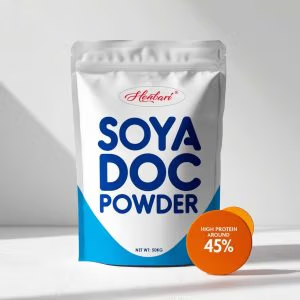 Soya Doc (Soyabean Meal)
Price range: ₹2,449.00 through ₹2,699.00
Soya Doc (Soyabean Meal)
Price range: ₹2,449.00 through ₹2,699.00
-
 Farm Fresh Eggs
Price range: ₹10.00 through ₹15.00
Farm Fresh Eggs
Price range: ₹10.00 through ₹15.00
-
 LAYER COUNTRY FEED
Price range: ₹1,549.00 through ₹1,649.00
LAYER COUNTRY FEED
Price range: ₹1,549.00 through ₹1,649.00
-
 FATTENING BROILER FEED
Price range: ₹2,299.00 through ₹2,349.00
FATTENING BROILER FEED
Price range: ₹2,299.00 through ₹2,349.00
-
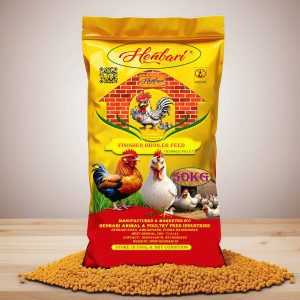 FINISHER BROILER FEED
Price range: ₹2,199.00 through ₹2,299.00
FINISHER BROILER FEED
Price range: ₹2,199.00 through ₹2,299.00
-
 STARTER COUNTRY FEED
Price range: ₹1,699.00 through ₹1,799.00
STARTER COUNTRY FEED
Price range: ₹1,699.00 through ₹1,799.00
-
 COUNTER BROILER FEED
Price range: ₹1,199.00 through ₹1,299.00
COUNTER BROILER FEED
Price range: ₹1,199.00 through ₹1,299.00
-
 Fish Meal
Price range: ₹1,999.00 through ₹2,999.00
Fish Meal
Price range: ₹1,999.00 through ₹2,999.00
-
 Pre Starter Broiler Feed
Price range: ₹2,399.00 through ₹2,499.00
Pre Starter Broiler Feed
Price range: ₹2,399.00 through ₹2,499.00
-
 LACTATING PIG FEED
Original price was: ₹2,299.00.₹1,740.00Current price is: ₹1,740.00.
LACTATING PIG FEED
Original price was: ₹2,299.00.₹1,740.00Current price is: ₹1,740.00.