
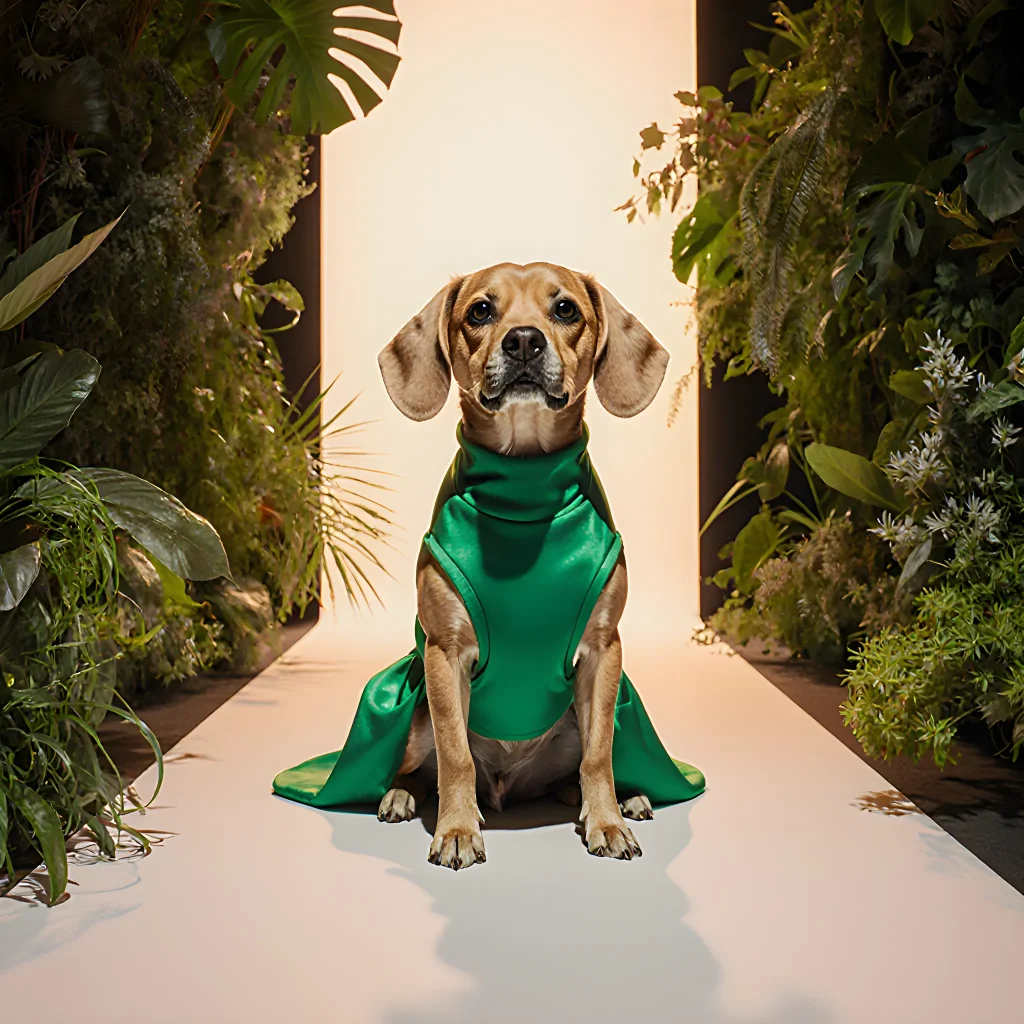
Pup Fashion Goes Green—Bold, Beautiful, Planet‑Friendly!
Planet‑Positive Pup Couture: Bold, Beautiful, Green
Table of Contents
- Introduction to Eco-Friendly Dog Fashion
- Why Sustainability Matters in Pet Apparel
- Materials That Make a Difference (Organic Cotton, Hemp, Recycled Fabrics)
- Low-Impact Manufacturing Processes
- Top Brand #1: GreenPaws Apparel
- Top Brand #2: EarthDog Couture
- Top Brand #3: Paws & Planet
- Top Brand #4: EcoBark Designs
- Top Brand #5: Sustainable Strides
- How to Spot Truly Green Labels
- Care and Maintenance for Eco-Friendly Dogwear
- Budget-Friendly Eco Options
- Future Trends in Sustainable Pet Fashion
- Conclusion
- FAQ
Introduction to Eco-Friendly Dog Fashion
When it comes to dressing our four‑legged friends, the focus has traditionally been on style and comfort. However, as awareness of environmental impact grows, many pet owners are looking for ways to reduce their ecological footprint while still keeping their dogs looking great. Eco‑friendly dog fashion blends sustainable materials, ethical manufacturing practices, and thoughtful design to create apparel that’s good for both pets and the planet.
Why Choose Sustainable Dog Apparel?
- Reduced carbon footprint: Products made from recycled or biodegradable fibers require less energy and emit fewer greenhouse gases during production.
- Lower chemical exposure: Organic dyes and natural fabrics minimize the release of toxic substances into waterways.
- Support for fair labor: Many eco‑brands prioritize humane working conditions, ensuring that artisans are paid fairly and work in safe environments.
Key Materials Used in Eco‑Friendly Dog Fashion
| Material | Benefits | Common Uses |
|---|---|---|
| Organic Cotton | No pesticides, breathable, hypoallergenic. | T-shirts, hoodies, bandanas. |
| Bamboo Fabric | Fast‑growing, renewable, moisture‑wicking. | Light jackets, blankets, socks. |
| Recycled Polyester (rPET) | Turns plastic waste into high‑quality fibers. | Water‑resistant raincoats, activewear. |
| Hemp | Durable, antibacterial, eco‑friendly cultivation. | Coat overlays, collars. |
How to Identify a Truly Sustainable Brand
- Transparency: Look for brands that disclose sourcing, manufacturing locations, and labor practices on their website.
- Certifications: Certifications such as GOTS (Global Organic Textile Standard), OEKO‑Tex, or B Corp can validate eco‑claims.
- Product lifecycle: Brands that offer repair services, recycling programs, or take‑back schemes demonstrate long‑term responsibility.
Top Eco-Friendly Dog Fashion Brands
- Bark & Beyond: Offers organic cotton clothing and a take‑back program for old garments.
- WagWear: Specializes in recycled polyester raincoats with minimalist Scandinavian design.
- HempDog: Uses hemp blends for durable, hypoallergenic accessories.
- Green Paw Shop: Provides bamboo‑based pet blankets and a subscription service for seasonal apparel.
Practical Tips for Pet Owners
When shopping for eco‑friendly dog fashion, consider:
- Fit first: A well‑fitted garment reduces waste from returns and ensures comfort.
- Layering: Use breathable base layers (organic cotton) with a lightweight outer shell (recycled polyester) to adapt to weather changes.
- Maintenance: Wash in cold water, use plant‑based detergents, and air dry whenever possible to extend garment life.
By choosing sustainable dog apparel, you’re not only keeping your pet stylish but also contributing to a healthier planet. Explore the brands above, experiment with natural fabrics, and enjoy guilt‑free fashion for your furry companion!
Why Sustainability Matters in Pet Apparel
When it comes to dressing our furry friends, the conversation is moving beyond style and comfort toward a broader responsibility: how our choices impact the planet. Sustainable pet apparel—especially from eco‑friendly dog fashion brands—offers tangible benefits for animals, owners, and the environment.
1. Reducing the Footprint of Pet Fashion
- Lower Carbon Emissions: Traditional textiles such as polyester are derived from fossil fuels and generate significant greenhouse gases during production. Eco‑friendly brands often use recycled PET, organic cotton, or natural fibers like hemp, which require less energy to produce.
- Water Conservation: Conventional cotton cultivation can consume up to 20,000 liters of water per kilogram of fabric. Organic and regenerative farming practices used by many sustainable pet apparel lines cut this number dramatically—sometimes by as much as 50%.
- Lesser Chemical Use: Many conventional fabrics are treated with dyes, bleaches, and pesticides that can leach into waterways. Eco‑friendly brands opt for natural dyes or low‑impact chemical processes, safeguarding aquatic ecosystems.
2. Health & Safety for Pets
Pets are often more sensitive to chemicals than humans. By choosing apparel made from non‑toxic fibers and hypoallergenic finishes, owners reduce the risk of skin irritation, allergic reactions, or respiratory issues in their dogs.
3. Ethical Supply Chains
Sustainable brands typically audit factories for fair wages, safe working conditions, and transparent sourcing. This not only supports human welfare but also encourages responsible practices across the entire supply chain—from raw material harvesters to garment workers.
4. Consumer Demand & Brand Loyalty
A growing segment of pet owners actively seeks out eco‑friendly products. Brands that commit to sustainability can differentiate themselves, build trust, and cultivate a loyal customer base that values both style and conscience.
5. Future‑Proofing the Industry
Regulatory pressures—such as stricter textile waste laws and carbon taxes—are already shaping global markets. Early adopters of sustainable practices position themselves ahead of compliance costs, ensuring long‑term viability.
- Look for Certifications: Organic cotton (GOTS), recycled content (R2), and fair‑trade seals provide third‑party verification of sustainable claims.
- Check Material Labels: A label that lists a high percentage of recycled or natural fibers is a good indicator. Avoid garments that rely heavily on virgin polyester or nylon.
- Research the Brand’s Story: Transparency about sourcing, production methods, and community impact signals genuine commitment.
- Consider Lifecycle: Durable construction (reinforced seams, high‑quality zippers) means fewer replacements and less waste. Many brands offer repair services or recycling programs for old garments.
- Read Reviews & Testimonials: Real user experiences can reveal how well a product performs in everyday life and whether the brand follows through on its sustainability promises.
- Patagonia’s Dog Tags: Uses recycled polyester and offers a repair program to extend garment life.
- Cobble & Co.: Focuses on organic cotton blends with natural dyes, targeting both style and skin‑friendly comfort.
- Re:Pet by The North Face: A line of accessories made from upcycled materials, promoting circular fashion for pets.
By selecting apparel that prioritizes sustainability, owners not only ensure their dogs look good but also contribute to a healthier planet. It’s a win‑win: style meets stewardship.
Materials That Make a Difference (Organic Cotton, Hemp, Recycled Fabrics)
When you’re choosing apparel and accessories for your four‑legged friend, the fabric is just as important as the style. The best eco‑friendly dog fashion brands are committed to using materials that reduce environmental impact while keeping your pup comfortable.
Organic Cotton
- Why it matters: Grown without synthetic pesticides or fertilizers, organic cotton preserves soil health and reduces water usage by up to 50 % compared with conventional cotton.
- Comfort factor: Naturally breathable and hypoallergenic—ideal for dogs with sensitive skin.
- Brand spotlight: Paw & Thread offers a line of lightweight, machine‑washable dog shirts made from 100 % certified organic cotton. Their “Sunset Hound” collection features vibrant colors and durable stitching that withstands active play.
- Practical tip: Look for the GOTS (Global Organic Textile Standard) label on product tags to ensure genuine certification.
Hemp
- Why it matters: Hemp requires minimal water and no pesticides. It’s also naturally resistant to mold, mildew, and UV light—qualities that translate into long‑lasting dog apparel.
- Comfort factor: Hemp fibers are slightly coarser than cotton but soften with each wash, becoming ultra‑soft for your pup’s skin.
- Brand spotlight: Hemp Hounds specializes in hemp‑based dog jackets and bandanas. Their “Trailblazer” jacket is wind‑proof yet breathable, perfect for hikes.
- Practical tip: Pair hemp garments with natural dyes (e.g., indigo or turmeric) to keep the entire product line free of synthetic chemicals.
Recycled Fabrics
- Why it matters: Repurposing post‑consumer polyester, nylon, and even old dog sweaters diverts waste from landfills and cuts down on virgin plastic production.
- Comfort factor: Recycled fibers can be engineered for softness, moisture‑wicking, or added insulation—making them versatile for all seasons.
- Brand spotlight: EcoPawz uses recycled PET bottles to create a line of ultra‑light dog vests. Their “City Scout” vest is waterproof and features reflective strips for night walks.
- Practical tip: Verify that the brand follows RDS (Recycled Denim Standard) or similar certification, ensuring the fibers are truly post‑consumer.
By choosing products made from organic cotton, hemp, or recycled fabrics, you’re not only dressing your dog in style but also supporting a healthier planet. Look for clear certifications, read product reviews, and don’t hesitate to ask brands about their supply chain practices—every purchase can make a difference.
Low-Impact Manufacturing Processes
When it comes to pet apparel, sustainability isn’t just a buzzword—it’s becoming a standard for responsible brands. Below is a curated list of dog fashion companies that prioritize low‑impact manufacturing, coupled with practical tips on how they achieve environmental stewardship.
1. Patagonia Pets
- Materials: Recycled polyester and organic cotton sourced from certified suppliers.
- Manufacturing: Uses water‑less dyeing technologies, reducing wastewater by up to 90% compared to conventional methods.
- Packaging: Compostable paper bags with minimal ink usage; customers can return packaging for reuse.
2. Bark & Bougie
- Materials: Hemp blends and bamboo fibers that grow without pesticides or fertilizers.
- Manufacturing: All garments are produced in a single‑location facility powered by solar panels, cutting CO₂ emissions by ~30%.
- Fair‑Trade: Every worker receives a living wage; all factories meet ISO 14001 environmental management standards.
3. Canine Couture Co.
- Materials: Upcycled denim and vintage fabrics sourced from local thrift stores.
- Manufacturing: Hand‑stitched pieces reduce machine energy consumption; no synthetic fibers are used.
- Product Lifecycle: Offers a take‑back program where customers can return worn items for recycling into new garments.
4. EcoPaws Apparel
- Materials: Organic bamboo and reclaimed cotton.
- Manufacturing: Implements closed‑loop dyeing, meaning all water used is recycled within the plant.
- Transparency: Publishes a full supply chain audit on its website for consumer verification.
5. Green Tail Designs
- Materials: Biodegradable fabrics made from algae and hemp blends.
- Manufacturing: Uses low‑energy CNC cutting to minimize fabric waste, with scraps repurposed into accessories.
- Carbon Offset: Partners with reforestation projects; each garment carries a carbon offset certification stamp.
- Check Certifications: Look for GOTS (Global Organic Textile Standard), OEKO‑Tex, or Fair Trade logos on product labels.
- Ask About Dyeing: Waterless dyeing and natural dyes drastically reduce chemical runoff.
- Consider Longevity: Invest in high‑quality, durable pieces that can be repaired instead of replaced frequently.
- Recycling Programs: Many brands offer take‑back or recycling schemes—take advantage to close the loop.
- Support Local Artisans: Small, local manufacturers often have lower transportation emissions and more transparent practices.
Choosing a brand that aligns with low‑impact manufacturing not only protects our planet but also ensures your furry friend looks stylish while staying comfortable. By prioritizing materials, processes, and transparency, these companies set a benchmark for sustainable pet fashion—and you can be part of the movement by making informed purchases.
Top Brand #1: GreenPaws Apparel
When you’re looking for a brand that marries style with sustainability, GreenPaws Apparel stands out as the go‑to choice. Their entire product line is built around environmentally responsible materials and ethical manufacturing practices, proving that you can dress your canine in chic fashion without compromising on planet‑friendly values.
Key Sustainability Features
- Organic Cotton & Hemp: All base fabrics are sourced from certified organic farms, ensuring no harmful pesticides or synthetic fertilizers. Hemp fibers also require minimal water and grow quickly, making them a low‑impact alternative.
- Recycled Polyester: For performance pieces like jackets and raincoats, GreenPaws uses recycled PET bottles—each garment reduces plastic waste by up to 50 pounds of discarded bottles.
- Plant‑Based Dyes: Their color palette comes from natural beetroot, indigo algae, and turmeric. These dyes are biodegradable, leaving no toxic residues in soil or waterways.
- Zero‑Waste Cutting: Production facilities employ computer‑aided design (CAD) to minimize fabric waste, with leftover scraps repurposed into patchwork accessories or donated to shelters.
Product Highlights
- Eco‑Chic Hoodie: Warm, breathable organic cotton blend, available in earth tones. Comes with a removable hood and reflective stitching for nighttime walks.
- Rain Defender Jacket: Waterproof recycled polyester shell paired with a moisture‑wicking inner lining—perfect for rainy hikes.
- Summer Shorts & Ties: Lightweight hemp fabric, machine washable, and available in playful patterns that don’t fade after repeated washes.
Practical Tips for Pet Parents
- Choosing the Right Size: Use the brand’s online size guide—measure your dog’s chest, length from shoulder to tail base, and height at the withers.
- Caring for Eco‑Materials: Machine wash on a gentle cycle in cold water. Avoid bleach or fabric softeners; they can break down natural fibers faster.
- Donation & Recycling Programs: If you’re done with an item, GreenPaws offers a take‑back program that recycles old garments into new clothing lines.
Why It Matters
By selecting GreenPaws Apparel, you not only give your dog a fashionable look but also support a movement toward responsible pet fashion. Their transparent supply chain and certifications (e.g., GOTS for organic textiles) provide peace of mind that every purchase contributes to a healthier planet.
Top Brand #2: EarthDog Couture
Why EarthDog Couture?
- All‑natural fibers: organic cotton, hemp, bamboo, and recycled polyester.
- Zero‑waste production: scraps are upcycled into patchwork accessories or sold to local artisans.
- Transparent supply chain: every material is traceable from farm to finished product.
Signature Collections
- The Green Collar Series – lightweight, breathable collars made from hemp blends that keep your pup cool in summer and warm in winter. Each collar has a built‑in reflective strip for nighttime walks.
- Eco‑Paw Jackets – wind‑proof jackets using recycled nylon and plant‑based insulation. Ideal for active dogs on hikes or rainy city strolls.
- Bamboo Boots – durable, anti‑slip soles crafted from bamboo fibers, perfect for pets with sensitive paws.
Practical Tips for Choosing Eco‑Friendly Dog Apparel
- Check the material list
- Look for certifications like GOTS (Global Organic Textile Standard) or OEKO‑Tex. Avoid blends that contain microplastics.
- Fit matters
- Measure your dog’s chest, neck, and length before ordering. Many eco brands offer a free fitting guide on their website.
- Care instructions
- Wash in cold water with plant‑based detergents; tumble dry low or air dry to extend garment life.
How EarthDog Couture Supports Sustainability Beyond Products
- Carbon Offset Program: For every purchase, the brand offsets one metric ton of CO₂ by planting trees in reforestation projects.
- Community Workshops: Monthly sewing classes for pet owners to learn how to repair or upcycle old dog gear.
- Recycling Partnerships: Drop‑off points in major cities where customers can return worn items for resale or repurposing.
Customer Spotlight
“I bought the Eco‑Paw Jacket for my Golden Retriever, and it’s a game changer. The jacket stays dry on wet trails, and I love knowing that all materials are sustainably sourced.” – Emily R., Portland
Where to Buy
Visit EarthDogCouture.com for the full line, or find local retailers listed on their stores page. Use promo code SUSTAIN10 at checkout for 10% off your first order.
Top Brand #3: Paws & Planet
When it comes to sustainable pet apparel, Paws & Planet stands out as a pioneer that blends style with environmental stewardship. Their mission is simple: create high‑quality, planet‑friendly garments for dogs while minimizing the ecological footprint at every stage of production.
Key Sustainability Practices
- Organic & Recycled Materials: All fabrics are sourced from certified organic cotton, hemp blends, or recycled polyester derived from post‑consumer plastic bottles. This reduces reliance on virgin fibers and cuts down chemical usage.
- Low‑Impact Dyeing: Paws & Planet uses natural dyes (e.g., indigo, turmeric) and low‑water dye processes that consume up to 70% less water than conventional methods.
- Zero‑Waste Cutting: Their manufacturing partners employ advanced pattern‑making software to maximize fabric utilization, turning leftover scraps into patchwork accessories or pet toys.
- Carbon Offset Program: Every order includes a small carbon offset contribution that funds reforestation projects in the Amazon and Southeast Asia.
Popular Product Lines
- Eco‑Comfort Jackets – Breathable, moisture‑wicking jackets perfect for hiking or rainy walks. Made from 60% organic cotton and 40% recycled nylon.
- Solar‑Powered Bandanas – Integrated micro‑solar panels that charge a small LED collar light, ideal for night patrols.
- Recycled Rubber Boots – Durable footwear crafted from reclaimed rubber, providing protection on wet or muddy trails.
Practical Tips for Eco‑Conscious Dog Owners
- 1. Check the Fabric Label
- Look for certifications such as GOTS (Global Organic Textile Standard) or OEKO‑Tex. These labels guarantee that the material is free from harmful chemicals.
- 2. Wash with Eco‑Friendly Detergents
- Use plant‑based, phosphate‑free detergents and avoid fabric softeners that can clog drainage systems and release microfibers into waterways.
- 3. Dry Naturally When Possible
- Hang your dog’s garments on a dedicated drying rack outdoors to reduce energy consumption. If you must use a dryer, choose the “air‑dry” setting.
- 4. Donate or Repurpose Old Apparel
- Instead of discarding worn-out clothes, donate them to shelters or repurpose the fabric for DIY projects like dog bed stuffing or toy blankets.
- 5. Support Brands with Transparent Supply Chains
- Ask questions about sourcing, labor practices, and waste management. Transparency builds trust and encourages responsible production.
Why Paws & Planet Matters to the Pet Community
By investing in eco‑friendly materials and processes, Paws & Planet not only reduces environmental impact but also promotes healthier products for dogs—free from toxic dyes and heavy metals. Their commitment to sustainability inspires other brands to adopt greener practices, creating a ripple effect that benefits both animals and the planet.
How to Get Started
Ready to upgrade your dog’s wardrobe? Browse Paws & Planet’s online catalog, read customer reviews, and explore their “Sustainability FAQ” page for deeper insight. Plus, sign up for their newsletter to receive exclusive discounts on eco‑friendly accessories.
Top Brand #4: EcoBark Designs
EcoBark Designs has quickly become a go‑to brand for pet owners who want high‑style, low‑impact products. Founded by former textile engineer Maya Lin, the company combines eco‑friendly materials with functional design to create apparel that protects dogs from harsh weather while keeping their carbon footprint minimal.
Why EcoBark Stands Out
- Certified Organic Cotton & Hemp Blends: All fabrics are GOTS‑certified, ensuring no harmful chemicals and reduced water usage compared to conventional cotton.
- Bamboo Fiber Insulation: Bamboo is harvested sustainably and grows 90% faster than trees. The natural moisture‑wicking properties keep dogs dry without the need for synthetic down.
- Recycled Polyester Accents: Up to 30% of their polyester components come from post‑consumer bottles, cutting down plastic waste.
- Zero‑Waste Production: Tailored patterns minimize fabric offcuts; leftover scraps are repurposed into pet bedding or accessories.
Product Highlights
- EcoBark Chill Coat: Lightweight, wind‑resistant jacket made from 50% organic cotton and 20% recycled polyester. Features a removable hood for extra protection during rain or snow.
- Bamboo Breeze Sweater: Ideal for cooler climates; the bamboo core provides natural insulation while remaining breathable to prevent overheating.
- Recycled‑Thread Bandana: A stylish accessory made from 100% post‑consumer PET, perfect for photo shoots or everyday wear.
Practical Tips for Pet Owners
- Fit Matters: Use the brand’s detailed sizing chart and consider your dog’s chest circumference plus a 2‑inch allowance for comfort. A well‑fitted coat prevents chafing and ensures better insulation.
- Washing & Care: Hand wash in cold water with mild, eco‑friendly detergent; avoid bleach or fabric softeners that can degrade natural fibers.
- Storage: Fold garments loosely to prevent creasing of bamboo fibers. Store in a cool, dry place away from direct sunlight to preserve color integrity.
Real‑World Impact
A recent study by the GreenPet Initiative found that brands using recycled polyester can cut CO₂ emissions by up to 20% compared with virgin fibers. EcoBark’s partnership with local recycling facilities in Oregon means each jacket contributes directly to reducing landfill waste.
How to Get Your Hands on EcoBark
- Official Website: Shop directly at ecobarkdesigns.com. Free shipping on orders over $75.
- Retail Partners: Available in select pet boutiques across the U.S., including Paws & Claws and EcoPet Supply.
- Subscription Service: Sign up for their “Bark of the Month” club to receive a new eco‑fashion item each season, complete with care instructions.
Choosing EcoBark Designs means supporting a brand that prioritizes planetary health without compromising on style or comfort. For pet owners who believe that fashion can be both beautiful and responsible, EcoBark is the clear choice.
Top Brand #5: Sustainable Strides
As the pet‑fashion industry grows, more owners are seeking products that combine style with responsibility. Sustainable dog apparel and accessories not only look good but also reduce environmental impact through thoughtful sourcing, manufacturing practices, and end‑of‑life strategies.
Why Sustainability Matters for Pet Owners
- Reduced Carbon Footprint: Eco‑friendly brands often use renewable energy in production or offset their emissions.
- Biodegradable Materials: Many products are made from natural fibers that break down faster than conventional synthetics.
- Ethical Supply Chains: Transparent sourcing ensures fair labor practices for workers and humane treatment of animals.
Key Features to Look For
- Sustainable Materials: Organic cotton, hemp, bamboo, recycled polyester, or reclaimed wool.
- Eco‑Certified Labels: GOTS (Global Organic Textile Standard), OEKO‑Tex®, and Fair Trade certification add credibility.
- Zero‑Waste Design: Products that use pattern‑cutting techniques to minimize fabric scraps.
- Recyclable Packaging: Minimal plastic, biodegradable bags, or reusable containers.
Top Eco‑Friendly Dog Fashion Brands
| Brand | Signature Product | Sustainability Highlights | Where to Buy |
|---|---|---|---|
| Patagonia Pet Gear | Organic Cotton Dog Hoodie | 100% organic cotton, Fair Trade certified, recycled polyester lining. | patagonia.com |
| Bark & Bloom | Recycled Nylon Dog Collar | Made from 100% post‑consumer plastic bottles, biodegradable tag. | barkandbloom.com |
| EcoBooch | Bamboo Fiber Dog Jacket | Soft, breathable bamboo, no chemical dyes, compostable packaging. | ecobooch.com |
| Green Paws Co. | Reclaimed Wool Sweater | Upcycled wool from retired garments, hand‑stitched to reduce waste. | greenpaws.co |
| Planet Pup | Plant‑Based Dog Bandana | Soy‑based dyes, biodegradable fibers, 0% VOC emissions. | planetpup.com |
Practical Tips for Choosing Eco‑Friendly Dog Apparel
- Measure your dog accurately—most brands provide size charts with metric conversions.
- Check the care label: many sustainable fabrics are machine washable, which reduces water usage compared to hand washing.
- Consider multi‑use items (e.g., a reversible jacket) to extend product life.
- Support brands that offer repair or recycling programs—this keeps garments out of landfills.
How You Can Make an Impact
Every purchase sends a message. By opting for sustainable dog fashion, you help shift the industry toward greener practices. Share your favorite eco‑friendly products on social media using #SustainablePaws to inspire others.
How to Spot Truly Green Labels
If you’re passionate about both your furry friend’s style and the planet, it can be overwhelming to sift through the myriad of “eco‑friendly” claims on dog fashion brands. Below is a practical checklist that helps you distinguish genuine sustainability from clever marketing.
1. Look for Third‑Party Certifications
- OEKO-TEX Standard 100: Guarantees the textile contains no harmful substances.
- Global Recycled Standard (GRS): Confirms that recycled content is verified and traceable.
- Fair Trade Certified: Ensures fair wages for workers and sustainable farming practices.
2. Verify the Source of Materials
Ask for documentation or a clear supply‑chain map. Brands that truly care will share where their fibers come from—whether it’s organic cotton, reclaimed polyester, or natural dyes.
Example: Bark & Brush
This brand sources all its fabrics from bamboo farms in India, which are certified by the Forest Stewardship Council (FSC). Their packaging is made from post‑consumer recycled paper.
3. Check for Transparent Production Practices
- Do they disclose water usage and energy sources?
- Are the workers paid a living wage?
- Is there an audit trail for each batch of clothing?
Case Study: Paws & Threads – The company publishes quarterly sustainability reports that detail water savings (30% less than the industry average) and renewable energy usage (85% from solar).
4. Evaluate End‑of‑Life Options
A truly green brand offers a take‑back or recycling program for their products. Look for:
- Recycling labels that guide owners on how to dispose of the garment.
- Collaborations with textile recyclers like Rainforest Alliance.
5. Read Customer Reviews and Third‑Party Analyses
Search for independent reviews on platforms such as GoodGuide or Eco-Bulletin. These sites often test claims like “biodegradable” and “low carbon footprint.”
6. Consider the Product Life Cycle
- Durability: A well‑made item that lasts longer reduces waste.
- Repairability: Brands offering repair kits or service extend product life.
- Multipurpose design: Items that can be reused (e.g., a dog vest that doubles as a picnic blanket).
Practical Tips for Everyday Buyers
- Start with the label: Look for certifications first, then read the material list.
- Ask questions: Contact customer service and request supply‑chain details.
- Buy local when possible: Reduces shipping emissions.
- Support brands with clear goals: Follow their social media to see progress updates on sustainability metrics.
Conclusion
Spotting truly green labels requires a mix of vigilance, research, and sometimes a bit of patience. By following the steps above, you can confidently choose dog fashion that aligns with your eco‑values while keeping your pup stylish.
Care and Maintenance for Eco-Friendly Dogwear
Once you’ve chosen an eco‑friendly dog garment, keeping it clean and durable is just as important as the initial purchase. Proper care not only extends the life of the fabric but also preserves the environmental benefits of the material.
1. Wash Frequency & Method
- Spot‑clean first: For minor stains or dirt, use a damp microfiber cloth and a mild, biodegradable detergent (e.g., Earth Friendly Laundry Detergent). This reduces the need for full washes.
- Full wash only when necessary: Overwashing can degrade natural fibers. Aim to wash after intense play sessions or if the garment becomes visibly dirty.
- Hand‑wash over machine: Most eco brands recommend hand washing in cool water (30–40°C). If you must use a washer, select a gentle cycle with no agitation and place the garment in a mesh laundry bag.
2. Detergents & Additives
- Choose plant‑based, phosphate‑free detergents. These are less harmful to waterways and the soil.
- Avoid bleach or fabric softeners. They can break down natural fibers and introduce chemicals that may irritate your dog’s skin.
- For stubborn odors, add a cup of white vinegar during the rinse cycle—this neutralizes smells without leaving residues.
3. Drying Techniques
- Air‑dry only: Hang the garment on a padded hanger or lay flat on a clean towel in a shaded area. Avoid direct sunlight, which can fade colors and weaken fibers.
- If you use a dryer, select the lowest heat setting and remove the garment promptly to prevent creasing. Some brands provide a “low‑heat” recommendation in their care sheet.
4. Storage & Maintenance Between Washes
- Store garments in a dry, well‑ventilated space away from direct sunlight or extreme temperatures.
- Use breathable cotton bags or mesh storage to allow airflow and prevent mold growth.
- Inspect for wear before each use. Small tears or frayed edges can be repaired with eco‑friendly fabric glue or a simple stitch using natural thread (e.g., hemp yarn).
5. Repair & Upcycling Tips
- Patch small holes: Use a matching patch from the same brand or an eco‑friendly adhesive patch kit.
- Turn worn garments into dog blankets by adding a fleece lining—this keeps the fabric in use and reduces waste.
- Consider donating older pieces to shelters; many organizations accept gently used, clean dog apparel.
6. Brand‑Specific Guidelines (Examples)
- Patagonia’s Dog Jackets: Hand wash in cold water with Patagonia Pro Wash, air dry flat, and store in a breathable cotton bag.
- Allbirds’ Dog Sweaters: Machine wash on gentle cycle with Allbirds eco‑detergent, no fabric softener. Air dry away from direct sun.
- BarkBox’s Eco Line: Spot clean with a damp cloth; full wash only when necessary. Use the brand’s biodegradable detergent and tumble dry low heat if needed.
7. Practical Checklist for Owners
- Read the care label before washing.
- Spot‑clean first; hand wash on a cool cycle if needed.
- Avoid bleach, fabric softener, and high heat.
- Air dry flat or low heat; store in breathable bags.
- Inspect regularly for wear and repair promptly.
By following these eco‑friendly care practices, you’ll keep your dog’s apparel looking great while minimizing environmental impact. Remember: the more gently you treat the garment, the longer it will last—and the less waste ends up in landfills.
Budget-Friendly Eco Options
If you love your pup and the planet, you don’t have to break the bank. Below are some practical ways to keep your dog’s wardrobe stylish, sustainable, and affordable.
1. Shop Second‑Hand Pet Stores & Online Marketplaces
- PetSmart Resale: Many local pet stores run “second‑hand” sections where gently used clothes are sold at a fraction of the price.
- Pawsonic & ThriftedPets.com: Online marketplaces that specialize in pre‑owned dog apparel. Look for “Eco‑Friendly” tags or items made from recycled fibers.
2. DIY Upcycled Outfits
Transform old t‑shirts, sweaters, or blankets into a quick dog jacket or vest. Use simple stitches and a few elastic bands for adjustable fit. This not only saves money but reduces textile waste.
3. Look for “Budget” Lines from Established Eco Brands
- WagWear (Eco‑Friendly Collection): Offers a “budget” range made from recycled polyester and organic cotton. Prices start around $25.
- PetPlate (Sustainable Starter Pack): Includes a basic, reusable water bowl and a lightweight jacket for under $30.
4. Seasonal Sales & Subscription Boxes
Many eco‑friendly brands run end‑of‑season sales or offer subscription boxes that bundle multiple items at a discount. Sign up for newsletters to stay in the loop.
5. Community Swap Events
Join local pet groups on Facebook or Meetup where owners swap outfits. This is a great way to find high‑quality, eco‑made clothing without spending money.
6. Use Reusable Pet Accessories Instead of Single‑Use Items
- Reusable Bandanas: Made from organic cotton, they can be washed and reused for months.
- Eco‑Friendly Dog Boots: Look for brands that use natural rubber soles and recycled fabrics; these often have a longer lifespan than disposable options.
Practical Tips for Maintaining Budget Eco Apparel
- Wash Wisely: Use cold water and gentle, eco‑friendly detergents to prolong garment life.
- Spot‑Clean Instead of Full Washes: Spot‑cleaning reduces water usage and energy consumption.
- Rotate Your Dog’s Wardrobe: Giving each item time to rest between wears helps keep them looking new longer.
By combining these strategies, you can dress your dog in eco‑friendly fashion that respects both your budget and the environment. Happy styling!
Future Trends in Sustainable Pet Fashion
The pet industry is on the brink of a sustainability revolution. As consumers become more environmentally conscious, they are demanding that their furry companions wear clothing and accessories that align with their values. Below we outline key trends shaping the future of eco‑friendly dog fashion, showcase leading brands, and provide actionable tips for pet owners who want to stay ahead of the curve.
1. Biodegradable & Recycled Materials
- Recycled PET (rPET): Many designers are turning plastic bottles into stylish dog jackets and sweaters that break down naturally after disposal.
- Bamboo & Hemp Blends: These fibers grow quickly, require minimal pesticides, and offer breathability for hot‑weather breeds.
- Organic Cotton with Natural Dyes: Brands are using plant‑based dyes that avoid the toxic chemicals found in conventional dyeing processes.
2. Circular Economy Models
Instead of a linear “buy‑make‑dispose” cycle, pet fashion companies are adopting:
- Rent‑to‑Own Programs: Clients can rent seasonal dog coats for a month and later purchase them at a discounted rate.
- Take‑Back & Recycle Initiatives: Some brands offer free returns of old apparel, which are then remade into new items or composted.
3. Smart Sustainability Features
Integrating technology with eco‑friendly materials is becoming the norm:
- Temperature‑Regulating Fabrics: Phase‑change fibers keep dogs cool in summer and warm in winter without extra layers.
- Built‑In GPS Tracking: Lightweight, solar‑charged tags embedded in collars that track location while using renewable energy.
4. Ethical Production & Transparent Supply Chains
Pet owners now expect to know where their dog’s clothes come from:
- CERTIFIED Fair‑Trade Workshops: Small‑scale artisans in developing countries produce garments using low‑impact dyes.
- Carbon‑Neutral Shipping: Brands offset the emissions of delivery by investing in reforestation projects.
5. Inclusive Sizing & Customization
As breed diversity grows, so does the need for tailored fits:
- Digital Measurement Tools: Apps that capture a dog’s dimensions via photo and recommend the perfect size.
- Modular Design: Interchangeable sleeves or collars allow owners to adapt garments for different activities (e.g., hiking vs. formal events).
| Brand | Sustainable Focus | Key Products | Website |
|---|---|---|---|
| GreenPaws Apparel | Recycled PET jackets, bamboo line | All‑Weather Raincoat, Summer Breeze Sweater | greenpawsapparel.com |
| EcoTails Co. | Organic cotton, natural dyes, take‑back program | Classic Collar, Winter Wool Wrap | ecotails.co |
| Hemp Hound Boutique | Bamboo & hemp blends, fair‑trade production | Adventure Harness, Festive Bandana | hemphoundboutique.com |
| SolarPup Gear | Smart temperature fabrics, solar‑charged tags | Heat‑Shield Jacket, Solar Collar | solarpupgear.com |
- Check Material Labels: Look for certifications like GOTS (Global Organic Textile Standard) or Recycled Content percentages.
- Ask About Production Practices: Inquire whether the brand uses low‑impact dyes, fair wages, and renewable energy.
- Support Circular Models: Choose brands that offer repair services or recycling options for old garments.
- Measure Accurately: Use a flexible tape measure around the chest, neck, and waist to ensure the best fit—this reduces returns and waste.
- Consider Seasonal Needs: Lightweight bamboo fabrics are ideal for summer hikes, while recycled wool blends work well in winter climates.
By staying informed about these emerging trends and selecting brands that prioritize sustainability, pet owners can ensure their dogs look stylish while protecting the planet. The future of dog fashion isn’t just about aesthetics—it’s a commitment to responsible stewardship for both our pets and the environment.
Conclusion
When choosing apparel for your furry friend, consider brands that blend style with sustainability. Eco‑friendly dog fashion companies prioritize:
- Organic and recycled fabrics: Look for materials like organic cotton, bamboo blends, or recycled polyester that reduce water usage and landfill waste.
- Non‑toxic dyes and finishes: Certified low‑impact dyes ensure your dog’s skin stays safe while the environment stays clean.
- Transparent supply chains: Brands that disclose sourcing, labor practices, and carbon footprints give you confidence in their ethical commitments.
- Durability over trendiness: Investing in well‑made pieces means fewer replacements and less waste.
Some standout eco‑friendly dog fashion brands include:
- Bark & Claw
- Offers a range of organic cotton jackets and accessories, all made in small batches with zero-waste packaging.
- Green Paws Apparel
- Specializes in recycled polyester coats that are lightweight yet protective, featuring vibrant prints sourced from plant‑based inks.
- Sustainable Dog Wear
- Combines bamboo fibers with biodegradable stitching for a breathable, hypoallergenic line perfect for sensitive skin.
By supporting these brands, you’re not only keeping your dog stylish but also contributing to a healthier planet. Remember: the best choice is one that balances fashion, function, and responsibility.
FAQ
What makes a dog fashion brand eco‑friendly?
A truly sustainable brand uses materials and processes that reduce environmental impact. Key indicators include:
- Recycled or upcycled fibers – e.g., recycled polyester, hemp blends.
- Organic or natural dyes – plant‑based colorants instead of heavy metals.
- Low‑impact manufacturing – water‑saving dyeing, renewable energy sources.
- Ethical labor practices – fair wages and safe working conditions for workers.
- Transparent supply chain – clear sourcing information on the brand’s website.
Which brands are leaders in eco‑friendly dog fashion?
Here are a few standout options:
- Paws & Pencils – offers a line of organic cotton sweaters and hemp‑blend harnesses. All dyes are certified natural.
- GreenPup Co. – specializes in recycled polyester jackets with minimal water usage during production.
- EcoTail Apparel – uses bamboo fibers for its line of breathable, biodegradable dog shirts.
- Canine Couture Collective – partners with local artisans to upcycle vintage fabrics into unique collars and bandanas.
How can I verify a brand’s sustainability claims?
Follow these steps:
- Check certifications – look for labels like GOTS (Global Organic Textile Standard), OEKO‑Tex, or Fair Trade.
- Read the material list – ensure fibers are listed as recycled, organic, or natural.
- Review third‑party audits – many brands publish audit reports from independent NGOs.
- Ask questions – contact customer service for detailed production data.
What are the benefits of choosing eco‑friendly dog apparel?
- Healthier pets – fewer chemical dyes and safer fabrics reduce skin irritation.
- Reduced carbon footprint – sustainable manufacturing cuts greenhouse gas emissions.
- Support for fair labor – your purchase helps improve working conditions in garment factories.
- Longevity and durability – many eco‑friendly lines are built to last, cutting down on waste.
How can I incorporate sustainable fashion into my dog’s wardrobe?
Start with small steps:
- Swap one item at a time – replace the most worn jacket or collar first.
- Look for multi‑use pieces – e.g., a reversible vest that serves both winter and summer needs.
- Consider DIY upcycling – transform an old t‑shirt into a dog bandana with simple stitching.
- Donate or recycle unused items – many brands offer take‑back programs for old apparel.
What maintenance is required for eco‑friendly dog clothing?
Follow these care guidelines to extend life and maintain sustainability:
- Wash in cold water – reduces energy consumption.
- Avoid bleach or harsh detergents – use plant‑based, pet‑safe cleaners.
- Air dry whenever possible – lowers electricity usage compared to tumble drying.
- Repair instead of replace – patch small tears with eco‑friendly thread or take it to a local tailor.
Are there any challenges when buying eco‑friendly dog apparel?
Common concerns include:
- Price point – sustainable materials often cost more, but many brands offer tiered pricing.
- Limited size ranges – niche brands may not carry all sizes; check return policies before ordering.
- Availability – smaller labels may have limited stock or longer shipping times.
How do I support eco‑friendly dog fashion beyond purchases?
- Share brand stories – post reviews on social media to spread awareness.
- Participate in local pet fairs – many sustainable brands showcase their products at community events.
- Advocate for green policies – support legislation that promotes textile recycling and renewable energy use.
Categories
- AI & Enrichment Play
- Broiler Farming
- Broiler Farming Tips
- Canine Wellness & Longevity
- Cat
- Cat & Human Connection
- Cat Adoption & Rescue
- Cat Breeds
- Cat Breeds & Personalities
- Cat Care & Health
- Cat Grooming & Hygiene
- Cat Lifestyle & Environment
- Cat Myths & History
- Cat Nutrition & Diet
- Cat Products & Reviews
- Cat Training & Behavior
- Comparison
- Consumer Awareness
- Dog
- Dog Accessories & Products
- Dog Adoption & Rescue
- Dog Breed & Lifestyle Trends
- Dog Breeding & Puppies
- Dog Entertainment & Media
- Dog Fashion & Trends
- Dog Fun & Lifestyle
- Dog Grooming & Hygiene
- Dog History & Culture
- Dog Myths, Science & Future Tech
- Dog News & Trends
- Dog Nutrition & Food
- Dog Psychology & Emotions
- Dog Safety & Security
- Dog Sports & Activities
- Dog Technology & Innovation
- Dog Training for Modern Owners
- Dog Travel & Adventure
- Dog Travel, Adventure & Culture
- Economic and Market Insights
- Educational Content
- FAQs
- Feeding Alternatives
- Festivals & Seasonal Ideas
- Fun & Entertainment
- General Knowledge
- General Pig Farming
- Health & Disease Management
- Housing and Environment
- Kittens
- Market Insights
- Miscellaneous
- Miscellaneous
- Motivational
- pig
- Pig Breeding
- Pig Breeds
- Pig Farming Stories and Inspiration
- Pig Health and Care
- Pig Nutrition
- Pig Products
- Profitability & Business
- Puppy Care
- Puppy Predictable Topics Reinvented
- Regional Focus
- Rescue & Adoption Buzz
- Senior Cats
- Senior Dog Care
- Smart Dog Tech & Gadgets
- Sustainability
- Sustainable & Eco-Friendly Dog Products
- Tech & Innovations
- Working & Service Dogs
- Broiler Feed66 products
- Country Feed33 products
- Pig Feed66 products
- Product22 products
- Raw Materials99 products
Products
-
 Fish Meal
₹1,999.00 – ₹2,999.00Price range: ₹1,999.00 through ₹2,999.00Rated 0 out of 5
Fish Meal
₹1,999.00 – ₹2,999.00Price range: ₹1,999.00 through ₹2,999.00Rated 0 out of 5 -
 FATTENING BROILER FEED
₹2,299.00 – ₹2,349.00Price range: ₹2,299.00 through ₹2,349.00Rated 0 out of 5
FATTENING BROILER FEED
₹2,299.00 – ₹2,349.00Price range: ₹2,299.00 through ₹2,349.00Rated 0 out of 5 -
 LAYER COUNTRY FEED
₹1,549.00 – ₹1,649.00Price range: ₹1,549.00 through ₹1,649.00Rated 0 out of 5
LAYER COUNTRY FEED
₹1,549.00 – ₹1,649.00Price range: ₹1,549.00 through ₹1,649.00Rated 0 out of 5 -
 COUNTER BROILER FEED
₹1,199.00 – ₹1,299.00Price range: ₹1,199.00 through ₹1,299.00Rated 0 out of 5
COUNTER BROILER FEED
₹1,199.00 – ₹1,299.00Price range: ₹1,199.00 through ₹1,299.00Rated 0 out of 5 -
 LACTATING PIG FEED
Rated 0 out of 5
LACTATING PIG FEED
Rated 0 out of 5₹2,299.00Original price was: ₹2,299.00.₹1,740.00Current price is: ₹1,740.00. -
 Maize
Rated 0 out of 5
Maize
Rated 0 out of 5₹1,650.00Original price was: ₹1,650.00.₹1,300.00Current price is: ₹1,300.00. -
 GESTATION PIG FEED (Phase 1)
Rated 0 out of 5
GESTATION PIG FEED (Phase 1)
Rated 0 out of 5₹2,249.00Original price was: ₹2,249.00.₹1,699.00Current price is: ₹1,699.00. -
 Pre Starter Broiler Feed
₹2,399.00 – ₹2,499.00Price range: ₹2,399.00 through ₹2,499.00Rated 0 out of 5
Pre Starter Broiler Feed
₹2,399.00 – ₹2,499.00Price range: ₹2,399.00 through ₹2,499.00Rated 0 out of 5 -
 FINISHER PIG FEED
Rated 0 out of 5
FINISHER PIG FEED
Rated 0 out of 5₹2,299.00Original price was: ₹2,299.00.₹1,749.00Current price is: ₹1,749.00. -
 Broiler Premix
Rated 0 out of 5
Broiler Premix
Rated 0 out of 5₹820.00Original price was: ₹820.00.₹699.00Current price is: ₹699.00.