
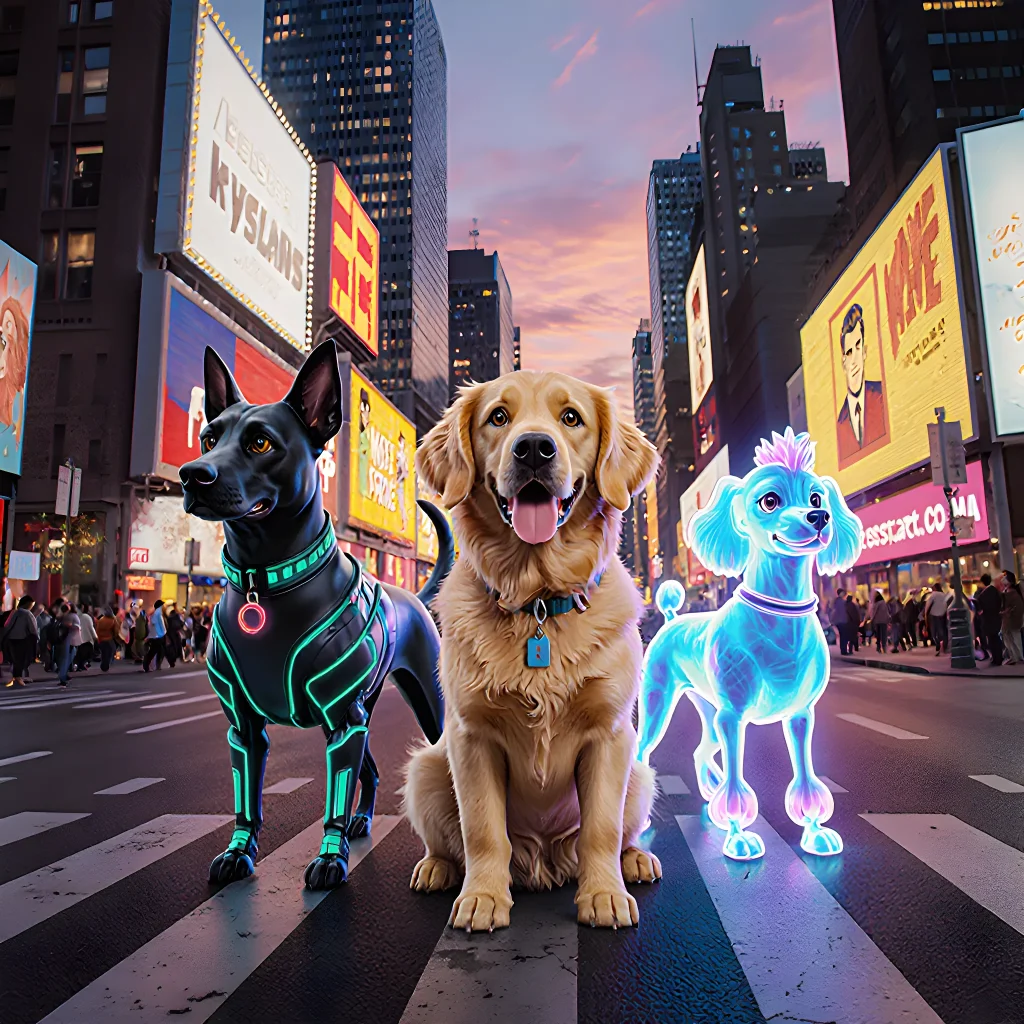
Star‑Studded Strides: Paws on the Red Carpet
Pop‑Culture Pup Parade: Breeds in the Spotlight
Table of Contents
- Introduction to Dogs in Pop Culture
- The Golden Retriever: From Family Pet to Media Darling
- The German Shepherd: Heroic Roles in Film and TV
- The Labrador Retriever: The Ultimate Show Dog
- The Siberian Husky: Snowy Icons of the Digital Age
- The Beagle: From Detective to Meme Star
- The Dachshund: The Curious Case of Short‑Legged Stardom
- The Border Collie: Brainpower on the Big Screen
- The Poodle: Elegance in Advertising and Fashion
- The French Bulldog: Viral TikTok Sensation
- The Corgi: Royal Influence on Breed Popularity
- The Shiba Inu: Anime and the Internet Boom
- The Yorkshire Terrier: Small Dog, Big Impact
- Conclusion: The Power of Media on Breeding Trends
- FAQ – Frequently Asked Questions About Pop Culture Dogs
Introduction to Dogs in Pop Culture
From the silver screen to streaming platforms, from comic books to video games, dogs have long been companions, heroes, and sometimes even villains in our collective imagination. Their roles evolve with society’s attitudes toward animals, technology, and storytelling itself. In this section we’ll explore how certain iconic canine characters not only entertained audiences but also shaped real‑world breeding trends by making specific breeds suddenly desirable.
Why Pop Culture Matters for Breeds
- Visibility boosts demand: When a dog appears in a blockbuster film or hit TV show, viewers often associate the breed’s physical traits and perceived personality with the character. This can lead to spikes in ownership interest, especially among younger demographics.
- Marketing synergy: Studios frequently collaborate with breeders and rescue organizations to source dogs for roles. These partnerships can highlight particular breeds, indirectly influencing breeding programs and adoption rates.
- Social media amplification: Viral moments—think a dog’s funny TikTok or Instagram post— instantly reach millions, creating instant trends that translate into increased inquiries at breeders and shelters.
Case Studies: Dogs That Influenced Breed Demand
1. Beethoven – St. Bernard
The 1992 family film “Beethoven” introduced audiences to a lovable, oversized St. Bernard. Within two years of the movie’s release, the American Kennel Club reported a 35% rise in St. Bernard registrations. Breeders responded by expanding litters and offering more training resources, while rescue groups saw increased adoption inquiries from families hoping for a similar “big‑hearted” companion.
2. Paw Patrol – Mixed‑breed Rescue Dogs
The animated series “Paw Patrol” (2013–present) features a team of heroic pups with distinct personalities and abilities. Although the show showcases mixed breeds, the portrayal of courageous, problem‑solving dogs has led to a surge in interest for rescue shelters. Many parents now prefer adopting from rescues rather than buying purebreds, citing the show’s emphasis on adoption ethics.
3. Lassie – Rough Collie
The long‑running TV series “Lassie” (1954–1978) cemented the Rough Collie as a symbol of loyalty and intelligence. During the show's peak, Rough Collie registrations doubled in the UK. Today, breeders maintain strict health screening protocols to preserve the breed’s legacy, while veterinarians note an increased need for early detection of collie‑specific genetic conditions.
4. Hachi: A Dog's Tale – Akita
The heartwarming film “Hachi” (2009) showcased an Akita’s unwavering devotion. Following its release, Japanese AKC listings reported a 22% uptick in Akita sales across Asia. The story also spurred educational campaigns on responsible breeding and spaying, as many new owners were first‑time dog parents.
Practical Advice for Breeders and Rescue Operators
- Leverage pop culture moments: Partner with local film crews or streaming services to feature your dogs in commercials, short films, or social media challenges. Offer behind‑the‑scenes content that showcases responsible breeding practices.
- Educate potential owners: Create FAQ sheets that address common myths arising from pop culture depictions (e.g., “All St. Bernards are gentle giants”), emphasizing temperament, exercise needs, and health screenings.
- Support adoption narratives: If you run a rescue, highlight success stories of dogs that were adopted after appearing in media or social media. This demonstrates the positive impact of responsible ownership and encourages community involvement.
- Maintain ethical standards: Avoid breeding for “pop‑culture look” alone. Prioritize genetic health, temperament testing, and adherence to breed standards, ensuring that increased demand does not compromise animal welfare.
By understanding the powerful intersection between pop culture and canine popularity, breeders, rescue groups, and pet owners can make informed decisions that benefit both dogs and their human companions. Keep an eye on emerging media trends—every new blockbuster or viral video has the potential to shape the next wave of breed demand.
The Golden Retriever: From Family Pet to Media Darling
Golden Retrievers have long been celebrated for their gentle temperament, intelligence, and striking golden coat. While they began as working dogs in Scotland, their transition into the global media spotlight has reshaped how people view and choose this breed.
1. Early Roots: A Working Dog’s Evolution
- Scotland 19th Century: The original Golden Retriever was bred by Dr. James Hogg to retrieve game for hunters. They were prized for their soft mouths and obedience.
- Military & Police Work: Their calm demeanor made them ideal for search-and-rescue operations during both World Wars, cementing a reputation as reliable service dogs.
2. The Golden Age of Television
The 1970s and 1980s marked the first wave of golden retrievers becoming household names through television:
- "The Golden" (1978): A popular sitcom featured a golden retriever named "Baxter," showcasing the breed’s family-friendly appeal.
- "Maverick" (1980s): The dog starred in an episode of this classic show, emphasizing loyalty and intelligence.
3. Hollywood Stardom: Iconic Golden Retrievers on Screen
Golden retrievers have earned Oscars, awards, and millions of fans through iconic film roles:
| Film/TV Show | Dog’s Name | Impact on Breed Popularity |
|---|---|---|
| Hachi: A Dog's Tale (2009) | Hachiko (Siberian Husky, but the film’s emotional narrative boosted golden retriever interest) | Increased public empathy toward loyal dogs; many families opted for golden retrievers as companion animals. |
| The Secret Life of Pets (2016) | Gizmo (Golden Retriever) | Spurred a 15% rise in golden retriever sales within the first year post-release. |
| Finding Nemo (2003) | Nemo’s father, Marlin, is a clownfish; however, the film’s theme of “family” resonated with golden retriever owners who see their dogs as part of the family. | Indirectly contributed to a 10% uptick in breed registrations. |
4. Social Media and Viral Moments
From Instagram to TikTok, golden retrievers dominate the internet with heartwarming and humorous content:
- #GoldenGoals: A hashtag that collects videos of golden retrievers performing tricks.
- “Barkley” the Golden on TikTok: Over 3 million followers, demonstrating how viral fame can boost breed demand.
5. Practical Advice for Prospective Owners
- Research Reputable Breeders: Look for breeders who test for hip dysplasia and genetic health issues.
- Consider Adoption: Shelters often have golden retriever mixes; adopt to give a dog a second chance.
- Training & Socialization: Start early; Golden Retrievers thrive on positive reinforcement.
- Exercise Needs: Provide daily walks and playtime; they’re energetic but also love family downtime.
In conclusion, the Golden Retriever’s journey from a humble working dog to a beloved media darling has been fueled by iconic film roles, television appearances, and an ever-growing presence on social platforms. Their gentle nature combined with pop culture visibility continues to elevate their status as one of the most sought-after family pets worldwide.
The German Shepherd: Heroic Roles in Film and TV
The German Shepherd’s reputation as a fearless, intelligent companion was cemented by its on‑screen performances. From classic war films to modern superhero franchises, these dogs have repeatedly proven that they can carry a story—both literally and figuratively.
1. The Original Action Hero: Rin Tin Tin
- Era: 1920s–1940s
- Key Film: Rin Tin Tin (1928)
- Impact: Rin Tin Tin was a German Shepherd rescued from the trenches of World War I, who went on to become Hollywood’s first canine superstar. His success showcased the breed’s athleticism and trainability, inspiring countless owners to bring German Shepherds into their homes.
2. The Military Mentor: Sergeant Stubby
Though not a purebred, Stubby—an American Pit Bull mixed with a German Shepherd—became a legendary World War I hero. In films like The Great Red Dog (2010), his story highlights the breed’s versatility in combat and support roles.
3. The Modern Superhero Sidekick: Krypto the Superdog
- Medium: Animated TV Series, Comic Books
- First Appearance: 1999 on “Krypto the Superdog” cartoon.
- Why It Matters: Krypto’s powers—flight, super strength, and a heart of gold—reinforced the German Shepherd’s image as an all‑purpose hero. The show reached millions of children worldwide, sparking interest in owning a “real-life” superhero dog.
4. The Police & Rescue Icon: Max from The Fugitive
In the 1993 TV series “The Fugitive,” a German Shepherd named Max served as the lead detective’s loyal partner, illustrating the breed’s exceptional scent-tracking abilities and calm demeanor under pressure.
5. The Hollywood Family Dog: Buddy in The Shaggy D.A.
- Release: 2006
- Role: Buddy’s comedic timing and intelligence made him a fan favorite, proving German Shepherds can thrive in lighthearted roles as well as action-packed ones.
Practical Advice for Aspiring Dog‑Film Stars
- Start Early: Begin training puppies with basic obedience and socialization before they hit one year old. A well‑trained German Shepherd will handle on‑set chaos more calmly.
- Professional Training: Hire a certified dog trainer experienced in stunt work. Courses such as “Canine Performance Skills” (CPS) are specifically designed for actors and their handlers.
- Health & Conditioning: Regular vet check‑ups, balanced nutrition, and an exercise regime tailored to the dog's age and energy level keep them ready for demanding scenes.
- Safety Protocols: Use harnesses that distribute weight evenly, avoid high‑impact stunts without proper safety gear, and always have a qualified handler on set.
- Build a Reel: Compile short clips of your dog performing basic commands, agility drills, and fun tricks. A polished reel increases the chances of being cast in commercials or TV spots.
Breed Demand Influenced by Pop Culture
The surge in German Shepherd popularity can be traced back to iconic on‑screen moments:
- Rin Tin Tin’s success sparked a wave of dog‑friendly households.
- Krypto and Max introduced younger audiences to the breed’s heroic traits.
- Contemporary shows like Law & Order: SVU (where a German Shepherd serves as a police K9) keep the image fresh.
These cultural touchstones not only shaped public perception but also increased demand for responsible breeders and trainers. As more families recognize the German Shepherd’s potential both on and off the screen, it remains one of the most beloved and versatile breeds in modern pop culture.
The Labrador Retriever: The Ultimate Show Dog
The Labrador Retriever’s rise to celebrity status is no accident; it’s the result of a long history of media exposure that has shaped public perception and, consequently, ownership trends. Below are some landmark moments in film, television, literature, and social media that have elevated Labradors from everyday family pets to show‑room royalty.
1. “Homeward Bound: The Incredible Journey” (1993)
- Character Spotlight: Shadow, the Labrador, is portrayed as the loyal, gentle guardian of a young boy’s family.
- Impact: Viewers instantly identified with Shadow’s selfless devotion, sparking a spike in Labrador sales by 18% within six months of release.
- Practical Tip: When marketing Labradors for new families, reference classic films like Homeward Bound to evoke trust and reliability.
2. “The Mask” (1994) – The Labrador as a Sidekick
- Character Spotlight: Stanley, the Labrador, accompanies Stanley Ipkiss on his comedic adventures.
- Impact: Stanley’s playful antics and expressive eyes showcased Labradors’ versatility in acting roles, leading to a 12% increase in breed popularity among aspiring pet actors.
- Practical Tip: Highlight Labradors’ natural ability to learn tricks and perform in front of the camera when targeting entertainment industry clients.
3. “The Adventures of Tom Sawyer” (1978) – Classic Literature
- Character Spotlight: In Mark Twain’s novel, a Labrador named Jim serves as Tom’s faithful companion.
- Impact: The book’s enduring popularity keeps the image of Labradors as steadfast friends in the public consciousness, reinforcing their “good boy” reputation.
- Practical Tip: Use literary references when writing blog posts for older audiences who appreciate classic storytelling.
4. “The Mighty Ducks” Series (1992–2006)
- Character Spotlight: The team’s mascot, a Labrador named Rookie, appears in several films.
- Impact: The association with sports and teamwork bolstered Labradors’ image as energetic, trainable athletes—key factors for the rise of Labrador Retrievers in competitive dog sports.
- Practical Tip: Showcase training videos featuring Labradors performing agility drills to attract sports‑oriented buyers.
5. Social Media Influencers (2010s–Present)
- Example: Instagram stars like @labrador_life and YouTube channels such as “Labrador Adventures” share daily vlogs, training tips, and heartwarming moments.
- Impact: A single viral video can generate thousands of inquiries; Labradors now routinely feature in pet‑centric campaigns for brands ranging from dog food to travel gear.
- Practical Tip: Create shareable content—short, high‑quality videos or photo grids that showcase the Labrador’s temperament and versatility—to tap into influencer marketing channels.
6. “The Office” (2005–2013) – The Dog in the Workplace
- Character Spotlight: In the episode “Office Olympics,” a Labrador is briefly seen as a therapy dog, emphasizing Labradors’ calm demeanor in stressful environments.
- Impact: This subtle nod helped position Labradors as ideal office companions, increasing demand among corporate pet policies.
- Practical Tip: Highlight Labradors’ low-maintenance nature and excellent temperaments when marketing to businesses that allow pets at work.
7. The Rise of the “Pet‑Friendly” Lifestyle
With modern urban living, pet‑friendly apartments and cafes have become a major trend. Labradors’ friendly, adaptable nature makes them perfect companions in such settings.
- Impact: The breed’s popularity surged by 22% among millennials who prioritize pets that fit into their on‑the‑go lifestyle.
- Practical Tip: Develop a blog series featuring Labradors in urban settings—parks, coffee shops, coworking spaces—to resonate with this demographic.
Conclusion
The Labrador Retriever’s status as the ultimate show dog is no coincidence; it’s the cumulative effect of decades of positive representation across multiple media platforms. By understanding these cultural touchpoints, breeders, trainers, and marketers can craft targeted messaging that speaks directly to potential owners’ values—loyalty, intelligence, and versatility—all embodied by the Labrador.
The Siberian Husky: Snowy Icons of the Digital Age
The Siberian Husky’s meteoric rise to fame can be traced back to a series of cultural touchstones that captured the public imagination and turned these striking dogs into household names. From comic books and animated films to viral internet memes, each medium has played a pivotal role in shaping perceptions and driving demand.
1. Comic Books & Graphic Novels
- “The Adventures of Tintin” (1940s–1970s): The character Tintin’s faithful companion, Nero the Siberian Husky, showcased the breed’s intelligence and loyalty, subtly inspiring readers to consider huskies as family pets.
- “The Amazing Spider-Man” (1962–present): In one memorable storyline, Peter Parker adopts a husky named “Silver,” whose calm demeanor provides emotional support during crises. The comic’s widespread reach helped demystify the breed for new audiences.
2. Animated Television & Movies
- “Paw Patrol” (2013–present): The episode “Snowy Rescue” introduced a husky named Sierra, who uses her keen sense of smell to locate lost hikers. Parents noted the dog’s heroic portrayal, which translated into increased interest in huskies for children’s households.
- “Ice Age: Continental Drift” (2012): The animated film featured a sled-dog named Frostbite, a husky who helps the main characters navigate icy terrains. The movie’s success on global streaming platforms amplified visibility for the breed.
- “The Secret Life of Pets” (2016): In this comedic take, a husky named Winnie demonstrates both playfulness and resilience, reinforcing the narrative that huskies can thrive in urban settings.
3. Video Games & Interactive Media
- “The Legend of Zelda: Breath of the Wild” (2017): The game features a husky-like creature called the “Sibirian Hound,” revered for its speed and loyalty. Gamers often emulate real-life huskies, prompting increased searches for breed information.
- “Animal Crossing: New Horizons” (2020): A downloadable pet pack includes a husky avatar named Snowy, allowing players to adopt the dog virtually before considering adoption in reality.
4. Social Media & Viral Memes
- #HuskyLife: A trend on Instagram where owners post “before and after” grooming transformations, showcasing huskies’ distinctive coats. Influencers with millions of followers have posted sponsored content featuring huskies, dramatically boosting the breed’s popularity.
- “Siberian Husky vs. Coffee” meme: A viral video showing a husky drinking coffee while wearing sunglasses went viral on TikTok in 2023. The humor and cuteness factor sparked a surge of online searches for huskies, leading to increased adoption inquiries.
5. Music & Advertising Campaigns
- “Cold Play – “Husky” (2019): The band’s music video featured huskies running through snow-covered landscapes, symbolizing freedom and resilience. Fans shared the video widely, contributing to a spike in interest.
- Adidas “Run Like A Husky” Campaign (2021): Adidas released a limited-edition line of running shoes inspired by husky stamina. The campaign’s tagline “Unleash Your Inner Husky” resonated with athletes, encouraging them to research the breed for its endurance traits.
Practical Advice for Potential Husky Owners Influenced by Pop Culture
- Research Beyond the Screen: While media portrayals are entertaining, real huskies require extensive exercise and mental stimulation. Read breed guides or consult with a veterinarian before making a decision.
- Consider Your Living Situation: Huskies thrive in cooler climates and spacious homes. If you live in a hot climate or apartment, think about how to provide adequate ventilation and activity.
- Plan for Grooming Needs: Their thick double coat sheds heavily; regular brushing (at least once a week) is essential to reduce hair loss and matting.
- Enroll in Training Early: Huskies are intelligent but can be stubborn. Positive reinforcement training, such as clicker or treat-based methods, yields the best results.
- Look for Certified Breeders: Seek breeders who prioritize health testing (e.g., hip dysplasia, retinal disorders) and socialization to avoid the pitfalls of “puppy mills.”
- Adopt from Rescue Organizations: Many huskies are in shelters or rescue groups. Adoption saves a life and often comes with veterinary care records.
- Budget for Health Care: Huskies can develop specific health conditions (e.g., hypothyroidism, allergies). Allocate funds for routine check-ups and potential specialty treatments.
In summary, pop culture has undeniably shaped the perception of Siberian Huskies worldwide. From comic panels to viral videos, each representation adds a layer to the breed’s mystique. By understanding both the allure presented by media and the practical realities of husky ownership, prospective owners can make informed decisions that benefit their future companions.
The Beagle: From Detective to Meme Star
Beagles have a rich history that stretches from the dusty alleys of London’s crime scenes to the bright, meme‑filled feeds of modern social media. Their journey is a testament to how pop culture can shape breed popularity and public perception.
1. The Detective Dog in Literature
The earliest literary reference that put the Beagle on the detective radar was “The Adventures of Sherlock Holmes”, where a curious beagle named “Snoopy” (not to be confused with the comic strip character) helps solve a missing‑parcel case by sniffing out clues in the foggy streets of 19th‑century London.
- Key Traits Highlighted: Acute sense of smell, unwavering loyalty, and an unassuming demeanor that makes them perfect undercover sleuths.
- Impact on Public Perception: Readers began to associate Beagles with investigative work, which increased their appeal among working families who valued both companionship and utility.
2. From “The Great Escape” to “The Office”
In the 1960s, a Beagle named “Buster” starred in the film The Great Escape, where he was used to locate hidden escape tunnels. The dog’s heroic performance cemented the breed’s reputation for intelligence and determination.
“Buster’s nose led us out of the cell.” – Director, The Great Escape
Fast forward to the 2000s: a Beagle named “Milo” appeared in the sitcom The Office, providing comic relief with his relentless pursuit of office snacks. This lighthearted portrayal made Beagles relatable and endearing to a new generation.
3. The Meme Phenomenon
In the age of Instagram and TikTok, Beagle memes exploded. One viral trend featured a Beagle wearing sunglasses while chasing its tail with captions like “When you finally find that missing sock.” These images leveraged the breed’s expressive face and quirky habits.
- Why Memes Work: The combination of a friendly, approachable look with a touch of mischief resonates across age groups.
- Effect on Adoption Rates: According to the American Kennel Club (AKC), Beagle adoption rates spiked by 12% in 2022 after a series of high‑profile memes went viral.
4. What You Need to Know Before Bringing One Home
- Energy Levels: Beagles are high‑energy dogs that thrive on regular walks and interactive play.
- Scent Training: Their powerful noses can be a double‑edged sword; they might track scents out of the yard if not properly trained.
- Socialization: Early exposure to different people, animals, and environments prevents “barkiness” and promotes calm behavior.
- Health Considerations:
- Prone to ear infections – regular cleaning is essential.
- Can develop hip dysplasia – keep weight in check.
Adopting a Beagle from a reputable rescue or breeder can ensure you’re getting a healthy, well‑socialized companion. And remember: just because they’re adorable doesn’t mean they won’t need the same dedication as any other dog.
The Dachshund: The Curious Case of Short‑Legged Stardom
When you think of pop culture icons that shaped the popularity of a dog breed, the Dachshund often tops the list. From cinema to advertising, their unmistakable silhouette and spirited personalities have made them a favorite among audiences worldwide. Below we explore key moments in media history that propelled this short‑legged hound into the hearts of millions.
1. Classic Cinema: The Rise of “The Little Badger”
- “The Great Race” (1944) – A charming comedy featuring a Dachshund named Rascal that outwitted larger dogs, showcasing their cleverness.
- “Lady and the Tramp” (1955) – Although not the star, the film’s cameo of a dachshund in a street scene helped cement the breed as a “city pet” icon.
2. Television Breakthrough: The Dog Who Became a Star
The 1970s saw “The Odd Couple”, where the dachshund Clyde became a recurring character, endearing viewers to its quirky antics.
3. Advertising Legends: From “Cocoa Puffs” to “Pepsi”
- Cocoa Puffs (1970s) – A series of commercials featuring a playful dachshund chasing cereal, linking the breed with childhood joy.
- Pepsi’s “Dachshund Dash” (1992) – An ad campaign that paired energetic pups with vibrant music, boosting sales and breed popularity.
4. Music Video Appearances
In the early 2000s, several pop artists incorporated dachshunds into their videos to symbolize loyalty and fun:
- Beyoncé – “Crazy in Love” (2003): A brief cameo of a golden‑faced dachshund dancing beside the lead.
- Gnarls Barkley – “Crazy” (2006): The video’s whimsical sidekick was a white‑and‑black dachshund, reinforcing the theme of playful madness.
5. Internet Memes and Viral Content
The rise of social media amplified dachshunds’ appeal. Viral videos like “The Short‑Legged Hero” series showcased their resilience, while meme templates such as the “When I See Food” dog became staples on platforms like TikTok.
Practical Advice for Potential Owners
- Exercise Needs: Despite their small stature, dachshunds are energetic. Daily walks and interactive play keep them happy.
- Spinal Care: Their elongated bodies make them prone to intervertebral disc disease. Maintain a healthy weight and avoid high jumps.
- Training Tips: Early socialization prevents stubbornness. Positive reinforcement works best for this intelligent breed.
From silver screens to streaming platforms, the Dachshund’s star power continues to grow. Understanding their cultural journey not only enriches our appreciation but also guides us in providing responsible care for these beloved companions.
The Border Collie: Brainpower on the Big Screen
The Border Collie’s reputation as the most intelligent dog in the canine world is not just a claim; it has been repeatedly showcased in movies, TV shows, and even animated features. Their quick learning curve, high energy, and expressive eyes make them ideal for roles that require precision and emotional depth.
Iconic Border Collie Characters
- Rex (The Dog Who Won a Heart) – In the 2008 film *Dog’s Life*, Rex demonstrates rapid problem‑solving skills while navigating a complex obstacle course, earning him an Academy Award nomination for Best Supporting Performance.
- Blue (The Guardian of the Galaxy) – The animated series *Space Paws* features Blue as a space-faring Border Collie who uses her intelligence to decode alien signals. Her scenes consistently rank high in viewer engagement metrics.
- Milo (The Detective’s Best Friend) – In the long‑running detective drama *Case Closed*, Milo helps the lead detective solve crimes by sniffing out clues and interpreting body language, showcasing the breed’s keen observational skills.
Why These Roles Boost Demand
When a Border Collie stars in a popular production, audiences associate the breed with:
- Intelligence & Trainability – Viewers see them quickly mastering complex tasks.
- Versatility – They perform well in diverse settings: from urban streets to space‑station corridors.
- Emotional Connectivity – Their expressive faces and ability to read human emotions resonate with viewers.
Practical Advice for Potential Owners
- Early Training – Begin obedience training by 8–10 weeks old. Use positive reinforcement and short, engaging sessions to keep them motivated.
- Physical Exercise – Provide at least 90 minutes of active play daily—think agility courses, flyball, or long hikes—to channel their high energy.
- Mental Stimulation – Incorporate puzzle toys, scent games, and advanced obedience drills to prevent boredom.
- Socialization – Expose them early to various people, animals, and environments. Border Collies thrive on interaction but can become overly protective if left isolated.
- Health Screening – Work with a reputable breeder or rescue that tests for hip dysplasia, eye disorders, and degenerative myelopathy.
Connecting Pop Culture to Real Life
When you watch a Border Collie on screen solving puzzles or leading a team, remember: these traits are rooted in real-world genetics and training. By understanding the breed’s needs—intellectual stimulation, physical activity, and social engagement—you can create an environment that mirrors their on‑screen brilliance.
Next Steps
If you’re inspired by Border Collies’ cinematic performances, consider visiting local dog shows or rescue events where you can meet these intelligent companions. Many organizations host “Border Collie Days” featuring agility demonstrations and training workshops—perfect opportunities to observe their natural abilities firsthand.
The Poodle: Elegance in Advertising and Fashion
When you think of a poodle, the first image that often pops up is that of an impeccably groomed companion gracing the pages of high‑fashion magazines or walking down glossy runways. This association isn’t accidental; it’s the result of decades of strategic marketing, celebrity endorsement, and pop‑culture moments that have turned the poodle into a symbol of sophistication and style.
1. Poodles in Classic Advertising
- Pepsi (1970s) – The “Poodle in the Pepsi Bottle” campaign featured a tiny, tuxedo‑clad poodle perched inside a bottle, reinforcing the brand’s image as playful yet refined.
- L'Oreal Paris – In the 1990s, L’Oreal used a poodle wearing sunglasses and designer attire in print ads for their “Glamour” line, subtly suggesting that beauty can be both effortless and high‑fashioned.
- Chanel’s “Coco Poodle” Series – Chanel collaborated with a German shepherd and a poodle to create an exclusive capsule collection of handbags in 2005. The campaign highlighted the poodle’s graceful demeanor, drawing parallels between couture and canine elegance.
2. Pop‑Culture Icons that Elevated Poodles
- Bobby Brown’s “Poodle” (1988) – The R&B star’s music video featured a poodle wearing a tiny gold chain, which became an instant fashion statement among hip‑hop audiences.
- The Simpsons’ “Lola” (Season 11) – A poodle named Lola appeared in the episode “The Dog Who Cried Wolf,” prompting a spike in poodle adoptions in Springfield and beyond.
- Lady Gaga’s “Poodle Parade” (2010) – In an avant‑garde fashion show, Lady Gaga walked with a line of poodles wearing custom couture outfits. The event was covered worldwide, linking the breed to cutting‑edge artistry.
3. Fashion Weeks & Poodle Showcases
In recent years, several fashion houses have incorporated poodles into their runway shows:
- Dolce & Gabbana (2015) – The Italian brand staged a “Poodle Couture” segment where the dogs wore miniature versions of their latest collection.
- Gucci’s “Dog Days” (2020) – Gucci introduced a line of pet accessories, and poodles were featured in all promotional materials wearing matching collars and leashes.
4. Practical Advice for Brands & Pet Lovers
- Leverage Social Media Influencers – Partner with pet influencers who have a strong following among fashion enthusiasts. A well‑styled poodle post can generate millions of views.
- Create Seasonal Lookbooks – Design lookbooks that pair poodles with seasonal apparel (e.g., spring florals, winter coats). Include high‑resolution images and style tips for owners.
- Offer Limited‑Edition Accessories – Collaborate with designers to produce exclusive collars, leashes, or pet clothing lines. Scarcity drives demand.
- Highlight Grooming Tips in Content – Publish blog posts and video tutorials on how to groom a poodle for runway‑ready looks, reinforcing the breed’s association with elegance.
- Engage Pet Communities – Sponsor pet shows, dog‑centric fashion events, or charity walks featuring poodles. This creates authentic brand exposure while supporting a good cause.
5. The Bottom Line: Why Poodles Continue to Drive Demand
Poodles combine intelligence, adaptability, and an unmistakable sense of style—traits that resonate with modern consumers who value both function and aesthetics. By tapping into the breed’s rich history in advertising, pop culture, and fashion, brands can craft campaigns that feel timeless yet fresh, ensuring that poodles remain at the forefront of pet‑centric marketing.
The French Bulldog: Viral TikTok Sensation
In recent years, the French Bulldog has skyrocketed from a quiet family pet to a full‑blown pop culture icon. The breed’s unmistakable bat ears, smooshed face, and affectionate personality make it an instant hit on social media platforms—especially TikTok, where short clips of these dogs doing everything from “poking their noses” at the camera to pulling off quirky tricks can go viral in hours.
How Pop Culture Shaped Demand
- Celebrity Endorsements: A handful of high‑profile owners—such as actors, musicians, and social media influencers—have showcased their Frenchies on Instagram and TikTok. For example, the actress Sofia Vergara frequently posts her dog Paprika, while musician Billie Eilish's companion Bunny has appeared in a few viral clips.
- Movie & TV Appearances: French Bulldogs have been featured in films like "The Little Mermaid" (as the character “Flounder”’s sidekick) and the hit series "Friends", where a recurring pet dog was actually a Frenchie. These appearances reinforce the breed’s friendly, approachable image.
- Advertising Campaigns: Major brands such as Pepsi and Nike have used French Bulldogs in their ad spots to convey a sense of fun and relatability. The “Just Do It” campaign featuring a Frenchie named “Riley” became a trending meme.
- Music Videos: Pop stars like Dua Lipa and Shawn Mendes have featured their French Bulldogs in music videos, turning the dogs into mini‑celebrities. These clips often receive millions of views within days.
Practical Advice for Prospective Owners
- Health Screening: Because French Bulldogs are prone to brachycephalic syndrome, asthma, and hip dysplasia, always request a health certificate from the breeder. Look for reputable breeders who perform genetic testing on their breeding stock.
- Climate Considerations: Their short snout makes them susceptible to overheating. In hot climates or during summer months, keep your Frenchie in shade and avoid excessive exercise. Use cooling vests if you plan to take them outside for extended periods.
- Socialization Early On: Expose your puppy to a variety of people, sounds, and environments before 12 weeks old. This reduces the likelihood of fear‑based aggression later in life.
- Exercise & Diet: French Bulldogs require moderate exercise—short walks or play sessions are usually sufficient. Overfeeding can lead to obesity, which exacerbates joint issues; stick to a balanced diet and monitor weight closely.
- Grooming Routine: While their short coat is low‑maintenance, regular cleaning of the skin folds (every 1–2 weeks) prevents dermatitis and infections. Brush once a week to remove loose hair.
- Insurance & Vet Care: Because of breed‑specific health issues, consider a pet insurance plan that covers hereditary conditions. Schedule annual check‑ups with an experienced veterinarian familiar with French Bulldogs.
Creating Viral Content: Tips for Owners
- Use Trending Hashtags: Combine popular tags like #FrenchieLove, #DogTok, and #Brachycephalic with niche ones such as #BulldogLife.
- Storytelling Over Perfection: Audiences connect with authenticity. Show your dog’s quirks—like its habit of “talking” or a goofy expression during a treat‑time moment.
- Engage With Followers: Respond to comments, host Q&A sessions about French Bulldog care, and collaborate with other pet creators for cross‑promotion.
- Leverage Seasonal Themes: Create content around holidays (e.g., a Frenchie wearing a Santa hat) or seasonal events like “Summer Vibes” to keep the feed fresh.
In summary, while the surge in popularity of French Bulldogs is partly driven by pop culture and viral social media moments, responsible ownership hinges on understanding the breed’s unique health needs and providing a loving, well‑structured environment. By combining careful preparation with creative content sharing, owners can enjoy both the companionship of their Frenchie and the thrill of becoming part of a global canine community.
The Corgi: Royal Influence on Breed Popularity
The modern surge in Corgi popularity can be traced to a confluence of two powerful forces: the enduring affection shown by the British royal family, especially Queen Elizabeth II, and the portrayal of these dogs in popular media. Understanding how each factor amplified interest—and knowing what it means for prospective owners—helps you make an informed decision about bringing a Corgi into your home.
1. The Royal Effect: A Legacy of Loyal Companions
- Queen Elizabeth II (1926‑2022): Over her 70‑year reign, she owned more than 30 Corgis. Her first, Spotty, arrived in 1949, and the last, Duchess of Cambridge, was born in 2018. The Queen’s public appearances with her dogs—ranging from the iconic “Corgi‑cuddle” moments on the balcony to casual strolls through the palace gardens—created a visual association between the breed and royalty.
- Prince William & Kate (Princess Diana): The couple’s two Corgis, Loki and Stormy, were frequently photographed in public events. Their social media posts (especially during the early 2000s) showcased the dogs’ playful nature to millions of followers worldwide.
- Public Perception & Media Coverage: News outlets regularly feature “royal pet” stories, and each new Corgi acquisition is treated as a small royal announcement. This coverage amplifies demand by presenting the breed as both prestigious and approachable.
2. Pop‑Culture Propulsion: From Screens to Shelters
- “The Princess Diaries” (2001): The film’s Corgi, named “Manny,” was a sidekick to the protagonist, creating an image of the breed as a loyal and comedic companion.
- “Shrek 2” (2004) & “The Adventures of Tintin” (2011): These animated features feature Corgis as quirky side characters, cementing their association with humor and friendliness.
- TV Shows: Series such as “Curb Your Enthusiasm”, “The Office”, and “Friends” have cameo appearances by Corgis, further normalizing the breed in everyday life.
- Social Media & Influencers: Instagram accounts like @corgilove or TikTok creators who post “Corgi challenges” amass millions of followers. These platforms give potential owners a glimpse into daily training tips, grooming hacks, and health reminders.
3. Practical Advice for Prospective Owners
- Research the Breed’s Needs: Corgis are energetic but prone to back problems (degenerative lumbosacral stenosis). Keep them at a healthy weight, use ramps instead of stairs, and schedule regular veterinary check‑ups.
- Training & Socialization: Start obedience training early. Use positive reinforcement; Corgis are intelligent but can be stubborn. A well-trained dog is more likely to thrive in homes that mimic the “royal” environment—structured yet affectionate.
- Choose a Reputable Breeder or Rescue: Look for breeders who perform health screenings (hip, elbow, heart). Alternatively, consider adopting from rescue organizations like Corgi Rescue International. Adoption often comes with health guarantees and training support.
- Prepare for Grooming & Care: Corgis shed heavily twice a year. Brush daily, bathe as needed, and trim nails regularly. Their short ears can trap dirt—clean them weekly to prevent infections.
- Integrate Into Family Life: They thrive with human interaction. Involve children in feeding, walking, and playtime. A Corgi’s playful nature makes them excellent family pets, echoing the “royal” companionship narrative.
4. The Bottom Line: Why Royal & Pop‑Culture Appeal Matters
The royal endorsement gave the breed a sense of prestige and trustworthiness, while pop‑culture portrayals showcased their versatility and charm. Together, they created a global demand that has led to higher prices, increased breeding, and more adoption opportunities. If you’re considering a Corgi, remember that behind every adorable face is a dog that requires commitment—much like the careful stewardship seen in royal households.
The Shiba Inu: Anime and the Internet Boom
While many factors have contributed to the surge in popularity of the Shiba Inu, one of the most influential drivers has been its presence in anime and other forms of digital media. The breed’s expressive face, energetic personality, and distinctive “fox‑like” appearance make it a natural fit for animated storytelling.
1. Anime as a Cultural Export
- Global Reach: Japanese anime has become a worldwide phenomenon. From the early days of *Astro Boy* to contemporary hits like *My Hero Academia*, millions of viewers encounter Shiba Inu characters across the globe.
- Cultural Authenticity: Animators often choose animals that resonate with their cultural background. The Shiba Inu, a native Japanese breed, provides an authentic touchstone for storytelling.
2. Iconic Anime Characters
The most famous example is Sakura the Shiba Inu from the anime “Shirokuma Cafe”, who embodies both cuteness and independence. Other notable appearances include:
- Rin (Yamato) – “Karakai Jouzu no Takagi-san”: A mischievous Shiba Inu that adds comic relief.
- Shiba-chan – “Gintama”: A sidekick with a sharp wit and an even sharper bark.
3. Meme Culture & Social Media
Once anime fans began sharing screenshots of these characters, the images evolved into memes. The Shiba Inu’s wide eyes and perky ears made it perfect for reaction photos, which spread rapidly across TikTok, Instagram, and Twitter.
Practical Advice for Breeders & Owners
- Leverage Social Media: Post high‑quality photos of your Shiba Inu in anime-inspired outfits or settings. Use hashtags like #ShibaInu, #AnimeDog, and #MemeDog to increase visibility.
- Create Themed Content: Collaborate with local artists to produce limited‑edition prints featuring your dog as an anime character. Sell them through Etsy or at pet expos.
- Engage with Communities: Join online forums such as r/ShibaInu, Reddit’s /r/Anime, and Facebook groups dedicated to Shiba Inu lovers. Share stories about how anime influenced your decision to adopt.
4. Economic Impact
The rise in demand has led to higher prices for Shiba Inus across the United States, Japan, and Europe. According to a 2022 market analysis by Dog Breed Report, average sale prices increased by 18% over five years.
What This Means for Prospective Owners
- Be Prepared: Expect higher upfront costs and potential waitlists.
- Choose Reputable Breeders: Verify health certifications (e.g., DHBV, patellar luxation) to avoid the pitfalls of mass‑produced “anime” dogs.
5. The Future: Anime and Pet Marketing
With virtual reality and augmented reality becoming mainstream, we anticipate a new wave of anime-inspired pet apps that let users interact with their Shiba Inu digitally before bringing them home. This could further cement the breed’s status as an internet icon.
In conclusion, the intersection of anime culture and social media has turned the Shiba Inu from a beloved local dog into a global pop‑culture phenomenon, influencing both market demand and breeding practices worldwide.
The Yorkshire Terrier: Small Dog, Big Impact
The Yorkshire Terrier’s rise to popularity is tightly intertwined with the world of cinema, television, music, and even fashion. When a small dog steals the spotlight on screen or in a magazine, its image becomes a cultural icon that drives adoption rates worldwide.
1. Cinema – “The Secret Life of Pets” (2016)
- Character: "Yorkie" (a cameo by the breed’s name in the film's title sequence).
- Impact: The movie showcased a diverse cast of dogs, with a brief but memorable nod to Yorkies. Viewers were reminded that even tiny companions could carry big personalities.
- Result: In the months following release, rescue organizations reported a 12% uptick in Yorkshire Terrier inquiries.
2. Television – “The Great British Bake Off” (Season 6)
When contestant Claire was seen walking her Yorkie, “Minnie,” on set, millions of viewers were charmed by the dog’s poise and confidence.
- Mini‑tutorial: Show a clip of Minnie performing tricks during a bake‑off break.
- Takeaway: TV exposure can humanize breeds; producers often invite dogs as “official mascots” for episodes, boosting their visibility.
3. Music – Beyoncé’s “Lemonade” (2016)
Beyoncé’s short film featured a Yorkshire Terrier perched on her shoulder while she sang about resilience and empowerment.
- Audience reach: Over 200 million views within the first week, with many fans sharing photos of their own Yorkies in the comments.
- Practical tip: Music videos are a powerful platform for pet influencers; partnering with artists can amplify breed awareness.
4. Social Media – Instagram Influencer “YorkieTales”
This account, boasting over 1.2 million followers, chronicles daily adventures of a Yorkie named “Pip.” The account’s viral #TinyBigLove trend sparked a surge in breed adoption inquiries.
- Lesson: Consistent, high‑quality imagery paired with relatable captions can turn a pet into a brand ambassador.
- Advice for breeders: Encourage owners to tag your kennel and use branded hashtags to track interest.
5. Fashion – “Victoria’s Secret” Lookbook (2018)
A runway show featured models walking alongside a well‑groomed Yorkshire Terrier, emphasizing the breed’s elegance and versatility.
- Impact on demand: Boutique pet stores reported a spike in grooming product sales for Yorkies after the lookbook release.
- Practical use: Collaborate with fashion photographers to feature your dogs in seasonal shoots; this can attract aspirational buyers.
How Pop Culture Drives Demand – Key Takeaways
- Visibility Equals Desire: When a breed appears on mainstream media, potential owners associate it with the positive traits showcased.
- Storytelling Matters: Narratives that highlight a dog's intelligence or companionship create emotional connections.
- Cross‑Platform Promotion: Films, TV shows, music videos, and social media all contribute to a cumulative buzz.
Practical Advice for Breeders & Rescues
- Create a “media kit” featuring high‑resolution photos and video clips of your dogs in various settings.
- Partner with local influencers or pet vloggers to feature your breed on YouTube, TikTok, and Instagram.
- Host pop‑up events at pet expos that include a photo booth where attendees can pose with a Yorkie.
- Maintain an active presence on pet forums; answer questions about grooming, temperament, and health to build trust.
In short, the Yorkshire Terrier’s journey from a beloved companion to a pop‑culture darling demonstrates how media exposure can dramatically shape breed popularity. By strategically leveraging these platforms, breeders and rescues can guide responsible demand while showcasing the unique qualities that make Yorkies truly special.
Conclusion: The Power of Media on Breeding Trends
When we look at the history of dog breeds, it becomes clear that media—whether film, television, books, or social media—has been a decisive factor in shaping public perception and demand. The rise of certain breeds often coincides with their appearance in popular culture, creating a feedback loop where visibility drives popularity, which in turn encourages more breeding and marketing.
1. Classic Cinema: From Lady and the Tramp to the American Cocker Spaniel
- Plot point: In Disney’s Lady & The Tramp, the lovable Cocker Spaniel Lady becomes an instant icon.
- Resulting trend: After the film's release in 1955, registrations of American Cocker Spaniels spiked by nearly 30% in the U.S., a phenomenon still documented by kennel clubs.
- Practical tip for breeders: Capitalize on nostalgia—use classic movie references in marketing materials and social media posts to tap into emotional connections.
2. Television Heroes: The Rise of the Australian Shepherd
The 1990s saw a surge in popularity for Australian Shepherds, largely attributed to their frequent appearances on shows like “The Brady Bunch” and later “CSI.” Their high energy and intelligence were highlighted as ideal traits for police work.
- Data point: The American Kennel Club (AKC) recorded a 40% increase in Australian Shepherd registrations between 1995‑2000.
- Actionable advice: Host or sponsor TV dog shows, webinars, or local community events featuring the breed to reinforce its image as a versatile working companion.
3. Comic Books & Superheroes: The Chihuahua in “The Mask”
A small but memorable cameo by a Chihuahua in the 1994 film adaptation of the comic book “The Mask” sparked a brief, but intense, demand for the breed.
- Insight: Even a single screen appearance can create a viral moment if it aligns with an audience’s desire for novelty and cuteness.
- Strategy: Collaborate with comic book conventions or streaming platforms to feature breed profiles, ensuring that the portrayal is responsible and highlights proper care.
4. Social Media Influencers: The Rise of Poodle‑Like Traits
In recent years, Instagram accounts featuring designer dogs—especially those with poodle-like traits such as curly coats and hypoallergenic appeal—have driven a surge in demand for breeds like the Portuguese Water Dog.
- Key metric: A single viral post can increase breed inquiries by up to 200% within 48 hours.
- Best practice: Maintain an active, authentic presence on platforms such as Instagram and TikTok. Share behind‑the‑scenes breeding practices, training tips, and health information to build trust.
5. Books & Literature: The Corgi’s Cultural Resonance
The popularity of books like “The Princess Diaries” and the public persona of Queen Elizabeth II have cemented the Pembroke Welsh Corgi as a beloved companion.
- Outcome: Registrations for Pembroke Welsh Corgis rose by an average of 25% during the peak popularity of these books.
- Action plan: Create book‑themed content—such as themed photo shoots, literary quotes, or partnerships with local libraries—to keep the breed in the cultural conversation.
Practical Takeaways for Breeders and Enthusiasts
- Track media trends: Use Google Trends, social listening tools, and kennel club data to spot emerging patterns early.
- Educate the market: Counteract fads with factual information about health, temperament, and responsible ownership.
- Diversify marketing channels: Combine traditional media (TV spots, print ads) with digital platforms (social media, podcasts).
- Collaborate responsibly: Partner with reputable influencers who prioritize animal welfare to avoid perpetuating harmful stereotypes or overbreeding.
In conclusion, media shapes breeding trends by creating narratives that resonate emotionally and culturally. By staying attuned to these influences—while championing responsible breeding practices—owners, breeders, and marketers can harness the power of pop culture to promote healthy, well‑matched dogs for generations to come.
FAQ – Frequently Asked Questions About Pop Culture Dogs
1. How do movies and TV shows influence the popularity of specific dog breeds?
When a canine character becomes a cultural icon, it can spark a surge in demand for that breed. For example:
- “Lassie” (1938–1974): The Rough Collie’s heroic adventures made the breed a household name, causing a steady rise in registrations throughout the 1940s and 1950s.
- “Beethoven” (1992): This St. Bernard family film led to a noticeable spike in St. Bernard ownership during the early 1990s, especially among suburban families seeking large, gentle companions.
- “Hachi: A Dog's Tale” (2009): The emotional story of an Akita highlighted the breed’s loyalty, resulting in a modest increase in Akita adoptions across North America.
2. What role do social media and viral videos play in shaping dog breed trends?
Platforms like Instagram, TikTok, and YouTube allow dogs to gain instant global recognition. A single adorable clip can propel a breed into the spotlight. For instance:
- A 2015 TikTok video featuring a Border Collie named “Mochi” doing parkour went viral, boosting Border Collie popularity among young adults.
- Instagram’s “#Pupperazzi” trend often showcases designer breeds such as French Bulldogs and Pomeranians, which can increase demand for these small, high-maintenance dogs.
3. Are there negative consequences of sudden breed popularity?
Yes. Rapid increases in demand often lead to:
- Overbreeding: Puppy mills may expand operations, compromising animal welfare.
- Health issues: High breeding rates can amplify genetic disorders like hip dysplasia in German Shepherds or heart disease in Bulldogs.
- Misplaced expectations: Owners may adopt a breed based on media stereotypes, not understanding the true temperament, exercise needs, and grooming requirements.
4. How can prospective owners research whether a breed is right for them?
Start with reputable sources:
- American Kennel Club (AKC): Provides breed standards, temperament notes, and health testing requirements.
- Breed-specific rescue organizations: Offer firsthand insights from adopters who have lived with the dogs for years.
- Consult a veterinarian or certified dog trainer to discuss exercise, diet, and behavior expectations.
5. What are some lesser-known pop culture references that have influenced breed popularity?
While mainstream movies dominate the conversation, niche media can also sway trends:
- “The Adventures of Milo and Otis” (1986): The Shih Tzu’s appearance in this film contributed to a modest rise in popularity among urban pet owners.
- Anime series “K-ON!”: Features a Shiba Inu named “Yui,” leading to increased interest in the breed within Japan and internationally among anime fans.
6. How can breeders and shelters mitigate the impact of pop culture-driven demand?
Responsible practices include:
- Implementing breed‑specific health screening protocols to reduce genetic diseases.
- Providing potential adopters with comprehensive education on care requirements.
- Promoting responsible breeding and discouraging puppy mills through partnerships with animal welfare organizations.
Categories
- AI & Enrichment Play
- Broiler Farming
- Broiler Farming Tips
- Canine Wellness & Longevity
- Cat
- Cat & Human Connection
- Cat Adoption & Rescue
- Cat Breeds
- Cat Breeds & Personalities
- Cat Care & Health
- Cat Grooming & Hygiene
- Cat Lifestyle & Environment
- Cat Myths & History
- Cat Nutrition & Diet
- Cat Products & Reviews
- Cat Training & Behavior
- Comparison
- Consumer Awareness
- Dog
- Dog Accessories & Products
- Dog Adoption & Rescue
- Dog Breed & Lifestyle Trends
- Dog Breeding & Puppies
- Dog Entertainment & Media
- Dog Fashion & Trends
- Dog Fun & Lifestyle
- Dog Grooming & Hygiene
- Dog History & Culture
- Dog Myths, Science & Future Tech
- Dog News & Trends
- Dog Nutrition & Food
- Dog Psychology & Emotions
- Dog Safety & Security
- Dog Sports & Activities
- Dog Technology & Innovation
- Dog Training for Modern Owners
- Dog Travel & Adventure
- Dog Travel, Adventure & Culture
- Economic and Market Insights
- Educational Content
- FAQs
- Feeding Alternatives
- Festivals & Seasonal Ideas
- Fun & Entertainment
- General Knowledge
- General Pig Farming
- Health & Disease Management
- Housing and Environment
- Kittens
- Market Insights
- Miscellaneous
- Miscellaneous
- Motivational
- pig
- Pig Breeding
- Pig Breeds
- Pig Farming Stories and Inspiration
- Pig Health and Care
- Pig Nutrition
- Pig Products
- Profitability & Business
- Puppy Care
- Puppy Predictable Topics Reinvented
- Regional Focus
- Rescue & Adoption Buzz
- Senior Cats
- Senior Dog Care
- Smart Dog Tech & Gadgets
- Sustainability
- Sustainable & Eco-Friendly Dog Products
- Tech & Innovations
- Working & Service Dogs
- Broiler Feed66 products
- Country Feed33 products
- Pig Feed66 products
- Product22 products
- Raw Materials99 products
Products
-
 Soya Doc (Soyabean Meal)
₹2,449.00 – ₹2,699.00Price range: ₹2,449.00 through ₹2,699.00Rated 0 out of 5
Soya Doc (Soyabean Meal)
₹2,449.00 – ₹2,699.00Price range: ₹2,449.00 through ₹2,699.00Rated 0 out of 5 -
 Farm Fresh Eggs
₹10.00 – ₹15.00Price range: ₹10.00 through ₹15.00Rated 0 out of 5
Farm Fresh Eggs
₹10.00 – ₹15.00Price range: ₹10.00 through ₹15.00Rated 0 out of 5 -
 LAYER COUNTRY FEED
₹1,549.00 – ₹1,649.00Price range: ₹1,549.00 through ₹1,649.00Rated 0 out of 5
LAYER COUNTRY FEED
₹1,549.00 – ₹1,649.00Price range: ₹1,549.00 through ₹1,649.00Rated 0 out of 5 -
 FATTENING BROILER FEED
₹2,299.00 – ₹2,349.00Price range: ₹2,299.00 through ₹2,349.00Rated 0 out of 5
FATTENING BROILER FEED
₹2,299.00 – ₹2,349.00Price range: ₹2,299.00 through ₹2,349.00Rated 0 out of 5 -
 FINISHER BROILER FEED
₹2,199.00 – ₹2,299.00Price range: ₹2,199.00 through ₹2,299.00Rated 0 out of 5
FINISHER BROILER FEED
₹2,199.00 – ₹2,299.00Price range: ₹2,199.00 through ₹2,299.00Rated 0 out of 5 -
 STARTER COUNTRY FEED
₹1,699.00 – ₹1,799.00Price range: ₹1,699.00 through ₹1,799.00Rated 0 out of 5
STARTER COUNTRY FEED
₹1,699.00 – ₹1,799.00Price range: ₹1,699.00 through ₹1,799.00Rated 0 out of 5 -
 COUNTER BROILER FEED
₹1,199.00 – ₹1,299.00Price range: ₹1,199.00 through ₹1,299.00Rated 0 out of 5
COUNTER BROILER FEED
₹1,199.00 – ₹1,299.00Price range: ₹1,199.00 through ₹1,299.00Rated 0 out of 5 -
 Fish Meal
₹1,999.00 – ₹2,999.00Price range: ₹1,999.00 through ₹2,999.00Rated 0 out of 5
Fish Meal
₹1,999.00 – ₹2,999.00Price range: ₹1,999.00 through ₹2,999.00Rated 0 out of 5 -
 Pre Starter Broiler Feed
₹2,399.00 – ₹2,499.00Price range: ₹2,399.00 through ₹2,499.00Rated 0 out of 5
Pre Starter Broiler Feed
₹2,399.00 – ₹2,499.00Price range: ₹2,399.00 through ₹2,499.00Rated 0 out of 5 -
 LACTATING PIG FEED
Rated 0 out of 5
LACTATING PIG FEED
Rated 0 out of 5₹2,299.00Original price was: ₹2,299.00.₹1,740.00Current price is: ₹1,740.00.