
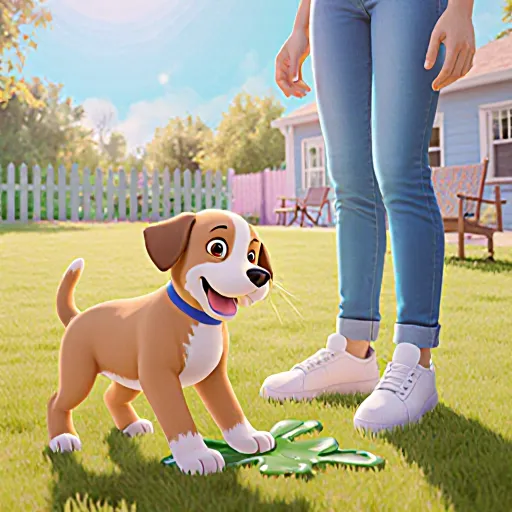
Avoid these potty training pitfalls for a smoother process!
Potty Training Your Puppy: Common Mistakes to Avoid
Table of Contents
- Understanding Potty Training Basics
- Choosing the Right Time to Start Potty Training
- Establishing a Schedule and Routine
- Selecting an Appropriate Crate or Space
- Praise, Rewards, and Consistency
- Handling Accidents and Mistakes Gracefully
- Avoiding Punishment for Accidents
- Introducing Your Puppy to the Outside World
- Monitoring Your Puppy's Eating and Drinking Habits
- Recognizing Signs of Readiness for Potty Training
- Introducing the Concept of "Going Outside"
- Common Mistakes to Avoid: Over-Excitement and Distractions
- Conclusion
- FAQs About Potty Training Your Puppy
Understanding Potty Training Basics
Potty training is a crucial milestone for both puppies and their owners. It involves teaching your puppy to eliminate waste outside instead of inside the home. This process requires patience, consistency, and understanding. Here are some fundamental concepts to consider when potty training your puppy:
Establish a Routine
The key to successful potty training is creating a consistent routine. Puppies thrive on structure, and knowing what to expect can help them learn faster. Take your puppy outside at regular intervals—typically every 1-2 hours for young puppies and less frequently as they grow older. This includes first thing in the morning, before and after meals, and immediately following playtime or other activities.
Consistency is crucial. Always take your puppy to the same location each time. Puppies learn quickly from repetition. By taking them to a specific spot consistently, you help imprint this behavior into their minds.
Positive Reinforcement
Using positive reinforcement techniques such as praise, treats, and playtime is essential in potty training. When your puppy successfully eliminates outside, immediately reward them with verbal encouragement or a small treat. This reinforces the desired behavior and makes it more likely to occur again.
Avoid scolding or punishment if your puppy has an accident inside. Instead, calmly pick them up and take them back outside. Accidents are a natural part of learning, but negative reinforcement can lead to fear and anxiety, making the process more challenging.
Signs Your Puppy Needs to Go
Recognizing when your puppy needs to go is vital for effective potty training. Signs include circling, sniffing the ground, or pacing near a door leading outside. If you notice these signs, take them immediately to their designated spot.
Patience and Consistency
Puppies are not born knowing where it's okay to eliminate waste. They need time to learn this new behavior. Be patient and consistent with your training methods. Every puppy is different, and some may take longer than others to fully understand the concept.
Common Mistakes to Avoid
- Ignoring Accidents: Ignoring accidents can lead to a lack of consistency in your training routine. Always address accidents by calmly taking the puppy outside.
- Mixing Indoor and Outdoor Locations: Using different locations indoors and outdoors confuses the puppy about where it's acceptable to eliminate waste.
- Inconsistent Timings: Varying when you take your puppy out can disrupt their learning process. Stick to a routine as much as possible.
Practical Tips
To make potty training easier, use waterproof pads for accidents and consider crate training during the night or if you're away from home. This provides your puppy with their own space while also teaching them boundaries.
Remember that every puppy learns at its own pace. With consistent training and positive reinforcement, most puppies will be fully trained within a few months.
Choosing the Right Time to Start Potty Training
Potty training your puppy is a crucial step in their development and can significantly impact their overall behavior and comfort. Starting potty training at the right time is essential to ensure that your puppy learns effectively and quickly, while avoiding common mistakes that could extend the process or lead to behavioral issues.
- Age: Most puppies are ready to start potty training around 12-16 weeks old. However, this can vary depending on the breed and individual puppy.
- Household Setup: Ensure your home is puppy-proofed and that you have a consistent routine for taking them outside. This consistency is key to successful potty training.
- Breeding Factors: Puppies from smaller breeds tend to be ready earlier, while larger breed puppies may take longer due to their slower development.
Starting potty training too early can lead to frustration and stress for both you and your puppy. For instance, very young puppies have limited control over their bladders and cannot hold it for long periods. Attempting to train them before they are physically ready may result in frequent accidents inside the house. This can be frustrating not only for the owner but also for the puppy as they learn without success.
Starting potty training too late might mean that your puppy has already developed bad habits, such as chewing on inappropriate items or having accidents indoors. It can also be more challenging for both you and your puppy due to the sheer volume of training needed in a short period.
- Observe Your Puppy: Watch how often your puppy eats, plays, and sleeps. This can give you clues about when they might need to go potty.
- Create a Routine: Establish a regular schedule for feeding, playtime, naps, and trips outside. Consistency is crucial in potty training.
- Use Positive Reinforcement: Reward your puppy with treats or praise when they successfully use the potty outside. This encourages them to repeat the behavior.
One common mistake is not taking the puppy outside frequently enough, especially during wakeful periods and after meals, naps, or playtime. Another mistake is not praising your puppy immediately after they eliminate outdoors. Lastly, some owners become too harsh when accidents happen indoors, which can create anxiety in the puppy.
Potty training should be a positive experience for both you and your puppy. By choosing the right time to start potty training and avoiding common mistakes, you can ensure that this process is smooth and successful. Remember, patience and consistency are key!
Establishing a Schedule and Routine
Establishing a schedule and routine is crucial when potty training your puppy. A consistent timetable helps puppies understand what to expect, making the process smoother for both you and your pet. However, many owners fall into common pitfalls that can hinder their progress. Here’s how to avoid these mistakes:
Mistake 1: Lack of Consistency
Consistency is key when it comes to potty training. Your puppy needs to know exactly where and when they are allowed to eliminate. Establish a specific routine for feeding, playtime, and bedtime. For example, feed your puppy at the same time every day, followed by 15-20 minutes of supervised playtime before taking them outside to potty. Consistency helps puppies recognize patterns and learn appropriate behavior.
Practical Advice: Create a visual schedule that outlines daily activities, including meals, walks, and potty breaks. Place this somewhere visible so all family members are aware of the routine. This ensures everyone follows the same schedule, which is especially important for consistency.
Mistake 2: Not Taking Your Puppy Outside Often Enough
It's essential to take your puppy outside frequently enough that they get the chance to eliminate when needed. Puppies have small bladders and can't hold it for long periods of time, especially if they are very young.
Practical Advice: Keep a close eye on signs that your puppy needs to go potty, such as circling, sniffing, or whining. If you miss these signals, your puppy may have an accident inside the house. For very young puppies, plan for frequent trips outside—up to six times a day is not uncommon.
Mistake 3: Punishing Mistakes
Puppies make mistakes when they are learning to potty train. Instead of punishing them, it's important to correct the behavior calmly and redirect their attention to where they should go potty.
Practical Advice: If you catch your puppy in the act of having an accident inside, pick them up immediately without making a fuss. Take them outside to the designated spot and encourage them to eliminate there. Praise them when they succeed. Avoid using physical punishment or shouting as this can confuse or frighten the puppy.
Mistake 4: Ignoring Cues
Some puppies give clear cues that it's time to go potty, such as scratching at a door or tugging on their leash. Missing these signals can lead to accidents inside the house.
Practical Advice: Pay attention to your puppy’s body language and behavior. If you notice signs of needing to eliminate, take them outside immediately. Reward them with praise when they go potty correctly in the right spot. Over time, this will help reinforce the correct behavior.
Mistake 5: Moving Too Quickly
It’s important not to rush the potty training process. Every puppy is different, and some may take longer to learn than others. Patience is key.
Practical Advice: Tailor your approach based on your puppy's age and breed. Young puppies need more frequent breaks and supervision. Older puppies can start with less supervision as they develop better control. Always allow for individual differences in learning speed and be patient throughout the process.
Mistake 6: Not Supervising Enough
Supervision is crucial during the initial stages of potty training to ensure your puppy doesn't have accidents inside the house. It’s important to be present to catch them in time before they eliminate.
Practical Advice: For young puppies, this may mean keeping them on a leash when you're not actively supervising. When you are home and can’t supervise, consider crating your puppy or placing them in a playpen with toys to keep them occupied until you return.
Mistake 7: Not Using Positive Reinforcement
Positive reinforcement is an effective way to encourage good behavior during potty training. Rewarding your puppy for going potty correctly reinforces the positive behavior and encourages repetition of the action.
Practical Advice: Use treats, praise, or playtime as rewards when your puppy successfully eliminates in the right place. This helps them associate successful elimination with positive outcomes. Over time, they will learn to go where you want them to go without the need for constant reinforcement.
By avoiding these common mistakes and implementing a consistent routine, you can make potty training more effective and enjoyable for both you and your puppy. Remember that patience is key, and every puppy learns at their own pace. With consistency, attention to detail, and positive reinforcement, success in potty training will be within reach.
Selecting an Appropriate Crate or Space
Selecting an appropriate crate or designated space is crucial for effective potty training your puppy. This step often gets overlooked, leading to numerous mistakes that can hinder the training process. Here’s a guide on how to select the right setup and avoid common pitfalls.
Understanding the Role of Crates in Potty Training
Crates serve as a secure area where puppies feel safe and comfortable while they are learning to hold their bladders at night or during long periods away from home. It's essential that the crate provides your puppy with privacy and a sense of security, which helps reduce accidents.
Choosing the Right Size
The size of the crate is critical; it should be big enough for your puppy to stand up, turn around, and lie down comfortably but not so large that they can eliminate in one end without moving. For example, if you have a small breed like a Chihuahua, choose a medium-sized crate rather than an extra-large one.
- Small Breeds: Medium to small crates
- Middle-Sized Breeds: Medium to large crates
- Larger Breeds: Large or extra-large crates
Location Matters
The location of your puppy’s crate is equally important. Place the crate in a quiet area away from heavy traffic and activities, but not so far that you can’t hear them easily if they need to go out. A good option might be near your bedroom door.
Comfort and Familiarity
Your puppy’s crate should be lined with soft bedding like puppy-safe blankets or towels. This makes the space more inviting, which is especially important for younger puppies who are still adjusting to their new environment.
Common Mistakes to Avoid
Here are some common mistakes that can make potty training difficult:
- Picking an Inappropriate Size Crate: Too big or too small can cause confusion for your puppy. A crate that's too large allows them the freedom to relieve themselves at one end without moving, which delays learning.
- Inconsistent Location of the Crate: Moving the crate frequently can confuse your puppy about where it should go to eliminate.
- Lack of Bedding: Not providing bedding can make the crate uncomfortable for your puppy, leading them to resist using it.
- Ignoring Early Signs: Waiting too long before taking your puppy out or ignoring early signs that they need to go (like sniffing around) can result in accidents indoors.
Practical Advice
To ensure successful potty training, follow these tips:
- Establish a regular schedule for crate time and trips outside.
- Praise your puppy when they use the crate appropriately; this reinforcement encourages good behavior.
- Ensure that your puppy has access to their crate at all times during the day.
- Be patient and consistent with training. Puppies learn best through repetition and positive reinforcement.
By carefully selecting a suitable space or crate for your puppy’s potty training, you can avoid these common mistakes and make the process smoother and more successful.
Praise, Rewards, and Consistency
Praising your puppy for good behavior during potty training is a fundamental aspect of successful training. Positive reinforcement through praise can motivate your puppy to repeat the desired actions. However, it's important not to overdo it; too much praise can make the process overwhelming and confusing for your pet.
Rewards play an equally crucial role in potty training. Rewards don't have to be food-based—they could include toys, verbal praise, or a simple pat on the head. The key is consistency: always reward the puppy when they successfully go potty outside and not indoors. For example, immediately after your puppy has finished going to the bathroom outdoors, throw them a small toy or say "Good boy/girl!" in an excited tone.
Consistency is paramount in potty training. Establishing a routine can help your puppy understand what is expected of them. Consistent times for feeding and taking walks are essential as they will give you the best chance to predict when your puppy needs to go out. For instance, if you take your puppy outside every morning at 7 AM after their breakfast, they'll learn that this time is associated with going potty.
Ignoring accidents indoors is another common mistake. Instead of scolding or punishing the puppy for an accident (which can cause fear and stress), clean up the mess immediately using a pet-safe cleaner. Then, take your puppy outside as soon as possible to reinforce that outdoor locations are where they should go.
Another important point is not to allow your puppy to spend too much time inside unsupervised. The longer a puppy stays in an area without the opportunity to potty, the more likely it is for them to have an accident. Therefore, providing multiple playtimes and supervised rest periods can be very beneficial.
Lastly, remember that every puppy is different, so you may need to adapt your training methods accordingly. Patience and persistence are key as well. Mistakes will happen, but consistent praise, rewards, and a routine will help your puppy learn the right behaviors faster and more effectively.
Handling Accidents and Mistakes Gracefully
When potty training your puppy, accidents and mistakes are inevitable. Handling these situations with grace and patience is crucial for both the pup's learning process and maintaining a positive relationship between you and your pet. Here’s how to manage such incidents effectively:
Stay Calm
The first rule of handling accidents gracefully is to remain calm. Puppies are sensitive to their owners' emotions, so if they sense that you're upset or frustrated, it might cause them additional stress and anxiety. Instead, stay composed and deal with the situation matter-of-factly.
Act Quickly
Once an accident has occurred, act swiftly but quietly. Avoid scolding or punishing your puppy; this could lead to fear and avoidance of potty training altogether. Simply clean up the mess calmly using an enzyme cleaner that effectively removes odors without leaving behind any residues.
Redirect Behavior
To prevent future accidents, redirect your puppy’s attention away from inappropriate areas. For example, if you catch them in the act of going potty inside the house, gently pick them up and take them to their designated outdoor spot. This redirection reinforces where they should relieve themselves.
Use Positive Reinforcement
Puppies learn best through positive reinforcement. When your pup successfully goes potty in the right place, praise them enthusiastically or reward them with a treat. This positive feedback encourages them to repeat the correct behavior.
Establish a Routine
A consistent schedule helps puppies understand when it's time to relieve themselves. Feedings and walks should be part of this routine, as a full stomach often signals that it’s time for elimination.
Mistakes to Avoid
- Scolding: As mentioned earlier, scolding or punishing your puppy for accidents will only cause more harm than good. It can lead to fear and even make them avoid potty training altogether.
- Ignoring the Accident: Ignoring an accident is also not advisable as it doesn’t teach your puppy where they should go potty.
- Rushing the Process: Every puppy has their own pace. Trying to rush them through the process can lead to more accidents and frustration for both of you.
Stay Consistent
Consistency is key in potty training your puppy. Stick to the routine, cleaning up promptly after each accident, and praising successful attempts consistently. This consistency will help reinforce good behaviors over time.
By handling accidents and mistakes gracefully, you set a positive tone for the entire potty training experience. Remember, patience is crucial in this process, just as it is with many other aspects of your puppy’s development.
Avoiding Punishment for Accidents
In potty training your puppy, one of the most critical aspects to focus on is avoiding punishment for accidents. Mistreating a puppy during this sensitive period can have long-lasting effects on its behavior and trust towards you as the owner. Here are some common mistakes that often lead to unnecessary frustration and fear:
- Punishing Accidents: It's crucial to understand that accidents happen when puppies are still learning. Punishment, such as shouting or physical force, can damage your relationship with the puppy and make it anxious about potty training. Instead of punishing, focus on reinforcing positive behaviors.
- Example: If your puppy has an accident inside, instead of scolding, calmly pick up the soiled item and take it outside to finish its business.
- Punishing for Speed: Some owners become frustrated when their puppies don't learn quickly enough. Remember that every puppy is different; some may grasp potty training faster than others. Instead of stress, try to be patient and provide consistent guidance.
- Example: If your puppy is taking longer than expected, keep practicing with short intervals between bathroom trips.
- Punishing for Lack of Control: Accidents due to a lack of control are not something the puppy can help. It's essential to understand that puppies have little or no bladder and bowel control until they are fully trained. Punishment is counterproductive here.
- Example: If your puppy has an accident in its crate, it’s okay—puppies need to relieve themselves at night; make sure to let them out before bedtime.
To avoid these mistakes and ensure a smooth potty training process, here are some practical tips:
- Stay Calm: Always remain calm when dealing with accidents. Your puppy can sense your emotions and will learn to associate them with the situation.
- Use Positive Reinforcement: Focus on rewarding good behavior rather than punishing mistakes. Praise, treats, and extra playtime are great incentives for your puppy.
- Create a Routine: Establishing a regular schedule helps your puppy understand when it's time to go outside. Consistency is key in potty training.
- Take Breaks: Sometimes, puppies need breaks from the training process. If you notice signs of stress or discomfort, take a break and start again later with renewed enthusiasm.
Introducing Your Puppy to the Outside World
Introducing your puppy to the outside world is a crucial step in their development and can set the stage for successful potty training. This phase involves exposing them to various environments, people, and experiences that will help shape their behavior as they grow. However, it’s essential to approach this process with caution and understanding, especially when considering potty training. Many common mistakes can arise if not handled properly.
Before diving into introducing your puppy to new environments, it’s important to have a solid grasp of potty training principles. Puppies need consistency and routine to understand when they should go outside. Establishing clear signals for your puppy can help in this regard. For example, if you use the phrase "go potty" every time you take them out, they will begin to associate it with the action.
Introducing a puppy to new environments should be done gradually and without overwhelming them. Start in small increments, allowing your pup to acclimate before moving to more complex settings. Here are some steps you can follow:
- Start with familiar areas: Before venturing out, take your puppy for short walks around the backyard or a familiar park area.
- Gradually expand their territory: Once they are comfortable in smaller spaces, start introducing them to more open and varied environments. Always keep an eye on where they choose to go potty.
- Positive reinforcement: Praise and treats immediately after they relieve themselves outside will help reinforce the correct behavior. This positive feedback is crucial for learning.
Many new puppy owners make mistakes during this critical period that can lead to difficulties in potty training. Here are some common pitfalls to avoid:
- Not keeping a close eye: It’s easy for puppies to get distracted and wander off, especially in an unfamiliar environment. Always supervise closely during these outings.
- Lack of consistency: Establishing a routine is key. Taking your puppy out at the same time each day or every few hours will help them understand when it’s appropriate to go potty.
- Punishing accidents inside: Never punish your puppy for accidents; instead, take them outside immediately and praise them once they relieve themselves properly.
- Failing to reward quick learning: Recognize and reward your puppy’s early successes. This will encourage them to continue potty training successfully.
Introducing your puppy to the outside world is an exciting yet challenging task, but with careful planning and attention to detail, you can set your pup on the path to successful potty training. By avoiding common mistakes and following a structured approach, you’ll help ensure that this process is as smooth as possible for both you and your furry friend.
Monitoring Your Puppy's Eating and Drinking Habits
In order to ensure your puppy's well-being and proper development, it is crucial to monitor their eating and drinking habits closely. This observation not only helps in preventing digestive issues but also aids in potty training effectively. Here are some key points to keep in mind while monitoring these behaviors:
Puppies have different feeding requirements based on their age, breed, and activity level. Generally, puppies need to eat more frequently than adult dogs, with meals spaced every few hours. By observing your puppy’s cues for hunger, you can avoid overfeeding or underfeeding.
- Watch for signs of hunger: A healthy sign is when your puppy shows interest in food and has a good appetite.
- Avoid overfeeding: Puppies that are fed too much can become overweight, which may lead to health problems later in life. Monitor the portions given during each meal.
Hydration is vital for a puppy's health and growth. Ensuring your puppy has access to clean water at all times can help prevent dehydration and other related issues. Here are some tips:
- Check the bowl regularly: Make sure fresh, clean water is always available.
- Avoid over-hydration: While it's important to keep your puppy hydrated, too much water can cause gastric dilatation-volvulus (bloat) in some breeds. Monitor the amount of water they consume, especially after meals.
Potty training is a significant milestone for puppies, and monitoring their eating and drinking habits can be crucial during this process:
- Feed at consistent times: Establish a routine by feeding your puppy at the same time each day. This helps them understand when to eat and drink.
- Encourage elimination after meals: After your puppy eats or drinks, take them outside for potty breaks. This can help reinforce the connection between eating/drinking and eliminating.
To ensure a smooth potty training process and overall health of your puppy:
- Do not feed too close to bedtime: Feeding right before bed can lead to accidents in the house during the night. Try to finish feeding at least two hours before bedtime.
- Avoid giving human food: Human foods, especially those high in fat or sugar, are not suitable for puppies and can interfere with their nutritional needs.
- Consistency is key: Maintain a consistent routine regarding feeding and potty breaks. This consistency helps your puppy learn faster and more effectively.
By closely monitoring your puppy's eating and drinking habits, you can create a balanced diet that supports their growth and development while also aiding in effective potty training. Remember to stay patient and consistent throughout the process, as it is crucial for both the health of your puppy and the success of your potty training efforts.
Recognizing Signs of Readiness for Potty Training
To effectively potty train your puppy, it is crucial to recognize the signs that indicate they are ready. Just like humans, puppies go through developmental stages that make them more capable of understanding and managing their bathroom needs. Here’s how you can identify these signs:
Physical Signs
- Increased Urination and Defecation Frequency: Puppies that are ready for potty training will have more frequent trips to the bathroom, both during the day and at night. This is because their bladders and digestive systems are still developing, meaning they need to relieve themselves more often.
- No Accidents While Playing: If your puppy avoids accidents while playing with toys or other dogs, it could be a sign that they understand when the right time to go potty is. This indicates an understanding of the concept and timing involved in potty training.
Biological Signs
- Increased Time Spent Outside: If your puppy spends more time outside, it could mean they are becoming more comfortable with their environment and the idea of relieving themselves away from home.
- Reduced Napping Duration: A reduction in naps or sleeping longer stretches at a time can indicate that the puppy is becoming more active and aware of its surroundings, which includes recognizing when it needs to go potty.
Mental Signs
- Increased Interest in the Outdoors: Puppies who show increased interest in spending time outside are often ready for potty training. This could include sniffing around more frequently or showing signs of excitement when taken to the backyard.
- Better Focus and Concentration: If your puppy is more focused on its surroundings, it might be a sign that they are developing better control over their bladder and bowel movements.
Practical Advice
Once you've recognized the signs of readiness, here’s what to do next:
- Create a Consistent Schedule: Establish a regular routine for potty breaks. This includes taking your puppy outside at consistent intervals (e.g., after meals, before and after naps).
- Use Positive Reinforcement: Reward good behavior with treats or praise to encourage your puppy to continue learning.
- Be Patient and Consistent: Potty training takes time. Stay patient and consistent in your approach, and be ready for accidents as part of the process.
Potty training is a crucial step in your puppy’s development, and recognizing the signs of readiness can make this process smoother and more successful. By understanding these signs and implementing effective training methods, you’ll help ensure that your puppy learns to manage their bathroom needs with ease.
Introducing the Concept of "Going Outside"
When it comes to potty training your puppy, one crucial concept that can significantly ease the process is "going outside." This refers to taking your puppy to a specific area where they are expected to relieve themselves. By understanding and implementing this concept effectively, you not only make housebreaking easier but also set clear boundaries for your pet's behavior.
The idea of "going outside" is all about teaching your puppy the importance of eliminating in a designated area away from your home. This practice helps establish consistency and predictability, which are key elements in potty training. When you take your puppy outside to a specific location—such as a yard or an area you've chosen for this purpose—it reinforces that this is where they should go. Over time, they learn to associate going "outside" with the act of eliminating.
- Lack of Consistency: One of the most common mistakes is not being consistent about when and where you take your puppy outside. Dogs thrive on routine, so if you vary too much in timing or location, they can become confused. For example, taking them to a different spot every time might result in accidents indoors because the puppy doesn't fully understand that "outside" means going to their designated area.
- Ignoring Early Signs: Many pet owners wait until their puppy has already started eliminating before heading outside. However, by the time they notice signs like sniffing or circling, it might be too late. Puppies often give subtle cues earlier, such as stopping play or suddenly becoming still. It's important to read these signals and take them outside immediately.
- Not Taking Them Outside Often Enough: Young puppies need frequent breaks because they have smaller bladders. Skipping opportunities for your puppy to go outside can lead to accidents indoors. A good rule of thumb is to take them out every hour or so, especially right after waking up from a nap or a meal.
- Inadequate Supervision: If you're not present when your puppy has an accident inside, they may not learn that it's wrong. It's crucial to closely supervise puppies during the early stages of potty training. This means keeping them on a leash if possible and being attentive to their needs.
- Punishment for Accidents: Punishing your puppy after an accident is counterproductive and can cause stress or fear. Instead, focus on praising successful trips outside and cleaning up accidents promptly with an enzymatic cleaner that removes the scent from your home, which might otherwise entice your dog to go back there.
- Create a Routine: Establishing a consistent routine can make it easier for both you and your puppy. For instance, take them outside right after meals, first thing in the morning, before bedtime, and every hour or so during the day.
- Use Leashes Wisely: If you have a yard, using a leash when you go out can help manage where your puppy goes. It also allows for more control if they try to veer off course.
- Praise and Reward: Positive reinforcement is incredibly effective in potty training. When your puppy successfully eliminates outside, reward them with verbal praise or treats. This encourages good behavior and makes the learning process enjoyable for both of you.
In conclusion, teaching your puppy to "go outside" is fundamental to a successful potty training experience. By avoiding common mistakes like inconsistency, ignoring early signs, inadequate supervision, punishment, and not taking them out often enough, and by implementing practical advice such as creating routines, using leashes wisely, and praising success, you can help your puppy learn quickly and adapt well to this new routine.
Common Mistakes to Avoid: Over-Excitement and Distractions
Potty training your puppy is a crucial part of their early development, yet it can be fraught with common mistakes. One significant pitfall many owners fall into is over-excitement and distractions during the process. This mistake often stems from a desire to speed up the learning process or simply out of enthusiasm for seeing progress.
Over-excitement can lead to erratic behavior on the puppy's part, making it harder to establish consistent routines and cues. For example, if you celebrate too vigorously when your puppy successfully uses the potty outside, they may associate this positive reinforcement with a variety of activities, not just going potty. This can result in them trying to "perform" for attention at inappropriate times.
To avoid over-excitement and distractions:
- Stay Calm and Consistent: Puppies learn best when the environment is calm and predictable. Keep your reactions neutral, rewarding successes with a simple “good boy/girl” or a gentle pat rather than excessive praise.
- Create a Routine: Establish a consistent schedule for feeding, playing, and potty breaks. Consistency helps puppies understand what is expected of them and when.
- Avoid Overstimulation: Try to minimize distractions during training sessions. A calm environment allows the puppy to focus on learning without being overwhelmed or diverted by other stimuli.
Distractions can also be a significant issue, especially in households with multiple pets or children. If your puppy is easily distracted, they may not fully concentrate on the task at hand and miss signals that indicate it's time to go outside. For instance, if there are other dogs around who excite your puppy, they might run up to them instead of heading out to relieve themselves.
To handle distractions effectively:
- Use Leashes and Gates: If possible, use a leash to keep your puppy focused during potty breaks or when in areas prone to distractions. A gated-off space can also help minimize interruptions.
- Practice Distraction Resistance: Engage in training sessions where you introduce minor distractions (like another dog passing by) and see how your puppy reacts. Gradually increase the level of distraction as they become more resilient.
- Stay Positive but Firm: If your puppy gets distracted, it's important to remain positive but firm. Redirect their focus gently without punishing them for losing concentration.
In summary, over-excitement and distractions are common issues in potty training that can be managed with consistent routines, calm reactions, and strategic planning. By avoiding these pitfalls, you set your puppy up for successful and stress-free potty training experiences.
Conclusion
As we conclude our exploration of potty training your puppy, it's essential to remember that consistency and patience are key. Every puppy is unique, and what works for one may not work for another. By avoiding common mistakes such as inconsistency in routines or moving the puppy too early from its crate, you can set your furry friend up for success.
Consistency in potty training involves establishing a clear routine and sticking to it. For instance, taking your puppy out at specific times—right after meals, before and after naps, and first thing in the morning—helps them learn where and when they should eliminate. This consistency is crucial for reinforcing good habits.
Another common mistake is not providing enough opportunities to potty outside. Puppies have small bladders and need frequent trips outside. If you're working or away during the day, consider hiring a pet sitter or using a reliable doggy daycare service that can provide ample opportunity for your puppy to relieve itself.
Positive reinforcement is another critical aspect of potty training. Praising and rewarding your puppy with treats when they successfully go potty outside encourages them to repeat the behavior. However, it's important not to overdo it; too much praise or treats can lead to overstimulation. Keep the rewards moderate but consistent.
Lastly, every puppy learns at their own pace. Some may catch on quickly, while others might take longer. Patience is key in this process. If your puppy isn't potty trained after a reasonable amount of time or if you notice setbacks, it's important to consult with a veterinarian or a professional trainer who can offer additional guidance and support.
By following these tips and avoiding common pitfalls, you'll be well on your way to successfully potty training your puppy. Remember, the journey is just as important as reaching the destination. Enjoy this exciting time in your relationship with your new family member!
FAQs About Potty Training Your Puppy
Frequently Asked Questions
Potty training your puppy is a crucial step in their development, but it can also be challenging. Below are some frequently asked questions to help guide you through the process and avoid common mistakes.
1. When Should I Start Potty Training?
It's generally recommended to start potty training your puppy around 8-12 weeks of age, depending on their breed and maturity level. However, ensure that they have had all necessary vaccinations before starting the process outside of their confinement area.
2. What Supplies Do I Need for Potty Training?
To effectively potty train your puppy, you'll need a leash, a sturdy waste removal tool (like scoops), newspapers or paper inserts for indoor training areas, and a secure outdoor area for them to eliminate.
3. How Do I Choose the Right Potty Training Spot?
Select an area that is easily accessible but not near their feeding space to avoid confusing smells with food. Outdoor areas should be chosen based on privacy and safety, ideally away from busy or dangerous streets.
4. What’s the Best Way to Reward Positive Behavior?
Puppies respond well to positive reinforcement. Use treats, praise, and affection to reward them whenever they successfully eliminate in the designated spot. Consistency is key here; always provide immediate feedback right after they finish.
5. Should I Crate Train My Puppy During Potty Training?
Crate training can be beneficial as it provides a safe space for your puppy and helps them learn boundaries. Ensure the crate is not too large, so they feel secure when they eliminate in one corner.
6. What if My Puppy Has an Accident Inside?
If you catch your puppy in the act of eliminating inside, take them to their designated potty spot immediately without showing any signs of disappointment or anger. Clean up thoroughly using an enzyme-based cleaner and avoid scolding.
7. How Long Will Potty Training Take?
The duration varies by puppy; some can be fully trained in a few weeks, while others may take months. Patience is crucial during this process. Remember that consistency is key – maintain routines and avoid distractions.
8. Common Mistakes to Avoid
- Not Using Consistent Commands: Use the same command every time you take your puppy outside so they associate it with going potty.
- Ignoring Accidents: Always clean up accidents promptly and thoroughly to prevent reoccurrences. Ignoring them can confuse your puppy.
- Inconsistent Schedules: Establish a regular feeding schedule and take your puppy out at consistent times throughout the day.
9. What If My Puppy Is Having Trouble Learning?
If after several weeks, you're not seeing progress, consider seeking advice from a professional trainer or veterinarian. They can offer personalized tips and solutions tailored to your puppy's needs.
10. Are There Any Special Considerations for Puppies with Health Issues?
If your puppy has any health issues that may affect their ability to control their bladder or bowels, consult a veterinarian before beginning the training process and discuss appropriate strategies tailored to their condition.
Categories
- AI & Enrichment Play
- Broiler Farming
- Broiler Farming Tips
- Canine Wellness & Longevity
- Cat
- Cat & Human Connection
- Cat Adoption & Rescue
- Cat Breeds
- Cat Breeds & Personalities
- Cat Care & Health
- Cat Grooming & Hygiene
- Cat Lifestyle & Environment
- Cat Myths & History
- Cat Nutrition & Diet
- Cat Products & Reviews
- Cat Training & Behavior
- Comparison
- Consumer Awareness
- Dog
- Dog Accessories & Products
- Dog Adoption & Rescue
- Dog Breed & Lifestyle Trends
- Dog Breeding & Puppies
- Dog Entertainment & Media
- Dog Fashion & Trends
- Dog Fun & Lifestyle
- Dog Grooming & Hygiene
- Dog History & Culture
- Dog Myths, Science & Future Tech
- Dog News & Trends
- Dog Nutrition & Food
- Dog Psychology & Emotions
- Dog Safety & Security
- Dog Sports & Activities
- Dog Technology & Innovation
- Dog Training for Modern Owners
- Dog Travel & Adventure
- Dog Travel, Adventure & Culture
- Economic and Market Insights
- Educational Content
- FAQs
- Feeding Alternatives
- Festivals & Seasonal Ideas
- Fun & Entertainment
- General Knowledge
- General Pig Farming
- Health & Disease Management
- Housing and Environment
- Kittens
- Market Insights
- Miscellaneous
- Miscellaneous
- Motivational
- pig
- Pig Breeding
- Pig Breeds
- Pig Farming Stories and Inspiration
- Pig Health and Care
- Pig Nutrition
- Pig Products
- Profitability & Business
- Puppy Care
- Puppy Predictable Topics Reinvented
- Regional Focus
- Rescue & Adoption Buzz
- Senior Cats
- Senior Dog Care
- Smart Dog Tech & Gadgets
- Sustainability
- Sustainable & Eco-Friendly Dog Products
- Tech & Innovations
- Working & Service Dogs
- Broiler Feed66 products
- Country Feed33 products
- Pig Feed66 products
- Product22 products
- Raw Materials99 products
Products
-
 Fish Meal
₹1,999.00 – ₹2,999.00Price range: ₹1,999.00 through ₹2,999.00Rated 0 out of 5
Fish Meal
₹1,999.00 – ₹2,999.00Price range: ₹1,999.00 through ₹2,999.00Rated 0 out of 5 -
 FATTENING BROILER FEED
₹2,299.00 – ₹2,349.00Price range: ₹2,299.00 through ₹2,349.00Rated 0 out of 5
FATTENING BROILER FEED
₹2,299.00 – ₹2,349.00Price range: ₹2,299.00 through ₹2,349.00Rated 0 out of 5 -
 LAYER COUNTRY FEED
₹1,549.00 – ₹1,649.00Price range: ₹1,549.00 through ₹1,649.00Rated 0 out of 5
LAYER COUNTRY FEED
₹1,549.00 – ₹1,649.00Price range: ₹1,549.00 through ₹1,649.00Rated 0 out of 5 -
 COUNTER BROILER FEED
₹1,199.00 – ₹1,299.00Price range: ₹1,199.00 through ₹1,299.00Rated 0 out of 5
COUNTER BROILER FEED
₹1,199.00 – ₹1,299.00Price range: ₹1,199.00 through ₹1,299.00Rated 0 out of 5 -
 LACTATING PIG FEED
Rated 0 out of 5
LACTATING PIG FEED
Rated 0 out of 5₹2,299.00Original price was: ₹2,299.00.₹1,740.00Current price is: ₹1,740.00. -
 Maize
Rated 0 out of 5
Maize
Rated 0 out of 5₹1,650.00Original price was: ₹1,650.00.₹1,300.00Current price is: ₹1,300.00. -
 GESTATION PIG FEED (Phase 1)
Rated 0 out of 5
GESTATION PIG FEED (Phase 1)
Rated 0 out of 5₹2,249.00Original price was: ₹2,249.00.₹1,699.00Current price is: ₹1,699.00. -
 Pre Starter Broiler Feed
₹2,399.00 – ₹2,499.00Price range: ₹2,399.00 through ₹2,499.00Rated 0 out of 5
Pre Starter Broiler Feed
₹2,399.00 – ₹2,499.00Price range: ₹2,399.00 through ₹2,499.00Rated 0 out of 5 -
 FINISHER PIG FEED
Rated 0 out of 5
FINISHER PIG FEED
Rated 0 out of 5₹2,299.00Original price was: ₹2,299.00.₹1,749.00Current price is: ₹1,749.00. -
 Broiler Premix
Rated 0 out of 5
Broiler Premix
Rated 0 out of 5₹820.00Original price was: ₹820.00.₹699.00Current price is: ₹699.00.