
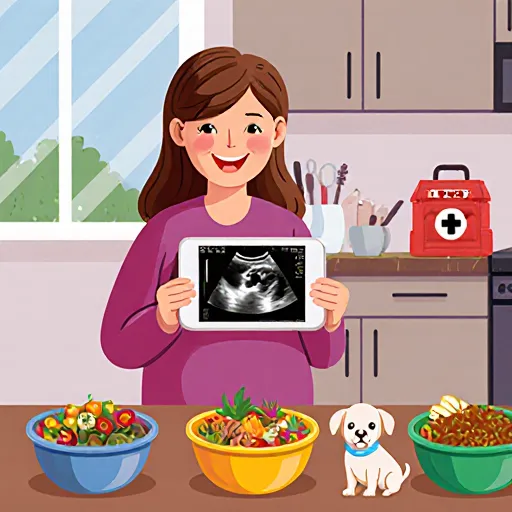
Feed Future Pups: Delicious & Safe Meals
Prenatal Puppy Prep: Rich Recipes, Reliable Protection
Table of Contents
- Introduction to Caring for Pregnant Dogs
- Understanding Pregnancy Stages in Canines
- Essential Nutritional Requirements
- Protein and Energy Needs During Gestation
- Vitamins and Minerals for Fetal Development
- Recommended Supplements and Their Dosages
- Choosing the Right Dog Food Brand
- Hydration and Water Intake Guidelines
- Exercise, Rest, and Daily Activity Levels
- Common Health Risks During Pregnancy
- Preventing and Managing Gestational Diabetes
- Preparing for Labor: Signs and Timeline
- Postnatal Care for Mother and Puppies
- Conclusion
- FAQ
Introduction to Caring for Pregnant Dogs
A pregnant dog’s body goes through dramatic changes that demand a carefully balanced diet and a safe environment. Below is a step‑by‑step guide, complete with practical tips and real‑world examples, to help you provide the best care for your expectant canine.
1. Adjusting Caloric Intake
- First Trimester (Weeks 0–4): Increase food by about 10‑15% over the dog’s maintenance calories. Example: a 50 lb dog that normally eats 2,000 kcal/day should receive ~2,200 kcal.
- Second Trimester (Weeks 5–8): Raise intake by 20‑25%. Use a high‑quality commercial pregnancy formula or add a tablespoon of plain yogurt per meal.
- Third Trimester (Weeks 9+): Add another 10‑15% on top of the second trimester total. Monitor weight gain: aim for about 1 lb/week during the final 3 weeks.
Practical Tip
Use a digital food scale to measure portions accurately. Record daily intake in a journal—this helps spot trends and prevents over‑feeding, which can lead to dystocia (difficulty giving birth).
2. Protein & Fat Balance
- Protein: 18–22 % of the diet during pregnancy; essential for fetal growth.
- Fat: 10‑15 % is ideal, providing extra energy without excessive weight gain. Opt for omega‑3 fatty acids (flaxseed oil or salmon) to support placental development.
Example Meal Plan
For a medium‑sized dog (70 lb):
• 1 cup dry kibble + ½ cup wet food
• Add 2 tablespoons of boiled chicken, or a small spoonful of fish oil.
• Offer a calcium supplement (e.g., bone meal) if recommended by your vet.
3. Micronutrients: Vitamins & Minerals
- Folate: Crucial for neural tube development. Include leafy greens or a folate‑enriched supplement.
- Iodine: Prevents hypothyroidism; use iodized salt sparingly (consult your vet).
- Calcium & Phosphorus: Balanced ratio (~1.2:1) supports fetal bone formation.
Safety Note
Avoid giving raw eggs or unpasteurized dairy, which can contain harmful bacteria (Salmonella). Stick to cooked proteins and pasteurised products.
1. Safe Environment
- Exercise: Moderate, short walks (10‑15 min) twice daily keep muscles toned without stressing the abdomen.
- Avoid High Rides: No jumping on cars or riding in a moving vehicle; it can cause uterine contractions.
- Heat Management: Keep her cool in hot weather—avoid prolonged sun exposure and provide fresh water.
2. Monitoring for Complications
Watch for signs such as:
• Vaginal bleeding or discharge
• Severe abdominal pain or swelling
• Loss of appetite or lethargy
• Unusual restlessness or pacing
When to Call the Vet
If any of these symptoms appear, contact your veterinarian immediately. Early intervention can prevent complications like placenta retention or preterm labor.
3. Preparing for Delivery (Parturition)
- Set Up a Whelping Box: Soft bedding in a quiet corner, easily accessible to the dog.
- Keep a Vet on Call: Have contact details handy for emergencies.
- Know the Signs of Labor: Nesting behavior, decreased appetite, and a slight drop in body temperature (by 1–2 °F) indicate that labor is imminent.
Practical Advice
During the last week, limit activity to short walks only. If she shows signs of nesting, gently place her in a whelping box and monitor her closely for 24 hours. Avoid handling the abdomen unless instructed by a vet.
Understanding Pregnancy Stages in Canines
The first three weeks are critical for embryo implantation and organ development. A pregnant dog’s body is preparing to support life, so subtle changes in appetite and behavior can signal a successful start.
- Nutrition: Increase protein intake by 10–15% using high‑quality commercial diets or supplements such as whey protein or egg whites. Add omega‑3 fatty acids (fish oil) to support fetal brain development.
- Safety: Keep the kennel clean and free of sharp objects. Avoid strenuous exercise; a gentle walk 10–15 minutes daily is sufficient.
- Practical Tip: Offer small, frequent meals (3–4 times per day) to prevent nausea or vomiting, which can be common in early pregnancy.
By week four, the placenta is fully formed and fetal growth accelerates. The dam’s body demands more calories and specific nutrients for healthy development.
- Nutrition:
- Switch to a “pregnancy” or “whelping” diet with 20–25% extra calories per day.
- Include calcium (2.5 g/day) and phosphorus (1.5 g/day) balanced at a 2:1 ratio for bone development.
- Add antioxidants—vitamin E, selenium—to protect the dam’s immune system.
- Safety:
- Limit exposure to toxic substances (e.g., antifreeze, certain plants).
- Maintain a quiet environment; sudden loud noises can cause stress and premature labor.
- Practical Tip: Begin preparing a whelping box with soft bedding and a low entry point to reduce strain during delivery.
The final weeks are marked by rapid fetal growth, increased weight gain in the dam, and preparation for birth. Monitoring becomes essential.
- Nutrition:
- Continue with a high‑calorie diet; aim for an additional 1–2 kg of body weight over this period.
- Provide extra protein (up to 25% of the diet) and consider feeding small amounts of cooked meat or fish as treats.
- Ensure constant access to fresh water; dehydration can trigger early labor.
- Safety:
- Schedule a veterinary check‑up around week 10 for ultrasound confirmation and to discuss spay timing.
- Keep the dog away from other animals, especially male dogs, to prevent stress or accidental injury.
- Inspect the whelping box regularly for cleanliness; replace bedding after each litter of puppies.
- Practical Tip: Observe for signs of labor—restlessness, nesting behavior, and a drop in body temperature (below 101 °F). Have the vet’s contact information handy before the first sign appears.
| Nutrient | Daily Amount | Source |
|---|---|---|
| Protein | 25–30 % of diet | Commercial whelping food, lean meats |
| Calcium | 2.5 g/day | Calcium supplement or dairy |
| Phosphorus | 1.5 g/day | Commercial food, eggs |
| Omega‑3 Fatty Acids | 0.2–0.4 % of diet | Fish oil, flaxseed |
| Vitamin E & Selenium | Per vet recommendation | Supplements or fortified food |
- Maintain a calm, low‑noise environment.
- Avoid toxic chemicals and harmful plants.
- Limit strenuous activity; use a leash for short walks.
- Keep the whelping area clean and ready for delivery.
- Regular veterinary visits: ultrasound, spay timing, and health checks.
By following these detailed nutrition and safety guidelines, you’ll support your dog’s health throughout pregnancy and increase the chances of a healthy litter.
Essential Nutritional Requirements
When caring for a pregnant dog, the foundation of her health is built on balanced nutrition that supports both her own needs and the developing puppies. Below are the key nutrients, recommended intake levels, and practical feeding strategies to keep your canine expecting mother thriving.
Protein
- Why it matters: Proteins provide amino acids essential for fetal growth, muscle development, and maternal tissue repair.
- Recommended intake: Increase protein by about 20–30% compared to a non‑pregnant adult dog. For most breeds, this translates to roughly 1.2–1.5 g of digestible protein per kilogram of body weight per day.
- Sources: High-quality meats (chicken, turkey, beef), fish, eggs, and dairy products like cottage cheese or plain yogurt.
- Practical tip: Use a commercial “high‑protein” dog food labeled for pregnancy or add a small amount of cooked lean meat to her regular kibble. Avoid raw meats unless you’re certain they are free from parasites.
Fats
- Why it matters: Fat provides concentrated energy and is a carrier for fat‑soluble vitamins (A, D, E, K). It also supports the development of the puppies’ nervous system.
- Recommended intake: Increase by 10–15% during pregnancy. Aim for 2–3 g of digestible fat per kilogram of body weight daily.
- Sources: Fish oil, flaxseed oil, chicken fat, and commercial dog foods with added omega‑3/omega‑6 blends.
- Practical tip: Sprinkle a teaspoon of fish oil over her meals once or twice a week. Monitor for any greasy stools; if they appear, reduce the amount slightly.
Carbohydrates
- Why it matters: Provide quick energy and help maintain stable blood glucose levels during pregnancy.
- Recommended intake: Roughly 40–50% of the total caloric intake. Prefer complex carbs (brown rice, sweet potatoes, oats) over simple sugars.
- Practical tip: Mix a small portion of cooked quinoa or barley into her kibble for extra fiber and sustained energy release.
Vitamins
The most critical vitamin during pregnancy is folic acid, followed by vitamins A, D, E, K, and the B‑complex group. Commercial puppy or pregnant dog foods are typically fortified with these nutrients.
- Folic Acid: 0.5–1 mg per day; helps prevent neural tube defects in puppies.
- Vitamin D: 200–400 IU/kg/day; supports calcium metabolism.
- Vitamin E: Acts as an antioxidant, protecting fetal cells from oxidative damage.
Practical tip: If you choose a homemade diet, consult with a veterinary nutritionist to ensure all vitamins are adequately represented.
Minerals
- Calcium & Phosphorus: Balance is crucial. A ratio of ~1.2:1 (Ca:P) supports fetal bone development while preventing skeletal problems in the mother.
- Iodine: 0.05–0.1 mg/kg/day; vital for thyroid function and brain development.
- Selenium & Zinc: Antioxidant roles and immune support.
Practical tip: Many commercial dog foods already meet these mineral requirements, but if you’re feeding a raw or homemade diet, add a supplement like calcium carbonate (for Ca) and a balanced mineral mix.
Water
Hydration is the unsung hero of pregnancy nutrition. A pregnant dog may require up to 50% more water than usual, especially in hot climates or during the last trimester.
- Signs of dehydration: Dry gums, sunken eyes, lethargy.
- Practical tip: Provide fresh water at all times and consider adding low‑sodium chicken broth to encourage drinking if she’s reluctant.
Feeding Schedule & Portion Control
Divide the daily ration into two or three meals to prevent gastric upset and keep energy levels steady. Use a measuring cup or scale for accuracy, especially when transitioning from a maintenance diet to a pregnancy‑specific formula.
Monitoring Progress
- Weight tracking: Weigh your dog weekly. A healthy gain of about 0.5–1 lb (≈0.2–0.4 kg) per week is typical, but this varies by breed.
- Body condition score (BCS): Aim for a BCS of 6/9 during pregnancy—slightly higher than the usual maintenance level.
- Adjust as needed: If she’s gaining too rapidly, reduce calories slightly; if she's losing weight or appears lethargic, increase portions modestly.
Balancing the above nutrients ensures a healthy pregnancy for both mother and puppies. Always work closely with your veterinarian to tailor the diet to your dog’s specific breed, size, and health status.
Protein and Energy Needs During Gestation
Gestation is the most demanding phase of a dog’s life in terms of nutrition. The dam must supply not only her own maintenance requirements but also the growth, development, and energy demands of multiple fetuses, placentae, and the mammary glands that will later produce milk. Below you’ll find a comprehensive guide to calculating protein and energy needs, practical feeding strategies, and real‑world examples.
1. Baseline Energy Requirements
- Maintenance Calories (BMR): Use the following formula for an average dog: BMR = 70 × BW0.75, where BW is body weight in kilograms.
- Activity Factor: Multiply BMR by an activity factor of 1.2–1.5 depending on breed, exercise level, and environment.
2. Gestation Energy Increase
Energy needs rise progressively throughout pregnancy. A commonly accepted schedule is:
| Trimester | Daily Energy Increase (kcal) |
|---|---|
| First (Weeks 0–6) | +5% |
| Second (Weeks 7–12) | +10% |
| Third (Weeks 13–20) | +15–20% |
For a 25‑kg dog with a maintenance requirement of 1,200 kcal/day and an activity factor of 1.3, the total energy requirement in the third trimester would be:
Maintenance = 70 × 25.75 ≈ 1,200 kcal
Activity adjustment = 1,200 × 1.3 = 1,560 kcal
Gestation increase (20%) = 1,560 × 1.20 ≈ 1,872 kcal/day
3. Protein Requirements
The protein demand also escalates during gestation to support fetal growth and mammary tissue development.
- First Trimester: 1.4–1.5 g protein per kg of body weight (BW).
- Second Trimester: 1.6–1.7 g/kg BW.
- Third Trimester: 2.0–2.3 g/kg BW.
Example: A 30‑kg dog in the third trimester needs approximately 60–69 g of protein daily.
4. Practical Feeding Strategies
- High‑Quality Commercial Diets: Choose a dog food labeled “Pregnancy and Lactation” or “High‑Protein” with at least 18–22% crude protein.
- Feed by Weight, Not Volume: Use a kitchen scale to ensure consistent nutrient delivery. For the example above (1,872 kcal/day), a food providing 4 kcal/g would require about 468 g of dry food daily.
- Divide Meals: Split the daily ration into 2–3 meals to reduce gastric upset and maintain steady blood glucose levels.
- Supplement Wisely: If your dog’s diet falls short of protein, add a high‑quality whey protein isolate or a commercial prenatal supplement. Avoid raw or undercooked meats that may harbor parasites.
5. Monitoring and Adjustments
Track the dam’s body condition score (BCS) weekly. A slight drop in BCS is normal, but a rapid decline indicates over‑feeding or metabolic issues. If you notice excessive weight loss, increase caloric intake by 10–15%.
6. Common Pitfalls
- Over‑feeding: Excess calories can lead to obesity and gestational diabetes.
- Under‑feeding: Insufficient protein may cause fetal growth restriction.
- Inadequate Fat: Fetuses require essential fatty acids; ensure the diet contains at least 4–6% fat by weight.
7. Real‑World Example
A 22‑kg Labrador Retriever in her second trimester was on a 20% protein, 5% fat commercial food (calories per gram: 4). Her maintenance requirement was 1,350 kcal/day. With a 12% gestation increase:
Adjusted energy = 1,350 × 1.12 ≈ 1,512 kcal
Food needed = 1,512 ÷ 4 ≈ 378 g/day
Protein required = 22 kg × 1.6 g/kg = 35.2 g/day
Protein per gram of food = (20% of 4 kcal) / 4 kcal/g ≈ 0.5 g protein/g
Total protein from food = 378 g × 0.5 g/g = 189 g
Since the calculated protein intake (189 g) far exceeds the requirement (35 g), no supplement is needed; however, monitor for weight gain.
8. Bottom Line
- Calculate daily energy and protein needs based on BW, activity, and gestational stage.
- Use a high‑protein commercial diet or supplement when necessary.
- Adjust portions gradually, monitor BCS, and consult your veterinarian if you see signs of metabolic distress.
By meticulously managing protein and energy intake, you’ll help ensure healthy pregnancies and robust puppies.
Vitamins and Minerals for Fetal Development
Just as a human mother needs balanced nutrition, a pregnant dog (bitch) requires specific vitamins and minerals to support healthy fetal growth, placental development, and overall maternal well‑being. Below is an in‑depth guide that blends scientific evidence with practical feeding tips.
Key Vitamins for Fetal Development
- Vitamin A: Crucial for embryonic eye and organ formation. However, excess can be teratogenic. Use a balanced commercial dog food that meets the recommended daily allowance (RDA) of 10–12 IU per pound of body weight.
- Folate (Vitamin B9): Prevents neural tube defects in puppies. A deficiency may lead to spina bifida or cleft palate. Pregnant dogs typically need a 2‑3× increase over the RDA, which can be achieved by feeding fortified foods or adding a small amount of spinach or parsley.
- Vitamin D: Supports calcium absorption for fetal bone development. Dogs synthesize vitamin D via skin exposure to sunlight; however, indoor breeders may need supplementation (e.g., 10–20 IU per pound). Monitor serum levels if you suspect deficiency.
- Vitamin E: Acts as an antioxidant protecting developing tissues from oxidative stress. A slight increase in the RDA is recommended during gestation.
Practical tip: Choose a high‑quality, pregnancy‑specific dog food that lists all essential vitamins on the label. If you supplement, consult your veterinarian to avoid hypervitaminosis (e.g., vitamin A toxicity).
Key Minerals for Fetal Development
- Calcium: Needed for fetal skeletal growth. Pregnant dogs often require a 1.5× increase in calcium intake. Commercial pregnancy diets usually provide 0.8–1 % calcium by weight.
- Phosphorus: Works synergistically with calcium. The ideal Ca:P ratio is 1.2:1 to prevent bone malformations. Avoid high‑phosphorus treats or excessive protein supplements.
- Iron: Supports fetal hemoglobin production and prevents maternal anemia. A moderate increase (≈ 0.5–1 mg/kg body weight) can be achieved via iron‑rich foods like liver or fortified kibble.
- Zinc: Essential for DNA synthesis and immune function. Pregnant dogs need about 50–70 ppm zinc; commercial diets usually meet this requirement.
Practical tip: Use a prenatal supplement that contains calcium, phosphorus, iron, and zinc only if your diet is not meeting these needs. Over‑supplementation can lead to metabolic bone disease in both mother and puppies.
Feeding Strategies for Optimal Nutrient Intake
- Feed a Pregnancy‑Specific Formula: These diets are formulated with the exact balance of vitamins, minerals, and calories needed from gestation week 1 to parturition.
- Incrementally Increase Portion Size: After week 8, gradually increase meals by 10–15% per month. Aim for a total caloric intake that matches the energy needs of a growing litter (≈ 150–200 kcal/kg body weight/day).
- Include Fresh Vegetables: Add small amounts of cooked carrots or green beans to boost folate and vitamin A while keeping the diet balanced.
- Avoid Human Foods with High Vitamin A or Iron: Foods like liver can be too high in vitamin A, leading to teratogenic effects. Stick to dog‑safe foods only.
Monitoring and Vet Check‑Ins
Regular veterinary visits allow for:
- Blood Work: Monitor calcium, phosphorus, iron, and vitamin D levels.
- Weight Checks: Ensure the bitch is gaining weight appropriately (≈ 0.5–1 % of body weight per week).
- Ultrasound or X‑ray: Assess fetal development and detect any congenital abnormalities early.
If your vet identifies a deficiency, they may prescribe specific supplements or dietary adjustments. Never self‑prescribe high doses of vitamins or minerals without professional guidance.
Take‑away Summary
- Choose a balanced, pregnancy‑specific dog food as the foundation of your nutrition plan.
- Increase calories and key nutrients gradually throughout gestation.
- Avoid excessive supplementation; consult a vet for any adjustments.
- Monitor weight, blood levels, and fetal development through regular veterinary care.
By following these guidelines, you’ll help ensure a healthy pregnancy, strong puppies, and a safe delivery for your canine companion.
Recommended Supplements and Their Dosages
While a well‑balanced diet is the cornerstone of canine pregnancy nutrition, certain supplements can help fill specific gaps, support fetal development, and reduce common pregnancy complications. Below is a practical guide to the most commonly recommended supplements for pregnant dogs, their typical dosages, and safety notes.
1. Folic Acid (Vitamin B9)
- Why it matters: Folic acid is essential for DNA synthesis and neural tube formation in the fetus. Deficiency can lead to congenital abnormalities.
- Recommended dosage: 0.5–1 mg per day (or 500–1000 µg). Many commercial dog foods contain around 2–3 ppm, but supplementing ensures consistent intake.
- How to give it: Add the tablet or powder directly to food, or give a liquid dose using a syringe. If your vet recommends a specific brand, follow their instructions.
- Safety note: Excessive folic acid (above 10 mg/day) can mask vitamin B12 deficiency in some dogs; avoid high‑dose over‑the‑counter human supplements unless prescribed by a veterinarian.
2. Omega‑3 Fatty Acids (EPA & DHA)
- Why it matters: Supports fetal brain and eye development, reduces inflammation, and can help maintain healthy maternal skin and coat.
- Recommended dosage: 100–200 mg of combined EPA/DHA per kilogram of body weight daily. For a typical 30‑kg dog, this equates to roughly 3–6 g total omega‑3s per day.
- How to give it: Use high‑quality fish oil capsules or liquid formulations specifically labeled for dogs. Sprinkle over kibble or mix into canned food.
- Safety note: Avoid excessive doses (> 1 g/kg/day) as they can thin the blood and increase bleeding risk, especially if your dog is on anticoagulants.
3. Calcium & Vitamin D
- Why it matters: Essential for fetal bone growth and maternal skeletal health.
- Recommended dosage: Total calcium intake should be around 0.5–1 % of body weight per day (e.g., a 30‑kg dog needs ~150–300 g of calcium daily). Vitamin D should be at the lower end of the recommended range: 200–400 IU/day.
- How to give it: Calcium is usually provided via diet; supplement with a calcium carbonate tablet if advised. Vitamin D can be added through a fish oil capsule containing both EPA/DHA and vitamin D3 (e.g., 1000 IU).
- Safety note: Over‑supplementation of calcium can lead to soft tissue calcification or interfere with other minerals such as magnesium. Monitor urinary output for signs of excess.
4. Iron
- Why it matters: Supports maternal red blood cell production and prevents anemia, which can compromise fetal oxygen delivery.
- Recommended dosage: 5–10 mg of elemental iron per day for most pregnant dogs. A single tablet (usually 30–60 mg) split into two doses is common.
- How to give it: Oral ferrous sulfate tablets are widely available. Mix with a small amount of wet food or water.
- Safety note: Iron overdose can cause gastrointestinal upset, vomiting, and in severe cases, organ damage. Use only veterinary‑prescribed iron supplements.
5. Probiotics
- Why it matters: Helps maintain a healthy gut microbiome, reduces constipation, and can lower the risk of urinary tract infections.
- Recommended dosage: 1–2 × 10⁹ CFU (colony‑forming units) per day. Many commercial probiotic powders for dogs contain this range.
- How to give it: Sprinkle directly onto food or mix into wet food. Some products come in chewable tablets suitable for picky eaters.
- Safety note: Probiotics are generally safe, but avoid strains not specifically formulated for dogs, as they may contain ingredients harmful to canines (e.g., certain yeast species).
6. Multivitamin Complexes
A balanced multivitamin designed for pregnant or lactating dogs can provide a safety net for micronutrient gaps. Look for products that list:
- Vitamin A, C, E, B‑complex, and biotin.
- Minerals such as zinc, copper, selenium, and manganese.
- No excess iron or calcium beyond recommended levels.
Practical Tips for Supplement Administration
- Consult Your Vet First: Every pregnancy is unique. A veterinarian can tailor supplement doses based on body condition, breed, and any pre‑existing health conditions.
- Use Dog‑Specific Formulations: Human supplements often contain additional ingredients (e.g., sweeteners, artificial flavors) that may be harmful to dogs.
- Track Intake: Keep a simple log of what your dog receives daily—type of supplement, dose, and time. This helps spot patterns or potential overdoses.
- Watch for Side Effects: Gastrointestinal upset (vomiting, diarrhea), lethargy, or changes in appetite warrant immediate veterinary evaluation.
- Adjust During Lactation: After giving birth, adjust supplement levels to meet the increased demands of nursing. Calcium and DHA are especially important during this period.
When to Avoid Supplements
- If your dog is on medication that interacts with supplements (e.g., anticoagulants,
Choosing the Right Dog Food Brand
When your dog is expecting puppies, every bite counts. Selecting a reputable brand that meets the heightened nutritional demands of pregnancy ensures both the mother and her future litter receive optimal care.
Key Nutritional Pillars for Pregnant Dogs
- Protein: Aim for 22–28 % crude protein. Look for high‑quality animal proteins such as chicken, turkey, fish or beef. These provide essential amino acids that support fetal growth.
- Fat: 9–12 % fat is ideal, with a focus on omega‑3 and omega‑6 fatty acids (e.g., flaxseed oil, salmon oil) to promote brain development.
- Calcium & Phosphorus: A balanced ratio of 1.2:1 is crucial for bone formation. Brands that add calcium carbonate or tricalcium phosphate are preferable.
- Vitamin D: Vital for calcium absorption; many commercial diets already include adequate levels, but double‑check if you’re feeding a homemade mix.
- Folate (Vitamin B9): Supports neural tube development. Look for fortified formulas or supplement with a vet‑approved prenatal vitamin.
What to Look For in the Ingredient List
The first ingredient should be a named animal protein source, not “meat by-products” or “protein meal.” A clear hierarchy of ingredients helps you assess quality. Avoid:
- Fillers: corn, wheat, soy – they can cause allergies and don’t provide much nutrition.
- Artificial additives: synthetic colors, flavors or preservatives.
- Excessive carbohydrates: high starch content can lead to weight gain during pregnancy.
Brand Recommendations (as of 2025)
| Brand | Formulation Focus | Key Ingredients | Price Range (per bag) |
|---|---|---|---|
| Royal Canin Pregnancy & Lactation | Veterinary‑grade, balanced for gestation | Chicken meal, barley, calcium carbonate, vitamin D3 | $30–$45 |
| Eukanuba Pregnant & Nursing | High protein, omega‑rich | Lamb meal, salmon oil, dried peas | $28–$40 |
| Hill’s Prescription Diet p/d | Prescription for specific health needs | Chicken, corn gluten meal, calcium phosphate | $35–$50 |
Practical Feeding Tips
- Increase Portion Size Gradually: Add about 10–15 % more food per day during the second and third trimesters, monitoring body condition.
- Frequent Meals: Offer 2–3 smaller meals to prevent gastric dilation and aid digestion.
- Hydration: Provide fresh water at all times; consider adding a small amount of low‑sodium chicken broth for extra moisture.
- Vet Check‑Ins: Schedule prenatal visits every 4–6 weeks to adjust diet if necessary.
Common Mistakes to Avoid
- Switching brands abruptly during pregnancy – can upset the stomach and lead to weight loss.
- Relying on “human” foods like cheese or bread as supplements – these often lack balanced nutrients.
- Over‑supplementing with calcium pills – excess calcium can cause uterine contractions.
Final Thought
Choosing a high‑quality dog food brand tailored for pregnancy is the cornerstone of safe, healthy gestation. By aligning your puppy’s diet with proven nutritional guidelines and consulting your veterinarian regularly, you’ll give both mother and puppies the best start in life.
Hydration and Water Intake Guidelines
Proper hydration is a cornerstone of canine health, and it becomes even more critical during pregnancy. A pregnant dog’s body undergoes significant physiological changes that increase her water requirements. Dehydration can lead to complications such as reduced milk production, fetal distress, or premature labor. The following guidelines will help you ensure your pregnant pup stays adequately hydrated while also addressing common concerns and practical tips.
1. Daily Water Intake Recommendations
- Baseline rule: Dogs generally need about 30–50 ml of water per kilogram of body weight each day. Pregnant dogs, especially in the second and third trimesters, may require up to 10% more fluid.
- Example calculation: A 25‑kg bitch at 12 weeks gestation might need roughly 825–1 050 ml of water daily (30–50 ml × 25 kg + 10%).
2. Monitoring Hydration Status
Keep an eye on the following indicators:
- Skin tent test: Gently lift a fold of skin at the base of her neck. If it returns slowly, she may be dehydrated.
- Mucous membranes: Check the inside of her lower lip; a pale or dry appearance can signal dehydration.
- Urine color and frequency: Pale yellow urine indicates good hydration. Noticeable changes in urination patterns may warrant veterinary attention.
3. Practical Ways to Encourage Drinking
- Use a water fountain that circulates water, making it more enticing.
- Add a splash of low‑sodium broth or plain, unseasoned bone broth to the water bowl to enhance flavor.
- Place multiple fresh water bowls around her living area to reduce competition for access.
4. Special Situations & Precautions
During late gestation or near labor, a pregnant dog may naturally drink more. However, excessive intake can lead to polydipsia, which in some cases indicates underlying issues such as diabetes or kidney disease.
When to Seek Veterinary Advice
- Consistent refusal to drink for >24 hours.
- Visible signs of dehydration (dry gums, skin tent).
- Sudden increase in water consumption accompanied by lethargy or vomiting.
5. Water Quality Matters
Avoid using tap water that contains high levels of chlorine or fluoride, as these can be harmful to dogs, especially during pregnancy. If you’re unsure about your local water supply, consider a pet‑friendly filter or bottled water specifically labeled for canine use.
6. Feeding Water Content into the Diet
Wet dog food contributes roughly 70–80 % moisture, which can help offset fluid loss. If you’re feeding dry kibble, supplement with a small amount of canned food or a homemade broth to increase overall water intake.
7. Post‑Delivery Hydration
After giving birth, the bitch’s hydration needs rise sharply due to lactation and potential blood loss. Provide unlimited access to fresh water and monitor her for signs of dehydration, especially if she has a large litter or shows any behavioral changes.
Hydration is dynamic during pregnancy. Regularly assess your dog’s water intake, provide clean and appealing options, and stay vigilant for early warning signs of dehydration or over‑drinking. When in doubt, consult your veterinarian to tailor a hydration plan that aligns with your dog's specific needs.
Exercise, Rest, and Daily Activity Levels
Maintaining a moderate exercise routine during pregnancy helps keep your dog’s joints flexible, reduces stress, and promotes healthy blood circulation. However, the intensity and duration should be adjusted to avoid overexertion.
- Early Gestation (Weeks 1–4): Short walks (10–15 minutes) twice a day are usually sufficient. Keep the pace easy and monitor for signs of fatigue.
- Mid‑Gestation (Weeks 5–8): Increase walk time to 20–25 minutes, still at a comfortable speed. Add light leash work or gentle play sessions if your dog enjoys them.
- Late Gestation (Weeks 9+): Reduce exercise intensity; focus on short walks (10–15 minutes) and allow plenty of rest periods. Avoid high‑impact activities such as running, jumping, or rough play that could strain the uterus or cause injury.
Practical tip: Use a heart rate monitor or observe your dog’s breathing. If she stops to catch her breath after only 5–10 minutes of walking, it may be too much for her current stage.
Safety Note: Always keep your dog on a leash and avoid hot surfaces (e.g., asphalt) that could overheat her during walks, especially in late pregnancy when she’s more prone to overheating.
Quality rest is as crucial as exercise for a pregnant dog. Proper sleep supports fetal development and helps your dog recover from daily activity.
- Sleeping Environment: Provide a quiet, well‑ventilated area with a comfortable bed that’s slightly elevated to keep her joints off hard surfaces. A padded orthopedic mattress can reduce pressure on the belly.
- Daily Rest Periods: Aim for at least 12–14 hours of sleep per day, including naps. Observe your dog’s behavior; frequent lying down and minimal activity are normal indicators that she needs rest.
- Preventing Over‑Stimulation: Keep the household environment calm during late pregnancy. Reduce loud noises and limit the number of visitors or pets in her space to prevent stress.
Practical tip: If you notice your dog sleeping more than usual or refusing to move, it’s a sign she might be experiencing discomfort. Consult your vet for reassurance or potential adjustments.
Balancing activity and rest ensures optimal health for both mother and puppies. Below is a daily schedule template that can be adapted to your dog’s breed, size, and energy level:
| Time | Activity | Duration | Notes |
|---|---|---|---|
| Morning (7‑8 am) | Light walk & gentle play | 10–15 min | Keep pace easy; avoid hot pavement. |
| Midday (12‑1 pm) | Rest / nap | Varies, 2–3 h | Provide a quiet space with a supportive bed. |
| Afternoon (4‑5 pm) | Short walk or leash training | 10–15 min | Focus on obedience; keep sessions short. |
| Evening (7‑8 pm) | Gentle play / cuddle time | 5–10 min | Encourage bonding without overstimulation. |
Adjustments for Larger Breeds: Bulldogs, German Shepherds, and other large breeds may need even shorter walks to avoid joint strain. For these dogs, emphasize gentle leash work over running or jumping.
Practical tip: Keep a daily log of walk times, rest periods, and any unusual behaviors (e.g., limping, excessive panting). This record will be invaluable during vet visits and help you spot early signs of complications.
Common Health Risks During Pregnancy
While most canine pregnancies proceed smoothly, there are several health risks that can arise and require vigilant care from both the owner and veterinarian. Understanding these potential complications allows you to take proactive steps—through proper nutrition, routine check‑ups, and safe environmental practices—to support a healthy pregnancy for your dog.
1. Gestational Diabetes
Just as in humans, dogs can develop insulin resistance during pregnancy. Symptoms include excessive thirst, increased urination, and sudden weight loss despite normal appetite. Early detection is key:
- Vet visit:** Schedule a glucose tolerance test if your dog shows any signs.
- Dietary adjustment:** Introduce low‑glycemic, high‑fiber foods (e.g., pumpkin puree, oatmeal) to help stabilize blood sugar.
- Monitoring:** Keep a daily log of water intake and urination frequency.
2. Hypertensive Disorders (Preeclampsia)
Pre‑eclampsia in dogs is rare but can be life‑threatening, presenting with sudden swelling, abdominal pain, or lethargy. If you notice:
- Immediate vet contact:** Early intervention can prevent progression to eclampsia.
- Blood pressure monitoring:** Regular readings during prenatal visits help catch early spikes.
- Dietary sodium control:** Limit salt intake; avoid processed foods high in sodium.
3. Placental Abruption and Intra‑uterine Growth Restriction (IUGR)
A placenta that detaches prematurely can deprive fetuses of oxygen, leading to IUGR or fetal demise. Prevention involves:
- Stress reduction:** Keep the environment calm; avoid loud noises and abrupt movements.
- Regular ultrasounds:** Your vet may recommend mid‑pregnancy scans to monitor placental health.
- Nutrient support:** Ensure adequate intake of iron, folate, and omega‑3 fatty acids for vascular health.
4. Uterine Infections (Pyometra, Chorioamnionitis)
Bacterial infections can arise from the uterus or placenta. Signs include fever, vaginal discharge, or foul odor:
- Hygiene:** Keep perineal area clean; use a mild, non‑irritating cleanser.
- Probiotics:** Incorporate probiotic supplements to maintain healthy gut flora, which can reduce infection risk.
- Prompt treatment:** If infection is suspected, antibiotics prescribed by your vet are essential.
5. Preterm Labor and Vaginal Complications
Premature labor can occur due to infections, stress, or hormonal imbalances:
- Environmental safety:** Provide a quiet, warm den free from drafts.
- Dietary support:** Foods rich in calcium and vitamin D help strengthen pelvic tissues.
- Regular vet check‑ups:** Monitor cervical dilation and fetal movement patterns.
6. Postpartum Hemorrhage
Excessive bleeding after delivery may indicate retained placenta or uterine atony:
- Observation period:** Stay with the dog for at least 24–48 hours post‑birth to monitor bleeding.
- Immediate vet care:** If bleeding is heavy, seek veterinary attention promptly.
- Supportive nutrition:** High‑protein meals aid in tissue repair and blood clotting.
7. Maternal Dehydration & Electrolyte Imbalance
Pregnant dogs may become dehydrated due to increased metabolic demands or reduced water intake:
- Encourage water consumption:** Place fresh water in multiple locations and add a splash of low‑sodium broth.
- Monitor weight:** Sudden drops can signal dehydration; contact your vet if this occurs.
- Electrolyte balance:** Consider adding electrolytes (e.g., Pedialyte) in small amounts under veterinary guidance.
Practical Tips for Minimizing Health Risks
- Schedule routine vet visits: Prenatal check‑ups at weeks 4, 8, and 12 are crucial.
- Maintain a balanced diet: Use high‑quality commercial puppy food or tailor-made recipes rich in protein, fat, vitamins, and minerals.
- Limit stressful stimuli: Keep the dog’s environment calm and avoid sudden changes.
- Monitor body condition: Aim for a body condition score of 4–5/9; under‑ or over‑weight dogs face higher risks.
- Use prenatal supplements cautiously: Always consult your vet before adding any vitamins, minerals, or herbal products.
By staying informed and attentive to these common health risks, you can provide a safe and nurturing environment for both mother and puppies. Regular veterinary collaboration, coupled with proper nutrition and environmental care, ensures the best possible outcome for every canine pregnancy.
Preventing and Managing Gestational Diabetes
Gestational diabetes is a relatively rare but serious condition that can affect some dogs during pregnancy, especially large breeds or those with a history of insulin resistance. Early detection and proper management are crucial to safeguard both the mother’s health and the developing puppies.
1. Recognizing Early Signs
- Increased Thirst (Polydipsia): A sudden, persistent thirst can indicate rising blood glucose levels.
- Frequent Urination (Polyuria): More trips to the litter box or a noticeable increase in wet diapers during nursing.
- Lethargy: Unexplained fatigue or reluctance to engage in normal play and exercise.
- Weight Loss Despite Appetite: The dog may still eat normally but lose weight because glucose is not properly metabolized.
- High Blood Sugar (Glucose) Readings: A simple blood glucose test can confirm elevated levels.
2. Diagnostic Approach
Veterinarians typically use the following tests:
- Fasting Glucose Test – Blood is drawn after an overnight fast to measure baseline glucose.
- Oral Glucose Challenge Test (OGCT) – The dog receives a measured dose of glucose; blood is sampled at intervals to see how quickly it returns to normal.
- Insulin Levels – If glucose is high, insulin levels are checked to determine if the pancreas is overworking.
3. Nutritional Management
A balanced diet tailored for gestating dogs with or at risk of diabetes focuses on low glycemic index (GI) foods and controlled portions.
- High-Quality Protein Sources: Skinless chicken, turkey, lean beef, fish (salmon, sardines), and plant-based proteins like lentils. Aim for 20–25% of daily calories from protein.
- Complex Carbohydrates: Sweet potatoes, barley, oats, and brown rice provide sustained energy without spikes in blood sugar.
- Healthy Fats: Omega‑3 fatty acids (fish oil) support placental development and reduce inflammation. Use 0.5–1% of body weight per day as a supplement.
- Fiber-Rich Vegetables: Carrots, green beans, spinach, and broccoli help regulate glucose absorption.
- Low-Glycemic Index Foods: Avoid sugary treats, white bread, and refined grains. If you must give a treat, opt for fresh fruit (berries) or a small amount of pumpkin puree.
Sample Daily Meal Plan (for an average 70‑lb dog) Breakfast: 1 cup cooked chicken + ½ cup sweet potato + ¼ cup steamed broccoli. Lunch: ¾ cup canned low-sodium turkey soup (protein) with a sprinkle of oatmeal. Dinner: 1 cup lean beef + ½ cup barley + a dash of fish oil. Treats: Small pieces of apple or a spoonful of plain Greek yogurt (unsweetened).
4. Feeding Frequency and Portion Control
- Three to Four Small Meals per Day: Smaller, more frequent meals prevent blood sugar spikes.
- Consistent Timing: Feed at the same times each day to stabilize glucose levels.
- Monitoring Weight: Weigh the dog weekly; adjust portions if weight loss or gain exceeds 5% of body weight.
5. Exercise and Activity Guidelines
Moderate exercise helps improve insulin sensitivity but must be balanced to avoid overexertion, especially in late pregnancy.
- Daily Walks (10–15 minutes): Light leash walks help regulate glucose without stressing the body.
- Avoid High-Intensity Work: No sprinting or vigorous play after week 12 of gestation.
- Comfortable Rest Environment: Provide a warm, quiet space with minimal stressors.
6. Medication and Veterinary Support
If diet alone does not control glucose levels, veterinarians may prescribe insulin therapy:
- Insulin Types: Regular (short‑acting) or NPH (intermediate). The choice depends on blood sugar patterns.
- Dosing Schedule: Typically twice daily injections before meals. Use a syringe for precise measurement.
- Monitoring Blood Glucose: Home glucometers designed for dogs allow owners to check levels every few hours during the first week of treatment.
7. Regular Veterinary Check‑Ups
Schedule biweekly visits in the second trimester and weekly visits in the third trimester to monitor:
- Blood glucose trends
- Puppy growth via ultrasound (if possible)
- Overall maternal health indicators (blood pressure, hydration status)
8. Preparing for Delivery
A healthy diet and stable glucose levels reduce complications during whelping:
- Hydration: Ensure constant access to fresh water.
- Calcium and Vitamin D: Add a prenatal vitamin supplement as recommended by your vet.
- Stress Reduction: Keep the environment calm; avoid loud noises or sudden changes.
9. Postpartum Care
After whelping, glucose levels may normalize but continue to monitor:
- Return to a balanced diet with moderate protein and complex carbs.
- Gradually reintroduce exercise once the mother is fully recovered.
- Watch for signs of hypoglycemia (weakness, shaking) if insulin was used during pregnancy.
Preparing for Labor: Signs and Timeline
If you’re a dog owner, it’s essential to recognize the early signs that your pup is heading into labor. Understanding the timeline will help you provide timely care and avoid stressful situations for both the mother and her puppies.
Early Warning Signs (Weeks 6‑7 of Gestation)
- Behavioral changes: Your dog may become more affectionate or, conversely, agitated. She might start to seek a quiet place away from the household.
- Increased appetite and weight gain: A healthy increase in food consumption indicates that her body is preparing for pregnancy.
- Mild vaginal discharge: Light mucus or a pinkish tint can appear as the uterus begins to enlarge.
Mid‑Pregnancy Symptoms (Weeks 8‑10)
- Coughing or gagging: This is a sign that the cervix is starting to soften. A gentle, low‑volume cough may appear.
- Litter box changes: She may use the litter box less often and spend more time lying down in one spot.
- Calf or “baby bump” development: The belly begins to show a distinct, rounded shape. By week 10, you should be able to feel the puppies’ heads if you gently press along her abdomen.
Final Signs (Weeks 11‑12)
The last few days before labor are the most critical. Watch for:
- Strong, regular contractions: You may hear or feel a rhythmic tightening of her abdomen.
- Cervical dilation: A veterinarian can assess this by gently inserting a gloved finger into the vagina; a fully dilated cervix will be about 2–3 cm wide.
- Increased restlessness or nesting behavior: She may start arranging bedding, scratching at the area where she intends to give birth, and show an elevated heart rate (up to 120‑140 beats per minute).
Practical Tips for a Smooth Labor at Home
- Create a calm environment: Keep the room quiet, dimly lit, and free of strong scents. Use a well‑ventilated crate or a dedicated birthing box.
- Have supplies ready: Sterile gloves, clean towels, scissors for cutting the umbilical cord (pre‑sterilized with rubbing alcohol), and a thermometer to check the puppies’ body temperature (they should be around 38.5 °C).
- Monitor the mother’s condition: If contractions last more than 15 minutes or if she shows signs of distress (pale gums, excessive panting, or vomiting), contact your veterinarian immediately.
- Assist with the first puppy: When the first pup emerges, gently remove the placenta and cut the umbilical cord. Ensure the puppy is breathing; if not, perform rescue breaths by placing the nose over her mouth and blowing softly.
- Clean the puppies: Use a warm (not hot) water solution to wipe their noses and mouths to stimulate breathing and swallowing.
Nutrition & Safety During Late Pregnancy
Proper nutrition supports the mother’s health and the puppies’ development. Here are actionable guidelines:
- High‑protein, high‑calorie diet: Switch to a puppy or pregnant dog formula that contains 22–25 % protein and 18–20 % fat. Aim for about 30–40 kcal per pound of body weight daily.
- Frequent small meals: Feed her 3–4 times a day to prevent hypoglycemia, especially in the last two weeks.
- Hydration is key: Offer fresh water at all times. Consider adding electrolytes if she’s dehydrated or shows signs of vomiting.
- Avoid harmful foods: Keep chocolate, onions, grapes, raisins, xylitol, and large amounts of caffeine away from her.
- Supplementation: A vet‑recommended prenatal vitamin containing DHA, choline, and calcium can help with fetal brain development and bone strength.
Safety Precautions
Keep in mind the following safety measures during labor:
- Prevent accidental ingestion of bedding or foreign objects. Ensure the birthing area is free from small toys, plastic pieces, or loose carpet fibers.
- Monitor temperature and humidity. A too‑warm environment can lead to heat stress; a too‑cold setting may cause the mother to shiver.
- Keep emergency contacts ready. Store your vet’s number, an animal poison control hotline, and the nearest emergency clinic in a visible spot.
By staying alert to these signs and preparing adequately—both mentally and practically—you’ll help ensure a safe and healthy birth for your dog and her puppies. If you’re ever uncertain or notice any complications, don’t hesitate to seek professional veterinary assistance.
Postnatal Care for Mother and Puppies
The first few weeks after birth are critical for both the bitch and her litter. A well‑planned post‑natal routine ensures healthy growth, strong immunity, and a smooth transition to independent life. Below is a comprehensive guide that builds on the nutrition and safety principles discussed in “Caring for Pregnant Dogs: Nutrition and Safety.”
1. Immediate Post‑Birth Assessment
- Check for dystocia: Ensure the puppies are born intact, breathing normally, and have no physical deformities.
- Inspect the placenta: Remove any retained placental tissue promptly to prevent infection.
- Observe the mother’s behavior: Look for signs of excessive thirst, lethargy, or pain that might indicate complications such as mastitis or uterine prolapse.
2. Warmth & Hydration
Puppies are unable to thermoregulate until about 24–48 hours after birth. Place a heat pad (set to low) under the birthing area and provide a shallow water bowl within reach of the mother so she can hydrate without pulling puppies away.
3. Feeding Schedule
- Bitch’s diet: Offer her a high‑calorie, high‑protein commercial dog food or a homemade mix (see Caring for Pregnant Dogs: Nutrition and Safety) at least twice daily. Consider adding a small amount of boiled chicken or scrambled eggs to boost protein intake.
- Puppy nursing: Puppies should nurse every 2–3 hours in the first week, then gradually extend intervals as they mature. Ensure the mother’s nipples are clean and free from blockage.
4. Hygiene & Environment
Keep the birthing area clean but not overly sterile; natural microflora help build immunity. Change bedding every 24 hours or when soiled, using a mild, unscented detergent that is safe for dogs.
5. Monitoring Health
- Puppies: Record weight gain (aim for ~10–12 % of birth weight per day). Check for jaundice, tremors, or abnormal breathing.
- Bitch: Monitor body temperature; a slight rise (38.5–39.0 °C) is normal but sustained fever may signal infection.
6. Vaccination & Deworming
Puppies are typically vaccinated at 8, 12, and 16 weeks. However, discuss with your veterinarian the possibility of a “pre‑wean” booster if you plan to start early socialization or have high exposure risk. Deworming should begin at 2–3 weeks old, then every 2 weeks until 8 weeks.
7. Socialization & Handling
- Gentle handling: Allow the puppies to explore their environment under supervision, but avoid excessive manipulation that could stress the mother.
- Early exposure: Introduce soft toys, light sounds, and gentle touch around 2–3 weeks of age to foster confidence.
8. Common Complications & When to Call a Vet
| Issue | Signs | Action |
|---|---|---|
| Mastitis | Painful, swollen teats; discharge | Veterinary antibiotics, anti‑inflammatories |
| Retained placenta | No placenta expelled within 24 h; abdominal pain | Immediate veterinary assessment |
| Puppy dehydration | Lack of wet nose, sunken eyes, lethargy | Hydration therapy, check for underlying disease |
9. Transition to Solid Food (Weaning)
Begin introducing a high‑protein puppy kibble mixed with warm water or low‑fat broth at around 4 weeks of age. Gradually increase the ratio of dry food over two weeks. Keep the mother’s diet consistent until she is fully weaned from nursing (typically by 8–10 weeks).
10. Long‑Term Care Recommendations
- Regular veterinary check‑ups: At least once a year for the mother and every 6 months for puppies until they are fully mature.
- Spay/Neuter timing: Discuss with your vet whether to spay the bitch after weaning or later. Consider the impact on her hormonal balance and overall health.
- Record keeping: Maintain a log of weights, feeding amounts, and any medical concerns for reference during future pregnancies or health issues.
By combining attentive observation with evidence‑based nutrition and safety practices, you can provide a nurturing environment that promotes the vitality of both mother and puppies. Always stay in close communication with your veterinarian to address any unexpected changes promptly.
Conclusion
Pregnancy in dogs is a delicate phase that demands extra attention to both diet and overall care. By providing balanced nutrition, monitoring weight gain, and ensuring a safe environment, you help guarantee healthy puppies and a smooth birthing process.
Key Takeaways
- Early Nutrition: Start with a high‑quality commercial puppy or pregnancy formula within the first week of pregnancy. This ensures adequate protein (18–22 %) and calcium for fetal development.
- Progressive Feeding Schedule: Increase portion size by 10–15 % each trimester, but avoid overfeeding to prevent excessive maternal weight gain that can complicate delivery.
- Supplement Wisely: Use prenatal vitamins containing DHA and choline; consult your vet before adding any supplements.
- Hydration & Fresh Air: Offer unlimited fresh water, especially in hot climates. Provide a quiet, shaded resting area free from drafts.
- Regular Vet Check‑Ins: Schedule prenatal visits at 4–6 week intervals to monitor fetal growth and maternal health.
Practical Advice for the Home
- Meal Prep: Cook a batch of plain boiled chicken, rice, and steamed carrots on day one. Portion into weekly servings to avoid daily cooking stress.
- Exercise Balance: Keep walks short (10–15 min) and gentle. Avoid vigorous play that could cause uterine contractions.
- Stress Reduction: Maintain a consistent routine—same feeding times, same bedtime—and use calming scents like lavender or valerian (under vet guidance).
- Home Safety: Remove hazardous items (toxic plants, small objects) and secure any open windows or balconies. Install a sturdy crate for the final weeks if you plan to transport her.
When to Seek Immediate Veterinary Care
- Sudden loss of appetite or severe lethargy.
- Visible abdominal swelling, excessive bleeding, or signs of infection (e.g., foul discharge).
- Evidence of fetal distress—such as decreased movement or abnormal heart rate on palpation.
- Any signs of preterm labor: frequent contractions, vaginal discharge, or a sudden change in behavior.
By staying proactive with nutrition and safety protocols, you provide your pregnant dog with the best possible start. Remember, each pregnancy is unique—always tailor care to her specific needs and keep communication lines open with your veterinarian for optimal outcomes.
FAQ
What are the essential nutrients my pregnant dog needs?
A balanced diet during pregnancy should contain:
- Protein: Supports fetal growth. Aim for ~1.5–2 g of protein per pound of body weight per day.
- Fats: Provide energy and help absorb fat‑soluble vitamins. Include healthy sources like fish oil or flaxseed.
- Calcium & Phosphorus: Essential for bone development. Maintain a 1.2:1 ratio (calcium to phosphorus).
- Vitamin D: Works with calcium; avoid excessive amounts as it can be toxic.
- Folic Acid (Vitamin B9): Prevents neural tube defects in puppies.
Commercial “pregnancy” or “high‑protein” dog foods often contain these nutrients in the right proportions. If you’re feeding a homemade diet, consult a veterinary nutritionist to formulate a balanced plan.
How much should I increase my dog’s food intake during pregnancy?
Increase gradually over the three trimesters:
| Trimester | Increase % |
|---|---|
| First (Weeks 1–6) | +10 % |
| Second (Weeks 7–12) | +20 % to +30 % |
| Third (Weeks 13–22) | +40 % to +50 % |
Monitor your dog’s body condition score. If she starts gaining excessive fat, reduce the portion slightly; if she loses weight or seems hungry, increase again.
Are there foods I should avoid?
- Caffeine & Chocolate: Contains theobromine, toxic to dogs.
- Onions & Garlic: Can cause hemolytic anemia.
- Grapes & Raisins: May lead to kidney failure.
- Alcohol & Certain Human Supplements: Dangerous; keep them out of reach.
- Raw Meat or Bones: Risk of bacterial contamination and choking hazards.
Should I give my pregnant dog supplements?
Many vets recommend a prenatal supplement that includes:
- Folic acid (0.5–1 mg)
- Calcium (500–700 mg)
- Omega‑3 fatty acids
- A balanced mix of vitamins A, D, E, K, and B‑complex
Always follow the dosage instructions on the label or those provided by your veterinarian. Over‑supplementation can be harmful.
How do I ensure my dog stays safe during labor?
- Prepare a birthing box: Soft bedding, easy access to the outside.
- Keep the environment quiet and warm: Temperature around 20–22 °C (68–72 °F).
- Have emergency supplies ready: Vet contact info, clean towels, antiseptic wipes.
- Monitor for complications: If labor takes longer than 6–8 hours or shows signs of distress, call your vet immediately.
Can I feed my pregnant dog the same food she eats after giving birth?
After delivery, her caloric needs drop to maintenance levels. Transition back gradually over a week or two, monitoring weight and activity.
What should I do if my dog has a diet restriction (e.g., allergies)?
Work with your vet to select an appropriate hypoallergenic or grain‑free commercial diet that meets the nutritional requirements for pregnancy. Alternatively, a carefully balanced homemade diet can be crafted with veterinary guidance.
Is it safe to feed my pregnant dog raw meat or bone?
Raw diets carry risks of bacterial contamination (Salmonella, E. coli) and can cause choking or intestinal obstruction from bones. It’s generally safer to offer cooked, boneless protein sources.
How do I help my dog stay hydrated?
- Provide fresh water at all times.
- Add low‑sodium chicken broth to food for extra moisture.
- Offer wet food or a mix of wet and dry kibble.
When should I schedule prenatal check‑ups?
Schedule an initial visit at confirmation, then every 4–6 weeks until delivery. The vet will monitor weight gain, fetal development, and overall health.
Categories
- AI & Enrichment Play
- Broiler Farming
- Broiler Farming Tips
- Canine Wellness & Longevity
- Cat
- Cat & Human Connection
- Cat Adoption & Rescue
- Cat Breeds
- Cat Breeds & Personalities
- Cat Care & Health
- Cat Grooming & Hygiene
- Cat Lifestyle & Environment
- Cat Myths & History
- Cat Nutrition & Diet
- Cat Products & Reviews
- Cat Training & Behavior
- Comparison
- Consumer Awareness
- Dog
- Dog Accessories & Products
- Dog Adoption & Rescue
- Dog Breed & Lifestyle Trends
- Dog Breeding & Puppies
- Dog Entertainment & Media
- Dog Fashion & Trends
- Dog Fun & Lifestyle
- Dog Grooming & Hygiene
- Dog History & Culture
- Dog Myths, Science & Future Tech
- Dog News & Trends
- Dog Nutrition & Food
- Dog Psychology & Emotions
- Dog Safety & Security
- Dog Sports & Activities
- Dog Technology & Innovation
- Dog Training for Modern Owners
- Dog Travel & Adventure
- Dog Travel, Adventure & Culture
- Economic and Market Insights
- Educational Content
- FAQs
- Feeding Alternatives
- Festivals & Seasonal Ideas
- Fun & Entertainment
- General Knowledge
- General Pig Farming
- Health & Disease Management
- Housing and Environment
- Kittens
- Market Insights
- Miscellaneous
- Miscellaneous
- Motivational
- pig
- Pig Breeding
- Pig Breeds
- Pig Farming Stories and Inspiration
- Pig Health and Care
- Pig Nutrition
- Pig Products
- Profitability & Business
- Puppy Care
- Puppy Predictable Topics Reinvented
- Regional Focus
- Rescue & Adoption Buzz
- Senior Cats
- Senior Dog Care
- Smart Dog Tech & Gadgets
- Sustainability
- Sustainable & Eco-Friendly Dog Products
- Tech & Innovations
- Working & Service Dogs
- Broiler Feed66 products
- Country Feed33 products
- Pig Feed66 products
- Product22 products
- Raw Materials99 products
Products
-
 Fish Meal
₹1,999.00 – ₹2,999.00Price range: ₹1,999.00 through ₹2,999.00Rated 0 out of 5
Fish Meal
₹1,999.00 – ₹2,999.00Price range: ₹1,999.00 through ₹2,999.00Rated 0 out of 5 -
 FATTENING BROILER FEED
₹2,299.00 – ₹2,349.00Price range: ₹2,299.00 through ₹2,349.00Rated 0 out of 5
FATTENING BROILER FEED
₹2,299.00 – ₹2,349.00Price range: ₹2,299.00 through ₹2,349.00Rated 0 out of 5 -
 LAYER COUNTRY FEED
₹1,549.00 – ₹1,649.00Price range: ₹1,549.00 through ₹1,649.00Rated 0 out of 5
LAYER COUNTRY FEED
₹1,549.00 – ₹1,649.00Price range: ₹1,549.00 through ₹1,649.00Rated 0 out of 5 -
 COUNTER BROILER FEED
₹1,199.00 – ₹1,299.00Price range: ₹1,199.00 through ₹1,299.00Rated 0 out of 5
COUNTER BROILER FEED
₹1,199.00 – ₹1,299.00Price range: ₹1,199.00 through ₹1,299.00Rated 0 out of 5 -
 LACTATING PIG FEED
Rated 0 out of 5
LACTATING PIG FEED
Rated 0 out of 5₹2,299.00Original price was: ₹2,299.00.₹1,740.00Current price is: ₹1,740.00. -
 Maize
Rated 0 out of 5
Maize
Rated 0 out of 5₹1,650.00Original price was: ₹1,650.00.₹1,300.00Current price is: ₹1,300.00. -
 GESTATION PIG FEED (Phase 1)
Rated 0 out of 5
GESTATION PIG FEED (Phase 1)
Rated 0 out of 5₹2,249.00Original price was: ₹2,249.00.₹1,699.00Current price is: ₹1,699.00. -
 Pre Starter Broiler Feed
₹2,399.00 – ₹2,499.00Price range: ₹2,399.00 through ₹2,499.00Rated 0 out of 5
Pre Starter Broiler Feed
₹2,399.00 – ₹2,499.00Price range: ₹2,399.00 through ₹2,499.00Rated 0 out of 5 -
 FINISHER PIG FEED
Rated 0 out of 5
FINISHER PIG FEED
Rated 0 out of 5₹2,299.00Original price was: ₹2,299.00.₹1,749.00Current price is: ₹1,749.00. -
 Broiler Premix
Rated 0 out of 5
Broiler Premix
Rated 0 out of 5₹820.00Original price was: ₹820.00.₹699.00Current price is: ₹699.00.
Recently Viewed Products
-
 Rice DDGS (Distillers Dried Grains with Solubles from Rice)
₹1,600.00Original price was: ₹1,600.00.₹1,449.00Current price is: ₹1,449.00.