
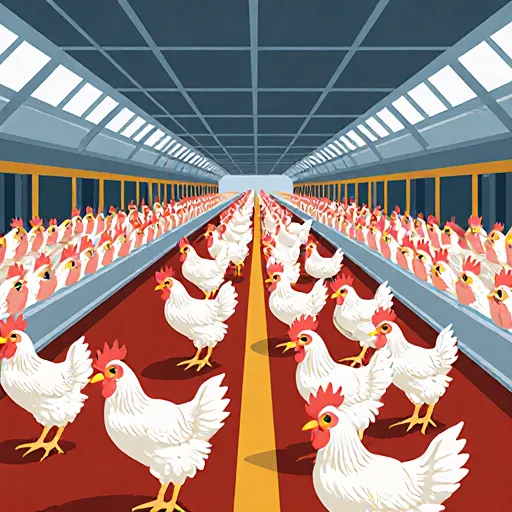
Maximize your broiler business with a thorough audit!
Table of Contents
- Introduction to Broiler Farm Audits
- Objective of a Broiler Farm Audit
- Key Areas for Inspection During the Audit
- Pre-Audit Preparation and Planning
- Review of Farm Records and Documentation
- Inspection of Broiler House Infrastructure
- Evaluation of Feed Management Practices
- Assessment of Water Quality and Hygiene
- Monitoring of Broiler Health and Welfare
- Audit of Ventilation and Environmental Control Systems
- Evaluation of Waste Management Practices
- Review of Biosecurity Measures in Place
- Inspection of Training and Education for Farm Staff
- Concluding Remarks and Recommendations
- FAQs About Broiler Farm Audits
Introduction to Broiler Farm Audits
Introduction to Broiler Farm Audits
A broomer farm audit, also known as a broiler house inspection, is an essential process conducted in the poultry farming industry to evaluate the overall hygiene, management practices, and compliance with health standards at broiler farms. This audit ensures that all aspects of broiler production are up-to-date with the latest guidelines set by regulatory bodies and industry best practices. Proper audits help identify potential risks such as disease outbreaks, poor sanitation, or suboptimal growth conditions which can impact both animal welfare and product quality.
Broilers refer to chickens raised for meat production, typically slaughtered when they reach approximately 6-8 weeks of age. The audit process involves assessing several critical areas including feed management, water supply, environmental controls (temperature and humidity), lighting schedules, waste disposal systems, biosecurity measures, veterinary protocols, and record keeping.
The primary goal of a broiler farm audit is to maintain the highest standards of animal welfare while ensuring that all operations are conducted safely and efficiently. Regular audits not only benefit the farm but also contribute positively towards public health by preventing contamination from pathogens like Salmonella or Campylobacter which can be harmful if consumed.
Key Components of a Broiler Farm Audit
- Feed Management: Ensuring that broilers receive nutritious diets according to their growth stages. This includes checking storage facilities for contamination and proper feeding schedules adherence.
- Water Supply: Assessing the quality of water provided to birds is crucial as contaminated water can lead to health issues. Auditors check tanks, filters, pipes, and ensure regular monitoring.
- Environmental Controls: Maintaining optimal temperature (around 30-40°F or 15-20°C) and humidity levels (60%-70%) within the broiler houses is vital for bird comfort and performance. Inspectors measure these parameters frequently throughout each growth period.
- Lighting Schedules: Proper lighting helps regulate the birds' daily routines, affecting their feeding patterns, activity levels, and overall health. Auditors review schedules to ensure they align with recommendations provided by veterinarians or nutritionists.
- Biosecurity Measures: Preventing introductions of diseases into the flock through strict control over visitors, vehicles entering farms, use of footbaths, etc., is key in maintaining a healthy environment.
- Veterinary Protocols: Regular visits from veterinarians and implementation of necessary treatments or vaccinations should be documented. Auditors check for records that demonstrate adherence to these practices.
- Waste Disposal Systems: Effective management of manure and other wastes prevents pollution of surrounding areas while maintaining good hygiene within the farm premises.
To conduct a thorough broiler farm audit, auditors must possess knowledge about poultry science, animal husbandry practices, and current regulatory requirements relevant to broiler farming. They should follow structured checklists during their visits, noting any deviations from standard operating procedures so they can be addressed promptly.
Practical Tips for Conducting Successful Audits
- Prepare Ahead: Before visiting a broiler farm, gather information about the facility's layout, management structure, and historical data regarding previous audits. This preparation allows auditors to focus on areas most likely requiring attention.
- Engage Stakeholders: Collaboration with farmers early in the process fosters open communication channels, enabling better understanding of challenges faced by them and promoting trust between auditors and stakeholders alike.
- Use Checklists: Utilizing pre-designed checklists helps ensure comprehensive coverage during audits. These documents guide inspectors through various sections of the farm systematically, reducing the chance of missing important details.
- Document Findings: Accurate documentation is crucial for follow-up actions and improvement plans. Photographs or videos can serve as visual evidence supporting written reports if needed later on.
Objective of a Broiler Farm Audit
The objective of a broiler farm audit is multifaceted and critical for ensuring the sustainability, efficiency, and overall health of both the farm operations and the welfare of the birds. This detailed assessment serves to identify areas for improvement, compliance with industry standards, and adherence to biosecurity measures. Here’s an in-depth look at what this entails:
1. Compliance and Regulatory Standards
One of the primary goals is to ensure that the broiler farm complies with all relevant local, national, and international regulations and standards. This includes adherence to biosecurity protocols, animal welfare laws, environmental protection measures, and food safety guidelines. By conducting an audit, farmers can verify that their operations are up-to-date with the latest regulations and are prepared for potential inspections.
2. Identification of Areas for Improvement
The audit serves as a tool to identify specific areas where improvements can be made within the farm’s operational processes. This may include optimizing feed efficiency, reducing mortality rates, enhancing bird health through better management practices, or improving environmental controls in the poultry houses. By pinpointing these issues early on, farmers can implement corrective actions and enhance their overall performance.
3. Assessment of Biosecurity Measures
Biosecurity is paramount to prevent disease outbreaks that could decimate flock health and productivity. An audit will evaluate the effectiveness of biosecurity practices, such as visitor control, disinfection protocols, feed management, and waste disposal methods. Ensuring robust biosecurity measures helps protect against infectious diseases and maintains high standards of hygiene within the farm.
4. Evaluation of Environmental Impact
The audit also assesses the environmental impact of the broiler farming operations. This includes evaluating water usage, waste management practices, energy consumption, and carbon footprint. By understanding these impacts, farmers can implement sustainable practices that minimize their ecological footprint while maintaining profitability.
5. Enhancing Animal Welfare
A key objective of the audit is to ensure optimal living conditions for the broilers throughout their lifecycle. This involves checking factors such as ventilation, lighting, space allocation, and bedding quality. Improving these aspects not only enhances bird health but also contributes positively to meat quality and yield.
6. Optimization of Resource Use
The audit focuses on optimizing the use of resources like feed, water, and energy. By conducting a thorough review, farmers can identify inefficiencies in resource utilization and implement strategies to reduce waste and increase productivity. This not only benefits the farm economically but also aligns with broader sustainability goals.
7. Preparation for Future Challenges
The audit helps prepare farms for future challenges, such as changing market demands or new regulations. By proactively addressing potential issues, farmers can stay ahead of the curve and adapt their operations accordingly. This forward-thinking approach ensures long-term sustainability and resilience.
Conclusion
In summary, a broiler farm audit is essential for maintaining high standards in poultry farming across multiple dimensions—compliance, performance improvement, biosecurity, environmental stewardship, animal welfare, resource optimization, and future preparedness. By conducting regular audits, farmers can continuously improve their operations, ensuring they remain competitive and sustainable.
Key Areas for Inspection During the Audit
To ensure that broiler farms meet all necessary standards and regulations, a thorough audit is essential. This process involves inspecting various key areas to identify any potential issues or areas for improvement. Below are some of the critical aspects that should be thoroughly inspected during an audit:
1. Feed Management
The quality and quantity of feed directly impact broiler growth and health. During the audit, ensure that:
- Feeding schedules are strictly followed.
- Feed is stored in a clean environment to prevent contamination.
- The feed is checked for freshness and consistency.
- Overfeeding or underfeeding incidents are minimized.
2. Water Quality and Supply
Poor water quality can lead to health issues in the broilers. The audit should include:
- Testing of water for contaminants such as bacteria, ammonia, and heavy metals.
- Ensuring that the water supply is clean and fresh at all times.
- Checking for any blockages or leaks in the water distribution system.
- Monitoring the pH levels to ensure they are within acceptable ranges.
3. Housing Conditions
The living conditions of the broilers play a crucial role in their health and welfare. Key points to inspect include:
- Space per bird should be adequate to prevent overcrowding.
- Chickens must have access to clean, dry bedding material.
- Housing structures should be well-ventilated to maintain fresh air and control temperature.
- Inspect for any signs of structural damage that could cause health risks.
4. Hygiene and Sanitation
Maintaining high hygiene standards is vital to prevent disease outbreaks. Auditors should check:
- Cleanliness of all areas, including feeders, drinkers, and housing.
- Regular disinfection schedules are in place.
- Pest control measures are effective.
- Waste management practices ensure that feces do not contaminate the environment.
5. Management Practices
Effective management is key to ensuring successful broiler farming. The audit should evaluate:
- Training and competence of farm staff in managing broilers.
- Adherence to best practices for handling broilers throughout their lifecycle.
- Documentation and record-keeping regarding feed, water, and health treatments are accurate and up-to-date.
6. Health Monitoring
Regular checks on the health of the broilers can prevent major issues from arising. Key points include:
- Daily observations for any signs of illness or distress.
- Proper documentation of all treatments and vaccinations given to the birds.
- Maintenance of a clean environment to minimize stress, which can weaken immunity.
7. Environmental Factors
The environmental conditions around the farm should be inspected as they affect both animal health and productivity:
- Evaluation of the location to ensure it is free from contamination sources.
- Checking for any nearby agricultural or industrial activities that could pose a risk.
- Assessment of weather conditions, including temperature, humidity levels, and wind patterns.
Practical Advice
During the audit, it is crucial to take detailed notes and photographs. This documentation will not only help in identifying current issues but also provide a baseline for future improvements. Additionally, encouraging open communication between auditors and farm staff can lead to more effective problem-solving.
By focusing on these key areas during an audit, broiler farms can ensure they are operating at their best standards of hygiene, welfare, and productivity, thereby minimizing risks and improving overall performance.
Pre-Audit Preparation and Planning
To ensure a successful and comprehensive broiler farm audit, thorough pre-audit preparation and planning are essential. This phase sets the foundation for collecting accurate data, identifying critical areas for improvement, and ensuring that all relevant aspects of the farm operation are covered.
Understanding the Audit Objectives
The first step in preparing for a broiler farm audit is to understand the objectives of the audit. The audit might focus on various aspects such as animal welfare, hygiene standards, production efficiency, environmental impact, and compliance with regulations. It's crucial to align these objectives with the specific needs of the farm and stakeholders involved.
Collecting Relevant Documentation
Before the audit begins, gather all relevant documentation that will be useful during the assessment. This includes health records, feed schedules, water quality reports, vaccination logs, environmental monitoring data, and any other pertinent documents. Ensure these materials are organized in a logical manner to facilitate easy access.
Setting Up Training Sessions
To maximize the effectiveness of the audit, it's beneficial to conduct training sessions for the farm staff involved. These sessions should cover the audit process, expected standards, and any specific areas that will be scrutinized during the inspection. This preparation helps ensure that all personnel are aligned with the audit objectives and know how to address potential issues promptly.
Conducting Site Familiarization
A site visit before the official audit can provide valuable insights into the farm's operations. During this visit, familiarize yourself with different areas of the broiler facility, observe current practices, and engage in discussions with staff about daily routines. This preliminary knowledge helps tailor the audit process to the unique aspects of the farm.
Preparing a Detailed Audit Checklist
A well-structured checklist guides the auditor through the inspection process, ensuring that no critical areas are overlooked. For broiler farms, this might include checking ventilation systems, examining feed and water supplies, assessing litter management practices, monitoring disease prevalence, and verifying biosecurity measures.
Inviting Stakeholders
Involving key stakeholders from the farm early in the preparation phase can provide valuable input into the audit process. This includes discussing potential challenges, sharing insights about recent improvements or issues, and ensuring that all parties are aligned with the goals of the audit.
Developing a Communication Plan
A clear communication plan is vital for coordinating between the farm staff and the auditor. This should include details on how information will be collected, who will provide it, and how frequently updates will be shared. Establishing open lines of communication ensures that all necessary data is gathered efficiently.
Finalizing a Risk Assessment
A risk assessment helps identify potential areas where the audit could reveal issues or challenges. By anticipating these risks in advance, you can develop strategies to mitigate them and ensure smoother navigation through the audit process. This might involve reviewing past performance data, considering seasonal factors, and evaluating historical trends.
Preparation Checklist
- Review the audit objectives with management.
- Gather all relevant farm documentation.
- Conduct training sessions for staff.
- Perform a site visit to familiarize yourself with the facility.
- Create and distribute an audit checklist.
- Involve key stakeholders in planning stages.
- Establish a communication plan.
- Develop and review a risk assessment.
By dedicating time and effort to pre-audit preparation and planning, you can significantly enhance the quality of the audit process. This proactive approach ensures that all necessary information is prepared in advance, leading to more accurate assessments and effective recommendations for improvement.
Review of Farm Records and Documentation
The review of farm records and documentation is a critical component of conducting a broiler farm audit. This process ensures compliance with industry standards, regulatory requirements, and best practices. Proper documentation not only aids in the efficient operation of the farm but also helps in identifying areas for improvement and potential risks.
Importance of Documentation
Documentation is essential for maintaining transparency and accountability within a broiler farm. It provides a clear record of all activities, decisions, and actions taken during the production cycle. This includes records related to feed intake, health management, environmental conditions, and performance metrics.
Types of Documentation
- Feed Intake Records: Detailed records of feed consumption are crucial for assessing the efficiency of feed utilization and identifying any potential issues with feed quality or quantity.
- Veterinary Records: Documentation related to veterinary practices, including medications administered, vaccinations given, and health monitoring activities. This ensures that all treatments adhere to approved protocols and guidelines.
- Environmental Monitoring Logs: These logs track temperature, humidity, ventilation rates, ammonia levels, and other environmental factors that can significantly impact broiler growth and welfare.
- Performance Metrics: Records of performance metrics such as body weight, feed conversion ratios (FCR), mortality rates, and feed consumption per bird. These metrics provide valuable insights into the farm's operational efficiency and overall productivity.
Best Practices for Documentation
To ensure that documentation is thorough and accurate, it is important to follow best practices:
- Regular Updates: Ensure that all records are updated regularly and accurately. This helps in maintaining a reliable record of farm activities.
- Standardization: Use standardized forms and templates for recording data. This ensures consistency across the farm and facilitates easier analysis and reporting.
- Access Control: Implement strict access control measures to prevent unauthorized access or alteration of records. Only authorized personnel should have access to sensitive information.
- Backup and Storage: Regularly back up all records and store them securely in a safe location. This protects against loss due to accidental deletion, natural disasters, or other unforeseen events.
Conducting a Broiler Farm Audit
The review of farm records is an integral part of conducting a broiler farm audit. During the audit, auditors will examine these documents to assess compliance with industry standards and regulatory requirements. Here are some key areas that should be reviewed during a broiler farm audit:
- Feed Management: Evaluate the quality and quantity of feed provided to determine if it meets nutritional requirements.
- Veterinary Practices: Assess compliance with veterinary protocols, including medication use, vaccination schedules, and health monitoring practices.
- Environmental Conditions: Review records related to environmental controls such as temperature, humidity, ventilation, and ammonia levels. Ensure that these conditions are optimal for broiler growth and welfare.
- Performance Metrics: Analyze performance metrics to assess the farm's operational efficiency and productivity. Look for trends over time and identify any areas where improvements can be made.
The audit should also include a review of the farm's management practices, including biosecurity measures, sanitation protocols, and labor practices. By thoroughly reviewing these records and documentation, auditors can gain a comprehensive understanding of the farm's operations and identify potential areas for improvement.
Conclusion
Proper review and maintenance of farm records and documentation are crucial for maintaining a successful broiler farm. By following best practices and conducting regular audits, farmers can ensure compliance with industry standards, regulatory requirements, and best practices. This not only enhances operational efficiency but also helps in mitigating risks and improving overall productivity.
Inspection of Broiler House Infrastructure
Conducting a thorough inspection of the broiler house infrastructure is crucial for maintaining optimal conditions that ensure the health, welfare, and productivity of your broiler flock. This section outlines the key aspects to consider during an audit, providing practical advice and examples to help you conduct a comprehensive inspection.
1. Ventilation System
The ventilation system is one of the most critical components of a broiler house. Proper ventilation ensures that air quality remains optimal, which directly impacts bird health and performance. During your audit, check for:
- Cleanliness: Ensure no dust or debris obstructs the vents.
- Fan Performance: Check if fans are operating efficiently without noise or excessive vibrations.
- Damper Settings: Verify that dampers are set correctly to maintain consistent air flow throughout the house.
- Humidity Levels: Monitor humidity levels using a hygrometer. Ideal humidity should be between 55% and 65% for broilers.
2. Lighting System
The lighting system plays a significant role in regulating the birds' feeding, growing, and resting cycles. Audit the lighting by ensuring:
- Bright Enough: The light intensity should be sufficient to allow the broilers to see their feeders and waterers clearly.
- Correct Cycle: Ensure the lighting schedule matches the feeding and resting periods as per your management plan.
- Uniform Lighting: Check for any areas where light may be blocked or not reaching all parts of the house equally.
3. Watering System
Adequate and clean water supply is essential for broilers to maintain their health and productivity. During your inspection, look out for:
- Cleanliness of Waterers: Ensure that the waterers are kept spotlessly clean at all times.
- Water Quality: Regularly test water quality to ensure it is free from contaminants and meets health standards.
- Flow Rate: Check if the flow rate of the water system is adequate for the number of birds in each house.
4. Feeding System
The feeding system must be designed to deliver feed accurately and efficiently to all broilers. During your audit, inspect:
- Feeders Placement: Ensure that feeders are placed at an appropriate height for the birds.
- Freshness of Feed: Check if there is any mold or spoilage in the feed and ensure it is fresh before feeding.
- Uniformity in Feeding: Observe whether all broilers are accessing their feed equally. Adjust placement if necessary.
5. Flooring and Hygiene
A clean, dry, and hygienic environment is vital for the health of your broiler flock. During your audit:
- Floor Condition: Check if the flooring material (if applicable) is intact and free from any sharp edges that could injure the birds.
- Droppings Management: Ensure that droppings are regularly cleared to maintain hygiene.
- Cleaning Schedule: Verify adherence to a strict cleaning schedule, especially post-flock evacuation.
6. Pest Control
Pests can significantly impact broiler health and productivity. During your audit:
- Presence of Pests: Look for any signs of rodent or insect infestations.
- Insecticides Usage: Ensure that the use of insecticides is in compliance with regulations and guidelines to avoid contamination of feed, water, and environment.
7. Overall Environment
The overall condition of the broiler house should be assessed for any potential issues. During your audit:
- Noise Levels: Ensure noise levels are not excessive and do not cause stress to the birds.
- Pest Management: Check if there are any structural issues that could attract pests or create a breeding ground for them.
- Air Quality: Use air quality testing tools to evaluate overall air quality.
By conducting these inspections regularly, you can ensure the health and productivity of your broiler flock. Remember that small issues left unaddressed can lead to significant problems down the line, affecting both profitability and animal welfare.
Evaluation of Feed Management Practices
Evaluating feed management practices is crucial for ensuring optimal performance and profitability in broiler farms. This evaluation should be conducted systematically to identify areas of improvement and ensure compliance with best practices. The process can be likened to conducting a broiler farm audit, which involves several key steps that can be adapted to assess feed management effectively.
1. Define Objectives
The first step in evaluating feed management is to clearly define the objectives of the audit. These objectives should align with the overall goals of the broiler farm, such as reducing costs, improving growth rates, or enhancing animal welfare. For instance, if one objective is to reduce feed wastage, specific metrics like feed conversion efficiency (FCE) and feed intake per bird can be tracked.
2. Gather Data
Data collection is fundamental for a thorough evaluation of feed management practices. This involves gathering both quantitative and qualitative data from various sources such as feed suppliers, farm managers, nutritionists, and even the birds themselves through observation. Examples include:
- Feed consumption records
- Poultry health records
- Nutritional analysis of feed ingredients
- Evaluation of feed quality (e.g., moisture content, particle size)
Data should be collected over a period that allows for trends to emerge and comparisons with benchmarks or industry standards. This data will form the basis for identifying areas where improvements are needed.
3. Identify Key Performance Indicators (KPIs)
To evaluate feed management effectively, it is essential to identify key performance indicators that directly relate to feed management practices. Some critical KPIs include:
- Feed conversion ratio (FCR)
- Average daily gain (ADG)
- Feed intake per bird
- Wastage percentage of feed
These KPIs should be regularly monitored and compared against historical data or industry averages. This helps in pinpointing any deviations from the norm, which could indicate inefficiencies or issues that need addressing.
4. Conduct On-Site Inspection
An on-site inspection is vital for gaining firsthand insights into feed management practices. During this inspection, it’s important to:
- Observe how feed is stored and handled
- Check the consistency of feed delivery
- Inspect equipment such as feeders and waterers for proper functioning
- Assess the overall hygiene in storage areas and feeding zones
This inspection provides valuable information that can highlight practices that are working well or those that need improvement. It also allows for real-time interactions with farm personnel, which can provide additional context and insights.
5. Analyze Findings
After collecting data and conducting inspections, the next step is to analyze the findings comprehensively. This involves:
- Comparing current practices against defined objectives and KPIs
- Identifying patterns or trends in performance metrics
- Evaluating the impact of any identified issues on overall farm productivity
The analysis should be detailed enough to provide actionable insights. For example, if high feed wastage is observed, potential causes could include improper feeder design, erratic feeding times, or contamination from external sources.
6. Develop Improvement Strategies
Based on the analysis, develop strategies to improve feed management practices. These strategies should be realistic and tailored to the specific needs of the farm. Some practical suggestions include:
- Implementing more efficient feeding schedules
- Using high-quality, nutritionally balanced feed formulations
- Improving storage conditions to prevent spoilage
- Training staff on proper feed handling and distribution techniques
It’s important to involve all relevant stakeholders in the development of these strategies. This ensures buy-in from everyone involved, increasing the likelihood of successful implementation.
7. Monitor Progress
Once improvements have been implemented, it is crucial to monitor their impact over time. Regular monitoring allows for continuous evaluation and adjustment as needed. Key areas to focus on include:
- Changes in feed consumption patterns
- Improvements in growth rates and health indicators
- Reduction in feed wastage or contamination
This continuous evaluation helps maintain high standards of feed management and ensures that the farm remains competitive and sustainable.
Conclusion
Evaluating feed management practices is an ongoing process that requires careful planning, execution, and monitoring. By following these steps, broiler farmers can enhance their operations, reduce costs, and improve overall performance. This approach not only benefits the farm but also contributes positively to environmental sustainability by minimizing waste and optimizing resource use.
Assessment of Water Quality and Hygiene
The assessment of water quality and hygiene is a critical component when conducting a broiler farm audit. Proper water management ensures not only the health of the birds but also the overall efficiency of the farm operations. This section will delve into how to assess these parameters effectively, providing practical advice and examples.
Assessing water quality involves a series of tests that check for various factors affecting the purity and safety of water used in broiler farms. Here are some key points to consider:
- pH Levels: Ideal pH levels for drinking water should be between 6.5 and 7.5. Water with a pH outside this range can negatively impact the digestive system of the birds, affecting their health and growth.
- Use a pH testing kit to measure the water's acidity or alkalinity. Ensure that the readings are consistently within the acceptable range over time.
- Total Dissolved Solids (TDS): High levels of TDS can affect the birds' ability to absorb essential nutrients, leading to poor growth and health issues. Aim for a TDS level below 1000 ppm.
- Use a TDS meter to measure water quality regularly. Replace or filter water sources if TDS levels exceed acceptable limits.
- Bacteriological Quality: Bacteria and other microorganisms can contaminate the drinking water, posing health risks to both birds and humans. Regular testing for coliform bacteria is essential.
- Sample water from different points in the farm and send them to a laboratory for analysis. If contamination is detected, immediately implement measures to clean and disinfect water sources.
Hygiene in broiler farms plays a pivotal role in maintaining optimal health standards and reducing the risk of disease outbreaks. Here’s how to assess hygiene:
- Clean Drinking Water Lines: Ensure that all water lines, nipples, and drinkers are regularly cleaned and disinfected to prevent bacterial growth.
- Inspect the water delivery system for any signs of buildup or contamination. Clean and disinfect at least once a week as per recommended protocols.
- Sanitation of Feeders: Feeders must be kept clean to prevent mold growth, which can lead to mycotoxicosis in broilers.
- Inspect feeders daily and clean them thoroughly at least once a week. Ensure that the environment around feeders is also kept clean to avoid contamination.
- Poultry House Hygiene: Maintaining a sanitary poultry house reduces the risk of disease spread among birds. Regular cleaning and disinfection are crucial.
- Daily inspections should include checking for any bird droppings, feed spills, or other contaminants. Conduct a thorough clean-up at least once every week to prevent accumulation.
To ensure that the broiler farm audit is comprehensive and effective, follow these practical steps:
- Regular Monitoring: Set up a routine for regular water quality and hygiene assessments. Consistency in monitoring helps identify issues early and implement corrective actions promptly.
- Training Staff: Ensure that all staff involved in farm operations are trained on the importance of maintaining high standards of water quality and hygiene. Regular training sessions can reinforce these practices.
- Documentation: Keep detailed records of all water quality tests, disinfection schedules, and any issues encountered during audits. This documentation is crucial for tracking progress and identifying trends over time.
In conclusion, the assessment of water quality and hygiene in broiler farms is not just a checklist item but an integral part of ensuring optimal bird health and farm productivity. By following these guidelines and maintaining consistent practices, you can significantly enhance the overall performance and sustainability of your broiler operation.
Monitoring of Broiler Health and Welfare
To ensure optimal performance, health, and welfare of broilers, continuous monitoring is crucial. This section covers how to conduct a thorough audit of a broiler farm focusing on key areas that impact the birds' well-being.
Key Areas for Monitoring
- Environmental Conditions: The temperature, humidity, and ventilation are critical factors affecting broilers. High temperatures can lead to heat stress, while poor ventilation may result in respiratory issues. Regular checks should be made to ensure these parameters remain within the optimal range for broiler growth.
- Temperature: Maintain between 32°F (0°C) and 75°F (24°C) during different stages of brooding.
- Humidity: Keep humidity levels at around 60% to prevent respiratory diseases like Gumboro disease.
- Ventilation: Ensure proper air exchange rates to maintain fresh air supply, especially during hot weather.
- Nutritional Management: Proper feed and water intake is essential for healthy broilers. Imbalances or deficiencies in the diet can lead to various health issues such as nutritional disorders and reduced immunity.
- Feed Quality: Ensure that the feed used is of high quality, free from contaminants, and meets the specific nutritional requirements at each stage of growth.
- Water Supply: Fresh, clean water must be available at all times. Water quality can significantly affect bird health; hence regular testing is recommended.
- Biosecurity Measures: Maintaining strict biosecurity protocols helps prevent the introduction of diseases into the farm. This includes limiting visitor access, using disinfectants regularly, and ensuring that feed and water sources are free from contaminants.
- Visitors: Only allow essential personnel to enter the premises and require them to wear clean coveralls and footwear.
- Disinfection: Use effective disinfectants on equipment and facilities after every use or visitor contact.
- Pest Control: Implement pest control measures to prevent disease vectors from entering the farm.
- Disease Monitoring: Regular health checks are necessary to identify potential health issues early. This includes monitoring for signs of common broiler diseases such as Colibacillosis, Gumboro disease, and Newcastle disease.
- Veterinary Visits: Schedule regular visits from a veterinarian who can perform routine health checks and provide expert advice on managing farm-specific conditions.
- Health Checks: Conduct daily observations of broilers for any signs of illness or stress. This includes observing feather condition, drooping wings, lethargy, etc.
- Growth Performance: Monitoring growth performance is vital to ensure that birds reach their full potential weight and size within the specified timeframe. Poor growth can indicate underlying health issues or poor management practices.
- Average Weight Gain: Track average daily weight gain (ADG) throughout the brooding period to assess overall health and nutrition.
- Growth Stages: Regularly measure body dimensions such as breast depth, keel length, and wing angle at different growth stages to ensure proper development.
Conducting a Broiler Farm Audit
A thorough audit of the broiler farm can help identify areas for improvement in health and welfare. Follow these steps to conduct an effective audit:
- Review Historical Data: Gather data from previous audits, veterinary reports, feed records, and other relevant documentation. This information provides insights into past performance and helps highlight trends.
- Inspect Facilities: Perform a physical inspection of the farm facilities, paying close attention to environmental conditions, biosecurity measures, and general cleanliness.
- Interview Staff: Engage with the farm staff to gather their perspectives on current practices and any challenges they face. This can provide valuable insights into day-to-day operations and potential issues that may not be immediately apparent during a visual inspection.
- Collect Samples: Collect samples of feed, water, and birds for laboratory analysis if necessary. These tests can detect any nutritional deficiencies or signs of disease.
- Analyze Findings: Review all collected data to identify areas that require improvement. Prepare a detailed report outlining specific recommendations based on the findings.
By implementing these monitoring practices and conducting regular audits, broiler farmers can significantly enhance the health and welfare of their birds. This not only improves productivity but also ensures humane treatment in line with ethical farming standards.
Audit of Ventilation and Environmental Control Systems
Conducting an audit of ventilation and environmental control systems is crucial for maintaining optimal conditions in a broiler farm. This ensures the health, welfare, and productivity of the birds while minimizing energy costs and reducing the risk of diseases.
Understanding the Basics
The primary goal of auditing these systems is to identify any inefficiencies or potential hazards that could impact the broiler's environment. This includes assessing air quality, temperature control, humidity levels, and airflow patterns.
Steps in Conducting an Audit
- Data Collection: Gather data on current operating conditions such as indoor temperature, relative humidity, ventilation rates, and energy consumption. This can be done using sensors or manual checks.
- Review Existing Documentation: Look over any existing records, manuals, and previous audit reports to understand the history of the systems in place.
- Field Inspection: Perform a physical inspection of all components including fans, filters, heaters, and other essential equipment. Check for signs of wear, blockages, or malfunctions.
- Testing and Analysis: Use specialized tools to test the effectiveness of the ventilation system. This could involve measuring air velocity, checking for drafts, and ensuring proper airflow distribution.
Common Issues Identified
- Inadequate or uneven airflow leading to hot spots in certain areas of the farm.
- High levels of ammonia due to poor ventilation, which can negatively affect respiratory health.
- Poor temperature control resulting from outdated or malfunctioning equipment.
- Excessive humidity causing condensation issues and increased risk of mold growth.
Practical Advice for Improving Systems
Based on the findings from your audit, here are some practical steps you can take to improve the ventilation and environmental control systems:
- Upgrade Equipment: Replace old or inefficient fans, heaters, and filters with modern equivalents that meet current standards.
- Implement Automation: Introduce automated controls for better precision in managing temperature, humidity, and ventilation rates. Programmable thermostats can help maintain consistent conditions.
- Regular Maintenance: Establish a routine maintenance schedule to keep all systems running smoothly. This includes cleaning filters regularly and lubricating moving parts.
- Training Staff: Ensure that farm staff are well-trained in operating and maintaining the ventilation system properly. Regular training sessions can help prevent human error from causing issues.
Conclusion
An audit of your broiler farm's ventilation and environmental control systems is an investment in both animal welfare and operational efficiency. By identifying and addressing any shortcomings early, you can create a healthier environment for the birds, reduce waste, and enhance overall productivity.
Evaluation of Waste Management Practices
Evaluation of waste management practices is crucial for maintaining environmental sustainability and ensuring compliance with regulatory standards. This evaluation should be conducted methodically to identify areas for improvement, optimize resource use, and minimize adverse impacts on the environment. In the context of how to conduct a broiler farm audit, evaluating waste management involves several key steps:
The first step in conducting an audit is to clearly define the objectives of the evaluation. For a broiler farm, this might include assessing compliance with local regulations regarding waste disposal, identifying inefficiencies in current practices, and evaluating the overall impact on the environment. Setting specific, measurable goals will guide the rest of the audit process.
Data collection is essential for a thorough evaluation. This includes gathering information on waste generation, types of waste produced (e.g., manure, bedding materials), and current disposal methods. Interviews with farm staff can provide insights into daily practices and challenges faced. Documentation of existing policies and procedures will also be useful.
Reviewing best practices in waste management is vital to identify benchmarks against which the broiler farm’s current practices can be compared. This might involve researching successful case studies or consulting with industry experts. For instance, composting manure and reusing bedding materials are often cited as effective strategies for reducing waste.
A site visit allows for firsthand observation of the farm’s operations. During this visit, note areas where waste is generated, how it is stored, and the methods used for disposal or recycling. This hands-on approach helps identify discrepancies between documented practices and actual implementation.
The collected data should be analyzed to determine the farm’s current performance relative to defined objectives and best practices. Look for patterns, trends, and areas where improvements can be made. This analysis will help prioritize recommendations for change.
Based on the findings from the audit, develop actionable recommendations aimed at enhancing waste management practices. These might include changes in operational procedures, investments in new equipment, or training programs for staff. Providing clear, achievable steps will facilitate implementation.
Once recommendations have been agreed upon, the next step is to implement them. This may involve purchasing new equipment, revising policies, and conducting workshops or training sessions. Regular monitoring during this phase ensures that changes are being effectively implemented.
The final stage involves evaluating the impact of implemented changes on waste management practices. This should include both quantitative metrics (such as reduction in waste volume) and qualitative assessments (like improved worker satisfaction). Continuous monitoring allows for further adjustments if necessary.
To effectively evaluate waste management practices, it’s important to engage all relevant stakeholders—farm staff, local authorities, and potentially even community members. Clear communication throughout the process ensures buy-in and support from those directly involved. Additionally, leveraging technology such as IoT sensors for monitoring can provide real-time data on waste generation and disposal.
Evaluating waste management practices in a broiler farm audit is not just about identifying issues; it’s an opportunity to improve sustainability and operational efficiency. By following these steps, farms can better manage their resources, reduce environmental impact, and contribute positively to the communities they serve.
Review of Biosecurity Measures in Place
In order to ensure the health and productivity of broilers, it is crucial to maintain strict biosecurity measures. A detailed review of these measures can be conducted through a comprehensive Broiler Farm Audit. This audit helps identify potential risks and ensures that all necessary protocols are in place to prevent disease spread and maintain optimal farm conditions.
- Isolation of New Stock: One of the most critical aspects of biosecurity is ensuring that new stock does not introduce pathogens into the existing flock. All incoming birds should be quarantined and observed for signs of disease before being introduced to the main flock.
- Example: A farmer brings in 500 broilers from a different farm. These birds are placed in isolation for at least two weeks, during which they are monitored closely for any signs of illness. If no issues arise, these birds can then be integrated into the existing flock.
- Visitor Control: Visitors to the broiler farm should follow strict hygiene protocols and may need to wear protective clothing or footwear provided by the farm. This reduces the risk of pathogen introduction from external sources.
- Practical Advice: Establish clear visitor policies that require all visitors, including employees, to wash their hands upon entry and exit. Provide disposable gloves if necessary.
- Sanitation and Cleaning: Regular cleaning and disinfection of the farm environment is essential to eliminate pathogens. Floors, equipment, and feeding areas should be cleaned thoroughly between batches of birds, and all surfaces must be disinfected using appropriate chemicals or solutions.
- Example: A weekly sanitation schedule includes cleaning the entire broiler house with a bleach solution followed by a thorough disinfection. This ensures that any pathogens left behind are eliminated before the next batch of birds is brought in.
- Vaccination Programs: Implementing an effective vaccination program can help protect the flock from common diseases. Vaccinations should be administered according to the farm's specific needs and recommendations from a veterinarian or poultry expert.
- Practical Advice: Keep detailed records of all vaccinations, including the type of vaccine used, the date it was given, and any adverse reactions observed. This documentation is crucial for maintaining herd health over time.
- Feed and Water Safety: Ensuring that feed and water are free from contaminants is essential to prevent disease outbreaks. Regular testing of feed and water sources should be conducted to ensure they meet all safety standards.
- Example: A farmer tests the quality of their feed regularly, checking for mold, contamination, or nutrient imbalances that could compromise bird health. Water is also tested periodically for cleanliness and chemical balance.
A thorough audit of biosecurity measures should cover all aspects mentioned above, ensuring that each measure is being implemented correctly. The audit team should include representatives from the farm management, veterinarians, and external auditors if necessary.
- Reviewing Policies: Evaluate existing biosecurity policies to ensure they are up-to-date and comprehensive. This includes reviewing visitor control measures, vaccination protocols, and sanitation plans.
- Inspection of Facilities: Conduct a physical inspection of the farm facilities, looking for any potential weaknesses in biosecurity practices. This may include checking fences, feed storage areas, and water sources.
- Interviewing Staff: Speak with staff members to gain insights into how biosecurity measures are being implemented on a daily basis. Understanding the day-to-day operations can highlight areas that need improvement.
The goal of conducting such an audit is not just to identify current practices but also to provide recommendations for strengthening existing protocols and preventing future outbreaks. By maintaining high standards of biosecurity, farmers can protect their broiler flocks from disease and ensure consistent production levels.
Inspection of Training and Education for Farm Staff
The inspection of training and education for farm staff is a critical component in ensuring the success of any broiler farm audit. Proper training not only enhances the skills of the staff but also ensures compliance with health, safety, and operational standards. This section will delve into the importance of comprehensive training programs, their alignment with best practices, and practical advice on how to conduct such inspections effectively.
Importance of Comprehensive Training Programs
Comprehensive training programs are essential for broiler farm staff as they ensure that all personnel are equipped with the necessary knowledge and skills to perform their duties safely and efficiently. These programs should cover various aspects including hygiene, safety protocols, bird health management, feed handling, environmental control, and operational procedures.
Alignment with Best Practices
To ensure that training programs are effective, they must be aligned with the best practices in broiler farming. This includes:
- HACCP (Hazard Analysis and Critical Control Points): Implementing a HACCP plan is crucial for minimizing food safety risks. Staff should be trained on identifying critical control points, monitoring procedures, and corrective actions.
- Safety Protocols: Training staff in emergency response measures, including fire drills, evacuation procedures, and handling of hazardous materials.
- Bird Health Management: Educating employees about recognizing signs of disease, proper vaccination schedules, and biosecurity practices.
- Feed Handling: Ensuring that staff understand the importance of feed quality and freshness to maintain optimal bird health.
- Environmental Control: Training personnel on maintaining optimal temperature, humidity, and ventilation levels in broiler houses.
Practical Advice for Conducting Inspections
To conduct a thorough inspection of training and education programs, follow these steps:
- Evaluate Existing Programs: Review the current training materials, handbooks, and any other educational resources used by the farm staff. Ensure that they are up-to-date with the latest industry standards.
- Check for recent updates or revisions in health protocols, safety measures, and operational guidelines.
- Evaluate whether these materials cover all critical aspects of broiler farming.
- Assess Staff Competencies: Conduct assessments to determine the competence levels of farm staff. This can be done through practical demonstrations or written exams.
- Identify areas where staff may need additional training based on their performance during assessments.
- Provide targeted training sessions for identified gaps.
- Observe Training Sessions: Attend and observe ongoing training sessions to ensure that they are conducted effectively. Look out for the following:
- Engagement levels of participants.
- Clear explanation of concepts and procedures.
- Use of real-world examples and case studies.
- Opportunities for questions and discussion.
- Review Documentation: Check the documentation related to training sessions, including attendance records, course syllabi, and assessment results. Ensure that all required training hours are logged accurately.
- Verify that the documentation is kept up-to-date and complies with regulatory requirements.
- Ensure that there are mechanisms in place for continuous improvement based on feedback from staff and auditors.
- Conduct Interviews: Speak directly with farm staff to gauge their understanding of the training they have received. Ask about specific procedures, safety protocols, and health management practices.
- Identify any confusion or lack of clarity in the training material that could lead to errors in practice.
- Encourage open dialogue to foster a culture of learning and improvement.
- Implement Continuous Improvement: Based on findings from inspections, develop strategies for continuous improvement. This may include revising training materials, enhancing instructor qualifications, or introducing new technologies that can aid in better understanding and retention of information.
Conclusion
The inspection of training and education programs is not merely a formality but an integral part of the broiler farm audit. By ensuring that staff are well-trained and knowledgeable, you help create a safer, more efficient, and compliant operation. Regular inspections and continuous improvement efforts will contribute significantly to long-term success in your broiler farming enterprise.
Concluding Remarks and Recommendations
After conducting a comprehensive audit of broiler farms, several key insights emerge that are crucial for improving farm efficiency and animal welfare. The audit process involves meticulous examination of various aspects including feed management, housing conditions, disease control, environmental factors, and overall operational practices.
Key Findings from the Audit
- Feed Management: Ensuring optimal feed intake is critical for broiler growth. Audits revealed that inconsistent feeding schedules and overfeeding can lead to increased costs and suboptimal weight gain.
- Housing Conditions: Proper ventilation, temperature control, and cleanliness are essential for broiler comfort and health. Audits showed that inadequate ventilation was a common issue leading to respiratory problems among birds.
- Disease Control: Effective biosecurity measures are vital to prevent the spread of infectious diseases. Audits highlighted that some farms lacked strict hygiene protocols, which resulted in frequent outbreaks of Newcastle Disease.
- Environmental Factors: Environmental stressors such as high humidity levels and improper lighting schedules can negatively impact broiler performance. Audits identified that some farms did not adequately manage these factors.
- Operational Practices: Efficient management practices contribute greatly to farm profitability. Audits showed that some farms lacked standardized procedures, leading to inconsistencies in feed distribution and waste management.
In one instance, a farm was found to be over-feeding broilers by 10%, which not only increased feed costs but also led to higher mortality rates due to obesity-related health issues. Adjusting the feeding schedule and reducing waste can significantly improve efficiency.
A farm that did not have adequate ventilation systems experienced higher incidences of pneumonia and other respiratory diseases. Implementing advanced ventilation systems can help maintain optimal air quality, thereby reducing disease outbreaks and improving bird welfare.
A lack of quarantine zones for incoming stock and poor sanitation practices contributed to these issues. By establishing clear biosecurity guidelines and adhering strictly to them, farms can significantly reduce the risk of disease spread.
An example is a farm where poor lighting led to uneven growth patterns among the broilers. Adjusting light cycles and maintaining appropriate humidity levels are essential for achieving uniform growth rates and minimizing stress on the birds.
A lack of standardization meant that different workers followed varying methods, which could result in inefficiencies. Implementing a robust quality assurance program can help ensure consistent and efficient operations across the board.
Recommendations for Improvement
- Enhance Feed Management: Establish clear feeding protocols, regularly monitor feed intake, and adjust as necessary based on bird growth rates. Consider implementing precision feeding systems to optimize resource use.
- Optimize Housing Conditions: Invest in state-of-the-art ventilation systems and maintain strict cleanliness standards. Regularly inspect and clean housing facilities to prevent the buildup of pathogens.
- Strengthen Disease Control: Implement stringent biosecurity measures, including quarantine protocols for new stock, regular disinfection of premises, and restricted visitor access. Conduct routine health checks to catch potential issues early.
- Moderate Environmental Factors: Use environmental monitoring tools to track key parameters like humidity and temperature. Adjust settings as needed to ensure optimal living conditions for the broilers.
- Promote Standardized Operations: Develop and enforce standard operating procedures across all areas of farm management. Provide regular training sessions for staff to keep them updated on best practices.
In conclusion, conducting a thorough broiler farm audit provides valuable insights into areas requiring improvement. By addressing these issues proactively, farmers can enhance productivity, reduce costs, and ensure the well-being of their broilers. Implementing the recommendations outlined above will help achieve sustainable growth and profitability in the broiler farming industry.
FAQs About Broiler Farm Audits
Q: What is a Broiler Farm Audit?
A broiler farm audit is an evaluation process conducted to assess the practices, conditions, and operations of a broiler farm. This audit ensures that farms comply with health and safety standards, environmental regulations, and animal welfare requirements. It helps identify areas for improvement and enhances overall productivity and sustainability.
Q: Why is Conducting a Broiler Farm Audit Important?
Auditing broiler farms is crucial because it ensures that the birds are raised in safe, healthy conditions, which directly impacts product quality. Regular audits help identify potential issues early on, preventing larger problems later. This process also aids in maintaining certifications and compliance with industry standards.
Q: What Are the Key Areas to Audit?
- Health and Hygiene: Check for clean water sources, proper ventilation, and sanitation practices. Ensure that all equipment is regularly cleaned and maintained.
- Nutrition: Verify that the diet provided meets nutritional requirements suitable for broilers at different stages of growth.
- Environmental Conditions: Assess temperature control, humidity levels, lighting, and space allocation to ensure they meet optimal conditions for bird health.
- Animal Welfare: Evaluate the living conditions ensuring there is sufficient room per bird, proper bedding materials, and adequate feeding schedules.
- Certifications and Compliance: Confirm adherence to relevant laws, regulations, and certifications like ISO or FSA.
Q: How Can One Conduct a Broiler Farm Audit?
- Prepare the Audit Checklist: Gather information on local regulations, industry standards, and internal policies. This will guide your audit process.
- Conduct Visual Inspections: Walk through the farm area to observe cleanliness, equipment functioning, bird behavior, and overall hygiene.
- Interview Staff: Speak with farm personnel about their practices, challenges, and any recent changes. They can provide valuable insights into operational aspects of the farm.
- Data Review: Examine records such as feed logs, vaccination schedules, health reports, and production data to compare against expected outcomes.
- Perform Laboratory Tests: Collect samples for laboratory analysis where necessary. This includes testing water quality, feed composition, and bird health parameters like weight gain and mortality rates.
- Compile Findings: Summarize all observations into a report detailing strengths, weaknesses, recommendations for improvement, and suggestions for future audits.
Q: What Should Be Included in the Audit Report?
- A summary of findings from each audit area.
- Detailed descriptions of non-compliance issues identified during the audit.
- Risk assessments based on the severity and frequency of identified issues.
- Specific recommendations for corrective actions to address deficiencies.
- A schedule for follow-up audits or regular monitoring activities.
Q: How Often Should a Broiler Farm Be Audited?
The frequency of broiler farm audits depends on several factors including but not limited to the scale of production, local regulations, and certification requirements. However, it is generally recommended that audits be conducted quarterly or biannually at minimum. More frequent audits may be necessary for farms facing higher risks or those with poor historical performance.
Q: What Are Some Practical Tips for Conducting Successful Audits?
- Ensure the audit team is well-trained and familiar with relevant standards and guidelines.
- Plan audits carefully, allowing enough time to cover all aspects thoroughly without causing undue stress or disruption to farm operations.
- Encourage open communication during the audit process. Creating a collaborative environment can lead to better cooperation in addressing identified issues.
- Provide clear documentation of all findings and actions taken post-audit. Transparency fosters trust between auditors, farmers, and other stakeholders involved.
Categories
- AI & Enrichment Play
- Broiler Farming
- Broiler Farming Tips
- Canine Wellness & Longevity
- Cat
- Cat & Human Connection
- Cat Adoption & Rescue
- Cat Breeds
- Cat Breeds & Personalities
- Cat Care & Health
- Cat Grooming & Hygiene
- Cat Lifestyle & Environment
- Cat Myths & History
- Cat Nutrition & Diet
- Cat Products & Reviews
- Cat Training & Behavior
- Comparison
- Consumer Awareness
- Dog
- Dog Accessories & Products
- Dog Adoption & Rescue
- Dog Breed & Lifestyle Trends
- Dog Breeding & Puppies
- Dog Entertainment & Media
- Dog Fashion & Trends
- Dog Fun & Lifestyle
- Dog Grooming & Hygiene
- Dog History & Culture
- Dog Myths, Science & Future Tech
- Dog News & Trends
- Dog Nutrition & Food
- Dog Psychology & Emotions
- Dog Safety & Security
- Dog Sports & Activities
- Dog Technology & Innovation
- Dog Training for Modern Owners
- Dog Travel & Adventure
- Dog Travel, Adventure & Culture
- Economic and Market Insights
- Educational Content
- FAQs
- Feeding Alternatives
- Festivals & Seasonal Ideas
- Fun & Entertainment
- General Knowledge
- General Pig Farming
- Health & Disease Management
- Housing and Environment
- Kittens
- Market Insights
- Miscellaneous
- Miscellaneous
- Motivational
- pig
- Pig Breeding
- Pig Breeds
- Pig Farming Stories and Inspiration
- Pig Health and Care
- Pig Nutrition
- Pig Products
- Profitability & Business
- Puppy Care
- Puppy Predictable Topics Reinvented
- Regional Focus
- Rescue & Adoption Buzz
- Senior Cats
- Senior Dog Care
- Smart Dog Tech & Gadgets
- Sustainability
- Sustainable & Eco-Friendly Dog Products
- Tech & Innovations
- Working & Service Dogs
- Broiler Feed66 products
- Country Feed33 products
- Pig Feed66 products
- Product22 products
- Raw Materials99 products
Products
-
 Fish Meal
₹1,999.00 – ₹2,999.00Price range: ₹1,999.00 through ₹2,999.00Rated 0 out of 5
Fish Meal
₹1,999.00 – ₹2,999.00Price range: ₹1,999.00 through ₹2,999.00Rated 0 out of 5 -
 FATTENING BROILER FEED
₹2,299.00 – ₹2,349.00Price range: ₹2,299.00 through ₹2,349.00Rated 0 out of 5
FATTENING BROILER FEED
₹2,299.00 – ₹2,349.00Price range: ₹2,299.00 through ₹2,349.00Rated 0 out of 5 -
 LAYER COUNTRY FEED
₹1,549.00 – ₹1,649.00Price range: ₹1,549.00 through ₹1,649.00Rated 0 out of 5
LAYER COUNTRY FEED
₹1,549.00 – ₹1,649.00Price range: ₹1,549.00 through ₹1,649.00Rated 0 out of 5 -
 COUNTER BROILER FEED
₹1,199.00 – ₹1,299.00Price range: ₹1,199.00 through ₹1,299.00Rated 0 out of 5
COUNTER BROILER FEED
₹1,199.00 – ₹1,299.00Price range: ₹1,199.00 through ₹1,299.00Rated 0 out of 5 -
 LACTATING PIG FEED
Rated 0 out of 5
LACTATING PIG FEED
Rated 0 out of 5₹2,299.00Original price was: ₹2,299.00.₹1,740.00Current price is: ₹1,740.00. -
 Maize
Rated 0 out of 5
Maize
Rated 0 out of 5₹1,650.00Original price was: ₹1,650.00.₹1,300.00Current price is: ₹1,300.00. -
 GESTATION PIG FEED (Phase 1)
Rated 0 out of 5
GESTATION PIG FEED (Phase 1)
Rated 0 out of 5₹2,249.00Original price was: ₹2,249.00.₹1,699.00Current price is: ₹1,699.00. -
 Pre Starter Broiler Feed
₹2,399.00 – ₹2,499.00Price range: ₹2,399.00 through ₹2,499.00Rated 0 out of 5
Pre Starter Broiler Feed
₹2,399.00 – ₹2,499.00Price range: ₹2,399.00 through ₹2,499.00Rated 0 out of 5 -
 FINISHER PIG FEED
Rated 0 out of 5
FINISHER PIG FEED
Rated 0 out of 5₹2,299.00Original price was: ₹2,299.00.₹1,749.00Current price is: ₹1,749.00. -
 Broiler Premix
Rated 0 out of 5
Broiler Premix
Rated 0 out of 5₹820.00Original price was: ₹820.00.₹699.00Current price is: ₹699.00.