
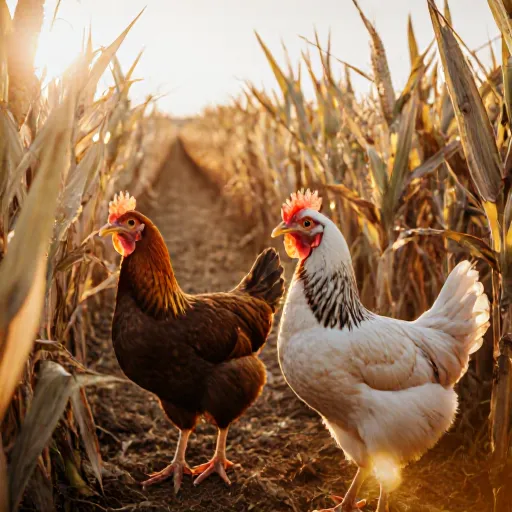
Maize Boosts Broiler Performance: A Profitable Secret
Table of Contents
- Introduction to Maize in Broiler Diets
- Nutritional Value of Maize
- Energy Source for Broilers
- Protein Quality and Availability
- Essential Amino Acids Content
- Fat Content and Digestibility
- Mineral Contribution to Broilers
- Vitamin Content and Its Role
- Effect on Meat Quality
- Impact on Growth Rate
- Feeding Behavior and Efficiency
- Environmental Considerations
- Cost Effectiveness for Farmers
- Conclusion
- FAQs
Introduction to Maize in Broiler Diets
Maize, scientifically known as Zea mays, is a crucial component in broiler diets due to its high energy content and amino acid profile. In the context of broiler farming, maize serves multiple beneficial roles that enhance growth performance, meat quality, and overall profitability for farmers.
- High Energy Content: Maize is rich in carbohydrates, particularly starch, which provides an essential source of energy needed by broilers during the rapid growth phase. This high-energy content supports active metabolism and efficient conversion of feed into body mass.
- Amino Acid Profile: While maize itself lacks certain essential amino acids like lysine, it is often used in combination with other grains (like soybean meal) to provide a balanced protein source for broilers. The inclusion of maize in the diet ensures that broilers receive adequate energy and essential nutrients.
- Fiber Content: Maize contains dietary fiber which aids in digestive health by promoting proper gut function. This is particularly important as broilers experience rapid weight gain, and a healthy digestive system is crucial for optimal nutrient absorption.
- Cost-Effectiveness: Maize is one of the most cost-effective grains used in poultry diets. Its availability and relatively low price make it an attractive option for farmers looking to optimize feed costs without compromising on performance.
- Egg Production and Broiler Meat Quality: Properly formulated broiler diets, which include maize, can improve meat quality parameters such as breast muscle development, carcass yield, and meat tenderness. Additionally, the use of maize in broiler diets often results in higher egg production when used for breeders.
- Quality Assurance: Always ensure that you are sourcing high-quality maize from reputable suppliers. Poor quality grains can lead to suboptimal performance and increased risk of disease.
- Formulation Considerations: The inclusion level of maize in broiler diets should be balanced with other ingredients such as soybean meal, vitamins, minerals, and fats. A diet that is too high or too low in maize can negatively impact growth rates and overall health.
- Hydration Management: Proper hydration is crucial when feeding broilers maize-based diets to prevent digestive issues like gizzard disorders. Ensure clean water is readily available at all times.
- Variety Selection: Depending on the growing conditions, different varieties of maize can offer varying levels of digestibility and energy content. It's important to choose a variety that performs well under local environmental conditions.
Nutritional Value of Maize
Maize, also known as corn, is a staple crop that plays a significant role in broiler diets. Its nutritional profile offers several benefits that can enhance the growth and health of broilers. Understanding the nutritional value of maize is crucial for formulating balanced feeds that support optimal performance.
Main Nutritional Components
- Energy: Maize is rich in carbohydrates, primarily starch, which provides a substantial amount of energy. This high-energy content makes maize an ideal feed ingredient for broilers as it supports rapid growth and development.
- Fat: While maize contains less fat compared to other grains like soybeans, it still contributes to the overall energy supply in broiler diets.
- Protein: Maize is a moderate source of protein. However, its quality is relatively lower than that found in legumes such as peas and beans. This means that supplementary protein sources are often necessary in broiler feeds.
- Vitamins: Maize contains significant levels of vitamin B complex (B1, B5, B6), which supports metabolic processes essential for growth and reproduction.
- Minerals: Maize is a good source of phosphorus and magnesium. However, it lacks calcium, which is critical for bone development in broilers. Therefore, additional sources of calcium are typically incorporated into broiler feeds.
Benefits of Maize in Broiler Diets
The nutritional profile of maize contributes to various health and performance benefits when included in broiler diets:
- Energy Supply: The high starch content of maize provides a consistent energy source, which is vital for maintaining optimal body weight and ensuring that broilers have the necessary fuel for rapid growth.
- Growth Enhancement: Due to its high energy density, maize supports faster weight gain in broilers. This translates into higher feed efficiency and reduced time to market weight.
- Vitamin Support: The presence of B vitamins in maize helps in the metabolism of carbohydrates, fats, and proteins, promoting overall health and well-being in broilers.
- Mineral Balance: Although maize lacks calcium, its moderate levels of phosphorus contribute to bone development. When combined with appropriate sources of calcium, it ensures that broilers grow healthy bones.
Practical Advice for Broiler Feed Formulation
To maximize the benefits of maize in broiler diets, consider the following practical advice:
- Supplement with Protein Sources: Given its moderate protein content, it is essential to include additional sources of protein such as soybean meal or fish meal to meet the broilers' dietary requirements.
- Calcium Supplementation: Since maize lacks calcium, ensure that supplementary calcium (e.g., limestone powder) is added to the diet. This prevents potential bone development issues and ensures strong, healthy broilers.
- Vitamin Fortification: To enhance the vitamin content of the feed, consider adding a multi-vitamin premix to fortify the diet with all necessary vitamins.
- Fat Addition: Adding fat sources can help improve energy density and palatability of the feed, which can increase feed intake and efficiency.
Conclusion
Incorporating maize into broiler diets is beneficial due to its high energy content and favorable nutritional profile. However, careful attention must be paid to ensuring that all essential nutrients are adequately provided by combining maize with other feed ingredients such as proteins, calcium, and vitamins.
Energy Source for Broilers
The energy source is a crucial component of broiler diets, providing the necessary fuel for growth and development. Among various energy sources available to poultry producers, maize stands out as one of the most important due to its high energy content and nutritional benefits.
Maize is a vital component in broiler diets primarily because it offers an abundance of digestible carbohydrates, which are converted into glucose. This process provides the essential energy for the rapid growth and development that broilers undergo during their short life cycle.
Nutritional Composition
Maize contains a high percentage of starch, which is easily digested by broilers. It also has low levels of antinutritional factors such as trypsin inhibitors and phytates, making it an ideal grain for broiler diets.
Varieties of Maize
There are different varieties of maize that can be used in broiler diets. Dent corn is the most common type used, but other types such as flint and pod corns also have specific uses depending on their nutritional profiles.
Selecting Appropriate Maize
The choice of maize for broilers should consider factors like kernel size, moisture content, and nutrient composition. Premium quality maize will ensure consistent energy supply and better performance from the broilers.
Protein Content in Maize
While maize is rich in starch, it has a lower protein content compared to other grains like soybean meal. Therefore, when formulating broiler diets, it's important to balance the diet with adequate amounts of supplemental proteins.
Effect on Broilers' Growth
The high energy content in maize directly influences broilers’ growth rate and feed efficiency. Properly incorporating maize into a balanced diet can significantly improve weight gain and reduce feed conversion ratios, leading to increased profitability for the farmer.
Storage and Handling
To maintain the quality of maize used in broiler diets, proper storage conditions are essential. Maize should be stored in cool, dry areas to prevent mold growth which can affect its nutritional value and palatability to the birds.
Possible Alternatives
While maize is a primary energy source for broilers, other grains like barley, wheat, or sorghum can be used as alternatives. However, these should be supplemented with appropriate levels of lysine and methionine since they typically have lower protein contents compared to maize.
Conclusion
In summary, maize is an excellent energy source for broilers due to its high digestible carbohydrate content and low antinutritional factors. Proper selection and handling of maize can contribute significantly to the overall health and productivity of the flock, thereby enhancing the profitability of broiler farming.
Protein Quality and Availability
The quality and availability of protein in broiler diets are critical factors that significantly influence broiler performance. Maize, a staple grain in many poultry diets, offers unique benefits when it comes to providing essential amino acids necessary for optimal growth and development. Understanding how maize impacts protein quality can help farmers enhance broiler productivity.
Protein Quality
Maize is naturally low in certain essential amino acids like lysine and tryptophan, which are crucial for broilers to achieve their full growth potential. The protein quality of maize, measured by the Net Protein Utilization (NPU) index or Biological Value (BV), indicates how efficiently birds can use the proteins from maize to grow muscle mass and other tissues.
Despite its limitations in amino acid composition, maize can be effectively complemented with other ingredients such as soybean meal or supplements like amino acids. These additives help bridge any gaps in the essential amino acid profile of maize, thereby improving overall protein quality. For instance, incorporating 5% to 10% soybean meal into a maize-based diet can significantly enhance the availability and utilization of protein by broilers.
Protein Availability
The digestibility of proteins in broiler diets is another key factor affecting their performance. Maize, being rich in non-starch polysaccharides (NSP), can sometimes limit the availability of amino acids due to poor digestion by broilers. However, enzymes like xylanase and phytase can be added to maize-based diets to improve digestibility. Xylanase helps break down xylans, which are found in the hulls of corn, while phytase increases the availability of phosphorus and certain amino acids.
Studies have shown that feeding broilers a diet supplemented with 100 IU/kg of xylanase alongside maize can increase protein digestibility by up to 2%. This increased digestibility translates directly into better growth rates and lower feed conversion ratios (FCR) for the birds. Similarly, adding 50 ppm of phytase to maize-based diets has been shown to improve performance in broilers, reducing the need for supplementary phosphorus and enhancing overall nutritional efficiency.
Practical Advice
- Optimize Protein Sources: Combine maize with high-quality protein sources like soybean meal or fishmeal to balance its amino acid profile. This combination ensures that broilers receive all the essential amino acids they need for optimal growth.
- Incorporate Enzymes: Adding xylanase and phytase to maize-based diets can significantly improve protein digestibility, leading to better performance in terms of weight gain and feed efficiency.
- Monitor Feed Formulation: Regularly evaluate the nutrient composition of broiler diets to ensure that any changes in maize quality or availability are addressed promptly. This includes checking for variations in moisture content, mold contamination, or other factors that could affect protein digestibility.
Conclusion
Incorporating maize into broiler diets is a common practice due to its abundance and cost-effectiveness. By understanding the limitations of maize's protein quality and availability, farmers can take steps to enhance it through strategic ingredient selection and supplementation. This not only improves broiler performance but also contributes to more sustainable farming practices.
Essential Amino Acids Content
Understanding essential amino acids is crucial for anyone involved in poultry nutrition, including those managing broiler diets. Essential amino acids are specific types of amino acids that cannot be synthesized by the body and must therefore be obtained through diet. For broilers, these amino acids play a critical role in growth, development, and overall health.
- Optimal Growth: Essential amino acids are vital for the proper formation and repair of muscle tissue. In broilers, this means promoting rapid weight gain during the critical growth phase.
- Better Conversion Efficiency: By ensuring that all essential amino acids are available in adequate amounts, feed efficiency can be improved. Broilers will convert less feed into waste products and more into growth.
- Enhanced Immune Function: Amino acids support the production of antibodies and other immune components necessary for disease resistance.
Maize is a staple ingredient in broiler diets due to its high energy content. However, maize alone does not provide all the essential amino acids that broilers need for optimal growth and health. This can lead to deficiencies if not supplemented correctly.
Limitations of Maize
- Maize is relatively low in certain essential amino acids like lysine, methionine, and tryptophan.
- The high starch content can lead to digestive issues if not balanced with other feeds.
Therefore, it's important to ensure that broiler diets are supplemented with additional sources of essential amino acids. This typically involves the inclusion of soybean meal or synthetic supplements in the feed formulation.
Benefits of Maize in Broiler Diets
- Energy Source: Maize provides a significant amount of energy, which is crucial for broilers to meet their high metabolic demands. This helps in maintaining body heat and supporting rapid growth.
- Economical Feed Ingredient: Maize is widely available and relatively inexpensive compared to other feed ingredients like fishmeal or soybean meal.
While maize alone cannot provide all the essential amino acids needed by broilers, it plays a vital role in supplying energy. By carefully balancing the diet with additional sources of essential amino acids, farmers can ensure that their broiler flock receives adequate nutrition for optimal performance and health.
- Proper Feed Formulation: Always consult a poultry nutritionist to formulate the feed correctly. They will help in determining the right balance of maize with other ingredients like soybean meal or synthetic amino acid supplements.
- Monitoring Growth and Health: Regularly monitor your broilers' growth rates, feather quality, and overall health. Signs of amino acid deficiencies include poor weight gain, weak immune systems, and reduced feed efficiency.
In conclusion, while maize is an essential component of broiler diets due to its energy content, it must be supplemented with other ingredients rich in essential amino acids to meet the dietary needs of broilers. This ensures optimal growth, health, and performance throughout the broiler's life cycle.
Fat Content and Digestibility
Understanding the fat content and digestibility is crucial when incorporating maize into broiler diets. Maize, a staple grain for poultry diets, provides essential nutrients that significantly impact broiler performance. The fat content in maize plays a pivotal role in energy provision, which is critical for rapid growth rates and efficient feed utilization.
Benefits of Fat Content
The fat content in maize can range from 2% to 4%, depending on the variety. This moderate level of fat content provides a valuable source of energy that supports broiler growth during their high-intensity feeding period. However, it is important to note that excessive fat intake can lead to health issues such as obesity and liver disorders. Therefore, the inclusion rate should be carefully managed.
Digestibility Factors
The digestibility of maize in broiler diets is a key factor affecting performance. Maize has good digestibility levels, which are influenced by factors like kernel size, processing methods, and the age of the birds. Ensuring that maize kernels are finely ground can enhance nutrient availability and digestibility, thus improving feed efficiency.
Practical Advice
To maximize the benefits of maize in broiler diets while managing fat content and ensuring good digestibility, follow these practical tips:
- Select High-Quality Maize: Choose maize with a balanced fat content that meets nutritional standards. High-quality maize will have better overall nutrient profiles.
- Fine Grinding: Ensure maize is finely ground to improve digestibility and nutrient release during the digestive process.
- Control Fat Levels: Monitor and adjust the fat content in broiler diets, especially as birds approach maturity. Excessive fat can be detrimental to health.
- Complementary Feeds: Incorporate other energy sources like wheat or soybean meal to balance the diet if necessary. This approach helps maintain optimal body weight and prevents over-reliance on maize's inherent fat content.
Examples
A common practice in broiler diets is to mix maize with other grains like wheat or sorghum. This mix ensures that the overall fat content remains within a healthy range and enhances digestibility. For instance, using a 60:40 ratio of maize to wheat can provide balanced energy levels while maintaining good digestibility.
Conclusion
Incorporating maize into broiler diets is beneficial due to its fat content and digestibility. By understanding these factors and implementing the right practices, poultry farmers can optimize broiler performance, leading to higher growth rates and better feed efficiency.
Mineral Contribution to Broilers
The role of minerals in broiler diets is pivotal for ensuring optimal growth, health, and performance. Minerals such as calcium, phosphorus, potassium, sodium, chloride, magnesium, iron, copper, zinc, manganese, iodine, and selenium are crucial for various physiological processes including bone development, egg shell quality, immune function, and antioxidant defense.
Calcium and Phosphorus
Calcium is primarily needed for the formation of bones and egg shells. During peak production periods, broilers require a higher calcium level to support their rapid growth and bone development. Phosphorus works in tandem with calcium to maintain strong skeletal structure.
Iron and Zinc
Iron is essential for oxygen transport in the blood and zinc plays a critical role in immune function, protein synthesis, and DNA synthesis. Ensuring adequate levels of these minerals helps in preventing anemia and supporting the broilers' immune system.
Magnesium and Iodine
Magnesium is involved in muscle contraction and nerve function while iodine is vital for thyroid hormone production, which regulates metabolism. Sufficient levels of these minerals ensure proper physiological functions in broilers.
Maize is one of the most important ingredients in broiler diets due to its high energy content and availability. However, it lacks certain essential amino acids, particularly lysine, which are crucial for protein synthesis.
Lysine Supplementation with Maize
The inclusion of supplementary sources like soybean meal is often necessary to balance the amino acid profile in maize-based diets. Lysine is a limiting amino acid in broilers fed on maize, and its deficiency can lead to reduced growth rates and higher feed costs.
Supplementing with lysine can enhance feed efficiency and weight gain in broilers while reducing their dependency on imported soybean meal. This not only improves the economic viability of broiler production but also supports sustainable farming practices by optimizing resource use.
Energy Density
Maize provides a significant portion of the energy needed for broilers to maintain high growth rates and activity levels, especially in hot climates where increased energy requirements are common. The high starch content of maize aids in providing quick bursts of energy crucial for broilers during their rapid growth phase.
Vitamins and Other Nutrients
While maize is rich in carbohydrates, it has limited vitamins and minerals compared to other grains like wheat or barley. However, its overall nutrient profile complements the amino acid balance provided by legumes, making it a valuable component of broiler diets.
Practical Advice
- Formulate Balanced Diets: Ensure that the diet includes all necessary minerals and amino acids. Consult nutritionists or agronomists to formulate balanced feeds tailored to specific growth phases of broilers.
- Monitor Feed Intake: Regularly check feed intake and adjust mineral supplementation if required based on observed growth rates and health status.
- Use Quality Ingredients: Opt for high-quality maize with minimal impurities to ensure consistent performance in broilers. Similarly, choose reliable sources for supplementary amino acids and other necessary nutrients.
Vitamin Content and Its Role
The role of vitamins in broiler diets is crucial for optimal growth, health, and performance. Vitamins act as coenzymes or precursors to enzymes that facilitate a wide range of metabolic processes within the bird's body. In the context of maize-based diets, which are commonly used in broiler feeds, understanding the vitamin content is essential for maximizing the benefits derived from this staple grain.
Maize, or corn, is a rich source of energy and fiber but lacks certain vitamins that are critical for broilers. Therefore, supplemental vitamins must be provided to ensure comprehensive nutrition:
- Vitamin A: Essential for vision, immune function, and growth. Maize contains beta-carotene which can be converted into vitamin A.
- Vitamin D3: Important for calcium metabolism, bone development, and eggshell quality. It enhances the absorption of calcium and phosphorus.
- Vitamin E: Acts as an antioxidant, protecting cells from oxidative stress and enhancing immunity.
- B Vitamins (B1, B2, B3, B6, B12): Involved in energy metabolism, red blood cell formation, and nervous system function.
The inclusion of maize in broiler diets offers several benefits:
- Economic Efficiency: Maize is a cost-effective grain, making it an attractive choice for large-scale commercial poultry operations.
- Maize's high energy content allows for efficient feed conversion ratios, reducing the overall costs associated with raising broilers.
- Energy Source: Maize provides a substantial amount of dietary energy which is essential for rapid growth and development in broilers.
- The high starch content in maize makes it an excellent source of carbohydrates, contributing to the birds' glycogen stores.
- Fiber Content: Maize also contains fiber that aids in digestive health and prevents cecalitis.
- The roughage helps maintain gut motility and supports a healthy digestive system, which is crucial for overall bird health.
To ensure broilers receive all necessary vitamins, it's important to supplement maize-based diets with vitamin premixes:
- Vitamin Premixes: These are formulated to provide the exact amounts of vitamins required for optimal broiler performance. They should be tailored based on the specific needs of your flock.
- Ensure that vitamin premixes contain all essential vitamins in sufficient quantities, considering factors like the age of the birds and environmental conditions.
To manage vitamin content effectively in broiler diets using maize:
- Quality Control: Regularly test the quality of your maize and vitamin premixes to ensure they meet nutritional standards.
- This includes checking for mold, insect infestations, and contamination which can affect vitamin availability.
- Balanced Diets: Ensure that the overall diet is balanced with all essential nutrients, not just vitamins.
- Incorporate other ingredients like soybean meal, fishmeal, and minerals to complement the vitamin content of maize.
- Adaptation: Adjust the vitamin levels as needed based on growth stages. For example, higher levels may be required during the early growth phase for rapid development.
In conclusion, while maize is a valuable component of broiler diets due to its high energy content and cost-effectiveness, careful attention must be given to vitamin supplementation to ensure optimal health and performance. By understanding the role of vitamins in maizes and managing them effectively, you can significantly enhance the productivity and welfare of your broilers.
Effect on Meat Quality
The incorporation of maize into broiler diets has been shown to have a significant impact on meat quality, primarily due to its high energy content and essential amino acid profile. Maize is one of the most commonly used grain ingredients in poultry feeds because it provides an excellent source of readily digestible energy, which helps maximize broiler growth rates and body weight gains.
Energy Content
Maize contains a high proportion of starch, providing approximately 86% of its dry matter as carbohydrates. This high energy content is crucial for broilers during the rapid growth phase, ensuring they have sufficient energy reserves to support their metabolism and tissue development. The increased energy intake can lead to higher body weight gains, which directly impacts meat quality by influencing the fat deposition in the carcass.
Evaluation of Fat Content
The type and amount of fat deposited in broiler meat are influenced by several factors, including dietary composition. Maize, being rich in energy but relatively low in protein and essential amino acids compared to other cereals like sorghum or barley, can affect lipid metabolism. Proper management is necessary to balance the diet with adequate levels of fat-soluble vitamins and essential fatty acids.
Protein Quality
Maize itself has a lower protein content compared to other grains like soybean meal or wheat, which are higher in essential amino acids. However, when used as part of a balanced diet with complementary proteins such as soybean meal, it can provide the necessary nitrogenous compounds for optimal meat quality and growth performance.
Carotenoid Content
Maize is naturally rich in carotenoids, which are precursors to vitamin A. These antioxidants play a vital role in enhancing pigmentation of poultry meat, especially the skin and fat. Proper inclusion of maize can thus improve the color quality of broiler meat, making it more appealing to consumers.
Practical Advice for Feed Formulation
- Balance Nutritional Requirements: Ensure that the diet includes adequate levels of essential amino acids and other nutrients to complement the high energy content of maize. This balance is crucial for maintaining meat quality.
- Avoid Overfeeding: While maize provides ample energy, excessive intake can lead to fat deposition, which may negatively affect meat quality by increasing intramuscular fat (IMF) levels. Therefore, it’s essential to monitor feed consumption and adjust as necessary.
- Incorporate Antioxidants: Supplementing the diet with antioxidants like vitamin E alongside maize can help mitigate oxidative stress, which is beneficial for maintaining muscle health and reducing the risk of lipid peroxidation.
Conclusion
In summary, incorporating maize into broiler diets offers numerous benefits that positively influence meat quality. By providing a rich source of energy while ensuring proper nutrient balance through complementary ingredients, farmers can enhance growth rates and achieve high-quality poultry meat.
Impact on Growth Rate
The impact of maize on the growth rate of broilers is significant and multifaceted, primarily due to its high energy content and essential amino acid profile. Maize serves as a foundational component in broiler diets, providing the necessary carbohydrates for energy production and supporting overall growth and development.
Energy Contribution
Maize is rich in starch, which breaks down into glucose to provide the primary source of energy for broilers. This energy is crucial during critical growth phases when broilers are rapidly increasing their body weight. Ensuring that maize forms a significant portion of the diet helps maintain a steady flow of energy, thereby supporting higher growth rates.
Essential Amino Acids
While maize itself is relatively low in lysine and methionine—two critical amino acids for broilers—a balanced diet can mitigate this. By combining maize with other grains like soybean meal or supplements rich in these essential amino acids, the nutritional balance is optimized. This ensures that the broilers receive all necessary nutrients to maximize their growth potential.
Effect on Digestibility
The digestibility of maize is high, which means a significant portion of its energy and nutrients are readily available for absorption by the broilers. High-quality maize, with minimal impurities, further enhances this digestibility. Ensuring that feed contains optimal levels of maize can lead to better nutrient utilization, thereby influencing growth rates positively.
Practical Advice
To maximize the benefits of maize in broiler diets, it is recommended to conduct thorough nutritional analyses and adjust the diet composition as needed. Monitoring the growth rate through regular weigh-ins can help identify any deficiencies or imbalances that need addressing. Additionally, integrating supplements or alternative grains into the diet when necessary ensures a balanced nutrient profile.
Examples
- Diet Composition: A typical broiler diet might include 70-80% maize, with soybean meal providing additional protein and other nutrients. The remaining portion can consist of vitamins, minerals, and other supplements.
- Growth Performance: Studies have shown that broilers fed diets supplemented with essential amino acids alongside maize exhibit higher growth rates compared to those on less balanced diets.
Conclusion
In summary, the inclusion of maize in broiler diets plays a vital role in influencing their growth rate. By providing necessary energy and essential nutrients, maize supports robust development during critical phases of growth. Proper formulation and monitoring are key to leveraging these benefits fully.
Feeding Behavior and Efficiency
The feeding behavior and efficiency of broilers play a crucial role in optimizing the nutritional value of their diet, with maize being one of the most important components. Proper management of these behaviors ensures that broilers can convert feed into weight gain effectively, thereby enhancing overall productivity and profitability for farmers.
Understanding Maize's Role in Broiler Diets
Maize, also known as corn, is a staple grain used widely in broiler diets due to its high energy content. It provides essential nutrients such as carbohydrates, proteins, fats, and vitamins that are critical for the rapid growth of broilers. The inclusion rate of maize in broiler feeds can vary but should be balanced with other ingredients like soybean meal to meet all nutritional requirements.
Impact on Feeding Behavior
The feeding behavior of broilers directly influences how efficiently they utilize the nutrients provided by their diet. Efficient feed intake and consumption patterns are essential for optimal growth performance. By understanding typical behaviors such as pecking, sampling, or eating, farmers can adjust factors like feed delivery time, frequency, and environmental conditions to promote better feeding habits.
Optimizing Efficiency Through Feeding Management
- Consistent Feed Availability: Ensuring continuous access to feed helps maintain consistent energy intake, which supports steady weight gain. Overfeeding or underfeeding can lead to inefficiencies in metabolism and reduced growth rates.
- Proper Housing Conditions: Clean, comfortable environments free from stressors encourage natural feeding behaviors. Stressful conditions may cause broilers to consume less feed per day, leading to lower weight gains despite having sufficient feed available.
- Predictable Routines: Establishing regular eating times can help synchronize the broilers' internal clocks with their feeding schedule. This predictability reduces variability in intake and improves overall efficiency.
Practical Examples of Enhancing Efficiency
For instance, some farms have implemented automated feeders that release small portions of maize at set intervals throughout the day. These systems not only ensure constant food supply but also allow close monitoring of consumption patterns by recording how much each bird eats.
In another case study, a farm noticed improved performance after switching to a higher quality grade of maize. By sourcing better-quality grains, they observed faster growth rates and lower mortality rates among their broilers due to more efficient nutrient utilization.
Conclusion
In conclusion, optimizing the feeding behavior and efficiency of broilers through careful management practices is key to realizing the full benefits of maize in their diets. Farmers who focus on creating ideal conditions for healthy eating habits will see improved growth rates, better feed conversion ratios, and ultimately greater profits.
Environmental Considerations
The integration of maize into broiler diets presents significant environmental benefits, contributing positively to sustainability efforts within the poultry industry. By focusing on the environmental considerations related to maize usage, we can explore how this grain helps reduce carbon footprints and supports eco-friendly practices.
Reduction in Land Use and Greenhouse Gas Emissions
Maize is a versatile crop that can be grown efficiently with lower inputs compared to some other crops. By promoting the use of maize, we are indirectly supporting agricultural practices that require fewer resources such as water and fertilizers. This leads to reduced land use and minimized greenhouse gas emissions per unit of feed produced.
For instance, studies have shown that switching from soybean-based diets to those containing a higher proportion of maize can lead to a reduction in nitrogen runoff into water bodies, thus protecting aquatic ecosystems.
Water Efficiency
Maize cultivation is generally more efficient when it comes to water use. The crop requires less irrigation compared to many alternatives due to its deep root system and ability to tolerate various soil conditions. This efficiency translates directly into reduced freshwater usage, which is crucial in conserving this limited resource.
An example of this can be seen in regions like the United States, where maize production has been optimized through precision agriculture techniques that minimize water wastage without compromising yield. Such practices are essential for sustainability given increasing pressures on global freshwater supplies.
Supporting Biodiversity
The cultivation of maize can support biodiversity by providing habitat for various species. Fields of corn not only serve as food sources but also offer shelter and nesting sites for birds, insects, and other wildlife. Additionally, the crop’s ability to thrive in diverse climates contributes positively to ecosystem stability.
For practical advice, farmers could implement conservation tillage or no-till practices which help maintain soil structure and promote soil health. These methods enhance carbon sequestration and support the overall biodiversity of agroecosystems.
Packaging and Transportation
The environmental impact of maize also extends to its packaging and transportation phases. The relatively lightweight nature of maize kernels means that it can be efficiently transported over longer distances with lower emissions per unit weight compared to heavier feeds like soybean meal.
By choosing suppliers who use eco-friendly packaging materials, such as recycled or biodegradable options, feed companies can further reduce their environmental footprint. Furthermore, sourcing maize locally reduces transportation-related carbon emissions, making it a more sustainable choice for broiler diets.
Conclusion
Incorporating maize into broiler diets not only enhances nutritional value but also offers substantial environmental benefits. From reduced land use and greenhouse gas emissions to water efficiency and supporting biodiversity, maize plays a crucial role in fostering sustainable poultry farming practices. By carefully considering these environmental factors when formulating broiler diets, we can contribute significantly to the industry’s overall sustainability goals.
Cost Effectiveness for Farmers
The integration of maize into broiler diets offers several economic benefits that are crucial for farmers looking to maximize their returns while minimizing costs. Maize, a staple crop in many regions, is not only rich in energy but also provides essential nutrients that enhance the performance and health of broilers.
Energy Efficiency
Maize is an excellent source of carbohydrates, which are broken down into glucose during digestion. This readily available form of energy supports rapid growth rates and increased feed efficiency in broilers. By incorporating maize into broiler diets, farmers can reduce the need for expensive supplementary feeds that provide similar energy content but at a higher cost.
Nutritional Value
Maize contains essential amino acids, particularly lysine, which is crucial for protein synthesis. While maize does not meet all of a broiler's nutritional requirements on its own, it can be supplemented with other ingredients to form a balanced diet. This balance ensures that the broilers receive optimal nutrition without the need for expensive imported supplements.
Cost Control
One of the most significant advantages of using maize in broiler diets is its cost-effectiveness. Maize is generally less expensive than alternative energy sources like soybean meal, which can be more than double the price per unit weight. By leveraging local maize production, farmers can reduce their feed costs significantly, contributing to higher profit margins.
Practical Examples
- Case Study 1: A small-scale farmer in Nigeria mixed maize with other locally sourced ingredients and reduced his feed costs by 20% while maintaining broiler performance. This led to a 15% increase in profit margins.
- Case Study 2: In Kenya, a commercial poultry farm increased its broiler weight gain by 10% after adjusting the diet to include maize as the primary energy source, leading to faster growth and higher productivity.
Promoting Sustainable Practices
Incorporating locally grown maize into broiler diets not only promotes cost savings but also supports sustainable agricultural practices. By reducing reliance on imported feed ingredients, farmers contribute to the overall sustainability of their operations and help mitigate environmental impacts associated with transportation.
Conclusion
In conclusion, maize is a valuable component in broiler diets that offers numerous benefits for farmers. Its high energy content, affordability, and nutritional value make it an essential ingredient for enhancing broiler performance and profitability. By carefully balancing the diet with other complementary feedstuffs, farmers can achieve optimal results while keeping costs under control.
Conclusion
The benefits of maize in broiler diets are profound and multifaceted, contributing significantly to optimal growth and health. Maize is a staple grain that provides an excellent source of energy for broilers due to its high starch content. This energy is crucial as it fuels the birds during their rapid growth phase, ensuring they reach market weight efficiently.
One key advantage of maize in broiler diets is its ability to support feathering and plumage health. Maize contains essential amino acids that are vital for the development and maintenance of healthy feathers. Additionally, the dietary inclusion of maize helps prevent skin problems by providing necessary nutrients like vitamins and minerals.
Furthermore, maize's high energy content ensures broilers have ample reserves to combat stress factors such as heat or overcrowding. This stability in diet leads to more consistent growth rates and improved feed efficiency, which is crucial for maximizing profitability on the farm. Farmers often adjust the proportion of maize in broiler diets based on environmental conditions; for instance, increasing its percentage during cooler months when birds may require extra energy.
Maize also promotes a robust immune system in broilers by providing essential nutrients that enhance overall bird health. A well-balanced diet with adequate maize content can reduce the incidence of diseases and infections, resulting in healthier flocks and lower mortality rates. This is particularly important in commercial operations where maintaining high survival rates translates directly into higher productivity.
In practical terms, farmers should consider incorporating maize as part of a diversified grain mix tailored to specific broiler needs. It's essential to supplement maize with other grains like wheat or barley for complete nutritional balance and ensure that the overall diet meets all required standards set by local regulations and guidelines.
The use of maize in broiler diets not only supports sustainable farming practices but also aligns with global trends towards more efficient resource utilization. As demand for poultry products continues to rise, understanding how to effectively utilize maize can play a critical role in meeting this demand while maintaining ethical standards within the industry.
Ultimately, the benefits of maize in broiler diets extend beyond just providing energy; they encompass improvements in feather quality, stress resistance, immune function, and overall health. By carefully managing its inclusion, farmers can optimize growth rates, minimize mortality risks, and ultimately improve profitability in their operations. This makes maize an indispensable component of any modern broiler diet formulation.
FAQs
Q1: What are the key benefits of including maize in broiler diets?
Incorporating maize into broiler diets provides several significant advantages. Maize is a staple ingredient due to its high energy content, which helps to boost growth and efficiency in meat production. It also acts as an excellent source of carbohydrates that are easily digestible by broilers. This energy-rich diet supports the birds' overall health and performance.
Q2: How does maize affect broiler weight gain?
The high starch content in maize facilitates efficient carbohydrate metabolism, which directly impacts broiler weight gain. By providing a steady supply of energy, maize helps to maximize the birds' feed efficiency, leading to increased weight gain over time. This is particularly important during crucial growth phases when optimal nutrition is key.
Q3: Is maize suitable for all stages of broiler development?
Maize can be used throughout the entire broiler development cycle, from the starter to the finisher phase. However, its inclusion may vary depending on the nutritional requirements at each stage. In the early phases, it is often mixed with other ingredients like soybean meal for a balanced protein profile, while in later stages, maize provides sufficient energy.
Q4: What additional nutrients should be considered alongside maize?
To ensure comprehensive nutrition, broiler diets need to include more than just maize. Ingredients like soybean meal are crucial for providing essential amino acids and proteins. Vitamins, minerals, and trace elements must also be carefully balanced to support overall health and performance. This balance is key in maximizing the benefits of maize.
Q5: How does feeding maize impact broiler feed conversion efficiency?
A diet rich in maize improves feed conversion efficiency, as it provides a high level of digestible energy. This means that less feed is required to achieve the same rate of weight gain, which translates into cost savings for producers. High feed conversion efficiency also contributes positively to environmental sustainability by reducing waste.
Q6: Are there any risks associated with using maize in broiler diets?
The most common risk is over-reliance on maize, which can lead to deficiencies in other essential nutrients. It's important to consult a poultry nutritionist or veterinarian to ensure that the diet meets all nutritional needs and balances out potential shortcomings.
Q7: How does maize impact broiler meat quality?
The quality of broiler meat can be enhanced by using maize due to its energy content. However, it's crucial to maintain a balanced diet that also includes proteins and other nutrients necessary for muscle development. Proper nutrition ensures that the birds grow healthy muscles, which in turn results in higher-quality meat.
Q8: Can maize be used as a replacement for other grains?
Maize is often preferred over other grains due to its lower cost and availability. It can effectively replace certain grains like wheat or barley, but it's important to consider the specific nutritional needs of your broilers and make adjustments accordingly.
Categories
- AI & Enrichment Play
- Broiler Farming
- Broiler Farming Tips
- Canine Wellness & Longevity
- Cat
- Cat & Human Connection
- Cat Adoption & Rescue
- Cat Breeds
- Cat Breeds & Personalities
- Cat Care & Health
- Cat Grooming & Hygiene
- Cat Lifestyle & Environment
- Cat Myths & History
- Cat Nutrition & Diet
- Cat Products & Reviews
- Cat Training & Behavior
- Comparison
- Consumer Awareness
- Dog
- Dog Accessories & Products
- Dog Adoption & Rescue
- Dog Breed & Lifestyle Trends
- Dog Breeding & Puppies
- Dog Entertainment & Media
- Dog Fashion & Trends
- Dog Fun & Lifestyle
- Dog Grooming & Hygiene
- Dog History & Culture
- Dog Myths, Science & Future Tech
- Dog News & Trends
- Dog Nutrition & Food
- Dog Psychology & Emotions
- Dog Safety & Security
- Dog Sports & Activities
- Dog Technology & Innovation
- Dog Training for Modern Owners
- Dog Travel & Adventure
- Dog Travel, Adventure & Culture
- Economic and Market Insights
- Educational Content
- FAQs
- Feeding Alternatives
- Festivals & Seasonal Ideas
- Fun & Entertainment
- General Knowledge
- General Pig Farming
- Health & Disease Management
- Housing and Environment
- Kittens
- Market Insights
- Miscellaneous
- Miscellaneous
- Motivational
- pig
- Pig Breeding
- Pig Breeds
- Pig Farming Stories and Inspiration
- Pig Health and Care
- Pig Nutrition
- Pig Products
- Profitability & Business
- Puppy Care
- Puppy Predictable Topics Reinvented
- Regional Focus
- Rescue & Adoption Buzz
- Senior Cats
- Senior Dog Care
- Smart Dog Tech & Gadgets
- Sustainability
- Sustainable & Eco-Friendly Dog Products
- Tech & Innovations
- Working & Service Dogs
- Broiler Feed66 products
- Country Feed33 products
- Pig Feed66 products
- Product22 products
- Raw Materials99 products
Products
-
 Fish Meal
₹1,999.00 – ₹2,999.00Price range: ₹1,999.00 through ₹2,999.00Rated 0 out of 5
Fish Meal
₹1,999.00 – ₹2,999.00Price range: ₹1,999.00 through ₹2,999.00Rated 0 out of 5 -
 FATTENING BROILER FEED
₹2,299.00 – ₹2,349.00Price range: ₹2,299.00 through ₹2,349.00Rated 0 out of 5
FATTENING BROILER FEED
₹2,299.00 – ₹2,349.00Price range: ₹2,299.00 through ₹2,349.00Rated 0 out of 5 -
 LAYER COUNTRY FEED
₹1,549.00 – ₹1,649.00Price range: ₹1,549.00 through ₹1,649.00Rated 0 out of 5
LAYER COUNTRY FEED
₹1,549.00 – ₹1,649.00Price range: ₹1,549.00 through ₹1,649.00Rated 0 out of 5 -
 COUNTER BROILER FEED
₹1,199.00 – ₹1,299.00Price range: ₹1,199.00 through ₹1,299.00Rated 0 out of 5
COUNTER BROILER FEED
₹1,199.00 – ₹1,299.00Price range: ₹1,199.00 through ₹1,299.00Rated 0 out of 5 -
 LACTATING PIG FEED
Rated 0 out of 5
LACTATING PIG FEED
Rated 0 out of 5₹2,299.00Original price was: ₹2,299.00.₹1,740.00Current price is: ₹1,740.00. -
 Maize
Rated 0 out of 5
Maize
Rated 0 out of 5₹1,650.00Original price was: ₹1,650.00.₹1,300.00Current price is: ₹1,300.00. -
 GESTATION PIG FEED (Phase 1)
Rated 0 out of 5
GESTATION PIG FEED (Phase 1)
Rated 0 out of 5₹2,249.00Original price was: ₹2,249.00.₹1,699.00Current price is: ₹1,699.00. -
 Pre Starter Broiler Feed
₹2,399.00 – ₹2,499.00Price range: ₹2,399.00 through ₹2,499.00Rated 0 out of 5
Pre Starter Broiler Feed
₹2,399.00 – ₹2,499.00Price range: ₹2,399.00 through ₹2,499.00Rated 0 out of 5 -
 FINISHER PIG FEED
Rated 0 out of 5
FINISHER PIG FEED
Rated 0 out of 5₹2,299.00Original price was: ₹2,299.00.₹1,749.00Current price is: ₹1,749.00. -
 Broiler Premix
Rated 0 out of 5
Broiler Premix
Rated 0 out of 5₹820.00Original price was: ₹820.00.₹699.00Current price is: ₹699.00.