
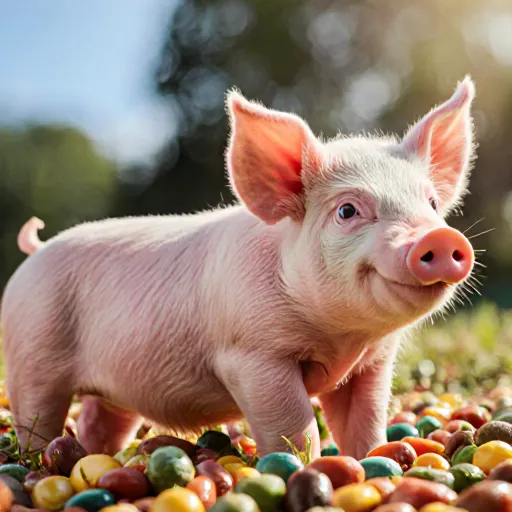
Maximize Growth: Essential Feeding Tips for Piglets
Introduction
Raising healthy piglets is crucial to the overall success of any pig farming operation. Piglets require a specific and balanced diet to ensure they grow and develop properly. A well-structured feeding plan is essential for their health, productivity, and future performance as mature pigs.
In this blog, we will explore the feeding requirements for piglets, focusing on their nutritional needs at different stages of life, the role of protein, energy, vitamins, and minerals in their diet, and key tips for promoting optimal growth and health in your piglets.
Importance of Proper Feeding for Piglets
The early stages of life are critical for piglets. Proper feeding is essential during this time to ensure they have the strength and energy to grow and thrive. Well-fed piglets are more resilient to diseases, grow faster, and are more likely to reach their full genetic potential.
Malnutrition or inadequate feeding can lead to weak piglets with poor immunity, slower growth rates, and even higher mortality. Ensuring your piglets receive the right nutrients at the right times lays the foundation for a healthy and productive life.
Nutritional Needs of Piglets
Piglets have different nutritional requirements depending on their age and stage of development. At birth, piglets depend on their mother's milk for the first few weeks of life. However, as they grow, their diet should transition to include solid feed that meets their nutritional needs.
The essential nutrients for piglets include:
- Protein
- Energy (carbohydrates and fats)
- Vitamins
- Minerals
- Fiber
Each of these nutrients plays a vital role in the growth, development, and health of piglets. Below, we will explore the specific feeding requirements for each of these nutrients.
Protein Requirements for Piglets
Protein is one of the most important nutrients for piglets as it supports growth, muscle development, and the repair of body tissues. The protein requirements for piglets vary based on their age and growth stage.
At Birth to 2 Weeks
During the first two weeks of life, piglets should receive all their protein from their mother's milk. Colostrum, the first milk produced by the sow, is rich in antibodies and protein, providing essential nutrients and boosting immunity.
2 Weeks to Weaning (4 to 6 Weeks)
At this stage, piglets begin transitioning to solid food. High-quality protein sources like milk replacers, soy meal, and whey protein are ideal during this period. Protein should be provided at around 20-22% of their diet during this phase.
Post-Weaning (After 6 Weeks)
After weaning, protein needs decrease slightly but remain high, around 18-20%. A mixture of grains, soybean meal, and animal protein can provide the necessary levels of protein for continued growth.
Energy and Carbohydrate Needs for Piglets
Energy is a critical part of a piglet’s diet. It fuels growth, development, and daily activities. Carbohydrates, particularly from grains like corn and barley, provide the energy piglets need to thrive.
Energy Sources
The primary sources of energy for piglets come from carbohydrates in grains. Corn, barley, and wheat are all excellent sources of carbohydrates that are easy to digest. These grains should be finely ground or processed to make them easier for young piglets to consume.
Energy levels should be gradually increased after weaning to ensure proper growth and development, and this can be done by incorporating more energy-dense foods into the diet.
Vitamins and Minerals for Piglets
Vitamins and minerals are essential for piglets’ immune system, bone growth, and overall health. The main vitamins needed include Vitamin A, D, E, and the B-complex vitamins.
Vitamin A
Vitamin A supports vision, growth, and immune function. It can be found in green forages, carrots, and certain oils.
Vitamin D
Vitamin D is vital for calcium absorption, promoting strong bones and teeth. Sunlight exposure and fortified feeds can provide Vitamin D.
Vitamin E
Vitamin E serves as an antioxidant, protecting cells from damage. It helps in the healing of wounds and maintaining muscle health.
B-complex Vitamins
B vitamins are crucial for energy production and metabolism. These vitamins help convert carbohydrates into energy, which is essential for growing piglets.
Minerals
Essential minerals for piglets include calcium, phosphorus, magnesium, and zinc. Calcium and phosphorus are crucial for bone development, while magnesium and zinc support muscle function and immunity.
Feeding During the Weaning Phase
The weaning phase is a critical period for piglets, as they transition from mother's milk to solid feed. During this time, it’s important to gradually introduce high-quality piglet starter feed to prevent digestive upset and ensure proper nutrient intake.
Special care should be taken to provide small, easy-to-eat meals. Offering fresh water and clean feed will help reduce stress and improve digestion during weaning.
Feeding Piglets After Weaning
After weaning, piglets need a balanced diet that continues to support their rapid growth. The diet should include a mix of protein, carbohydrates, and essential nutrients like vitamins and minerals. By now, piglets can handle a more varied diet that includes grains, soybeans, and animal-based proteins.
Common Feeding Mistakes for Piglets
Even experienced farmers can make feeding mistakes. Some common errors include:
- Not adjusting feed levels as piglets grow.
- Overfeeding or underfeeding during weaning.
- Feeding a diet that lacks variety and essential nutrients.
- Failure to provide clean, fresh water at all times.
FAQs
What should I feed piglets at birth?
At birth, piglets should be fed their mother’s colostrum to get the essential antibodies for immunity.
When should I start feeding piglets solid food?
Solid food can be introduced to piglets at around 2-3 weeks of age, but they should still rely on the mother’s milk until they are weaned at 4-6 weeks.
Can I feed piglets a vegetarian diet?
Yes, piglets can be fed a vegetarian diet, but it must be carefully balanced to ensure they get adequate protein and energy.
Conclusion
Proper nutrition during the early stages of a piglet’s life is crucial for its growth, health, and overall productivity. By providing a balanced diet rich in protein, energy, vitamins, and minerals, you ensure that your piglets will grow strong, healthy, and ready for their future in the herd.
With careful planning and attention to their feeding requirements, you can ensure your piglets receive the best start in life, leading to a successful and profitable pig farming operation.
Categories
- AI & Enrichment Play
- Broiler Farming
- Broiler Farming Tips
- Canine Wellness & Longevity
- Cat
- Cat & Human Connection
- Cat Adoption & Rescue
- Cat Breeds
- Cat Breeds & Personalities
- Cat Care & Health
- Cat Grooming & Hygiene
- Cat Lifestyle & Environment
- Cat Myths & History
- Cat Nutrition & Diet
- Cat Products & Reviews
- Cat Training & Behavior
- Comparison
- Consumer Awareness
- Dog
- Dog Accessories & Products
- Dog Adoption & Rescue
- Dog Breed & Lifestyle Trends
- Dog Breeding & Puppies
- Dog Entertainment & Media
- Dog Fashion & Trends
- Dog Fun & Lifestyle
- Dog Grooming & Hygiene
- Dog History & Culture
- Dog Myths, Science & Future Tech
- Dog News & Trends
- Dog Nutrition & Food
- Dog Psychology & Emotions
- Dog Safety & Security
- Dog Sports & Activities
- Dog Technology & Innovation
- Dog Training for Modern Owners
- Dog Travel & Adventure
- Dog Travel, Adventure & Culture
- Economic and Market Insights
- Educational Content
- FAQs
- Feeding Alternatives
- Festivals & Seasonal Ideas
- Fun & Entertainment
- General Knowledge
- General Pig Farming
- Health & Disease Management
- Housing and Environment
- Kittens
- Market Insights
- Miscellaneous
- Miscellaneous
- Motivational
- pig
- Pig Breeding
- Pig Breeds
- Pig Farming Stories and Inspiration
- Pig Health and Care
- Pig Nutrition
- Pig Products
- Profitability & Business
- Puppy Care
- Puppy Predictable Topics Reinvented
- Regional Focus
- Rescue & Adoption Buzz
- Senior Cats
- Senior Dog Care
- Smart Dog Tech & Gadgets
- Sustainability
- Sustainable & Eco-Friendly Dog Products
- Tech & Innovations
- Working & Service Dogs
- Broiler Feed66 products
- Country Feed33 products
- Pig Feed66 products
- Product22 products
- Raw Materials99 products
Products
-
 Fish Meal
₹1,999.00 – ₹2,999.00Price range: ₹1,999.00 through ₹2,999.00Rated 0 out of 5
Fish Meal
₹1,999.00 – ₹2,999.00Price range: ₹1,999.00 through ₹2,999.00Rated 0 out of 5 -
 FATTENING BROILER FEED
₹2,299.00 – ₹2,349.00Price range: ₹2,299.00 through ₹2,349.00Rated 0 out of 5
FATTENING BROILER FEED
₹2,299.00 – ₹2,349.00Price range: ₹2,299.00 through ₹2,349.00Rated 0 out of 5 -
 LAYER COUNTRY FEED
₹1,549.00 – ₹1,649.00Price range: ₹1,549.00 through ₹1,649.00Rated 0 out of 5
LAYER COUNTRY FEED
₹1,549.00 – ₹1,649.00Price range: ₹1,549.00 through ₹1,649.00Rated 0 out of 5 -
 COUNTER BROILER FEED
₹1,199.00 – ₹1,299.00Price range: ₹1,199.00 through ₹1,299.00Rated 0 out of 5
COUNTER BROILER FEED
₹1,199.00 – ₹1,299.00Price range: ₹1,199.00 through ₹1,299.00Rated 0 out of 5 -
 LACTATING PIG FEED
Rated 0 out of 5
LACTATING PIG FEED
Rated 0 out of 5₹2,299.00Original price was: ₹2,299.00.₹1,740.00Current price is: ₹1,740.00. -
 Maize
Rated 0 out of 5
Maize
Rated 0 out of 5₹1,650.00Original price was: ₹1,650.00.₹1,300.00Current price is: ₹1,300.00. -
 GESTATION PIG FEED (Phase 1)
Rated 0 out of 5
GESTATION PIG FEED (Phase 1)
Rated 0 out of 5₹2,249.00Original price was: ₹2,249.00.₹1,699.00Current price is: ₹1,699.00. -
 Pre Starter Broiler Feed
₹2,399.00 – ₹2,499.00Price range: ₹2,399.00 through ₹2,499.00Rated 0 out of 5
Pre Starter Broiler Feed
₹2,399.00 – ₹2,499.00Price range: ₹2,399.00 through ₹2,499.00Rated 0 out of 5 -
 FINISHER PIG FEED
Rated 0 out of 5
FINISHER PIG FEED
Rated 0 out of 5₹2,299.00Original price was: ₹2,299.00.₹1,749.00Current price is: ₹1,749.00. -
 Broiler Premix
Rated 0 out of 5
Broiler Premix
Rated 0 out of 5₹820.00Original price was: ₹820.00.₹699.00Current price is: ₹699.00.
Recently Viewed Products
-
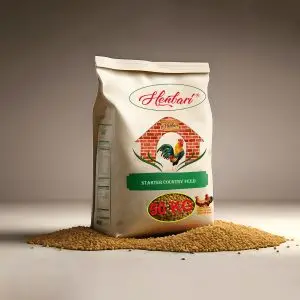 STARTER COUNTRY FEED
₹1,699.00 – ₹1,799.00Price range: ₹1,699.00 through ₹1,799.00
STARTER COUNTRY FEED
₹1,699.00 – ₹1,799.00Price range: ₹1,699.00 through ₹1,799.00
-
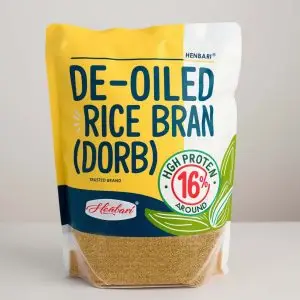 DORB (De-Oiled Rice Bran)
₹750.00Original price was: ₹750.00.₹649.00Current price is: ₹649.00.