
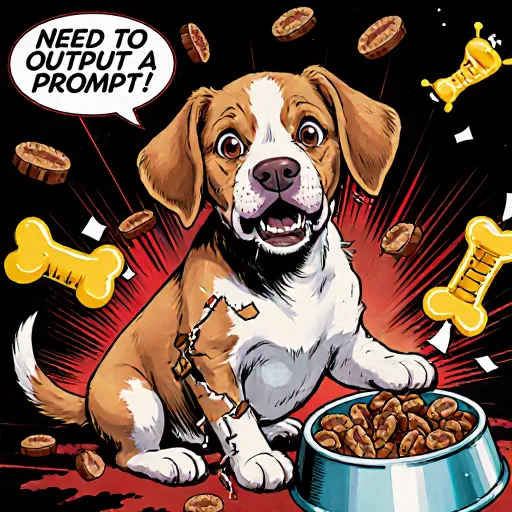
Keep Your Puppy Safe—Avoid Food Traps!
“Puppy Panic? Prevent Fatal Food Fumbles Now”
Table of Contents
- Introduction to Dangerous Items for Dogs
- Common Household Items That Pose Risks
- Foods Your Dog Should Never Eat
- Toys and Small Objects to Watch Out For
- Plants and Flowers That Are Toxic to Dogs
- Medication and Human Remedies – Hidden Dangers
- The Importance of Proper Storage Solutions
- Training Techniques to Discourage Chewing
- Using Deterrents and Repellents Effectively
- Creating a Dog‑Safe Environment in Your Home
- Monitoring Outdoor Play Spaces for Hazards
- What to Do if Your Dog Ingests Something Harmful
- When to Seek Veterinary Attention
- Conclusion: Keeping Your Dog Safe and Healthy
- FAQ – Frequently Asked Questions
Introduction to Dangerous Items for Dogs
Dogs are naturally curious creatures, and that curiosity can lead them to sniff, lick, or even swallow objects they shouldn’t. While many items in a typical household might seem harmless at first glance, they can pose serious health risks if ingested by your canine companion. Understanding what makes an item dangerous is the first step toward protecting your pet from accidental poisoning, choking, or digestive blockages.
Common Household Items That Can Be Hazardous
- Medications and Supplements: Human painkillers, antihistamines, and even over‑the‑counter cold remedies contain ingredients that are toxic to dogs. Even a single tablet can cause severe symptoms.
- Toys with Small Parts: Many plush toys have detachable buttons or beads. If swallowed, these can lodge in the throat or intestines.
- Household Cleaners: Bleach, ammonia, and dish soaps are often stored within reach of pets and can cause burns or chemical ingestion.
- Food Items: Chocolate, grapes, raisins, onions, garlic, avocado, and xylitol‑sweetened products (often found in gum, baked goods, and peanut butter) are toxic to dogs.
- Plants: Certain ornamental plants like philodendron, sago palm, or poinsettia can cause vomiting, diarrhea, or more severe reactions when chewed.
Why Dogs Are At Risk
Dogs rely on their sense of taste and smell to determine what’s safe. However, many toxic substances are odorless or have a flavor that dogs find appealing. Additionally, the instinctual behavior of “investigating” with their mouths means they’ll often ingest items before realizing the danger.
Key Signs That Your Dog Has Ingested Something Dangerous
- Nausea or vomiting: Immediate reaction to stomach irritation.
- Drooling or pawing at the mouth: Indicates discomfort or choking.
- Lethargy or weakness: Possible systemic toxicity.
- Abdominal pain or bloating: Could signal a blockage or organ damage.
Practical Tips to Reduce the Risk
- Secure Storage: Keep all medications, cleaning supplies, and toxic foods out of reach—use childproof locks or high shelves.
- Use Dog‑Safe Alternatives: Opt for pet‑specific cleaners and avoid human products that contain harmful ingredients.
- Choose Safe Toys: Pick toys designed specifically for dogs, with no detachable parts. Inspect them regularly for wear and tear.
- Educate Your Household: Make sure everyone knows which items are off‑limits to pets.
- Keep an Eye on Your Dog’s Environment: During walks or playtime, supervise closely to catch any curiosity before it turns dangerous.
When to Seek Veterinary Help
If you suspect your dog has ingested a harmful item—especially if they show any of the signs listed above—contact your veterinarian immediately. Time is critical; many toxins can cause irreversible damage within hours.
By staying informed and vigilant, you can create a safer home environment for your furry friend and reduce the risk of accidental poisoning or injury from dangerous items.
Common Household Items That Pose Risks
Even everyday objects can become hazardous if a curious dog decides to investigate them. Below is a comprehensive list of items you’ll likely find in most homes, why they’re dangerous for dogs, and how you can keep your pet safe.
- Chemical cleaners (bleach, ammonia, drain cleaner) – These products contain harsh chemicals that can cause vomiting, diarrhea, or chemical burns. Store them in locked cabinets and keep lids tightly sealed.
- Human medications – Over-the-counter pain relievers (e.g., ibuprofen, acetaminophen) and prescription drugs are toxic to dogs even in small doses. Use medicine drawers with child‑proof locks or store medications in a high cabinet.
- Toys made of rubber or plastic with small parts – Chewing can lead to choking or intestinal blockage if pieces break off. Choose durable, chew‑safe toys that are appropriately sized for your dog’s breed and chewing style.
- Electrical cords – Dogs may chew on exposed wires, risking electric shock or fire. Use cord protectors, hide cables behind furniture, or apply bitter ant‑chew spray to deter biting.
- Garbage cans with unsecured lids – Trash attracts dogs and can lead to ingestion of harmful materials (plastic bags, sharp objects). Keep bins in locked cabinets or use lids that snap shut firmly.
- Small household items like keys, coins, batteries, and USB drives – These are easy for a dog to swallow and can cause blockages or chemical poisoning. Store them out of reach and consider using child‑proof containers.
- Plants (e.g., philodendron, oleander) – Many common houseplants contain toxins that can cause vomiting, seizures, or heart issues. Keep plants in dog‑proof pots or choose non‑toxic varieties such as spider plant or Boston fern.
- Pet food and treats left unattended – While seemingly harmless, some dogs may overeat or consume spoiled food leading to pancreatitis or other digestive problems. Store kibble in sealed containers and never leave treats on the floor.
- Personal care items (hair dye, nail polish remover) – These contain solvents that can irritate a dog’s mouth, stomach, or skin. Keep all cosmetics in high cabinets with child‑proof locks.
- Alcoholic beverages – Even small amounts of wine or beer can be fatal to dogs. Store bottles in locked cabinets and consider using an “empty” lock box for extra security.
Practical Tips to Prevent Accidents:
- Secure storage: Use child‑proof locks, high shelves, or dedicated pet cages for hazardous items.
- Use deterrents: Bitter ant‑chew sprays on cords and furniture can discourage chewing. Place double‑sided tape on surfaces where dogs like to explore.
- Teach “Leave it” command: Consistent training helps your dog understand what is off limits. Practice with low‑value items before progressing to higher‑risk objects.
- Regular inspection: Check for loose screws, frayed cords, or broken toys that could become choking hazards.
- Create a safe space: Provide a comfortable dog bed and plenty of chew toys in an area where the dog can play without accessing dangerous items.
By staying vigilant about these common household risks and implementing preventative measures, you’ll keep your canine companion healthy and happy while enjoying everyday life at home.
Foods Your Dog Should Never Eat
Even though dogs can handle a variety of foods, some items are downright toxic or simply harmful to their health. Below is an expanded guide on the most dangerous foods and practical tips for keeping your pup safe.
- Coffee & Caffeine: Coffee beans, espresso, and any caffeinated beverage can cause restlessness, rapid heart rate, vomiting, or even seizures in dogs. A single cup of coffee is enough to put a dog into distress.
- Chocolate (especially dark): Theobromine, a stimulant found in chocolate, is toxic to dogs. Dark chocolate and baking chocolate have the highest concentrations. Symptoms range from vomiting and diarrhea to heart arrhythmias or death if ingested in large amounts.
- Onions & Garlic: These allium vegetables contain compounds that can damage a dog’s red blood cells, leading to anemia. Even small amounts of onion powder can be harmful over time.
- Grapes & Raisins: They may trigger acute kidney failure in dogs, even when eaten in modest quantities. Symptoms include vomiting, lethargy, and decreased appetite.
- Macadamia Nuts: Macadamia nuts can cause weakness, tremors, hyperthermia, and depression in dogs. The exact toxin is unknown, but the effects are severe enough to warrant strict avoidance.
- Alcohol & Yeast Dough: Alcohol consumption leads to hypoglycemia, low body temperature, and breathing difficulties. Unbaked dough expands in a dog’s stomach, causing painful bloating or even rupture.
- Xylitol (Artificial Sweetener): Found in sugar‑free gum, candy, baked goods, and some peanut butter brands. Xylitol can cause rapid insulin release, leading to hypoglycemia, seizures, liver failure, and death.
Practical Tips to Keep Your Dog Safe
- Store Food Properly: Keep all hazardous foods in high cabinets or locked drawers. Use child-proof locks if you have toddlers who might be tempted to share.
- Educate Family Members & Guests: Make sure everyone knows which items are off-limits for your dog. A simple “No Dog Food” sign can reduce accidental ingestion.
- Use a Dedicated Feeding Area: Train your dog to eat only in a specific spot, such as a crate or a mat. This helps prevent them from scavenging on the kitchen counter.
- Keep Chewing Toys Safe: Ensure that toys are made of non-toxic materials and do not contain small parts that could be swallowed. Dispose of broken toys promptly.
- Watch for Hidden Ingredients: Even seemingly harmless foods like pumpkin or canned fish can have added sugar, salt, or artificial additives harmful to dogs. Read labels carefully.
- Emergency Preparedness: Keep a copy of your dog’s vet contact information and the nearest emergency clinic on hand. If you suspect ingestion of a toxic item, call immediately before taking your pet to the clinic.
By staying vigilant about what your dog can and cannot eat, you’re not only preventing health risks but also fostering a safer home environment for your furry friend.
Toys and Small Objects to Watch Out For
Even the most playful pup can turn a seemingly harmless toy into a choking hazard or an ingestion nightmare. Below is a curated list of items that should be kept out of reach, along with practical tips for spotting danger and keeping your dog safe.
- Small rubber balls & squeakers – Toys that are the size of a marble or smaller can slip into a dog’s throat. Look for toys labeled “small toy”” and keep them out of reach when not supervised.
- Plastic parts from larger toys – Many stuffed animals have removable stuffing or plastic eyes that detach during play. Inspect toys regularly for loose pieces and replace any damaged items immediately.
- Chew‑worthy but hazardous items – Items like rubber bands, elastic cords, and small jewelry (e.g., brooches, rings) can be chewed and then swallowed. Store them in a locked drawer or bag.
- Insecticides & pesticides – Small containers of insect repellent or bug spray can look like toys to a curious pup. Keep all chemical containers sealed and out of the dog’s reach.
- Balls, beads, and marbles used for DIY projects – These are often used in crafts but pose a high risk if ingested. Store them in a secure bin or trash can with a tight-fitting lid.
- Parts from electronic devices – Battery packs, small charging cables, and USB connectors are tempting for dogs that like to chew wires. Use cable protectors and keep chargers out of sight.
Practical Advice for Prevention
- Inspect before play: Check toys for cracks, loose seams, or missing pieces. If you spot any damage, retire the toy immediately.
- Use size-appropriate toys: Match the toy’s size to your dog’s breed and chewing style. Large, durable chew toys are less likely to break into dangerous pieces.
- Supervise playtime: Never leave a puppy or a curious adult dog unsupervised with small objects. Even a short lapse can lead to ingestion.
- Create a “safe zone”: Designate an area in your home where all dangerous items are stored out of reach—think of it as a pet-proof pantry.
- Teach the “leave it” command: Training your dog to understand when to keep away from certain objects can reduce accidental ingestion.
- Regularly check your home: Conduct weekly audits of common problem areas (e.g., laundry rooms, craft supplies) to ensure nothing has slipped into a risky spot.
By staying vigilant and following these guidelines, you can dramatically reduce the risk of your dog swallowing dangerous small objects. Remember: prevention is always better than emergency treatment.
Plants and Flowers That Are Toxic to Dogs
If your home or garden hosts any of the following plants, it’s essential to keep them out of reach of curious pups. Even a small amount can cause serious health problems.
| Plant / Flower | Toxic Compound(s) | Common Symptoms in Dogs | First‑Aid Actions |
|---|---|---|---|
| Roses (especially the thorns and pollen) | Rose tannin; minor irritants | Vomiting, drooling, mild abdominal pain | Remove any visible petals or leaves, rinse mouth with water, monitor for 24 h. |
| Sage (Salvia officinalis) | Saponins | Nausea, vomiting, diarrhea, tremors | Induce emesis if ingestion was recent (<2 h), otherwise bring to vet. |
| Aloe Vera (Aloe barbadensis miller) | Anthraquinones (aloin, aloe-emodin) | Diarrhea, abdominal pain, lethargy | Fluids and electrolytes at the clinic; avoid feeding raw leaves. |
| Lily of the Valley (Convallaria majalis) | Cardiac glycosides (convallatoxin) | Vomiting, irregular heartbeat, seizures | Immediate veterinary care; do not wait for symptoms. |
| Oleander (Nerium oleander) | Cardiotonic glycosides (oleandrin) | Severe vomiting, heart arrhythmias, collapse | Emergency vet; possible anti‑arrhythmic drugs. |
| Foxglove (Digitalis purpurea) | Cardiac glycosides (digitalis) | Vomiting, weakness, irregular heartbeat | Vet care with monitoring of heart rate and rhythm. |
| Daffodil (Narcissus spp.) | Narcissin, lycorine | Nausea, vomiting, abdominal pain | Fluids, anti‑emetics; monitor for 48 h. |
| Hydrangea (Hydrangea macrophylla) | Calcium oxalate crystals | Oral irritation, drooling, vomiting | Rinse mouth; bring to vet if severe. |
| Holly (Ilex spp.) | Lectins, saponins | Nausea, diarrhea, weakness | Fluids and monitoring; treat as needed. |
Practical Prevention Tips
- Secure the Garden: Use raised beds or heavy pots to keep plants out of easy reach. For ground‑covering species, consider a sturdy fence or barrier that’s higher than your dog’s jump height.
- Dog‑Friendly Alternatives: Replace toxic plants with non‑toxic varieties such as zinnias, borage, marigolds, and lavender. These are safe if ingested in small amounts.
- Use Dog Repellents: Natural deterrents like citrus peels, vinegar sprays, or commercial dog repellents can discourage sniffing or chewing on plants.
- Training & Supervision: Teach your pup a reliable “leave it” command. Keep an eye on them during walks and in the yard; remove any suspicious foliage before they get the chance.
- Regular Inspection: Check for new plantings, fallen leaves, or seedlings that might have been inadvertently introduced into your yard or indoor spaces.
- Emergency Contact List: Keep a list of local veterinarians and a poison control hotline (e.g., ASPCA Animal Poison Control Center: 1‑888‑426‑4435) handy for quick action.
What to Do If Your Dog Eats a Toxic Plant
- Identify: Determine the plant species and amount ingested if possible. Bring a photo or sample to your vet.
- Check the Time Frame: Most toxic effects appear within 1–4 hours. If ingestion was recent, consider inducing vomiting (only under veterinary guidance).
- Call Your Vet: Provide details and follow their instructions precisely.
- Transport Safely: Keep your dog calm during the drive; do not give water or food unless advised.
By combining awareness of toxic plants with proactive prevention strategies, you can protect your canine companion from accidental poisoning while still enjoying a beautiful garden.
Medication and Human Remedies – Hidden Dangers
When you’re treating yourself or your family for a cold, flu, or minor injury, the first thing that comes to mind is “just take what’s on the label.” Unfortunately, many over‑the‑counter (OTC) medications and household remedies that are perfectly safe for humans can be deadly to dogs.
Why Dogs Are Especially Vulnerable
- Smaller body mass: A dose that is harmless to a 70‑kg human can easily exceed the therapeutic range for a 10‑kg dog.
- Different metabolism: Dogs process certain compounds, like acetaminophen or ibuprofen, much more slowly, leading to accumulation and toxicity.
- Curiosity and taste: Dogs are attracted to sweet or oily flavors that often mask the presence of dangerous chemicals.
Common OTC Medications That Pose Risks
| Medication | Toxic Ingredient(s) | Typical Symptoms in Dogs |
|---|---|---|
| Acetaminophen (Tylenol) | Acetaminophen | Liver failure, vomiting, abdominal pain, lethargy |
| Ibuprofen/naproxen (Advil, Aleve) | NSAIDs | Kidney damage, stomach ulcers, vomiting, diarrhea |
| Dextromethorphan (cough syrups) | Dextromethorphan | Central nervous system depression, seizures, agitation |
| Nicotine (smoke‑free cigarettes, nicotine patches) | Nicotine | Rapid heart rate, tremors, vomiting, hyperthermia |
Household Items and Natural Remedies That Can Be Lethal
- Essential oils: Tea tree oil, eucalyptus, peppermint can cause respiratory distress or liver damage.
- Chocolate & cocoa powder: Contains theobromine; even a small piece of dark chocolate can be fatal.
- Grapes & raisins: Can trigger acute kidney failure.
- Onions, garlic, chives: Contain thiosulphate; leads to hemolytic anemia.
- Aloe vera: The latex contains saponins that can cause vomiting and diarrhea.
Practical Steps to Prevent Accidental Ingestion
- Store everything out of reach. Use high shelves, child‑proof cabinets, or lockable medicine drawers. Even a short reach can be enough for an inquisitive pup.
- Keep medications in their original containers, and never mix them with food or treats that might attract your dog.
- Label all containers clearly—“Human only”—and consider adding a bright, contrasting sticker to catch your eye before you reach for it.
- Use pet‑proof trash cans. Dogs will sniff around bins; a secure lid prevents them from getting into the waste where they might find leftover medication or hazardous items.
- If you’re using essential oils, place them in a well‑ventilated area and keep them sealed when not in use. Consider keeping them in a locked cabinet.
- Educate household members and guests about the risks. A simple note on the fridge or a posted sign can serve as a constant reminder.
Emergency Checklist: What to Do If Your Dog Eats Something Dangerous
Step 1: Stay calm and gather the product’s packaging (label, bottle, or container).
Step 2: Call your veterinarian immediately. Provide details: dog’s weight, amount ingested, time of ingestion.
Step 3: If advised, induce vomiting with a small dose of hydrogen peroxide (1 mL per 5 kg body weight; do NOT exceed 10 mL). Only perform this under veterinary guidance.
Step 4: Follow the vet’s instructions—this may include bringing your dog in for observation, administering activated charcoal, or monitoring kidney function.
Bottom Line
Even seemingly innocuous household items can become life‑threatening hazards if a curious dog gets their paws on them. By implementing simple storage practices and staying vigilant about where medications and remedies are kept, you can protect your furry friend from hidden dangers while still taking care of yourself.
The Importance of Proper Storage Solutions
When it comes to keeping your dog safe from dangerous items, the way you store household products is just as crucial as the items themselves. A well‑organized pantry, a childproof cabinet, and an out-of-reach closet can be the difference between a curious pup’s snack time and a vet visit.
Why Proper Storage Matters
- Prevents Accidental Ingestion: Dogs often sniff, lick, or chew objects that catch their interest. If toxic substances are within arm's reach, the risk of accidental consumption skyrockets.
- Reduces Stress on You: Knowing your dog cannot access harmful items gives you peace of mind and frees up mental bandwidth for training and bonding.
- Encourages Responsible Home Design: Good storage practices foster a safer environment not only for pets but also for children, elderly family members, and guests.
Practical Storage Strategies
1. Use Child‑Proof Locks on Cabinets
Invest in simple lock mechanisms—either magnetic or latch‑type locks—that can be installed on kitchen cabinets, medicine drawers, and bathroom closets. These locks are inexpensive, easy to install, and provide an extra barrier against curious noses.
2. Keep Toxic Items in High Shelves
- Cleaning Supplies: Store bleach, detergents, and other chemicals on the topmost shelf of a cabinet that can’t be opened from the floor level.
- Pesticides & Rodenticides: These should be placed in locked boxes or sealed containers on the highest shelves of closets or pantry areas.
3. Use Clear, Airtight Containers
For items like medications and vitamins that your dog might sniff, use clear plastic containers with secure lids. This not only keeps them out of reach but also makes it easier for you to identify contents at a glance.
4. Designate a “Pet‑Safe” Zone
Create a specific area—such as a low shelf or a dedicated basket—for items that are safe for dogs, like chew toys and treats. This reduces the temptation for your dog to wander into risky zones.
Examples of Proper Storage in Action
- Case Study: The Johnson Family – After installing child‑proof locks on their medicine cabinet, the family noticed a 70% reduction in accidental ingestion incidents over six months.
- Case Study: The Martinez Household – By relocating all cleaning supplies to a high shelf and using labeled containers, they eliminated three near‑misses involving their Labrador Retriever.
Checklist for Homeowners
- Identify all potential hazards (cleaners, meds, plants).
- Assign a storage location that is high and out of reach.
- Apply child‑proof locks or secure lids to each container.
- Label everything clearly in both English and your native language if needed.
- Inspect the setup monthly for wear, loose seals, or new hazards.
By implementing these storage solutions, you’re not just keeping dangerous items out of reach—you’re building a safer, more organized home that respects both your pet’s curiosity and your peace of mind. Remember: prevention is always cheaper and kinder than dealing with the aftermath of accidental ingestion.
Training Techniques to Discourage Chewing
Training Techniques to Discourage Chewing
Chewing is a natural instinct for dogs, especially puppies and young adults. However, when it targets furniture, shoes, or other household items, it becomes a problem that can damage property and even pose health risks if ingested.
1. Positive Reinforcement with Appropriate Chew Toys
- Identify the right toy: Choose toys made of durable rubber, nylon, or natural fibers that are safe for gnawing. Look for products labeled “dog-safe” and verify they meet ASTM standards.
- Reward immediately: When your dog chooses a chew toy over an inappropriate object, give them praise, a treat, or a quick play session. The reward should follow the action within a few seconds to strengthen the association.
- Rotate toys regularly: Rotate a selection of chew items every week to keep the dog’s interest high and prevent boredom that can lead to misdirected chewing.
2. Redirection and “Leave It” Command
The “leave it” command is essential for teaching dogs what not to touch.
- Start with low-value items: Place a treat on the floor, cover it with a toy, and say “leave it.” Once the dog looks away or steps back, reward them. Gradually increase the value of the item being protected.
- Use the command during playtime: If your dog starts chewing an inappropriate object (e.g., a shoe), calmly say “leave it,” then offer a chew toy as a replacement. This reinforces that the toy is the acceptable choice.
3. Time-Outs and Physical Barriers
- Time-outs: If your dog continues chewing after redirection, gently place them in a safe “time-out” area (e.g., a crate or a small room) for one to two minutes. This removes the opportunity to chew while keeping them calm.
- Physical barriers: Use baby gates, pet-proof curtains, or furniture covers to restrict access to high-risk items. Store shoes and delicate objects in closed cabinets or high shelves.
4. Enrichment Activities to Channel Energy
Puppies and energetic adults need outlets for their natural urges. Provide:
- Interactive puzzle feeders: Slow-feed toys like Kongs or puzzle bowls keep the mind engaged.
- Training sessions: Short, frequent obedience or trick lessons burn mental energy and reinforce good behavior.
- Physical exercise: Daily walks, runs, or play sessions help reduce excess energy that might otherwise be directed toward chewing.
5. Consistency Across Household Members
All family members must follow the same rules to avoid confusing the dog. If one person allows a shoe to be chewed while another enforces strict limits, the dog will struggle to understand what is acceptable.
6. Monitor and Adjust Based on Progress
- Track incidents: Keep a simple log of chewing episodes, noting time, location, and trigger. Patterns can reveal environmental factors that need adjustment.
- Tweak reinforcement: If the dog shows less enthusiasm for treats, switch to high-value rewards such as small bits of cooked chicken or cheese.
7. Professional Help When Needed
If chewing persists despite consistent training, consider consulting a certified behaviorist or trainer who can tailor a program specific to your dog's temperament and environment.
By combining positive reinforcement, clear commands, environmental management, and enrichment, you create a comprehensive strategy that discourages destructive chewing while promoting healthy habits. Consistency, patience, and plenty of rewards are the keys to lasting success.
Using Deterrents and Repellents Effectively
Once you’ve identified the dangerous items in your home, the next step is to keep your dog away from them. Deterrents and repellents are tools that modify a dog's environment or alter its sensory experience so it learns to stay clear of hazardous objects. Below we discuss the most common types, how they work, real‑world examples, and practical tips for getting the best results.
1. Physical Barriers
- Baby Gates & Dog Fencing: Simple barriers that block access to rooms or specific areas. Place them near drawers, cabinets, or staircases where small objects are stored.
- Plastic Lids & Cabinet Covers: Secure covers keep food containers and household chemicals out of reach. Use child‑proof designs that snap shut but can be opened by adults.
2. Taste Deterrents
Taste deterrents rely on the dog’s sense of taste to discourage chewing or licking. They are safe, non‑toxic, and easy to apply.
- Bitter Apple Spray: A popular product that tastes bitter to dogs but is harmless if ingested in small amounts. Spray it on household items, jewelry, or cords.
- Lemon Juice & Vinegar: Freshly squeezed lemon juice or diluted vinegar can be dabbed onto surfaces where the dog might chew. The citrus flavor often deters them without damaging the item.
3. Scent-Based Repellents
Dogs have a highly developed sense of smell, so strong scents can create an aversion to certain areas or objects.
- Essential Oils (e.g., eucalyptus, peppermint): Dilute a few drops in water and spray around the perimeter of prohibited zones. Avoid direct contact with your dog’s skin or nose, as some oils can be irritating.
- Citrus Peels: Place orange or lemon peels near food storage areas; dogs usually dislike the scent and will avoid those spots.
4. Auditory Deterrents
Sound can startle a dog into moving away from an item.
- Motion-Activated Sprinklers: These devices emit a burst of water when motion is detected, discouraging the dog from lingering near certain areas. Use in outdoor spaces or along hallways where your dog might access cabinets.
- Canned “No” Sounds: A quick beep or recorded command can interrupt unwanted behavior and redirect attention.
5. Positive Reinforcement Alternatives
Deterrents work best when combined with rewards for good behavior.
- Identify a Safe Spot: Choose a specific area (e.g., a mat or bed) where the dog can relax away from dangerous items.
- Reward Presence: Whenever your dog stays in that spot, offer treats, praise, or gentle petting. Over time, they’ll associate safety with that location rather than curiosity around hazardous objects.
Practical Tips for Success
- Consistency is Key: Apply deterrents at the same times each day and keep barriers in place until you’re confident your dog has learned the rule.
- Supervise During Transition: When first introducing a new deterrent, watch your dog closely to ensure they aren’t developing an aversion or stress response.
- Use Multiple Layers: Combine barriers with taste or scent deterrents for maximum protection. For example, place a baby gate and spray bitter apple on the doorframe.
- Check Product Safety: Always read labels to confirm that any chemical deterrent is safe for pets and surfaces. Avoid using household cleaning products directly on items your dog can lick.
- Re‑evaluate Regularly: Dogs learn quickly; if a deterrent no longer works, change its placement or switch to a different type (e.g., from bitter spray to motion-activated sprinkler).
Case Study: Preventing a Labrador from Chewing on Electrical Cords
Problem: A six‑month‑old Labrador kept chewing exposed power cords, risking electric shock.
- Barrier Installation: Placed a sturdy baby gate at the kitchen entrance and wrapped cords with cord protectors.
- Taste Deterrent Application: Sprayed bitter apple on all visible cords.
- Scent Repellent Use: Added a small citrus peel near the outlet area.
- Positive Reinforcement: Whenever the dog stayed in his designated play zone, he received treats and affection.
Result: Within two weeks, the Labrador stopped chewing cords entirely. The combination of barriers, taste deterrents, and positive reinforcement made the environment both safe and rewarding for him.
Final Thoughts
Deterrents and repellents are powerful tools when used thoughtfully. By layering physical barriers with sensory-based deterrents and reinforcing good behavior, you can create a home that keeps your dog safe from dangerous items while maintaining a positive relationship between you and your pet.
Creating a Dog‑Safe Environment in Your Home
Making your living space safe for your canine companion is the first line of defense against accidental ingestion of harmful items. Below are practical steps, real‑world examples, and actionable tips that align with the broader goal of preventing dogs from eating dangerous objects.
1. Identify High‑Risk Areas
- Kitchen Counters & Tables: Store all food, spices, and kitchen gadgets out of reach or in child‑proof cabinets.
- Laundry Rooms: Keep detergents, fabric softeners, and bleach in sealed containers. Use the top shelf only for items your dog can’t access.
- Bathroom Shelves: Medications, vitamins, and personal care products should be locked away or placed on higher shelves.
2. Secure Hazardous Items
Use child‑proof locks, magnetic cabinet doors, or lockable drawers to keep dangerous items inaccessible.
Example: A 4‑year‑old Labrador named Max once tried to chew on a packet of bleach. Because the family used a lockable medicine cabinet, Max was prevented from accessing it and avoided potential poisoning.
3. Create “Dog‑Proof” Zones
- Designate a Safe Room: Equip one room with a comfortable bed, water bowl, toys, and a small crate. Keep all other rooms free of loose items.
- Use Floor Mats or Rugs: Place non‑slip mats in high‑traffic areas to deter dogs from jumping onto countertops where food is stored.
4. Manage Trash and Recycling
A closed trash bin with a lid that doesn’t open easily can prevent dogs from rummaging through garbage for treats or toxic substances.
- Recycling Bin Tip: Use a bin with a top‑latch lock to keep plastic bottles and food wrappers out of reach.
- Trash Bag Placement: Store bags in a locked cabinet or on a high shelf.
5. Train Your Dog to Stay Away from Dangerous Items
Positive reinforcement training can teach your dog to avoid tempting objects.
- “Leave It” Command: Practice by placing a low‑value treat on the floor and rewarding your dog for stepping away. Gradually increase the value of the item while maintaining the reward structure.
- Redirecting Attention: When you see your dog eyeing a risky object, offer an alternative toy or chew bone to redirect their focus.
6. Use Dog‑Safe Storage Solutions
Invest in storage containers that are both secure and child‑proof. For example:
- Detergent Cartridges: Place them in a locked cabinet.
- Medication Boxes: Use a medicine organizer with individual lockable compartments.
- Pet Food Storage: Keep kibble and treats in airtight, sealed containers that are out of reach.
7. Monitor Your Dog’s Behavior
Keep a close eye on how your dog interacts with new objects. If you notice curiosity towards potentially hazardous items, intervene promptly and adjust the environment accordingly.
Practical Checklist for Homeowners
| Area | Potential Hazard | Preventive Action |
|---|---|---|
| Kitchen Counter | Food, spices, cleaning products | Store in child‑proof cabinets; use high shelves for non‑hazardous items. |
| Laundry Room | Detergents, bleach | Lockable drawers; place on top shelf. |
| Bathroom Shelves | Medications, cosmetics | Store in a lockable medicine cabinet or high shelf. |
| Living Room | Toys, cords | Secure loose items; use cord covers. |
| Trash Area | Food waste, packaging | Closed trash bin with a lid; store in locked cabinet. |
By systematically securing hazardous areas and teaching your dog appropriate behavior, you create a safe haven that protects against accidental ingestion of dangerous items. Regularly review and update your safety measures to adapt to new toys, household changes, or evolving canine habits.
Monitoring Outdoor Play Spaces for Hazards
A safe outdoor play area is essential for both children and pets, especially when dogs are part of the family. Regular monitoring helps prevent accidents and keeps your dog from ingesting dangerous items. Below are practical steps you can take to keep your yard or park visit free of hazards.
1. Conduct a Thorough Walk‑Through
- Inspect the perimeter: Check fences, gates, and any structures for gaps or weak spots that could trap or injure your dog.
- Look for loose debris: Small stones, broken tiles, or fallen branches can cause injuries or be swallowed.
- Check water sources: Ensure ponds, fountains, or kiddie pools are secure and free of chemicals or sharp objects that could attract curiosity.
2. Identify Commonly Misused Items
Dogs often mistake everyday objects for food. Keep the following in mind:
| Item | Potential Hazard | Prevention Tip |
|---|---|---|
| Chewing gum | Can cause intestinal blockage | Store in a closed container or keep out of reach. |
| Plastic bags | Obstruction, choking hazard | Recycle immediately after use; never leave them scattered. |
| Small toys or rubber balls | Pulmonary embolism if swallowed whole | Use only dog‑safe, appropriately sized toys and supervise play. |
| Garden tools (shovels, rakes) | Sharp edges, toxic metal | Store in a locked shed or garage; never leave them outside unattended. |
3. Implement “No‑Go” Zones
Designate areas where your dog should not roam, such as:
- The vegetable garden: Many plants are toxic to dogs.
- Near the trash can: Food scraps and wrappers entice chewing.
- Inside the pool area: Chlorine or other chemicals pose health risks.
4. Use Visual Markers and Training Aids
Combine physical boundaries with training to reinforce safe behavior.
- Fencing: Install a low, but sturdy fence that is difficult for dogs to jump over.
- Ground markers: Place bright, non‑intrusive flags or mats at the edge of restricted zones.
- Training cues: Teach commands like “Leave it” and “Stay” using positive reinforcement. Reward your dog with treats when they respect boundaries.
5. Schedule Regular Checks
Even after setting up a safe environment, hazards can reappear. Create a routine:
- Daily: Quick glance for stray items or new debris.
- Weekly: Deeper inspection of fences, gates, and water sources.
- Monthly: Inspect toys and outdoor equipment for wear and tear.
6. Educate Family Members and Guests
Everyone in your household should understand the importance of keeping dangerous items out of reach.
- Keep all food, cleaning supplies, and small objects stored in locked cabinets.
- Encourage guests to ask before letting their pets roam freely.
- Provide clear instructions on the designated “no‑go” zones for new visitors.
7. Respond Quickly if a Hazard Is Found
If you discover something potentially harmful, act immediately:
- Remove the item: Place it in a secure trash bin or storage container.
- Clean up: Sweep or hose down any residue that could attract your dog.
- Notify professionals: If you suspect ingestion of toxic substances, contact your veterinarian or an emergency animal clinic right away.
By staying vigilant and implementing these preventive measures, you can create a safe outdoor environment that protects both your children and your beloved dog from accidental ingestion and injury.
What to Do if Your Dog Ingests Something Harmful
If you suspect your dog has eaten something toxic or dangerous, time is of the essence. Below is a step-by-step guide that will help you assess the situation and take appropriate action while minimizing risk.
1. Stay Calm & Gather Information
- Identify the Item: Try to recall or locate the exact item (e.g., chocolate, grapes, household cleaners). The more details you have, the better your vet can treat the dog.
- Record Quantity & Time: Note how much was ingested and when it happened. This helps determine the severity of exposure.
- Observe Symptoms: Common signs include vomiting, diarrhea, lethargy, tremors, drooling, or difficulty breathing.
2. Contact Your Veterinarian Immediately
Call your vet or an emergency animal hospital right away. If you’re unsure whether the item is dangerous, ask for a quick assessment. Many clinics offer “treatment advice” lines that can help you decide whether to bring your dog in.
3. Follow Professional Guidance
- Do Not Induce Vomiting Unless Advised: Some substances (e.g., sharp objects, corrosive chemicals) can cause more damage if vomited back up.
- Administer Antidotes if Prescribed: In some cases, vets may give activated charcoal or prescribe specific medications to counteract toxicity.
- Prepare for a Quick Visit: Bring the item (or its packaging) and your dog’s medical records. This speeds up diagnosis and treatment.
4. Monitor Your Dog at Home
If advised to wait, keep a close eye on any changes in behavior or new symptoms. Record temperature, heart rate, and any signs of distress so you can relay accurate information if the situation worsens.
5. Learn from the Experience – Prevention Tips
Use this incident as an opportunity to strengthen preventive measures:
- Secure Hazardous Items: Store chemicals, medications, and small objects out of reach or in childproof cabinets.
- Educate Household Members: Make sure everyone knows which items are dangerous for pets.
- Create a “Safe Zone”: Designate an area where your dog can play without access to potentially harmful objects.
- Use Deterrents: Bitter apple spray or taste deterrent sprays can discourage chewing on unwanted items.
6. Follow Up Care
Even after your dog appears fine, some toxins have delayed effects. Schedule a follow-up appointment if recommended by your vet to ensure complete recovery.
Remember: When in doubt, err on the side of caution and seek veterinary help immediately. Prompt action can prevent serious complications and even save your dog's life.
When to Seek Veterinary Attention
While many accidental ingestions can be managed at home, certain signs and circumstances warrant a prompt visit to the veterinarian. Below is a comprehensive guide on when you should seek professional help for your dog.
1. Signs of Gastrointestinal Distress
- Vomiting: Repeated vomiting (more than twice in 24 hours) or vomiting that contains blood, bile, or a large foreign object indicates a blockage or irritation.
- Diarrhea: Loose stools can signal intestinal upset; if accompanied by blood or mucus, immediate attention is needed.
- Lethargy: A sudden drop in energy levels or refusal to move may suggest severe discomfort or systemic illness.
2. Evidence of a Physical Obstruction
If you suspect your dog has swallowed something that could block the digestive tract—such as a toy, bone fragment, or a large piece of food—watch for:
- Inability to pass stool or gas.
- Pain when touching the abdomen.
- Swelling or distention of the belly.
3. Persistent Pain or Discomfort
Dogs often hide pain, but you can look for subtle cues:
- Whining or whimpering when handled.
- Guarding the abdomen or a specific area.
- Changes in posture—such as hunching or stiffening of the back.
4. Signs of Toxicity
Some household items are highly toxic to dogs (e.g., chocolate, grapes, onions). Symptoms may include:
- Rapid breathing or panting.
- Tremors or seizures.
- Disorientation or confusion.
- Pale gums or bleeding gums.
5. Ingestion of Non-Edible Items
Non-food objects—such as batteries, small electronics, or sharp metal pieces—pose a high risk for choking, internal injury, or chemical burns.
6. Time Since Ingestion
The sooner you act, the better the outcome. If your dog has ingested something harmful within the last hour, call your vet immediately. Even if the item appears harmless, complications can arise later.
7. Age and Health Considerations
- Puppies: Their smaller size makes them more vulnerable to choking; they also have developing immune systems that can react poorly to toxins.
- Elderly dogs: Reduced mobility and weaker digestion increase the risk of obstruction or infection.
- Chronic conditions: Dogs with pre-existing heart, liver, kidney, or gastrointestinal diseases may experience exacerbated symptoms from a simple ingestion.
Practical Tips for Immediate Action
- Call your vet right away: Describe the item ingested and your dog’s symptoms. Ask whether you should bring them in or if home care is sufficient.
- Do not induce vomiting unless instructed: Some substances (e.g., petroleum products, sharp objects) can cause more damage if vomited.
- Keep a record: Note the time of ingestion, quantity, and any changes in behavior. This information helps veterinarians assess risk.
Case Study Example
Mrs. Lopez’s golden retriever, Max, chewed on a plastic toy that broke into small shards. Within three hours, Max began vomiting and displayed abdominal pain. Mrs. Lopez called the clinic, and the vet performed an X‑ray that revealed several fragments lodged in the small intestine. Immediate surgery removed the pieces, preventing a fatal obstruction. If Max had been left unattended for 24 hours, he might have developed severe peritonitis.
Bottom Line
When in doubt, err on the side of caution. A quick call to your veterinarian can prevent serious complications and give you peace of mind that your dog receives timely care.
Conclusion: Keeping Your Dog Safe and Healthy
Ensuring your canine companion remains free from accidental ingestion of harmful substances is a cornerstone of responsible pet ownership. By combining proactive measures, environmental adjustments, and ongoing education, you can dramatically reduce the risk of toxic exposure and promote long‑term wellbeing.
1. Secure Your Environment
- Store hazardous items out of reach: Keep cleaning supplies, medications, antifreeze, batteries, and small objects in locked cabinets or high shelves. If you have a balcony or yard, use child‑proof gates to block access.
- Use pet‑safe trash solutions: Opt for bins with flip‑top lids or motion‑activated covers so dogs cannot pry open them. Dispose of food scraps and wrappers promptly; even small pieces of chocolate or raisins can be dangerous.
- Trim garden plants: Some ornamental plants (e.g., oleander, foxglove) are toxic if chewed. Replace them with dog‑friendly alternatives like marigolds or catnip.
2. Train and Supervise
- Teach the “Leave It” command: Consistently reward your dog for ignoring tempting objects. Start with low‑value items and gradually progress to more enticing treats.
- Use a harness or head collar during walks: These tools give you better control, preventing your pup from snatching stray food or small toys left on the sidewalk.
- Always supervise young puppies in new environments. Their exploratory behavior can lead to accidental ingestion of household items.
3. Provide Adequate Nutrition and Mental Stimulation
A well‑balanced diet reduces a dog’s urge to seek out extra food sources. Additionally, mentally stimulating toys (e.g., puzzle feeders, Kongs) keep their mouths occupied with safe alternatives.
4. Keep an Eye on Common Household Threats
| Toxin Source | Symptoms |
|---|---|
| Chocolate (theobromine) | Nausea, vomiting, hyperactivity, seizures |
| Grapes/raisins (renal failure) | Vomiting, lethargy, loss of appetite |
| Antifreeze (ethylene glycol) | Increased thirst, excessive urination, tremors |
| Human medications (acetaminophen, ibuprofen) | Liver damage, stomach bleeding, collapse |
5. Know When to Seek Veterinary Help
If you suspect your dog has ingested a toxic substance, act quickly:
- Call your vet or an emergency animal clinic immediately.
- Provide details: what was eaten, how much, and when.
- Do not induce vomiting unless instructed by a professional.
6. Educate Family Members and Guests
Make sure everyone in your household understands the importance of keeping dangerous items out of reach. Share this guide with friends, neighbors, and any dog‑walking volunteers so they can help maintain a safe environment.
Bottom line: By securing hazardous materials, training your dog to avoid risky behaviors, ensuring proper nutrition and stimulation, and staying vigilant about potential threats, you’ll create a protective bubble that keeps your furry friend healthy and happy. Regularly review these precautions—especially when you move or acquire new household items—to maintain a safe haven for your beloved pet.
FAQ – Frequently Asked Questions
1. What are the most common household items that can be toxic to dogs?
The top culprits include:
- Chocolate & cocoa products – contains theobromine, which is highly toxic.
- Grapes and raisins – can cause kidney failure.
- Onions, garlic, leeks – contain thiosulfate that damages red blood cells.
- Alcoholic beverages – even small amounts can lead to intoxication.
- Medications (human and veterinary) – pain relievers, antidepressants, and antihistamines are dangerous.
- Household plants like philodendron, sago palm, or poinsettia – can cause vomiting, diarrhea, or more severe reactions.
2. How can I keep these items out of reach from my dog?
Implement a combination of strategies:
- Storage solutions: Use high, lockable cabinets or pantry shelves.
- Pet-proof containers: Store food and medicine in childproof or pet-resistant jars.
- Clear signage: Place “Keep Out” stickers on doors that lead to potential danger zones.
- Use scent deterrents: Spritz citrus-based sprays near storage areas; most dogs dislike the smell.
3. What immediate steps should I take if my dog ingests a toxic item?
Act quickly and calmly:
- Identify the substance: Keep packaging or product labels handy.
- Call your veterinarian immediately – provide details about the amount, time of ingestion, and dog’s weight.
- Do not induce vomiting unless instructed by a professional.
- Monitor symptoms: Look for vomiting, diarrhea, seizures, or lethargy.
4. How can I train my dog to avoid picking up unwanted items?
Training is key:
- Use the “Leave It” command: Practice with treats and gradually increase difficulty.
- Provide plenty of chew toys: Redirect their chewing instinct toward safe alternatives.
- Reward good behavior: Give praise or a treat when they ignore potential hazards.
5. Are there any specific breeds that are more prone to scavenging?
While all dogs can be curious, certain breeds have higher tendencies:
- Terriers: Naturally dig and sniff around.
- Beagles: Strong sense of smell may lead them to investigate more items.
- Herding breeds (e.g., Border Collie): May chase objects and bring them inside.
Regardless of breed, consistent supervision and environment control are essential.
6. What should I do if my dog keeps chewing on furniture or other non-food items?
Address the behavior with these steps:
- Inspect for underlying health issues: Dental pain or gastrointestinal upset can drive chewing.
- Offer appropriate chew toys: Rotate them regularly to maintain interest.
- Use deterrent sprays: Bitter apple spray on furniture surfaces can discourage chewing.
7. How often should I check my home for potential hazards?
Conduct a thorough review at least once every two weeks:
- Check pantry and kitchen drawers.
- Inspect storage areas for misplaced medications.
- Reassess plant placements after any rearrangement.
8. What long-term strategies can keep my dog safe from dangerous items?
Consider these lasting measures:
- Enroll in a canine behavior course to reinforce obedience and impulse control.
- Create a designated “safe zone” where the dog can roam freely without access to hazards.
- Regularly update your emergency contact list, including poison control numbers.
Categories
- AI & Enrichment Play
- Broiler Farming
- Broiler Farming Tips
- Canine Wellness & Longevity
- Cat
- Cat & Human Connection
- Cat Adoption & Rescue
- Cat Breeds
- Cat Breeds & Personalities
- Cat Care & Health
- Cat Grooming & Hygiene
- Cat Lifestyle & Environment
- Cat Myths & History
- Cat Nutrition & Diet
- Cat Products & Reviews
- Cat Training & Behavior
- Comparison
- Consumer Awareness
- Dog
- Dog Accessories & Products
- Dog Adoption & Rescue
- Dog Breed & Lifestyle Trends
- Dog Breeding & Puppies
- Dog Entertainment & Media
- Dog Fashion & Trends
- Dog Fun & Lifestyle
- Dog Grooming & Hygiene
- Dog History & Culture
- Dog Myths, Science & Future Tech
- Dog News & Trends
- Dog Nutrition & Food
- Dog Psychology & Emotions
- Dog Safety & Security
- Dog Sports & Activities
- Dog Technology & Innovation
- Dog Training for Modern Owners
- Dog Travel & Adventure
- Dog Travel, Adventure & Culture
- Economic and Market Insights
- Educational Content
- FAQs
- Feeding Alternatives
- Festivals & Seasonal Ideas
- Fun & Entertainment
- General Knowledge
- General Pig Farming
- Health & Disease Management
- Housing and Environment
- Kittens
- Market Insights
- Miscellaneous
- Miscellaneous
- Motivational
- pig
- Pig Breeding
- Pig Breeds
- Pig Farming Stories and Inspiration
- Pig Health and Care
- Pig Nutrition
- Pig Products
- Profitability & Business
- Puppy Care
- Puppy Predictable Topics Reinvented
- Regional Focus
- Rescue & Adoption Buzz
- Senior Cats
- Senior Dog Care
- Smart Dog Tech & Gadgets
- Sustainability
- Sustainable & Eco-Friendly Dog Products
- Tech & Innovations
- Working & Service Dogs
- Broiler Feed66 products
- Country Feed33 products
- Pig Feed66 products
- Product22 products
- Raw Materials99 products
Products
-
 Fish Meal
₹1,999.00 – ₹2,999.00Price range: ₹1,999.00 through ₹2,999.00Rated 0 out of 5
Fish Meal
₹1,999.00 – ₹2,999.00Price range: ₹1,999.00 through ₹2,999.00Rated 0 out of 5 -
 FATTENING BROILER FEED
₹2,299.00 – ₹2,349.00Price range: ₹2,299.00 through ₹2,349.00Rated 0 out of 5
FATTENING BROILER FEED
₹2,299.00 – ₹2,349.00Price range: ₹2,299.00 through ₹2,349.00Rated 0 out of 5 -
 LAYER COUNTRY FEED
₹1,549.00 – ₹1,649.00Price range: ₹1,549.00 through ₹1,649.00Rated 0 out of 5
LAYER COUNTRY FEED
₹1,549.00 – ₹1,649.00Price range: ₹1,549.00 through ₹1,649.00Rated 0 out of 5 -
 COUNTER BROILER FEED
₹1,199.00 – ₹1,299.00Price range: ₹1,199.00 through ₹1,299.00Rated 0 out of 5
COUNTER BROILER FEED
₹1,199.00 – ₹1,299.00Price range: ₹1,199.00 through ₹1,299.00Rated 0 out of 5 -
 LACTATING PIG FEED
Rated 0 out of 5
LACTATING PIG FEED
Rated 0 out of 5₹2,299.00Original price was: ₹2,299.00.₹1,740.00Current price is: ₹1,740.00. -
 Maize
Rated 0 out of 5
Maize
Rated 0 out of 5₹1,650.00Original price was: ₹1,650.00.₹1,300.00Current price is: ₹1,300.00. -
 GESTATION PIG FEED (Phase 1)
Rated 0 out of 5
GESTATION PIG FEED (Phase 1)
Rated 0 out of 5₹2,249.00Original price was: ₹2,249.00.₹1,699.00Current price is: ₹1,699.00. -
 Pre Starter Broiler Feed
₹2,399.00 – ₹2,499.00Price range: ₹2,399.00 through ₹2,499.00Rated 0 out of 5
Pre Starter Broiler Feed
₹2,399.00 – ₹2,499.00Price range: ₹2,399.00 through ₹2,499.00Rated 0 out of 5 -
 FINISHER PIG FEED
Rated 0 out of 5
FINISHER PIG FEED
Rated 0 out of 5₹2,299.00Original price was: ₹2,299.00.₹1,749.00Current price is: ₹1,749.00. -
 Broiler Premix
Rated 0 out of 5
Broiler Premix
Rated 0 out of 5₹820.00Original price was: ₹820.00.₹699.00Current price is: ₹699.00.