
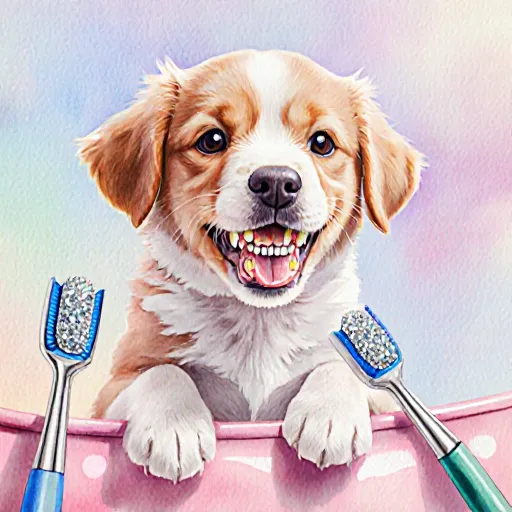
Nurturing Tiny Smiles
Puppy Teeth: How to Care for Baby Teeth
Table of Contents
- 1. Introduction
- 2. Why Puppy Teeth Are Important
- 3. Normal Development Timeline
- 4. Common Problems and Symptoms
- 5. Daily Care Routine
- 6. Proper Brushing Techniques
- 7. Choosing the Right Toothpaste
- 8. Feeding & Hygiene Tips
- 9. When to Visit the Vet
- 10. Preventing Dental Issues
- 11. Educating Your Child About Teeth
- 12. Home‑Made vs Commercial Products
- 13. Common Misconceptions
- 14. Resources and Tools
- 15. Conclusion
- FAQ
1. Introduction
Just like puppies grow a full set of adult teeth after their “baby” or “deciduous” phase, human children go through a similar transition from primary (baby) teeth to permanent dentition. While the developmental timeline differs—puppies typically lose their first teeth around 3–4 months, humans between ages 6 and 12—the underlying principles of caring for those early, vulnerable teeth remain remarkably alike.
Why focus on baby teeth? They are the foundation for proper chewing, speech development, and overall oral health. Neglecting them can lead to misaligned permanent teeth, cavities, or even infections that might require costly interventions later. In puppies, untreated early dental problems can cause pain, difficulty eating, and systemic illness; in children, the same issues may manifest as growth delays, compromised immunity, or psychosocial challenges due to a crooked smile.
Key Differences Between Puppy and Human Baby Teeth Care
- Frequency of Dental Visits: Puppies often need veterinary check‑ups every 6–12 months for cleanings and examinations, whereas children should visit a pediatric dentist at least twice a year.
- Dietary Considerations: Soft, nutrient‑dense foods keep puppy gums from overworking, while human toddlers benefit from a balanced mix of fruits, vegetables, whole grains, and calcium sources to strengthen developing enamel.
- Cleaning Tools: A pet’s toothbrush is typically small and soft; children use child‑friendly brushes with bright colors and gentle bristles. For both species, proper brushing technique—gentle circular motions, avoiding hard pressure—is vital.
Practical Tips for Parents and Pet Owners Alike
- Start Early: Begin brushing a puppy’s teeth with a damp cloth as soon as the first tooth erupts. For children, start cleaning after the first tooth appears, using a pea‑size amount of fluoride toothpaste.
- Use Fluoride Wisely: Fluoridated water and toothpaste help remineralize enamel in both species. However, monitor dosage—too much fluoride can cause fluorosis in children; over‑exposure in puppies may lead to dental irritation.
- Monitor Growth Stages:
- Puppies: Check for signs of teething pain (chewing on hard objects, swollen gums) and provide safe chew toys that soothe inflamed tissues.
- Children: Observe the “loss” of baby teeth and the emergence of permanent teeth; schedule a dental check‑up before any tooth falls out to assess spacing and alignment.
- Encourage Good Habits: For puppies, discourage chewing on furniture by offering appropriate chew items. For kids, make brushing fun—use songs, timers, or reward charts—to establish lifelong dental hygiene.
- Watch for Common Problems:
- Puppies: Look out for tartar buildup, gum redness, or bad breath; treat with professional cleaning if needed.
- Children: Spot cavities early by looking for white spots on molars or sensitivity when eating cold foods. Early sealants can protect high‑risk teeth.
When to Seek Professional Help
If you notice persistent bleeding, swelling, or pain in a puppy’s mouth—or if a child shows signs of tooth decay such as sensitivity, visible cavities, or difficulty chewing— schedule an appointment with a veterinarian or pediatric dentist promptly. Early intervention often prevents more serious complications and preserves the natural structure of both canine and human dentition.
By treating baby teeth with care—whether for your puppy or little one—you lay the groundwork for a lifetime of healthy smiles, strong jaws, and confident communication. The principles are simple: gentle brushing, proper nutrition, regular check‑ups, and attentive observation. With these tools, both species can grow up with strong teeth that support their entire well‑being.
2. Why Puppy Teeth Are Important
Puppy teeth, often called “baby” or “deciduous” teeth, are more than just a temporary set of canines and incisors. They play several critical roles in your pup’s early development:
- Facial Structure Formation: The spacing between baby teeth helps shape the jawbones and ensures proper alignment for adult teeth.
- Mastication & Nutrition: Puppies need functional teeth to chew kibble, treats, and even toys. Adequate chewing stimulates saliva production, which is essential for digestion.
- Learning Bite Pressure: Through gentle play and teething activities, puppies learn what constitutes a “soft bite.” This foundation prevents aggressive biting later in life.
- Health Indicator: Healthy baby teeth often reflect overall well‑being. Discolored or missing puppy teeth can signal underlying health issues such as vitamin deficiencies or genetic conditions.
Common Problems to Watch For
Just like human children, puppies can experience teething pain and dental issues. Keep an eye out for:
- Delayed Tooth Eruption: If a puppy is over three months old and still missing several baby teeth, schedule a vet check.
- Overcrowding or Misalignment: Teeth that touch each other too closely can cause gum inflammation. This may lead to early loss of adult teeth if untreated.
- Gum Disease (Early Onset Gingivitis): Red, swollen gums in a puppy are red flags for bacterial buildup.
Practical Care Tips for Baby Teeth
- 1. Provide Appropriate Chewing Toys
-
- Soft rubber toys: Ideal for puppies with sensitive gums.
- Frozen chew treats: Cool the mouth and soothe sore gums.
- Never give hard bones; they can crack teeth or cause choking.
- 2. Start a Gentle Brushing Routine
-
Use a puppy‑specific toothbrush and mild toothpaste (no fluoride). Begin with short sessions, gradually increasing as your pup gets comfortable.
- 3. Monitor Food Texture
-
- Wet food: Easier to chew for puppies still mastering bite strength.
- Dry kibble: Good for developing jaw muscles, but ensure the pieces aren’t too large.
- 4. Schedule Regular Vet Visits
-
A professional dental check at around 6–8 weeks can identify early problems. Follow your vet’s recommendations for cleaning and potential treatments.
Real‑World Example: Bella the Beagle
Bella, a 5‑week‑old beagle, began chewing on a soft rubber toy every day. Her owner noticed her gums were pink and healthy after just two weeks of brushing with a puppy toothpaste. By eight weeks, Bella’s vet confirmed all baby teeth had erupted correctly, and she was free from early gingivitis.
By understanding the importance of puppy teeth and implementing these care strategies, you’re not only ensuring Bella—or any new pup—has a healthy start but also setting the foundation for lifelong dental health.
3. Normal Development Timeline
The journey of a child's teeth is remarkably similar to that of a puppy's, both starting out soft and gradually hardening as they grow. Understanding this timeline helps parents know when to intervene, how to clean effectively, and what signs to watch for that might signal the need for professional care.
1. The Early Baby Teeth (0–12 Months)
- Birth‑to‑6 months: Most babies do not have teeth yet. However, they may start showing early signs of oral activity such as increased drooling or a tendency to put objects in their mouths.
- 7–12 months: The first primary incisors usually erupt around 6–10 months. These are the “first‑born” teeth, soft and yellowish at first but hardening quickly.
Care Tips for Newcomers
- Use a soft cloth or infant toothbrush: Gently wipe the gums daily with a damp washcloth. Once teeth appear, use a baby toothbrush with a tiny head and very soft bristles.
- Avoid sugary pacifiers: Pacifier milk or flavored drops can contribute to early cavities.
- Fluoride exposure: If your local water supply is low in fluoride, consider a pediatrician‑recommended fluoride supplement (usually 0.12–0.24 ppm).
2. The “Puppy” Phase (1–3 Years)
This period mirrors the time when a puppy’s teeth grow rapidly, forming a full set of baby incisors, canines, and molars.
- 12–18 months: The first primary molars erupt, providing the foundation for chewing solids.
- 19–24 months: All 20 primary teeth should be present by age two. These are similar to a puppy’s adult incisors and canines, offering a strong bite for chewing.
Practical Advice
- Establish a brushing routine: Brush twice daily with fluoride toothpaste (about the size of a pea) after meals. Use gentle circular motions to avoid gum irritation.
- Teach proper technique: Show children how to brush all surfaces, including the back teeth and the tongue, where bacteria can hide.
- Monitor for early cavities: Look for white spots or discoloration on the enamel. Early detection prevents progression into deeper decay.
3. Transition to Permanent Teeth (3–7 Years)
Just as a puppy’s adult teeth replace their baby ones, children’s primary teeth begin to loosen and fall out, making way for permanent successors.
- 3–4 years: The first molars are usually lost. Parents should be prepared for loose teeth that can still be brushed gently.
- 5–6 years: Incisors and canines start shedding, often around the age of 6 when permanent incisors erupt.
Guidelines During Transition
- Maintain consistent oral hygiene: Even as teeth fall out, keep brushing to protect remaining roots and gums.
- Encourage chewing on varied textures: Soft foods are fine, but crunchy fruits or carrots help stimulate saliva production which naturally cleans the mouth.
- Regular dental check‑ups: Schedule a dentist visit at age 6 to assess permanent tooth alignment and early orthodontic needs.
4. Final Stage: Permanent Teeth (7+ Years)
The child’s mouth now resembles that of an adult puppy with fully formed, durable teeth capable of handling a wide range of foods.
- 7–12 years: All primary teeth have been replaced by permanent incisors and canines. Molars begin to erupt gradually.
- Adolescence: Orthodontic evaluations may be necessary as the jaw continues to grow and teeth shift into their final positions.
Long‑Term Care Strategies
- Fluoride use: Continue using fluoride toothpaste; consider a fluoride rinse if recommended by your dentist.
- Limit sugary snacks and drinks: Frequent sugar exposure increases the risk of cavities, especially in permanent molars.
- Regular dental visits: Aim for bi‑annual check‑ups to clean, seal, and monitor tooth development.
By following this timeline—much like watching a puppy grow from a tiny pup into a healthy adult dog—you can ensure your child’s teeth develop strong, healthy, and cavity‑free. Consistent care, early detection of problems, and professional guidance are the keys to lasting dental health.
4. Common Problems and Symptoms
Puppies, like human babies, have a set of primary (baby) teeth that eventually give way to permanent dentition. While these teeth are designed to serve their purpose during early development, they can still encounter various issues that affect a puppy’s comfort and overall health. Below we outline the most common problems, how to spot them, and practical care tips to keep your pup’s baby teeth healthy.
1. Dental Decay (Cavities)
- Symptoms: Bad breath, visible stains or holes in the enamel, swollen gums around a specific tooth, or a sudden reluctance to chew.
- Causes: Bacterial plaque buildup due to inadequate oral hygiene; high-sugar diets can accelerate decay.
- Prevention & Care:
- Brush your puppy’s teeth twice a week with a vet‑recommended toothpaste (never use human toothpaste).
- Use dental chews or toys specifically designed for puppies to help reduce plaque.
- Schedule an annual veterinary dental exam; early detection can prevent extensive root damage.
2. Tooth Fractures
- Symptoms: Pain when chewing, bleeding gums, a visible crack or chip in the tooth, or a sudden change in bite alignment.
- Causes: Chewing on hard objects (bones, ice cubes), accidental bites during play, or aggressive chewing of toys.
- Prevention & Care:
- Select chew toys that match your puppy’s size and chewing style—soft rubber for gentle chewers, harder toys for more robust ones.
- Avoid giving raw bones; opt for synthetic or cooked bone substitutes instead.
- Inspect teeth regularly for chips or cracks; if found, consult your vet promptly to avoid infection.
3. Gingivitis (Inflamed Gums)
- Symptoms: Red, swollen gums; bleeding when brushing or during a normal bite; persistent bad breath.
- Causes: Plaque and tartar buildup, poor diet, or underlying systemic conditions such as anemia.
- Prevention & Care:
- Maintain consistent brushing schedule; use a soft-bristled brush or a finger brush if your puppy is small.
- Provide dental treats that help scrape plaque off the teeth’s surface.
- Consider water additives with antibacterial properties to reduce bacterial growth.
4. Misaligned or Maloccluded Teeth
- Symptoms: Uneven bite, difficulty chewing certain foods, noticeable gaps or overlapping teeth.
- Causes: Genetic predisposition, rapid growth spurts that outpace jaw development, or trauma.
- Prevention & Care:
- Monitor your puppy’s bite as it grows; if misalignment is evident early, discuss corrective options with a veterinary dentist.
- Avoid hard foods that could exacerbate malocclusion.
- Regular dental exams can catch issues before they lead to pain or infection.
5. Oral Infections (Periodontal Disease)
- Symptoms: Persistent bad breath, swollen or bleeding gums, pus discharge from the mouth, or a visible change in jaw structure.
- Causes: Advanced plaque buildup leading to bacterial infection; sometimes linked to systemic illnesses such as diabetes.
- Prevention & Care:
- Establish a daily oral hygiene routine early on.
- Use vet‑approved dental wipes or rinse solutions for quick cleaning between brushings.
- Schedule a professional cleaning at the vet’s office if your puppy shows signs of infection.
Practical Tips for Everyday Care
- Start Early: Begin brushing when the first baby teeth appear; puppies are more receptive to new routines in their early weeks.
- Create a Routine: Pair tooth brushing with playtime or feeding—consistency builds habit.
- Use Appropriate Tools: Finger brushes, soft-bristle canine brushes, and pediatric toothpaste are essential; never use human products.
- Monitor Diet: Feed balanced nutrition to support healthy tooth enamel; avoid sugary treats that promote decay.
- Regular Vet Check‑ups: Schedule dental exams every 6–12 months, depending on your puppy’s breed and health profile.
By recognizing these common issues early and incorporating a disciplined oral care routine, you can ensure that your puppy’s baby teeth stay healthy—setting the foundation for a lifetime of good dental hygiene.
5. Daily Care Routine
Puppies grow a set of 28 “baby” teeth before their permanent adult dentition erupts. Just like human children’s baby teeth, these can be fragile, prone to tartar buildup, and may cause discomfort if not cared for properly. Below is a practical day‑to‑day routine that keeps both puppy and child mouths healthy, reduces plaque, and prevents future dental issues.
1️⃣ Morning Routine
- Brush with a Soft Brush: Use a small, soft-bristled brush (or a finger brush) to gently clean the puppy’s teeth. For children, use an electric or manual toothbrush with fluoride toothpaste. Aim for at least two minutes.
- Check for Gums & Plaque: Look for redness, swelling, or a yellowish film on the gums—early signs of gingivitis. If you notice any, schedule a vet or dentist visit.
- Hydration Boost: Offer fresh water or a shallow bowl of water in the puppy’s area and ensure your child has access to water throughout the day.
2️⃣ Mid‑Day Snack & Chew Time
- Puppies: Provide a chew toy approved for teething puppies (e.g., rubber bones, silicone chews). This helps alleviate discomfort and naturally scrubs teeth. For kids, use safe chewing gum or sugar‑free candies to encourage saliva production.
- Limit sugary treats that can stick to teeth and promote decay.
3️⃣ Evening Routine
- Second Brush: A second brushing before bedtime is key. For puppies, a quick rinse with water or a vet‑recommended oral rinse may help. Children should brush again to remove any plaque built up from the day.
- Dental Check‑in: After brushing, give both puppy and child a brief inspection for new spots of tartar or bleeding gums.
4️⃣ Weekly Extras
- Professional Cleaning: Schedule a vet dental exam every 6–12 months for puppies. Children should see a dentist at least twice a year.
- Dental Toys & Treats: Rotate chew toys and use dental treats that help break down plaque. For kids, consider “chew‑able” vitamin gummies or fluoride‑enriched snacks.
- Fluoride Mouthwash (for Kids): If recommended by a dentist, incorporate a child‑safe mouthwash to further reduce bacterial growth.
5️⃣ Common Mistakes to Avoid
- Using adult toothpaste on puppies—human fluoride can be toxic to pets.
- Forcing the child to brush too hard; this can damage enamel and gums.
- Ignoring early signs of discomfort or pain in puppy’s gums.
Practical Tips for Parents & Pet Owners
- Create a Routine Chart: Visual reminders help children remember to brush, while pet owners can schedule vet appointments.
- Lead by Example: Brush your own teeth together with the child and show how you care for the puppy’s teeth—makes it fun!
- Use Positive Reinforcement: Praise or reward both the child and the puppy after a successful brushing session.
By integrating these daily habits, you’ll ensure that your puppy’s baby teeth stay healthy until they’re replaced, and your child’s future smiles remain bright and cavity‑free.
6. Proper Brushing Techniques
Puppies, just like human infants, have a set of primary (baby) teeth that play a crucial role in their overall health. Even though these teeth are temporary, neglecting them can lead to pain, infection, and problems with the permanent dentition later on. Below is a step-by-step guide on how to brush your puppy’s baby teeth effectively.
1. Choose the Right Tools
- Puppy Toothbrush: Use a soft-bristled brush specifically designed for small mouths. Avoid adult toothbrushes that are too large or stiff.
- Puppy Toothpaste: Human toothpaste contains fluoride, which can be harmful if swallowed by puppies. Opt for a veterinary-approved, fluoride-free paste formulated for dogs.
2. Create a Calm Environment
- Start Early: Begin brushing when your puppy is about 8–12 weeks old to acclimate them to the sensation.
- Use Treats and Praise: Reward each successful session with a small treat or gentle petting to create positive associations.
- Keep Sessions Short: Aim for 2–3 minutes per brushing, gradually increasing as your puppy gets more comfortable.
3. Brushing Technique
The goal is to clean the outer surfaces of all teeth and the gum line without causing discomfort.
- Position: Hold your puppy’s head gently with one hand while placing the toothbrush in the other. Tilt the brush at a 45° angle to target the gum line.
- Gentle Circular Motions: Use small, gentle circles rather than vigorous scrubbing. Focus on one tooth or group of teeth at a time.
- Pay Attention to All Surfaces: Clean the front, back, and top surfaces of each tooth, as plaque can accumulate on all sides.
- Check for Signs of Pain: If your puppy pulls away or whines, stop immediately. It may indicate a sensitive area that needs gentle handling or veterinary attention.
4. Common Issues and How to Handle Them
- Dental Plaque Build‑Up: Even with brushing, some puppies develop plaque quickly. Use a dental wipe or water additive if plaque persists.
- Enamel Wear: Some breeds (e.g., Pugs) are prone to enamel erosion. Monitor for white spots or loose teeth and consult your vet.
- Gum Inflammation: Red, swollen gums may signal gingivitis. Reduce brushing pressure and schedule a dental check‑up.
5. Transition to Permanent Teeth
Your puppy’s baby teeth will begin shedding around 4–6 months of age. Continue brushing throughout this period, as the permanent teeth that replace them also require care. Use a slightly firmer brush for the new adult teeth but maintain gentle strokes to avoid gum irritation.
Practical Advice & Tips
- Set a Routine: Brush after meals or playtime, as these are natural times when puppies may be more relaxed.
- Use Positive Reinforcement: Replace the toothbrush with a favorite chew toy afterward to reinforce good behavior.
- Keep an Eye on Your Puppy’s Dental Health: Notice any changes in chewing habits, drooling, or food refusal. These could indicate dental issues needing professional care.
By following these steps and maintaining consistency, you’ll help your puppy develop healthy oral hygiene habits that will benefit them for a lifetime.
7. Choosing the Right Toothpaste
Whether you’re brushing your toddler’s first set of baby teeth or giving a puppy a gentle dental rinse, selecting the right toothpaste is essential. The right product not only promotes healthy enamel but also encourages good oral hygiene habits that last a lifetime.
Key Factors to Consider
- Fluoride Content: Fluoride helps remineralize enamel and prevent cavities. For children under three, look for fluoride‑free or low‑fluoride options (e.g., Colgate Kids No‑Fluor) to avoid accidental ingestion. After age three, a standard fluoride toothpaste (0.12%–0.15%) is recommended.
- Abrasiveness: The Plaque‑Disrupting Index (PDI) measures how abrasive a paste is. Baby teeth are more delicate, so choose a toothpaste with a PDI of 1 or 2.
- Flavor & Texture: Kids often resist brushing if the taste is too strong. Mint‑free flavors like vanilla or fruit can be more appealing for young children and puppies.
- Safety Features: Look for a toothpaste that is non‑toxic, contains no artificial dyes or harsh chemicals, and has been tested by pediatric dental associations.
Practical Tips for Parents
- Start Early: Begin cleaning gums with a damp cloth as soon as the first tooth erupts. By age one, introduce a small amount of fluoride toothpaste (a pea‑size dab).
- Supervise Brushing: For children under five, always supervise to ensure they spit out toothpaste and avoid swallowing.
- Use the Right Tools: A soft‑bristled toothbrush with a small head works best for tiny mouths. Replace every three months or sooner if bristles fray.
- Create Routine: Brush twice daily, ideally after breakfast and before bed. Use gentle circular motions to mimic natural gum massage.
Puppy Dental Care: A Parallel Approach
Puppies require a different approach because their mouths are still developing. Here’s how you can align your toothpaste choice with puppy care:
- Pet‑Safe Toothpaste: Human fluoride is toxic to dogs. Use a veterinary‑approved paste (e.g., Virbac C.E.O.) that contains no fluoride and includes natural antibacterial agents like chlorhexidine or tea tree oil.
- Texture Matters: Dogs have larger mouths, so a thicker consistency helps prevent the paste from being swallowed quickly. Use a small amount—about a pea‑size for puppies.
- Flavoring: Dogs are attracted to flavors like poultry or beef. A tasty toothpaste can make brushing a positive experience.
Sample Product Comparisons
| Product | Target Group | Fluoride | Abrasiveness (PDI) | Key Ingredients |
|---|---|---|---|---|
| Colgate Kids No‑Fluor | 0–3 years | No | 1 | Xylitol, natural sweeteners |
| Tom’s of Maine Fluoride Toothpaste | 3+ years | Yes (0.12%) | 2 | Sodium fluoride, sea salt |
| Virbac C.E.O. | Puppies & Dogs | No | N/A (designed for pets) | Chlorhexidine, zinc oxide, essential oils |
When to Seek Professional Advice
- If your child shows signs of dental anxiety or refuses brushing.
- If you notice enamel erosion, gum recession, or persistent bad breath.
- For puppies: if there’s excessive drooling, bleeding gums, or difficulty chewing.
By selecting the appropriate toothpaste and following a consistent routine, you’ll lay the groundwork for healthy teeth in both your little human and furry friend. Remember—good oral care starts early and lasts a lifetime.
8. Feeding & Hygiene Tips
Providing the right nutrition and maintaining excellent oral hygiene are key to ensuring your puppy’s baby teeth develop strong and healthy. Baby (deciduous) teeth begin forming while your pup is still in the womb, and by the time they’re born, most have a full set of 28 primary teeth. These teeth will eventually fall out and be replaced by permanent dentition around 6–12 months of age.
Nutrition for Strong Baby Teeth
- Protein-Rich Diet: Puppies need high-quality protein to build strong enamel and support growth. Look for commercial puppy foods that list real meat (e.g., chicken, turkey) as the first ingredient.
- Calcium & Phosphorus Balance: A 1:1 ratio of calcium to phosphorus is ideal for developing teeth. Commercial puppy formulas are usually balanced; if you’re feeding a homemade diet, consult a veterinary nutritionist.
- Vitamin D: Essential for calcium absorption. Over-supplementation can lead to bone problems, so follow label directions or vet guidance.
- Soft vs. Hard Foods: In the first few weeks, puppies are nursing and don’t chew hard kibble yet. As they grow (around 4–6 weeks), introduce small, soft kibble pieces that encourage chewing without damaging fragile baby teeth.
Feeding Schedule & Portion Control
- Frequency: Puppies under 8 weeks should eat 4–5 times a day. Between 8 and 12 weeks, reduce to 3–4 meals. After one year, two meals per day is sufficient.
- Portion Size: Overfeeding can lead to obesity, which strains developing teeth and joints. Use the feeding guidelines on the food package as a starting point, then adjust based on your puppy’s body condition score (BCS).
- Hydration: Fresh water should always be available. Dehydration can affect saliva production, leading to dry mouth and increased plaque buildup.
Oral Hygiene Practices for Baby Teeth
- Dental Chews & Toys: Select soft chew toys that are safe for puppies (no hard plastic or bone fragments). These encourage chewing, helping to massage gums and reduce plaque. Look for products labeled “appropriate for puppies” with a size rating.
- Gentle Brushing: Start brushing at 2–3 weeks old using a puppy-sized toothbrush and a small amount of water-based toothpaste (no fluoride). Use short, gentle strokes along the gum line. Aim to brush 3–4 times per week until the permanent teeth come in.
- Dental Gels & Sprays: Some vets recommend antimicrobial gels for puppies. Apply according to instructions; they can help reduce bacterial growth on developing teeth.
- Regular Vet Checks: Schedule dental exams at 3, 6, and 12 months. Your vet can assess tooth eruption, check for early decay, and provide professional cleaning if needed.
Common Issues & How to Spot Them Early
| Issue | Signs | Prevention/Treatment |
|---|---|---|
| Early Tooth Decay | Pale or discolored enamel, bad breath, food refusal. | Improve diet quality, brush more often, vet cleaning. |
| Misaligned Teeth (Malocclusion) | Uneven bite, difficulty chewing, abnormal jaw movement. | Early orthodontic evaluation; corrective chew toys. |
| Infection or Abscess | Swelling, redness around the gums, fever. | Immediate vet visit for antibiotics and possible extraction. |
Practical Daily Routine
- Morning: Fresh water + a short brushing session.
- Meal Time: Offer a balanced puppy diet; let them chew on a soft toy afterward.
- Evening: Another quick brush if they’re comfortable with it.
By integrating these feeding and hygiene practices into your daily routine, you’ll help ensure that your puppy’s baby teeth remain healthy and pave the way for a strong permanent set of teeth in the future. Remember: early habits are lifelong benefits!
9. When to Visit the Vet
Puppies go through a rapid growth phase in their first few months of life. Their baby teeth (deciduous teeth) begin to erupt around the second week, and by eight weeks they typically have all 28 primary incisors and canines. Proper care during this period is essential for healthy permanent dentition. If you notice any issues, it’s crucial to schedule a veterinary visit promptly.
Key Signs That Require Veterinary Attention
- Delayed or Absent Tooth Eruption: If your puppy is more than two weeks past the expected eruption timeline and still has missing teeth, this may indicate a developmental issue.
- Painful Mouth or Drooling: Excessive drooling, pawing at the face, or reluctance to chew can signal discomfort from impacted or broken baby teeth.
- Swelling or Redness: Swollen gums or a visibly inflamed tooth area often points to infection or abscesses that need immediate treatment.
- Difficulty Eating: A puppy refusing food, chewing on only one side of the mouth, or showing signs of choking may have a fractured or misaligned tooth.
- Unusual Tooth Shape or Color: Teeth that appear abnormally shaped, discolored, or with gaps between them could be a sign of malocclusion or early decay.
Common Puppy Dental Problems & Vet Solutions
| Problem | Possible Causes | Vet Intervention |
|---|---|---|
| Impacting Baby Teeth | Permanent teeth pushing against primary ones too early or misaligned permanent teeth. | Extraction of the impacted baby tooth, orthodontic evaluation. |
| Gum Infection (Periodontitis) | Bacterial buildup from inadequate cleaning or congenital issues. | Professional cleaning, antibiotics if necessary. |
| Tooth Fracture | Chewing on hard objects like bones or toys. | Pulpectomy (root canal), extraction, or surgical repair. |
Practical Care Tips Before the Vet Visit
- Gentle Oral Inspection: Use a flashlight to check for visible abnormalities. Gently feel around each tooth with your fingers—be careful not to poke any swollen areas.
- Record Symptoms: Note the date, observed symptoms, and feeding behavior changes. This log helps the vet diagnose more quickly.
- Dietary Adjustments: Provide soft, wet food or freeze-dried kibble that’s easy to chew until the appointment. Avoid hard treats or raw bones which can exacerbate dental issues.
- Keep a Clean Environment: Wash your puppy’s water bowl daily and consider adding a small amount of canine-safe mouthwash (under vet guidance) to rinse after meals.
Timing Your Vet Visit
The ideal window for a dental checkup in puppies is between 8–12 weeks. This allows the veterinarian to confirm that all primary teeth have erupted and to identify any early problems before permanent teeth start to emerge.
Sample Schedule
- Week 6: First veterinary checkup—confirm initial tooth eruption.
- Week 8–10: Routine dental exam and cleaning if needed.
- Month 3: Follow-up after permanent teeth start to appear.
Early detection of dental issues not only reduces pain for your puppy but also prevents costly treatments later. If you’re ever in doubt, call your veterinarian’s office and describe the symptoms; they can advise whether an urgent appointment is necessary.
10. Preventing Dental Issues
Just as puppies need a balanced diet and regular check‑ups to keep their growing bodies healthy, baby dogs (puppies) require diligent dental care from day one. Puppies develop “baby teeth” (deciduous dentition) that are essential for proper chewing, speech development, and overall health. Neglecting these teeth can lead to pain, infection, and long‑term oral problems. Below is a comprehensive guide on how to keep those tiny canine molars in tip‑top shape.
1. Start Early – The First 4 Weeks
- Clean Gently: Use a soft, damp cloth or a baby tooth brush with water to wipe the puppy’s gums and teeth after each feeding.
- Introduce Flavor: Sprinkle a little wet puppy food or a small amount of dental spray on the cloth to make cleaning enjoyable.
- Observe: Look for signs of swelling, redness, or tartar buildup. Early detection is key.
2. Daily Brushing Routine
- Select the Right Brush: Use a child‑size toothbrush (or a soft puppy brush) that fits comfortably in your hand and has short bristles.
- Use Puppy‑Friendly Toothpaste: Human toothpaste contains fluoride, which can be harmful if swallowed. Choose a veterinary dental paste or water‑based toothpaste specifically formulated for dogs.
- Technique: Brush in gentle circular motions, focusing on the gum line where plaque accumulates. Aim to brush at least 2–3 times per week; more frequent brushing is better if your puppy tolerates it.
3. Dental Chews and Toys
Dental chews are a proven way to reduce tartar buildup by mechanically scrubbing teeth as the puppy gnaws. However, not all chews are created equal:
- Size Matters: Choose chews that match your puppy’s size and chewing strength.
- Texture & Composition: Look for products with a “smooth” surface to minimize enamel wear, yet still rough enough to clean. Avoid overly hard chews that can crack teeth.
- Frequency: Allow 1–2 chew sessions per day, but never leave chews unattended as they can become choking hazards.
4. Regular Veterinary Check‑ups
Professional dental cleanings are essential once your puppy reaches around 6 months of age or when recommended by your vet. During these visits:
- Full Oral Examination: The vet checks for cavities, gum disease, and misaligned teeth.
- Professional Cleaning: Scaling removes plaque that home care cannot eliminate.
- Preventive Advice: Your vet may recommend dental diets or supplements to support oral health.
5. Monitor for Common Problems
| Problem | Signs | Action Needed |
|---|---|---|
| Dental Caries (Cavities) | Pale or black spots on teeth, bad breath. | Vet visit for removal and treatment. |
| Gingivitis | Red, swollen gums; bleeding when brushing. | Increase brushing frequency; consider dental rinse. |
| Tartar Accumulation | Yellow or brown plaque that doesn’t wash off. | Professional cleaning, daily brushing. |
6. Practical Tips for Busy Owners
- Set a Routine: Brush at the same time each day—after meals or bedtime works well.
- Use Positive Reinforcement: Offer treats or praise immediately after brushing to create a positive association.
- Keep Items Accessible: Store toothbrush, paste, and chews in an easily reachable spot so you’re not tempted to skip the routine.
7. Long‑Term Benefits
Good dental care in puppyhood sets the stage for a healthier adult dog:
- Reduces risk of periodontal disease, which can affect heart and kidney health.
- Prevents early tooth loss that may impact chewing ability and nutrition.
- Promotes overall comfort—no painful infections or bad breath for you to endure.
By integrating these practices into your puppy’s daily routine, you’ll protect their delicate baby teeth and foster a lifetime of healthy smiles. Remember: consistency is the secret sauce in preventing dental issues from the very start!
11. Educating Your Child About Teeth
Kids love animals, especially puppies. By comparing the life cycle of a puppy’s teeth to that of human baby teeth, parents can make oral‑health lessons memorable and engaging.
The Puppy Tooth Story
- Birth to 4 weeks: Puppies are born with no teeth. Their gums feel the world through gentle licking and chewing on soft toys.
- 4–8 weeks: “Baby” incisors erupt—soft, small, and quick to replace if lost.
- 8–12 weeks: The puppy’s first permanent molars appear. These are stronger, designed for chewing tougher food.
- 6–12 months: All 28 baby teeth fall out; the adult dentition of 42 teeth is fully formed.
Just like a puppy’s transition from soft to hard foods, human children go from “milk” or “baby” teeth to permanent ones. This natural progression teaches resilience and adaptation—valuable lessons for oral hygiene habits.
Brushing Routine (Puppy‑Style)
- Soft, gentle strokes: Use a child‑friendly toothbrush with soft bristles—like a puppy’s first bite on a plush toy.
- Time it: Brush for two minutes twice daily. Count to 20 and make it a game: “Let’s see if we can finish brushing before the puppy finishes chewing his treat!”
- Flossing as playtime: Show how floss is like a tug‑rope—gentle, but essential for removing hidden food.
Dietary Guidance (Puppy Diet vs. Human Snacks)
- Soft foods early on: Milk or formula for infants; mashed fruits for toddlers—just as puppies start with milk before solid food.
- Crunchy, nutritious snacks: Carrot sticks, apple slices, or crunchy dog biscuits (for the puppy) help clean teeth naturally. Encourage kids to eat similar “cleaning” foods.
- Limit sugary treats: Too many sweets can cause cavities—just as too many sugary treats would ruin a puppy’s healthy gums.
Dental Check‑Ups (Veterinarian Visits for Puppies)
Explain that just like puppies need vet visits to keep their teeth healthy, children should visit the dentist every six months. Bring a picture of a smiling puppy on the appointment card to make the visit less intimidating.
“Puppy Tooth” Board Game
Create a simple board with spaces labeled “Baby Tooth,” “Permanent Tooth,” and “Cavity.” Children roll dice, answer questions about dental care, and move along the path—learning as they play.
DIY Dental Care Kit
- Child‑size toothbrush (painted with puppy ears).
- Floss sticks shaped like dog tails.
- Small jar of “puppy treats” (healthy snacks) for rewards after brushing.
When kids see the kit, they’ll associate brushing with a fun, pet‑friendly routine.
“I don’t like brushing my teeth.”
Tell them how puppies sometimes resist their first tooth checks but eventually become comfortable. Offer a short, upbeat video of a puppy being gently examined by a vet—then show the child’s dentist doing the same.
“I’m losing my baby teeth.”
Explain that it’s natural and similar to how puppies lose their first teeth before permanent ones grow in. Use a chart with puppy milestones to illustrate timing.
Useful Links
Encourage parents to explore these resources and adapt the puppy analogy to fit their family’s unique dynamics.
12. Home‑Made vs Commercial Products
When it comes to keeping your puppy’s baby (deciduous) teeth healthy, you’ll often find yourself weighing two main options: natural, home‑made remedies that use everyday ingredients, and commercial products specifically formulated by veterinarians or pet‑care companies. Below we break down the pros and cons of each approach, give real‑world examples, and share practical tips to help you make an informed decision.
Why Baby Teeth Matter
- Early oral health sets the stage: Good habits now prevent painful periodontal disease later.
- Growth and development: Proper chewing supports jaw growth and muscle tone.
- Behavioral impact: Painful or misaligned teeth can lead to aggression, anxiety, or destructive chewing.
Home‑Made Options
Many owners gravitate toward “natural” solutions because they feel more in control and often cheaper. Here are common home‑made products you’ll hear about:
- Cold Water or Ice Packs: A simple ice cube wrapped in a clean cloth can soothe inflamed gums.
- Cucumber or Celery Sticks: These fibrous veggies are chewable, low‑calorie, and help scrape plaque off baby teeth.
- Homemade Dental Treats: Mix whole wheat flour, unsalted egg, and a dash of bone broth; bake into flat, chewy biscuits. The crunch can aid cleaning while providing protein.
- Olive Oil or Coconut Oil Rinse: A small amount of oil in warm water may help reduce bacterial load when used as a mouth rinse (under veterinary supervision).
Caveat: Many home‑made items lack the targeted antibacterial agents found in commercial products, and improper use can cause digestive upset or choking hazards.
Commercial Products
Pet‑care companies offer a range of scientifically tested solutions designed to meet puppies’ specific needs. Some popular categories include:
- Dental Chews & Treats: Brands like Greenies Puppy Soft Chews or Tuffy’s Dental Kibble are engineered with a texture that scrapes plaque while being gentle on developing molars.
- Dental Sprays & Gels: Products such as PetMD Dental Spray contain chlorhexidine or essential oils to reduce bacteria, often used post‑meal.
- Water Additives: Adding a drop of Puppy Care Water Flosser to drinking water can help keep gums clean throughout the day.
- Prescription Mouthwashes: For puppies with more advanced dental issues, vets may prescribe medicated rinses like Oral Hygiene Solution (OHS).
What Makes Commercial Products Reliable?
- Veterinary Approval: Many are tested under veterinary supervision for safety and efficacy.
- Controlled Dosage: The concentration of active ingredients is regulated, reducing the risk of toxicity.
- Targeted Formulation: Products often contain enzymes or probiotics that specifically combat oral bacteria common in puppies.
Practical Decision‑Making Checklist
| Factor | Home‑Made Option? | Commercial Product? |
|---|---|---|
| Cost per use | Low (ingredients often already in pantry) | Higher, but typically less waste per use |
| Safety profile | Variable; risk of choking or digestive upset if not prepared correctly | Standardized safety data from manufacturers and vets |
| Efficacy (plaque removal) | Depends on texture & frequency; may be less effective than specialized chews | Clinically proven for plaque reduction in many studies |
| Convenience | Requires prep time and storage | Ready‑to‑use, often single‑serve packaging |
| Long‑term dental health impact | Potentially adequate if used consistently, but harder to measure | Better tracking of improvements via vet visits and product logs |
Hybrid Approach: Combining the Best of Both Worlds
You don’t have to choose one over the other. A balanced routine might look like this:
- Morning & Evening Chews: Give a commercial dental chew after each meal.
- Daily Rinse: Use a vet‑recommended mouth rinse once a day.
- Occasional Treats: Offer homemade crunchy veggies (cucumber or celery) during playtime to reinforce chewing habits.
- Regular Vet Checks: Schedule dental exams at 6 months and annually thereafter to monitor progress.
Final Tips for Puppy Tooth Care
- Start early: Introduce gentle brushing with a puppy‑specific toothbrush and water‑based toothpaste as soon as the first baby tooth erupts.
- Monitor behavior: If your pup shows signs of discomfort (drooling, pawing at gums), consult your vet before adding any new product.
- Keep records: Note what you feed or treat daily; this helps vets pinpoint issues and adjust recommendations.
- Watch for allergies: Some commercial treats contain wheat or soy—switch
13. Common Misconceptions
Misconception 1: “Puppies don’t need dental care because they have baby teeth.”
- Reality: Baby teeth are essential for proper chewing, speech (in dogs that bark loudly), and maintaining the space for permanent teeth. Neglecting them can lead to painful infections, early tooth loss, or misaligned adult dentition.
- Practical tip: Brush your puppy’s teeth daily with a dog‑specific toothbrush and toothpaste. Even 2–3 times per week is better than none.
Misconception 2: “Puppies will automatically lose their baby teeth when they grow up.”
- Reality: While most puppies lose each baby tooth in a predictable sequence, some may retain them longer or lose them prematurely due to trauma or disease.
- Practical tip: Schedule a dental check‑up at 6–8 weeks and again at 12–14 weeks. Your vet can monitor the progression of tooth loss and intervene if a tooth is impacted or infected.
Misconception 3: “Chewing on hard bones will strengthen baby teeth.”
- Reality: Hard, unregulated bones can fracture and cause sharp fragments that lodge in gums or the esophagus.
- Practical tip: Opt for veterinary‑approved chew toys like nylon bones, rubber chews (e.g., KONG), or dental treats designed to clean teeth without risking injury.
Misconception 4: “If my puppy’s gums look pink and healthy, I don’t need to worry.”
- Reality: Healthy gums do not guarantee a disease‑free mouth. Early plaque can still form on the roots of baby teeth, leading to periodontal pockets that become more problematic as permanent teeth erupt.
- Practical tip: Use a vet’s recommendation for dental wipes or water additives (e.g., Chlorhexidine) that help reduce bacterial load between brushing sessions.
Misconception 5: “Only adult dogs need regular dental check‑ups.”
- Reality: Puppies are prone to rapid plaque accumulation and early periodontal disease. Early detection saves time, money, and pain.
- Practical tip: Bring your puppy for a dental exam at their 6‑month check‑up. If they’re on the smaller side or have special needs, consider an earlier appointment around 4 months.
Step‑by‑Step Care Routine
- Introduce a toothbrush early: Let your puppy sniff and lick the brush before you start brushing. Use a soft, angled brush that fits comfortably in their mouth.
- Use dog‑specific toothpaste: Human toothpaste contains fluoride and other ingredients harmful to dogs if swallowed.
- Start gently: Brush for 5–10 seconds per tooth, focusing on the gum line where plaque builds. Reward with a treat or affection afterward.
- Maintain consistency: Even a short daily brushing session can prevent tartar buildup. If you’re busy, aim for at least two sessions per week.
By debunking these myths and following practical guidelines, you’ll help your puppy grow into a healthy adult with strong, well‑aligned teeth—saving them discomfort and costly dental procedures later on.
14. Resources and Tools
If you’re looking for reliable tools, books, apps, or websites that can help you keep your baby’s first teeth healthy, the following list is a good starting point.
Books
- The Baby's First Tooth (by Dr. Susan L. Johnson) – A step‑by‑step guide covering the timeline of eruption, common issues like baby bottle tooth decay, and gentle flossing techniques.
- Smiles for Life: Pediatric Dentistry 101 – Includes printable charts for tracking growth spurts and a FAQ section on “What to do if my child has an early or late tooth.”
Apps
- Baby Teeth Tracker (iOS/Android) – Lets parents log when each tooth appears, set reminders for fluoride applications, and sync with Google Calendar.
- Dental Hygiene Buddy – A gamified brushing timer that rewards children with stickers once they meet the 2‑minute brushing goal.
Online Communities
- Reddit r/Parenting – Subthreads like “First tooth care” offer real‑time advice from parents who’ve gone through the same stages.
- BabyCenter Forums – Features a dedicated section for oral health where pediatric dentists answer questions in live chat.
Professional Dental Tools (for parents who want to bring the clinic home)
- Floss Threader – An easy‑to‑use tool that helps children floss between their first molars without tearing gums.
- Child‑Friendly Dental Mirror (mini size, soft edges) – Lets parents inspect the back teeth for early decay or fissures.
Quick Reference Guides
You can download PDF checklists from reputable sites like the American Academy of Pediatric Dentistry (AAPD) and the Centers for Disease Control & Prevention (CDC). These guides include:
- A timeline of tooth eruption by age.
- Tips for dealing with teething pain while still maintaining oral hygiene.
- When to schedule the first dental visit (usually within 6 months after the first tooth).
Practical Tips
- Set a routine: Use the app’s reminders to brush twice daily, right after feeding and before bedtime.
- Keep it visual: Print out a “First Teeth Calendar” and place it on the fridge. Mark each tooth as it appears—this turns learning into play.
- Involve your child: Let them choose their own toothbrush (color, shape) or pick a fun-flavored toothpaste from the list of recommended brands.
Remember that the goal is to make oral hygiene a positive, routine part of your baby’s daily life. By combining reliable resources with consistent practice, you’ll give those first teeth a strong start for a lifetime of healthy smiles.
15. Conclusion
The first set of teeth, commonly known as “baby” or “primary” teeth, may appear between the ages of six months and twelve years. Although they will eventually be replaced by permanent teeth, baby teeth play a crucial role in your child’s overall development. Healthy primary dentition ensures proper chewing, speech formation, and guides the eruption of adult teeth. Below is an in‑depth look at why these tiny teeth matter, how to care for them, and what signs to watch out for.
Why Baby Teeth Matter
- Chewing and Nutrition: They allow children to chew a wide variety of foods, which is essential for proper nutrition.
- Speech Development: The positioning of baby teeth helps shape sounds; missing or misaligned teeth can affect speech clarity.
- Guiding Permanent Teeth: Primary teeth maintain space in the jaw and guide permanent teeth into their correct positions.
- Confidence and Social Interaction: A bright smile encourages social engagement and boosts self‑esteem.
Daily Care Routine
- Brushing: Use a soft‑bristled, child‑size toothbrush. Brush twice daily with fluoride toothpaste (0.12%–0.3% fluoride). For infants under one year, use a clean damp cloth or a smear of fluoride paste.
- Flossing: Begin flossing when the first tooth touches its neighbor. A gentle floss‑like string can be used; alternatively, interdental brushes designed for kids work well.
- Mouthwash: For children older than six, a pediatric mouthwash containing fluoride may help reduce plaque buildup.
What to Feed
While baby teeth are developing, choose foods that promote healthy enamel:
- Calcium‑rich foods: Yogurt, cheese, and fortified plant milks.
- Vitamin D sources: Sunlight exposure, fatty fish, or supplements if recommended by a pediatrician.
- Fibrous fruits & vegetables: Apples, carrots, and celery help mechanically clean teeth during chewing.
Common Problems and When to Seek Help
| Problem | Signs | Recommended Action |
|---|---|---|
| Cavities (Baby Bottle Tooth Decay) | Pale or discolored spots, sensitivity to sweet foods. | Visit dentist; fluoride varnish or sealants may be applied. |
| Early Loss of Teeth | Loose tooth before age 5. | Check for trauma, infection, or congenital conditions. |
| Misaligned Teeth (Malocclusion) | Crowding, gaps, or crossbite visible by age 3. | Orthodontic evaluation; early intervention can prevent future complications. |
Practical Tips for Parents
- Make brushing fun: Use a timer or sing a song to keep the child engaged.
- Lead by example: Brush your own teeth in front of them; children imitate adults.
- Schedule regular dental visits: The American Academy of Pediatric Dentistry recommends the first visit by age one or within six months after the first tooth erupts.
- Limit sugary snacks and drinks: Replace soda with water or milk; offer fruit instead of candy.
When to Call a Dentist
• Persistent pain or swelling around the gums.
• Visible cracks, chips, or discoloration that doesn’t improve after cleaning.
• Signs of infection such as fever, foul taste, or bad breath.
FAQ
- What are “baby teeth” in puppies and how long do they last?
- Puppies are born with a set of 28 primary (deciduous) teeth that erupt between the ages of 3–7 weeks. These baby teeth begin to fall out around 12–16 weeks, making way for the permanent adult dentition of 42 teeth. The transition usually finishes by 6 months, but some late‑maturing breeds (e.g., Basset Hounds) may keep a few baby teeth longer.
- Why is it important to monitor the shedding process?
- A smooth tooth transition prevents dental pain, malocclusion (misaligned bite), and potential infections. Early detection of retained or impacted incisors allows for timely veterinary intervention before they cause chewing problems or gum inflammation.
- What are the signs that a puppy’s baby teeth are falling out correctly?
-
- Loose feel: Gently tug on a tooth; it should move slightly.
- Visible gaps between adjacent incisors.
- Reduced pain or discomfort when chewing soft foods.
- No excessive bleeding or foul odor from the mouth.
- How can I help my puppy chew through their new adult teeth?
-
- Soft chew toys: Provide rubber or nylon toys (e.g., KONG, Nylabone) that are firm enough to encourage chewing but soft enough not to damage developing molars.
- Wet food and treats: Moist foods reduce abrasion on the gums while still stimulating chewing.
- Ice cubes or frozen treats: The cold numbs sore gums, providing relief during the teething phase.
- What should I do if my puppy’s baby teeth are stuck or painful?
-
- Inspect the mouth: Look for retained incisors that may be impacted by gum tissue.
- Call your vet: A veterinarian can perform a gentle extraction if needed, using local anesthesia to minimize pain.
- Follow post‑op care: Keep the area clean with a mild saline rinse and avoid hard foods for 24–48 hours.
- When should I schedule a dental check‑up for my puppy?
- Ideally, your first dental exam occurs at the time of spay/neuter surgery (often around 12–16 weeks). Subsequent visits every 6–12 months are recommended to monitor new tooth eruption and overall oral health.
- Can I use human toothpaste on my puppy’s teeth?
- No. Human toothpaste contains fluoride concentrations that can be toxic if swallowed by a dog. Use a vet‑approved dog toothpaste or a baking soda and water paste (1 tsp baking soda per cup of water) for gentle cleaning.
- How do I keep my puppy’s gums healthy during the teething stage?
-
- Regular brushing: Start with a soft puppy brush and a small amount of dog toothpaste. Gradually increase frequency to daily.
- Chew on dental treats: Products like Pedigree Dentastix or Greenies can help scrape plaque off teeth.
- Hydration: Adequate water intake keeps the oral cavity moist, reducing bacterial buildup.
- What diet supports strong puppy teeth?
- A balanced commercial puppy food with adequate calcium and phosphorus promotes proper tooth development. Look for kibble designed specifically for teething puppies, which often contains a slightly softer texture to ease chewing.
- Can environmental factors affect baby tooth shedding?
- Stress, malnutrition, or hormonal imbalances can delay tooth loss. Maintain consistent feeding schedules, provide enrichment activities, and keep your puppy’s environment calm to support natural dental development.
Remember: Early intervention during the teething phase reduces long‑term dental problems and ensures a happy, healthy smile for life.
Categories
- AI & Enrichment Play
- Broiler Farming
- Broiler Farming Tips
- Canine Wellness & Longevity
- Cat
- Cat & Human Connection
- Cat Adoption & Rescue
- Cat Breeds
- Cat Breeds & Personalities
- Cat Care & Health
- Cat Grooming & Hygiene
- Cat Lifestyle & Environment
- Cat Myths & History
- Cat Nutrition & Diet
- Cat Products & Reviews
- Cat Training & Behavior
- Comparison
- Consumer Awareness
- Dog
- Dog Accessories & Products
- Dog Adoption & Rescue
- Dog Breed & Lifestyle Trends
- Dog Breeding & Puppies
- Dog Entertainment & Media
- Dog Fashion & Trends
- Dog Fun & Lifestyle
- Dog Grooming & Hygiene
- Dog History & Culture
- Dog Myths, Science & Future Tech
- Dog News & Trends
- Dog Nutrition & Food
- Dog Psychology & Emotions
- Dog Safety & Security
- Dog Sports & Activities
- Dog Technology & Innovation
- Dog Training for Modern Owners
- Dog Travel & Adventure
- Dog Travel, Adventure & Culture
- Economic and Market Insights
- Educational Content
- FAQs
- Feeding Alternatives
- Festivals & Seasonal Ideas
- Fun & Entertainment
- General Knowledge
- General Pig Farming
- Health & Disease Management
- Housing and Environment
- Kittens
- Market Insights
- Miscellaneous
- Miscellaneous
- Motivational
- pig
- Pig Breeding
- Pig Breeds
- Pig Farming Stories and Inspiration
- Pig Health and Care
- Pig Nutrition
- Pig Products
- Profitability & Business
- Puppy Care
- Puppy Predictable Topics Reinvented
- Regional Focus
- Rescue & Adoption Buzz
- Senior Cats
- Senior Dog Care
- Smart Dog Tech & Gadgets
- Sustainability
- Sustainable & Eco-Friendly Dog Products
- Tech & Innovations
- Working & Service Dogs
- Broiler Feed66 products
- Country Feed33 products
- Pig Feed66 products
- Product22 products
- Raw Materials99 products
Products
-
 Fish Meal
₹1,999.00 – ₹2,999.00Price range: ₹1,999.00 through ₹2,999.00Rated 0 out of 5
Fish Meal
₹1,999.00 – ₹2,999.00Price range: ₹1,999.00 through ₹2,999.00Rated 0 out of 5 -
 FATTENING BROILER FEED
₹2,299.00 – ₹2,349.00Price range: ₹2,299.00 through ₹2,349.00Rated 0 out of 5
FATTENING BROILER FEED
₹2,299.00 – ₹2,349.00Price range: ₹2,299.00 through ₹2,349.00Rated 0 out of 5 -
 LAYER COUNTRY FEED
₹1,549.00 – ₹1,649.00Price range: ₹1,549.00 through ₹1,649.00Rated 0 out of 5
LAYER COUNTRY FEED
₹1,549.00 – ₹1,649.00Price range: ₹1,549.00 through ₹1,649.00Rated 0 out of 5 -
 COUNTER BROILER FEED
₹1,199.00 – ₹1,299.00Price range: ₹1,199.00 through ₹1,299.00Rated 0 out of 5
COUNTER BROILER FEED
₹1,199.00 – ₹1,299.00Price range: ₹1,199.00 through ₹1,299.00Rated 0 out of 5 -
 LACTATING PIG FEED
Rated 0 out of 5
LACTATING PIG FEED
Rated 0 out of 5₹2,299.00Original price was: ₹2,299.00.₹1,740.00Current price is: ₹1,740.00. -
 Maize
Rated 0 out of 5
Maize
Rated 0 out of 5₹1,650.00Original price was: ₹1,650.00.₹1,300.00Current price is: ₹1,300.00. -
 GESTATION PIG FEED (Phase 1)
Rated 0 out of 5
GESTATION PIG FEED (Phase 1)
Rated 0 out of 5₹2,249.00Original price was: ₹2,249.00.₹1,699.00Current price is: ₹1,699.00. -
 Pre Starter Broiler Feed
₹2,399.00 – ₹2,499.00Price range: ₹2,399.00 through ₹2,499.00Rated 0 out of 5
Pre Starter Broiler Feed
₹2,399.00 – ₹2,499.00Price range: ₹2,399.00 through ₹2,499.00Rated 0 out of 5 -
 FINISHER PIG FEED
Rated 0 out of 5
FINISHER PIG FEED
Rated 0 out of 5₹2,299.00Original price was: ₹2,299.00.₹1,749.00Current price is: ₹1,749.00. -
 Broiler Premix
Rated 0 out of 5
Broiler Premix
Rated 0 out of 5₹820.00Original price was: ₹820.00.₹699.00Current price is: ₹699.00.