
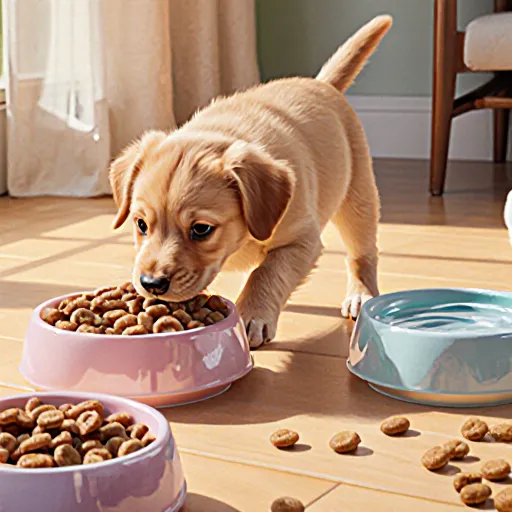
Welcoming a new puppy—smooth and joyful weaning made simple!
“Puppy’s New Chapter: Smooth, Joyful Weaning Steps”
Table of Contents
- Introduction
- Why Wean Early
- Signs Your Puppy Is Ready
- Preparing Supplies and Equipment
- First Feeding Schedule
- Gradual Transition to Solid Food
- Milk Replacement Options
- Monitoring Health During Weaning
- Common Issues and How to Address Them
- Adjusting the Diet as They Grow
- Timing for Full Solid Food
- Final Milestones Before Adult Feeding
- Post-Weaning Care and Maintenance
- Conclusion
- FAQ
Introduction
Introduction
Welcoming a new puppy into your home is an exciting adventure, but it also comes with responsibilities that start from day one. One of the most critical milestones in a puppy’s early life is weaning, the transition from nursing to solid food. Proper weaning not only supports healthy growth and development but also lays the foundation for future feeding habits and digestive health.
This guide walks you through the essential steps, timelines, and practical tips to ensure your pup enjoys a smooth shift to table‑top meals. Whether you’re a first‑time puppy owner or looking to refine your current routine, these insights will help you make informed choices that benefit both you and your furry friend.
- Nutrient Balance: Solid food provides a broader spectrum of nutrients—proteins, fats, vitamins—that are crucial for bone development, brain function, and immune support.
- Digestive Development: Introducing varied textures helps the puppy’s digestive tract mature, reducing the risk of gastrointestinal issues later in life.
- Behavioral Foundations: Early feeding experiences influence how puppies approach food—encouraging healthy appetite regulation and reducing future over‑eating or picky eating tendencies.
Puppies are typically ready for solid foods around 3 to 4 weeks of age. At this stage, their digestive systems have matured enough to handle more complex meals. However, the exact timing can vary by breed and individual development.
Signs Your Puppy Is Ready:
- Can sit or stand with minimal support.
- Shows interest in food bowls or treats outside the mother’s pouch.
- Has a stable body temperature (above 101°F).
- Prepare a High‑Quality Puppy Formula: Choose a commercial puppy milk replacer that mimics the mother’s milk. Avoid cow’s milk, which can cause diarrhea.
- Introduce Solid Food (3–4 Weeks):
- Mix puppy formula with dry kibble to create a thick mash.
- Offer small spoonfuls in a shallow dish. Use a disposable spoon or a clean finger to encourage self‑feeding.
- Let the puppy explore the texture; don’t force it.
- Gradual Increase (4–6 Weeks):
- Thin out the mash with more formula, gradually decreasing the liquid content.
- Introduce a variety of kibble sizes and textures—softened for larger breeds, finer for small breeds.
- Monitor stool consistency; it should be firm but not hard.
- Full Transition (6–8 Weeks):
- Stop adding formula entirely. Offer only dry kibble or a balanced wet food mix.
- Feed twice daily—morning and evening—to establish routine.
- Maintain portion control based on weight guidelines provided by the manufacturer.
- Consistency is Key: Stick to a regular feeding schedule. This helps regulate digestion and reduces anxiety around meal times.
- Watch for Allergies: If you notice itching, vomiting, or diarrhea after introducing new food, consider switching brands or consulting your vet.
- Hydration Matters: Provide fresh water at all times. Puppies may drink less initially but should have access to clean water throughout the day.
- Use Positive Reinforcement: Praise and gentle petting after successful attempts encourage confidence in eating solids.
- Delaying weaning beyond 8 weeks can lead to digestive issues.
- Overfeeding solid food too quickly may cause stomach upset.
- Neglecting veterinary guidance—especially for breeds with specific nutritional needs (e.g., large‑breed puppies that require slower growth).
The weaning phase is a pivotal chapter in your puppy’s life. By providing the right nutrition, maintaining consistent feeding habits, and staying observant of their behavior, you set the stage for healthy growth and a strong bond built on trust and care.
Why Wean Early
The decision to wean your puppy early—between 6 and 8 weeks of age—is based on a mix of biological, behavioral, and practical considerations. While the American Veterinary Medical Association (AVMA) recommends waiting until at least 12 weeks for most breeds, many breeders and veterinarians find that an earlier weaning can lead to healthier, more confident dogs if done correctly.
1. Faster Development of Musculoskeletal Strength
- Shorter transition period: Puppies who start solid food sooner experience a shorter lag between birth and full independence.
- Better bone density: Early exposure to nutrient-dense puppy diets encourages optimal calcium absorption, reducing the risk of conditions such as osteopenia later in life.
2. Improved Socialization Skills
When puppies leave their dam earlier, they begin exploring a broader range of scents, textures, and sounds. This exposure is critical for:
- Reduced fearfulness: Encountering new stimuli in a controlled environment helps them form positive associations.
- Better pack dynamics: Early weaning encourages interaction with littermates, promoting healthy hierarchy behaviors that translate into smoother house training later.
3. Easier Transition to Adult Diets
Starting on a high-quality puppy formula at 6 weeks allows you to introduce the first solid foods without abrupt changes. A gradual transition reduces gastrointestinal upset and establishes consistent eating habits.
4. Practical Advantages for Owners
- Reduced nursing demands: Early weaning frees up the dam’s time, making it easier to manage a household with multiple puppies.
- Streamlined feeding schedule: With solid food on the table by week 8, owners can shift from frequent nursing sessions to scheduled meals, simplifying daily routines.
5. Potential Risks and How to Mitigate Them
While early weaning has many benefits, it also carries risks if not managed carefully:
- Digestive issues: Start with a bland, highly digestible puppy diet for the first week. Gradually mix in wet or dry food over the next two weeks.
- Nutritional gaps: Ensure that the chosen puppy formula meets the AAFCO minimum nutrient requirements. Consult your veterinarian if you’re unsure about the best brand.
- Behavioral problems: Early separation can sometimes lead to increased clinginess or anxiety. Counter this by establishing a consistent routine and providing plenty of social interaction with littermates.
Step‑by‑Step Weaning Checklist (6–8 Weeks)
- Week 1: Introduce a small amount of high-quality puppy food mixed into the dam’s milk or a commercial nipple feeder. Keep the volume to 10% of daily intake.
- Week 2–3: Increase solid food portion by 20% each week while decreasing nursing frequency from 12×/day to 8×/day.
- Week 4: Aim for a 50/50 split between milk and solids. Observe stool consistency; it should be firm but not hard.
- Week 5–6: Transition fully to solid food by the end of week 6. Provide meals at consistent times (e.g., 8 am and 4 pm) to reinforce routine.
Real‑World Example
Case Study: The Labrador Retriever Pack of 5
A breeder weaned the puppies at 7 weeks. By week 10, all pups were eating solid food exclusively and had begun basic obedience training. They showed reduced teething discomfort compared to a control group weaned at 12 weeks, who reported more drooling and irritability during the first month post-weaning.
Bottom Line
Weaning early can accelerate physical growth, enhance social development, and simplify owner responsibilities. However, success hinges on a carefully monitored diet transition, appropriate veterinary oversight, and consistent behavioral support. If you’re considering an early wean, discuss the plan with your vet to tailor it to your puppy’s breed, size, and health status.
Signs Your Puppy Is Ready
If you’re following the Weaning Puppies: Step‑by‑Step Guide, it’s crucial to know when your little one is actually ready to start transitioning from milk to solid food. Below are detailed indicators, real‑world examples, and actionable tips to help you make the switch at just the right time.
1. Increased Activity Level
- What to look for: A puppy that can sit up on its own, stand comfortably, and run around without wobbling is showing that its muscles are developing enough to handle food on a plate.
- Practical tip: If your pup can jump onto the couch or climb stairs with ease, it’s a good sign you can start introducing kibble.
2. Reduced Milk Consumption
- What to look for: Noticeable decline in nursing frequency—e.g., fewer than three nursing sessions per day—and a decrease in the volume of milk ingested.
- Practical tip: Track feeding times with a simple log. If you’re seeing consistent drops, begin mixing in wet food or softened kibble.
3. Ability to Chew and Swallow Solid Food
- What to look for: Your puppy can chew small pieces of dry food without choking, and you notice it’s swallowing the kibble more efficiently.
- Practical tip: Offer a single small kibble or a softened piece on a spoon. Observe whether it chews properly before moving to full meals.
4. Consistent Elimination Patterns
- What to look for: Regular bowel movements that are no longer soft or mucus‑laden (common in nursing pups). This indicates the digestive system is adapting to solids.
- Practical tip: Keep a diary of potty times and stool consistency. A firm, well‑formed stool suggests readiness for more complex meals.
5. Appetite for Variety
- What to look for: The puppy shows interest in different textures—e.g., sniffing a dry kibble bowl, pawing at wet food, or looking curious when you place fresh water nearby.
- Practical tip: Offer small amounts of both wet and dry foods side by side. A willingness to try new flavors signals that the pup’s taste buds are developing.
6. Body Temperature Regulation
- What to look for: The puppy maintains a steady body temperature and shows no signs of overheating or excessive shivering during play sessions.
- Practical tip: Monitor its reaction in warm vs. cool environments; if it remains comfortable, the metabolism is robust enough for solid feeding.
7. Weight Gain Stabilization
- What to look for: A steady increase in weight that follows a healthy growth curve (usually about 10–15% of body weight per month during the first few weeks).
- Practical tip: Weigh your puppy weekly. If you see consistent gains, it’s evidence that the digestive system is handling solids.
8. Vocalization Changes
- What to look for: A shift from nursing‑related whining to playful barks or contented sighs when offered food.
- Practical tip: Use positive reinforcement (treats, praise) when the puppy accepts a kibble bite. This encourages smoother transitions.
9. Social Interaction with Food
- What to look for: The pup begins to show interest in eating alongside family members, following hand‑to‑mouth cues.
- Practical tip: Sit at the same table and offer a small bite of kibble or a puppy‑friendly treat. This models appropriate feeding behavior.
10. Physical Development Milestones
- What to look for: Fully developed hind legs, good balance when walking, and the ability to hold its head steady while chewing.
- Practical tip: Observe how your puppy navigates obstacles. A stable gait indicates readiness for more varied nutrition.
When you see a combination of these signs—especially increased activity, reduced nursing, and consistent weight gain—you’re likely ready to begin the weaning process outlined in our step‑by‑step guide. Remember that every pup is unique; use these indicators as a framework but adapt based on your individual dog’s pace.
Preparing Supplies and Equipment
Before you start the weaning process, gather all the tools and supplies you’ll need to keep your puppy comfortable, healthy, and safe. A well‑prepared kit will make the transition smoother for both you and your little friend.
1. Food & Water Stations
- High‑quality puppy food: Choose a brand recommended by your vet, ideally one that’s appropriate for the breed and size of your pup.
- Portable bowls: Stainless steel or ceramic bowls are easy to clean. Keep separate dishes for food and water to avoid contamination.
- Water dispenser: A gravity‑fed water bottle can keep fresh water available, especially if you’re away from home during the day.
2. Comfortable Resting Area
Your puppy needs a safe, cozy spot to nap and recover after meals. Here’s what to consider:
- Crate or playpen: A crate sized so the pup can stand, turn around, and lie down comfortably. Line it with soft bedding.
- Bedding material: Use a washable blanket or orthopedic pad for added comfort. Avoid fluffy pillows that could be chewed and swallowed.
- Temperature control: Keep the room at a moderate temperature; puppies are sensitive to extremes.
3. Sanitation Supplies
Maintaining cleanliness reduces infection risk during weaning.
- Paper towels or micro‑fiber cloths: For wiping drool and cleaning up spills quickly.
- Pet-safe disinfectant spray: Use on surfaces the puppy frequents, especially after feeding.
- First‑aid kit: Include items such as gauze, antiseptic wipes, tweezers, and a small pair of scissors for accidental bites or torn hair.
4. Safety Gear
- Leash & collar: A lightweight harness is preferable to a neck collar during early training.
- Baby gates: Prevent access to hazardous areas (stairs, kitchen counters).
- Non‑slip mats: Place in high‑traffic zones to avoid slips and injuries.
5. Weaning Aids
These tools help you track progress and keep your puppy motivated:
- Measuring cup or small bowl: Start with a few teaspoons of wet food, gradually increasing to the recommended portion size.
- Timer or phone reminder: Schedule feeding times to establish routine and monitor how long it takes for your puppy to finish meals.
- Notebook or app: Record daily intake, water consumption, and any changes in behavior. This data is invaluable if you need to consult a vet.
6. Interactive Toys
Engage your pup’s natural instincts and keep them occupied while they’re learning to eat solid food:
- Chew toys: Durable rubber or nylon toys help soothe teething discomfort.
- Puzzle feeders: Encourage problem‑solving and slow down eating for older puppies that may gulp too quickly.
- Toys with treats: Hide small kibble bits in a plush toy to reward exploration.
7. Setting Up the Environment
Create a calm, low‑stimulus space for weaning:
- Minimize noise: Keep doors and windows closed to reduce distractions.
- Consistent lighting: Use soft, natural light or a warm lamp; avoid harsh fluorescent bulbs.
- Temperature check: Maintain 70–75°F (21–24°C) for most breeds; adjust based on your puppy’s size and coat type.
8. Storage & Organization
Keep all supplies within easy reach but out of the way to prevent accidental ingestion:
- Use a low storage cabinet or shelf for dry food, treats, and cleaning wipes.
- Label each container clearly—especially if you have multiple puppies or share feeding supplies with other pets.
- Regularly check expiration dates on food and treat packages to ensure freshness.
9. Budget‑Friendly Alternatives
If you’re tight on budget, consider:
- Reusing clean plastic containers for food portions.
- DIY water bottle feeders using a plastic bottle with holes cut out.
- Buying bulk dry food in larger bags to reduce packaging costs.
By preparing the right supplies and setting up a supportive environment, you’ll give your puppy the best chance for a healthy transition from milk to solid food. Remember that patience, consistency, and close observation are key—so take your time, keep everything organized, and enjoy watching your little one grow!
First Feeding Schedule
The first week after a puppy is separated from the litter is critical for establishing healthy eating habits. A well‑structured feeding schedule not only supports proper growth but also helps prevent digestive upset, behavioral issues, and future obesity. Below you’ll find a step‑by‑step plan that aligns with the Weaning Puppies: Step‑by‑Step Guide, along with practical tips to make the transition smooth.
Day 1 – 2: Transition from Milk Replacement
- Meal Frequency: 4 meals per day (every 6 hours).
- Food Type: High‑quality puppy dry food mixed with warm water or a commercial puppy milk replacer.
- Portion Size: Roughly 1/4 cup of the mixture per meal, divided evenly between two bowls.
- Practical Tip: Keep bowls at room temperature to encourage licking and reduce spillage.
Day 3 – 5: Gradual Increase in Dry Food
- Meal Frequency: Reduce to 3 meals per day (every 8 hours).
- Food Type: Increase dry food proportion by 25% while decreasing liquid.
- Portion Size: Approximately 1/2 cup total dry kibble per meal.
- Practical Tip: Offer the food in shallow, wide bowls to accommodate small mouths and reduce choking risk.
Day 6 – 7: Full Dry Food Introduction
- Meal Frequency: 2 meals per day (every 12 hours).
- Food Type: Pure dry kibble; remove all liquid supplements.
- Portion Size: 1 cup of kibble divided between the two meals.
- Practical Tip: Monitor for signs of over‑eating or under‑eating. Adjust portions by ±10% based on weight gain and stool quality.
Daily Monitoring Checklist
- Weight Check: Weigh the puppy every 2–3 days using a small animal scale; aim for steady, gradual gain.
- Stool Assessment: Consistency should be firm but not hard. Any diarrhea or constipation warrants a vet consult.
- Behavioral Observation: Watch for signs of anxiety around feeding times (whining, pacing). If present, keep the environment calm and avoid distractions.
Common Pitfalls to Avoid
- Over‑feeding: Puppies are prone to overeating when left unattended. Use timed feeders or hand‑serve portions.
- Inconsistent Schedule: Sudden changes can lead to digestive upset. Stick to the timetable until at least week two.
- Low‑Quality Food: Cheap kibble may lack essential fatty acids, leading to skin and coat issues later.
Practical Advice for Busy Owners
If you’re juggling work or travel, consider these strategies:
- Batch‑Cook Meals: Prepare a week's worth of meals in advance and store them in the fridge. Reheat to room temperature before serving.
- Use Automatic Feeders: Set programmable feeders to dispense food at specific times, ensuring consistency even when you’re not home.
- Involve a Trusted Caregiver: Ask a family member or pet sitter to oversee feeding and monitor for any issues.
By following this first feeding schedule, you’ll give your puppy the best foundation for healthy growth, strong immunity, and a lifelong love of mealtime. Always keep your veterinarian on hand for personalized guidance tailored to your puppy’s breed, size, and health status.
Gradual Transition to Solid Food
The key to a smooth shift from milk to solid food is gradualism. Puppies are highly adaptable, but abrupt changes can cause digestive upset, loss of appetite, or even anxiety. Below is a step‑by‑step timeline that mirrors the stages outlined in the “Weaning Puppies: Step‑by‑Step Guide.”
Week 1–2: First Introduction to Wet Food
- Mix Ratio: Start with a 50/50 blend of puppy milk replacer and high‑quality commercial wet food. Use a spoon or syringe to mix.
- Texture: Ensure the mixture is very smooth, almost like a thick pudding, so the puppy can licker it easily.
- Feeding Frequency: Offer 4–5 small meals per day. Monitor for any signs of diarrhea or bloating; if present, reduce milk replacer slightly.
- Example Brand: Hill’s Science Diet Puppy Milk Replacer + Royal Canin Puppy Wet Food (choose the flavor your pup likes).
Week 3–4: Increasing Dry Food
- Mix Ratio: Shift to a 75/25 ratio of wet food to dry kibble. Crush the kibble slightly with your fingers or a spoon so it’s easier for the puppy to chew.
- Texture: The mixture should be moist but not soggy; it should hold together when scooped out of the bowl.
- Feeding Frequency: Reduce to 3–4 meals per day. Observe how many pieces the puppy eats in each session; you can adjust portion size accordingly.
- Practical Tip: Use a small, shallow dish so the puppy can access food without struggling over a high bowl.
Week 5–6: Full Dry Food Adoption
- Mix Ratio: Transition to a 100% dry kibble diet. Choose a puppy formula that contains DHA, ARA, and pre‑biotics for optimal gut health.
- Feeding Frequency: Feed 2–3 balanced meals per day. The total daily calories should match the manufacturer’s guidelines based on weight and activity level.
- Practical Advice: If your puppy resists eating dry food, try sprinkling a little water or low‑fat broth over it to enhance aroma.
Troubleshooting Common Issues
| Problem | Possible Cause | Solution |
|---|---|---|
| Diarrhea after adding dry food | Too rapid transition or low‑quality kibble | Slow the pace, add more wet food for a week longer, and choose a brand with high digestibility. |
| Puppy refuses to eat | Food too cold or unappealing | Warm the kibble slightly in the microwave (15 seconds), sprinkle a bit of low‑fat gravy, or offer treats to encourage interest. |
| Lethargy or poor growth | Inadequate calorie intake | Recalculate portions using the puppy’s current weight; consider a higher‑calorie formula if needed. |
Practical Checklist for Owners
- Purchase a Quality Puppy Food: Look for balanced protein, fat, and essential vitamins. Avoid fillers like corn or wheat if your puppy has sensitivities.
- Measure Portions: Use the feeding chart on the package; adjust based on growth rate (aim for 2–3% body weight gain per week).
- Monitor Health: Keep a log of stool consistency, appetite, and activity level. Report any persistent issues to your vet.
- Gradual Increase in Portion Size: Every 7–10 days, increase the amount by 10% if growth is steady.
- Maintain Cleanliness: Wash bowls daily and replace water every few hours to prevent bacterial buildup.
By following this phased approach, you’ll help your puppy develop healthy eating habits, support optimal digestive function, and reduce the risk of nutritional deficiencies. Remember: patience is key—each pup’s transition speed can vary, so tailor the timeline based on individual responses.
Milk Replacement Options
The transition from mother’s milk to a commercial replacer is critical for your puppy’s growth and health. Below are the most common options, what they offer, and when to use each.
- Commercial Dry Kibble with Water:
- Convenient: no need for refrigeration.
- Great for puppies that can chew small kibble pieces.
- Mix with warm water (100°F/38°C) until it forms a thick, soupy consistency.
- Commercial Wet Food:
- Higher moisture content reduces the risk of dehydration.
- Often contains added vitamins and minerals tailored for puppies.
- Heat to room temperature before feeding; avoid microwaving as it can create hot spots.
- Prepared Milk Replacer (e.g., Royal Canin Puppy, Hill’s Science Diet):
- Formulated to mimic the nutrient profile of natural milk.
- Easy to prepare: just add hot water and stir.
- Ideal for puppies that still need a liquid diet (4–6 weeks).
- Homemade Replacer:
Mix 1 cup of whole milk with ¼ cup of finely ground oatmeal and a pinch of dried brewer’s yeast. Heat gently, stir until smooth, then cool to lukewarm.
Note: Homemade recipes lack the precise balance of nutrients found in commercial formulas; use them only under veterinary guidance.
- Breast Milk Alternatives (e.g., goat’s milk, soy-based milks):
- Goat’s milk is lower in lactose and may be easier to digest for some puppies.
- Soy-based milks are plant-derived but must be fortified with protein and calcium.
- Always add a commercial puppy supplement to ensure complete nutrition.
Practical Feeding Tips
- Start Gradually: Replace 10–15% of the puppy’s current milk intake with the replacer on day one. Increase by 5% each day until fully transitioned.
- Maintain Temperature: Feed at body temperature (98°F/37°C). Too hot can burn gums; too cold can cause digestive upset.
- Monitor Consistency: The replacer should be thick enough to coat the spoon but still pourable. If it’s too watery, add more dry kibble or a splash of yogurt.
- Observe for Allergies: Redness around the mouth, hives, or diarrhea within 24–48 hours may indicate an intolerance.
- Use a Sippy Cup or Small Bowl: Encourage self-feeding as soon as the puppy can sit up to build confidence and independence.
When to Consult Your Vet
- Puppies with congenital heart defects, pancreatitis, or severe allergies may require a specialized diet.
- If your puppy shows persistent vomiting, diarrhea, or weight loss during weaning.
- For guidance on supplementing homemade replacers to meet the NRC nutrient requirements for growing dogs.
By selecting an appropriate milk replacement and following these practical steps, you’ll help ensure a smooth transition that supports your puppy’s rapid growth and long-term health.
Monitoring Health During Weaning
As your puppies transition from milk to solid food, their bodies undergo significant physiological changes. Keeping a close eye on their health during this critical period helps prevent common issues such as digestive upset, dehydration, and weight loss.
1. Daily Weight Check
- Why it matters: A steady gain of about 5–10 % of body weight per week is normal. Sudden drops may signal inadequate nutrition or illness.
- How to do it: Use a small, calibrated scale (e.g., a digital kitchen scale). Weigh each puppy once daily at the same time and record the numbers in a logbook.
- Example: Puppy “Milo” weighed 0.8 kg on day 14 and 1.2 kg on day 21 – a healthy gain of 50 %. If he had only reached 0.9 kg, consider adjusting the diet.
2. Observe Stools
Stool quality is a window into digestive health.
- Color & consistency: Firm, well‑formed pellets indicate good digestion; loose or watery stools may mean the puppy isn’t digesting the food well.
- Frequency: Expect 2–4 bowel movements per day during weaning. Fewer than two could suggest a blockage or dehydration.
- Signs of concern: Pale, bloody, or mucus‑laden stools require veterinary attention.
3. Monitor Hydration
Puppies can become dehydrated quickly if they’re not drinking enough water.
- Water bowl placement: Keep a shallow, wide dish close to the food area so puppies can drink after meals.
- Check water intake: If a puppy drinks less than 30 mL per kg of body weight in 24 h, consider supplementing with small amounts of electrolyte solution (e.g., Pedialyte diluted 1:10).
4. Appetite Tracking
Notice changes in how much and how quickly a puppy eats.
- Full bowls vs. leftovers: If more than 25 % of the food is left after an hour, evaluate the diet’s palatability or portion size.
- Reactions to new foods: Introduce one new ingredient at a time and monitor for vomiting or diarrhea.
5. Behavioral Cues
Physical symptoms often manifest as behavioral changes.
- Lethargy: A sudden drop in activity may indicate illness or inadequate caloric intake.
- Hunger signs: Whining, pacing near the food bowl, or following the owner to the kitchen can signal that the puppy is hungry but not getting enough nutrition.
6. Routine Vet Checks
Schedule a vet visit around day 21 of weaning to:
- Confirm weight gain targets.
- Check for any underlying health issues that could affect nutrition.
- Receive personalized feeding recommendations based on breed, size, and activity level.
Practical Tips & Examples
- Feeding schedule: Offer small meals (¼–½ cup) every 4 hours. This mimics the mother’s frequent nursing and helps prevent overeating.
- Gradual transition: Mix wet puppy food with a little warm water or low‑fat milk to soften it, then slowly increase the proportion of dry kibble over 10–14 days.
- Use a feeding chart: Create a simple table:
Day | Food type | Portion (cup) | Weight gain
---------------------------------------------
15  | Wet mix   | 0.25         | 0.8 kg
20  | Mix + kibble | 0.30     | 1.0 kg
- Emergency signs: If a puppy vomits repeatedly, has diarrhea lasting >24 h, or shows signs of pain (whimpering, limping), contact your vet immediately.
By systematically monitoring weight, stool quality, hydration, appetite, and behavior, you’ll catch any health issues early and ensure a smooth weaning transition for your puppies.
Common Issues and How to Address Them
1. Sudden Appetite Loss
When a puppy abruptly stops eating, it can be alarming. Common triggers include:
- Health issues: infections, dental problems, or gastrointestinal upset.
- Stress: new environment, loud noises, or changes in routine.
- Dietary change: switching brands or flavors too quickly.
Practical Advice:
- Observe the puppy for any signs of pain or discomfort. If you notice vomiting, diarrhea, or lethargy, contact your vet immediately.
- Offer a small portion of bland food (boiled chicken and rice) to see if it stimulates appetite.
- If the appetite remains low after 24–48 hours, schedule a veterinary check‑up to rule out underlying conditions.
2. Regurgitation or Vomiting
Puppies may regurgitate food if they eat too quickly, or vomit due to stomach irritation.
- Eating speed: large bites or gulping.
- Toxin ingestion: plants, chemicals, or human foods.
- Food intolerance: allergies or sensitivities.
Practical Advice:
- Use a puzzle feeder or divide meals into 3–4 smaller portions throughout the day.
- Avoid feeding table scraps and keep toxic items out of reach.
- If vomiting persists, collect a sample for your vet to analyze.
3. Diarrhea
Puppies can develop loose stools due to dietary changes, parasites, or stress.
- Parasites: roundworms, hookworms, or Giardia.
- Dietary shock: sudden switch in food brand or formula.
- Over‑feeding: too much at once.
Practical Advice:
- Give a bland diet (boiled chicken, rice) for 24–48 hours to calm the gut.
- Administer a vet‑prescribed dewormer if parasites are suspected.
- Maintain strict feeding schedule and portion control.
4. Reluctance to Wean
A puppy may resist the transition from milk to solid food due to:
- Picky eating habits.
- Previous negative experiences.
- Inadequate texture or temperature of food.
Practical Advice:
- Gradually mix a small amount of dry kibble into the milk replacer to introduce new flavors.
- Keep the feeding area calm and free from distractions.
- If resistance continues, try a different brand or flavor that may appeal more to your puppy’s palate.
5. Dental Pain During Weaning
Puppies’ first teeth erupt around 3–6 weeks, often causing discomfort that can affect eating.
- Crybaby signs: pawing at gums, chewing on objects excessively.
- Lack of interest in food.
Practical Advice:
- Offer chew toys specifically designed for teething puppies (e.g., soft rubber, frozen treats).
- Use a cold compress or chilled wet cloth to soothe gums.
- If pain seems severe, consult your vet for potential dental care or pain relief options.
6. Water Intake Issues
Puppies may not drink enough water during the weaning period, leading to dehydration.
- Temperature: hot or cold water can be unappealing.
- Water source: dirty bowls or lack of fresh water.
Practical Advice:
- Ensure a clean, shallow bowl is always available and change the water at least twice daily.
- Experiment with room‑temperature water; some puppies prefer it over cold or warm options.
- Add a splash of low‑sodium chicken broth to entice drinking (check vet for safety).
7. Behavioral Issues After Weaning
Changes in diet can sometimes trigger anxiety or chewing behaviors.
- Chewing on furniture.
- Vocalization or pacing.
Practical Advice:
- Provide a variety of chew toys and rotate them to maintain interest.
- Use positive reinforcement training to redirect chewing onto appropriate items.
- Maintain a consistent routine—feeding, playtime, and rest—to reduce anxiety.
Adjusting the Diet as They Grow
Weaning is a pivotal phase in your puppy’s life. It marks the transition from a liquid, milk‑based diet to solid food that will sustain them for years to come. A well‑planned weaning process reduces digestive upset, promotes healthy growth, and sets the stage for lifelong nutrition.
1. Timing Your Weaning Journey
- Start Age: Begin between 3 weeks (21 days) and 4 weeks (28 days). Puppies are ready to explore solids when their eyes open, they’re standing more often, and they show curiosity toward food.
- Duration: The weaning period typically lasts 2–4 weeks. By the time a puppy is 6–8 weeks old, they should be eating solid food exclusively.
2. Selecting Your First Food
Why quality matters: Puppies have fastidious digestive systems that can’t handle low‑quality fillers or excessive fat. Look for foods with a high protein source listed first, limited by-products, and a balanced ratio of carbohydrates to fats.
| Type | Pros | Cons | Example Brands |
|---|---|---|---|
| Commercial Puppy Food (Dry) | Convenient, long shelf life, formulated for growth. | Can be high in carbs; some brands add artificial preservatives. | Royal Canin, Hill’s Science Diet, Orijen |
| Commercial Puppy Food (Canned) | Higher moisture content reduces the risk of dehydration; easier to chew. | Shorter shelf life; more expensive per calorie. | Blue Buffalo Wilderness, Purina Pro Plan |
| Homemade Raw or Cooked Diets | Full control over ingredients; can tailor to allergies. | Requires meticulous balance of nutrients; risk of bacterial contamination if not handled properly. | N/A (DIY) |
3. The Weaning Process – Day‑by‑Day
- Week 1 (3–4 weeks old):
- Mix 75% puppy milk replacer with 25% high‑quality dry food, ground or soaked to a creamy consistency.
- Offer small spoonfuls in a shallow dish. Keep the environment calm and avoid sudden changes.
- Week 2 (4–5 weeks old):
- Increase dry food proportion to 50% while decreasing milk replacer to 25%.
- Introduce a small, soft chew toy or a damp washcloth for them to gnaw on; this stimulates natural chewing behavior.
- Week 3 (5–6 weeks old):
- Transition to 75% dry food and 25% milk replacer. If the puppy tolerates, replace milk replacer entirely.
- Offer meals three times a day to mimic natural feeding patterns.
- Week 4 (6–7 weeks old):
- Feed 100% dry food or canned food, depending on your preference. Ensure the kibble is appropriate for the puppy’s size—small or medium‑sized kibble for small breeds.
- Observe for signs of digestive upset: loose stools, vomiting, or excessive gas.
- Week 5 (7–8 weeks old):
- Maintain three meals per day. Gradually reduce the amount of food to avoid overfeeding as the puppy’s activity level increases.
- Introduce a small portion of fresh, low‑sodium broth or a few drops of natural peanut butter (xylitol‑free) on top of kibble for flavor variety.
4. Monitoring Growth and Health
Track your puppy’s weight weekly using a kitchen scale or a veterinary weighing scale. A healthy growth curve should show steady, gradual increases without sudden spikes or drops.
- Signs of Overfeeding: Rapid weight gain, lethargy, or soft stools.
- Signs of Under‑nourishment: Slow weight gain, dull coat, frequent infections.
5. Practical Tips for a Smooth Transition
- Use the Right Bowl: A shallow, low‑profile bowl prevents choking and makes it easier for puppies to reach food.
- Keep Water Accessible: Provide fresh water at all times. Puppies may drink less during the weaning phase but should still have access.
- Maintain Routine: Feed at consistent times each day; dogs thrive on predictability.
- Don’t Over‑Complicate: Avoid adding too many treats or table scraps—these can disrupt the balance of nutrients and lead to obesity later.
6. Common Mistakes to Avoid
- Skipping the gradual transition from milk replacer to solid food.
- Using adult dog food too early—adult formulas are typically higher in calories and lower in protein than puppy needs.
- Neglecting dental health; soft kibble can be more prone to forming plaques if not chewed properly.
7. When to Seek Veterinary Advice
If your puppy
Timing for Full Solid Food
Timing is critical when you transition a puppy from milk or commercial starter food to a fully solid diet. The goal is to give your pup the right nutrients while avoiding digestive upset.
- Begin at 3–4 weeks: Most puppies are ready for their first taste of solids between 3 and 4 weeks old, once they have started nursing regularly and can sit up on command. This is the earliest safe time to introduce a very soft, wet puppy food.
- Phase out milk gradually over 2–3 weeks: During this period you’ll see your pup’s appetite increase as solids become more appealing. A typical schedule might look like this:
- Week 1: 75% wet food + 25% puppy milk replacer
- Week 2: 50/50 mix
- Week 3: 75% wet food + 25% dry puppy kibble (melted in warm water)
- Switch to dry kibble by 8–10 weeks: By this age most puppies can chew and digest kibble. Use a high‑quality, grain‑free formula that’s specifically designed for rapid growth.
Practical Tips for Each Stage
- Use warm food: Heat wet puppy food to about 100 °F (38 °C) so it’s easier to chew and more aromatic, which encourages eating.
- Small, frequent meals: Feed 4–6 times a day initially. This helps maintain steady blood sugar levels and reduces the risk of gastric dilatation volvulus (GDV).
- Monitor weight gain: Aim for a daily increase of about 1% of body weight during the first month, then taper to 0.5–0.7% as the puppy matures.
- Keep an eye on stool consistency: Loose stools are normal at the start but should firm up within a week after each transition. Persistent diarrhea may signal too rapid a change or food intolerance.
- Hydration matters: Offer fresh water at all times, especially when switching to dry kibble.
Common Mistakes and How to Avoid Them
- Jumping straight to adult food: Adult formulas have too high protein/fat for a growing puppy and can lead to obesity or joint problems.
- Forcing the puppy to eat: A stressed pup may refuse food. Use gentle encouragement, but never force feed.
- Ignoring vet guidance: Some breeds (e.g., large‑sized) have specific dietary needs; always consult your veterinarian for breed‑specific advice.
Sample Feeding Schedule
| Age | Meal Frequency | Food Type | Example Portion |
|---|---|---|---|
| 3–4 weeks | 4–5 meals/day | Very soft wet puppy food + milk replacer | 1 tbsp mixed with 2 tsp milk replacer |
| 5–6 weeks | 4 meals/day | Wet puppy food + dry kibble (softened) | 3 tbsp wet food, 1 tsp kibble in warm water |
| 7–8 weeks | 3 meals/day | Dry puppy kibble | 5–6 tbsp per meal (adjust to weight) |
By following a structured timeline and paying attention to your puppy’s cues, you’ll set them up for healthy growth and a lifetime of good nutrition.
Final Milestones Before Adult Feeding
Before you hand your puppy over to a commercial dry or wet food diet, it’s essential to confirm that they have reached the key developmental milestones that signal readiness for solid food. Below is a concise checklist and practical guidance on how to evaluate each milestone.
1. Full Transition to Solid Food
- What to look for: The puppy should be eating the majority (at least 80%) of the meals you offer, leaving only a small fraction in the bowl.
- Practical tip: Offer food at consistent times (e.g., 7 am and 6 pm) and watch for a steady appetite. If they still consume milk, consider reducing it gradually by mixing increasing amounts of solid food with the same volume of milk.
2. Ability to Swallow Whole Food
- What to look for: The puppy can swallow pieces of kibble or small morsels without choking, and they do not need to chew excessively before swallowing.
- Practical tip: Start with finely ground or soft foods (e.g., wet food or mashed dry food) if your puppy shows difficulty. Gradually introduce larger kibble sizes as their chewing ability improves.
3. Adequate Water Intake
- What to look for: The puppy drinks water regularly throughout the day and does not exhibit signs of dehydration (dry gums, lethargy).
- Practical tip: Keep a clean water bowl in an accessible location. If your puppy refuses to drink, try adding a splash of low‑sodium chicken broth or offering water at different times.
4. Stable Body Condition Score (BCS)
- What to look for: The puppy’s BCS should be around 5–6 on a 9-point scale, indicating neither underweight nor overweight status.
- Practical tip: Weigh the puppy monthly and adjust portion sizes accordingly. Use a standard puppy feeding chart or consult your vet for personalized guidance.
5. Normal Defecation Patterns
- What to look for: The puppy has regular, firm stools that pass without difficulty and without signs of diarrhea or constipation.
- Practical tip: Monitor stool consistency daily. If you notice loose stools, consider reducing meal frequency or switching to a bland diet (e.g., boiled chicken with rice) for a few days.
6. Behavioral Readiness
- What to look for: The puppy is calm around food, does not beg excessively, and can be handled during feeding without becoming overly stressed.
- Practical tip: Use positive reinforcement (treats, praise) during meals to build a healthy association with eating time. Avoid using food as a reward for unwanted behavior.
7. Complete Dental Development
- What to look for: All deciduous teeth have been shed and the puppy has fully erupted permanent incisors, molars, and canines (typically by 4–6 months).
- Practical tip: Inspect the mouth for any retained baby teeth or sharp edges that might cause injury. If necessary, consult a veterinarian to extract or trim problematic teeth.
How to Document Your Milestones
Keeping a feeding journal helps you track progress and identify patterns. Include:
- Date & Time: When the meal was offered.
- Amount Fed: Exact volume or weight of food given.
- Behavioral Observations: Appetite, chewing ability, and any signs of discomfort.
- Health Notes: Stool quality, water intake, and overall energy level.
Review this log weekly with your veterinarian to ensure that your puppy is on track for a smooth transition to adult food. Once all these milestones are met, you can confidently switch to a balanced adult diet tailored to the breed, size, and activity level of your puppy.
Post-Weaning Care and Maintenance
Once your puppy has successfully completed the weaning process, the next phase is about building healthy habits that will support her long‑term wellbeing. This section breaks down the most critical areas you should focus on: nutrition, training, socialisation, health monitoring, and daily routines.
1. Optimal Nutrition
- Choose a High‑Quality Commercial Diet: Look for kibble or wet food that lists real meat as the first ingredient and contains no excessive fillers (corn, wheat). For example, Royal Canin Breed Health Nutrition Small Puppy or Hill’s Science Diet Puppy are formulated to meet the needs of small breeds.
- Feed Frequency: Transition from 3–4 meals per day during the weaning stage to 2 meals a day once your puppy is fully grown. Keep portion sizes consistent and use the feeding guidelines on the packaging as a baseline, adjusting for activity level.
- Hydration: Always provide fresh water. Puppies can be picky; adding a small amount of low‑sodium chicken broth or plain pumpkin to their food can encourage drinking if needed.
2. Basic Obedience and House‑Training
- Consistency is Key: Use the same commands (“sit,” “stay,” “come”) and reward system every time. This reduces confusion and speeds up learning.
- Positive Reinforcement: Treats, praise, or a favorite toy should follow correct behaviour. Avoid punishment; it can erode trust.
- Crate Training: A well‑designed crate becomes a safe space. Start with short periods (5–10 min) and gradually increase as your puppy shows comfort.
4. Regular Vet Visits & Preventive Care
Your veterinarian will schedule a series of vaccinations and health checks after weaning:
- Vaccination Schedule: Core vaccines (DHPP, rabies) plus non‑core options (leptospirosis, parvovirus) based on local risk.
- Deworming: Monthly dewormers until 12 weeks of age; thereafter quarterly or as recommended.
- Microchipping & Identification: Ensure your puppy is micro‑chipped and that your contact information is up to date.
5. Establishing a Daily Schedule
A predictable routine reduces anxiety and promotes healthy digestion:
- Morning: Breakfast + short walk (10–15 min).
- Midday: Playtime or training session; a quick bathroom break.
- Evening: Dinner, relaxed cuddle time, and another 10‑minute walk before bedtime.
Adjust the length of walks based on your puppy’s energy level and breed. For high‑energy breeds like Border Collies, extend the evening stroll to 30–45 minutes.
6. Practical Day‑to‑Day Tips
- Use a Baby Gate: Keep your puppy safe while allowing her to explore the house.
- Introduce Treats Gradually: Avoid over‑feeding treats; use them sparingly during training.
- Monitor Water Intake: Puppies can become dehydrated quickly. A clean bowl should be replaced every 3–4 hours, especially in hot weather.
By following these guidelines, you’ll help your newly weaned puppy transition smoothly into her adult life with confidence, good health, and a strong bond between you and your pet.
Conclusion
The weaning process is a pivotal chapter in a puppy’s life, marking the transition from milk to solid food and setting the stage for healthy eating habits. By following the steps outlined above—starting with small, frequent meals, gradually increasing texture and portion size, monitoring weight gain, and ensuring a safe environment—you’ll give your little companion the best possible start.
Key Takeaways
- Start Early, but Be Patient: Introducing solid food as early as week four allows for smoother digestion while still giving the puppy ample time to develop a strong bond with their human family.
- Consistency is King: Feeding at the same times each day helps regulate the puppy’s metabolism and reduces anxiety around mealtime.
- Monitor Growth, Not Just Weight: Use a combination of weight checks, body condition scoring, and appetite observation to gauge progress.
- Stay Flexible: Every pup is unique—adjust the schedule or food type if you notice digestive upset, lethargy, or excessive hunger.
- Safety First: Keep the puppy’s feeding area clean and free from hazards. Remove any toxic foods (e.g., chocolate, onions, grapes) from reach.
Practical Tips for Everyday Life
- Use a Small, Shallow Bowl: This reduces the chance of spills and makes it easier for tiny mouths to scoop up food.
- Introduce New Foods Gradually: Add one new ingredient at a time (e.g., cooked rice or pureed pumpkin) and wait 3–5 days before adding another.
- Encourage Exploration: Let the puppy sniff and investigate their food bowl—this stimulates natural foraging instincts.
- Reward with Praise, Not Extra Food: Positive reinforcement builds confidence without contributing to weight gain.
- Keep a Feeding Log: Document what you feed, when, and how the puppy responds. This becomes invaluable during veterinary visits or if you need to troubleshoot issues.
When to Seek Professional Guidance
If your puppy shows signs of chronic vomiting, diarrhea, lethargy, or refuses food for more than 24 hours, contact your veterinarian promptly. Persistent digestive problems may indicate underlying health concerns that require medical intervention.
Looking Ahead
As the weaning phase concludes and solid foods become the mainstay of your puppy’s diet, you’ll begin to focus on balanced nutrition tailored to their breed, size, and activity level. Regular check‑ups, vaccinations, and preventive care will keep them healthy and happy for years to come.
Remember: patience, observation, and a gentle touch are the best tools in your kit when guiding a puppy through weaning. With love and consistency, you’ll set the foundation for a lifetime of good health and companionship.
FAQ
1. What is the ideal age to start weaning a puppy?
The general rule of thumb is to begin weaning around 3‑4 weeks old, when the puppies have opened their eyes and started to eat solid food. However, every litter is different; monitor your pups for signs such as increased activity, curiosity about food, and reduced reliance on nursing.
2. How do I choose the right puppy food?
- High‑quality kibble: Look for a brand that lists real meat (e.g., chicken, lamb) as the first ingredient and includes DHA, ARA, and essential fatty acids.
- Moisture content: Puppies need 70–80% moisture; choose wet or semi‑wet food if you’re concerned about dehydration.
- Size‑appropriate: Use a kibble size that matches the puppy’s jaw strength—too large, and they can’t chew effectively.
3. How much food should I offer per feeding?
A good starting point is a teaspoon of wet food or a quarter cup of dry kibble for each 2‑week‑old puppy, scaled up by 10% every week until they’re about 8 weeks old. Adjust based on weight gain and appetite.
4. Can I use a slow‑feed bowl?
Yes—slow‑feed bowls are excellent for preventing gulping, which can lead to vomiting or gas. If you’re feeding dry kibble, consider a puzzle feeder that encourages natural chewing and pacing.
5. When should I introduce a puppy’s first solid meal?
- Week 3‑4: Start with a small amount of wet food mixed with warm water or low‑fat milk replacer.
- Week 5‑6: Transition to a commercial puppy dry food, gradually increasing the ratio of dry to wet over several days.
- Week 7‑8: By this point, most puppies should be eating full meals of dry kibble three times a day. Continue monitoring for any digestive upset.
6. How do I handle food refusals or picky eating?
- Keep the routine: Feed at the same times each day to establish predictability.
- Flavor boost: Add a tiny splash of low‑sodium chicken broth or plain yogurt.
- Positive reinforcement: Praise and offer gentle affection when they eat, avoiding forceful encouragement.
7. What signs indicate a problem with weaning?
Watch for persistent vomiting, diarrhea, lethargy, or significant weight loss. If any of these symptoms appear, contact your veterinarian immediately—this could signal an allergy or digestive issue.
8. How do I maintain a clean feeding area?
- Sanitize bowls: Wash with hot, soapy water after each meal and rinse thoroughly.
- Dry surface: Keep the feeding spot free of debris to prevent bacterial growth.
- Rotate food storage: Store dry kibble in an airtight container at room temperature; keep wet food refrigerated or frozen until use.
9. When can I stop giving milk replacer?
By week 8, most puppies no longer need milk replacer. Transition fully to solid food and water—this helps prevent digestive upset and supports healthy bone development.
10. How can I make weaning a positive experience?
- Consistent schedule: Feed at the same times each day to build routine.
- Gentle encouragement: Use calm, encouraging tones and avoid forceful feeding.
- Observe body language: A relaxed posture and wagging tail indicate comfort; a tense or fearful stance warrants patience.
For more detailed guidance, consult your veterinarian or the “Weaning Puppies: Step‑by‑Step Guide” on our blog. Remember that each puppy is unique—adjust feeding strategies based on their individual growth and health needs.
Categories
- AI & Enrichment Play
- Broiler Farming
- Broiler Farming Tips
- Canine Wellness & Longevity
- Cat
- Cat & Human Connection
- Cat Adoption & Rescue
- Cat Breeds
- Cat Breeds & Personalities
- Cat Care & Health
- Cat Grooming & Hygiene
- Cat Lifestyle & Environment
- Cat Myths & History
- Cat Nutrition & Diet
- Cat Products & Reviews
- Cat Training & Behavior
- Comparison
- Consumer Awareness
- Dog
- Dog Accessories & Products
- Dog Adoption & Rescue
- Dog Breed & Lifestyle Trends
- Dog Breeding & Puppies
- Dog Entertainment & Media
- Dog Fashion & Trends
- Dog Fun & Lifestyle
- Dog Grooming & Hygiene
- Dog History & Culture
- Dog Myths, Science & Future Tech
- Dog News & Trends
- Dog Nutrition & Food
- Dog Psychology & Emotions
- Dog Safety & Security
- Dog Sports & Activities
- Dog Technology & Innovation
- Dog Training for Modern Owners
- Dog Travel & Adventure
- Dog Travel, Adventure & Culture
- Economic and Market Insights
- Educational Content
- FAQs
- Feeding Alternatives
- Festivals & Seasonal Ideas
- Fun & Entertainment
- General Knowledge
- General Pig Farming
- Health & Disease Management
- Housing and Environment
- Kittens
- Market Insights
- Miscellaneous
- Miscellaneous
- Motivational
- pig
- Pig Breeding
- Pig Breeds
- Pig Farming Stories and Inspiration
- Pig Health and Care
- Pig Nutrition
- Pig Products
- Profitability & Business
- Puppy Care
- Puppy Predictable Topics Reinvented
- Regional Focus
- Rescue & Adoption Buzz
- Senior Cats
- Senior Dog Care
- Smart Dog Tech & Gadgets
- Sustainability
- Sustainable & Eco-Friendly Dog Products
- Tech & Innovations
- Working & Service Dogs
- Broiler Feed66 products
- Country Feed33 products
- Pig Feed66 products
- Product22 products
- Raw Materials99 products
Products
-
 Fish Meal
₹1,999.00 – ₹2,999.00Price range: ₹1,999.00 through ₹2,999.00Rated 0 out of 5
Fish Meal
₹1,999.00 – ₹2,999.00Price range: ₹1,999.00 through ₹2,999.00Rated 0 out of 5 -
 FATTENING BROILER FEED
₹2,299.00 – ₹2,349.00Price range: ₹2,299.00 through ₹2,349.00Rated 0 out of 5
FATTENING BROILER FEED
₹2,299.00 – ₹2,349.00Price range: ₹2,299.00 through ₹2,349.00Rated 0 out of 5 -
 LAYER COUNTRY FEED
₹1,549.00 – ₹1,649.00Price range: ₹1,549.00 through ₹1,649.00Rated 0 out of 5
LAYER COUNTRY FEED
₹1,549.00 – ₹1,649.00Price range: ₹1,549.00 through ₹1,649.00Rated 0 out of 5 -
 COUNTER BROILER FEED
₹1,199.00 – ₹1,299.00Price range: ₹1,199.00 through ₹1,299.00Rated 0 out of 5
COUNTER BROILER FEED
₹1,199.00 – ₹1,299.00Price range: ₹1,199.00 through ₹1,299.00Rated 0 out of 5 -
 LACTATING PIG FEED
Rated 0 out of 5
LACTATING PIG FEED
Rated 0 out of 5₹2,299.00Original price was: ₹2,299.00.₹1,740.00Current price is: ₹1,740.00. -
 Maize
Rated 0 out of 5
Maize
Rated 0 out of 5₹1,650.00Original price was: ₹1,650.00.₹1,300.00Current price is: ₹1,300.00. -
 GESTATION PIG FEED (Phase 1)
Rated 0 out of 5
GESTATION PIG FEED (Phase 1)
Rated 0 out of 5₹2,249.00Original price was: ₹2,249.00.₹1,699.00Current price is: ₹1,699.00. -
 Pre Starter Broiler Feed
₹2,399.00 – ₹2,499.00Price range: ₹2,399.00 through ₹2,499.00Rated 0 out of 5
Pre Starter Broiler Feed
₹2,399.00 – ₹2,499.00Price range: ₹2,399.00 through ₹2,499.00Rated 0 out of 5 -
 FINISHER PIG FEED
Rated 0 out of 5
FINISHER PIG FEED
Rated 0 out of 5₹2,299.00Original price was: ₹2,299.00.₹1,749.00Current price is: ₹1,749.00. -
 Broiler Premix
Rated 0 out of 5
Broiler Premix
Rated 0 out of 5₹820.00Original price was: ₹820.00.₹699.00Current price is: ₹699.00.
3. Socialising Your Puppy
Expose your puppy to a variety of people, animals, environments, and stimuli in a controlled manner: