
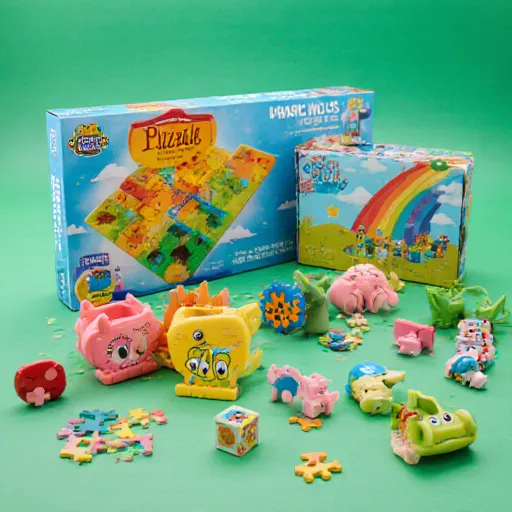
Unlock Fun: Puzzle Toys to Keep You Engaged!
Puzzle Toys That Challenge and Entertain!
Table of Contents
- Understanding Cat Enrichment Activities
- Benefits of Enrichment for Cats
- Interactive Toys and Puzzle Feeders
- Hide and Seek Feeding Games
- Obstacle Courses for Cats
- Window Watching and Bird Interaction
- Teaching Your Cat New Tricks
- Cat Trees and Climbing Structures
- Scent Enrichment with Essential Oils
- Social Interaction with Other Pets
- Outdoor Safety and Controlled Exposures
- Providing a Routine for Your Cat
- Conclusion
- FAQs About Cat Enrichment Activities
Understanding Cat Enrichment Activities
Cat enrichment activities are crucial for maintaining a cat's mental and physical health. These activities provide stimulation that helps prevent boredom, which can lead to behavioral issues such as over-grooming or destructive scratching. By enriching your cat's environment, you ensure they have opportunities to exercise their natural instincts and behaviors.
Physical Enrichment
Physical enrichment activities help keep cats active and healthy by encouraging them to use their natural hunting instincts. This can be achieved through the use of toys that mimic prey, such as feather wands or laser pointers. Puzzle feeders are another great way to encourage physical activity as they require your cat to work for their meal.
Examples:
- Puzzle Feeders: These can be simple DIY projects using containers and treats, or commercially available options. The idea is that the cat has to figure out how to get the treat out of the container.
- Feather Wands: While not a puzzle feeder, feather wands stimulate hunting behavior. Attach them to a string so your cat can chase and play with it.
Mental Enrichment
Mental enrichment activities are vital for preventing cognitive decline in cats as they age. These activities challenge the brain, helping to keep it sharp and active. Activities that require problem-solving or learning new skills can be particularly beneficial.
Examples:
- Puzzle Toys: These toys often involve solving a puzzle before the treat is released. Brands like Nina Ottosson offer a variety of these toys that are designed to engage your cat's mind.
- Interactive Play: Playing games with your cat, such as hide-and-seek or teaching them tricks, can significantly enhance their mental stimulation.
Social Enrichment
Cats are social animals and benefit greatly from interaction. Social enrichment activities help strengthen the bond between you and your pet while providing them with necessary socialization that they might not get otherwise, especially if you're often away.
Examples:
- Daily Playtime: Set aside time each day for play sessions. This can be as simple as a short walk around the house or yard or more involved activities like using interactive toys.
- Group Play: If you have multiple cats, encourage them to interact with each other through supervised play. This helps prevent isolation and can lead to stronger relationships between your pets.
Cat-Environment Enrichment
The environment in which a cat lives is also a significant factor in their overall well-being. By enriching the living space, you provide your cat with stimulating and engaging areas to explore and interact with.
Examples:
- Window Perches: Place a perch near a window so your cat can watch birds or other wildlife. This provides visual stimulation and can be calming for them.
- Hanging Toys: Attach toys to the ceiling or walls using strings, allowing your cat to bat at them while they are stationary on their own perches.
In conclusion, understanding and implementing these various types of cat enrichment activities can greatly enhance your cat's quality of life. By providing a stimulating environment that meets both physical and mental needs, you help ensure that your pet remains happy, healthy, and engaged.
Benefits of Enrichment for Cats
Enriching your cat's environment is crucial for their overall well-being, promoting physical and mental health. Proper enrichment activities go beyond just providing food; they stimulate your cat’s natural behaviors and keep them mentally engaged, reducing stress and fostering a happy and healthy lifestyle.
Mental Stimulation
Engaging in various enrichment activities helps to enhance your cat's cognitive abilities. Cats that are frequently stimulated with new toys or games tend to have better memory retention and problem-solving skills. For example, puzzle feeders filled with kibble require them to work for their food, mimicking the hunting behavior of wild cats.
Physical Exercise
Enrichment activities that involve movement are great for keeping your cat active. Activities like interactive playtime, where you use feather wands or laser pointers, not only provide physical exercise but also enhance the bond between you and your pet. Regular exercise helps prevent obesity and promotes a healthy weight.
Reduction of Boredom and Stress
Boredom can lead to stress in cats, which may result in destructive behaviors such as scratching furniture or excessive meowing. Providing various forms of enrichment, like climbing trees or perches, helps reduce the chances of these issues by giving your cat an outlet for their natural instincts. For instance, a vertical space with multiple levels and hiding spots can provide constant entertainment and reduce anxiety.
Social Interaction
While many cats are solitary creatures, they still benefit from social interactions. Enrichment activities that include your presence or another pet can significantly improve your cat's mood and health. Simple actions like regular grooming sessions or interactive playtime are effective in enhancing social interaction.
Promotion of Natural Behaviors
Wild cats spend a large portion of their time hunting, exploring, and climbing. By providing appropriate enrichment activities that allow your cat to engage in these behaviors, you’re promoting their natural instincts. For example, offering toys that mimic small prey can keep them engaged and stimulated.
Enhanced Lifespan
Cats living in enriched environments often experience a higher quality of life. The combination of physical activity, mental stimulation, and reduced stress contributes to an improved overall health condition. Research has shown that well-enriched cats may have longer lifespans due to the positive impact on their physiological and psychological health.
Cost-Effective and Sustainable
Enrichment activities don't necessarily require expensive toys or accessories. Simple items like cardboard boxes, old newspapers, and even paper bags can be transformed into exciting playtime tools for your cat. These low-cost solutions help keep the budget friendly while still providing essential enrichment.
Interactive Toys and Puzzle Feeders
Cat enrichment activities play a crucial role in keeping your feline companion mentally stimulated and physically active. Providing interactive toys and puzzle feeders can significantly enhance their overall well-being, preventing boredom and reducing stress. These tools not only make mealtimes more engaging but also offer opportunities for mental challenges that are essential for cat health.
Benefits of Interactive Toys
- Mental Stimulation: Interactive toys encourage problem-solving skills, which can help reduce behavioral issues like scratching furniture or excessive meowing. Puzzle feeders and interactive treats require cats to use their paws and mouths to disperse food, thus stimulating their minds.
- Promotes Exercise: Toys that involve chasing, jumping, and pouncing provide an excellent way for your cat to get exercise indoors. This is especially important for indoor cats who might otherwise not have the chance to run or play outside.
- Encourages Playtime: Regular play sessions with interactive toys can strengthen the bond between you and your pet, making them happier and more affectionate.
Examples of Interactive Toys
There are numerous types of interactive toys available that cater to different preferences. Here are some popular options:
- Bird Feathers or Mouse Squeakers: These toys mimic natural prey and can be particularly effective for cats who love to hunt. They come in various sizes, colors, and textures.
- Wand Toys: Wand toys with dangling feathers, strings, or bells allow you to engage your cat in active play sessions. Cats find these toys fun because they can leap at the toy as if trying to catch it mid-air.
- Moving Toys: Devices that move on their own, like laser pointers or robotic mice, provide a high level of engagement and entertainment for cats. They are especially useful when you're busy and can't spend time playing with your cat personally.
Puzzle Feeders
Puzzle feeders present another excellent way to enhance your cat's enrichment activities by providing mental stimulation through the act of eating. These feeders come in various designs, each challenging cats differently:
- Plastic Puzzle Feeder Balls: These toys are filled with treats or kibble and require the cat to manipulate them into a position where the food can fall out. This type of toy is great for cats who enjoy physical interaction.
- Bottle Feeders: These feeders have openings that cats must paw, lick, or roll to disperse the treats. They are ideal for older cats with joint issues as they do not require much jumping or leaping.
- Magnetic Puzzle Toys: Using magnets and metal discs inside a toy, these require cats to figure out how to move parts around to get the food out. This type of feeder is particularly effective in challenging a cat's problem-solving skills.
Tips for Choosing the Right Interactive Toys
When selecting interactive toys and puzzle feeders, consider your cat's individual preferences and needs:
- Observe Your Cat: Notice what activities your cat enjoys. If they love chasing things that move, choose a robotic mouse or laser pointer. For cats who are more interested in playing with their paws, opt for toys like wand toys.
- Consider Age and Health: Younger, energetic cats might enjoy fast-moving, interactive toys, while older or arthritic cats could benefit from slower-paced activities like rolling or pawing at toys. Puzzle feeders should be chosen based on your cat's manual dexterity level.
- Rotate Toys Regularly: Cats can become bored with the same toy repeatedly. Rotate different toys every few days to keep their interest peaked and prevent monotony.
Conclusion
Incorporating interactive toys and puzzle feeders into your cat's daily routine is a simple yet effective way to enrich their lives. By providing these engaging tools, you ensure that your feline companion stays healthy both physically and mentally, fostering a happier and more active pet.
Hide and Seek Feeding Games
Introducing hide and seek feeding games can be a fun and enriching activity for your cat. These games not only provide mental stimulation but also encourage physical activity, which is crucial for maintaining a healthy and happy feline companion. Here’s how you can incorporate these activities into your daily routine:
Setting Up the Game
To start, choose a space that is safe and free from hazards where your cat can explore without any risk of harm. This could be in a room with closed doors or in an enclosed outdoor area if weather permits. Place food or treats around this space in various locations to create a treasure hunt scenario for your kitty.
Examples of Hide and Seek Feeding Games
- Hiding Treats Under Furniture: Scatter treats under the couch, coffee table, or any other furniture pieces. Encourage your cat to find them by making noises nearby but not directly giving it away.
- Cat Feeder Toys: Use toys designed specifically for hiding food, such as puzzle feeders or interactive treat-dispensing balls. These toys help keep cats occupied and engaged while they work on retrieving their meal.
- Trajectory Paths: Create a path that leads your cat from one area to another, dropping treats along the way so it has to follow the trail. You can use small obstacles or furniture pieces as part of this route.
Practical Advice for Enrichment
To maximize the benefits of hide and seek feeding games, consider the following tips:
- Vary Locations Regularly: Avoid making your cat lose interest by changing where you place treats or toys. This keeps the game challenging and exciting for them.
- Mix It Up: Combine different types of hide and seek games to keep things interesting. Try alternating between placing food in high spots versus low spots, or even mixing indoor with outdoor options depending on safety considerations.
- Monitor Your Cat’s Health: Ensure that the game is appropriate for your cat’s age and health condition. For instance, older cats may need less strenuous activities compared to younger ones.
Bonus Tip: Enrichment Beyond Feeding
Remember that hide and seek feeding games are just one aspect of overall cat enrichment. Other activities like climbing structures, playing with feather wands, or interactive laser pointers can further enhance your pet’s physical fitness and mental health.
By integrating these hide and seek feeding games into your daily routine, you’re helping to create a more fulfilling life for your feline friend while also ensuring they receive the proper nutrition and exercise necessary for good health.
Obstacle Courses for Cats
Creating an obstacle course specifically designed for your cat is a fantastic way to enhance their physical and mental health. This activity not only provides exercise but also stimulates their natural instincts, making them more engaged and satisfied. Here’s how you can set up an effective obstacle course tailored to your feline friend.
Understanding Cat Enrichment
Cat enrichment is crucial for ensuring that your cat remains mentally stimulated and physically active. Cats are natural hunters, climbers, and explorers. By providing them with activities that mimic these behaviors, you can significantly improve their quality of life. Obstacle courses offer a perfect platform to engage these instincts.
Setting Up an Obstacle Course
To set up an obstacle course for your cat, follow these steps:
- Select Safe Materials: Use materials that are safe for cats. Avoid anything that could harm them, such as sharp edges or small objects they might ingest.
- Create Climbing Elements: Include structures like hanging ropes, tunnels, and platforms to encourage climbing and jumping.
- Incorporate Hidden Treats: Place treats inside the tunnels or behind obstacles so your cat has to figure out how to get them. This encourages problem-solving skills.
- Add Moving Elements: Consider adding small toys that can be moved around, such as laser pointers or battery-operated mice, which simulate prey movement and engage their hunting instincts.
Examples of Obstacle Course Elements
- Hanging Ropes: Use sturdy ropes that your cat can jump over or crawl under. Ensure the ropes are not too high for your cat to reach them safely.
- Tunnels: Provide cardboard tunnels or fabric tunnels where cats can squeeze through, encouraging them to explore and hide.
- Hanging Toys: Attach toys on strings so that your cat has to jump or stretch to reach them. This adds an extra challenge and fun element.
- Platform Jumps: Create a simple structure with platforms at different heights, allowing your cat to jump from one to another, simulating the natural act of hunting prey in trees.
Tips for a Successful Obstacle Course
To ensure that your obstacle course is both safe and effective:
- Start Slowly: Introduce new elements gradually to prevent overwhelming your cat.
- Ongoing Adaptation: Rotate the setup regularly, introducing new obstacles or rearranging old ones to keep the activity fresh and exciting.
- Monitor Engagement: Observe how your cat interacts with the course. If they seem uninterested, adjust the setup or add more treats as incentives.
Benefits of an Obstacle Course for Cats
The benefits of creating an obstacle course are numerous:
- Mental Stimulation: Keeps your cat mentally sharp and reduces the likelihood of behavioral problems.
- Physical Exercise: Encourages a healthy weight and prevents obesity, which is common in indoor cats.
- Predator Behavior: Fulfills their natural instincts to hunt and explore, leading to a more balanced and happier cat.
By incorporating an obstacle course into your cat’s daily routine, you are not only enhancing their physical health but also enriching their emotional well-being. This simple yet effective activity can make a significant difference in your cat's overall quality of life.
Window Watching and Bird Interaction
Window watching is a common pastime for many cats, especially those living in urban areas or apartments. This activity offers them an exciting way to observe birds without actually leaving the comfort of home. However, it can also present challenges, such as stress from constant exposure to outdoor stimuli. To enrich this experience and make it more engaging, you can introduce specific cat enrichment activities that encourage your feline friend to interact with birds in a healthier manner.
One effective way to enhance the window-watching activity is by using bird feeders placed outside of your home. By providing food for real birds, you create an environment where your cat can safely observe wildlife from afar without feeling threatened or overly excited. This setup reduces stress while still allowing them to enjoy the company of nature. Additionally, incorporating mirrors or reflector toys near the windows can help simulate a more dynamic and interactive experience, making it easier for cats to focus their attention on birds as if they were present in person.
Another practical idea involves placing perches and climbing structures around your living space so that your cat feels secure enough to spend time near the window. Cats that feel safe are more likely to engage positively with their surroundings, including what's happening outside the glass. Encourage this behavior by using treats or toys as positive reinforcement when they show interest in bird-related activities.
It’s important not just to observe but also to ensure that these interactions remain educational and calming for your pet. You might consider installing a camera system or using apps designed specifically for observing wildlife safely from inside the house. These tools allow you to monitor both sides of the window, giving your cat access to detailed views of birds without risking their well-being.
Lastly, always remember that every cat is unique; what works for one may not work for another. Experiment with different methods and observe how each change affects your pet's behavior. Over time, you’ll find the perfect balance between stimulation and tranquility that keeps your cat happy and content.
Teaching Your Cat New Tricks
Teaching your cat new tricks can be a rewarding experience for both you and your feline friend. Not only does it strengthen the bond between you, but it also provides mental stimulation which is crucial for your cat's well-being. Cat enrichment activities are vital as they help to prevent boredom and stress in cats, promoting healthier behaviors.
Cat enrichment involves providing your pet with various stimuli that promote physical activity, mental engagement, and social interaction. This can include interactive toys, puzzle feeders, hide-and-seek games, and even training sessions where you teach them new tricks.
Interactive Toys
Interactive toys are excellent tools for teaching your cat new tricks while also enriching their environment. These toys should be designed to encourage natural behaviors such as pouncing, chasing, and hunting. For example, feather wands or laser pointers can engage your cat in playful activities that mimic the way they would hunt prey in nature.
Puzzle Feeders
Using puzzle feeders is a fantastic way to stimulate your cat's mind and teach them patience. These feeders require your cat to use their problem-solving skills to access the food, which can be particularly effective for teaching tricks like 'sit' or 'come.' By rewarding your cat with treats when they successfully navigate the feeder, you can reinforce positive behaviors.
Hide-and-Seek Games
Playing hide-and-seek games is a fun way to bond with your cat and teach them new tricks. You can hide small toys around the house or simply play a game where you hide temporarily and then call for your cat. This encourages your cat to explore their environment, which can be a great opportunity to introduce them to different commands like 'come' or 'stay.'
Training Sessions
Structured training sessions are essential for teaching your cat new tricks. Start by selecting simple commands such as 'sit,' 'stay,' or 'come.' Use positive reinforcement techniques, rewarding your cat with treats and praise each time they perform the desired behavior correctly.
- Step-by-Step Guide:
- Select a command word that you want to use for the trick (e.g., 'sit').
- Show your cat what action you want them to do by demonstrating the behavior yourself.
- Encourage your cat to mimic the action. When they succeed, immediately give them a treat and lots of praise.
- Repeat this process several times throughout the day.
Consistency is key when teaching your cat new tricks. Be patient and persistent; remember that every cat learns at their own pace. The more you integrate these activities into your daily routine, the quicker your cat will pick up on new behaviors.
Incorporating cat enrichment activities into your life can make a significant difference in how happy and healthy your pet is. By teaching them new tricks through engaging and rewarding methods, you’re not only enhancing their cognitive abilities but also ensuring they have plenty of mental and physical stimulation.
Cat Trees and Climbing Structures
Cat trees and climbing structures are essential components of cat enrichment activities. These structures not only provide mental and physical stimulation for your feline companion but also serve as a safe space where they can feel secure and express natural behaviors such as climbing, jumping, and scratching. By offering various levels within the structure, you encourage your cat to explore different heights, which mimics their instinctive tree-climbing behavior in the wild.
Benefits of Cat Trees and Climbing Structures
- Mental Stimulation: Cats are natural hunters. Providing them with multi-level structures keeps their minds engaged, preventing boredom and reducing stress.
- Muscle Development: The climbing aspect of these structures helps to build muscle strength and improve cardiovascular health.
- Scratching Area: Scratching is a natural behavior for cats. Offering designated areas like scratching posts or branches in cat trees can prevent them from damaging your furniture.
- Safety and Security: High perches provide a safe place where cats feel secure, especially if there are noises or disruptions around the house.
Picking the Right Cat Tree
The choice of cat tree should be based on your cat’s preferences. Some prefer simple vertical structures while others may enjoy more complex setups with platforms and tunnels. Here are some practical considerations:
- Size: Ensure the structure is large enough for your cat to move around comfortably.
- Multipurpose: Look for trees or climbing structures that can be used in different rooms of your home, offering multiple enrichment opportunities.
- Safety: Opt for sturdy materials like wood or high-quality plastic that won't break easily. Avoid sharp corners and rough surfaces to prevent accidents.
Examples of Enrichment Activities
Once you have the right cat tree in place, here are some ways to further enrich your cat's experience:
- Hanging Toys: Attach toys or small balls to strings that hang from different levels of the tree. This encourages play and movement.
- Cat Dwellings: Place plush dwellings or boxes at various heights for your cat to explore and hide in.
- Bird Feeders: Consider adding a small bird feeder near the top of the tree. This can simulate hunting behavior and provide entertainment for both your cat and any visiting birds.
Tips for Maintenance
To keep your cat engaged with their climbing structures, regular maintenance is necessary:
- Regular Cleaning: Remove any debris or hair that may accumulate on the structure to prevent it from becoming less appealing.
- Inspect for Damage: Periodically check the structure for signs of wear and tear. Replace broken parts as needed.
- Encourage Use: Rotate toys or add new items periodically so that your cat remains interested in their climbing area.
Scent Enrichment with Essential Oils
Introducing essential oils into your cat's environment can be a delightful and effective way to enrich their life. Scent enrichment is an important aspect of feline enrichment activities, as it mimics the natural behaviors cats use to mark territory, communicate, and explore their surroundings.
Why Use Essential Oils?
Cats are highly sensitive to scents due to their remarkable sense of smell. By introducing essential oils into your home, you provide a stimulating sensory experience that can reduce stress, promote relaxation, and encourage exploration. Using the right oils can also help create a calm and inviting space for your feline companion.
Choosing the Right Essential Oils
Selecting essential oils specifically designed for cats is crucial to avoid any potential health risks. Always opt for high-quality, pure essential oils that are safe for use around pets. Some popular and pet-friendly options include lavender, chamomile, and clary sage.
- Lavender: Known for its calming properties, lavender can help reduce stress and promote relaxation in cats.
- Chamomile: This oil is another excellent choice to soothe your cat and create a peaceful atmosphere.
- Clary Sage: This oil has a grounding effect that can be beneficial for anxious or agitated cats.
How to Use Essential Oils
The simplest way to introduce essential oils into your cat's environment is through diffusers. There are several types of diffusers, including ultrasonic and heat-based models. Always ensure that the diffuser is safe for pets and keep it away from any areas where your cat may reach or play.
Another option is to place a few drops of essential oil on a cotton ball and place it in a safe spot within the home, ensuring it’s out of reach but close enough for the scent to waft through the air. This method allows you to experiment with different scents to see which one your cat prefers.
Practical Tips for Scent Enrichment
- Create Scented Play Areas: Use essential oils to scent specific areas of the home where your cat spends most of its time. This can encourage exploration and keep them engaged.
- Use in Cat Dens or Litter Boxes: Adding a few drops of oil to the litter box or creating a den with a scented bed can provide comfort and reduce stress for your cat.
- Birthday Treats: Incorporate essential oils into homemade treats or toys as part of special occasions, making it feel like a treat for both you and your furry friend.
Conclusion
Incorporating essential oils into your cat's environment is an enjoyable and practical way to enhance their daily life. By providing stimulating sensory experiences, you're supporting their overall well-being while also enriching the bond between you and your feline companion.
Outdoor Safety and Controlled Exposures
Incorporating outdoor safety measures into cat enrichment activities is crucial for ensuring both your feline's well-being and their happiness. Cats, by nature, are curious creatures that thrive on exploration and stimulation. However, venturing outdoors comes with its own set of risks such as traffic hazards, exposure to harmful chemicals, and encounters with other animals that could lead to infections or fights.
Fortunately, there are ways to safely enrich your cat's outdoor experience through controlled exposures. This involves creating an environment where your cat can enjoy the outdoors without facing these dangers. One effective method is using a secure cat enclosure. These enclosures allow cats to explore their surroundings while being shielded from potential threats such as cars and wild animals.
For those who live in environments that do not support enclosed spaces, there are other options like supervised outdoor time on an extended leash or harness. This approach requires careful planning and a safe area where your cat can roam without risking their safety. Always check the weather conditions before allowing outdoor exposure to ensure it is suitable for both you and your pet.
Another way to enrich a cat's environment while keeping them safe outdoors involves providing enrichment activities that mimic natural behaviors such as hunting or exploring. You can achieve this by introducing small, non-toxic prey items like mealworms or feathered toys that encourage your cat to stalk and pounce. Additionally, setting up bird feeders or plant gardens nearby can stimulate their natural instincts for exploration.
It's essential to monitor your cat during these activities closely to ensure they are not engaging in any dangerous behaviors. Providing clear boundaries and cues helps maintain a safe environment for both you and your pet. For example, using commands such as 'come here' or providing a signal like a bell can prompt your cat to return when it’s time.
Lastly, consider consulting with a veterinarian before implementing any outdoor enrichment activities. They can provide personalized advice based on the specific needs of your feline and ensure that you are taking all necessary precautions for your pet's safety.
Providing a Routine for Your Cat
Establishing a consistent routine is crucial for your cat's well-being and can significantly enhance their quality of life. A structured daily schedule helps cats feel secure, reducing stress and anxiety which are common in felines. Consistency not only aids in maintaining a healthy mental state but also benefits physical health by promoting regular eating, sleeping, and playtime.
Cat Enrichment Activities
Enriching your cat's daily routine with various activities can make their day more exciting and engaging. This helps prevent boredom, which is a common issue among indoor cats that lack stimulation. Here are some practical ways to incorporate enrichment into your cat's daily schedule:
- Daily Play Sessions: Engage in regular playtime with your cat using toys such as feather wands, laser pointers, or interactive puzzle feeders. This not only provides mental stimulation but also strengthens the bond between you and your pet.
- Interactive Feeding: Use treat-dispensing toys that require your cat to work for their food. This encourages natural hunting behaviors and keeps them mentally active.
- Scheduled Play Times: Set specific times of the day when you can play with your cat. For example, after breakfast or before bedtime can be perfect moments as these are often when cats feel most energetic.
- Window Sills for Observation and Sunlight: Place a comfortable spot near a window sill where your cat can watch birds or other outdoor activities. This not only provides entertainment but also gives them access to natural light which is important for their health.
- Cat Trees and Climbing Structures: Invest in a multi-level tree or climbing structure. These offer vertical space that allows cats to explore, climb, and jump around, simulating the environment they would experience in the wild.
By incorporating these activities into your cat's daily routine, you create an environment that supports their physical and mental health. Consistency is key, so try to stick to a schedule as much as possible. This will help your cat develop a sense of routine and predictability, leading to happier, healthier pets.
Conclusion
Incorporating cat enrichment activities into your daily routine can significantly enhance your pet's well-being and happiness. By providing stimulating environments, toys, and interactive play sessions, you ensure that your feline companion remains mentally and physically healthy. Here are some practical tips to help you get started:
Interactive Toys
Interactive toys not only keep cats entertained but also provide a great way for them to exercise and release energy. Consider using wand toys, feather-tipped sticks, or laser pointers which can engage your cat in active play sessions. For example, the "Blinking Laser Pointer" toy is highly recommended as it mimics prey movement perfectly, challenging your cat's reflexes and promoting physical activity.
Environmental Enrichment
Cats are creatures of habit, but they also thrive on change. Creating a stimulating environment through environmental enrichment can include the addition of vertical climbing structures such as trees or scratch posts. These not only provide exercise but also satisfy your cat's natural instinct to climb and explore. For instance, placing a hanging bird feeder outside their window allows them to watch birds from a safe distance while enjoying the sight.
Feeding Games
Cats can find feeding games equally as engaging as playtime with toys. Feeding puzzles or puzzle feeders are excellent for this purpose, encouraging your cat to use its mind and paws to retrieve treats. These devices stimulate the natural hunting behavior of cats by requiring them to work for their food.
Daily Interaction
Quality time spent interacting with your cat is invaluable. Spend at least 15 minutes a day engaging in play or simply petting and talking to your kitty. This interaction not only strengthens the bond between you but also provides mental stimulation that can reduce stress.
In conclusion, by integrating these cat enrichment activities into your daily routine, you are not just providing fun for your cat; you're contributing to its overall health and happiness. Remember, every small change in their environment can make a big difference in how they feel each day. Happy enriching!"
FAQs About Cat Enrichment Activities
Q: What is cat enrichment and why is it important?
Cat enrichment refers to the process of enhancing your cat's environment to ensure they have stimulating and enjoyable experiences. This can help reduce boredom, stress, and negative behaviors that may arise from a lack of mental or physical stimulation. Enrichment activities are crucial for maintaining your cat’s well-being by mimicking their natural instincts in a domestic setting.
Q: What kind of enrichment activities should I provide?
- Toys: Invest in various types of toys that engage different senses—balls, feather wands, laser pointers, and puzzle feeders can keep your cat mentally stimulated.
- Climbing Structures: Provide a scratching post or climbing tree to help cats stretch and scratch, which is natural for them. This helps with physical activity as well.
- Playtime: Spend time playing regularly with your cat using toys that encourage interaction. Play sessions can last up to 10-15 minutes several times a day.
- Scent Stimulation: Use scents like catnip, silvervine, or grass plants (like cat grass) which are appealing to cats and can be placed in their environment to provide olfactory stimulation.
Q: How much time should I spend on enrichment activities?
The amount of time you need to dedicate to your cat's enrichment depends on the individual. However, a minimum of 15 minutes per day spent playing and interacting can make a significant difference. This doesn’t mean it has to be all at once; shorter play sessions throughout the day are just as effective.
Q: Are there any specific toys or gadgets that you would recommend?
- Puzzle Feeders: These encourage your cat to use their problem-solving skills while eating. They can be simple DIY projects or commercially available options.
- Interactive Toys: Devices like laser pointers and remote-controlled toys are great for interactive play sessions where you can simulate hunting behaviors.
- Scent Toys: Toys filled with catnip or other scents can provide both mental and physical stimulation. These can be simple cotton balls in an empty water bottle or specially designed scent toys available online.
Q: How do I know if my cat is enjoying the enrichment activities?
Observing your cat's behavior and body language will give you clues about their enjoyment. Cats that are engaged in play, grooming themselves after a session of playing, or showing signs of relaxation during rest periods are typically thriving from these activities.
Q: What should I avoid?
- Avoid giving your cat human food as it can be harmful. Opt for treats specifically made for cats.
- Avoid overwhelming your cat with too many changes at once—introduce new activities gradually to help them adjust.
- Ensure that any toys or items you introduce are safe and suitable for your cat’s size and age.
Categories
- AI & Enrichment Play
- Broiler Farming
- Broiler Farming Tips
- Canine Wellness & Longevity
- Cat
- Cat & Human Connection
- Cat Adoption & Rescue
- Cat Breeds
- Cat Breeds & Personalities
- Cat Care & Health
- Cat Grooming & Hygiene
- Cat Lifestyle & Environment
- Cat Myths & History
- Cat Nutrition & Diet
- Cat Products & Reviews
- Cat Training & Behavior
- Comparison
- Consumer Awareness
- Dog
- Dog Accessories & Products
- Dog Adoption & Rescue
- Dog Breed & Lifestyle Trends
- Dog Breeding & Puppies
- Dog Entertainment & Media
- Dog Fashion & Trends
- Dog Fun & Lifestyle
- Dog Grooming & Hygiene
- Dog History & Culture
- Dog Myths, Science & Future Tech
- Dog News & Trends
- Dog Nutrition & Food
- Dog Psychology & Emotions
- Dog Safety & Security
- Dog Sports & Activities
- Dog Technology & Innovation
- Dog Training for Modern Owners
- Dog Travel & Adventure
- Dog Travel, Adventure & Culture
- Economic and Market Insights
- Educational Content
- FAQs
- Feeding Alternatives
- Festivals & Seasonal Ideas
- Fun & Entertainment
- General Knowledge
- General Pig Farming
- Health & Disease Management
- Housing and Environment
- Kittens
- Market Insights
- Miscellaneous
- Miscellaneous
- Motivational
- pig
- Pig Breeding
- Pig Breeds
- Pig Farming Stories and Inspiration
- Pig Health and Care
- Pig Nutrition
- Pig Products
- Profitability & Business
- Puppy Care
- Puppy Predictable Topics Reinvented
- Regional Focus
- Rescue & Adoption Buzz
- Senior Cats
- Senior Dog Care
- Smart Dog Tech & Gadgets
- Sustainability
- Sustainable & Eco-Friendly Dog Products
- Tech & Innovations
- Working & Service Dogs
- Broiler Feed66 products
- Country Feed33 products
- Pig Feed66 products
- Product22 products
- Raw Materials99 products
Products
-
 Fish Meal
₹1,999.00 – ₹2,999.00Price range: ₹1,999.00 through ₹2,999.00Rated 0 out of 5
Fish Meal
₹1,999.00 – ₹2,999.00Price range: ₹1,999.00 through ₹2,999.00Rated 0 out of 5 -
 FATTENING BROILER FEED
₹2,299.00 – ₹2,349.00Price range: ₹2,299.00 through ₹2,349.00Rated 0 out of 5
FATTENING BROILER FEED
₹2,299.00 – ₹2,349.00Price range: ₹2,299.00 through ₹2,349.00Rated 0 out of 5 -
 LAYER COUNTRY FEED
₹1,549.00 – ₹1,649.00Price range: ₹1,549.00 through ₹1,649.00Rated 0 out of 5
LAYER COUNTRY FEED
₹1,549.00 – ₹1,649.00Price range: ₹1,549.00 through ₹1,649.00Rated 0 out of 5 -
 COUNTER BROILER FEED
₹1,199.00 – ₹1,299.00Price range: ₹1,199.00 through ₹1,299.00Rated 0 out of 5
COUNTER BROILER FEED
₹1,199.00 – ₹1,299.00Price range: ₹1,199.00 through ₹1,299.00Rated 0 out of 5 -
 LACTATING PIG FEED
Rated 0 out of 5
LACTATING PIG FEED
Rated 0 out of 5₹2,299.00Original price was: ₹2,299.00.₹1,740.00Current price is: ₹1,740.00. -
 Maize
Rated 0 out of 5
Maize
Rated 0 out of 5₹1,650.00Original price was: ₹1,650.00.₹1,300.00Current price is: ₹1,300.00. -
 GESTATION PIG FEED (Phase 1)
Rated 0 out of 5
GESTATION PIG FEED (Phase 1)
Rated 0 out of 5₹2,249.00Original price was: ₹2,249.00.₹1,699.00Current price is: ₹1,699.00. -
 Pre Starter Broiler Feed
₹2,399.00 – ₹2,499.00Price range: ₹2,399.00 through ₹2,499.00Rated 0 out of 5
Pre Starter Broiler Feed
₹2,399.00 – ₹2,499.00Price range: ₹2,399.00 through ₹2,499.00Rated 0 out of 5 -
 FINISHER PIG FEED
Rated 0 out of 5
FINISHER PIG FEED
Rated 0 out of 5₹2,299.00Original price was: ₹2,299.00.₹1,749.00Current price is: ₹1,749.00. -
 Broiler Premix
Rated 0 out of 5
Broiler Premix
Rated 0 out of 5₹820.00Original price was: ₹820.00.₹699.00Current price is: ₹699.00.
Social Interaction with Other Pets
Incorporating social interaction with other pets is a crucial aspect of cat enrichment activities. Cats are naturally social animals, and providing opportunities to interact positively with other pets can significantly enhance their mental health and overall well-being. This form of enrichment not only promotes physical activity but also helps in reducing stress and boredom.
To effectively promote social interaction between cats, it's essential to understand their behavior. Cats often communicate through body language, vocalizations, and scent marking. By observing these cues, you can gauge when your cats are ready for interaction or prefer some space.
Introduction of New Pets
When introducing a new pet into the household, it's crucial to do so gradually. Start by allowing them to meet in a neutral environment where neither cat feels territorial. Slow introductions can help reduce aggression and ensure that both pets feel safe.
Multipet Household
In a multipet household, social interaction can be more complex but also rewarding. It's important to provide resources such as perches, scratching posts, and feeding stations at different levels to reduce competition and stress.
Encouraging Positive Interactions
To encourage positive interactions between cats, it's important to provide activities that cater to their natural instincts. Hunting and stalking behaviors can be encouraged through interactive toys and games. Reward good behavior with treats or praise.
Monitoring for Signs of Stress
Even in social settings, it's vital to monitor your cats' behavior closely. Signs of stress can include hiding, decreased appetite, or avoidance of interaction. If you notice any concerning behaviors, it might be time to adjust their environment or provide more space.
Incorporating social interaction into your cat's daily routine can greatly improve their quality of life. By providing safe and stimulating environments, you're not only enriching their lives but also strengthening the bonds within your household.