
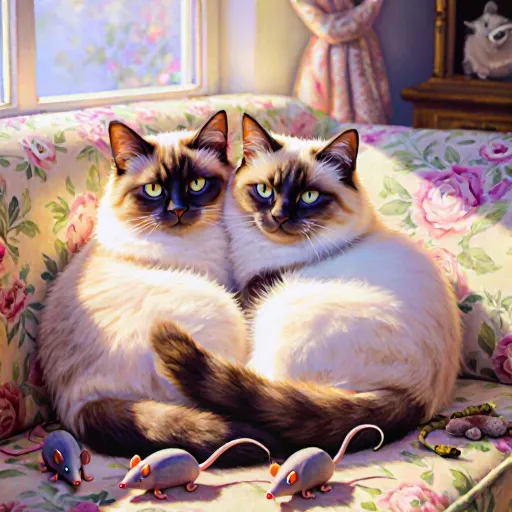
Unlocking Love: How Ragdolls Become Lifelong Furry Friends
Ragdoll Cats: The Secret to Ultimate Companionship
Table of Contents
- Introduction to Ragdoll Cats
- Historical Background of Ragdolls
- Physical Characteristics of Ragdoll Cats
- Behavior and Temperament
- Health and Lifespan
- Grooming Needs
- Exercise Requirements
- Interaction with Children and Families
- Socialization with Other Pets
- Training and Obedience
- Feeding Requirements
- Common Health Issues to Watch For
- Adopting a Ragdoll Cat
- Conclusion
- FAQs About Ragdoll Cats
Introduction to Ragdoll Cats
Ragdoll cats, known for their gentle and affectionate nature, have become increasingly popular as pets. These cats are named after a type of rag doll due to their tendency to go limp when picked up, much like how a rag doll would not resist. This behavior is often attributed to the strong bond they form with their owners and makes them an ideal choice for those seeking a loving companion.
Ragdoll cats have a distinctive appearance that contributes to their charm. They are medium to large in size, with a sturdy build and long, elegant legs. Their coats come in various patterns including bicolor, tortoiseshell, and colorpoint, which gives them a striking look. The most popular pattern is the pointed one, where dark points appear on the ears, tail, paws, and face against lighter-colored fur.
Ragdoll cats are known for their docile and affectionate nature. They typically enjoy being held and spend a lot of time with their owners, often following them from room to room. Their calm demeanor makes them excellent companions for families, particularly those with children or other pets.
Like any cat breed, Ragdolls can be prone to certain health issues. It's important to choose a reputable breeder who provides health certifications and ensures the cats are free from genetic disorders such as hip dysplasia. Regular veterinary check-ups and a balanced diet are essential for maintaining their overall health.
Ragdoll kittens are generally easy to socialize due to their friendly nature. Early exposure to different environments, people, and other animals can help them develop into well-rounded pets. Training is also relatively straightforward; they respond positively to positive reinforcement methods.
In conclusion, Ragdoll cats are not just pets but potential companions that offer unconditional love and affection. Their gentle nature, combined with their striking appearance, makes them a favorite among cat lovers. If you're considering getting one as a pet, it's important to research thoroughly and ensure they will be a good fit for your lifestyle.
Historical Background of Ragdolls
The history of the Ragdoll cat breed is rich and intriguing, tracing back to the late 1960s when a Californian breeder named Josephine was said to have received a unique calico cat from her friend. This feline, named Josephine herself, had an unusual trait: whenever she was picked up or handled, she would go limp—hence the name "Ragdoll." The story goes that this behavior made her exceptionally easy to handle and cuddle.
The Ragdoll cat breed was officially recognized in 1967 by Ann Baker, who had acquired Josephine. Baker took a calico female kitten named 'Munkustrap' from Josephine and bred it with various other cats. The result of this breeding produced the first recognized Ragdolls. However, due to some disagreements between Baker and her customers over breeding rights, these early Ragdoll cats were not registered by major cat associations.
Ann Baker went on to develop a separate breed called the "Baker Ragdoll," which she claimed was different from other Ragdolls. Her efforts led to the creation of a new type of cat with a calm temperament and a tendency to go limp when picked up—a trait that is one of the most recognizable features of the Ragdoll today.
Despite Baker's efforts, her cats were not recognized by major associations like TICA (The International Cat Association) or CFA (Cat Fanciers' Association). However, other breeders continued to develop and refine the breed. In 1978, TICA accepted the Ragdoll for registration, recognizing its distinct characteristics.
The popularity of the Ragdoll cat grew rapidly after this recognition. The breed's gentle nature, loyalty, and affectionate behavior made it a favorite among pet lovers worldwide. Ragdolls are known for their large size, distinctive blue eyes, and striking colorpoint pattern. They are not only loved as pets but also recognized for their exceptional calmness and friendliness.
Today, the Ragdoll cat is one of the most popular breeds in many countries, including the United States and parts of Europe. Its gentle nature makes it an excellent choice for families with children or other pets. Many owners appreciate the breed's loyalty and affectionate demeanor, which contribute to its reputation as a "best companion" cat.
For those considering adding a Ragdoll to their family, understanding the breed's history can provide valuable insights into what to expect from this gentle giant. The calm nature of the Ragdoll is not just a trait but a result of careful breeding and natural selection over decades. This background also explains why Ragdolls are so sought after as pets—many find them ideal companions due to their affectionate and non-aggressive personalities.
While there are various stories and accounts about the breed's origins, one thing is clear: the Ragdoll cat has become a beloved member of many households. Its gentle nature and friendly disposition have made it a favorite among pet owners who seek an affectionate companion.
Physical Characteristics of Ragdoll Cats
Ragdoll cats, known for their gentle and affectionate nature, possess a distinct set of physical characteristics that make them stand out among other cat breeds. These traits are not only visually appealing but also contribute to their overall temperament and health.
The Ragdoll breed was developed by Ann Baker in Riverside, California, in the 1960s. The original Ragdolls were a mix of Burmese, Siamese, and other breeds. Their most notable feature is their large, round head with wide-set eyes, which give them an almost owl-like appearance. Their body is long and muscular, making them look robust despite their gentle demeanor.
Ragdolls come in four main colors: Blue (a light grayish-blue), Lilac (similar to pinkish-gray), Chocolate (a light brown color), and seal-point (dark brown). These colors are most commonly found in the original pattern, which is a blend of a solid color with darker patches on the face, legs, ears, and tail.

Ragdolls are a large breed of cat, with males typically weighing between 9 to 16 pounds and females ranging from 8 to 12 pounds. Their build is muscular yet elegant, giving them a graceful appearance. This physical structure allows them to move easily and gracefully, which is often demonstrated when they "go limp" in the lap—a trait that has given them their name.
Despite their size, Ragdolls are not overly bulky or heavy. Their long body is balanced by a well-proportioned tail, which is also one of their most recognizable features. This tail is thick at the base and tapers towards the tip, adding to their overall aesthetic appeal.
The Ragdoll's coat is semi-longhaired and silky to the touch. It requires minimal grooming, which makes them relatively low-maintenance pets. The semi-long hair helps to keep them warm in colder environments, a trait that can be attributed to their Siamese ancestry.
Regular brushing with a soft-bristled brush or rubber mitt is recommended at least once a week to maintain the coat's health and prevent matting. During shedding seasons (usually spring and fall), daily brushing might be necessary to keep them comfortable and reduce hair loss in your home.
The Ragdoll's eyes are large, expressive, and almond-shaped, typically blue in color. The wide-set eyes give the breed an almost owl-like appearance, which is one of their most striking features. The eyes are often described as "glassy" or "liquid," adding to their gentle demeanor.
The head shape is rounded with a slightly flattened face when viewed from above. This gives them a unique and charming look that many find irresistible. The wide-set ears, which are moderately large and well-tufted at the tips, complement their overall appearance and add to their distinctive features.
Ragdolls are known for their calm and gentle nature, which is closely related to their physical attributes. Their large size and muscular build provide a sense of strength and stability that translates into confidence in social situations. This breed thrives on human interaction and often goes "limp" when picked up, making them extremely affectionate pets.
They are very loyal and devoted companions, often following their owners around the house. Due to their large size, they can be quite playful and enjoy games that involve lots of interaction with humans. Ragdolls also tend to be more tolerant of children and other pets than some other breeds, making them excellent family pets.
In conclusion, the physical characteristics of Ragdoll cats are not just about appearance but also play a significant role in their temperament and health. Their semi-long hair, large eyes, muscular build, and gentle nature make them a popular choice for those seeking a loving and affectionate companion.
Behavior and Temperament
Ragdoll cats are known for their gentle, docile, and friendly nature. These characteristics make them an excellent choice for families with children or people living in households where companionship is highly valued.
Gentle Nature
One of the most notable traits of a Ragdoll cat is its innate gentleness. They are known to be extremely calm and tolerant, often lying down quietly when picked up. This makes them an ideal pet for those who enjoy cuddling or simply having their company without needing constant attention.
Docile Disposition
The docile nature of Ragdolls can sometimes be misconstrued as laziness, but it is actually a sign of their calm and contented demeanor. They are not overly active or demanding; instead, they prefer to relax in your company rather than seek out attention by running around the house.
Friendliness Towards Humans
Ragdolls have a strong affection for humans and can form deep bonds with their owners. They are known to be particularly gentle with children, making them safe pets in households with younger members. Their friendly disposition also means they get along well with other animals, including dogs, as long as proper introductions are made.
Social Behavior
Ragdolls enjoy social interaction and thrive on human companionship. They do not become lonely or depressed if left alone for short periods but benefit greatly from the presence of their owners. This makes them a great choice for people who are often away during the day due to work or other commitments.
Playfulness
Despite their calm and gentle nature, Ragdolls do enjoy playing. However, these play sessions are usually not overly energetic. A simple game of fetch or a few minutes of interactive playtime can keep them happy and entertained.
Predictable Behavior
Ragdolls tend to be predictable in their behavior, making it easier for owners to understand their needs and preferences. This predictability is one reason they are considered excellent companions. You can count on your Ragdoll to greet you happily when you return home after work or school.
Health Considerations
While Ragdolls generally have a good temperament, it's important to note that their behavior can be influenced by health and genetic factors. Regular vet check-ups are essential to ensure your Ragdoll remains happy and healthy. Early socialization also plays a crucial role in shaping their temperament.
Conclusion
In conclusion, the behavior and temperament of Ragdoll cats make them one of the best companions for many types of households. Their gentle nature, friendly disposition, and social behaviors all contribute to creating a harmonious living environment. Whether you're looking for a calm cat that loves to cuddle or an affectionate pet that enjoys your company, a Ragdoll could be the perfect fit for you.
Health and Lifespan
Ragdoll cats are known for their friendly nature and affectionate personality, making them an excellent choice as companions. However, like all pets, they require proper care to ensure a long and healthy life.
Genetic Predispositions
Ragdolls share some common health issues due to their genetic background. One of the most notable is HCM (Heart Disease). It's important for Ragdoll owners to be aware of this condition and ensure they receive regular check-ups from a veterinarian who specializes in feline care.
Proper Nutrition
A balanced diet plays a crucial role in maintaining the overall health of your Ragdoll cat. Feeding them high-quality food that meets their nutritional needs is essential. It's recommended to avoid overfeeding, especially as they can become overweight easily.
- High-Quality Dry Food: Look for a dry food that provides all the necessary nutrients and has minimal fillers.
- Fresh Water: Always ensure your Ragdoll has access to fresh, clean water. Dehydration can lead to various health issues.
- Vitamins and Minerals: Supplements like omega-3 fatty acids may be beneficial for skin and coat health.
Daily Exercise
Maintaining an active lifestyle is important for your Ragdoll cat. Although they are usually content to lounge around, providing them with opportunities to play can enhance their physical and mental well-being. Interactive toys that mimic hunting behaviors are particularly effective in keeping them engaged.
- Interactive Toys: Laser pointers, feather wands, or even simple balls can be great for stimulating your Ragdoll's natural instincts.
- Playtime Routine: Set aside time each day to play with your cat. This not only helps burn calories but also strengthens the bond between you and your pet.
Veterinary Check-Ups
- Vaccinations: Keep your Ragdoll up-to-date with all necessary vaccinations to protect them against common diseases.
- Dental Care: Regular brushing and professional cleanings help prevent dental issues, which can affect overall health.
Environment
The environment in which your Ragdoll lives greatly impacts their health. Providing a safe, stimulating home with plenty of space to explore is essential for their well-being.
- Climatic Conditions: While Ragdolls are generally hardy cats, extreme temperatures can be stressful. Ensure they have access to both cool and warm areas depending on the season.
- Play Areas: Create a variety of play areas with different toys and structures that encourage exploration and physical activity.
Conclusion
Caring for your Ragdoll cat involves understanding their specific needs and providing the right environment, diet, exercise, and veterinary care. By following these guidelines, you can ensure a long, healthy life for your beloved companion. Remember, early intervention and attention to detail are key in maintaining optimal health.
Grooming Needs
Ragdoll cats are known for their friendly and affectionate nature, making them excellent companions. However, one aspect of owning a Ragdoll that often surprises new owners is their grooming needs. While they are generally low-maintenance compared to other breeds, it's important to understand the specific requirements to keep your Ragdoll looking its best.
Understanding Ragdoll Grooming Needs
Ragdolls have a semi-long coat that can shed moderately. This means you'll need to brush them regularly to prevent matting and tangles, which can lead to discomfort for your cat. Regular grooming helps maintain their coat's health and appearance, promoting overall wellness.
Brushing Tips
- Daily Brushing: Due to their semi-long fur, it is recommended to brush your Ragdoll daily. This keeps the coat healthy and prevents mats from forming.
- Bath Occasionally: While baths are not necessary often for Ragdolls due to their natural oils, a gentle bath every few months can help keep them clean and fresh-smelling.
Seasonal Considerations
In the spring and fall when shedding is at its peak, you may need to increase your grooming sessions. During these times of year, it's not uncommon for Ragdolls to shed large amounts of hair. Regular brushing during these periods can help manage this natural process.
Practical Advice
- Choose the Right Brush: Invest in a high-quality brush suitable for semi-long-haired cats. A slicker brush works well to remove loose hair and prevent matting.
- Maintain Their Environment: Keep your home clean and free of allergens, as Ragdolls can be prone to environmental allergies. Regular vacuuming and dusting help keep their environment healthy.
Examples
Consider the following example: Sarah recently adopted a Ragdoll named Luna. Initially, she found it challenging to manage Luna's coat due to frequent shedding episodes during spring and fall. By investing in a high-quality brush and increasing her brushing routine during these periods, Sarah noticed a significant improvement in Luna’s coat condition and overall health.
Conclusion
In summary, while Ragdoll cats are generally low-maintenance pets, their grooming needs should not be overlooked. Regular brushing, occasional baths, and maintaining a clean environment can go a long way in ensuring your Ragdoll looks its best and remains healthy.
Exercise Requirements
Ragdoll cats are known for their gentle and affectionate nature, but this doesn't mean they require minimal exercise. While they are often described as "lazy" due to their relaxed demeanor, Ragdolls still need regular physical activity to maintain their health and well-being. Just like any other cat breed, a balanced lifestyle that includes playtime is crucial for their overall happiness.
Understanding the specific exercise requirements of your Ragdoll can help you create an appropriate routine to keep them healthy. Here are some key points to consider:
- Daily Play Sessions: Allocating time each day for interactive play is essential. Games like fetching a toy or using a feather wand can keep your Ragdoll engaged and physically active.
- Climbing Structures: Providing a cat tree or climbing post allows your Ragdoll to exercise both mentally and physically as they explore different levels and perches.
- Interactive Toys: Engage your Ragdoll with toys that encourage natural hunting behaviors, such as laser pointers or small balls. This not only provides exercise but also mental stimulation.
While Ragdolls are generally laid-back and content to lounge around the house, it's important to recognize signs of boredom or under-exercised behavior in your cat. These might include excessive meowing, overeating, or destructive behaviors like scratching furniture unnecessarily.
To ensure you're meeting their exercise needs, consider observing your Ragdoll’s energy levels and adjusting play sessions accordingly. A happy and healthy Ragdoll is more likely to be a well-behaved companion cat within the home.
By incorporating these elements into your daily routine, you can help your Ragdoll maintain a balanced lifestyle that supports their overall health and happiness. Remember, even though they may seem relaxed, a little bit of physical activity goes a long way in keeping your beloved Ragdoll content and healthy!
Interaction with Children and Families
Ragdoll cats are often considered as some of the best companions for children and families due to their gentle nature, friendliness, and patient demeanor. These cats have a unique trait known as "fold," where they tend to go limp when picked up, which makes them perfect for kids who want to cuddle with their furry friends.
Ragdolls are social and affectionate cats that thrive on interaction. They form strong bonds with family members, including children. Their calm and patient nature makes them excellent companions for kids who might not have the physical strength to handle more energetic or assertive breeds.
Playful Yet Gentle
Ragdolls enjoy playtime just like any other cat but are known for their playful yet gentle approach. They can engage in games and activities with children without being too rough, making them a safe choice for families. This makes Ragdoll cats ideal for introducing pets into households where there are young ones.
Patience and Tolerance
One of the key reasons why Ragdolls are such great companions for children is their remarkable patience and tolerance. Unlike some other cat breeds, Ragdolls do not mind being held or carried around frequently by young hands. They can sit calmly on laps, play with simple toys, or simply enjoy the company of little ones.
Training and Interaction
Ragdolls are also easily trainable, which makes them a good fit for families looking to introduce their children to the joy of training pets. They can learn basic commands quickly and respond well to positive reinforcement techniques. This adds another layer of interaction between the child and the cat, fostering responsibility and nurturing skills.
Health Benefits
Interacting with Ragdolls has been shown to have numerous health benefits for children. The affectionate nature of these cats can help reduce stress and anxiety in kids. The simple act of petting a Ragdoll can lower heart rates, promote relaxation, and even improve mood.
Practical Tips for Families
- Create a Safe Environment: Ensure that the play area is safe and free from hazards to prevent any accidents. Supervise interactions between Ragdoll cats and children to ensure everyone's safety.
- Encourage Gentle Handling: Teach kids how to handle a cat gently, emphasizing the importance of not squeezing or pulling on the tail. This helps in building mutual trust between the child and the cat.
- Promote Positive Reinforcement: Reward good behavior from both the child and the cat to reinforce positive interactions. This could be as simple as a pat, a treat, or praise.
Conclusion
In summary, Ragdoll cats are not just pets; they are wonderful companions for children and families. Their gentle nature, patient disposition, and friendly attitude make them an excellent choice for households with young members. By understanding their needs and providing appropriate care and interaction, you can create a harmonious relationship that benefits all involved.
Training and Obedience
Ragdoll cats, known for their gentle and affectionate nature, can make excellent companions. However, like any cat breed, they require proper care and attention to ensure they live happy and healthy lives. Training and obedience play a crucial role in shaping your ragdoll's behavior, making them more enjoyable pets. Here are some key aspects and practical advice on training your Ragdoll cats:
Ragdolls are known for their docile and easygoing personality. They have a natural affinity for humans and often enjoy spending time in close proximity to people. However, this doesn't mean they are automatically trained or obedient. Like all cats, they still need structured training and positive reinforcement techniques to learn basic commands and behaviors.
While ragdolls aren't typically trained to the same extent as dogs, you can still teach them a few simple commands that make life easier for both cat and owner. Some useful commands include:
- Sit: While cats don't sit like dogs do, you can encourage your ragdoll to kneel or sit by using treats and positive reinforcement.
- Come: This is essential for keeping your cat safe indoors and out. Use a clicker or verbal praise to reward them when they obey the command.
- Stay: Similar to "come," this helps you keep control over your ragdoll's movements, especially during playtime or when you need to handle them gently.
The most effective way to train ragdolls is through positive reinforcement. Reward desired behaviors with treats, praise, and affection rather than punishment. Here’s how you can implement this:
- Select the Right Treats: Choose treats that your ragdoll loves but are not too large or fatty to avoid health issues.
- Consistency is Key: Be consistent with commands and rewards so your ragdoll learns what you expect from them.
- Praise and Petting: Combine verbal praise and petting when they perform well, which reinforces good behavior.
Ragdolls are generally adaptable to new environments, but proper training can help them adjust more smoothly. Here’s how you can manage common situations:
- Introducing New Pets: Ragdolls tend to be friendly with other animals if properly introduced. Supervise initial interactions and provide positive reinforcement when they get along.
- Cat Scratching Posts: Teach your ragdoll the correct way to scratch by providing scratching posts and praising them for using these instead of furniture.
- Outdoor Safety: If you allow your ragdoll outside, ensure they are microchipped and wear a collar with identification. Use a harness or leash for walks to maintain control.
To keep your ragdoll healthy and happy, it's important to engage them in play and exercise:
- Daily Playtime: Dedicate time each day for interactive play. Toys like feather wands or laser pointers are great for keeping your cat mentally stimulated.
- Cat Trees and Climbing Structures: Provide climbing structures that encourage exploration and physical activity, which is crucial for their overall well-being.
Training and obedience can greatly enhance the bond between you and your ragdoll cat. With patience, consistency, and positive reinforcement techniques, you can teach them basic commands and behaviors that make living together more enjoyable. Remember, every cat is unique, so tailor your training methods to suit their individual personality.
Feeding Requirements
When it comes to feeding your Ragdoll cat, it is essential to understand their specific nutritional needs to ensure they remain healthy and happy. Ragdolls are known for their gentle nature and love of food, but proper feeding can sometimes be a challenge due to this trait. Understanding the feeding requirements of your Ragdoll is key to keeping them in top shape.
Understanding Your Ragdoll's Nutritional Needs
Ragdolls are large cats with relatively fast metabolisms, which means they require higher levels of certain nutrients compared to smaller breeds. Protein, vitamins, and minerals play a crucial role in maintaining their muscular structure and energy levels. It is important to choose high-quality cat food that meets these nutritional requirements.
High-Quality Cat Food
For Ragdoll cats, it's best to opt for premium quality cat foods that are rich in protein and contain a variety of nutrients necessary for their health. Brands like Blue Buffalo, Royal Canin, and Hill’s Science Diet are popular among pet owners because they provide balanced nutrition suitable for large breed cats.
Portion Control
One common mistake many cat owners make with Ragdolls is overfeeding due to their affectionate nature. Overfeeding can lead to obesity, which in turn increases the risk of various health issues such as diabetes and joint problems. To prevent this, it's crucial to monitor how much your Ragdoll eats each day.
- Measure Your Cat’s Food: Use a measuring cup to ensure you’re feeding the right amount for your cat based on their age, weight, and activity level.
- Avoid Table Scraps: While it can be tempting to share food with your Ragdoll from the table, this can lead to an imbalance in their diet. Stick to a consistent feeding schedule of high-quality commercial food.
- Regular Vet Check-Ups: Regular visits to the vet for check-ups will help monitor your cat's weight and overall health, allowing you to adjust feed portions as needed.
Dietary Supplements
In some cases, especially if your Ragdoll is a senior or has specific health needs, dietary supplements may be recommended by your veterinarian. Omega-3 fatty acids are often suggested for their anti-inflammatory properties and to support heart health. Always consult with a vet before introducing any supplements into your cat’s diet.
Water Intake
Dehydration can be a serious issue in cats, especially large breeds like Ragdolls who may not drink water as frequently as other pets might. Ensuring easy access to fresh, clean water is vital for their health. Consider using a pet fountain or changing the water source regularly to encourage your cat to drink more.
Snack Time
Catnip and treats can be fun rewards during training sessions or just as a treat between meals. However, they should never replace regular food intake. Choose healthy snacks that are low in calories but rich in nutrients like freeze-dried liver treats or fish-flavored treats.
Conclusion
In summary, feeding your Ragdoll cat requires careful attention to ensure their nutritional needs are met. By providing high-quality food in appropriate portions and ensuring they have ample water intake, you can help keep your cat healthy and happy for years to come. Always consult with a veterinarian if you have any questions or concerns about your Ragdoll’s diet.
Common Health Issues to Watch For
Ragdoll cats are known for their gentle and affectionate nature, making them ideal companions. However, like any other cat breed, they can be prone to certain health issues. It's essential for potential owners to be aware of these common problems so that proactive measures can be taken to ensure the well-being of their beloved pets.
Hereditary Health Issues
Ragdolls are generally healthy cats, but like many purebred cats, they can inherit certain health conditions. One such issue is Pancreatitis, an inflammation of the pancreas which can cause severe abdominal pain and digestive issues. Early signs include vomiting, diarrhea, lethargy, and a poor appetite.
Respiratory Problems
Ragdolls can also be susceptible to respiratory infections due to their flat faces. The brachycephalic (short-nosed) structure of the Ragdoll's face makes them more prone to upper respiratory issues such as colds and sinusitis. It is crucial for owners to keep these cats in a clean and hygienic environment to minimize exposure to airborne pathogens.
Joint Issues
Ragdolls are large breeds, which means they can be prone to joint-related problems as they age. Conditions such as hip dysplasia and arthritis may develop over time. Owners should provide soft bedding for their Ragdoll to prevent joint strain and encourage regular exercise to maintain healthy mobility.
Heart Disease
While not as common, heart disease can also affect Ragdolls. Hypertrophic cardiomyopathy (HCM) is a condition where the heart muscle thickens and becomes less effective at pumping blood. Early signs include breathing difficulties, lethargy, and an irregular heartbeat.
Dietary Considerations
A balanced diet plays a crucial role in preventing many health issues. Owners of Ragdolls should feed their cats high-quality cat food that is appropriate for their age and activity level. It's important to avoid overfeeding, especially as Ragdolls can be prone to weight gain due to their large size and sedentary nature.
Veterinary Check-ups
Regular check-ups with a veterinarian are essential for maintaining the health of any cat. Owners should schedule annual visits during which the vet will perform a comprehensive physical examination, discuss dietary needs, and address any concerns about specific breed-related health issues.
In conclusion, while Ragdolls make wonderful companions, it's vital to be aware of potential health issues such as pancreatitis, respiratory problems, joint issues, heart disease, and the need for a balanced diet. By being proactive and maintaining regular veterinary care, owners can help ensure their Ragdoll enjoys a long, healthy life.
Adopting a Ragdoll Cat
Ragdolls are known for their gentle and affectionate nature, making them excellent companions for families and individuals alike. If you're considering adopting a Ragdoll cat, there are several factors to consider that will ensure your new furry friend fits seamlessly into your lifestyle.
Research Before Adoption
To make the best choice for both you and the cat, it's crucial to do thorough research. Understanding the breed’s temperament and needs can help prepare you for what lies ahead:
- Loyalty and Affection: Ragdolls are known for their laid-back nature and love to be close to their human family members.
- Social Needs: They enjoy company, especially from humans. Regular interaction is important for their well-being.
- Dietary Preferences: While they can eat a variety of cat food, it's essential to check with the shelter or breeder regarding any specific dietary needs or preferences.
Preparing Your Home
To ensure your Ragdoll feels at home immediately after adoption:
- Cat-proofing: Remove or secure any objects that could be harmful. This includes small items they might try to ingest and spaces where they can get stuck.
- Litter Box Placement: Position it in a quiet, private area but not too far from their food bowl for convenience.
- Comfortable Resting Places: Provide soft cushions or beds that your Ragdoll can use. They love to relax and will appreciate a cozy spot.
First Days Home
The first few days are critical for establishing a strong bond with your new cat:
- Patience: Allow the cat time to adjust. They may need some space initially, but spending gentle, low-pressure time together is beneficial.
- Playtime: Engage in play using toys that interest them—some Ragdolls love interactive games where they can chase after a toy you move around.
- Consistency: Establish routines for feeding, play, and bedtime to help the cat feel secure.
Tips for Living with a Ragdoll Cat
Here are some practical tips to ensure your Ragdoll lives happily:
- Vet Check-ups: Regular visits to the vet not only help monitor their health but also build trust.
- Grooming: Since they have long coats, regular brushing is necessary to prevent matting and promote healthy skin. This can be a bonding experience for you both.
- Mental Stimulation: Keep them mentally active with puzzle feeders or simple tricks that reward positive behavior.
Conclusion
Adopting a Ragdoll cat can be an incredibly rewarding experience. By understanding their unique needs and providing the right environment, you'll have a loyal companion for many years to come. Remember, every cat is different, so it's essential to observe your pet’s specific behaviors and preferences.
Conclusion
Ragdoll cats are often considered among the best companions for those looking for a gentle and affectionate feline friend. Their calm demeanor, coupled with their ability to tolerate being picked up and held, makes them particularly suitable for families with children or individuals seeking a less anxious cat as a pet.
Behavioral Traits
Ragdolls are known for their docile nature and a tendency to "go limp" when picked up—a trait that has earned them the nickname "the world's laziest cat." This characteristic not only makes them enjoyable companions but also means they're less likely to engage in aggressive or destructive behaviors. Their calmness can be attributed to their genetic background, with many Ragdoll cats descended from Burmese and Siamese strains.
Health Considerations
While Ragdolls are generally healthy cats, potential owners should be aware of certain health issues that may affect them, such as Hypertrophic Cardiomyopathy (HCM), a common heart condition. Regular vet check-ups and maintaining a healthy diet can help manage these risks. It's also important to note that their large size means they need adequate space in the home for comfortable movement.
Selecting a Ragdoll
When choosing a Ragdoll cat, it's crucial to find one from a reputable breeder who prioritizes both health and temperament. Prospective owners should consider visiting breeders with multiple litters to observe the kittens' behavior early on. A well-bred Ragdoll will display a calm demeanor even in social settings.
Practical Tips for Care
Maintain a consistent routine, as this can help reduce stress and foster a more stable environment for your Ragdoll cat.
Ensure that their living space is safe and stimulating. This includes providing climbing structures and toys to encourage physical activity.
Consider the diet carefully, ensuring it meets their nutritional needs while also taking into account their size and activity level.
In conclusion, Ragdoll cats can indeed be excellent companions due to their friendly nature, good health, and ease of care. However, potential owners should do thorough research and consider these factors before bringing one into their home. By providing a loving environment and meeting their specific needs, you'll be well on your way to enjoying the company of an affectionate and loyal Ragdoll cat.
FAQs About Ragdoll Cats
- Q1: Are Ragdoll cats really as docile and gentle as people say they are?
- Ragdoll cats, known for their exceptional temperament, are indeed described as calm and gentle. However, it's essential to understand that while most Ragdolls have a laid-back nature, individual personalities can vary. They are typically easygoing and affectionate, making them excellent companions for families with children or those who prefer a relaxed cat. For instance, if you've ever seen videos of these cats "melting" into a person's arms when picked up, it’s a demonstration of their docile nature. Despite this, they still need proper socialization to ensure they remain friendly and approachable.
- Q2: Do Ragdoll cats make good pets for first-time cat owners?
- Yes, Ragdoll cats can be wonderful choices for first-time cat owners. Their gentle nature makes them easier to handle, and they are generally less prone to biting or scratching. However, it's crucial that the owner is prepared to provide a loving and stable environment. A consistent routine helps them thrive, which is beneficial for new pet parents who might not have extensive experience with cats. Moreover, Ragdolls tend to be more accepting of changes in their surroundings compared to some other cat breeds.
- Q3: How much exercise do Ragdoll cats need?
- Ragdoll cats are generally low-energy and content to spend time lounging around the house. While they can play, they don't require as rigorous physical activity as some other breeds. This doesn’t mean they are sedentary; in fact, they still enjoy interactive toys like feather wands or laser pointers. A short daily play session is usually sufficient for them to stay mentally stimulated and physically active without being overly demanding.
- Q4: Do Ragdoll cats bond easily with other pets?
- Ragdolls are known for their friendly and social nature, which makes them great candidates for multi-pet households. They tend to get along well with dogs and other cats. However, early socialization is key in ensuring positive interactions between all pets. Proper introduction methods should be used to ensure that introductions go smoothly without causing stress or aggression. Once introduced, Ragdolls can form strong bonds with various animals in the home.
- Q5: What kind of grooming do Ragdoll cats require?
- Ragdoll cats have semi-long fur that requires regular brushing to prevent matting and reduce shedding. Daily or at least frequent brushing is recommended, especially during their shedding seasons (spring and fall). While they are not as high-maintenance in terms of grooming compared to some other breeds like the Maine Coon, keeping up with these routines will keep them looking their best and help manage hair around your home.
- Q6: How long do Ragdoll cats typically live?
- The average lifespan for a Ragdoll cat is 12 to 15 years, which can be slightly longer than other breeds. This longevity makes them ideal as lifetime companions. Proper nutrition, regular vet check-ups, and maintaining an active but not overly strenuous lifestyle contribute significantly to their long life expectancy.
- Q7: Are Ragdoll cats prone to any specific health issues?
- Ragdoll cats are generally healthy and have a relatively long lifespan. However, like all breeds, they can inherit certain genetic conditions that affect their overall well-being. Blue-eyed Ragdolls are known to be susceptible to a condition called deafness due to their blue eyes being linked to a gene mutation. Regular vet check-ups can help monitor for any potential health issues and catch them early.
Products
-
 Fish Meal
Price range: ₹1,999.00 through ₹2,999.00
Fish Meal
Price range: ₹1,999.00 through ₹2,999.00
-
 FATTENING BROILER FEED
Price range: ₹2,299.00 through ₹2,349.00
FATTENING BROILER FEED
Price range: ₹2,299.00 through ₹2,349.00
-
 LAYER COUNTRY FEED
Price range: ₹1,549.00 through ₹1,649.00
LAYER COUNTRY FEED
Price range: ₹1,549.00 through ₹1,649.00
-
 COUNTER BROILER FEED
Price range: ₹1,199.00 through ₹1,299.00
COUNTER BROILER FEED
Price range: ₹1,199.00 through ₹1,299.00
-
 LACTATING PIG FEED
Original price was: ₹2,299.00.₹1,740.00Current price is: ₹1,740.00.
LACTATING PIG FEED
Original price was: ₹2,299.00.₹1,740.00Current price is: ₹1,740.00.
-
 Maize
Original price was: ₹1,650.00.₹1,300.00Current price is: ₹1,300.00.
Maize
Original price was: ₹1,650.00.₹1,300.00Current price is: ₹1,300.00.
-
 GESTATION PIG FEED (Phase 1)
Original price was: ₹2,249.00.₹1,699.00Current price is: ₹1,699.00.
GESTATION PIG FEED (Phase 1)
Original price was: ₹2,249.00.₹1,699.00Current price is: ₹1,699.00.
-
 Pre Starter Broiler Feed
Price range: ₹2,399.00 through ₹2,499.00
Pre Starter Broiler Feed
Price range: ₹2,399.00 through ₹2,499.00
-
 FINISHER PIG FEED
Original price was: ₹2,299.00.₹1,749.00Current price is: ₹1,749.00.
FINISHER PIG FEED
Original price was: ₹2,299.00.₹1,749.00Current price is: ₹1,749.00.
-
 Broiler Premix
Original price was: ₹820.00.₹699.00Current price is: ₹699.00.
Broiler Premix
Original price was: ₹820.00.₹699.00Current price is: ₹699.00.
Socialization with Other Pets
Ragdoll cats, known for their gentle and docile nature, are often considered excellent companions for other pets in a multi-pet household. However, proper socialization is crucial to ensure that all animals get along harmoniously. This section explores how Ragdoll cats can be successfully introduced and interact with other pets, emphasizing the importance of gradual exposure and positive reinforcement.
Introduction and Gradual Exposure
The key to successful cohabitation between Ragdoll cats and other pets is a controlled introduction process. Start by allowing them to observe each other from a safe distance. Use barriers such as baby gates or crates to prevent direct interaction until both parties are comfortable. This gradual exposure helps reduce stress and fear, which can lead to aggressive behavior.
For example, if you have a Ragdoll cat and another cat that is more territorial, introduce them slowly by allowing the Ragdoll to explore a room while keeping the other cat in a separate space. Over time, they will learn about each other's scent and presence without direct confrontation.
Positive Reinforcement
Using positive reinforcement techniques can make the introduction process smoother and more enjoyable for all pets involved. Reward both cats with treats and affection when they display calm behavior around each other. This encourages them to associate good experiences with being together, which fosters a friendly relationship.
An example of this could be giving your Ragdoll cat some extra strokes or a treat every time it approaches another pet in the house calmly. Similarly, praising and rewarding the other pets can help reinforce positive interactions.
Making Space for Each Pet
While socialization is important, each pet should have its own space to retreat to when needed. Providing separate feeding areas, litter boxes, and resting spots ensures that no animal feels crowded or threatened. This separation also allows the Ragdoll cat to maintain a sense of security during interactions.
For instance, if you have multiple pets, consider having several feeding stations in different parts of your home so that each pet can eat without feeling pressured by others. Additionally, ensure there are plenty of perches and hiding spots for both cats to feel secure.
Supervision During Early Interactions
Even with proper preparation, it's important to supervise the first few interactions between your Ragdoll cat and other pets closely. This allows you to intervene if any signs of aggression or discomfort are observed. By monitoring their behavior, you can ensure that the introduction process remains positive.
If you notice either pet showing signs of stress, such as hiding, excessive grooming, or vocalizing, it's best to separate them for a short time and try again later when they're more relaxed. Patience is key during this phase.
Promoting Playful Encounters
Encouraging play between your Ragdoll cat and other pets can help strengthen bonds and create positive associations with each other. Use toys that are safe for all animals, such as feather wands or interactive puzzle feeders, to initiate play sessions.
An example of this could be setting up a session where the Ragdoll cat chases after a toy while another pet (like a dog) watches and reacts in a calm manner. The goal is to create a fun environment that encourages mutual interaction without causing stress or anxiety.
Conclusion
In summary, socializing Ragdoll cats with other pets requires careful planning and patience. By following the steps outlined above—gradual introduction, positive reinforcement, providing separate spaces, supervising interactions, and promoting playful encounters—you can help ensure a harmonious living environment for all animals in your household.