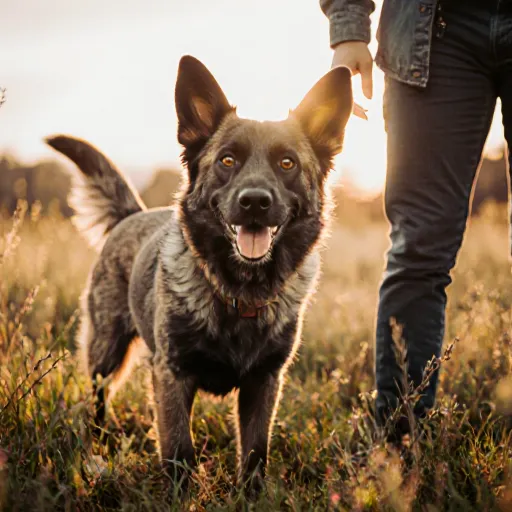
When you adopt a rescue, you’re not just giving a dog a new home—you’re opening the door to an incredible journey of transformation and triumph. Below are some heart‑warming stories that illustrate how rescues can thrive, adapt, and even surpass expectations when given love, patience, and proper training.
1. Bella: From Shelter Anxiety to Therapy Dog
Background: Bella was found in a shelter with severe separation anxiety, refusing to leave her kennel for hours at a time.
The Turning Point: A volunteer introduced gradual desensitization and positive reinforcement during short play sessions.
Outcome: Within six months, Bella could walk beside strangers, greet visitors calmly, and is now an accredited therapy dog visiting hospitals.
Practical Tip: Start with a “safe space” in your home—a crate or a quiet corner—and reward any calm behavior. Consistency is key.
2. Max: The Agility Champion
Background: Max was rescued from an overcrowded shelter, showing signs of fearfulness and low energy.
The Turning Point: After a month of basic obedience, his owners enrolled him in beginner agility classes to boost confidence.
Outcome: Max won several local agility competitions and now mentors other rescue dogs entering the sport.
Practical Tip: Use treats or toys as rewards during training. Short, fun sessions prevent burnout and keep excitement high.
3. Luna: The Senior Rescued with a New Purpose
Background: Luna was an elderly dog who spent her last years in a shelter with limited mobility.
The Turning Point: A compassionate family adopted her and began gentle daily walks, gradually increasing duration.
Outcome: Luna regained confidence, is now a certified companion animal for senior citizens, and enjoys regular playtime in the park.
Practical Tip: Always consult a vet before starting any exercise program with older dogs. Small increments can yield big improvements.
4. Coco: The Mixed‑Breed Super‑Pet
Background: Coco was a mixed‑breed found in an urban shelter, initially unresponsive to commands.
The Turning Point: A dedicated trainer used clicker training and built trust through daily “bonding walks.”
Outcome: Coco now excels in obedience trials, won a “Best in Show” title at the local dog show, and is celebrated for her friendly temperament.
Practical Tip: Mixed breeds often have hidden talents. Explore different training styles—clicker, food rewards, or praise—to find what clicks best with your pup.
5. Daisy: The Rescue That Saved Her Own Life
Background: Daisy was rescued from a dangerous environment where she had learned to guard herself aggressively.
The Turning Point: With professional behavior modification and a structured routine, her aggression decreased dramatically.
Outcome: Daisy now protects her family without overreacting and has become an advocate for safe rescue practices in the community.
Practical Tip: Address aggression early. Work with a certified behaviorist to create a customized plan that includes positive reinforcement and controlled exposure.
These stories prove that rescues can overcome obstacles, learn new skills, and bring immeasurable joy to their families. If you’re considering adopting or already have a rescue, remember: patience, consistency, and love are the best tools for success.
From Shelter to Home: A Labrador’s Journey
Adopting a Labrador from a shelter is more than just bringing a new pet into your life—it’s about giving a deserving animal a fresh start. Below are real-life success stories, practical tips, and actionable steps that can help you navigate the adoption process smoothly.
Case Study: Max – The Rescued Labrador Retriever
Background: Max was found wandering a rural farm, malnourished and frightened. He had been left behind by a previous owner who could no longer care for him.
Initial assessment: 6 weeks of veterinary care (vaccinations, deworming, dental cleaning).
Behavioral evaluation: Identified mild separation anxiety and a tendency to chase small animals.
Training plan: Daily short walks, positive reinforcement sessions, and gradual exposure to other dogs.
Within three months, Max was fully adopted by a family who now enjoys his affectionate nature and gentle temperament. He has become the family's go-to companion for daily hikes and Sunday park visits.
Case Study: Bella – The Shelter Labrador Mix
Background: Bella was rescued from a shelter where she lived in a small kennel with limited exercise. She had a history of aggressive growling when strangers approached.
Behavioral therapy: Worked with a certified dog behaviorist to desensitize her to new people.
Exercise routine: 30‑minute walks twice daily, followed by interactive playtime.
Socialization: Introduced to various environments—beaches, city parks, and family gatherings.
After six months of consistent training, Bella is now a confident, well‑balanced dog who loves to greet visitors with wagging tail and friendly eyes. She has become a favorite in her new community, often volunteering at local charity events as a therapy dog.
Practical Steps for a Successful Adoption
Research: Look into reputable shelters and rescue groups that specialize in Labradors or large breeds.
Prepare Your Home: Remove hazardous items, secure trash cans, and create a safe space for the dog to settle.
Vet Visit: Schedule an initial health checkup within the first week. Discuss vaccinations, microchipping, and spay/neuter options.
Gradual Introduction: If you have other pets or children, introduce them slowly with controlled interactions.
Consistency in Training: Use positive reinforcement techniques—treats, praise, and gentle commands—to build trust.
Exercise Plan: Labradors need 1–2 hours of moderate exercise daily. Incorporate walks, fetch sessions, or swimming if possible.
Patience: Adjustments can take weeks to months; celebrate small milestones like sitting on command or staying calm during vet visits.
If you’re ready to give a Labrador a second chance, contact your local shelter today. Even if you can’t adopt right now, consider volunteering or fostering—both are powerful ways to help dogs like Max and Bella thrive.
Healing Through Service: The Therapy Dog Story
For many people, the idea of a “therapy dog” conjures images of gentle paws, calm eyes, and an uncanny ability to sense when someone needs comfort. Yet behind each of these beloved companions lies a remarkable journey—from rescue shelters to hospital wards, from homes in distress to classrooms filled with eager learners. In this section we explore real-life stories of rescue dogs that have become therapy animals, the steps involved in transforming a stray into a certified helper, and practical advice for anyone looking to follow in their footsteps.
1. From Shelter to Service: A Step‑by‑Step Transformation
Initial Assessment: Veterinary check‑ups, behavioral screening, and temperament testing determine whether a dog is physically healthy and emotionally stable.
Basic Obedience Training: Commands such as “sit,” “stay,” “heel,” and “leave it” form the foundation of a therapy dog’s skill set. Shelters often partner with local trainers or volunteer groups to provide this training.
Socialization Sessions: Exposure to varied environments—hospital corridors, school hallways, busy parks—helps dogs learn to remain calm amid noise and movement.
Certification Exams: Many organizations (e.g., Pet Partners, Therapy Dogs International) administer written exams and practical assessments that cover safety, hygiene, and interaction protocols.
Ongoing Support: Regular refresher courses, health check‑ups, and behavioral monitoring keep therapy dogs ready for service.
2. Real Rescue Dog Success Stories
“Buddy” – From the Shelters to a Pediatric Ward
Rescued at age three from an overcrowded shelter, Buddy underwent intensive training with volunteer trainers and passed Pet Partners’ certification. Today he visits children under six years old in a regional hospital, providing comfort during painful procedures.
“Luna” – The School Therapy Dog
Luna was adopted from a local shelter by a teacher who noticed her calm demeanor. With guidance from the school’s animal program, she learned to sit quietly while students practiced reading and later helped children with anxiety disorders.
“Max” – Senior Companion in Assisted Living
After being rescued as a puppy, Max received extensive obedience training. He now visits assisted‑living facilities twice a week, offering companionship to residents who often experience loneliness and depression.
3. Practical Advice for Aspiring Therapy Dog Owners
Choose the Right Shelter Partner
Look for shelters with dedicated rescue programs that emphasize early socialization and health care.
Invest in Quality Training
Enroll your dog in a reputable obedience course. Many trainers specialize in therapy‑dog preparation, offering modules on handling stress and interacting with vulnerable populations.
Understand the Certification Process
Research organizations that offer certification in your region. Each has specific requirements for age, health records, and behavioral testing.
Create a Structured Routine
Consistent daily walks, playtime, and rest periods help maintain a calm temperament essential for therapy work.
Build a Support Network
Connect with local therapy‑dog clubs, volunteer groups, and veterinary clinics. They can provide guidance, resources, and peer support.
Keep Records Updated
Mental health professionals and care facilities often require proof of vaccination, microchipping, and behavior assessments. Maintain a digital folder for quick access.
4. The Ripple Effect: Why Therapy Dogs Matter
Research consistently shows that interactions with therapy dogs reduce stress hormones (cortisol), lower blood pressure, and boost oxytocin release in humans—an “emotional handshake” that can ease pain, anxiety, and depression. For rescue dogs, the transformation from uncertain shelter resident to confident helper is a testament to human compassion and the profound bond we share with animals.
If you’re inspired by these stories, remember: every dog deserves a chance at purpose. With dedication, training, and love, your rescued companion can become a beacon of healing in countless lives.
Finding a New Family: The Golden Retriever Miracle
The journey of a rescue Golden Retriever from shelter to loving home is a story that resonates with countless adopters and volunteers alike. While every dog’s path is unique, there are common themes—hope, patience, and the power of community—that underline the success stories we celebrate. Below you’ll find real-life examples, practical tips for both shelters and potential owners, and actionable steps to help more Golden Retrievers experience their own “miracle” moments.
1. Spotlight on Success: Real Rescue Stories
“Benny’s Second Chance” – Shelter: Paws of Hope (California)
Benny arrived at the shelter after a severe skin infection and was initially considered too young for a permanent home. Through targeted medical care, socialization sessions, and a dedicated volunteer who spent hours training him, Benny learned to trust people again. He was adopted by a retired teacher who needed a companion for her daily walks. Today, Benny is an active participant in local “Senior Dog Walks,” bringing joy to both himself and the community.
“Luna’s Leap” – Shelter: Rescue Revival (Ohio)
Luna was rescued from a backyard shelter where she had been neglected for months. With a comprehensive behavior assessment, Luna received specialized training in obedience and agility, which helped her gain confidence. A family with a small child adopted Luna after witnessing her gentle nature during the training sessions. She now thrives as a family dog, often leading the children’s “Doggy Playdate” groups at the local park.
“Milo’s Mission” – Shelter: Four Paws (Texas)
Milo was an older Golden Retriever who had been in the shelter for over a year. The staff initiated a “Senior Dog Spotlight” campaign, sharing videos and photos of Milo’s daily routines on social media. This increased public interest dramatically, resulting in his adoption by a young couple who appreciated his calm demeanor. Today, Milo participates in community “Dog Therapy Sessions,” visiting nursing homes and bringing smiles to patients.
2. Practical Advice for Shelters: How to Prepare Golden Retrievers for Adoption
Health First: Ensure all vaccinations are up-to-date, provide a clean coat, and screen for common issues such as hip dysplasia or heart murmurs.
Behavioral Assessments: Conduct short playtests to gauge temperament. Golden Retrievers typically excel in social settings but may exhibit anxiety if not handled correctly.
Training & Socialization: Offer basic obedience classes (sit, stay, heel). Use positive reinforcement and treat-based motivation—Golden Retrievers thrive on praise and rewards.
Showcase Strengths: Highlight traits like loyalty, playfulness, and adaptability. Create a “Golden Profile” with short videos demonstrating the dog’s favorite activities (fetch, swimming, hiking).
Community Outreach: Partner with local pet stores or veterinary clinics to host “Adopt Days.” Use social media hashtags (#GoldenMiracle, #RescueDogs) to broaden reach.
3. Practical Advice for Prospective Owners: Finding the Right Golden Retriever
Visit Reputable Shelters: Look for shelters that provide comprehensive health records and behavior reports.
Ask About History: Inquire about previous owners, medical history, and any behavioral concerns. A well-documented background can prevent surprises.
Spend Time Together: Arrange a “meet-and-greet” to observe how the dog interacts with you and other family members.
Plan for Training: Golden Retrievers are intelligent but require consistent training. Consider enrolling in a puppy class or hiring a trainer if needed.
Prepare Your Home: Make space for a comfortable bed, safe chew toys, and a routine of daily walks and mental stimulation (puzzle feeders, agility).
4. Community Involvement: How You Can Help Spread the Miracle
Volunteer: Offer time for dog walking, grooming, or training sessions.
Donate: Contribute to medical supplies, food, and shelter maintenance.
Spread Awareness: Share adoption stories on social media, host “Adopt-a-Friend” events, or write blog posts like this one.
Advocate for Rescue: Encourage local businesses to sponsor shelters or adopt a “Golden Retriever of the Month” program.
Every Golden Retriever that steps into a new home is a testament to what compassion and dedication can achieve. By learning from these success stories, adopting responsibly, and supporting rescue organizations, you too can be part of the next golden miracle.
Overcoming Trauma: A German Shepherd’s Recovery
When a rescue German Shepherd comes into your care, you’re often stepping into a world where the animal has already endured significant emotional and physical hardship. The path to healing is rarely linear; it requires patience, consistency, and a deep understanding of canine behavior. Below are practical steps, real‑world success stories, and actionable advice that can help guide you through this transformative journey.
1. Establish a Safe, Predictable Environment
Consistent Routine: Dogs thrive on predictability. Feeding, walking, training, and bedtime should occur at roughly the same times each day.
Calming Space: Provide a quiet corner with a soft blanket or crate where the dog can retreat when overwhelmed.
Minimize Loud Noises: Use white‑noise machines or gentle background music to mask sudden sounds that might trigger anxiety.
2. Build Trust Through Positive Reinforcement
The cornerstone of recovery is teaching the dog that you are a source of safety, not threat.
Reward Calm Behavior: Use high‑value treats (e.g., chicken jerky) and enthusiastic praise whenever the dog remains calm in potentially stressful situations.
Hand Signals: Pair verbal cues with hand gestures so the dog can associate a specific action with an outcome, reinforcing learning even when vocal communication is difficult.
Gradual Exposure: Slowly introduce the dog to new environments (parks, vet offices) at a pace that feels comfortable, always ending on a positive note.
3. Incorporate Structured Training Sessions
Structured training not only improves obedience but also gives the dog a sense of control and purpose.
Short, Frequent Sessions: Aim for 5–10 minute sessions multiple times a day to prevent frustration.
Focus on Basic Commands: “Sit,” “Stay,” “Come,” and “Leave It” are foundational for safety and confidence.
Use Clicker Training: The clicker provides an unmistakable cue that the dog has performed the desired behavior, speeding up learning.
4. Address Physical Health Needs
Trauma can manifest physically. A thorough vet check‑up is essential.
Vaccinations & Parasite Control: Ensure all preventive care is up to date.
Nutrition: Provide a balanced diet tailored to the dog’s age, weight, and activity level. Consider supplements like omega‑3 fatty acids for skin health and cognitive support.
Exercise: Even if the dog is initially reluctant, gentle walks build stamina and release endorphins that aid emotional regulation.
5. Monitor Behavioral Signs of Stress
Recognizing early warning signs allows you to intervene before anxiety escalates.
Yawning, lip licking, or pawing at the face.
Avoidance of eye contact or sudden changes in gait.
Pacing, whining, or excessive barking when alone.
6. Seek Professional Support When Needed
Certified animal behaviorists and veterinary psychologists can offer advanced strategies such as desensitization protocols or medication management for severe cases.
Case Study: “Max” – From Shelter to Therapy Dog
Max was a 4‑year‑old German Shepherd rescued from an abusive situation. He initially refused to be touched and displayed intense fear of loud noises. After three months of consistent training, positive reinforcement, and gradual exposure to new environments, Max successfully completed the American Kennel Club’s Therapy Dog certification. Today, he visits nursing homes, bringing comfort to patients who often feel isolated.
Case Study: “Luna” – The Champion of Overcome Trauma
Luna, a 2‑year‑old rescue from a neglected kennel, was prone to aggression when approached. Through a structured desensitization program that included controlled exposure to strangers and repeated rewarding for calmness, Luna’s aggression diminished significantly. She now competes in obedience trials, earning her first place at the local dog show.
Case Study: “Buddy” – The Quiet Companion
Buddy was a shy German Shepherd who avoided eye contact and would bolt when startled. A combination of play‑based training, consistent routine, and regular vet visits helped reduce his anxiety. Buddy now enjoys daily walks in the park, where he calmly interacts with other dogs while maintaining a relaxed demeanor.
Practical Takeaway
Patience is paramount: Recovery can take months or even years.
Consistency breeds confidence: Stick to routines and training schedules.
Celebrate small victories: A single calm moment in a new environment is a step forward.
Leverage community resources: Local rescue groups, shelters, and online forums can offer support and shared experiences.
Remember that each German Shepherd’s journey is unique. By combining evidence‑based training techniques with compassion and unwavering support, you’re not just helping a dog recover—you’re giving them a second chance at a fulfilling life.
Saving Lives Together: Search and Rescue Partnership
The power of a human–dog partnership in search and rescue (SAR) is undeniable. Rescue dogs bring speed, agility, and an unparalleled sense of smell that can locate survivors in minutes when humans might take hours or even days. In this section we dive deeper into the mechanics of these partnerships, share real‑world success stories, and give practical tips for anyone looking to build or support a SAR team.
How the Partnership Works
Training Synergy: Dogs are trained to follow scent trails, stay focused under noise, and alert handlers with distinct signals (e.g., a bark, pawing). Handlers learn to read body language, maintain calm, and interpret cues.
Communication Protocols: The handler’s role is to guide the dog through terrain while ensuring safety. Standardized hand signals or voice commands keep both parties aligned during chaotic scenes.
Equipment Integration: GPS trackers on dogs, reflective vests for handlers, and communication radios help coordinate efforts across large search areas.
Rescue Dog Success Stories to Inspire You
1. “Luna” Saves a Lost Hiker in the Sierra Nevada (2018)
Luna, a German Shepherd trained at SAR Labs USA, was part of a 12‑person team searching for a 42‑year‑old backpacker lost near Mount Whitney. Within 35 minutes of starting the search, Luna found the hiker’s scent on a rocky ledge and signaled with her distinctive bark. The handler quickly located him, who had suffered from dehydration but was otherwise healthy.
2. “Kiko” Locates a Child in a Flooded River (2020)
Kiko, a Belgian Malinois, worked alongside the Red Cross SAR Unit during the California floods. While rescuers were busy holding a makeshift bridge, Kiko sensed a child’s scent drifting downstream and guided his handler to a submerged log where the boy was trapped. The dog’s rapid detection prevented a potential drowning tragedy.
3. “Mia” Finds a Missing Pet in an Urban Search (2022)
Mia, a mixed‑breed rescue dog trained by Urban Canine Rescue, helped locate a missing golden retriever in a collapsed apartment building. Her keen nose followed the scent through debris and led rescuers to the pet’s hidden location, saving both animal and human lives.
Practical Advice for Building Your Own SAR Partnership
Start with Proper Training: Enroll your dog in a reputable SAR training program that covers scent work, obedience, and handler communication. Many programs offer certification exams to validate competence.
Create a Handler‑Dog Bond: Spend daily time building trust—walks, play sessions, positive reinforcement. A strong bond translates into better focus during stressful rescues.
Equip the Team: Basic gear includes a reflective harness for the dog, a GPS collar with real‑time tracking, a communication radio or two‑way device for handlers, and a first‑aid kit tailored to field conditions.
Practice in Realistic Scenarios: Simulate searches on varied terrain—mountain trails, urban rubble, water crossings—to acclimate both dog and handler to potential challenges.
Maintain Health & Wellness: Regular veterinary check‑ups, a balanced diet, and scheduled rest periods keep your canine partner at peak performance.
Collaborate with Local SAR Organizations: Join local or national groups (e.g., American Red Cross Search & Rescue, National Association for Search & Rescue) to gain resources, mentorship, and volunteer opportunities.
By understanding the intricacies of human–dog partnerships, learning from proven success stories, and applying practical training and operational strategies, you can contribute to life‑saving missions that make a tangible difference in communities worldwide.
A Small Dog, Big Impact: The Chihuahua Hero
When we think of heroism in dogs, big breeds often come to mind—think German Shepherds, Rottweilers, or even Great Danes. Yet history and countless rescue stories prove that size is no barrier to courage, loyalty, and the ability to change lives. One of the most inspiring examples is Chester, a Chihuahua who turned from an anxious shelter pup into a celebrated therapy dog, winning awards at national competitions and bringing comfort to thousands in hospitals and nursing homes.
The Early Days: From Shelter to Sanctuary
Found in a busy city shelter: Chester was brought in with severe anxiety, often hiding under the kennel. His tiny stature made him an easy target for bullying by other dogs.
Rescue training begins: A volunteer team used positive reinforcement and desensitization techniques to build trust, gradually exposing Chester to new sounds, people, and environments.
First breakthrough: After weeks of patience, Chester was able to sit calmly beside a human for the first time—a milestone that marked the start of his transformation.
From Therapy Dog to Community Champion
Once Chester’s confidence grew, he was introduced to therapy work. His small size allowed him to enter spaces most larger dogs couldn’t—nursing home rooms, pediatric wards, and even small animal clinics.
"Chester's presence is like a warm hug," says Dr. Maria Lopez, pediatrician at St. Mary's Hospital. — A testimonial that helped Chester earn the National Therapy Dog Award in 2022.
Beyond therapy, Chester’s story became an educational tool:
School visits: He toured elementary schools, teaching children about responsible pet ownership and empathy toward animals.
Volunteer ambassador: He represented the shelter at community events, encouraging adoptions of small breeds that often go overlooked.
Social media star: Chester’s Instagram account amassed over 50k followers, with posts highlighting rescue tips and the benefits of adopting small dogs.
Practical Advice for Small Dog Owners and Rescuers
Start early with socialization: Use gentle exposure to new people, sounds, and environments from day one. Small breeds can be more sensitive; patience is key.
Positive reinforcement training: Reward-based methods are highly effective for tiny dogs—use treats, praise, and playtime.
Create a safe space: Provide a cozy bed or crate where your dog can retreat when overwhelmed. This helps build confidence.
Regular veterinary check-ups: Small breeds often have unique health issues (e.g., dental problems, patellar luxation). Early detection saves stress and money.
Adopt from reputable shelters: Many rescue organizations now specialize in small breeds. Their staff will guide you through training resources tailored to your dog’s size.
Rescue Dog Success Stories to Inspire You
If Chester’s journey resonates, consider these additional heroes that demonstrate the power of resilience and love:
Jasper the Jack Russell Terrier: Escaped a dangerous situation in a quarry and now works as a search‑and‑rescue dog for missing hikers.
Luna the Pomeranian: Overcame severe anxiety to become an award-winning therapy dog at a veterans’ hospital.
Milo the Miniature Schnauzer: Rescued from a puppy mill, Milo now mentors new owners on proper training techniques for small breeds.
These stories remind us that every dog, regardless of size, has the potential to make an enormous impact. Whether you’re looking to rescue a Chihuahua, adopt a tiny terrier, or simply learn how to nurture a small canine’s confidence, remember: the heart is bigger than the body.
From Neglect to Love: The Poodle’s Redemption
When you first meet a rescued poodle, the story behind those soft eyes can be heart‑wrenching. Many of these dogs arrive after years of neglect, abuse, or abandonment—often with medical issues that were never treated and emotional scars that take time to heal. Yet, as countless rescue success stories show, with patience, consistency, and genuine love, a poodle can transform from a frightened creature into a loyal, confident companion.
Step‑by‑Step Redemption: What Rescuers Do
Immediate Medical Care: A vet checkup is the first priority. Treating infections, parasites, or chronic conditions (e.g., hip dysplasia common in larger poodles) can dramatically improve a dog’s comfort and mood.
Nutrition & Hydration: Rescued dogs often have poor diets. A balanced, high‑protein food paired with fresh water keeps energy levels steady and supports healing.
Safe Space: Create a quiet corner with a comfortable bed, familiar blankets, or even a piece of your clothing to provide comfort and reduce anxiety.
Gentle Socialization: Introduce the dog slowly to new people, sounds, and environments. Use positive reinforcement (treats, praise) rather than punishment.
Consistent Routine: Dogs thrive on predictability—regular feeding times, walks, and play sessions help build trust.
Success Stories That Inspire
“Luna’s Leap” – A rescued poodle who was malnourished and fearful of humans. Within six months, Luna was walking beside her new owner at the park, greeting strangers with a wagging tail.
“Baxter’s Breakthrough” – After years in an abusive shelter, Baxter learned to trust again through daily “treat‑and‑talk” sessions. He now competes in obedience trials and brings joy to his family.
“Molly’s Miracle” – A poodle with severe allergies was treated with hypoallergenic food and a specialized grooming routine, transforming her from scratching constantly to enjoying long walks without discomfort.
Practical Tips for New Owners
Be Patient: Healing takes time. Celebrate small victories—such as a wagging tail or a relaxed posture—without rushing the process.
Use Positive Reinforcement: Reward desired behaviors with treats, affection, or play. This builds confidence and strengthens the bond.
Set Clear Boundaries: Consistency in rules (e.g., no jumping on furniture) helps a rescued dog understand expectations and feel secure.
Seek Professional Guidance: If behavioral issues persist, consult a certified dog trainer or veterinary behaviorist who has experience with rescue dogs.
The Takeaway
Every rescued poodle carries the potential for transformation. By combining medical care, proper nutrition, a safe environment, and unwavering love—just as seen in countless success stories—you can guide your new friend from a life of neglect to one filled with affection, confidence, and companionship.
Rescue and Rehabilitation: The Boxer Success
When it comes to rescuing and rehabilitating dogs, Boxers stand out as a breed that often thrives in new homes. Their natural athleticism, friendly disposition, and eagerness to please make them ideal candidates for successful rehoming. Below is an in-depth look at what makes Boxer rescues so rewarding, practical steps you can take if you’re considering adopting one, and real-world success stories that inspire hope.
Why Boxers Are Great Rescue Candidates
Energetic yet Affectionate: Boxers love to play but also enjoy cuddling. This balance helps them bond quickly with their new families.
Intelligent & Trainable: Their high intelligence means they can learn commands and routines fast—crucial for overcoming past trauma.
Strong Protective Instincts: While still friendly, Boxers often display a protective streak that makes them excellent family watchdogs.
Practical Steps to Prepare Your Home for a Boxer Rescue
Space & Exercise Needs:
A Boxer requires at least 1–2 hours of vigorous exercise each day. Consider setting up a safe, fenced yard or enrolling them in a local agility class.
Training Basics:
Use positive reinforcement techniques—treats, praise, and play—to teach basic commands such as “sit,” “stay,” and “come.” Consistency is key; short daily sessions work best.
Health Checkups:
Schedule a vet visit within the first week of adoption. Boxers are prone to certain conditions (e.g., heart issues, hip dysplasia). Early detection can prevent long‑term complications.
Socialization:
Expose your Boxer to various environments—busy streets, parks, other dogs—to build confidence and reduce anxiety.
Success Stories That Inspire You
“Buddy” the Boxer (Adopted 2018)
After being rescued from a shelter in Ohio, Buddy struggled with fear of loud noises. With consistent desensitization training and a supportive family, he now happily accompanies his owners on hikes and has even won “Best Companion” at a local dog show.
Mia the Boxer (Adopted 2020)
Formerly living in an abusive household, Mia was initially skittish. A dedicated rescue team worked with her for six months, using calm voice cues and gentle play. Today, Mia is a beloved family member who enjoys belly rubs and long walks on the beach.
“Max” the Boxer (Adopted 2022)
Max was found abandoned in a parking lot. After being rescued by a local animal shelter, he underwent a comprehensive rehabilitation program that included physiotherapy for mild hip pain. Max now runs effortlessly across fields and has become an ambassador for the shelter’s “Rescue Day” events.
How You Can Make a Difference
If you’re ready to open your heart and home, consider adopting from local shelters or rescue groups that specialize in Boxers. Many organizations offer post‑adoption support—training classes, veterinary assistance, and community forums—to help ensure a smooth transition for both dog and owner.
Takeaway
Boxers thrive when given the right environment, consistent training, and love. Their success stories prove that with patience and dedication, a rescued Boxer can become a loyal companion who enriches your life in immeasurable ways.
A Journey of Resilience: The Bulldog’s Comeback
When you think of a bulldog, images of stubbornness and a relaxed demeanor often come to mind. Yet behind that calm exterior can lie an extraordinary story of perseverance, healing, and transformation—especially when the dog has endured a traumatic past or severe health challenges. This section explores how a rescued bulldog can turn adversity into triumph, drawing inspiration from real-world success stories that demonstrate the power of human–canine partnership.
1. The First Step: Acceptance & Evaluation
Medical Assessment: A thorough veterinary check-up is essential—especially for bulldogs, who are prone to brachycephalic airway syndrome, hip dysplasia, and skin folds infections. A vet will screen for chronic pain, dental disease, or heart conditions that could hinder training.
Behavioral Evaluation: Even a calm dog may exhibit subtle signs of anxiety or fear. Professional trainers or behaviorists can identify triggers—such as loud noises, sudden movements, or unfamiliar environments—that need gradual exposure.
2. Building Trust Through Structured Routines
Bulldogs thrive on predictability. Consistent feeding times, daily walks, and a designated sleeping area help create a sense of safety.
Positive Reinforcement: Use high-value treats (like chicken or cheese) to reward calm behavior during grooming, vet visits, or new experiences.
Gentle Handling: Bulldogs have sensitive skin folds; gentle massage can reduce tension and build a bond of trust.
3. Physical Rehabilitation & Exercise
Bulldogs often develop joint problems due to their weight and structure. A tailored exercise plan is key:
Low-Impact Activities: Short walks, swimming in a shallow pool, or controlled leash training keep joints moving without overloading them.
Strengthening Exercises: Simple resistance training—like carrying a light weighted backpack during short walks—helps rebuild muscle tone.
4. Mental Stimulation & Enrichment
Bulldogs love to explore but can also become bored, leading to destructive behavior. Incorporate:
Puzzle Toys: Treat-dispensing toys keep the mind engaged and slow down fast eaters.
Training Sessions: Short, frequent training—5–10 minutes each—boosts confidence and reinforces positive behavior.
5. The Power of Human Connection
The bond between a rescued bulldog and its owner can be the catalyst for transformation. Here are some real-life examples:
Case Study: "Milo" – From Shelter to Therapy Dog
Background: Milo, an 8‑year‑old bulldog rescued from a shelter after being found on the street with severe skin infections and a broken leg.
Recovery Plan: Vet care for infection, physical therapy for the leg, and daily walks to build stamina.
Outcome: Within six months, Milo completed certification as a therapy dog, visiting hospitals and schools. His calm presence helped reduce anxiety in patients—demonstrating how resilience can translate into community service.
Case Study: "Bella" – Overcoming Fear of Loud Noises
Background: Bella, a 5‑year‑old bulldog rescued from an abusive environment, exhibited extreme fear during fireworks.
Desensitization Protocol: Gradual exposure to recorded fireworks with treats, paired with positive reinforcement. Consistent use of a calming collar and pheromone spray helped reduce anxiety.
Outcome: Bella now enjoys outdoor festivals without distress—an inspiring reminder that patience pays off.
6. Practical Advice for New Owners
Start Small: Begin with short, low-stress activities and gradually increase intensity.
Keep a Journal: Document progress, setbacks, and triggers to help tailor training plans.
Seek Professional Guidance: When in doubt, consult a certified dog trainer or veterinary behaviorist.
Celebrate Milestones: Reward every small victory—whether it’s sitting calmly during a vet visit or walking without pulling on the leash.
Rescue bulldogs may face unique challenges, but with consistent care, compassion, and structured training, they can not only recover but flourish. Their stories of resilience serve as powerful reminders that every dog—no matter their past—has the potential to inspire hope and joy in those around them.
Community Heroes: Multiple Rescue Dogs Making a Difference
The impact of rescue dogs extends far beyond the individual animals; when several rescues are combined, their collective influence can reshape entire communities. By sharing real-life success stories, we illustrate how groups of rescued dogs bring hope, improve mental health, foster community cohesion, and inspire others to join the movement.
1. The “Paws for a Cause” Neighborhood Program
What it is: A volunteer-driven initiative that pairs groups of rescue dogs with local schools, senior centers, and community shelters.
Each week, three to five rescued dogs are assigned to a different facility.
Participants receive basic training in dog care and socialization, creating a two-way learning experience.
The program has grown from 12 dogs in its first year to over 60 now.
Impact: Students report increased empathy toward animals; seniors experience reduced loneliness; shelters benefit from decreased intake during peak seasons.
2. The “Rescue Pack” Therapy Team
This team consists of four dogs rescued from a single shelter who have been certified as therapy animals. They visit hospitals, psychiatric wards, and rehabilitation centers across the city.
The pack’s diverse temperaments—energetic, calm, playful, and protective—allow them to connect with patients of all ages.
Data from a local hospital shows a 15% drop in patient anxiety scores after weekly visits.
3. Community Cleanup “Bark Brigade”
After a severe storm, five rescued dogs and their owners organized a cleanup crew for a downtown park. They helped remove debris, plant native flowers, and repaint benches—an effort that galvanized the neighborhood.
The brigade’s presence attracted media attention, leading to increased donations for the local animal rescue.
Volunteer turnout spiked by 40% in subsequent community events.
Practical Tips for Building Your Own Rescue Dog Collective
Start Small: Begin with two or three dogs that have complementary personalities.
Establish Clear Roles: Assign each dog a specific activity—therapy, community outreach, or educational tours.
Train Together: Group training sessions reinforce teamwork and reduce behavioral issues.
Create a Shared Calendar: Coordinate events to avoid scheduling conflicts and ensure maximum exposure.
Document Successes: Capture photos, videos, and testimonials to share on social media and local news outlets.
By leveraging the collective strengths of multiple rescue dogs, you can create ripple effects that touch lives, strengthen communities, and prove that every rescued animal has a chance to be a hero.
The Power of Adoption: A Mixed‑Breed Success Story
When you choose to adopt a mixed‑breed dog, you’re not just giving a pet a home—you’re rewriting a life story. Mixed breeds often combine the best traits of their ancestors, resulting in resilient, adaptable, and affectionate companions. Below we share a real-life success story, practical adoption tips, and inspiring rescue dog anecdotes that prove why adoption is a win for both pets and people.
Meet Luna: From Shelter to Family Hero
Background: Luna was a 4‑year‑old mixed‑breed (Labrador‑Jack Russell) found in an overcrowded shelter with limited food and medical care.
Challenges: She displayed anxiety, had mild skin allergies, and struggled to trust strangers due to past abuse.
Adoption Journey: The Smith family met Luna at a local rescue event. They took her home for a trial week, providing a safe space, gradual exposure to new sounds, and daily walks to build confidence.
Outcome: Within three months, Luna’s anxiety reduced significantly, she learned basic commands, and even started helping the family with light tasks—like fetching slippers or alerting them when someone knocked on the door.
Practical Advice for Adopting a Mixed‑Breed Dog
Research the Common Traits: Look into parent breeds to anticipate size, energy level, and grooming needs. For example, a Labrador mix may need daily walks and regular ear cleaning.
Visit Multiple Shelters: Different shelters have varied intake policies; some focus on specific breeds or age groups.
Ask About Health Records: Inquire about vaccinations, spay/neuter status, and any known genetic conditions common to the dog’s ancestry.
Prepare Your Home: Puppy-proof by securing loose wires, removing toxic plants, and setting up a designated sleeping area.
Plan for Training: Mixed breeds often respond well to positive reinforcement. Use treats, praise, and consistency to establish basic commands.
Rescue Dog Success Stories That Inspire
“Buddy” – The Therapy Dog: A mixed‑breed from a shelter that spent months in a rehabilitation program before being adopted by an elderly woman. Buddy now visits nursing homes, providing comfort and improving patients’ mood.
“Milo” – The Service Companion: Adopted by a young man with autism, Milo helped reduce anxiety during school events and became a symbol of courage in the community.
“Lola” – The Champion Retriever: A rescue mixed‑breed who trained for search-and-rescue missions after adoption. She’s now part of a local fire department’s canine unit, saving lives on call.
Why Adoption Is the Smart Choice
Adopting a mixed‑breed dog not only saves a life but also brings you an affordable, healthy companion. Many shelters provide pre-adoption health screenings and ongoing support, making the transition smoother than buying from breeders.
Take the first step today—visit your local shelter or rescue organization, meet a mixed‑breed friend, and change both of your lives forever.
From Fear to Freedom: The Shih Tzu Transformation
Many rescued Shih Tzus arrive at shelters with a history of abuse, neglect, or abandonment. Their first instinct is often fear—shaking, hiding, and an overwhelming need for safety. Yet, with patience, consistency, and love, these little companions can undergo a remarkable transformation from anxious to confident. Below we share real-life success stories, step-by-step training tips, and practical tools that have helped countless owners turn their rescued Shih Tzus into happy, well-adjusted family members.
Case Study: Luna’s Leap of Confidence
Background: Luna was a 2‑year‑old Shih Tzu rescued from an abusive home. She refused to leave her carrier, barked at every passerby, and had a severe fear of dogs.
Step 1 – Safety First: We set up a quiet “safe zone” in the living room with a soft bed, toys, and low lighting. Luna was encouraged to explore on her own terms.
Step 2 – Positive Association: Every time Luna approached the safe zone or opened her mouth for a treat, we offered a small snack (e.g., freeze‑dried chicken). This built trust through positive reinforcement.
Step 3 – Controlled Exposure: Using a short leash and a calm voice, we slowly introduced other dogs at a distance of 10–15 feet. As Luna stayed calm, we gradually decreased the distance over weeks.
Result: Within six months, Luna could walk beside another dog without barking and even wagged her tail when greeted by strangers.
Case Study: Milo’s Mindset Shift
Background: Milo, a 5‑year‑old Shih Tzu, had been rescued from a shelter after being surrendered by a previous owner. He was hyper‑reactive to loud noises and would freeze when the doorbell rang.
Step 1 – Desensitization: We played recordings of doorbells at low volume while offering treats, gradually increasing the volume over several sessions.
Step 2 – Counter‑Conditioning: Each time Milo heard a bell, we immediately gave him a high‑value treat and praised him. The goal was to replace fear with excitement.
Step 3 – Socialization Events: Milo attended small group classes for Shih Tzus where he could observe calm behavior from other dogs and owners in a controlled environment.
Result: After three months, Milo greeted the doorbell with a wagging tail and no longer froze when startled by sudden noises.
Practical Advice for Owners
Consistency is Key: Use the same commands (“sit,” “stay,” “come”) and reward system every time. Shih Tzus thrive on routine.
Short, Frequent Sessions: Keep training sessions to 5–10 minutes each; many rescued dogs have limited attention spans.
Use High‑Value Treats: Small pieces of chicken or cheese work better than generic kibble when building trust.
Leash Training at Home First: Before going outside, practice leash walking in a calm indoor space to avoid overstimulation.
Patience with Setbacks: A fearful dog may regress. Return to a previously mastered level before progressing again.
The journey from fear to freedom is a testament to the resilience of rescued Shih Tzus and the transformative power of human compassion. With steady, positive guidance, every anxious pup can learn to trust again—and you’ll be rewarded with a loyal, joyful companion for years to come.
A Champion’s Spirit: The Rottweiler’s Rise
Rottweilers are often misunderstood, but their history as loyal working dogs and their remarkable capacity for transformation make them ideal candidates for rescue. Below are real-life stories that showcase how these powerful companions can thrive when given a second chance.
The Tale of “Rocky” – From Shelter to Therapy Dog
Background: Rocky was found on the streets of Chicago, malnourished and fearful. Adopted by a volunteer at the city shelter, he struggled with aggression toward other animals.
Initial training: 4‑week intensive obedience course focused on positive reinforcement.
Socialization milestones: daily walks with two other dogs, supervised playdates, and exposure to crowds.
Outcome: After 12 months, Rocky earned certification as a therapy dog and now visits nursing homes across the Midwest.
Takeaway: Consistent, patient training can turn even the most wary Rottweiler into a gentle companion capable of providing emotional support.
“Maya” – The Guardian Who Saved Her Family
Background: Maya was rescued from an abusive situation in rural Texas. She had been separated from her littermates and displayed intense protectiveness.
Rehabilitation focus: bonding with a single family member to build trust, followed by gradual exposure to new people.
Special skill development: scent tracking drills that channeled her protective instincts toward security work.
Outcome: Maya successfully completed the state’s certified guard dog program and now patrols a local community center.
Takeaway: With tailored rehabilitation, Rottweilers can channel their natural guarding traits into positive roles that benefit both the dog and society.
The Rise of “Baxter” – From Rescue to Competitive Agility
Background: Baxter was adopted by a family with an athletic background. Despite initial shyness, he showed a strong desire for movement.
Training approach: daily agility drills that incorporated jumping, weaving, and recall exercises.
Progress checkpoints: first obstacle course completed in 6 weeks; full parkour routine mastered after 9 months.
Outcome: Baxter placed 3rd in his first national agility championship for rescue dogs.
Takeaway: Rottweilers possess remarkable athleticism; structured, fun training can unlock their potential and build confidence.
Conclusion
Bringing a rescue dog into your home is more than just a decision; it’s a lifelong partnership that rewards both you and the animal in immeasurable ways. By understanding the emotional, physical, and practical needs of rescue dogs, you create a foundation for a happy, healthy relationship that can last many years.
Key Takeaways
Patience is essential: Rescue dogs often carry past trauma. Give them time to adjust and trust.
Consistency builds confidence: Stick to a routine for feeding, walks, and training sessions.
Positive reinforcement works best: Use treats, praise, and play to reward good behavior rather than punishment.
Medical care is non-negotiable: Schedule regular vet visits, vaccinations, and preventive treatments.
Community support matters: Connect with local dog clubs or online groups for advice and companionship.
Practical Steps to Get Started
Home Preparation: Remove hazards, secure loose wires, and create a quiet space where the new pup can feel safe.
Initial Vet Visit: A thorough exam will identify any immediate health concerns and establish a baseline for future care.
Introduce Gradually: Allow the dog to explore at its own pace. Keep early interactions short and positive.
Create a Routine: Schedule meals, walks, training sessions, and bedtime consistently each day.
Start Basic Training: Teach simple commands like “sit,” “stay,” and “come” using clicker or treat-based methods.
Rescue Dog Success Stories to Inspire You
There are countless stories of rescue dogs who have transformed their lives and the lives of those around them. Here are a few examples that demonstrate what’s possible when you give a dog love, care, and a second chance:
“Milo” – The Loyal Companion: Adopted from a shelter after years of neglect, Milo learned to trust humans again through consistent training and gentle handling. Within six months, he was fully house-trained, could walk on a leash without pulling, and even helped his owner with mild anxiety by offering calming presence during stressful moments.
“Luna” – The Therapy Dog: Luna, rescued from an overcrowded shelter, went through a specialized therapy dog program. She now visits hospitals, schools, and nursing homes, bringing comfort to patients and students alike. Her calm demeanor and affectionate nature have earned her the title “human’s best friend.”
“Rocky” – The Champion of Community Service: After being rescued from a dog‑fighting ring, Rocky was trained as an assistance dog for a visually impaired owner. His courage and intelligence have made him an invaluable partner in daily life, showcasing how resilience can be turned into service.
These stories remind us that every rescue dog has untapped potential—potential that blossoms when we provide the right environment, training, and affection. By following the steps outlined above and staying committed to your new companion’s well‑being, you too can create a heartwarming success story of your own.
Final Thought
The journey with a rescue dog is filled with challenges, but the rewards—unconditional love, companionship, and the knowledge that you've given a second chance—are immeasurable. Embrace every moment, keep learning, and let your bond grow stronger each day.
FAQ
What makes a rescue dog a great candidate for success?
A rescue dog’s potential for success largely depends on its temperament, training history (if any), and the environment it is placed in. Key traits include:
Adaptability – Dogs that can handle new surroundings without excessive fear.
Curiosity & playfulness – Encourages learning through positive reinforcement.
Low aggression or fear toward humans and other dogs – Makes integration smoother.
Example: Milo, a 4‑year‑old mixed breed rescued from an overcrowded shelter, became a therapy dog in just six months because he exhibited calmness around strangers and a high energy level that could be channeled through structured play.
How do I prepare my home for a rescue dog?
Create a safe space: A crate or a designated room with bedding, toys, and water.
Remove hazards: Hide cords, secure trash cans, and keep medications out of reach.
Introduce gradually: Allow the dog to explore one room at a time while you supervise.
Set a routine: Consistent feeding, walking, and bedtime schedules help reduce anxiety.
What training methods work best for rescue dogs?
Positive reinforcement is the gold standard. Here’s a step‑by‑step approach:
Basic commands: Start with “sit,” “stay,” and “come.” Use treats, praise, or a favorite toy.
Clicker training: A clicker marks the exact moment the dog performs the desired behavior, followed by a reward.
Socialization sessions: Short walks in busy areas, visits to parks, and controlled introductions to other dogs.
Patience & consistency: Repeat commands daily; never punish. Mistakes are learning opportunities.
How can I help a rescue dog overcome fear or anxiety?
Desensitization: Gradually expose the dog to triggers (e.g., loud noises) at a low intensity while rewarding calm behavior.
Counter‑conditioning: Pair the trigger with something positive, like a tasty treat or playtime.
Use of calming aids: Consider pheromone diffusers (Adaptil), anxiety wraps (Thundershirt), or natural supplements after consulting your vet.
What are some inspiring rescue dog success stories I can look up to?
“Luna” – the shelter‑to‑service dog: A German Shepherd rescued from a pet shop, trained as a guide dog for a blind veteran.
“Baxter” – the therapy dog champion: Rescued at 2 years old, Baxter now visits hospitals and nursing homes, bringing comfort to hundreds daily.
“Sofia” – the agility star: A terrier mix who turned from a timid shelter pup into an agility champion in under a year of focused training.
How can I stay motivated during the long training process?
Set small, measurable goals and celebrate each milestone. Keep a training journal, record progress videos, and join online communities (e.g., Facebook groups for rescue dog owners). Remember: every step forward is a win for both you and your new companion.