
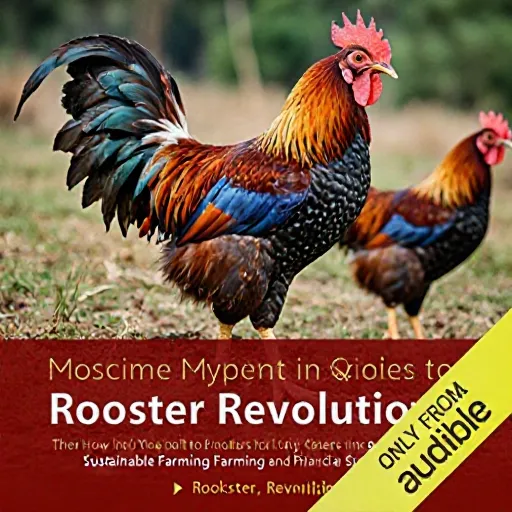
Unlocking Broiler Potential Beyond Meat
Table of Contents
- Introduction
- Importance of Agriculture in Rural Areas
- Definition and Overview of Broiler Farming
- Role of Broilers in Local Economy
- Job Creation Through Broiler Farming
- Sustainable Practices in Broiler Farming
- Impact on Rural Infrastructure
- Broiler Farming and Livelihood Security
- Improvement in Agricultural Technology
- Role of Broilers in Nutritional Health
- Challenges in Broiler Farming
- Government Support for Broiler Farmers
- Conclusion
- FAQs
- References
Introduction
The role of broiler farming in rural development is multifaceted, touching on economic growth, employment generation, and community empowerment. Broilers, specifically chickens raised for meat production, have become a significant agricultural sector contributing to the livelihoods of millions of people across developing countries.
Rural areas often lack diverse sources of income, making agriculture a crucial pillar in sustaining local economies. Broiler farming provides a reliable source of revenue that can be easily managed by small-scale farmers with limited resources. The process is relatively low-cost and requires minimal land, which makes it accessible to many rural households.
One of the key advantages of broiler farming is its ability to create employment opportunities both directly and indirectly. Directly, farmers employ labor for tasks such as feeding, cleaning, and maintaining the broilers. Indirectly, there are jobs created in related industries like feed production and distribution, veterinary services, and transportation.
Broiler farming also contributes to rural development by promoting local entrepreneurship. Small-scale farmers can start their own farms with modest investments, which can be a stepping stone towards larger ventures or even business partnerships. This fosters a culture of innovation and self-reliance within communities.
The economic benefits extend beyond the immediate earnings from selling broilers. Farmers often reinvest their profits into improving farming practices, purchasing better equipment, or expanding their operations. This cycle of investment drives further growth in the agricultural sector, leading to increased productivity and efficiency.
In addition to economic gains, broiler farming has positive environmental impacts when practiced sustainably. Proper management of feed resources, waste disposal, and disease control ensures that broiler farms contribute positively to the environment. This sustainability is crucial for long-term rural development, as it ensures that future generations can also benefit from these practices.
Broiler farming has been instrumental in alleviating poverty in rural areas by providing a stable income stream for many families. By offering alternative livelihoods and reducing dependence on traditional crops or other less profitable agricultural activities, broilers have helped improve the standard of living in numerous communities.
To maximize the potential of broiler farming for rural development, it is essential to provide farmers with access to knowledge and resources. Training programs, extension services, and financial support can significantly enhance their capabilities and ensure they adopt best practices. These initiatives help build a skilled workforce capable of overcoming challenges and seizing opportunities in the agricultural sector.
In conclusion, broiler farming plays an indispensable role in rural development by promoting economic stability, creating employment, fostering entrepreneurship, and contributing to sustainable agriculture. By understanding and supporting this vital industry, we can contribute to the holistic growth and prosperity of rural communities worldwide.
Importance of Agriculture in Rural Areas
The role of agriculture in rural areas cannot be overstated. It is the backbone of many economies and plays a crucial role in the overall development of such regions. Agriculture provides sustenance, employment opportunities, and economic stability to millions across the globe. In rural settings, it often serves as the primary source of livelihood for families who depend on farming for their daily needs.
Broiler farming is a significant component of agricultural practices in many rural areas and has emerged as a key driver of economic growth. This form of poultry farming involves the rearing of broilers, or young chickens, for meat production. Broiler farms offer numerous benefits to rural communities, including increased income generation, improved food security, and enhanced community resilience.
Increase in Income Generation
Broiler farming provides a reliable source of income for farmers who are often isolated from the mainstream economy. By investing in broiler farming, rural households can diversify their income streams beyond traditional agricultural products such as cereals and vegetables. The business model is simple: purchase day-old chicks or eggs, provide them with feed, and after six to eight weeks, sell the matured birds at market prices.
Moreover, broiler farming requires minimal capital investment compared to other livestock ventures. Farmers can start small with a few broilers and gradually scale up as they gain experience and confidence in their skills. This makes it an accessible option for many rural residents who may not have the means to invest heavily in large-scale agricultural projects.
Enhanced Food Security
In addition to being a source of income, broiler farming directly contributes to food security within rural communities. Freshly produced poultry can be consumed locally, thereby reducing dependency on imported meat products. This not only ensures that villagers have access to nutritious protein but also strengthens the local food chain.
Community Resilience
The resilience of a community is often tested during times of economic downturn or natural disasters. Broiler farming can provide a buffer against such challenges by offering consistent revenue and employment opportunities even when other sectors are affected. This diversification helps maintain stable incomes and reduces poverty levels in rural areas.
Environmental Considerations
Besides its economic benefits, broiler farming also contributes positively to the environment. Efficient feed conversion rates mean that less grain is wasted, which helps reduce pressure on natural resources like water and arable land. Additionally, modern broiler farms employ sustainable practices such as waste management systems and energy-efficient lighting, further minimizing their ecological footprint.
Conclusion
In conclusion, the importance of agriculture in rural areas cannot be fully realized without acknowledging the significant role played by broiler farming. It not only bolsters local economies but also enhances food security and community resilience. By fostering sustainable agricultural practices like broiler farming, we can contribute towards a more prosperous future for rural communities around the world.
Definition and Overview of Broiler Farming
The term "broiler farming" specifically refers to the commercial production and raising of meat chickens, known as broilers. These birds are bred for their rapid growth, which allows them to be slaughtered at a young age—usually between six to eight weeks—after accumulating significant weight gain. Broiler farming is a large-scale agricultural practice that has significantly contributed to rural economies by providing jobs and generating income.
The Role of Broiler Farming in Rural Development
Broiler farming plays an integral role in the development of rural areas, contributing not only to the economy but also improving standards of living. Here are several key points that highlight its significance:
- Economic Growth: Broiler farming provides a substantial contribution to the GDP of many countries, especially those with significant agricultural sectors. The industry supports numerous jobs in rural areas, from farm workers to veterinarians and feed suppliers.
- Employment Opportunities: The broiler farming sector offers various employment opportunities for local residents. From the initial stages of breeding and feeding to processing and distribution, many hands are involved in maintaining this industry. This creates a ripple effect that benefits other businesses too, such as those selling agricultural machinery and equipment.
- Infrastructure Development: The establishment of broiler farms often leads to improvements in rural infrastructure. Improved roads, electricity, and water supply are necessary for the efficient functioning of these large-scale operations. Such developments can also enhance the overall quality of life for residents by providing better access to essential services.
- Sustainable Livelihoods: Broiler farming provides sustainable livelihoods for many families in rural areas. For small farmers, broiler raising can be a reliable source of income, especially when integrated with other agricultural activities like crop production or livestock rearing.
Potential Challenges and Solutions
While the benefits are significant, broiler farming also presents certain challenges. These include:
- Environmental Concerns: Intensive broiler farming can lead to pollution of waterways due to runoff from feed and waste products. To mitigate this issue, farms should implement proper waste management practices such as using biodegradable bedding materials and recycling water.
- Disease Management: The rapid growth rate of broilers makes them more susceptible to diseases which can spread quickly in confined spaces. Implementing strict biosecurity measures is crucial. This includes maintaining clean facilities, vaccinating birds regularly, and limiting access to the premises.
Conclusion
In conclusion, broiler farming is a vital component of rural development. Its ability to create jobs, stimulate economic growth, and improve infrastructure makes it a cornerstone in many developing economies. By addressing potential challenges through sustainable practices and innovative solutions, the broiler industry can continue to thrive while contributing positively to its communities.
Role of Broilers in Local Economy
The role of broilers, or chicken raised for meat production, extends far beyond just providing a protein source for local communities. Broiler farming plays a crucial part in the rural development and overall economy of many regions worldwide. This practice not only supports small-scale farmers but also contributes significantly to employment generation and income enhancement.
Employment Generation
Broiler farming requires a range of activities that generate numerous job opportunities for local residents. From raising chicks, feeding them, managing the brooding process, to handling transportation and marketing, each stage involves various tasks. Small-scale farmers often employ family members or villagers who can benefit from stable and reliable income sources.
For instance, in rural areas of developing countries like India, Vietnam, or Nigeria, many families rely on broiler farming as a primary source of livelihood. The labor-intensive nature of these operations ensures that even those with limited resources can participate and contribute to their local economy through this industry.
Economic Impact
The economic benefits derived from broiler farming are substantial. Local economies receive direct financial injections as farmers invest in feed, equipment, and other necessary supplies. This spending stimulates demand within the community, benefiting suppliers of these materials. Additionally, successful broiler farms can attract investments for expansion or improved infrastructure.
Moreover, broilers serve as an important component in rural diets, providing essential nutrients at a relatively low cost compared to imported proteins. By supporting local food production, broiler farming helps reduce dependency on external markets and promotes self-sufficiency.
Social Benefits
Beyond economic contributions, broiler farming fosters social cohesion by uniting communities around shared goals such as improving farm productivity or implementing sustainable practices. It also encourages knowledge exchange among farmers, who can learn from one another’s experiences and best practices.
For example, in rural Thailand, cooperatives of small-scale broiler farmers have formed to share resources and techniques, enhancing the overall efficiency of their operations while strengthening community bonds.
Promoting Rural Development
The Role of Broiler Farming in Rural Development emphasizes its role as a catalyst for broader rural transformation. By improving agricultural practices and increasing household income, broilers contribute to better living standards and healthier diets among rural populations.
Through targeted support programs aimed at enhancing farming techniques and access to credit facilities, governments can further leverage the potential of broiler farming to drive inclusive growth in rural areas.
Conclusion
In conclusion, the role of broilers in local economies is multifaceted. From generating employment opportunities and stimulating economic activity to fostering social ties and promoting healthier diets, this sector remains a vital part of sustainable rural development strategies.
Job Creation Through Broiler Farming
Broiler farming, a key component in poultry production, plays an essential role in the rural economy by creating substantial job opportunities. The process from hatchery to processing involves various stages that require different types of labor, thereby providing employment for diverse segments of the population.
Hatchery Operations
The initial phase in broiler farming begins at the hatchery where eggs are incubated and chicks are raised until they are ready for transportation to farms. This stage requires skilled workers such as egg handlers, hatchery operators, and caretakers responsible for monitoring temperature and humidity levels during the hatching process.
For example, in a typical hatchery operation, around 50 employees may be needed just for managing the incubation rooms alone. These roles range from entry-level positions to more specialized roles like technicians who ensure optimal conditions that lead to higher survival rates of chicks.
Breeding and Management
Once hatched, broilers are transferred to farms where they spend most of their growing period. Here again, numerous jobs emerge across different farm activities including feeding, cleaning, health monitoring, and maintenance tasks.
- Feeders: Responsible for providing the right feed to the birds according to their age and growth stages.
- Cleaners: Ensuring the hygiene of the farm by regularly cleaning pens and equipment.
- Veterinarians: Providing health checks and ensuring proper medication practices if necessary.
Hectares Management
In larger-scale operations, additional jobs are created in land management. This includes tasks related to planting grass for grazing, maintaining water sources, and managing the overall farm environment which supports healthier growth of broilers.
For instance, a 20-hectare broiler farm might employ at least ten workers dedicated solely to agricultural responsibilities such as fertilizing soil, harvesting crops used in feed production, and implementing sustainable farming practices.
Processing and Marketing
Beyond the farms, there are further employment opportunities within processing plants and marketing channels. Processing facilities handle slaughtered birds into consumable products while marketing departments deal with distribution networks reaching local markets or international buyers.
- Packers: Sealing processed broilers in packaging for transport to retail outlets or restaurants.
- Sales Representatives: Promoting the product through direct sales and partnerships with retail establishments.
The integration of these various stages creates a robust economy that not only supports immediate employment but also stimulates related industries such as feed production, veterinary services, and transportation. By contributing to rural development, broiler farming ensures sustainable livelihoods for many families living in remote areas where other forms of income generation may be limited.
Sustainable Practices in Broiler Farming
The sustainable practices employed in broiler farming are not only crucial for environmental conservation but also play a pivotal role in rural development. These practices ensure that the farming operations are carried out with minimal impact on natural resources, thereby promoting long-term sustainability and economic benefits for rural communities.
1. Feed Efficiency and Waste Management
Efficient feed usage is one of the key sustainable practices in broiler farming. Farmers can reduce grain waste by optimizing feed formulations and using precision feeding techniques. This not only lowers production costs but also minimizes environmental pollution from excessive grain runoff into water bodies.
Effective waste management systems, such as composting or anaerobic digestion, convert broiler farm waste into valuable resources like organic soil amendments or biogas energy. For instance, a small-scale composting facility on a broiler farm can recycle poultry litter and provide high-quality fertilizer for local farmers.
2. Water Conservation
In regions where water is scarce, sustainable practices such as drip irrigation and rainwater harvesting are essential. These methods ensure that the limited water resources available are used efficiently, reducing wastage. For example, installing a rainwater collection system can provide supplemental water for broiler farms during dry seasons.
Recycling wastewater from the farm is another sustainable option. This involves treating and reusing water to irrigate crops or for other non-potable uses within the farm complex.
3. Renewable Energy Use
The integration of renewable energy sources like solar panels can significantly reduce a broiler farm's carbon footprint. Solar-powered water pumps, lighting systems, and even electricity generation are practical applications that help farms become more sustainable.
Rural areas often have abundant sunlight, making solar power particularly viable for broiler farmers. By reducing reliance on fossil fuels, these farms contribute to cleaner air and improved public health in the surrounding communities.
4. Animal Welfare and Health
Maintaining high standards of animal welfare is not only a moral imperative but also economically beneficial for broiler farmers. Practices such as providing adequate space, fresh water, and clean living conditions help prevent diseases that can lead to increased mortality rates or lower weight gains.
Implementing biosecurity measures like regular hygiene checks, quarantine procedures, and vaccination programs helps protect the flock from infectious diseases. This reduces the need for antibiotics, which are harmful when overused, thus promoting healthier birds without compromising product quality.
5. Community Engagement and Education
Rural development through broiler farming also involves fostering community engagement and education. Local farmers can learn about sustainable practices from one another and share knowledge with other stakeholders in the rural economy, such as processors and retailers.
Workshops, seminars, and training programs on sustainable agricultural methods can empower rural communities to adopt more environmentally friendly approaches. By enhancing skills and awareness, these initiatives contribute to the overall sustainability of the farming sector and broader rural development efforts.
Conclusion
In conclusion, adopting sustainable practices in broiler farming is essential for both environmental conservation and rural economic growth. These practices help minimize negative impacts on the environment while maximizing positive contributions to local economies and communities. By integrating these principles into their operations, broiler farmers can play a significant role in achieving sustainable development goals within rural areas.
Impact on Rural Infrastructure
Broiler farming, a significant component of poultry production, has profound implications for rural infrastructure. It contributes to economic growth, employment generation, and sustainable development in rural areas. The role of broiler farming extends beyond the immediate agricultural sector; it affects various aspects such as transportation, healthcare, education, and environmental conservation.
Economic Growth
Broiler farming generates substantial income for farmers through the sale of broilers and related products like eggs. This economic boost can lead to increased investments in rural infrastructure. For instance, improved roads are necessary to transport live birds and feed to farms and markets efficiently.
Moreover, broiler farming stimulates other local businesses such as veterinary services, feed mills, and packaging companies. These businesses contribute further to the rural economy by creating job opportunities for locals and reducing dependency on urban centers.
Employment Generation
The poultry industry is labor-intensive, providing employment at various stages of production including breeding, rearing, processing, and distribution. Small-scale broiler farmers often hire local workers, which helps in alleviating rural unemployment issues.
For example, a medium-sized broiler farm might require several full-time employees for tasks such as feeding, cleaning, and monitoring the health of the birds. Additionally, these farms contribute to seasonal employment during harvest times, providing temporary jobs that still improve household incomes.
Sustainable Development
The integration of broiler farming with sustainable practices can significantly impact rural infrastructure positively. For instance, implementing biosecurity measures reduces disease outbreaks which are detrimental not only to the health of the birds but also to the environment.
Moreover, proper waste management through composting or anaerobic digestion enhances soil fertility and reduces pollution in water bodies. This sustainable approach ensures long-term sustainability for both the farming community and the ecosystem.
Infrastructure Requirements
Broiler farming necessitates a robust infrastructure to support its activities effectively. Here are some key requirements:
- Roads & Transportation: Efficient transportation is essential for moving broilers and feed over long distances.
- Water Supply: A reliable water supply network ensures the availability of clean drinking water for both birds and workers.
- Electricity: Adequate power supply supports the operation of automated feeding systems, ventilation controls, and other equipment used in broiler farming.
- Farm Layout & Facilities: Proper planning ensures that farms are well-located to avoid risks from natural disasters like floods or landslides. This layout also includes necessary facilities for waste management and bird health monitoring.
Conclusion
In summary, broiler farming plays a crucial role in promoting rural development by fostering economic growth, creating employment opportunities, and encouraging sustainable practices. By addressing the infrastructure needs mentioned above, the poultry sector can contribute significantly to transforming rural areas into prosperous communities.
Broiler Farming and Livelihood Security
The role of broiler farming in rural development is multifaceted, contributing significantly to livelihood security and economic growth. Broiler farming, which involves raising chickens for meat production, has become a vital component of agricultural practices in many developing countries. This form of livestock farming not only provides farmers with an additional source of income but also promotes food security by increasing the availability of poultry products.
Broiler farming plays a crucial role in enhancing livelihood security for rural communities. By providing a reliable and sustainable source of income, it helps farmers manage their expenses more effectively, especially during times of economic uncertainty. Farmers can diversify their income streams by selling broilers to local markets or even developing small-scale processing facilities to add value to their products.
Market Access and Opportunities
One of the key advantages of broiler farming is its ability to provide farmers with access to various market opportunities. By participating in organized poultry markets, farmers can sell their broilers at competitive prices, ensuring fair returns on investment. Additionally, broiler farming often attracts local buyers, thereby reducing dependency on large-scale agribusinesses and enhancing the economic resilience of rural communities.
Training and Capacity Building
To maximize the benefits of broiler farming, it is essential to invest in training programs for farmers. These programs should cover best practices in poultry health management, feed formulation, and disease control. By improving technical skills, farmers can enhance the quality of their products, leading to higher demand and better prices. Government and non-governmental organizations (NGOs) often play a crucial role in organizing such training sessions.
Sustainable Practices
Broiler farming should be practiced sustainably to ensure long-term benefits for both the environment and the community. This includes implementing measures to minimize waste, reduce water usage, and promote the use of renewable energy sources. Adopting sustainable practices not only helps in protecting natural resources but also enhances the reputation of broiler farmers as responsible business operators.
Countries like Thailand, Nigeria, and Brazil have successfully integrated broiler farming into their agricultural frameworks. For instance, Thailand has established itself as a leading exporter of broilers, benefiting from its favorable climate and efficient infrastructure. Similarly, Nigeria has seen significant growth in the poultry sector, with small-scale farmers contributing to the country's economic development.
Practical Advice for Farmers
- Select Quality Breeders: Invest in high-quality broiler breeders to ensure better performance and higher yields.
- Proper Feeding: Provide a balanced diet that meets the nutritional needs of broilers at different stages of their growth.
- Health Management: Implement strict health protocols to prevent the spread of diseases, which can be detrimental to productivity and profitability.
- Market Research: Conduct thorough market research to identify potential buyers and understand demand patterns before entering the market.
In conclusion, broiler farming is a powerful tool for enhancing livelihood security in rural areas. By promoting sustainable practices and providing training, farmers can maximize their income while contributing to food security and economic development. The role of broiler farming in rural development cannot be overstated, as it offers a pathway out of poverty and towards a more resilient future.
Improvement in Agricultural Technology
The integration of agricultural technology into rural areas has played a pivotal role in enhancing productivity and sustainability. Broiler farming, as an integral part of this technological advancement, significantly contributes to rural development by improving food security, creating employment opportunities, and boosting economic growth.
The adoption of modern agricultural technology in broiler farming has led to a dramatic increase in productivity. Advanced feeding systems ensure optimal nutrition for the chicks, leading to healthier birds that grow faster and more efficiently. Automated climate control systems maintain ideal temperature and humidity levels within the broiler houses, reducing stress on the birds and improving their overall health.
Furthermore, precision farming techniques such as GPS-guided tractors and drones equipped with multispectral sensors enable farmers to monitor soil conditions and crop health in real-time. This data can be used to make informed decisions about irrigation, fertilization, and pest control, thereby optimizing resource usage and minimizing waste.
Broiler farming creates a range of employment opportunities both directly and indirectly. Direct jobs include roles such as feed mixers, poultry attendants, and veterinary assistants. Indirectly, the sector supports related industries like feed production, packaging, and transportation.
For rural communities, this not only provides income but also improves living standards by reducing poverty levels. Additionally, the skills gained through broiler farming can be transferred to other agricultural activities, fostering a more resilient and adaptable workforce.
Broiler farming plays a crucial role in enhancing food security by providing a reliable source of protein. Chicken meat is an essential part of many diets worldwide, contributing significantly to nutrition and health. The increased efficiency in broiler production ensures that more people have access to this vital resource.
Moreover, the technology used in broiler farming allows for year-round production, which helps mitigate fluctuations in supply due to seasonal changes or adverse weather conditions. This consistent output is particularly beneficial in rural areas where food availability can be unpredictable.
The success of broiler farming contributes positively to the overall economic landscape of rural regions. As farmers improve their yields and efficiencies, they are able to sell more products at competitive prices, thereby increasing their revenue streams. This increased income can be reinvested into local businesses or saved for future projects.
Additionally, the growth in broiler farming often leads to the development of ancillary services such as veterinary clinics, feed stores, and agricultural machinery dealerships. These establishments further stimulate economic activity within rural communities.
In conclusion, the role of broiler farming in rural areas cannot be overstated. Through technological advancements that enhance productivity, create employment opportunities, improve food security, and foster economic growth, broiler farming serves as a cornerstone for sustainable rural development.
Role of Broilers in Nutritional Health
Broiler farming plays a pivotal role in enhancing nutritional health, particularly in rural areas where access to diverse and nutritious foods can be limited. Broilers are fast-growing chicken breeds that are specifically bred for meat production, providing high-protein food sources rich in essential vitamins and minerals.
Proteins and Essential Nutrients
Broiler meat is a significant source of high-quality protein, which is crucial for building and repairing body tissues. It also provides essential amino acids that are vital for growth and development, especially in children. The meat of broilers is relatively low in fat compared to other meats like beef or pork, making it an ideal choice for those looking to maintain a balanced diet.
Vitamins and Minerals
Broilers are also rich in several vitamins and minerals that contribute to overall health. Vitamin B12 is abundant in broiler meat and is essential for the formation of red blood cells, neurological function, and DNA synthesis. Additionally, broilers contain significant amounts of iron, which helps prevent anemia by supporting hemoglobin production.
Impact on Rural Development
The article "The Role of Broiler Farming in Rural Development" highlights how broilers can significantly contribute to rural economic growth. By providing a reliable source of income for farmers, broiler farming helps improve the living standards of rural communities.
Broilers require less land and resources compared to livestock like cattle or pigs, making them an economically viable option for small-scale farmers. This reduces operational costs and enhances profitability, allowing farmers to reinvest in their businesses and improve their livelihoods.
Cooking and Preparation
The versatility of broiler meat makes it a popular choice in rural kitchens. Broilers can be prepared in various ways, from simple grilled chicken to complex sauces and stews. Cooking methods such as marinating the meat before grilling or adding spices during preparation can enhance flavor and nutritional value.
Environmental Considerations
Broiler farming has a lower environmental impact compared to large-scale livestock farming due to its more efficient use of resources. It produces less waste per unit of meat produced, which helps reduce pollution and conserve natural resources.
In conclusion, broilers not only contribute significantly to nutritional health but also support rural development by providing economic opportunities and sustainable practices. Their importance cannot be overstated in the context of global food security and rural livelihoods.
Challenges in Broiler Farming
The role of broiler farming in rural development is multifaceted, contributing significantly to economic growth and poverty alleviation. However, it also presents several challenges that need careful consideration for sustainable success.
One of the major challenges in broiler farming is maintaining optimal health standards. Ensuring that the broilers are free from diseases is crucial for both economic and ethical reasons. Poor hygiene, overcrowded conditions, and stress can lead to the spread of diseases such as Gumboro Disease or Salmonella.
For instance, improper management practices in rural areas often lead to suboptimal vaccination schedules. This can result in significant financial losses due to increased mortality rates among broilers. Regular veterinary check-ups and maintaining a clean environment are essential to mitigate these health risks.
Broiler farming heavily relies on the quality of feed and water provided to the birds. Ensuring that both meet high nutritional standards is critical for growth efficiency and overall health. In rural areas, access to clean and fresh water can be a challenge.
For example, in regions where water sources are contaminated or not easily accessible, farmers may have to rely on alternative methods of providing water, which could affect its quality. Similarly, feed contamination with pesticides or other harmful substances poses serious risks to the broilers' health and eventual product quality.
Environmental Impact
<|im_start|><|im_start|><|im_start|><|im_start|><|im_start|><|im_start|><|im_start|>
Government Support for Broiler Farmers
Broiler farming, or chicken rearing for meat production, plays a crucial role in rural development. It contributes significantly to the local economy by creating employment opportunities and providing essential livelihoods to millions of farmers across rural areas.
Government Support for Broiler Farmers
The government recognizes the importance of broiler farming and has implemented several initiatives aimed at supporting broiler farmers. These measures are designed to improve the economic condition of rural communities by enhancing productivity, ensuring quality standards, and providing necessary resources.
Financial Assistance Programs
The government offers various financial assistance programs to help broiler farmers start or expand their operations. One such program is the Agricultural Credit Guarantee Fund (ACGF), which provides loans at competitive interest rates. This fund aims to reduce the high cost of capital for small and medium-sized broiler farms, thereby improving access to credit.
Another significant initiative is the Agriculture Credit Policy, which ensures that banks allocate a portion of their agricultural lending specifically for broiler farming. By providing easier access to loans, farmers can invest in better infrastructure, feed quality, and health standards, all of which contribute to increased productivity and profitability.
Training and Skill Development
The government also plays a crucial role in enhancing the skills of broiler farmers through training programs. These programs cover various aspects of broiler farming, including animal husbandry, disease management, feed formulation, and waste management. By equipping farmers with these skills, the government aims to improve overall farm productivity and sustainability.
For example, the Department of Livestock Services often conducts workshops and seminars in collaboration with local agricultural colleges. These events provide hands-on training sessions where farmers can learn about modern farming techniques and best practices from experts.
Purchase Support
To ensure that broiler farmers receive fair prices for their products, the government has established purchase support mechanisms. This includes setting minimum support prices (MSP) for broilers, which guarantees farmers a certain price threshold to cover production costs and provide reasonable profits.
Moreover, the government facilitates direct procurement from broiler farms by public sector enterprises like Indian Oil Corporation Limited (IOCL), thereby ensuring that farmers receive timely and fair payment. This support not only boosts farmer income but also strengthens the overall poultry industry.
Research and Development
The government invests in research and development to improve broiler farming practices and address challenges faced by farmers. Research institutions, such as the Indian Council of Agricultural Research (ICAR), collaborate with private entities and universities to develop new breeds, feeds, and disease management strategies.
For instance, ICAR has developed several high-yielding chicken breeds that are more resistant to diseases and have shorter growth cycles. These advancements contribute significantly to increasing the efficiency and profitability of broiler farming operations.
Sustained Growth through Policy Measures
To sustain growth in the broiler industry, the government has introduced several policy measures aimed at creating a conducive environment for farmers. This includes simplifying land acquisition procedures, providing incentives for investment in poultry infrastructure, and promoting export-oriented farming practices.
By fostering an enabling environment, the government aims to attract more investments into the broiler sector, leading to increased employment opportunities and improved rural livelihoods. For example, the Pradhan Mantri Krishi Sinchai Yojana (PMKSY) provides subsidies for electricity connections in rural areas, which is crucial for maintaining optimal conditions in broiler farms.
Conclusion
In conclusion, government support through financial assistance, training programs, purchase support mechanisms, research and development initiatives, and policy measures plays a vital role in the success of broiler farming. By addressing key challenges faced by farmers and promoting sustainable practices, these supportive measures contribute significantly to rural development, ensuring that broiler farming remains a thriving sector in many parts of India.
Conclusion
The role of broiler farming in rural development is multifaceted and profoundly impactful. It not only contributes significantly to the agricultural sector but also plays a crucial part in enhancing economic stability and improving livelihoods in rural areas.
Economic Impact on Rural Communities
Broiler farming has a direct effect on the economy of rural regions by creating numerous employment opportunities. This includes jobs for farmers, feed producers, poultry veterinarians, transporters, and market sellers. The industry's demand stimulates local economies through increased spending on agricultural inputs such as feeds, vaccines, and veterinary care.
Enhancing Livelihoods
The income generated from broiler farming can improve the standard of living for rural households. Farmers who engage in broiler production not only earn additional income but also achieve greater food security by integrating poultry into their diets and utilizing farm waste as feed.
Sustainable Practices
To ensure sustainability, broiler farming must adopt eco-friendly practices such as proper waste management and the use of organic feeds. These practices not only reduce environmental impact but also improve soil fertility when manure is used as fertilizer.
Supporting Infrastructure Development
The growth in broiler farming can lead to improved infrastructure in rural areas, including better roads for transportation and access to markets. This enhanced connectivity facilitates the distribution of products more efficiently and at lower costs, further boosting profitability.
Examples from Practice
One notable example is the success story of a rural community that turned broiler farming into a thriving industry. By forming cooperative groups, they were able to pool resources for better purchasing power, improved quality standards, and access to markets. This collaborative approach has not only increased their income but also strengthened social bonds within the community.
Practical Advice
- Invest in education and training programs for farmers on best practices in broiler farming.
- Promote research and development to improve feed efficiency and disease resistance.
- Create market access opportunities through partnerships with buyers and processors.
- Encourage the adoption of sustainable farming methods by providing incentives.
In conclusion, broiler farming plays a vital role in rural development. By fostering economic growth, enhancing livelihoods, promoting sustainability, and supporting infrastructure, it helps create resilient and prosperous communities. The success stories from various regions underscore the potential of broiler farming to transform rural areas into vibrant centers of agricultural excellence.
FAQs
Broiler farming plays a significant role in rural development by contributing to economic growth, creating employment opportunities, and improving the standard of living for many families. Here are some frequently asked questions (FAQs) that delve deeper into this topic:
1. How Does Broiler Farming Contribute to Economic Growth?
Broiler farming can significantly enhance economic growth in rural areas through its contribution to the agricultural sector and related industries. Farmers who engage in broiler farming not only increase their income but also contribute to the overall economy by purchasing feed, equipment, and veterinary services from local suppliers.
2. What Are the Employment Opportunities Created by Broiler Farming?
Beyond direct employment for farmers, broiler farming creates various job opportunities in rural areas. These include roles such as:
- Veterinarians and animal health officers
- Feed mill workers
- Farm machinery operators
- Distribution and logistics personnel
- Sales and marketing professionals
3. How Does Broiler Farming Improve the Standard of Living?
Broiler farming can lead to improved living standards for families in rural areas by:
- Increasing Household Income: Farmers who engage in broiler farming often see an increase in their income, which allows them to invest in better housing, education, and healthcare.
- Promoting Nutrition: Broilers provide a source of high-protein meat that can improve the nutritional intake for rural populations, contributing to healthier communities.
- Facilitating Entrepreneurship: Successful broiler farmers may choose to expand their operations or start related businesses, such as feed production or poultry processing.
4. What Challenges Do Broiler Farmers Face?
Broiler farming is not without its challenges. Some of the key issues include:
- Health Risks: Diseases can spread quickly among broilers, requiring strict biosecurity measures.
- Pricing Volatility: Market prices for broilers and feed materials can fluctuate, affecting profitability.
- Tech Adoption: Farmers need to adopt new technologies and practices for efficient farming.
5. How Can Government Policies Support Broiler Farming?
Government policies play a crucial role in the success of broiler farming in rural areas. Some supportive measures include:
- Fiscal Incentives: Subsidies for feed, veterinary services, and equipment can reduce costs for farmers.
- Tech Transfer: Providing training programs to teach modern farming techniques can improve efficiency and productivity.
- Market Access: Establishing reliable markets ensures that farmers receive fair prices for their products.
6. What Role Do Local Communities Play?
The success of broiler farming is closely tied to the involvement and support of local communities. Community members can contribute in several ways:
- Social Support: Building a sense of community around broiler farming fosters mutual support and collaboration.
- Purchasing Local Products: Encouraging consumption of locally produced broilers helps sustain the industry.
- Volunteer Work: Community volunteers can assist in various aspects of broiler farming, such as monitoring health or participating in educational programs.
References
The role of broiler farming in rural development is multifaceted, touching various aspects such as economic growth, employment generation, and community empowerment. Here are some detailed insights into its impact:
Broiler farming can significantly boost the economy of rural areas by providing a stable source of income for farmers. This form of agriculture not only encourages local production but also supports related industries such as feed manufacturing, veterinary services, and transportation.
- Increased Livelihoods: Broilers offer a quick return on investment due to their short rearing period. Farmers can earn substantial profits within a few months, which helps in improving their standard of living.
- Market Opportunities: The rising demand for poultry meat has created new market opportunities for rural farmers. This demand is driven by the increasing consumer preference for healthy and organic food options.
Broiler farming also contributes to social development in several ways, enhancing community well-being and promoting better health practices:
- Education and Training: The sector promotes the education of farmers through training programs that improve their technical skills. These programs cover a range of topics from breeding techniques to disease management.
- Health Promotion: Broilers are considered a healthy source of protein, which can contribute positively to public health in rural areas by improving nutrition levels and reducing malnutrition rates.
The environmental aspects of broiler farming also play an important role in sustainable development. Properly managed broiler farms can help in:
- Biodiversity Preservation: Sustainable farming practices can contribute to the preservation of local biodiversity by reducing pollution and maintaining ecological balance.
- Emission Reduction: By adopting modern poultry farming techniques, farmers can reduce their carbon footprint. This includes optimizing feed usage and minimizing waste generation.
In conclusion, broiler farming holds great potential for rural development by contributing to economic prosperity, social welfare, and environmental sustainability. It is essential that the government and other stakeholders provide necessary support to ensure its sustainable growth.
Government Support for Broiler Farmers
Broiler farming, or chicken rearing for meat production, plays a crucial role in rural development. It contributes significantly to the local economy by creating employment opportunities and providing essential livelihoods to millions of farmers across rural areas.
Government Support for Broiler Farmers
The government recognizes the importance of broiler farming and has implemented several initiatives aimed at supporting broiler farmers. These measures are designed to improve the economic condition of rural communities by enhancing productivity, ensuring quality standards, and providing necessary resources.
Financial Assistance Programs
The government offers various financial assistance programs to help broiler farmers start or expand their operations. One such program is the Agricultural Credit Guarantee Fund (ACGF), which provides loans at competitive interest rates. This fund aims to reduce the high cost of capital for small and medium-sized broiler farms, thereby improving access to credit.
Another significant initiative is the Agriculture Credit Policy, which ensures that banks allocate a portion of their agricultural lending specifically for broiler farming. By providing easier access to loans, farmers can invest in better infrastructure, feed quality, and health standards, all of which contribute to increased productivity and profitability.
Training and Skill Development
The government also plays a crucial role in enhancing the skills of broiler farmers through training programs. These programs cover various aspects of broiler farming, including animal husbandry, disease management, feed formulation, and waste management. By equipping farmers with these skills, the government aims to improve overall farm productivity and sustainability.
For example, the Department of Livestock Services often conducts workshops and seminars in collaboration with local agricultural colleges. These events provide hands-on training sessions where farmers can learn about modern farming techniques and best practices from experts.
Purchase Support
To ensure that broiler farmers receive fair prices for their products, the government has established purchase support mechanisms. This includes setting minimum support prices (MSP) for broilers, which guarantees farmers a certain price threshold to cover production costs and provide reasonable profits.
Moreover, the government facilitates direct procurement from broiler farms by public sector enterprises like Indian Oil Corporation Limited (IOCL), thereby ensuring that farmers receive timely and fair payment. This support not only boosts farmer income but also strengthens the overall poultry industry.
Research and Development
The government invests in research and development to improve broiler farming practices and address challenges faced by farmers. Research institutions, such as the Indian Council of Agricultural Research (ICAR), collaborate with private entities and universities to develop new breeds, feeds, and disease management strategies.
For instance, ICAR has developed several high-yielding chicken breeds that are more resistant to diseases and have shorter growth cycles. These advancements contribute significantly to increasing the efficiency and profitability of broiler farming operations.
Sustained Growth through Policy Measures
To sustain growth in the broiler industry, the government has introduced several policy measures aimed at creating a conducive environment for farmers. This includes simplifying land acquisition procedures, providing incentives for investment in poultry infrastructure, and promoting export-oriented farming practices.
By fostering an enabling environment, the government aims to attract more investments into the broiler sector, leading to increased employment opportunities and improved rural livelihoods. For example, the Pradhan Mantri Krishi Sinchai Yojana (PMKSY) provides subsidies for electricity connections in rural areas, which is crucial for maintaining optimal conditions in broiler farms.
Conclusion
In conclusion, government support through financial assistance, training programs, purchase support mechanisms, research and development initiatives, and policy measures plays a vital role in the success of broiler farming. By addressing key challenges faced by farmers and promoting sustainable practices, these supportive measures contribute significantly to rural development, ensuring that broiler farming remains a thriving sector in many parts of India.
Conclusion
The role of broiler farming in rural development is multifaceted and profoundly impactful. It not only contributes significantly to the agricultural sector but also plays a crucial part in enhancing economic stability and improving livelihoods in rural areas.
Economic Impact on Rural Communities
Broiler farming has a direct effect on the economy of rural regions by creating numerous employment opportunities. This includes jobs for farmers, feed producers, poultry veterinarians, transporters, and market sellers. The industry's demand stimulates local economies through increased spending on agricultural inputs such as feeds, vaccines, and veterinary care.
Enhancing Livelihoods
The income generated from broiler farming can improve the standard of living for rural households. Farmers who engage in broiler production not only earn additional income but also achieve greater food security by integrating poultry into their diets and utilizing farm waste as feed.
Sustainable Practices
To ensure sustainability, broiler farming must adopt eco-friendly practices such as proper waste management and the use of organic feeds. These practices not only reduce environmental impact but also improve soil fertility when manure is used as fertilizer.
Supporting Infrastructure Development
The growth in broiler farming can lead to improved infrastructure in rural areas, including better roads for transportation and access to markets. This enhanced connectivity facilitates the distribution of products more efficiently and at lower costs, further boosting profitability.
Examples from Practice
One notable example is the success story of a rural community that turned broiler farming into a thriving industry. By forming cooperative groups, they were able to pool resources for better purchasing power, improved quality standards, and access to markets. This collaborative approach has not only increased their income but also strengthened social bonds within the community.
Practical Advice
- Invest in education and training programs for farmers on best practices in broiler farming.
- Promote research and development to improve feed efficiency and disease resistance.
- Create market access opportunities through partnerships with buyers and processors.
- Encourage the adoption of sustainable farming methods by providing incentives.
In conclusion, broiler farming plays a vital role in rural development. By fostering economic growth, enhancing livelihoods, promoting sustainability, and supporting infrastructure, it helps create resilient and prosperous communities. The success stories from various regions underscore the potential of broiler farming to transform rural areas into vibrant centers of agricultural excellence.
FAQs
Broiler farming plays a significant role in rural development by contributing to economic growth, creating employment opportunities, and improving the standard of living for many families. Here are some frequently asked questions (FAQs) that delve deeper into this topic:
1. How Does Broiler Farming Contribute to Economic Growth?
Broiler farming can significantly enhance economic growth in rural areas through its contribution to the agricultural sector and related industries. Farmers who engage in broiler farming not only increase their income but also contribute to the overall economy by purchasing feed, equipment, and veterinary services from local suppliers.
2. What Are the Employment Opportunities Created by Broiler Farming?
Beyond direct employment for farmers, broiler farming creates various job opportunities in rural areas. These include roles such as:
- Veterinarians and animal health officers
- Feed mill workers
- Farm machinery operators
- Distribution and logistics personnel
- Sales and marketing professionals
3. How Does Broiler Farming Improve the Standard of Living?
Broiler farming can lead to improved living standards for families in rural areas by:
- Increasing Household Income: Farmers who engage in broiler farming often see an increase in their income, which allows them to invest in better housing, education, and healthcare.
- Promoting Nutrition: Broilers provide a source of high-protein meat that can improve the nutritional intake for rural populations, contributing to healthier communities.
- Facilitating Entrepreneurship: Successful broiler farmers may choose to expand their operations or start related businesses, such as feed production or poultry processing.
4. What Challenges Do Broiler Farmers Face?
Broiler farming is not without its challenges. Some of the key issues include:
- Health Risks: Diseases can spread quickly among broilers, requiring strict biosecurity measures.
- Pricing Volatility: Market prices for broilers and feed materials can fluctuate, affecting profitability.
- Tech Adoption: Farmers need to adopt new technologies and practices for efficient farming.
5. How Can Government Policies Support Broiler Farming?
Government policies play a crucial role in the success of broiler farming in rural areas. Some supportive measures include:
- Fiscal Incentives: Subsidies for feed, veterinary services, and equipment can reduce costs for farmers.
- Tech Transfer: Providing training programs to teach modern farming techniques can improve efficiency and productivity.
- Market Access: Establishing reliable markets ensures that farmers receive fair prices for their products.
6. What Role Do Local Communities Play?
The success of broiler farming is closely tied to the involvement and support of local communities. Community members can contribute in several ways:
- Social Support: Building a sense of community around broiler farming fosters mutual support and collaboration.
- Purchasing Local Products: Encouraging consumption of locally produced broilers helps sustain the industry.
- Volunteer Work: Community volunteers can assist in various aspects of broiler farming, such as monitoring health or participating in educational programs.
References
The role of broiler farming in rural development is multifaceted, touching various aspects such as economic growth, employment generation, and community empowerment. Here are some detailed insights into its impact:
Broiler farming can significantly boost the economy of rural areas by providing a stable source of income for farmers. This form of agriculture not only encourages local production but also supports related industries such as feed manufacturing, veterinary services, and transportation.
- Increased Livelihoods: Broilers offer a quick return on investment due to their short rearing period. Farmers can earn substantial profits within a few months, which helps in improving their standard of living.
- Market Opportunities: The rising demand for poultry meat has created new market opportunities for rural farmers. This demand is driven by the increasing consumer preference for healthy and organic food options.
Broiler farming also contributes to social development in several ways, enhancing community well-being and promoting better health practices:
- Education and Training: The sector promotes the education of farmers through training programs that improve their technical skills. These programs cover a range of topics from breeding techniques to disease management.
- Health Promotion: Broilers are considered a healthy source of protein, which can contribute positively to public health in rural areas by improving nutrition levels and reducing malnutrition rates.
The environmental aspects of broiler farming also play an important role in sustainable development. Properly managed broiler farms can help in:
- Biodiversity Preservation: Sustainable farming practices can contribute to the preservation of local biodiversity by reducing pollution and maintaining ecological balance.
- Emission Reduction: By adopting modern poultry farming techniques, farmers can reduce their carbon footprint. This includes optimizing feed usage and minimizing waste generation.
In conclusion, broiler farming holds great potential for rural development by contributing to economic prosperity, social welfare, and environmental sustainability. It is essential that the government and other stakeholders provide necessary support to ensure its sustainable growth.
Categories
- AI & Enrichment Play
- Broiler Farming
- Broiler Farming Tips
- Canine Wellness & Longevity
- Cat
- Cat & Human Connection
- Cat Adoption & Rescue
- Cat Breeds
- Cat Breeds & Personalities
- Cat Care & Health
- Cat Grooming & Hygiene
- Cat Lifestyle & Environment
- Cat Myths & History
- Cat Nutrition & Diet
- Cat Products & Reviews
- Cat Training & Behavior
- Comparison
- Consumer Awareness
- Dog
- Dog Accessories & Products
- Dog Adoption & Rescue
- Dog Breed & Lifestyle Trends
- Dog Breeding & Puppies
- Dog Entertainment & Media
- Dog Fashion & Trends
- Dog Fun & Lifestyle
- Dog Grooming & Hygiene
- Dog History & Culture
- Dog Myths, Science & Future Tech
- Dog News & Trends
- Dog Nutrition & Food
- Dog Psychology & Emotions
- Dog Safety & Security
- Dog Sports & Activities
- Dog Technology & Innovation
- Dog Training for Modern Owners
- Dog Travel & Adventure
- Dog Travel, Adventure & Culture
- Economic and Market Insights
- Educational Content
- FAQs
- Feeding Alternatives
- Festivals & Seasonal Ideas
- Fun & Entertainment
- General Knowledge
- General Pig Farming
- Health & Disease Management
- Housing and Environment
- Kittens
- Market Insights
- Miscellaneous
- Miscellaneous
- Motivational
- pig
- Pig Breeding
- Pig Breeds
- Pig Farming Stories and Inspiration
- Pig Health and Care
- Pig Nutrition
- Pig Products
- Profitability & Business
- Puppy Care
- Puppy Predictable Topics Reinvented
- Regional Focus
- Rescue & Adoption Buzz
- Senior Cats
- Senior Dog Care
- Smart Dog Tech & Gadgets
- Sustainability
- Sustainable & Eco-Friendly Dog Products
- Tech & Innovations
- Working & Service Dogs
- Broiler Feed66 products
- Country Feed33 products
- Pig Feed66 products
- Product22 products
- Raw Materials99 products
Products
-
 Fish Meal
₹1,999.00 – ₹2,999.00Price range: ₹1,999.00 through ₹2,999.00Rated 0 out of 5
Fish Meal
₹1,999.00 – ₹2,999.00Price range: ₹1,999.00 through ₹2,999.00Rated 0 out of 5 -
 FATTENING BROILER FEED
₹2,299.00 – ₹2,349.00Price range: ₹2,299.00 through ₹2,349.00Rated 0 out of 5
FATTENING BROILER FEED
₹2,299.00 – ₹2,349.00Price range: ₹2,299.00 through ₹2,349.00Rated 0 out of 5 -
 LAYER COUNTRY FEED
₹1,549.00 – ₹1,649.00Price range: ₹1,549.00 through ₹1,649.00Rated 0 out of 5
LAYER COUNTRY FEED
₹1,549.00 – ₹1,649.00Price range: ₹1,549.00 through ₹1,649.00Rated 0 out of 5 -
 COUNTER BROILER FEED
₹1,199.00 – ₹1,299.00Price range: ₹1,199.00 through ₹1,299.00Rated 0 out of 5
COUNTER BROILER FEED
₹1,199.00 – ₹1,299.00Price range: ₹1,199.00 through ₹1,299.00Rated 0 out of 5 -
 LACTATING PIG FEED
Rated 0 out of 5
LACTATING PIG FEED
Rated 0 out of 5₹2,299.00Original price was: ₹2,299.00.₹1,740.00Current price is: ₹1,740.00. -
 Maize
Rated 0 out of 5
Maize
Rated 0 out of 5₹1,650.00Original price was: ₹1,650.00.₹1,300.00Current price is: ₹1,300.00. -
 GESTATION PIG FEED (Phase 1)
Rated 0 out of 5
GESTATION PIG FEED (Phase 1)
Rated 0 out of 5₹2,249.00Original price was: ₹2,249.00.₹1,699.00Current price is: ₹1,699.00. -
 Pre Starter Broiler Feed
₹2,399.00 – ₹2,499.00Price range: ₹2,399.00 through ₹2,499.00Rated 0 out of 5
Pre Starter Broiler Feed
₹2,399.00 – ₹2,499.00Price range: ₹2,399.00 through ₹2,499.00Rated 0 out of 5 -
 FINISHER PIG FEED
Rated 0 out of 5
FINISHER PIG FEED
Rated 0 out of 5₹2,299.00Original price was: ₹2,299.00.₹1,749.00Current price is: ₹1,749.00. -
 Broiler Premix
Rated 0 out of 5
Broiler Premix
Rated 0 out of 5₹820.00Original price was: ₹820.00.₹699.00Current price is: ₹699.00.