
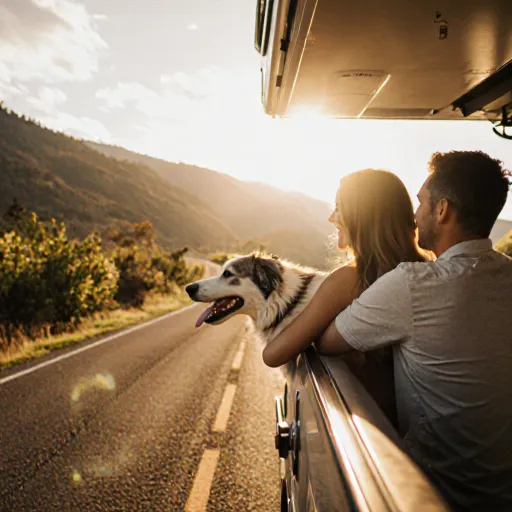
Discover simple RVing tips with your furry friend!
RVing Made Easy for Newbies and Dogs
Table of Contents
- Introduction to RVing with Dogs
- Choosing the Right RV for Your Pet
- Essential Gear and Equipment for Your Dog
- Legal Requirements and Regulations
- Setting Up Your RV for Your Dog
- Basic Commands and Training for Your Dog
- Feeding Your Dog on the Go
- Exercise and Activities for Your Dog in an RV
- Pet-Friendly Campgrounds and Parks
- Healthcare and Vet Visits While on the Road
- Emergency Preparedness for Your Dog
- Travel Insurance That Covers Pets
- Conclusion
- FAQs About RVing with Dogs
Introduction to RVing with Dogs
RVing, or recreational vehicle traveling, has become an increasingly popular way for pet owners to explore new destinations while enjoying the comfort and freedom of a mobile home. RVing with dogs presents unique challenges and opportunities that can enrich both your travel experience and the bond you share with your furry friend. In this section, we'll delve deeper into what RVing with dogs entails, discuss important considerations, provide practical advice, and offer valuable tips for ensuring a safe and enjoyable journey.
RVing with dogs is not just about the physical act of traveling in an RV; it's also about creating an environment where both you and your dog can thrive. The space within an RV requires careful planning, especially when accommodating a pet. You need to think about how much room there will be for your dog to move around comfortably without feeling confined or stressed.
The key to successful RVing with dogs is thorough preparation. Before embarking on any trip, make sure you have all the necessary supplies ready, including food and water bowls, leashes, waste bags, treats, toys, and grooming tools. It’s also wise to plan your route in advance, considering areas that are pet-friendly and safe for your dog.
The size of your RV can significantly impact how comfortable it is for both you and your dog. Smaller models may not provide enough space for adequate exercise or playtime outside, while larger ones might offer too much room leading to feelings of isolation for your pet. Consider getting advice from fellow RV enthusiasts who have experience with dogs. They can share insights on which types of spaces work best depending on the breed and size of your dog.
Maintaining an active lifestyle is crucial for any pet but especially important during extended periods spent indoors or confined spaces like RVs. Regular walks, playtime outside whenever possible (while keeping them safe), and indoor activities designed specifically to engage your dog are essential parts of keeping their energy levels healthy.
While planning minimizes risks as much as feasible, accidents can happen. Having a first aid kit on hand is vital, but understanding what constitutes an emergency and knowing where to seek immediate veterinary assistance is equally critical. Familiarize yourself with local animal hospitals along your route so that you're prepared in case of unexpected situations.
A well-traveled dog will be less anxious about long car rides or trips, making the entire experience smoother for everyone involved. Encourage positive experiences by introducing new environments gradually. Let your dog explore at their own pace, offering plenty of praise and rewards when they behave appropriately.
RVing with dogs offers countless opportunities for adventure and connection between you and your pet. By preparing adequately, respecting each other’s needs, and fostering mutual trust and comfort, you can create memorable experiences that benefit both of you immensely.
Choosing the Right RV for Your Pet
When it comes to planning a trip with your pet, selecting the right recreational vehicle (RV) is crucial. The comfort and safety of both you and your furry companion are paramount. Here’s how to choose the best RV for your pet and ensure they have a comfortable stay during your trip.
1. Consider Your Pet's Size and Breed
The size of your pet will influence the kind of RV that is suitable for you. Smaller pets like dogs or cats can easily fit into most standard-sized RVs, but larger breeds might require more space. If you have a bigger dog, consider an RV with a spacious interior and enough room to move around without feeling cramped.
For example, if you own a Great Dane, which is one of the largest breeds, you may need a travel trailer or a motorhome specifically designed for larger dogs. These models often have extra-wide aisles and more space dedicated to pet areas.
2. Evaluate Pet-Specific Features
RVs that are tailored with pets in mind offer several features that make them ideal for travel with your dog or cat. Look out for these:
- Pet Door: A pet door allows you to control who enters the RV, ensuring safety and security.
- Pet Area: Some RVs have designated areas where pets can eat or sleep. These areas are usually easy to clean and maintain, which is important for hygiene.
- Durable Floors: Floors that are pet-friendly and easy to clean are essential. Vinyl floors are often used because they are tough and don’t retain odors or stains as easily.
3. Keep Your Pet’s Comfort in Mind
Your pet's comfort should be a top priority when choosing an RV. Think about how your pet will behave during the trip:
- Space for Movement: Pets need room to stretch out and exercise, especially if you plan on taking long trips.
- Temperature Control: Ensure that the RV has proper insulation or air conditioning/heat control. Extreme temperatures can be uncomfortable for pets.
- Pet-Friendly Appliances: Pet owners often need to provide water and food, so look for an RV with easy-to-clean kitchens and ample storage space for pet supplies.
4. Practical Tips for Your Pet
To make your trip more enjoyable and stress-free:
- Regular Breaks: Schedule regular stops to let your pet stretch its legs, drink water, and take a break.
- Pet-Friendly Snacks: Bring snacks that are safe for pets. Avoid giving them human food as it can upset their stomach.
- Comfortable Bedding: Make sure your pet has comfortable bedding to sleep on while in the RV.
Conclusion
Selecting the right RV for your pet is a significant decision that can greatly enhance your travel experience. By considering your pet’s needs, choosing an RV with suitable features, and taking practical steps to ensure their comfort, you’ll be able to enjoy a safe and enjoyable trip together.
Essential Gear and Equipment for Your Dog
RVing with your dog can be an incredible experience, but it's important to have the right gear and equipment to ensure both your pet's comfort and safety. Here’s a comprehensive list of essential items you should consider packing:
Travel Crate or Dog Bed
A travel crate is crucial for providing your dog with a secure space during transit, ensuring they feel safe and comfortable while traveling in the RV. Opt for one that fits comfortably within your vehicle and provides ample padding to prevent slipping.
If you prefer giving your dog more freedom, consider bringing along a portable dog bed. These beds can be easily transported and provide your pet with a cozy sleeping spot inside the RV.
Leashes and Harnesses
Always have a sturdy leash available when outside the RV to maintain control over your dog in various environments, such as parks or trails. Additionally, harnesses are recommended for safe and comfortable walking experiences both on and off-leash.
For more formal settings like dog parks or public events, consider carrying multiple leashes of different lengths to accommodate varying needs.
Dog Waste Bags
Cleanliness is key when RVing with your pet. Bring plenty of biodegradable dog waste bags for disposing of your dog’s messes responsibly. This not only helps keep the environment clean but also maintains good etiquette while on public lands.
Food and Water Bowls
To ensure your dog stays hydrated during your travels, make sure you pack portable water bowls that are easy to fill from a faucet or pump. For mealtime, lightweight food bowls are ideal for keeping everything organized within the RV.
Treats and Snacks
Having treats on hand can be incredibly useful for training, rewarding good behavior, or simply as a treat to keep your dog happy during long stretches of travel. Choose portable options that won’t take up too much space in your RV.
Veterinary Information and Medications
Always carry essential veterinary information with you, including contact details for local vets where you might be traveling. Also, ensure you have all necessary medications prescribed by your pet’s veterinarian for any ongoing health conditions or emergency situations.
It's wise to include copies of vaccination records and medical histories in case they are needed during your trip.
Hiking Gear
If exploring nature is part of your RVing adventure, consider bringing along hiking gear like a backpack specifically designed for dogs. These can help you carry essentials such as water bottles, snacks, and first aid kits while enjoying the outdoors with your pet.
First Aid Kit
A well-stocked first aid kit is vital for addressing minor injuries or illnesses that could arise during your travels. Include items like bandages, antiseptic wipes, tweezers, and any medications specific to your dog’s needs.
Identification Tags and Microchip Information
To avoid the stress of a lost pet scenario, make sure your dog is wearing current identification tags at all times while you’re RVing. Additionally, having microchip information readily available can expedite recovery efforts if your furry friend gets separated from you.
By preparing thoroughly with these essential gear and equipment items for your dog, you'll be well-equipped to enjoy a safe and enjoyable journey during your RV travels.
Legal Requirements and Regulations
RVing with your dog can be an exciting and rewarding experience, but it's important to stay informed about the legal requirements and regulations that apply. Each state and country may have its own rules regarding dogs in recreational vehicles (RVs), so it's crucial to do your research before hitting the road.
Research Local Laws
The first step is to research local laws specific to your destination. Many parks, campgrounds, and RV parks have their own rules about pets. Some may allow dogs but require leashes or even a fee for pet owners. Others may prohibit dogs entirely.
- Park Regulations: Always check with the park you are planning to visit. They may have specific guidelines, such as leash requirements and maximum weight limits for pets.
- RV Park Policies: Some RV parks allow dogs in designated areas or units, while others do not permit any animals at all.
- Municipal Ordinances: Even if a campground allows dogs, you must still follow local laws. This could include restrictions on where dogs are allowed to roam within the park boundaries.
Pet Identification and Vaccinations
To ensure safety for both your pet and others, it's important that your dog is properly identified and vaccinated. Here’s what you need:
- Microchip: A microchip is a small device implanted under your dog's skin that contains unique identification information. It can help reunite you with your lost pet or verify your ownership if there are any issues.
- Vaccinations: Ensure your dog has up-to-date vaccinations, especially for rabies. Many areas require proof of these shots before allowing a dog on public lands.
Insurance Considerations
If you're traveling with a dog, it's wise to consider pet insurance that covers medical expenses while you are away from home. This can provide peace of mind knowing your furry friend is protected in case of an accident or illness during your trip.
Traveling Across State Lines
If you plan to cross state lines with your dog, be aware that different states may have varying laws about pet entry and quarantine periods. Some states require a health certificate from a veterinarian stating the dog is in good health before it can enter.
- Quarantine Laws: Certain states or municipalities may enforce mandatory quarantines for dogs entering their jurisdiction to prevent the spread of diseases.
- Health Certificates: A health certificate from a veterinarian might be required for interstate travel, especially if your destination has stricter regulations about pet ownership.
Summary
In summary, when RVing with dogs, always check local laws and park policies. Ensure your dog is properly identified and vaccinated. Consider pet insurance to cover any unexpected expenses. And be prepared for potential travel restrictions across state lines.
Setting Up Your RV for Your Dog
When planning your first road trip with your furry companion, setting up your Recreational Vehicle (RV) for your dog is an essential step. Proper preparation ensures a comfortable and stress-free journey for both you and your pet. Here are some key considerations and practical tips to help you get started.
1. Comfortable Sleeping Arrangements
To ensure that your dog has a cozy place to rest, consider the following:
- Crate or Bed: Many dogs feel more secure in a crate when traveling. Make sure it's large enough for your pet to stand up and turn around comfortably. If your dog prefers a bed instead of a crate, choose one that fits snugly into the RV space.
- Blankets and Pillows: Provide soft blankets or pillows for your dog to snuggle with during their journey. This helps create a sense of security and warmth.
2. Hydration and Feeding
Ensure that you have a reliable water source available at all times:
- Fresh Water: Bring along a portable water container for your dog to drink from during breaks or while camping.
- Feeding Schedule: Establish a feeding routine that closely follows your regular schedule. This will help maintain your pet's normal eating habits and prevent digestive issues.
3. Entertainment and Exercise
To keep your dog entertained during long stretches of travel or while camping:
- Treats and Toys: Bring along a variety of treats and toys to help pass the time. Puzzle toys that require your dog to work for their treats can be particularly engaging.
- Daily Walks and Playtime: Regular walks are crucial for maintaining your pet's physical health and mental well-being. Make sure you have enough space in your RV to allow for some exercise, whether it’s a short walk around the campground or a quick romp outside.
4. Health and Safety
Your dog's overall safety and health are paramount:
- Veterinary Checkup: Before embarking on your trip, schedule a veterinary check-up to ensure that your pet is healthy for the journey ahead.
- Emergency Kit: Prepare an emergency kit including medications, first-aid supplies, and any necessary documents. This should be easily accessible in case of accidents or illnesses during travel.
5. Practical Considerations
Here are a few more practical tips for setting up your RV:
- Cleaning Supplies: Keep cleaning supplies handy to maintain hygiene and comfort in the living space.
- Secure Your Pet: When you're not around, make sure that your dog is securely confined to their area. This could be a crate or designated corner of the RV.
Conclusion
Setting up your RV for your dog can transform an ordinary trip into a memorable adventure for both you and your pet. By considering these factors, you'll ensure that your journey is enjoyable and stress-free. Remember to adapt these guidelines based on the specific needs of your canine companion.
Basic Commands and Training for Your Dog
RVing (Recreational Vehicle-ing) with your dog can be an exciting adventure, but it's important to ensure that your pet is well-trained before hitting the road. Basic commands are essential not only for safety reasons but also to create a harmonious living environment within the RV. Here’s how you can train some basic commands and what they mean in the context of RVing.
1. Sit
The "sit" command is one of the most fundamental skills for your dog, especially when it comes to RV living. It helps prevent accidents inside the RV by teaching your pup where and how to sit properly. To train this command:
- Have a treat in your hand.
- Show the treat to your dog while saying "sit."
- If your dog sits on his own, immediately say "good boy/girl" and give him the treat.
- Repeat this process several times until your dog learns that sitting is associated with receiving a treat.
In an RV environment, use this command to teach your pet where it should sit inside the vehicle. For example, "sit" at the entrance of the RV or in specific areas within the living space.
2. Stay
The "stay" command is crucial for when you need to leave the RV temporarily, such as going grocery shopping or taking a walk. It ensures your dog stays put and doesn't wander around inside the vehicle where it could potentially cause damage or get lost.
- Stand next to your dog with a treat in hand.
- Say "stay," then take a step back while keeping eye contact with your dog.
- If your dog stays, praise and give the treat. If not, go back to where you were and start over.
Once your dog understands this command outside, practice it inside the RV. Start by having your pet stay in one spot for a few seconds before gradually increasing the time and distance as they get better at understanding the concept.
3. Come
The "come" command is vital for retrieving your dog from places where it might have wandered off, such as outside the RV or in crowded parking lots. It's a life-saving skill that every dog should master.
- Stand about 10 feet away from your dog with an excited tone and say "come."
- If your dog comes to you, praise and give a treat.
- For added motivation, use a high-value treat or toy. Over time, reduce the frequency of treats until only verbal praise is needed.
Practice this command in various environments so that your dog learns it can be used anywhere, including inside and outside the RV. This will help build confidence in using commands consistently while traveling.
4. Leave It
This command is particularly important when you have small items like medications or valuables within reach of your dog's mouth. It teaches them to ignore tempting objects and not eat things that could be harmful.
- Show your dog a treat in one hand, then cover it with the other hand.
- Say "leave it" followed by putting your hand down slowly.
- If your dog doesn't take the treat immediately, wait until they look away before you reveal the treat. Reward them with praise and another treat when they follow the command correctly.
Practice this in a safe space within the RV where distractions are minimal. Once your dog understands "leave it," you can apply it to more challenging situations during your travels, such as while unpacking or organizing your living space inside the vehicle.
Conclusion
Teaching these basic commands will not only make your RV journey safer and more enjoyable but also strengthen the bond between you and your dog. Remember that consistency is key in training, so practice regularly and be patient with your furry friend. With time and repetition, your pet will master these essential skills, making your RVing experience smoother and more delightful.
Feeding Your Dog on the Go
When you're traveling frequently, especially during adventures like RVing, it can be challenging to ensure your dog gets proper nutrition. However, with some planning and preparation, you can easily manage feeding your furry friend on the go without compromising their health.
To begin with, it is crucial to understand what your dog needs in terms of nutrients. Dogs require a balanced diet that includes protein, fat, carbohydrates, vitamins, and minerals. Protein helps support muscle growth and repair, while fats provide energy. Carbohydrates are essential for providing quick energy, and vitamins and minerals aid in overall health and disease prevention.
When traveling with your dog via RV, it is important to plan ahead so that you don't end up relying on random pet food options that might not be suitable for your dog. Here are some tips:
- Research Local Pet Stores and Supermarkets. Before setting out, research nearby stores where you can reliably purchase high-quality pet food.
- Consider Dry Food or Wet Food. Both have their advantages. Dry food is great for dental health as it helps clean your dog's teeth when they chew, while wet food provides more moisture and might be easier to carry in smaller quantities.
- Pack Enough for the Trip. Estimate daily portions based on your dog’s weight and activity level, then pack enough for at least a few days. This ensures you won't run out of food during unexpected delays or stops.
Here are some practical tips to help manage feeding your dog while RVing:
- Use a Portable Dog Bowl. Lightweight and durable portable bowls can be easily carried around. This makes it convenient for you to feed your dog in different locations during your trip.
- Keep Water Fresh. Bring a water bottle or hydration station that is easy to carry so you always have fresh water available for both you and your pet. Dehydration can be dangerous, especially in hot weather.
- Consider Special Diets. If your dog has any health conditions or dietary restrictions, make sure to pack the appropriate food. This might include prescription diets recommended by a veterinarian.
While it's important not to overfeed your dog while traveling, some snacks can be healthy treats if given in moderation:
- Baked Chicken. Baking chicken provides a protein-rich snack that is easy to transport and store. Just make sure the bones are removed before packing.
- Frozen Vegetables. Steamed vegetables can be frozen for on-the-go snacks. These are low in calories but provide essential nutrients.
- Peanut Butter (in moderation). A small amount of peanut butter on a dog-safe toy can be an enjoyable treat, but it should not be the main part of your dog's diet.
Feeding your dog while RVing requires careful planning and attention to detail, but with proper preparation, you can ensure your pet remains healthy and happy during your adventures. Always prioritize fresh, nutritious food to maintain their health.
Exercise and Activities for Your Dog in an RV
RVing with your dog can be a fantastic way to enjoy the outdoors, but keeping them active is crucial. Here are some fun exercises and activities that you can do while traveling in an RV:
Daily Walks
Walking your dog each day is essential for both their physical health and mental well-being. Even if you're staying at a campsite, aim to take them on a walk every morning or evening. If space permits, consider exploring nearby trails or parks.
Park Games
Setting up games like frisbee, fetch, and tug-of-war can be great fun for you both! These activities not only provide exercise but also help strengthen the bond between you and your pet. For instance, you could set up a small obstacle course using cones or tree stumps found in nature.
Interactive Toys
Interactive toys such as puzzle feeders or treat-dispensing balls can keep your dog mentally stimulated during long RV trips. These types of toys encourage problem-solving skills and prevent boredom, which is especially important when confined spaces are involved.
Training Sessions
Taking advantage of the time you spend traveling by incorporating training sessions into your daily routine can be highly beneficial for both you and your dog. This could include practicing obedience commands or even introducing new tricks. It’s a great opportunity to reinforce positive behavior while enjoying some quality time together.
Swimming Sessions
If there's water nearby, swimming is an excellent form of exercise for dogs. Whether it's in a lake, river, or pool, swimming provides low-impact cardio which helps strengthen muscles without putting stress on joints. Just make sure to supervise closely and ensure the area is safe.
Snack Time Adventures
Creating scavenger hunts where you hide treats around the RV park can be both entertaining and educational for your dog. It encourages them to use their senses effectively, promoting cognitive development as well as physical activity.
Outdoor Playdates
Scheduling playdates with other dogs during your stay at a campground can also offer much-needed socialization opportunities for your pet. Encourage friendly interactions by arranging meet-ups in open spaces like parks or grassy areas adjacent to RV sites.
Remember, each dog has unique needs and preferences; observe how your furry friend reacts to different activities so you can adjust accordingly. By providing regular exercise and engaging activities, you'll help ensure that your companion remains healthy and happy throughout your RV adventure.
Pet-Friendly Campgrounds and Parks
When planning your RV trip, it's essential to find campgrounds and parks that welcome pets. Many parks offer amenities specifically designed for pet owners, ensuring a comfortable stay for both you and your furry friend. Here’s how to make the most of your visit and enjoy some unforgettable experiences.
Research Before You Go
To ensure a stress-free experience, it's crucial to do thorough research before selecting a campground or park. Look up reviews, check for pet policies, and familiarize yourself with any specific rules regarding pets in the area.
- Check Pet Policies: Each campground has its own set of rules about which types of dogs are allowed (e.g., service animals vs. pets), leashing requirements, and restrictions on how far you can take your dog away from the campsite.
- Understand Service Animal Requirements: If you plan to bring a service animal, make sure you know what is expected in terms of documentation or training certifications.
- Contact the Campground Directly: Sometimes online resources don't capture all nuances; calling ahead can provide more detailed information tailored directly from staff members who manage these facilities daily.
Choose the Right Equipment
Your choice of equipment can significantly enhance your pet's experience during an RV trip. Investing in good-quality gear ensures comfort, safety, and convenience for both you and your dog.
- Durable Leashes: Opt for a sturdy leash that won’t fray easily when used with your active pup. Consider adding reflective strips if walking at night.
- Pet-Friendly Bedding: Bring along blankets or pet beds to make your dog feel right at home inside the RV. This also helps in maintaining cleanliness and hygiene within the vehicle.
- Water Bowls & Waste Bags: Always have clean water available for your dog, and don’t forget plenty of waste bags for disposing of pet waste responsibly.
Tips for Safe Explorations
Exploring nearby trails or beaches is a highlight of many RV trips. However, it’s important to keep your dog safe while enjoying nature.
- Stay on Designated Paths: Many parks have designated walking paths for both humans and dogs, which reduces the risk of disturbing wildlife or other campers.
- Obedience Commands: Teach your dog basic commands like "sit," "stay," and "come" so that you can manage them effectively in various situations.
- Know Your Limits: Be aware of any restrictions regarding where dogs are allowed to go, especially around certain animals or plants. Some areas may have signs indicating which sections are off-limits.
Enjoy the Outdoors Together
A memorable trip involves creating lasting memories with your pet. Here are some activities you can share:
- Hiking and Exploring: Take your dog on short hikes to explore new trails. It's a great way to bond while getting exercise.
- Picnicking: Pack some treats and enjoy a family picnic in the park. This is another opportunity for you and your pet to relax together.
- Swimming Pools: If there's access to swimming pools, consider inviting friends over for poolside fun with everyone’s dogs included!
Responsible Pet Ownership
Being a responsible pet owner means keeping your dog clean and picking up after them wherever you go. This includes maintaining cleanliness within the RV as well.
- Pick Up After Your Dog: Always carry waste bags with you when venturing out of the campsite to properly dispose of your pet’s waste.
- Clean Up Inside Too: Regularly wash and sanitize surfaces that come into contact with pets. This prevents the spread of germs or parasites both inside and outside the RV.
By following these guidelines, you can ensure a fun, safe, and enjoyable experience for everyone involved in your RV trip. Happy camping!
Healthcare and Vet Visits While on the Road
RVing with your dog can be a fantastic experience, but it also comes with its set of challenges. Ensuring that your furry companion receives proper healthcare and veterinary visits while on the road is crucial for their well-being. Here are some essential considerations and practical tips to help you manage these needs effectively.
Before embarking on your RV journey, it's important to understand the specific healthcare requirements of your dog. This includes routine vaccinations, check-ups, and any ongoing treatments they may need. Always consult with a veterinarian in your area or bring along documentation that details their health history.
Vaccinations
Ensure that your dog is up-to-date on all necessary vaccinations before starting your journey. Common vaccines for dogs include those against rabies, distemper, parvovirus, and leptospirosis. Some areas may have specific requirements for travelers, so check with local authorities or vets in the region you'll be visiting.
Parasite Control
Regular flea, tick, and heartworm prevention is crucial during your travels. These parasites can thrive in various environments and pose significant health risks to dogs. Carry along appropriate medications and treatment options for both internal and external parasite control.
While on the road, try to schedule regular veterinary visits to monitor your dog's health closely. Here are some tips:
- Regular Check-ups: Aim for at least one check-up per year, even if your dog appears healthy.
- Emergency Preparedness: Have a list of emergency veterinarians and clinics in the areas you'll be visiting. Include their contact details and address information.
- Vet Visits Before Traveling to New Areas: Some regions may have different diseases or parasites, so it's wise to visit a vet before entering new territory to ensure your dog is protected against local risks.
Prepare a well-equipped first aid kit and emergency supplies specifically tailored to your dog. Include items like:
- Fresh water and food appropriate for your dog's diet.
- Veterinary medications (always check the expiry dates).
- A harness, leash, and identification tags that include current contact information.
- Medications specific to any ongoing conditions or treatments.
Emergencies can happen at any time. Here are steps you should follow if your dog falls ill while traveling:
- Stay calm and keep your dog as comfortable as possible.
- Contact a veterinarian or local animal clinic immediately for advice.
- If the condition worsens, transport your dog to the nearest emergency veterinary hospital.
- Follow the veterinarian's instructions carefully. In some cases, they may need to be contacted directly during travel for specific guidance.
By being prepared and proactive with your dog’s healthcare needs while on the road in an RV, you can help ensure a safer and more enjoyable experience. Remember that regular check-ups, understanding local health risks, and proper packing are key to maintaining your pet's well-being during these adventures.
Emergency Preparedness for Your Dog
RVing with your dog can be a fantastic experience, but it's important to have a plan in place for emergencies. Here are some essential steps and tips to keep your furry companion safe and secure during your travels:
1. First Aid Kit
Just like humans, dogs can get hurt or sick while traveling. Make sure your RV is equipped with a well-stocked first aid kit specifically designed for pets. Include items such as bandages, gauze pads, antiseptic wipes, tweezers, and scissors. It's also wise to keep medications that your dog might need handy.
Example: If you know your dog has allergies or a specific condition, carry any necessary medications along with a prescription from the vet. For instance, if your dog is prone to heatstroke, having an IV fluid kit could be crucial during hot weather conditions.
2. Identification and Vaccinations
Your dog should always have proper identification while traveling. A microchip and a collar with tags are essential. Ensure that all vaccinations are up-to-date; this not only protects your pet but also ensures you comply with local regulations.
Example: If you're planning to visit areas where rabies is common, ensure your dog has the necessary rabies vaccination. Additionally, carrying a copy of your dog's medical records can be helpful in case of an emergency and for accessing services at clinics or veterinary hospitals along the way.
3. Emergency Contact Information
It’s crucial to have contact information readily available for local veterinarians, pet boarding facilities, animal shelters, and 24-hour emergency vet services in your travel route. You should also include the contact details of friends or family members who can help during an emergency.
Example: If you're planning a trip that takes you across state lines, research local veterinary clinics along your route. For instance, if you’re traveling through rural areas, knowing which clinics are equipped to handle emergencies is vital.
4. Pet-Specific Insurance
Pet insurance can be a lifesaver in times of need. While most standard pet insurance policies do not cover pre-existing conditions, it might be worth considering travel-specific plans that offer emergency services and evacuation coverage.
Example: If you're planning an extended RV trip, consider purchasing a policy that includes coverage for unexpected vet visits and medications needed during your travels. This can provide peace of mind knowing that in case of an emergency, financial strain will be minimized.
5. Contingency Plans
Having a solid contingency plan is crucial for any travel situation but especially so when traveling with pets. Plan what you would do if your dog becomes ill or injured and can't continue the trip, such as staying in an RV park longer than expected or finding alternative accommodations.
Example: If unforeseen circumstances arise that require you to stay somewhere longer, it might be necessary to find a place where you can keep your dog temporarily while you sort things out. Knowing what steps to take and having backup plans ready beforehand helps reduce stress during an emergency situation.
Travel Insurance That Covers Pets
When embarking on an adventure through the great outdoors, especially if you’re traveling in an RV with your furry companion, it's essential to ensure that both you and your pet are protected. Travel insurance that specifically covers pets can be a lifesaver in unforeseen circumstances such as medical emergencies or lost items. Here’s how this type of insurance can benefit RVers with dogs:
Types of Coverage
- Medical Expenses: This includes any unexpected vet bills that may arise during your trip, ensuring peace of mind knowing you're covered for those pesky illnesses or accidents.
- Loss or Theft: Covers lost or stolen items such as pet supplies, clothing, or even the dog itself (in some cases).
- Accommodation Costs: Helps cover additional expenses if your travel plans are disrupted and you need to find new accommodations.
Choosing the Right Policy
Selecting a comprehensive pet insurance policy that aligns with your needs is crucial. Here are some factors to consider:
- Pet’s Age and Health History: Policies often have different coverage levels based on these factors, so choose one that suits your dog's current health status.
- Coverage Limits: Understand the maximum amount of money you can claim for various types of expenses (e.g., $10,000 for vet visits).
- Deductibles: The amount you need to pay out-of-pocket before insurance kicks in. Lower deductibles mean higher premiums.
Practical Tips for Maximizing Your Coverage
To get the most value from your pet travel insurance policy, follow these tips:
- Keep Records: Maintain thorough records of your dog's medical history and any treatments. This can help speed up claims processing.
- Emergency Contacts: Ensure that your vet’s contact information is readily available to them so they can provide necessary details for insurance purposes.
- Travel Smart: By planning ahead, you reduce the likelihood of encountering unforeseen situations. Make sure both you and your pet are prepared before hitting the road.
Examples of Pet-Friendly Travel Insurance Providers
Here are a few reputable providers known for offering coverage tailored to pets:
- PetPlan: Offers a wide range of policies that cater specifically to pet owners, including those traveling with their dogs.
- Figo Pet Insurance: Provides customizable options depending on your dog’s breed and age, ensuring you get the best possible coverage.
- PetSafe: Known for its user-friendly app that allows easy management of policies and claims.
Remember, every journey is unique, so it's important to research thoroughly and choose a policy that meets your specific requirements. Whether you're exploring national parks or simply enjoying local trails, having the right travel insurance can make all the difference in keeping your furry friend happy and healthy.
Conclusion
RVing with dogs can be an incredibly rewarding experience, offering both you and your furry companion a chance to explore new places, meet fellow pet owners, and enjoy life on the go. However, it’s crucial to plan thoroughly before embarking on this adventure to ensure that everyone has a safe and enjoyable time.
Firstly, choosing the right RV for your dog is essential. Not all campers are created equal when it comes to accommodating pets. Opt for one with ample space, good ventilation, and comfortable bedding areas. The RVing with Dogs: Complete Beginner’s Guide offers a detailed breakdown of what to look for in an RV suitable for dogs.
Packing the right gear is another key aspect of successful dog-friendly RV trips. Besides essentials like food, water bowls, and waste bags, don't forget essential items such as flea and tick treatments, travel crates (for safety during transit), and first aid kits tailored to pets. It's also wise to include your dog’s favorite toys and treats to keep them entertained throughout the journey.
Planning your route carefully is vital. Research pet-friendly parks, campsites, and attractions in advance. Many websites provide lists of places that welcome dogs, making it easier for you to find suitable destinations. Additionally, familiarize yourself with local regulations regarding pets; some areas may have restrictions or specific requirements that must be followed.
It’s equally important to prepare your dog mentally for the trip. Start by getting them used to travel crates and any necessary equipment during short trips before embarking on longer journeys. This gradual acclimation helps reduce stress levels significantly. Encourage positive behavior through training exercises tailored specifically towards RVing, such as staying calm in various environments.
Finally, remember that your dog is part of the family during these adventures. Show them love and affection frequently, especially after long days spent traveling or exploring new places. Taking regular breaks to let your pet stretch its legs, explore nature, and play will keep both you and your companion happy.
FAQs About RVing with Dogs
Q: Are all dogs welcome in RV parks?
A: Not all RV parks allow dogs. It's important to check the specific rules of each park you plan to stay at. Many parks have size, weight, and breed restrictions. Always call ahead or check their website for policies on pets.
Q: What are some essential items I should bring for my dog while RVing?
- Dog Bed: A comfortable place to sleep inside the RV.
- Treats and Toys: Keep your dog entertained and happy during long drives or stops.
- Poopy Bags: For cleaning up after your dog. Always dispose of them properly in trash bins provided by the park or community.
- Vet Records: Keep your pet's medical records with you at all times, just in case they need immediate care.
- Leash and Collar: Ensure your dog is always on a leash when outside the RV to ensure safety for both your pup and others around you.
Q: How do I handle my dog’s exercise needs while on the road?
A: Dogs need regular exercise, but it can be challenging to manage this during an RV trip. Plan short walks in areas where dogs are allowed—such as parks or designated trails. Many state and national parks have rules about where dogs are allowed, so make sure you know these regulations.
Q: What should I do if my dog gets sick while on the road?
A: It’s crucial to be prepared for emergencies. Always carry a first aid kit for your pet and have contact information for nearby veterinarians handy. If you suspect something serious, don’t wait—get immediate help from a vet.
Q: How do I keep my dog safe while in the RV?
- Crate Training: Crate training can provide your dog with a sense of security and prevent accidents inside the RV.
- Ban from the Kitchen: While it might be tempting to feed your dog table scraps, this can lead to behavioral issues. Keep them away from the kitchen area where food is being prepared.
- Secure Belongings: Make sure all small items are stored safely so they don’t become choking hazards for your dog.
Q: Can I take my dog on the highways?
A: It is generally not recommended to bring dogs onto highways. Highways can be dangerous places for pets due to their size, speed, and unpredictability of traffic conditions. It’s safer to keep your dog in the RV or a secure area when you're driving.
Q: What should I do if my dog is anxious during long trips?
A: Long car rides can be stressful for dogs too! To help ease their anxiety, consider providing them with familiar scents by placing a blanket or toy in the RV that your dog has enjoyed before. You might also try bringing along some calming aids like pheromone diffusers or herbal remedies recommended by your vet.
Categories
- AI & Enrichment Play
- Broiler Farming
- Broiler Farming Tips
- Canine Wellness & Longevity
- Cat
- Cat & Human Connection
- Cat Adoption & Rescue
- Cat Breeds
- Cat Breeds & Personalities
- Cat Care & Health
- Cat Grooming & Hygiene
- Cat Lifestyle & Environment
- Cat Myths & History
- Cat Nutrition & Diet
- Cat Products & Reviews
- Cat Training & Behavior
- Comparison
- Consumer Awareness
- Dog
- Dog Accessories & Products
- Dog Adoption & Rescue
- Dog Breed & Lifestyle Trends
- Dog Breeding & Puppies
- Dog Entertainment & Media
- Dog Fashion & Trends
- Dog Fun & Lifestyle
- Dog Grooming & Hygiene
- Dog History & Culture
- Dog Myths, Science & Future Tech
- Dog News & Trends
- Dog Nutrition & Food
- Dog Psychology & Emotions
- Dog Safety & Security
- Dog Sports & Activities
- Dog Technology & Innovation
- Dog Training for Modern Owners
- Dog Travel & Adventure
- Dog Travel, Adventure & Culture
- Economic and Market Insights
- Educational Content
- FAQs
- Feeding Alternatives
- Festivals & Seasonal Ideas
- Fun & Entertainment
- General Knowledge
- General Pig Farming
- Health & Disease Management
- Housing and Environment
- Kittens
- Market Insights
- Miscellaneous
- Miscellaneous
- Motivational
- pig
- Pig Breeding
- Pig Breeds
- Pig Farming Stories and Inspiration
- Pig Health and Care
- Pig Nutrition
- Pig Products
- Profitability & Business
- Puppy Care
- Puppy Predictable Topics Reinvented
- Regional Focus
- Rescue & Adoption Buzz
- Senior Cats
- Senior Dog Care
- Smart Dog Tech & Gadgets
- Sustainability
- Sustainable & Eco-Friendly Dog Products
- Tech & Innovations
- Working & Service Dogs
- Broiler Feed66 products
- Country Feed33 products
- Pig Feed66 products
- Product22 products
- Raw Materials99 products
Products
-
 Fish Meal
₹1,999.00 – ₹2,999.00Price range: ₹1,999.00 through ₹2,999.00Rated 0 out of 5
Fish Meal
₹1,999.00 – ₹2,999.00Price range: ₹1,999.00 through ₹2,999.00Rated 0 out of 5 -
 FATTENING BROILER FEED
₹2,299.00 – ₹2,349.00Price range: ₹2,299.00 through ₹2,349.00Rated 0 out of 5
FATTENING BROILER FEED
₹2,299.00 – ₹2,349.00Price range: ₹2,299.00 through ₹2,349.00Rated 0 out of 5 -
 LAYER COUNTRY FEED
₹1,549.00 – ₹1,649.00Price range: ₹1,549.00 through ₹1,649.00Rated 0 out of 5
LAYER COUNTRY FEED
₹1,549.00 – ₹1,649.00Price range: ₹1,549.00 through ₹1,649.00Rated 0 out of 5 -
 COUNTER BROILER FEED
₹1,199.00 – ₹1,299.00Price range: ₹1,199.00 through ₹1,299.00Rated 0 out of 5
COUNTER BROILER FEED
₹1,199.00 – ₹1,299.00Price range: ₹1,199.00 through ₹1,299.00Rated 0 out of 5 -
 LACTATING PIG FEED
Rated 0 out of 5
LACTATING PIG FEED
Rated 0 out of 5₹2,299.00Original price was: ₹2,299.00.₹1,740.00Current price is: ₹1,740.00. -
 Maize
Rated 0 out of 5
Maize
Rated 0 out of 5₹1,650.00Original price was: ₹1,650.00.₹1,300.00Current price is: ₹1,300.00. -
 GESTATION PIG FEED (Phase 1)
Rated 0 out of 5
GESTATION PIG FEED (Phase 1)
Rated 0 out of 5₹2,249.00Original price was: ₹2,249.00.₹1,699.00Current price is: ₹1,699.00. -
 Pre Starter Broiler Feed
₹2,399.00 – ₹2,499.00Price range: ₹2,399.00 through ₹2,499.00Rated 0 out of 5
Pre Starter Broiler Feed
₹2,399.00 – ₹2,499.00Price range: ₹2,399.00 through ₹2,499.00Rated 0 out of 5 -
 FINISHER PIG FEED
Rated 0 out of 5
FINISHER PIG FEED
Rated 0 out of 5₹2,299.00Original price was: ₹2,299.00.₹1,749.00Current price is: ₹1,749.00. -
 Broiler Premix
Rated 0 out of 5
Broiler Premix
Rated 0 out of 5₹820.00Original price was: ₹820.00.₹699.00Current price is: ₹699.00.