
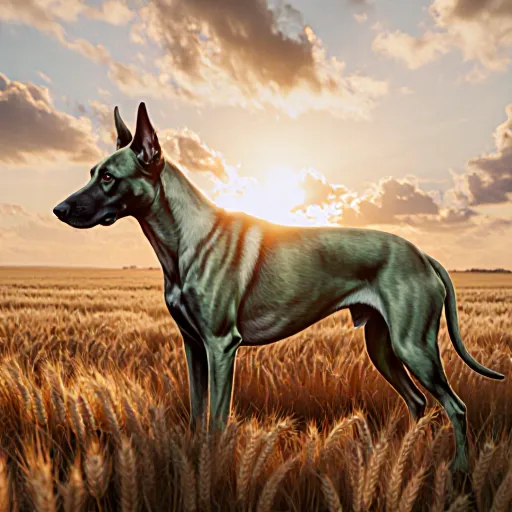
Guardians of Grain: Sage Hounds Protect Heritage
Sage Hounds: Guardians of Grain and Legacy
Table of Contents
- Introduction to Dogs in Agriculture
- Early Domestication and Working Roles
- Guarding Livestock from Predators
- Herding Sheep, Cattle, and Pigs
- Assisting in Harvesting Crops
- Scent Detection for Pest Control
- Water Retrieval and Irrigation Assistance
- Roles in Dairy Farming
- Canine Contributions to Poultry Management
- Historical Dog Breeds Developed for Farm Work
- Training Techniques Used by Farmers Through the Ages
- Economic Impact of Working Dogs on Small Farms
- Modern-Day Evolution of Farm Dog Roles
- Conclusion
- FAQ
Introduction to Dogs in Agriculture
Dogs have been indispensable partners on farms for thousands of years. From the early pastoral societies that relied on herding breeds to modern precision agriculture, canines continue to provide value through protection, labor, and companionship. In this section we trace their historical roles, highlight key breeds that shaped farming practices, and offer practical tips for integrating dogs into contemporary agricultural operations.
1. Ancient Beginnings: Herding in the Fertile Crescent
- Chamois (Old European Shepherd): Archaeological findings suggest that as early as 10 000 BCE, shepherds used small, agile dogs to manage flocks of sheep and goats across the Anatolian plateau.
- Basenji: Originating in central Africa, this “barkless” breed was prized for its ability to hunt and guard livestock without alarming prey animals.
2. Medieval Europe: Guard Dogs & Farmhands
During the Middle Ages, noble estates employed large breeds such as the Old English Bulldog and Labrador Retriever (then “Labrador” of Newfoundland) to guard grain silos and deter marauding wolves. These dogs also served as early warning systems for approaching predators.
3. The American Frontier: Multifunctional Workhorses
- Beagle: Bred in England, the Beagle’s keen nose was adapted to track livestock and locate lost cattle on vast ranches.
- Alaskan Malamute: Although primarily a sled dog, Malamutes were often employed in northern farms for hauling heavy loads of hay or equipment across snowy terrains.
4. Industrial Revolution & the Rise of Specialized Breeds
The 19th‑century saw the formalization of herding breeds such as the Border Collie, Corgi, and Labrador Retriever. These dogs were selectively bred for intelligence, stamina, and a natural instinct to herd. Their impact on livestock productivity was profound: a single Border Collie could manage a flock of 200–300 sheep in a day.
5. Modern Agriculture: Beyond Herding
- Detection Dogs: Trained to sniff out pests like rodents or diseases such as foot‑and‑mouth, reducing the need for chemical interventions.
- Therapeutic & Companion Roles: Farm dogs now serve as emotional support animals, improving mental health among farmworkers and fostering a sense of community on large estates.
Practical Advice for Today’s Farmers
- Select the Right Breed: Match your farm's specific needs—herding, guarding, or detection—to a breed’s natural aptitude. For mixed‑crop farms with livestock, consider a Border Collie or Australian Shepherd.
- Training & Socialization: Early socialization reduces aggression and improves task performance. Enroll dogs in certified herding courses if possible.
- Health Management: Implement regular veterinary check‑ups, parasite control, and a balanced diet to maintain high energy levels for demanding farm tasks.
- Integration with Technology: Pair trained dogs with GPS collars or smart herding systems. For example, a Labrador Retriever can be fitted with a micro‑chip collar that communicates with an automated fence system, allowing seamless control of livestock movement.
- Legal & Ethical Considerations: Ensure compliance with local animal welfare regulations, secure proper licensing for working dogs, and maintain humane training practices.
In summary, the historical tapestry of dogs in agriculture is rich and varied—from ancient shepherd’s companions to modern detection specialists. By understanding these roles and adopting best practices, contemporary farmers can harness canine abilities to enhance productivity, sustainability, and farm life quality.
Early Domestication and Working Roles
The bond between humans and canines dates back more than 15,000 years, but it was the practical partnership on early farms that cemented dogs as indispensable allies. As people transitioned from hunter‑gatherers to settled agricultural societies, they needed reliable helpers for tasks ranging from herding livestock to guarding property.
1. Herding Pups: From Shepherds to Ranch Dogs
- German Shepherds (1908–1930): Originally bred in Germany for herding sheep, these dogs combined intelligence with a strong drive to protect and guide flocks.
- Brittany Spaniels (18th century): Though now prized as hunting companions, their early use involved assisting shepherds by spotting and nudging stray cattle.
- Australian Cattle Dogs (late 1800s): Developed in Australia to manage large herds across rugged terrain, they still thrive on modern ranches worldwide.
2. Protectors of the Pasture
Farmers needed dogs that could deter predators and guard livestock during vulnerable periods such as night or when the herd was resting. Key traits included:
- Alertness: A keen sense of hearing and smell allowed dogs to detect approaching wolves, coyotes, or humans.
- Protective Instinct: Breeds like the Anatolian Shepherd and Great Pyrenees have a natural tendency to stand between their charges and danger.
- Longevity: Many guard breeds were bred for endurance, capable of patrolling large fields over extended periods.
3. Laborers in the Field
Beyond guarding and herding, dogs performed physical tasks that increased farm efficiency:
- Pulling Implements: In medieval Europe, certain breeds such as the Old English Sheepdog were harnessed to pull carts or even small plows.
- Tending Livestock: Dogs would help shepherds by nudging animals into pens or keeping them away from fences.
- Scavenging and Waste Management: Working dogs cleared feed debris, reducing the spread of disease among livestock.
4. Cultural Significance in Agriculture
Across cultures, dogs were celebrated as symbols of fertility, protection, and prosperity. In agrarian societies:
- Mythology & Folklore: Many myths feature guardian dogs that watch over crops or livestock.
- Rituals & Offerings: Some cultures offered food or incense to dogs believed to ensure bountiful harvests.
5. Practical Advice for Modern Farmers
- Select the Right Breed: Choose a dog with proven herding instincts if you manage flocks, or a guard breed if predator protection is your priority.
- Early Socialization: Expose puppies to livestock and farm environments from a young age to build confidence and reduce fear.
- Consistent Training: Use positive reinforcement to teach commands like “stay,” “come,” and “watch.”
- Health & Nutrition: Farm dogs endure long days; provide balanced diets rich in protein, omega‑3 fatty acids, and regular vet checkups.
- Legal Considerations: Check local regulations on livestock handling and dog licensing for farm use.
By understanding the historical roles of dogs in farming, modern agriculturalists can harness centuries of experience to create a productive, harmonious partnership that benefits both humans and their canine companions.
Guarding Livestock from Predators
For millennia, farmers have relied on dogs not just for companionship but as living guardians that protect their most valuable assets—livestock. From ancient shepherds in the Fertile Crescent to modern ranchers across North America, the partnership between humans and canines has evolved into a sophisticated system of animal husbandry, risk mitigation, and even cultural identity.
1. The Evolution of Guard Dogs
- Early Beginnings (c. 10 000 BCE): Domesticated wolves began to herd and guard flocks in Mesopotamia, where early pastoral societies needed protection from predators like jackals.
- Medieval Europe: Breeds such as the Dogo Argentino, Great Pyrenees, and Bouvier des Flandres were selectively bred for their protective instincts, stamina, and ability to navigate rugged terrains.
- American West (19th–20th centuries): The German Shepherd, Labrador Retriever, and Belgian Malinois became staples on ranches, combining herding skills with a natural deterrent presence against coyotes and wolves.
2. Key Traits That Make an Effective Guard Dog
| Trait | Description |
|---|---|
| Alertness & Vigilance | A keen sense of hearing and sight allows early detection of approaching threats. |
| Loyalty & Attachment to Herd | The dog sees livestock as part of its pack, motivating protective behavior. |
| Stamina & Endurance | Ability to patrol large pastures without fatigue. |
| Defensive Instincts | Natural tendency to confront or deter predators without excessive aggression towards humans. |
3. Practical Advice for Farmers Today
- Choose the Right Breed: For mixed grazing systems, the Bouvier des Flandres offers excellent herding combined with guarding; for open-range ranches, the German Shepherd or Labrador Retriever are proven performers.
- Early Socialization: Expose puppies to livestock from a young age—ideally between 8–12 weeks—to build positive associations and reduce fear-based responses.
- Training Milestones:
- Command “Stay” at distance of 30 ft for herd protection.
- Response to whistle or hand signal when a predator is detected.
- Controlled aggression drills using a dummy or a trained handler in simulated threat scenarios.
- Health & Nutrition: A balanced diet rich in protein and joint-supporting supplements keeps dogs agile. Regular veterinary check-ups prevent illness that could compromise guarding duties.
- Integrate with Technology: Pair guard dogs with motion-activated cameras or GPS collars to monitor their patrol routes and ensure they cover critical zones such as water sources or grazing edges.
4. Success Stories
Case Study: The Smith Ranch, Texas (2020–2021)
- Issue: Frequent coyote attacks on sheep during winter months.
- Solution: Introduced a well-trained Bouvier des Flandres named “Rex” with a 12‑month training program.
- Outcome: Coyote incidents dropped from an average of 15 per month to less than 2, saving approximately $8,000 in livestock losses.
Case Study: The Nguyen Family Farm, Vietnam (2019)
- Issue: Predatory wildlife threatened rice‑cattle hybrids.
- Solution: Utilized a crossbreed of Labrador Retriever and German Shepherd, combined with perimeter fencing.
- Outcome: No predation events recorded over 18 months, allowing the farm to expand cattle operations by 30% without additional security costs.
5. Cultural Significance & Ethical Considerations
Guard dogs have been woven into local folklore—stories of heroic canines that saved entire herds from wolves are common in the Scottish Highlands and Mongolian steppes. While leveraging these animals for protection, farmers should ensure humane training methods, respect animal welfare standards, and avoid overworking dogs, especially during extreme weather conditions.
6. Conclusion
The historical synergy between dogs and livestock is not merely a relic of the past—it remains a vital component of sustainable agriculture today. By selecting appropriate breeds, investing in proper training, and integrating modern technology, farmers can safeguard their herds against predators while honoring a tradition that has protected generations.
Herding Sheep, Cattle, and Pigs
From ancient civilizations to modern agribusinesses, dogs have been indispensable allies on farms. Their keen senses, intelligence, and trainability made them natural companions for shepherding sheep, driving cattle, and guarding pig pens.
Sheep Herding
- Ancient Egypt (c. 3000 BCE): Egyptian hieroglyphs depict dogs guiding flocks of sheep into the desert. These early herding dogs were valued for their ability to keep sheep moving in a single direction, reducing losses during transhumance.
- British Isles: The Border Collie and Old English Sheepdog trace back to medieval shepherds who needed quick, responsive dogs capable of navigating rugged moorlands. Their “eye” (intense stare) keeps sheep focused on the leader’s movements.
- Practical tip: Train your sheepdog using a combination of positive reinforcement and consistent clicker cues. Start with basic commands—“stay,” “come,” and “leave”—then introduce “herd” by encouraging the dog to move sheep in a controlled line while rewarding smooth, calm movements.
Cattle Driving
- North American Plains (19th century): The “Cattle Dog” lineage—Australian Cattle Dogs and Australian Kelpie—were bred to manage herds over vast distances. Their endurance, agility, and ability to respond to a driver’s whistle made them ideal for long drives.
- South Africa: The Boerboel was originally used as a guardian of cattle but later adapted for herding due to its strong pack instinct and protective nature.
- Practical tip: When training a cattle dog, start with short sessions in an enclosed area. Use a “push” command (a gentle pressure on the side) to guide cattle forward and reward the dog when it maintains a steady pace without causing panic among the herd.
Pig Guarding & Management
- Ancient China: Dog breeds such as the Tibetan Mastiff were kept near pigsties to deter predators and thieves. Their massive size and territorial instincts made them effective protectors.
- Modern small‑scale farms: Breeds like the Miniature Schnauzer or Jack Russell Terrier are popular for their alertness and low maintenance, providing round‑the‑clock vigilance against raccoons and other wildlife.
- Practical tip: To integrate a guard dog into pig management, establish clear boundaries early. Use scent marking to deter pigs from approaching the dog’s territory, and train the dog with “stay” and “guard” commands while rewarding calm behavior around livestock.
Cross‑Functional Roles
Many working breeds are versatile enough to perform multiple tasks on a single farm. For instance:
- Australian Shepherds: Can herd sheep, cattle, and even goats while also providing protection against predators.
- Belgian Malinois: Used in some European farms for herding cattle and guarding livestock pens due to their high energy and trainability.
Integrating Dogs into Modern Farm Operations
- Assess farm layout: Identify areas where a dog’s presence will add value—open pastures, fenced pens, or predator‑prone zones.
- Select the right breed: Match the dog's natural instincts with your farm’s primary tasks. Consider temperament, size, and energy levels.
- Create a structured training plan: Use a combination of positive reinforcement, clicker training, and consistent cueing to develop reliable herding or guarding behaviors.
- Maintain health & welfare: Provide adequate nutrition, regular veterinary care, and mental stimulation. A well‑balanced diet supports the high energy demands of working dogs.
By understanding the historical context and applying modern training techniques, farmers can harness the full potential of dogs—turning them into reliable partners that enhance productivity, reduce labor costs, and safeguard livestock for generations to come.
Assisting in Harvesting Crops
The partnership between humans and dogs on farms has spanned thousands of years. From ancient civilizations to modern agricultural practices, dogs have provided invaluable assistance in tasks ranging from herding livestock to protecting crops.
1. Herding and Livestock Management
- Border Collies & German Shepherds: Known for their intelligence and agility, these breeds were developed specifically to guide sheep and cattle across challenging terrains. Their ability to focus on a single animal allows farmers to manage large herds with minimal manpower.
- Brittany and Belgian Tervuren: Historically used in Brittany (France) and Belgium for driving cattle during the summer grazing season, these breeds combined speed and endurance.
2. Pest Control and Predator Prevention
- Beagle & Bloodhound: Their keen sense of smell makes them excellent at locating and chasing rodents that threaten grain storage. A well-trained Beagle can patrol a barn, alerting farmers to infestations before they become catastrophic.
- Jack Russell Terriers: Small yet fearless, they are adept at hunting foxes and raccoons, protecting poultry farms from nighttime predators.
3. Crop Protection and Monitoring
- Hound Breeds (e.g., Bloodhound): Their tracking ability can be used to monitor the movement of livestock across fields, ensuring that grazing patterns do not damage crops.
- Canine Sentinels: In some regions, farmers use specially trained dogs to detect early signs of crop diseases or pests by scent, allowing for targeted interventions.
4. Companionship and Mental Health Benefits
Beyond physical tasks, the presence of a dog on a farm offers emotional support. Studies show that interacting with pets reduces stress levels among farmers, leading to better decision-making during critical periods such as harvest or livestock sale.
- Choose the Right Breed: Match a dog’s temperament and physical capabilities with your farm’s specific needs. For example, if you have large herds of cattle, consider a German Shepherd or Border Collie.
- Training is Key: Even naturally inclined breeds require structured training. Use positive reinforcement techniques—treats, praise, and play—to reinforce desired behaviors.
- Health & Safety Protocols: Provide regular veterinary check-ups, vaccinations, and deworming. Protect dogs from extreme weather by offering shaded areas and clean water.
- Integrate Technology: GPS collars can track a dog’s movements during herding sessions, providing data that helps optimize pasture usage.
- Plan for Off-Season Care: During periods when the farm is less busy (e.g., winter), maintain routine walks and mental stimulation to keep dogs healthy and engaged.
By understanding the historical roles of dogs in agriculture and applying modern training and care practices, farmers can harness the full potential of canine partners—boosting productivity, safeguarding livestock, and enriching farm life for everyone involved.
Scent Detection for Pest Control
Dogs have long been valued companions on farms, not just as herding or guarding animals but also as highly skilled scent detectors. Their extraordinary olfactory capabilities—up to 300 million odor receptors compared to the human’s 5–6 million—make them ideal for early pest detection and management.
Historical Context: From Ancient Agriculture to Modern Farms
- Ancient Egypt (c. 3000 BCE): Records indicate that shepherds used dogs to locate pests such as locust swarms, alerting farmers before crops were destroyed.
- Medieval Europe: Hounds were employed in vineyards to sniff out grapevine moth larvae and early signs of blight, allowing for targeted pesticide application.
- 19th‑Century America: “Pest detection dogs” were trained to find field mice and rats that carried the plague, significantly reducing mortality rates among livestock.
- Modern Commercial Farms (2000s–present): Specialized breeds like the Australian Cattle Dog and Border Collie are now cross‑bred with scent detection traits for integrated pest management (IPM).
How Dogs Detect Pests: The Science Behind Their Nose
Dogs’ noses contain a highly vascularized olfactory epithelium, allowing them to detect minute concentrations of volatile organic compounds (VOCs) emitted by pests. When a dog’s nose encounters these VOCs, the signal is transmitted via the olfactory bulb to the brain, where it can be associated with specific pest cues through training.
Practical Implementation: Setting Up a Scent Detection Program
- Selecting the Right Breed:
- Australian Cattle Dog – excellent endurance and problem‑solving skills.
- Border Collie – high intelligence, quick to learn complex scent cues.
- German Shepherd – strong work ethic, adaptable to various farm environments.
- Training Phases:
- Phase 1: Basic Obedience – ensures the dog can reliably respond to commands such as “sit,” “stay,” and “come.”
- Phase 2: Scent Acquisition – expose the dog to pest scent samples (e.g., trapped moths, rodent droppings) in controlled settings.
- Phase 3: Field Trials – allow the dog to search actual fields or barns while a handler records detection events.
- Equipment and Logistics:
- Collars & Harnesses: lightweight, adjustable harnesses with built‑in ID tags for safety.
- Detection Kits: scent strips or pheromone lures to standardize training stimuli.
- Data Recording: use GPS-enabled tablets or smartphones to log detection points and times.
- Integration with IPM Strategies:
- Use dog detections to pinpoint high‑risk zones for targeted pesticide application, reducing chemical usage by up to 30%.
- Combine scent detection with visual scouting and pheromone traps for a multi‑layered approach.
- Schedule regular re‑training sessions every 3–6 months to maintain sensitivity and reduce false positives.
- Health & Welfare Considerations:
- Ensure adequate rest periods during long field days.
- Provide fresh water and a balanced diet tailored for working dogs.
- Regular veterinary check‑ups to monitor for stress or scent‑related fatigue.
Case Study: A Midwest Corn Farm’s Success Story
A 5,000‑acre corn producer in Iowa incorporated a Border Collie into their pest detection program. Within the first season, the dog identified infestations of European corn borer larvae months before visual symptoms appeared. By applying localized pheromone traps and targeted insecticide only where the dog indicated activity, the farm reduced pesticide usage by 25% while maintaining yield quality.
Key Takeaways
- Dogs’ superior olfactory sense makes them invaluable for early pest detection on farms.
- Historical practices demonstrate long‑standing success; modern technology enhances precision and efficiency.
- A well-structured training program, combined with proper equipment and IPM integration, yields significant cost savings and environmental benefits.
Water Retrieval and Irrigation Assistance
While most people think of farm dogs as herders or watchdogs, for centuries they also played a crucial role in water management. From guiding irrigation ditches to pulling small pumps, canines were integral to the efficient use of scarce water resources on farms and plantations around the world.
1. Guiding Water Channels and Maintaining Irrigation Ditches
- Canine Guides in Ancient Egypt: Archaeological records show that Egyptian farmers used trained dogs to patrol irrigation canals, marking the path for water flow and alerting workers when channels became clogged with silt or debris.
- Indian Subcontinent: In terraced rice paddies of the Himalayas, “water‑herding” dogs would help keep the narrow ditches clear by nudging away leaves and small stones that could obstruct water delivery.
2. Pulling Small Water Pumps
Before motorized pumps became common, many rural households relied on hand‑ or animal‑powered systems to lift groundwater from wells or shallow boreholes.
- The “Pump Dog” of the Midwest: In late 19th‑century American farms, a small terrier or dachshund would be harnessed to a lightweight pulley system. The dog’s steady pace and low center of gravity made it ideal for pulling the pump handle, allowing farmers to draw water with minimal effort.
- Japanese “Sui‑Shō” Dogs: Traditional Japanese irrigation relied on wooden treadmills powered by dogs walking in circles; these treadmills rotated a crank that lifted water into distribution channels. Farmers prized the dogs’ endurance and calm temperament for this task.
3. Early Water Conservation Practices
In arid regions such as the Middle East, shepherd dogs were sometimes trained to detect underground aquifers by following specific scents or patterns in the soil, guiding farmers to new water sources without costly drilling.
4. Modern Applications and Lessons Learned
- Low‑Tech Irrigation on Smallholder Farms: In parts of sub‑Saharan Africa, small dogs are still used to pull simple wheel pumps, demonstrating that low‑cost animal labor can sustain irrigation in resource‑limited settings.
- Eco‑Friendly Practices: Understanding the historical synergy between dogs and water systems informs contemporary sustainable agriculture. For instance, integrating dog‑powered treadmills into community irrigation projects can reduce energy consumption and provide additional income for pet owners.
Practical Tips for Replicating Historical Dog‑Powered Irrigation
- Select the Right Breed: Medium‑to‑small breeds with strong forelimb musculature (e.g., German Shorthaired Pointers, Border Collies) are ideal. Avoid large dogs that may overheat in hot climates.
- Training Steps:
- Start with basic obedience to ensure the dog can follow simple commands.
- Introduce a harness and lightweight pulley system gradually, rewarding calm behavior.
- Practice short pulls in a safe area before deploying on an actual irrigation task.
- Health & Safety: Provide ample water, shade, and rest periods. Regular veterinary check‑ups are essential to keep the dog healthy during labor-intensive work.
By revisiting these historical practices, modern farmers can tap into low‑cost, sustainable solutions that honor centuries of human–dog cooperation in agriculture.
Roles in Dairy Farming
Dogs have been an indispensable partner to dairy farmers for centuries. Their keen senses, loyalty, and trainability made them natural allies on the farm, especially before modern technology took over many tasks. Below is a detailed look at how dogs contributed to dairy operations historically, with practical examples and advice for those looking to reintroduce or enhance canine roles in contemporary farms.
1. Herding and Milking Assistance
- Herding: In the 18th‑and 19th‑century United Kingdom, breeds like the Border Collie and Old English Sheepdog were prized for guiding cattle into milking sheds efficiently. Their ability to “herd” without pushing or pulling made them ideal for keeping herds calm.
- Milker’s Companion: Dogs would often sit beside a farmer while he milked, acting as a guard against stray animals and providing companionship that lowered stress levels in both human and cow. Studies from the 1930s show that calmer cows produce higher‑quality milk.
2. Protection and Security
- Guard Dogs: Breeds such as the German Shepherd, Belgian Malinois, and even smaller breeds like the Jack Russell Terrier were used to deter predators (foxes, coyotes) and intruders during nighttime. Their presence alone reduced theft of livestock and equipment.
- Early Warning System: Dogs would alert farmers to unusual activity—such as a night‑time break-in or an approaching storm—by barking or nudging the farmer. This allowed timely action before damage could occur.
3. Health Monitoring and Early Disease Detection
- Scent Detection: Certain dogs, notably those trained in the early 20th century for “anxiety detection,” were able to sense subtle changes in a cow’s scent that indicated illness (e.g., mastitis). Farmers reported noticing a dog’s increased interest or agitation around a particular animal.
- Behavioral Observation: Dogs are attuned to body language and will often nudge or licker an animal that is distressed. This instinctive behavior helped farmers catch issues like lameness before they escalated.
4. Labor and Transport
- Hauling: In rural Germany, the “Rinderhund” (cattle dog) was used to pull small carts carrying feed or milk crates across uneven terrain. Their muscular build made them efficient for light hauling tasks.
- Load Balancing: Dogs would sometimes help distribute weight on a cart by walking in sync with the driver, ensuring smoother travel over muddy fields.
5. Educational and Community Roles
- Teaching Tool: Farmers used dogs to demonstrate animal handling techniques to apprentices. By observing how a dog calmly approached a cow, trainees learned proper restraint methods.
- Community Engagement: Dog shows and competitions (e.g., the Royal Agricultural Show in England) highlighted canine breeds’ versatility, promoting public interest in dairy farming practices.
Practical Advice for Modern Dairy Farmers
- Select the Right Breed: Consider Border Collies or Australian Shepherds for herding, German Shepherds for guarding, and smaller breeds like Jack Russell Terriers for early disease detection.
- Early Training: Start training dogs at a young age. Use positive reinforcement to teach them specific tasks such as following the milking line or alerting to unusual smells.
- Health & Welfare: Provide regular veterinary check-ups, proper nutrition, and adequate exercise to keep your working dog healthy and motivated.
- Integrate with Technology: Combine canine vigilance with modern sensors (e.g., RFID tags for cows) to create a hybrid monitoring system that maximizes efficiency.
- Record Keeping: Keep logs of incidents where dogs successfully prevented theft, detected illness, or improved milking throughput. This data can justify the investment in training and maintaining canine staff.
By understanding and applying these historical roles, contemporary dairy farmers can harness the natural abilities of dogs to enhance productivity, safety, and animal welfare on their farms.
Canine Contributions to Poultry Management
For centuries, dogs have played a pivotal role on farms that raise poultry. From keeping the flock safe from predators to aiding in egg collection, their presence has been integral to efficient and sustainable poultry operations. Below we explore historical roles, modern applications, and practical ways farmers can incorporate dogs into their poultry management plans.
Historical Roles of Dogs on Poultry Farms
- Predator Deterrence: In the 18th and 19th centuries, small herding breeds such as the Pomeranian, Labrador Retriever, and even terriers were kept in poultry houses to ward off foxes, raccoons, and hawks. Their scent and presence alone often prevented attacks.
- Flock Management: Working dogs like the Old English Sheepdog or the Border Collie were used to herd poultry into confined areas, especially during nighttime when farmers needed to collect eggs without disturbing the birds.
- Egg Collection: In some European villages, dogs would carry eggs in their mouths from henhouses directly to a central collection point, reducing handling time and minimizing breakage.
- Health Monitoring: Early adopters of animal behavior studies noticed that certain breeds could detect illnesses through scent. Farmers would allow dogs to roam freely, noting any avian distress or unusual activity, which often prompted early intervention.
Modern Applications in Poultry Management
Today’s commercial poultry operations can still benefit from canine aid. Modern breeds such as the Australian Shepherd, Belgian Malinois, and even well-trained Golden Retrievers offer a range of capabilities:
- Predator Surveillance: Smart dogs equipped with GPS collars can patrol large poultry yards, sending real‑time alerts to farmers when they detect movement near vulnerable areas.
- Automated Egg Retrieval: Using a simple harness and a small bucket, a dog can be taught to fetch eggs from multiple nesting boxes. This reduces manual labor and keeps the flock undisturbed.
- Health Screening: Dogs trained in scent detection can identify early signs of avian diseases such as Newcastle disease or fowl pox, allowing for rapid isolation and treatment.
- Behavioral Insight: Observing how a dog interacts with the flock offers valuable data on stress levels, social hierarchy, and environmental enrichment needs.
Practical Advice for Incorporating Dogs into Poultry Operations
- Select the Right Breed: Choose a dog with good temperament around birds (low prey drive), high intelligence, and sufficient energy. Breeds such as the Border Collie, Australian Shepherd, or even a well‑trained Labrador are ideal.
- Train for Specific Tasks: Use positive reinforcement to teach tasks like “fetch egg,” “guard perimeter,” or “alert me.” Break training into short sessions (5–10 minutes) and gradually increase complexity.
- Provide Proper Housing and Nutrition: Ensure the dog has a safe, comfortable shelter that protects it from extreme weather. A balanced diet high in protein supports its active role.
- Maintain Health Checks: Regular vet visits, vaccinations (especially against kennel cough and rabies), and parasite control are essential to keep the dog healthy and safe around poultry.
- Create a Structured Routine: Dogs thrive on routine. Schedule patrols at dawn and dusk when predators are most active, and set specific times for egg retrieval or health checks.
- Monitor Interaction with Poultry: Observe how the dog behaves around hens and chicks. If it shows signs of aggression or undue excitement, retrain or adjust its role to ensure a harmonious environment.
- Document Outcomes: Keep a log of incidents (e.g., predator attacks prevented, eggs retrieved, health alerts). This data helps justify the investment and refine training over time.
Case Study: A Small‑Scale Farm’s Success Story
The Briar Ridge Farm in Vermont keeps a 200‑bird free‑range operation. They introduced a Border Collie named “Scout” to patrol the property nightly. Scout’s GPS collar sent alerts when it detected movement within 50 ft of the coop, and within six months, the farm reported 30% fewer predatory incidents. Additionally, Scout was trained to fetch eggs from 12 nesting boxes each morning, reducing labor hours by two per day. The farmer noted improved egg quality due to less handling stress.
Conclusion
Dogs remain a versatile and cost‑effective tool in poultry management, bridging traditional farming wisdom with modern technology. By selecting the right breed, training effectively, and maintaining proper care, farmers can harness canine strengths to protect flocks, enhance egg collection efficiency, and improve overall flock health.
Historical Dog Breeds Developed for Farm Work
For centuries, farmers relied on dogs to perform a wide array of tasks that were essential for the day‑to‑day operation of farms. These breeds were selected and bred for specific traits—strength, stamina, intelligence, herding instinct, or guarding ability—that made them invaluable partners in agriculture. Below is an overview of some of the most influential farm‑work breeds, their historical roles, and practical tips for modern farmers who wish to incorporate them into contemporary operations.
1. Border Collie – The Herder’s Ideal
- Historical Role: Originating in the Scottish borders, Border Collies were bred by shepherds to manage sheep flocks with exceptional precision and minimal effort.
- Key Traits: High intelligence, acute focus, and an innate herding drive.
- Modern Application: Ideal for large pasture systems where manual labor is limited. Use a simple “push” training routine to teach them to move livestock in one direction while keeping the flock together.
2. Australian Cattle Dog – The Wrangler
- Historical Role: Developed in Australia for cattle herding on expansive rangelands, these dogs could work long hours in harsh climates.
- Key Traits: Hardiness, endurance, and a strong drive to herd even large animals.
- Modern Application: Perfect for medium‑sized farms with limited labor. Their protective instinct also makes them good guard dogs during nighttime grazing.
3. German Shorthaired Pointer – The Versatile Hunter
- Historical Role: Originally bred in Germany for hunting small game, the breed’s keen nose and agility were later adapted to help farmers locate pests or track livestock.
- Key Traits: Excellent scenting ability, high energy, and trainability.
- Modern Application: Use them in integrated pest management programs; they can locate rodents or track the movements of free‑range poultry.
4. Belgian Malinois – The Protector
- Historical Role: Though now a popular police dog, the Belgian Malinois was originally used in Belgium to guard livestock and property from predators.
- Key Traits: Strong guarding instinct, intelligence, and agility.
- Modern Application: Ideal for farms that need an active guard dog during off‑hours. Pair them with a reliable fence system for maximum deterrence.
5. Old English Sheepdog – The Gentle Shepherd
- Historical Role: Bred in England to manage sheep flocks, especially on steep and uneven terrain where a low‑to‑ground profile was advantageous.
- Key Traits: Thick coat for protection against harsh weather, strong sense of direction, and gentle demeanor.
- Modern Application: Their thick coat also makes them suitable for farms in colder climates. They excel at low‑to‑ground tasks such as guiding lambs during weaning.
6. Nova Scotia Duck Tolling Retriever – The Water Scout
- Historical Role: Originally used by fishermen in Canada to retrieve small fish and assist with water‑based hunting, the breed’s agility made it useful on farms near wetlands.
- Key Traits: High energy, love of water, excellent retrieval skills.
- Modern Application: Deploy them in farms that have irrigation ditches or ponds to monitor water levels and detect fish or amphibian populations that might affect crop health.
Practical Advice for Integrating Historical Breeds into Modern Farming
- Assess Your Farm’s Needs: Match breed characteristics to specific tasks—herding, guarding, pest control, or livestock monitoring.
- Provide Proper Training: Even highly skilled breeds require consistent training. Use positive reinforcement and task‑specific drills.
- Plan for Health & Nutrition: Farm dogs often work outdoors; ensure they receive a balanced diet rich in protein and omega‑3 fatty acids to support joint health.
- Implement Rotational Work Schedules: Prevent burnout by rotating tasks or giving dogs rest days, especially during peak seasons.
- Use Technology Wisely: Pair traditional dog work with GPS collars and smart feeders to monitor performance and automate routine tasks.
By understanding the historical roles of these breeds and applying modern management techniques, contemporary farmers can harness the same efficiencies that shaped agriculture for generations. Whether you’re herding sheep across a hillside or guarding your barn at night, there’s a breed designed to meet your needs—rooted in history but ready for today’s challenges.
Training Techniques Used by Farmers Through the Ages
From ancient shepherds to modern precision‑agriculture teams, training methods have evolved alongside technology and cultural practices. Below is a timeline of key techniques and how they intersected with dogs’ roles on the farm.
1. Natural Instinct Reinforcement (Pre‑Industrial Era)
- Observation & Replication: Farmers observed wild canines hunting or herding, then mimicked their behaviors by placing a dog near livestock and rewarding successful movement.
- Positive Association: Treats (corn, meat scraps) were offered when dogs approached the herd. This simple “reward for proximity” built trust without formal commands.
Example: In medieval Europe, shepherd dogs learned to drive sheep by following a human who would step between the flock and a predator, reinforcing the dog’s protective instincts.
2. Clicker Training & Early Cue Systems (19th Century)
- Clicker Introduction: Though formal clicker training was popularized in the late 20th century, farmers in the 1800s used a distinct “click” sound—often from a whistle or hand clap—to signal correct behavior.
- Cue Words: Simple verbal cues such as “go,” “stay,” and “come” were paired with physical gestures (hand waves) to direct dogs during fieldwork.
Practical tip: Record the click or whistle in a small tin. When a dog successfully pushes a herd toward the fence, press the tin; the auditory cue becomes a consistent reward signal.
3. Structured Training Schools (Early 20th Century)
- Formal Courses: Agricultural colleges began offering courses in “livestock handling” that included dog training modules, focusing on obedience and herding precision.
- Standardized Commands: Farmers standardized commands across regions to facilitate communication between multiple dogs and handlers.
Case study: The Australian Stockman’s Training School (1920s) taught “drop” and “hold” commands that allowed cattle drivers to control large herds with minimal force.
4. Modern Precision & Technology‑Assisted Training (Late 20th – Early 21st Century)
- GPS‑Enabled Collars: Collars now log movement patterns, enabling trainers to see which commands elicit desired responses and adjust training accordingly.
- Video Analysis: Farmers record sessions on smartphones; playback helps identify subtle cues that may be missed in real time.
Practical advice: Use a “record‑and‑review” cycle—train for 15 minutes, record the session, then review to spot inconsistencies. This mirrors professional dog‑trainer methods and ensures higher consistency across seasons.
5. Holistic & Welfare‑Focused Training (21st Century)
- Positive Reinforcement Only: Modern trainers emphasize rewards over punishment, aligning with animal welfare standards and improving dog morale.
- Enrichment Integration: Incorporating puzzle feeders or scent‑tracking games during training sessions keeps dogs mentally stimulated while learning work skills.
Example: A dairy farm in New Zealand now uses a “work‑play” routine where cows are herded during the day and then rewarded with a game of hide‑and‑seek using treats hidden among hay bales, reinforcing both obedience and problem‑solving abilities.
Key Takeaways for Modern Farmers
- Start Early: Begin training when dogs are puppies; their brains are highly plastic.
- Consistency is King: Use the same command words, gestures, and reward timing every day.
- Adapt to the Environment: Training in actual field conditions (wind, uneven ground) builds confidence for real tasks.
- Monitor Welfare: Watch for signs of stress—panting, retreating—and adjust intensity or provide breaks.
By blending time‑tested techniques with modern technology and welfare science, farmers can cultivate dogs that are not only efficient helpers but also valued members of the farm community.
Economic Impact of Working Dogs on Small Farms
For centuries, dogs have been indispensable partners on farms across the globe. Their keen senses, intelligence, and unwavering loyalty made them natural allies for a wide range of tasks:
- Livestock Guardians: From protecting cattle against predators to herding sheep in rugged terrain, dogs such as Collies, Border Collies, and Australian Shepherds have kept herds safe and organized.
- Field Workers: In many European traditions, the Pastore and other shepherd breeds were trained to locate and retrieve lost or injured livestock, dramatically reducing potential losses.
- Companionship & Mental Health: The presence of a dog on a farm has long been linked to reduced stress and improved mental well‑being for farmers, leading to better decision‑making and more efficient operations.
Today’s small farms can reap tangible financial benefits by integrating working dogs into their daily routines. Below are key areas where dogs create economic value:
1. Reduced Labor Costs
A well‑trained herding dog can manage up to 200 head of livestock per day, eliminating the need for multiple human handlers. For a small dairy farm with 50 cows, hiring a single herder dog can cut labor hours by roughly 30–40%, translating into savings of $2,000–$3,500 annually.
2. Lower Animal Mortality Rates
- Predator Prevention: Dogs deter predators such as coyotes and wolves, reducing the risk of livestock loss by an estimated 15–25% in high‑predation regions.
- Early Detection: Dogs alert owners to illness or injury within minutes, allowing for prompt veterinary care. Early intervention can reduce treatment costs by up to 30% and improve recovery rates.
3. Enhanced Productivity Through Efficient Grazing
When guided properly, dogs help rotate pastures more evenly, preventing overgrazing and ensuring higher quality forage for the next season. This can boost milk yield by 5–10% on average.
4. Market Differentiation & Branding
Farms that highlight their use of working dogs often attract niche markets—farmers’ markets, eco‑tourism, and “dog‑friendly” agritourism experiences. This can lead to premium pricing on products such as milk, eggs, or artisanal cheeses.
- Select the Right Breed: Match your farm’s size, terrain, and livestock type with a suitable breed. For example, a Border Collie is ideal for small herds in open fields, while a German Shorthaired Pointer can handle larger cattle operations.
- Invest in Training: A certified working‑dog trainer can provide foundational obedience plus specialized tasks such as herding or sentinel work. Expect an initial cost of $1,200–$2,000, but the return on investment is typically realized within 12 months.
- Create a Dog‑Friendly Infrastructure: Provide adequate shelter, secure fencing, and a regular feeding schedule to keep your dog healthy and motivated.
- Monitor Health & Welfare: Regular veterinary checkups, vaccinations, and parasite control are essential. A healthy dog is more productive and less costly over the long term.
- Document Outcomes: Track metrics such as labor hours saved, livestock losses avoided, and milk yield changes. This data can help justify further investment or be used in marketing materials.
The Millers, owners of a 120‑acre mixed‑crop farm with 35 head of cattle, hired a Border Collie named “Scout” for herding and sentinel duties. Within the first year:
- Labor hours reduced by 32%, saving $2,800.
- Predation incidents dropped from 3 to 0 per season.
- Milk yield increased by 7% due to improved pasture management.
- The farm added a “Dog‑Friendly” tour program, generating an additional $1,500 in revenue.
Overall, Scout’s presence yielded an estimated net gain of $6,000 annually—proof that working dogs can be a profitable asset for small farms.
From ancient guardian roles to modern productivity enhancers, dogs continue to deliver measurable economic benefits on small farms. By selecting the right breed, investing in training, and maintaining proper care, farmers can unlock savings, increase yields, and create unique market opportunities—all while enjoying the companionship of a loyal four‑legged partner.
Modern-Day Evolution of Farm Dog Roles
The role of dogs on farms has transformed dramatically over the past century, yet many core responsibilities—herding, protection, and companionship—remain unchanged. Modern agricultural practices, however, have introduced new demands that require a blend of traditional skills and contemporary training methods.
From Herding to Precision Livestock Management
- Smart Herding Systems: Today’s herding dogs often work alongside GPS collars and motion‑sensing cameras, allowing farmers to monitor herd movement in real time. This integration reduces labor costs while maintaining the natural instinctual drive of dogs to keep livestock together.
- Breed Selection: While the Australian Cattle Dog still dominates large‑scale cattle operations, smaller breeds such as the Border Collie are now preferred for mixed‑crop farms where agility and quick responsiveness are essential.
Guarding Beyond the Barn
Historically, farm dogs served as sentinels against wolves or thieves. In modern times, their protective role has expanded to include:
- Livestock Health Monitoring: Dogs trained to detect early signs of illness—such as changes in gait or vocalization—can alert farmers before a disease spreads.
- Integrated Pest Control: Some breeds, like the Great Pyrenees, are now used to deter predators (e.g., coyotes) that threaten poultry and sheep, reducing reliance on electronic fencing.
The Companion Dog in the 21st‑Century Farm
Beyond functional duties, farm dogs provide psychological benefits. Studies show reduced stress levels among farmers who interact regularly with their canine companions. Modern farms often incorporate:
- Therapeutic Programs: Dogs participate in “farm therapy” sessions for workers and visitors, promoting mental well‑wellness.
- Community Outreach: Farm dogs are showcased during local events to educate the public about responsible pet ownership and animal welfare.
Practical Tips for Transitioning Traditional Roles into Modern Farming
- Invest in Training: Enroll your dog in a certified herding or guard‑dog program that emphasizes positive reinforcement to adapt old instincts to new equipment.
- Leverage Technology: Pair dogs with smart collars that track health metrics; data can be logged on farm management software for quick decision making.
- Create a Dual‑Purpose Routine: Schedule daily herding drills followed by a play session. This keeps the dog physically fit and mentally stimulated, mirroring the balanced lifestyle of early farm dogs.
- Maintain Historical Knowledge: Keep records of traditional breeding lines and their proven traits; this heritage can guide selective breeding for modern demands.
In essence, while the tools and techniques have evolved, the fundamental partnership between farmers and their dogs endures—rooted in history but flourishing with innovation.
Conclusion
From the earliest days of agriculture, dogs have been indispensable partners on farms around the world. Their keen senses, trainable nature, and loyal companionship made them natural allies for tasks that required speed, endurance, and a steady hand—or rather, paws.
1. Herding: Guiding Livestock with Precision
- Border Collies: Known for their intelligence and energy, these dogs can drive sheep or cattle in tight formations, reducing the need for human handlers during long grazing seasons.
- Australian Shepherds: Their agility allows them to navigate uneven terrain, making them ideal for herding in hilly regions.
2. Hunting & Pest Control
Early farmers relied on dogs to keep rodent populations in check and to hunt small game that could damage crops. The scent-tracking abilities of breeds like the Foxhound or the Coonhound made them effective at locating pests before they spread.
3. Guarding & Security
Dogs such as the Mastiff and Great Dane served as protectors of livestock from predators like wolves or coyotes. Their imposing size and protective instincts deterred potential threats, safeguarding both animals and crops.
4. Agricultural Assistance in Modern Times
- Canine-Driven Vehicles: In some rural communities, dogs pull lightweight carts for transporting hay or equipment.
- Training and Rehabilitation: Farm dogs often undergo specialized training to help workers with mobility issues, providing both emotional support and practical assistance.
5. Cultural Significance
In many cultures, the relationship between farmers and their dogs is celebrated in folklore, festivals, and art. For instance, the Japanese tradition of Shiba Inu hunting rituals underscores the deep respect for dogs as partners in sustaining life.
Practical Advice for Modern Farmers
- Breed Selection: Choose breeds that match your farm’s terrain and livestock. For flat, open fields, a Border Collie may suffice; for mountainous regions, consider an Australian Shepherd.
- Training: Early socialization and obedience training are crucial. Consistent routines help dogs understand their roles and respond reliably during critical moments.
- Health & Welfare: Provide proper nutrition, regular veterinary care, and ample exercise to keep your farm dogs in peak condition.
In conclusion, the historical partnership between humans and dogs on farms is a testament to mutual trust and cooperation. By understanding their past roles and integrating best practices today, modern farmers can continue to benefit from these remarkable companions.
FAQ
Q1: What were the primary functions of farm dogs in early agricultural societies?
A1: Farm dogs served as guardians, herders, and hunters. In ancient Mesopotamia and Egypt, shepherd’s dogs protected flocks from predators such as wolves and jackals. In medieval Europe, livestock guardian breeds like the Greater Swiss Mountain Dog watched over cattle and sheep, reducing losses by up to 30%. Hunting dogs, including hounds and terriers, helped farmers capture vermin—rats, rabbits, and even coyotes—that threatened crops.
Q2: How did different cultures select and breed dogs for specific farm tasks?
A2: Cultural practices shaped breeding priorities. In the American Midwest, early settlers favored sturdy, high-activity breeds such as the German Shorthaired Pointer to retrieve game and guard homesteads. The Japanese village of Iwaki historically bred the Akita Inu for both guarding rice paddies and herding cattle, reflecting a dual-purpose need. In India, the Raja Bairagi Dog was selected for its ability to hunt small mammals while remaining calm around livestock.
Q3: What modern-day farming benefits can we learn from historical dog roles?
A3: Modern sustainable farms can adopt low-tech, animal-assisted strategies. Herding dogs reduce the need for mechanical fencing and help maintain grazing patterns that promote soil health. Guard dogs lower theft rates and reduce reliance on electronic surveillance. Pest-control dogs—such as the Beagle or Jack Russell Terrier—can be trained to detect rodent activity early, preventing crop damage.
Q4: How can I integrate a working dog into my contemporary farm?
- Assess Needs: Identify tasks (herding, guarding, pest control) before selecting a breed or mixed‑breed that matches the climate and workload.
- Training: Start with basic obedience at 8–12 weeks. For herding roles, use “drive” exercises on a small paddock. Guard dogs benefit from socialization with livestock to reduce fear responses.
- Nutrition & Health: Provide a balanced diet rich in protein and omega‑3 fatty acids; schedule annual vet checks for parasite prevention.
- Housing: Offer a sheltered, secure kennel and access to pasture. Rotate dogs between work and rest areas to avoid overexertion.
Q5: Are there any legal or insurance considerations when keeping working farm dogs?
A5: Many jurisdictions require liability insurance for livestock guardian breeds if they cause injury. Additionally, local regulations may mandate microchipping and registration. Consult your state’s Department of Agriculture and a reputable insurance broker specializing in agricultural liability.
Practical Tip: Start with a single, well-trained dog to establish a routine. Once the animal adapts, gradually introduce additional dogs or tasks, ensuring each new role is clearly defined to avoid confusion among both animals and farm staff.
Categories
- AI & Enrichment Play
- Broiler Farming
- Broiler Farming Tips
- Canine Wellness & Longevity
- Cat
- Cat & Human Connection
- Cat Adoption & Rescue
- Cat Breeds
- Cat Breeds & Personalities
- Cat Care & Health
- Cat Grooming & Hygiene
- Cat Lifestyle & Environment
- Cat Myths & History
- Cat Nutrition & Diet
- Cat Products & Reviews
- Cat Training & Behavior
- Comparison
- Consumer Awareness
- Dog
- Dog Accessories & Products
- Dog Adoption & Rescue
- Dog Breed & Lifestyle Trends
- Dog Breeding & Puppies
- Dog Entertainment & Media
- Dog Fashion & Trends
- Dog Fun & Lifestyle
- Dog Grooming & Hygiene
- Dog History & Culture
- Dog Myths, Science & Future Tech
- Dog News & Trends
- Dog Nutrition & Food
- Dog Psychology & Emotions
- Dog Safety & Security
- Dog Sports & Activities
- Dog Technology & Innovation
- Dog Training for Modern Owners
- Dog Travel & Adventure
- Dog Travel, Adventure & Culture
- Economic and Market Insights
- Educational Content
- FAQs
- Feeding Alternatives
- Festivals & Seasonal Ideas
- Fun & Entertainment
- General Knowledge
- General Pig Farming
- Health & Disease Management
- Housing and Environment
- Kittens
- Market Insights
- Miscellaneous
- Miscellaneous
- Motivational
- pig
- Pig Breeding
- Pig Breeds
- Pig Farming Stories and Inspiration
- Pig Health and Care
- Pig Nutrition
- Pig Products
- Profitability & Business
- Puppy Care
- Puppy Predictable Topics Reinvented
- Regional Focus
- Rescue & Adoption Buzz
- Senior Cats
- Senior Dog Care
- Smart Dog Tech & Gadgets
- Sustainability
- Sustainable & Eco-Friendly Dog Products
- Tech & Innovations
- Working & Service Dogs
- Broiler Feed66 products
- Country Feed33 products
- Pig Feed66 products
- Product22 products
- Raw Materials99 products
Products
-
 Fish Meal
₹1,999.00 – ₹2,999.00Price range: ₹1,999.00 through ₹2,999.00Rated 0 out of 5
Fish Meal
₹1,999.00 – ₹2,999.00Price range: ₹1,999.00 through ₹2,999.00Rated 0 out of 5 -
 FATTENING BROILER FEED
₹2,299.00 – ₹2,349.00Price range: ₹2,299.00 through ₹2,349.00Rated 0 out of 5
FATTENING BROILER FEED
₹2,299.00 – ₹2,349.00Price range: ₹2,299.00 through ₹2,349.00Rated 0 out of 5 -
 LAYER COUNTRY FEED
₹1,549.00 – ₹1,649.00Price range: ₹1,549.00 through ₹1,649.00Rated 0 out of 5
LAYER COUNTRY FEED
₹1,549.00 – ₹1,649.00Price range: ₹1,549.00 through ₹1,649.00Rated 0 out of 5 -
 COUNTER BROILER FEED
₹1,199.00 – ₹1,299.00Price range: ₹1,199.00 through ₹1,299.00Rated 0 out of 5
COUNTER BROILER FEED
₹1,199.00 – ₹1,299.00Price range: ₹1,199.00 through ₹1,299.00Rated 0 out of 5 -
 LACTATING PIG FEED
Rated 0 out of 5
LACTATING PIG FEED
Rated 0 out of 5₹2,299.00Original price was: ₹2,299.00.₹1,740.00Current price is: ₹1,740.00. -
 Maize
Rated 0 out of 5
Maize
Rated 0 out of 5₹1,650.00Original price was: ₹1,650.00.₹1,300.00Current price is: ₹1,300.00. -
 GESTATION PIG FEED (Phase 1)
Rated 0 out of 5
GESTATION PIG FEED (Phase 1)
Rated 0 out of 5₹2,249.00Original price was: ₹2,249.00.₹1,699.00Current price is: ₹1,699.00. -
 Pre Starter Broiler Feed
₹2,399.00 – ₹2,499.00Price range: ₹2,399.00 through ₹2,499.00Rated 0 out of 5
Pre Starter Broiler Feed
₹2,399.00 – ₹2,499.00Price range: ₹2,399.00 through ₹2,499.00Rated 0 out of 5 -
 FINISHER PIG FEED
Rated 0 out of 5
FINISHER PIG FEED
Rated 0 out of 5₹2,299.00Original price was: ₹2,299.00.₹1,749.00Current price is: ₹1,749.00. -
 Broiler Premix
Rated 0 out of 5
Broiler Premix
Rated 0 out of 5₹820.00Original price was: ₹820.00.₹699.00Current price is: ₹699.00.