
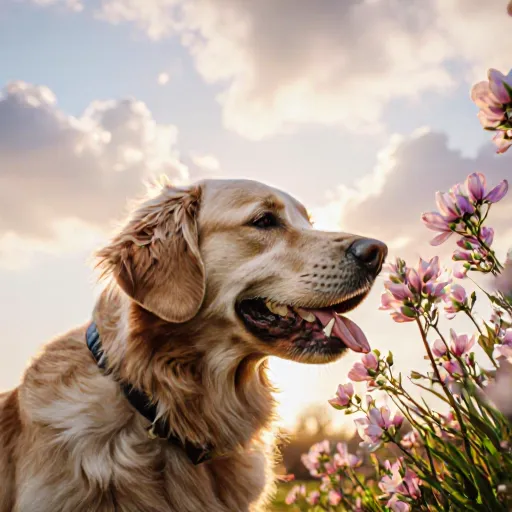
Beat the sniffles—doggie health hacks for every season
Seasonal Sickness Secrets Every Dog Owner Must Know
Table of Contents
- Introduction to Seasonal Health Issues in Dogs
- Winter Cold Stress and Hypothermia
- Snow and Ice-Related Injuries
- Cold Weather Respiratory Problems
- Summer Heatstroke Prevention
- Heat-Related Skin Conditions
- Summer Allergies and Insect Bites
- Spring Parasite Resurgence (Ticks & Fleas)
- Allergy Season: Hay Fever in Dogs
- Autumn Food Changes and Digestive Issues
- Seasonal Weight Management Tips
- Vaccination Schedules for Seasonal Protection
- Mental Health Across Seasons
- Conclusion
- FAQ
Introduction to Seasonal Health Issues in Dogs
Just like humans, dogs are affected by changes in temperature, humidity, and daylight hours. These shifts can trigger a range of health issues—from mild discomfort to serious medical conditions—if you’re not prepared. Below we break down the most common seasonal concerns, explain why they occur, and share actionable tips to keep your furry friend healthy all year round.
1. Cold‑Weather Complications
- Hypothermia & Frostbite: Dogs with short coats or thin bodies are especially vulnerable. Symptoms include shivering, lethargy, and pale gums. Prevent by keeping indoor temperatures above 50°F (10°C) and providing a warm bed.
- Joint Pain & Arthritis: Cold air can stiffen joints. Keep your dog’s paws protected with booties or paw wax to reduce friction and use joint supplements like glucosamine if advised by your vet.
- Dry Skin & Coat: Low humidity dries out skin, leading to itching and flaking. Use a humidifier in living areas and apply pet‑safe moisturizers after baths.
2. Hot‑Weather Challenges
- Heatstroke: Signs include excessive panting, drooling, vomiting, or collapse. Prevent by never leaving a dog in a parked car, providing shade and fresh water, and walking during cooler parts of the day.
- Dehydration & Electrolyte Imbalance: Offer electrolyte solutions (e.g., Pedialyte) if your dog is losing fluids through heavy panting or diarrhea.
- Lawn Mower & Pest Exposure: Summer brings more insects and chemicals. Use pet‑safe flea/tick preventatives and keep your yard clean from pesticide residues.
3. Allergy Season
Spring and fall are peak times for pollen, mold spores, and dust mites—all common allergens in dogs. Look for symptoms such as itching, redness around the ears, sneezing, or watery eyes.
- Preventive Care: Use hypoallergenic shampoos, keep windows closed on high‑pollen days, and consider a vet‑recommended antihistamine.
- Environmental Control: Vacuum regularly with HEPA filters, wash bedding weekly, and use air purifiers to reduce airborne allergens.
4. Seasonal Parasite Risks
- Ticks & Mosquitoes: Both carry Lyme disease, heartworm, and other infections. Use year‑round tick prevention (spot-on or oral) and perform daily tick checks after walks.
- Heartworms: Most prevalent in late spring to early fall. Monthly heartworm preventive medication is essential for all dogs.
5. Food & Digestive Issues
Seasonal changes can alter your dog’s appetite and digestive health. Sudden dietary shifts—like new treats or table scraps—can lead to upset stomach, diarrhea, or vomiting.
- Gradual Transition: If you’re switching brands or adding seasonal foods (pumpkin, sweet potatoes), mix gradually over a week.
- Watch for Allergies: New ingredients can trigger food allergies. Monitor for itching, ear infections, or gastrointestinal signs.
Practical Checklist for Each Season
| Season | Key Concerns | Action Steps |
|---|---|---|
| Winter | Hypothermia, joint pain, dry skin | Warm bedding, paw protection, humidifier |
| Spring | Allergies, tick exposure | Pest control, air purifier, keep windows closed |
| Summer | Heatstroke, dehydration, fleas | Shade & water, avoid hot pavement, flea spray |
| Fall | Allergies, heartworm risk | Heartworm preventive, monitor skin irritation |
When to Call the Vet
If your dog shows any of these signs:
- Persistent vomiting or diarrhea
- Unusual lethargy or weakness
- Severe itching or rash that won’t clear up
- Difficulty breathing, wheezing, or coughing
- Visible signs of pain or discomfort when moving
Seek veterinary care promptly. Early intervention can prevent complications and keep your dog comfortable.
Final Thoughts
By staying aware of how seasonal changes affect your dog’s body, you can tailor care to reduce risks and enhance wellbeing. Keep a seasonal health journal, update preventive treatments regularly, and enjoy the outdoors—responsibly—with your best friend by your side.
Winter Cold Stress and Hypothermia
When temperatures drop, dogs are exposed to a range of environmental stressors that can lead to cold stress or even hypothermia. Understanding the signs, prevention strategies, and emergency care is essential for any dog owner who spends time outdoors during the winter months.
What Is Cold Stress?
- Definition: A state where a dog's body temperature falls below normal but has not yet reached hypothermia.
- Causes: Wind chill, prolonged exposure to cold air or water, and insufficient insulation (e.g., thin coats, lack of shelter).
Recognizing the Signs of Cold Stress
| Symptom | Description |
|---|---|
| Shivering | Early indicator that the dog is trying to generate heat. |
| Pale or bluish gums and tongue | Reduced blood flow due to vasoconstriction. |
| Lethargy or reduced activity | The dog may seem unusually tired or reluctant to move. |
| Rapid breathing or panting (without heat) | Attempt to increase oxygen intake and warmth. |
When Does Cold Stress Turn Into Hypothermia?
Hypothermia occurs when a dog's core body temperature drops below 95°F (35°C). It is a medical emergency that requires immediate intervention. Signs include:
- Weakness or inability to stand
- Stiff or trembling limbs
- Cyanotic (bluish) skin, especially around the ears and tail
- Slow heart rate and breathing
Preventive Measures for Winter Outdoor Time
- Proper Clothing: Use dog jackets or sweaters designed for cold weather. Choose materials that are wind-resistant and waterproof.
- Limit Exposure Time: Gradually increase outdoor activity duration as you acclimate your dog to the cold.
- Provide Shelter: Offer a windbreak, insulated dog house, or a portable heated enclosure if your dog spends extended time outside.
- Check for Frostbite: Inspect ears, paws, tail, and nose after exposure. Look for redness, swelling, or blisters.
Practical Advice for Owners
Here are step‑by‑step tips to help you keep your dog safe during winter:
- Pre-Exercise Warm‑Up: Gently walk your dog indoors for a few minutes before heading outside. This raises muscle temperature and reduces the risk of injury.
- Use High-Calorie Snacks: Cold environments increase metabolic demands; provide small, high-energy treats during long walks.
- Hydration Matters: Even in cold weather, dogs need water. Offer fresh water and consider a thermally insulated water bowl.
Emergency Response for Hypothermia
- Move to Warmth: Immediately bring the dog indoors or into a warm shelter.
- Wrap in Blankets: Use dry blankets, towels, or sweaters. Avoid direct heat sources like heaters or hair dryers.
- Warm Core Body Temperature: Gently apply lukewarm (not hot) water to the dog's chest and abdomen with a damp cloth for 10–15 minutes.
- Seek Veterinary Care: Contact your veterinarian right away. Bring any relevant information such as time of exposure, clothing used, and observed symptoms.
Case Study: Rescue in a Snowstorm
A 5‑year‑old Labrador Retriever was found shivering on a backroad during a blizzard. The owner had left the dog outside for a short walk without a jacket. Within minutes, the dog exhibited pale gums and rapid breathing. By wrapping the dog in blankets and applying lukewarm water to the chest, the owner stabilized the dog until veterinary care arrived. The dog recovered fully after a brief hospitalization.
Key Takeaways
- Cold stress is common but preventable with proper gear and planning.
- Early recognition of signs can prevent progression to hypothermia.
- Immediate, gentle warming is crucial; avoid hot sources that can burn the dog’s skin.
By staying informed and prepared, you can ensure your canine companion enjoys winter adventures safely without risking cold‑related health issues.
Snow and Ice-Related Injuries
During winter months, dogs are exposed to harsh conditions that can lead to a variety of injuries. Snow and ice create slippery surfaces, extreme cold, and sometimes hidden hazards such as toxic antifreeze or road salt. Below is an in‑depth look at common injuries, real‑world examples, and practical prevention & treatment tips.
1. Slip‑and‑Fall Injuries
- Typical Symptoms: Limping, bruised skin, swelling of joints or tendons, occasional pain on movement.
- Example Case: A 4‑year‑old Labrador named Max slipped on a freshly salted driveway and suffered a mild sprain in his right hock. The injury healed with rest and anti‑inflammatory medication prescribed by the vet.
- Prevention Tips:**
- Keep walkways clear of ice by using sand or gravel for traction.
- Use dog boots with good grip on slick surfaces.
- Shorten walks during peak snowfall to reduce exposure time.
2. Frostbite & Cold‑Induced Skin Damage
- Typical Symptoms: Pale or white patches, blistering, numbness in ears, paws, tail.
- Example Case: A German Shepherd named Bella had frostbitten paw pads after a long walk in temperatures below -10 °C. The vet recommended topical ointment and a warm, moist compress for 15 minutes, twice daily.
- Prevention Tips:**
- Limit outdoor time when temperatures are below freezing.
- Choose winter blankets or heated pet beds to keep the dog warm indoors.
- Check paws for signs of redness or swelling after walks.
3. Ice Crystal (Cryogenic) Burns
- Typical Symptoms: White or translucent skin, blisters, intense pain upon touching.
- Example Case: A Border Collie named Sam accidentally stepped on a block of ice that had been left outside for several hours. He developed a small cryogenic burn on his paw; immediate veterinary care with wound cleaning and antibiotic ointment prevented infection.
- Prevention Tips:**
- Inspect the area before letting your dog roam outdoors.
- Use non‑slippery mats or rugs indoors to reduce risk of accidental contact with ice blocks left for pets.
4. Antifreeze Poisoning (Secondary to Ice Melting)
- Typical Symptoms: Vomiting, lethargy, tremors, seizures.
- Example Case: A small terrier named Milo licked a puddle of antifreeze that had melted from a cracked pipe. He was brought to the clinic within 30 minutes and received activated charcoal and intravenous fluids, which saved his life.
- Prevention Tips:**
- Keep antifreeze containers sealed and out of reach.
- Use pet‑safe de‑icing products (e.g., calcium magnesium acetate).
- Educate family members and neighbors about the danger of antifreeze to pets.
5. Hypothermia
- Typical Symptoms: Shivering, weakness, slow heart rate, fainting.
- Example Case: An older Beagle named Daisy was left outside in a snowstorm for an hour. She exhibited signs of hypothermia and required immediate warming with blankets, warm water (not hot), and veterinary support.
- Prevention Tips:**
- Never leave dogs unattended in extreme cold conditions.
- Provide a well‑insulated shelter or crate inside the home.
- Check body temperature if you suspect hypothermia; normal canine rectal temp is 101–102 °F (38.3–39 °C).
6. Eye & Ear Damage from Salt or Snow
- Typical Symptoms: Redness, swelling, discharge, scratching.
- Example Case: A Cocker Spaniel named Oliver had salt residue in his ears after a walk on a salted road. He developed an ear infection that required topical antibiotic drops.
- Prevention Tips:**
- Rinse ears with warm water after walks and dry thoroughly.
- Use pet‑friendly saline solutions to clean the eyes if snow or salt gets in them.
Treatment Checklist for Owners
- Assess: Check for visible injuries, swelling, or abnormal behavior.
- Clean: Gently wash any exposed wounds with lukewarm water; avoid using harsh chemicals.
- Cover: Apply a sterile gauze pad if bleeding; keep the area clean and dry.
- Warm: Use warm (not hot) compresses for frostbite or cold injuries to promote blood flow.
- Seek Vet Care: If pain persists, infection signs appear, or you suspect poisoning, contact your vet immediately.
By staying vigilant and taking proactive measures, owners can keep their dogs safe and healthy during the snowy season. Regular veterinary check‑ups, proper winter gear, and careful monitoring of outdoor activities are key to preventing these common injuries.
Cold Weather Respiratory Problems
When temperatures drop and the air becomes dry, many dogs are prone to a range of respiratory problems that can compromise their overall well‑being. Below we explore common conditions, how they manifest in canine patients, and practical steps you can take to protect your furry friend during the colder months.
Common Cold Weather Respiratory Issues
- Upper Respiratory Tract Infections (URTI): Viral or bacterial infections that cause sneezing, nasal discharge, coughing, and lethargy. Dogs with compromised immune systems or those living in crowded shelters are especially vulnerable.
- Croup (Laryngeal Paroxysmal Dysphonia): A sudden onset of a harsh “barking” cough that often worsens at night or during exercise. The cold, dry air irritates the larynx and trachea.
- Bronchitis: Inflammation of the bronchi leading to persistent coughing, wheezing, and difficulty breathing. Chronic bronchitis can be exacerbated by winter air pollution from heating systems.
- Pneumonia: A severe lung infection that may arise secondary to untreated URTI or as a primary bacterial/fungal infection in debilitated dogs.
- Canine Influenza (Dog Flu): While not exclusive to cold weather, the virus spreads more readily when dogs congregate indoors during winter. Symptoms mirror those of human influenza: fever, coughing, nasal discharge, and lethargy.
Recognizing Early Signs
Early detection is key. Watch for:
- Sneezing or nasal congestion that lasts more than a few days
- Coughing that becomes dry, harsh, or “bark‑like” in nature
- Reduced appetite and weight loss
- Lethargy or reluctance to exercise
- Rapid breathing or visible effort when inhaling (e.g., chest rising more than usual)
- Fever (over 103°F / 39.4°C) measured with a rectal thermometer
Preventive Measures for Homeowners and Veterinarians
- Keep Indoor Air Humidified: Use a cool‑mist humidifier to add moisture to the air, reducing irritation of nasal passages and tracheal lining. Aim for 30–40% relative humidity.
- Regular Vaccinations: Ensure dogs are up to date on core vaccines (e.g., canine distemper, adenovirus, parvovirus) and consider a canine influenza vaccine if available in your region.
- Limit Exposure to Crowded Spaces: Avoid dog parks or pet stores during peak cold weather. Opt for home visits or outdoor walks where you can control the environment.
- Maintain Good Hygiene: Wash bedding frequently, and keep the living area clean to reduce airborne pathogens.
- Monitor Temperature Exposure: Keep dogs away from drafty windows or unheated areas for extended periods. Use dog‑safe heating pads only if recommended by a vet.
- Prompt Veterinary Consultation: If symptoms persist beyond two days, consult your veterinarian promptly to rule out bacterial infections that may require antibiotics.
Treatment Options and Home Care Tips
- Veterinary Medications:
- Antibiotics for confirmed bacterial infections (e.g., amoxicillin‑clavulanate).
- Antiviral agents if influenza is suspected.
- Corticosteroids to reduce severe inflammation in bronchitis or croup, but only under veterinary supervision.
- Oxygen Therapy: For dogs with severe respiratory distress, supplemental oxygen can be administered via a mask or nasal cannula.
- Hydration and Nutrition: Encourage water intake; offer warm, easy‑to‑eat foods (e.g., boiled chicken with rice) to maintain energy levels.
- Rest and Reduced Activity: Limit strenuous exercise until the cough resolves. Gentle walks are fine once symptoms abate.
- Use of Warm Compresses: Applying a warm, damp cloth over the chest can soothe coughing in mild cases.
Case Study: A Labrador Retrieving from Winter Bronchitis
Meet Max, a 5‑year‑old Labrador who developed a persistent cough after an outdoor walk on a frosty morning. Owners noticed he was breathing harder than usual and had lost his appetite. Upon veterinary examination, a mild bacterial bronchitis was diagnosed. The vet prescribed amoxicillin‑clavulanate for ten days, recommended a humidifier at home, and advised limiting Max’s daily walks to short 10‑minute sessions in the early afternoon when temperatures were slightly warmer. Within a week, Max’s cough resolved, his appetite returned, and he regained his energy.
Key Takeaways
- Cold weather can exacerbate or trigger respiratory issues in dogs.
- Early recognition of symptoms leads to better outcomes.
- Preventive measures—vaccination, humidification, and limiting exposure—are essential.
- When symptoms persist, professional veterinary care is critical.
By staying vigilant and implementing these strategies, you can help your dog breathe easier and stay healthy throughout the winter months.
Summer Heatstroke Prevention
As temperatures climb, dogs—especially small breeds, puppies, and those with thick coats or breathing issues—are at higher risk of heatstroke. A quick refresher on the signs and a set of practical steps can keep your pet safe.
Recognizing Early Warning Signs
- Excessive panting: Panting more than usual or for an extended period.
- Lethargy or weakness: Difficulty standing, dragging paws, or stumbling.
- Red or pale gums: Gums that are bright red, pink, or even white can indicate overheating.
- Nausea and vomiting: Unexplained retching or loss of appetite.
- Disorientation or seizures: Confusion, trembling, or collapse.
Practical Prevention Tips
-
Keep Hydration Top‑Priority:
- Always provide fresh water—consider a bowl with an attached faucet for easy access.
- Add ice cubes or chilled water to keep the temperature cool without diluting electrolytes.
- Use a portable dog water bottle or a collapsible bowl for walks.
-
Choose the Right Time for Outdoor Activities:
- Avoid peak heat between 11 am and 4 pm. Early morning or late evening are safer windows.
- Check local weather reports for “heat index” alerts; high humidity magnifies risk.
-
Provide Shade and Ventilation:
- Set up a shaded area with umbrellas, shade cloths, or a dog‑friendly gazebo.
- Use a cooling mat that uses phase‑change materials to absorb body heat.
- If indoors, keep windows open and use fans to circulate air; never rely solely on AC as the only defense.
-
Never Leave Dogs in Vehicles:
- A 15‑minute drive can raise a car’s interior temperature to dangerous levels.
- If you must stop, use the “dog‑friendly” safe zone sign or pull over to a shaded parking lot.
-
Use Protective Gear:
- Cool vests: Lightweight neoprene vests with built‑in cooling gel packs work well for active dogs.
- Boots or paw protectors prevent hot pavement burns and reduce heat absorption through the paws.
-
Plan Water Breaks:
- Every 10–15 minutes during intense exercise, stop for a water break and check the dog’s temperature by feeling the inner thigh or neck.
- Use a handheld thermometer to confirm if you suspect heatstroke; normal body temp is 101.5°F‑102.5°F (38.6°C‑39.2°C).
-
Limit Exercise Intensity:
- Short, brisk walks are preferable to long, vigorous runs in hot weather.
- Consider indoor play or swimming (if your dog enjoys water) as alternatives.
-
Educate Your Household:
- Share the signs of heatstroke with family members and neighbors.
- Create a simple “Heatstroke Response Plan” that outlines steps: cool water, shade, call vet, etc.
Emergency Response Checklist
If you suspect heatstroke, act fast:
- Move your dog to a shaded or air‑conditioned area.
- Offer small sips of cool water; do not force large amounts.
- Apply wet towels to the neck, paws, and belly.
- Check for breathing difficulties or seizures—call your vet immediately.
By combining these practical steps with constant vigilance, you’ll help keep your canine companion safe from the dangers of summer heatstroke.
Heat-Related Skin Conditions
When temperatures rise, a dog's skin can suffer from a variety of heat‑related problems. The most common issues include heat rash (also called “hot spots”), sunburn, and excessive shedding or matting due to overheating. Understanding how these conditions develop and learning preventive measures are key to keeping your pup comfortable during hot weather.
1. Heat Rash (Hot Spots)
- What it looks like: Red, inflamed patches usually on the back of the neck, shoulders, or belly. The area may appear moist and have a strong odor.
- Why it happens: Dogs lick or scratch at irritated skin until the tissue breaks down, creating an open wound that gets infected by bacteria from saliva.
- Prevention tips:
- Keep your dog cool with shaded areas and frequent water breaks.
- Trim hair around ears, paws, and belly to reduce friction.
- Use a cooling vest or bandage during hikes if you notice early signs of irritation.
- Treatment:
- Clean the area gently with mild antiseptic solution.
- Apply an over‑the‑counter antibiotic ointment (e.g., bacitracin) if your vet approves.
- Cover with a non‑stick gauze to prevent licking; replace every 12–24 hours.
2. Sunburn
Just like humans, dogs can get sunburned—especially those with light or thin coats and dark skin patches (e.g., around the ears, nose, and belly).
- Signs: Redness, peeling skin, blisters, or a painful, itchy feeling.
- Prevention:
- Apply pet‑safe sunscreen (SPF 15–30) to exposed areas before outdoor play.
- Limit sun exposure during peak hours (10 am–4 pm).
- Provide shade and a cool surface to lie on.
- Treatment:
- Cool the affected area with lukewarm water.
- Avoid using human sunscreen or lotions that contain alcohol.
- If blisters form, do not pop them; keep the area clean and dry.
- Consult your vet if pain persists or infection signs appear.
3. Overheating‑Induced Shedding & Matting
When a dog’s body temperature rises, it can accelerate shedding and cause hair to mat, especially in breeds with longer coats.
- Signs: Excessive loose fur, tight or tangled mats around the neck, ears, or belly.
- Prevention & Care:
- Keep grooming sessions regular; a quick brush every few days helps remove loose hair.
- Use a detangling spray if you notice matting early.
- Avoid high‑heat environments for long periods; consider indoor activities during the hottest part of the day.
Practical Checklist for Hot Weather Skin Care
| Action | When to Do It |
|---|---|
| Check ears, paws, and belly for redness or irritation. | Morning & evening walks. |
| Apply sunscreen to exposed skin. | Before outdoor play. |
| Trim hair around vulnerable areas. | During routine grooming sessions. |
| Offer cool water and shaded rest spots. | Every 30 minutes during walks. |
| Monitor for hot spot signs (licking, redness). | After any activity in heat. |
By staying vigilant and following these preventive measures, you can reduce the risk of heat‑related skin conditions and keep your dog healthy and comfortable throughout the summer months.
Summer Allergies and Insect Bites
During the warm months, dogs are exposed to a variety of allergens and insects that can trigger uncomfortable or even dangerous reactions. Understanding how these factors affect your dog’s health, recognizing early warning signs, and taking proactive steps can help keep your four‑legged friend happy and healthy all season long.
Common Summer Allergies in Dogs
- Pollen Allergy (Seasonal Dermatitis): Grass, ragweed, and tree pollen are the most common culprits. Symptoms include itching, redness around the ears and muzzle, and frequent licking.
- Food Sensitivities: Some dogs develop sensitivities to certain proteins or preservatives that may be more prevalent in seasonal diets or treats.
- Environmental Irritants: Deodorant sprays, lawn chemicals, and even the heat itself can dry out skin, exacerbating itchiness.
Insect Bites & Stings to Watch For
Summer brings an increase in mosquitoes, fleas, ticks, wasps, and hornets. Each poses unique risks:
- Mosquitoes: Can transmit heartworm disease. Look for a rash or swelling at the bite site.
- Fleas: Cause itching, allergic dermatitis, and can lead to anemia in heavy infestations.
- Ticks: Transmit Lyme disease, ehrlichiosis, and anaplasmosis. Always check for attached ticks after walks.
- Wasps & Hornets: Their stings are painful and can cause allergic reactions ranging from mild swelling to anaphylaxis.
Practical Prevention Tips
- Regular Grooming: Brush your dog daily to remove pollen, fleas, and debris. A weekly bath with a hypoallergenic shampoo can reduce skin irritation.
- Flea & Tick Control: Use veterinarian‑recommended spot-on treatments or oral medications. Keep bedding washed in hot water to kill eggs.
- Heartworm Prevention: Administer monthly heartworm preventative medication as prescribed by your vet.
- Environmental Management: Trim grass and remove leaf litter where ticks thrive; keep your yard clear of standing water to reduce mosquito breeding.
- Protective Gear: For dogs prone to allergic reactions, consider a lightweight dog coat or bandanas that shield skin from direct insect contact.
Recognizing and Responding to Allergic Reactions
Early detection saves lives. Watch for:
- Swelling of the face, lips, or paws (especially after a bite)
- Difficulty breathing or wheezing
- Vomiting, diarrhea, or collapse
If any of these occur, seek emergency veterinary care immediately. For mild itching, a cool compress and antihistamine prescribed by your vet can provide relief.
When to Consult Your Veterinarian
- You notice persistent itching or skin lesions despite regular grooming.
- Your dog has a history of severe allergic reactions or anaphylaxis.
- The bite site shows signs of infection (redness, pus, heat).
- There’s evidence of tick-borne disease symptoms: fever, lethargy, joint pain.
By staying vigilant and taking preventive measures, you can help your dog enjoy the sunshine without compromising their health. Regular check‑ups, a consistent parasite control plan, and quick action at the first sign of trouble are the keys to keeping your canine companion safe during the summer months.
Spring Parasite Resurgence (Ticks & Fleas)
As the temperature rises and foliage thickens, dogs are increasingly exposed to ticks and fleas. These parasites not only cause discomfort but can also transmit serious diseases such as Lyme disease, ehrlichiosis, anaplasmosis, and tapeworms. Understanding the seasonal risks, recognizing early signs, and implementing a comprehensive prevention plan are essential for keeping your canine companion healthy throughout spring.
Why Spring is High‑Risk
- Temperature & Humidity: Ticks thrive in temperatures between 50–77°F (10–25°C) with high humidity. As the days warm up, tick populations surge.
- Vegetation Changes: New growth creates ideal microhabitats for ticks and fleas to rest and wait for a host.
- Increased Outdoor Activity: Dogs spend more time in parks, woods, and trails where parasites are abundant.
Common Tick Species & Their Dangers
| Tick Species | Geographic Range (US) | Health Risks |
|---|---|---|
| Ixodes scapularis (Black‑legged Tick) | Northeast, Midwest, parts of the South | Lyme disease, babesiosis, anaplasmosis |
| Amblyomma americanum (Lone Star Tick) | Southeast, Midwest | Ehrlichiosis, tularemia, alpha‑gal syndrome |
| Dermanyssus variabilis (Flea‑Tick) | Nationwide | Allergy reactions, dermatitis, transmission of Rickettsial diseases |
Early Detection & Symptom Checklist
Check your dog for:
- Visible ticks: Often hidden in ears, between toes, under the collar.
- Red or inflamed skin: May indicate flea bites or tick attachment sites.
- Itching or scratching: Excessive grooming can signal flea infestations.
- Lethargy, fever, loss of appetite: Possible systemic infection from ticks.
Preventative Strategies
- Topical Spot‑On Treatments: Products containing fipronil + pyriproxyfen or imidacloprid + moxidectin are effective against fleas and most tick species. Apply monthly as directed.
- Oral Medications: Oral chewables (e.g., fluralaner, sarolaner) provide 30–60 days of protection and are convenient for busy owners.
- Vaccinations: Lyme disease vaccine is recommended for dogs in endemic areas. Discuss with your vet whether it’s appropriate for your dog.
- Environmental Control: Treat yard with pet‑safe insecticides, keep grass trimmed, and remove leaf litter to reduce tick habitats.
- Routine Grooming & Inspection: Brush fur regularly; use flea combs after walks. Inspect ears, paws, and underbelly for ticks.
Case Study: Spring Rescue
Mrs. Lee brought her 4‑year‑old Labrador in early April with a red, itchy rash around the ears. A quick inspection revealed several black ticks. She was prescribed a monthly spot‑on product and a short course of oral antibiotics for suspected ehrlichiosis. After six weeks of consistent treatment, the rash cleared and tick counts dropped to zero.
Practical Tips for Busy Owners
- Set Reminders: Use phone alarms or calendar events to remember monthly treatments.
- Batch Grooming Sessions: Combine tick checks with regular brushing to save time.
- Partner with a Vet Tech: Schedule quarterly wellness visits that include parasite screening and vaccine updates.
When to Seek Immediate Veterinary Care
If your dog shows signs of:
- Severe lethargy or collapse
- Difficulty breathing or heart racing
- Pale gums, swollen lymph nodes, or unexplained bleeding
- Large tick infestations (>10 ticks) or engorged ticks that appear red and fluid-filled
Early intervention can prevent complications such as anemia, organ damage, or chronic infections.
Bottom Line
Spring’s warmth brings increased tick and flea activity. By staying proactive—using proven treatments, inspecting your dog regularly, and maintaining a clean environment—you can protect your pet from parasites and the diseases they carry. Always consult your veterinarian to tailor a prevention plan that fits your dog's specific needs.
Allergy Season: Hay Fever in Dogs
Hay fever, or allergic rhinitis, is a common seasonal problem for dogs that can cause discomfort and impact their quality of life. Understanding the triggers, recognizing symptoms early, and implementing effective prevention and treatment strategies are essential for keeping your canine companion healthy during pollen-rich months.
Key Pollen Culprits in Dogs
- Tree pollens: Oak, maple, birch, pine, and cedar dominate the spring season.
- Grass pollens: Ryegrass, Timothy grass, Bermuda grass, and Kentucky bluegrass peak in late spring and early summer.
- Bermuda & Poa: These grasses release pollen during hot, dry periods, often causing flare‑ups in late summer.
Common Symptoms to Watch For
| Symptom | Description |
|---|---|
| Itchy, watery eyes | Redness and excessive tearing. |
| Nasal discharge or congestion | Clear or slightly cloudy mucus; sometimes a runny nose. |
| Coughing or sneezing | Frequent, non‑productive coughs and bouts of sneezing. |
| Itchy skin & scratching | Especially around the ears, face, and paws; may lead to secondary infections. |
| Fatigue or lethargy | Dog appears tired after a short walk. |
Preventive Measures
- Limit outdoor exposure: Keep your dog indoors during peak pollen times (usually mid‑morning and late afternoon). Use a screen door or close windows.
- Use an air purifier: HEPA filters can reduce airborne pollen in the home environment.
- Clean after walks: Rinse your dog’s paws with water to remove pollen. Wipe their face and ears with a damp cloth.
- Grooming routine: Brush your dog regularly to dislodge pollen from fur, especially before bath time.
- Keep windows closed during high pollen days: Check local pollen forecasts (many veterinary sites provide daily counts).
Treatment Options
- Antihistamines: Cetirizine (Zyrtec) or diphenhydramine (Benadryl) are commonly used under vet guidance.
- Allergy shots (immunotherapy): Gradual exposure to allergens can build tolerance over months. Discuss with your vet if this is appropriate for your dog.
- Corticosteroids: Short courses of oral or injectable steroids may be prescribed for severe flare‑ups.
- Topical ointments: Calamine lotion or hypoallergenic skin moisturizers can soothe itchy skin.
Case Study Example
Buddy, a 4-year-old Golden Retriever, began scratching his ears and sneezing after the first week of spring. His owner noticed watery eyes and a slight runny nose. A quick vet visit revealed allergic rhinitis triggered by birch pollen.
- The vet prescribed a daily dose of cetirizine and advised limiting Buddy’s walks to early morning when pollen counts were lowest.
- After two weeks, symptoms subsided significantly. The owner also started brushing Buddy’s fur twice weekly and rinsing his paws after outdoor play.
Practical Tips for Owners
- Check local pollen counts: Many weather websites provide daily pollen levels.
- Create a “no-pollen” zone: Keep certain rooms (like the bedroom) free of outdoor air by using HEPA filters.
- Use pet-safe dehumidifiers: Lower indoor humidity can reduce allergen buildup.
- Monitor weight and appetite: Allergic dogs may lose weight or eat less; keep an eye on these indicators.
When to Seek Immediate Veterinary Care
If your dog shows signs of severe breathing difficulty, swelling around the face or neck, vomiting, or if symptoms do not improve after a week of home care, contact your veterinarian promptly. These could indicate anaphylaxis or other serious complications.
By staying proactive and informed about seasonal allergens, you can help your dog navigate allergy season with comfort and confidence.
Autumn Food Changes and Digestive Issues
As the temperature drops and daylight hours shrink, many dogs experience a natural shift in appetite and digestion. Seasonal changes can bring about new foods, altered eating patterns, and even digestive upset. Below is a practical guide to help you navigate your dog’s autumn diet and keep their tummy happy.
Why Autumn Affects Digestive Health
- Reduced Metabolic Rate: Cooler weather slows metabolism, so dogs often need fewer calories. Overfeeding can lead to weight gain and gastrointestinal discomfort.
- New Food Choices: Owners may switch to seasonal treats or homemade meals that contain unfamiliar ingredients (e.g., pumpkin, sweet potatoes).
- Increased Indoor Time: Dogs spend more time indoors where they might be exposed to dust, mold, and other allergens that can irritate the gut.
Common Digestive Issues in Autumn
- Constipation: Reduced activity and lower water intake often cause stool hardening. Signs: infrequent bowel movements, straining, or dry stools.
- Diarrhea: A sudden change to high-fiber foods or contaminated treats can upset the gut flora.
- Vomiting: Overeating seasonal snacks or eating too quickly are common triggers.
Practical Tips for a Smooth Transition
- Gradual Food Switching: Introduce new foods over 7–10 days, mixing small amounts of the new ingredient with familiar kibble. This helps prevent sudden digestive upset.
- Hydration Boost: Encourage water intake by adding a splash of low-sodium chicken broth to meals or offering wet food options.
- Fiber Management: If constipation occurs, incorporate pumpkin puree (1 tablespoon per 10 lb of body weight) or commercially available fiber supplements. For diarrhea, temporarily reduce fiber and offer bland foods like boiled chicken and rice.
- Consistent Feeding Schedule: Stick to two balanced meals a day at the same times to stabilize digestion.
- Avoid Human Food: Many human snacks (e.g., chocolate, onions) are toxic. Even seemingly harmless seasonal foods like grapes or pumpkin seeds can cause gastrointestinal distress.
When to Seek Veterinary Advice
If your dog experiences:
- Persistent vomiting or diarrhea lasting more than 24–48 hours.
- Signs of dehydration (dry gums, lethargy).
- Weight loss despite normal appetite.
- Changes in stool consistency or frequency that do not improve with home care.
Early veterinary intervention can prevent complications such as pancreatitis, intestinal blockage, or electrolyte imbalances.
Sample Autumn Meal Plan (Balanced & Digestive-Friendly)
| Meal | Ingredients |
|---|---|
| Breakfast | Commercial kibble (appropriate for size) + 1 tsp pumpkin puree |
| Snack | Plain boiled sweet potato cubes (no salt) |
| Dinner | Lean ground turkey, cooked quinoa, steamed green beans + 1 tbsp plain yogurt (optional for probiotics) |
Remember: every dog is unique. Monitor your pet’s response and adjust portions or ingredients as needed. A balanced diet, adequate hydration, and routine veterinary check‑ups are the best defense against autumn digestive woes.
Seasonal Weight Management Tips
Just as humans need to adjust their routines with the changing seasons, so do our canine companions. Seasonal weather shifts can affect a dog’s activity level, metabolism, and appetite, making it crucial to adapt feeding and exercise plans accordingly. Below are practical strategies tailored to each season, along with common seasonal health issues that can influence weight management.
Spring: Gradual Reintroduction of Activity
- Restart Walking Routine: After the winter slumber, begin with short walks (10–15 minutes) and gradually increase to 30–45 minutes over a week. This helps prevent joint strain.
- Monitor Food Intake: Some dogs may overeat when the weather warms up. Offer measured portions of high‑fiber treats like pumpkin or green beans.
- Avoid Overexposure to Allergens: Pollen can cause itching and scratching, leading to stress eating. Use hypoallergenic shampoos and keep your dog’s bedding clean.
Summer: Hydration & Heat‑Safe Exercise
- Water at Every Meal: Ensure fresh water is available in bowls and consider a water fountain to encourage drinking.
- Cool Walking Times: Early morning or late evening walks keep your dog’s core temperature stable. Avoid midday heat.
- Watch for Heatstroke Signs: Excessive panting, drooling, and lethargy may indicate overheating. If detected, immediately move to a shaded area and offer water.
- Limit Treats: Summer often brings the temptation of sugary snacks. Stick to low‑calorie options like sliced carrots or commercial “summer” treats with reduced sugar content.
Fall: Maintain Activity, Watch for Weight Gain
- Keep Exercise Consistent: Cooler temperatures are ideal for longer walks and play sessions. Aim for at least 45 minutes of moderate activity daily.
- Adjust Portion Sizes: As days shorten, dogs may naturally eat less. Re‑evaluate calorie needs by measuring weight weekly.
- Check for Seasonal Ailments: Respiratory infections and allergies can reduce appetite. Treat any underlying conditions promptly to avoid sudden weight loss or gain.
Winter: Protect Joints & Keep Active Indoors
- Warm Bedding: Provide insulated beds in drafty areas to keep your dog comfortable and reduce the need for excessive calorie intake from shivering.
- Indoor Exercise: Use agility tunnels, fetch with soft toys, or interactive puzzle feeders to keep dogs mentally stimulated while staying warm.
- Avoid Overfeeding: The body’s energy demands rise in cold weather. Balance this by increasing protein and healthy fats but avoid excess carbohydrates that can lead to weight gain.
- Watch for Hypothyroidism: This common winter issue slows metabolism, leading to weight gain. If your dog shows sudden lethargy or unexplained weight changes, consult a vet.
Practical Tips Across All Seasons
- Consistent Feeding Schedule: Feed at the same times each day to regulate digestion and prevent overeating.
- Use Food-Dispensing Toys: Slow feeders increase satiety and reduce binge eating.
- Track Weight & Body Condition Score (BCS): Record weight every two weeks and note changes in muscle tone or fat deposits.
- Veterinary Check‑Ins: Seasonal allergies, infections, or endocrine disorders can alter appetite. Regular vet visits help catch these early.
- Educate Household Members: Ensure everyone understands portion control and the importance of not giving table scraps.
By anticipating how seasonal changes affect your dog’s metabolism and behavior, you can tailor feeding, exercise, and health care to keep them at a healthy weight all year round. Remember that individual dogs vary—always adjust based on your pet’s age, breed, activity level, and any pre‑existing medical conditions.
Vaccination Schedules for Seasonal Protection
Dogs are exposed to a variety of seasonal health risks—flu viruses in the fall, tick‑borne diseases in spring and summer, and kennel cough during indoor gatherings. A well‑planned vaccination schedule can help shield your pet from these threats before they become serious.
1. Core Vaccines: The Foundation
- Rabies: Required by law in most areas; typically administered once a year or every three years, depending on the product and local regulations.
- Distemper & Parvovirus (DA2P): Puppies usually receive 4–6 shots between 6–16 weeks. Adults should get boosters every 3–5 years.
- Bordetella (Kennel Cough): Recommended for dogs that frequent dog parks, boarding facilities, or grooming salons. Administered as a nasal spray or injection annually.
2. Seasonal Add‑Ons: Tailored to the Weather
| Season | Common Risks | Recommended Vaccines / Precautions |
|---|---|---|
| Fall/Winter | Canine Influenza, Respiratory Syncytial Virus (RSV) |
|
| Spring/Summer | Ticks, Lyme disease, Ehrlichiosis, Heartworm |
|
| Year‑Round | Parvovirus (outbreaks can occur any time), Rabies (legal requirement) |
|
3. Practical Scheduling Tips
- Start Early: For puppies, begin the core series at 6–8 weeks and follow the recommended intervals.
- Track with a Calendar: Use a digital calendar or a dedicated vaccination app to set reminders for each booster.
- Coordinate with Vet Visits: Schedule all vaccinations during routine wellness exams to reduce stress and ensure proper documentation.
- Use a “Seasonal Checklist”: Print a simple sheet that lists seasonal risks and the corresponding vaccines you need for each season.
4. Real‑World Example: A Seasonal Plan for a 2‑Year‑Old Border Collie
- Core Vaccines: Rabies booster in March; Distemper/Parvo booster in September.
- Fall/Winter Add‑Ons: Canine influenza vaccine in October (if available).
- Spring/Summer Add‑Ons: Lyme disease vaccine in April; Heartworm preventive starting May.
5. When to Skip or Delay
If your dog has a severe allergic reaction to a vaccine, consult with your vet about alternative protocols—such as using a different adjuvant or administering the vaccine in smaller doses over several visits.
6. Documentation & Legal Requirements
Always keep up‑to‑date records of all vaccinations. Many municipalities require proof of rabies vaccination for dog registration, boarding, and travel. Store copies electronically and have a hard copy in your wallet or a dedicated pet folder.
7. Bottom Line
A proactive, seasonally aware vaccination plan not only protects your dog from common illnesses but also supports the health of your entire community by reducing disease spread. Work closely with your veterinarian to tailor this schedule to your dog's specific lifestyle and regional risks.
Mental Health Across Seasons
Just as humans experience mood shifts with the changing seasons, dogs can also suffer from seasonal affective issues. Understanding the signs, causes, and preventive measures will help you keep your canine companion happy all year round.
Common Seasonal Mental Health Issues
- Seasonal Depression (Canine SAD): Dogs may show lethargy, loss of appetite, and reduced interest in play during darker months.
- Excessive Excitement or Hyperactivity: Spring’s abundant pollen and longer daylight hours can trigger overstimulation, especially in highly energetic breeds.
- Anxiety During Storms: Winter storms with heavy snowfall or thunderstorms can amplify fear responses in sensitive dogs.
Practical Tips for Each Season
Spring
- Allergy Management: Use hypoallergenic dog shampoos and keep windows closed on high pollen days. A vet-prescribed antihistamine can help if symptoms are severe.
- Exercise Balance: Gradually increase exercise to match the dog's heightened energy, but avoid late afternoon walks in hot temperatures.
Summer
- Heat Stress Prevention: Provide shaded areas and fresh water. Use cooling vests for breeds prone to overheating.
- Mental Stimulation: Offer puzzle toys that release treats slowly—this keeps dogs mentally engaged while cooling down.
Autumn
- Transitioning Light: Gradually adjust feeding times to match decreasing daylight. This helps maintain the dog's circadian rhythm.
- Outdoor Play: Cooler temperatures are ideal for extended play sessions—use this time to reinforce training commands, boosting confidence.
Winter
- Indoor Enrichment: Use interactive toys and scent-based games to keep the dog mentally active when outdoor activity is limited.
- Managing Cold-Related Anxiety: For dogs that fear heavy snowfall or thunder, create a safe “cozy corner” with familiar blankets and a calming playlist of soft music.
Behavioral Observation Checklist
| Season | Signs to Watch For | Action Steps |
|---|---|---|
| Spring | Itching, scratching, reduced playtime | Allergy medication, keep windows closed during peak pollen. |
| Summer | Panting, drooling, lethargy | Provide cool water, shade, and limit intense exercise. |
| Autumn | Increased anxiety, vocalization during storms | Create a calm environment, use desensitization training. |
| Winter | Depression, decreased appetite, excessive sleeping | Increase indoor play, maintain routine, consider vet check for depression. |
When to Seek Veterinary Help
If you notice persistent changes in your dog's behavior—such as continuous lethargy, significant weight loss, or refusal to eat—schedule an appointment. A veterinarian can rule out underlying medical conditions and prescribe appropriate therapy, including medications like selective serotonin reuptake inhibitors (SSRIs) for severe seasonal depression.
Resources & Further Reading
- Veterinary Partner: Seasonal Affective Disorder in Dogs
- PetMD: Seasons and Dog Mental Health
- AKC: Seasonal Allergies in Dogs
By staying attentive to seasonal cues and proactively managing your dog's environment, you can ensure a healthier, happier life for your four‑legged friend—no matter the weather outside.
Conclusion
Seasonal changes can bring a host of health challenges for dogs, from allergies and skin irritations in spring to heat‑related conditions in summer and cold‑induced joint stiffness in winter. By staying proactive and tailoring care to each season, owners can help their pets remain comfortable and healthy year round.
Spring: Allergies & Parasites
- Allergic reactions: Pollen, mold spores, and grass can trigger itchy skin or sneezing. Use hypoallergenic shampoos, keep windows closed on high pollen days, and consider a vet‑prescribed antihistamine.
- Flea & tick prevention: Spring brings increased outdoor activity. Apply monthly topical preventatives (e.g., Frontline®) and perform weekly tick checks after walks.
Summer: Heat Stress & Hydration
- Heatstroke signs: Excessive panting, drooling, lethargy, or vomiting. Keep your dog in shaded areas, provide fresh water at all times, and avoid strenuous exercise during peak heat.
- UV protection: Light‑skinned dogs are susceptible to sunburn on ears, noses, and belly. Use pet‑safe sunscreen or dress with a lightweight collar for long-haired breeds.
Fall: Respiratory & Weight Management
- Respiratory infections: Cooler air can aggravate asthma or kennel cough. Keep indoor air quality high, use a humidifier if needed, and consult your vet for preventive medication.
- Weight control: With fewer outdoor activities, calorie intake may exceed energy expenditure. Transition to balanced, portion‑controlled meals and incorporate low‑impact exercise like swimming.
Winter: Joint Health & Skin Care
- Joint stiffness: Cold can exacerbate arthritis. Warm up before walks with a short stroll, use joint supplements (glucosamine/mannose), and consider heated beds or wraps.
- Dry skin: Dry air strips moisture from coat and skin. Use a hydrating shampoo, apply a light dog‑safe oil post‑bath, and increase indoor humidity with a vaporizer.
Practical Tips for All Seasons
- Regular Vet Checkups: Annual exams help catch early signs of seasonal ailments.
- Vaccination & Deworming: Keep schedules current to prevent disease outbreaks that may spike in specific seasons.
- Environmental Adjustments: Use air purifiers, maintain proper ventilation, and keep bedding clean to reduce allergens.
- Observation Log: Track symptoms like itching, coughing, or lethargy. Note when they appear to correlate with seasonal changes.
By integrating these strategies into your routine, you’ll provide a supportive environment that mitigates seasonal health risks and keeps your canine companion thriving throughout the year.
FAQ
- 1. What are the most common winter health problems for dogs?
-
During colder months, dogs can suffer from:
- Cold‑related respiratory infections – especially in breeds with short muzzles.
- Dry skin and cracked paw pads – due to low humidity and road salt.
- Hypothermia & frostbite – in thin‑coated or small dogs that are exposed for long periods.
- 2. How can I protect my dog from winter hazards?
-
- Use a coat or sweater – even short‑haired dogs benefit from an insulated jacket.
- Keep paws dry and moisturized – wipe with warm water after walks, then apply a dog‑safe paw balm.
- Limit exposure to extreme cold – check the temperature gauge: below 32°F (0°C) is risky for most breeds.
- Hydration matters – provide fresh water; warm water can be more inviting during winter.
- 3. What spring ailments should I watch out for?
-
Spring brings:
- Allergies & itching – pollen, mold spores, and new grass.
- Parasites – ticks and fleas become active again.
- Heat‑related stress – sudden temperature swings can shock sensitive dogs.
- 4. How do I prevent springtime problems?
-
- Regular grooming – remove pollen from fur and skin.
- Tick checks – inspect paws, ears, underarms after outdoor play.
- Use a flea/tick preventative – consult your vet for the best product.
- Keep windows closed during peak pollen times – and consider air purifiers.
- 5. What are common summer health concerns?
-
Heat can be dangerous:
- Heatstroke – rapid breathing, drooling, collapse.
- Sunburn – especially on thin or light‑colored coats and unprotected skin.
- Dehydration & electrolyte imbalance – from excessive panting.
- 6. How can I keep my dog safe in hot weather?
-
- Never leave dogs in parked cars – temperatures rise quickly.
- Provide shade and fresh water – use a kiddie pool or shaded area.
- Avoid hot pavement – walk during cooler times (early morning/evening).
- Use sunscreen for dogs with thin coats – choose products formulated for pets.
- 7. What health issues arise in autumn?
-
As temperatures drop:
- Respiratory infections – especially if the dog was exposed to mold or damp.
- Weight gain – due to increased appetite and decreased activity.
- Allergies from leaf litter and insects – can cause itching and skin irritation.
- 8. How do I prepare my dog for fall?
-
- Vaccinate & deworm – check with your vet to ensure seasonal shots are up‑to‑date.
- Adjust diet if needed – monitor caloric intake; consider a slightly higher protein level for shedding coats.
- Keep grooming regular – shed more often, especially around ears and paws.
- Watch for signs of colds or infections – treat early to avoid complications.
- 9. Are there universal precautions I should follow year‑round?
-
- Regular vet check‑ups – seasonal physicals catch early signs of illness.
- Maintain a clean living environment – wash bedding, vacuum to reduce allergens.
- Keep an emergency kit – include water, first aid supplies, and contact info for your vet.
- Observe behavior changes – sudden lethargy or loss of appetite warrants a vet visit.
- 10. How can I stay proactive about my dog’s seasonal health?
-
Create a seasonal care calendar: schedule vet visits, vaccinations, grooming sessions, and routine checks for parasites or allergies. Use this list as a checklist each season to ensure nothing is overlooked.
Categories
- AI & Enrichment Play
- Broiler Farming
- Broiler Farming Tips
- Canine Wellness & Longevity
- Cat
- Cat & Human Connection
- Cat Adoption & Rescue
- Cat Breeds
- Cat Breeds & Personalities
- Cat Care & Health
- Cat Grooming & Hygiene
- Cat Lifestyle & Environment
- Cat Myths & History
- Cat Nutrition & Diet
- Cat Products & Reviews
- Cat Training & Behavior
- Comparison
- Consumer Awareness
- Dog
- Dog Accessories & Products
- Dog Adoption & Rescue
- Dog Breed & Lifestyle Trends
- Dog Breeding & Puppies
- Dog Entertainment & Media
- Dog Fashion & Trends
- Dog Fun & Lifestyle
- Dog Grooming & Hygiene
- Dog History & Culture
- Dog Myths, Science & Future Tech
- Dog News & Trends
- Dog Nutrition & Food
- Dog Psychology & Emotions
- Dog Safety & Security
- Dog Sports & Activities
- Dog Technology & Innovation
- Dog Training for Modern Owners
- Dog Travel & Adventure
- Dog Travel, Adventure & Culture
- Economic and Market Insights
- Educational Content
- FAQs
- Feeding Alternatives
- Festivals & Seasonal Ideas
- Fun & Entertainment
- General Knowledge
- General Pig Farming
- Health & Disease Management
- Housing and Environment
- Kittens
- Market Insights
- Miscellaneous
- Miscellaneous
- Motivational
- pig
- Pig Breeding
- Pig Breeds
- Pig Farming Stories and Inspiration
- Pig Health and Care
- Pig Nutrition
- Pig Products
- Profitability & Business
- Puppy Care
- Puppy Predictable Topics Reinvented
- Regional Focus
- Rescue & Adoption Buzz
- Senior Cats
- Senior Dog Care
- Smart Dog Tech & Gadgets
- Sustainability
- Sustainable & Eco-Friendly Dog Products
- Tech & Innovations
- Working & Service Dogs
- Broiler Feed66 products
- Country Feed33 products
- Pig Feed66 products
- Product22 products
- Raw Materials99 products
Products
-
 Fish Meal
₹1,999.00 – ₹2,999.00Price range: ₹1,999.00 through ₹2,999.00Rated 0 out of 5
Fish Meal
₹1,999.00 – ₹2,999.00Price range: ₹1,999.00 through ₹2,999.00Rated 0 out of 5 -
 FATTENING BROILER FEED
₹2,299.00 – ₹2,349.00Price range: ₹2,299.00 through ₹2,349.00Rated 0 out of 5
FATTENING BROILER FEED
₹2,299.00 – ₹2,349.00Price range: ₹2,299.00 through ₹2,349.00Rated 0 out of 5 -
 LAYER COUNTRY FEED
₹1,549.00 – ₹1,649.00Price range: ₹1,549.00 through ₹1,649.00Rated 0 out of 5
LAYER COUNTRY FEED
₹1,549.00 – ₹1,649.00Price range: ₹1,549.00 through ₹1,649.00Rated 0 out of 5 -
 COUNTER BROILER FEED
₹1,199.00 – ₹1,299.00Price range: ₹1,199.00 through ₹1,299.00Rated 0 out of 5
COUNTER BROILER FEED
₹1,199.00 – ₹1,299.00Price range: ₹1,199.00 through ₹1,299.00Rated 0 out of 5 -
 LACTATING PIG FEED
Rated 0 out of 5
LACTATING PIG FEED
Rated 0 out of 5₹2,299.00Original price was: ₹2,299.00.₹1,740.00Current price is: ₹1,740.00. -
 Maize
Rated 0 out of 5
Maize
Rated 0 out of 5₹1,650.00Original price was: ₹1,650.00.₹1,300.00Current price is: ₹1,300.00. -
 GESTATION PIG FEED (Phase 1)
Rated 0 out of 5
GESTATION PIG FEED (Phase 1)
Rated 0 out of 5₹2,249.00Original price was: ₹2,249.00.₹1,699.00Current price is: ₹1,699.00. -
 Pre Starter Broiler Feed
₹2,399.00 – ₹2,499.00Price range: ₹2,399.00 through ₹2,499.00Rated 0 out of 5
Pre Starter Broiler Feed
₹2,399.00 – ₹2,499.00Price range: ₹2,399.00 through ₹2,499.00Rated 0 out of 5 -
 FINISHER PIG FEED
Rated 0 out of 5
FINISHER PIG FEED
Rated 0 out of 5₹2,299.00Original price was: ₹2,299.00.₹1,749.00Current price is: ₹1,749.00. -
 Broiler Premix
Rated 0 out of 5
Broiler Premix
Rated 0 out of 5₹820.00Original price was: ₹820.00.₹699.00Current price is: ₹699.00.