
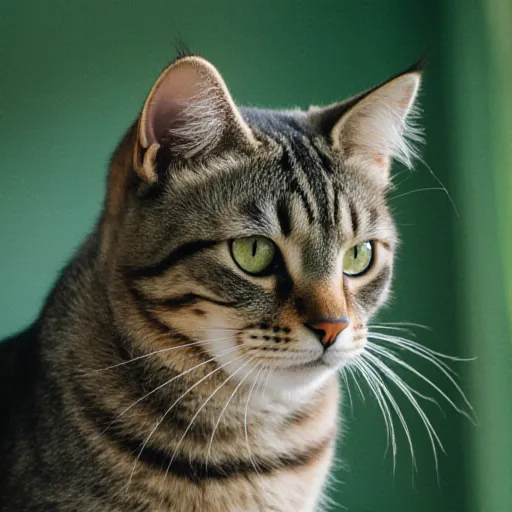
Unlock Your Pet's Potential with These Pro Tips!
Secrets of the Cat: Its Road to Taming
Table of Contents
- Early Prehistoric Evidence of Cats
- The Domestication Process Begins
- Cats in Ancient Egypt
- Role of Wildcats in Early Farming Communities
- Selective Breeding and the Appearance of New Cat Breeds
- Impact on Human Society and Culture
- Cats as Companions in Different Cultures
- The Role of Cats in Medieval Europe
- Scientific Understanding of Cat Behavior
- Modern-Day Domesticated Cats
- Challenges and Adaptations in the Modern World
- The Future of Domestication
- Evolutionary Adaptations of Domesticated Cats
- Conclusion
- FAQ
Early Prehistoric Evidence of Cats
The early prehistoric evidence of cats provides a fascinating glimpse into how these animals became domesticated. Archaeological findings from various regions across the globe suggest that human-cat interactions date back thousands of years, long before cats were fully integrated into households as beloved pets. One of the earliest pieces of evidence comes from the ancient Near East, specifically from a site known as Çayönü Tepesi in southeastern Turkey.
At Çayönü Tepesi, archaeologists discovered several bones that are believed to be those of wildcats (Felis silvestris lybica). These findings indicate that humans and wildcats were living in close proximity during the early Neolithic period. It is hypothesized that these interactions were driven by a mutual benefit: cats would hunt rodents and other small animals, which were pests in agricultural settings, while humans provided shelter and food.
Further evidence of early human-cat relationships can be found at sites such as Abu Hureyra in Syria. At this site, archaeologists discovered grains that had been mixed with cat remains, suggesting a more active role for cats in controlling rodent populations. This cohabitation was crucial in the development of agriculture, which provided a stable food source for both humans and their feline companions.
The process of domestication is believed to have taken place over several millennia, with gradual changes in behavior and physiology occurring as wildcats adapted to living alongside humans. Early prehistoric evidence also shows that cats were not just tolerated but respected, as evidenced by the burial practices observed at various sites. In Egypt, for example, cats were often mummified and buried alongside their human owners, indicating a deep cultural significance.
To summarize, the early prehistoric evidence of cats reveals a complex relationship between humans and these animals that began long before full domestication. The mutual benefits of living in close proximity, coupled with changing environmental conditions, played key roles in the domestication process. By understanding this history, we can gain deeper insights into how cats became such integral parts of human society.
The Domestication Process Begins
The domestication of cats, specifically the transformation from wild felines into the beloved pets we know today, is a fascinating process that began thousands of years ago. Unlike dogs, who were likely domesticated much earlier due to their roles in hunting and herding, cats took a more indirect path. Their journey towards domestication was largely driven by humans' need for pest control rather than companionship.
Cats were first tamed around 4000 BC in the Fertile Crescent, an area that includes parts of modern-day Iraq, Syria, Jordan, Israel, Lebanon, and Palestine. However, it was ancient Egypt where cats truly began to take on a role as household companions. The Egyptians revered cats as sacred animals due to their hunting abilities and the belief that they could ward off evil spirits. This reverence led to strict protection laws; anyone who killed a cat faced severe penalties.
As human settlements expanded, so did the need for pest control. Cats, with their natural hunting skills, became valuable assets in controlling rodent populations around granaries and stores of grain. This practical relationship between humans and cats laid the foundation for domestication.
Genetics played a crucial role in the domestication process of cats. Wildcats (Felis silvestris lybica) that were less aggressive towards humans were more likely to be tolerated, leading to a gradual reduction in their fear and hostility over generations. This genetic shift allowed for closer interactions between humans and these wild felines.
Over time, selective breeding by humans further shaped the domestic cat’s temperament and appearance. Breeds such as the Persian and Maine Coon are examples of how humans have used selective breeding to create cats with distinct physical traits and temperaments that better suit their desired companionship roles.
While pest control was initially the primary reason for keeping cats, over time, they evolved into cherished household pets. This transition can be attributed to several factors:
- Improved Living Conditions: As living conditions improved in urban centers, there was more space and comfort available for pets.
- Increased Affection: Humans began to form stronger emotional bonds with their cats, viewing them not just as tools but as companions.
- Advancements in Medicine: The development of vaccines reduced the risk of deadly diseases that could be spread by wild animals, making it safer for humans and cats to live closely together.
To encourage your cat's domestication process or bond better with your current pet, here are some practical tips:
- Consistent Routine: Cats thrive on routine. Establish a regular feeding schedule and playtime to help them feel secure.
- Lovely Environment: Provide a cozy space with comfortable bedding, toys, and scratching posts to make your cat feel at home.
- Positive Reinforcement: Use treats and praise during training sessions to reinforce good behavior. Positive reinforcement is key in strengthening the bond between you and your cat.
The domestication of cats is a story of mutual adaptation, where both humans and cats have evolved together over thousands of years. Today, they remain beloved companions worldwide, each sharing a unique relationship rooted in their history as pest controllers to cherished family members.
Cats in Ancient Egypt
In ancient Egyptian culture, cats held a significant and sacred position. The reverence for felines can be traced back thousands of years, during which time Egyptians considered the cat to be a symbol of good luck and protection against evil spirits. Cats were not only pets but also played crucial roles in religious ceremonies and offerings.
The domestication of cats is believed to have begun around 4000 BC, primarily as a means to control rodent populations. This early interaction between humans and felines laid the foundation for their eventual domestication. In ancient Egypt, cats were highly valued not only for pest control but also due to their association with various gods.
Connection to Deities
Cats were closely linked to several Egyptian deities, most notably Bastet and Mafdet. Bastet, often depicted as a woman with the head of a cat, was the goddess of protection, fertility, and peace. Cats dedicated to her were mummified after death to ensure their eternal service. Mafdet, on the other hand, represented the defeat of evil spirits and was sometimes portrayed as a lioness.
Practical Advice for Modern Enthusiasts
- Respect Their History: Incorporate elements from ancient Egyptian cat worship into your modern lifestyle. For example, keep your cats in safe and secure spaces to mimic the enclosed areas they would have known.
- Offer Appropriate Tributes: Just as ancient Egyptians offered food and water to their feline gods, consider providing small offerings or treats to your pets as a way to honor this rich tradition.
- Embrace Their Sacred Nature: Cats are often seen as mystical creatures. Embrace this by creating an environment that is both stimulating and calming for your pet, ensuring they feel safe and appreciated.
Cats have long been symbols of protection and good fortune in many cultures, and their role in ancient Egypt further emphasizes the deep bond between humans and felines. By understanding and respecting this history, modern cat owners can continue to celebrate these wonderful animals in meaningful ways.
Role of Wildcats in Early Farming Communities
The role of wildcats, particularly Felis silvestris lybica, in early farming communities was multifaceted and played a crucial part in the domestication process. These wildcats were drawn to human settlements due to the abundance of rodents and other small animals attracted by stored grains and other foodstuffs. This natural attraction made them valuable allies in controlling rodent populations, which are notorious for damaging crops and spreading diseases.
The relationship between humans and these wildcats evolved over time as farmers recognized their usefulness. Initially, cats would have been tolerated or perhaps even encouraged by communities to reduce pest problems. Over generations, this interaction likely led to the gradual domestication of these animals. Wildcats, through repeated exposure to human settlements, began adapting behaviors that made them more comfortable around humans and less fearful.
One key example of how cats became involved in early farming is their role as mousers. In ancient Egypt, for instance, cats were revered not only for their hunting abilities but also for their symbolic value. Images of wildcats and later domesticated cats are found in Egyptian art and literature, indicating the high regard these animals held within society.
Domestication itself is a gradual process influenced by several factors, including environmental changes and human behavior. Wildcats that displayed less fear towards humans or showed more tolerance were more likely to be kept around settlements. This selective pressure over time led to observable changes in the wildcats' behaviors and physical traits, paving the way for domestication.
Practical advice for modern farmers and animal enthusiasts includes understanding the historical context of how cats became involved in early farming communities. By appreciating this history, one can foster a deeper connection with these animals that continues to be beneficial today. For instance, integrating cat-friendly environments near farm buildings or grain storage areas can help maintain natural pest control without relying solely on chemical methods.
In conclusion, the role of wildcats in early farming communities was instrumental in the domestication process and set the stage for the relationship between humans and cats that we see today. This historical context highlights the importance of understanding both the past and present dynamics to fully appreciate the contributions these animals make in modern agricultural settings.
Selective Breeding and the Appearance of New Cat Breeds
The domestication of cats, which began approximately 10,000 years ago, marked a significant evolutionary milestone. Over this long period, humans have played an essential role in shaping the modern feline breeds through selective breeding. This process involves choosing and mating parent animals based on specific desirable traits, leading to new breeds with distinct appearances.
The domestication of cats began when wildcats first started to associate with human settlements around the ancient Near East. Initially, these interactions were likely due to the presence of rodents that fed on grain stores in early agricultural communities. Over time, some wildcats adapted to living closely with humans and eventually became tame enough to be kept as pets.
Domestication is a gradual process influenced by both genetic mutations and human selection pressures. As cats continued to live alongside humans, natural selection favored traits that made them better suited for a domestic environment, such as reduced aggression towards humans and the ability to thrive on human-provided food.
Selective breeding involves carefully selecting individuals from a population to breed based on specific characteristics. In cat breeding, this might include traits like coat color, size, temperament, or physical features such as ear shape or tail length. By repeatedly mating cats with desirable traits over several generations, breeders can produce offspring that consistently exhibit those traits.
The process begins by identifying a particular trait that is valuable for the breeder’s goals. For instance, if a breeder wants to create a new breed known for its long tail, they would select and mate cats with particularly elongated tails until this characteristic becomes more pronounced in the offspring. This selective pressure over time leads to significant changes in the population's genetic makeup.
- Sphynx Cats: These hairless cats were developed by selectively breeding a naturally occurring mutation that caused complete or partial hairlessness. The breed has gained popularity for its unique appearance, but it also requires special care due to increased sensitivity to temperature.
- Ragdoll Cats: This breed was created through careful crossbreeding of several different cat breeds. Ragdolls are known for their docile demeanor and tendency to "go limp" when picked up, which is attributed to a particular gene that affects muscle tone.
- Persian Cats: One of the oldest recognized breeds, Persians were developed by emphasizing traits such as long fur, large heads, and short muzzles. The breed has evolved over centuries into its current form through selective breeding practices.
To successfully engage in selective breeding, it's crucial to understand the genetics behind each trait you wish to emphasize. Many traits are influenced by multiple genes, meaning that achieving a desired outcome can be complex.
- Research Thoroughly: Before starting any selective breeding project, do extensive research on the genetic basis of the traits you want in your new breed.
- Use Pedigree Records: Keeping detailed records of each cat’s lineage can help avoid unwanted characteristics and ensure that only desirable traits are passed down through generations.
- Consider Health: While selecting for aesthetically pleasing traits, always prioritize the overall health and well-being of your cats. Inbreeding to achieve certain looks can lead to genetic diseases.
Impact on Human Society and Culture
The domestication of cats, a process that began around 10,000 years ago, has had profound and lasting impacts on human society and culture. Initially driven by practical needs—such as pest control in agricultural settings—cats have evolved from mere utility animals into beloved companions who significantly influence various aspects of human life.
The earliest evidence of domesticated cats dates back to ancient Egypt, where they were revered as sacred animals. Cats like Bastet, the goddess of fertility and protection, played a central role in Egyptian mythology and society. This cultural reverence extended beyond Egypt; in many early civilizations, cats were seen as protectors against vermin, especially rodents that posed significant threats to stored grain.
Cats' primary role throughout history has been pest control, particularly managing rodent populations. This practical utility has made them indispensable in agricultural societies. In medieval Europe, for instance, cats were kept in granaries and mills to keep rats at bay. The effectiveness of these feline guardians can be seen in the historical reduction of damage caused by rodents, which often led to significant economic benefits.
Besides their practical roles, cats have deeply influenced human culture and art. In literature, from ancient Egyptian tales to modern novels, cats serve as symbols of wisdom, companionship, and even mystery. In the visual arts, from Hieratic paintings in Egypt to contemporary manga and comic strips, cats are depicted in a wide range of forms, reflecting their place in society.
Today, cats continue to shape culture through popular media like movies (e.g., "Garfield" or "Tom and Jerry"), literature, and social media trends. They are celebrated for their playful behaviors and unique personalities, making them an integral part of modern family life.
The rise in pet ownership, particularly cats, has been a significant trend in recent decades. Cats provide emotional support and companionship to millions of people worldwide. Studies show that owning a cat can reduce stress levels, lower blood pressure, and improve overall mental health. This therapeutic effect is especially valuable for individuals living alone or dealing with anxiety.
Cats are also important figures in many pet therapy programs, offering comfort and joy to elderly residents, patients in hospitals, and individuals in shelters. Their gentle nature and independent yet affectionate behavior make them ideal candidates for these roles.
The domestication of cats has also had environmental implications. While their presence helps control rodent populations, especially in urban areas, there is growing concern about the impact on native wildlife. Studies have shown that outdoor cats can contribute to a decline in bird and small mammal populations. As responsible pet owners, it's important to manage cat behavior responsibly—encouraging indoor living or supervised outdoor time—to minimize these negative effects.
In conclusion, the domestication of cats has left an indelible mark on human society and culture. Their journey from utility animals to cherished companions reflects a deepening bond between humans and our animal friends that continues to evolve in fascinating ways.
Cats as Companions in Different Cultures
Throughout history, cats have played a significant role in various cultures across the globe. The domestication of cats began around 9,500 years ago in ancient Egypt, where they were revered as sacred animals due to their hunting abilities and ability to keep rodent populations under control. This early association with protection and survival made cats central figures in many myths and religious practices.
Early Domestication and Cultural Significance
The process of domesticating cats started when people began settling in permanent villages, leading to a surplus of grain that attracted rodents. Cats, which were already present in the wild, adapted to living near human settlements for easy access to food. Over time, humans recognized the benefits of having these adaptable animals around and began to domesticate them.
Cats in Ancient Egypt
In ancient Egyptian culture, cats held a special place as symbols of protection and fertility. They were often mummified after death and placed in tombs alongside their owners, indicating the belief that they would continue to provide protection in the afterlife. The goddess Bastet was closely associated with cats, representing both ferocity and motherhood. This cultural reverence for cats influenced their treatment and status within society.
Cats in Medieval Europe
In medieval Europe, cats were primarily seen as useful animals for controlling pest populations, particularly rats. However, during the witch hunts, cats were often associated with witches, leading to periods of widespread persecution. Despite this negative perception, many households still kept cats for practical reasons.
Cats in Modern Times
Today, cats are beloved pets around the world, valued not only for their pest control but also as companions and sources of comfort. In Japan, for example, it is believed that a cat called Manx brought good fortune to a ship, leading to the superstition that owning a cat can bring prosperity. Similarly, in many cultures, having a black cat crossing one's path is considered lucky.
Pedagogical and Practical Advice
For those interested in incorporating cats into their lives as companions, it is important to consider their needs carefully. Cats require proper nutrition, regular exercise, and mental stimulation. Ensuring that they have a safe environment where they can explore and play is crucial for their well-being.
Cultural appreciation of pets like cats can also foster understanding and respect for different traditions and beliefs. By learning about the role cats played in various societies, we gain insight into the human-animal bond and its evolution over time.
The Role of Cats in Medieval Europe
The role of cats in medieval Europe was multifaceted, extending far beyond mere companionship. While the domestication of cats is believed to have originated in ancient Egypt around 4000 BC, their journey into European households took a more gradual path that eventually played a significant part in everyday life during the Middle Ages.
Cats became domesticated as early as 7500 BCE in Near Eastern countries such as Turkey, but their role in Europe was initially more utilitarian. In medieval times, cats were primarily valued for their hunting prowess, particularly targeting rodents that could damage grain stores and spread disease.
During the Middle Ages, famines and plagues were frequent occurrences, and the control of rodent populations was critical to public health. Cats' efficiency as mousers made them invaluable in both rural and urban settings. In monasteries and farms, cats were essential for protecting food supplies from pests.
Beyond practical uses, cats held significant cultural importance during the Middle Ages. They were often seen as symbols of independence and self-reliance. In literature and art, cats represented cunning and intelligence, traits that were respected in medieval society.
For example, Geoffrey Chaucer's "The House of Fame," written around 1385 AD, includes a character who is described as having the body of a cat, symbolizing wisdom and cleverness. This portrayal reflects the cultural perception of cats as intelligent and resourceful animals.
In terms of practical advice for modern pet owners interested in adopting cats similar to those that roamed medieval Europe, it is essential to understand their historical background. Providing a stimulating environment with plenty of toys and climbing structures can help meet the natural hunting instincts of these felines.
Additionally, feeding a diet rich in proteins, such as catfish or other high-quality meats, would be beneficial to ensure that your pet's health mimics what they might have experienced during their time in medieval Europe. Regular veterinary care is also crucial for maintaining overall well-being.
In conclusion, the role of cats in medieval Europe was not just about providing companionship; it encompassed practical utility and cultural significance. Understanding this historical context can help modern cat owners appreciate their pets' unique needs and characteristics, ensuring that their feline friends enjoy a fulfilling life.
Scientific Understanding of Cat Behavior
The domestication of cats is a fascinating journey that reveals much about their behavior and how they interact with humans. Understanding this process not only provides insights into feline psychology but also helps pet owners create a harmonious living environment for their pets.
Cats were among the earliest animals to be domesticated, primarily due to their ability to control rodent populations. Archaeological evidence suggests that cats began to interact with humans in ancient Egypt around 4000 years ago. However, recent genetic studies indicate that cats may have started living alongside humans as early as 12,000 years ago. This long coexistence played a crucial role in the domestication process.
Genetic Insights
The process of domestication has left its mark on both human and feline genetics. Genetic studies show that cats exhibit fewer genetic differences among themselves compared to their wild counterparts, the African wildcat (Felis silvestris lybica). This reduction in genetic variation is a hallmark of domestication. Cats retain some traits from their ancestors, such as the ability to hunt rodents, which made them valuable partners for early farmers.
Behavioral Changes During Domestication
During the process of domestication, cats underwent significant behavioral changes that have shaped their interactions with humans. One major change was a reduction in aggression towards humans. While wildcats are territorial and cautious around unfamiliar individuals, domesticated cats have evolved to be more tolerant of human presence. This shift allowed them to live closely with humans without constant fear or hostility.
Practical Advice for Pet Owners
- Cat Socialization: Early socialization is crucial in helping cats adapt better to new environments and interactions. Expose your kitten to various people, noises, and experiences during the first few months of its life.
- Understanding Communication: Cats communicate through a variety of vocalizations, body language, and scent marking. Learning these signals can help you understand what your cat is trying to express.
- Safe Environment: Ensure that the environment in which your cat lives is safe and stimulating. Provide toys, scratching posts, and hiding spots to keep your cat mentally and physically active.
Conclusion
The journey of how cats became domesticated has greatly influenced their behavior and interactions with humans today. By understanding the scientific processes behind this transformation, pet owners can better cater to the unique needs of their feline companions, fostering a strong bond between human and cat.
Modern-Day Domesticated Cats
In modern times, domesticated cats have evolved from their wild ancestors into cherished members of human households. The journey from solitary hunters to affectionate pets is a fascinating one that reflects the intricate relationship between humans and felines.
The process of cat domestication began thousands of years ago, with evidence pointing to ancient Egypt as one of the earliest civilizations where cats were first tamed. Early farmers discovered that cats helped control rodent populations, which was crucial for protecting grain stores from pests like rats and mice.
Domestication Process
Cats became domesticated through a gradual process of natural selection and human intervention. Over time, these wild animals adapted to living in close proximity to humans, evolving behavioral traits that made them more suitable as pets. This adaptation was not just about survival; it involved changes in their physiology, behavior, and social interactions.
Modern-Day Domesticated Cats
Today's domestic cats are a far cry from their wild ancestors. They have been selectively bred to develop a variety of physical traits such as coat color, length, and patterns, as well as specific behavioral characteristics like size and temperament.
Variety in Modern Cats
- Cornish Rex: Known for their curly coats and large ears.
- Sphynx Cat: Completely hairless, this breed is highly sought after by cat lovers who enjoy the warmth of their coat.
- Maine Coon: One of the largest breeds with a distinctive thick fur that makes them well-suited to cold climates.
Pet Behavior and Human Interaction
Modern domestic cats have adapted to human environments, forming strong bonds with their owners. They are often playful, affectionate, and responsive to training. Many cat owners find that their pets can be trained to perform various tasks, from using the litter box correctly to fetching small objects.
The Role of Humans in Modern Cat Care
Understanding and meeting the needs of modern domestic cats is crucial for their well-being. Proper nutrition, a clean environment, regular veterinary check-ups, and plenty of love and interaction are essential components of responsible cat ownership.
- Nutrition: A balanced diet is vital for maintaining your cat's health.
- Cleanliness: Regular cleaning of the litter box and living spaces helps to keep your cat healthy and comfortable.
- Veterinary Care: Regular visits to the vet ensure that any health issues are caught early.
Conclusion
The domestication of cats has been a remarkable journey, shaped by both natural and human influences. Today, these intelligent and beautiful creatures continue to bring joy and companionship to millions of people around the world.
Challenges and Adaptations in the Modern World
The journey of domestication, particularly that of cats, offers a fascinating insight into how animals have adapted to the changing environments and challenges of the modern world. Cats, like many other species, underwent significant transformations in their behavior, physiology, and interactions with humans as they transitioned from wild predators to beloved household companions.
Cats faced numerous environmental challenges that pushed them into domestication. In the early stages of this process, cats adapted to living alongside humans in close proximity by developing a preference for areas where food was abundant and secure. This shift from a solitary hunting lifestyle to one shared with human families required changes in their behavior and survival strategies.
For instance, house cats learned to rely on human-generated waste products as sources of food, which provided them with a stable and easily accessible supply. This adaptation not only reduced competition for resources but also created a symbiotic relationship that benefited both humans and cats. As the human population expanded and settled in permanent structures, so too did the cat populations grow alongside them.
The behavioral adaptations of cats during domestication were crucial to their survival and integration into human households. Cats evolved from being wary and cautious around humans into playful, affectionate pets that could be easily trained by their owners. This transformation involved subtle changes in body language, vocalization patterns, and interaction styles.
For example, the purring sound emitted by cats is believed to have developed as a form of communication with humans. Purring can indicate contentment or even serve as a signal for help or attention. Over time, this behavior reinforced the bond between cats and their human caretakers, making them more desirable as pets.
In recent centuries, cat domestication has taken on new forms with the development of distinct breeds through selective breeding. These pedigree breeds have been adapted to meet specific aesthetic preferences or functional roles within society. For example:
- Siamese Cats: Known for their distinctive appearance and vocal nature, Siamese cats were bred to be companions and show pets.
- Maine Coon Cats: These large domestic cats are valued for their size and strength, often used in cat shows or as working animals due to their natural hunting abilities.
- Bengal Cats: Hybridizing wild Asian leopard cats with domesticated breeds has created Bengals, which combine the beauty of a wild cat with the personality traits of a pet cat.
These modern adaptations reflect not only human desires but also ongoing changes in lifestyle and societal expectations. As people move into urban environments or adopt different living arrangements, so too do their pets adapt to these new conditions. In many cases, this means cats need to be more independent, yet still capable of forming strong bonds with their owners.
The story of how cats became domesticated is a testament to the resilience and adaptability of these animals. It demonstrates that even in an ever-changing modern world filled with new challenges, cats have found ways to thrive alongside humans. By understanding both historical context and current adaptations, we can better appreciate the unique place held by cats in our lives today.
The Future of Domestication
The future of domestication, especially in the context of how cats became domesticated, holds profound implications for both animals and humans. As we look ahead, it is essential to consider not only the historical process through which felines transitioned from wild creatures to beloved pets but also the potential evolutionary paths they might take in the coming decades.
Cats are believed to have been domesticated around 10,000 years ago, primarily due to their ability to control rodent populations. Early humans likely attracted cats with food scraps and unintentionally created environments conducive to feline survival. Over time, these interactions evolved into a symbiotic relationship where humans benefited from pest control while cats found stable shelter and abundant food sources.
One of the most compelling examples of this early domestication is the story of the ancient Egyptian cat, which not only protected grain stores but also became a symbol of status and religious significance. This historical context provides valuable insights into how small changes in behavior and environment can lead to significant evolutionary shifts.
The future of domestication suggests several potential directions, particularly influenced by environmental factors, technological advancements, and societal trends:
- Environmental Adaptations: Climate change and habitat alterations may push both humans and animals to adapt in ways that were unimaginable just a few decades ago. For example, as urbanization increases, we might see cats adapting even more closely to human environments.
- Genetic Modifications: Advances in biotechnology could lead to purposeful genetic changes aimed at enhancing desirable traits such as coat color or size. However, ethical considerations will be crucial in managing these developments responsibly.
- Social Dynamics: As human societies evolve, so too do the relationships between humans and their pets. Future domestication may involve more sophisticated training techniques and even the potential for cats to perform complex tasks that go beyond pest control.
To prepare for a future where animals like cats continue to evolve, pet owners can take proactive steps:
- Educate Yourself: Stay informed about advancements in animal care and behavior science. Understanding the needs of your pet will help you make educated decisions.
- Promote Ethical Practices: Support organizations that work towards responsible breeding practices and humane treatment standards.
- Encourage Adaptability: By providing a stimulating environment for your cat, you can help it adapt to changing conditions. This might include rotating toys, introducing new scents, or setting up enrichment activities.
Technology plays an increasingly important role in shaping the future of domestication:
- Bioinformatics and Data Analysis: These tools are crucial for understanding genetic variations that contribute to desirable traits. This knowledge can inform breeding programs aimed at enhancing specific characteristics.
- Robotics: As robotic technology advances, there is potential for the development of robotic companions that mimic cat behavior. While these may not fully replace live animals, they could provide valuable support in certain situations.
The future of domestication, particularly with cats, is a dynamic and fascinating area of study. By embracing this evolution, we can ensure that both humans and animals continue to thrive in an ever-changing world.
Evolutionary Adaptations of Domesticated Cats
In exploring how cats became domesticated, it is essential to understand their evolutionary adaptations that have made them well-suited for life alongside humans. Cats' evolution into pets has been a remarkable journey intertwined with both natural selection and human influence.
The process of domestication began around 10,000 years ago when early humans started to settle in agricultural communities. Cats, like other animals, were initially drawn to these settlements for easy access to food scraps and rodents. Over time, humans noticed the benefits cats brought by helping control rodent populations within their dwellings.
Research indicates that domestication led to significant genetic changes in cats, particularly in their behavior and physiology. For instance, genes related to stress responses became less pronounced over generations of living with humans, making them more tolerant and less aggressive towards humans compared to wildcat counterparts.
Cats exhibit several behavioral traits that have contributed to their domestication:
- Sociality: Domestic cats show greater social flexibility than their wild relatives, allowing them to interact not only with humans but also other pets. This adaptability was crucial for establishing and maintaining a symbiotic relationship.
- Playfulness: Play behavior in kittens serves multiple purposes—socialization, learning essential life skills, and strengthening bonds between littermates or humans. It helps cats adjust to new environments quickly.
- Hunting Instincts: While less pronounced due to domestication, the hunting instinct remains an important aspect of cat behavior. This trait continues to play a role in keeping indoor pets entertained through play and mental stimulation.
Cats' physical features have also evolved during their journey from wild cats to beloved household companions:
- Eyesight: Cats possess exceptional night vision, which was advantageous in the wild but remains beneficial for domesticated pets who spend time indoors and out.
- Hearing: Their sensitive ears can detect sounds much lower and higher than those audible to humans, aiding them in detecting potential threats or prey even at a distance.
- Movement: Cats have agile bodies capable of remarkable flexibility and balance. These traits make them adept climbers and jumpers, perfect for exploring both indoor spaces and outdoor environments when allowed.
The development of pedigreed cat breeds further illustrates the evolution of domestic cats. Breeders have selectively bred specific traits over centuries, emphasizing looks, temperament, and health. Some examples include:
- Sphynx Cat: Known for its hairless appearance due to a genetic mutation.
- Maine Coon: A large breed with a distinctive ruff around the neck, known for its gentle and friendly nature.
- Persian Cat: Recognized by its long fur, round face, and expressive eyes.
These breeds showcase how humans have utilized selective breeding to bring out desired traits in cats. This practice not only highlights the domestication process but also emphasizes the diversity within the feline family.
Conclusion
The process of how cats became domesticated is a fascinating journey that intertwines biological adaptation, human behavior, and environmental change. Historically, it is believed that the relationship between humans and cats began as a mutual benefit arrangement. Early farmers in the Fertile Crescent faced a significant threat from rodents that destroyed crops and stored grain. This ecological challenge created an environment where cats could thrive by controlling rodent populations.
Cats are obligate carnivores, meaning they require meat for survival, which made them particularly useful to humans as pest controllers. Over time, this mutualistic relationship evolved into a domesticated partnership. Cats began to rely on human settlements for shelter and food sources, while humans benefited from having fewer pests around their homes.
One of the key factors that contributed to the domestication of cats was the availability of surplus grains in early farming communities. This surplus created more stable and abundant food sources that attracted larger populations of rodents, thus increasing the need for pest control by cats. As humans adapted to this new lifestyle, they also developed a deeper understanding of their feline companions' needs and behavior.
Genetic studies have shown that domestication likely occurred in multiple regions independently. For instance, researchers found evidence suggesting that the Middle East, China, and Egypt all played significant roles in the early stages of cat domestication. These findings highlight the diverse ways in which human societies interacted with cats across different geographical areas.
In conclusion, how cats became domesticated is a testament to the adaptability of both humans and animals. The mutual benefits derived from this relationship laid the foundation for what we now recognize as pets. By understanding the historical context and biological processes involved, we can better appreciate the unique bond between humans and our feline friends.
Today, cat domestication continues to evolve with advancements in veterinary care and breeding techniques. This has led to a wide variety of breeds that cater to different preferences and lifestyles. Whether it's an ancient Egyptian breed or a modern-day hybrid, each cat retains the genetic legacy of its wild ancestors while also reflecting the influence of human culture.
Reflecting on how cats became domesticated provides valuable insights into our shared history with these remarkable animals. It underscores the importance of considering both biological and cultural factors when examining complex relationships between species.
FAQ
1. When did cats become domesticated?
Cats were first domesticated around 9,500 years ago in the Near East region, specifically in areas like ancient Egypt and Mesopotamia. The exact timeline is somewhat debated, but archaeological evidence suggests that this process began during the early stages of agriculture when people started storing grain, which attracted rodents.
For example, early settlements in places like Turkey have shown signs of cat-like animals living among humans as early as 7500 BCE. Over time, these interactions led to a mutual relationship where cats helped control rodent populations and people gained companionship from their feline friends.
2. How did the domestication process start?
The domestication of cats likely began as a series of gradual changes rather than an abrupt transformation. Wildcats, which are wild ancestors of modern domestic cats, lived near human settlements due to the abundance of food—primarily rodents attracted by grain stores.
Early humans would have noticed that these wildcats were useful in keeping pests away and might have begun to interact more closely with them out of necessity. Gradually, some cats may have become less wary of humans over generations, leading to the first instances of domestication.
3. What role did ancient civilizations play?
In ancient Egypt, cats were not just pets but also held significant cultural and religious importance. They were considered sacred animals, often associated with the goddess Bastet. The Egyptians believed that cats could protect homes from evil spirits as well as pests.
Contrast this with Mesopotamia where cats played a more utilitarian role, primarily for pest control in granaries and storage facilities. However, cats were also valued companions to people, especially among the wealthy who could afford to keep them.
4. How did genetics influence cat domestication?
The genetic makeup of wildcats played a crucial role in their ability to adapt to human environments. Wildcats have smaller brains and more docile behaviors compared to other feline species, which made them better candidates for domestication.
Over time, selective breeding by humans has furthered these traits, leading to the wide variety of breeds we see today. However, even modern domestic cats retain many wildcat-like features such as sharp teeth and claws that can still be used for hunting.
5. What are some practical tips for cat lovers interested in this topic?
- Visit Museums: Look out for exhibitions on ancient civilizations to see how cats were depicted and used, offering a glimpse into their role in history.
- Read Historical Texts: Dive into books about early human settlements and civilizations to understand the context of cat domestication.
- Observe Modern Behavior: Spend time observing your own cats or those at shelters; notice similarities between their behavior and that of wildcats, like hunting instincts.
Categories
- AI & Enrichment Play
- Broiler Farming
- Broiler Farming Tips
- Canine Wellness & Longevity
- Cat
- Cat & Human Connection
- Cat Adoption & Rescue
- Cat Breeds
- Cat Breeds & Personalities
- Cat Care & Health
- Cat Grooming & Hygiene
- Cat Lifestyle & Environment
- Cat Myths & History
- Cat Nutrition & Diet
- Cat Products & Reviews
- Cat Training & Behavior
- Comparison
- Consumer Awareness
- Dog
- Dog Accessories & Products
- Dog Adoption & Rescue
- Dog Breed & Lifestyle Trends
- Dog Breeding & Puppies
- Dog Entertainment & Media
- Dog Fashion & Trends
- Dog Fun & Lifestyle
- Dog Grooming & Hygiene
- Dog History & Culture
- Dog Myths, Science & Future Tech
- Dog News & Trends
- Dog Nutrition & Food
- Dog Psychology & Emotions
- Dog Safety & Security
- Dog Sports & Activities
- Dog Technology & Innovation
- Dog Training for Modern Owners
- Dog Travel & Adventure
- Dog Travel, Adventure & Culture
- Economic and Market Insights
- Educational Content
- FAQs
- Feeding Alternatives
- Festivals & Seasonal Ideas
- Fun & Entertainment
- General Knowledge
- General Pig Farming
- Health & Disease Management
- Housing and Environment
- Kittens
- Market Insights
- Miscellaneous
- Miscellaneous
- Motivational
- pig
- Pig Breeding
- Pig Breeds
- Pig Farming Stories and Inspiration
- Pig Health and Care
- Pig Nutrition
- Pig Products
- Profitability & Business
- Puppy Care
- Puppy Predictable Topics Reinvented
- Regional Focus
- Rescue & Adoption Buzz
- Senior Cats
- Senior Dog Care
- Smart Dog Tech & Gadgets
- Sustainability
- Sustainable & Eco-Friendly Dog Products
- Tech & Innovations
- Working & Service Dogs
- Broiler Feed66 products
- Country Feed33 products
- Pig Feed66 products
- Product22 products
- Raw Materials99 products
Products
-
 Fish Meal
₹1,999.00 – ₹2,999.00Price range: ₹1,999.00 through ₹2,999.00Rated 0 out of 5
Fish Meal
₹1,999.00 – ₹2,999.00Price range: ₹1,999.00 through ₹2,999.00Rated 0 out of 5 -
 FATTENING BROILER FEED
₹2,299.00 – ₹2,349.00Price range: ₹2,299.00 through ₹2,349.00Rated 0 out of 5
FATTENING BROILER FEED
₹2,299.00 – ₹2,349.00Price range: ₹2,299.00 through ₹2,349.00Rated 0 out of 5 -
 LAYER COUNTRY FEED
₹1,549.00 – ₹1,649.00Price range: ₹1,549.00 through ₹1,649.00Rated 0 out of 5
LAYER COUNTRY FEED
₹1,549.00 – ₹1,649.00Price range: ₹1,549.00 through ₹1,649.00Rated 0 out of 5 -
 COUNTER BROILER FEED
₹1,199.00 – ₹1,299.00Price range: ₹1,199.00 through ₹1,299.00Rated 0 out of 5
COUNTER BROILER FEED
₹1,199.00 – ₹1,299.00Price range: ₹1,199.00 through ₹1,299.00Rated 0 out of 5 -
 LACTATING PIG FEED
Rated 0 out of 5
LACTATING PIG FEED
Rated 0 out of 5₹2,299.00Original price was: ₹2,299.00.₹1,740.00Current price is: ₹1,740.00. -
 Maize
Rated 0 out of 5
Maize
Rated 0 out of 5₹1,650.00Original price was: ₹1,650.00.₹1,300.00Current price is: ₹1,300.00. -
 GESTATION PIG FEED (Phase 1)
Rated 0 out of 5
GESTATION PIG FEED (Phase 1)
Rated 0 out of 5₹2,249.00Original price was: ₹2,249.00.₹1,699.00Current price is: ₹1,699.00. -
 Pre Starter Broiler Feed
₹2,399.00 – ₹2,499.00Price range: ₹2,399.00 through ₹2,499.00Rated 0 out of 5
Pre Starter Broiler Feed
₹2,399.00 – ₹2,499.00Price range: ₹2,399.00 through ₹2,499.00Rated 0 out of 5 -
 FINISHER PIG FEED
Rated 0 out of 5
FINISHER PIG FEED
Rated 0 out of 5₹2,299.00Original price was: ₹2,299.00.₹1,749.00Current price is: ₹1,749.00. -
 Broiler Premix
Rated 0 out of 5
Broiler Premix
Rated 0 out of 5₹820.00Original price was: ₹820.00.₹699.00Current price is: ₹699.00.