
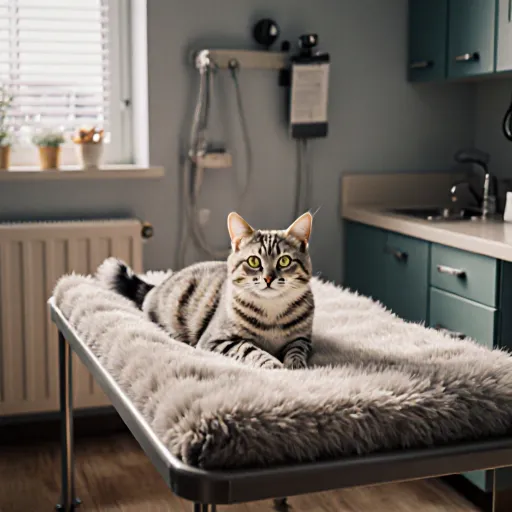
Discover Hidden Secrets Your Cat's Vet Won't Tell You
Secrets Your Vet Hides About Older Cats
Table of Contents
- Common Health Issues in Older Cats
- Arthritis
- Kidney Disease
- Dental Problems
- Hyperthyroidism
- Cognitive Dysfunction Syndrome (CDS)
- Diabetes Mellitus
- Heart Disease
- Lung Disease
- Constipation and Diarrhea
- Skin Conditions
- Cancer
- Conclusion
- FAQs
Common Health Issues in Older Cats
As cats age, they become more susceptible to various health issues. Understanding these common problems can help cat owners provide better care and support for their elderly pets.
Dental Disease
Dental disease is one of the most prevalent health issues in older cats. The build-up of plaque and tartar on teeth leads to periodontal disease, which can cause pain, infection, and tooth loss. Cats may exhibit signs such as difficulty eating, drooling, or pawing at their mouth.
Advice: Regular dental check-ups by a veterinarian are crucial. Owners should also provide toys and treats that encourage chewing to help keep teeth clean. Dental care products specifically designed for cats can be beneficial.
Arthritis
Similar to humans, cats can develop arthritis as they age, leading to painful inflammation of the joints. Cats with arthritis may show signs such as reluctance to jump, stiffness after resting, or difficulty climbing stairs.
Advice: Maintaining a healthy weight is vital in reducing stress on joints. Owners should provide soft bedding and ramps for easier access. Joint supplements and pain relief medications prescribed by the vet can also help manage discomfort.
Hypertrophic Cardiomyopathy (HCM)
This heart condition is one of the most common causes of feline heart disease, particularly in older cats. HCM leads to an enlarged and thickened heart muscle, which can cause breathing difficulties, heart murmurs, and even heart failure.
Advice: Regular check-ups with a vet are essential for early detection and management. Dietary changes or medications may be recommended depending on the severity of the condition.
Cancer
Cancer is another significant health concern in older cats, often developing in the skin, lymph nodes, and internal organs. Early signs include unusual lumps, lethargy, appetite loss, or weight loss.
Advice: Routine veterinary check-ups are key to early detection. Owners should also be vigilant about observing any changes in their cat's behavior or appearance. If cancer is detected, treatment options may vary depending on the type and stage of the disease.
Dementia
Cats can experience a form of cognitive dysfunction similar to dementia in older humans. This condition leads to behavioral changes such as confusion, disorientation, and decreased interaction with family members.
Advice: Providing a safe, stimulating environment can help manage symptoms. Owners should also consult their vet for specific advice tailored to the individual cat's needs.
Feline Lower Urinary Tract Disease (FLUTD)
This disease affects both male and female cats and involves inflammation of the bladder or urethra, which can lead to painful urination, frequent visits to the litter box, and sometimes blocked urine flow.
Advice: Ensuring a cat has access to clean water and multiple litter boxes is important. Owners should monitor their pet's behavior closely and seek veterinary advice if symptoms persist or worsen.
Arthritis
As cats age, they become more susceptible to various health issues that can affect their mobility and overall well-being. One of the most common ailments affecting older felines is arthritis. This degenerative condition occurs when the protective cartilage that covers the ends of bones in a joint wears down over time, leading to inflammation and pain.
Symptoms of Arthritis
- Reduced Mobility: Older cats with arthritis may move more slowly or struggle to climb stairs or jump onto furniture as they once did.
- Pain Sensitivity: Cats might be less willing to interact, hide in dark places, or avoid certain areas of the home where they previously felt safe.
- Inflammation: You may notice swelling around affected joints.
- Better Observation: Pay close attention to your cat's behavior. Changes in their usual activity levels can be a sign that something is wrong.
Causes of Arthritis
Arthritis in cats can have multiple causes, including genetics, obesity, and injury. Cats with certain breeds are more prone to developing arthritis due to inherited joint abnormalities. Obesity places additional stress on the joints, increasing the risk of arthritic development. Injuries from falls or fights also contribute to the condition.
Treatment Options
Managing arthritis involves a combination of lifestyle adjustments and medical interventions:
- Dietary Management: Feeding your cat a diet rich in omega-3 fatty acids, such as fish oil, can help reduce inflammation. Ensure the food is appropriate for senior cats.
- Weight Control: Maintaining an ideal body weight reduces stress on joints and helps alleviate pain.
- Exercise: Regular, low-impact exercise like gentle walking or swimming can strengthen muscles around the joints without causing further harm. Always consult with a veterinarian before starting any new exercise routine for your cat.
- Pain Management: Over-the-counter anti-inflammatory medications like meloxicam prescribed by a vet are often used to ease discomfort. Never give human painkillers to cats as they can be toxic.
- Joint Supplements: Products containing glucosamine and chondroitin may help protect cartilage, but their effectiveness varies among individuals.
Creating a Comfortable Environment for Your Senior Cat
To make your older cat's life more comfortable and reduce the impact of arthritis:
- Soft Surfaces: Provide soft, warm bedding in multiple locations around the house where they can rest easily.
- Elevated Litter Boxes: Place litter boxes on elevated surfaces to avoid painful jumps down from high levels.
- Hiding Spots: Ensure your home has plenty of safe and cozy hiding spots for when your cat needs a break or feels anxious.
Regular Vet Check-ups
Regular visits to the veterinarian are crucial in monitoring your senior cat's health, especially if they show signs of arthritis. Early detection and intervention can significantly improve quality of life for affected cats.
Conclusion
Aging brings challenges, but with proper care and attention, many older cats can continue to live active, pain-free lives despite having arthritis. By understanding the condition and taking proactive steps, you can help manage your senior cat's health effectively.
Kidney Disease
As cats age, their bodies undergo various changes that can affect their overall health. One of the most common health issues affecting older cats is kidney disease. Kidney disease, also known as chronic renal failure (CRF), is a condition where the kidneys gradually lose their ability to function properly over time.
Understanding Kidney Disease
Kidneys play a crucial role in filtering waste products and excess fluids from the bloodstream. When these organs begin to fail, toxins can build up in the body, leading to various symptoms and health problems. In older cats, kidney disease may develop slowly over several years as part of the natural aging process.
Symptoms of Kidney Disease
- Increased thirst (polydipsia)
- Frequent urination (polyuria)
- Vomiting and loss of appetite
- Weight loss
- Bad breath or a metallic taste in the mouth
- Tiredness and lethargy
Risk Factors for Kidney Disease in Older Cats
Several factors can increase an older cat's risk of developing kidney disease:
- Advanced age (usually over 7 years)
- Purebred cats, particularly Siamese and Abyssinians
- Dietary habits: High protein diets may contribute to the progression of renal disease in some cases.
- Pre-existing health conditions like hypertension or diabetes mellitus.
Treatment Options for Kidney Disease
The treatment approach depends on the stage and severity of kidney disease:
- Dietary Management: Specialized diets formulated to reduce phosphorus intake can help manage symptoms. Diets rich in certain amino acids like taurine may also be beneficial.
- Liquid Therapy: Administering fluids intravenously or subcutaneously helps maintain proper fluid balance and prevent dehydration.
- Symptom Management: Medications to address specific symptoms such as hypertension, anemia, or pain can be prescribed.
Monitoring and Managing Kidney Disease
Regular veterinary check-ups are essential for monitoring kidney function. Blood tests (serum creatinine levels) and urine analysis help determine the stage of the disease. Early detection allows for more effective management.
- Veterinary Care: Regular visits to a veterinarian experienced in geriatric care can provide ongoing support and advice.
- Home Care: Ensuring your cat has access to clean water, a balanced diet suitable for kidney disease, and a stress-free environment can significantly improve quality of life.
Promoting Kidney Health in Older Cats
To help prevent or delay the onset of kidney disease:
- Hydration: Encourage water consumption by offering fresh, clean water and feeding canned food which has higher moisture content.
- Dietary Choices: Opt for a high-quality diet formulated specifically for senior cats or those with kidney disease. Avoid overfeeding protein-rich foods unless recommended by your vet.
- Regular Vet Visits: Schedule annual check-ups starting at age 7 to monitor kidney function and overall health.
Coping with Kidney Disease in Older Cats
While there is no cure for kidney disease, managing the condition carefully can significantly extend your cat's life. Providing emotional support through affection and care during this challenging time is crucial:
- Patient Care: Be patient and understanding as your cat adjusts to changes in behavior or health.
- Quality Time: Spend quality time with your pet, offering love and comfort when needed.
- Veterinary Advice: Always follow the advice of your veterinarian closely for the best outcomes.
Dental Problems
For older cats, dental problems can be one of the most common health issues that they face. Just like humans, cats' teeth and gums require proper care to prevent infections, pain, and other serious complications. As cats age, their immune systems weaken, making them more susceptible to oral diseases such as periodontitis, tooth resorption, and gingivitis.
- Periodontitis: This is an advanced form of gum disease that can lead to the destruction of tissues surrounding the teeth. It typically starts as plaque buildup and, if left untreated, can cause tooth loss.
- Tooth Resorption: Also known as feline odontoclastic resorptive lesions (FORLs), this condition involves the breakdown of the tooth's surface, leading to pain and discomfort. It is one of the most painful dental issues a cat can face.
- Gingivitis: Inflammation of the gums, which can lead to bleeding and increased risk for infections if not addressed promptly.
Recognizing dental issues early is crucial in maintaining your cat's overall health. Here are some signs to look out for:
- Red, swollen, or bleeding gums.
- Pain when eating or chewing.
- Decreased appetite or weight loss.
- Bad breath.
- Excessive drooling or difficulty in swallowing.
- Avoidance of treats or toys that require chewing.
To help manage and prevent dental issues, consider the following tips:
- Regular Vet Visits: Schedule regular check-ups with your veterinarian to monitor your cat's oral health.
- Dental Care at Home: Brush your cat’s teeth regularly using a soft-bristled toothbrush and pet-friendly toothpaste. While it might take some time for your cat to get used to the routine, consistency is key.
- Chew Toys and Treats: Provide safe chew toys or treats that can help scrape away plaque without causing harm to their teeth or gums.
- Dietary Considerations: Feed your cat a diet rich in nutrients, especially those formulated for oral health. Some foods are designed to reduce tartar buildup and promote healthier teeth.
If your cat is showing signs of advanced dental problems, professional cleanings might be necessary. During a procedure, the vet will thoroughly clean the teeth above and below the gumline to remove plaque and tartar buildup.
- Anesthesia: Due to the stress involved, cats are usually sedated or anesthetized for these procedures to ensure their safety.
- Treatment Options: After cleaning, your vet might also perform treatments such as fillings for cavities or even extractions if necessary.
Dental health is an essential aspect of overall cat care. By understanding the common dental issues faced by older cats and recognizing the signs early, you can take proactive steps to keep your feline companion healthy and comfortable.
Hyperthyroidism
Hyperthyroidism is a common endocrine disease that affects older cats. It occurs when the thyroid gland produces excess thyroid hormones, leading to various health issues. This condition typically develops in cats between 7 and 10 years of age, making it more prevalent among older felines.
Symptoms You Should Watch For
- Increased appetite but weight loss
- Increased water consumption (polydipsia)
- Vomiting and diarrhea
- Restlessness and hyperactivity
- Behavioral changes such as aggression or lethargy
- Increased heart rate (tachycardia)
Impact on Older Cats' Health
For older cats, hyperthyroidism can exacerbate existing health conditions. Cats already dealing with kidney disease or hypertension may see their symptoms worsen due to the increased metabolic rate and heart strain caused by this condition.
Diagnosis and Treatment Options
Detection of hyperthyroidism often begins with a routine veterinary visit where your vet will perform a comprehensive physical examination. Blood tests are crucial for confirming the diagnosis, as they help measure thyroid hormone levels in the blood.
Treatment options include:
- Medication: Anti-thyroid drugs like methimazole can be prescribed to manage thyroid hormone production temporarily.
- Iodine-Containing Diet: Feeding your cat a special diet that restricts iodine intake may help in managing the condition. This approach is less invasive but requires strict adherence.
- Surgery: Removing the affected thyroid lobe can be an effective treatment, especially if the cat is young and has no other health issues.
- Radiation Therapy: I-131 therapy involves administering a radioactive form of iodine to destroy overactive thyroid tissue. This method targets only the thyroid gland with minimal side effects on other organs.
Practical Advice for Managing Hyperthyroidism
If your cat is diagnosed with hyperthyroidism, it's essential to follow these steps:
- Regular Vet Visits: Schedule frequent check-ups to monitor thyroid hormone levels and overall health.
- Adjust Diet Appropriately: If you choose a dietary management approach, ensure the food meets your vet’s recommendations.
- Patient Monitoring: Keep an eye out for any changes in behavior or health; these could indicate a need for adjustment in treatment.
- Supportive Care: Alongside medical treatments, providing a comfortable and stimulating environment can improve your cat's quality of life.
Caring for an older cat with hyperthyroidism involves not only managing the condition but also addressing any underlying health concerns. Early detection and proactive care are key to ensuring your senior cat leads a healthy, happy life.
Cognitive Dysfunction Syndrome (CDS)
Cognitive Dysfunction Syndrome (CDS), also known as feline cognitive dysfunction or old cat dementia, is a common condition affecting older cats. It is characterized by a gradual decline in mental ability and physical function. This syndrome is similar to Alzheimer's disease in humans but occurs more frequently in older cats due to their extended life expectancy.
- Disorientation: Older cats may become confused and disoriented, often getting lost in familiar environments. They might not recognize family members or familiar places.
- Lack of Interest in Activities: Cats with CDS tend to lose interest in games, toys, and other activities they once enjoyed. This change can be subtle but is a significant indicator of the syndrome.
- Nighttime Restlessness: Many cats suffering from CDS may become restless at night, wandering around the house or meowing more frequently than usual for no apparent reason.
- Inappropriate Elimination: Older cats with CDS might start urinating and defecating in inappropriate places, such as on furniture or in unusual spots in the home. This can be distressing for both the cat and the owner.
The exact cause of CDS is not fully understood, but it is believed that a combination of factors contributes to its development. These include aging changes in brain structure, neuroinflammation, oxidative stress, and reduced blood flow to the brain.
- Neurodegeneration: Over time, the neurons in the cat's brain can degenerate due to normal aging processes. This leads to a reduction in cognitive abilities as the brain loses its ability to function properly.
- Inflammation: Chronic low-grade inflammation within the brain has been linked to CDS. This inflammation can contribute to oxidative stress and further damage brain cells.
- Oxidative Stress: As cats age, their bodies produce more free radicals which can damage cells, including those in the brain. Antioxidants are crucial for protecting against this damage.
- Reduced Blood Flow: CDS has also been linked to reduced blood flow to certain parts of the brain. This reduction can impair cognitive function and contribute to memory loss and other symptoms associated with the syndrome.
Diagnosis of CDS is based on observing changes in behavior, physical signs, and ruling out other potential causes such as infections or tumors. Veterinarians may perform a series of tests including blood work, urinalysis, and imaging studies to ensure there are no other underlying conditions causing the symptoms.
While there is currently no cure for Cognitive Dysfunction Syndrome, several treatment options can help manage its symptoms and improve quality of life:
- Dietary Supplements: Omega-3 fatty acids, antioxidants like vitamin E and C, and dietary fibers may be beneficial in reducing inflammation and oxidative stress.
- Blood Flow Enhancers: Medications such as niacin or pentoxifylline can help improve blood flow to the brain, potentially slowing down the progression of cognitive decline.
- Cognitive Enrichment: Providing mentally stimulating activities and environmental enrichment can help keep your cat's mind active. This includes toys that challenge them cognitively and puzzles they need to solve.
To support cats with Cognitive Dysfunction Syndrome, here are some practical tips:
- Create a Familiar Routine: Cats thrive on routine. Establishing a consistent daily schedule can provide them with stability and security.
- Maintain a Clean Environment: Keeping the home free from clutter and using familiar scents (e.g., catnip, lavender) can help reduce stress for your cat.
- Monitor Nutrition: Ensuring that your senior cat receives an appropriate diet rich in antioxidants and omega-3 fatty acids is crucial for their overall health.
- Regular Veterinary Check-Ups: Regular visits to the vet can help monitor changes in behavior and catch any new issues early.
Diabetes Mellitus
As cats age, they become more prone to various health conditions, and diabetes mellitus is one of the most common. Diabetes mellitus in older cats can lead to a range of symptoms that affect their overall well-being. Understanding this condition and its management can significantly improve your cat's quality of life.
Understanding Diabetes Mellitus
Diabetes mellitus is characterized by high levels of glucose (sugar) in the blood because the body cannot properly use it for energy. This occurs when there is insufficient insulin, a hormone that helps regulate blood sugar levels. Older cats are more susceptible due to age-related changes and potential underlying health issues.
Symptoms to Look Out For
- Increased thirst (polydipsia)
- Frequent urination (polyuria)
- Increase in appetite, but weight loss (polyphagia)
- Lethargy and weakness
- Vomiting
- Cloudy eyes due to lens crystallization
Detecting and Diagnosing Diabetes Mellitus in Cats
The early detection of diabetes mellitus is crucial for effective management. Regular veterinary check-ups can help identify potential issues before they become severe. Your vet may use the following methods to diagnose diabetes:
- Glucose testing: Measuring glucose levels in blood and urine.
- Blood tests: Checking for other health conditions that might affect your cat's sugar levels.
- Clinical signs: Evaluating the symptoms you observe at home.
Management of Diabetes Mellitus
Treatment typically involves a combination of dietary changes, medication, and lifestyle adjustments. Here are some practical steps to manage your diabetic cat:
Dietary Management
A diet high in fiber and low in simple carbohydrates can help manage blood sugar levels. Feeding small, frequent meals instead of one large meal per day is also beneficial. Some recommended foods include:
- High-protein, low-carbohydrate diets
- Fiber-rich cat foods
Medication
In some cases, your vet may prescribe insulin injections to help regulate blood sugar levels. It's important to follow their instructions carefully:
- Administer the medication at consistent times.
- Monitor for side effects and adjust as necessary.
Lifestyle Adjustments
Maintaining a healthy weight is crucial for managing diabetes. Here are some tips:
- Encourage regular exercise to promote weight loss and improve insulin sensitivity.
- Create an indoor environment that encourages play and activity, such as interactive toys or climbing structures.
- Ensure your cat stays hydrated by providing fresh water in multiple locations around the house.
Potential Complications
If left untreated, diabetes can lead to serious complications. Some of these include:
- Kidney disease: Excess glucose in the blood can damage kidney function over time.
- Blindness: Diabetes-induced lens crystallization (cataracts) can cause vision loss.
- Neuropathy: Damage to nerve fibers, leading to pain and weakness.
Regular vet visits are essential for monitoring your cat's condition and adjusting treatment as needed. Early intervention can help prevent these complications and ensure a longer, healthier life for your feline friend.
Heart Disease
As cats age, they become more susceptible to various health issues, including heart disease. This condition can significantly impact their quality of life and longevity if left untreated or managed poorly. Understanding the signs, causes, and management strategies for heart disease is crucial for pet owners.
Symptoms of Heart Disease in Older Cats
- Increased respiratory rate: Cats with heart issues often breathe faster than usual. This can be a sign that their hearts are working harder to pump blood effectively.
- Exercise intolerance: Your cat may become easily fatigued and show reluctance to play or engage in physical activities it once enjoyed.
- Pale gums: Cats with heart disease often have a reduced red blood cell count, leading to pale or yellowish gums. This is due to anemia caused by the heart's inability to circulate oxygen-rich blood properly.
- Coughing and sneezing: These can be signs of fluid build-up in the lungs, which is a common complication of heart disease.
Causes of Heart Disease in Older Cats
The exact cause of heart disease in cats can vary. Some common factors include:
- Hypertrophic cardiomyopathy (HCM): This is the most common form of heart disease in older cats and is characterized by an enlarged left ventricle, making it harder for the heart to pump blood.
- Dilated cardiomyopathy: In this condition, the heart chambers become abnormally large and weak, leading to poor blood flow.
- Congenital defects: Some cats are born with structural abnormalities in their hearts that can lead to heart disease over time.
Treatment and Management Strategies
Managing heart disease in older cats requires a multi-faceted approach. Here are some practical steps you can take:
Dietary Considerations
Your vet may recommend a specialized diet to help manage your cat's heart condition. Diets low in sodium and rich in omega-3 fatty acids are often beneficial. For example, Hills Prescription Diet h/d is specifically formulated for cats with heart disease.
Medications
Medications prescribed by your veterinarian can help manage heart disease. Common treatments include:
- Beta-blockers: These medications reduce the workload on the heart and improve blood flow.
- Potassium supplements: In some cases, potassium levels are low due to increased excretion in cats with heart disease. Supplementing can help maintain proper electrolyte balance.
Lifestyle Adjustments
To improve your cat's overall health and manage heart disease effectively:
- Limit stress: Stress can exacerbate heart issues. Provide a calm, comfortable environment for your cat.
- Adequate hydration: Ensure your cat has access to fresh water at all times.
- Regular vet check-ups: Regular visits allow your vet to monitor your cat's health and adjust treatments as needed.
In conclusion, heart disease in older cats is a serious condition that requires timely intervention and ongoing care. By recognizing the signs early and implementing appropriate management strategies, you can significantly enhance your cat's quality of life and help them live longer, healthier lives.
Lung Disease
As cats age, they become more susceptible to various health issues, with lung disease being one of the most common among older felines. This condition can significantly affect a cat's quality of life and requires careful management. Below are some key aspects of lung disease in older cats along with practical advice for pet owners.
Signs and Symptoms
- Coughing: This is one of the most common signs of respiratory issues in older cats. The cough may be wet or dry, and it can vary in severity. It's important to note that while a mild cough might not always indicate severe health problems, persistent or worsening symptoms should prompt a visit to the veterinarian.
- Labored Breathing: Difficulty breathing is another significant indicator of lung disease. You may notice your cat breathing faster than usual (tachypnea) or using its mouth to breathe instead of just its nose and chest. This can be due to inflammation, fluid buildup in the lungs, or other respiratory issues.
- Increased Heart Rate: The heart rate can increase as a response to difficulty breathing, which puts extra strain on the heart. Monitoring your cat's resting heart rate is advisable. A normal heart rate for a cat at rest typically ranges from 120 to 240 beats per minute.
- Persistent Discharge: If you notice mucus or blood in your cat's discharge when they sneeze, it could be indicative of an upper respiratory infection or other lung disease. Persistent nasal discharge should not be ignored and requires veterinary attention.
Causes of Lung Disease
Lung diseases in older cats can stem from various causes including chronic bronchitis, asthma, heartworms (though less common), and heart conditions that affect the lungs. The most common condition seen is feline asthma syndrome, which involves inflammation and narrowing of the airways.
Diagnosis and Treatment
The first step in managing lung disease involves a thorough physical examination by your veterinarian followed by diagnostic tests such as X-rays, blood work, and possibly a bronchoscopy to visualize the airway passages. Based on the diagnosis, treatment options may include:
- Medications: Bronchodilators to open airways, corticosteroids to reduce inflammation, antibiotics if there is a bacterial infection.
- Dietary Adjustments: Feeding your cat a high-fiber diet can help reduce hairballs which contribute to respiratory issues. Feeding smaller, more frequent meals can also aid in digestion and minimize stress on the respiratory system.
- Air Quality: Ensuring good air quality at home is crucial. This includes keeping indoor air clean by using a HEPA filter, avoiding smoke or strong odors, and maintaining optimal humidity levels (30-50% is ideal).
Pet Owner's Role
As a pet owner, your role in managing your older cat's lung disease is crucial. Regular veterinary check-ups are essential to monitor the condition and adjust treatments as necessary. Additionally:
- Observe Behavior Changes: Keep an eye out for changes in behavior that might indicate worsening respiratory issues.
- Stay Informed: Educate yourself about lung disease and its management to make informed decisions regarding your cat's care.
- Supportive Care: Provide a stress-free environment, which can help alleviate some of the symptoms. Ensure your cat has plenty of rest and a comfortable place to sleep.
By being aware of the signs, causes, diagnosis, treatment options, and playing an active role in managing your older cat's health, you can significantly improve their quality of life when dealing with lung disease. Always consult with your veterinarian for personalized advice and care plans tailored to your specific pet.
Constipation and Diarrhea
As cats age, they can become more susceptible to various health issues. Constipation and diarrhea are two common problems that older cats may face. Understanding these conditions is crucial for maintaining your senior cat's well-being.
Constipation: Challenges and Symptoms
Constipation in older cats can be caused by a variety of factors, including dehydration, dietary issues, or underlying medical conditions like hyperthyroidism. The symptoms of constipation may include:
- Bloody or hard stools
- Fewer trips to the litter box
- Straining during bowel movements without success
- Loss of appetite
- Vomiting, especially if your cat has ingested hairballs while straining
To help manage constipation in older cats, consider the following practical advice:
- Ensure Adequate Hydration: Encourage your senior cat to drink more water by offering wet food instead of dry kibble and providing fresh water at all times.
- Promote Digestive Health: Feed a diet rich in fiber, which can help soften stools. Fiber supplements may also be beneficial.
- Regular Exercise: Encourage your cat to move more through interactive play sessions, which can promote overall digestive health.
- Mild Lubricants: In severe cases, your vet might recommend mild lubricants or stool softeners.
Diarrhea: Causes and Consequences
Diarrhea in older cats can be caused by several factors, including dietary changes, stress, infections (viral or bacterial), or underlying medical conditions. Persistent diarrhea should always be evaluated by a veterinarian to rule out serious issues.
- Dietary Changes: Sudden shifts from one food type to another can cause digestive upset in older cats.
- Infections: Bacterial, viral, or parasitic infections are common causes of diarrhea. Signs include watery stools with a foul odor.
- Underlying Medical Conditions: Cats with hyperthyroidism or diabetes may experience digestive issues as well.
To manage and prevent diarrhea in older cats, consider the following tips:
- Consult Your Veterinarian: Always seek professional advice if your cat's diarrhea persists for more than a day or two. Diarrhea can lead to serious dehydration.
- Switch to an Easily Digestible Diet: Temporarily feeding your cat a bland diet, such as boiled chicken and rice, may help settle their stomach.
- Avoid Dairy Products: Cats lack the lactase enzyme needed to digest dairy products. If you accidentally give your cat milk, observe for signs of discomfort or diarrhea.
- Stay Hydrated: Ensure your senior cat drinks plenty of water. You can also offer electrolyte solutions if recommended by a vet.
In conclusion, addressing constipation and diarrhea in older cats requires careful observation and consultation with your veterinarian to determine the underlying causes and appropriate treatment options. By following these tips, you can help ensure that your senior cat remains healthy and comfortable.
Skin Conditions
As cats age, their immune systems naturally weaken, making them more susceptible to various health issues. One of the most common areas affected is the skin. Skin conditions can range from minor irritations to serious infections and can significantly impact your cat's quality of life. Recognizing these issues early is crucial for effective treatment and management.
Common Skin Conditions in Older Cats
- Dry Skin: Dry, flaky skin is a common issue among older cats. This can be caused by environmental factors like low humidity or dietary deficiencies. Providing a balanced diet and ensuring your cat has access to a humid environment can help alleviate this problem.
- Felv/FIV-Associated Skin Issues: Feline Leukemia Virus (Felv) and Feline Immunodeficiency Virus (FIV) can cause severe skin problems. These conditions weaken the immune system, making it harder for your cat to fight off infections. Regular veterinary check-ups are essential if your cat is infected with either of these viruses.
- Fungal Infections: Older cats may suffer from fungal infections such as ringworm or other dermatophytosis types. These can cause red, scaly patches on the skin and might lead to hair loss. Treatment typically involves antifungal medications prescribed by a veterinarian.
- Cancerous Lesions: Older cats are at higher risk for developing certain types of cancer, including lymphosarcoma, which often manifests as skin tumors. Regular grooming can help detect these early; however, immediate veterinary care is necessary if any suspicious growths are noticed.
Tips for Managing Skin Conditions
- Regular Grooming: Daily brushing helps remove loose fur and dead skin cells, promoting healthier skin. It also allows you to spot any unusual changes early on.
- Dietary Adjustments: Ensuring your senior cat consumes a high-quality diet rich in essential fatty acids like Omega-3 can support overall skin health.
- Veterinary Care: Regular visits to the vet are important for monitoring any developing issues, especially if your cat has pre-existing conditions such as diabetes or obesity, which could complicate treatment plans.
- Hydration and Environment: Maintaining an appropriate level of hydration and ensuring living spaces aren't too dry can prevent skin problems from arising in the first place.
Conclusion
Addressing skin conditions in older cats requires vigilance and proactive care. By understanding common issues like dryness, infections, and cancers, you can take steps to improve your senior cat's comfort and well-being. Always consult with a veterinarian for personalized advice based on your specific pet’s needs.
Cancer
Cancer is one of the most significant health issues that older cats can face. As cats age, their immune systems naturally weaken, making them more susceptible to various types of cancer. It's important for pet owners to be aware of the signs and symptoms of cancer in older felines so they can seek treatment early.
Types of Cancer Common in Older Cats
Cats are prone to several types of cancer as they age, including:
- Lymphosarcoma: This is the most common type of lymphoma seen in cats. It often affects the spleen, liver, and gastrointestinal tract.
- Osteosarcoma: This is a form of bone cancer that typically affects the limbs, leading to severe lameness.
- Mammary Tumors: These are the most common tumors in intact female cats and can be life-threatening if not treated promptly.
Symptoms to Watch For
The signs of cancer in older cats can vary depending on the type of cancer, but there are some general symptoms that owners should watch out for:
- Changes in appetite or weight loss.
- Increased thirst and urination.
- Lumps or swellings that do not go away.
- Difficulty eating, swallowing, or digesting food.
- Change in the color of urine or stool.
- Foul breath odor or bleeding from the mouth.
- Increased drowsiness or lack of energy.
Preventive Measures and Early Detection
Pet owners can take several steps to help prevent cancer in their older cats:
- Vaccinations: Keep your cat up-to-date on vaccines to reduce the risk of certain cancers.
- Diet: Provide a balanced diet rich in antioxidants and other nutrients that support overall health and immune function.
- Regular Vet Check-ups: Schedule annual check-ups for your older cat so any issues can be detected early. Regular blood tests and physical exams are crucial for monitoring health changes.
Treatment Options
The treatment of cancer in cats depends on the type, location, and stage of the disease:
- Surgery: Surgical removal is often an option for tumors that are accessible and have not spread.
- Radiation Therapy: This treatment can help shrink tumors or relieve pain in cats with certain types of cancer.
- Cytoxic Chemotherapy: This involves the use of drugs to kill cancer cells. It is particularly useful for lymphosarcoma and other systemic cancers.
Pain Management
In addition to treating the cancer itself, managing pain and improving quality of life are crucial:
- Use prescribed medications to alleviate pain.
- Provide a comfortable environment with soft bedding and limited physical activity if necessary.
- Monitor your cat's behavior and adjust care as needed to ensure they remain comfortable.
Conclusion
Cancer in older cats is a serious issue that can be managed through early detection, appropriate treatment, and supportive care. Regular veterinary check-ups are essential for monitoring your cat's health and catching any potential issues before they become more severe.
Conclusion
Understanding common health issues in older cats is crucial for ensuring their well-being and longevity. As felines age, they become more susceptible to various medical conditions that can significantly impact their quality of life. Some of the most prevalent health concerns include arthritis, dental disease, kidney disease, hyperthyroidism, and diabetes.
Arthritis
Arthritis is a common condition in older cats, often affecting their mobility and causing pain. Cats with arthritis may experience stiffness, difficulty jumping or climbing, and reduced activity levels. While younger cats can also suffer from this condition, it becomes more frequent as they age. Providing soft bedding, joint supplements like glucosamine, and maintaining an appropriate weight are key strategies for managing arthritis in older cats.
Dental Disease
Just like humans, cats can develop dental issues that require attention to prevent further complications. Plaque buildup, gingivitis, and tooth loss are common problems in aging felines. Regular veterinary check-ups include thorough oral exams, and professional teeth cleanings can help maintain healthy gums and teeth. Providing crunchy treats or toys designed for dental health can also support oral hygiene.
Kidney Disease
Chronic kidney disease (CKD) is a serious condition that affects many older cats. Signs of CKD include increased urination, lethargy, and weight loss. Early detection is crucial for managing this condition effectively. Feeding a diet low in phosphorus and high in protein can help support kidney function. Regular monitoring by a veterinarian and prompt treatment are essential to prolong the cat's life.
Hyperthyroidism
Hyperthyroidism, characterized by overactive thyroid glands, is another common issue among senior cats. Symptoms include increased appetite without weight gain, vomiting, diarrhea, and hyperactivity. Prompt diagnosis through blood tests allows for timely intervention with medication or surgical options, thereby controlling the condition.
Diabetes
Diabetes mellitus in cats can lead to significant health problems if left untreated. Symptoms include increased thirst, frequent urination, and weight loss despite a good appetite. Diet management is critical in managing diabetes; feeding foods low in carbohydrates and high in fiber helps regulate blood sugar levels.
In conclusion, addressing these common health issues early on can greatly enhance the life expectancy and quality of life for older cats. Regular veterinary check-ups are essential to monitor their overall health and catch any developing conditions before they worsen. Owners should also pay close attention to changes in behavior or physical appearance that could indicate underlying health problems. By providing a balanced diet, adequate exercise, and loving care, you can help your elderly feline companion live a healthier, happier life.
FAQs
As cats age, they become more susceptible to various health issues. Here are some frequently asked questions and answers to help you understand common health challenges faced by older cats.
1. What are the most common health issues in older cats?
- Arthritis: Arthritis is a prevalent issue among senior cats, causing stiffness, pain, and reduced mobility. It often leads to difficulty in jumping or climbing stairs.
- Cataracts: Cataracts can develop in older cats, leading to vision impairment. Regular vet check-ups are crucial for monitoring eye health.
- Hyperthyroidism: This condition is common in older cats and can lead to weight loss, increased thirst, and frequent urination. Early diagnosis through routine blood tests is essential.
- Dental Disease: Gum disease and tooth decay are significant concerns for senior felines, causing pain during eating and potential systemic infections. Regular dental care at home and professional cleanings are recommended.
2. How can I prevent these health issues in my older cat?
- Diet: Feeding a high-quality, senior-specific diet that is rich in nutrients like glucosamine and omega-3 fatty acids can help manage joint pain and support overall health.
- Veterinary Check-ups: Regular visits to the vet for routine check-ups and preventive care can detect issues early. Blood tests, vaccinations, and dental cleanings are crucial.
- Exercise: While older cats may not have the same energy levels as younger ones, short, gentle walks or play sessions can help maintain mobility and muscle tone.
3. What are the signs of pain in older cats?
- Reduced Activity: Your cat may spend more time sleeping or lying down than usual.
- Painful Movements: They might limp, favor certain limbs, or exhibit reluctance to jump or climb.
- Change in Behavior: Older cats with pain can become irritable or display increased aggression towards you or other pets.
4. How do I manage chronic conditions like arthritis and hyperthyroidism?
Managing chronic conditions requires a combination of medication, diet, and lifestyle adjustments:
- Medication: Prescription medications such as anti-inflammatory drugs or thyroid supplements can help control symptoms.
- Diet: A special diet rich in antioxidants and nutrients that support joint health may be beneficial for arthritis. For hyperthyroidism, a specific prescription diet might be necessary.
- Lifestyle Adjustments: Providing soft, comfortable bedding and creating an environment free from obstacles can help reduce pain. Ensuring your cat has access to safe climbing areas (like cat trees) is also important for mobility.
5. What should I do if my older cat seems unwell?
If you notice any unusual behavior or signs of illness in your senior cat, it’s important to contact your veterinarian immediately:
- Vomiting and Diarrhea: These can be signs of gastrointestinal issues.
- Loss of Appetite: This could indicate a more serious health problem such as kidney disease or cancer.
- Sudden Weight Loss or Gain: Unexplained changes in weight can signal underlying health conditions.
By being informed and proactive, you can help ensure your older cat enjoys a comfortable and healthy life. Regular veterinary care, a balanced diet, and attentive caregiving are key to managing common health issues in senior cats.
Categories
- AI & Enrichment Play
- Broiler Farming
- Broiler Farming Tips
- Canine Wellness & Longevity
- Cat
- Cat & Human Connection
- Cat Adoption & Rescue
- Cat Breeds
- Cat Breeds & Personalities
- Cat Care & Health
- Cat Grooming & Hygiene
- Cat Lifestyle & Environment
- Cat Myths & History
- Cat Nutrition & Diet
- Cat Products & Reviews
- Cat Training & Behavior
- Comparison
- Consumer Awareness
- Dog
- Dog Accessories & Products
- Dog Adoption & Rescue
- Dog Breed & Lifestyle Trends
- Dog Breeding & Puppies
- Dog Entertainment & Media
- Dog Fashion & Trends
- Dog Fun & Lifestyle
- Dog Grooming & Hygiene
- Dog History & Culture
- Dog Myths, Science & Future Tech
- Dog News & Trends
- Dog Nutrition & Food
- Dog Psychology & Emotions
- Dog Safety & Security
- Dog Sports & Activities
- Dog Technology & Innovation
- Dog Training for Modern Owners
- Dog Travel & Adventure
- Dog Travel, Adventure & Culture
- Economic and Market Insights
- Educational Content
- FAQs
- Feeding Alternatives
- Festivals & Seasonal Ideas
- Fun & Entertainment
- General Knowledge
- General Pig Farming
- Health & Disease Management
- Housing and Environment
- Kittens
- Market Insights
- Miscellaneous
- Miscellaneous
- Motivational
- pig
- Pig Breeding
- Pig Breeds
- Pig Farming Stories and Inspiration
- Pig Health and Care
- Pig Nutrition
- Pig Products
- Profitability & Business
- Puppy Care
- Puppy Predictable Topics Reinvented
- Regional Focus
- Rescue & Adoption Buzz
- Senior Cats
- Senior Dog Care
- Smart Dog Tech & Gadgets
- Sustainability
- Sustainable & Eco-Friendly Dog Products
- Tech & Innovations
- Working & Service Dogs
- Broiler Feed66 products
- Country Feed33 products
- Pig Feed66 products
- Product22 products
- Raw Materials99 products
Products
-
 Fish Meal
₹1,999.00 – ₹2,999.00Price range: ₹1,999.00 through ₹2,999.00Rated 0 out of 5
Fish Meal
₹1,999.00 – ₹2,999.00Price range: ₹1,999.00 through ₹2,999.00Rated 0 out of 5 -
 FATTENING BROILER FEED
₹2,299.00 – ₹2,349.00Price range: ₹2,299.00 through ₹2,349.00Rated 0 out of 5
FATTENING BROILER FEED
₹2,299.00 – ₹2,349.00Price range: ₹2,299.00 through ₹2,349.00Rated 0 out of 5 -
 LAYER COUNTRY FEED
₹1,549.00 – ₹1,649.00Price range: ₹1,549.00 through ₹1,649.00Rated 0 out of 5
LAYER COUNTRY FEED
₹1,549.00 – ₹1,649.00Price range: ₹1,549.00 through ₹1,649.00Rated 0 out of 5 -
 COUNTER BROILER FEED
₹1,199.00 – ₹1,299.00Price range: ₹1,199.00 through ₹1,299.00Rated 0 out of 5
COUNTER BROILER FEED
₹1,199.00 – ₹1,299.00Price range: ₹1,199.00 through ₹1,299.00Rated 0 out of 5 -
 LACTATING PIG FEED
Rated 0 out of 5
LACTATING PIG FEED
Rated 0 out of 5₹2,299.00Original price was: ₹2,299.00.₹1,740.00Current price is: ₹1,740.00. -
 Maize
Rated 0 out of 5
Maize
Rated 0 out of 5₹1,650.00Original price was: ₹1,650.00.₹1,300.00Current price is: ₹1,300.00. -
 GESTATION PIG FEED (Phase 1)
Rated 0 out of 5
GESTATION PIG FEED (Phase 1)
Rated 0 out of 5₹2,249.00Original price was: ₹2,249.00.₹1,699.00Current price is: ₹1,699.00. -
 Pre Starter Broiler Feed
₹2,399.00 – ₹2,499.00Price range: ₹2,399.00 through ₹2,499.00Rated 0 out of 5
Pre Starter Broiler Feed
₹2,399.00 – ₹2,499.00Price range: ₹2,399.00 through ₹2,499.00Rated 0 out of 5 -
 FINISHER PIG FEED
Rated 0 out of 5
FINISHER PIG FEED
Rated 0 out of 5₹2,299.00Original price was: ₹2,299.00.₹1,749.00Current price is: ₹1,749.00. -
 Broiler Premix
Rated 0 out of 5
Broiler Premix
Rated 0 out of 5₹820.00Original price was: ₹820.00.₹699.00Current price is: ₹699.00.