
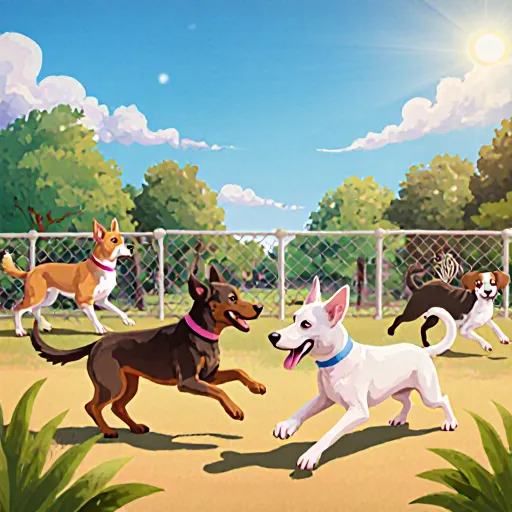
'Secure Parks' Guide for Dogs to Play Safely
Secure Parks: Secrets to Safe Canine Fun
Table of Contents
- Identifying Safe Dog Parks in Your Area
- Check for Proper Fencing and Boundaries
- Look for Separate Areas for Different Sizes of Dogs
- Ensure There Is Adequate Supervision by Staff
- Check for Regular Cleaning and Maintenance
- Look for Water Sources for Hydration
- Inspect for Shade and Sun Protection Areas
- Check for Waste Disposal Facilities
- Evaluate the Presence of Vets or First Aid Personnel
- Consider the Age Appropriate Areas and Segregation
- Look for Clear Rules and Regulations Posted
- Check for Regular Dog Population Limits
- Ensure Sufficient Ventilation and Air Quality
- Evaluate the Availability of Information for Newcomers
- Conclusion
- FAQ
Identifying Safe Dog Parks in Your Area
When it comes to ensuring your dog's safety and enjoyment at a park, choosing the right one is crucial. Identifying safe dog parks involves more than just looking for large spaces; it requires careful consideration of various factors that contribute to a secure environment for both you and your pet. In this section, we’ll explore what to look for in order to identify safe dog parks in your area.
- Surveillance and Management: Look for well-maintained parks that have regular supervision by trained staff. This ensures that any issues can be addressed promptly, and there is a clear authority overseeing the park.
- Example: Parks with CCTV cameras or those where local authorities frequently visit are often safer choices.
- Fenced Areas: Fenced parks provide an extra layer of security, preventing dogs from wandering into dangerous areas or escaping the park entirely.
- Practical Advice: Always ensure that there is a robust fence with no visible gaps. Regularly check for any signs of damage and report them immediately to management.
- Hygiene and Waste Management: Proper waste disposal facilities are essential. Dogs should be able to relieve themselves without worrying about litter left behind by others, which can spread diseases or attract pests.
- Example: Parks with clearly marked waste stations that have been regularly cleaned are safer for your dog and the community.
- Grass Quality: Well-maintained grass is not only visually appealing but also crucial for your dog's health. Hard surfaces like concrete or asphalt can be dangerous, causing injuries if your dog slips or falls.
- Practical Advice: Opt for parks with lush green grass and minimal bare patches. If possible, choose grass that is trimmed at regular intervals to ensure it stays in good condition.
- Distance from Traffic: Parks located away from busy roads or intersections are safer for dogs, especially those who may not have developed road awareness yet.
- Example: Parks near quieter residential streets where there is less vehicular movement offer a safer environment.
In addition to the above factors, consider other elements that can make a park more suitable for your dog. These might include:
- Diversity of Dogs: Parks with a mix of different sizes and breeds may be more engaging for your dog as it provides opportunities for interaction.
- Example: Parks where you can see multiple dogs of varying sizes playing together tend to have a more dynamic environment, which is often safer because it mimics real-world socialization scenarios.
- Seclusion: While parks should be safe and well-maintained, some dogs may feel more comfortable in quieter areas. Secluded spots can offer your dog a break from the noise and commotion of larger spaces.
- Practical Advice: If your dog gets easily overwhelmed by crowds, look for parks that have designated smaller areas or sections where fewer dogs gather.
By carefully assessing these aspects when selecting a safe dog park in your area, you can help ensure both your pet's safety and enjoyment. Remember, no two parks are exactly alike, so it’s important to do some research before deciding on the best place for your furry friend.
Check for Proper Fencing and Boundaries
When considering safe dog parks for your furry companion, one of the most crucial aspects to examine closely is the fencing and boundaries. Properly maintained fencing ensures that dogs are contained within the park and prevents escapes or unwanted interactions with other non-park visitors. Here’s what you should look for when checking out a dog park:
1. Inspection of Fencing
- Condition: The fencing should be in excellent condition, free from rust or any signs of wear and tear that could compromise its integrity. Look for sturdy materials such as chain-link, metal mesh, or high-quality wood that is well-constructed.
- Height: A reasonable height is essential to prevent dogs from jumping over the fence. Typically, a fence should be at least 6 feet tall, though taller fences (up to 8 feet) are often preferred for added security.
- Reinforcement: The corners and areas where the posts meet the ground should have solid reinforcement to prevent dogs from digging underneath. Ensure that the fence is securely anchored into the ground with proper stakes or anchors.
2. Boundary Clarity
A clearly defined boundary helps keep all park-goers within the designated area. Look for:
- Signs and Markings: The park should have clear signage indicating where the boundaries begin and end, as well as any rules or regulations regarding dog behavior.
- Natural Barriers: In addition to physical fencing, natural barriers such as a wooded area, hills, or water can serve as effective boundary markers. Ensure these areas are not easily bypassed by clever dogs.
3. Regular Maintenance
To maintain safety, the fence should be regularly inspected and maintained:
- Repairs: Any holes or gaps in the fencing need immediate attention to avoid potential escapes.
- Cleaning: The park area, including fences, should be kept clean of debris, trash, and any hazardous materials that could pose a risk to dogs.
4. Examples of Safe Fencing
Here are some examples of parks with well-designed fencing:
- Park A: The fence is made of sturdy chain-link, and it’s reinforced at all corners with metal stakes that extend deep into the ground. Signs clearly mark the boundaries and provide rules for visitors.
- Park B: This park features a combination of fencing and natural barriers such as a small stream running along one side of the park. The fence is regularly inspected, and any repairs are promptly made by maintenance staff.
5. Practical Advice
To ensure your dog park choice is truly safe:
- Research: Check reviews from other pet owners and read through the park’s website for information about maintenance schedules.
- Visit During Different Times: Dog parks can vary in use throughout different times of the day. Observe during various hours to see if the fencing is maintained properly and whether there are enough staff members on hand to enforce rules.
- Discuss with Staff: If possible, speak directly with park staff about their maintenance routines and any recent issues they’ve encountered.
In conclusion, proper fencing and boundaries are foundational aspects of a safe dog park. By ensuring the fence is in good condition, well-defined, regularly maintained, and accompanied by clear rules and natural barriers, you can help create an environment where dogs can play safely and enjoyably with their canine friends.
Look for Separate Areas for Different Sizes of Dogs
When choosing a safe dog park, one crucial aspect to consider is the presence of separate areas for different sizes of dogs. This separation ensures that smaller breeds do not feel overwhelmed or intimidated by larger dogs, which could lead to aggressive behavior or anxiety. Here’s why this feature is important and how you can find parks that offer it:
Why Separate Areas Are Necessary
- Avoiding Aggression: Larger dogs may unintentionally intimidate smaller ones, leading to potential aggression on the part of the smaller dog. By having separate areas, both sizes can play without fear.
- Mental Health: Smaller dogs often feel safer and more comfortable in environments designed for their size, reducing stress and anxiety.
- Health Benefits: Smaller dogs might not be able to keep up with larger breeds in high-energy games. Separate areas ensure that all dogs can enjoy the park without feeling left out or overexerted.
How to Find Dog Parks with Separate Areas
Look for dog parks that clearly indicate they have separate sections for different sizes of dogs. Here are some practical steps:
- Research Online: Check reviews and websites dedicated to pet-friendly places. Many sites provide detailed information about the park’s layout, including whether it has designated areas for small, medium, or large breeds.
- Contact the Park: If you’re unsure from the website alone, don’t hesitate to call or email the dog park management. Ask if they have separate sections and inquire about any rules regarding which size of dogs can use each area.
- Visit During Off-Peak Hours: To get a better idea of how the park is set up, visit during times when there are fewer dogs present. This allows you to see the layout more clearly and observe if different areas are marked for different sizes.
Practical Advice for Using Separate Areas
To make the most out of a dog park with separate areas:
- Observe Your Dog’s Behavior: If your small dog seems uncomfortable or stressed in a mixed area, consider keeping them in their designated space. Trusting your pet’s instincts is crucial.
- Stay Vigilant: Even if there are separate areas, monitor your dog closely to ensure they’re getting along well with others of similar size and temperament.
- Follow Park Rules: Different parks may have specific rules about which size of dogs can use certain areas. Make sure you comply to avoid any issues.
Examples of Dog Parks with Separate Areas
Here are a few examples of dog parks that cater specifically to different sizes of dogs:
- Dog Beach Park, San Diego: Known for its separate areas for small and large breed dogs. The park also offers a designated area for puppies.
- Petopia Dog Park, Los Angeles: Features multiple zones including one for small breeds and another for larger dogs to play safely together.
- Dog Beach, Miami: Offers separate areas based on dog size, ensuring that all visitors can have a safe and enjoyable experience.
By focusing on parks with separate areas for different sizes of dogs, you ensure your pet’s safety and comfort. This thoughtful approach not only enhances the enjoyment for your dog but also promotes better interactions within the park community.
Ensure There Is Adequate Supervision by Staff
In safe dog parks, ensuring there is adequate supervision by staff plays a crucial role in maintaining order and safety. Supervisors are responsible for monitoring the behavior of dogs and their owners, intervening when necessary, and providing guidance on how to interact properly within the park environment.
Key Responsibilities of Staff Supervision
- Monitoring Dog Behavior: Supervisors should be vigilant in observing each dog's behavior. They need to identify any signs of aggression, fear, or play that could lead to conflicts between dogs.
- Intervention When Necessary: If a situation escalates and there is potential for harm, staff members must act quickly to separate the dogs involved and calm both parties down. This can include using verbal commands, physical separation if safe, or even calling in animal control as needed.
- Guidance on Proper Interaction: Educating owners about appropriate interactions between their dogs and others is essential. Supervisors should provide tips on leash management, proper greetings, and recognizing signals of discomfort or fear in other dogs.
Examples of Adequate Supervision
Consider a scenario where two groups of dogs are playing together at the park. One group consists primarily of larger breeds while another includes smaller, more timid dogs. Without adequate supervision, there might be a risk of the larger dogs unintentionally frightening or intimidating the smaller ones.
- Supervisor's Action: In this case, the staff member would closely observe both groups to ensure no aggressive posturing develops. If any signs appear, they would step in by encouraging responsible owners to keep their pets at a safe distance from each other and demonstrating how to introduce new dogs gently.
Potential Consequences of Insufficient Supervision
Failure to have adequate supervision can lead to dangerous situations where dogs feel cornered or threatened, potentially resulting in biting incidents. These could be caused by a lack of understanding between owners about appropriate socialization practices or due to uncontrolled play behavior.
- Example: An incident occurred at a park where two groups of dogs were not properly supervised. One group included a particularly dominant breed that began chasing another, less confident dog around the perimeter. The chase became increasingly aggressive until it was broken up by a supervisor who managed to separate them successfully before any harm could come to either party.
Practical Advice for Dog Owners
To help ensure safety at all times, consider these practical tips:
- Choose a Park with Adequate Supervision: Opt for parks that have staff members who are present and visible throughout the day. This reduces the chance of incidents happening without immediate attention.
- Communicate with Supervisors: Don't hesitate to inform supervisors if you notice any unusual behavior among your dog or those around them. Early intervention can prevent problems before they escalate.
- Follow Park Rules: Familiarize yourself with the rules set forth by the park management, including leash policies and restrictions on certain breeds or sizes of dogs.
In conclusion, having adequate supervision by staff is one of the most important factors in making sure that dog parks remain safe spaces where both pets and owners can enjoy themselves without worry. By following these guidelines and supporting responsible behavior from everyone involved, we can contribute to creating a positive environment for all dogs.
Check for Regular Cleaning and Maintenance
To ensure that your chosen dog park is safe and hygienic, it's crucial to look for regular cleaning and maintenance practices. This not only enhances the overall cleanliness but also contributes to a healthier environment for both pets and visitors.
Regular Sanitation Practices
- Frequency of Cleaning: The park should be cleaned regularly, ideally every week or even more frequently during high-usage times. This helps in removing any debris, waste, and potential health hazards.
- Use of Disinfectants: The staff must use appropriate disinfectants to clean the areas where dogs frequent. This is especially important around drinking fountains, benches, and play equipment to prevent the spread of bacteria and parasites.
Signs of Effective Cleaning
- No Visible Waste: There should be no visible signs of waste or debris on the ground. This includes dog feces, sticks, or other materials left behind by pet owners.
- Clean Facilities: Restrooms and any other facilities provided for visitors should also be kept clean and in good condition.
Encouraging Pet Owners to Participate
In addition to regular cleaning by park staff, encouraging pet owners to participate in maintaining the cleanliness of the park can significantly enhance the overall hygiene. This could involve providing bags for waste disposal and educating pet owners about responsible pet ownership practices.
Example of a Safe Dog Park
Consider a dog park like "Fido's Fun Spot," where regular cleaning is a priority. They have a strict policy of cleaning the park after every event, ensuring that all areas are safe and clean for dogs to play in.
Practical Advice
- Contact the Park Management: Before choosing a dog park, reach out to them directly. Ask about their cleaning schedule and maintenance practices. This can give you peace of mind knowing that your pet is in a safe environment.
- Look for Positive Reviews: Check online reviews from other pet owners who have visited the park. Look for comments specifically regarding cleanliness and overall safety. If multiple visitors mention issues with hygiene, it might be worth considering another option.
Conclusion
In summary, regular cleaning and maintenance are vital aspects of ensuring a safe and hygienic dog park experience. By paying attention to these details and choosing parks that prioritize cleanliness, you can help ensure your pet enjoys their time at the park while also contributing to the overall health and safety of the community.
Look for Water Sources for Hydration
When exploring safe dog parks, it's crucial not only to focus on spacious areas and well-maintained facilities but also to ensure there are adequate water sources for hydration. Just as a healthy environment is essential for dogs, access to clean drinking water should be prioritized to prevent dehydration and support overall health.
Dogs can lose significant amounts of water through panting during play at the park. Ensuring that there are multiple, accessible water stations is key to maintaining their hydration levels. Lack of water can lead to serious health issues such as heat stroke or lethargy, especially on hot days.
- Fresh Water: The water should be clean and fresh, not stagnant or dirty. Avoid parks where the water is visibly murky or has a strong odor.
- Adequate Quantity: There should be enough water for all dogs present at any given time. A good rule of thumb is to have one water station per 10-15 dogs.
- Accessibility: Water stations should be easily accessible and not located in areas that are prone to being knocked over or contaminated by other elements like mud or grass stains.
- Drip-Free Fountains: Drip-free fountains can help reduce water waste and ensure that dogs have a reliable source of fresh water at all times. These types of stations encourage continuous hydration without the risk of bacteria growth.
If you find a park lacking in these crucial aspects, consider bringing your own portable water bowl for your dog to use until they can access clean water. Additionally, if you notice that the water stations are not properly maintained or lack sufficient water, it might be beneficial to reach out to the park management or local authorities to voice your concerns and suggest improvements.
By ensuring safe hydration through adequate and accessible water sources, you can contribute to a healthier and more enjoyable experience for both you and your furry companion at the dog park. Remember, a well-hydrated dog is not only happier but also less likely to suffer from heat-related issues or other health problems.
Inspect for Shade and Sun Protection Areas
When choosing a safe dog park, one critical aspect you shouldn't overlook is the availability of shaded and sun-protected areas. Direct sunlight can be harsh on dogs, just as it is for humans. Prolonged exposure to strong sunlight can lead to overheating, heatstroke, or even more serious health issues. Therefore, ensuring that your dog has access to both shade and sun protection areas is essential.
Why Shade Matters
Shade provides a respite from the scorching heat of the day, allowing dogs to cool down naturally without the risk of overheating. It's important that there are enough shaded spots for all dogs, especially during peak hours when temperatures tend to rise. Look for areas where trees or constructed shelters provide sufficient shade coverage.
Identifying Good Shade Areas
- Natural Shelters: Parks with a significant number of large trees are ideal. Trees not only offer shade but also provide a cooling effect through evaporation and transpiration.
- Man-made Structures: Look for parks that have constructed shelters, such as doghouses or gazebos, which can serve as additional shaded areas.
Practical Tips
- Check During Peak Hours: Visit the park during the hottest times of the day (typically midday) to see if there are enough shaded spots available. If it's crowded, ensure that your dog can still find a safe space.
- Bring Your Own Shade: If a park lacks adequate shade, bring along an umbrella or pop-up tent for additional protection during visits.
- Hydration: Always provide water for your dog. The shade can help them stay cool while drinking.
Examples of Good Practices
In many well-maintained parks, you might find designated shaded areas marked clearly with signs or painted markings on the ground. These are often popular spots where dogs gather to relax and socialize during hot days.
Conclusion
Selecting a dog park that offers ample shade and sun-protected areas is crucial for your pet's comfort and safety. By ensuring these conditions, you contribute to a healthier and more enjoyable experience for both dogs and their owners.
Check for Waste Disposal Facilities
When choosing a safe dog park, it's essential to consider various factors that contribute to your pet's well-being and the cleanliness of the environment. One critical aspect often overlooked is the availability and functionality of waste disposal facilities. Proper waste management not only keeps the park clean but also contributes significantly to the overall safety and enjoyment for all dogs and their owners.
Why Waste Disposal Facilities Matter
A well-maintained dog park should have easily accessible waste disposal facilities, such as trash cans with appropriate receptacles for pet waste. These facilities prevent the accumulation of litter that can be harmful to both humans and animals. When there's no proper system in place, it encourages irresponsible behavior like leaving waste behind or even worse—dumping it elsewhere.
Types of Waste Disposal Facilities
- Sand Pits: Ideal for scooping up and disposing of solid waste. However, they can be less effective for liquid waste which may seep through the sand.
- Paper Bags or Bio-Bags: Convenient for owners to carry with them, ensuring every dog owner has what’s needed to clean up after their pets.
- Dog Waste Stations: These stations provide both bags and a receptacle for waste, making it easier and more sanitary. Many parks now include these as part of their amenities.
Signs of Effective Waste Disposal Facilities
When visiting a potential dog park, look out for the following signs to ensure effective waste disposal facilities:
- Cleanliness:** The area should be regularly maintained and cleaned. There shouldn't be visible piles of waste or excessive odor.
- Adequate Placement:** Waste bins should be strategically placed around the park for easy access by all visitors, especially in busy areas like near water fountains or play equipment.
- Sufficient Quantity:** The number of waste disposal units should match the size and use of the park. Smaller parks may require fewer stations, while larger ones will need more.
Practical Tips for Owners
To ensure your visit to a dog park is pleasant and responsible, here are some practical tips:
- Always Bring Bags: Even if the park has waste stations, it's wise to bring extra bags in case of emergencies or if you encounter an area without facilities.
- Use Scoops When Necessary:** For larger dogs or those that produce more waste, using a scoop can be more efficient and hygienic than relying solely on paper bags.
- Respect the Rules:** Follow any specific guidelines regarding waste disposal provided by the park management. This might include rules about which types of waste to use or how far you should walk your dog before cleaning up.
User Feedback and Community Involvement
Community feedback plays a crucial role in maintaining quality waste disposal facilities. Regularly check online reviews and community forums to gather insights from other pet owners about the cleanliness of the park and its facilities. Encourage responsible behavior by setting examples yourself; your actions can influence others positively.
Conclusion
In summary, checking for effective waste disposal facilities is a key factor when selecting safe dog parks. By ensuring these amenities are present and well-maintained, you contribute to the overall cleanliness and enjoyment of the park. This not only protects your pet's health but also fosters a positive experience for all who visit.
Evaluate the Presence of Vets or First Aid Personnel
Evaluating the presence of veterinarians or first aid personnel is crucial when choosing a safe dog park. Dogs, especially those that play vigorously, can sometimes injure themselves during play. Having professionals available ensures quick and appropriate medical attention in case of emergencies.
- Clear Signage: Look for signs that mention the availability of first aid personnel. These could include information about emergency contacts, locations where first aid kits are stored, and instructions on what to do in case of an emergency.
- Contact Information: Ensure there is a way to contact someone who can assist with any immediate medical needs. This might be a park attendant or staff member who has basic training in handling dog emergencies.
- Educational Materials: Some safe dog parks provide brochures or flyers that inform visitors about what to do if their dog gets hurt. This could include instructions on applying pressure to stop bleeding, identifying signs of shock, and recognizing when a situation requires veterinary attention.
Veterinarians play an important role in ensuring that dog parks remain safe environments. While they are not always physically present at these locations, their involvement can significantly enhance safety:
- Regular Check-ins: Veterinarians may conduct regular check-ins with the park management to discuss any issues or concerns related to canine health and welfare.
- Health Policies: They might help establish guidelines regarding vaccinations, flea control, and other health measures that visitors should follow to prevent the spread of diseases in the park.Emergency Protocols: Veterinarians often work closely with park administrators to develop emergency protocols. This includes defining how to handle specific types of injuries or illnesses and ensuring that appropriate equipment is available on-site.
As a responsible dog owner, there are several steps you can take to evaluate whether a dog park has adequate first aid personnel:
- Check Online Reviews: Look up reviews from other dog owners who have used the park. They may provide insights into the quality of care available at the park.
- Inquire Directly: Contact the management or administration of the park to ask about their first aid policies and protocols. A reliable facility will be happy to share this information with you.Observe During Visits: Pay attention to how the park handles situations when dogs are injured. Does someone step in immediately? Is there a clear process for handling emergencies?
In conclusion, evaluating whether a dog park has adequate first aid personnel and veterinarians is an essential part of ensuring your pet's safety while enjoying playtime with other dogs. By following these guidelines and taking the time to assess each park before visiting, you can make informed decisions that protect both your furry friend and others.
Consider the Age Appropriate Areas and Segregation
When selecting a safe dog park for your pet, it's crucial to consider age-appropriate areas and segregation. Ensuring that dogs of various ages and sizes are kept in separate areas helps prevent stress and potential injuries. Here’s what you should look for:
Age-Appropriate Zones
Dogs at different stages of development have varying energy levels, play styles, and socialization needs. A well-designed park will typically offer distinct zones catering to puppies, adult dogs, and senior canines.
- Puppy Play Areas: These areas are essential for young dogs who need a controlled environment to explore and learn basic manners without the risk of confrontations. Look for spaces equipped with soft surfaces and toys that are safe for pups to chew on.
- Adult Dog Areas: This section should cater to dogs in their prime, offering ample space for more intense play and activities like fetch or frisbee. Ensure these areas have enough room to accommodate larger groups of dogs without crowding.
- Senior Dog Zones: Older dogs often prefer calmer environments where they can relax and socialize at a slower pace. These spaces should be quieter, with less frenetic activity compared to the younger dog zones.
Safety Measures
In addition to age-appropriate areas, parks must implement safety measures to ensure all dogs feel secure:
- Fenced Off Areas: Clearly defined spaces with sturdy fencing can help prevent escapes and unauthorized access. This is particularly important in larger parks where smaller breeds might get overwhelmed by the energy of bigger dogs.
- Signage: Proper signage helps communicate rules clearly, such as “No Chasing,” “Leash on at All Times,” or specific age-appropriate restrictions.
- Vet-Approved Equipment: The presence of equipment like water fountains, shade structures, and resting benches can make the park more inviting for all ages. These amenities help keep dogs hydrated and provide relief from overheating or fatigue.
Practical Tips
To choose a safe and appropriate dog park:
- Research the Park: Before taking your dog, check reviews and visit the website to understand its layout and rules.
- Check the Time of Day: Certain parks may be better suited for specific times due to varying levels of activity. Early morning or late evening can often mean fewer dogs.
- Evaluate Your Dog’s Personality: If you have a dog that is particularly shy or aggressive, consider the social dynamics within the park and choose one where they will be comfortable.
In conclusion, by considering age-appropriate areas and segregation, you can significantly enhance your dog's experience at the park. A well-organized safe dog park ensures everyone enjoys a fun, stress-free time!
Look for Clear Rules and Regulations Posted
Clear Posting of Rules
The first thing to check is whether the park has clearly posted rules. These should include guidelines on leash length, vaccination requirements, waste disposal methods, and any restrictions regarding certain breeds or sizes of dogs. Clear signage helps enforce these rules effectively.Example: A well-organized dog park might have signs that say "Leashes must be removed once inside the park" and "Pick up after your pet."
Compliance with Local Regulations
Ensure that the park complies with local laws regarding public spaces. This includes any mandatory health checks, insurance requirements for dog owners, or restrictions on certain breeds. Non-compliance can lead to fines or closure of the park.Example: If your area has a ban on pit bulls in public parks, make sure the dog park you choose adheres to this rule.
Enforcement of Rules
Effective enforcement is key. Look for staff or volunteers who are responsible for ensuring that all visitors follow the rules. A well-managed park will have mechanisms in place to address violations, such as warnings or ejection from the premises.Example: A dog park with a dedicated team of handlers who patrol the area and ensure compliance is more likely to be safe for your pet.
Parking and Access
Consider how accessible the park is. The entrance should be easily recognizable, and there should be designated parking areas nearby. Safe parks will have clear instructions on where to park and how to enter.Example: A dog park with a large sign indicating "Parking for Dog Park Visitors" right outside the gate makes it easy for you to find your spot.
Hygiene and Safety Measures
Check if there are adequate hygiene facilities available, such as waste disposal bins and hand sanitizers. These measures help maintain cleanliness and reduce the risk of disease transmission among dogs.Example: A dog park with multiple trash cans strategically placed around the area ensures that visitors can easily dispose of their pet's waste.
Regular Maintenance
Parks in good condition are safer for both dogs and humans. Look for well-maintained facilities, including grassy areas, shade trees, and water fountains. Regular maintenance also helps prevent accidents.Example: A dog park that has lush green spaces with no bare patches or broken equipment is a sign of good management.
User Reviews and Recommendations
Finally, consider reading reviews from other dog owners who have used the park. Online platforms like Yelp or local community boards can provide valuable insights into the park's safety record.Example: Reading positive feedback about a park’s cleanliness and the friendliness of its staff before you visit can help you make an informed decision.
By focusing on these aspects, you can find a safe dog park that not only enhances your pet's socialization but also provides peace of mind for both you and your furry companion.Check for Regular Dog Population Limits
When selecting a safe dog park, it’s essential to consider the regular population limits imposed by the park. These limits play a crucial role in maintaining a balanced and enjoyable environment for all dogs and their owners. Exceeding these limits can lead to overcrowding, which might result in stress, aggressive behavior, or simply an unpleasant experience for your pet.
Understanding Population Limits
The regular population limit is the maximum number of dogs that a park can safely accommodate at any given time. This figure takes into account various factors such as space availability, the size and design of the park, and the needs of different dog breeds.
Factors to Consider for Population Limits
- Space Availability: Larger parks can typically accommodate more dogs without feeling crowded. However, smaller spaces require stricter limits.
- Dog Breed Variations: Some breeds are more energetic and may disrupt the balance if too many of them are present at once. For instance, a park with a mix of large herding breeds might need lower population limits compared to one populated by mainly small lap dogs.
- Park Design: Well-designed parks often have separate areas for different energy levels (calm and active). This helps manage the population more effectively and ensures that all dogs can enjoy their time in a safe environment.
Signs of Overcrowding
It’s important to recognize signs of overcrowding at a dog park. These include:
- Increased barking or growling among dogs.
- Movement restrictions, such as dogs being forced to stay in one area instead of roaming freely.
- Bottlenecks where lines form due to limited space.
Practical Advice for Ensuring Compliance
To ensure that the population limits are respected, you can:
- Contact Park Management: Before visiting a park, it’s wise to call or check their official website for current regulations and any updates regarding population limits.
- Monitor Dog Numbers: If you notice the number of dogs approaching the limit, encourage your dog to take breaks or play in another area where fewer dogs are present.
- Consider Off-Peak Visits: Parks often have specific times when they see higher numbers of visitors. Choosing a time outside these peak hours can help reduce crowding and make the experience more enjoyable for all dogs.
Conclusion
Maintaining regular population limits in safe dog parks is vital for ensuring that every visit remains positive and stress-free. By understanding these limits, recognizing signs of overcrowding, and following practical advice to ensure compliance, you can help keep your visits enjoyable not just for your pet but for all park-goers.
Ensure Sufficient Ventilation and Air Quality
Ensuring sufficient ventilation and air quality is crucial for maintaining a safe and healthy environment at dog parks. Poor ventilation can lead to the accumulation of harmful bacteria, allergens, and other pollutants that could negatively impact both your pet and other visitors. Here’s what you should look for when choosing a dog park:
1. Natural Ventilation
Natural ventilation is essential for keeping fresh air circulating through the park. Look for parks with open spaces, large windows, or doors that can be kept open during peak hours. Windows that are high up and positioned strategically around the building can also help in bringing in fresh air from outside.
2. Proper Ventilation Systems
In addition to natural ventilation, mechanical systems like HVAC (Heating, Ventilating, and Air Conditioning) units should be present to ensure a healthy environment inside the park. Make sure these systems are regularly maintained and checked by professionals to guarantee they are functioning correctly.
3. Clean Air Quality
Air quality is another critical factor to consider. The air at dog parks should be free from pollutants such as smoke, dust, and other irritants. Look for parks with low levels of outdoor pollution or those that are in locations where there are minimal sources of pollution.
4. Regular Cleaning and Maintenance
Regular cleaning is key to ensuring air quality remains high. Parks should be regularly cleaned, especially areas that dogs frequent such as water fountains, benches, and play equipment. Proper cleaning not only helps in maintaining the cleanliness of the park but also reduces the spread of harmful bacteria.
5. Plants and Greenery
Incorporating plants into the park’s design can help improve air quality by absorbing pollutants through their leaves. Trees, shrubs, and other greenery not only beautify the environment but also contribute to a healthier atmosphere for all users.
6. Avoid Crowded Areas
Crowded areas tend to have poor ventilation due to limited space and increased number of people and dogs. Opt for parks where there is enough space between play areas so that air can flow freely, reducing the concentration of pollutants.
In conclusion, ensuring sufficient ventilation and maintaining good air quality in dog parks should be a priority. By considering these factors, you can help create a safer environment for your pet and other visitors. Always check reviews and recommendations from others who have visited the park to get an idea of its cleanliness and air quality.
Evaluate the Availability of Information for Newcomers
Evaluating the availability of information for newcomers to safe dog parks is crucial for ensuring a smooth and enjoyable experience. This involves understanding what resources are provided, how accessible they are, and whether they cater specifically to beginners or not. Here’s an in-depth look at evaluating this aspect:
1. Comprehensive Information
Safe dog parks should offer detailed information about the park’s rules and regulations. This includes guidelines on leash use, vaccination requirements, waste disposal policies, and any special events or restrictions that might apply. For newcomers, having this information readily available can prevent misunderstandings and ensure compliance from the start.
2. Accessibility of Resources
The availability of maps, signs, and other informational materials is important for those who are unfamiliar with the park’s layout or rules. Well-marked paths, clearly labeled areas, and easy-to-understand signage can significantly enhance a newcomer’s experience. Additionally, online resources such as FAQs, brochures, or virtual tours should be easily accessible.
3. Specific Guidelines for Beginners
Parks that cater specifically to newcomers may include special features or instructions aimed at helping beginners feel comfortable and confident in their skills. These could range from designated areas for training and socialization, to staff members who can provide guidance on dog behavior and interaction. Offering orientation sessions or workshops can also be beneficial.
4. Community Support
A supportive community can make a huge difference in the experience of newcomers. Encouraging existing park users to welcome and assist new arrivals helps create an inclusive environment where everyone feels at ease. Peer support from experienced dog owners or park staff members who are knowledgeable about local dynamics is invaluable.
5. User Feedback Mechanism
An effective way for parks to improve their offerings based on user feedback is by implementing a system that allows newcomers (and regular visitors) to share their thoughts and suggestions anonymously or openly. This could be through surveys, suggestion boxes, or direct communication channels like social media groups dedicated to the park.
Example of Good Practice
A model example is the "Paw Park" in a fictional city which provides all necessary information both online and offline, including interactive maps and step-by-step guides for first-time visitors. They also have regular meet-and-greets where experienced dog owners can introduce themselves to new arrivals, fostering a welcoming atmosphere.
Practical Advice
- Before visiting any dog park, review the official website or contact the management for up-to-date information regarding rules and regulations.
- Bring along literature provided by the park if it includes tips on behavior training or local etiquette.
- If unsure about something, don’t hesitate to ask a staff member or an experienced visitor; many parks have friendly faces who are more than willing to help newcomers settle in comfortably.
Conclusion
When choosing a safe dog park for your furry companion, there are several key factors to consider that will help ensure both their safety and enjoyment. Here’s an expanded look at what you should be on the lookout for:
1. Fenced Area
A well-maintained, fully fenced area is crucial as it prevents dogs from escaping or straying into traffic or areas where they may encounter hazards such as other wildlife.
Example: At Safe Dog Parks, you can expect a sturdy and regularly inspected fence that meets local safety standards. This ensures your dog remains within the park boundaries at all times.
2. Supervision
Even in a designated dog park, supervision is important to ensure that interactions between dogs are positive and safe. Look for parks where staff or volunteers are present to monitor activities and intervene if necessary.
Advice: Opt for parks with clear guidelines on the number of handlers needed based on the size of the dog or group, ensuring a safer environment for all participants.
3. Hydration and Shade
To keep your dog healthy and cool during playtime, check that there are clean water sources available as well as shaded areas to prevent overheating.
Example: At Safe Dog Parks, you will find fresh, accessible drinking fountains along with strategically placed shade structures like canopies or trees to provide respite from the sun’s rays.
4. Appropriate Surface
The ground surface in a dog park should be soft and resilient enough to absorb impact without causing injury during play or accidents.
Tips: Prefer parks with grassy fields, mulch, or sand as the ground cover rather than hard surfaces like asphalt. This reduces the risk of sprains and other injuries associated with uneven or harsh terrain.
5. Age and Size Appropriateness
Not all dogs are suited for play in a park where larger, more aggressive breeds may dominate. Ensure that the park caters to different sizes and temperaments of dogs by having separate areas designated for smaller or less assertive animals.
Reference: Safe Dog Parks offers various zones tailored to different dog types, ensuring that every dog finds a space where they can interact safely with peers close in size and behavior.
6. Regular Maintenance
Maintaining the park’s cleanliness and general upkeep is essential for hygiene and safety standards. Look for parks that have regular clean-ups and are free from debris, feces, and other hazards.
Practical Advice: Visit Safe Dog Parks regularly; you can see firsthand how well-maintained the facility is through their consistent cleaning schedule and attention to detail in maintaining a safe environment for all dogs.
7. Compliance with Local Regulations
Ensure that the park complies with local laws, including leash policies, vaccination requirements, and breed restrictions if applicable.
Note: Safe Dog Parks adheres strictly to all relevant regulations, making it a reliable choice for dog owners who want to ensure their pets are in compliance at all times.
In summary, by considering these factors when selecting a safe dog park, you can help guarantee your pet’s well-being and enjoyment. Remember that each dog is unique, so make sure the park caters not just to your specific needs but also aligns with your furry friend's preferences and requirements.FAQ
Ensuring your dog has a safe and enjoyable time at a park is crucial. Here’s what you should consider when choosing the right park for your furry friend.
1. Supervision and Guidelines
Many parks have clear guidelines about supervision, which can vary from no leashes to full supervision by staff. Always check these rules before bringing your dog. For instance, at Safe Dog Parks, they strictly enforce a rule where dogs must be on-leash until they are off the main pathway and into the designated play area.
Example: At Safe Dog Parks, children under 12 years old are required to be accompanied by an adult who can supervise their behavior. This ensures that all dogs interact safely and respectfully with each other.
2. Proper Vaccination Requirements
Dog parks often have strict vaccination requirements to minimize the risk of disease transmission among the dog population. Make sure your dog is up-to-date on their vaccines before visiting a park, as this can be a condition for entry.
Example: Safe Dog Parks require all dogs to be vaccinated against rabies and have proof of vaccinations. They also recommend that dogs receive other standard shots like those for parvovirus or distemper.
3. Adequate Space and Layout
The layout of the park can greatly influence how safe it is for your dog to play. Ensure there are different areas designated for various types of activities, such as a quiet area for dogs that prefer calm environments and larger fields for high-energy breeds.
Example: Safe Dog Parks has separate sections for small breed dogs and large breed dogs. This prevents smaller dogs from feeling overwhelmed by bigger ones while allowing both groups to enjoy their respective areas safely.
4. Cleanliness and Maintenance
A well-maintained park is less likely to have health hazards that could harm your dog or spread infections. Look for parks with regular cleaning schedules, especially regarding waste management.
Example: Safe Dog Parks employ a team dedicated solely to keeping the grounds clean and free of debris. They provide multiple waste stations equipped with biodegradable bags and regularly collect used materials from these stations.
5. Availability of Water Sources
Water is essential for dogs, especially during playtime. Make sure the park has accessible water sources so your dog can stay hydrated. Some parks even offer special drinking fountains designed specifically for dogs.
Example: Safe Dog Parks have strategically placed water stations throughout the park to ensure all areas are within easy reach of fresh water for thirsty pups.
6. Age and Breed Appropriateness
Not all parks cater to every type of dog or age group. Consider whether the park’s size, layout, and other factors match your dog’s energy level and personality. For instance, a small, elderly dog might not thrive in an area with very active younger dogs.
Example: Safe Dog Parks offers different sections based on breed and age groups to accommodate various needs. They have designated areas for senior dogs where the pace is slower but still engaging.
7. Accessibility
The park should be easily accessible, both physically and in terms of location. Consider factors like parking facilities, ease of entry/exit, and proximity to your home or workplace.
Example: Safe Dog Parks provides ample parking spaces and clear signage leading directly into the park. This makes it easy for owners to bring their dogs even during rush hours without worrying about traffic congestion.
By considering these factors, you can choose a safe dog park that meets your dog's needs. Remember, every dog is unique, so find a park that aligns with your pet’s personality and activity level.Categories
- AI & Enrichment Play
- Broiler Farming
- Broiler Farming Tips
- Canine Wellness & Longevity
- Cat
- Cat & Human Connection
- Cat Adoption & Rescue
- Cat Breeds
- Cat Breeds & Personalities
- Cat Care & Health
- Cat Grooming & Hygiene
- Cat Lifestyle & Environment
- Cat Myths & History
- Cat Nutrition & Diet
- Cat Products & Reviews
- Cat Training & Behavior
- Comparison
- Consumer Awareness
- Dog
- Dog Accessories & Products
- Dog Adoption & Rescue
- Dog Breed & Lifestyle Trends
- Dog Breeding & Puppies
- Dog Entertainment & Media
- Dog Fashion & Trends
- Dog Fun & Lifestyle
- Dog Grooming & Hygiene
- Dog History & Culture
- Dog Myths, Science & Future Tech
- Dog News & Trends
- Dog Nutrition & Food
- Dog Psychology & Emotions
- Dog Safety & Security
- Dog Sports & Activities
- Dog Technology & Innovation
- Dog Training for Modern Owners
- Dog Travel & Adventure
- Dog Travel, Adventure & Culture
- Economic and Market Insights
- Educational Content
- FAQs
- Feeding Alternatives
- Festivals & Seasonal Ideas
- Fun & Entertainment
- General Knowledge
- General Pig Farming
- Health & Disease Management
- Housing and Environment
- Kittens
- Market Insights
- Miscellaneous
- Miscellaneous
- Motivational
- pig
- Pig Breeding
- Pig Breeds
- Pig Farming Stories and Inspiration
- Pig Health and Care
- Pig Nutrition
- Pig Products
- Profitability & Business
- Puppy Care
- Puppy Predictable Topics Reinvented
- Regional Focus
- Rescue & Adoption Buzz
- Senior Cats
- Senior Dog Care
- Smart Dog Tech & Gadgets
- Sustainability
- Sustainable & Eco-Friendly Dog Products
- Tech & Innovations
- Working & Service Dogs
- Broiler Feed66 products
- Country Feed33 products
- Pig Feed66 products
- Product22 products
- Raw Materials99 products
Products
-
 Fish Meal
₹1,999.00 – ₹2,999.00Price range: ₹1,999.00 through ₹2,999.00Rated 0 out of 5
Fish Meal
₹1,999.00 – ₹2,999.00Price range: ₹1,999.00 through ₹2,999.00Rated 0 out of 5 -
 FATTENING BROILER FEED
₹2,299.00 – ₹2,349.00Price range: ₹2,299.00 through ₹2,349.00Rated 0 out of 5
FATTENING BROILER FEED
₹2,299.00 – ₹2,349.00Price range: ₹2,299.00 through ₹2,349.00Rated 0 out of 5 -
 LAYER COUNTRY FEED
₹1,549.00 – ₹1,649.00Price range: ₹1,549.00 through ₹1,649.00Rated 0 out of 5
LAYER COUNTRY FEED
₹1,549.00 – ₹1,649.00Price range: ₹1,549.00 through ₹1,649.00Rated 0 out of 5 -
 COUNTER BROILER FEED
₹1,199.00 – ₹1,299.00Price range: ₹1,199.00 through ₹1,299.00Rated 0 out of 5
COUNTER BROILER FEED
₹1,199.00 – ₹1,299.00Price range: ₹1,199.00 through ₹1,299.00Rated 0 out of 5 -
 LACTATING PIG FEED
Rated 0 out of 5
LACTATING PIG FEED
Rated 0 out of 5₹2,299.00Original price was: ₹2,299.00.₹1,740.00Current price is: ₹1,740.00. -
 Maize
Rated 0 out of 5
Maize
Rated 0 out of 5₹1,650.00Original price was: ₹1,650.00.₹1,300.00Current price is: ₹1,300.00. -
 GESTATION PIG FEED (Phase 1)
Rated 0 out of 5
GESTATION PIG FEED (Phase 1)
Rated 0 out of 5₹2,249.00Original price was: ₹2,249.00.₹1,699.00Current price is: ₹1,699.00. -
 Pre Starter Broiler Feed
₹2,399.00 – ₹2,499.00Price range: ₹2,399.00 through ₹2,499.00Rated 0 out of 5
Pre Starter Broiler Feed
₹2,399.00 – ₹2,499.00Price range: ₹2,399.00 through ₹2,499.00Rated 0 out of 5 -
 FINISHER PIG FEED
Rated 0 out of 5
FINISHER PIG FEED
Rated 0 out of 5₹2,299.00Original price was: ₹2,299.00.₹1,749.00Current price is: ₹1,749.00. -
 Broiler Premix
Rated 0 out of 5
Broiler Premix
Rated 0 out of 5₹820.00Original price was: ₹820.00.₹699.00Current price is: ₹699.00.