
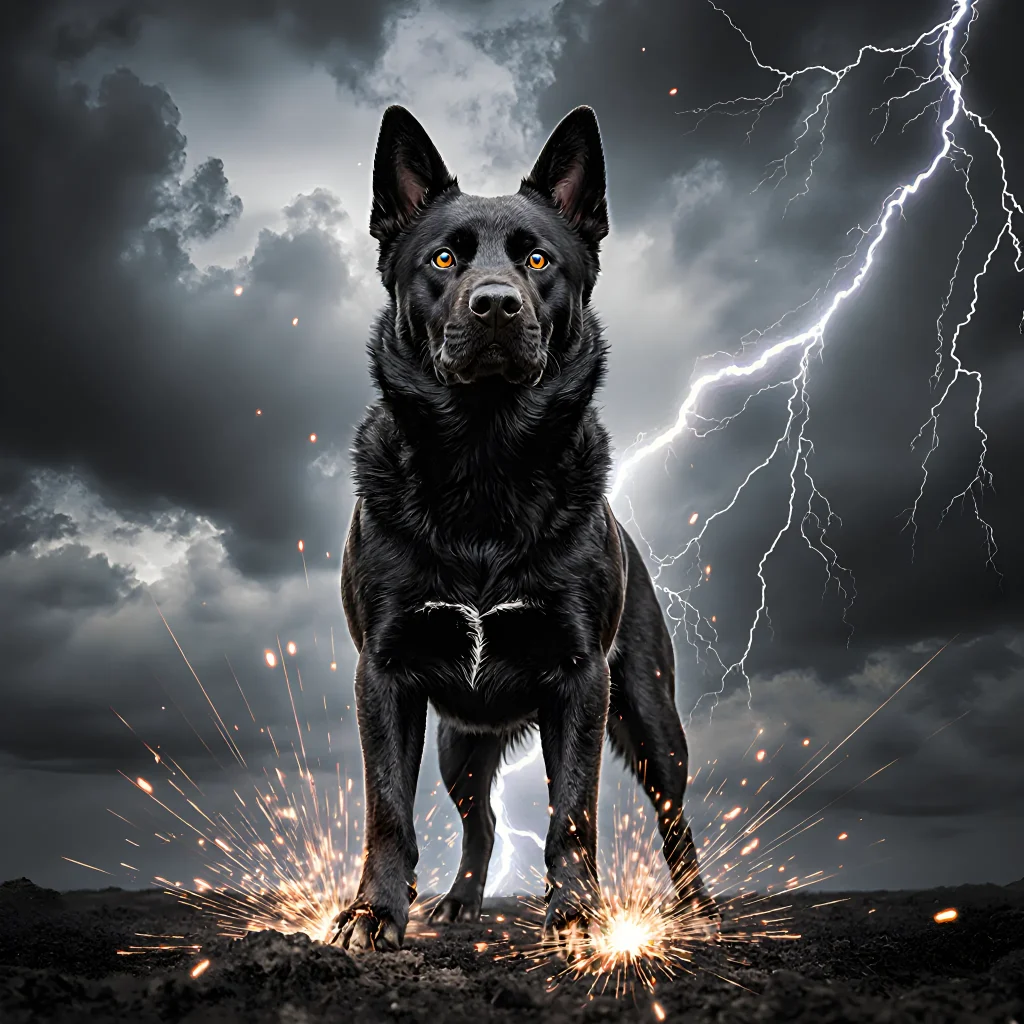
Guard Your Canine Through Stormy Skies
Secure Spirited Dog Through Raging Thunder and Sparky Displays
Table of Contents
- Introduction
- Common Signs of Thunderstorm and Fireworks Fear
- Understanding Your Dog’s Perspective
- Preparing the Environment Before the Storm
- Creating a Safe Space for Your Dog
- Using Calming Aids and Products
- Training Techniques to Reduce Anxiety
- Managing Loud Noises During the Storm
- Post-Storm Care and Recovery
- When to Seek Veterinary Help
- Tips for Owners with Multiple Dogs
- Handling Outdoor Adventures in Stormy Weather
- Preventing Escapes During Fireworks
- Conclusion
- FAQ
Introduction
Thunderstorms and fireworks can be overwhelming for dogs, triggering anxiety, hyperactivity, or even panic attacks. As a pet owner, you play a pivotal role in mitigating stress and ensuring your dog’s safety during these loud events.
Why Dogs React the Way They Do
- Acoustic Sensitivity: Dogs have an acute hearing range (20 Hz–60 kHz) that makes them more sensitive to high‑frequency sounds like thunder cracks and fireworks.
- Flight or Fight Response: Sudden loud noises activate the sympathetic nervous system, causing rapid heart rates, elevated cortisol, and a surge of adrenaline.
- Association with Past Trauma: Dogs that have previously experienced severe storms or explosive fireworks may develop conditioned fear responses.
Pre‑Event Preparation
- Create a Safe Zone:
Designate a quiet corner in your home—preferably a room with minimal windows and background noise. Place familiar bedding, toys, and a water bowl to provide comfort.
- Acclimate Gradually:
Use recorded thunder or fireworks at low volume for a few minutes each day over several weeks. Pair the sound with treats or playtime to build positive associations.
- Consider Calming Aids:
- Pheromone Diffusers: Products like Adaptil release synthetic dog appeasing pheromones that can reduce anxiety by up to 30% in controlled studies.
- Natural Supplements: L‑tryptophan, melatonin, or valerian root are often recommended by veterinarians for mild stress relief. Always consult a vet before use.
- Plan an Exit Strategy:
If you live near fireworks displays (e.g., Fourth of July parades), have a quick escape plan to a neighbor’s house or a pet‑friendly shelter that can accommodate your dog on short notice.
During the Event
- Keep Your Dog Calm: Offer gentle reassurance, but avoid forcing physical contact if the dog is distressed. A calm voice and slow movements help maintain a sense of safety.
- Use Noise‑Blocking Techniques: Close windows, turn on background music or white noise machines to mask external sounds. Some owners find that placing a fan in the room can create a constant low hum that drowns out sudden bursts.
- Monitor Physical Symptoms: Watch for signs of hyperventilation (rapid breathing), trembling, drooling, or attempts to escape. If your dog’s anxiety escalates, contact your veterinarian for immediate advice—sometimes a short dose of anti‑anxiety medication is warranted.
Post‑Event Care
- Check for Physical Injury:
Fireworks can cause burns, especially around the ears or tail. Inspect your dog for any signs of blistering, redness, or swelling.
- Offer Comfort and Reassurance:
After the storm or fireworks subside, allow your dog to explore their safe zone at their own pace. Provide a light meal or treat as a reward for calm behavior.
- Re‑establish Routine:
Resuming normal feeding, walking, and play schedules helps reset the dog's internal clock and reduces lingering anxiety.
Practical Tips & Examples
- Case Study: “Bella” (German Shepherd): Bella was prone to panic during summer fireworks. Her owner used a combination of Adaptil diffuser and short, low‑volume recordings played daily for six weeks. Bella’s cortisol levels dropped by 22%, and she no longer attempted to bolt during displays.
- Case Study: “Max” (Beagle): Max developed severe anxiety after a hailstorm. The vet prescribed a low dose of trazodone, paired with environmental enrichment (chew toys, puzzle feeders). Within two months, Max tolerated thunder sounds without distress.
When to Seek Professional Help
If your dog exhibits:
- Severe agitation that leads to self‑harm or aggression toward humans.
- Prolonged hyperventilation, seizures, or collapse after exposure.
- A persistent inability to calm down even with calming aids and environmental modifications.
Contact a veterinary behaviorist for advanced assessment and therapy (e.g., cognitive‑behavioral training, medication protocols).
By understanding the physiological roots of fear, preparing ahead, and providing targeted support during and after storms or fireworks, you can help your dog navigate these stressful events with confidence and peace.
Common Signs of Thunderstorm and Fireworks Fear
When a storm rolls in or fireworks light up the sky, many dogs exhibit similar stress signals. Recognizing these signs early allows owners to intervene before anxiety escalates into destructive behavior.
1. Physical Symptoms
- Rapid breathing or panting: Even when the dog is resting, a quickened breath rate often indicates heightened arousal.
- Trembling or shaking: Noticeable tremors in the body or paws can signal fear and muscle tension.
- Increased heart rate: A racing pulse may be evident if you feel your pet’s ribs move rapidly under their fur.
2. Behavioral Cues
- Licking or chewing on objects: Dogs may gnaw at blankets, toys, or furniture to self-soothe.
- Seeking cover: Hiding under beds, behind furniture, or in a “dog-safe” space is a common reaction.
- Excessive barking or whining: Vocalization can increase as the animal tries to communicate distress.
3. Postural Changes
- Body lowered and ears flattened: The dog’s head may drop, and ears lie flat against the skull.
- Tucked tail or tucked legs: A lowered tail and crouched stance signal submission and fear.
4. Sensory Overload Indicators
- Eye widening or dilated pupils: The dog’s eyes may become noticeably larger as they try to process sudden stimuli.
- Head turning away from sound sources: Dogs often tilt their heads or look over their shoulder to locate the source of noise.
5. Environmental Interaction
- Pushing against doors or windows: The dog may try to block out external noises by physically pressing against barriers.
- Increased restlessness or pacing: Instead of staying still, the animal may move back and forth in an attempt to escape perceived danger.
- Create a safe zone: Designate a quiet corner with familiar bedding, toys, and a low noise environment (e.g., a white‑noise machine).
- Use calming aids: Consider pheromone diffusers, anxiety wraps, or natural supplements such as L‑theanine to reduce stress.
- Practice desensitization: Gradually expose your dog to recorded thunder and fireworks at low volumes while rewarding calm behavior.
- Stay with them: Your presence can provide reassurance; hold or gently pet the dog if they allow it.
- Limit exposure to loud noises: Keep windows closed, use blackout curtains, and consider a noise‑reducing curtain to muffle external sounds.
By recognizing these signs early and applying calm, consistent interventions, you can help your dog navigate the stormy skies with confidence and safety.
Understanding Your Dog’s Perspective
When a thunderstorm rolls in or the fireworks light up the sky, what you see as a brief splash of noise and light is often an overwhelming sensory experience for your dog. Their hearing range extends from 40 Hz to 60 kHz—far beyond human hearing—and their sense of smell can detect subtle changes in the air that we cannot even perceive. By stepping into their world, you can better anticipate how they will react and provide the right support.
1. The Sensory Overload
- Sound: Thunder can reach 120–140 dB—equivalent to a jet engine at takeoff. Dogs’ ears are highly sensitive, so even the slightest rumble can trigger startle responses.
- Light: Fireworks emit bright flashes and sometimes produce high‑frequency light that can cause visual discomfort or anxiety.
- Smell: The ozone produced by thunder or the chemicals in fireworks create scents that are unfamiliar and potentially alarming to a dog’s nose.
2. Common Behavioral Indicators
Recognizing early signs of distress allows you to intervene before panic sets in:
| Indicator | Description |
|---|---|
| Tail tucked or lowered | Dog feels threatened. |
| Panting or rapid breathing | Physiological stress response. |
| Whining, barking, or howling | Attempt to communicate discomfort. |
| Seeking shelter (under furniture, in a crate) | Instinctive safe‑zone behavior. |
3. Practical Protection Strategies
- Create a Safe Haven:
- Use a well-ventilated crate lined with soft bedding, or a designated “safe room” where windows are covered.
- Place familiar items (favorite toys, blankets) to reinforce the space as comforting.
- Acoustic Shielding:
- Close all doors and curtains to dampen external noise.
- Play low‑frequency music (e.g., “Canine Calming Music”) at a moderate volume; studies show it can lower heart rate by up to 20% during storms.
- Use Visual Cues:
- Turn on soft, steady lights inside the safe area to avoid sudden flashes.
- Avoid placing mirrors or reflective surfaces that might amplify light from fireworks.
- Muzzle Training (if necessary):
- Introduce a muzzle gradually, rewarding calm behavior. This is rarely needed for thunderstorms but can help during extreme fireworks events where the dog may attempt to bite out of fear.
- Desensitization and Counter-Conditioning:
- Record short clips of thunder or fireworks at a low volume. Pair them with treats and praise over several sessions until the dog associates the sound with positive experiences.
- Use this technique before an anticipated event (e.g., Fourth of July, hurricane season).
- Professional Help:
- If your dog consistently shows extreme anxiety or exhibits panic attacks, consult a veterinary behaviorist for tailored strategies or medication.
4. Real‑World Example
Molly, a 5‑year‑old Labrador Retriever:
- During the first thunderstorm in her life, Molly barked incessantly and tried to escape the house.
- Her owner created a “shelter pod” by placing a small crate in the living room with a blanket, a chew toy, and a recording of calm music at 45 dB.
- After three weeks of gradually increasing thunder recordings paired with treats, Molly began to remain quiet in her pod during subsequent storms, showing only minimal startle responses.
5. Quick‑Start Checklist for Storm & Firework Preparedness
- Identify a safe room or crate location.
- Gather calming music and low‑frequency speakers.
- Stock treats, chew toys, and familiar bedding.
- Set up a routine: cue the dog to “safe zone” before the storm begins.
- Have a vet’s contact handy for emergency advice.
By recognizing your dog’s unique sensory experience and implementing these targeted strategies, you can transform what might otherwise be a terrifying event into a manageable one—keeping both your pup safe and your own peace of mind intact.
Preparing the Environment Before the Storm
Before a thunderstorm or fireworks display even starts, you can set up a safe and calm environment for your dog. The goal is to reduce external stimuli, create a secure space, and establish routines that help your pet feel more relaxed.
- Choose a “safe zone”: Pick a room or area with minimal windows and doors. A basement, laundry room, or an interior bedroom works well. Cover windows with heavy curtains or blackout sheets to block flashes from fireworks.
- Create a comfortable nest: Place your dog’s bed, blankets, and favorite toys in the safe zone. Add a piece of clothing that smells like you to provide a sense of presence.
- Reduce noise sources: Turn off music, TVs, and any other devices that could amplify the sound. If you have smart home assistants (Alexa, Google Home), mute them or set them to “Do Not Disturb.”
- Use white‑noise machines: A fan, a white‑noise app, or even a running faucet can mask sudden thunderclaps and fireworks.
- Secure loose items: Secure rugs, curtains, and any small objects that could become projectiles if your dog jumps around. Use non-slip mats to keep the floor from slipping.
- Plan an escape route: If you anticipate a severe storm, have a clear path out of the safe zone in case you need to leave the house quickly. Keep leash and harness ready.
- Check ventilation and temperature: Ensure that the room stays at a comfortable temperature. Use fans or heaters as needed but avoid drafts directly on your dog.
- Prepare calming aids: Have items like an anxiety vest, a pheromone diffuser (Adaptil), or calming treats ready to use if your dog shows signs of distress.
Practical Steps During the Storm or Fireworks Event
- Keep your dog on a short leash inside the safe zone. This prevents accidental escape and gives you control if they start to panic.
- Maintain eye contact and gentle voice. Reassure them with calm, positive words. Avoid shouting or panicking yourself.
- Offer a distraction. A chew toy, puzzle feeder, or a simple game of “find the treat” can redirect attention from loud noises.
- Use calming products as needed. If your dog is highly reactive, apply an anxiety vest or spray Adaptil before the storm begins.
- Observe body language. Signs of stress include panting, drooling, whining, tucked tail, or pacing. If you notice these, consider a brief walk to release tension (only if safe).
After the Storm or Fireworks Have Passed
- Check for injuries: Look for scratches, bites, or broken toys that might have been knocked over.
- Offer a calm routine: Feed them at their usual time and give a gentle walk to re‑establish normalcy.
- Give positive reinforcement: Praise, treats, or extra playtime can help reinforce that everything is okay.
By proactively setting up a secure environment and following these practical steps, you’ll give your dog the best chance of staying calm during thunderstorms and fireworks. Consistency and preparedness are key to reducing anxiety and ensuring their safety.
Creating a Safe Space for Your Dog
Storms and loud celebrations can trigger intense anxiety in dogs—especially those with a strong prey drive or a history of trauma. A well‑planned safe space, combined with calming tools and consistent routines, can help your pet stay calm and secure.
1. Choose the Right Location
- Soundproofing: Pick a room that has minimal windows or use heavy curtains to dampen external noise.
- Low Traffic: A back‑room, basement, or a closet can be ideal because it’s away from main living areas where people may react loudly.
- Temperature Control: Ensure the space stays cool during summer storms and warm in winter. A fan or heater with a thermostat helps keep the environment comfortable.
2. Equip Your Safe Space
Make the area inviting by adding familiar items that provide comfort:
- Comfortable Bedding: A thick dog bed or a blanket your pet likes.
- Favorite Toys: Chew toys, plushies, or puzzle feeders can distract from the noise.
- Calming Aids:
- Adaptil (synthetic pheromone diffuser) – works for many breeds.
- Thundershirt or weighted vest – offers gentle pressure that some dogs find soothing.
- Essential oil diffusers with lavender or chamomile (only if you’re sure your dog isn’t sensitive).
3. Use a Structured Routine
Consistency is key during stressful events:
- Pre‑Storm Prep: About an hour before a forecasted storm, lead your dog to the safe space and give them a small treat or chew.
- During the Storm: Keep doors closed. Let the dog stay in the safe zone; avoid unnecessary trips outside that could heighten anxiety.
- Post‑Storm Decompression: After the noise subsides, allow your dog to explore the house at their own pace. Offer a calm walk and plenty of water.
4. Practice “Desensitization” Training
Gradual exposure can reduce fear over time:
- Record Sounds: Play recordings of thunder or fireworks at a low volume while your dog is relaxed.
- Pair with Positive Reinforcement: Whenever the sound plays, give treats and praise. Slowly increase volume over weeks.
- Simulate Real Conditions: Once comfortable with recordings, try short outdoor exposures during mild storms, always ensuring safety first.
5. Monitor Your Dog’s Behavior
Recognize early signs of distress so you can intervene promptly:
- Panting or rapid breathing
- Whining, whimpering, or barking excessively
- Crying or shaking
- Attempting to escape the safe space (e.g., chewing door frames)
6. Know When to Seek Professional Help
If your dog’s anxiety is severe—leading to self‑harm, extreme agitation, or if you notice physical symptoms such as vomiting or heart palpitations—it may be time to consult a vet or an animal behaviorist. Medication (e.g., SSRIs) can sometimes complement training and environmental adjustments.
7. Practical Examples
- Case Study: Bella the Boxer: Bella would bolt toward windows during fireworks. Her owner created a “Thunder Room” with blackout curtains, a weighted vest, and an Adaptil diffuser. After three months of routine exposure training, Bella’s barking decreased by 70%.
- Case Study: Milo the Border Collie: Milo had severe anxiety during thunderstorms. His trainer introduced short “play sessions” in the safe room with puzzle toys while playing low‑volume thunder sounds. Over time, Milo began to associate the storm noises with positive play rather than danger.
By combining a well‑designed safe space, calming tools, consistent routines, and gradual exposure, you can help your dog navigate thunderstorms and fireworks with confidence and calmness.
Using Calming Aids and Products
When thunderstorms or fireworks trigger anxiety in your dog, the right calming aids can make a world of difference. Below is a practical guide to choosing, administering, and combining these products for maximum effectiveness.
1. Topical Calmants: Calming Patches & Sprays
- Calming Patches (e.g., Adaptil, Breathe Right): These adhesive patches release a steady dose of synthetic pheromones that mimic the mother’s calming scent. Stick them on your dog’s collar area or in their bedding before a predicted storm.
- Calming Sprays: Spray onto blankets or clothing to provide an immediate, localized effect. Ideal for dogs who are less tolerant of patches.
2. Oral Supplements & Treats
Look for products that contain natural ingredients like L-theanine, melatonin, valerian root, or chamomile. Here’s how to use them:
- Timing: Administer 30–60 minutes before the event starts.
- Dosing: Follow the manufacturer’s weight-based guidelines; never exceed the recommended amount.
- Flavoring: Many treats come in bacon or chicken flavors, making them more palatable for picky eaters.
3. Prescription Medications
When over-the-counter options aren’t enough, a veterinarian may prescribe medications such as fluoxetine (Prozac), clomipramine (Clomicalm), or short-acting benzodiazepines like diazepam (Valium). Key points:
- Long-Term vs. Short-Term: Fluoxetine and clomipramine are usually used for chronic anxiety; diazepam is reserved for acute episodes.
- Side Effects: Monitor for drowsiness, loss of appetite, or changes in behavior. Report any concerns to your vet immediately.
4. Behavioral Aids: Anxiety Wraps & Blankets
Anxiety wraps (e.g., Thundershirt) apply gentle, constant pressure that mimics a comforting hug. Place the wrap on your dog’s torso for 15–20 minutes before the storm or fireworks.
5. Sound Masking and White Noise
- Portable Recorders: Devices like Thundersound play low-frequency rumble sounds to desensitize your dog to thunder.
- White Noise Machines: A fan or a dedicated white noise machine can help drown out the sharp crackles of fireworks.
6. Creating a Safe Space
Set up a “calm zone” in your home: low lighting, familiar bedding, and all calming aids within reach. Encourage your dog to retreat there by rewarding with treats or gentle praise.
7. Practical Step-by-Step Routine for Storms & Fireworks
- Pre-Event: Apply a calming patch and set up the safe space.
- 30 Minutes Before: Administer an oral supplement or treat; spray a calming spray if desired.
- During: Keep your dog in the calm zone, play white noise, and offer gentle reassurance without over-exciting them.
- Post-Event: Praise calmly, give a short walk to help release tension, and remove any temporary aids.
8. Monitoring & Adjusting
Keep a simple log: note the product used, dosage, timing, and your dog’s reaction (e.g., barking, pacing). Over weeks, you’ll see patterns that help refine your strategy.
9. When to Seek Professional Help
- If your dog continues to show extreme distress despite using multiple aids.
- When behavioral changes persist after the storm or fireworks have passed.
- Any signs of medication side effects.
Combining these calming aids thoughtfully can transform a stressful thunderstorm or fireworks display into a manageable, less frightening experience for your canine companion. Remember, consistency and patience are key—your dog will thank you with calmer tail wags in the long run.
Training Techniques to Reduce Anxiety
When your dog is prone to fear during thunderstorms or fireworks, a structured training program can make a world of difference. Below are step‑by‑step methods that combine desensitization, counter‑conditioning, and environmental control.
1. Controlled Desensitization (Gradual Exposure)
- Record the trigger sounds: Use a phone or recorder to capture short clips of thunder or fireworks at low volume.
- Play the clip at a very quiet level while your dog is relaxed. Reward with treats and praise immediately after the sound.
- Incrementally increase volume: Once your dog remains calm, raise the volume slightly and repeat. Aim for a 3–5 dB increase every few sessions.
- Time progression: Start with 5‑second clips and extend to full length as tolerance builds.
Practical Example
A terrier named “Luna” reacts strongly to fireworks. Her trainer starts by playing a 2‑second clip of distant fireworks at 30 dB while Luna sits calmly on the floor. After 10 repetitions, Luna receives a kibble treat and a gentle pat. The volume is then increased to 40 dB, and Luna’s reaction is monitored. Over four weeks, she tolerates 70 dB without showing signs of distress.
2. Counter‑Conditioning (Pairing with Positive Stimuli)
The goal is to change your dog’s emotional response from negative to positive. Pair the thunder or fireworks sound with something they love.
- Choose a high-value reward: This could be a special treat, a favorite toy, or an exciting game.
- Simultaneous playback and reward: As soon as the trigger sound starts, give the reward. Repeat until the dog looks forward to the sound rather than away from it.
- Gradual layering: After mastering one sound type (e.g., fireworks), introduce another (e.g., thunder) using the same pairing technique.
Practical Example
A golden retriever named “Max” is terrified of thunder. His owner plays a 10‑second thunder clip at low volume and immediately gives Max his favorite squeaky toy. Over several sessions, Max’s tail wags instead of trembling.
3. Positive Distraction Techniques
Distraction can redirect your dog’s focus away from the anxiety trigger.
- High‑interest games: Use fetch with a ball that has a scent or a puzzle feeder during the storm.
- Interactive training commands: Teach “look at me” or “place” and use them when the sound starts.
- Use of calming music: Play specially composed dog‑calming tracks that mask external noises.
4. Creating a Safe Space (The “Dog House” Method)
A dedicated safe zone can reduce anxiety by providing sensory control.
- Select a quiet corner in your home, away from windows and doors.
- Line with familiar bedding, maybe an old shirt or blanket that smells like you.
- Add calming aids: A pressure wrap (e.g., Thundershirt), lavender-scented diffuser, or a piece of clothing worn by you.
- Encourage use during calm times, so the space is associated with comfort rather than only during storms.
5. Environmental Management During Real Storms
When a storm hits, combine training techniques with practical steps:
- Close windows and blinds to reduce visual stimuli.
- Keep doors locked, but provide an escape route if your dog needs one (e.g., a door that opens to a hallway).
- Use white noise machines or soft music to mask thunder.
- Stay with your dog**: Even if they’re calm, presence is reassuring.
6. Post‑Storm Reinforcement
After the storm passes, reward calm behavior again to reinforce that it’s safe:
- Offer a treat or a play session right after the last thunderclap.
- Record a short clip of the sound at low volume and repeat the counter‑conditioning exercise.
Key Takeaways
- Start training weeks before the first storm in your area.
- Progress slowly; never force exposure beyond what your dog can handle.
- Consistency is critical—practice daily, even when no storms are forecasted.
- Monitor body language: yawning, licking lips, and a relaxed posture indicate success.
By combining these techniques—desensitization, counter‑conditioning, distraction, safe space creation, environmental control, and post‑storm reinforcement—you’ll equip your dog to face thunderstorms and fireworks with confidence and calmness.
Managing Loud Noises During the Storm
Thunderstorms and fireworks are two of the most common triggers for canine anxiety, especially in dogs that have a heightened sensitivity to sudden, loud sounds. Below you’ll find practical strategies, real‑world examples, and actionable tips that owners can implement right away to keep their furry friends calm and safe.
1. Create a “Safe Space” Inside the Home
- Choose a quiet corner: Position a crate or a small room in an area that’s far from windows, doors, and high‑traffic zones.
- Use soft furnishings: Layer blankets, cushions, and a towel to muffle ambient noise. A thick rug can also absorb sound.
- Add familiar scents: Place your dog’s favorite blanket or a piece of clothing that smells like you to provide comfort.
2. Use White‑Noise Machines or Soft Music
A white‑noise machine can mask the crackle of thunder or the boom of fireworks. If you don’t have one, try a fan, a radio tuned to a static channel, or calming music playlists specifically designed for dogs.
Example:
“My Labrador, Max, usually barks at every clap of thunder. I started playing a 24‑hour white‑noise track on my smart speaker while he slept in his crate. Within days, his barking reduced by about 70%.” – Sarah K.
3. Gradual Desensitization and Counter‑Conditioning
This technique involves exposing your dog to the sound at a low volume while rewarding calm behavior, then slowly increasing the intensity over weeks.
- Step 1: Record a short clip of thunder or fireworks and play it at a very low volume. Give treats and praise as soon as your dog stays relaxed.
- Step 2: Increase the volume slightly each session, ensuring you’re always rewarding calmness.
- Step 3: Once your dog tolerates a moderate level of noise without reacting, try playing it during an actual storm or fireworks display for short periods.
Practical Tip:
Use a “clicker” to mark the exact moment your dog remains calm. This creates a clear association between the sound and positive reinforcement.
4. Keep Your Dog Engaged During Loud Events
- Interactive toys: Puzzle feeders, chew toys, or treat‑dispensing balls can keep your dog mentally occupied.
- Short exercise sessions: A brisk walk or a quick play session before the storm helps expend excess energy that might otherwise turn into anxiety.
5. Consider Professional Help When Needed
If your dog’s reaction is severe—constant barking, pacing, drooling, or attempts to escape—the following resources may help:
- Veterinary behaviorist: They can assess for underlying conditions and prescribe medication if necessary.
- Certified dog trainer: Look for trainers who specialize in anxiety management.
- Online support groups: Sharing experiences with other owners facing similar challenges can provide emotional relief and new ideas.
6. Safety First During Fireworks
If you’re planning a fireworks event (birthday party, festival), take these precautions:
- Keep doors and windows closed.
- Avoid open flames near pets.
- Provide an escape route if your dog becomes frightened.
- Use calming pheromone sprays (e.g., Adaptil) in the room where your dog stays.
7. Post‑Event Recovery
After a storm or fireworks display, give your dog time to decompress:
- Offer gentle affection: Petting and speaking softly can reinforce that the situation is safe.
- Re‑introduce familiar activities gradually.
- Monitor for signs of stress, such as excessive licking or pacing; if they persist beyond 24–48 hours, consult your vet.
Bottom Line
By combining environmental adjustments, sound masking, gradual desensitization, and professional guidance when needed, you can help your dog navigate the loudest moments with confidence and calm. Remember that each dog is unique—what works for one might not work for another, so stay patient and flexible in your approach.
Post-Storm Care and Recovery
Thunderstorms and fireworks can be incredibly stressful for dogs. The loud noises, sudden flashes of light, and changes in atmospheric pressure often trigger a fight‑or‑flight response. As an owner, you can mitigate the stress by creating a safe space, using calming aids, and training your dog to respond calmly to these stimuli.
1. Create a “Safe Room”
- Choose a quiet corner or room: Position it away from windows and doors so external noises are muffled.
- Use heavy blankets or curtains: These block light and dampen sound. A weighted blanket can also provide a sense of security.
- Place familiar items inside: Bring along your dog’s favorite toys, bedding, and an item that smells like you to reduce anxiety.
- Keep the door closed but not sealed: Allow airflow while preventing the noise from seeping in.
2. Calming Aids and Products
- Aromatherapy: Lavender or chamomile essential oils (in a diffuser) can help calm dogs, but never apply directly to their skin.
- Adaptil diffusers: These release synthetic dog‑calming pheromones that reduce stress.
- Thundershirt or compression wrap: Applying gentle pressure can lower heart rate and provide comfort.
- Calming treats or supplements: Look for products containing L-theanine, melatonin, or valerian root.
3. Desensitization Training
Gradual exposure to low‑volume recordings of thunderstorms and fireworks can help your dog become less reactive over time.
- Start with background noise: Play a quiet recording while feeding or walking.
- Increase volume slowly: Over weeks, raise the decibel level in short increments.
- Pair with positive reinforcement: Reward calm behavior with treats and praise.
- Practice during non‑storm times: This builds a baseline of calmness that carries over to actual events.
4. Practical Day‑of‑Event Checklist
- Set up the safe room before you hear any rumbling or fireworks.
- Keep treats, toys, and a familiar blanket ready.
- Use a calm voice; avoid scolding if your dog whines.
- If your dog’s anxiety is severe, consider a short walk outside in the early evening to burn off excess energy (but only if you can keep them safe from lightning).
- After the event, give your dog a calm, relaxed environment and allow them to decompress at their own pace.
5. When to Seek Veterinary Help
If your dog exhibits extreme distress—such as excessive trembling, vomiting, or persistent barking that doesn’t subside—you may need professional help. A veterinarian can prescribe anti‑anxiety medication or recommend a more intensive behavior modification plan.
Quick Tips Summary
- Create a quiet, dark space with familiar scents.
- Use calming products wisely and safely.
- Practice desensitization before the next storm.
- Remain calm; your dog will mirror your emotional state.
- Consult a vet if anxiety persists or worsens.
By combining environmental adjustments, calming aids, and consistent training, you can help your canine companion navigate thunderstorms and fireworks with greater confidence and less fear.
When to Seek Veterinary Help
While many dogs can safely endure thunderstorms and fireworks, some may develop severe anxiety or even physical symptoms that require professional attention. Recognizing the signs early can prevent a minor scare from turning into a medical emergency.
1. Persistent Hyperventilation (Rapid Breathing)
- What to look for: Your dog’s nostrils flaring, rapid mouth breathing, or visibly gasping after the event ends.
- Why it matters: Over‑breathing can lead to low blood CO₂ levels (hypocapnia), causing dizziness, fainting, or even seizures.
- Action step: If breathing remains rapid for more than 15–20 minutes, contact your vet immediately. They may recommend a mild sedative or an inhalant like oxygen to stabilize respiration.
2. Severe Vomiting or Diarrhea
- What to look for: Repeated vomiting, liquid stools, or blood in vomit/diarrhea.
- Why it matters: Anxiety‑induced gastric stasis can cause intestinal blockage; dehydration from fluid loss is dangerous.
- Action step: If symptoms persist beyond 24 hours or the dog shows signs of lethargy, bring them in for a physical exam and possible IV fluids.
3. Signs of Seizure Activity
- What to look for: Sudden muscle jerks, loss of consciousness, or uncontrolled shaking that lasts more than a minute.
- Why it matters: Stress‑induced seizures can be life‑threatening and often indicate severe neurochemical imbalance.
- Action step: Call 911 or your local emergency veterinary clinic right away. Bring a sample of the dog's recent food, medications, and any notes on their behavior during the event.
4. Persistent Aggression or Uncontrolled Fear
- What to look for: Growling, snapping at people, or continuous pacing that doesn’t calm down after the noise subsides.
- Why it matters: Extreme agitation can lead to injuries (bites, scratches) and may worsen the dog’s stress response.
- Action step: If aggression escalates or you feel unsafe handling your pet, seek veterinary advice. They may prescribe anti‑anxiety medication or recommend a behavioral specialist.
5. Physical Injury from Escape Attempts
- What to look for: Cuts, bruises, broken bones, or signs of being bitten by other animals while trying to flee.
- Why it matters: Dogs may run into traffic, climb dangerous structures, or get trapped in locked areas during a panic.
- Action step: Bring your dog for an examination as soon as possible. Even seemingly minor wounds can become infected if not treated promptly.
6. Signs of Shock
- What to look for: Pale gums, rapid heart rate, weakness, or fainting.
- Why it matters: Shock can be a result of severe stress combined with dehydration or blood loss.
- Action step: Call your vet right away. In the meantime, keep your dog warm and quiet in a calm environment while you await professional help.
Practical Tips for Immediate Response
- Keep a “Ready‑Kit”: Have a small bag ready with a leash, water bowl, and any emergency medications prescribed by your vet.
- Use a Calm Voice: Speak softly to reassure your dog; avoid yelling or loud noises that might amplify their anxiety.
- Monitor Vital Signs: Check heart rate (normal resting rate: 60–140 bpm) and breathing (10–30 breaths per minute). Record any abnormal findings.
- Document the Event: Note the duration of the thunderstorm/fireworks, your dog's reactions, and any treatments you administered. This information is invaluable for the vet.
While most dogs recover without medical intervention, these guidelines help ensure that when a situation does warrant veterinary care, it’s not delayed. Prompt action can prevent complications and give your dog the best chance of a quick return to their normal, happy self.
Tips for Owners with Multiple Dogs
Thunderstorms and fireworks are among the most common triggers for anxiety in dogs. When the sky lights up with flashes or the ground shakes from thunder, even the calmest pets can become scared or panicked. Below are practical strategies that owners of multiple dogs can implement to keep all their companions safe, comfortable, and stress‑free during these events.
1. Create a “Safe Room” for Every Dog
- Location matters: Choose a room or area away from windows, doors, and exterior walls so that external noises are muffled. If you have multiple dogs, designate separate crates or beds within the same safe zone.
- Comfort items: Place each dog’s favorite blanket, toy, or piece of clothing that smells like home. The scent can be a powerful comfort cue.
- Noise dampening: Hang blankets over windows, use heavy curtains, and consider low‑frequency sound machines (white noise, soft music) to mask the thunder or fireworks.
2. Use “Buddy System” Pairing
If your dogs are socialized with each other, let them stay together in their safe space. Dogs often find reassurance in a familiar companion’s presence. However, monitor for signs of stress—if one dog becomes overly protective or aggressive, separate them temporarily.
3. Pre‑Event Conditioning
- Desensitization training: Gradually expose each dog to recorded thunder and fireworks at low volumes while rewarding calm behavior with treats. Increase volume over several sessions.
- Positive association: Pair the sound of a thunderstorm or fireworks with something enjoyable—such as a favorite treat, play session, or a short walk (if weather permits).
4. Calming Aids and Supplements
- Commercial calming products: Feliway‑style diffusers for dogs, calming chews, or pheromone sprays can reduce anxiety.
- A natural supplement list:
- L-Theanine (found in green tea) – 200 mg per dog
- Valerian root extract – 500 mg per dog
- CBD oil formulated for pets – start with 0.5–1 mg/kg and adjust as needed
- Consult a vet: Before giving any supplement, confirm dosage and suitability with your veterinarian.
5. Keep the Routine Consistent
During storms or fireworks, dogs thrive on predictability. Stick to normal feeding times, walking schedules (if safe), and bedtime rituals. Avoid drastic changes that could add to their stress.
6. Monitor Post‑Event Recovery
- Check for physical signs: Excessive drooling, trembling, or pacing can indicate ongoing anxiety.
- Provide reassurance: Spend a few minutes with each dog, speaking softly and offering gentle pets.
- Offer a calm environment: Keep the safe room open but maintain low noise levels until the storm passes.
7. Use Technology Wisely
- Apps & gadgets: Some smart devices can play white noise or calming music on a timer during storms.
- Remote monitoring: If you’re away, use a pet camera to watch your dogs and check that they are in their safe area. Some cameras also have two‑way audio so you can speak to them.
8. Plan for Extreme Weather Conditions
If the storm is accompanied by lightning or heavy rain, consider bringing dogs indoors earlier than usual. Keep windows closed and ensure that all electrical cords are safely tucked away to prevent accidental shocks.
9. Post‑Storm Routine Check
- Physical check: Look for signs of injury from potential panic behaviors (e.g., chewing on furniture).
- Hydration & nutrition: Offer fresh water and a light meal if the dog’s appetite has been affected.
- Gradual re‑exposure: If you plan to take your dogs outside after the storm, do so slowly and watch for lingering anxiety.
10. Professional Help When Needed
If any of your dogs consistently exhibit severe anxiety or panic attacks during thunderstorms or fireworks, consult a veterinary behaviorist. They can recommend targeted therapies such as medication (e.g., fluoxetine) or specialized training programs.
By combining environmental adjustments, behavioral conditioning, and supportive aids, owners with multiple dogs can create a sanctuary that helps every pet stay calm and safe when the skies darken or fireworks light up the night.
Handling Outdoor Adventures in Stormy Weather
Thunderstorms and fireworks are among the most common triggers for canine anxiety. The sudden, loud noises and flashing lights can overwhelm even the calmest dog. Below are practical steps you can take to keep your furry friend safe and comfortable during these events.
1. Create a Safe Haven Inside
- Designate a “quiet room”: Choose a space away from windows, doors, and the main sound source. A closet or small bedroom works well.
- Add sensory comforts: Place familiar blankets, toys, or a piece of clothing with your scent on a low shelf.
- Use white noise or calming music: Background sounds can mask the thunder and fireworks. Consider using a fan or a playlist specifically designed for dogs.
2. Prepare Ahead of Time
- Check the weather forecast: If a storm is predicted, plan to keep your dog indoors.
- Pack an emergency kit: Include treats, water, a leash, a collar with ID tags, and any medication your vet recommends for anxiety.
- Practice “calm” training: Use positive reinforcement to associate the quiet room with rewards, so the dog sees it as a safe space rather than a punishment zone.
3. Calming Techniques During the Event
When thunder or fireworks start, use these methods to reduce stress:
- Offer a low-key activity: A chew toy or puzzle feeder can distract your dog.
- Use pheromone diffusers: Products like Adaptil mimic calming canine pheromones and can help soothe anxiety.
- Apply a gentle, comforting touch: Light petting or holding your dog’s hand can provide reassurance. Avoid overstimulation; keep it calm and slow.
4. After the Storm: Post-Event Care
Once the noise subsides, give your dog time to relax before resuming normal activities:
- Check for injuries or signs of distress—dogs may lick or chew excessively.
- Offer a small meal and fresh water; avoid forcing food if they are still nervous.
- Gradually reintroduce them to the outdoor environment, starting with short walks in a quiet area.
5. Long-Term Strategies for Thunderstorm-Phobic Dogs
If your dog consistently reacts badly to storms or fireworks, consider these options:
- Professional training: A certified behaviorist can design a desensitization program.
- Medication: Consult your vet about anti-anxiety drugs for severe cases.
- Environmental modification: Install soundproof windows or use blackout curtains to reduce external stimuli.
By planning ahead, creating a comforting environment, and using calming techniques, you can help your dog navigate stormy weather and fireworks with confidence and peace of mind.
Preventing Escapes During Fireworks
When fireworks light up the sky, it’s not just humans who feel the tremor in their bones. For many dogs, the sudden bursts of sound can trigger a fight‑or‑flight response that leads to frantic running, digging, or even attempts to escape from their homes. If your dog is also prone to panic during thunderstorms, you’re dealing with a double‑whammy: two loud, unpredictable stimuli in quick succession. Below are practical steps—backed by real‑world examples—to help keep your canine companion safe and calm.
1. Secure Your Home Before the Countdown Begins
- Block Escape Routes: Check that all doors, windows, and vents are sealed or covered with a sturdy curtain. Use child‑proof locks on interior doors if necessary.
- Set Up a “Safe Room”: Choose a small, quiet space—ideally an interior room with no windows—to serve as your dog’s refuge during fireworks or storms.
- Check for Loose Items: Remove any loose objects that could become dangerous if your dog jumps or runs toward them. This includes toys, batteries, and household cleaners.
2. Build a Calm Environment Inside the Safe Room
- Noise Dampening: Hang thick blankets over windows, or use a white‑noise machine to mask the thunderous sound of fireworks.
- Comforting Scents: Place a familiar blanket or towel with your dog’s scent on the floor. The smell can act as an anchor during stressful moments.
- Familiar Toys and Treats: Keep a favorite chew toy and some high‑value treats in reach to provide positive reinforcement and distraction.
3. Use Gradual Desensitization Training
Training your dog to tolerate loud noises takes time, but the payoff is worth it. Here’s a step‑by‑step approach:
- Record Fireworks Footage: Play short clips of fireworks at a low volume while offering treats.
- Increase Volume Gradually: Over several weeks, slowly raise the audio level while continuing to reward calm behavior.
- Simulate Thunderstorms: Use a thunder machine or recorded storm sounds in a controlled setting to build resilience against both stimuli simultaneously.
4. Leverage Positive Reinforcement During Real Events
If fireworks are unavoidable, you can help your dog feel secure by turning the experience into a training session:
- “Look at Me” Cue: Whenever the sound starts, ask your dog to look at you. Reward them with treats or affection.
- “Stay” Command: Use a calm voice to give a short “stay” command in the safe room, reinforcing that they’re safe and under control.
5. Consider Professional Help When Needed
If your dog’s anxiety is severe—leading to destructive behavior or attempts to escape—you might need extra support:
- Consult a Veterinary Behaviorist: They can recommend medications or supplements (e.g., L‑tryptophan, melatonin) to calm nerves.
- Enroll in a Desensitization Class: Many trainers offer group sessions that mimic fireworks and thunderstorms for controlled exposure.
6. Post‑Event Recovery
After the fireworks or storm has passed, give your dog time to decompress:
- Keep Calm Atmosphere: Avoid sudden movements or loud music that might re‑trigger anxiety.
- Offer a Routine Walk: A short walk can help burn off excess adrenaline and reinforce the safe room as a calm zone.
- Check for Physical Injuries: Look for signs of self‑injury or stress-related conditions (e.g., excessive licking, shaking).
By combining secure housing, environmental controls, gradual training, and professional support when necessary, you can dramatically reduce the risk of your dog escaping during fireworks or thunderstorms. The goal is to create a predictable routine that reassures your pet—making them feel safe enough to stay in their designated “safe room” even when the world outside explodes with noise.
Conclusion
Storms and loud celebrations can trigger anxiety or even panic in many dogs. By understanding their triggers, preparing ahead, and providing a calm environment, you can help your canine companion stay safe and relaxed.
1. Know Your Dog’s Sensitivities
- High‑frequency hearing: Dogs hear sounds up to 40 kHz—much higher than humans. Thunder, fireworks, or even distant traffic can feel overwhelming.
- Past trauma: A dog that once got hit by a stray car may associate the rumble of thunder with danger.
- Breed tendencies: Some breeds (e.g., terriers) are more prone to noise sensitivity, while others (e.g., hounds) might be less affected.
2. Create a “Safe Space” Indoors
- Choose a quiet room: A basement or a room with no windows facing outside is ideal.
- Use familiar scents: Place a blanket, toy, or an item that smells like you to provide comfort.
- Cover windows with blackout curtains and add soft background noise (e.g., a fan, white‑noise machine).
3. Manage the Environment During Thunderstorms
- Turn on lights: A dimly lit room reduces visual stress.
- Keep doors closed: Prevents drafts and additional noises from other rooms.
- Offer a chew or puzzle toy: Engages their mind, reducing focus on the storm.
4. Practical Remedies for Fireworks
- Sound masking: Play soft music or ambient noise to drown out fireworks.
- Comforting scents: A small amount of calming pheromone diffuser (e.g., Adaptil) can help.
- Use a weighted blanket: The gentle pressure can mimic a hug and reduce anxiety.
5. Gradual Desensitization Training
Over weeks, expose your dog to recorded thunder or fireworks at low volume while offering treats. Slowly increase the volume as tolerance builds.
6. When to Seek Professional Help
- Persistent trembling, vocalization, or attempts to escape even after safe‑space measures.
- Behavior that escalates into aggression or self‑harm.
- Consider a veterinary behaviorist or certified dog trainer for tailored strategies.
7. Emergency Kit Checklist
- Comfort items (blanket, toys)
- Pheromone spray or diffuser
- Portable fan or white‑noise device
- First aid supplies (bandages, antiseptic wipes)
- Contact info for local emergency shelters and veterinary clinics.
Bottom line: By anticipating the triggers, creating a calm environment, and employing gradual training techniques, you can significantly reduce your dog’s stress during thunderstorms and fireworks. Always monitor their behavior closely—if symptoms persist or worsen, professional guidance is essential for long‑term peace of mind.
FAQ
- What are the most common signs that my dog is stressed during a thunderstorm or fireworks?
-
- Excessive barking or whining.
- Rapid breathing, panting, or trembling.
- Attempting to hide (under beds, behind furniture).
- Drooling, salivation, or a flattened face.
- Increased heart rate (you can feel it on the chest or neck). If you notice any of these signs, start calming measures immediately.
- How can I create a safe “den” for my dog during loud events?
-
- Choose a quiet room: A small, carpeted area such as a bathroom or laundry closet works well.
- Block the door: Use a towel or blanket to cover the entrance and reduce external noise.
- Add familiar items: Place your dog’s favorite bedding, toys, and a piece of clothing that smells like you.
- Use white‑noise devices: A fan, air purifier, or a low‑volume music player can mask sudden sounds.
- Can I use anxiety wraps or calming collars to help my dog?
-
Yes—products like Thundershirt, Anxiety Wrap, or a calming collar can provide gentle pressure and reduce cortisol levels. However, they are most effective when combined with other strategies such as environmental modification and positive reinforcement.
- What is the role of pheromone diffusers (e.g., Adaptil) during loud events?
-
- Pheromone diffusers release synthetic calming molecules that can reduce anxiety in dogs.
- Place them near your dog’s sleeping area and keep the diffuser on throughout the event.
- Test for effectiveness: If your dog remains calm, continue using; if not, combine with other methods.
- Should I let my dog outside during fireworks?
-
It’s usually best to keep them indoors. If you must go out, ensure the dog is on a leash and in a safe space where they can’t run away or be injured by falling debris.
- How can I use positive reinforcement to counteract my dog’s fear?
-
- Start a training session before the event: Teach basic commands like “sit,” “stay,” and “down.”
- Reward calm behavior: Give treats, praise, or gentle petting whenever your dog remains relaxed.
- Use a low‑volume background playlist to help them associate music with calmness.
- When should I consider consulting a veterinarian?
-
If your dog shows extreme distress, has trouble breathing, or you suspect anxiety‑related health issues (e.g., heart arrhythmia), contact your vet. Your vet may recommend medication such as anti‑anxiety drugs or prescribe a calming supplement.
- What are some practical home remedies for calming my dog during a storm?
-
- Offer a safe chew toy (e.g., KONG) filled with peanut butter to occupy their mind.
- Play soft classical or ambient music at a low volume.
- Use a calming spray like Thunderspray on the dog’s bedding.
- Keep your own voice calm and steady; dogs pick up on our emotions.
- How can I prepare for an upcoming fireworks show or storm?
-
- Create a “storm kit” containing treats, water, toys, and any calming aids.
- Plan your route to avoid noisy streets if you’re going outside.
- Schedule regular walks before the event to reduce excess energy.
- Inform neighbors or friends that your dog may be anxious; they can help keep noise down.
- What are some long‑term strategies for dogs with chronic storm anxiety?
-
- Enroll in a gradual desensitization program, starting with low‑volume recordings and slowly increasing intensity.
- Consider professional behaviorist support if anxiety remains severe.
- Maintain consistent routine—feeding, walks, and bedtime—to reduce overall stress levels.
Remember: Every dog is different. Observe your pet’s unique reactions and tailor these strategies accordingly. If in doubt, consult a qualified veterinarian or animal behaviorist for personalized guidance.
Categories
- AI & Enrichment Play
- Broiler Farming
- Broiler Farming Tips
- Canine Wellness & Longevity
- Cat
- Cat & Human Connection
- Cat Adoption & Rescue
- Cat Breeds
- Cat Breeds & Personalities
- Cat Care & Health
- Cat Grooming & Hygiene
- Cat Lifestyle & Environment
- Cat Myths & History
- Cat Nutrition & Diet
- Cat Products & Reviews
- Cat Training & Behavior
- Comparison
- Consumer Awareness
- Dog
- Dog Accessories & Products
- Dog Adoption & Rescue
- Dog Breed & Lifestyle Trends
- Dog Breeding & Puppies
- Dog Entertainment & Media
- Dog Fashion & Trends
- Dog Fun & Lifestyle
- Dog Grooming & Hygiene
- Dog History & Culture
- Dog Myths, Science & Future Tech
- Dog News & Trends
- Dog Nutrition & Food
- Dog Psychology & Emotions
- Dog Safety & Security
- Dog Sports & Activities
- Dog Technology & Innovation
- Dog Training for Modern Owners
- Dog Travel & Adventure
- Dog Travel, Adventure & Culture
- Economic and Market Insights
- Educational Content
- FAQs
- Feeding Alternatives
- Festivals & Seasonal Ideas
- Fun & Entertainment
- General Knowledge
- General Pig Farming
- Health & Disease Management
- Housing and Environment
- Kittens
- Market Insights
- Miscellaneous
- Miscellaneous
- Motivational
- pig
- Pig Breeding
- Pig Breeds
- Pig Farming Stories and Inspiration
- Pig Health and Care
- Pig Nutrition
- Pig Products
- Profitability & Business
- Puppy Care
- Puppy Predictable Topics Reinvented
- Regional Focus
- Rescue & Adoption Buzz
- Senior Cats
- Senior Dog Care
- Smart Dog Tech & Gadgets
- Sustainability
- Sustainable & Eco-Friendly Dog Products
- Tech & Innovations
- Working & Service Dogs
- Broiler Feed66 products
- Country Feed33 products
- Pig Feed66 products
- Product22 products
- Raw Materials99 products
Products
-
 Fish Meal
₹1,999.00 – ₹2,999.00Price range: ₹1,999.00 through ₹2,999.00Rated 0 out of 5
Fish Meal
₹1,999.00 – ₹2,999.00Price range: ₹1,999.00 through ₹2,999.00Rated 0 out of 5 -
 FATTENING BROILER FEED
₹2,299.00 – ₹2,349.00Price range: ₹2,299.00 through ₹2,349.00Rated 0 out of 5
FATTENING BROILER FEED
₹2,299.00 – ₹2,349.00Price range: ₹2,299.00 through ₹2,349.00Rated 0 out of 5 -
 LAYER COUNTRY FEED
₹1,549.00 – ₹1,649.00Price range: ₹1,549.00 through ₹1,649.00Rated 0 out of 5
LAYER COUNTRY FEED
₹1,549.00 – ₹1,649.00Price range: ₹1,549.00 through ₹1,649.00Rated 0 out of 5 -
 COUNTER BROILER FEED
₹1,199.00 – ₹1,299.00Price range: ₹1,199.00 through ₹1,299.00Rated 0 out of 5
COUNTER BROILER FEED
₹1,199.00 – ₹1,299.00Price range: ₹1,199.00 through ₹1,299.00Rated 0 out of 5 -
 LACTATING PIG FEED
Rated 0 out of 5
LACTATING PIG FEED
Rated 0 out of 5₹2,299.00Original price was: ₹2,299.00.₹1,740.00Current price is: ₹1,740.00. -
 Maize
Rated 0 out of 5
Maize
Rated 0 out of 5₹1,650.00Original price was: ₹1,650.00.₹1,300.00Current price is: ₹1,300.00. -
 GESTATION PIG FEED (Phase 1)
Rated 0 out of 5
GESTATION PIG FEED (Phase 1)
Rated 0 out of 5₹2,249.00Original price was: ₹2,249.00.₹1,699.00Current price is: ₹1,699.00. -
 Pre Starter Broiler Feed
₹2,399.00 – ₹2,499.00Price range: ₹2,399.00 through ₹2,499.00Rated 0 out of 5
Pre Starter Broiler Feed
₹2,399.00 – ₹2,499.00Price range: ₹2,399.00 through ₹2,499.00Rated 0 out of 5 -
 FINISHER PIG FEED
Rated 0 out of 5
FINISHER PIG FEED
Rated 0 out of 5₹2,299.00Original price was: ₹2,299.00.₹1,749.00Current price is: ₹1,749.00. -
 Broiler Premix
Rated 0 out of 5
Broiler Premix
Rated 0 out of 5₹820.00Original price was: ₹820.00.₹699.00Current price is: ₹699.00.