
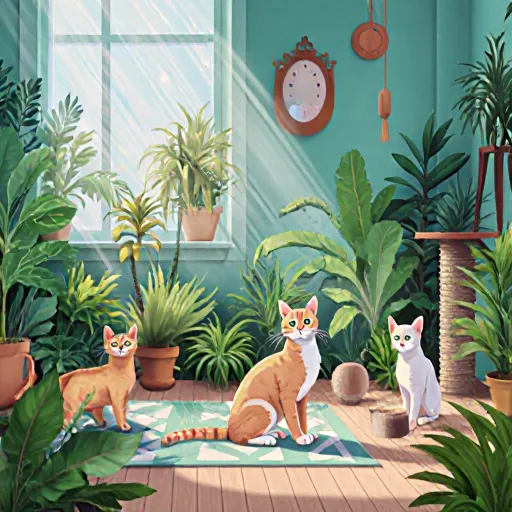
Protect your family and pets with eco-friendly home solutions.
Secure Your Home with Cat-Safe Greenmates
Table of Contents
- Section 1: Introduction to Cat-Friendly House Plants
- Section 2: Benefits of Having Cat-Friendly Plants
- Section 3: Why Safety is Important for Cats and Houseplants
- Section 4: The Role of Pet Owners in Ensuring Plant Safety
- Section 5: Cat-Friendly Plants That Are Edible to Cats
- Section 6: Cat-Friendly Plants That Can Cause Allergic Reactions
- Section 7: The Impact of Air Purifying Plants on Cats' Health
- Section 8: Tips for Choosing the Right Cat-Friendly Plants
- Section 9: Common Toxic Plants to Avoid Around Cats
- Section 10: Plant Care Practices That Don't Harm Cats
- Section 11: Importance of Regular Monitoring for Pet Health
- Section 12: Conclusion: Emphasizing Safety and Well-being
- Section 13: FAQ: Addressing Common Questions About Cat-Friendly Plants
- Section 14: Tips for First-Time Pet Owners
- Section 15: Additional Resources for Further Reading
Section 1: Introduction to Cat-Friendly House Plants
Cat-friendly house plants are those that not only enhance your living space with their aesthetic appeal but also ensure the safety of your feline companions. Cats, like many other pets, can be curious and may try to chew on or ingest certain plants found in the home. However, not all plants are safe for cats, which is why it's crucial to choose houseplants that are non-toxic and pose no risk to your cat's health.
One of the most comprehensive resources for this information is "Cat-Friendly House Plants That Are Safe," a guide that offers detailed listings and descriptions of plants that are safe for cats. This resource helps pet owners make informed decisions about which plants they can include in their home environment without worrying about potential harm to their pets.
Key Considerations When Choosing Cat-Friendly House Plants
- Toxicity: Always check the plant's toxicity level and ensure it is safe for cats. Some plants, while beautiful, contain harmful compounds that can be dangerous if ingested by your pet.
- Cat Behavior: Consider your cat’s behavior and habits. Cats may chew on plants or ingest them out of curiosity. Choosing plants with tough leaves or spines can discourage such behavior.
- Aesthetic Appeal: Select plants that complement the decor of your home while being safe for cats. This ensures both you and your cat will enjoy their presence in your living space.
Examples of Cat-Friendly House Plants
Here are some examples of houseplants that are known to be safe for cats:
- Fiddle Leaf Fig (Ficus lyrata): This plant has large, glossy leaves and is a popular choice for adding a touch of elegance to any room. It is considered non-toxic to cats.
- Pothos (Epipremnum aureum): Known for its trailing vines, pothos can add greenery to shelves or windowsills. While it has small leaves that could be chewed on by curious cats, it is generally considered safe if ingested in small quantities.
- Zebra Plant (Haworthia fasciata): This plant features striking vertical stripes and prefers low light conditions. It is non-toxic to cats and makes an excellent addition to any indoor garden.
Remember, while these plants are considered safe for cats, it's always best to exercise caution when introducing new plants into your home environment.
Section 2: Benefits of Having Cat-Friendly Plants
Introducing cat-friendly plants into your home not only enhances its aesthetic appeal but also provides numerous benefits for both you and your feline companion. Ensuring that the plants in your space are safe for cats is crucial, especially if you have a curious or playful pet who might be tempted to explore these green companions.
Enhanced Indoor Air Quality
Cat-friendly houseplants like Spider Plants and Snake Plants are known for their air-purifying qualities. These plants help remove harmful volatile organic compounds (VOCs) from the air, such as formaldehyde and benzene. This improvement in air quality can contribute to a healthier living environment for you and your cat.
Promoting Relaxation and Well-Being
Research has shown that being around plants can reduce stress and anxiety. For both humans and cats, the presence of greenery can create a more calming atmosphere, which is especially beneficial for pet owners looking to foster a peaceful home environment.
Mindful Gardening with Safe Choices
When selecting plants that are safe for your cat, it's important to be mindful and informed. Refer to resources like "Cat-Friendly House Plants That Are Safe" to ensure you choose plants that pose no risk to your pet. For instance, Catnip, while appealing to cats, should be used in controlled doses as too much can cause digestive issues.
Encouraging Pet Play and Exploration
Cat-friendly plants provide a safe space for your cat to explore without the risk of ingestion or injury. Plants like Boston Ferns and Peace Lilies offer textures that are stimulating for cats, encouraging them to play and engage in natural behaviors.
Visual Appeal and Home Decor
Incorporating safe plants into your home decor can significantly enhance its aesthetic appeal. Choose from a variety of options like Fiddle Leaf Figs or Monstera Deliciosa, which not only look beautiful but also contribute to the overall design of your space.
Creating a Safe Space for All
By ensuring that all plants in your home are safe for cats, you create an environment where both you and your furry friend can thrive. This practice is particularly important if you have multiple pets or if your cat has access to the outdoors.
In conclusion, integrating cat-friendly houseplants into your home not only beautifies your space but also contributes to a healthier, more harmonious living environment for both humans and cats. By making informed choices and referring to reliable resources like "Cat-Friendly House Plants That Are Safe," you can create a sanctuary where everyone feels at ease.
Section 3: Why Safety is Important for Cats and Houseplants
Ensuring the safety of both your beloved feline friend and the houseplants you love can sometimes feel like a balancing act. However, with careful selection and placement, this balance becomes easier to achieve. Understanding why safety is crucial in this context involves recognizing potential hazards for each party involved.
Cats and Poisonous Plants
Many common houseplants are toxic to cats if ingested. Cats often exhibit natural curiosity by tasting new objects, which can lead to accidental poisoning. Symptoms of plant poisoning in cats may include vomiting, diarrhea, lethargy, or even more severe health issues. To prevent such incidents, it is essential to know which plants are safe and which are harmful.
Houseplants That Are Safe for Cats
- Pothos (Epipremnum aureum): Known for its hardiness and air-purifying qualities, the pothos is a popular choice. It tolerates low light conditions and can thrive in various environments.
- Spider Plant (Chlorophytum comosum): This plant adds a touch of elegance to any space while being non-toxic to cats. Its ability to purify the air makes it an excellent choice for indoor spaces.
- Zebra Plant (Haworthia fasciata): A small, easy-to-care-for succulent that is also safe for cats. It requires minimal attention and can survive in various lighting conditions.
By choosing these cat-friendly houseplants, you not only create a safer environment for your pet but also enhance the aesthetic appeal of your living space. These plants are not only safe to have around your cat but also require little maintenance, making them ideal for busy individuals or those who want low-maintenance greenery.
Placement and Maintenance Tips
- Avoid Placement Near Cat-Accessible Areas: Keep your plants out of reach from curious paws. Secure heavy pots with anchors to prevent tipping over, which can be a safety hazard for both the plant and your cat.
- Use Appropriate Soil Types: Some cats have a tendency to root around in soil. Using indoor potting mix specifically designed for indoor plants can help deter this behavior while ensuring proper nutrition.
- Frequent Monitoring: Regularly check your plants for signs of pests or stress, which could indicate that it's time to repot or move the plant to a different location within your home.
In summary, prioritizing safety in your household involves being mindful of what you bring into it. By selecting non-toxic houseplants and taking preventive measures against accidental ingestion or contact, you can enjoy the benefits of having both plants and pets without compromising their well-being.
Section 4: The Role of Pet Owners in Ensuring Plant Safety
The role of pet owners in ensuring plant safety is crucial, especially when it comes to choosing cat-friendly house plants that are safe for felines. Cats have a natural curiosity and instinct to explore their environment, which can sometimes lead them to ingest household items like plants. As responsible pet owners, it is essential to be aware of the potential dangers posed by certain plants and take proactive measures to safeguard your furry friend.
There are many houseplants that can coexist safely with cats. These plants not only enhance the aesthetic appeal of your home but also provide a healthy environment for both you and your pets. Here is a list of some cat-friendly houseplants:
- Spider Plant (Chlorophytum comosum): This plant is known for its air-purifying qualities and is relatively safe for cats.
- Pothos (Epipremnum aureum): Another great choice that can thrive in low light conditions and is non-toxic to cats.
- Banana Plant (Musasparadisiaca): Though toxic if ingested, it is generally safe when kept out of reach.
- Lily-of-the-Valley: While some lilies are highly toxic to cats, Lily-of-the-Valley is not. Still, ensure they are placed where your cat cannot easily access them.
Tips for Pet Owners
To further ensure the safety of your plants and pets:
- Research thoroughly: Before bringing any new plant into your home, research its potential toxicity to cats.
- Mind placement: Keep all potentially harmful plants out of reach or in enclosed spaces where your cat cannot access them.
- Pot placement: Use baskets or hanging planters that prevent your cat from easily knocking over the pot and accessing the plant.
- Monitor behavior: Observe your cat's interaction with plants. If you notice any signs of ingestion, seek veterinary advice immediately.
In conclusion, ensuring that houseplants are safe for cats is an important aspect of responsible pet ownership. By choosing the right types of plants and taking necessary precautions, you can enjoy a beautiful indoor environment while keeping your feline companion healthy and happy.
Section 5: Cat-Friendly Plants That Are Edible to Cats
While it's important for cat owners to choose plants that are safe and non-toxic, some plants can actually be edible or beneficial for cats in certain contexts. It is crucial to understand the nuances between what is considered "safe" versus "edible." This section focuses on plant species that have been known to be safe for cats when ingested but also offer potential benefits beyond just being non-toxic.
Herbs and Edibles
Cats can sometimes nibble on herbs or greenery, and while some are toxic, others can provide health benefits. For instance:
- Catnip (Nepeta cataria): While catnip is well-known for its effects in stimulating play and relaxation in cats, it also contains beneficial compounds that are safe when consumed.
- Dill: Dill can be a treat for cats if given sparingly as part of their diet. It has mild anise-like qualities which might appeal to your cat.
- Spearmint (Mentha spicata): Like dill, spearmint in small quantities can be a safe and enjoyable snack for your feline friend.
Edible Flowers
Cats have been known to eat flowers, but it's important to know which ones are safe:
- Sunflower petals (Helianthus annuus): Sunflower petals can be a gentle treat for cats if they're not sprayed with pesticides.
- Rosemary flowers: These flowers, when fresh and free from harmful treatments, are safe to offer your cat in small amounts.
Wild Plants and Foraging
In some cases, if you let your cat outside or have a semi-outdoor space, they might encounter edible plants:
- Clover (Trifolium spp.): Clover is not only safe but can be beneficial to cats in small quantities. It's rich in vitamins and minerals.
- Chickweed (Stellaria media): Chickweed is a common wild plant that can also be found in gardens. It has high nutritional value and can be a treat for your cat if you allow them to forage.
Potential Benefits of Edible Plants
Feeding cats small amounts of safe, edible plants can provide additional nutrients that are not always found in commercial pet food. However, it's essential to consult with a veterinarian before introducing any new foods to your cat’s diet:
- Vitamin K: Some herbs like dill and spearmint contain significant amounts of vitamin K.
- Iron and Calcium: Plants such as clover and chickweed are good sources of iron and calcium.
Practical Advice
To safely incorporate these plants into your cat's diet:
- Ensure Safety First: Always check if the plant is safe for cats. Even non-toxic plants should be introduced gradually to monitor any adverse reactions.
- Serve in Small Amounts: Only offer small quantities of these edible plants at a time, especially when introducing new foods.
- Monitor Your Cat’s Health: Keep an eye on your cat's behavior and health. If you notice any unusual symptoms after introducing new plant-based treats, consult with a vet immediately.
In conclusion, while there are many safe plants that cats can consume without harm, it is always prudent to choose those that not only pose no danger but also provide potential benefits when used correctly. Always prioritize your cat's health and well-being by consulting with a professional in the field.
Section 6: Cat-Friendly Plants That Can Cause Allergic Reactions
While some plants are known to be safe for cats, there are several common houseplants that can cause allergic reactions or toxic symptoms in both cats and humans. Understanding these risks is crucial for pet owners who want to maintain a healthy environment for their feline companions.
Common Symptoms of Plant Allergies in Cats
- Respiratory Issues: Coughing, sneezing, and wheezing are common signs that your cat may be allergic to plant pollen or other airborne allergens from indoor plants.
- Itchy Skin: Allergic reactions can cause severe itching in cats, leading to excessive grooming or scratching.
- Vomiting and Diarrhea: Some cats may experience gastrointestinal distress if they ingest certain parts of the plant.
Plants That Can Cause Allergic Reactions
The following plants, though popular in many homes, should be avoided as they can cause allergic reactions or toxic symptoms when ingested by cats:
- Amaryllis (Hippeastrum): While generally safe for humans, some cats may have a reaction to the bulbs. Symptoms include vomiting and diarrhea.
- Azalea (Rhododendron): All parts of this plant are toxic to cats. Ingestion can lead to severe poisoning, including vomiting, diarrhea, weakness, and difficulty breathing.
- Cyclamen: The roots of the cyclamen plant contain a toxin called saponin glycosides which can cause gastrointestinal upset if ingested by cats.
- Epsom Salt (Magnesium Sulfate): While not a plant, Epsom salt is sometimes used as a fertilizer and can be toxic to pets. Cats may ingest it through soil or fertilizers used in the garden.
Practical Advice for Cat Owners
If you are concerned about your cat's exposure to potentially harmful plants, here are some steps you can take:
- Choose Safe Alternatives: Opt for indoor plants that are known to be safe for cats. Some examples include spider plants, snake plants, and peace lilies.
- Maintain a Clean Environment: Regularly clean the area around your plants to prevent any accidental ingestion of fertilizers or soil.
- Supervise Your Cat: If you do have potentially harmful plants in your home, be sure to supervise your cat's movements to avoid accidents.
By being aware of these risks and taking necessary precautions, you can help ensure that both your cat and family are safe from the potential hazards posed by certain houseplants. Always consult with a veterinarian if you notice any unusual behavior or symptoms in your pet.
Section 7: The Impact of Air Purifying Plants on Cats' Health
While air purifying plants are known for their ability to improve indoor air quality, it is crucial to consider the safety of our feline friends. Cats have a different respiratory system compared to humans and can be more susceptible to harmful substances in the air. Therefore, when choosing houseplants that also serve as air purifiers, it's essential to ensure they are safe for cats.
Understanding Cat-Friendly House Plants
Cat-friendly house plants are those that not only enhance your living space but also pose no risk to the health and well-being of your cat. These plants should be non-toxic, hypoallergenic, and have minimal or no volatile organic compounds (VOCs) that can trigger respiratory issues in cats.
Examples of Cat-Friendly Air Purifying Plants
- Ferns: Ferns like the Boston fern are known for their air-purifying properties. They thrive in humid environments, which can be beneficial for your cat's health if it suffers from dry skin or respiratory issues.
- Pothos (Epipremnum aureum): This vine is not only easy to care for but also highly effective at removing toxins like formaldehyde and benzene. However, due to its climbing nature, ensure that it is placed out of your cat's reach to avoid ingestion.
- Tulips: Tulip plants can be toxic to cats if ingested. Opt for tulip bulbs or hybrid varieties that are less likely to pose a threat.
- Pineapple Lily (Euonymous fortunei): This plant is safe and non-toxic, making it an excellent choice for both air purification and aesthetics. It requires moderate light and can thrive in various conditions.
Tips for Safe Placement of Air Purifying Plants
- Keep Out of Reach: Ensure that plants are placed at a height where your cat cannot reach them. Cats have an instinct to climb and can easily ingest leaves or stems if they are within their reach.
- Avoid Overcrowding: Keep the area around the plant clear to prevent cats from chewing on the plant accidentally. Overcrowded spaces may also lead to stress for your cat, which can have negative health impacts.
- Maintain Humidity Levels: Cats thrive in environments with moderate humidity levels. Plants like ferns and pothos help maintain these levels naturally, which can enhance both the air quality and your cat's overall well-being.
Monitoring Your Cat's Health
Even with safe plants around, it is essential to monitor your cat for any signs of respiratory distress or gastrointestinal issues. If you notice your cat sneezing frequently, coughing, or showing lethargy, consult a veterinarian immediately.
In conclusion, integrating air purifying plants into your home can significantly improve indoor air quality and enhance the overall well-being of both humans and cats. By selecting the right types of plants and placing them safely, you can create a healthier living environment for your feline companion without compromising on aesthetics or plant-based air purification.
Section 8: Tips for Choosing the Right Cat-Friendly Plants
When it comes to creating a safe and inviting environment for your beloved feline, choosing the right cat-friendly house plants is crucial. Cats are natural explorers who like to chew on leaves and stems, so selecting plants that are not only aesthetically pleasing but also non-toxic to cats should be a priority.
Cat-friendly houseplants refer to those which are safe for your cat if ingested. Many popular indoor plants can pose a serious health risk to cats due to their toxic compounds. It's essential to research thoroughly before adding any plant to your home.
Key Factors in Choosing Safe Plants
- Toxicity: Research the toxicity levels of plants you are considering. Some common culprits include lilies, azaleas, and oleander.
- Cat Behavior: Consider your cat's habits. If your cat loves to chew on leaves or stalks, ensure the plant is durable enough to withstand some nibbling without harm.
- Space and Light Requirements: Ensure that the plant can thrive in the lighting conditions of your home and fits well within the space you have available.
- Aesthetic Appeal: Choose plants that enhance your interior design while being safe for your cat.
Popular Cat-Friendly House Plants
Here are some popular and safe options for your feline friend:
- Pothos (Epipremnum aureum): Known for its heart-shaped leaves, pothos is a resilient plant that can thrive in low light conditions. It's also highly resistant to pests.
- Spider Plant: This plant has long, arching leaves and is particularly favored by cat owners due to its safety and easy care requirements.
- Jade Plant (Crassula ovata): With thick, fleshy leaves, jade plants are not only attractive but also very resilient. They require minimal watering.
- Peace Lily: This plant has a unique white spathes and is known for its air-purifying qualities. It's safe for cats to chew on if they have the urge.
Practical Advice
To ensure your plants remain cat-friendly, follow these tips:
- Maintain a Safe Distance: Keep plants out of reach of curious paws. Use plant stands or place them on high shelves.
- Regular Inspection: Check plants regularly for any signs of damage that could attract your cat's attention.
- Use Indoor Containers: Opt for self-watering pots to reduce the temptation for your cat to chew on the plant stems or roots.
In conclusion, selecting cat-friendly house plants is a blend of aesthetic appeal and safety. By carefully considering each plant's characteristics, you can create an environment that both you and your cat will enjoy.
Section 9: Common Toxic Plants to Avoid Around Cats
Ensuring your feline friend's safety and health is of utmost importance, especially when it comes to choosing houseplants. Cats are natural browsers and climbers, which means they can easily reach plants that might be toxic for them. This section highlights some common toxic plants that you should avoid keeping around your cat along with safe alternatives that are both attractive and pet-friendly.
Felony in a House
Some popular houseplants may pose serious health risks to cats. These include:
- Aloe Vera: While beneficial for humans, it can cause vomiting, diarrhea, and abdominal pain when ingested by cats.
- Asparagus Fern: The sharp spines on its leaves can easily puncture cat paws or skin if ingested. It may also cause gastrointestinal issues.
- Eucalyptus: Cats find this plant tasty, but it can be fatal when consumed in large quantities due to cyanide-like compounds present.
- Ferns (like Boston Fern): The fronds of many fern species are toxic if eaten, causing drooling and vomiting in cats.
- Lily (especially the Tiger Lily): Highly toxic for cats. Even small amounts can cause severe kidney damage and is one of the most dangerous plants around cats. Cats may also chew on the petals or leaves out of curiosity.
Cat-Friendly House Plants That Are Safe
Fortunately, there are many safe alternatives that you can choose to decorate your home without worrying about toxicity:
- Pothos (Epipremnum aureum): Known for its heart-shaped leaves and climbing abilities, pothos is a great choice for cats. It’s toxic to dogs but considered harmless for felines.
- Snake Plant (Sansevieria): A versatile plant that can thrive in low light conditions. Cats will find it unappealing due to its tough leaves and sharp edges, making it a safe option.
- Zebra Plant: With striking striped leaves, this plant is both attractive and safe for cats. It's also drought-tolerant and easy to care for.
- Peace Lily (Spathiphyllum): Not only does it add a touch of elegance to your space but it’s also known to be safe around pets. However, it’s best not to let the cat chew on any part as ingestion is still not recommended.
- Ponytail Palm: Known for its unique shape and ability to grow in low light conditions, this plant is generally considered safe for cats but always monitor your pet's behavior around it.
Practical Advice
To keep your cat safe:
- Research thoroughly: Before bringing any new plant into the home, check its toxicity levels. Websites like ASPCA’s Poison Control Center provide comprehensive lists and resources.
- Hang or secure plants: If you have taller plants that your cat might reach, consider hanging them higher up to make it harder for your cat to access them.
- Ongoing vigilance: Supervise your pet closely around new houseplants. Even if a plant is considered safe, sudden changes in behavior can indicate curiosity or stress leading to unhealthy activities.
In conclusion, while it's important to have beautiful and vibrant indoor plants, safety should always be the priority when choosing what goes into your home. By avoiding toxic plants and opting for safer alternatives, you ensure a healthy environment for both your feline companion and yourself.
Section 10: Plant Care Practices That Don't Harm Cats
Maintaining a cat-friendly environment is crucial for both your feline friend's health and safety. Choosing the right plants can make all the difference, but it’s equally important to practice proper plant care that doesn’t harm your beloved pet. Here are some tips and practical advice on how to keep your plants thriving while ensuring they remain safe for your cat.
Understanding Safe Plant Practices
The first step in creating a cat-safe environment is understanding which plants are harmful to cats. Cats can ingest toxic substances found in various houseplants, leading to poisoning and other health issues. Always ensure that any plant you bring into your home fits within the list of cat-friendly house plants that are safe.
Proper Watering Techniques
To prevent harm to your cat from overwatering or under-watering, it’s essential to understand the watering needs of your specific plant species. Overwatering can lead to root rot and other issues affecting both the plant's health and safety for your pet.
- Research Your Plants: Different plants have different water requirements. Research each type of plant you have to determine the optimal watering schedule. For example, succulents require less frequent watering than ferns or tropical plants.
- Check Soil Moisture Regularly: Use a soil moisture meter or simply insert your finger into the soil about an inch deep. If it feels dry, it’s time to water; if not, wait until the soil dries out slightly before watering again.
- Avoid Wetting Fur: When you do water plants, make sure to do so away from where your cat spends its time. Cats can easily get wet while walking around damp areas, leading to discomfort or even health issues.
Fertilizing Safely
Fertilizers are often used to promote plant growth and health, but they can be harmful if ingested by cats. Always follow these guidelines for safe fertilization practices:
- Choose Cat-Friendly Fertilizers: Opt for organic or natural fertilizers that are less likely to cause harm if your cat accidentally consumes them.
- Apply Sparingly: Overusing fertilizer can lead to nutrient imbalances and other issues. Follow the manufacturer’s recommendations closely.
- Protect Your Cat: Keep fertilized areas off-limits to your cat until they have dried completely. This might mean temporarily moving your cat to a different part of the house or using barriers if necessary.
Pest Control Without Harsh Chemicals
Maintaining plant health also involves pest control, but many traditional pesticides and insecticides are toxic to cats. Here’s how you can keep your plants healthy without putting your cat at risk:
- Encourage Natural Predators: Introduce ladybugs or other beneficial insects that prey on common plant pests like aphids, spider mites, and mealybugs.
- Use Homemade Remedies: Try natural solutions such as neem oil, garlic water, or a mix of dish soap and water to control pests. These methods are less harmful to both the environment and your cat.
- Clean Regularly: Dusting and cleaning plants can prevent pest infestations by removing potential breeding grounds for insects.
Potting and Repotting Safely
Repotting plants is a necessary part of plant care, but it should be done carefully to avoid stress on your cat:
- Choose Safe Containers: Make sure any new pots are non-toxic and do not contain harmful materials that could be ingested by your cat.
- Create a Distraction-Free Zone: Repotting can be stressful for both plants and pets. Move your cat to another area of the house where they won’t be tempted or scared by the activity.
Conclusion
Incorporating these practices into your plant care routine ensures that you’re not only keeping your plants healthy but also safeguarding your cat’s well-being. By choosing safe, non-toxic plants and implementing proper care techniques, you can create an environment where both your feline friend and your green companions thrive.
Section 11: Importance of Regular Monitoring for Pet Health
The importance of regular monitoring cannot be overstated when it comes to maintaining your pet's health, especially for cats. Cats are natural hunters and tend to explore their environment more than dogs do, which can lead them to ingest various household items including plants. While not all plants pose a threat, some cat-friendly houseplants are safe and enjoyable additions to the home. Regular monitoring ensures that any potential issues with your pet's health are caught early, before they become serious.
- Detects Health Issues Early: Cats are often very good at hiding when they're not feeling well. By regularly monitoring their behavior and looking for signs of illness, you can catch any issues early, improving the chances of successful treatment.
- Prevents Accidental Poisoning: Some plants that are safe for humans can be toxic to cats. Regularly checking your pet's environment ensures they do not have access to harmful substances. For instance, if you introduce new cat-friendly houseplants like the spider plant (Chlorophytum comosum), ensure it is placed in an area where your cat cannot reach it.
- Improves Quality of Life: By keeping a close eye on your cat's health, you can catch signs of discomfort or stress early. This allows for quicker intervention and reduces the risk of chronic conditions developing.
Here are some examples of plants that are safe for cats:
- Sparaxis: This plant is known for its colorful, trumpet-shaped flowers. It's a non-toxic choice for your cat.
- Pilea Peperomioides (Chinese Money Plant): This easy-to-grow plant is not only safe but also helps improve indoor air quality by absorbing toxins like formaldehyde and benzene.
- Echeveria: These succulents are hardy plants that thrive in bright light, making them a good addition to any home. They're non-toxic for cats as long as they don't eat large amounts of the plant.
- Set Reminders: Use your phone or calendar to set reminders for feeding times, play sessions, and health check-ups. Consistency is key in maintaining a healthy routine.
- Observe Behavior: Pay attention to changes in your cat's behavior such as reduced appetite, lethargy, vomiting, or diarrhea. These could be signs of an underlying issue that needs immediate attention.
- Create a Safe Environment: Ensure all potential hazards are out of reach. This includes keeping non-toxic plants at least 2 feet away from your cat's reach and securely fastening any hanging plants to prevent them from falling on the floor where your cat can access them.
In conclusion, regular monitoring is crucial for maintaining a healthy environment for your pet. By following these guidelines and keeping an eye out for signs of distress or illness, you're ensuring that your feline friend enjoys a long, happy life in a safe and stimulating home. Remember to also consult with your veterinarian if you have any concerns about the safety of plants or other aspects of your cat's care.
Section 12: Conclusion: Emphasizing Safety and Well-being
In conclusion, prioritizing safety and well-being is paramount when creating a welcoming environment for both humans and feline companions. For cat owners, selecting the right houseplants can be a challenge, as not all plants are safe for cats to interact with. Understanding which plants pose minimal harm ensures peace of mind for pet parents while still enjoying the beauty and benefits that indoor greenery provides.
Safe Cat-Friendly House Plants
The following list includes some popular houseplants that are known to be safe for cats, provided they are not ingested:
- Banana Fern (Nephrolepis exaltata 'Bostoniensis') - This plant is a great air purifier and can thrive in low light conditions. Cats seem to have no interest in chewing on the leaves, making it an ideal choice for those seeking both aesthetic appeal and safety.
- Mother-in-law's Tongue (Sansevieria) - Known for its durability and ability to survive in minimal sunlight, this plant is highly resistant to being chewed by cats. Additionally, the leaves have a texture that is not very appealing to them.
- Pothos (Epipremnum aureum) - Pothos is another excellent option for those who struggle with keeping plants alive due to its low maintenance and adaptability. Cats are typically uninterested in this plant, which further enhances its safety for households with felines.
- Jade Plant (Crassula ovata) - This succulent is not only attractive but also requires little water, making it a perfect choice for busy cat owners. Its leaves are less appealing to cats and pose minimal risk if ingested in small quantities.
- Rubber Plant (Ficus elastica) - With its striking red petioles and glossy leaves, the rubber plant adds a touch of elegance to any room. Cats generally leave this plant alone due to its tough texture and strong scent.
Tips for Ensuring Safety
To ensure your home remains safe for both you and your cat:
- Regular Inspection: Keep an eye on any new plants to make sure they are not showing signs of damage or stress, which could indicate that your cat is interested in them.
- Proper Placement: Place plants out of reach from your cat. If possible, hang them in a way that makes it difficult for your feline friend to access them.
- Monitor Behavior: Observe your cat’s behavior around the plants. Cats may not eat them but might still be interested in them, which can lead to accidents or stress if they are not safe.
In summary, choosing the right houseplants and taking necessary precautions are key steps towards creating a secure environment for both cats and their human companions. By selecting plants that are known to be safe for cats and implementing proper placement and monitoring strategies, you can enjoy the benefits of having indoor greenery without worrying about potential hazards.
Section 13: FAQ: Addressing Common Questions About Cat-Friendly Plants
Cat-friendly houseplants that are safe for cats can be a bit of a mystery. To help clarify any doubts you may have, here are answers to some frequently asked questions.
Frequently Asked Questions
Q: Are all cat-friendly plants truly safe?
A: While many plants on the "cat-safe" list are indeed non-toxic to cats, it's important to remember that individual cats can have different reactions. Some cats may be more sensitive or have a higher tolerance for certain chemicals. Always observe your pet closely after introducing new plants into their environment.
Q: How do I know if my cat has ingested a harmful plant?
A: Signs of poisoning can include vomiting, diarrhea, lethargy, drooling, and loss of appetite. If you suspect your cat has ingested any part of an unsafe plant, seek veterinary help immediately.
Q: What should I do if my cat eats a safe plant?
A: Cats may eat parts of plants for various reasons, such as taste or curiosity. If you notice your cat eating a plant and it is on the safe list, no need to be alarmed unless you see signs of distress. However, always consult with your vet if unsure.
Q: Are indoor plants necessary? Can I just use outdoor plants?
A: Indoor plants can provide better control over environmental factors such as temperature and humidity that may affect plant health. Moreover, they are safer for cats since you have more control over what your cat interacts with. Outdoor plants might be a risk if your cat has access to the garden.
Q: How do I choose the best cat-friendly houseplants?
A: Choose hardy indoor plants that are less likely to attract pests and diseases, which can also harm cats indirectly. Opt for low-light tolerant varieties if you're not always home or have limited natural light. Some popular choices include:
- Spider Plant (Chlorophytum)
- Pothos (Epipremnum aureum)
- Sansevieria (Snake Plant)
- Zamioculcas zamiifolia (ZZ Plant)
Q: How do I maintain my cat-friendly plants?
A: Proper maintenance is key to keeping your plants healthy and safe for cats. Water them appropriately, ensure they have the right amount of light, and avoid using harsh chemicals or fertilizers that could be harmful if ingested.
Q: What if my cat shows no interest in eating the plants?
A: This is a positive sign! Many cats show little to no interest in eating indoor plants. However, it's still important to keep an eye on them and ensure they are safe.
Q: Are there any risks associated with using cat-friendly houseplants?
A: As long as you choose from the recommended safe list and maintain proper care, there should be no significant risks. However, always check for new information or updates in plant safety lists.
Section 14: Tips for First-Time Pet Owners
For first-time pet owners, especially those welcoming a new cat into their home, it's crucial to create an environment that is both safe and stimulating. One important aspect of this is ensuring the plants in your house are cat-friendly and non-toxic. Cats are natural climbers and explorers, so providing them with appropriate plant options can enhance their well-being while also beautifying your living space.
Choosing Cat-Friendly House Plants
Selecting the right types of plants is key to a healthy relationship between your feline companion and your home. Here are some popular, safe cat-friendly houseplants that can be enjoyed by both you and your pet:
- Pothos (Epipremnum aureum): Known for its heart-shaped leaves and easy care requirements, pothos is a hardy plant that can thrive in low light conditions. It’s also toxic if ingested, so it's an excellent choice as your cat can't reach it.
- Lady Palm (Rhapis excelsa): This elegant palm is known for its tolerance to low light and indoor conditions. It's safe for cats as well, making it an ideal choice if you're looking for a more tropical touch in your home.
- Zebra Plant (Haworthia): With its distinctive leaf patterns, the zebra plant adds an attractive touch to any room. It's another safe option for cat owners and does well in low light environments.
- Gerbera Daisy (Gerbera jamesonii): This vibrant flower is not only beautiful but also safe for cats. It can brighten up any corner of your home and requires minimal maintenance.
- Spathiphyllum (Peace Lily): This plant is known for its air-purifying qualities and produces beautiful white blooms. It's safe for cats and can thrive indoors with proper care.
Tip: Keep this plant out of reach by hanging it from the ceiling or placing it on high shelves.
Tip: Ensure that the leaves are out of reach by placing this plant on a high stand or window ledge.
Tip: Place it on a high shelf or hang it from the ceiling to keep it out of reach for your curious cat.
Tip: Place it in a spot where your cat has limited access, such as on a table or countertop.
Tip: Place it in a spot where your cat cannot reach, such as on a high shelf or window sill.
Creating a Safe Environment
In addition to choosing the right plants, there are several other steps you can take to ensure your home is safe for both cats and plants:
- Monitor Plant Placement: Ensure that all plants are placed in locations where your cat cannot easily reach them. Cats are natural climbers, so hanging plants or placing them on high shelves can help keep them out of harm's way.
- Use Pet-Friendly Containers: Opt for heavy-duty pots with drainage holes to prevent any potential accidents if the plant falls from a higher shelf.
- Keep Plants Out of Reach: If your cat is particularly determined, consider using small barriers or nets around the base of taller plants to deter them from climbing.
Conclusion
Selecting safe and suitable houseplants for your cat can be a rewarding experience. By choosing plants that are non-toxic and arranging them in a way that keeps your feline companion out of reach, you can create an environment where both you and your pet can thrive.
Section 15: Additional Resources for Further Reading
If you're looking to deepen your knowledge about cat-friendly house plants that are safe, here are some additional resources and references to explore:
Cat-Friendly House Plants: A Comprehensive Guide
- Cat Friendly Plants - This website offers a detailed list of plants that are safe for cats. It includes photos and descriptions to help you identify the right plants for your home.
- PetSafe Cat Safe Plants Guide - PetSafe provides a guide on which plants can be harmful to cats, along with those that are safe. This resource is invaluable if you're unsure about the safety of any plant in your home.
Books and Literature
If you prefer reading books, here are a couple of titles:
- Cat-Friendly Gardening: A Guide to Safe Plants for Your Indoor and Outdoor Cat Environments by Jane A. Brunt - This book is packed with information on how to create a safe environment for your cats, both indoors and outdoors, filled with plant recommendations.
- The Complete Guide to Cat-Friendly Houseplants: Safe Plants for Your Feline Friends by Dr. Amy Johnson - Written by a veterinarian, this book provides in-depth information on choosing the best houseplants that are safe for cats.
Podcasts and Videos
For those who prefer auditory learning or visual guides:
- Cats and House Plants on Houzz - This video discusses the importance of choosing safe plants for cats, offering practical advice based on expert knowledge.
- Safe and Harmful Plants for Cats - A YouTube channel that offers a series of videos providing insights into which plants are safe or harmful to cats. The channel also includes tips on how to keep your home safe.
Community Forums and Groups
Joining forums can be a great way to gain first-hand experiences from other pet owners:
- Pet Forums - General pet care forum, where you can find discussions about safe houseplants for cats.
- Cat Friendly House Plants Community - A dedicated community space focused on sharing knowledge and experiences regarding cat-friendly plants.
Online Courses and Workshops
If you're interested in a more structured learning experience:
- Coursera - Offers various courses that include sections on safe houseplants for cats.
- Udemy - Provides a range of online courses and workshops focusing on creating cat-safe environments, including discussions about safe houseplants.
By exploring these resources, you can ensure that your home is a safe and welcoming environment for both your plants and your feline companions. Happy gardening!
Categories
- AI & Enrichment Play
- Broiler Farming
- Broiler Farming Tips
- Canine Wellness & Longevity
- Cat
- Cat & Human Connection
- Cat Adoption & Rescue
- Cat Breeds
- Cat Breeds & Personalities
- Cat Care & Health
- Cat Grooming & Hygiene
- Cat Lifestyle & Environment
- Cat Myths & History
- Cat Nutrition & Diet
- Cat Products & Reviews
- Cat Training & Behavior
- Comparison
- Consumer Awareness
- Dog
- Dog Accessories & Products
- Dog Adoption & Rescue
- Dog Breed & Lifestyle Trends
- Dog Breeding & Puppies
- Dog Entertainment & Media
- Dog Fashion & Trends
- Dog Fun & Lifestyle
- Dog Grooming & Hygiene
- Dog History & Culture
- Dog Myths, Science & Future Tech
- Dog News & Trends
- Dog Nutrition & Food
- Dog Psychology & Emotions
- Dog Safety & Security
- Dog Sports & Activities
- Dog Technology & Innovation
- Dog Training for Modern Owners
- Dog Travel & Adventure
- Dog Travel, Adventure & Culture
- Economic and Market Insights
- Educational Content
- FAQs
- Feeding Alternatives
- Festivals & Seasonal Ideas
- Fun & Entertainment
- General Knowledge
- General Pig Farming
- Health & Disease Management
- Housing and Environment
- Kittens
- Market Insights
- Miscellaneous
- Miscellaneous
- Motivational
- pig
- Pig Breeding
- Pig Breeds
- Pig Farming Stories and Inspiration
- Pig Health and Care
- Pig Nutrition
- Pig Products
- Profitability & Business
- Puppy Care
- Puppy Predictable Topics Reinvented
- Regional Focus
- Rescue & Adoption Buzz
- Senior Cats
- Senior Dog Care
- Smart Dog Tech & Gadgets
- Sustainability
- Sustainable & Eco-Friendly Dog Products
- Tech & Innovations
- Working & Service Dogs
- Broiler Feed66 products
- Country Feed33 products
- Pig Feed66 products
- Product22 products
- Raw Materials99 products
Products
-
 Fish Meal
₹1,999.00 – ₹2,999.00Price range: ₹1,999.00 through ₹2,999.00Rated 0 out of 5
Fish Meal
₹1,999.00 – ₹2,999.00Price range: ₹1,999.00 through ₹2,999.00Rated 0 out of 5 -
 FATTENING BROILER FEED
₹2,299.00 – ₹2,349.00Price range: ₹2,299.00 through ₹2,349.00Rated 0 out of 5
FATTENING BROILER FEED
₹2,299.00 – ₹2,349.00Price range: ₹2,299.00 through ₹2,349.00Rated 0 out of 5 -
 LAYER COUNTRY FEED
₹1,549.00 – ₹1,649.00Price range: ₹1,549.00 through ₹1,649.00Rated 0 out of 5
LAYER COUNTRY FEED
₹1,549.00 – ₹1,649.00Price range: ₹1,549.00 through ₹1,649.00Rated 0 out of 5 -
 COUNTER BROILER FEED
₹1,199.00 – ₹1,299.00Price range: ₹1,199.00 through ₹1,299.00Rated 0 out of 5
COUNTER BROILER FEED
₹1,199.00 – ₹1,299.00Price range: ₹1,199.00 through ₹1,299.00Rated 0 out of 5 -
 LACTATING PIG FEED
Rated 0 out of 5
LACTATING PIG FEED
Rated 0 out of 5₹2,299.00Original price was: ₹2,299.00.₹1,740.00Current price is: ₹1,740.00. -
 Maize
Rated 0 out of 5
Maize
Rated 0 out of 5₹1,650.00Original price was: ₹1,650.00.₹1,300.00Current price is: ₹1,300.00. -
 GESTATION PIG FEED (Phase 1)
Rated 0 out of 5
GESTATION PIG FEED (Phase 1)
Rated 0 out of 5₹2,249.00Original price was: ₹2,249.00.₹1,699.00Current price is: ₹1,699.00. -
 Pre Starter Broiler Feed
₹2,399.00 – ₹2,499.00Price range: ₹2,399.00 through ₹2,499.00Rated 0 out of 5
Pre Starter Broiler Feed
₹2,399.00 – ₹2,499.00Price range: ₹2,399.00 through ₹2,499.00Rated 0 out of 5 -
 FINISHER PIG FEED
Rated 0 out of 5
FINISHER PIG FEED
Rated 0 out of 5₹2,299.00Original price was: ₹2,299.00.₹1,749.00Current price is: ₹1,749.00. -
 Broiler Premix
Rated 0 out of 5
Broiler Premix
Rated 0 out of 5₹820.00Original price was: ₹820.00.₹699.00Current price is: ₹699.00.