
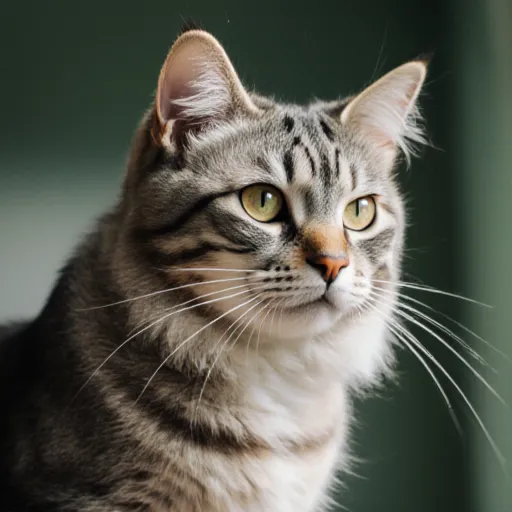
Embrace Your Senior Cat's Warmth and Wisdom
Senior Cats: Forgotten but Full of Love
Table of Contents
- Researching Senior Cats
- Understanding Senior Cat Behavior
- Preparing Your Home for a Senior Cat
- Nutritional Needs of Senior Cats
- Regular Veterinary Care for Seniors
- Exercise and Play for Older Cats
- Managing Stress in Senior Cats
- Cognitive Support for Aging Cats
- Introducing New Toys and Enrichment
- Handling Behavioral Changes in Seniors
- End-of-Life Care Considerations for Senior Cats
- Adoption Stories of Happy Senior Cats
- Conclusion
- FAQs
Researching Senior Cats
When considering adopting a senior cat, it's crucial to approach the process with careful research and preparation. Unlike kittens or young adult cats, senior cats often have unique needs that require special attention. By doing thorough research before bringing a senior cat into your home, you can ensure they receive the care and comfort they deserve.
Tips for Adopting Senior Cats
- Health Assessment: Before adopting, have the shelter or rescue facility provide a thorough health assessment. Senior cats may already be dealing with age-related conditions such as arthritis, dental issues, or other ailments. Understanding these potential health challenges upfront can help you prepare for veterinary visits and necessary medications.
- Lifestyle Adjustments: Cats in their later years might require adjustments to their living environment. They may need softer bedding, more comfortable places to rest, and possibly some modifications around the home to ensure they are safe and secure. For example, consider adding ramps or steps for easier access to certain areas.
- Dietary Considerations: Older cats often have different dietary needs compared to their younger counterparts. Their metabolism slows down, so it's important to feed them a diet that meets their specific nutritional requirements. Speak with your veterinarian about the best options for feeding a senior cat.
- Mental Stimulation and Play: Just because they are older doesn't mean senior cats don't enjoy playtime! However, their energy levels might be lower than when they were younger. Engage them in activities that require minimal exertion but still provide mental stimulation, such as interactive toys or puzzle feeders.
- Patient and Consistent Care: Seniors can sometimes experience mood changes due to health issues or even just the natural aging process. Be patient with your senior cat, maintaining a consistent routine that provides them with stability in their daily lives. Spend quality time grooming, petting, and talking to them.
- Financial Planning: The cost of veterinary care can add up quickly for senior cats. It's wise to set aside funds or explore insurance options specifically tailored for older pets. Regular check-ups are essential to catch any health issues early on.
Additional Resources
There are numerous resources available that can provide more information and support as you prepare to adopt a senior cat:
- PetMD: Offers comprehensive articles on senior cat care, including tips for managing common health issues in older cats.
- ASPCA: Provides guidance on adopting a senior cat and understanding the unique needs of these furry companions.
- Local Veterinarians: Consulting with your local vet can provide personalized advice based on your specific circumstances. They might recommend specific brands of food, supplements, or even behavioral aids tailored to your senior cat's needs.
In conclusion, adopting a senior cat is an incredibly rewarding experience, but it also comes with unique challenges that require careful consideration and preparation. By doing your research and following these tips, you can ensure that your senior cat enjoys a happy and healthy life in your home.
Understanding Senior Cat Behavior
Understanding senior cat behavior is crucial when adopting or caring for older felines. As cats age, their physical and mental health can change, affecting how they interact with their environment and with you. Here are some key points to consider:
Changes in Mobility
Senior cats often experience a decline in mobility due to arthritis or other joint issues. This can lead to less active behavior and more time spent resting. It's important to provide them with comfortable, elevated perches where they can comfortably climb and rest without too much exertion. Puzzle toys that require minimal movement can also be beneficial.
Changes in Appetite
Senior cats might show signs of reduced appetite or changes in eating habits. This could be due to dental issues, decreased mobility, or other health problems. Offering smaller, more frequent meals and using food puzzles can help stimulate their appetite. If the cat is not eating, it's essential to consult a vet as soon as possible.
Changes in Litter Box Usage
Senior cats may have trouble reaching litter boxes due to decreased mobility or changes in muscle coordination. Ensuring that there are multiple boxes around the house at different levels (e.g., on a shelf and ground level) can help. Boxes should be clean, with low-slippery sides for easier access.
Changes in Vocalization
Senior cats may vocalize more, especially during the night. This can be a sign of loneliness or physical discomfort. Providing extra attention and affection during the day might help reduce nighttime calls. If it persists, consulting with your vet is advisable.
Changes in Playfulness
While some senior cats retain their playful nature, others may show less interest in playtime due to decreased energy levels or health issues. Interactive toys that are easy to operate and require minimal effort can still encourage them to engage. Positive reinforcement during these interactions is crucial for maintaining mental stimulation.
Tips for Adopting Senior Cats
- Assess Health: Ensure the senior cat has a clean bill of health from a vet before bringing it home. This includes dental check-ups and treatments if needed.
- Adapt Environment: Modify the home environment to be more accessible, comfortable, and stimulating for your senior cat. This can include adding ramps or steps, providing soft bedding, and creating quiet spaces where they feel secure.
- Pet Responsibly: Be mindful of their energy levels and adjust playtime accordingly. Regular grooming sessions can also help to keep them comfortable and reduce shedding.
- Monitor Changes: Pay attention to any changes in behavior, eating habits, or movement patterns. Early detection of health issues is key to managing them effectively.
In summary, understanding the behavioral changes in senior cats helps in providing a nurturing and supportive environment for them. By making small adjustments to their routine and home setup, you can ensure that your senior cat continues to enjoy life with dignity and comfort.
Preparing Your Home for a Senior Cat
Preparing your home for a senior cat is an essential step that ensures their comfort, safety, and overall well-being. Senior cats often experience physical changes such as arthritis, reduced mobility, and other health issues that require adjustments in the environment to meet their needs. Here are some practical tips to help you create a suitable living space for your senior cat:
1. Create Accessible Spaces
Maintaining mobility can be challenging for senior cats, so ensuring they have access to elevated spaces is crucial. Place perches and beds at different heights around the home. For example, you could use a pet step stool or install cat stairs leading up to their favorite spots. This will help them reach their resting places without exerting too much energy.
2. Keep Areas Safe
As cats age, their reflexes may become slower, making it easier for them to fall. It is important to remove any tripping hazards and ensure that areas where they frequently move around are safe. Install non-slip mats in hallways or areas with slippery floors. Also, make sure electrical cords are securely fastened out of reach.
3. Provide Comfortable Sleeping Areas
Cats need cozy and warm places to rest. Choose soft bedding that can be easily accessed by your senior cat. You might also consider using heated pet beds, which provide additional comfort for older cats who feel cold more easily.
4. Maintain a Clean Environment
A clean home is essential for both humans and pets. Regular cleaning helps prevent the accumulation of allergens or other irritants that could exacerbate your senior cat's health conditions. Be mindful when using cleaning products, choosing those that are pet-friendly.
5. Offer Plenty of Water
Dehydration can be a significant concern for older cats, especially if they have kidney problems or other medical issues common in their advanced age. Make sure fresh water is always available and consider using a pet fountain to encourage drinking.
6. Encourage Exercise
Moderate exercise helps maintain muscle tone and joint flexibility, which are particularly important for senior cats. Interactive toys that require minimal effort can keep your cat engaged while allowing you to monitor their activity level. Puzzle feeders or treat-dispensing toys can also provide mental stimulation.
7. Establish a Routine
A predictable routine provides stability and reduces stress for senior cats, helping them feel secure in their environment. Try to maintain regular feeding times, litter box cleaning schedules, and play sessions. Consistency is key when adjusting to the needs of an aging feline companion.
By following these guidelines, you can create a home that supports your senior cat’s health and happiness. Remember, every senior cat is unique, so observe their preferences closely and adjust accordingly as needed.
Nutritional Needs of Senior Cats
As cats age, their nutritional needs change. Providing a balanced diet that caters to these changes is crucial for maintaining senior cats' health and well-being.
Senior cats typically need fewer calories due to reduced activity levels and metabolic rates. This shift in dietary requirements can help prevent obesity, which is a common issue among older cats. It's important to consult with your veterinarian to determine the appropriate caloric intake based on your cat's specific needs.
Essential Nutrients
- Protein: High-quality proteins are essential for muscle maintenance and overall health. Senior cats still need adequate protein but in a form that is easier to digest, such as smaller cuts of meat or fish.
- Fat: Some fats are necessary for maintaining body condition but should be provided in moderation due to potential weight issues. Omega-3 fatty acids can help reduce inflammation and support heart health.
- Vitamins & Minerals: Cats require specific vitamins like A, E, D, and K, as well as minerals such as calcium and phosphorus for strong bones and teeth. Senior diets often include supplements to ensure these nutrients are adequately supplied.
Special Considerations
Certain health conditions common in senior cats may require special dietary adjustments:
- Hypertension: Cats with high blood pressure might benefit from a diet low in sodium and rich in potassium.
- Arthritis: A diet that helps manage joint pain can include glucosamine, chondroitin sulfate, and omega-3 fatty acids to support joint health.
- Dental Issues: Specialized foods designed to promote dental hygiene can help prevent further plaque buildup or gum disease.
When adopting a senior cat, it's essential to understand and cater to their unique nutritional needs. Here are some practical tips:
- Consult with Your Vet: Regular check-ups can help identify any specific dietary requirements your adopted senior cat might have.
- Dietary Adjustments: Gradually transition to a new diet if necessary, especially after adopting an older cat who has been on a different regimen. This helps prevent digestive upset and allows the cat's system to adjust.
- Monitor Portion Sizes: Overfeeding can lead to weight gain, which is detrimental for senior cats. Always measure portions carefully and avoid free-feeding.
- Vary the Diet: To keep your senior cat engaged with their meals, consider offering different types of food or using puzzle feeders that require them to work for their treats. This can also enhance mental stimulation.
A well-balanced diet tailored specifically for a senior cat's needs is crucial in maintaining their health and quality of life. By addressing these nutritional aspects, you'll be supporting your adopted senior feline companion on the journey to a longer, healthier life.
Regular Veterinary Care for Seniors
Regular veterinary care is crucial for senior cats, much like it is for other elderly pets and humans. Just as with adopting a senior cat, managing their healthcare requires thoughtful planning and attention to detail. Here are some key tips that will help ensure your senior cat lives a long and healthy life.
Annual Check-ups
Just like when you get an annual check-up at the doctor’s office, it's important for senior cats to have regular visits to the vet. These check-ups can catch early signs of diseases such as kidney disease, arthritis, or dental problems that are common in older cats.
Vaccinations
Even though senior cats may not need as many vaccines as younger cats due to their previous immunizations, it's still important to keep them up-to-date with necessary vaccinations. Discuss with your vet the most appropriate vaccination schedule for your cat based on its age and health condition.
Dietary Needs
As cats age, their dietary needs change. Senior cats may require food that is designed to support kidney health, maintain muscle mass, or provide additional joint support. Consult with a veterinarian about switching your senior cat's diet if needed and monitor any changes closely.
Mental Stimulation
Just as mental stimulation can help prevent cognitive decline in humans, it’s important to keep your senior cat mentally active too. Interactive toys, puzzle feeders, or simply spending more time playing with your cat can help keep their mind sharp and engaged.
Dental Care
Senior cats are prone to dental problems such as plaque build-up and gum disease. Regular brushing at home along with professional cleanings from the vet can help prevent these issues. Providing rawhide chews or dental cat treats can also assist in keeping their teeth healthy.
Social Interaction
Seniors often need more attention than younger cats, so spending time interacting and playing with your senior cat can be beneficial. This not only strengthens the bond between you but also ensures they stay active both mentally and physically.
Monitor for Changes in Behavior or Health
Be vigilant about any changes in your senior cat's behavior or health, such as sudden weight loss or gain, increased thirst, or changes in litter box habits. Early detection of these signs can lead to quicker and more effective treatment.
Conclusion
In summary, regular veterinary care is essential for maintaining the health and well-being of senior cats. By following these guidelines, you can ensure that your cat enjoys a long, healthy life filled with love and companionship.
Exercise and Play for Older Cats
Exercising and playing with older cats can be a rewarding experience, not just for you but also for your furry friend. As senior cats age, their energy levels may decrease, and they might become less active. However, regular exercise and play are crucial to maintain their physical health and mental well-being. Here are some tips and ideas on how to keep your older cat active:
Tips for Exercising Older Cats
- Interactive Toys: Interactive toys that require your participation can help engage your older cat. These could include feather wands, laser pointers, or small balls that you roll across the floor. This kind of play not only keeps them active but also strengthens the bond between you and your pet.
- Example: Use a feather wand to simulate bird-like movements in front of your cat. They will chase it, which is great exercise for their legs and eyes.
- Platform or Tree for Climbing: Provide a vertical space where your older cat can climb and stretch. Cats love to climb trees or tall scratching posts, which helps them stay agile and strong even in their senior years.
- Example: Install a multi-level cat tree that includes perches at different heights. Your cat will enjoy climbing up and down these levels, providing them with exercise and mental stimulation.
- Playtime Routine: Consistency is key when it comes to exercise for older cats. Set aside a specific time each day for play sessions. This routine helps maintain their physical activity levels and also provides structure in their daily lives.
- Example: Schedule 10-15 minutes of interactive playtime with your cat every evening before dinner. This not only keeps them active but also makes for a relaxing end to the day.
Mental Stimulation and Play
Just like humans, older cats can experience mental decline if they are not mentally stimulated. Keeping their mind sharp is as important as keeping their body active. Here are some ways to stimulate your senior cat:
- Scent Toys: Scent toys that release a pleasant aroma when shaken or rubbed can intrigue your older cat and engage their sense of smell, which may still be quite keen even as they age.
- Example: Use a scented toy filled with catnip or another herb. Shake it gently to release the scent and watch how your cat reacts.
- Mirror Play: Mirrors can be used as a form of entertainment for cats. Place a mirror in front of your older cat, and they will often investigate their reflection, which provides mental stimulation without requiring much physical exertion.
- Example: Position the mirror so that it reflects parts of your home or garden. Your cat might spend time watching the moving shadows and objects outside.
- Cat Videos: There are many online videos made specifically for cats, featuring birds or other animals that can be a source of entertainment for them. This is especially useful if your older cat enjoys watching prey-like movements.
- Example: Search for "cat video" on YouTube and watch with your cat. Look for videos with interesting bird movements to keep their attention engaged.
Promoting a Healthy Lifestyle
Incorporating exercise and play into your routine as an owner can help promote a healthy lifestyle for older cats, which is essential for maintaining their overall quality of life. Here are some additional considerations:
- Monitor Their Health: Regular veterinary check-ups are crucial to monitor the health of your senior cat. This will allow you to catch any issues early and adjust their exercise routine as needed.
- Example: If your cat shows signs of joint pain, consider low-impact exercises such as walking them on a leash or using a harness for brief strolls around the neighborhood.
- Adequate Rest: While it's important to keep your older cat active, make sure they have plenty of rest periods throughout the day. Older cats may tire more easily and need more naps than younger ones.
- Example: Create cozy resting spots in quiet areas of your home where your cat can relax after playtime or when they feel like taking a break.
Managing Stress in Senior Cats
Managing stress in senior cats is crucial for their well-being and longevity. As your beloved cat enters his golden years, it's important to recognize that they may experience physical and psychological changes that can lead to increased anxiety and stress. This section will provide you with practical tips on how to manage stress in senior cats, ensuring a more comfortable and fulfilling life for them.
Understanding the Signs of Stress in Senior Cats
Senior cats may exhibit various signs of stress that can be subtle or noticeable. Some common indicators include changes in behavior such as increased aggression, withdrawal, hiding, or even excessive grooming (which can lead to hairballs). Physical symptoms like loss of appetite, weight loss, and decreased activity levels are also telltale signs. If you notice any of these behaviors, it's essential to address the stressors promptly.
Tips for Managing Stress in Senior Cats
- Create a Calm Environment: Ensure your senior cat has a quiet and peaceful space where they can relax. Remove any stressful triggers such as loud noises or unfamiliar visitors. Creating designated areas where your cat feels secure is key.
- Establish Routine: Consistency in daily routines helps reduce stress for senior cats. Feed them at the same time, provide playtime and cuddle sessions regularly, and maintain a predictable schedule for cleaning their litter box.
- Provide Mental Stimulation: Engage your cat’s mind with interactive toys or puzzle feeders that challenge them to use their natural hunting instincts. This not only reduces stress but also keeps them physically active.
- Supplement Their Diet: Certain supplements can help manage stress and support overall health in senior cats. Omega-3 fatty acids, for example, are known to reduce inflammation and promote a healthier coat and skin. Always consult your veterinarian before introducing new supplements into your cat's diet.
- Social Interaction: Spend quality time with your senior cat by playing games or simply offering affectionate moments. Social interaction can be incredibly soothing for them, providing both emotional support and mental stimulation.
Adopting Senior Cats: A Unique Opportunity
Senior cats often have a lot of love to give but might require some extra care due to their age. By adopting a senior cat, you're not only giving them a second chance at life but also enriching your own life with companionship and joy. Here are some tips for successfully adopting and managing the stress in senior cats:
- Assess Their Needs: Spend time understanding what type of care your prospective senior cat will need. Consider their health conditions, activity levels, and dietary requirements.
- Patient Environment: Be patient with the adjustment period when introducing a senior cat to a new home. Allow them the space they need to feel secure before offering affectionate gestures.
- Regular Vet Check-Ups: Regular veterinary check-ups are essential for monitoring any health issues that may arise in senior cats and ensuring their overall well-being.
In conclusion, managing stress in senior cats is an integral part of their care. By creating a calm environment, establishing routines, providing mental stimulation, offering social interaction, and addressing any dietary needs, you can significantly enhance the quality of life for your senior cat. Remember that each cat is unique, so it may take some time to find what works best for them.
Cognitive Support for Aging Cats
As cats age, they may experience cognitive decline similar to that seen in humans. Providing appropriate cognitive support is crucial for maintaining their quality of life. Cognitive Support for aging cats involves a combination of environmental enrichment, dietary adjustments, and behavioral management techniques.
Tips for Adopting Senior Cats
- Adapt to Their Pace: Seniors may move at a slower pace, so it's important to ensure that their environment is safe and easy to navigate. Remove any obstacles that could cause them to trip or fall.
- Create a Comfortable Environment: Senior cats often prefer quiet spaces with minimal stimulation. Provide cozy spots where they can relax undisturbed.
- Monitor Their Health: Regular vet check-ups are essential for senior cats, as they may develop health issues that require specific care and dietary considerations.
Cognitive decline in aging cats can manifest in various ways, such as changes in behavior, increased anxiety, or even memory loss. Here’s how you can support their cognitive health:
Environmental Enrichment
- Interactive Toys: Engage your senior cat with interactive toys that require problem-solving skills. This mental stimulation helps keep their brain sharp.
- Hide Treats: Scatter treats around the house for your cat to find, encouraging them to use their senses and navigate through different spaces.
- Social Interaction: Spend time playing with your senior cat. This not only provides mental stimulation but also strengthens the bond between you both.
Dietary Adjustments
A balanced diet can play a significant role in supporting cognitive health. Consider consulting your veterinarian to determine if there are specific nutrients or supplements that could benefit your senior cat:
- Omega-3 Fatty Acids: Found in fish oil, these fatty acids may help reduce inflammation and support brain function.
- B-Vitamins: These vitamins are crucial for energy metabolism and cognitive health. They can be found in many high-quality cat foods.
- Zinc and Antioxidants: These elements help protect the brain from oxidative stress, which is common in older cats.
Behavioral Management
If your senior cat is experiencing behavioral changes due to cognitive decline, it's important to address these issues gently and consistently:
- Patient Training: Use positive reinforcement techniques to teach or re-teach commands. Be patient with the process.
- Establish Routines: Cats thrive on routine, especially as they age. Consistent daily routines can provide a sense of security and reduce anxiety.
- Encourage Playtime: Regular play sessions will keep your senior cat mentally active and physically fit.
In conclusion, providing cognitive support for aging cats is vital to ensuring they remain healthy and happy as they age. By following these tips and adapting your approach to their changing needs, you can help maintain the quality of life for your senior feline companion.
Introducing New Toys and Enrichment
Introducing new toys and enrichment into your senior cat's environment can significantly enhance their quality of life, making it easier for them to adapt to changes. As cats age, their energy levels may naturally decrease; however, regular playtime and stimulating activities are crucial for maintaining both physical health and mental acuity. Here’s how you can effectively introduce new toys and enrichment while ensuring a smooth transition.
Understanding the Benefits of Enrichment
Enrichment activities provide opportunities for your senior cat to engage in behaviors that are natural and fulfilling, such as hunting, climbing, and exploring. These activities can help prevent boredom and mental decline associated with aging. For instance, incorporating interactive toys like feather wands or laser pointers can simulate the hunting behavior of young cats, which is still deeply ingrained in their instincts.
Selecting Suitable Toys
When choosing new toys for your senior cat, consider their physical abilities and preferences. Opt for durable, non-toxic materials that are easy to clean. Cats with joint issues may appreciate plush or squeaky toys that don’t require too much movement. Additionally, choose toys that can be manipulated by both paws and mouth, encouraging full-body engagement.
Introducing New Toys Gradually
To avoid overwhelming your senior cat, introduce new toys gradually over several days or weeks. Start with one toy at a time to allow the cat to become familiar with it before adding more. This approach also helps you observe which types of play are most enjoyable for them and how they respond to different stimuli.
Encouraging Natural Behaviors
Cats have natural behaviors such as clawing, jumping, and hunting that can be easily incorporated into their daily routine through enrichments. For example, you could provide a scratching post or a high perch to encourage climbing and stretching. Introducing treats as part of the playtime can enhance engagement; they can be used to reward good behavior and make the experience more rewarding.
Creating a Routine
A consistent routine is beneficial for senior cats, including regular times for play and interaction. By establishing a daily schedule that includes these activities, you create a sense of security and predictability in their environment. This can be particularly helpful if your cat has any mobility issues or health concerns.
Practical Advice
- Start small: Begin with simple toys that are easy for the cat to use, such as soft balls or feather wands.
- Observe reactions: Watch closely how your senior cat interacts with each new toy. Some may prefer certain textures or sounds over others.
- Mix it up: Rotate toys regularly to keep the environment interesting and challenging for your cat.
- Incorporate treats: Use treats as positive reinforcement during play sessions, which can make the experience even more enjoyable.
By thoughtfully introducing new toys and enrichments into their lives, you not only provide entertainment but also support your senior cat's overall well-being. Remember that every cat is unique, so it’s important to observe and adapt to their individual preferences and needs as you implement these strategies.
Handling Behavioral Changes in Seniors
Handling behavioral changes in seniors, much like adopting senior cats, requires a nuanced and compassionate approach. Just as senior cats may exhibit new behaviors due to aging or health issues, elderly individuals often experience similar shifts in their behavior and routines. Here are some tips to help manage these changes effectively:
Behavioral changes in seniors can be attributed to a variety of factors including physical health, mental health, and environmental adjustments. It's important to first understand what might be triggering these changes. For instance, hearing loss or vision impairment could lead to increased anxiety and frustration. Regular visits to the doctor for comprehensive check-ups are crucial to rule out any medical issues.
Mimicking the strategies used when adopting senior cats, creating a comfortable living space is essential. Seniors appreciate consistency in their daily routines and surroundings. Ensure that your home is well-lit if they have vision problems, and consider adding ramps or non-slip mats to help them navigate stairs more safely. Providing soft bedding and quiet spaces where they can retreat when feeling overwhelmed helps maintain their comfort.
Just as it is important for senior cats to stay active, so too are elderly individuals. Encourage regular physical activity suited to your senior's abilities, such as walking or gentle exercises. This not only helps in maintaining their health but also keeps them mentally stimulated. Simple activities like a walk around the neighborhood can significantly improve both physical and mental health.
Mental stimulation is crucial for seniors, similar to how senior cats benefit from toys and playtime. Engaging in puzzles or games that are suitable for their cognitive abilities can help keep their minds sharp. Reading books together, watching movies they enjoy, or even discussing current events can be great ways to engage them mentally.
Seniors often experience feelings of isolation and loneliness, which is why offering emotional support is so important. Spend quality time with them, listen to their stories, and show interest in their daily lives. This not only strengthens the bond between you but also helps in combating depression and anxiety.
If behavioral changes are significant and persistent, it might be necessary to seek professional help. Geriatric specialists or therapists can provide valuable insights and strategies tailored specifically for your senior's needs. They may recommend medication adjustments or lifestyle changes that could greatly improve their quality of life.
Handling the behavioral changes in seniors with patience, understanding, and compassion is key. By creating a supportive environment and making necessary adjustments, you can help them continue to live fulfilling lives despite the challenges posed by aging.
End-of-Life Care Considerations for Senior Cats
As senior cats enter their twilight years, it is crucial to consider end-of-life care with the same love and respect that has accompanied them through their lives. This section will delve into some key considerations for ensuring your aging cat's comfort and dignity during this final phase.
Tips for Adopting Senior Cats
Before bringing a senior cat into your home, it is essential to be prepared for the unique challenges they may face as they age. These cats are typically 7 years or older, and their bodies begin to show signs of aging such as reduced mobility, sensory changes, and potential health issues.
Health Considerations
Senior cats often require more frequent veterinary check-ups to monitor for common age-related conditions like kidney disease, arthritis, thyroid disorders, and dental problems. It is recommended that you consult with your vet about a tailored healthcare plan that includes regular blood tests, vaccinations (if necessary), and dietary adjustments.
Behavioral Changes
Cats may exhibit behavioral changes as they age, such as increased irritability, confusion, or withdrawal. These changes can be challenging for both the cat and the caregiver. Providing a consistent routine, minimizing stress in their environment, and offering plenty of mental stimulation through toys and games can help ease these transitions.
End-of-Life Decisions
One of the most difficult decisions you may face is when it is time to consider euthanasia. This decision should be made in close consultation with your veterinarian, taking into account the cat's overall quality of life and any potential suffering. Signs that a senior cat might benefit from euthanasia include extreme pain or discomfort that cannot be managed effectively, loss of appetite leading to dehydration, and significant weight loss.
Comfort and Dignity
Making the final days as comfortable and peaceful as possible is a top priority. This can involve providing soft bedding, ensuring access to quiet spaces, and offering extra love and affection. If euthanasia is chosen, it should be done in a way that respects the cat's dignity, surrounded by those they trust.
Support for Caregivers
Caring for a senior or terminally ill cat can take an emotional toll on both the cat and its caregiver. It is important to seek support from family members, friends, or local pet loss support groups. Additionally, many shelters offer grief counseling services specifically tailored to those who have lost beloved pets.
Final Thoughts
The end-of-life care of senior cats should be approached with the same compassion and respect as their daily lives. By being prepared and informed, you can ensure that your aging cat's final days are filled with comfort and love.
Adoption Stories of Happy Senior Cats
Tips for adopting senior cats can sometimes be daunting, but stories of happy and loving senior cats make the process worthwhile. These tales not only bring joy to their new homes but also highlight the wisdom and companionship that older felines can offer. Below are some inspiring adoption stories that demonstrate how a senior cat can thrive in a nurturing environment.
Story 1: Grumpy Gus Finds His Second Chance
Grumpy Gus, a nine-year-old tabby who had previously been passed over at the shelter for his sometimes grumpy demeanor, found a new home with a family that understood and appreciated his quirks. Initially, Gus was quite wary of the changes in his environment but quickly adapted to his new routine. His new owners noticed an immediate improvement in his health and spirits. What initially seemed like a challenging adoption turned into a heartwarming story of love and second chances.
Story 2: Sweet Lily's New Chapter
Lily, a thirteen-year-old long-haired cat who was often overlooked due to her advanced age, found a loving home with an elderly couple. The couple had always dreamed of having a senior cat as a companion and were thrilled when they brought Lily into their life. Lily's gentle nature and loyalty made her the perfect fit for them. This story underscores how older cats can be incredibly patient and adaptable to new environments.
Story 3: Tom the Brave
Tom, a ten-year-old mixed breed, was initially shy and cautious when he first moved into his new home. However, with time and gentle care, Tom blossomed into an active and playful cat. His new family provided him with a safe space to explore, climb, and play, which helped boost his confidence and vitality. This story emphasizes the importance of patience in adopting senior cats; they can surprise you with their resilience and adaptability.
Practical Advice for Adopting Senior Cats
- Consider Medical Needs: Older cats may require regular veterinary check-ups and medication. Ensure your family is prepared to meet these needs before adopting a senior cat.
- Create a Comfortable Environment: Provide a cozy, quiet space for the cat where they can rest undisturbed. This helps reduce stress and allows them to settle into their new home more comfortably.
- Maintain Routine: Older cats thrive on routine. Establish a consistent feeding schedule and playtime that fits your daily life. Consistency will help them feel secure in their new environment.
- Be Patient and Gentle: Senior cats may need more time to adjust to changes. Show them love, patience, and understanding as they acclimate to their new surroundings.
Conclusion
Adopting a senior cat can be an incredibly rewarding experience, offering both companionship and the opportunity to provide care for an older feline. However, this decision comes with unique challenges that require careful consideration and preparation. Here are some key tips to help you make a successful transition into your new role as a senior cat caregiver:
1. Assess Your Home Environment
Ensure your home is safe and suitable for an older cat's needs. Senior cats may have mobility issues, so it’s important to remove any hazards such as loose wires or slippery surfaces. Provide easy access to food, water, litter boxes, and comfortable spaces where they can rest. Consider installing cat steps or ramps if necessary.
2. Monitor Health Care Needs
Senior cats are more prone to health issues like arthritis, dental disease, and renal problems. Regular veterinary check-ups are crucial in early detection of these conditions. Talk with your vet about setting up a wellness plan that includes vaccinations, screenings, and appropriate treatments.
3. Adjust Diet Accordingly
Senior cats often require specialized diets to meet their changing nutritional needs. Discuss dietary options with your veterinarian, who can recommend foods that support the specific health requirements of an older cat. Some senior formulas are designed to help manage conditions such as kidney disease or joint pain.
4. Foster a Routine
A steady routine helps senior cats feel secure and less stressed. Cats are creatures of habit, so maintain consistent feeding times, play sessions (even if they're shorter), and interactions with family members. This predictability can significantly enhance their quality of life.
5. Provide Mental Stimulation
Mental stimulation is just as important for senior cats as physical activity. Engage your cat in play using toys that suit her abilities, such as feather wands or interactive puzzle feeders. Interactive games can also be a great way to bond and ensure she remains mentally sharp.
6. Offer Love and Affection
While senior cats may not seek the same amount of attention they did in their younger days, they still value affection. Spend quality time with your cat through gentle petting sessions or simply sitting together. Show her that she is loved and valued no matter her age.
7. Prepare for End-of-Life Care
It’s essential to have a plan in place should the inevitable occur. Discuss euthanasia with your vet and family members if you're comfortable with this decision. Ensuring that your senior cat is euthanized humanely can provide peace of mind during a difficult time.
In summary, adopting a senior cat requires dedication and care but offers the opportunity to make a significant difference in her life. By making thoughtful adjustments at home, engaging with healthcare professionals, and fostering a loving environment, you can help ensure your senior cat enjoys a comfortable and fulfilling final chapter of her life.
FAQs
Q: What are some key considerations when adopting a senior cat?
A: When adopting a senior cat, it's important to consider their age-related needs. Typically, cats over the age of 7-10 years are considered seniors. Key factors include ensuring that the cat has a comfortable and quiet environment where they can relax. It's also essential to consult with your veterinarian about any health issues or special dietary requirements. Regular veterinary check-ups are crucial for monitoring their health.
Q: How do I prepare my home for a senior cat?
A: Preparing your home for a senior cat involves creating an environment that is safe, comfortable, and accessible. Install soft cushions or beds in quiet areas where the cat can rest. Ensure there are no sharp edges on furniture or surfaces they frequent. Consider adding ramps or steps to help them navigate stairs if necessary. Additionally, keeping their food and water easily accessible at a height they can reach will encourage consistent eating.
Q: What diet should I provide for my senior cat?
A: Senior cats have different nutritional needs compared to younger cats. Their metabolisms slow down, and their digestive systems may require more easily digestible food. Talk to your vet about the best options but generally, a diet rich in quality protein with lower calorie intake is recommended. Foods designed for senior cats often include additional vitamins, minerals, and antioxidants that support their overall health.
Q: How can I ensure my senior cat stays active?
A: Maintaining a senior cat's activity level is important to prevent obesity and other health issues. Engage them in short, frequent play sessions rather than long, vigorous activities that might be too strenuous for their age. Interactive toys such as feather wands or laser pointers can stimulate both mental and physical activity without overwhelming the cat. Regularly engaging with your senior cat through play can also strengthen the bond between you.
Q: What are some signs that my senior cat might need additional care?
A: It's important to be attentive to any changes in your senior cat's behavior or health. Signs that they may require additional care include weight loss or gain, difficulty eating or drinking, excessive grooming (which could indicate discomfort), unusual sleeping patterns, decreased mobility, and changes in litter box habits. Regular check-ups with a veterinarian can help catch these issues early.
Q: What should I do if my senior cat has behavioral changes?
A: Behavioral changes in senior cats could be due to health issues or simply the natural aging process. If you notice your senior cat becoming withdrawn, losing interest in activities they once enjoyed, or displaying new behaviors like excessive meowing at night, it's a good idea to consult with a veterinarian. Sometimes these behavioral shifts can indicate pain or discomfort, and addressing them promptly is crucial for their well-being.
Q: How do I find a senior-friendly veterinarian?
A: Finding a senior-friendly veterinarian who understands the unique needs of older cats is vital. Look for practices that offer geriatric care services, including specialized diagnostics and treatments for senior pets. Ask potential veterinarians about their experience with senior cats and if they provide home visits or are available after hours in case of emergencies. Reading online reviews and recommendations from other pet owners can also be helpful.
Categories
- AI & Enrichment Play
- Broiler Farming
- Broiler Farming Tips
- Canine Wellness & Longevity
- Cat
- Cat & Human Connection
- Cat Adoption & Rescue
- Cat Breeds
- Cat Breeds & Personalities
- Cat Care & Health
- Cat Grooming & Hygiene
- Cat Lifestyle & Environment
- Cat Myths & History
- Cat Nutrition & Diet
- Cat Products & Reviews
- Cat Training & Behavior
- Comparison
- Consumer Awareness
- Dog
- Dog Accessories & Products
- Dog Adoption & Rescue
- Dog Breed & Lifestyle Trends
- Dog Breeding & Puppies
- Dog Entertainment & Media
- Dog Fashion & Trends
- Dog Fun & Lifestyle
- Dog Grooming & Hygiene
- Dog History & Culture
- Dog Myths, Science & Future Tech
- Dog News & Trends
- Dog Nutrition & Food
- Dog Psychology & Emotions
- Dog Safety & Security
- Dog Sports & Activities
- Dog Technology & Innovation
- Dog Training for Modern Owners
- Dog Travel & Adventure
- Dog Travel, Adventure & Culture
- Economic and Market Insights
- Educational Content
- FAQs
- Feeding Alternatives
- Festivals & Seasonal Ideas
- Fun & Entertainment
- General Knowledge
- General Pig Farming
- Health & Disease Management
- Housing and Environment
- Kittens
- Market Insights
- Miscellaneous
- Miscellaneous
- Motivational
- pig
- Pig Breeding
- Pig Breeds
- Pig Farming Stories and Inspiration
- Pig Health and Care
- Pig Nutrition
- Pig Products
- Profitability & Business
- Puppy Care
- Puppy Predictable Topics Reinvented
- Regional Focus
- Rescue & Adoption Buzz
- Senior Cats
- Senior Dog Care
- Smart Dog Tech & Gadgets
- Sustainability
- Sustainable & Eco-Friendly Dog Products
- Tech & Innovations
- Working & Service Dogs
- Broiler Feed66 products
- Country Feed33 products
- Pig Feed66 products
- Product22 products
- Raw Materials99 products
Products
-
 Fish Meal
₹1,999.00 – ₹2,999.00Price range: ₹1,999.00 through ₹2,999.00Rated 0 out of 5
Fish Meal
₹1,999.00 – ₹2,999.00Price range: ₹1,999.00 through ₹2,999.00Rated 0 out of 5 -
 FATTENING BROILER FEED
₹2,299.00 – ₹2,349.00Price range: ₹2,299.00 through ₹2,349.00Rated 0 out of 5
FATTENING BROILER FEED
₹2,299.00 – ₹2,349.00Price range: ₹2,299.00 through ₹2,349.00Rated 0 out of 5 -
 LAYER COUNTRY FEED
₹1,549.00 – ₹1,649.00Price range: ₹1,549.00 through ₹1,649.00Rated 0 out of 5
LAYER COUNTRY FEED
₹1,549.00 – ₹1,649.00Price range: ₹1,549.00 through ₹1,649.00Rated 0 out of 5 -
 COUNTER BROILER FEED
₹1,199.00 – ₹1,299.00Price range: ₹1,199.00 through ₹1,299.00Rated 0 out of 5
COUNTER BROILER FEED
₹1,199.00 – ₹1,299.00Price range: ₹1,199.00 through ₹1,299.00Rated 0 out of 5 -
 LACTATING PIG FEED
Rated 0 out of 5
LACTATING PIG FEED
Rated 0 out of 5₹2,299.00Original price was: ₹2,299.00.₹1,740.00Current price is: ₹1,740.00. -
 Maize
Rated 0 out of 5
Maize
Rated 0 out of 5₹1,650.00Original price was: ₹1,650.00.₹1,300.00Current price is: ₹1,300.00. -
 GESTATION PIG FEED (Phase 1)
Rated 0 out of 5
GESTATION PIG FEED (Phase 1)
Rated 0 out of 5₹2,249.00Original price was: ₹2,249.00.₹1,699.00Current price is: ₹1,699.00. -
 Pre Starter Broiler Feed
₹2,399.00 – ₹2,499.00Price range: ₹2,399.00 through ₹2,499.00Rated 0 out of 5
Pre Starter Broiler Feed
₹2,399.00 – ₹2,499.00Price range: ₹2,399.00 through ₹2,499.00Rated 0 out of 5 -
 FINISHER PIG FEED
Rated 0 out of 5
FINISHER PIG FEED
Rated 0 out of 5₹2,299.00Original price was: ₹2,299.00.₹1,749.00Current price is: ₹1,749.00. -
 Broiler Premix
Rated 0 out of 5
Broiler Premix
Rated 0 out of 5₹820.00Original price was: ₹820.00.₹699.00Current price is: ₹699.00.