
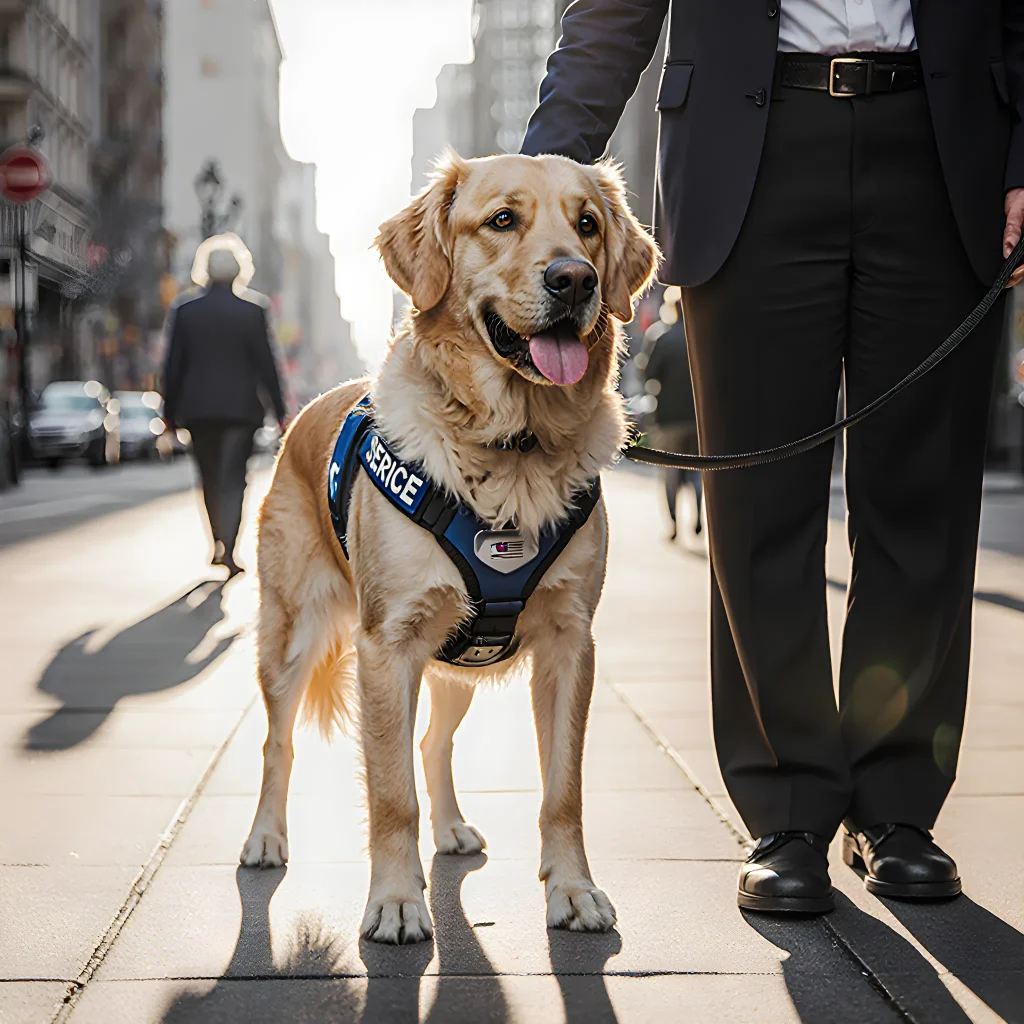
Stride to Success: Service Dogs Earn Public Admiration
Service‑Dog Poise: Winning Public Respect One Step at a Time
Table of Contents
- Introduction
- What Is a Service Dog?
- Owner Rights and Responsibilities
- Public Access Guidelines
- Behavioral Expectations in Public Spaces
- Handling the Dog During Interactions
- Accessing Food and Drinks
- Use of Objects and Equipment
- Parking and Lane Use for Service Dogs
- Noise Control and Quiet Zones
- Interaction with Children
- Handling Disruptive Behavior
- Special Considerations for Events and Gatherings
- Conclusion
- FAQ
Introduction
Service Dog Etiquette: What Everyone Should Know
When you encounter a service dog in public—whether at a coffee shop, a grocery store, or on the sidewalk—it’s essential to treat the animal with respect and understand the legal protections that safeguard both the handler and the dog. The Americans with Disabilities Act (ADA) and many state laws prohibit interference with a service dog’s work and require businesses to allow the dog inside premises when its handler is present.
- Ask Before Touching: Always ask the handler for permission before petting, holding, or offering food. Even if a dog looks friendly, it could be in the middle of an important task.
- Keep Distance: Give the dog space—at least one arm’s length—unless the handler indicates otherwise. This prevents startling the dog and allows it to maintain focus on its work.
- Respect the Handler’s Space: Treat the handler as you would anyone else in a public setting. Avoid bumping into them or interrupting conversations while they’re interacting with their service animal.
- Don’t Feed Unsolicited Food: Service dogs often have dietary restrictions. Feeding them without permission can interfere with their training and health.
- Mind Your Own Behavior: Avoid loud noises, sudden movements, or aggressive gestures that could startle the dog. Keep your voice calm when speaking to the handler.
-
You’re in a Store:
If you notice a service dog, look for signs of “service animal” tags or a harness. Politely say, “Excuse me, is this your dog?” and wait for the handler’s response before approaching. -
You’re on Public Transit:
Service dogs are allowed in buses, trains, and subways. If you need to pass by or sit near a handler, give them a little extra space—especially if they’re carrying equipment like a cane or walker. -
You’re at an Event:
In venues where pets are generally not allowed, service dogs are exempt. If the event has a policy posted, read it carefully; otherwise, ask a staff member for clarification and follow their guidance.
- Clarify Confusion: If you’re unsure whether an animal is a service dog, politely ask the handler. The ADA allows handlers to confirm the status without revealing medical details.
- Report Discrimination: If a business refuses service dogs or forces the handler out of the premises, document the incident and file a complaint with the Department of Justice’s Civil Rights Division or your state’s equivalent agency.
- Carry a small, discreet bag if you’re bringing food or water—hand it over to the handler instead of offering directly to the dog.
- If you have a pet that might be wary of dogs, keep it on a leash and away from the service animal until you’ve confirmed it’s safe.
- Use non-verbal cues (a nod or a brief wave) when acknowledging the handler if speaking is awkward—always pair this with verbal confirmation.
By following these simple guidelines, you help maintain a respectful environment for service dog handlers and ensure that these vital companions can continue to provide essential support without interruption.
What Is a Service Dog?
A service dog is a highly trained animal—usually a Labrador Retriever, Golden Retriever, German Shepherd, or another suitable breed—that assists an individual with a recognized disability. Unlike emotional support animals or therapy dogs, service dogs are specifically trained to perform tasks that directly mitigate the impact of the owner's impairment on their daily life.
Key Characteristics of a Service Dog
- Task‑oriented Training: Each dog is taught one or more specific jobs—such as guiding visually impaired owners, alerting to seizures, retrieving objects for people with limited mobility, opening doors, or providing balance support.
- Public Access: Service dogs are allowed in all public spaces—including restaurants, airports, and public transportation—because they are considered an essential tool for their handler, not a pet.
- Behavioral Discipline: They must remain calm, focused, and well‑behaved regardless of distractions. This includes staying off furniture, keeping to the side of crowds, and responding promptly to verbal cues.
- Health & Hygiene Standards: Service dogs are kept up-to-date on vaccinations, deworming, and regular veterinary care to protect public health.
Common Misconceptions Debunked
- “They’re just pets.” While they may be affectionate, their primary role is functional. They should not be treated as typical household dogs in public settings.
- “All dogs can be service dogs.” A dog must pass rigorous training and temperament testing to qualify.
- “You can ask a handler if the dog is a service animal.” The handler has the right to keep that information private; you only need to assume it’s a service dog when encountering one in public.
Practical Etiquette for the Public
When you encounter a service dog, follow these simple guidelines to respect both the animal and its handler:
- Never approach or pet the dog without permission. Even if the dog seems friendly, it’s performing a job. Handlers typically keep their dogs on a leash or harness; touching them can distract the dog from its tasks.
- Do not ask if the dog is a service animal. The handler may choose to disclose that information. Instead, simply acknowledge the presence of the dog with a polite nod or a brief “Excuse me” if you need to pass by.
- Keep your distance. Maintain at least two feet from the dog and its handler. This gives the dog space to work without interference.
- Respect the handler’s personal space. Do not lean over their shoulder, touch their belongings, or make sudden movements that could startle the dog.
- Follow any instructions from the handler. If they ask you to step aside, do so promptly. They may need the dog to navigate a particular path or maintain focus on a task.
- Avoid loud noises and sudden movements. These can startle the dog and disrupt its concentration.
Examples of Situations Where Etiquette Matters
| Scenario | What to Do | Why It Matters |
|---|---|---|
| A service dog is walking beside a blind person in a crowded subway station. | Give them space, let the handler guide you through, and do not touch or pet the dog. | The dog’s job is to navigate obstacles; any interruption can compromise safety. |
| You’re seated in a restaurant and a service dog enters your table area. | Offer a polite nod, allow the handler to seat themselves, and avoid leaning over or reaching for the dog’s leash. | The handler may need the dog to stay focused on their tasks; being intrusive can create anxiety. |
| You’re in a park with your own pet and see a service dog in the path ahead. | Let the handler pass, keep your dog leashed away from the handler’s path, and do not approach the service dog. | Your pet may trigger an unexpected reaction from the service dog; keeping distance preserves safety for all. |
Key Takeaways for Everyday Life
- Service dogs are essential aids, not pets. Treat them accordingly in public spaces.
- Respect the handler’s privacy and space; you do not need to know or confirm their dog’s status.
- A few simple gestures—nodding, stepping aside, avoiding petting—make a significant difference for both the handler and the dog.
By understanding what a service dog is and practicing proper etiquette, you help create an inclusive environment where people with disabilities can navigate public spaces safely and confidently.
Owner Rights and Responsibilities
As a service‑dog owner, you enjoy certain legal protections under the Americans with Disabilities Act (ADA) and other regulations. These rights come with explicit responsibilities—especially when it comes to maintaining proper etiquette in public spaces. Below is an expanded guide that details what you can expect from your rights and how to act responsibly so everyone can share the space safely.
1. ADA Rights You Can Rely On
- Access to Public Places: Your service dog is considered a "service animal" under the ADA, meaning you have the right to bring it into restaurants, hotels, retail stores, public transportation, and other venues that normally prohibit pets.
- No Additional Fees or Deposits: Owners are not required to pay extra for having a service dog in these settings.
- Right to Request Documentation: While most businesses do not need proof of the dog's training, you may be asked to provide a brief statement of the dog's purpose. Keep a short, written note or card handy that explains the dog’s role and any specific medical conditions it helps manage.
- Protection from Discrimination: You have legal recourse if an establishment denies service‑dog access without a valid reason (e.g., lack of medical necessity).
2. Responsibilities That Keep the Environment Safe
- Maintain Control: The dog must be on a leash, harness, or in your direct control at all times. This is not just good etiquette; it’s a safety measure for everyone.
- Keep the Dog Clean and Healthy:
- Ensure your dog is up‑to‑date on vaccinations and parasite prevention.
- Carry a small bag of poop bags and clean up after your dog immediately.
- Respect Others:
- If someone signals discomfort or asks you to keep the dog away, comply politely. Offer an apology and move your dog outside if possible.
- Avoid places with strong odors (like certain food stalls) that might trigger your dog’s anxiety—this protects both your pet and other patrons.
- Use a Proper Identification:
- While not required, many owners attach a service‑dog vest or badge. This signals the dog's purpose to staff and reduces confusion.
- Keep your dog’s ID tags updated with your contact information in case of emergencies.
- Prepare for Emergencies:
- Carry a basic first‑aid kit for dogs and any medication your pet requires.
- Know the nearest veterinary clinic or emergency shelter in each area you frequent.
3. Practical Tips for Everyday Situations
| Situation | What to Do | Why It Matters |
|---|---|---|
| Entering a Restaurant | Ask the host politely, present your dog’s identification if you have one. | Acknowledges staff and prevents misunderstandings. |
| Using Public Transportation | Keep the dog on a short leash; allow it to sit or lie down in an assigned area. | Prevents obstruction and reduces stress for other passengers. |
| Shopping Mall | If you need to walk your dog, use a harness and keep the dog near you at all times. | Ensures safety in crowded spaces. |
| Handling Conflicts with Other Customers | Stay calm; offer to move your dog outside if requested. | Makes the environment more comfortable for everyone. |
4. When You Encounter Problems
If a business refuses you entry with your service dog without a legitimate reason, document the situation (date, time, staff name) and consider contacting local advocacy groups or filing a complaint with the U.S. Department of Justice’s ADA Enforcement Unit.
5. Resources for Owners
- Accessible Animals: Rights & Responsibilities
- ADA Dog: Training and Documentation Resources
- Local disability advocacy organizations often provide workshops on public etiquette for service‑dog owners.
By understanding your legal rights and embracing these responsibilities, you not only protect yourself but also foster a respectful environment where service dogs can thrive. Good etiquette is the bridge that keeps everyone—humans and animals alike—safe and comfortable in shared public spaces.
Public Access Guidelines
If you are a pet owner who loves to travel or simply enjoy public spaces, it’s essential to understand how to behave around people with service dogs. Proper etiquette not only respects the rights of individuals with disabilities but also helps keep everyone comfortable and safe.
1. Know the Difference Between Service Dogs and Companion Pets
- Service Dogs: Trained to perform specific tasks for people with disabilities (e.g., guiding visually impaired, alerting to seizures).
- Companion Pets: Not trained for assistance; may be a family pet but not legally protected in public spaces.
2. When Approaching Someone With a Service Dog
- Ask Permission First: Never touch or pet the dog without explicit permission from the owner. Even if the dog looks friendly, it may be performing an essential task.
- Keep Your Distance: Maintain a respectful space—generally about one arm’s length—and avoid leaning over the dog's back or hind legs.
- Use Quiet Voices: Loud noises can startle dogs and distract them from their work. Keep conversations calm, especially near the dog’s head or ears.
3. Common Situations & How to Handle Them
| Scenario | Recommended Action |
|---|---|
| You’re in a café and the owner’s service dog is near your table. | Ask politely, “May I pet the dog?” If denied, respect their decision and keep your hands to yourself. |
| The dog is on a leash that looks loose or the owner isn’t supervising it closely. | Do not approach; instead, gently ask the owner if they need assistance with the leash. Offer help only if they explicitly request it. |
| You’re traveling and see a service dog in an elevator or train car. | Allow the person to move through first. If you need to use the space, wait until the service dog has passed. |
4. Practical Tips for Service Dog Owners
- Keep Identification Visible: A vest or collar with “Service Dog” written on it helps others recognize the dog's role.
- Train Your Dog to Stay Calm Around People: Socialization reduces anxiety and prevents accidental bites when strangers approach.
- Carry a Service Dog ID Card: This can be useful if you need to prove your dog’s status, especially in places that require verification.
5. When the Owner Needs Your Help
If someone with a service dog is struggling—perhaps their leash is tangled or they’re losing balance—you can offer assistance:
- Ask politely, “Do you need help?” Do not assume.
- If accepted, keep your hands to yourself and avoid touching the dog unless instructed.
- Help with tasks that do not interfere with the dog's work (e.g., holding a bag or passing an item).
6. Common Misconceptions Debunked
- “Service dogs can be left unattended.” They should always remain under control to ensure safety for everyone.
- “All dogs in the public are service dogs.” Only those specifically trained and recognized as service animals have legal protection.
- “You can’t bring a service dog into a restaurant.” Under the ADA, they are allowed, but you must be mindful of other customers’ comfort.
By following these guidelines, you help create inclusive environments where people with disabilities feel safe and respected. Remember: respectful curiosity combined with professional boundaries is the key to positive interactions with service dogs in public spaces.
Behavioral Expectations in Public Spaces
When a service dog is present, it’s essential that everyone—owners, other visitors, and staff—understands the behavioral norms that keep the environment safe, respectful, and comfortable for all parties.
- Keep the Dog Calm: Service dogs are trained to remain quiet and focused. Avoid shouting or making sudden movements that could startle them. A calm owner sets a calm tone.
- Maintain Distance from Other Pets: If you’re in an area with other animals, keep your service dog on a short leash (if permitted) and away from the other pet’s personal space. This reduces stress for both animals.
- Use Proper Leash Lengths: Many venues allow a leash no longer than 4–6 ft to give owners control while allowing the dog some freedom. Check local rules before entering.
- Respect “No Pet” Zones: In restaurants, cafés, or certain retail spaces, pets may be prohibited even if they are service dogs. If you’re unsure, ask a staff member politely for clarification.
- Avoid Loud Talking While Walking: Speaking softly keeps the dog focused on its tasks and reduces the chance of distraction. This also helps other patrons enjoy a quieter environment.
- Don’t Feed or Touch Without Permission: Food can be a trigger for dogs, especially in high‑traffic areas. If you wish to give a treat, ask the owner first and ensure it’s appropriate for the dog’s diet.
Practical Scenarios & What to Do
Scenario 1: You’re at a coffee shop and someone walks in with their own pet.
- Maintain a respectful distance from both animals. Keep your service dog’s leash short if the policy allows.
- If you feel uncomfortable, politely ask to move to a different table or area.
Scenario 2: A family with children is playing near your service dog in a park.
- Position yourself so the dog’s attention remains on its handler. If you notice any signs of stress—such as growling or backing away—move to a more secluded spot.
Key Takeaways for Service Dog Owners
- Preparation is Key: Before heading out, review the venue’s pet policy and practice brief training commands with your dog.
- Clear Communication: Let staff know you have a service dog if they ask. A simple “I have a service dog” can pre‑empt questions and reduce friction.
- Stay Observant: Watch for signs of discomfort in both your dog and others—such as body language or verbal cues—and adjust accordingly.
By adhering to these behavioral expectations, you help ensure that public spaces remain welcoming and safe for everyone, whether they’re human or canine companions.
Handling the Dog During Interactions
Service dogs are trained to assist their handlers in a variety of tasks and environments. When you encounter a service dog, it is essential to respect both the animal’s role and its handler’s privacy. The following guidelines will help you interact with confidence while maintaining the dignity of the service dog and its owner.
1. Do Not Approach or Pet the Dog Without Permission
- Why it matters: Service dogs rely on a calm, predictable environment to perform their tasks. Unexpected touches can startle them and disrupt essential work.
- Practical tip: If you wish to pet the dog, ask the handler for explicit permission first. A simple, “May I pet your dog?” is usually sufficient.
2. Keep a Safe Distance When the Dog Is Working
Many service dogs perform tasks that require focused attention (e.g., guiding a visually impaired person or pulling a wheelchair). In these situations, the handler’s concentration is paramount.
- Rule of thumb: Stay at least 3–5 feet away unless the handler signals otherwise.
- Example scenario: If you’re waiting in line and a service dog is guiding a blind person through the door, do not cut across the path or lean on the handler’s arm.
3. Avoid Interruptions During Service Tasks
Avoid making sudden noises, shouting, or moving in front of the dog while it is performing a task. These actions can cause the dog to hesitate or lose focus.
- Practical advice: If you need to talk to the handler, do so quietly and from a short distance. Wait until the dog has completed its current task before engaging.
4. Respect Handlers’ Personal Space
Handlers often carry essential equipment (e.g., cane, medical alert device) that they need to keep within reach. Interfering with their space can disrupt their workflow.
- Example: If you’re in a crowded store and the handler’s wheelchair is beside you, do not stand too close or lean on the wheel.
5. Understand When to Offer Assistance
While most handlers prefer to manage their own needs, there are situations where offering help is appropriate—provided you ask first.
- Scenarios:
- The handler’s cane has slipped. Offer to retrieve it after asking permission.
- You notice the handler’s medical alert device is not visible. Politely ask if they need help adjusting it.
6. Follow the Handler’s Lead When Entering Public Spaces
Many service dog handlers have specific protocols for entering public venues (e.g., waiting in a designated area, holding a “no petting” sign).
- Action step: Observe the handler’s behavior and follow their lead. If they pause at the entrance, wait until they proceed.
7. Keep Children Calm Around Service Dogs
Children often have a natural curiosity about dogs. However, service dogs need a calm environment to function effectively.
- Practical advice: If you’re with children, keep them at a respectful distance and teach them to ask permission before approaching the dog.
8. Know What to Do in an Emergency
If you notice that the service dog or handler appears distressed (e.g., the dog is barking excessively, handler is looking disoriented), discreetly approach and offer help.
- Example: “Excuse me, is everything okay? I can help if you need it.”
9. Avoid Over‑Exerting the Dog in Hot or Humid Conditions
Service dogs are often working hard, especially in extreme weather. If the dog looks exhausted, ask the handler if they can move to a cooler spot.
10. Practice Good Hygiene and Cleanliness
When interacting with service dogs (e.g., when you have permission to pet), wash your hands afterward. Keep any food or drink away from the dog’s area to avoid accidental ingestion of harmful substances.
Key takeaway: The best way to respect a service dog is to treat it and its handler with the same courtesy you would extend to anyone else—ask for permission, maintain an appropriate distance, and follow their cues. By doing so, you help ensure that both the dog’s work environment remains safe and that your interactions are positive for everyone involved.
Accessing Food and Drinks
When you’re out in public with your service dog, the question often arises: can I bring my dog to restaurants, cafés, or other food‑service venues? The short answer is that service dogs are generally allowed in any place where humans are served, but there are practical steps you should follow to ensure a smooth experience for everyone involved.
1. Know the Rules and Legal Rights
- Americans with Disabilities Act (ADA): Under the ADA, service dogs are considered employees, not pets. This means they have the right to accompany you in all areas where customers are served.
- State & local ordinances: Some states or municipalities have additional protections or clarifications for service animals. It’s wise to check local laws if you’re unsure.
- Always be prepared to provide a brief description of your dog’s role (e.g., “my dog assists with locating my wheelchair, not just a pet”) if asked. Avoid providing medical or legal documentation unless specifically requested by an employer or manager.
2. Preparation Before You Go Out
- Train for public settings: Practice walking calmly in busy areas, around other people and animals, and through doorways that might be narrower than a hallway.
- Keep the leash short but not restrictive: A 4‑ to 6‑foot leash keeps your dog close enough to control while allowing them to explore safely. If you’re in a crowded place, consider a “dog harness” instead of a collar for better control and visibility.
- Carry water and food for your dog: Some venues may not allow outside items, but many will let you bring a small bowl or water bottle if it’s clearly marked as a service‑animal aid.
3. When You Arrive at the Venue
- Ask politely: “May I bring my service dog?” Most managers will say yes, but asking first shows respect for their policies.
- Set up a designated spot: If you’re ordering food, place your dog’s bowl or water bottle on the table or a nearby chair. Keep it out of the way so other patrons don’t feel unsafe.
- Maintain control: Use a firm leash and keep your dog’s focus on you. This prevents accidental bumps or distractions for staff and other customers.
4. Practical Etiquette Tips
| Situation | What to Do | Why It Matters |
|---|---|---|
| Ordering food | Place your dog’s bowl near the table, not on it. Keep the leash short. | Prevents spills and keeps the dining area tidy for everyone. |
| Eating with others | Ask guests if they’re comfortable around dogs; offer a small treat or water to calm nervous patrons. | Shows consideration and reduces potential conflicts. |
| Leaving the table | Keep your dog on the leash and bring them to a designated “dog area” if available, or keep them in a quiet corner until you’re ready to leave. | Avoids disruptions during busy service times. |
| Handling spills | If your dog accidentally knocks over a drink, calmly clean up or offer a replacement. Apologize briefly and move on. | Makes the staff feel respected and keeps the environment safe. |
5. Common Misconceptions to Avoid
- “All dogs are allowed in restaurants.” – Only service animals have guaranteed access under ADA rules. Pets typically require a reservation or special permission.
- “You can bring any food for your dog.” – Some establishments prohibit outside food due to health regulations. It’s safer to bring a small, pre‑packed snack if you’re uncertain.
- “Service dogs are always calm.” – They may exhibit nervous or excited behavior in new environments. Training and clear signals (e.g., “stay,” “quiet”) help manage these moments.
6. Practical Checklist for the Day
- Service dog leash & harness
- Small bowl + water bottle (marked as service‑animal aid)
- Dog treats or a small snack
- Identification card or badge (optional, but helpful)
- Calendar of local venues that allow service animals (if you’re traveling)
By understanding your legal rights, preparing ahead, and practicing courteous behavior in public food settings, you and your service dog can enjoy meals out with confidence and respect for everyone around you.
Use of Objects and Equipment
The relationship between a handler and their service dog is built on trust, communication, and clear signals. To maintain that harmony in public settings, it’s essential to understand how objects—whether tools the handler uses or equipment the dog carries—can influence behavior and perception.
1. Handheld Items: Leashes, Collars, and Harnesses
- Leash Length: A short leash (18–24 inches) is ideal for urban environments because it gives the handler tighter control while still allowing the dog to respond quickly to cues.
- Collar vs. Harness: Collars are suitable for dogs that have been trained not to pull, whereas harnesses distribute pressure evenly and reduce strain on the dog’s neck—especially important for larger breeds or those with respiratory issues.
- Visibility: Reflective strips or bright colors help other pedestrians spot the handler–dog team during low-light conditions.
2. Service Dog Gear: Tethers, Bands, and Pouches
- Tether Systems: Some handlers use a lightweight tether to keep the dog at arm’s length without restricting movement. This is useful in crowded markets where sudden stops may be necessary.
- Identification Bands: A discreet band with the handler’s name and contact details can help emergency responders or law enforcement quickly identify the team if needed.
- Pouches & Storage: Many handlers carry a small pouch on their belt to hold essential items such as spare leashes, water bottles for the dog, or a first‑aid kit. This keeps hands free and ensures readiness without drawing unnecessary attention.
3. Food, Water, and Treats
When traveling with a service dog, it’s common to bring a small amount of water or a collapsible bowl for the dog’s hydration. However:
- Never offer food or treats in public places unless you have explicit permission from the venue.
- If you must feed your dog during a break, choose a quiet corner away from dining areas to avoid disrupting others.
4. Communication Devices: Clickers and Voice Commands
Clicker training is often used to reinforce desired behaviors. In public:
- A clicker’s sound should be muted or turned off in noise‑heavy environments to avoid startling pedestrians.
- Handlers may rely on discreet voice commands instead, ensuring the dog remains focused and responsive without drawing attention.
5. Practical Etiquette Tips for Public Spaces
- Maintain a Steady Pace: Keep a consistent walking speed to prevent sudden jolts that could upset the dog’s balance or trigger anxiety.
- Use Clear Signals: Whether it’s a gentle tug on the leash or a verbal cue, consistency helps the dog understand expectations quickly.
- Respect Other Pets: If you encounter another animal, give both dogs ample space—preferably at least three feet—to avoid conflicts.
- Observe Venue Policies: Some restaurants or stores require a “service dog only” sign. Place it in a visible spot on your wristband or collar to communicate instantly.
6. Handling Unexpected Situations
If someone approaches the handler asking if the dog is a pet, calmly respond with a brief statement: “This is my service dog.” The handler can then politely decline further questions while maintaining composure. This approach minimizes distractions and keeps the focus on the handler’s needs.
7. Equipment Maintenance
Regularly inspect leashes, harnesses, and any other gear for wear or damage. A frayed leash could snap in a crowded area, potentially causing injury to the dog or bystanders. Replace items promptly to ensure safety.
By thoughtfully selecting and managing objects and equipment, handlers can reinforce positive behavior, reduce confusion among the public, and uphold the dignity of both themselves and their service dogs.
Parking and Lane Use for Service Dogs
When a service dog is present, it’s essential to respect both the driver’s rights and the safety of other road users. The following guidelines help ensure smooth traffic flow while giving priority to people with disabilities.
- Dedicated Parking Spaces: Most jurisdictions provide special parking spots (often marked with a wheelchair symbol or “Service Animal” signage) within a short distance from building entrances. Always use these spaces if available.
- General Parking Rules: If no dedicated spot exists, the driver should park as close to the entrance as possible while still obeying general parking regulations (no blocking driveways, fire lanes, or handicap spots used by disabled persons).
- Lanes and Turning: When approaching intersections, service dog owners must yield to pedestrians and cyclists. They should also use turn signals early and give a clear auditory cue if their dog needs to pause.
Practical Tips for Drivers with Service Dogs
- Plan Ahead: Check the venue’s parking map or call ahead to confirm available spots. Many businesses now provide dedicated service animal spaces.
- Keep Your Dog Calm: Use a short leash (no longer than 4–6 feet) and keep your dog on a quiet path away from traffic when parked.
- Signal Intentions: Turn on your hazard lights if you need to stop abruptly for your dog or if it’s raining.
- Respect Other Drivers: When sharing a lane, maintain a safe distance and avoid sudden maneuvers that could startle other vehicles.
Etiquette for Pedestrians and Cyclists
- Do not block the service dog’s path. Keep a reasonable distance if you’re walking or riding near the vehicle.
- If a cyclist must pass, give a polite “hello” or wave to signal awareness of the dog’s presence.
- Avoid sudden loud noises that might startle the animal and cause it to bolt toward traffic.
Legal Considerations
The Americans with Disabilities Act (ADA) and similar regulations in other countries require that service animals be allowed in all areas where the public can enter, including parking. Violating these rules—such as blocking a designated spot or forcing a dog to cross traffic lanes—can lead to fines or legal action.
Noise Control and Quiet Zones
When a service dog is present, the owner’s right to keep the animal calm and quiet in public spaces is protected by law. Below are practical guidelines that help both owners and the general public maintain respectful environments.
1. Keep the Dog Quiet and Controlled
- Training Relevance: Service dogs are trained to perform specific tasks, not to act as pets. They should remain calm in busy areas such as restaurants, airports, or public transit.
- Noise Minimization: Excessive barking, whining, or chewing can disturb other patrons. Owners should practice commands like “Quiet” or “Place” to manage unwanted sounds.
- Leash Use: While a leash is not required for service dogs in most places, owners may choose to use it in very crowded settings to keep the dog under control and prevent accidental interference with others.
2. Respect Designated Quiet Zones
Many public venues designate specific areas where noise is minimized (e.g., reading rooms, meditation spaces, or quiet corners in libraries). Service dogs should be kept out of these zones unless absolutely necessary for the owner’s task.
- Identify Quiet Areas: Look for signage such as “Quiet Zone” or “No Dogs Allowed.” If unsure, ask a staff member politely before entering.
- Alternative Locations: If a quiet zone is needed and the dog cannot be removed from the owner’s side of the task, consider moving to a nearby area with lower foot traffic.
3. Manage Interaction with Other Guests
Even though service dogs have legal protection, it’s courteous to minimize disruptions to others. Here are some tips:
- Inform Others When Needed: A brief “Excuse me, my dog is working for me” can preempt confusion or concern.
- Keep Distance: Avoid letting the dog roam freely among strangers; this reduces potential anxiety for those who may have allergies or phobias.
- Use a Quiet Command: If another guest’s conversation is interrupted, calmly issue a “Quiet” command to restore peace.
4. Practical Examples
- Café Scenario: A service dog owner enters a bustling café. The dog sits patiently at the owner's feet while they order. Throughout the meal, the dog remains silent and does not bark or chew on menus.
- Airport Security Checkpoint: At security, the dog calmly follows the owner through the metal detector. No barking occurs; the dog’s leash is kept short but unobtrusive to maintain focus.
- Museum Visit: In a quiet exhibit hall, the owner keeps the dog on a small, soft mat in front of them, ensuring it does not disturb other visitors while still being ready for tasks like retrieving an item or alerting to hazards.
5. Common Misconceptions & How to Address Them
People sometimes mistake a service dog’s quietness as a sign of being “untrained.” In reality, their silence is intentional and reflects the specialized training they receive.
Misconception: A service dog should never bark in public. Reality: They may bark when performing a task (e.g., alerting to an emergency) but otherwise remain quiet.
6. Quick Reference Checklist for Owners
- Before entering: Verify the venue’s policy on service animals.
- During the visit: Keep the dog calm, use a leash if necessary, and avoid loud noises.
- If asked to leave an area: Move calmly; do not allow the dog to pull or bark.
By following these guidelines, service dog owners can enjoy seamless access to public spaces while ensuring a comfortable environment for everyone. Respectful behavior and clear communication go hand‑in‑hand with legal rights, creating a harmonious experience for all parties involved.
Interaction with Children
Children are often curious, energetic, and enthusiastic about dogs. While this can create a memorable experience for both the child and the service dog, it also introduces unique challenges that must be addressed to maintain safety, comfort, and the effectiveness of the service animal. Below is a comprehensive guide on how parents, caregivers, and educators can interact with children around a service dog in a way that respects the dog's training, protects the child's well‑being, and upholds public etiquette.
1. Pre‑Interaction Preparation
- Educate First: Before any child approaches the dog, give them a brief orientation about what a service dog is trained to do. Explain that the dog’s role is to assist its handler with a specific disability and that the dog may be in the middle of an important task.
- Set Clear Boundaries: Handlers should have a clear “interaction zone” where they allow brief, supervised contact. Children should understand that beyond this zone, the dog is not for play or petting.
- Introduce Calmly: When a child first sees the service dog, let the handler calmly invite the child to approach only if the dog shows no signs of distress (e.g., relaxed posture, calm tail). This helps the dog acclimate to the new person in a controlled manner.
2. During Interaction: Key Rules for Children
- No Sudden Movements: Children should be taught to approach slowly and avoid quick gestures that might startle the dog.
- Hands First, Then Face: Encourage children to place their hand flat on a table or a low surface (like a child’s lap) before touching the dog. This gives the dog an opportunity to sniff the hand in a safe context.
- No Staring or Direct Eye Contact: Dogs can perceive prolonged eye contact as a threat. Children should look at the dog’s face, not stare directly into its eyes.
- Respect “No Touch” Signals: If the handler says, “no touch,” the child must immediately stop and step back. This reinforces respect for the dog's space.
3. Handling Common Scenarios
| Scenario | Handler’s Action | Child’s Guidance |
|---|---|---|
| A child wants to pet the dog while the handler is on a task. | Handler says, “Can we wait until I finish?” and gently redirects the child to a waiting spot. | Child learns to wait patiently and not interfere with work. |
| The dog begins to bark or shows signs of stress (e.g., tail tucked). | Handler calmly says, “We’re going to walk now.” and leads the dog away. | Child sees a calm response and understands that barking is a signal to give space. |
| A child inadvertently pulls on the leash or tugging at the dog's collar. | Handler immediately removes the child’s hand from the leash, checks for injury, and explains why pulling is unsafe. | Child learns that pulling can harm the dog and cause discomfort. |
4. Practical Advice for Parents & Educators
- Role‑Playing: Use simple role‑play games where a child practices approaching, asking permission, and stepping back when instructed.
- Positive Reinforcement: Praise children for respectful behavior (“Great job waiting!”). Positive feedback encourages repeated good habits.
- Limit Group Sizes: In school settings, keep group sizes small (no more than 5–6 kids) to prevent overwhelming the dog and handler.
- Use Visual Cues: Place a colored band or a sign near the service dog that says “No Touch” to provide an immediate visual reminder for children.
5. Post‑Interaction Debrief
After a child has interacted with the service dog, it’s useful to have a quick debrief:
- Ask Questions: “What did you notice about how the dog behaved?” and “Did you feel comfortable asking for permission before touching?”
- Reflect on Outcomes: Discuss what went well and what could be improved next time.
- Reinforce Etiquette Rules: Revisit key rules in a short, engaging summary to solidify learning.
By following these guidelines, children can safely and respectfully interact with service dogs while helping to preserve the integrity of the dog’s work. The result is a harmonious environment where both the child and the service animal feel respected and secure.
Handling Disruptive Behavior
When a service dog is in public, it’s essential that all members of the community respect both the dog and its handler. While most interactions are smooth, occasional disruptive behavior can arise—whether from other dogs, people, or even the environment itself. Below is a practical guide to managing such situations while maintaining proper etiquette.
1. Recognize the Signs of Disruption
- Dog-to-dog: Aggressive growling, nipping, or chasing after another dog.
- Dog-to-person: Barking at strangers, leaping up, or attempting to grab hands.
- Handler distress: Handler becomes visibly upset, distracted, or unable to maintain control.
2. Immediate Actions for the Service Dog Owner
- Maintain calmness: The handler’s composure signals the dog to stay focused.
- Use a firm verbal cue or clicker: Reinforce training commands such as “Sit,” “Stay,” or “Leave it.”
- Physical repositioning: If safe, gently guide the dog away from the source of disruption—e.g., move to a quieter corner.
- Offer a distraction: A chew toy or treat can redirect attention toward something positive.
3. What Public Members Should Do
- Do not approach or touch the dog without permission. Even well-behaved dogs may react unexpectedly to sudden contact.
- Keep a safe distance: A buffer of at least two meters helps prevent accidental triggers.
- **If you see a potential trigger (e.g., another animal or loud noise):** calmly step aside, allowing the handler to navigate safely.
4. Common Scenarios & Practical Advice
A. Encountering Another Dog in a Park
Scenario: A friendly dog barks at your service dog, causing it to react.
- The handler calmly redirects the service dog with a “Sit” command.
- If the other dog is still close, the handler may gently guide their own dog away while keeping eye contact with the second dog to maintain control.
- Once calm, both dogs can resume normal activity or be separated if needed.
B. Crowded Public Transit
Scenario: A sudden noise (e.g., a door slamming) startles the dog, leading to barking.
- The handler uses a “Quiet” cue and offers a treat to redirect focus.
- If the noise continues, the handler may move to an aisle seat or step off the platform briefly to regain composure.
C. Unexpected Human Interaction
Scenario: A child attempts to pet the dog, causing it to nip.
- The handler gently pulls the dog away and uses a “Leave it” cue.
- Afterward, the handler may explain politely to the child that the dog is working and cannot be petted without permission.
5. Post-Disruption Reflection
After a disruptive incident, it’s helpful for the handler to:
- Check the dog’s physical state—look for signs of stress or injury.
- Reaffirm training with positive reinforcement—reward calm behavior immediately.
- If needed, consult a professional trainer or veterinarian for additional strategies.
6. Community Tips to Reduce Disruptions
- Educate your surroundings: Use clear signage (e.g., “Service Dog in Operation”) to inform others of the dog’s role.
- Choose less busy routes: When possible, select paths with fewer distractions for daily walks.
- Practice socialization: Regular exposure to varied environments helps the dog remain calm.
By combining thoughtful training, proactive handling strategies, and respectful public behavior, we can minimize disruptions and ensure a safe, enjoyable experience for everyone involved.
Special Considerations for Events and Gatherings
When attending a public event—whether it’s a concert, sports game, conference, or community festival—your service dog may need special accommodations to ensure a smooth experience for both you and the host. Below are practical tips, real‑world examples, and etiquette guidelines that help you navigate these settings with confidence.
1. Check the Venue’s Policy Early
- Call or email ahead of time: Ask whether service dogs are allowed, if a designated area is available, and what documentation (e.g., ID cards) they require.
- Ask about seating: Some venues reserve seats near exits for people with disabilities; confirm that your dog can be accommodated there.
- Inquire about pet food or treats: Many events prohibit animals in food areas. Bring a small, non‑lethal treat to keep your dog calm during the event.
2. Prepare Your Service Dog for Crowd Exposure
- Desensitize gradually: Practice short visits to crowded places (e.g., grocery stores) before attending a large gathering.
- Use a lightweight harness and leash: A well‑fitted harness reduces strain while still giving you control in tight spaces.
- Teach “Stay” in noisy environments: This command helps keep your dog focused when the crowd’s energy spikes.
3. Maintain a Low Profile, High Safety Approach
- Keep the leash short but not tight: A 4‑6 foot leash allows you to maintain proximity while preventing accidental pulls on the dog.
- Use a clear, non‑intrusive signal: For instance, a gentle tap on the harness or a discreet verbal cue can remind your dog of its role without drawing attention.
- Respect other attendees’ comfort: Keep your dog’s scent neutral by using unscented grooming products and avoid letting it roam into food stalls.
4. Manage Health and Safety Needs on the Go
- Carry water for both of you: Hydration is essential, especially if the event lasts several hours.
- Have a first‑aid kit handy: Include items such as bandages, antiseptic wipes, and an emergency medication list in case your dog gets a minor injury or experiences an allergic reaction.
- Know the nearest veterinary clinic: If you’re traveling to a new city, locate a reputable pet hospital before the event.
5. Etiquette During the Event
- Stay in your designated seat area: Move only when necessary and avoid blocking aisles or exits.
- Keep your dog calm during performances: Use a soothing voice, gentle touch, or a favorite toy to distract it from loud music or flashing lights.
- Be respectful of other guests’ space: If someone seems uncomfortable, politely move away and offer a brief apology if needed.
6. Post‑Event Wrap‑Up
- Check the venue’s exit plan: Make sure you have a clear path to leave quickly in case of an emergency.
- Clean up after your dog: Even if the event allows dogs, disposing of waste responsibly maintains cleanliness and goodwill.
- Reflect on the experience: Note what worked well and any challenges you faced; this helps refine future outings.
By planning ahead, respecting venue policies, and maintaining calm control over your service dog, you can enjoy public events safely and comfortably. These practical steps not only protect your dog’s welfare but also foster a positive perception of service dogs in community settings.
Conclusion
In everyday life, a well‑trained service dog can transform the experience of a person with a disability. Whether you’re walking down a sidewalk, waiting in line at a store, or traveling on public transit, respecting the dog’s role and following simple etiquette guidelines ensures safety, dignity, and harmony for everyone involved.
Key Takeaways
- No Interference: Keep your distance; never touch, pet, or command a service dog. The handler is the only person authorized to direct the animal.
- Ask Before Approaching: If you need assistance with the dog (e.g., its leash or harness), politely ask the handler first. They’ll let you know if it’s safe and appropriate.
- Respect the Handler’s Space: The handler’s personal space extends to the dog. Avoid standing too close, especially when they’re concentrating on their task.
- Mind the Dog’s Comfort: Service dogs can be sensitive to loud noises or sudden movements. Maintain a calm demeanor and avoid shouting or aggressive gestures.
Practical Scenarios
In a Café: If you see someone with a service dog, simply let them go about their business. If the handler asks for assistance (e.g., moving an object), respond politely and follow their instructions.
On Public Transit: When boarding a bus or train, allow the person with a service dog to enter first. Once on board, give them space; do not block aisles or take up seats that are reserved for other passengers.
During Events: If you’re attending a concert or sports game, check the venue’s policy on animals beforehand. Many venues allow service dogs but prohibit pets. Keep your distance and avoid creating distractions for the dog’s handler.
When to Seek Clarification
- If you’re unsure whether an animal is a service dog, ask politely: “Is this a service dog?” This question is legal under U.S. law and protects both parties.
- Never assume a dog’s status based on appearance alone; dogs can be trained for a wide range of tasks beyond the obvious.
Final Thought
Service dogs are not pets—they’re essential partners that enable independence and safety. By observing these simple etiquette rules, you help create an inclusive environment where everyone—human and canine alike—can thrive.
FAQ
Why Etiquette Matters
- A well‑trained service dog can perform tasks that significantly improve a person’s quality of life.
- Public interactions must be respectful and non‑intrusive to maintain the safety and effectiveness of the animal.
- Misunderstandings can lead to accidents or legal issues for both owner and passerby.
General Rules Everyone Should Follow
- Never touch, pet, or feed a service dog without explicit permission from the handler.
- Even if the dog looks friendly, it could be focused on a task.
- Feeding can interfere with training cues and cause the dog to lose focus.
- Do not make sudden movements or loud noises near a service dog.
- A sudden shout or clapping could startle the dog, causing it to react unpredictably.
- Give the handler space when they are working with their dog.
- If you need to pass, move out of the direct line of sight.
- Avoid standing too close or blocking the handler’s view of obstacles.
- Do not approach a dog that is wearing a harness or vest with a name tag.
- The harness may indicate the dog is in training mode or on duty.
- Approaching can distract the handler from an upcoming task.
- Ask before you interact with a service dog.
- A simple, “Is it okay to pet your dog?” is sufficient and shows respect.
- If the handler says no or seems distracted, politely back away.
Special Situations and Practical Examples
- In a crowded subway station:
- The handler may need to navigate tight spaces; keep your phone on silent.
- If you see the dog in a “no touch” zone, stand aside until the handler is ready for assistance.
- During a medical appointment:
- The service dog might be positioned near a wheelchair or stretcher; avoid standing between the dog and the patient.
- If the handler asks you to hold a door, do so promptly but gently—no pulling or tugging.
- In a public park:
- A service dog may be on a leash; do not let your own pet chase it or try to play with it.
- If the handler needs to use a portable ramp, step aside and allow them to pass without obstruction.
- When you’re unsure:
- Observe: if the dog is focused on an object or following a command, it’s best not to interfere.
- Ask: “Is this dog a service animal? May I approach?”—the handler can guide you.
Legal Context (U.S. Overview)
- The Americans with Disabilities Act (ADA) prohibits discrimination and requires public places to accommodate people with service animals.
- Handlers are allowed to ask for a “no touch” sign or request that others keep distance, but they cannot be forced to stop using their dog in a public setting.
- Wrongful interference can result in civil liability and damage to the handler’s safety plan.
Practical Tips for Handlers (Optional)
- Carry a small “no touch” card that you can show if someone approaches without permission.
- Train your dog to respond to simple cues like “leave it” or “stay” so you can manage crowds.
- Keep the handler’s schedule visible (e.g., on a smartwatch) when walking through busy areas to anticipate potential conflicts.
Key Takeaway
- Respect, observation, and clear communication are the cornerstones of safe public interactions with service dogs. By following these guidelines, you help ensure that both handlers and their animals can navigate society effectively and safely.
Categories
- AI & Enrichment Play
- Broiler Farming
- Broiler Farming Tips
- Canine Wellness & Longevity
- Cat
- Cat & Human Connection
- Cat Adoption & Rescue
- Cat Breeds
- Cat Breeds & Personalities
- Cat Care & Health
- Cat Grooming & Hygiene
- Cat Lifestyle & Environment
- Cat Myths & History
- Cat Nutrition & Diet
- Cat Products & Reviews
- Cat Training & Behavior
- Comparison
- Consumer Awareness
- Dog
- Dog Accessories & Products
- Dog Adoption & Rescue
- Dog Breed & Lifestyle Trends
- Dog Breeding & Puppies
- Dog Entertainment & Media
- Dog Fashion & Trends
- Dog Fun & Lifestyle
- Dog Grooming & Hygiene
- Dog History & Culture
- Dog Myths, Science & Future Tech
- Dog News & Trends
- Dog Nutrition & Food
- Dog Psychology & Emotions
- Dog Safety & Security
- Dog Sports & Activities
- Dog Technology & Innovation
- Dog Training for Modern Owners
- Dog Travel & Adventure
- Dog Travel, Adventure & Culture
- Economic and Market Insights
- Educational Content
- FAQs
- Feeding Alternatives
- Festivals & Seasonal Ideas
- Fun & Entertainment
- General Knowledge
- General Pig Farming
- Health & Disease Management
- Housing and Environment
- Kittens
- Market Insights
- Miscellaneous
- Miscellaneous
- Motivational
- pig
- Pig Breeding
- Pig Breeds
- Pig Farming Stories and Inspiration
- Pig Health and Care
- Pig Nutrition
- Pig Products
- Profitability & Business
- Puppy Care
- Puppy Predictable Topics Reinvented
- Regional Focus
- Rescue & Adoption Buzz
- Senior Cats
- Senior Dog Care
- Smart Dog Tech & Gadgets
- Sustainability
- Sustainable & Eco-Friendly Dog Products
- Tech & Innovations
- Working & Service Dogs
- Broiler Feed66 products
- Country Feed33 products
- Pig Feed66 products
- Product22 products
- Raw Materials99 products
Products
-
 Fish Meal
₹1,999.00 – ₹2,999.00Price range: ₹1,999.00 through ₹2,999.00Rated 0 out of 5
Fish Meal
₹1,999.00 – ₹2,999.00Price range: ₹1,999.00 through ₹2,999.00Rated 0 out of 5 -
 FATTENING BROILER FEED
₹2,299.00 – ₹2,349.00Price range: ₹2,299.00 through ₹2,349.00Rated 0 out of 5
FATTENING BROILER FEED
₹2,299.00 – ₹2,349.00Price range: ₹2,299.00 through ₹2,349.00Rated 0 out of 5 -
 LAYER COUNTRY FEED
₹1,549.00 – ₹1,649.00Price range: ₹1,549.00 through ₹1,649.00Rated 0 out of 5
LAYER COUNTRY FEED
₹1,549.00 – ₹1,649.00Price range: ₹1,549.00 through ₹1,649.00Rated 0 out of 5 -
 COUNTER BROILER FEED
₹1,199.00 – ₹1,299.00Price range: ₹1,199.00 through ₹1,299.00Rated 0 out of 5
COUNTER BROILER FEED
₹1,199.00 – ₹1,299.00Price range: ₹1,199.00 through ₹1,299.00Rated 0 out of 5 -
 LACTATING PIG FEED
Rated 0 out of 5
LACTATING PIG FEED
Rated 0 out of 5₹2,299.00Original price was: ₹2,299.00.₹1,740.00Current price is: ₹1,740.00. -
 Maize
Rated 0 out of 5
Maize
Rated 0 out of 5₹1,650.00Original price was: ₹1,650.00.₹1,300.00Current price is: ₹1,300.00. -
 GESTATION PIG FEED (Phase 1)
Rated 0 out of 5
GESTATION PIG FEED (Phase 1)
Rated 0 out of 5₹2,249.00Original price was: ₹2,249.00.₹1,699.00Current price is: ₹1,699.00. -
 Pre Starter Broiler Feed
₹2,399.00 – ₹2,499.00Price range: ₹2,399.00 through ₹2,499.00Rated 0 out of 5
Pre Starter Broiler Feed
₹2,399.00 – ₹2,499.00Price range: ₹2,399.00 through ₹2,499.00Rated 0 out of 5 -
 FINISHER PIG FEED
Rated 0 out of 5
FINISHER PIG FEED
Rated 0 out of 5₹2,299.00Original price was: ₹2,299.00.₹1,749.00Current price is: ₹1,749.00. -
 Broiler Premix
Rated 0 out of 5
Broiler Premix
Rated 0 out of 5₹820.00Original price was: ₹820.00.₹699.00Current price is: ₹699.00.