
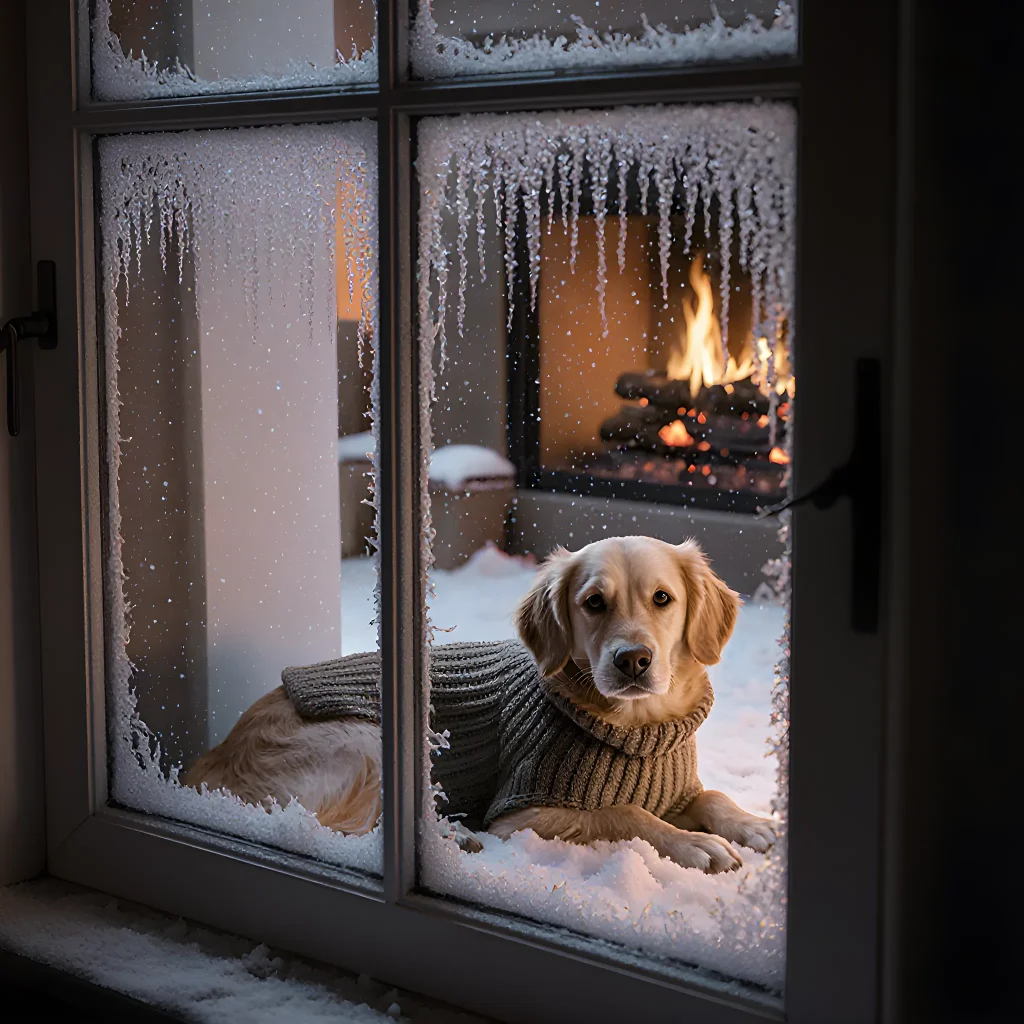
Keep your pup cozy this winter night!
Shield Your Pup From Frost's Gritty Grip Tonight Now!
Table of Contents
- Introduction
- Understanding Your Dog’s Coat and Insulation
- Choosing the Right Winter Apparel
- Properly Fitting Boots and Paw Protection
- Hydration Needs in Cold Weather
- Feeding Adjustments for Extra Energy
- Safe Exercise Routines and Timing
- Recognizing Signs of Hypothermia
- Treating Frostbite in Dogs
- Keeping Your Dog’s Environment Warm Indoors
- Travel Safety Tips for Winter Trips
- Emergency Preparedness and First Aid Kit
- Legal Considerations and Local Regulations
- Conclusion
- FAQ
Introduction
Cold Weather Safety Tips for Dogs
Winter can be a beautiful time of year, but it also brings unique challenges for our canine companions. Cold temperatures, icy surfaces, and snowstorms can pose serious health risks if we’re not prepared. Below is an in‑depth guide to keeping your dog safe and comfortable during the colder months.
- Coats & Sweaters: Small, medium, and large breeds all benefit from a well-fitting coat that covers the chest, belly, and hindquarters. Look for water‑resistant fabrics with good insulation.
- Boots: Dogs with short or thin fur on their paws—like Chihuahuas or Dachshunds—are especially vulnerable to ice melt chemicals and hot pavement. Boots protect pads from cuts, abrasions, and chemical burns.
Some dogs are more susceptible to cold stress than others:
- Breed & Size: Large breeds (e.g., Great Danes, Saint Bernards) and short‑haired breeds (Pugs, Boxers) can overheat quickly. Conversely, small or thin‑faced dogs are prone to hypothermia.
- Aging Dogs: Older dogs often have reduced circulation; give them extra warm clothing.
- Chronic Conditions: Arthritis, heart disease, and diabetes can be aggravated by extreme temperatures. Consult your vet before long walks in winter.
Long exposure to cold air increases the risk of frostbite on ears, paws, and tail tips. A quick walk—15–20 minutes—generally suffices for exercise while limiting cold stress.
- Time of Day: Midday walks are usually warmer than early morning or late evening trips.
- Check the Weather Forecast: Avoid walking when temperatures drop below 20 °F (-6 °C) and wind chills are high.
Paw pads can suffer from ice melt chemicals, salt, and cold damage. After each walk:
- Inspect: Look for cracks or redness.
- Clean: Use warm water (not hot) to rinse off salts and chemicals.
- Dry & Moisturize: Pat dry, then apply a dog‑safe paw balm or petroleum jelly to keep pads supple.
Dogs often drink less water in cold weather because they feel less thirsty. Offer fresh water frequently and consider adding electrolytes if you’re doing extended outdoor activities.
- Sleeping Area: Place a thick blanket or dog bed in a draft‑free corner, preferably on a rug to add insulation.
- Heat Source: If you use space heaters, keep them at least three feet away from the dog’s sleeping area. Never leave heating devices unattended.
Keep an eye on your dog for these warning signs:
- Shivering or trembling (indicates cold stress)
- Limping or reluctance to walk (possible paw injury or arthritis flare)
- Rapid breathing, coughing, or wheezing (respiratory distress)
- Pale gums or lips (poor circulation or hypothermia)
Always carry a small kit when you’re out:
- Dog‑safe paw balm or ointment
- Paw wipes (non‑alcoholic)
- Warm towels or blankets
- Extra water bottle and collapsible bowl
- First‑aid supplies for minor cuts or abrasions
Regular checkups are vital during winter. Ensure your dog’s vaccinations—especially against kennel cough and canine influenza—are up to date, as cold weather can increase the risk of respiratory infections.
Good recall training helps you manage your dog in slippery or crowded winter environments. Practice “come” commands on uneven terrain and reward with treats to reinforce positive behavior.
By combining proper gear, mindful exercise routines, and attentive care, you can help your dog enjoy the winter season safely and comfortably. Remember: a warm, well‑prepared pup is a happy pup!
Understanding Your Dog’s Coat and Insulation
When it comes to keeping your dog warm in winter, the first thing to consider is how their coat functions as natural insulation. A dog's fur serves three main purposes: temperature regulation, protection from elements, and sensory input. However, not all coats are created equal, especially when temperatures drop below freezing.
1. Coat Types & Their Insulation Capabilities
- Short‑haired breeds (e.g., Beagles, Boxers): They have a thin undercoat that offers minimal protection against wind and cold. These dogs often need extra layers like sweaters or jackets.
- Long‑haired breeds (e.g., Collies, Afghan Hounds): The longer guard hairs provide better wind resistance, but their undercoats can be prone to matting if not groomed regularly.
- Double‑coated breeds (e.g., Huskies, Malamutes, Siberian Huskies): Their dense undercoat traps heat effectively. Even in sub‑zero temperatures, they may feel comfortable without additional clothing.
- Hairless or semi‑hairless breeds (e.g., Xoloitzcuintle, American Hairless Terrier): Lack of fur means no natural insulation; these dogs need full protection—sweaters, boots, and even blankets during walks.
2. How Coat Thickness Varies by Season
Most dogs grow a thicker undercoat in the fall as part of their second coat, shedding it in late spring or early summer. This seasonal change means:
- Fall/Winter: The coat is at its peak thickness, offering better insulation.
- Spring/Summer: Shedding reduces the undercoat, so dogs may feel cooler during outdoor activities.
3. Practical Tips for Enhancing Insulation in Cold Weather
- Layered Clothing: Use a breathable base layer (like a moisture‑wicking shirt) followed by an insulating sweater and a windproof outer jacket.
- Footwear: Boots protect paws from ice, salt, and cold. Look for waterproof soles with good traction.
- Grooming Routine: Regular brushing keeps fur free of mats that trap moisture, which can chill the dog. After a walk in snow, dry your dog's coat thoroughly.
- Warm Bedding: Provide insulated bedding or an elevated crate to keep them off cold floors.
- Indoor Exercise: If the outside temperature is dangerously low (below 32°F / 0°C), consider indoor activities like fetch in a hallway, puzzle toys, or agility courses.
4. Signs Your Dog Is Too Cold
Even with good insulation, dogs can overheat or under‑heat. Watch for:
- Shivering or trembling (possible cold stress)
- Lethargy or reluctance to move (could be a sign of hypothermia)
- Red or blue lips and tongue (indicates low body temperature)
- Pale gums or rapid breathing (stress response)
5. Real‑World Examples
- Case Study: Labrador Retriever in Alaska: Despite a thick double coat, the dog developed paw sores from ice and salt. Adding insulated boots prevented future injuries.
- Case Study: Poodle (Toy) in New York City: The owner noticed increased shedding during winter; after switching to a high‑quality sweater and daily brushing, the dog's comfort level improved significantly.
6. Bottom Line for Winter Safety
Your dog’s coat is your first line of defense against cold weather, but it often needs support. By understanding the type of coat you have, adjusting to seasonal changes, and employing practical layering and grooming techniques, you can keep your furry friend safe, warm, and healthy during the winter months.
Choosing the Right Winter Apparel
When temperatures dip below 40 °F (4 °C), even the most resilient dogs can start to feel the chill. Proper winter apparel not only keeps them warm but also protects their skin and joints from harsh elements such as ice, snow, salt, and wind.
1. Assess Your Dog’s Needs
- Breed & Coat: Short‑haired breeds (e.g., Greyhound, Jack Russell) or dogs with thin coats benefit most from jackets.
- Body Size: Small and medium dogs lose heat faster than large breeds; they often need extra insulation.
- Health Conditions: Dogs with arthritis, heart issues, or compromised immune systems may require additional warmth.
2. Types of Winter Apparel
| Apparel Type | Best For | Key Features |
|---|---|---|
| Fleece Jackets | All‑weather layering for medium dogs. | Soft, breathable fabric; adjustable straps. |
| Insulated Parkas | Cold climates, long walks. | Padded lining, windproof outer shell. |
| Booties | Protection from ice/salt. | Water‑resistant sole, adjustable closure. |
| Thermal Socks | Small breeds or dogs with short legs. | Moisture‑wicking material, easy slip‑on design. |
3. How to Fit the Apparel Correctly
- Measure Your Dog: Take waist (between shoulder blades), chest circumference, and leg length.
- Check for Comfort: The jacket should be snug but not restrictive; you should still see a small gap between the collar and the ears.
- Test Mobility: Move your dog’s limbs freely—no pinching or stiffness.
4. Practical Tips for Winter Walks
- Limit Exposure Time: Small dogs can tolerate 10–15 min per walk; large breeds may handle longer.
- Use Reflective Gear: Add reflective strips or LED lights for visibility during dawn/dusk walks.
- Check Paw Health: After walking, inspect pads for cracks, swelling, or ice buildup. Clean salt residue with warm water and pat dry.
- Hydration & Nutrition: Dogs burn more calories in cold weather; ensure fresh water is available and consider a higher‑calorie diet if walks are frequent.
5. When to Seek Professional Help
If your dog shows signs of hypothermia (shivering, lethargy, pale gums) or frostbite (white or blackened skin), remove them from the cold immediately and contact a veterinarian.
Example: Choosing Apparel for a 25‑lb Beagle in Seattle
- Apparel: Lightweight fleece jacket with adjustable straps.
- Booties: Waterproof, easy‑on rubber sole to protect from wet snow.
- Check that the jacket fits snugly across the chest and does not rub against the ears.
By selecting the right winter apparel and following these safety guidelines, you can keep your canine companion cozy, protected, and ready for outdoor adventures—even on the coldest days.
Properly Fitting Boots and Paw Protection
When the temperature drops below 32°F (0°C), dogs can suffer from cold‑induced injuries just like humans. Snow, ice, salt, and de‑icing chemicals are harsh on a dog’s paws, leading to cracks, inflammation, or even frostbite. Boots provide a physical barrier that protects against these hazards while keeping the paw pads warm.
Choosing the Right Size
- Measure the paw: Use a tape measure or ruler to find the longest toe to heel distance and the widest part of the foot. Compare these measurements with the manufacturer’s size chart.
- Try on before purchase: If you can, let your dog walk in the boots for a few minutes. They should fit snugly but not constrict blood flow; you should still be able to slip two fingers between the boot and the paw.
- Check the closure system: Velcro straps are quick and adjustable, while buckle or lace systems may offer a tighter seal for heavy snowfall. Ensure any fasteners stay secure during vigorous activity.
Material Matters
The best boots combine waterproof outer layers with breathable inner linings:
- Waterproof exterior: Gore‑Tex, nylon coated with a silicone finish, or rubberized fabrics keep moisture out.
- Insulation: Thinsulate or fleece lining traps heat without adding bulk.
- Breathability: Ventilation panels prevent sweat buildup and reduce the risk of fungal infections.
Practical Use Tips
- Pre‑walk prep: Let your dog wear the boots for a short walk indoors to test comfort. If they seem hesitant, adjust or try a different style.
- Gradual exposure: Start with brief outdoor sessions and slowly increase duration as your dog becomes accustomed to the weight and feel of the boots.
- Regular inspection: Check for tears, loose seams, or worn soles after each use. Replace any damaged parts promptly.
Alternative Paw Protection Methods
If your dog is reluctant to wear boots, consider these options:
- Paw waxes and balms: Apply a pet‑safe balm (like Beekeeper’s Dog Paw Balm) before walks. This creates a thin protective layer against salt and ice.
- Foam or silicone liners: Some brands offer adhesive pads that stick to the paw pad, offering a lightweight barrier.
After‑Walk Care
Cold weather can leave your dog’s paws damp and salt‑laden. Rinse with warm water and mild soap immediately after walks, then dry thoroughly. Inspect for cracks or redness; if you notice any issues, consult a veterinarian promptly.
Bottom Line
Properly fitting boots are one of the most effective ways to safeguard your dog’s paws during winter adventures. By selecting the right size, material, and style—and by following practical usage guidelines—you’ll keep your canine companion comfortable, healthy, and ready for any snowy escapade.
Hydration Needs in Cold Weather
While it’s easy to assume that dogs are protected from dehydration when temperatures drop, they still require consistent access to fresh water. The cold can actually increase a dog’s need for fluids in several ways:
- Thermoregulation: Dogs lose heat faster than humans, and the body compensates by increasing blood flow to peripheral tissues, which can raise urine production.
- Activity Levels: Even light walks or play sessions in cold weather burn calories and cause fluid loss through respiration.
- Reduced Thirst Perception: Cold temperatures dampen the sense of thirst; dogs may not feel as compelled to drink, especially if their water bowl is tucked away from activity areas.
Practical Tips for Keeping Your Dog Hydrated in Winter
- Place Water Bowls Strategically:
- Position bowls near warm, high-traffic zones such as the living room or near a heat source (but not directly on radiators to avoid freezing).
- Use insulated or heated water bowls that prevent ice formation. Products like Arctic Dog’s Heated Bowl keep water liquid for up to 12 hours.
- Offer Water Frequently:
- During walks, carry a collapsible travel bowl and refill it after each mile or every 15–20 minutes of activity.
- For dogs that enjoy chewing on ice cubes (which can cool the mouth), provide a small dish with frozen water or broth to encourage consumption without risking choking.
- Use Wet Food or Add Water:
- If you feed dry kibble, mix in a bit of low-sodium chicken broth or plain water. This not only boosts moisture intake but also adds flavor to entice picky eaters.
- Wet food can provide up to 75% of the daily hydration requirement for many breeds.
- Monitor Signs of Dehydration:
- Dry gums, sunken eyes, or a loss of skin elasticity (stretch test) are red flags. In cold weather, these signs can appear sooner because the dog’s body is working harder to maintain core temperature.
- If you notice any of these symptoms, offer water immediately and consider consulting your vet if they persist.
- Use a Dog-Safe Hydration Pack:
- For extended hikes or long walks in harsh conditions, a hydration pack (e.g., PuppyPro HydratePack) allows you to keep water at hand without stopping. This is especially useful for breeds prone to overheating during activity.
- Check the Water Source:
- Ensure that tap water isn’t too cold or has a metallic taste, as this may deter your dog from drinking. If necessary, let it sit for a few minutes to warm up.
- Consider Seasonal Supplements:
- Electrolyte powders designed for pets (e.g., Pet Hydrate Plus) can be mixed into water or food during heavy activity periods to replace minerals lost through sweat and respiration.
By integrating these strategies, you’ll help your canine companion maintain optimal hydration levels—even when the temperature outside is well below freezing. Remember: a hydrated dog is a healthy, happy dog that can enjoy winter adventures safely.
Feeding Adjustments for Extra Energy
When temperatures drop, a dog's metabolism shifts to keep their body heat stable. This means they often need more calories and certain nutrients to maintain muscle mass, coat quality, and overall health.
1. Increase Caloric Intake Gradually
- Start with a 10–15% boost: Add a small amount of high‑energy kibble or a few tablespoons of canned food to their usual meal.
- Monitor weight: Weigh your dog every two weeks. If they gain more than 2 % of body weight, reduce the extra calories slightly.
- Avoid sudden jumps: A rapid increase can cause digestive upset or obesity.
2. Choose High‑Quality Fats
Fats are a dense energy source and help maintain a healthy coat.
- Look for foods with at least 18–20 % fat content.
- Omega‑3 fatty acids (fish oil, flaxseed) improve skin health and reduce inflammation from cold stress.
3. Add Warmth‑Boosting Supplements
- Glutamine: Supports gut integrity during seasonal changes.
- Vitamin E & Selenium: Antioxidants that help protect cells from cold‑induced oxidative stress.
- Consult your vet before adding any supplement.
4. Adjust Meal Frequency
Some dogs benefit from two larger meals instead of the usual three small ones, providing a steady energy supply throughout the day.
5. Include Moisture‑Rich Foods
- Canned wet food or adding broth to dry kibble helps keep your dog hydrated when they’re less inclined to drink cold water.
- Hydration is essential for thermoregulation and overall health.
6. Monitor Food Quality During Storage
Cold temperatures can affect the flavor of food, causing some dogs to eat less. Keep kibble in a cool, dry place and use airtight containers.
7. Sample Feeding Schedule (Example)
| Meal | Description |
|---|---|
| Morning (7 am) | 1 cup of high‑fat kibble + 2 tbsp canned food + 1 tsp fish oil |
| Noon (12 pm) | Half a cup dry food + 1 tbsp broth, check weight |
| Evening (6 pm) | Same as morning; add a small treat if needed |
8. Practical Tips for Owners
- Use a feeding scale: Small weight changes matter in colder months.
- Keep bowls at room temperature: Cold food may be less appealing.
- Check for digestive issues: Diarrhea or vomiting after dietary changes signals the need to adjust portion size.
- Always have fresh water available, even if your dog seems less thirsty.
9. When to Consult a Veterinarian
If your dog shows signs of obesity, weight loss despite increased calories, or unusual lethargy, schedule an appointment. Your vet can adjust the diet and rule out underlying health problems exacerbated by cold weather.
By tailoring your dog's nutrition to the demands of winter, you help them stay warm, active, and healthy throughout the season.
Safe Exercise Routines and Timing
When the temperature drops, it’s tempting to keep your dog on a short walk or an indoor play session. However, cold weather can affect your pup’s health in subtle ways—especially if they have thin coats, are small breeds, or suffer from joint issues. Below is a practical guide to help you structure safe exercise routines and timing for dogs during winter months.
1. Know Your Dog’s Limits
- Breed & Coat: Thick‑haired breeds (e.g., Siberian Huskies, Alaskan Malamutes) can tolerate colder temperatures better than short‑haired or toy breeds.
- Age & Health: Puppies and senior dogs need shorter sessions. Dogs with arthritis or heart conditions should avoid prolonged exposure to extreme cold.
- Body Weight: A heavier dog can maintain body heat more easily; a lightweight dog may freeze faster.
2. Optimal Walking Times
The best time for outdoor exercise is during the warmest part of the day—typically mid‑morning or early afternoon when the sun is at its peak and temperatures are slightly higher.
| Time Slot | Temperature Range (°F) | Recommended Activity |
|---|---|---|
| 7:00‑9:00 AM | 30–45°F | Short brisk walk (15–20 min) |
| 12:00‑2:00 PM | 40–55°F | Longer walk or play session (30–45 min) |
| 5:00‑7:00 PM | 35–50°F | Gentle walk, avoid if wind chill is high |
3. Warm-Up and Cool-Down Protocols
- Pre‑Walk Warm‑Up: Let your dog sniff around for 5–10 minutes in a safe, sheltered area to raise core temperature.
- During the Walk: Keep a brisk pace—if your dog starts shivering or slows down significantly, bring them back inside.
- Post‑Walk Cool‑Down: After exercise, allow your dog to walk slowly for 5 minutes before heading indoors. This helps prevent muscle stiffness and keeps the heart rate from dropping too quickly.
4. Protective Gear Tips
- Boots: Protect paws from ice, salt, and freezing temperatures. Look for boots with non‑slip soles and a snug fit.
- Coats & Sweaters: Layering helps retain body heat; choose breathable fabrics to avoid overheating during activity.
- Reflective Gear: In low light conditions, reflective vests or collars increase visibility for both you and your dog.
5. Indoor Exercise Alternatives
If the weather is too harsh, try these indoor activities to keep your dog active:
- Obstacle Course: Set up cushions, tunnels, and low hurdles in a hallway.
- Tug‑of‑War: Use sturdy rope toys; keep sessions short (5–10 min) to avoid overexertion.
- Interactive Puzzle Toys: Stimulate mental energy while keeping the body warm.
6. Signs Your Dog Needs a Break
- Shivering or trembling
- Rapid breathing or panting (even when not hot)
- Reluctance to move, stiffness in joints
- Excessive drooling or a cold tongue
If you notice any of these signs, bring your dog inside immediately and warm them gently with a blanket. If symptoms persist, consult your veterinarian.
7. Post‑Exercise Care Checklist
- Inspect paws for ice crystals or salt buildup; rinse with lukewarm water if needed.
- Check for signs of frostbite: pale, blue, or numb skin around ears, tail, and paws.
- Provide a warm, dry resting area—consider adding a heated dog bed or a blanket.
By tailoring your dog’s exercise routine to the cold weather conditions and paying close attention to their body language, you’ll keep them safe, healthy, and happy all winter long.
Recognizing Signs of Hypothermia
When the temperature drops, dogs can quickly slip into a dangerous state of hypothermia—especially if they are small, thin‑coated, or have been outside for an extended period. Knowing how to spot the early warning signs is essential so you can act before the condition becomes life‑threatening.
1. Shivering (Vibrissae)
- What to look for: Persistent, uncontrolled trembling that doesn’t stop even when your dog is resting or in a warm environment.
- Why it matters: Shivering is the body’s first attempt to generate heat. If it persists, the core temperature may already be dropping.
2. Lethargy and Weakness
- What to look for: Your dog seems unusually tired, slows down, or has difficulty standing or walking. They might also lie flat with their limbs tucked in.
- Why it matters: Low blood flow and reduced muscle activity are signs that the body is conserving energy at the expense of heat production.
3. Pale or Bluish Mucous Membranes
- What to look for: Check your dog’s gums, tongue, and inside of their eyelids. They should be pink; if they appear pale, gray, or bluish, this indicates poor circulation.
4. Cold Extremities
- What to look for: When you gently touch your dog’s ears, paws, tail, and belly, they should feel warm. If these areas feel cool or cold, it may signal a drop in core temperature.
5. Slowed Breathing or Labored Respiration
- What to look for: Noticeable changes in breathing pattern—either shallow breaths or rapid, labored inhalations.
6. Confusion or Disorientation
- What to look for: Your dog may seem disoriented, stare blankly, or fail to respond normally to commands or familiar stimuli.
- Move indoors immediately. Bring your dog into a warm environment—preferably an area with body heat, such as next to you or in a heated room.
- Wrap them gently. Use blankets, towels, or a thermal wrap. Avoid wrapping too tightly; the goal is warmth without restricting circulation.
- Check and adjust the temperature. If your dog’s paws feel cold, place them in a shallow bowl of lukewarm water (not hot) for 5–10 minutes to encourage blood flow.
- Offer warm liquids. Provide a small amount of warm (room‑temperature) water or low‑fat broth. Avoid giving them ice cubes or cold drinks, as this can worsen the temperature drop.
- Monitor core body temperature. If you have a rectal thermometer for pets, check their temperature. A safe range is 101–102°F (38.3–39°C). Anything below indicates hypothermia and requires veterinary care.
- Seek veterinary help. Even if the dog seems to improve, professional evaluation is crucial because hypothermia can cause hidden organ damage.
- Limit outdoor time: Keep walks brief and avoid the coldest parts of the day. Use a leash and check the ground for ice or snow.
- Dress appropriately: Small breeds, short‑haired dogs, or those with thin coats benefit from dog sweaters, jackets, or booties to keep extremities warm.
- Provide adequate shelter: Ensure your dog’s outdoor space has a wind‑break and a dry area where they can retreat if temperatures plummet.
- Check for signs early: Even on mild days, monitor for shivering or lethargy after a walk. If symptoms appear, bring them inside right away.
By staying vigilant and acting swiftly when you notice these signs, you can protect your canine companion from the dangers of hypothermia during cold weather adventures.
Treating Frostbite in Dogs
Frostbite is the freezing of skin and underlying tissues caused by exposure to cold temperatures, wind, or moisture. In dogs, it most commonly affects areas with thin fur and less blood flow such as ears, paws, tail tips, and noses. Early detection is crucial because once tissue damage begins, it can progress rapidly.
Signs to Watch For
- Pale or white skin: Especially on the paw pads, ears, or nose.
- Swelling or puffiness: Affected areas may appear enlarged and firm.
- Blisters or fluid-filled sacs: These are signs of tissue breakdown.
- Cold to the touch: The skin feels very cold compared to surrounding areas.
- Lack of movement: The dog may avoid using a limb or paw that is painful.
Immediate Steps for Home Care
- Move your dog indoors: Get them out of the cold environment as quickly as possible.
- Gentle warming: Use a warm (not hot) compress or a heating pad set to low. Do not apply ice directly; this can worsen tissue damage.
- Clean the area: Gently rinse with lukewarm water and pat dry. Avoid harsh soaps that may irritate damaged skin.
- Apply a non-stick dressing: Cover blisters or open sores with sterile gauze to protect against infection.
- Keep the dog calm: Stress can worsen circulation problems.
When to Seek Veterinary Care
If you notice any of the following, contact your veterinarian immediately:
- Blisters that are large or rupturing.
- Pale or blackened skin indicating necrosis.
- Severe swelling that does not improve after a few hours.
- Any signs of infection such as foul odor, pus, or increasing redness.
Veterinary Treatment Options
- Advanced wound care: The vet may use specialized dressings or debridement to remove dead tissue.
- Antibiotics: To prevent or treat secondary bacterial infections.
- Pain management: Medications such as NSAIDs or opioids for severe pain.
- Reconstructive surgery: In cases of extensive tissue loss, procedures like skin grafts may be required.
Prevention: Cold Weather Safety Tips for Dogs
Preventing frostbite is often easier than treating it. Follow these practical safety guidelines during cold weather:
- Limit outdoor time: Keep walks short, especially in extreme temperatures.
- Use protective gear: Consider dog booties for breeds with thin paws or a sweater for dogs prone to hypothermia.
- Check the weather forecast: Avoid exposure during wind chills below 20°F (-6°C).
- Provide warm shelter: Ensure your dog has access to a heated, draft-free area when indoors.
- Monitor moisture levels: Wet fur and paws conduct heat away faster; dry them promptly after walks.
- Keep ears and tails covered: Use ear protection or a light hood for breeds with large floppy ears.
Case Study Example
A Labrador Retriever named Max was found by his owner on a snowy evening. His paw pads were pale, swollen, and blistered. The owner immediately warmed the paws with a warm compress and called the vet. Max received antibiotics and wound care, recovered fully in two weeks, and the incident led to the adoption of daily booties during winter walks.
Key Takeaways
- Early recognition of frostbite signs saves tissue and reduces recovery time.
- Gentle warming and protective dressings are first-line home care steps.
- Professional veterinary treatment is essential for severe cases.
- Preventive measures—short walks, protective gear, and monitoring weather—are the best defense against frostbite.
Keeping Your Dog’s Environment Warm Indoors
When the temperature drops outside, it becomes essential to create a cozy and safe indoor environment for your dog. A warm living space not only keeps them comfortable but also helps prevent cold‑related health issues such as hypothermia, arthritis flare‑ups, and respiratory problems.
1. Choose the Right Bedding
- Memory Foam or Orthopedic Beds: These provide excellent support for older dogs or those with joint pain, maintaining body heat better than standard rubber mats.
- Blanket‑Covered Crates: Place a thick blanket over the crate’s top and sides to trap warmth. Avoid using plastic liners that can become cold.
- Insulated Dog Houses: If your dog spends time in an indoor kennel or shed, add insulation boards or reflective foil between walls and floor.
2. Optimize Room Temperature
Maintain a consistent temperature of at least 68°F (20°C) in the rooms where your dog spends most of its time. Use:
- Space Heaters: Portable ceramic or oil‑filled radiators with thermostats allow precise control.
- Electric Blanket Pads: Place under bedding; set to a low heat setting and turn off after 4–6 hours to avoid overheating.
- Heat‑Reflective Curtains: Hang them over windows that let in cold drafts; they reflect back body warmth.
3. Create Draft‑Free Zones
Seal gaps around doors and windows with weather stripping or draft stoppers. A simple cardboard “draft blocker” can be placed at the bottom of a door to block cold air from seeping in.
4. Provide Warm, Safe Resting Spots
- Elevated Platforms: Raised beds keep dogs off cold floors and allow better circulation.
- Heated Pads with Temperature Control: Use pads rated for pets; monitor the temperature to stay within safe limits (no higher than 95°F).
- Sun‑Loving Corners: Position a bed near a south‑facing window where sunlight can naturally warm the area.
5. Monitor and Adjust
Keep an eye on your dog’s behavior. Signs of cold discomfort include shivering, reluctance to move, or seeking heat sources excessively. If you notice these signs, adjust heating methods promptly.
Practical Checklist for Winter Days:
- Check room temperature with a thermometer.
- Inspect bedding for dryness; replace if damp.
- Seal any drafts around doors/windows.
- Ensure heating devices are set to safe levels and have automatic shut‑off timers.
- Observe your dog’s posture—if they’re hunched or constantly seeking warmth, consider moving them closer to a heat source.
By combining these strategies, you can create an indoor sanctuary that keeps your canine companion warm, healthy, and happy throughout the cold season.
Travel Safety Tips for Winter Trips
When planning a winter getaway, it’s essential to consider how the cold will affect not only you but also any pets that join your adventure. Dogs are particularly vulnerable to low temperatures, so preparing them properly can prevent serious health issues and ensure everyone enjoys a safe trip.
1. Dress Your Dog Appropriately
- Winter Clothing: Invest in a well-fitting dog jacket or sweater that covers the chest, belly, and back. Look for waterproof or water‑repellent fabrics if you expect snow or slush.
- Booties: Use canine booties to protect paws from ice, salt, and chemicals used on roads. Test them at home first so your dog gets accustomed to walking with them.
- Collar and Harness: Opt for a harness rather than a collar during walks; it distributes pressure evenly and reduces strain on the neck in cold weather.
2. Monitor Body Temperature & Signs of Hypothermia
- Check that your dog’s ears, paws, and tail are warm and pink. Pale or blue lips may indicate low body temperature.
- Observe for shivering, lethargy, or difficulty breathing. These are red flags requiring immediate action.
- Keep a thermometer handy if you’re traveling to extremely cold regions; a normal canine body temperature ranges from 101°F to 102.5°F (38.3°C–39.2°C).
3. Hydration & Nutrition in Cold Weather
- Water: Even though it may seem less thirsty, dogs still need water. Use insulated cups or keep a portable water bowl that resists freezing.
- Food: Provide high‑calorie meals to help maintain body heat. Avoid feeding large meals right before long walks; give light snacks instead.
4. Plan Routes and Timing Carefully
- Choose dog‑friendly trails that are well marked and have shelters or rest stops.
- Avoid early mornings or late evenings when temperatures drop sharply.
- Keep walk durations short—start with 10–15 minute walks and gradually increase as you gauge your dog’s tolerance.
5. Emergency Preparedness
- First‑Aid Kit: Include items such as ice packs, a small blanket, and a portable stove or heat source for emergencies.
- Identification: Ensure your dog’s microchip information is up to date. Attach a collar tag with contact details and the word “Cold Weather” to alert responders.
- Know the Signs of Frostbite: Look for white or gray patches on ears, paws, or tail. If you suspect frostbite, warm the area gently with your hands (do not use direct heat) and seek veterinary care immediately.
6. Post‑Trip Care
- After returning home, give your dog a warm shower to remove salt, chemicals, or ice melt residue that can irritate skin.
- Inspect paws for cracks or injuries before they heal; treat with a pet‑safe balm if needed.
- Monitor weight and behavior over the next week—any sudden changes may signal lingering cold exposure effects.
By taking these precautions, you can protect your canine companion from the harsh winter elements while enjoying a memorable travel experience together. Remember: a well‑prepared dog is a happy, healthy traveler.
Emergency Preparedness and First Aid Kit
When the temperature drops, a well‑prepared first‑aid kit can make the difference between a quick recovery and a serious health issue for your dog. Below is a step‑by‑step guide on what to include in your kit, how to use each item, and additional tips tailored specifically to cold weather emergencies.
Essential Items for Your Cold Weather Dog First‑Aid Kit
- Thermal Blanket or Emergency Fleece: Keeps your dog warm if they get stranded outdoors. Wrap them snugly around the body, leaving the head free to breathe.
- Portable Heating Pad (Battery‑Powered): Use a pad rated for pets; keep it on a low setting and monitor the dog's temperature to avoid overheating.
- Waterproof Gloves: Protect your hands when handling an injured dog, especially if you need to apply ointments or bandages in wet conditions.
- First‑Aid Manual for Dogs: A printed guide (or a PDF on a phone) that covers common cold‑weather injuries like frostbite, hypothermia, and paw ice damage.
- Bandage Materials: Sterile gauze pads, elastic wrap, and waterproof adhesive tape. Include a pair of scissors or a safety cutter for quick cuts.
- Paw Protection Cream: A petroleum‑based balm to shield paws from ice, salt, and de‑icing chemicals.
- Heat Pack (Reusable): Small, dog‑safe heat packs that can be activated with water or by shaking. Keep an extra pack in a waterproof pouch.
- Emergency Food Rations: High‑calorie snacks to keep your dog’s energy up during an emergency.
- Portable Water Bottle & Collapsible Bowl: Hydration is critical; cold water can cause a drop in core temperature if not consumed quickly.
- Reflective Vests or LED Light Tags: For visibility during night walks or when your dog is stuck in low‑light conditions.
How to Use Your Kit in a Cold Weather Emergency
- Assess the Situation: Check for signs of hypothermia (shivering, lethargy) or frostbite (white or pale skin). If you suspect serious injury, contact your veterinarian immediately.
- Warm Up Gradually: Use the thermal blanket and portable heating pad. Wrap the dog in layers—blanket over clothing if possible—to trap body heat.
- Treat Frostbite: Gently warm affected paw pads or ears with lukewarm water (not hot). Avoid rubbing, as this can worsen tissue damage.
- Apply Bandages: For cuts or swelling, use sterile gauze and elastic wrap. Keep the bandage snug but not too tight; check for circulation every 15–20 minutes.
- Hydrate & Feed: Offer small amounts of water first to prevent shock from sudden temperature changes. Follow with high‑energy treats if the dog is alert.
- Transport Safely: Use a sturdy carrier or a blanket wrapped around the dog for short trips to the vet. Keep the environment as warm and dry as possible during transport.
Practical Tips & Examples
- Example 1 – Frozen Paw Pads: If your dog’s paw pads appear white or feel cold, immediately wrap them in a clean towel and use the heat pack. After 10–15 minutes, check for improved color and warmth.
- Example 2 – Hypothermia During a Walk: Your dog slows down and starts shivering after a 30‑minute walk in -5°C weather. Stop walking, bring them inside, wrap with the thermal blanket, and monitor breathing. If breathing is shallow or irregular, call your vet.
- Example 3 – De‑icing Chemical Burns: A quick splash of road salt on a paw can cause irritation. Rinse the paw with clean water for at least 5 minutes, apply paw protection cream, and cover with gauze if there’s any blistering.
Additional Resources
For more detailed instructions and visual guides, consider downloading these free PDFs:
- ASPCA Cold Weather Food & Water Guide
- VetStreet Cold Weather Care Checklist
- AKC Frostbite in Dogs – Treatment Steps
Keeping your dog safe during cold weather starts with a well‑equipped first‑aid kit and the knowledge to use it effectively. By preparing ahead, you can reduce stress for both you and your furry friend when the unexpected happens.
Legal Considerations and Local Regulations
When it comes to keeping your dog safe in cold climates, you may not realize that there are also legal obligations you should be aware of. Many municipalities have animal welfare ordinances, public health codes, and even building regulations that can affect how you protect your pet from extreme weather. Ignoring these laws can result in fines, mandatory veterinary care, or worse – the loss of your dog’s license.
1. Animal Welfare Ordinances
- Minimum Shelter Requirements: Some cities require that dogs have a “warm shelter” if temperatures fall below a certain threshold (e.g., 40 °F). This can be as simple as an insulated dog house or a heated kennel.
- Prohibition of Exposure: Ordinances may forbid owners from leaving pets unattended in vehicles during winter storms. If you’re caught with your dog in a car during a blizzard, you could face penalties ranging from $100 to $500.
2. Public Health Codes
Cold weather can increase the risk of zoonotic diseases, such as Toxoplasmosis and Canine Distemper. Local health departments may mandate that dogs be kept indoors during extreme temperatures to reduce exposure to contaminated water or wildlife. Failure to comply can result in mandatory veterinary treatment orders.
3. Building & Zoning Regulations
- Insulation Standards: If you own a home or apartment, check whether your building code requires specific insulation for pet enclosures. In some states, “pet shelters” must meet the same standards as human dwellings during winter.
- Outdoor Space Restrictions: Certain neighborhoods restrict the size of outdoor dog runs or require fencing to keep pets from venturing into unsafe areas (e.g., icy sidewalks, abandoned garages).
4. Licensing and Registration Laws
Many localities tie dog licensing to compliance with welfare regulations. If you fail to provide a suitable warm environment during winter, your license may be suspended. A suspended license can limit your ability to transport your dog for veterinary care or participate in community events.
5. Practical Steps to Stay Compliant
- Check Your Local Ordinances: Visit your city’s official website or contact the animal control office to get a copy of current regulations regarding winter care.
- Document Compliance: Keep receipts for any heating devices, insulated bedding, or veterinary visits. If you’re ever inspected, evidence of proactive measures can protect you from fines.
- Use Weather-Appropriate Gear: While not always legally required, wearing a dog coat and boots reduces the risk of frostbite—an often cited reason for regulatory enforcement.
- Register Your Dog’s Winter Health Plan: Some municipalities allow you to file an annual “Winter Care Declaration” that outlines your strategies (e.g., indoor sleeping areas, scheduled vet checks). This can preemptively satisfy compliance audits.
6. Consequences of Non‑Compliance
- Fines: Ranging from $50 to $1,000 depending on the severity and jurisdiction.
- Mandatory Veterinary Care: Authorities may order a vet visit if they deem your dog at risk.
- Loss of License: Suspension or revocation can limit transportation rights and participation in community programs.
In short, staying informed about local laws is as essential as providing blankets and warm food. By aligning your cold‑weather safety routine with municipal requirements, you protect not only your dog’s well‑being but also your legal standing as a responsible pet owner.
Conclusion
Keeping your canine companion safe during the winter months is a blend of preparation, observation, and quick action. By following the practical steps outlined above—monitoring weather alerts, protecting paws, ensuring proper nutrition, and staying vigilant for signs of hypothermia—you can significantly reduce the risk of cold‑related health issues.
Key Takeaways
- Dress Appropriately: Invest in a well-fitting dog coat or sweater, especially for breeds with thin coats or short legs. Test the fit by placing your hand between the collar and the chest; you should be able to slide it over comfortably.
- Paw Care Matters: Apply pet-safe paw balm before walks and inspect paws afterward. If you notice cracking, swelling, or unusual behavior, consult a veterinarian promptly.
- Hydration & Nutrition: Provide fresh water at all times—dogs may drink less in cold weather—and consider adding high‑calorie treats to help them maintain body heat.
- Limit Exposure: Schedule walks during the warmest part of the day and keep indoor play sessions frequent. Remember that a short walk can still provide mental stimulation without excessive exposure.
- Watch for Symptoms: Trembling, shivering, lethargy, or a change in breathing patterns are red flags. If you notice any of these signs, warm your dog gently and seek veterinary care if symptoms persist.
Practical Tools to Keep on Hand
- Thermal Paw Pads: These can be glued or clipped onto the front paws for extra insulation during walks.
- Portable Dog Heater: A small, battery‑powered heater designed for pets can provide a safe warmth source in outdoor shelters.
- First Aid Kit: Include items such as gauze, antiseptic wipes, and a thermal blanket. Knowing how to use each item can be lifesaving.
By incorporating these strategies into your winter routine, you’ll help ensure that your dog enjoys the season safely and comfortably. Stay warm, stay prepared, and keep those tails wagging!
FAQ
- 1. How can I tell if my dog is too cold?
-
- Shivering or trembling: A clear sign that your dog’s core temperature has dropped.
- Cold ears, tail, and paws: If they feel chill to the touch even in a warm room.
- Lethargy or reluctance to move: Dogs may freeze or become less active when cold.
- Pale gums or tongue: This can indicate poor circulation and is a warning sign.
- 2. What are the best ways to keep my dog warm during walks?
-
- Invest in a high‑quality dog coat: Look for waterproof, windproof materials with thermal lining.
- Use a reflective vest or jacket for visibility: Especially useful in early mornings and late evenings.
- Choose shorter walks during the coldest part of the day: Aim for mid‑morning or afternoon when temperatures are slightly higher.
- Bring a towel to dry off after the walk: Wet fur retains heat poorly, leading to hypothermia.
- 3. Are there specific breeds that need extra protection in winter?
-
- Long‑haired or thick‑coated breeds: Shih Tzu, Bichon Frise, and Samoyed can suffer from windburn; use a protective jacket.
- Sleek or short‑haired breeds: Jack Russell Terrier, Greyhound, and Border Collie are more vulnerable to the cold; they benefit from a lightweight sweater.
- Large breeds with heavy coats: German Shepherd, Labrador Retriever – their fur can trap moisture, so dry them thoroughly after walks.
- 4. How should I handle my dog’s paws in winter?
-
- Inspect for ice crystals or salt: These can cause frostbite and chemical burns.
- Use paw wax or balm: Apply a protective layer before walks to shield against cold, wind, and road salts.
- Clean paws after each walk: Rinse with lukewarm water and dry completely.
- 5. What foods or supplements can help my dog stay warm?
-
- High‑calorie treats: A few extra calories provide energy to maintain body heat.
- Omega‑3 fatty acids: Fish oil improves coat condition and overall skin health, reducing cold sensitivity.
- Warm broth or soup: Adds moisture and warmth; keep it low in sodium for dogs.
- 6. When should I consider keeping my dog indoors during extreme weather?
-
Keep your dog inside if:
- The temperature drops below 30°F (-1°C) for a prolonged period.
- Snow or ice accumulation is heavy, creating unsafe walking conditions.
- Your dog shows signs of distress—shivering, lethargy, or excessive panting after short walks.
- 7. How can I prepare my home for a winter stay?
-
- Designate a warm spot: A dog bed on a heated floor or near a radiator, covered with blankets.
- Use non‑slip rugs: Preventing slips on icy or wet floors.
- Secure windows and doors: Ensure drafts are minimized to keep indoor temperatures stable.
- 8. What emergency steps should I take if my dog shows signs of hypothermia?
-
- Move indoors immediately: Provide a warm, draft‑free environment.
- Wrap in blankets: Use towels or a jacket; avoid direct heat sources like radiators that can burn.
- Offer lukewarm water (not hot):** Encourage sipping to raise core temperature gradually.
- Contact your veterinarian: If symptoms persist, seek professional care right away.
By staying vigilant and prepared, you can ensure that your canine companion enjoys the outdoors safely even when temperatures drop. Remember: a warm dog is a happy dog!
Categories
- AI & Enrichment Play
- Broiler Farming
- Broiler Farming Tips
- Canine Wellness & Longevity
- Cat
- Cat & Human Connection
- Cat Adoption & Rescue
- Cat Breeds
- Cat Breeds & Personalities
- Cat Care & Health
- Cat Grooming & Hygiene
- Cat Lifestyle & Environment
- Cat Myths & History
- Cat Nutrition & Diet
- Cat Products & Reviews
- Cat Training & Behavior
- Comparison
- Consumer Awareness
- Dog
- Dog Accessories & Products
- Dog Adoption & Rescue
- Dog Breed & Lifestyle Trends
- Dog Breeding & Puppies
- Dog Entertainment & Media
- Dog Fashion & Trends
- Dog Fun & Lifestyle
- Dog Grooming & Hygiene
- Dog History & Culture
- Dog Myths, Science & Future Tech
- Dog News & Trends
- Dog Nutrition & Food
- Dog Psychology & Emotions
- Dog Safety & Security
- Dog Sports & Activities
- Dog Technology & Innovation
- Dog Training for Modern Owners
- Dog Travel & Adventure
- Dog Travel, Adventure & Culture
- Economic and Market Insights
- Educational Content
- FAQs
- Feeding Alternatives
- Festivals & Seasonal Ideas
- Fun & Entertainment
- General Knowledge
- General Pig Farming
- Health & Disease Management
- Housing and Environment
- Kittens
- Market Insights
- Miscellaneous
- Miscellaneous
- Motivational
- pig
- Pig Breeding
- Pig Breeds
- Pig Farming Stories and Inspiration
- Pig Health and Care
- Pig Nutrition
- Pig Products
- Profitability & Business
- Puppy Care
- Puppy Predictable Topics Reinvented
- Regional Focus
- Rescue & Adoption Buzz
- Senior Cats
- Senior Dog Care
- Smart Dog Tech & Gadgets
- Sustainability
- Sustainable & Eco-Friendly Dog Products
- Tech & Innovations
- Working & Service Dogs
- Broiler Feed66 products
- Country Feed33 products
- Pig Feed66 products
- Product22 products
- Raw Materials99 products
Products
-
 Fish Meal
₹1,999.00 – ₹2,999.00Price range: ₹1,999.00 through ₹2,999.00Rated 0 out of 5
Fish Meal
₹1,999.00 – ₹2,999.00Price range: ₹1,999.00 through ₹2,999.00Rated 0 out of 5 -
 FATTENING BROILER FEED
₹2,299.00 – ₹2,349.00Price range: ₹2,299.00 through ₹2,349.00Rated 0 out of 5
FATTENING BROILER FEED
₹2,299.00 – ₹2,349.00Price range: ₹2,299.00 through ₹2,349.00Rated 0 out of 5 -
 LAYER COUNTRY FEED
₹1,549.00 – ₹1,649.00Price range: ₹1,549.00 through ₹1,649.00Rated 0 out of 5
LAYER COUNTRY FEED
₹1,549.00 – ₹1,649.00Price range: ₹1,549.00 through ₹1,649.00Rated 0 out of 5 -
 COUNTER BROILER FEED
₹1,199.00 – ₹1,299.00Price range: ₹1,199.00 through ₹1,299.00Rated 0 out of 5
COUNTER BROILER FEED
₹1,199.00 – ₹1,299.00Price range: ₹1,199.00 through ₹1,299.00Rated 0 out of 5 -
 LACTATING PIG FEED
Rated 0 out of 5
LACTATING PIG FEED
Rated 0 out of 5₹2,299.00Original price was: ₹2,299.00.₹1,740.00Current price is: ₹1,740.00. -
 Maize
Rated 0 out of 5
Maize
Rated 0 out of 5₹1,650.00Original price was: ₹1,650.00.₹1,300.00Current price is: ₹1,300.00. -
 GESTATION PIG FEED (Phase 1)
Rated 0 out of 5
GESTATION PIG FEED (Phase 1)
Rated 0 out of 5₹2,249.00Original price was: ₹2,249.00.₹1,699.00Current price is: ₹1,699.00. -
 Pre Starter Broiler Feed
₹2,399.00 – ₹2,499.00Price range: ₹2,399.00 through ₹2,499.00Rated 0 out of 5
Pre Starter Broiler Feed
₹2,399.00 – ₹2,499.00Price range: ₹2,399.00 through ₹2,499.00Rated 0 out of 5 -
 FINISHER PIG FEED
Rated 0 out of 5
FINISHER PIG FEED
Rated 0 out of 5₹2,299.00Original price was: ₹2,299.00.₹1,749.00Current price is: ₹1,749.00. -
 Broiler Premix
Rated 0 out of 5
Broiler Premix
Rated 0 out of 5₹820.00Original price was: ₹820.00.₹699.00Current price is: ₹699.00.