
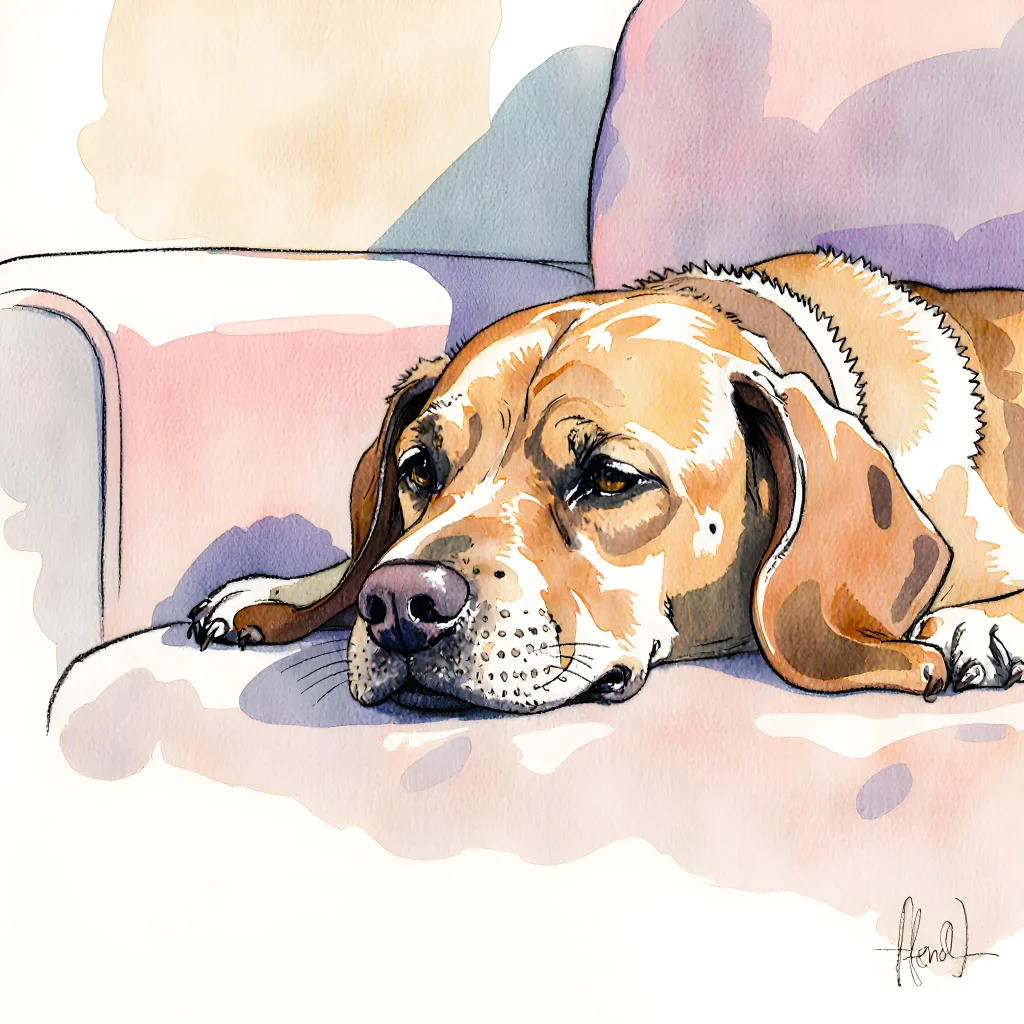
Spotting Silent Struggles in Your Furry Friend
Signs of Depression in Dogs and How to Help
Table of Contents
- Introduction
- Common Physical Symptoms
- Behavioral Changes
- Changes in Appetite and Eating Habits
- Sleep Disturbances
- Lack of Interest in Play and Exercise
- Increased Aggression or Irritability
- Withdrawal from Human Interaction
- Excessive Vocalization
- Changes in Grooming Habits
- Conclusion
- FAQ
Introduction
Dogs are highly attuned to their environment and the emotional state of their owners. When a dog experiences prolonged sadness or depression, it may show subtle changes that can easily be mistaken for normal aging or routine mood swings. Here are some common signs to watch for:
- Loss of Appetite or Overeating: A sudden drop in food intake often accompanies lethargy, while some dogs may eat more than usual as a coping mechanism.
- Lethargy and Reduced Activity: An otherwise energetic dog might become noticeably sluggish, preferring to nap instead of playing or going for walks.
- Withdrawal from Interaction: Dogs that normally enjoy cuddles may avoid eye contact, retreat into corners, or ignore their owners’ attempts at affection.
- Poor Grooming Habits: Self‑care becomes a low priority; shedding may increase, skin appears dull, and ears may look unclean.
- Changes in Sleep Patterns: Sleeping more than usual or having difficulty settling down can indicate emotional distress.
- Increased Vocalization or Crying: Whining, howling, or yelping that seems disproportionate to a situation may signal anxiety or depression.
- Body Language Indicators: Flattened ears, tail tucked low, and a lowered head are classic signs of a dog feeling insecure or depressed.
Why Dogs Get Depressed
Just like humans, dogs can experience depression for various reasons:
- Loss of a Companion: The death or relocation of another pet can leave a void that triggers sadness.
- Owner Absence: Long periods away from the family—due to work, travel, or illness—can create a sense of abandonment.
- Environmental Changes: Moving homes, renovating rooms, or even rearranging furniture can unsettle a dog’s routine.
- Health Issues: Chronic pain, hormonal imbalances, or neurological disorders often manifest with behavioral changes.
- Lack of Mental Stimulation: Dogs need challenges to keep their minds engaged; boredom can lead to depressive symptoms.
Create a Predictable Routine
Dogs thrive on consistency. Establish regular feeding times, walks, and play sessions. A predictable schedule helps them feel secure and reduces anxiety.
Increase Physical Activity
- Daily Walks: Even a short walk can release endorphins and improve mood.
- Interactive Games: Tug‑of‑war, fetch, or obstacle courses stimulate both body and mind.
- Consider a structured exercise plan tailored to your dog’s age and health.
Enhance Mental Stimulation
Offer puzzle toys, treat‑dispensing balls, or scent‑based games. Rotate these toys weekly to keep the novelty alive.
Strengthen Bonding Time
- Gentle Petting and Massage: Focus on areas dogs enjoy such as the chest, base of the tail, or behind the ears.
- Training Sessions: Short, positive training sessions reinforce confidence and provide mental focus.
- Use positive reinforcement techniques to reward desired behaviors.
Review Diet and Supplements
A balanced diet rich in omega‑3 fatty acids can support brain health. Discuss with your veterinarian whether adding fish oil or a multivitamin might help improve mood.
Check for Underlying Health Problems
If behavioral changes persist, schedule a veterinary visit to rule out pain, infection, thyroid issues, or other medical conditions that may mimic depression.
Consider Professional Help
- Veterinary Behaviorist: They can conduct an in‑depth assessment and prescribe medication if needed.
- Canine Therapy Sessions: Some therapists use specialized techniques like deep pressure therapy or aromatherapy to calm anxious dogs.
Use Environmental Enrichment
Create a safe, comforting space with familiar blankets, toys, and perhaps a piece of your clothing. A cozy corner can become a sanctuary for a dog feeling overwhelmed.
- Case Study: Bella the Border Collie: After her owner’s sudden illness, Bella stopped playing fetch and slept most of the day. By adding two short walks daily, a puzzle feeder, and an extra cuddle session each evening, Bella gradually returned to her usual playful self.
- Case Study: Max the Beagle: Max began overgrooming his ears after moving to a new home. A vet ruled out allergies, and Max’s owner introduced a calming pheromone diffuser while maintaining a consistent feeding schedule. Over weeks, Max’s grooming normalized.
Final Thoughts
Depression in dogs is treatable when identified early. By combining routine, enrichment, veterinary care, and unwavering affection, you can help your furry friend regain happiness and vitality.
Common Physical Symptoms
While emotional distress can be subtle, many physical symptoms often surface when a dog is feeling depressed. Recognizing these cues early allows owners to intervene and improve their pet’s quality of life.
1. Reduced Appetite or Weight Loss
- What to watch for: Noticeable decline in food intake, even after a few days, can indicate emotional distress.
- Why it matters: Dogs may lose interest in their favorite treats or meals when they’re feeling low. Over time, this can lead to weight loss and malnutrition.
- Practical tip: Offer small, frequent meals of highly palatable foods (e.g., warm wet food, shredded chicken) to entice eating. If the issue persists for more than a week, consult your vet.
2. Lethargy and Decreased Energy
- What to watch for: A once-active dog may become unusually sleepy or refuse to play.
- Why it matters: Lack of activity can be a sign that the dog’s mood has shifted, especially if they’re no longer engaging in regular walks.
- Practical tip: Gradually reintroduce short walks or gentle play sessions. Use positive reinforcement (treats, praise) to encourage participation.
3. Changes in Grooming Habits
- What to watch for: Over-grooming (scratching, licking) or under-grooming (dull coat, matted fur).
- Why it matters: Dogs may use grooming as a coping mechanism. A sudden shift can signal stress or depression.
- Practical tip: Keep the coat clean and well-maintained. If over-grooming is severe, consider consulting a veterinarian to rule out skin issues or prescribe calming supplements.
4. Sleep Disturbances
- What to watch for: Excessive sleeping or difficulty settling down at night.
- Why it matters: Dogs often sleep more when they’re emotionally unsettled, but disrupted rest can worsen depressive symptoms.
- Practical tip: Establish a consistent bedtime routine. Use calming aids like white noise or a weighted blanket (for larger breeds) to help them relax.
5. Physical Aches and Sensitivities
- What to watch for: Unexplained limping, reluctance to jump or climb stairs, or sensitivity when touched.
- Why it matters: Dogs may express emotional pain through physical discomfort. Chronic depression can manifest as generalized soreness.
- Practical tip: Monitor for any joint issues and schedule a vet check-up if you notice persistent limping or stiffness.
6. Altered Vocalization
- What to watch for: Increased whimpering, howling, or decreased vocal communication.
- Why it matters: Dogs communicate their emotional state through sounds; a sudden change can indicate distress.
- Practical tip: Pay attention to changes in tone and frequency. If the dog is whining excessively, try soothing petting or gentle background music.
7. Social Withdrawal
- What to watch for: Avoiding eye contact, staying away from family members, or refusing to sit near people.
- Why it matters: Dogs may retreat when they feel unsafe or emotionally overwhelmed.
- Practical tip: Rebuild trust by offering treats and gentle praise. Avoid forcing interaction; let the dog approach on their own terms.
How to Help Your Depressed Dog
- Maintain Routine: Dogs thrive on predictability. Keep feeding, walking, and bedtime consistent.
- Increase Mental Stimulation: Puzzle toys, scent games, or short training sessions can keep the mind engaged.
- Exercise Regularly: Even gentle walks help release endorphins that improve mood.
- Consider Supplements: Omega‑3 fatty acids, L‑tryptophan, and melatonin may support emotional well-being—always discuss with a vet first.
- Professional Support: A veterinary behaviorist can design a tailored plan if symptoms persist or worsen.
Remember, depression in dogs is treatable. Early detection and consistent care can bring your companion back to their playful, affectionate self.
Behavioral Changes
When a dog starts feeling down, its behavior often shifts noticeably. These changes can be subtle or dramatic, but they’re usually consistent across different settings—at home, during walks, or even in the presence of familiar people and pets.
- Reduced Energy and Activity: A normally active dog may become lethargic, refusing to play fetch, climb stairs, or chase a ball. It might spend most of its time lying down or sleeping more than usual.
- Apathy Toward Favorite Pastimes: If your pup used to love cuddling on the couch or chewing on toys and suddenly ignores those activities, it could signal emotional distress.
- Loss of Appetite or Overeating: Depression can affect eating habits. Some dogs eat less or refuse food entirely, while others may overeat as a coping mechanism.
- Withdrawal from Social Interaction: A dog that typically seeks attention might start avoiding eye contact, retreating behind furniture, or staying in its crate when you’re around.
- Changes in Vocalization: You may notice increased whimpering, whining, or even a sudden lack of vocalizations. Dogs sometimes use sound to express discomfort or sadness.
- Poor Grooming Habits: A depressed dog might neglect grooming—leaving fur matted or not cleaning its ears and teeth regularly.
- Increased Aggression or Fearfulness: While not universal, some dogs may become irritable or overly protective as a response to emotional turmoil.
Practical Ways to Help Your Depressed Dog
- Consult a Veterinarian
Rule out medical causes first. Conditions like hypothyroidism, anemia, or pain can mimic depression. A vet may suggest blood tests, imaging, or medication if needed.
- Create a Consistent Routine
Dogs thrive on predictability. Stick to regular feeding times, walks, and bedtime. A stable schedule reduces anxiety and helps your dog regain confidence.
- Increase Physical Activity Gradually
Start with short, gentle walks or play sessions that match your dog's current energy level. Use positive reinforcement—treats, praise—to encourage participation.
- Offer Mental Stimulation
- Interactive toys (e.g., treat-dispensing puzzles)
- Training sessions that reinforce basic commands or teach new tricks
- Scent games, such as hiding treats around the house
- Enhance Social Interaction
Spend quality one-on-one time. Gentle petting, brushing, and talking can provide comfort. If your dog is comfortable with other dogs, short supervised playdates may help.
- Use Calming Aids Wisely
- Consult a vet about prescription options like SSRIs (e.g., fluoxetine) for severe cases.
- Explore natural supplements such as L-theanine, valerian root, or omega‑3 fatty acids—always check dosage with your vet first.
- Consider pheromone diffusers (Adaptil) to reduce stress in the environment.
- Maintain a Safe Environment
Remove hazards that might cause pain or injury. Ensure easy access to water, comfortable bedding, and a quiet space for rest.
- Monitor Progress
Keep a daily log of behavior, appetite, sleep patterns, and mood changes. This record helps your vet assess the effectiveness of interventions and adjust treatment plans.
Remember, depression in dogs is treatable but requires patience and consistent care. Early intervention can dramatically improve your pet’s quality of life and help restore their joyful spirit.
Changes in Appetite and Eating Habits
One of the earliest warning signs that a dog may be feeling depressed is a noticeable shift in how much, what, or when they eat. While some dogs naturally have fluctuating appetites, persistent changes often signal emotional distress.
Common Appetite-Related Symptoms
- Loss of Interest in Food: The dog may ignore their bowl entirely, even after a few minutes. This is especially alarming if they previously enjoyed meals.
- Selective Eating: They might only eat certain foods or flavors, avoiding others that were once favored.
- Overeating or Bingeing: Some dogs respond to depression by eating excessively in short bursts, often followed by lethargy.
- Changes in Eating Speed: A sudden slowdown (or speed) in how quickly they finish a meal can indicate discomfort or disinterest.
Why These Changes Occur
Depression in dogs can alter the brain’s reward pathways, reducing the pleasure derived from eating. Additionally, stress hormones such as cortisol may suppress appetite. A combination of emotional and physiological factors often results in the symptoms listed above.
Practical Ways to Support Your Dog
- Create a Consistent Feeding Schedule: Dogs thrive on routine. Offer meals at the same times each day, and avoid free-feeding to help regulate their appetite.
- Use High-Value Treats or Food Toppers: Adding a small amount of wet food, plain yogurt, or commercial “appetite boosters” can entice them back to eating.
- Maintain a Calm Feeding Environment: Minimize distractions and noise during meal times. A quiet corner or a dedicated feeding area helps the dog focus on eating.
- Engage in Gentle Exercise: Light walks or play sessions can stimulate appetite by increasing energy expenditure and circulation.
- Check for Physical Issues: If appetite loss persists beyond a week, schedule a vet visit to rule out dental problems, gastrointestinal issues, or other medical conditions.
Monitoring Progress
Keep a simple food diary: note the amount eaten, any refusals, and changes in behavior around meals. Over time, you’ll see patterns that can guide adjustments to diet, routine, or veterinary care.
When to Seek Professional Help
- Appetite loss lasting more than 48–72 hours.
- Weight loss of more than 5% in a short period.
- Concurrent signs such as lethargy, vomiting, or diarrhea.
- Any sudden behavioral changes that raise concern for underlying health issues.
By paying close attention to your dog’s eating habits and intervening early, you can help mitigate the effects of depression and support their overall wellbeing.
Sleep Disturbances
When a dog is depressed, its sleep patterns often become erratic. Unlike the usual cycle of deep and light sleep that keeps our pets healthy, depression can cause dogs to:
- Over‑sleep or under‑sleep: Some dogs may nap for hours on end, while others stay awake almost all night.
- Restless movements: They might twitch, whine, or change positions frequently during sleep.
- Nighttime vocalization: Barking, whining, or howling that is out of proportion to normal nighttime sounds.
- Difficulty settling into a comfortable position: Dogs may lie down and then get up repeatedly, as if searching for a “right” spot.
Why Sleep Is Key to Emotional Health
Just like humans, dogs rely on sleep to process emotions and consolidate memories. When depression interferes with sleep, it can create a vicious cycle: poor rest leads to heightened anxiety, which further disrupts sleep.
Practical Ways to Improve Your Dog’s Sleep Quality
- Create a consistent bedtime routine: Feed your dog at the same time each evening, give them a short walk, and then settle into a calm environment. Consistency signals to their brain that it’s time to wind down.
- Designate a comfortable sleep space: Use a well‑cushioned crate or bed in a quiet corner of your home. Make sure the temperature is cool but not cold, and keep bedding clean and fresh.
- Limit screen time before bed: Dim lights and turn off TV or phone screens at least an hour before you expect your dog to sleep. Bright light can interfere with melatonin production.
- Use calming aids:
- Soft background music specifically designed for dogs (e.g., “Relaxing Music for Dogs” playlists).
- Apheretic sprays or diffusers containing lavender or chamomile—always test a small area first to ensure no allergic reaction.
- Consider a calming vest or weighted blanket if your dog tolerates them; these can reduce anxiety and promote deeper sleep.
- Exercise during the day: Adequate physical activity burns excess energy, making it easier for your dog to fall asleep at night. A brisk walk or play session before dusk is ideal.
- Monitor food intake: Heavy meals right before bedtime can disturb sleep. Offer a light snack if needed, but avoid sugary treats that may spike and then crash their energy levels.
Troubleshooting Common Issues
- Over‑sleeping after a stressful event: If your dog is sleeping excessively for several days, consider a vet visit to rule out medical conditions such as hypothyroidism or pain that may be masking depression.
- No improvement with routine changes: Persistent insomnia might indicate deeper emotional distress. A professional behaviorist can provide targeted training and environmental adjustments.
When to Seek Veterinary Help
If sleep disturbances last more than a week, are accompanied by other symptoms such as loss of appetite, lethargy, or aggression, contact your veterinarian promptly. They may recommend:
- Bloodwork to check for hormonal imbalances.
- Behavioral therapy or medication to manage anxiety and depression.
- A referral to a veterinary behaviorist for specialized care.
By paying close attention to your dog’s sleep habits, you can catch early signs of depression and intervene before the condition worsens. Consistency, comfort, and professional guidance are the cornerstones of helping your canine companion regain restful nights and emotional balance.
Lack of Interest in Play and Exercise
One of the most noticeable changes owners observe when a dog is slipping into depression is a sudden disinterest in activities they once enjoyed. Whether it’s a daily walk, a game of fetch, or simply exploring new scents around the yard, a depressed dog will often refuse to engage.
Why It Happens
- Energy Drain: Depression can sap a dog's motivation and physical energy, making even light activity feel exhausting.
- Pain or Discomfort: Underlying medical conditions—arthritis, dental disease, or hormonal imbalances—can mask as depression but actually cause pain that discourages movement.
- Cognitive Decline: Older dogs experiencing dementia may lose interest because the world feels confusing and overwhelming.
Recognizing the Signs
A dog that once loved a brisk walk might now sit calmly by the door, ignoring the leash. In another case, an energetic pup may suddenly stop chasing after a ball mid‑game or take several minutes to approach a favorite toy.
Practical Checklist for Owners
- Observe Patterns: Note when the dog is most willing to move—perhaps in the morning, after meals, or during cooler weather.
- Check for Pain: Gently feel joints and limbs. Look for limping, stiffness, or reluctance to lift a paw.
- Track Appetite & Sleep: Depression often co‑occurs with changes in eating habits and sleep patterns—both are clues that something is off.
How to Encourage Movement
Below are step‑by‑step strategies that can help your dog regain interest in play without overwhelming them.
1. Gradual Reintroduction
- Short Sessions: Start with 5–10 minute walks or gentle indoor games.
- Positive Reinforcement: Reward every small step—use treats, praise, or a favorite toy to create a positive association.
2. Variety and Novelty
Dogs can get bored with the same routine. Try new routes, different toys (e.g., puzzle feeders), or a gentle swim if your dog enjoys water.
3. Use of Enrichment Tools
- Tug‑and‑Fetch: A soft rope can entice even lethargic dogs to engage.
- Puzzle Toys: These stimulate the mind and encourage movement as the dog works to retrieve hidden treats.
4. Health Check‑In
If your dog consistently refuses to move, schedule a vet visit. Rule out pain or illness that might be masquerading as depression.
Case Study: Bella’s Journey Back to Play
Bella was a 7‑year‑old golden retriever who stopped enjoying her daily walks after a mild surgery. Her owner noticed she would sit on the porch instead of joining the walk, and she rarely chased balls in the yard.
- Vet Visit: Bella’s vet confirmed no pain but suggested an exercise plan to rebuild stamina.
- Gradual Walks: Her owner started with a 5‑minute stroll, rewarded each step with treats.
- Puzzle Toys: A treat‑dispensing ball was introduced, encouraging Bella to move her paws and head.
- Outcome: Within six weeks, Bella returned to playing fetch and even began enjoying short hikes again.
Final Tips for Owners
- Stay consistent—routine helps build confidence.
- Avoid forcing play; it can reinforce negative associations.
- Keep a journal of activity levels and mood to share with your vet during check‑ups.
- Remember that mental health is as important as physical health for our canine companions.
By paying attention to subtle changes in playfulness and gradually reintroducing movement, you can help your dog overcome depression and regain their zest for life.
Increased Aggression or Irritability
When a dog is feeling down, one of the most noticeable changes can be an uptick in aggressive or irritable behavior. This shift doesn’t necessarily mean your pet has become hostile; it often reflects frustration and anxiety stemming from depression.
Common Aggressive Triggers
- Guarding Resources: Dogs may snap at food, toys, or even people who approach them because they feel insecure about their possessions.
- Fear of the Unknown: New environments or unfamiliar voices can provoke defensive reactions.
- Pain or Discomfort: Physical ailments that cause chronic pain often manifest as irritability.
Recognizing Irritability in Daily Life
Irritable dogs might display sudden growls, huffs, or stiff postures when approached. They may also become vocal, whine, or bark excessively during routine activities like walks or vet visits.
Practical Tips to Ease Aggression and Irritability
- Create a Predictable Routine: Dogs thrive on consistency. Feeding, walking, and playtimes at the same hours each day reduce anxiety that can trigger aggression.
- Use Positive Reinforcement: Reward calm behavior with treats or praise instead of punishing irritable outbursts. This builds confidence and reduces fear-based reactions.
- Gradual Desensitization: If your dog reacts aggressively to certain stimuli (e.g., a new person), slowly introduce the trigger at a distance while rewarding calmness, then gradually decrease the distance over several sessions.
- Environmental Enrichment: Provide puzzle toys, chew items, or interactive games that keep your dog's mind engaged and distract from negative emotions.
- Exercise and Physical Activity: Regular walks, runs, or play sessions help expend excess energy that might otherwise fuel irritability. Aim for at least 30 minutes of moderate exercise daily.
- Consult a Professional: If aggression escalates or persists despite behavioral adjustments, seek guidance from a certified veterinary behaviorist or a qualified dog trainer experienced with emotional disorders.
When to Seek Veterinary Care
If your dog's increased aggression is accompanied by other signs—such as loss of appetite, lethargy, changes in sleep patterns, or noticeable weight loss—it’s essential to rule out underlying medical conditions. A thorough exam can uncover pain, hormonal imbalances, or infections that might be contributing to the behavioral shift.
Case Study: “Buddy” – From Irritability to Calm
Buddy was a 5‑year‑old Labrador who suddenly started growling during morning walks. His owner noticed he’d also been sleeping more and refusing treats. After a vet visit ruled out medical issues, the owner introduced a structured walk routine, added a daily puzzle toy, and began rewarding calm behavior with high-value treats. Over six weeks, Buddy’s aggression diminished, his appetite returned, and he resumed playful interactions.
Key Takeaway
Increased aggression or irritability in dogs often signals deeper emotional distress. By combining consistent routines, positive reinforcement, enrichment, and professional support when needed, you can help your canine companion regain confidence and reduce hostile reactions.
Withdrawal from Human Interaction
Depression in dogs can manifest subtly or with clear behavioral changes. Pay attention to the following signs:
- Reduced Energy & Activity: A once playful pup now lies still, avoids walks, and shows little interest in toys.
- Apathy Toward Routine: Ignoring familiar routines such as feeding times or grooming sessions.
- Poor Appetite: Noticeable loss of appetite or refusing food that was previously enjoyed.
- Withdrawal from Human Interaction: Avoids eye contact, turns away when approached, or retreats to a corner during family gatherings.
- Changes in Sleep Patterns: Sleeping excessively or, conversely, insomnia and restlessness.
- Unexplained Lethargy or Weakness: The dog appears weaker than usual, struggles to get up, or seems generally sluggish.
Why Dogs Get Depressed
Several factors can trigger canine depression:
- Loss of a Companion: The death or relocation of a pet or family member.
- Environmental Changes: Moving homes, new pets, or altered routines.
- Medical Issues: Chronic pain, hormonal imbalances, or underlying illnesses.
- Lack of Mental Stimulation: Insufficient enrichment activities leading to boredom.
Addressing canine depression involves a blend of environmental adjustments, increased interaction, and professional support. Below are actionable steps you can take immediately.
1. Re‑establish Routine & Structure
- Consistent Feeding Times: Feed at the same times daily to provide predictability.
- Regular Walks: Even a short, brisk walk can boost serotonin levels and encourage activity.
- Scheduled Play Sessions: Allocate specific times for interactive play (fetch, tug‑of‑war) each day.
2. Enrich Their Environment
- Puzzle Toys & Treat Dispensers: These stimulate the mind and reward problem‑solving.
- New Scent Exposure: Introduce safe, interesting scents (e.g., lavender or a new blanket) to pique curiosity.
- Rotate Toys: Keep novelty by rotating toys weekly.
3. Increase Positive Human Interaction
- Gentle Touch & Massage: A calm, reassuring massage can lower cortisol levels.
- Reward‑Based Training: Use short training sessions with treats to reinforce bonding and confidence.
- Eye Contact & Soft Voice: Encourage gentle eye contact; speak in a soothing tone to signal safety.
4. Monitor Physical Health
If depression symptoms persist beyond two weeks, consult your veterinarian to rule out medical causes such as hypothyroidism, anemia, or pain conditions.
5. Seek Professional Help
- Veterinary Behaviorist: A specialist can design a tailored behavior modification plan.
- Dog‑Friendly Therapists: Some therapists use music therapy, aromatherapy, or hydrotherapy to alleviate mood disorders.
- Support Groups & Online Communities: Sharing experiences with other pet owners can provide emotional support and practical tips.
6. Patience & Consistency Are Key
Recovery from depression takes time; avoid forcing interaction or rewarding anxious behavior. Gradually increase engagement, celebrate small victories, and maintain a calm environment.
| Action | Frequency |
|---|---|
| Walk & Exercise | Daily (30–60 min) |
| Interactive Play | 2–3 times per day |
| Training Session | 15–20 min daily |
| Vet Check‑up (if symptoms persist) | Within 2 weeks of onset |
| Toy Rotation & Puzzle Toys | Weekly |
By combining consistent care, environmental enrichment, and professional guidance, you can help your dog regain confidence, joy, and a healthy relationship with both humans and the world around them.
Excessive Vocalization
Depression is a common but often overlooked condition in dogs. While some symptoms overlap with other health issues, certain behavioral cues can point to an underlying mood disorder:
- Increased Vocalization: A normally quiet dog may start whining, whimpering, or barking excessively without a clear trigger.
- Lethargy and Loss of Energy: Your pup may seem perpetually tired, refusing to play or even getting up from the couch.
- Loss of Appetite: A sudden drop in food intake or complete refusal to eat can signal emotional distress.
- Apathy Toward Favorite Activities: A dog that once loved fetch or walks may no longer show interest.
- Changes in Sleep Patterns: Either sleeping too much or having trouble settling down at night.
- Altered Body Language: Flattened ears, a tucked tail, or a hunched posture can indicate sadness or fear.
Practical Ways to Help Your Depressed Dog
-
Consult a Veterinarian First
Rule out medical causes such as hypothyroidism, pain, or medication side effects. A thorough exam and blood work can identify treatable conditions that mimic depression. -
Maintain a Consistent Routine
Dogs thrive on predictability. Feed them at the same times each day, schedule regular walks, and keep bedtime consistent to reduce anxiety. -
Increase Mental Stimulation
Use puzzle toys, scent games, or interactive feeders to engage their minds. Rotate toys weekly to maintain novelty and interest. -
Enhance Physical Activity
Tailor exercise to your dog's energy level—shorter, more frequent walks for older dogs; longer runs for high‑energy breeds. Physical exertion releases endorphins that can lift mood. -
Provide Social Interaction
Spend quality one-on-one time: gentle petting, grooming, or simply sitting together. If your dog enjoys other dogs, controlled playdates can be beneficial—but monitor for signs of stress. -
Use Positive Reinforcement Training
Teach new tricks or reinforce basic commands with treats and praise. Success in training boosts confidence and gives a sense of purpose. -
Create a Safe, Cozy Space
Offer a comfortable bed in a quiet corner, surrounded by familiar scents (e.g., a worn blanket). A “doggie den” can provide refuge from overstimulation. -
Consider Professional Support
If symptoms persist, consult an animal behaviorist or certified veterinary behavior consultant. They may recommend behavioral modification plans or, in severe cases, medication such as SSRIs under veterinary supervision.
Real‑World Example: “Buddy’s Turnaround”
Background: Buddy, a 7‑year‑old Labrador, started whining incessantly and stopped enjoying walks after his owner’s sudden job loss.
Intervention Steps:
- Owner scheduled daily short walks at the same time.
- Introduced a puzzle feeder for dinner to increase mental engagement.
- Set up a small “doggie den” with Buddy’s favorite blanket.
- Enrolled in a basic obedience class, using treats and praise.
Outcome: Within six weeks, Buddy's whine frequency dropped by 70%, he resumed walking enthusiastically, and his appetite returned to normal. The owner reported feeling more connected to Buddy and experienced less anxiety about their own stressors.
Key Takeaway
Depression in dogs manifests through a blend of vocalization, lethargy, and loss of interest. By ruling out medical issues, establishing routine, boosting mental and physical stimulation, and seeking professional help when needed, you can help your canine companion regain their spark.
Changes in Grooming Habits
One of the most telling ways a dog may be feeling down is through its grooming behavior. Healthy dogs typically maintain their coat, nails, and skin with regular self‑care or owner assistance. When depression sets in, these habits can change dramatically—sometimes subtly, sometimes dramatically. Recognizing the early signs gives you an opportunity to intervene before the condition worsens.
Common Grooming Changes That Signal Depression
- Neglect of Coat Care: The dog stops licking or chewing at its fur, leading to matted patches, dullness, or an overall greasy appearance.
- Excessive Grooming (Over‑Licking): Some dogs respond to depression by over‑licking a particular area, which can cause skin irritation, redness, or sores.
- Inconsistent Nail Trimming: Nails may grow too long because the dog ignores their length, increasing the risk of splintered nails and discomfort.
- Hygiene Neglect: Dogs that normally bathe or are brushed regularly may skip these sessions entirely. This can result in an odor‑laden coat and potential skin infections.
Why Grooming Declines with Depression
Depression alters a dog's motivation and energy levels, often reducing the drive to perform routine self‑care. The brain’s reward pathways—particularly dopamine—are affected, making previously pleasurable activities like grooming feel less rewarding. Additionally, stress hormones such as cortisol can interfere with normal skin function, leading to hair loss or skin irritation that further discourages grooming.
Practical Steps to Help Your Dog Regain Healthy Grooming Habits
- Regular Brushing Routine:
- Schedule a daily brushing session, even if it’s just for five minutes.
- Use a brush suited to your dog’s coat type (slicker brushes for long hair, metal combs for short coats).
- Reward the dog with treats or affection after each session to reinforce positive behavior.
- Professional Grooming Visits:
- Book a grooming appointment every 4–6 weeks for baths, nail trims, and ear cleaning.
- Inform the groomer of any signs of depression; they can monitor skin health and spot potential issues early.
- Skin & Coat Health Monitoring:
- Check for redness, itching, or bald patches weekly.
- If you notice any of these symptoms, schedule a veterinary check‑up to rule out allergies or infections.
- Encourage Positive Play & Exercise:
- Increased physical activity boosts endorphin levels, which can improve mood and motivation for grooming.
- Use interactive toys (like treat‑dispensing balls) to make exercise more engaging.
- Consult a Veterinarian or Behaviorist:
- If grooming habits remain inconsistent, discuss possible underlying medical conditions (thyroid issues, pain, etc.).
- A professional can also suggest behavioral interventions or medications to treat depression.
Real‑World Example: “Buddy” the Golden Retriever
Buddy was a once energetic golden retriever who suddenly began skipping his daily walk. Within weeks, his coat became dull and matted, especially around his neck and shoulders. His owner noticed he was licking these areas excessively, resulting in skin redness. After consulting with a vet, it was determined that Buddy had mild depression linked to the loss of his long‑time companion. The owner introduced a daily 10‑minute brushing routine, scheduled bi‑weekly professional grooming sessions, and added short play sessions each day. Over two months, Buddy’s coat returned to its glossy state, he began licking less obsessively, and his overall demeanor improved noticeably.
Key Takeaway
A decline in grooming habits is more than just a cosmetic issue—it can be a red flag for depression. By staying vigilant, maintaining consistent grooming schedules, and seeking professional help when needed, you can support your dog’s mental health and keep its coat healthy and shiny.
Conclusion
Recognizing that your dog may be experiencing depression is the first step toward restoring their joy and vitality. Below are some practical ways you can support a canine friend who’s feeling down:
- Create a predictable routine. Dogs thrive on consistency. Feeding, walks, and playtime at set times help reduce anxiety that often fuels depressive symptoms.
- Increase physical activity. Gentle exercise—short walks, interactive fetch sessions, or swimming—boosts endorphin levels. Tailor the intensity to your dog’s age and health status.
- Enrich their environment. Rotate toys, add puzzle feeders, or introduce new scents (e.g., a fresh blanket). Mental stimulation can counteract boredom‑related depression.
- Encourage social interaction. If your dog is comfortable with other animals, arrange supervised playdates. Even brief, positive contact with familiar people can lift mood.
- Use scent therapy. Certain essential oils (like lavender or chamomile) may have calming effects when used safely in a diffuser or diluted on bedding. Always consult your veterinarian before introducing new scents.
- Maintain eye contact and gentle touch. A calm voice, slow movements, and light petting reinforce security and affection.
- Monitor dietary changes. Omega‑3 fatty acids (found in fish oil or flaxseed) support brain health. A balanced diet rich in antioxidants can help your dog feel better physically and mentally.
- Seek veterinary guidance. If behavioral signs persist, a vet may rule out underlying medical conditions or recommend medication. Depression‑specific treatments such as SSRIs (fluoxetine) have been used successfully in dogs under professional supervision.
Remember that recovery is often gradual. Consistent care, patience, and love are the best tools you can offer your dog. By staying observant and proactive, you help restore not just their physical health but also the companionship and happiness they deserve.
FAQ
What are the common behavioral signs that my dog might be depressed?
- Loss of Appetite: A sudden or gradual decline in food interest, even for favorite treats.
- Lethargy & Low Energy: Your dog sleeps more than usual and shows less enthusiasm during walks or playtime.
- Apathy Toward Favorite Activities: No longer chasing a ball, ignoring your call to go outside, or refusing to interact with family members.
- Increased Vocalization: Excessive whining, whimpering, or howling without an obvious trigger.
- Changes in Body Language: Flattened ears, a lowered tail, and a withdrawn posture can indicate sadness.
- Excessive Grooming or Self‑Biting: Over‑licking certain areas, leading to bald patches or skin irritation.
- Withdrawal from Social Interaction: Avoiding eye contact, staying away from people and other pets in the household.
How can I differentiate between normal mood swings and depression?
A single off day is common; depression usually lasts for weeks or months. Look for a combination of several symptoms that persist, especially when there’s no obvious trigger (e.g., change in environment, illness).
What steps can I take to help my dog feel better?
- Consult a Veterinarian: Rule out medical conditions such as hypothyroidism, anemia, or pain that could mimic depression.
- Re‑establish Routine: Consistent feeding times, daily walks, and predictable play sessions help create stability.
- Increase Physical Activity: Even a short 10‑minute walk can release endorphins. Tailor exercise to your dog’s age and health.
- Enhance Mental Stimulation: Puzzle feeders, scent games, or new training commands keep the brain engaged.
- Use Positive Reinforcement Training: Reward desired behaviors with treats, praise, or a favorite toy to rebuild confidence.
- Consider a Companion Dog or Cat: Social animals can alleviate loneliness if introduced gradually and supervised.
- Provide Comfort Items: A cozy blanket, a familiar scent (e.g., an item you wore), or a weighted vest may soothe anxiety.
- Maintain Eye Contact & Gentle Touch: Soft strokes on the neck or behind the ears can reinforce bonding and trust.
- Use Enriched Food: Add a spoonful of plain yogurt, a bit of peanut butter (xylitol‑free), or freeze-dried chicken to make meals more appealing.
- Consider Professional Help: A certified veterinary behaviorist can design a targeted plan, sometimes including medication if warranted.
Can diet influence my dog’s mood?
Yes. Foods rich in omega‑3 fatty acids (like salmon or fish oil supplements) and tryptophan (found in turkey, chicken, and eggs) can support brain health and serotonin production.
When should I seek emergency help?
- Your dog shows signs of severe lethargy or refuses to eat for more than 24 hours.
- They exhibit persistent vomiting, diarrhea, or difficulty breathing.
- There’s evidence of self‑harm (e.g., biting a limb repeatedly).
What are some real‑world examples of successful recovery?
Case Study A: A 7‑year‑old Labrador named Max had been lethargic after his owner’s retirement. After a vet visit confirmed no medical issues, the family increased daily walks and introduced puzzle toys. Within six weeks, Max returned to his usual playfulness.
Case Study B: Bella, an 11‑year‑old Beagle, stopped eating due to chronic pain. A veterinary prescription for a low‑dose anti‑depressant coupled with gentle daily massages helped her regain appetite and energy within a month.
How can I monitor progress over time?
- Create a simple mood diary: note appetite, activity level, and interactions each day.
- Use a photo log to compare behavior before and after interventions.
- Schedule regular check‑ins with your vet or behaviorist every 4–6 weeks.
Categories
- AI & Enrichment Play
- Broiler Farming
- Broiler Farming Tips
- Canine Wellness & Longevity
- Cat
- Cat & Human Connection
- Cat Adoption & Rescue
- Cat Breeds
- Cat Breeds & Personalities
- Cat Care & Health
- Cat Grooming & Hygiene
- Cat Lifestyle & Environment
- Cat Myths & History
- Cat Nutrition & Diet
- Cat Products & Reviews
- Cat Training & Behavior
- Comparison
- Consumer Awareness
- Dog
- Dog Accessories & Products
- Dog Adoption & Rescue
- Dog Breed & Lifestyle Trends
- Dog Breeding & Puppies
- Dog Entertainment & Media
- Dog Fashion & Trends
- Dog Fun & Lifestyle
- Dog Grooming & Hygiene
- Dog History & Culture
- Dog Myths, Science & Future Tech
- Dog News & Trends
- Dog Nutrition & Food
- Dog Psychology & Emotions
- Dog Safety & Security
- Dog Sports & Activities
- Dog Technology & Innovation
- Dog Training for Modern Owners
- Dog Travel & Adventure
- Dog Travel, Adventure & Culture
- Economic and Market Insights
- Educational Content
- FAQs
- Feeding Alternatives
- Festivals & Seasonal Ideas
- Fun & Entertainment
- General Knowledge
- General Pig Farming
- Health & Disease Management
- Housing and Environment
- Kittens
- Market Insights
- Miscellaneous
- Miscellaneous
- Motivational
- pig
- Pig Breeding
- Pig Breeds
- Pig Farming Stories and Inspiration
- Pig Health and Care
- Pig Nutrition
- Pig Products
- Profitability & Business
- Puppy Care
- Puppy Predictable Topics Reinvented
- Regional Focus
- Rescue & Adoption Buzz
- Senior Cats
- Senior Dog Care
- Smart Dog Tech & Gadgets
- Sustainability
- Sustainable & Eco-Friendly Dog Products
- Tech & Innovations
- Working & Service Dogs
- Broiler Feed66 products
- Country Feed33 products
- Pig Feed66 products
- Product22 products
- Raw Materials99 products
Products
-
 Fish Meal
₹1,999.00 – ₹2,999.00Price range: ₹1,999.00 through ₹2,999.00Rated 0 out of 5
Fish Meal
₹1,999.00 – ₹2,999.00Price range: ₹1,999.00 through ₹2,999.00Rated 0 out of 5 -
 FATTENING BROILER FEED
₹2,299.00 – ₹2,349.00Price range: ₹2,299.00 through ₹2,349.00Rated 0 out of 5
FATTENING BROILER FEED
₹2,299.00 – ₹2,349.00Price range: ₹2,299.00 through ₹2,349.00Rated 0 out of 5 -
 LAYER COUNTRY FEED
₹1,549.00 – ₹1,649.00Price range: ₹1,549.00 through ₹1,649.00Rated 0 out of 5
LAYER COUNTRY FEED
₹1,549.00 – ₹1,649.00Price range: ₹1,549.00 through ₹1,649.00Rated 0 out of 5 -
 COUNTER BROILER FEED
₹1,199.00 – ₹1,299.00Price range: ₹1,199.00 through ₹1,299.00Rated 0 out of 5
COUNTER BROILER FEED
₹1,199.00 – ₹1,299.00Price range: ₹1,199.00 through ₹1,299.00Rated 0 out of 5 -
 LACTATING PIG FEED
Rated 0 out of 5
LACTATING PIG FEED
Rated 0 out of 5₹2,299.00Original price was: ₹2,299.00.₹1,740.00Current price is: ₹1,740.00. -
 Maize
Rated 0 out of 5
Maize
Rated 0 out of 5₹1,650.00Original price was: ₹1,650.00.₹1,300.00Current price is: ₹1,300.00. -
 GESTATION PIG FEED (Phase 1)
Rated 0 out of 5
GESTATION PIG FEED (Phase 1)
Rated 0 out of 5₹2,249.00Original price was: ₹2,249.00.₹1,699.00Current price is: ₹1,699.00. -
 Pre Starter Broiler Feed
₹2,399.00 – ₹2,499.00Price range: ₹2,399.00 through ₹2,499.00Rated 0 out of 5
Pre Starter Broiler Feed
₹2,399.00 – ₹2,499.00Price range: ₹2,399.00 through ₹2,499.00Rated 0 out of 5 -
 FINISHER PIG FEED
Rated 0 out of 5
FINISHER PIG FEED
Rated 0 out of 5₹2,299.00Original price was: ₹2,299.00.₹1,749.00Current price is: ₹1,749.00. -
 Broiler Premix
Rated 0 out of 5
Broiler Premix
Rated 0 out of 5₹820.00Original price was: ₹820.00.₹699.00Current price is: ₹699.00.