
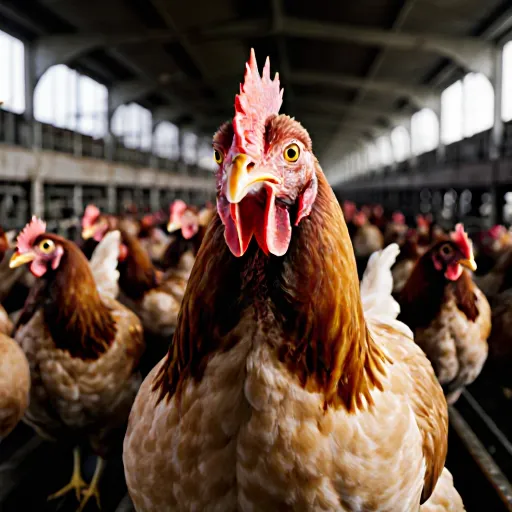
Spotting Signs of Stress in Broilers and Solutions
Table of Contents
- Identifying Common Signs of Stress in Broiler Chickens
- Increased Respiratory Rate
- Labored Breathing
- Reduced Appetite and Feather Pecking
- Aggression and Fighting Behavior
- Changes in Drinking Behavior
- Pain or Lameness
- Weight Loss or Stunted Growth
- Deterioration of Feather Quality
- Decreased Egg Production in Layer Chickens (If Applicable)
- Increased Mortality Rate
- Managing Stress Through Environment Control
- Improving Diet for Stress Reduction
- Providing Adequate Lighting and Dark Periods
- Conclusion
- FAQ
Identifying Common Signs of Stress in Broiler Chickens
Stress is a significant concern in broiler chicken farming, as it can lead to reduced growth rates, lower meat quality, and increased mortality. Identifying the signs of stress early on is crucial for maintaining healthy birds and optimizing farm productivity. Below are some common indicators of stress in broilers:
Behavioral Changes
Broilers that exhibit unusual behaviors may be experiencing stress. For instance, they might become more timid or aggressive than usual. They could also show increased cannibalism, where birds peck at and harm each other. This behavior often indicates overcrowding or poor welfare conditions.
Feeding Patterns
Changes in feeding patterns can signal stress. If broilers are not eating as much as they should, it might be due to stress factors such as environmental changes, health issues, or poor feed quality. Conversely, if they are overeating, it could be a sign of discomfort or illness.
Water Consumption
A decrease in water consumption can indicate stress, dehydration, or health problems. On the other hand, an increase might suggest environmental stressors like high temperatures or poor air quality. Ensuring that broilers have access to clean and fresh water at all times is essential.
Health Indicators
Physical signs such as ruffled feathers, pale combs (in males), and dull eyes can indicate stress. Additionally, visible injuries from pecking or cannibalism should be addressed promptly. Regular health checks and vaccinations are vital for preventing stress-related illnesses.
Environmental Factors
The environment plays a crucial role in broiler welfare. Poor ventilation, high ammonia levels, and inappropriate temperature can all contribute to stress. For instance, temperatures above 28°C (82°F) or below 15°C (59°F) can negatively impact broilers' health and comfort.
Management Practices
Improper management practices can lead to stress in broilers. This includes overcrowded housing, inadequate space for movement, and poor hygiene. Ensuring that birds have sufficient space, clean bedding, and regular cleaning schedules helps mitigate these issues.
Practical Advice
To manage stress in broiler chickens effectively:
- Monitor behavior: Regularly observe the flock for any unusual behaviors or changes in feeding patterns.
- Ensure proper nutrition: Provide a balanced diet and fresh water to support optimal health.
- Control environmental factors: Maintain appropriate temperatures, ventilation, and hygiene standards.
- Implement biosecurity measures: Prevent the introduction of diseases by controlling access to the flock.
- Use stress-reducing techniques: Consider using lighting management strategies, such as gradual light reductions, to minimize stress during processing.
By recognizing and addressing signs of stress early on, farmers can improve broiler welfare, enhance productivity, and achieve better meat quality. Regular monitoring and proactive management are key to maintaining a healthy flock.
Increased Respiratory Rate
The increased respiratory rate is a common sign of stress in broiler chickens. This physiological response can be indicative of various underlying issues that may compromise the health and productivity of your flock. Understanding this symptom and managing it effectively are crucial for maintaining optimal broiler chicken welfare and performance.
Common Causes of Increased Respiratory Rate
- High Ambient Temperature: Broilers require a controlled environment to thrive. Excessive heat stress can cause them to pant more, leading to an increased respiratory rate. Ensure that your broiler house is properly ventilated and maintained at optimal temperatures.
- Humidity Levels: Both high and low humidity levels can stress chickens. High humidity combined with warm temperatures can create a stifling environment, while dry climates may cause respiratory irritation. Aim for a relative humidity between 60-70% in broiler houses.
- Poor Air Quality: Dust, ammonia, and other air pollutants can irritate the respiratory tract of broilers. Regular cleaning and maintenance of housing facilities are essential to keep these factors at bay. Consider installing effective ventilation systems to improve air quality.
- Nutritional Imbalance: Inadequate or imbalanced diets may lead to stress in chickens, causing them to breathe faster. Ensure that your feed provides all necessary nutrients and is appropriate for the broiler's growth phase. Consult a veterinarian if you suspect dietary issues are contributing.
- Disease and Infections: Various pathogens such as viruses or bacteria can cause respiratory distress in broilers, leading to an increased respiratory rate. Regular health checks and vaccinations are vital to prevent these issues. Prompt treatment of sick birds is also necessary.
Managing Increased Respiratory Rate
To manage the signs of stress associated with increased respiratory rates in broiler chickens, a multi-faceted approach should be adopted:
1. Optimize Environmental Conditions
Ensure that your broiler house is well-ventilated and provides a comfortable temperature range (usually between 70°F to 85°F or 21°C to 29°C). Regularly monitor humidity levels using hygrometers and adjust ventilation rates accordingly. This helps in maintaining a stress-free environment for the chickens.
2. Maintain Cleanliness
Regular cleaning of housing facilities reduces exposure to dust, ammonia, and other harmful particles that can irritate respiratory tracts. Implementing a strict sanitation schedule ensures optimal air quality inside the broiler house.
3. Provide Balanced Nutrition
Consult with an avian nutritionist to create a balanced diet for your broilers. Ensure that all essential nutrients are included, and avoid overfeeding which can lead to health issues. Properly formulated feed can help minimize stress and support overall health.
4. Implement Biosecurity Measures
Strict biosecurity practices prevent the introduction of diseases into your flock. Regularly disinfect equipment, restrict visitors from entering the premises, and quarantine new stock to ensure that they do not bring in any pathogens. Early detection and isolation of sick birds can also help control outbreaks.
5. Monitor and Manage Stress
Regular observation of your broilers for signs of stress is crucial. Apart from increased respiratory rate, look out for other symptoms such as reduced feed consumption, poor feathering, or changes in behavior. Early intervention can often prevent the spread of stress-related issues.
By understanding and addressing the causes of increased respiratory rates in your broiler flock, you can significantly improve their welfare and overall performance. Implementing these management strategies will help create a healthier environment conducive to optimal growth and development.
Labored Breathing
Labored breathing is a common sign of stress in broiler chickens, which can significantly impact their health and productivity. Understanding the signs of labored breathing and implementing effective management strategies are crucial for maintaining the well-being of your flock.
Signs of Labored Breathing
- Frequent Panting: One of the most noticeable signs is frequent panting, especially in hot or humid environments. This can be a sign that the chickens are struggling to regulate their body temperature and may indicate stress.
- Increased Respiratory Rate: An elevated respiratory rate where the chickens breath more frequently than usual can signal underlying health issues such as respiratory infections or environmental stressors like overcrowding.
- Coughing and Sneezing: These are often symptoms of respiratory distress. If you notice your broilers exhibiting these behaviors, it might be due to dust in the environment or infectious agents.
- Open Mouth Breathing: When chickens resort to open mouth breathing instead of nasal respiration, it usually indicates more severe stress or illness. This is a critical sign that requires immediate attention.
Causes of Labored Breathing in Broilers
The causes of labored breathing can be multifaceted and are often related to environmental conditions, disease, and management practices. Here are some common factors:
- High Environmental Temperatures: Heat stress is one of the primary reasons for respiratory distress in broilers. Ensuring proper ventilation, providing access to cool, clean water, and offering shaded areas can help mitigate this issue.
- Poor Air Quality: Dust, ammonia, or mold spores can irritate the respiratory system leading to labored breathing. Regular cleaning of housing facilities and use of air filtration systems are essential for maintaining good air quality.
- Disease Infestations: Respiratory diseases such as Gumboro disease (avian bronchitis) and Newcastle disease can cause severe respiratory distress in broilers. Early detection and treatment through vaccination programs and biosecurity measures are vital to prevent these issues.
- Overcrowding: Crowded housing conditions increase stress levels, leading to higher rates of respiratory problems. Ensuring adequate space for each bird is crucial for reducing the risk of labored breathing.
Management Strategies to Reduce Stress and Prevent Labored Breathing
To manage stress-related labored breathing in broilers effectively, several proactive measures can be taken:
- Optimize Housing Conditions: Provide adequate ventilation, maintain a temperature range suitable for the age of your chickens, and ensure proper lighting schedules to reduce stress.
- Improve Feed and Water Quality: Ensure that feed is fresh and free from contaminants. Clean water should always be available in sufficient quantities to prevent dehydration and related respiratory issues.
- Implement Biosecurity Protocols: Regularly disinfect the poultry house, quarantine new birds properly, and limit unnecessary access to the premises to minimize exposure to pathogens.
- Provide Comfortable Resting Areas: Ensure that broilers have comfortable resting areas away from noise and disturbances. This can help them relax and reduce stress levels.
- Monitor Health Regularly: Conduct regular health checks and monitor for early signs of respiratory distress or other diseases. Early intervention can prevent the spread of illness and manage stress effectively.
By understanding and recognizing the signs of labored breathing in broiler chickens, you can take proactive steps to improve their welfare and productivity. Proper management practices focused on maintaining a healthy environment and addressing potential stressors are key to ensuring your flock remains robust and stress-free.
Reduced Appetite and Feather Pecking
Reduced appetite and feather pecking are two common signs of stress in broiler chickens that can significantly impact their health, growth, and overall performance. These behaviors often indicate underlying issues that need to be addressed promptly to ensure the welfare and productivity of your flock.
Understanding Reduced Appetite
Reduced appetite is a critical indicator of stress in broiler chickens. It can manifest as decreased consumption of feed, which can lead to stunted growth and poor meat quality. Stressors such as environmental factors (temperature fluctuations, overcrowding), management practices (inadequate feeding systems), or health issues (disease outbreaks) can contribute to reduced appetite. Early detection is key to addressing this problem effectively.
- Environmental Factors: Excessive heat, cold, or humidity can stress broilers and reduce their desire for feed. Ensuring optimal environmental conditions is crucial.
- Inadequate Feeding Systems: Improperly designed feeding systems that do not allow easy access to food can also contribute to reduced appetite. Regular maintenance of equipment is essential.
- Disease Outbreaks: Viral infections, parasitic infestations, or bacterial diseases can cause significant stress and reduce feed intake.
Addressing Reduced Appetite
To manage reduced appetite effectively, consider the following practical advice:
- Monitor Feed Intake: Regularly check feed consumption to identify any deviations from normal levels. Early detection can prevent further complications.
- Improve Environmental Conditions: Ensure that your broiler house is properly ventilated and thermoregulated. Ideal temperature ranges vary depending on the age of the birds, but generally, temperatures should be kept between 75°F to 80°F (24°C to 27°C) for younger chicks and slightly higher for older birds.
- Optimize Feeding Systems: Ensure that feeders are clean, accessible, and appropriately spaced. Consider using automatic feeders to ensure consistent availability of food.
- Implement Biosecurity Measures: Regularly inspect your flock for signs of disease. Quarantine sick birds promptly and consult with a veterinarian if necessary.
Dealing with Feather Pecking
Feather pecking is another behavioral issue often linked to stress in broiler chickens. This behavior can lead to severe injuries, reduced growth rates, and even mortality if not addressed promptly. Several factors contribute to feather pecking, including boredom, poor lighting conditions, overcrowding, or insufficient access to feed.
- Boredom: Broilers that are kept in a monotonous environment may resort to feather pecking out of boredom. Providing enrichment activities such as toys or scratch areas can help alleviate this issue.
- Poor Lighting Conditions: Inadequate lighting can lead to stress and increase the likelihood of feather pecking. Ensure that your broiler house has an appropriate light schedule, typically starting with 23-24 hours of light per day for younger birds and gradually decreasing as they mature.
- Overcrowding: Excessive density can cause stress among the flock, leading to aggressive behaviors like feather pecking. Proper planning during flock management is essential to prevent overcrowding.
- Inadequate Feed Access: Ensuring that all birds have access to feed and water is vital. Providing multiple feeding stations helps distribute food evenly.
Managing Feather Pecking
To manage feather pecking effectively, consider these practical measures:
- Enrich the Environment: Provide toys or scratch areas to keep your birds engaged and reduce boredom.
- Improve Lighting Schedules: Adjust lighting schedules to ensure that light levels are appropriate for different stages of broiler development.
- Monitor Flock Density: Regularly assess the density of your flock and adjust as necessary to prevent overcrowding.
- Ensure Uniform Feed Distribution: Provide multiple feeding stations to ensure that all birds have access to feed. Adjust feed consumption rates if some birds are consuming more than others.
In conclusion, addressing reduced appetite and feather pecking in broiler chickens requires a comprehensive approach that focuses on environmental management, biosecurity, and flock welfare. By identifying stressors early and implementing effective strategies to manage them, you can significantly improve the health and productivity of your flock.
Aggression and Fighting Behavior
Aggression and fighting behavior in broiler chickens can be a significant issue, leading to stress, injury, reduced feed intake, and overall poor welfare. Understanding the signs of stress and implementing effective management strategies is crucial for maintaining a healthy and productive flock.
- Increased Aggression: Birds may become more aggressive towards each other, leading to pecking or physical fighting. This can be exacerbated by overcrowding, poor environmental conditions, and limited resources.
- Reduced Feed Intake: Stress can lead to a decrease in appetite, which can negatively impact growth rates and overall health.
- Increased Mortality Rate: Aggressive birds may peck at or attack weaker individuals, resulting in higher mortality rates.
- Abnormal Feather Growth: Stress can cause abnormal feather growth patterns or bald patches due to excessive preening and plucking behavior.
- Increased Mortality Rate: Aggressive behaviors may lead to direct physical injuries resulting in higher mortality rates.
There are several factors that can contribute to aggression and fighting behavior in broiler chickens, including environmental stressors, overcrowding, insufficient resources, and poor management practices. Understanding these causes is essential for implementing effective management strategies.
- Overcrowding: A high bird density per square meter can increase competition over food, water, and space, leading to more aggressive interactions.
- Inadequate Resources: Insufficient feeders or drinkers may force birds into close proximity, increasing the likelihood of conflicts. Similarly, limited bedding areas can also contribute to stress.
- Environmental Factors: Poor ventilation, high humidity levels, and inadequate lighting schedules can all play a role in increased aggression.
- Poor Management: Inexperienced handlers or inconsistent feed timing can add to the stress experienced by the birds.
Implementing effective management strategies is critical for reducing aggression and managing stress in broiler chickens. Here are some practical steps you can take:
- Optimize Housing Conditions: Ensure adequate space per bird, provide clean and comfortable bedding materials, and maintain good ventilation to reduce stress levels.
- Ensure Adequate Resources: Provide an appropriate number of feeders and drinkers so that all birds have access without causing overcrowding. Regularly clean and disinfect feeding areas to prevent disease outbreaks which can also contribute to stress.
- Control Lighting: Maintain a consistent daily light cycle, as disruptions in the natural day-night rhythm may exacerbate behavioral issues. Gradually reduce light levels towards the end of the rearing period to ease transition to lower-light conditions during processing.
- Moderate Handling: Train handlers to gently and consistently move birds, minimizing sudden movements that can cause fear or excitement among chickens. Avoid overcrowding during handling sessions.
- Provide Environmental Enrichment: Adding perches, scratch areas, or even simple visual distractions such as mirrors can help reduce stress by providing stimulation and interest in the environment.
By recognizing the signs of stress and implementing effective management strategies, you can significantly reduce aggression and fighting behavior in your broiler flock. This not only improves animal welfare but also enhances productivity by ensuring healthier birds with better growth rates.
Changes in Drinking Behavior
Drinking behavior is a crucial indicator of broiler chickens' health and welfare. Changes in their drinking habits can be early signs of stress, which is critical to manage for maintaining optimal growth and performance. Understanding these changes and recognizing the signs of stress are essential steps towards effective management.
- Increased Water Consumption: One of the most common signs of stress is an increase in water consumption. This can be due to changes in temperature, overcrowding, or even poor quality feed. Increased drinking behavior is a red flag that the chickens are under stress and may need additional care.
- Decreased Water Consumption: Conversely, a decrease in water intake might indicate severe stress levels. It can also be an early warning sign of dehydration which could be caused by environmental factors such as high temperatures or respiratory issues. Ensuring that the chickens have access to clean and fresh water is essential.
- Uneven Drinking Patterns: Chickens that exhibit inconsistent drinking patterns, either drinking sporadically throughout the day or for extended periods, could be indicating stress. This can happen if they are not comfortable in their environment due to overcrowding or noise.
The following are some key signs that broiler chickens may be experiencing stress:
- Reduced Feed Intake: A significant drop in feed consumption can signal stress, which might lead to poor growth and development.
- Agitated Behavior: Chickens showing signs of agitation or restlessness could be under stress. This includes frequent pecking at the ground or walls.
- Fluffed-up Feathers: When chickens fluff up their feathers, it's often a sign they are uncomfortable and stressed.
- Increased Mortality Rate: A higher than normal mortality rate in broiler chickens can be linked to stress. This might indicate that the environment or management practices need immediate attention.
To manage and reduce stress in broiler chickens, consider implementing the following strategies:
- Optimize Housing Conditions: Ensure that the housing environment is comfortable for the chickens. This includes maintaining appropriate temperature levels (neither too hot nor too cold) and providing adequate space to avoid overcrowding.
- Proper Ventilation: Good ventilation helps regulate humidity and temperature, reducing stress related to uncomfortable environmental conditions.
- Monitor Water Quality: Clean water is essential for broilers. Ensure the water supply is clean, fresh, and accessible at all times.
- Pest Control: Keep chickens safe from external threats such as pests that can cause stress or harm to the flock.
- Stress-Free Handling Practices: Minimize handling stress by using gentle methods when dealing with the chickens. Train workers to handle the birds carefully and efficiently.
By recognizing changes in drinking behavior and addressing signs of stress early, you can significantly improve the health and welfare of your broiler flock. Implementing these management strategies will help create a more comfortable environment for your chickens, leading to better growth performance and overall well-being.
Pain or Lameness
Stress in broiler chickens can lead to a range of health issues, including pain and lameness. Recognizing the signs early is crucial for maintaining flock health and productivity. Pain and lameness are often indicators of underlying stressors that need addressing promptly.
Symptoms of Stress and Pain
- Reduced Appetite: Chickens may show signs of reduced feed intake, which can be a sign they are experiencing pain or discomfort.
- Lameness: Observe for any difficulty in walking or standing. This could indicate joint issues or other painful conditions.
- Dull Behavior: Normally active and alert chickens may appear lethargic, huddled together, or show signs of depression.
- Respiratory Distress: Increased panting or wheezing can be a sign of stress-related respiratory issues.
Causes of Stress and Pain
Pain and lameness in broilers are often caused by factors such as overcrowding, poor ventilation, high stocking densities, improper lighting, or inadequate flooring. Environmental stressors like temperature extremes or humidity can also contribute to discomfort.
- Overcrowding: Crowded living conditions lead to increased competition for food and space, which can cause aggression among chickens and increase stress levels.
- Poor Ventilation: Improper ventilation leads to high ammonia levels in the broiler house, causing respiratory issues.
- Inadequate Flooring: Poorly maintained or inappropriate flooring can lead to leg injuries or lameness.
Management Strategies
To manage and prevent pain and lameness in broilers, implementing a comprehensive management plan is essential. Here are some practical steps you can take:
- Optimal Housing Conditions: Ensure that the broiler house provides adequate space per bird to reduce overcrowding. Typically, 0.35 square meters per bird is recommended.
- Proper Ventilation: Maintain proper ventilation by ensuring good airflow and managing humidity levels to keep ammonia concentrations low.
- Pain Management: Use pain management strategies such as providing clean, comfortable bedding materials and maintaining a stress-free environment. Ensuring birds have access to clean water and food is also crucial for overall health.
- Leg Health Improvement: Implementing practices that support leg health can help reduce lameness. This includes using appropriate flooring materials and ensuring proper lighting to prevent bone disorders.
Conclusion
Pain and lameness in broiler chickens are significant concerns for both animal welfare and production efficiency. By recognizing the signs of stress early and implementing effective management strategies, you can help maintain a healthy flock that is more productive and resilient.
Weight Loss or Stunted Growth
The broiler chicken industry relies heavily on optimal growth rates to ensure profitability. However, factors such as stress can lead to weight loss or stunted growth, impacting both the health and performance of the flock. Identifying signs of stress early is crucial for maintaining a healthy and productive broiler population.
Signs of Stress in Broiler Chickens
- Reduced Feed Intake: One of the first visible signs of stress is decreased feed consumption. This can lead to weight loss or stunted growth if not addressed promptly.
- Increased Mortality Rate: Elevated mortality rates are often a clear indicator that there is something wrong within the flock, possibly due to stress.
- Skin Color Changes: Pale combs and wattles in broilers can be an early sign of stress or illness. This is because these areas reflect the bird's overall health.
- Abnormal Behavior: Agitated or lethargic behavior, including reduced activity levels or huddling together, are also indicators of potential stress.
Common Causes of Stress in Broilers
Stress can be caused by a variety of factors including environmental conditions, poor management practices, and health issues. Here are some common culprits:
- High Humidity or Heat: Excessive humidity or heat stress can cause broilers to struggle, leading to reduced feed intake and weight loss.
- Improper Ventilation: Poor ventilation can lead to the accumulation of noxious gases, which can negatively impact bird health and growth rates.
- Poor Hygiene: Bacteria or pathogens in the environment can cause stress and disease outbreaks, affecting broiler performance.
- Inadequate Nutrition: A diet lacking essential nutrients can lead to stunted growth and overall poor health.
Strategies for Managing Stress
To minimize stress in broilers, implementing effective management practices is key. Here are some practical steps that can help:
Environmental Control
- Temperature Regulation: Maintain a stable temperature range to avoid heat or cold stress.
- Humidity Management: Keep humidity levels within the optimal range for broilers.
- Ventilation Optimization: Ensure proper air exchange and filtration systems are in place to maintain good air quality.
Nutritional Support
A balanced diet is essential for broiler health and growth. Consider the following:
- Supplement with Antioxidants: Adding antioxidants like vitamin E to the feed can help reduce stress and improve overall performance.
- Probiotics: Incorporating probiotics into the diet can enhance gut health, which is critical for nutrient absorption.
Health Monitoring
Regular health checks are crucial to catch any issues early. Consider implementing the following practices:
- Frequent Inspections: Regularly check for signs of stress or illness in your flock.
- Hygiene Practices: Maintain high hygiene standards to prevent the spread of diseases.
- Disease Vaccinations: Ensure that your broilers are vaccinated against common diseases as part of a comprehensive health management plan.
Conclusion
Managing stress in broiler chickens is essential for maintaining optimal growth rates and ensuring profitability. By recognizing the signs of stress early and implementing effective management strategies, you can help your flock remain healthy and productive throughout their rearing period.
Deterioration of Feather Quality
Feather quality is a critical aspect of broiler chicken health and welfare, directly impacting their productivity and overall performance. Poor feather quality often indicates underlying stress or health issues that can significantly affect the birds' well-being and the quality of meat products. Understanding and identifying signs of stress in broilers early on can help manage these issues effectively and ensure optimal growth and health.
The feathering process in broiler chickens is highly sensitive to environmental and internal factors, which can easily lead to feather damage or poor quality. Here are some common signs that indicate stress and its impact on feather quality:
- Plucking: This occurs when birds start pulling out their feathers, leading to patchy or bare areas. Plucking is often a sign of severe stress due to overcrowding, heat stress, or poor diet.
- Feather Damage: Broken, matted, or dull-feeling feathers can be an indication that the birds are experiencing excessive stress. This might stem from improper ventilation, high humidity levels, or dietary deficiencies.
- Fluffed Appearance: Birds may fluff their feathers more than usual to cope with heat stress, indicating a rise in body temperature and discomfort.
- Reduced Feather Growth Rate: Delayed feathering is another sign of stress. Healthy broilers should have fully feathered legs by the time they reach 6 weeks old. A slower growth rate can be attributed to poor nutrition or disease.
To maintain healthy feathers and reduce stress in broiler chickens, it is essential to implement comprehensive management strategies that address both environmental factors and nutritional needs:
- Optimal Housing Conditions: Ensure adequate space per bird (generally 0.3 square meters), proper ventilation, and controlled temperature ranges (18-25°C). Avoid overcrowding as it can cause feather pecking and stress.
- Nutritional Balance: Feed a balanced diet that meets the specific nutritional requirements of broiler chickens. This includes adequate protein levels, vitamins, minerals, and essential fatty acids to support healthy growth and feather development.
- Hydration: Provide clean, fresh water at all times. Dehydration can lead to stress and poor feather health.
- Health Monitoring: Regularly monitor the birds for signs of illness or disease. Early detection and treatment of health issues are crucial in preventing stress-related feather problems.
- Predator Management: Keep a watchful eye on potential predators that can cause stress. Ensure all areas around the chicken house are secure.
By recognizing these signs early and implementing appropriate management practices, farmers can significantly improve broiler chicken health and feather quality. This not only enhances animal welfare but also contributes to better meat quality and yield, leading to increased profitability in poultry farming operations.
Decreased Egg Production in Layer Chickens (If Applicable)
Decreased Egg Production in Layer Chickens
If you notice a decrease in egg production among your layer chickens, it could be due to various factors including stress. Stress can have significant impacts on the health and productivity of both broiler chickens and layers. Identifying and managing stress is crucial for maintaining optimal egg production.
Signs of Stress in Layer Chickens
- Reduced Feed Intake: A drop in feed consumption can indicate stress, as stressed chickens may eat less or avoid food altogether.
- Changes in Water Consumption: Alterations in water intake might also be a sign of stress. Chickens under stress may drink more or less than usual.
- Increased Mortality Rate: Higher mortality rates among your flock could signal significant stress that needs addressing.
- Lethargy and Weakness: Observing lethargic behavior or weakness in your chickens can be an early indicator of stress.
- Deterioration in Egg Quality: Eggs may become smaller, have poor shell quality, or have internal defects if the hens are stressed.
Comparing Signs of Stress Between Broiler and Layer Chickens
The signs of stress can often be similar between broilers and layers, but it's important to understand that each type of chicken has distinct needs. Broilers are raised for meat production, while layers are bred specifically for egg production. Therefore, the management strategies should reflect these differences.
Managing Stress in Layer Chickens
To manage stress and improve egg production, consider implementing several practical steps:
- Ensure Comfortable Housing: Provide adequate space, proper ventilation, and appropriate lighting to reduce environmental stress.
- Maintain Hygiene: Clean living conditions are essential for minimizing health issues that can lead to stress.
- Provide Balanced Nutrition: A well-balanced diet ensures all nutritional requirements are met, which in turn reduces the likelihood of stress and illness.
- Control Noise Levels: Excessive noise from equipment or other animals can cause stress. Minimize disruptions by using soundproofing techniques where necessary.
- Manage Handling and Transportation: Handle your chickens gently during transport and minimize the frequency of handling to reduce stress.
By recognizing the signs of stress in layer chickens and implementing effective management strategies, you can help maintain optimal egg production. Regular monitoring of both feed intake and water consumption is a good practice to catch any potential issues early on.
Increased Mortality Rate
The increased mortality rate in broiler chickens can be a significant challenge for poultry farmers. Understanding the signs of stress early on is crucial for preventing further losses and ensuring better flock health. This section will explore the common signs of stress in broilers, their impact on mortality rates, and practical management strategies to mitigate these issues.
Common Signs of Stress in Broiler Chickens
- Reduced Feed Intake: One of the earliest signs of stress is a decrease in feed consumption. This can lead to inadequate energy and protein intake, which are essential for rapid growth.
- Decreased Weight Gain: Despite being fed adequately, broilers may not gain weight as expected due to stress. This can indicate underlying health issues or environmental factors causing stress.
- Abnormal Behavior: Chickens may exhibit unusual behaviors such as panting, excessive thirst, lethargy, or aggressive pecking at each other.
- Changes in Feather Condition: Stress can cause poor feather condition, leading to ruffled or disheveled feathers. This is often seen when chickens are under high stress due to environmental factors like overcrowding or extreme temperatures.
Impact on Mortality Rates
The cumulative effect of these signs of stress can significantly increase the mortality rate in broiler flocks. Stress weakens the immune system, making chickens more susceptible to diseases and infections, which are often the primary cause of death in stressed broilers.
Practical Management Strategies
- Environmental Control: Maintaining optimal temperature, humidity, ventilation, and lighting schedules can help reduce stress. Proper environmental control is crucial for ensuring a comfortable and healthy environment for the chickens.
- Hygiene and Sanitation: Regular cleaning and disinfection of the poultry house can prevent the spread of diseases that may cause mortality. Ensuring clean drinking water is also essential.
- Proper Nutrition: Providing a balanced diet rich in essential nutrients, especially during stress periods, can bolster the chickens' immune systems and help them cope better with stressors.
- Stress Management Practices: Implementing practices that minimize stress, such as reducing overcrowding and providing adequate space for movement, can significantly improve flock health. Additionally, ensuring that broilers have access to perches or resting areas can reduce competition and associated stress.
Conclusion
By recognizing the signs of stress early on and implementing effective management strategies, farmers can significantly reduce the increased mortality rate in their broiler flocks. A proactive approach to managing stress not only improves flock health but also enhances overall productivity and profitability.
Managing Stress Through Environment Control
Understanding stress in broiler chickens is crucial for maintaining their health and productivity. Stress can lead to various signs such as reduced feed intake, feather pecking, increased mortality rates, and compromised immune systems. Effective management of stress through environmental control is essential to ensure the well-being of these birds.
- Reduced Feed Intake: Chickens may eat less when stressed, leading to slower growth and poor meat quality.
- Feather Pecking: This is a common behavior in stressed chickens where they start pecking at each other's feathers. It can lead to injury and stress among the flock.
- Increased Mortality Rates: High levels of stress can significantly increase mortality rates, leading to economic losses for farmers.
- Compromised Immune Systems: Stress weakens chickens' immune systems, making them more susceptible to diseases and infections.
The environment plays a critical role in managing stress among broiler chickens. Here are some practical strategies to create a stress-free environment:
1. Optimal Temperature Regulation
Maintaining the optimal temperature is crucial for reducing stress levels. Broilers have specific temperature ranges they thrive in, typically between 70°F and 75°F (21°C to 24°C) during their growth period.
- Use Ventilation Systems: Proper ventilation ensures fresh air circulation, which helps maintain the optimal temperature. Overcrowding can lead to heat stress, so ensure there is enough space per bird.
- Adjust Feeder and Waterer Placement: Ensure feeders and waterers are strategically placed to avoid overcrowding, which can cause stress and competition for resources.
2. Lighting Management
Lighting plays a significant role in broiler chicken behavior and growth. Overexposure or inconsistency in lighting can lead to stress.
- Consistent Schedules: Establish consistent light schedules to regulate feeding times, which helps in reducing confusion and stress among the flock.
- Avoid Glare: Ensure that lights are not too bright or concentrated as this can cause discomfort and stress. Use diffused lighting where possible.
3. Hygiene and Cleanliness
- Regular Cleaning: Regularly clean feeders, waterers, and housing areas to ensure hygiene and remove potential stressors such as ammonia buildup or uneaten feed.
- Control Pests: Keep pests under control by using appropriate methods like insecticides or natural predators. Pest infestations can cause significant distress.
4. Grouping and Social Dynamics
The social dynamics of the flock can also contribute to stress levels among broilers.
- Group Size: Ensure that group sizes are appropriate for the age and size of the chickens. Overcrowding can lead to increased stress and competition.
- Monitor Behavior: Regularly observe the behavior of the flock to identify any signs of distress or bullying, which can be addressed promptly.
5. Stress-Reducing Enrichments
Incorporating enrichments into the environment can help reduce stress and improve well-being.
- Sand Pits: Providing sand pits encourages natural behaviors like dust bathing, which is essential for chickens' mental health.
- Nesting Boxes: Adding nesting boxes provides a quiet space where the flock can rest and relax, reducing overall stress levels.
By implementing these strategies to manage stress through environmental control, farmers can significantly improve the welfare of broiler chickens, leading to better growth rates, higher meat quality, and lower mortality rates. It is essential for both ethical farming practices and economic sustainability.
Improving Diet for Stress Reduction
Managing stress in broiler chickens is crucial for their health and growth, as stress can lead to various issues such as reduced feed intake, poor weight gain, and increased mortality. In a WordPress-compatible blog, it's important to provide practical advice and detailed information that can be easily shared with fellow farmers and enthusiasts. Here’s how understanding signs of stress in broiler chickens can help you improve their diet for better stress management.
Recognizing the signs of stress is the first step towards managing it effectively. Common indicators include:
- Lack of appetite: Reduced feed intake can be a sign that your broilers are stressed.
- Poor growth rate: Stressed chickens may not gain weight as quickly or efficiently as healthy ones.
- Aggressive behavior: Increased pecking and fighting among birds is often an indication of stress.
- Increased mortality: Higher than normal death rates can be a result of stress leading to illness or injury.
- Changes in feather condition: Stress can cause abnormal feather growth, such as pin feathers or bald patches.
The right diet is a vital tool in reducing stress levels among broiler chickens. Here are some practical steps you can take:
1. Optimize Protein Content
Ensure that your feed contains an optimal level of protein, as insufficient or excessive amounts can both lead to stress. The protein content should be adjusted based on the age and weight of the chickens.
For example:
    - Starter feed (0-3 weeks): 21%-22% protein
    - Grower feed (4-8 weeks): 19%-20% protein
    - Finisher feed (9+ weeks): 16%-17% protein
2. Add Antioxidants and Vitamins
Incorporating antioxidants like vitamin E and selenium into the diet can help counteract oxidative stress, which is a common issue in broilers. These nutrients boost immunity and improve overall health.
Vitamin E: 20 IU/kg
Selenium: 0.3 mg/kg
3. Include Stress-Reducing Ingredients
Some ingredients are known to have a calming effect on chickens:
- Brewer’s yeast: Rich in B vitamins, it helps reduce stress and improves nutrient absorption.
- Zinc: Helps enhance the immune system and manage stress levels.
- L-tryptophan: Amino acid that promotes relaxation and calmness in poultry.
4. Ensure Proper Hydration
Water is just as important for broilers as feed. Ensuring access to clean, fresh water can prevent dehydration stress, which can otherwise negatively affect their health.
- Regular Monitoring: Regularly check the signs of stress in your flock and make necessary adjustments to their diet accordingly.
- Hygiene Practices: Maintain a clean environment; poor hygiene can lead to stress due to illness or discomfort.
- Careful Handling: Handle chickens gently during feeding and moving them around. Rough handling can cause stress.
By understanding the signs of stress in broiler chickens and implementing these dietary improvements, you can significantly enhance their well-being and overall performance. This not only benefits your flock but also contributes to more sustainable farming practices.
Providing Adequate Lighting and Dark Periods
To ensure optimal growth, health, and welfare of broiler chickens, it is crucial to provide them with a balanced environment that includes adequate lighting and dark periods. This not only helps in regulating their feeding behavior but also plays a significant role in reducing stress levels, which can significantly impact the quality and quantity of meat production.
Signs of Stress in Broiler Chickens
- Increased mortality rates
- Inability to gain weight at expected rates
- Reduced feed intake
- Changes in drinking behavior
- Abnormal feathering
- Poorer meat quality and yield
Role of Lighting Schedule
The lighting schedule for broiler chickens is carefully managed to mimic natural day-night cycles. This helps in synchronizing the birds' biological clocks, which are crucial for their overall health and welfare.
Morning Light Exposure
Morning light exposure is typically provided early in the morning when the sun first rises. This simulates the natural rising of the sun and helps to stimulate activity and feeding behavior. The duration can vary depending on the specific growth phase, but it often starts at 8-10 hours a day for younger broilers.
Evening Light Exposure
In the evening, light exposure is gradually decreased to prepare the birds for rest and sleep. This helps in maintaining a consistent circadian rhythm which is essential for good health and stress reduction.
Dark Periods
The dark periods are equally important as they allow the chickens to rest and recuperate. During this time, it is crucial that there is no artificial light exposure unless necessary, such as during feeding times or in case of emergencies. The duration of the dark period should be sufficient to ensure proper rest.
Managing Stress Through Lighting
By managing the lighting schedule effectively, you can significantly reduce stress levels among your broiler chickens. Here are some practical tips:
- Consistent Light Cycle: Maintain a consistent light cycle to avoid confusion and stress in the birds.
- Adequate Dark Periods: Ensure that each bird gets adequate rest periods. This helps in reducing fatigue and improving overall health.
- Gradual Changes: Any changes in the lighting schedule should be made gradually to avoid sudden stress on the birds.
- Monitor Lighting Equipment: Regularly check and maintain your lighting equipment to ensure it is functioning properly. Malfunctioning lights can lead to inconsistencies in light exposure, causing stress among the chickens.
Conclusion
In conclusion, providing adequate lighting and dark periods for broiler chickens is not just about managing their feeding behavior but also about ensuring their overall health and welfare. By carefully managing these aspects, you can help reduce stress levels, improve growth rates, and ultimately enhance meat quality.
Conclusion
Managing stress in broiler chickens is crucial for maintaining their health, welfare, and productivity. Stress can negatively impact growth rates, feed efficiency, meat quality, and overall mortality rates. Recognizing the signs of stress early can help prevent these issues and ensure a healthier flock.
Signs of Stress in Broiler Chickens
- Increased Mortality: Higher than expected death rates are often an indication that something is wrong with the flock. This could be due to environmental factors or stressors like overcrowding, poor ventilation, or inadequate lighting.
- Lack of Appetite: Reduced feed intake can signal stress. Broilers should have consistent access to a balanced diet, and any deviation from this routine might indicate they are under stress.
- Poor Feathering: Poor or uneven feather growth is another sign that the chickens may be stressed. This can lead to reduced body condition scores and increased susceptibility to disease.
- Sudden Aggression: Changes in behavior, such as increased pecking or fighting, can indicate stress levels are too high for your flock. This often results from overcrowding or poor environmental conditions.
- Poor Growth Rates: If broilers are not growing at the expected rate, it could be a sign of stress affecting their overall health and development.
How to Manage Stress in Broiler Chickens
Create Ideal Environmental Conditions
To minimize stress, it's essential to provide broilers with an environment that meets all of their needs. This includes proper ventilation, temperature control, humidity levels, and lighting schedules. Ensuring these factors are optimized can help reduce environmental stressors.
Adopt Proper Feeding Practices
Feeding the right amount of feed at the correct times is vital for broilers. Overfeeding or underfeeding can cause stress. A balanced diet that meets all nutritional requirements will support optimal growth and health. Additionally, providing fresh, clean water at all times is crucial.
Ensure Proper Management Practices
Effective management practices play a significant role in reducing stress for broilers. This includes regular monitoring of the flock's behavior and health, as well as prompt response to any signs of distress. Additionally, minimizing handling stress by reducing the number of times you move or handle the birds is beneficial.
Promote Social Interaction
Broilers are social animals, and promoting positive interactions can help reduce stress levels. Providing adequate space for each bird to interact without overcrowding encourages natural behaviors and reduces aggression.
Use Stress-Reducing Supplements
Incorporating supplements that have been proven effective in reducing stress into the feed or water can be beneficial. For example, certain amino acids, vitamins, and minerals are known to help manage stress levels in broilers. Always ensure any supplements used are approved for use with poultry.
Monitor and Adjust Regularly
Regular monitoring of the flock's health and behavior allows you to identify potential stressors early on. By adjusting management practices, environmental conditions, or nutritional intake as needed, you can effectively manage stress levels in your broilers.
In conclusion, by recognizing the signs of stress in broiler chickens and implementing appropriate management strategies, you can significantly improve their welfare and productivity. Proper care and attention to detail are key to ensuring a healthy and stress-free flock.
FAQ
1. What are the Common Signs of Stress in Broiler Chickens?
The signs of stress in broiler chickens can be subtle but are crucial for early intervention. Some common indicators include:
- Reduced Feed Consumption: A decrease in feed intake may indicate stress due to environmental factors or health issues.
- Inactivity: Chickens that are less active, lying down more than usual, or showing lethargy.
- Abnormal Droppings: Changes in the consistency or color of droppings can be an early sign of stress. Diarrhea and watery droppings may suggest digestive issues.
- Aggressive Behavior: Increased aggression, pecking at each other, or cannibalism among chickens are clear signs of high-stress levels in the flock.
- Crowding Near Warmth Sources: Chickens seeking more frequent proximity to heat lamps or brooders might be reacting to cold stress.
- Respiratory Issues: Wheezing, sneezing, and difficulty breathing can indicate respiratory distress due to stressors like overcrowding or poor ventilation.
2. How Does Stress Affect Broiler Chicken Health?
Stress in broilers can lead to a range of health problems that impact their growth and productivity:
- Slower Growth Rates: Chronic stress can slow the rate at which broilers gain weight, leading to lower overall meat quality.
- Increased Mortality Rate: High-stress environments increase the likelihood of death among broiler chickens. This is often due to compromised immune systems and poor health conditions.
- Weaker Immune Systems: Stress can weaken the birds' immune responses, making them more susceptible to diseases like coccidiosis or respiratory infections.
- Poorer Meat Quality: Broilers that experience stress may produce less tender meat and have a higher fat content, affecting the overall quality of the final product.
3. What Are Some Practical Strategies to Manage Stress in Broiler Flocks?
To minimize stress in broiler chickens and optimize their health and productivity, consider implementing these strategies:
- Provide Adequate Space: Ensure that the broilers have enough space to move around freely. Overcrowding is a significant source of stress.
- Maintain Clean Environment: Regularly clean and disinfect the broiler house to reduce pathogen load and maintain hygiene levels.
- Control Temperature and Humidity: Maintain optimal temperature and humidity levels in the broiler house. Extreme conditions can cause stress and affect feed efficiency.
- Proper Lighting Management: Use lighting schedules that mimic natural daylight cycles to regulate feeding times, promote better sleep, and enhance growth rates.
- Predictive Feeding Systems: Implement precision feeding systems that deliver the right amount of feed at the right time based on environmental conditions and individual chicken needs.
- Cull Aggressive Birds: Removing aggressive or cannibalistic birds from the flock can reduce stress levels among other chickens. This also helps in maintaining a healthier environment.
4. What Role Does Nutrition Play in Managing Stress?
Nutritional management is key to minimizing stress and maximizing broiler health:
- Inclusion of Anti-Stress Vitamins: Add vitamins like vitamin C, E, and B-complexes to the feed. These nutrients help in reducing oxidative stress and supporting immune function.
- Balanced Protein Intake: Ensure that protein levels are balanced as too much or too little can lead to stress. Excessive protein can increase energy expenditure while insufficient protein leads to poor growth.
- Inclusion of Omega-3 Fatty Acids: Omega-3 fatty acids help in reducing inflammation and supporting overall health, which is beneficial during stressful times.
5. When Should You Seek Professional Help?
If you notice signs of stress that are severe or persistent, it's important to seek expert advice:
- Contact a Veterinarian: If respiratory issues persist, if the mortality rate is higher than expected, or if there are other unusual health issues.
- Consult an Animal Scientist: For guidance on optimal management practices and nutritional strategies that suit your specific flock's needs.
Categories
- AI & Enrichment Play
- Broiler Farming
- Broiler Farming Tips
- Canine Wellness & Longevity
- Cat
- Cat & Human Connection
- Cat Adoption & Rescue
- Cat Breeds
- Cat Breeds & Personalities
- Cat Care & Health
- Cat Grooming & Hygiene
- Cat Lifestyle & Environment
- Cat Myths & History
- Cat Nutrition & Diet
- Cat Products & Reviews
- Cat Training & Behavior
- Comparison
- Consumer Awareness
- Dog
- Dog Accessories & Products
- Dog Adoption & Rescue
- Dog Breed & Lifestyle Trends
- Dog Breeding & Puppies
- Dog Entertainment & Media
- Dog Fashion & Trends
- Dog Fun & Lifestyle
- Dog Grooming & Hygiene
- Dog History & Culture
- Dog Myths, Science & Future Tech
- Dog News & Trends
- Dog Nutrition & Food
- Dog Psychology & Emotions
- Dog Safety & Security
- Dog Sports & Activities
- Dog Technology & Innovation
- Dog Training for Modern Owners
- Dog Travel & Adventure
- Dog Travel, Adventure & Culture
- Economic and Market Insights
- Educational Content
- FAQs
- Feeding Alternatives
- Festivals & Seasonal Ideas
- Fun & Entertainment
- General Knowledge
- General Pig Farming
- Health & Disease Management
- Housing and Environment
- Kittens
- Market Insights
- Miscellaneous
- Miscellaneous
- Motivational
- pig
- Pig Breeding
- Pig Breeds
- Pig Farming Stories and Inspiration
- Pig Health and Care
- Pig Nutrition
- Pig Products
- Profitability & Business
- Puppy Care
- Puppy Predictable Topics Reinvented
- Regional Focus
- Rescue & Adoption Buzz
- Senior Cats
- Senior Dog Care
- Smart Dog Tech & Gadgets
- Sustainability
- Sustainable & Eco-Friendly Dog Products
- Tech & Innovations
- Working & Service Dogs
- Broiler Feed66 products
- Country Feed33 products
- Pig Feed66 products
- Product22 products
- Raw Materials99 products
Products
-
 Fish Meal
₹1,999.00 – ₹2,999.00Price range: ₹1,999.00 through ₹2,999.00Rated 0 out of 5
Fish Meal
₹1,999.00 – ₹2,999.00Price range: ₹1,999.00 through ₹2,999.00Rated 0 out of 5 -
 FATTENING BROILER FEED
₹2,299.00 – ₹2,349.00Price range: ₹2,299.00 through ₹2,349.00Rated 0 out of 5
FATTENING BROILER FEED
₹2,299.00 – ₹2,349.00Price range: ₹2,299.00 through ₹2,349.00Rated 0 out of 5 -
 LAYER COUNTRY FEED
₹1,549.00 – ₹1,649.00Price range: ₹1,549.00 through ₹1,649.00Rated 0 out of 5
LAYER COUNTRY FEED
₹1,549.00 – ₹1,649.00Price range: ₹1,549.00 through ₹1,649.00Rated 0 out of 5 -
 COUNTER BROILER FEED
₹1,199.00 – ₹1,299.00Price range: ₹1,199.00 through ₹1,299.00Rated 0 out of 5
COUNTER BROILER FEED
₹1,199.00 – ₹1,299.00Price range: ₹1,199.00 through ₹1,299.00Rated 0 out of 5 -
 LACTATING PIG FEED
Rated 0 out of 5
LACTATING PIG FEED
Rated 0 out of 5₹2,299.00Original price was: ₹2,299.00.₹1,740.00Current price is: ₹1,740.00. -
 Maize
Rated 0 out of 5
Maize
Rated 0 out of 5₹1,650.00Original price was: ₹1,650.00.₹1,300.00Current price is: ₹1,300.00. -
 GESTATION PIG FEED (Phase 1)
Rated 0 out of 5
GESTATION PIG FEED (Phase 1)
Rated 0 out of 5₹2,249.00Original price was: ₹2,249.00.₹1,699.00Current price is: ₹1,699.00. -
 Pre Starter Broiler Feed
₹2,399.00 – ₹2,499.00Price range: ₹2,399.00 through ₹2,499.00Rated 0 out of 5
Pre Starter Broiler Feed
₹2,399.00 – ₹2,499.00Price range: ₹2,399.00 through ₹2,499.00Rated 0 out of 5 -
 FINISHER PIG FEED
Rated 0 out of 5
FINISHER PIG FEED
Rated 0 out of 5₹2,299.00Original price was: ₹2,299.00.₹1,749.00Current price is: ₹1,749.00. -
 Broiler Premix
Rated 0 out of 5
Broiler Premix
Rated 0 out of 5₹820.00Original price was: ₹820.00.₹699.00Current price is: ₹699.00.