
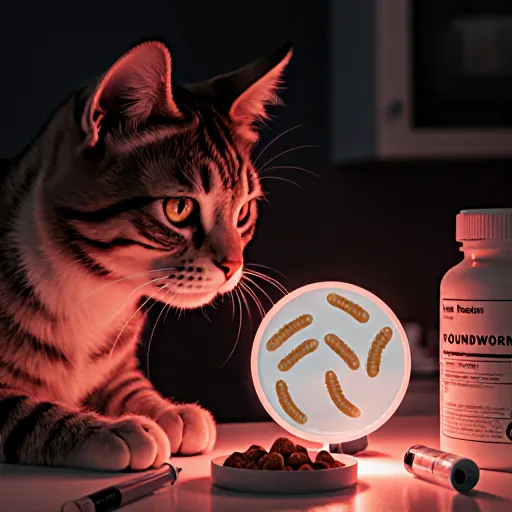
Spot the Signs: Is Your Cat Struggling with Worms?
Signs Your Cat Might Have Worms (and How to Treat Them)
Table of Contents
- Signs Your Cat Might Have Worms
- Frequent Weight Loss
- Diarrhea and Vomiting
- Poor Coat Condition
- Increased Appetite
- Bloody Stools or Diarrhea
- Abdominal Pain and Discomfort
- Excessive Licking or Grooming
- Fatigue and Weakness
- Poor Growth in Kittens
- Bloody Stool or Watery Diarrhea with Blood
- Signs of Restlessness and Irritability
- How to Treat Worm Infestations in Cats
- Prevention Tips for Keeping Your Cat Worm-Free
- Conclusion
- FAQ
Signs Your Cat Might Have Worms
Identifying whether your cat has worms can be crucial for maintaining their health and well-being. While a vet's diagnosis is necessary, there are several signs you should look out for that might indicate an infestation. Here are some key indicators to watch for:
Visible Symptoms
- Diarrhea or Watery Feces: Cats with worms may have loose, watery stools. This can be a sign that the parasites are causing irritation in their digestive system.
- Vomiting: If your cat is vomiting frequently, it could be due to an infestation of worms. Worms can irritate the stomach lining, leading to nausea and vomiting.
- Loss of Appetite: Cats with worms may show a decrease in their usual appetite or even refuse food altogether.
Skin and Coat Changes
Cats with internal parasites often exhibit changes in their appearance. These can include:
- Unhealthy Fur: Cats suffering from worms may have dull, rough fur that lacks its usual shine.
- Scratching or Grooming Excessively: An itchy skin condition caused by parasites can lead to increased grooming behavior. This might not always be due to fleas; sometimes, the irritation is from internal worms.
Lethargy and Weakness
If your cat has worms, they may display signs of general weakness or lethargy:
- Less Active Than Usual: Your cat might seem less playful or energetic than usual.
- Fatigue Easily: Cats with worms can tire more quickly during normal activities, such as walking or playing.
Other Physical Signs
In some cases, physical signs might be less obvious but still important to note:
- Abdominal Distension: Cats with worms may have a bloated or swollen abdomen due to the parasites.
- Pale Gums: Anemia, which can result from blood loss caused by intestinal parasites, might lead to pale-colored gums in your cat.
Practical Advice
If you suspect that your cat has worms based on these signs, here’s what you should do:
- Visit a Veterinarian: Only a veterinarian can accurately diagnose the type of worm infestation. They will likely perform tests such as fecal examinations to determine the specific parasites involved.
- Treat Promptly: Once diagnosed, your vet will prescribe appropriate medication for treating worms in cats. Follow their instructions carefully and complete the full course of treatment.
- Promote Good Hygiene: To prevent future infestations, maintain good hygiene practices. Regularly clean litter boxes, wash your cat’s bedding, and ensure they have access to fresh water at all times.
- Consider Preventative Measures: You can also ask your vet about worm prevention medications that you could give to your cat regularly as a precautionary measure. These are often given monthly or quarterly depending on the type of worms prevalent in your area.
By being aware of these signs and taking prompt action, you can help ensure your cat’s health and happiness while minimizing any potential harm caused by worms.
Frequent Weight Loss
Frequent Weight Loss: Signs Your Cat Might Have Worms and How to Treat Them
If you notice your cat experiencing frequent weight loss, it could be a sign of an underlying health issue. One common cause is parasitic worms such as roundworms, hookworms, or tapeworms. These parasites can significantly impact your cat's digestive system and overall health.
- Increased Appetite: Your cat may eat more than usual but still lose weight.
- Diarrhea or Loose Stools: Worms can interfere with your cat’s ability to absorb nutrients properly, leading to digestive issues like diarrhea or loose stools.
- Lack of Energy: If your cat is losing weight due to parasites, they may also show signs of lethargy and decreased energy levels.
- Abdominal Distension:
- Matted Haircoat: Cats with worms might groom themselves excessively or have a dull coat as their body struggles to maintain its usual appearance.
Different types of parasites can cause various symptoms. Here’s how you can identify them:
- Roundworms: Often seen in cat feces as long, white segments that resemble spaghetti.
- Hookworms: These are hard to see because they live in the intestines and feed on blood. Signs include anemia, lethargy, and diarrhea.
- Tapeworms: You may spot small, flat segments moving around your cat’s bottom or in their feces.
To treat worms effectively, you need to identify the type of parasite and follow a vet-prescribed treatment plan. Here are some steps:
- Consult Your Veterinarian: Bring your cat in for a check-up to determine which parasites they have.
- Medications: Depending on the type of worm, your vet might prescribe oral medications or topical treatments. Always follow the instructions carefully.
- Dietary Adjustments: Your vet may suggest dietary changes to help your cat regain weight and improve overall health.
- Hygiene Measures: Keep your home clean and wash bedding frequently to prevent re-infection.
To avoid future infestations, consider these preventative measures:
- Deworming: Follow the schedule provided by your vet for regular deworming treatments.
- Pest Control: Keep your home free from pests that can carry worms like fleas and rodents.
- Clean Environment: Clean litter boxes regularly to prevent the spread of parasites.
If you suspect your cat has worms, don't delay in seeking professional help. Early diagnosis and treatment are crucial for maintaining your pet's health and preventing complications that could affect their overall well-being.
Diarrhea and Vomiting
When you notice signs of diarrhea and vomiting in your cat, it can be a cause for concern. These symptoms may indicate an underlying issue such as worms or other health problems. Identifying these signs early is crucial for the well-being of your pet.
Signs Your Cat Might Have Worms
- Diarrhea: Watery, bloody, or foul-smelling stools can be a sign that your cat has worms. Intestinal parasites interfere with the digestive process, leading to poor absorption of nutrients and malabsorption syndromes.
- Vomiting: If your cat is vomiting frequently, especially if it contains undigested food or blood, it might be a sign of worm infestation. Worms can cause irritation in the digestive tract, leading to nausea and vomiting.
- Change in Appetite: Cats with worms may show little interest in eating due to discomfort caused by parasites.
- Weight Loss: Despite a good appetite, your cat might lose weight because the body is not absorbing nutrients efficiently from food.
- Matted Hair: Cats that are constantly licking themselves may have worms. Excessive grooming can lead to matted fur and bald patches.
How to Treat Worms in Cats
Treatment for worms involves both medication and management of the environment to prevent future infestations.
Medication Options
Cats can be treated with deworming medications, which are usually prescribed by a veterinarian. Some common types of worms that cats may have include roundworms, tapeworms, hookworms, and whipworms.
- Roundworms: These can be seen in the cat's vomit or feces as long white threads. They are highly contagious to both cats and humans, especially children.
- Tapeworms: Segments of tapeworms may stick out around your cat's anus. They are usually contracted from fleas that carry the tapeworm larvae.
Preventative Measures
To prevent future worm infestations, it is important to take certain precautions:
- Flea Control: Since fleas can carry tapeworm larvae, keeping your cat on a regular flea treatment will help reduce the risk of tapeworms.
- Deworming Schedule: Consult with your veterinarian to establish an appropriate deworming schedule for your cat based on its age and lifestyle. Kittens should be treated more frequently than adult cats.
- Clean Environment: Keep your cat's living environment clean by regularly cleaning litter boxes, bedding, and toys. This helps prevent the spread of parasites.
If you suspect that your cat has worms or is experiencing diarrhea and vomiting, it is important to seek veterinary advice promptly. Early diagnosis and treatment can prevent complications and ensure a healthier life for your pet.
Poor Coat Condition
When a cat's coat begins to show signs of poor condition, it can be a red flag for various health issues. One common cause is the presence of internal parasites such as worms. Below are some specific symptoms and practical advice on how to address this issue.
Common Signs Your Cat Might Have Worms
- Coat Quality: A dull, rough or patchy coat that lacks its usual luster is often a sign of poor health. This can be caused by worms causing your cat to lose their appetite and consequently not receive the necessary nutrients.
- Weight Loss: Cats with worms may show signs of weight loss even if they are eating normally. This occurs because the parasites sap energy from the cat, leading to a gradual weakening of the body.
- Diarrhea and Vomiting: Worms can disrupt your cat’s digestive system, causing them to experience bouts of diarrhea and vomiting. These symptoms can lead to further complications if left untreated.
- General Weakness: Cats with worms may appear listless or lethargic; they might not play as much, spend more time sleeping, and generally look less active than usual.
Treating Worms in Cats
If you suspect your cat has worms, it's important to consult a veterinarian for proper diagnosis. The vet may recommend deworming medications that are safe and effective for cats based on the type of worm detected.
- Intestinal Worms: These include roundworms, tapeworms, and hookworms. Intestinal worms can be identified through a fecal exam conducted by your vet. Once diagnosed, treatments such as fenbendazole (Panacur) or pyrantel pamoate are commonly prescribed.
- Heartworms: Though more common in dogs, heartworms can also affect cats. Heartworms are spread by mosquitoes and reside in the heart and blood vessels of the lungs. Treatment options include milbemycin oxime or moxidectin, which should be prescribed by your vet.
Preventing Worm Infections
To prevent worms from affecting your cat's health, there are several preventive measures you can take:
- Deworming Schedule: Regular deworming is crucial. Consult with your vet regarding the best schedule for your cat based on age, lifestyle, and environment.
- Vaccinations: Ensure that your cat receives all recommended vaccinations as some vaccines can protect against certain types of worms.
- Pest Control: Keep your home free from pests such as fleas and rodents which can act as hosts for different types of worms. Use appropriate pest control measures around the house.
- Clean Environment: Regularly clean litter boxes and keep your cat's living area tidy to reduce exposure to potential sources of infection.
By recognizing these signs early, seeking proper veterinary care, and implementing preventive measures, you can help maintain your cat's overall health and ensure that their coat remains healthy and glossy.
Increased Appetite
Increased appetite can be a sign that your cat might have worms. This symptom is often one of the first to appear, as it is closely linked with other digestive issues caused by parasitic infections. If you notice your cat eating more than usual but not gaining weight, this could indicate an underlying problem.
Other Common Signs Your Cat Might Have Worms
- Vomiting and Diarrhea: These are common symptoms that can be directly linked to the irritation caused by worms in your cat's digestive system. If you observe these symptoms along with increased appetite, it is advisable to consult a veterinarian.
- Weight Loss Despite Increased Appetite: Even though your cat might be eating more than usual, if they are losing weight, this could indicate that the extra food is not being properly absorbed due to the presence of worms. This can lead to malnutrition over time if left untreated.
- Pottery and Restlessness: Cats with worms may also show signs of discomfort or restlessness. They might spend more time grooming themselves or digging in their litter box, which could be a sign that they are feeling unwell.
How to Treat Worms in Your Cat
If you suspect your cat has worms, it is important to consult a veterinarian for proper diagnosis and treatment. Here are some general steps:
- Consultation with Veterinarian: A vet will typically perform a fecal examination to determine the type of worm infection. This helps in selecting the most effective medication.
- Medication: The most common treatments for worms include dewormers, which can be administered orally or topically. It is crucial to follow the veterinarian's instructions carefully regarding dosage and frequency.
- Preventive Measures: To prevent re-infection, it is important to maintain good hygiene practices. Regularly clean your cat’s litter box, treat any other pets in the household for parasites, and keep your yard free of potential sources of infection. Additionally, consider using a monthly preventive treatment recommended by your vet.
- Nutritional Support: During the treatment period and recovery, ensure that your cat receives a balanced diet to support their immune system and aid in recovery from any nutritional deficiencies caused by the parasitic infection.
Conclusion
An increased appetite coupled with other digestive issues can be an early sign of worms in cats. Early diagnosis and treatment are crucial to prevent further health complications for your pet. By following veterinary advice and implementing preventive measures, you can help keep your cat healthy and free from parasitic infections.
Bloody Stools or Diarrhea
Diarrhea or bloody stools can indicate a variety of health problems, ranging from mild digestive upset to more serious conditions. For pet owners, it's crucial to be aware of these signs and take appropriate action. One common cause for concern is the presence of worms in your cat, which can lead to bloody diarrhea if left untreated.
Signs Your Cat Might Have Worms (and How to Treat Them)
Worm infestations are a frequent issue among pets and can be particularly distressing for owners. Here are some common signs that your cat may have worms:
- Bloody Stools: This is one of the most alarming symptoms, indicating that there might be internal bleeding or damage to the intestines caused by the presence of worms.
- Vomiting: Cats with worms often experience nausea and may vomit. This can lead to further complications if not addressed promptly.
- Loss of Appetite: Worms can cause your cat to feel unwell, leading them to lose interest in food.
- Weight Loss: Cats with worms may experience significant weight loss as their bodies are unable to absorb nutrients effectively.
- Floating Stools or Diarrhea: Alongside bloody stools, floating or watery diarrhea can be a sign of worm infestation. This is due to the worms altering the normal digestive process and causing irritation in the intestines.
- Excessive Scratching or Licking: Cats with skin irritation from parasites may scratch or lick more than usual.
Treating Worms: Steps You Should Take
Once you suspect your cat has worms, it's important to take immediate steps:
- Consult a Vet: The first step is to visit your veterinarian. Only a qualified professional can provide an accurate diagnosis and prescribe the appropriate treatment.
- Use Wormer Medication: Your vet will likely recommend a wormer medication that targets the specific type of worms present in your cat's system. Ensure you follow their instructions carefully for dosage and frequency.
- Hydration: Keeping your cat hydrated is crucial, especially if they are experiencing diarrhea or vomiting. Offer plenty of fresh water and consider using oral rehydration solutions to prevent electrolyte imbalances.
- Better Hygiene Practices: Clean your home thoroughly after treating your pet for worms to prevent reinfection. Wash all bedding, rugs, and any other areas that may have been contaminated by the infestation.
- Regular Check-ups: After treatment, schedule follow-up visits with your vet to ensure the infection has cleared up completely.
By recognizing the signs of worms and acting promptly, you can help ensure that your cat remains healthy and comfortable. If bloody stools or other symptoms persist despite treatment, consult your veterinarian for further advice.
Abdominal Pain and Discomfort
Cats experiencing abdominal pain or discomfort can exhibit a variety of signs that could indicate the presence of worms. Recognizing these signs is crucial for timely diagnosis and treatment, ensuring your cat's health and well-being. Here’s how to identify potential issues and what you can do.
Common Signs Your Cat Might Have Worms
- Diarrhea: One of the most common signs is diarrhea, often accompanied by blood or mucus. This is particularly noticeable if your cat's stool becomes abnormally loose or runs.
- Vomiting: Cats with worms may frequently vomit, especially if they have roundworms. You might notice segments of the worm in their vomit, which can be a clear indicator.
- Weight Loss: Worm infestation can cause your cat to lose weight despite having a good appetite. This is due to the worms feeding on nutrients meant for the cat's body.
- Change in Appetite: Some cats with worms might eat more, while others may have no interest in food at all. Either way, a change in eating habits could be a sign of internal parasites.
- Abdominal Swelling or Distension: Visible swelling around the abdomen area can signal that there are too many worms for your cat’s body to manage effectively.
Practical Steps to Address Abdominal Pain and Discomfort
Once you suspect your cat has worms, it's important to act quickly. Here’s what you can do:
1. Consult a Veterinarian
The first step is to visit your veterinarian for an examination. They may conduct tests such as fecal examinations to identify the type of worm and its severity.
2. Use Medications Appropriately
Your vet will prescribe appropriate deworming medication based on the diagnosis. It's crucial to follow their instructions carefully, including dosage and frequency. Failure to do so can lead to ineffective treatment or even toxicity in your cat.
3. Maintain Hygiene
To prevent re-infection, ensure thorough cleaning of litter boxes and areas where your cat spends time. Wash bedding and toys regularly. Additionally, keep your cat’s environment clean to minimize exposure to external parasites.
4. Dietary Considerations
While not a substitute for medication, certain diets can help manage worm infestations. Consult with your vet about incorporating foods that are beneficial for your cat's digestive health and overall well-being.
Preventive Measures Against Worms
To avoid the discomfort and potential complications associated with worms, consider these preventive measures:
- Deworming Routine: Follow your vet’s advice on regular deworming schedules, especially for outdoor cats.
- Pest Control: Treat your home and garden against pests that could harbor parasites. Use appropriate insecticides and rodenticides as recommended by pest control experts.
- Vaccinations: Ensure your cat is up-to-date with vaccinations, which can protect them from certain types of worms.
By recognizing the signs early and taking swift action, you can significantly improve your cat's health and prevent further discomfort. Always consult a professional for accurate diagnosis and treatment tailored to your pet’s needs.
Excessive Licking or Grooming
Excessive licking or grooming, also known as "过度梳理" in Chinese, is a behavior that can be indicative of various underlying health issues in cats. One such issue could be the presence of worms (parasites) inside your cat's body. Understanding this behavior and recognizing its signs are crucial for maintaining your pet's well-being.
Signs Your Cat Might Have Worms
- Diarrhea or Watery Stools: If you notice that your cat has been having diarrhea more frequently than usual, it could be a sign of intestinal worms. Parasites like roundworms, tapeworms, and hookworms can cause digestive issues.
- Weight Loss: Cats with worms might lose weight despite having an adequate or even increased appetite. This is because the parasites are feeding on their nutrients.
- Changes in Appetite: Some cats with worm infestations may experience a loss of appetite, while others may have a heightened desire to eat due to nutritional deficiencies caused by the parasites.
- Gas and Flatulence: Increased gas production can be another symptom of worms, as they disrupt normal digestive processes.
- Coat Condition: Cats with worms often have a dull or patchy coat. Their grooming habits may increase in an attempt to soothe the irritation caused by parasites.
Excessive Licking or Grooming as a Result of Worms
Cats suffering from internal parasites might also exhibit signs of excessive licking and grooming. This behavior can stem from several reasons:
- Irritation and Itching: Parasites, especially fleas or mites, cause severe itching that leads cats to lick and groom themselves excessively.
- Nutritional Deficiencies: Cats with worms can experience malnutrition, leading them to lick or groom more frequently in an effort to find comfort. This behavior can also be a response to the stress of feeling unwell.
- Restlessness and Anxiety: When cats are not feeling well due to parasites, they might become restless or anxious, causing them to lick themselves more often.
Treatment for Worm Infestations
If you suspect that your cat has worms based on the signs mentioned above, it is important to take immediate action. Here’s how you can treat your cat:
- Consult a Veterinarian: A vet visit is essential for confirming the presence of parasites and determining the specific type of worm your cat has. Your vet will likely prescribe appropriate medication.
- Deworming Medication: Depending on the type of parasite, deworming medications can be administered orally or topically. Ensure you follow the prescribed dosage carefully for effectiveness.
- Hygiene: After treating your cat with deworming medication, it is crucial to clean all areas where your pet has been and wash its bedding thoroughly to prevent reinfection.
- Flea Control: Since fleas can also cause excessive grooming due to irritation, make sure you apply flea treatments according to the instructions. This will help reduce discomfort for your cat.
Preventing Worm Infestations
To prevent worms from affecting your cat in the future, consider these preventive measures:
- Deworming Regularly: Depending on your veterinarian’s advice, you might need to deworm your cat every few months or annually.
- Pet Hygiene: Keep your pet's living area clean and tidy. Regular vacuuming and cleaning of litter boxes can help reduce the risk of parasite infestations.
- Vaccinations and Parasite Control Products: Use flea collars, sprays, or spot-on treatments recommended by your vet to keep parasites at bay.
Fatigue and Weakness
When it comes to taking care of your cat, observing for any signs of illness or discomfort is crucial. One common issue that can cause significant fatigue and weakness in cats is the presence of worms. These parasites are not only uncomfortable but can also lead to severe health complications if left untreated.
Symptoms of Worm Infections
Fatigue and weakness are among the most noticeable signs that your cat might have worms. However, these symptoms can be indicative of many other health issues as well, so it's essential to look for more specific indicators:
- Diarrhea: Cats with worm infections often suffer from diarrhea due to the parasites affecting their digestive system.
- Vomiting: Another common sign is vomiting, which can be a result of worms irritating the stomach and intestines.
- Weight Loss: Cats may lose weight as they struggle to absorb nutrients properly due to the presence of parasites in their digestive tract.
- Lack of Appetite: Worms can cause cats to feel unwell, leading them to have a reduced appetite or even refuse food entirely.
- Coat Condition: A dull, rough coat is another sign that your cat might be suffering from worms. This is because their overall health is compromised, affecting how well their fur looks.
Treating Worm Infections
If you suspect your cat has worms based on the signs above, it's important to consult a veterinarian as soon as possible for an accurate diagnosis and appropriate treatment. Here are some steps you can take:
Consultation with a Veterinarian
A vet will likely perform a fecal examination to identify what type of worms your cat has, whether it's roundworms, tapeworms, or hookworms. Once the diagnosis is clear, they can recommend the most effective treatment options tailored to your pet's condition.
Medications for Treating Worms
- Roundworms: Typically treated with medications like Albendazole or Ivermectin. These are usually administered orally or through a topical application.
- Tapeworms: Treatment involves the use of Praziquantel, which is very effective in eliminating tapeworms from your cat's system.
- Hookworms: Dewormers like Fenbendazole are used to treat hookworms. These medications can be given orally and are usually safe for cats.
Preventative Measures
To prevent worms from affecting your cat in the future, consider the following measures:
- Deworming Schedule: Regular deworming is crucial. Discuss with your vet an appropriate schedule based on your cat's age and risk factors.
- Pest Control: Keep your home free from fleas, which can be a carrier for tapeworms. Using flea control products can help reduce the risk of infection.
- Clean Environment: Ensure that your cat's living environment is clean and hygienic to minimize exposure to external parasites.
Diet and Lifestyle
A balanced diet rich in essential nutrients can help boost your cat’s immune system, making it harder for worms to thrive. Additionally, regular exercise helps maintain overall health and energy levels, which can counteract some of the effects caused by worm infections.
By being vigilant about these signs and taking proactive steps, you can ensure that your cat remains healthy and free from harmful parasites. Remember, early detection and treatment are key to preventing more serious health issues down the line.
Poor Growth in Kittens
Poor growth in kittens can be a serious concern and often indicates an underlying issue. One of the most common causes of poor growth in young cats is parasitic infections, particularly worms. Signs your cat might have worms include poor appetite, diarrhea, vomiting, lethargy, and weight loss. Poor nutrition alone or other health issues could also contribute to this problem, but if your kitten shows signs of worms, it's important to address the issue promptly.
Identifying Worms in Kittens
The most common types of worms found in kittens are roundworms (Toxascaris leonina and Toxoplasma gondii), tapeworms, hookworms, and occasionally whipworms. Roundworms are particularly dangerous as they can cause severe health problems if left untreated.
Signs Your Cat Might Have Worms
- Poor growth or stunted development.
- Bloated belly, which may be accompanied by diarrhea.
- Lack of energy and lethargy.
- Vomiting.
- Changes in feces, such as bloody or slimy stools.
Treating Worms
If you suspect your kitten has worms, it's crucial to consult a veterinarian. The vet will likely perform a fecal examination to identify the type of worm and prescribe appropriate treatment. Common treatments include deworming medications like fenbendazole or pyrantel, which are safe for kittens when used as directed.
Preventing Worms
- Vaccination: Ensure your kitten receives all necessary vaccinations on time to prevent diseases that can lead to poor growth and worm infestations.
- Deworming Schedule: Your veterinarian may recommend a deworming schedule tailored to your kitten's needs. Kittens are often dewormed at 2, 4, 6, and 8 weeks of age.
- Promote Good Hygiene: Keep your home clean and ensure that any outdoor cats or pets do not bring parasites into the house. Regular cleaning of litter boxes is also important to prevent re-infestation.
Conclusion
In summary, poor growth in kittens should not be ignored as it can indicate serious health issues like parasitic infections. By recognizing the signs early and seeking professional veterinary advice, you can ensure your kitten's health and well-being. Proper treatment and prevention measures are essential to keeping your kitten healthy and strong.
Bloody Stool or Watery Diarrhea with Blood
If you notice your cat has bloody stool or watery diarrhea, it could be a sign that they might have worms. This symptom is often accompanied by other signs such as lethargy, weight loss, and poor coat condition. Identifying the issue early can prevent further health complications.
Common Worms in Cats
Cats can contract various types of parasitic worms, including roundworms, hookworms, tapeworms, and whipworms. Each type poses different risks to your cat's health, but all can be treated effectively with the right medication.
- Roundworms: Visible in feces as white threads, these worms can cause weight loss and poor coat condition.
- Hookworms: Absorb your cat's blood through their skin, leading to anemia. Look for signs of lethargy and weakness.
- Tapeworms: Visible in the stool or around the anus as flat segments that resemble rice grains. They can lead to weight loss if left untreated.
- Whipworms: These worms live in the colon and can cause severe diarrhea with blood. They are harder to detect because they do not often show up in stool samples.
Detecting Worms
The most reliable way to determine if your cat has worms is through a fecal examination by your veterinarian. A vet will examine a sample of the cat's feces under a microscope and look for the presence of worm eggs or larvae.
If you suspect your cat might have worms, especially given signs like bloody stool or watery diarrhea, it is important to seek veterinary care as soon as possible. Early treatment can prevent further health issues and protect other pets in your household from contracting parasites.
Treatment Options
Once a diagnosis has been made, your vet will prescribe the appropriate medication for treating worms. Treatment typically involves oral or topical medications that are safe for cats. It is crucial to follow the vet's instructions carefully and complete the full course of treatment.
- Oral Medication: Commonly used drugs include pyrantel, fenbendazole, and praziquantel. These medications are typically safe for cats but should be administered only as directed by your vet.
- Topical Treatment: For external parasites like flea infestations which can lead to tapeworms, topical treatments such as Revolution or Advantage Multi can be applied.
Promoting a Healthy Digestive System
To prevent worms and maintain your cat's overall health, consider these preventive measures:
- Regular Vet Check-ups: Annual check-ups can help detect any potential issues early.
- Flea Control: Use flea treatments to prevent tapeworms from entering your home through fleas.
- Clean Environment: Regular cleaning of litter boxes and keeping the living area clean can reduce the risk of parasites.
- Dietary Management: Feeding a balanced diet rich in fiber can promote healthy digestion and prevent worms from taking hold.
In conclusion, if you notice bloody stool or watery diarrhea along with other signs like lethargy and weight loss, your cat might have worms. Early detection and treatment are key to ensuring your cat's health and well-being. Always consult a veterinarian for proper diagnosis and treatment.
Signs of Restlessness and Irritability
Cats, like any other animal, can exhibit signs of restlessness and irritability that may indicate underlying health issues. One such issue could be an infestation with worms, which is not only uncomfortable for your cat but also harmful to their overall health. Here’s how you can spot these signs and what they might mean:
Increased Scratching or Grooming
Cats that have worms often experience intense discomfort, particularly around the skin and coat. This leads them to scratch or groom themselves excessively. If your cat is spending more time than usual grooming their fur or appears to be uncomfortable when touched, it could be a sign of irritation caused by parasites.
Unusual Restlessness
A restless cat might frequently move around and have trouble finding a comfortable spot to rest. They may also seem unusually distracted or agitated. This behavior can stem from discomfort due to an infestation, making them irritable and less likely to settle down for long periods.
Unusual Activity Levels
Cats with worms might exhibit unusual changes in their activity levels. Some may become unusually lethargic or tired while others could display an increase in hyperactivity or a restlessness that goes beyond normal behavior. These changes can be linked to the physical discomfort and stress caused by parasites.
Loss of Appetite
A decrease in appetite is another sign your cat might have worms, as these parasites can affect their overall health and energy levels. A lack of interest in food could indicate that your cat is experiencing discomfort or illness due to an infestation.
Behavioral Changes
Cats with worms may show a variety of behavioral changes such as aggression, lethargy, or unusual meowing and vocalization. These behaviors can be attributed to the stress caused by parasites, affecting their mood and energy levels.
Practical Advice for Treating Worms
If you suspect your cat has worms based on these signs of restlessness and irritability, it is important to consult a veterinarian. They can provide a proper diagnosis through fecal exams and recommend the appropriate treatment. Common treatments include oral medications or topical creams depending on the type of worm your cat may have.
How to Treat Worm Infestations in Cats
Cat worm infestations are a common health issue, and recognizing the signs early can help manage the problem effectively. Understanding the symptoms is crucial for timely intervention. Here’s how you can identify if your cat might have worms and what steps to take.
Identifying Signs of Worm Infestations in Cats
- Diarrhea: Unusual or frequent watery stools may indicate a worm infestation. The presence of blood, mucus, or undigested food particles can be a sign.
- Vomiting: Cats with worms often exhibit signs of nausea and vomiting. This is especially true for roundworms and tapeworms.
- Pale Gums: Anaemia from blood loss due to worm infestations can make a cat’s gums appear pale or bluish in color.
- Weight Loss: Cats with worms may lose weight despite having a good appetite. This is because the parasites are siphoning nutrients for themselves.
- Bloated Belly: Visible bloating of your cat’s abdomen, especially if it is accompanied by poor coat condition or lethargy, can be indicative of a worm infestation.
- Lethargy and Weakness: Worms can rob cats of their energy, leading to a general feeling of fatigue. If you notice your cat sleeping more than usual or not moving around as much, it could be due to worms.
Treating Worm Infestations in Cats
Once you suspect that your cat has worms, the next step is treatment. Here’s how to address this issue:
- Consult a Veterinarian: It's essential to consult with your vet before treating your cat for worms. They can recommend the best medication based on the type of worm and the severity of the infestation.
- Medications: The most common treatments for worm infections include deworming medications such as:
- Pyrantel
- Albendazole
- Ivermectin
- Regular Deworming: Kittens should be dewormed every two weeks until they reach 12 weeks of age, and then monthly until 6 months old. After that, adult cats should have a deworming treatment annually or according to your vet’s recommendation.
- Dog-Friendly Products: Be cautious with dog-friendly worm treatments as they can be harmful to cats. Always ensure you are using products specifically designed for felines.
- Preventive Measures:
- Vaccination: Some vaccines protect against common worms, so ensuring your cat is up-to-date with its vaccinations can help prevent infestations.
- Regular Cleaning and Hygiene: Keeping your home clean by regularly vacuuming carpets and washing bedding can reduce the chances of re-infestation. Disinfect bowls and feeding areas after each use.
- Professional Cleaning: Regular professional cleaning of your cat’s living area, especially if you have other pets that could be sources of infestation, is crucial.
In summary, recognizing the signs of worm infestations in cats and promptly treating them can help maintain their overall health. Always seek veterinary advice for proper diagnosis and treatment to ensure your cat’s well-being.
Prevention Tips for Keeping Your Cat Worm-Free
To keep your cat worm-free, it's crucial to implement a proactive approach that includes proper hygiene, diet management, and regular veterinary check-ups. Below are detailed tips along with examples and practical advice.
Diet Management
Feeding your cat a balanced diet can help strengthen its immune system, making it less susceptible to worm infections. Ensure that the food you provide is high-quality and meets all nutritional requirements for cats.
- High-Quality Food: Opt for foods that contain essential nutrients like omega-3 fatty acids which can boost your cat's health and immunity.
- Vary the Diet: Introduce a variety of foods to prevent nutritional deficiencies, which could weaken your cat’s resistance to parasites.
Hygiene Practices
Maintaining good hygiene is key in preventing worm infestations. Simple yet effective steps like cleaning the litter box regularly and keeping your home clean can go a long way in protecting your pet from worms.
- Litter Box Cleanliness: Scoop the litter box daily to remove waste, which reduces the chances of worm eggs surviving. Replace the litter completely at least once a week.
- Personal Hygiene: Wash your hands thoroughly after handling your cat or cleaning its living areas to prevent any accidental transmission of worms to other pets or yourself.
Regular Veterinary Check-ups
Regular visits to the vet are essential for early detection and treatment of worm infections. Your vet can provide deworming medications tailored specifically to your cat's needs, which is crucial as not all worms respond to the same treatments.
- Schedule Routine Checks: Have your cat checked at least once a year for signs of parasitic infestations. This frequency can be adjusted based on your veterinarian’s recommendations.
- Deworming Medication: Your vet may recommend specific deworming medications that target various types of worms, such as roundworms or tapeworms.
Identifying Signs and Treating Worm Infections
If you suspect your cat has worms, look out for these signs (refer to the section "Signs Your Cat Might Have Worms"). Early detection is key to successful treatment. Treatment typically involves administering medications prescribed by a veterinarian.
- Watch for Symptoms: Look for symptoms such as vomiting, diarrhea, weight loss, lethargy, or poor coat condition. Any of these could indicate an infestation.
- Treatment Options: Your vet will likely prescribe a deworming medication suitable for your cat's specific type of worms. Follow the dosage instructions carefully and ensure that all members of the household are treated if necessary, especially dogs sharing the same environment.
By following these prevention tips, you can significantly reduce the risk of your cat contracting worm infections. Remember, a combination of good hygiene practices, proper diet, and regular veterinary care is your best defense against parasites.
Conclusion
Identifying signs that your cat might have worms is crucial for their health and well-being. While it’s essential to consult a veterinarian for accurate diagnosis, being aware of common symptoms can help you take timely action. Here are some detailed insights into recognizing these signs and practical steps on how to treat them:
Common Signs Your Cat Might Have Worms
- Weight Loss: Cats with worms often experience unexplained weight loss, even if their appetite remains good. This occurs because the parasites are using up essential nutrients from your cat’s body.
- Diarrhea: Worm infestation can lead to digestive issues such as diarrhea. The presence of worm segments in stool is a clear sign that something isn’t right with your cat's gastrointestinal tract.
- Vomiting: Cats with worms may vomit frequently, especially if the infestation involves roundworms or tapeworms which can irritate their digestive system.
- Rough Coat and Lack of Shine: Parasites like hookworms can cause significant damage to your cat’s skin, leading to a dull coat. Regular grooming combined with deworming can help maintain your cat's health.
- Skin Irritation or Hair Loss: Hookworms, especially in kittens, can lead to severe skin irritation and hair loss around the anus due to their feeding habits.
- Breathing Difficulties: Severe infestations of roundworms can block your cat’s airways, leading to breathing difficulties. This is particularly dangerous for kittens.
How to Treat Worms in Cats
Treating worms involves a combination of medication and preventive measures. Here are some practical steps:
Deworming Medications
- Praziquantel: Used for tapeworms, this medication works by paralyzing the worms so they can be expelled naturally.
- Ivermectin: Effective against many types of worms including roundworms and hookworms. It is important to use the right dosage as excessive use in cats can lead to toxicity.
- Piperazine: A dewormer used for tapeworms, it works by making the worms immotile so they can be passed naturally.
Preventive Measures
- Regular Veterinary Check-ups: Regular check-ups allow your vet to monitor your cat’s health and catch any signs of worm infestation early. Some vets recommend deworming treatments twice a year, especially for indoor cats.
- Hygiene: Keep your home clean by cleaning litter boxes regularly and disposing of waste properly. Cats that go outdoors should have their environment treated to prevent re-infestation.
- Safe Eating Habits: Ensure your cat does not eat raw meat which can be a source of parasitic infection. Providing safe, well-cooked food is essential for maintaining your cat's health.
Conclusion
In conclusion, recognizing the signs that your cat might have worms and taking immediate action to treat them is vital for their overall health. By understanding common symptoms such as weight loss, diarrhea, vomiting, rough coat, skin irritation, or breathing difficulties, you can identify potential worm infestations early. Proper treatment with appropriate medications and preventive measures will not only eliminate the parasites but also prevent future infections. Remember, your vet’s advice is crucial in diagnosing and treating your cat's condition effectively.
FAQ
Q: What are the signs that my cat might have worms?
The most common symptoms of intestinal parasites in cats include:
- Bloody or mucousy stools
- Diarrhea with visible worms
- Vomiting
- Unexplained weight loss
- Excessive grooming (fur may show signs of hairballs)
- Lethargy and lack of energy
- Skin irritation or rash near the anus, especially from scooting on surfaces
Q: How often should I deworm my cat?
The frequency of deworming your cat depends on several factors:
- Pregnant and nursing cats may need to be dewormed more frequently due to the risk of transmission through milk.
- Outdoor cats that hunt or come into contact with wildlife should be checked and treated as needed, usually every 3-6 months.
- Cats living in multi-cat households are at higher risk for parasite infestation; they may need more frequent deworming.
Q: What types of worms can cats get?
The most common parasites found in cats include:
- Intestinal worms such as roundworms (Toxascara cati), hookworms, and tapeworms.
- External parasites like fleas, which can lead to infestations of flea tapeworms in cats.
Q: How do I treat worms in my cat?
Treatment involves a two-step process:
- Diagnosis: Before treatment, your veterinarian should diagnose the type of worm. This can be done through fecal examination or other tests.
- Treatment: Depending on the type of worm, the vet will prescribe a specific dewormer. It's important to follow the exact dosage and duration as prescribed by your vet.
Q: Are there natural remedies for treating worms in cats?
While there are some natural treatments that may help, it is highly recommended to consult with a veterinarian before using them:
- Neem leaves and oil have been used traditionally. Neem helps improve the immune system of your cat and has anti-parasitic properties.
- Garlic can be fed in very small amounts, but it should not replace prescribed medication as garlic is toxic to cats in large doses.
Q: What preventive measures can I take for my cat?
Preventing worms involves a combination of good hygiene and proper veterinary care:
- Deworming schedule: Regular deworming based on the advice from your vet.
- Vet check-ups: Regular visits to the veterinarian for health checks can help in early detection of any parasitic infections.
- Pest control: Keeping your home clean and using flea and tick preventives will reduce the risk of external parasites leading to internal infestations.
Q: Can I use over-the-counter dewormers for my cat?
No, it is not advisable to use over-the-counter dewormers without a diagnosis from your veterinarian. Different types of worms require specific treatments that may interact with each other if not used properly.
Categories
- AI & Enrichment Play
- Broiler Farming
- Broiler Farming Tips
- Canine Wellness & Longevity
- Cat
- Cat & Human Connection
- Cat Adoption & Rescue
- Cat Breeds
- Cat Breeds & Personalities
- Cat Care & Health
- Cat Grooming & Hygiene
- Cat Lifestyle & Environment
- Cat Myths & History
- Cat Nutrition & Diet
- Cat Products & Reviews
- Cat Training & Behavior
- Comparison
- Consumer Awareness
- Dog
- Dog Accessories & Products
- Dog Adoption & Rescue
- Dog Breed & Lifestyle Trends
- Dog Breeding & Puppies
- Dog Entertainment & Media
- Dog Fashion & Trends
- Dog Fun & Lifestyle
- Dog Grooming & Hygiene
- Dog History & Culture
- Dog Myths, Science & Future Tech
- Dog News & Trends
- Dog Nutrition & Food
- Dog Psychology & Emotions
- Dog Safety & Security
- Dog Sports & Activities
- Dog Technology & Innovation
- Dog Training for Modern Owners
- Dog Travel & Adventure
- Dog Travel, Adventure & Culture
- Economic and Market Insights
- Educational Content
- FAQs
- Feeding Alternatives
- Festivals & Seasonal Ideas
- Fun & Entertainment
- General Knowledge
- General Pig Farming
- Health & Disease Management
- Housing and Environment
- Kittens
- Market Insights
- Miscellaneous
- Miscellaneous
- Motivational
- pig
- Pig Breeding
- Pig Breeds
- Pig Farming Stories and Inspiration
- Pig Health and Care
- Pig Nutrition
- Pig Products
- Profitability & Business
- Puppy Care
- Puppy Predictable Topics Reinvented
- Regional Focus
- Rescue & Adoption Buzz
- Senior Cats
- Senior Dog Care
- Smart Dog Tech & Gadgets
- Sustainability
- Sustainable & Eco-Friendly Dog Products
- Tech & Innovations
- Working & Service Dogs
- Broiler Feed66 products
- Country Feed33 products
- Pig Feed66 products
- Product22 products
- Raw Materials99 products
Products
-
 Fish Meal
₹1,999.00 – ₹2,999.00Price range: ₹1,999.00 through ₹2,999.00Rated 0 out of 5
Fish Meal
₹1,999.00 – ₹2,999.00Price range: ₹1,999.00 through ₹2,999.00Rated 0 out of 5 -
 FATTENING BROILER FEED
₹2,299.00 – ₹2,349.00Price range: ₹2,299.00 through ₹2,349.00Rated 0 out of 5
FATTENING BROILER FEED
₹2,299.00 – ₹2,349.00Price range: ₹2,299.00 through ₹2,349.00Rated 0 out of 5 -
 LAYER COUNTRY FEED
₹1,549.00 – ₹1,649.00Price range: ₹1,549.00 through ₹1,649.00Rated 0 out of 5
LAYER COUNTRY FEED
₹1,549.00 – ₹1,649.00Price range: ₹1,549.00 through ₹1,649.00Rated 0 out of 5 -
 COUNTER BROILER FEED
₹1,199.00 – ₹1,299.00Price range: ₹1,199.00 through ₹1,299.00Rated 0 out of 5
COUNTER BROILER FEED
₹1,199.00 – ₹1,299.00Price range: ₹1,199.00 through ₹1,299.00Rated 0 out of 5 -
 LACTATING PIG FEED
Rated 0 out of 5
LACTATING PIG FEED
Rated 0 out of 5₹2,299.00Original price was: ₹2,299.00.₹1,740.00Current price is: ₹1,740.00. -
 Maize
Rated 0 out of 5
Maize
Rated 0 out of 5₹1,650.00Original price was: ₹1,650.00.₹1,300.00Current price is: ₹1,300.00. -
 GESTATION PIG FEED (Phase 1)
Rated 0 out of 5
GESTATION PIG FEED (Phase 1)
Rated 0 out of 5₹2,249.00Original price was: ₹2,249.00.₹1,699.00Current price is: ₹1,699.00. -
 Pre Starter Broiler Feed
₹2,399.00 – ₹2,499.00Price range: ₹2,399.00 through ₹2,499.00Rated 0 out of 5
Pre Starter Broiler Feed
₹2,399.00 – ₹2,499.00Price range: ₹2,399.00 through ₹2,499.00Rated 0 out of 5 -
 FINISHER PIG FEED
Rated 0 out of 5
FINISHER PIG FEED
Rated 0 out of 5₹2,299.00Original price was: ₹2,299.00.₹1,749.00Current price is: ₹1,749.00. -
 Broiler Premix
Rated 0 out of 5
Broiler Premix
Rated 0 out of 5₹820.00Original price was: ₹820.00.₹699.00Current price is: ₹699.00.