
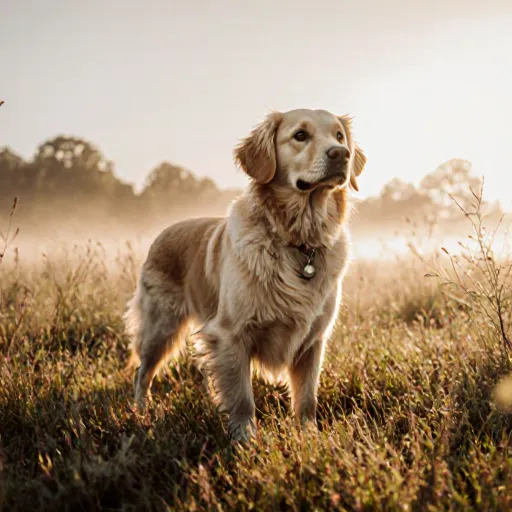
Unleash Confidence, One Tail Wag at a Time
“Silence No More: Empowering the Timid Canine Champion”
Table of Contents
- Understanding Your Dog’s Shyness
- Assessing the Root Causes of Fear
- Creating a Safe Home Environment
- Positive Reinforcement Basics
- Short, Gradual Exposure Sessions
- Using Treats and Toys Effectively
- Training Confidence in Social Settings
- Managing Trigger Situations on Walks
- Building a Strong Human‑Dog Bond
- Incorporating Play and Exercise
- Addressing Aggression or Overprotectiveness
- Monitoring Progress with a Confidence Log
- When to Seek Professional Help
- Conclusion: Empowering Your Shy Dog for Life
- FAQ – Common Questions About Building Confidence in Dogs
Understanding Your Dog’s Shyness
When you first meet your new companion, you might notice that they seem hesitant or withdrawn in unfamiliar settings. This shyness can stem from various factors—lack of socialization, past traumatic experiences, or simply a naturally timid temperament. Understanding the root causes of your dog’s shyness is the first step toward helping them build confidence and enjoy life to the fullest.
- Body Language: Tail tucked, ears flattened, or a lowered head when approached by strangers.
- Avoidance Behaviors: Turning away, backing up, or hiding behind you during new encounters.
- Reduced Vocalization: Fewer barks or whines in situations that typically excite other dogs.
- Quietness Around People: A lack of enthusiasm when greeted by family members or visitors.
Shyness can develop for several reasons:
- Early Socialization Gaps: Dogs that were not exposed to a variety of people, places, and experiences before adulthood may struggle with new stimuli.
- Negative Past Experiences: A frightening incident—such as being chased by another dog or a loud noise—can leave lasting fear.
- Genetic Predisposition: Certain breeds (e.g., Bichon Frise, Shih Tzu) are naturally more reserved.
- Health Issues: Pain or illness can make a dog wary of touch or movement.
- Create a Safe Base: Designate a calm corner in your home where the dog can retreat. Keep it free from loud noises and high traffic.
- Positive Reinforcement Training: Use treats, praise, or toys to reward small steps toward interaction. For example, if your dog approaches you with their tail slightly lifted, offer a treat immediately.
- Gradual Exposure: Introduce new environments slowly—start in a quiet park before moving to busier ones. Use a leash and allow the dog to explore at their own pace.
- Socialization Sessions: Arrange controlled playdates with well-behaved dogs that are known for being gentle and patient.
- Consistent Routine: Dogs thrive on predictability. Feeding, walking, and bedtime schedules help reduce anxiety.
Step 1: Stand a few feet away from your dog in a calm environment.
Step 2: Offer a high-value treat and say a cheerful, “Good boy/girl!”
Step 3: If the dog approaches or sits, give another treat and gentle petting.
Step 4: Repeat for 5–10 minutes each day. Increase distance gradually as confidence grows.
If your dog’s shyness persists despite consistent training, consider consulting a certified animal behaviorist or a veterinary professional. They can rule out medical causes and design a tailored behavioral modification plan.
- ASPCA: Dog Behavior Tips
- The Kennel Club: Socialization Guidelines
- Books: “The Other End of the Leash” by Patricia McConnell, “Canine Confidence” by Dr. Lisa R. Smith.
Remember, patience and consistency are your best allies when helping a shy dog build confidence. Celebrate every small victory—each step forward is progress toward a happier, more confident companion.
Assessing the Root Causes of Fear
When working with a shy or fearful dog, the first step is to understand why the fear exists. A systematic assessment helps you target interventions more effectively and prevents the problem from deepening.
1. Observe Trigger Situations
- New Environments: Does your dog freeze when entering a park or visiting a vet? Note the specific stimuli (loud noises, unfamiliar people).
- Social Interactions: How does the dog react to other dogs or children? Look for avoidance, lip‑licking, or trembling.
- Handling: Does the dog resist being touched on certain body parts (e.g., ears, paws)? This may indicate past negative experiences with grooming or veterinary exams.
2. Review Past Experiences
A quick history can reveal potential triggers:
- Early Socialization: Dogs that missed the critical window of socialization (between 3–12 weeks) often develop shyness.
- Traumatic Events: Loud fireworks, car rides, or a rough breeder can leave lasting fear.
- Owner Interaction Patterns: Overprotective or inconsistent handling by owners may reinforce avoidance behaviors.
3. Identify Physiological Indicators
Fear manifests in body language and physiological changes. Look for:
- Pale or wet nose, dilated pupils
- Tail tucked between legs or lowered
- Yawning, lip‑licking, ear pinning backward
- Increased heart rate (if you can monitor with a pulse oximeter or by feeling the neck)
4. Use Structured Assessment Tools
Several questionnaires help quantify fear levels:
| Tool | Description |
|---|---|
| Canine Behavioral Assessment & Research Questionnaire (C-BARQ) | Provides a comprehensive profile of fear, aggression, and other behaviors. |
| Dog Anxiety Scale | A quick 10‑question tool that rates anxiety in various situations. |
| Owner-Reported Fear Index (ORFI) | Focuses on owner perceptions of the dog’s fearfulness across daily activities. |
5. Map Out a Fear Matrix
Create a visual matrix that links triggers to behaviors and physiological responses. This can be done in a simple spreadsheet or on paper:
- Column A: Trigger (e.g., “Car ride”)
- Column B: Observable behavior (“Pants, whines”)
- Column C: Physiological sign (“Dilated pupils”)
6. Conduct Controlled Exposure Sessions
Once triggers are identified, design a step‑by‑step exposure plan:
- Start at a Distance: If the dog is afraid of other dogs, begin with a far distance where the dog remains calm.
- Gradual Closer Steps: Move closer incrementally while rewarding calmness with treats or praise.
- Use Positive Reinforcement: Pair the trigger with something the dog loves (high‑value treat, favorite toy).
Practical Tips for Owners
- Maintain a calm tone and body language; dogs read owners’ emotions.
- Avoid forcing contact. If the dog backs away, give space and try again later.
- Keep sessions short (5–10 minutes) to prevent overwhelm.
- Track progress daily in a journal: note triggers, duration, and any improvement.
When to Seek Professional Help
If fear persists despite consistent training or if the dog displays extreme aggression or self‑harm behaviors, consult a certified veterinary behaviorist. They can offer advanced techniques such as desensitization protocols and, when necessary, pharmacological support.
By systematically assessing the root causes of your dog's fear, you lay a solid foundation for building confidence and fostering a happier, more secure companion.
Creating a Safe Home Environment
Shyness is a common temperament trait that can make your dog feel insecure around new people, other animals, or even in familiar settings. By creating a safe and predictable environment at home, you can help your pup gradually build confidence. Below are practical steps, real‑world examples, and actionable tips to support your shy companion.
1. Establish a Consistent Routine
- Morning & Evening Rituals: Feed, walk, and play at the same times each day so your dog knows what to expect.
- Use Predictable Commands: Stick to a limited set of clear commands (e.g., “sit,” “stay”) and use the same hand signals.
- Example: If you always say “let’s go” before heading out for a walk, your dog will associate that phrase with an exciting adventure rather than uncertainty.
2. Create a Safe Retreat Zone
- Set up a quiet corner or crate where your dog can retreat when overwhelmed.
- Line the area with soft bedding, a favorite toy, and a piece of your clothing for scent comfort.
- Example: A small room with dim lighting and a low‑noise environment allows a shy dog to relax after a stressful encounter.
3. Use Positive Reinforcement Training
- Reward calm behavior with treats, praise, or gentle petting.
- Gradually introduce new stimuli at a distance and reward the dog for staying relaxed.
- Example: If your dog is shy around other dogs, start by observing from outside the yard. Once they remain calm, offer a treat and slowly move closer over several sessions.
4. Practice Socialization in Controlled Settings
- Invite one well‑behaved friend or neighbor to interact with your dog in a neutral space.
- Keep initial meetings short and end on a positive note.
- Example: A shy puppy might respond better to a calm adult dog that stays at a comfortable distance, rather than energetic strangers.
5. Gradual Exposure to New Environments
- Start with familiar places before venturing into busy parks or pet stores.
- Use “buddy walks” where you walk alongside a friend’s dog, giving your shy dog a safe reference point.
- Example: If your dog is nervous about traffic, begin by walking on quiet streets, then gradually introduce busier roads as they grow more comfortable.
6. Manage Your Own Body Language and Tone
- A calm voice and relaxed posture can help reduce your dog’s anxiety.
- Avoid sudden movements or loud noises that may startle a shy pet.
- Example: When greeting guests, speak softly and let the dog approach at its own pace rather than forcing interaction.
7. Keep Training Sessions Short & Engaging
- Short bursts of play or training (5–10 minutes) prevent overwhelm and keep the experience positive.
- Use high‑value treats that your dog loves to maintain enthusiasm.
- Example: A shy dog may be more willing to try new tricks if each session ends with a favorite treat or toy.
8. Monitor Health & Nutrition
- A well‑balanced diet supports overall energy and stress resilience.
- Consult your vet if you notice changes in behavior that could indicate health issues.
- Example: If a shy dog suddenly becomes more withdrawn, rule out medical causes before attributing it solely to temperament.
9. Celebrate Small Wins
- Keep a training journal noting progress and setbacks.
- Reward milestones with extra playtime or a favorite outing.
- Example: If your dog successfully sits during a brief visit to a new room, give them a treat and verbal praise—this reinforces the behavior.
10. Seek Professional Guidance When Needed
- If shyness is severe or accompanied by fear‑based aggression, consider a certified dog trainer or veterinary behaviorist.
- Behavior modification plans can be tailored to your dog’s specific needs.
- Example: A professional might introduce desensitization protocols for a dog that fears loud noises like thunderstorms.
By combining these strategies, you’ll create an environment where your shy dog feels safe, understood, and empowered to explore the world with growing confidence. Patience, consistency, and positive reinforcement are key—over time, even the most timid canine can blossom into a confident companion.
Positive Reinforcement Basics
Positive reinforcement is the cornerstone of building confidence in a shy dog. By rewarding desired behaviors—rather than punishing unwanted ones—you create an environment where your pup feels safe to explore, learn, and grow.
1. Understanding What Motivates Your Dog
- Treats: High‑value snacks (e.g., small bits of cheese, chicken jerky) are powerful motivators for most dogs.
- Play: Interactive toys or a quick game of fetch can serve as an instant reward.
- Affection: Gentle petting, soft voice praise, and eye contact often reinforce calm behavior.
2. Timing Is Everything
Rewards must follow the target behavior immediately—ideally within a second—to establish a clear connection.
- Example: Your dog approaches you with hesitation. As soon as they make eye contact, give a treat and say “Good girl!”
- If you wait too long, the dog may not link the reward to the behavior.
3. Gradual Exposure With Positive Reinforcement
Start with low‑stress stimuli and slowly increase difficulty while rewarding progress.
Step‑by‑step plan:
1. Stand in the same room as your dog, no direct eye contact—just a friendly tone.
2. Offer a treat when they look at you; if they don’t, give them time and try again later.
3. Once they consistently look at you from a distance, add a gentle touch to the shoulder or neck as an additional reward.
4. Gradually reduce the distance over several sessions until they can approach comfortably without hesitation.
4. Use “Marking” Techniques
Marking signals the exact moment of desired behavior, reinforcing clarity.
- Clicker Training: Click when your dog performs a target action, then give a treat.
- Verbal Markers: A sharp “Yes!” or “Good!” works similarly to a clicker but is easier for beginners.
5. Avoid Negative Reinforcement or Punishment
Shy dogs can easily become fearful if negative signals are introduced. Instead, focus on building trust through calm consistency.
6. Practical Tips for Everyday Life
- Short Sessions: Keep training sessions brief (5–10 minutes) to avoid overwhelm.
- Consistency: Use the same cues and rewards each time so your dog learns quickly.
- Positive Environment: Choose a quiet space for initial training; gradually add mild distractions as confidence grows.
- Patience: Shy dogs may progress slower—celebrate every small win!
7. Real‑World Example: Helping Your Dog Meet New People
- Invite a friend over, but let your dog observe from the corner first.
- When your dog looks at you, give a treat and say “Good job!”
- If they approach the friend calmly, reward with extra praise or a short play session.
- Repeat weekly; over time your dog will associate new faces with positive outcomes.
By consistently applying these positive reinforcement principles, you’ll transform hesitation into confidence and foster a deeper bond with your canine companion.
Short, Gradual Exposure Sessions
When working with a shy or fearful dog, short, consistent exposure sessions are often more effective than long, infrequent ones. The goal is to keep the experience positive and manageable while gradually increasing the dog's comfort level in new situations.
Why Short Sessions Work Best
- Reduces Overwhelm: A brief encounter limits the chance for a negative reaction that could reinforce fear.
- Encourages Repetition: Dogs learn through repeated exposure; short sessions allow you to repeat them daily without draining energy or patience.
- Builds Confidence Quickly: Each successful session adds a “win” that boosts the dog’s self‑esteem.
Designing an Effective Short Session
- Set a Time Limit: Aim for 5–10 minutes. Use a timer or watch to keep sessions predictable.
- Choose the Right Environment: Start in a familiar, low‑stimulus area (e.g., your living room) before moving to busier spaces.
- Pick One Target Behavior: Focus on one goal—such as approaching a stranger or walking on a leash—so you can measure progress accurately.
- Use Positive Reinforcement: Reward with treats, praise, or play immediately after the desired behavior.
- End on a High Note: Conclude each session when your dog is calm and relaxed. Avoid forcing them into a new challenge if they’re visibly stressed.
Example Session: Introducing a New Person
| Step | Description |
|---|---|
| 1. Prepare | Invite a calm friend to sit in the living room. Keep treats handy. |
| 2. Observation (0–2 min) | Your dog watches from a distance, staying relaxed. |
| 3. Approach Cue (2–4 min) | The friend says a friendly name and offers a treat. If the dog approaches, reward immediately. |
| 4. Gentle Interaction (4–6 min) | If the dog remains calm, the friend gently pats them while saying soft words. |
| 5. Close (6–10 min) | Thank the friend, give a final treat, and end with a play session to reinforce positivity. |
Practical Tips for Success
- Consistency Over Quantity: Daily 5‑minute sessions beat a single hour once a week.
- Watch Body Language: Look for signs of stress (tail tucked, ears back). If detected, stop and try again later.
- Use a “Safe Space” Cue: Teach your dog a command like “quiet place” to retreat when overwhelmed.
- Progress Gradually: Once the dog is comfortable with one person, introduce another or move to a slightly busier location.
- Keep Sessions Fun: End each session with a favorite toy or game; this association makes future sessions easier.
Monitoring Progress
Maintain a simple log: date, duration, target behavior, dog’s reaction, and reward used. Over weeks, you’ll see measurable improvements—such as reduced hesitation time or increased willingness to approach new stimuli.
Common Pitfalls & How to Avoid Them
- Overloading: Trying too many tasks in one session can confuse the dog. Stick to one target behavior.
- Negative Reinforcement: Never punish or scold for fear reactions; this reinforces anxiety.
- Inconsistent Timing: Random sessions can break momentum. Aim for the same time of day each session.
By keeping exposure short, consistent, and positive, you give your shy dog a reliable framework to build confidence. Over time, these tiny victories accumulate into lasting courage and trust in new environments.
Using Treats and Toys Effectively
When working with a shy or anxious dog, treats and toys are powerful tools that can help shift the pup’s emotional state from fear to curiosity. The key is to use them in ways that reinforce positive associations, encourage exploration, and build trust over time.
1. Choose the Right Treats
- High-Value, Small Pieces: Select treats that are highly motivating but easy to chew—tiny biscuits, soft jerky bits, or freeze‑dried liver slices. The goal is to make the reward feel special without overwhelming the dog.
- Low-Fat & Non-Greasy: Shy dogs may be sensitive to strong odors; a neutral scent helps keep focus on the interaction rather than distraction.
- Consistent Texture: Dogs learn associations quickly. Using the same treat type for each training session builds predictability, which can reduce anxiety.
2. Use Treats to Create Positive Associations
- Reward Calm Behavior: Whenever the dog remains calm in a new environment or near you, immediately offer a treat. This signals that staying relaxed is rewarded.
- Introduce New Objects Gradually: Hold a toy or treat just out of reach and give it when the dog makes eye contact or approaches. Slowly move closer over successive sessions until the dog feels comfortable picking up the item on its own.
- Pair Treats with Gentle Touch: Lightly petting the dog while offering a treat can help link touch (which may feel threatening) with positive reinforcement.
3. Toy Selection & Usage
- Soft, Interactive Toys: Stuffed toys or plush squeakers encourage gentle play without intimidating the dog. The soft texture reduces fear of a hard impact.
- Fetch‑Friendly Items: Small, lightweight balls or sticks are great for encouraging movement. Start with very short throws so the dog doesn’t feel pressured to chase immediately.
- Puzzle Toys: These engage the mind and can be a safe way for shy dogs to explore at their own pace while receiving treats hidden inside.
4. Structured Play Sessions
Set up short, predictable play sessions (5–10 minutes) that include:
- Warm‑Up: A few calm moments where you sit with the dog, offering treats for eye contact.
- Interactive Play: Gentle tug or fetch using a soft toy. Keep sessions brief to avoid overstimulation.
- Cool‑Down: End with a quiet cuddle and another treat, reinforcing calm behavior after activity.
5. Gradual Exposure & Reinforcement Schedule
Use an interval schedule for treats: reward every other successful action at first, then increase frequency as confidence grows. This prevents the dog from becoming dependent on constant rewards while still encouraging desired behavior.
6. Monitor Body Language and Adjust Accordingly
- If the dog’s tail wags slowly or body is tense, pause the session and offer a treat without prompting. Only resume play when the dog appears relaxed.
- Signs of stress—ear pinning, lip licking, avoidance—should trigger a brief break and another calming treat before attempting again.
7. Long‑Term Strategy
Over weeks, gradually increase the distance between you and the dog during treat sessions. Eventually, the pup will be comfortable approaching you for treats without hesitation. Pair this with consistent use of toys to reinforce that interaction is safe and enjoyable.
Bottom line: Treats and toys become powerful confidence builders when used thoughtfully—high-value rewards, gentle play, predictable routines, and attentive observation create a supportive environment where shy dogs can thrive.
Training Confidence in Social Settings
A shy dog often feels overwhelmed when faced with new people, unfamiliar animals, or bustling environments. The goal of this training phase is to gradually expose your pup to social situations while reinforcing calm behavior and rewarding positive interactions. Below are detailed steps, practical examples, and key tips that work for a wide range of breeds and ages.
1. Start with Controlled Exposure
- Choose a Quiet Location: Begin in a low‑traffic area such as your backyard or a quiet park during off‑peak hours.
- Keep the Distance: Let your dog approach at its own pace. If it retreats, give it space and try again later.
- Use a Leash but Keep It Loose: A relaxed leash helps you maintain control without forcing proximity.
2. Positive Reinforcement Techniques
- Reward Calmness: Whenever your dog remains composed, immediately give a high‑value treat (e.g., small pieces of chicken or commercial “gooseberry” treats).
- Use Verbal Praise: Pair the treat with a gentle, enthusiastic voice: “Good boy! You’re doing great.”
- Introduce a “Safe Word”:** Teach a cue such as “Easy” or “Calm” that signals to your dog it’s time to relax. Use it consistently before offering treats.
3. Gradual Increase in Complexity
| Stage | Scenario | Goal |
|---|---|---|
| Phase 1 | One person standing at a distance. | Dog observes without reacting negatively. |
| Phase 2 | Person approaches slowly, offering treats. | Dog accepts treats while maintaining calm posture. |
| Phase 3 | Two people in the same area, still at a distance. | Dog remains relaxed and may approach one of them voluntarily. |
| Phase 4 | Group of friends or family members in a park setting. | Dog enjoys being part of the group without showing signs of fear. |
4. Handling Unwanted Behaviors
It’s common for shy dogs to exhibit avoidance, barking at strangers, or even minor aggression when overwhelmed. Use these strategies:
- Redirect Attention: If the dog starts barking, calmly say “Quiet” and redirect its focus to a toy or treat.
- Time‑Outs: If the dog becomes too agitated, gently guide it back to your side and give a brief pause (30–60 seconds) before resuming training.
- Consistency is Key: Every handler in the group should use the same cues and reward system to avoid confusing the dog.
5. Practical Home Exercises
These exercises can be done daily at home or during short walks:
- “Look‑at‑Me” Drill: Hold a treat in front of your face, then slowly move it away while maintaining eye contact. Reward when the dog keeps looking.
- “Walk the Line”:** Attach a lightweight toy to a long leash and let the dog follow it around you. This encourages following without direct pressure.
- Doorway Test: Open a door and allow the dog to choose whether to go through or stay. Praise regardless of choice; the key is freedom of decision.
6. Tracking Progress
Keep a simple log: date, environment, dog’s reaction (calm/ nervous/ fearful), reward given, and notes on any setbacks. Over time, you’ll notice patterns—e.g., certain noises trigger anxiety—and can adjust training accordingly.
7. When to Seek Professional Help
- If your dog shows signs of severe aggression or extreme fear (cowering, tail tucked, avoiding eye contact for long periods).
- When progress stalls after several weeks despite consistent effort.
- For specialized issues like separation anxiety that may require a behaviorist’s input.
8. Success Story: “Buddy” the Shy Labrador
Buddy was initially terrified of other dogs and people in parks. By following the phased exposure plan, rewarding calmness, and practicing “look‑at‑me” drills, he started approaching strangers after just three weeks. Today, he enjoys group hikes and even greets a friendly dog on the trail with a wagging tail.
9. Final Tips
- Patience Wins: Confidence builds gradually; never rush a shy dog into uncomfortable situations.
- Stay Positive: Your energy sets the tone. A calm, upbeat demeanor reassures your pup.
- Use Treats Wisely: Reserve high‑value treats for social training moments to maintain their motivational power.
With consistent practice and a supportive environment, even the most timid dog can learn to navigate social settings confidently. Remember: every small step forward is progress worth celebrating.
Managing Trigger Situations on Walks
When you’re out walking your shy dog, the environment is full of potential triggers—other dogs, loud noises, unfamiliar people, or even a sudden change in scenery. The goal is to expose them gradually while keeping the experience positive and reinforcing confidence.
1. Start with Low‑Intensity Triggers
- Choose quiet routes: Early mornings or late evenings often have fewer pedestrians and vehicles, reducing stressors.
- Use a short leash: A 4–6 foot lead gives you control while still allowing the dog to explore.
- Plan predictable stops: Let your dog know when you’ll pause for breaks or treat rewards.
2. Use Positive Reinforcement
- Treats on cue: Offer a high‑value treat (e.g., small pieces of chicken) whenever the dog calmly approaches a potential trigger.
- Verbal praise: Combine treats with enthusiastic “good job!” or “yes” to reinforce calm behavior.
- Hand signals: Teach simple commands like “look at me” or “stay” that help redirect attention away from triggers.
3. Gradual Exposure (Desensitization)
Progressively increase the intensity of trigger exposure while maintaining a safe distance.
- Phase 1 – Observation: Keep the dog at least 20–30 feet from the trigger; reward calmness.
- Phase 2 – Approach: Reduce the distance to about 10–15 feet while continuing rewards.
- Phase 3 – Interaction: Allow brief, controlled interaction (e.g., a friendly greeting from another dog’s owner) if the dog remains calm.
4. Manage Environmental Factors
- Use noise‑reducing gear: A well‑fitted harness or head collar can help control sudden jerks caused by startling noises.
- Carry a calming aid: A pheromone spray (e.g., Adaptil) or an anxiety vest can provide extra comfort during high‑stress moments.
- Adjust walking times: If evening walks are too noisy, try midday when traffic is lighter.
5. Build Confidence with Structured Activities
- Obstacle courses: Set up a simple course in your backyard or a park—tunnels, low jumps—to give the dog controlled challenges that feel rewarding.
- Training sessions during walks: Teach basic commands (sit, stay, come) while on the leash. Successful completion boosts self‑esteem.
- Socialization events: Invite a calm, friendly dog for a short play session under supervision to provide positive peer interaction.
6. Monitor and Adjust
Keep an eye on body language: ears back, tail tucked, or lip licking can signal discomfort. If the dog shows signs of distress, pause the walk, give a treat, and resume only when they’re relaxed.
7. Post‑Walk Reflection
- Reward again: Upon returning home, give another treat or playtime to reinforce that walking is safe.
- Record progress: Note the distance from triggers and any changes in behavior for future reference.
Remember: consistency is key. By gradually exposing your shy dog to trigger situations while offering continuous positive reinforcement, you’ll help them build confidence and enjoy walks as a rewarding experience rather than a source of anxiety.
Building a Strong Human‑Dog Bond
A shy or timid dog often feels unsure in new situations, around unfamiliar people, or when encountering other animals. Building confidence is a gradual process that requires patience, consistency, and positive reinforcement. Below are practical steps, real‑world examples, and actionable tips to help you strengthen the bond with your nervous companion.
1. Start With a Safe Environment
- Home Base: Choose one room or area where the dog can retreat when feeling overwhelmed.
- Consistent Routine: Feed, walk, and play at the same times each day to create predictability.
- Positive Space: Keep toys, treats, and a cozy bed in this zone so the dog associates it with safety.
2. Use Gentle Socialization Techniques
- Controlled Exposure:
Introduce new stimuli (people, vehicles, other dogs) at a distance and gradually reduce the gap as confidence grows.
- Positive Association:
Whenever your dog sees something that might trigger fear, offer a high‑value treat or a favorite toy to create a positive link.
3. Reward-Based Training
Confidence builds alongside trust. Use clicker training or verbal cues paired with treats. For example, when your dog approaches an unfamiliar person and remains calm, reward immediately—this reinforces the desired behavior.
4. Practice “Leave It” and “Come Here” Commands
- "Leave It": Helps the dog ignore distractions, reducing anxiety in busy environments.
- "Come Here": Encourages safe retrieval of the owner’s attention during stressful moments.
5. Use “Safe Words” and Body Language
Teach your dog a cue like “calm down” or “relax” that signals it to settle. Pair this with a gentle hand gesture (e.g., palm up) so the dog learns to associate the word and motion with relaxation.
6. Gradual Exposure to Social Settings
- Dog Parks: Start by visiting early in the morning when crowds are minimal.
- Play Dates: Invite one calm dog at a time; ensure the other dog is friendly and non‑dominant.
- Use short, positive sessions—5 to 10 minutes—and gradually extend as confidence improves.
7. Manage Anxiety with Tools
Consider low‑stress tools such as anxiety wraps (e.g., Thundershirt), calming sprays (Adaptil), or background music designed for dogs.
8. Keep a Confidence Journal
Record daily progress: what triggers were identified, successful interactions, and any setbacks. This helps you spot patterns and adjust your strategy accordingly.
9. Celebrate Small Wins
- When the dog sits calmly during a visit to a crowded store, give extra praise.
- Use “cheer” phrases like “Great job! You’re doing amazing!” to reinforce effort rather than outcome.
10. Seek Professional Guidance When Needed
If anxiety persists or worsens, consult a certified dog behaviorist or trainer. They can design a tailored plan and may incorporate behavior modification techniques such as desensitization and counter‑conditioning.
Practical Example: The “Quiet Corner” Method
Scenario: A dog named Luna is shy around strangers. Her owner creates a “quiet corner” in the living room—a small rug, her favorite blanket, and a low‑profile perch. Each time Luna approaches new visitors, she’s encouraged to retreat to this corner. Once she feels safe, the owner offers treats and verbal praise for staying calm. Over weeks, Luna becomes more comfortable inviting people into her space, gradually reducing her shyness.
Key Takeaways
- Consistency is vital: daily small steps accumulate into lasting confidence.
- Positive reinforcement beats punishment for shy dogs.
- Patience and empathy from the owner are the foundation of any successful bond‑building plan.
Remember, every dog is unique. Adapt these strategies to fit your pet’s personality and pace, and celebrate each milestone along the journey.
Incorporating Play and Exercise
Playtime isn’t just a fun diversion—it’s a critical component of building confidence in a shy dog. By turning exercise into an engaging, low‑pressure activity, you can help your pup associate new situations with positive experiences.
- Start with short, predictable sessions: A 10–15 minute walk around the block or a quick game of fetch in the backyard lets your dog feel in control. Keep the routine consistent so they know what to expect.
- Use “playful cues”: Instead of shouting commands, use gentle vocal tones and hand signals that signal “let’s have fun.” For example, a playful “come here!” with an excited voice encourages your dog to approach without feeling pressured.
- Introduce new environments gradually: If you’re taking your dog to the park, start by walking through the parking lot first. Let them sniff and explore at their own pace before venturing into busier areas.
Practical Exercise Ideas
- The “Find It” game: Hide a treat or favorite toy in an easy spot, then let your dog discover it. This boosts problem‑solving confidence while keeping the activity light.
- Agility with a twist: Set up a simple obstacle course using household items—cushions for jumps, tunnels made from cardboard boxes. Keep the obstacles low and reward each successful pass to reinforce bravery.
- Interactive play sessions: Use tug‑rope or flirt pole toys that encourage movement without direct confrontation. These tools allow your dog to control the intensity of play, which is essential for shy dogs who may feel overwhelmed.
Tips for Maintaining Confidence During Play
- Positive reinforcement only: Use treats, praise, or a gentle pat—avoid punishments that could reinforce fear.
- Read body language: Watch for signs of stress (e.g., tucked tail, flattened ears). If your dog shows discomfort, pause and offer a calm break.
- Gradual escalation: Once your dog is comfortable with one activity, slowly increase the difficulty or duration. For instance, extend a walk by a few minutes each week.
By weaving play into everyday exercise routines, you create a safe space where your shy dog can explore, learn, and grow more confident—all while strengthening the bond between you.
Addressing Aggression or Overprotectiveness
When a shy dog feels insecure, it may react with aggression or overprotective behaviors as a defense mechanism. Understanding the root causes and applying targeted training strategies can help transform these reactions into calm confidence.
1. Identify Triggers Early
- Common triggers: unfamiliar people, sudden movements, loud noises, or feeling cornered.
- Keep a behavior journal for at least two weeks to note situations that provoke aggression or guarding.
- Look for patterns: does the dog bark when strangers approach? Does it growl near its food bowl?
2. Use Positive Reinforcement
Rewarding calm behavior is more effective than punishing unwanted reactions.
- Calm cue: give a treat when the dog relaxes in the presence of a trigger.
- Gradually increase exposure while keeping rewards frequent.
- Use high-value treats (e.g., chicken, cheese) for rare or difficult situations.
3. Desensitization & Counter-Conditioning
This two-step process reduces fear and replaces it with a positive association.
- Desensitize: expose the dog to the trigger at a distance where it remains calm.
- Counter-condition: pair the trigger with something enjoyable (treats, play).
Example: If a stranger’s presence triggers growling, start by having a friend stand 10 feet away while you feed the dog. Gradually bring the friend closer over weeks.
4. Manage Overprotectiveness Around Food & Toys
- Introduce “food sharing” exercises: let another person give treats from a different room.
- Practice “give, take” games where the dog releases an item on command for a reward.
- Use a “safe space” crate or mat so the dog knows it can retreat without feeling threatened.
5. Consistent Commands & Body Language
Dogs rely heavily on human cues. Use clear, calm commands to signal safety.
- “Safe” cue: a gentle hand wave while saying “safe.” This signals the dog it’s okay.
- Avoid direct eye contact during tense moments; instead use peripheral gaze to show non-threat.
6. Professional Guidance When Needed
If aggression escalates or persists, consult a certified animal behaviorist.
- They can provide individualized plans and safety protocols.
- Behavior modification programs may include structured sessions in a controlled environment.
7. Reinforce Social Confidence Outside of Triggers
Build confidence by exposing the dog to low-stress social settings.
- Invite a trusted friend for short playdates in a quiet park.
- Enroll in “doggy yoga” or “calm training” classes that emphasize gentle interaction.
Practical Checklist for Home Use
- Keep a daily log of triggers, responses, and rewards.
- Practice desensitization sessions 2–3 times per week.
- Reward calmness consistently; avoid rewarding anxious behaviors.
- Introduce new social situations gradually with a “buddy” (another dog or human).
- Maintain a safe space for the dog to retreat when overwhelmed.
By systematically addressing aggression and overprotectiveness, you create an environment where your shy dog can safely explore confidence, turning fearful moments into opportunities for growth.
Monitoring Progress with a Confidence Log
Tracking how your shy pup grows over time is essential for both you and the animal. A Confidence Log turns anecdotal observations into data you can analyze, celebrate, and adjust. Below are practical steps to create, maintain, and interpret a Confidence Log that aligns with the principles of helping a shy dog build confidence.
1. Set Up Your Log Template
Create a simple table or spreadsheet with the following columns:
- Date / Time: When the observation occurred.
- Situation: Context (e.g., “First walk in park”, “Meeting new dog”).
- Behavior Score: Rate on a 0–10 scale where 0 = extreme shyness, 10 = confident interaction.
- Trigger / Cue: What seemed to provoke the behavior (e.g., loud noise, unfamiliar person).
- Owner Response: Your reaction or training technique used (e.g., “Calm voice”, “Reward with treat”).
- Outcome: Resulting behavior and any notable changes.
- Notes / Reflections: Anything else that might influence future sessions.
Example entry:
| Date/Time | Situation | Behavior Score | Trigger/Cue | Owner Response | Outcome | Notes / Reflections |
|---|---|---|---|---|---|---|
| 2025‑08‑12 09:30 | First walk in the neighborhood park | 4 | Loud traffic noise | Calm voice + short leash | Walked 20 ft before stopping to sniff; remained calm at other dogs. | Needs more exposure to traffic sounds; consider using a quieter route next time. |
2. Define Clear, Measurable Behaviors
Instead of vague terms like “relaxed” or “scared,” use observable actions:
- Body language: Tail position, ear orientation, posture.
- Interaction attempts: Approaching a person/dog, playing fetch, following commands.
- Stress indicators: Panting, licking lips, avoidance behavior.
Assign each observable action a numeric score (e.g., tail wagging = 2 points). Summing these gives a daily confidence total that trends upward as the dog becomes more comfortable.
3. Schedule Consistent Observation Sessions
Consistency is key for reliable data:
- Daily check‑ins: Quick log after each walk or training session.
- Weekly summaries: Review all entries to spot patterns and adjust strategies.
- Monthly milestones: Compare confidence scores month over month; celebrate small wins.
4. Use Visual Aids for Quick Reference
Create a chart or graph that plots the behavior score over time:
- Line graph: x‑axis = date, y‑axis = confidence score.
- Color coding: green for scores ≥7 (confident), yellow for 4–6 (moderately confident), red for ≤3 (needs work).
Tools like Google Sheets or Microsoft Excel automatically generate these visuals. They help you and your vet or trainer quickly see progress.
5. Analyze Patterns & Adjust Training Techniques
When reviewing the log, ask:
- Which triggers consistently lower scores? (e.g., new people, loud sounds)
- Do specific owner responses correlate with higher scores? (e.g., using a calm voice + treat reward)
- Is there a time of day when the dog is naturally more relaxed?
Use these insights to tailor your training plan. For example, if traffic noise lowers confidence, gradually introduce recorded traffic sounds at low volume while rewarding calm behavior.
6. Celebrate Successes & Reframe Setbacks
Highlight positive trends in the log:
- Mark days where the dog approached a new person without hesitation.
- Write short congratulatory notes for milestones (e.g., “First successful fetch after 2 weeks!”).
When setbacks occur, record them as learning opportunities. Note what changed and how you can adapt next time.
7. Share the Log with Your Vet or Trainer
A detailed log provides valuable context for professionals. It helps them understand your dog's baseline, triggers, and progress, enabling more precise recommendations.
8. Maintain Privacy & Security
If you store logs online, use secure platforms (e.g., password‑protected Google Drive). Regularly back up data to avoid loss.
Conclusion
A Confidence Log is a dynamic tool that turns daily interactions into actionable insights. By systematically recording behavior, triggers, and owner responses, you can guide your shy dog toward lasting confidence while celebrating each step forward.
When to Seek Professional Help
Building confidence in a shy dog is a rewarding journey, but it’s important to recognize when the challenge may be too big for you and your training routine alone. Below are clear signs that indicate professional help could make a significant difference, along with practical steps on how to choose the right expert.
1. Persistent Fear or Anxiety Despite Your Efforts
- Example: You’ve been rewarding your dog for approaching strangers for months, yet it continues to hide behind you whenever a new person walks by.
- Why it matters: This could signal an underlying anxiety disorder that requires specialized behavior modification techniques beyond basic positive reinforcement.
2. Physical Symptoms of Stress
If your dog exhibits signs such as excessive drooling, trembling, or a tucked tail even after calming exercises, it may be experiencing physiological stress that needs targeted intervention.
3. Aggressive Outbursts Triggered by Shyness
- Example: A shy dog might bite or snap when startled during a walk because it feels cornered.
- Why it matters: Aggression stemming from fear can be dangerous for both your pet and others; professional behaviorists can safely de-escalate these reactions.
4. Lack of Progress After Structured Training
If you’ve followed a consistent training plan—like gradual exposure, counter‑conditioning, and socialization—and still see no improvement after several weeks or months, it may be time to bring in an expert who can reassess your approach.
5. You’re Unsure About the Correct Techniques
Shyness is often misinterpreted as “bad behavior.” If you’re uncertain whether a particular training method could inadvertently reinforce fear, consult with a professional to avoid doing more harm than good.
Choosing the Right Professional
- Credentials Matter: Look for certified dog trainers (e.g., Certified Applied Animal Behaviorist - CAA), veterinary behaviorists, or reputable obedience instructors.
- Specialization in Fear/Anxiety: Ensure the trainer has experience with fearful or anxious dogs, not just general obedience.
- Assessment First: A good professional will start with a comprehensive behavioral assessment before prescribing a plan.
- Collaborative Approach: They should work with you as a team, providing clear instructions and progress reports.
Practical Steps to Take
- Schedule an initial consultation—most trainers offer a free or low‑cost first meeting.
- Bring along recent videos or notes of your dog’s behavior to illustrate specific triggers.
- Ask for a written plan that outlines goals, timelines, and measurable outcomes.
Remember, seeking professional help is not a sign of failure—it’s an investment in your dog’s well‑being. By combining expert guidance with your commitment, you’ll create a safer, more confident environment for both of you.
Conclusion: Empowering Your Shy Dog for Life
Building confidence in a shy dog is an ongoing journey that blends patience, consistency, and positive reinforcement. By applying the principles outlined in Helping a Shy Dog Build Confidence, you’ll create a nurturing environment where your canine can grow from tentative to confident.
1. Create Predictable Routines
- Morning Rituals: Start each day with the same sequence—feeding, short walk, and a few minutes of gentle play. This predictability reduces anxiety.
- Evening Wind‑Down: End the day with calm activities like massage or quiet cuddle time, reinforcing that home is safe.
2. Use Positive Reinforcement Strategically
Reward-based training turns every interaction into a confidence booster. Here’s how to do it effectively:
- Identify the Trigger: Notice what situations cause shyness (e.g., strangers, loud noises).
- Desensitize Gradually: Start at a distance where your dog is comfortable and reward calm behavior. Slowly decrease the distance over weeks.
- Reward Choice: Use high‑value treats or a favorite toy to reinforce desired responses.
3. Incorporate Socialization in Low‑Pressure Settings
Controlled exposure helps shy dogs learn that others are not threats.
- Doggy Playdates: Invite one well‑behaved friend for a short, supervised play session.
- Community Events: Attend quiet dog meet‑ups or training classes where the focus is on learning rather than competition.
4. Practice “Leave It” and “Come” Commands
Mastering these commands builds trust and gives you a reliable tool to manage situations that might otherwise trigger shyness.
- “Leave It”:** Teach your dog to ignore enticing objects. Use a treat on the hand, say “leave it,” and reward when they look at you instead.
- “Come”:** Pair the cue with excitement—play a game of fetch or use a squeaky toy to lure them toward you. Reward every successful recall.
5. Use “Comfort Objects” and Safe Spaces
A designated safe zone gives your dog a retreat when overwhelmed.
- Crate Training: Make the crate a positive space with cozy bedding and treats.
- Dog‑Friendly Bedding: Provide a blanket or towel that carries familiar scents (e.g., your clothing).
6. Monitor Progress and Adjust Accordingly
Keep a training journal to track triggers, successes, and setbacks. This record will help you identify patterns and tweak strategies.
- Daily Log: Note time of day, activity, dog’s reaction, and reward used.
- Weekly Review: Summarize progress and set new micro‑goals for the next week.
7. When to Seek Professional Help
If your dog shows signs of severe anxiety, aggression, or if training stalls after several months, consult a certified animal behaviorist. They can tailor advanced techniques and rule out medical causes.
Practical Example: “The Street Encounter”
Scenario: Your shy dog is on a walk and stops abruptly when a stroller passes by.
- Step 1 – Stay Calm: Keep your voice low and avoid sudden movements.
- Step 2 – Distance Check: Step back until the dog’s body language is relaxed (tail between legs, ears down).
- Step 3 – Positive Cue: Say “okay” and offer a treat. If the dog approaches you, reward.
- Step 4 – Gradual Exposure: Next walk, keep the stroller at a distance where your dog is comfortable, then slowly decrease it over multiple walks.
Repeating this process will help your dog associate the stroller with safety rather than threat, gradually building confidence in public spaces.
Empowering a shy dog isn’t about quick fixes; it’s about creating an environment where trust, consistency, and positive reinforcement converge. By integrating these strategies into your daily routine, you’ll not only help your dog overcome shyness but also strengthen the bond that makes every walk, cuddle, and adventure worthwhile.
FAQ – Common Questions About Building Confidence in Dogs
What are the first signs that my dog is shy or lacks confidence?
A shy dog often displays avoidance behaviors such as:
- Hiding behind furniture or people when approached.
- Flattening ears, tucked tail, and a lowered head.
- Lack of eye contact or looking away when excited.
- Shivering or trembling even in familiar environments.
How can I create a safe space for my shy dog?
A secure environment reduces anxiety and builds trust. Try the following:
- Designate a quiet corner: Place a soft bed, blankets, or a crate with familiar scents.
- Use calming aids: A pheromone diffuser (e.g., Adaptil) or a lavender‑infused blanket can help.
- Limit overstimulation: Keep the area free of loud noises, sudden movements, and excessive people.
What training techniques help a shy dog feel more confident?
The goal is to reward calm behavior and gradually expose the dog to new stimuli. Use these methods:
- Positive reinforcement: Reward with treats, praise, or play whenever your dog remains relaxed in a challenging situation.
- Desensitization & counter‑conditioning: Pair an intimidating stimulus (e.g., another dog) with something pleasant (treats). Start at a distance where the shy dog is comfortable and slowly reduce the gap over weeks.
- Clicker training: A click marks the exact moment of correct behavior, making learning clear and fast.
How do I use treats effectively without overfeeding?
Use small, low‑calorie training treats (e.g., freeze‑dried chicken). Plan:
- Limit treat intake to no more than 10% of daily calories.
- Switch to a “reward” food that’s part of the dog’s regular meal if you’re doing many sessions in one day.
- Gradually replace treats with praise or a favorite toy as confidence grows.
What role does exercise play in building my dog’s confidence?
Regular, controlled physical activity boosts endorphins and reduces anxiety. Suggested routines:
- Short walks: 10–15 minutes at a time, gradually increasing distance.
- Include playful activities like fetch or tug‑of‑war in a familiar space.
- Avoid high‑intensity play if the dog shows signs of overstimulation (panting excessively, whimpering).
When should I seek professional help?
If your dog’s shyness worsens or you notice signs of severe anxiety (e.g., self‑injury, extreme fear reactions), consult:
- A certified veterinary behaviorist for an individualized plan.
- Consider a reputable trainer who specializes in gentle, science‑based methods.
How long does it typically take to see improvement?
Every dog is unique. Consistent practice over weeks or months usually yields noticeable changes. Key points:
- Patience: progress may be incremental.
- Consistency: daily short sessions are more effective than sporadic long ones.
- Celebrate small wins to keep motivation high for both you and your dog.
Can I use the same confidence‑building techniques for puppies?
Yes, but adjust intensity. Puppies have shorter attention spans and higher energy:
- Keep sessions brief (5–10 minutes).
- Use softer, smaller treats.
- Focus on socialization through controlled playdates with calm adult dogs.
What should I avoid when trying to boost my dog’s confidence?
Avoid:
- Forcing interaction: This can reinforce fear.
- Using punishment or negative reinforcement, which may exacerbate anxiety.
- Overexposure: too many new stimuli at once overwhelms a shy dog.
How can I help my shy dog adjust to new environments?
Use the “safe‑space” concept and gradual exposure:
- Carry a familiar blanket or toy into the new place.
- Let your dog explore at their own pace, rewarding calm curiosity.
- Keep the first visit short and end on a positive note (treats, play).
Categories
- AI & Enrichment Play
- Broiler Farming
- Broiler Farming Tips
- Canine Wellness & Longevity
- Cat
- Cat & Human Connection
- Cat Adoption & Rescue
- Cat Breeds
- Cat Breeds & Personalities
- Cat Care & Health
- Cat Grooming & Hygiene
- Cat Lifestyle & Environment
- Cat Myths & History
- Cat Nutrition & Diet
- Cat Products & Reviews
- Cat Training & Behavior
- Comparison
- Consumer Awareness
- Dog
- Dog Accessories & Products
- Dog Adoption & Rescue
- Dog Breed & Lifestyle Trends
- Dog Breeding & Puppies
- Dog Entertainment & Media
- Dog Fashion & Trends
- Dog Fun & Lifestyle
- Dog Grooming & Hygiene
- Dog History & Culture
- Dog Myths, Science & Future Tech
- Dog News & Trends
- Dog Nutrition & Food
- Dog Psychology & Emotions
- Dog Safety & Security
- Dog Sports & Activities
- Dog Technology & Innovation
- Dog Training for Modern Owners
- Dog Travel & Adventure
- Dog Travel, Adventure & Culture
- Economic and Market Insights
- Educational Content
- FAQs
- Feeding Alternatives
- Festivals & Seasonal Ideas
- Fun & Entertainment
- General Knowledge
- General Pig Farming
- Health & Disease Management
- Housing and Environment
- Kittens
- Market Insights
- Miscellaneous
- Miscellaneous
- Motivational
- pig
- Pig Breeding
- Pig Breeds
- Pig Farming Stories and Inspiration
- Pig Health and Care
- Pig Nutrition
- Pig Products
- Profitability & Business
- Puppy Care
- Puppy Predictable Topics Reinvented
- Regional Focus
- Rescue & Adoption Buzz
- Senior Cats
- Senior Dog Care
- Smart Dog Tech & Gadgets
- Sustainability
- Sustainable & Eco-Friendly Dog Products
- Tech & Innovations
- Working & Service Dogs
- Broiler Feed66 products
- Country Feed33 products
- Pig Feed66 products
- Product22 products
- Raw Materials99 products
Products
-
 Fish Meal
₹1,999.00 – ₹2,999.00Price range: ₹1,999.00 through ₹2,999.00Rated 0 out of 5
Fish Meal
₹1,999.00 – ₹2,999.00Price range: ₹1,999.00 through ₹2,999.00Rated 0 out of 5 -
 FATTENING BROILER FEED
₹2,299.00 – ₹2,349.00Price range: ₹2,299.00 through ₹2,349.00Rated 0 out of 5
FATTENING BROILER FEED
₹2,299.00 – ₹2,349.00Price range: ₹2,299.00 through ₹2,349.00Rated 0 out of 5 -
 LAYER COUNTRY FEED
₹1,549.00 – ₹1,649.00Price range: ₹1,549.00 through ₹1,649.00Rated 0 out of 5
LAYER COUNTRY FEED
₹1,549.00 – ₹1,649.00Price range: ₹1,549.00 through ₹1,649.00Rated 0 out of 5 -
 COUNTER BROILER FEED
₹1,199.00 – ₹1,299.00Price range: ₹1,199.00 through ₹1,299.00Rated 0 out of 5
COUNTER BROILER FEED
₹1,199.00 – ₹1,299.00Price range: ₹1,199.00 through ₹1,299.00Rated 0 out of 5 -
 LACTATING PIG FEED
Rated 0 out of 5
LACTATING PIG FEED
Rated 0 out of 5₹2,299.00Original price was: ₹2,299.00.₹1,740.00Current price is: ₹1,740.00. -
 Maize
Rated 0 out of 5
Maize
Rated 0 out of 5₹1,650.00Original price was: ₹1,650.00.₹1,300.00Current price is: ₹1,300.00. -
 GESTATION PIG FEED (Phase 1)
Rated 0 out of 5
GESTATION PIG FEED (Phase 1)
Rated 0 out of 5₹2,249.00Original price was: ₹2,249.00.₹1,699.00Current price is: ₹1,699.00. -
 Pre Starter Broiler Feed
₹2,399.00 – ₹2,499.00Price range: ₹2,399.00 through ₹2,499.00Rated 0 out of 5
Pre Starter Broiler Feed
₹2,399.00 – ₹2,499.00Price range: ₹2,399.00 through ₹2,499.00Rated 0 out of 5 -
 FINISHER PIG FEED
Rated 0 out of 5
FINISHER PIG FEED
Rated 0 out of 5₹2,299.00Original price was: ₹2,299.00.₹1,749.00Current price is: ₹1,749.00. -
 Broiler Premix
Rated 0 out of 5
Broiler Premix
Rated 0 out of 5₹820.00Original price was: ₹820.00.₹699.00Current price is: ₹699.00.