
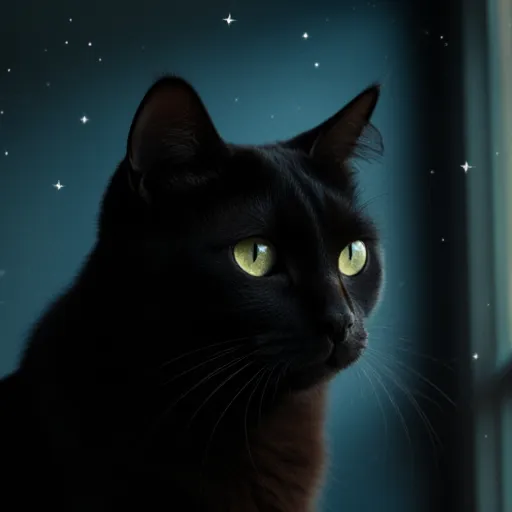
Explore how cats captivate media and hearts alike.
Silent Stars: Cats in Media
Table of Contents
- Introduction to Cats in Movies
- The Rise of Cats as Movie Stars
- Cats in Animated Features
- Cats in Live-Action Films
- Cats and Their Impact on Box Office Success
- Famous Cat Characters in Cinema
- How Cats Influence Movie Genres
- Cats in Pop Culture: From Comics to Merchandise
- The Evolution of Cat Representation
- Cultural Impact on Different Countries
- How Cats Contribute to Social Media Trends
- Legacy of Cat Characters in Modern Cinema
- The Future of Cats in Movies and Pop Culture
- Conclusion
- FAQ
Introduction to Cats in Movies
Cats have always held a special place in pop culture, and this fascination is no stranger to the world of movies. From classic animated features like "The Aristocats" to modern blockbusters such as "Kung Fu Panda," cats have been a beloved part of many cinematic adventures. They are not just animals; they are symbols that often reflect human emotions, traits, or aspirations.
Cats in movies serve multiple purposes: they can be the central characters around which an entire plot revolves, or they can play supporting roles that highlight human virtues and flaws. For instance, in "The Aristocats," the cats embody a sense of family and loyalty, while in "Monsters Inc.," the cat-like creature, Mike Wazowski, represents curiosity and friendship.
In addition to their narrative significance, cats are often used for comedic relief. The antics of Tom and Jerry have been entertaining audiences for decades, showcasing the perpetual conflict between a cunning alley cat and an eager mouse. Similarly, in "Cats & Dogs: The Revenge of Kitty Galore," the interaction between the two species provides a humorous contrast.
Cultural references to cats also extend beyond the screen into real-world phenomena. For example, the 1985 musical film "Hair" popularized the concept of the 'tribe,' a group of people who come together based on shared beliefs or experiences. The term has since been used in various contexts, including discussions about community and support systems.
The influence of cats in movies is not limited to their direct appearance but also includes references through other media like posters, merchandise, and even social media trends. For example, the "MythBusters" episode on cat myths and facts sparked a cultural conversation about feline behavior that extended beyond television.
Understanding how cats are portrayed in movies can provide insights into societal values and human-animal relationships. By analyzing these portrayals, we can see how artists use animals to explore deeper themes such as loyalty, trust, fear, or even humor. This analysis also helps us appreciate the cultural significance of these depictions.
The Rise of Cats as Movie Stars
The rise of cats as movie stars is a phenomenon that has captivated audiences worldwide. Once considered merely pets, cats have now taken center stage in Hollywood, where they are starring in their own films and television series. This shift can be attributed to the growing popularity of social media, where cat videos have become viral sensations, showcasing their playful and often hilarious personalities.
The role of cats in movies has evolved significantly over the years. From early silent films where cats were used for comedic effect to modern blockbusters that feature them as main characters, these felines have proven to be versatile actors on screen. Some notable examples include:
- Cats & Dogs: The Revenge of Kitty Galore: In this 2001 film, a group of pampered pets band together to get revenge on their owners and the people who mistreat them.
- Garfield: Based on the beloved comic strip character, this animated movie series features the titular cat as a central figure in various adventures. The first film, released in 2004, was followed by two sequels, each bringing Garfield to new challenges and adventures.
- Felina: A Tale of Two Cats: This 1967 animated short from Walt Disney Productions introduces the concept of anthropomorphic cats in a charming, whimsical story. The film explores themes of friendship and loyalty between two cats.
Beyond just movies, cats have made significant impacts in pop culture through various mediums such as television shows, music videos, and even video games. Here are some examples:
- Garfield on Television: The animated series based on the character has been a staple of children's programming since its debut in 1987. It combines humor with lessons about love and friendship.
- The Cat in the Hat: Based on Dr. Seuss’s iconic book, this popular TV show features a talking cat that teaches young viewers important life skills through adventure and play.
- Cats & Dogs: The Movie Musical: This unique concept combines two of the most beloved franchises into one musical extravaganza. It showcases both the animal and human characters in a spectacular performance that has thrilled audiences.
The rise of cats as celebrities is not just about their cinematic roles but also about their influence on social media platforms like Instagram, Twitter, and YouTube. Many famous cats have gained massive followings by sharing their daily lives with fans around the world. Some notable examples include:
- Cute Cat Named Whiskers: Known for his playful antics and adorable videos, Whiskers has millions of followers who eagerly await each post.
- Bella the Cheshire Cat: Bella is famous for her mischievous demeanor and quirky behavior, which have made her a sensation on social media.
If you’re a pet owner who dreams of your furry friend becoming the next viral sensation, here are some practical tips:
- Capture Their Personality: Every cat has its unique personality. Focus on capturing those special moments that make them stand out.
- Consistency is Key: Regularly posting content helps build a loyal following. Consistency also ensures that you maintain your audience’s interest over time.
- Engage with Your Fans: Responding to comments and messages shows that you care about your fans, which can foster stronger relationships and increased engagement.
- Dress Up for the Camera: Just like celebrities, cats look their best when they’re styled. Consider getting creative with costumes or accessories to add a fun element to your posts.
The rise of cats as movie stars is more than just a trend; it reflects the changing dynamics between humans and animals in our society. As we continue to celebrate these furry friends on screen and social media, their influence will undoubtedly grow, leading to even more exciting roles and adventures ahead.
Cats in Animated Features
Animated features featuring cats have captivated audiences for decades, blending humor, heart, and cinematic magic. From beloved classics to modern masterpieces, these animated cat characters have left a lasting impact on the world of cinema and pop culture.
Cats in Classic Animated Features
The early days of animation saw cats take center stage in many iconic films. One of the most famous is "The Aristocats" (1970), produced by Disney. This animated feature tells the story of a Parisian household cat who embarks on an adventure after her family becomes displaced, leading to an exciting journey through Paris and beyond. The movie's charming storyline, memorable characters, and lush animation made it a beloved classic.
In "Lady and the Tramp" (1955), another Disney classic, two of the most iconic animated cats in history—Lady and Scutie—are introduced. These characters are not just pets; they are deeply integrated into the story, symbolizing love, loyalty, and family.
Cats in Modern Animated Features
The rise of computer-generated imagery (CGI) has allowed for more dynamic and detailed representations of animated cats. Films like "The Secret Life of Pets" (2016) brought these lovable creatures to life with stunning realism, making them feel almost real. The movie's success is a testament to the power of modern animation technology in creating engaging narratives centered around animal characters.
Another notable example is "Kubo and the Two Strings" (2016), which features animated cats that play significant roles in the story. The film’s innovative stop-motion techniques added depth and character to these feline friends, enhancing their presence in the narrative.
Cats in Pop Culture
The influence of animated cats extends far beyond cinema into pop culture. Cats have become mascots for various brands, from fashion lines to tech companies, symbolizing elegance, intelligence, and a touch of mystery.
In the realm of social media, cats have taken over as internet celebrities, with viral videos, memes, and fan accounts dedicated to these felines. Characters like Garfield, created by Jim Davis in 1978, continue to be popular icons, inspiring countless fan art, merchandise, and cultural references.
Cats in Live-Action Films
The integration of cats into live-action films has become increasingly popular, blending the realistic portrayal of these iconic creatures with cinematic storytelling. This trend is not just a visual spectacle but also a nod to their enduring presence in pop culture and movies. Cats have long been symbols of mystery, elegance, and independence—qualities that resonate well within the narrative structures of many live-action films.
The concept of using real cats for filming dates back decades but gained significant traction with the advent of more advanced camera technology and CGI. Early attempts were often limited by the challenges in capturing cat behavior authentically on film. Over time, filmmakers have refined their techniques to better utilize live cats, ensuring that these animals are treated humanely and professionally during production.
- Black Panther (2018): Though not primarily a cat-centric film, Black Panther features several sequences with real cats. These scenes serve to enhance the mystical and otherworldly atmosphere of Wakanda, showcasing the elegance and grace of felines in a high-stakes environment.
- Moonlight (2016): This critically acclaimed drama includes a pivotal scene involving a stray cat, which is used metaphorically to explore themes of loneliness and connection. The real-life animal adds an authentic touch that deepens the emotional impact of the story.
- Wildlife (2018): Set in the 1960s, this film features a white cat named Lighthouse, whose presence is central to the narrative. The cat’s role is not just ornamental but integral to the plot, reflecting on the bond between humans and nature.
Filmmakers must approach live-action scenes with cats carefully, ensuring both the safety of the animals and the quality of their performance. Directors often collaborate closely with animal behaviorists to understand feline psychology and ensure that the shots are naturalistic. Here are some practical tips:
- Training and Behavior: Cats can be trained for specific actions but require a calm, low-stress environment during filming.
- Health Checks: Regular veterinary check-ups ensure that all animals involved in the production are healthy and comfortable.
- Comfortable Setups: Providing suitable spaces where cats feel secure helps reduce stress, leading to better behavior on set.
The use of real cats has sparked memorable moments in cinema history. For instance, the scene from Wildlife where a young protagonist rescues an injured cat has become a talking point among film enthusiasts. Such moments contribute to the cultural significance of live-action films featuring felines.
Cats continue to play significant roles in live-action films, enriching narratives and captivating audiences with their natural charm and intelligence. As technology advances, filmmakers will likely explore even more innovative ways to incorporate these beloved animals into their stories, ensuring that the bond between cats and cinema remains strong for years to come.
Cats and Their Impact on Box Office Success
Cats have long been a popular subject in movies, often capturing the hearts of audiences worldwide. Their unique charm and personality make them a powerful force when it comes to box office success. From iconic films like "The Cat in the Hat" to modern blockbusters featuring CGI-enhanced felines, cats continue to captivate both children and adults alike.
The role of cats in movies dates back many decades. In 1935, the animated short "Kitty Kornered" by Disney was one of the earliest instances where a cat played a significant part in a film. However, it wasn't until the release of "The Aristocats" (1970) that live-action and animated films featuring cats began to truly impact box office performance.
The 1983 film "My Life as a Dog," which starred a talking cat named Mr. Bigglesworth, was another notable example where the presence of a cat added an extra layer of appeal to an already successful movie franchise. The character became so beloved that he even appeared in sequels and merchandise.
In recent years, advancements in technology have allowed for more realistic and detailed depictions of cats on screen. Films like "Cats" (2019), which utilized extensive CGI, showcased the extraordinary capabilities of computer-generated imagery to bring these creatures to life with stunning accuracy. This kind of production can significantly increase a film's appeal by offering audiences something visually spectacular that they haven't seen before.
Live-action films featuring cats also contribute greatly to their box office success. Examples include "The Secret Life of Pets" (2016) and its sequel, where the human characters become secondary to the vibrant personalities of the animal friends they befriend. These films not only entertain but also educate viewers about pet behavior and care.
Cats are a staple in pop culture, appearing frequently on television shows, video games, and social media platforms. Their popularity is evident through the numerous cat-themed merchandise available worldwide. This widespread visibility can boost movie trailers' effectiveness by associating them with familiar, beloved characters.
Moreover, cats often serve as symbols of independence, mystery, and companionship – qualities that resonate deeply with many viewers. By incorporating these elements into their films, filmmakers not only create engaging narratives but also tap into the deep emotional connections audiences have with felines.
To maximize the impact of cats on a film's success, strategic promotional efforts are crucial. Social media campaigns featuring cat posters or behind-the-scenes content can generate buzz and excitement among fans. Additionally, partnerships with pet stores, veterinarians, and other animal-related businesses can help spread awareness about the movie.
Collaborations with popular influencers who have large followings on platforms like Instagram or YouTube can further enhance a film's visibility. These influencers often have dedicated communities that they can engage to promote the movie, thereby increasing its chances of commercial success.
In summary, cats play an essential role in enhancing the box office performance of films. Whether through traditional animation or cutting-edge CGI, their ability to evoke emotions and create memorable moments ensures that they remain a vital component of successful filmmaking. By understanding this dynamic, filmmakers can leverage the power of felines to captivate audiences and drive ticket sales.
Famous Cat Characters in Cinema
Cats have a rich history in cinema, often representing mystery, independence, and sometimes even comedy. From classic films to modern blockbusters, certain cat characters have become iconic figures in pop culture. These feline friends not only entertain but also challenge our perceptions of what animals can bring into the world of storytelling.
The relationship between Tom and Jerry is one of the most famous cat-and-mouse duos in animated history. Created by William Hanna and Joseph Barbera, this pair first appeared on screen in 1940 with "Puss Gets the Boot." Over the years, they've been featured in over 120 shorts for MGM and have starred in multiple full-length feature films. Tom's character is a sly, cunning tomcat who always finds himself in some kind of trouble, while Jerry is the small mouse who outwits him time and again.
One notable example is "The Cat and the Fiddle" (1944), where Tom's love life takes center stage. His romantic endeavors often reflect human desires for love and affection in a humorous way. Another famous film is "Tom and Jerry: The Movie" from 1992, which brought these beloved characters to a new generation of audiences.
Another iconic cat character comes from Disney's animated featurette "The Aristocats," released in 1970. Sir Whiskers is the pampered and aristocratic cat of Duchess, a Siamese queen who has been separated from her family. This character symbolizes wealth, status, and elegance. His interactions with the human characters are light-hearted yet poignant, reflecting themes of family reunion and the bond between animals and humans.
One memorable scene involves Sir Whiskers leading the other cats in a grand entrance at Bonnyview Manor after they have been rescued from the sewers by scraggly alley cats. This moment showcases his leadership qualities and sense of dignity despite his past as an urban cat.
In live-action cinema, cats can also play important roles that go beyond mere comedy or symbolism. In Stephen Spielberg's "The Goonies" (1985), Rusty, the family cat, plays a crucial part in the plot. He is instrumental in leading the main character, Mikey, to a hidden door behind their home's fireplace. This scene adds an element of charm and realism, as it shows how even pets can be integral to the narrative.
Rusty's presence also serves to humanize the McSorley family, making them more relatable to audiences. His actions contribute significantly to advancing the story without overshadowing the main characters' roles.
Finally, we cannot overlook Garfield, the orange tabby cat who has captivated millions since his comic strip debut in 1978. Garfield is known for his love of lasagna and his sarcastic personality, which often clashes with his human family, Jon Arbuckle. Despite his lazy nature, he manages to get himself into all sorts of adventures.
The live-action adaptation "Garfield: The Movie" (2004) brought this beloved character to the big screen. While some critics found it lacking in comparison to the original comic strip, others appreciated its colorful animation and entertaining storyline. Garfield's humor is simple yet effective, making him a favorite among family audiences.
How Cats Influence Movie Genres
Cats have long been a subject of fascination, not just for their physical charm but also for their influence on various aspects of popular culture. Their presence in movies has significantly shaped and influenced different genres, from animated features to live-action blockbusters. Cats’ unique characteristics—such as independence, intelligence, and emotional depth—have allowed them to cross over into a variety of film genres, each bringing something new to the table.
In the realm of animated films, cats have often been portrayed as protagonists or key characters, contributing to the development of distinct subgenres. For instance:
- Comedy: Animated cat characters like Garfield and Tom from "Tom and Jerry" series are quintessential comedic figures. Their interactions with humans and other animals often revolve around humor and slapstick situations, making them ideal for comedy genres.
- Fantasy: Cats like Puss in Boots from "Puss in Boots" or Totoro from "My Neighbor Totoro" represent mystical elements often associated with fantasy. Their magical abilities and adventurous spirit add a layer of fantasy to the story, making these films more enchanting.
Example: The movie "Garfield: A Tail of Two Kitties" showcases Garfield’s antics in a humorous setting, highlighting his love for lasagna and laziness which are the core of many comedic scenes.
Example: In "Puss in Boots," Puss uses his charm and wit not only as a character but also to drive the plot forward, blending humor with magic.
Cats have made significant impacts on live-action films too. Here’s how they influence various genres:
- Drama: Live-action cat characters, such as those in "Hitchcock" or "The Cat in the Hat," bring a touch of human emotion and depth to their roles. Their actions can reflect themes like loneliness, companionship, and even mystery.
- Action/Adventure: Live-action films featuring cats often incorporate elements of action and adventure, emphasizing their agility and cunning. They can also play pivotal roles in the storyline, creating memorable sequences that drive the narrative forward.
Example: In "Hitchcock," the cat represents the character’s inner turmoil and fear, adding an emotional layer to the plot.
Example: The live-action adaptation of "The Secret Life of Walter Mitty" features a cat named Mittens, whose presence adds an adventurous and quirky element to the film.
Cats are deeply embedded in pop culture, influencing not just movies but also television shows, video games, merchandise, and even social media trends. Their influence on genres is multifaceted:
- Television Shows: Shows like "Catscratch" or "Kitty Comics" highlight the enduring popularity of cats in various forms of media. These shows often explore themes of identity, friendship, and family, further cementing cats’ role in shaping cultural narratives.
- Video Games: Cats have made appearances in video games, contributing to the gaming experience by adding an element of challenge or companionship. Characters like Shadow from "Shadow the Hedgehog" or Meowth from the "Pokémon" series are iconic examples that bridge the gap between gaming and pop culture.
In conclusion, cats have a profound influence on movie genres, enriching them with their unique attributes. From animated features to live-action blockbusters, they continue to captivate audiences worldwide. Understanding how cats shape these genres can provide deeper insights into the evolution of popular culture and entertainment.
Cats in Pop Culture: From Comics to Merchandise
Cats have long been a beloved part of pop culture, from comic books to merchandise. Their mysterious and elegant nature has made them iconic figures not just in movies but also across various forms of media and everyday products.
In the world of comics and graphic novels, cats have often been portrayed as witty companions or even as protagonists. One famous example is the character Garfield from Jim Davis's comic strip and books. Garfield is a fat orange tabby cat known for his love of lasagna and sarcasm. His popularity has transcended media, appearing in animated series and video games.
Another notable mention is the duo of Tom and Jerry from William Hanna and Joseph Barbera’s cartoons. These two cats have been captivating audiences since the early 1940s through their classic chase scenes filled with humor and cleverness.
Cats in movies have had significant roles, both as central characters and supporting actors that add depth to narratives. One of the most iconic cat portrayals is from the 1970 film "The Love Letter," where a talking Siamese cat named Mittens plays a crucial role in delivering a love letter to the main character.
In more recent times, the 2015 Disney Pixar movie "Inside Out" features a cat named Bing Bong, who is part of Riley's imaginary friends. Despite not being human himself, Bing Bong’s presence adds an emotional depth to the story and helps in illustrating Riley's feelings.
The live-action adaptation of the 2019 film "The Cat in the Hat" starring Jim Carrey also brought a talking cat into the spotlight, though this time as a fictional creation who causes chaos with his unique brand of mischief.
Cats have left an indelible mark on pop culture. They are featured in countless memes, merchandise, and social media trends. For instance, the internet phenomenon of "Grumpy Cat" in 2013 showcased a cat with an unusually sour expression that became a viral sensation.
Merchandise based on popular cats is widely available, ranging from toys and clothing to accessories like bags and pet beds. These items are not only functional but also serve as tributes to their iconic status in pop culture.
To celebrate the role of cats in pop culture, bloggers and social media influencers often create content that highlights these beloved creatures. This can include photo albums, video reviews, or even contests where fans submit their cat-related stories and photos.
For WordPress blogs, incorporating rich media like videos and galleries can enhance engagement. Additionally, using relevant hashtags such as #CatsInPopCulture can help reach a broader audience interested in similar topics.
Cats continue to be a fascinating element in pop culture, bringing humor, warmth, and emotional depth to various forms of media. From comics and movies to everyday products, cats captivate audiences worldwide, leaving an enduring legacy in the realm of popular culture.
The Evolution of Cat Representation
The evolution of cat representation in movies and pop culture has been a fascinating journey, reflecting societal changes and human affections towards these creatures. Over the years, cats have transitioned from merely animals to symbols of companionship, mystery, and even power. Their portrayal has influenced how we perceive them both culturally and emotionally.
In early cinema, cats were often depicted as simple household pets or side characters in family-friendly films. For instance, in the 1930s animated short "Felix O'Cats" by Pat Sullivan, Felix is a mischievous but lovable stray cat who becomes a hit with audiences. This portrayal helped cement the idea of cats as cute and entertaining companions.
Cats began to symbolize more complex themes in movies during the 1950s and 60s. Films like "The Cat Returns" (2002) from Japan introduced a cat as a metaphor for human connection, exploring deeper narratives about love and transformation. In Western cinema, cats started appearing as characters with supernatural or mystical powers, reflecting an increase in public interest in fantasy and the unknown.
The 1970s saw a surge of cat popularity in music, literature, and advertising. The song "Mr. Moonlight" by Olivia Newton-John made cats a symbol of romance and mystery, while the character Garfield became an icon through comic strips and merchandise. These representations helped cement cats' status as household darlings and cultural ambassadors.
In recent years, cats have taken on new roles as powerful allies or even heroes themselves. The Marvel film "Doctor Strange" features a mystical cat named Samsara who helps the protagonist with his spiritual journey. This portrayal of cats as guardians and guides is a departure from earlier depictions and showcases their evolving role in superhero narratives.
The representation of cats in movies and pop culture continues to evolve, mirroring changing societal attitudes towards these beloved creatures. Whether as simple pets or complex symbols, cats remain a significant part of our cultural landscape, constantly adapting to new stories and meanings.
Throughout this evolution, the bond between humans and cats has remained strong, reflecting in how they are portrayed on screen and in media. By understanding these changes, we can appreciate the depth and diversity that cats bring to our lives and entertainment.
Cultural Impact on Different Countries
The cultural impact of cats has been profound and varied across different countries, significantly influencing pop culture and movies. Cats have long held a special place in human societies, often symbolizing companionship, independence, and mystery. Their presence in films and media can be traced back to early animation, where they captured audiences' hearts with their playful and sometimes mischievous natures.
In Japan, cats are deeply integrated into the cultural fabric and have a significant influence on pop culture. The country has produced numerous anime and manga series featuring cats as central characters. For example, in "Nyan-Nyan-san," a popular webtoon and meme, a yellow cat symbolizes fortune. This cultural iconography reflects Japan's unique aesthetic sensibilities and beliefs.
Cats are also prominent in Japanese literature and art. The cat burglar character, Tora-san, from the long-running "Tora-san" film series, has become an iconic figure. These films explore themes of human relationships, societal issues, and cultural identity through the eyes of a street-smart feline.
In Western countries like the United States and parts of Europe, cats have long been celebrated as beloved pets. This admiration is often reflected in popular media such as movies and television shows. One notable example is "Garfield," a comic strip and animated series that has entertained audiences for decades. Garfield's love for lasagna, his disdain for Mondays, and his quirky personality have made him one of the most recognizable characters globally.
Another influential film featuring cats is "The Secret Life of Pets." This movie explores the lives of pets when their owners are away, showcasing their intelligence, emotions, and interactions. By bringing these animals to life on screen, it has sparked a renewed interest in pet behavior and care across various cultures.
The impact of cats extends beyond just animated features; they have also found a place in live-action films. One such example is "The Cat Returns," an animated fantasy film produced by Studio Ghibli, which tells the story of a human girl who encounters a magical cat. This film combines traditional Japanese storytelling techniques with Western animation styles, creating a unique cultural fusion that resonates with audiences worldwide.
In live-action films like "Cats" (2019), directed by Adam Shankman and based on Andrew Lloyd Webber's musical, the portrayal of cats as complex beings capable of deep emotions captivated viewers. While not always received positively due to its mixed reviews, it nonetheless highlighted how versatile and essential cats are in Hollywood narratives.
It is crucial for creators from various countries to approach the portrayal of cats with cultural sensitivity. Misrepresentations can lead to misunderstandings or even offense among different communities. For instance, in some cultures, certain types of cats are revered as sacred animals, such as the Egyptian deity Bastet. Representing these animals accurately and respectfully ensures that media reflects a diverse and inclusive world.
To achieve this, it is beneficial for creators to collaborate with local experts or individuals familiar with the culture they are portraying. This can help ensure authentic representations of cats in their cultural context, enhancing both the accuracy and appreciation of the work by its intended audience.
Cats have left an indelible mark on pop culture and movies across numerous countries. Their portrayal varies from country to country, influenced by local traditions, beliefs, and aesthetics. By understanding these differences and respecting cultural contexts, we can appreciate the universal appeal of cats in a truly global sense.
How Cats Contribute to Social Media Trends
Cats have long been a central figure in pop culture, appearing not just in movies but also in television shows, books, and everyday products. Their unique personalities and behaviors make them perfect subjects for social media trends. Cats' contributions to these trends are multifaceted, with their image as both beloved pets and quirky characters driving viral moments.
The role of cats in movies has significantly influenced the way we interact with them on social media. From animated films like "Toy Story," where a cat named Slinky Dog became an instant internet sensation, to live-action movies like "Bolt," which showcased the intelligence and charm of dogs (but not without some feline influence), these cinematic representations have set the stage for cat-related trends.
Cats in animated films often serve as sidekicks or main characters, providing a humorous or relatable element to the storyline. In "The Aristocats," for instance, the character of Duchess, a pampered Parisian cat who becomes an unlikely leader, captivated audiences and led to increased interest in feline companionship. This kind of representation can inspire followers on social media to share stories about their own cats or even start themed challenges.
The success of these movies also leads to merchandise and fan art that further promotes the cat lifestyle. Social media influencers often use this content to create engaging posts, which in turn attract more viewers and followers. For example, a viral Instagram story featuring a cat wearing a hat from "The Aristocats" could lead to increased awareness about adopting cats.
In pop culture, cats have been portrayed as both heroes and villains. The character of Garfield has been a cultural icon since the 1970s, with his humorous personality and love for lasagna making him a favorite among millions. Garfield comics often feature funny situations involving the cat's misadventures, which are frequently shared on social media platforms like Twitter and Facebook.
Another example is the character of Mr. Whiskers from Disney’s "101 Dalmatians." While initially seen as a villain in the movie, his portrayal has evolved over time to be more humorous, often appearing in fan art and memes on platforms such as Reddit and Imgur.
The influence of these cultural figures extends beyond entertainment; they shape how people perceive cats. For instance, when Garfield is featured in a popular meme or comic, it can lead to discussions about cat behavior, nutrition, or even the ethical considerations of pet ownership. Social media users may use such content to start conversations on forums and blogs, leading to increased engagement with cat-related topics.
- Create Content That Reflects Popular Cat Movies: Use popular cat movies as inspiration for your posts. For example, if a movie features a cat solving mysteries, you could create a series of videos showcasing your own pets doing similar activities.
- Engage with Memes and Trends: Keep an eye on current pop culture trends related to cats. When a meme or trend starts gaining traction, participate by creating your own content that aligns with it. This can help increase visibility and engagement.
- Collaborate with Influencers: Partnering with influencers who focus on pet care or entertainment can significantly boost the reach of your posts. They often have loyal followings interested in cat-related content.
In conclusion, cats play a crucial role in shaping social media trends through their appearances in movies and pop culture. By understanding this influence and adapting it to social media platforms, you can create engaging and popular content that resonates with your audience.
Legacy of Cat Characters in Modern Cinema
The legacy of cat characters in modern cinema is a fascinating exploration of how these feline creatures have captivated audiences across various genres. Cats, with their mysterious and often unpredictable nature, have become iconic symbols in both movies and pop culture.
Cats have long been portrayed as enigmatic and sometimes magical beings in films. From the sleek and sophisticated characters like Garfield to the mystical creatures seen in fantasy films, cats continue to leave an indelible mark on cinema. One of the most notable cat characters is Simba from "The Lion King," whose journey of self-discovery has resonated with audiences worldwide.
In the realm of animated films, cats have often been used to convey humor and wit. For instance, Tom and Jerry's constant chase scenes are a staple in animation history, showcasing the playful and sometimes mischievous nature of cats. Another example is Garfield, whose character has evolved over decades from a simple comic strip to a full-fledged animated series.
In recent years, animated films like "Kingsman: The Golden Circle" feature cats as key plot elements, adding depth to the story and enhancing the visual appeal of the film. These characters not only entertain but also serve as metaphorical representations in their respective narratives.
Live-action films have similarly embraced cat characters for their emotional depth and relatability. In "Garfield: The Movie," the character is portrayed with a blend of humor, heart, and a touch of rebellion, which connects deeply with viewers, especially those who grew up reading the comic strip.
Another example is "Black Panther," where a cat named Okoye plays a significant role in the story. Cats like these not only add to the visual spectacle but also serve as powerful symbols within the film's narrative framework.
The influence of cats extends beyond cinema into various aspects of pop culture. Cat-themed merchandise, such as toys and apparel, is a booming industry, with iconic cat characters like Garfield leading the charge. Social media platforms are filled with cat memes and videos that highlight their playful and often humorous behavior.
Cats have also been featured in literature, from classic works to contemporary novels, where they are used as narrators or key figures. For instance, in "Charlotte's Web," a wise old pig befriends a spider named Wilbur, but the book also incorporates a cat character named Templeton. These characters contribute significantly to the story's themes of friendship and loyalty.
Blogging about cats in cinema can be both fun and lucrative if done thoughtfully. Start by exploring the history of cat characters in films, highlighting how they have evolved over time. Discuss specific movies where cats play pivotal roles, analyzing their impact on the narrative.
Include interviews with animators or directors who worked on these projects to provide insider perspectives. You can also feature user-generated content like fan art and reviews of cat-themed films. Engage your readers by asking for their favorite cat characters in cinema and discussing why they resonate so much.
The Future of Cats in Movies and Pop Culture
The future of cats in movies and pop culture appears to be a continuation of their already significant presence. Cats have long been a popular choice for filmmakers, designers, and creators looking to add charm, symbolism, and an element of whimsy to their projects. As technology advances and audiences' tastes evolve, the role of cats is likely to become even more prominent in both big screen and digital platforms.
One trend that's expected to continue is the portrayal of cats as intelligent, nuanced characters with complex personalities. Recent films like "Kubo and the Two Strings" have shown that animated cats can be incredibly powerful narrators and central figures. The future could see more live-action films featuring cats in lead roles where their intelligence and expressiveness are fully utilized.
Another area of growth is the use of cats as symbols for different emotions or concepts. Cats have historically been used to symbolize independence, mystery, and even danger, depending on the context. In future movies and TV shows, we might see cats being used more frequently as metaphors for societal issues like loneliness, anxiety, or resilience.
Pop culture references to cats are also becoming more sophisticated and widespread. Social media platforms and influencer marketing have given rise to numerous viral cat trends. Cats like Lil Bub and Grumpy Cat have already demonstrated the power of online stardom. In the future, we can expect to see more celebrity cats or even hybrid characters that blend human and animal traits.
When it comes to technology, virtual reality (VR) and augmented reality (AR) could offer new ways for audiences to interact with feline characters. Imagine walking through a VR experience where you meet various cats who each have their own unique stories or personalities. In AR, we might see apps that allow users to place virtual cat avatars in their environment, creating an immersive experience.
Moreover, as the world becomes more aware of environmental and ethical concerns, there could be a shift towards using CGI models for cats instead of live animals. This not only reduces stress on real animals but also allows for greater control over appearance and behavior during shoots.
In conclusion, while it's impossible to predict exactly what form the future will take, one thing is clear: cats will continue to play significant roles in movies and pop culture. Their unique traits make them perfect companions for storytelling, and as long as people love these creatures, their influence on media will only grow stronger.
Conclusion
Throughout the years, cats have made a significant mark on movies and pop culture, becoming iconic symbols that resonate deeply with audiences worldwide. Their unique personalities and mysterious charm make them perfect for storytelling, whether it's in animated features or live-action films.
Cats in movies have often been used to embody certain traits or messages. For instance, the character of Toto from "The Wizard of Oz" (1939) represents loyalty and companionship, guiding Dorothy back home. Similarly, Garfield, created by Jim Davis, uses humor and wit to critique modern consumer culture. These examples highlight how filmmakers leverage cats' natural behaviors and traits for deeper narrative purposes.
In pop culture, the influence of cats extends far beyond the silver screen. Memes featuring famous felines like Grumpy Cat or Lil Bub have taken social media by storm, showcasing how these creatures can transcend traditional entertainment boundaries to become internet celebrities. Their popularity is not just about cuteness; it's about their ability to connect people across different cultures and generations.
Practically speaking, if you're writing a WordPress blog that focuses on cats in movies and pop culture, consider incorporating multimedia elements such as videos, photos, and GIFs. For instance, embedding clips from iconic cat scenes in films can help illustrate points more effectively. Additionally, using relevant hashtags on platforms like Instagram or Twitter could increase visibility for your posts.
Moreover, engaging with your audience by asking them to share their favorite cat moments from movies or discuss their own experiences with pet cats can foster community interaction. Encouraging user-generated content not only enhances engagement but also provides fresh perspectives that enrich the overall discussion around this topic.
In conclusion, whether you're writing about how Toms in classic literature relate to cat characters on screen or exploring contemporary trends like furries and their cultural significance, there's always something new to discover. By delving deeper into these topics, we continue to celebrate the timeless appeal of our four-legged friends.
FAQ
Q: What role do cats play in movies and pop culture?
Cats have long been a beloved part of popular culture, often appearing in movies and television shows as iconic characters. From the wise and mystical Tom from "Tom and Jerry" to the sassy and stylish Garfield, these felines have captured hearts through their humor, intelligence, and charm. In pop culture, cats are also symbols of independence, mystery, and elegance, making them perfect for storytelling.
Q: Can you give an example of a famous cat character in movies?
Certainly! One of the most iconic cat characters is Garfield from Jim Davis' comic strip and animated series. Known for his love of lasagna, sarcasm, and laziness, Garfield has been a mainstay in pop culture since the early 1980s. His first movie adaptation released in 2004 and was followed by another in 2016, showcasing his popularity.
Q: How have cats been portrayed in different genres of movies?
Cats can be found across various genres, from animated films to live-action dramas. In animated movies like "The Secret Life of Walter Mitty" and "Inside Out," where a cat named Mittens plays a significant role, they are often used to convey emotion or add depth to the narrative. Live-action films have also featured cats, such as in "Garfield: The Movie" and "The Secret Life of Pets," where the animal characters interact with human actors.
Q: Are there any famous cat actors?
Yes, many cats have made their mark on screen. For example, Mr. Whiskers from "Cat in the Hat" and Simon from "The Cat in the Hat" are well-known for their roles as main characters. Additionally, there are numerous instances where real cats have been used to portray themselves or similar feline characters in movies.
Q: How do cats influence fashion trends?
Cats have a significant impact on fashion trends, often inspiring designers and models. From cat-print dresses to accessories adorned with cat motifs, the influence of these elegant creatures can be seen across various styles. For instance, the famous "cat-eye" glasses and the "cat suit" in superhero films like "Catwoman" showcase how cats have shaped fashion.
Q: What impact do social media influencers have on cat popularity?
Social media platforms such as Instagram, TikTok, and YouTube have played a crucial role in the rise of cat popularity. Influencers often share photos and videos of their pets, which can go viral and inspire fans to emulate these trends. For example, hashtags like #catsofinstagram or #cutecatsoften trend, highlighting how social media can elevate the status of certain cats.
Q: How do cats influence advertising and branding?
Cats are frequently used in advertisements for pet products, food brands, and even luxury items. Their appeal is vast due to their cuteness and relatability. For instance, purring cat sounds can be heard in ads promoting relaxation or stress relief. Brands like Purina and Whiskas often feature cats in their campaigns, capitalizing on the love people have for these animals.
Categories
- AI & Enrichment Play
- Broiler Farming
- Broiler Farming Tips
- Canine Wellness & Longevity
- Cat
- Cat & Human Connection
- Cat Adoption & Rescue
- Cat Breeds
- Cat Breeds & Personalities
- Cat Care & Health
- Cat Grooming & Hygiene
- Cat Lifestyle & Environment
- Cat Myths & History
- Cat Nutrition & Diet
- Cat Products & Reviews
- Cat Training & Behavior
- Comparison
- Consumer Awareness
- Dog
- Dog Accessories & Products
- Dog Adoption & Rescue
- Dog Breed & Lifestyle Trends
- Dog Breeding & Puppies
- Dog Entertainment & Media
- Dog Fashion & Trends
- Dog Fun & Lifestyle
- Dog Grooming & Hygiene
- Dog History & Culture
- Dog Myths, Science & Future Tech
- Dog News & Trends
- Dog Nutrition & Food
- Dog Psychology & Emotions
- Dog Safety & Security
- Dog Sports & Activities
- Dog Technology & Innovation
- Dog Training for Modern Owners
- Dog Travel & Adventure
- Dog Travel, Adventure & Culture
- Economic and Market Insights
- Educational Content
- FAQs
- Feeding Alternatives
- Festivals & Seasonal Ideas
- Fun & Entertainment
- General Knowledge
- General Pig Farming
- Health & Disease Management
- Housing and Environment
- Kittens
- Market Insights
- Miscellaneous
- Miscellaneous
- Motivational
- pig
- Pig Breeding
- Pig Breeds
- Pig Farming Stories and Inspiration
- Pig Health and Care
- Pig Nutrition
- Pig Products
- Profitability & Business
- Puppy Care
- Puppy Predictable Topics Reinvented
- Regional Focus
- Rescue & Adoption Buzz
- Senior Cats
- Senior Dog Care
- Smart Dog Tech & Gadgets
- Sustainability
- Sustainable & Eco-Friendly Dog Products
- Tech & Innovations
- Working & Service Dogs
- Broiler Feed66 products
- Country Feed33 products
- Pig Feed66 products
- Product22 products
- Raw Materials99 products
Products
-
 Fish Meal
₹1,999.00 – ₹2,999.00Price range: ₹1,999.00 through ₹2,999.00Rated 0 out of 5
Fish Meal
₹1,999.00 – ₹2,999.00Price range: ₹1,999.00 through ₹2,999.00Rated 0 out of 5 -
 FATTENING BROILER FEED
₹2,299.00 – ₹2,349.00Price range: ₹2,299.00 through ₹2,349.00Rated 0 out of 5
FATTENING BROILER FEED
₹2,299.00 – ₹2,349.00Price range: ₹2,299.00 through ₹2,349.00Rated 0 out of 5 -
 LAYER COUNTRY FEED
₹1,549.00 – ₹1,649.00Price range: ₹1,549.00 through ₹1,649.00Rated 0 out of 5
LAYER COUNTRY FEED
₹1,549.00 – ₹1,649.00Price range: ₹1,549.00 through ₹1,649.00Rated 0 out of 5 -
 COUNTER BROILER FEED
₹1,199.00 – ₹1,299.00Price range: ₹1,199.00 through ₹1,299.00Rated 0 out of 5
COUNTER BROILER FEED
₹1,199.00 – ₹1,299.00Price range: ₹1,199.00 through ₹1,299.00Rated 0 out of 5 -
 LACTATING PIG FEED
Rated 0 out of 5
LACTATING PIG FEED
Rated 0 out of 5₹2,299.00Original price was: ₹2,299.00.₹1,740.00Current price is: ₹1,740.00. -
 Maize
Rated 0 out of 5
Maize
Rated 0 out of 5₹1,650.00Original price was: ₹1,650.00.₹1,300.00Current price is: ₹1,300.00. -
 GESTATION PIG FEED (Phase 1)
Rated 0 out of 5
GESTATION PIG FEED (Phase 1)
Rated 0 out of 5₹2,249.00Original price was: ₹2,249.00.₹1,699.00Current price is: ₹1,699.00. -
 Pre Starter Broiler Feed
₹2,399.00 – ₹2,499.00Price range: ₹2,399.00 through ₹2,499.00Rated 0 out of 5
Pre Starter Broiler Feed
₹2,399.00 – ₹2,499.00Price range: ₹2,399.00 through ₹2,499.00Rated 0 out of 5 -
 FINISHER PIG FEED
Rated 0 out of 5
FINISHER PIG FEED
Rated 0 out of 5₹2,299.00Original price was: ₹2,299.00.₹1,749.00Current price is: ₹1,749.00. -
 Broiler Premix
Rated 0 out of 5
Broiler Premix
Rated 0 out of 5₹820.00Original price was: ₹820.00.₹699.00Current price is: ₹699.00.