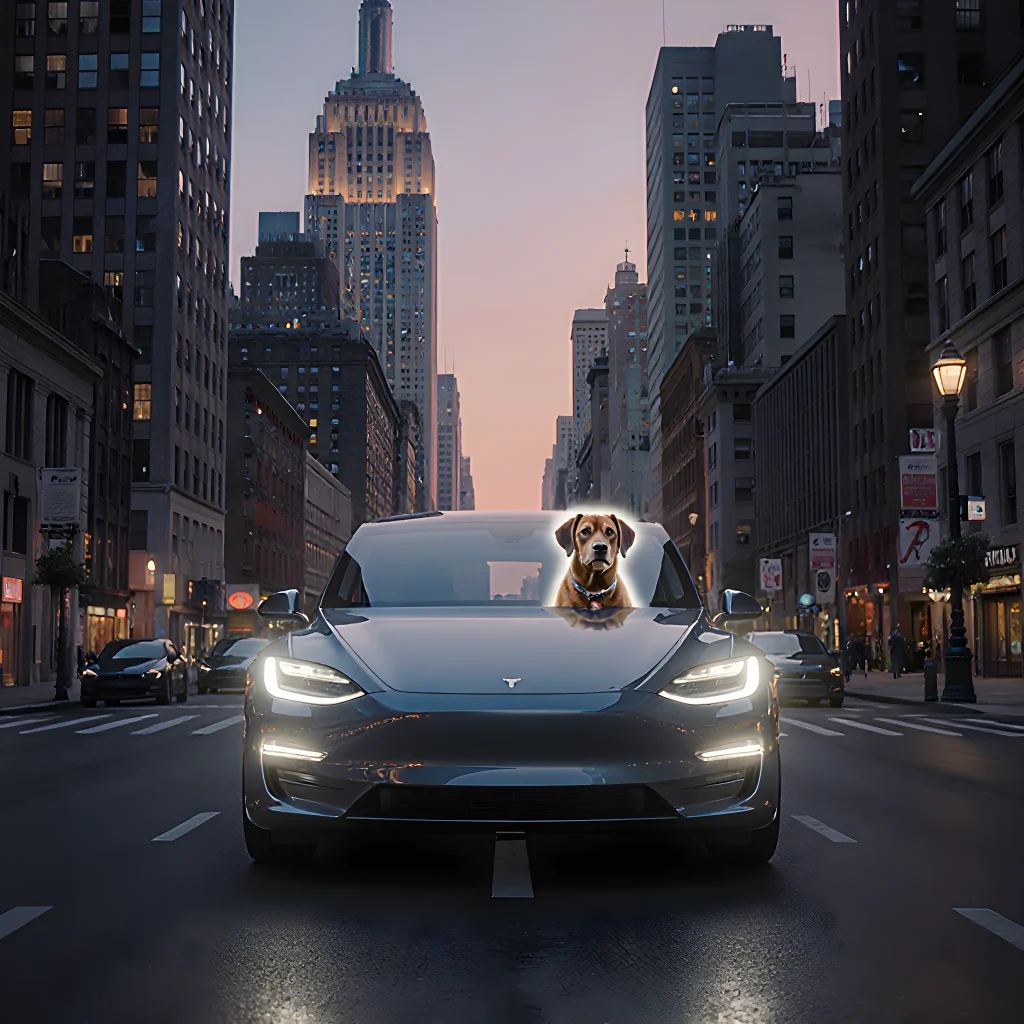
Silent Surge Trips: Dogs Explore U.S. on Whisper‑Quiet Cars
Silent Surge Trips: Dogs Explore U.S. on Whisper‑Quiet Cars
Table of Contents
Introduction
Pet‑Friendly Electric Vehicle Trips Across the United States
Electric vehicles (EVs) are rapidly becoming the go‑to choice for eco‑conscious travelers, and they’re also a great fit for those who love to bring their furry companions along. Whether you’re planning a cross‑country road trip or a weekend getaway, an EV can offer quieter rides, lower running costs, and access to a growing network of charging stations that cater to pet owners.
- No Tailpipe Emissions – Keep your pup’s lungs as clean as the scenery you’re exploring.
- Quiet Operation – Less noise means fewer distractions for both you and your pet, especially during long stretches of highway.
- Regenerative Braking – Helps conserve battery power, allowing you to travel farther between charges—crucial when you’re far from a charging station.
- Temperature Control – Many EVs feature advanced climate‑control systems that can maintain optimal cabin temperatures for both humans and pets.
- Charging Stations with Dog‑Friendly Amenities – Use apps like PlugShare or ChargeHub to locate stations that have pet wash stations, dog parks, or nearby pet restaurants.
- Stop Over at Dog Parks and Trails – Plan your stops around state parks or national forests that allow pets on leashes. The National Park Service often lists pet‑friendly trails in their park guides.
- Pet‑Friendly Rest Stops – Many highway rest areas now feature dog parking spots and water bowls. Check the Federal Highway Administration’s website for updated lists of pet‑friendly service plazas.
- Vehicle Space Planning – Ensure your EV has enough cargo space for a carrier, bedding, and supplies. Models like the Tesla Model Y or Ford Mustang Mach-E offer generous cargo areas that can be easily adapted for pets.
| Item |
Why It Matters |
Suggested Brands/Products |
| Portable Dog Bed or Carrier |
Provides a familiar, safe space for your pet during stops. |
Kurgo Skybox, Snoozer My Pet Place |
| Collapsible Water Bowl & Hydration Pack |
Ensures your pet stays hydrated throughout the drive. |
AquaPup, CamelBak Chute Dog |
| First Aid Kit (Pet‑Specific) |
Quick response to minor injuries or emergencies. |
VET-TEC, Pet First Aid by American Veterinary Medical Association |
| Leash & Harness with Reflective Accents |
Enhances safety during nighttime walks and stops. |
Blue-9, Ruffwear Front Range |
| Pet Treats & Chews |
Mild distractions to keep your pet calm in the car. |
Greenies, Zuke’s Mini Bites |
The latest EV models now come with features that make charging hassle‑free for pet owners:
- Smart Charging Apps – Many manufacturers provide mobile apps that notify you when a charger is available, how long the charge will take, and even if the charger has a dog wash station nearby.
- Pre‑Charge Features – You can pre‑heat or pre‑cool your cabin while the battery charges, ensuring a comfortable environment for your pet as soon as you start driving.
- Battery Management Systems (BMS) – Advanced BMS help maintain optimal battery health, meaning fewer stops for charging and more time spent exploring with your pet.
A recent blog post by Pet Friendly EV Adventures followed a family of four, including their golden retriever “Milo,” as they drove from San Francisco to Los Angeles in a Tesla Model 3. Highlights:
- Used the Tesla Supercharger Network, all of which had dog‑friendly parking areas.
- Stopped at Point Lobos State Natural Reserve, where Milo could roam freely on a leash while the family enjoyed a scenic picnic.
- At each charging point, they used the built‑in air‑freshener feature to keep cabin odors minimal for their pet.
- Test Drive Your EV with Your Pet First – Before the big trip, take your pet on a short drive to gauge cabin temperature control and overall comfort.
- Keep the Car Ventilated – Even in an EV, proper ventilation is key; use windows or climate‑control settings that keep pets safe.
- Plan for Emergencies – Have a backup charging plan and know where the nearest veterinary clinic is located along your route.
By combining thoughtful planning, pet‑friendly amenities, and the inherent benefits of electric vehicles, you can enjoy an eco‑conscious road trip that keeps both you and your four‑
Benefits of Electric Vehicles for Pets
Electric vehicles (EVs) offer a host of advantages for pet owners planning road trips across the United States. From quieter rides to cleaner air, EVs create a more comfortable and healthy environment for your furry companions.
1. Quieter Interior – Less Stress for Your Pet
The near-silent operation of an EV means fewer startling engine noises. Dogs that are sensitive to loud sounds, such as thunderstorms or traffic, often remain calmer during the drive. A study by the American Veterinary Medical Association found that reduced noise levels can lower cortisol (stress hormone) concentrations in dogs.
2. Cleaner Air – Protecting Sensitive Breeds
EVs produce zero tailpipe emissions, eliminating pollutants like nitrogen oxides and particulate matter that can aggravate asthma or heart conditions in pets. Breeds with respiratory issues—such as Bulldogs, Basset Hounds, or Pugs—benefit significantly from the improved cabin air quality.
3. Greater Fuel Efficiency – More Stops for Treats
While EV range varies by model, many modern cars can travel between 250–400 miles on a single charge. This allows pet owners to plan stops at dog-friendly parks or rest areas along popular routes like the Northwest Route or the Texas EV Trail. These stops provide ample space for pets to stretch and explore.
4. Built-in Features Designed for Pets
- Rear Air Vents: Many EVs have adjustable rear vents that allow fresh air to circulate without blowing directly on pets.
- Lower Seat Height: The absence of a traditional engine block often results in lower seats, making it easier for cats and small dogs to jump in and out safely.
- Smart Connectivity: Some models let you control climate settings via an app, ensuring your pet’s temperature is optimal even before you arrive at the destination.
5. Eco-Friendly Travel – Teaching Responsibility
Choosing an EV demonstrates a commitment to sustainability that can inspire younger family members and their pets. Many pet-friendly routes, such as the Coastal EV Drive, include educational stops at wildlife refuges where you can learn about local ecosystems.
Practical Tips for a Pet-Friendly EV Trip
- Plan Charging Stops: Use apps like PlugShare or ChargeHub to locate charging stations that offer pet-friendly amenities (e.g., nearby parks).
- Pack Comfort Items: Bring a favorite blanket, water bowl, and a few treats. Many EVs have built-in cup holders large enough for a water bottle.
- Maintain Ventilation: Keep the cabin temperature moderate; use seat heaters sparingly to avoid overheating your pet.
- Use Pet-Friendly Routes: Explore dedicated trails such as the Mountain EV Path, which feature scenic viewpoints and designated pet rest areas.
By opting for an electric vehicle, you’re not only reducing your carbon footprint but also creating a safer, more enjoyable journey for your beloved companion. Next time you plan a cross-country adventure, consider the benefits above and choose a route that’s as friendly to pets as it is to the planet.
Preparing Your Pet for the Road
Whether you’re planning a cross‑country adventure or a weekend getaway, a pet‑friendly electric vehicle (EV) can make traveling with your furry friend easier and more comfortable. Below are practical tips to help you and your companion enjoy a safe, stress‑free journey.
1. Choose the Right EV for Your Pet’s Size
- Compact cars (e.g., Tesla Model 3, Hyundai Ioniq) are great for small dogs or cats—just make sure there is enough space for a carrier.
- SUVs and larger EVs (e.g., Ford Mustang Mach‑E, Chevrolet Bolt EUV) provide ample cargo area for big dogs or multiple pets.
2. Test the Vehicle’s Climate Control
EVs often have advanced HVAC systems that can maintain consistent temperature even when charging stations are far apart. Before you hit the road:
- Set the climate control to your pet’s preferred temperature.
- Check for any drafts or hot spots around the cargo area.
- Use a portable pet fan or cooling mat if traveling in hot climates.
3. Pack a Pet‑Friendly Charging Station Map
Plan your route using apps like PlugShare, ChargePoint, or Tesla’s Supercharger network. Mark stops that offer:
- Pet‑friendly restrooms.
- Water fountains for pets.
- Pet relief areas (dog parks, pet‑friendly trails).
4. Secure Your Pet Inside the Vehicle
A safe travel environment prevents distractions and accidents:
- Use a dog seat belt or harness. Many EVs have built‑in seat belts for pets; if not, purchase an aftermarket harness that clips to your vehicle’s seat belt anchor points.
- Consider a pet travel cage. Ensure it is well ventilated and has enough room for the animal to stand up comfortably.
- Keep windows at a safe angle. Avoid letting pets lean over the side of the vehicle where they could fall out.
5. Bring Essentials for Comfort & Health
- Water bowl, portable water bottle, and pet‑safe snacks.
- First‑aid kit (including tweezers, gauze, antiseptic wipes).
- Leash, collar with ID tags, and a copy of the veterinary record.
6. Practice Short Test Drives
Before embarking on a long trip, take your pet for a short drive to:
- Observe how they react to acceleration, braking, and turns.
- Check if the harness or seat belt is comfortable and secure.
- Ensure the cabin temperature remains stable.
7. Plan for Pet‑Friendly Stops
Many charging stations now feature pet amenities:
- Pet relief areas such as dog parks or grassy zones.
- Outdoor spaces with shade and water fountains.
- Nearby restaurants that allow pets on patios.
8. Keep Your Pet Calm During Charging
Charging can be noisy and may cause anxiety in some animals:
- Use a calming aid such as a pheromone spray or diffuser.
- Play soft music to mask the charging noise.
- If possible, let your pet sleep in a crate away from the charging area.
9. Know Your Pet’s Limits
Older pets or those with health issues may need extra breaks:
- Schedule shorter driving segments followed by longer stops for bathroom breaks.
- Avoid traveling during extreme heat or cold; use the EV’s climate control to keep temperatures within a safe range.
10. Stay Informed About Pet‑Friendly Routes
Leverage online resources and community forums:
- PetTravelGuide.com lists pet‑friendly routes and accommodations.
- Reddit’s r/EVowners often share real‑time updates on charging station availability and pet amenities.
- Check local tourism websites for “dog‑friendly” trails or parks along your route.
With thoughtful preparation, a well‑chosen EV, and the right gear, you can enjoy a smooth, enjoyable road trip that keeps both you and your pet safe and comfortable. Happy travels!
Choosing a Pet-Friendly EV Model
If you’re planning long‑distance adventures across the U.S. with your furry companion, the right electric vehicle (EV) can make all the difference. Below are key factors to consider, real‑world examples of models that shine on pet‑friendly trips, and actionable tips for preparing both your car and your pet for a smooth journey.
1. Space & Comfort
- Cargo Capacity: Look for EVs with ample trunk or cargo area that can accommodate pet crates, beds, or loose items. The Ford Mustang Mach‑E GT (2024) offers 18 cubic feet of rear cargo space—perfect for a medium‑size dog crate.
- Seating Configuration: Vehicles with fold‑down rear seats create a flat surface that can be used as a temporary sleeping area. The Tesla Model 3 Long Range features a 60/40 split seat that folds into a smooth deck, ideal for pets to lie down during stops.
- Air‑Conditioning & Ventilation: A robust HVAC system ensures your pet stays cool in the summer or warm in winter. The Nissan Leaf Plus (2024) boasts a dual‑zone climate control, allowing you to set separate temperatures for driver and passenger areas.
2. Battery Range & Charging Accessibility
Long trips require confidence in your EV’s range and the availability of charging stations along popular pet‑friendly routes such as:
- The Pacific Coast Highway (CA–OR): 1,200 miles with over 100 Tesla Supercharger locations.
- The Great Lakes Loop (MI–OH–IN): 700 miles serviced by Electrify America stations every ~60 miles.
- The Southern Scenic Byway (TX–OK): 1,000 miles with a mix of ChargePoint and EVgo stops.
Choose an EV that matches or exceeds the longest leg of your route. For example, the Tesla Model Y Long Range offers ~330 miles per charge—well above the average segment on the Pacific Coast Highway.
3. Safety Features for Pets
- Rear‑view Cameras & Sensors: The Kia EV6 GT-Line includes a 360° surround camera system, reducing the risk of pets running into blind spots during stops.
- Side‑Impact Airbags: Models like the Hyundai Ioniq 5 Premium Plus come with advanced side‑air protection that can help keep smaller animals secure in case of a collision.
- Smart Key & Remote Locking: The Chevrolet Bolt EUV allows you to lock/unlock doors via the smartphone app, handy when you need to quickly let your pet out for a walk without opening the door manually.
4. Practical Accessories & Preparation Tips
- Pet‑Friendly Floor Mats: Install rubber mats that can be easily removed and washed—great for dogs with shedding fur.
- Air‑Purifying Seat Covers: Use seat covers with built‑in HEPA filters to trap pet dander and odors.
- Temperature‑Regulated Pet Carrier: Choose a carrier that fits under the seats or in the trunk, equipped with ventilation fans for hot days.
- Hydration & Food Packs: Keep a collapsible water bowl and high‑quality pet food in an insulated cooler—many EVs have cup holders that can double as small coolers.
- Pre‑Trip Check: Test your vehicle’s charging port, battery health, and all safety features before departure. Ensure the GPS is updated with the latest charging station maps (e.g., PlugShare or ChargeHub).
5. Recommended Pet‑Friendly EV Models
| Model |
Range (EPA) |
Cargo Capacity |
Key Pet Features |
| Tesla Model Y Long Range |
330 miles |
68 cu ft (with seats folded) |
Dual‑zone climate, 360° camera, spacious cargo |
| Ford Mustang Mach‑E GT |
300 miles |
18 cu ft |
Power‑fold seats, rear‑view camera, robust HVAC |
| Nissan Leaf Plus (2024) |
226 miles |
23 cu ft |
Dual‑zone climate, fold‑down seats, easy cargo access |
| Kia EV6 GT-Line |
310 miles |
18.5 cu ft |
360° camera, advanced safety suite, spacious rear area |
By focusing on space, range, safety, and pet‑specific accessories, you’ll choose an EV that not only gets you across the country but also keeps your four‑legged friend comfortable and safe. Happy travels!
Essential Accessories and Equipment
When planning a pet‑friendly electric vehicle (EV) adventure across the United States, packing the right gear can turn a long drive into a comfortable, stress‑free journey for both you and your furry companion. Below is a curated list of must‑have accessories and equipment that cater to safety, convenience, and comfort on the road.
1. Portable Pet Seat Covers
- Why they matter: Protects your car’s upholstery from fur, dirt, and accidental spills while providing a stable surface for your pet to sit or lie down.
- Best picks:
- Ruff & Tumble Pet Seat Cover – waterproof, easy‑to‑clean fabric.
- GoPet Gear Dog Seat Cover – built‑in side panels for added safety.
2. Vehicle‑Mounted Pet Travel System
- Features: Includes a seat belt harness, travel crate, and a secure mounting bracket that attaches to the back of the seat.
- Recommended models:
- AmazePet Car Seat Belt – adjustable, compatible with most seat types.
- TruPaws Pet Travel System – collapsible crate and harness in one package.
3. Portable Water & Food Dispensers
- Why they matter: Keeps hydration and nutrition on hand without having to rely on roadside stops.
- Top choices:**
- Hydro Flask Pet Water Bottle – insulated, leak‑proof.
- PetSafe Food Storage Container – BPA‑free, resealable compartments.
4. Cooling and Heating Pads
Depending on the season, maintaining a comfortable temperature for your pet is essential.
- Cooling pads: e.g., Cool Pet Bed Pad, works with the vehicle’s battery via USB or adapter.
- Heating pads: e.g., Pet Comfort Heating Blanket, has adjustable heat settings and a built‑in safety shutoff.
5. First Aid Kit for Pets
A comprehensive kit can help you handle minor emergencies without needing to stop at a vet clinic.
- Contents to include:
- Antiseptic wipes and gauze pads.
- Digital thermometer.
- Pet‑specific medication (e.g., anti‑nausea, pain relief).
- Emergency contact list for local veterinarians along your route.
6. Sunshade and Window Covers
Protects your pet from harsh sun glare and keeps the cabin cooler, especially on long stretches.
- Examples:
- SunGuard Reflective Window Shade – fits most car windows.
- PetSafe Solar Car Window Cover – dual‑layer design for UV protection.
7. Portable Entertainment and Comfort Items
Keep your pet mentally stimulated and relaxed during the drive.
- Toys: Chew‑proof balls, interactive plush toys.
- Comfort items: Familiar blankets or bedding that carry familiar scents.
- Sound system: Soft background music can reduce anxiety for some dogs.
8. Navigation and Charging Accessories
Ensuring your EV remains charged and you’re on the right route is critical for a seamless trip.
- Portable charger: A high‑capacity power bank that supports your vehicle’s charging port.
- EV charging map app: PlugShare, ChargePoint, or Tesla Supercharger locator to plan pit stops with pet amenities.
9. Pet-Friendly Rest Stops List
Pre‑select rest areas that allow pets and offer basic facilities like water fountains, shaded parking, and clean bathrooms.
- National Forest Service rest stops (most allow dogs on leashes).
- Pet-friendly parks along major interstates – often have pet relief stations.
- Some EV charging stations feature built‑in pet amenities; check the provider’s website before stopping.
10. Documentation and Identification
Carry essential paperwork in case you need veterinary assistance or encounter a lost‑pet situation.
- Vaccination records.
- Microchip registration details.
- Pet ID tags – ensure they’re visible and updated.
By thoughtfully selecting these accessories and equipment, you’ll provide a safe, comfortable, and enjoyable road trip experience for your pet while exploring the scenic routes of the United States in an electric vehicle. Happy travels!
Finding Charge Stations with Dog-Friendly Facilities
When you’re planning a long‑haul electric vehicle (EV) trip across the United States with your canine companion, locating charging points that also welcome pets can save time and reduce stress. Below are practical tools, resources, and tips to help you navigate the network of dog‑friendly charging stations.
1. Use Dedicated Pet‑Friendly EV Apps
- Pet-Friendly EV (PFEV) App: A free mobile app that aggregates charging stations with pet amenities such as outdoor areas, water bowls, and pet‑approved signage. The database is updated weekly by a community of dog owners.
- ChargePoint’s “Pet Mode” Feature: When you set your destination to a ChargePoint location, the app filters results for stations that have fenced or secured outdoor spaces, ensuring your dog stays safe while you charge.
2. Leverage Major EV Charging Networks’ Filters
Most national networks (Tesla Supercharger, Electrify America, EVgo) allow users to filter by “Outdoor Access” or “Open‑Air Parking.” Combine this with the Google Maps “Pet Friendly” layer for a quick visual check.
3. Check Local Municipal and State Resources
- State Department of Transportation (DOT) Portals: Many states publish lists of public parking lots with pet‑friendly policies that also host charging stations.
- National Park Service (NPS): Several park visitor centers now have EV chargers and allow dogs on leashes. The NPS website includes a “Pet Friendly” map overlay for each park.
This tool lets you input your starting point, destination, and pet type to generate a route that stops at verified dog‑friendly charging stations. It also highlights nearby dog parks, restrooms, and water fountains.
5. Practical On‑The‑Road Tips
- Bring a Portable Water Bowl: Even if the station offers water, having your own bowl ensures freshness and prevents contamination.
- Use a Leash with a Harness: Many charging stations have limited open space; a harness keeps your dog controlled while you monitor the charger.
- Pack a Dog Backpack: Include treats, waste bags, and a lightweight blanket for comfort during long waits.
- Check Local Laws on Pets in Parking Lots: Some states require leashes or prohibit dogs in certain commercial parking areas. Verify ahead of time to avoid fines.
6. Community Feedback Loop
After each stop, rate the station’s pet amenities on the app or website. Your feedback helps other travelers and encourages stations to maintain high standards for dog owners.
Example Trip: Chicago to Nashville (≈ 800 miles)
- Stop 1: ChargePoint at Oak Park, IL – fenced outdoor area with water bowls. Rated “Excellent” by 12 reviewers.
- Stop 2: Tesla Supercharger in Springfield, MO – adjacent dog park with agility course; station offers pet‑friendly signage.
- Stop 3: Electrify America at Nashville’s Centennial Park – open air parking and a dedicated “Pet Lounge” with treats.
By combining these tools and strategies, you can confidently navigate the U.S. EV charging network while keeping your four‑legged friend happy, safe, and hydrated.
Planning Your Route Across the U.S.
When you’re planning a cross‑country adventure in an electric vehicle (EV) with your furry companion, the key is to blend charging logistics, pet comfort, and scenic detours into one cohesive itinerary. Below are step‑by‑step guidelines, real‑world examples, and practical tips that will help you map out a smooth, enjoyable trip for both you and your pet.
1. Choose Your EV’s Range Wisely
- Know the EPA estimate: Every model has an official range. For example, a Tesla Model 3 Standard‑Range can travel ~250 mi on a single charge under ideal conditions.
- Factor in real‑world variables: Weather, terrain, and top‑speed driving will shave off 10–20% of the quoted range.
- Set daily mileage goals: Aim for 80–90% of your vehicle’s rated range each day to allow for detours or unexpected stops.
2. Map Charging Stations with Pet‑Friendly Stops
The modern EV ecosystem offers dozens of apps—PlugShare, ChargePoint, and A Better Route Planner (ABRP)—that let you filter stations by amenities. Use the “Pet Friendly” tag where available or search for nearby parks, dog runs, or pet cafés.
- Case Study: San Diego to Phoenix
- Day 1: Drive from San Diego (EV range ~300 mi) → El Toro RV Park (Tesla Supercharger + dog park). Charge overnight while your pup enjoys the beach.
- Day 2: Continue to Phoenix via I‑8, stopping at Scottsdale’s Desert Botanical Garden, which offers pet‑friendly walking paths and a charging station.
3. Plan for Pet Comfort & Safety
- Temperature control: Keep the cabin at a comfortable 68–72°F. Use the car’s vent system to circulate fresh air, especially during hot summer stretches.
- Hydration & food: Carry a collapsible water bowl and dog treats. Many charging stations now have vending kiosks with pet‑friendly snacks.
- Breaks every 2–3 hours: Even if you’re on autopilot, stop for a quick walk—most charging points are located near rest areas or parks.
4. Build Flexibility Into Your Itinerary
EV ranges can fluctuate; weather can change plans. Add buffer days (or extra 50 mi per day) to accommodate detours, unexpected traffic, or additional pet breaks.
- Example: Route from New York City to Chicago
- Day 1: NYC → Albany (200 mi). Stop at the Albany Pine Tree Park for a quick walk and charger.
- Day 2: Albany → Cleveland (300 mi). Overnight in Cleveland’s Edgewater Dog Park, which hosts a charging station.
- Day 3: Cleveland → Chicago (350 mi). Finish at the Chicago Riverwalk Dog Run, where you can relax after the drive.
5. Leverage EV‑Specific Apps for Real‑Time Updates
Apps like PlugShare provide live updates on station availability, while Tesla’s in‑app navigation offers real‑time range calculations based on current battery level and driving conditions.
- Tesla Supercharger Map: Shows the exact number of stalls per location. Ideal for long‑haul trips where you need to know if a charger is likely to be free.
- ABRP (A Better Route Planner): Lets you input your vehicle model, daily mileage goals, and desired charging time to generate an optimal route with recommended stops.
6. Prepare Your Pet for the Journey
- Vaccinations & ID tags: Ensure your pet’s microchip is registered and that you have a recent vaccination record in case of emergencies.
- Comfort items: Bring a familiar blanket or toy to reduce anxiety during long drives.
- Pet‑friendly travel gear: Invest in a seat cover, dog harness for the car, and a collapsible crate if your pet prefers sleeping in a confined space.
7. Final Checklist Before You Hit the Road
- Confirm battery level (aim for >80%).
- Check weather forecast for each leg of the trip.
- Print or download your charging station map with pet‑friendly stops.
- Pack a pet first‑aid kit, water bowl, treats, and any necessary medication.
- Set up in‑car entertainment (e.g., music or podcasts) to keep both you and your pet relaxed.
By combining thoughtful route planning with the unique features of today’s EV infrastructure—and a few extra steps for pet comfort—you’ll be able to enjoy a stress‑free, scenic cross‑country adventure that keeps everyone energized and happy.
Top Northern Trips for Pets
If you’re a pet owner who loves the great outdoors, the northern United States offers an abundance of scenic routes that are both pet-friendly and perfect for electric vehicle (EV) adventures. From rugged mountain passes to serene lakeside drives, these trips combine eco‑conscious travel with plenty of space for your furry companion to explore.
1. The Pacific Coast Highway – California to Washington
Highlights: Coastal cliffs, tide pools, and miles of sandy beaches where dogs can run freely (subject to local leash laws).
- EV Charging Stops: Supercharger in San Luis Obispo; ChargePoint in Santa Barbara; Tesla Destination Charger in Seattle.
- Pet-Friendly Stops: Dog-friendly beaches at Morro Bay, Cannon Beach (Oregon), and Alki Beach (Seattle).
- Practical tip: Bring a collapsible water bowl and keep your dog on a short leash when near the shoreline to protect wildlife.
2. The Great Lakes Loop – Michigan, Ohio, Indiana, Illinois, Wisconsin
Highlights: Lakeside parks, historic shorelines, and plenty of pet-friendly campgrounds.
- EV Charging Stops: Electrify America in Grand Rapids; Tesla Supercharger in Chicago; ChargeHub in Milwaukee.
- Pet-Friendly Stops: Belle Isle Park (Detroit), Indiana Dunes State Park, and Pictured Rocks National Lakeshore (Michigan).
- Practical tip: Pack a lightweight dog harness that fits the car’s seat belt system for safety during sudden stops.
3. The Canadian Rockies – Alberta to British Columbia
Highlights: Snow-capped peaks, alpine meadows, and tranquil lakes.
- EV Charging Stops: Tesla Supercharger in Banff; Electrify America in Jasper; ChargePoint at Lake Louise.
- Pet-Friendly Stops: Lakeshore trails in Banff National Park (dogs allowed on leashes), and the scenic drive along Icefields Parkway.
- Practical tip: Check the park’s pet policy before you go—some areas restrict pets during peak summer months to protect wildlife.
4. The Adirondack Trail – New York State
Highlights: Dense forests, crystal lakes, and historic inns.
- EV Charging Stops: ChargePoint in Glens Falls; Tesla Destination Charger at Lake Placid.
- Pet-Friendly Stops: Lake George’s waterfront trails, and the Adirondack Loj (pet-friendly cabins).
- Practical tip: Bring a small first-aid kit for pets—include items like an extra water bottle, dog-safe electrolyte powder, and a lightweight blanket.
5. The North Cascades Scenic Byway – Washington State
Highlights: Dramatic waterfalls, alpine lakes, and abundant wildlife viewing opportunities.
- EV Charging Stops: Tesla Supercharger in Bellingham; ChargeHub at Mount Baker.
- Pet-Friendly Stops: North Cascades National Park’s pet-friendly backcountry trails (dogs on leash), and the scenic overlooks along Highway 20.
- Practical tip: Pack a portable dog seat cover to protect your car’s upholstery from mud and fur during trail hikes.
When planning any of these trips, always check each state or provincial park’s latest pet regulations—some may require leashes or have seasonal restrictions. Additionally, keep an eye on the EV charging network maps to ensure a smooth journey for both you and your four‑legged friend.
Coastal Adventures with Furry Companions
Electric vehicles (EVs) have made long‑distance travel more sustainable and convenient than ever—especially for travelers who bring their four‑legged friends along. Whether you’re cruising the Pacific Coast Highway, exploring the Atlantic Seaboard, or taking a scenic detour through the Gulf Coast, there are plenty of resources and tips to help make your road trip both eco‑friendly and pet‑loving.
Why Choose an EV for Your Coastal Road Trip?
- Zero emissions: Keep coastal ecosystems clean while you cruise.
- Quiet operation: Reduce noise pollution that can stress pets.
- Lower operating costs: Save on fuel and benefit from free charging at many public stations.
- Smart navigation: Built‑in routing helps you find the quickest, most scenic routes with available chargers.
Planning Your Route: Key Considerations for Pets & EVs
- Charging stops and pet amenities:
- Use Google Maps or the ChargePoint app to locate chargers with nearby dog parks, pet‑friendly cafés, or rest areas.
- Many charging stations now feature a “pet‑friendly” tag in their listings—look for those when planning stops.
- Vehicle temperature control:
- EVs can retain heat or coolness longer than combustion engines. Pack a portable fan or cooling mat if you’re heading into hot coastal climates.
- Keep the windows slightly ajar in warm weather, but use window shades to protect your pet from direct sun.
- Emergency kit:
- First‑aid supplies for pets (bandages, tweezers, oral rehydration solution).
- Portable water bowl and collapsible food container.
- Charging cable backup, spare battery pack if your EV supports it.
Route Highlights & Pet‑Friendly Stops
| Coastline |
Key EV Charge Points |
Pet‑Friendly Spot Nearby |
Quick Tip |
| PACIFIC COAST HIGHWAY (CA → OR) |
San Luis Obispo ChargePoint, Newport Beach Tesla Supercharger |
Half Moon Bay Dog Park, Santa Monica Pier dog‑friendly beach |
Take a 30‑minute detour to Pismo Beach for sunset—pets allowed on the promenade. |
| ATLANTIC SEABOARD (NY → FL) |
Miami EVgo, Charleston ChargePoint |
Fort Lauderdale Dog Park, Daytona Beach dog‑friendly boardwalk |
Use the “EV Route Planner” feature in your car’s infotainment to avoid traffic jams near major cities. |
| GULF COAST (TX → MS) |
Houston ChargePoint, Biloxi EVgo |
Galveston Island Dog Park, Mobile Bay pet‑friendly beach |
Plan your stop at the Gulf Coast for a cooler climate in summer—pets love the sea breeze. |
Practical Advice for Pet Owners on EV Road Trips
- Pre‑trip vet check: Ensure your pet is fit for travel and up to date on vaccinations.
- Secure harness or carrier: Use a seatbelt harness for safety—most modern EVs have built‑in pet restraints.
- Keep hydration in sight: A collapsible water bowl that can be clipped to the back seat is handy during charging stops.
- Use navigation alerts: Enable “EV charging” notifications so you’re reminded of the next available charger before battery dips below 20%.
- Leave a spare key & charging cable: In case your primary charger is out of service, having an extra set can save the day.
Resources for Pet‑Friendly EV Travelers
With a little planning, an electric vehicle can take you and your furry companion on the most beautiful coastal adventures—while keeping both your conscience and your wallet charged. Happy travels!
Southern Scenic Highways
Traveling with your furry friend in an electric vehicle (EV) is a greener, quieter, and often more comfortable experience for both of you. Below are detailed tips, route ideas, and practical advice to make sure your pet enjoys every mile.
Why EVs Are Ideal for Pets
- No Tailpipe Emissions: Your dog won’t be exposed to exhaust fumes, which is especially important on long highway stretches.
- Quiet Operation: Less noise means fewer startle responses and a calmer ride for anxious pets.
- Temperature Control: Modern EVs come with advanced HVAC systems that maintain consistent cabin temperatures—crucial when traveling in hot or cold climates.
- Instant Torque: Smooth acceleration reduces jerky movements that can upset a nervous animal.
Preparing Your Pet for the Road
- **Check Vet Records:** Ensure vaccinations are up to date and carry a copy of your pet’s health file.
- **Pack Essentials:**
- Water bowl, water bottle, and collapsible bowl.
- Favorite treats or chews for calming moments.
- A lightweight blanket or towel to keep them cozy.
- First‑aid kit tailored for pets (bandages, antiseptic wipes).
- **Secure the Vehicle:**
- Use a pet seat belt harness or a rear‑seat barrier to keep them in place.
- Consider a dog crate if your pet is crate trained; many EVs have ample cargo space for crates up to 80 lbs.
Top Pet‑Friendly Electric Vehicle Routes
1. Gulf Coast Scenic Drive (Texas → Louisiana)
Distance: ~350 miles
Highlights: Coastal towns, beach parks with pet‑friendly access, and several EV charging stations along I‑10.
- Stop at the Brazos Bend Wildlife Park in Houston for a quick walk.
- Charge at Tesla Supercharger in Port Arthur, Texas (free for Tesla owners). Non‑Tesla EVs can use the EVgo network.
2. Appalachian Trail Road Trip (Virginia → Tennessee)
Distance: ~250 miles
Highlights: Mountain vistas, pet‑friendly hiking spots, and scenic overlooks.
3. San Antonio to Austin Loop (Texas)
Distance: ~120 miles
Highlights: Urban parks, historic sites, and abundant EV charging.
- Visit the Zilker Metropolitan Park in Austin—dogs are welcome on leashes.
- Use the EVgo network for fast charging at both cities.
Charging While On The Road
Plan your stops around available chargers to keep the battery topped up and avoid last‑minute searches:
- Use EV‑Specific Apps: PlugShare, ChargePoint, or Tesla’s built‑in navigation for real‑time charger availability.
- Keep a Backup Plan: Always have at least one alternative charging location within 30 miles of your primary stop.
- Consider Home Charging: If you’re staying overnight, many pet‑friendly hotels now offer EV charging. Verify before booking.
Pet‑Friendly Hotels with EV Charging
| Hotel |
Location |
EV Charging Availability |
Pet Policy |
| Hyatt Regency |
San Antonio, TX |
Level 2 charger (12‑hour rate) |
Pets allowed up to 30 lbs; $25/night fee. |
| The Lodge at Historic Stonewall |
Charleston, SC |
No EV charging—consider a portable charger. |
Unlimited pets allowed, no fee. |
| Courtyard by Marriott |
Austin, TX |
Level 2 charger (free for guests) |
Pets up to 50 lbs; $30/night fee. |
Final Tips & Checklist
- Always bring a spare leash and a poop bag.</
Western Wilderness Journeys
Electric vehicles (EVs) are reshaping long‑haul travel, and they’re becoming an excellent option for pet owners who want to explore the country’s natural wonders without compromising on comfort or convenience. Below is a practical guide that combines route planning, pet‑friendly amenities, and essential gear recommendations.
Why Choose an EV for Your Pet?
- Eco‑Friendly Environment: Reduce the carbon footprint while giving your dog or cat a cleaner ride.
- No Odor: No exhaust fumes mean better air quality inside the cabin—important for pets with respiratory sensitivities.
- Quiet Interior: Less road noise helps keep anxious pets calm.
Planning Your Route
Use dedicated EV route planners (e.g., PlugShare, A Better Route Planner) to map out charging stops that also feature pet amenities. When selecting a route, consider:
- Charging Station Pet Spaces: Many stations now have nearby dog parks or shaded rest areas.
- Pet‑Friendly Hotels & Campgrounds: Filter your search for accommodations that allow pets and offer pet‑friendly parking.
- Scenic Stops with Dog‑Allowed Trails: National Parks often provide pet‑friendly trails—just stay on the trail and keep your dog leashed.
Essential Gear for Your Pet
| Item |
Why It’s Needed |
Best Brands/Options |
| Pet Travel Carrier or Seat Belt |
Safety and compliance with vehicle regulations. |
AbleFit, Kurgo, or a custom seat‑belt harness. |
| Portable Water Bowl & Hydration Pack |
Keep your pet hydrated during stops. |
Hydro Flask Pet Bottle, Veken Collapsible Bowls. |
| Cooling Mat or Vest |
Prevent overheating in sunny routes. |
Arctic Pups Cooling Vest, K9 Sport Cooling Pad. |
| Pet-Friendly First Aid Kit |
Handle minor injuries on the go. |
Bose PetCare, Rover’s Emergency Kit. |
Sample Itinerary: Pacific Coast Highway (California to Oregon)
- Day 1 – San Francisco: Start at a pet‑friendly charging station near the Golden Gate Bridge. Stop for a walk in Crissy Field.
- Day 2 – Santa Cruz & Monterey: Charge at the Monterey Bay Aquarium’s EV spot; stroll along the beach with your dog.
- Day 3 – Big Sur: Overnight at a pet‑friendly lodge (e.g., Ventana Wilderness Lodge). Use the on‑site charging pad for a quick top‑up.
- Day 4 – Oregon Coast: Arrive in Cannon Beach; visit the dog‑allowed tide pools and charge at the nearby EV station.
Practical Tips
- Plan Charging Every 200–250 miles: Most mainstream EVs have ranges between 250–400 miles. Keep a buffer for detours.
- Check Pet Policies in Advance: Some hotels require a pet fee or have weight limits.
- Use Apps for Real‑Time Updates: PlugShare not only shows charging stations but also user reviews on pet amenities.
- Keep Your Pet Cool: If driving through hot deserts, park in shaded areas and let your dog stretch before continuing.
With thoughtful preparation and the right gear, EV road trips can be a breeze for both you and your furry friend. Happy travels on the open road—pet‑friendly style!
Midwest Mountain Hikes with Your Pet
When you’re planning a weekend getaway in the Midwest’s rugged highlands, it’s easy to overlook how your pet can join the adventure—especially when you want to keep everything eco‑friendly. By combining pet‑friendly hiking spots with electric vehicle (EV) travel, you’ll reduce emissions, support local wildlife corridors, and give your dog the fresh air they crave.
Top Midwest Mountain Hikes for Dogs
- Devils Lake State Park – Wisconsin: The Lake Trail is a flat loop that’s perfect for dogs on leashes. The park offers designated pet rest areas and plenty of shaded spots along the shoreline.
- Monongahela National Forest – West Virginia: The Boreal Loop provides an off‑trail experience while still staying within state guidelines. Dogs are welcome on most trails, but keep them leashed in more sensitive areas.
- Black Hills National Forest – South Dakota: The Bridal Veil Falls Trail is a moderate hike that’s dog‑friendly; just remember to bring plenty of water for both you and your pup.
- Hocking Hills State Park – Ohio: The Cedar Falls Trail is a short, scenic walk suitable for dogs. There are plenty of pet rest stops along the way.
Planning Your Pet‑Friendly EV Trip
- Choose an Electric Vehicle with Spacious Cargo: Models like the Tesla Model X or Rivian R1T have ample cargo space for dog beds, bowls, and extra gear. Make sure you can easily secure your pet in a crate or harness.
- Map Out Charging Stations: Use apps such as PlugShare or ChargePoint to locate stations along your route. Many Midwest EV charging hubs are now pet‑friendly—look for those with outdoor parking and shaded areas where dogs can stretch.
- Pack a Pet Travel Kit:
- Portable water bowl and collapsible water bottle
- Dog food, treats, and a small first‑aid kit (bandages, tweezers)
- Leash, harness, and ID tags with your contact info
- Dog waste bags and a small bag for any trash to keep trails clean
- Consider Temperature Control: Midwest winters can be brutal. Many EVs now have cabin heat that runs on the battery, but plan extra charging stops if you’re traveling in deep winter conditions.
- Check Trail Regulations Early: Some parks require dogs to stay leashed or may restrict certain trails during breeding seasons. A quick phone call to the park office can save a lot of hassle.
Practical Tips for Hiking with Your Dog in an EV‑Powered Adventure
- Take Breaks at Pet-Friendly Charging Stops: Many charging stations now feature dog-walking paths or small parks. Use these moments to let your pet explore safely.
- Stay Hydrated and Cool: Bring extra water for the car’s cabin heater—dogs can get dehydrated quickly, especially on hot days.
- Use a Dog‑Friendly Seat Cover: Protect your EV seats from fur, mud, and accidental spills. Waterproof covers are easy to clean and keep your vehicle in top shape.
- Leave No Trace: Bring back all trash, including pet waste. This helps preserve the natural beauty of Midwest trails for future hikers.
- Plan for Emergencies: Keep a spare battery charger or know where roadside assistance is available if your EV runs low on power during a hike.
By blending thoughtful EV travel with pet‑friendly trail selection, you can enjoy the Midwest’s majestic mountains while keeping both your vehicle and your furry companion happy and healthy. Happy hiking!
Urban Explorations and Dog-Friendly Stops
When you’re on a pet‑friendly electric vehicle (EV) road trip, the best places to pull over are cities that welcome both your four‑legged companion and your charging needs. Below is a curated list of U.S. urban centers that offer ample dog‑friendly parks, pet cafés, and EV charging infrastructure.
1. Seattle, Washington
- Dog‑Friendly Spots: Discovery Park (dog leash required), Green Lake Park (off‑leash hours Saturday mornings).
- Pet Cafés: The Barking Dog Café – serves dog treats and coffee for owners.
- EV Charging: 15 Level 2 chargers at the Seattle Center, plus a fast charger on Pike Place Market. All are listed on PlugShare with real‑time availability.
2. Austin, Texas
- Dog‑Friendly Spots: Zilker Metropolitan Park (off‑leash), Lady Bird Lake Hike & Bike Trail (dog‑friendly leash).
- Pet Cafés: The Dog House Café – a dog‑only lounge with patio seating.
- EV Charging: 20 Level 2 chargers at the Austin Convention Center; Tesla Supercharger in downtown near Congress Avenue.
3. Portland, Oregon
- Dog‑Friendly Spots: Washington Park (several off‑leash areas), Forest Park (dog‑friendly trails).
- Pet Cafés: Dog & Me – a dog‑centric coffee shop with a play area.
- EV Charging: 12 Level 2 chargers at the Oregon Convention Center; multiple fast chargers along I‑5 and US 26.
4. Denver, Colorado
- Dog‑Friendly Spots: City Park (off‑leash), Washington Park Dog Run.
- Pet Cafés: The Bark Café – offers dog treats and a dedicated patio.
- EV Charging: 18 Level 2 chargers at Denver Union Station; several fast chargers in the LoDo district.
5. San Diego, California
- Dog‑Friendly Spots: Mission Bay Park (off‑leash), La Jolla Cove (dog leash required).
- Pet Cafés: Bark & Brew – a pet café with dog-friendly menu items.
- EV Charging: 22 Level 2 chargers at the San Diego Convention Center; fast charger at Seaport Village.
Practical Tips for Pet‑Friendly EV Road Trips
- Plan Your Route with Charge Points: Use apps like PlugShare, ChargePoint, or A Better Route Planner to map out charging stations that are pet‑friendly (many now offer dog parks nearby).
- Pack a Portable Water Bowl: Many EV chargers have limited restroom access. Bring a collapsible bowl and bottled water.
- Use the “Dog” Filter on Travel Sites: Websites such as BringFido or DogFriendly.com allow you to filter accommodations, restaurants, and attractions that welcome pets.
- Keep Your EV’s Cabin Clean: Dogs can leave fur and odors. Carry a small pet vacuum or towel to keep the interior tidy during stops.
- Check Local Dog‑Friendly Regulations: Some parks require leashes at all times; others have designated off‑leash hours. Verify before you arrive.
By combining city stops that cater to dogs with reliable EV charging, your road trip can be both eco‑friendly and enjoyable for the whole family – human or canine.
Conclusion
Now that you’ve mapped out the best pet‑friendly charging stations and learned how to keep your four‑legged companion safe and comfortable, it’s time to hit the open road. Below are practical tips, real‑world examples, and a curated list of routes that make electric vehicle (EV) travel with pets a breeze.
1. Planning Your Route: The Ultimate Pet‑Friendly EV Map
- Use Dedicated Apps: Plug into Aura’s Pet Route Planner or the Pet-Friendly EV Navigator. These tools overlay charging station locations with pet amenities such as dog parks, pet wash stations, and veterinary clinics.
- Choose Scenic Overhaul Routes: The National Parks Service offers a “Pet‑Friendly Trail” list. Combine this with the Tesla Supercharger Network for seamless charging.
- Plan for Rest Stops: Aim to stop every 150–200 miles. A typical EV can cover 250–300 miles on a full charge, so rest stops align nicely with battery needs.
2. Packing Checklist: Keep Your Pet Comfortable
| Item | Why It Matters |
|---|
| Water & Portable Bowl | Hydration is key, especially in hot climates. |
| Dog‑Safe Sunscreen (for short‑haired breeds) | Avoid sunburn on exposed skin. |
| First Aid Kit (including tick remover) | Handle emergencies quickly. |
| Travel Crate or Seat Belt Harness | Secure your pet during sudden stops. |
| Favorite Toys & Chews | Reduce anxiety and keep them occupied. |
3. Real‑World Example: The Pacific Coast Highway (CA to OR)
This iconic 600‑mile stretch is a pet lover’s dream. Starting in San Diego, you’ll hit:
- San Clemente Dog Park – a short detour for a quick run.
- Multiple EVgo stations with dog‑friendly parking spaces.
- A 4‑hour stop in Santa Barbara to stretch legs and refill water.
- Henderson Beach – a dog‑allowed beach for a sunset swim.
By the time you reach Portland, your battery is topped off at a Tesla Supercharger, and your pet has had plenty of fresh air. The entire trip can be completed in 12–14 hours with minimal charging downtime.
4. Safety Tips While Driving With Pets
- Never Let Your Pet Slide: Keep them secured with a harness or crate to avoid injury during abrupt braking.
- Ventilation is Vital: Open windows slightly (or use the climate control’s vent mode) so your pet can breathe fresh air.
- Monitor Temperature: Dogs are more susceptible to heat stroke. Use a reflective blanket or shade if parked in direct sun.
5. After‑Travel Care
- Check for ticks and fleas after off‑road excursions.
- Hydrate your pet with cool water before returning to the car.
- Use a gentle, dog‑friendly shampoo if they get muddy or wet.
With these guidelines, you can confidently explore America’s highways while keeping your pet safe, happy, and fully charged—literally and figuratively. Happy travels!
FAQ
Q1: How do I find pet-friendly charging stations on my route?
A1: Use dedicated EV‑and‑pet apps such as PetFriendlyEV or the PlugShare app’s “Pets Allowed” filter. These tools map out stations that provide:
- Outdoor parking with easy curb access
- Water fountains or pet‑friendly rest areas nearby
- On‑site amenities like dog parks, leash hooks, and waste bags
When planning a trip across states, download the “Pet‑Friendly Route” feature to generate a 3‑day itinerary that balances driving distance, charging needs, and pet care stops.
Q2: What should I pack for my dog during a long EV road trip?
A2: Pack these essentials to keep your pet comfortable and safe:
- Portable water bowl & collapsible bottle – 1‑L capacity is ideal for short stops.
- Cooling mat or blanket – especially useful in hot climates (e.g., Arizona, Texas).
- Pet travel crate or seat belt harness – ensures safety during acceleration and braking.
- First‑aid kit for pets – include tick spray, antiseptic wipes, and a small copy of your vet’s contact info.
- Dog treats & chew toys – helps manage anxiety at unfamiliar charging stations.
Q3: Are there any state‑wide pet‑friendly EV policies I should know about?
A3: Yes! Several states have implemented incentives and regulations that benefit pet owners:
- California: The Pet-Friendly Charger Initiative offers discounted charging rates at stations with dog‑friendly amenities.
- Colorado: The state’s “Paws & Power” program grants free access to certain national park EV chargers when you bring a pet.
- Texas: The “Pet Friendly Roadside Assistance” partnership provides emergency water and waste bag supplies at all major charging hubs.
Q4: How can I keep my dog cool while the car is parked during a charge?
A4: Use these strategies to avoid overheating:
- Choose shaded parking spots whenever possible.
- Install a pet‑friendly car shade that blocks direct sunlight but still allows airflow.
- Leave the windows slightly ajar (if safe) to create a breeze—use a pet restraint if you’re concerned about escape.
- Carry a small fan or portable misting device for extra cooling during hot days.
Q5: What are the best routes that combine scenic drives with pet‑friendly charging stops?
A5: Here are three top picks for a cross‑country adventure:
- Pacific Coast Highway (CA → OR): 400 mi of ocean views. Stops at PetFriendlyEV-rated chargers in Santa Barbara, San Luis Obispo, and Newport Beach.
- Blue Ridge Parkway (NC → VA): 500 mi of Appalachian scenery with charging stations that have dog parks near Asheville and Roanoke.
- Route 66 (AZ → IL): 2,400 mi of Americana. Key pet‑friendly stops include the “Dusty Dog” station in Flagstaff, AZ, and the historic “Pup Stop” in Tulsa, OK.
Q6: How do I handle unexpected charging delays with a pet on board?
A6: Prepare for contingencies:
- Carry an extra battery pack or portable charger if your EV supports it.
- Keep a list of nearby cafés, gas stations, or grocery stores that allow pets and have power outlets—use them as improvised charging spots.
- Use the “Wait Time” feature in most charging apps to see real‑time queue status; if delays exceed 30 min, consider an alternate route.
Q7: Are there any pet‑friendly charging stations in national parks?
A7: Yes! Several national park systems now offer dedicated EV chargers with dog‑friendly amenities:
- Yellowstone National Park: 2 Level‑2 chargers at the West Entrance, each with a nearby dog run.
- Zion National Park: A solar‑powered charging pad at the Zion Lodge, plus an adjacent pet waste station.
- Grand Canyon (North Rim): 1 fast charger with a shaded picnic area that accepts dogs on leashes.
Q8: What safety precautions should I take when driving an EV with my pet?
A8: Follow these best practices:
- Use a seat‑belt harness or crate to prevent sudden jerks from