
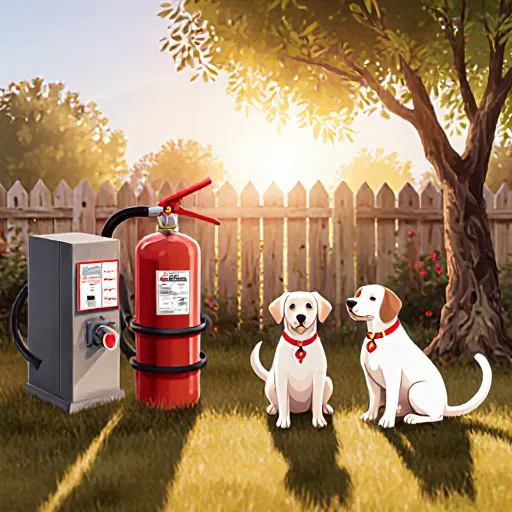
Keep Your Pup Safe – No More Fire Fears!
Sizzle‑Free Sanctuary: Ultimate Dog‑Centric Fire Precautions
Table of Contents
- Introduction: Why Fire Safety Matters for Dog Owners
- Assessing Your Home’s Fire Risk with Pets in Mind
- Choosing Smoke Detectors and How to Test Them
- Creating a Safe Escape Route for You and Your Dog
- Pet-Proofing Fire Extinguishers: Placement and Training
- Using Non-Toxic, Pet-Friendly Fire Retardants
- Keeping Flammable Items Away from Heat Sources Near Pets
- Emergency Kit Essentials for Dogs and Their Owners
- Training Your Dog to Stay Calm During a Fire Alarm
- Regular Home Maintenance: Wiring, Heating, and Ventilation Checks
- Seasonal Fire Safety Tips for Pet Owners
- What to Do if a Fire Breaks Out with Dogs Inside
- Post-Fire Recovery: Protecting Your Dog’s Health and Well‑Being
- Conclusion: Building a Safer Home for You and Your Canine Companion
- FAQ: Common Questions About Fire Safety with Dogs
Introduction: Why Fire Safety Matters for Dog Owners
Dogs are more than just pets—they’re family members who rely on you for protection, comfort, and survival during emergencies. When a fire breaks out in your home, the first instinct is to escape quickly, but dogs often become trapped because they don’t understand exit routes or how to use safety equipment. This reality turns an otherwise routine evacuation into a life‑threatening ordeal.
Key Reasons Fire Safety Is Crucial for Dogs
- Limited Mobility: Many dogs have physical limitations—obesity, arthritis, or injuries—that can slow them down. A blocked exit or a single stair step may be the difference between getting out in time and being stuck.
- Heat Sensitivity: Dogs’ fur traps heat more efficiently than human clothing, making them vulnerable to burns from radiant heat even if they’re not directly exposed to flames.
- Smell and Stress Response: A dog’s heightened sense of smell can alert it to a fire early, but the resulting panic may cause it to run into hazards (e.g., open windows or hot surfaces) instead of following a safe path.
- Attachment Behavior: Dogs often cling to their owners during stressful situations. If you’re focused on your own safety, you might not notice a dog that’s stuck in a room with no clear exit.
Practical Fire Safety Tips for Homes With Dogs
- Create a Dog‑Friendly Evacuation Plan:
- Identify two or more exits that are easily accessible for both you and your dog.
- Practice the plan at least twice a year, ensuring your dog associates each exit with safety.
- Keep a lightweight leash in a bag near every exit so you can guide your dog out calmly.
- Use Dog‑Safe Fire Extinguishers:
Place a small, portable fire extinguisher (e.g., 2A/10B) on each floor within arm’s reach of the main living areas. Train your dog to stay away from it by associating the scent with a treat and reward system.
- Secure Potential Fire Hazards:
- Store flammable items (paper, cleaning chemicals) in locked cabinets or out of reach.
- Keep electrical cords away from pet bedding or chew toys.
- Use heat‑resistant mats under hot appliances that your dog may sniff at.
- Provide a Safe “Dog Room”:
If you have an extra room, designate it as a safe zone during emergencies. Fill it with a sturdy crate or a bed and place a water bowl and toys to keep your dog calm while you evacuate.
- Label Your Dog’s Identification:
- Update microchip details and keep an emergency contact card in the car, on keychains, and near the fire alarm.
- Attach a collar with ID tags that include your phone number and any medical information.
- Keep Fire Drills Inclusive:
When you practice drills, involve your dog. Use treats to reward staying by your side, and if they get scared of the smoke alarm’s sound, use a calming spray or play a quiet song over speakers.
- Consider a Dog‑Friendly Smoke Detector:
- Install photoelectric smoke detectors in rooms where your dog spends most of its time; they’re less likely to trigger false alarms from cooking fumes.
- Use wireless or battery‑powered units so you can quickly relocate them if your dog’s bedding is moved during a fire escape.
- Plan for Aftermath:
If you’re forced to leave the house without your dog, have a pre‑arranged rendezvous point with neighbors or friends who can hold your dog while you return. Keep a spare leash and a bag of treats ready.
Real‑World Example
In the summer of 2021, a family in Austin lost their Labrador Retriever during a kitchen fire because the dog had no clear path to an exit. The homeowner’s quick decision to use a balcony door—an alternative route they hadn’t practiced—saved both the owner and the dog. This incident highlighted that even simple adjustments (e.g., opening a balcony door or installing a second exit) can have life‑saving results.
Bottom Line
Fire safety for dogs isn’t just about preventing property damage—it’s about preserving lives. By integrating dog‑specific precautions into your home’s fire plan, you give yourself and your furry friend the best chance of surviving an emergency unscathed.
Assessing Your Home’s Fire Risk with Pets in Mind
If you have a dog (or any pet), fire safety becomes a shared responsibility. While most homeowners focus on protecting their belongings and family, the unique needs of pets—especially dogs—must be integrated into every safety plan.
1. Identify Common Fire Hazards That Threaten Pets
- Culinary Hotspots: Left‑over food in microwaves or ovens can ignite if left unattended. Dogs often chew on kitchen cabinets, potentially ingesting harmful chemicals.
- Electrical Overloads: Pet toys with batteries, charging cables tangled around cords, and power strips overloaded by multiple devices increase spark risks.
- Flammable Cleaning Products: Many household cleaners contain alcohol or ammonia. Dogs may sniff or lick these substances, leading to accidental ingestion or fire ignition if spilled near heat sources.
- Outdoor Equipment: Barbecue grills, patio heaters, and portable stoves can become ignition points if pets are left nearby.
2. Conduct a Home-Wide Risk Assessment
- Map out all potential fire origins: kitchen appliances, heating units, fireplaces, and outdoor cooking areas.
- Inspect each area for pet access points—doorways, open windows, or unsecured vents that allow dogs to wander in.
- Check the condition of electrical cords and outlets. Replace frayed wires and ensure all cords are tucked away from pets’ reach.
- Store all flammable materials (cleaning supplies, gasoline, propane tanks) in a locked cabinet or shed far from living spaces.
3. Create a Pet‑Specific Evacuation Plan
Your evacuation strategy should address both human and pet safety:
- Designated Safe Rooms: Choose a room with an exit that’s easily accessible for you and your dog. Keep a small, nonflammable crate or bed in this room.
- Emergency Supplies: Pack water, non-perishable treats, leashes, identification tags, a first‑aid kit for pets, and a spare collar.
- Practice Drills: Conduct monthly fire drills with your dog. Practice walking through the exit route calmly to reduce panic during real emergencies.
4. Preventive Measures Tailored for Dogs
These actionable steps can significantly lower the risk of a pet-related fire incident.
- Secure Kitchen Areas: Install childproof locks on cabinets and drawers where food or cleaning agents are stored.
- Manage Cords: Use cord covers, clip cords to furniture edges, and keep charging stations out of reach.
- Use Non‑Flammable Treats: Avoid sugary or greasy treats that can ignite if exposed to heat. Opt for dry kibble or low‑fat snacks.
- Ventilation Checks: Ensure kitchen exhaust fans are functioning and free of pet hair buildup, which can be a fire hazard.
- Regular Vet Checkups: Healthy dogs are less likely to chew on hazardous items. Keep vaccinations up‑to‑date to prevent illnesses that could lead to accidental ingestion of dangerous substances.
5. Install and Maintain Fire Safety Devices That Protect Pets
Choosing the right devices ensures both you and your dog stay safe:
- Smoke Detectors with Photoelectric Sensors: These are more sensitive to slow‑smoke fires often caused by pet hair or cooking fumes.
- Heat Detectors in Kitchens: Install them near ovens and stoves but not directly on the stove surface. This prevents false alarms from normal cooking heat.
- Fire Extinguishers Rated for Class A Fires: Keep a small, easily accessible extinguisher in the kitchen and hallway. Train yourself to use it safely—never aim at your dog!
6. Practical Tips During an Actual Fire Incident
When flames break out, act quickly but calmly:
- Alert Your Dog: Use a calm voice and gentle touch to lead them toward the exit. Avoid screaming, which can startle or frighten them.
- Close Doors Behind You: This helps contain smoke and slows its spread.
- Stay Low: Smoke rises; moving on your hands and knees keeps you below it.
- Use a Wet Cloth: If smoke is heavy, drape a wet towel over your nose and mouth to filter inhaled air.
- Call 911: Give the dispatcher your exact address and mention that you have pets inside.
7. Aftermath: Caring for Your Dog Post‑Fire
Even if your dog escapes unharmed, they may suffer from smoke inhalation or emotional trauma.
- Medical Evaluation: Visit a veterinarian promptly to check for respiratory issues.
- Comfort and Routine: Keep familiar routines, toys, and bedding. Consider pheromone diffusers to reduce anxiety.
- Re‑home Essentials: Re‑establish their safe room with all necessary supplies before moving back in.
By integrating these steps into your home fire safety plan, you’ll protect not only your living space but also the loyal companion that is your dog. Regular reviews and practice drills will keep everyone—human and canine alike—prepared for any emergency.
Choosing Smoke Detectors and How to Test Them
Smoke detectors are your first line of defense against a fire, especially in homes where dogs roam freely. A reliable detector gives you the precious minutes needed to evacuate safely—and to protect your furry friends.
1. Types of Smoke Detectors
- Photoelectric (PE) detectors: Best at detecting slow‑smoking, smoldering fires—common in kitchens and living areas where dogs might chew on cords or furniture.
- Ionic (Ionization) detectors: Sensitive to fast‑burning flames; ideal for bedrooms or garages. However, they can trigger false alarms from cooking fumes.
- Dual‑sensor detectors: Combine PE and ionic technology, offering broad coverage. Most modern homes benefit from at least one dual detector per floor.
2. Placement Tips for Homes with Dogs
- Install detectors on every level: In the hallway near bedrooms, in living rooms, and on each floor’s main area where dogs spend most time.
- Keep them away from vents or windows: Airflow can dilute smoke concentration, delaying detection.
- Mount at the right height: Place detectors 4–6 ft above the floor. If you have a high‑crowned dog that might jump on furniture, consider mounting slightly higher (up to 8 ft) to avoid interference from their paws or fur.
- Avoid kitchen proximity: Dogs often chew on cords near appliances; keep detectors at least 10 ft from cooking surfaces to reduce false alarms.
3. Power Options
- Battery‑powered (recommended): Allows easy replacement and ensures operation during power outages—a critical factor when pets may panic in a blackout.
- Hardwired with battery backup: Provides continuous monitoring while still offering protection if the grid fails. Ensure a 9‑month battery life indicator is included.
4. Testing Your Smoke Detectors
Regular testing ensures that your detectors are functional when you need them most. Dogs can trigger false alarms with their movements or droppings, so confirm sensitivity levels frequently.
- Monthly test: Press the “test” button on each detector for 10–15 seconds until it chirps loudly. If it doesn’t, replace batteries immediately.
- Bi‑annual battery replacement: Even if the unit chirps, replace the battery to avoid a dead detector during an emergency.
- Annual professional inspection: Have a licensed electrician check hardwired units for proper grounding and wiring integrity.
5. Practical Advice for Dog Owners
- Use dog‑friendly alarms: Some detectors emit a softer chirp that’s less likely to startle dogs, reducing the chance of them running in circles and causing further confusion.
- Train your dog to stay calm near alarms: Gradually expose them to the alarm sound during non‑emergency times, rewarding calm behavior. This reduces panic when a real fire occurs.
- Secure cords and cables: Dogs can chew on exposed wires, creating fire hazards. Use cord covers or hide cables behind furniture.
- Keep a “dog‑friendly” escape route: Ensure your pet’s path to the exit is clear of obstacles so they can follow you quickly if an alarm sounds.
6. Common Mistakes to Avoid
- Installing detectors too close to cooking areas—this triggers false alarms and may desensitize your dog to real emergencies.
- Neglecting battery checks—especially in homes with pets that can be easily startled, a dead detector could mean the difference between safety and danger.
- Ignoring manufacturer instructions on replacement intervals—some models require new batteries every 6 months, others every year.
Bottom line: Choose dual‑sensor detectors for comprehensive coverage, place them strategically away from kitchen fumes, test monthly, and keep your dog calm and trained around the alarm. With these steps, you’ll create a safer environment for both humans and pets alike.
Creating a Safe Escape Route for You and Your Dog
A well‑planned escape route can make the difference between a safe evacuation and a chaotic emergency. When fire breaks out, every second counts—especially when you have to coordinate with your canine companion.
- Identify Multiple Exit Points: Most homes have at least two ways out: a main door and a secondary exit such as a window or back stairwell. Mark each route clearly on a floor plan so both you and your dog’s handler know where to go.
- Clear Pathways: Keep hallways, staircases, and doorways free of clutter. Store boxes, toys, and furniture away from these paths. Dogs often get stuck in tight spaces; ensure there is enough room for them to move freely.
- Practice Regular Drills: Once a month, run through the escape route with your dog. Start by calling their name, then lead them along the path, rewarding calm behavior. This builds muscle memory and reduces panic during an actual fire.
- Use Visual Cues: Place bright-colored tape or small LED lights on door frames and stair edges to guide you and your dog even if visibility is reduced by smoke. Dogs can follow light paths, which helps keep them oriented.
- Designate a Meeting Spot: Outside the house, choose a safe spot—such as a neighbor’s yard or a designated fire department assembly point—and communicate this location to all family members and pet owners in your area. Dogs may wander; having a common destination reduces the risk of separation.
- Equip Your Dog with Identification: Attach a collar with up‑to‑date microchip information, a GPS tracker, or a brightly colored vest that matches the escape route’s visual cues. If your dog gets lost during an evacuation, these tools expedite reunification.
Practical Tips for Different Living Situations
| Living Situation | Recommended Escape Route Setup | Key Considerations |
|---|---|---|
| Apartment with Shared Walls | Use the building’s main stairwell and a balcony or external fire escape if available. | Check that your neighbors are aware of your dog’s presence; coordinate to avoid blocking shared exits. |
| Detached House with Multiple Floors | Main front door + back stairwell; ensure both lead directly outside without interior obstacles. | Install smoke alarms on every floor and test them monthly. Keep fire extinguishers near each exit path. |
| Home with a Large Yard | Use the front door and an outdoor gate that opens onto a wide, unobstructed area. | Mark the yard’s perimeter with bright tape so your dog can recognize boundaries during a panic escape. |
Checklist for Your Escape Route
- All doors and windows open easily without force.
- Fire extinguishers are within arm’s reach of each exit.
- Smoke alarms on every floor are functional (test monthly).
- Emergency contact numbers (fire department, vet) displayed near exits.
- Dog’s collar and ID tags are updated and in good condition.
- Visual cues (tape or lights) are visible even with limited visibility.
By meticulously planning and practicing your escape route, you not only protect yourself but also give your dog the best chance of staying calm and safe during a fire emergency.
Pet-Proofing Fire Extinguishers: Placement and Training
When you have a dog at home, the placement of fire extinguishers—and how your pet interacts with them—must be carefully considered. A well‑located extinguisher can save lives, but an unsecured one can become a choking hazard or a source of fear for your canine companion.
1. Choosing the Right Location
- Low and Accessible to Humans: Install extinguishers on walls at a height that is easy for you to reach but out of reach of a curious pup. Typically, 1–2 ft (30–60 cm) above the floor works well.
- Avoid High Traffic Areas: Keep them away from dog paths or play zones so they don’t get accidentally knocked over.
- Near Exit Routes: Place extinguishers close to escape routes (kitchen, living room) but still behind a pet‑proof door or gate if your dog likes to roam freely.
- Use Pet‑Proof Mounting Straps: Many manufacturers provide straps that anchor the extinguisher to a wall or shelf. These straps help keep the unit stable and reduce the chance of it being toppled by a paw or tail.
2. Securing Extinguishers with Pet‑Proof Hardware
- Wall Brackets: Install heavy-duty brackets that can hold the weight of an extinguisher (often 6–12 lb). Verify the bracket’s load rating and secure it to studs.
- Pet‑Proof Gaps: If you mount on a shelf, use rubber gaskets or silicone seals to close any gaps that might allow your dog to slip in and pull the unit down.
- Check Regularly: Inspect mounting hardware every 6 months. Dogs can chew through plastic or metal if they are persistent.
3. Training Your Dog Around Fire Extinguishers
A calm, confident dog is less likely to trigger panic or accidental contact with a fire extinguisher during an emergency. Here’s how to train:
- Desensitization: Show your dog the extinguisher while it’s empty and covered. Reward calm behavior with treats.
- Positive Association: Use a clicker or verbal cue (e.g., “watch”) to focus the dog’s attention on the extinguisher, then give praise.
- Boundary Training: Teach your dog “stay” or “leave it” near the extinguisher. Practice in different rooms so the command is consistent.
- Simulated Drills: Once a week, practice a quick evacuation drill: call your dog to stay while you move the extinguisher to a new spot (e.g., from kitchen to hallway). This reinforces that the extinguisher’s location can change but it remains safe.
4. Practical Tips for Everyday Safety
- Regular Inspection: Every time you check your fire extinguishers (annual service or after any incident), ensure the unit is still securely mounted and the pressure gauge reads green.
- Keep a “Dog‑Safe” Zone: If you have a dedicated dog room, place a small extinguisher inside that’s out of reach but easily accessible to you during an emergency.
- Use Dog‑Friendly Extinguishers: Some manufacturers offer smaller, lighter extinguishers designed for households with pets. These are easier to handle and less intimidating visually.
- Label and Signage: Attach a child/dog‑safe sign near the extinguisher. This reminds everyone (including guests) that the unit is not a toy.
5. What to Do If Your Dog Gets Near an Extinguisher
If your dog approaches or tries to pull on the extinguisher:
- Use a firm “no” and redirect them with a favorite toy.
- Avoid yelling—this can startle both you and the dog, potentially triggering an emergency response.
- If you suspect the unit has been dislodged or damaged, immediately check for any signs of tampering (loose handle, missing cap).
6. Final Checklist
| Task | Frequency |
|---|---|
| Secure mounting hardware | Every 6 months |
| Check pressure gauge | Annually or after any fire incident |
| Train dog around extinguisher | Weekly drills + ongoing reinforcement |
| Inspect for pet damage | Every 3 months |
| Update signage and labels | When relocating the unit |
By thoughtfully placing fire extinguishers, securing them with pet‑proof hardware, and training your dog to respect these safety tools, you create a safer environment for both your family and your furry friend. Remember: preparedness starts with proactive measures—so take the time now to protect everyone in your home.
Using Non-Toxic, Pet-Friendly Fire Retardants
If you have dogs at home, the last thing you want is a fire retardant that could harm them if ingested or inhaled. Below are practical tips for choosing and applying safe, pet‑friendly options while still protecting your property.
1. Choose Certified Pet‑Safe Products
- Check labels: Look for products that explicitly state “pet‑safe,” “non‑toxic,” or “FDA‑approved.” Avoid items containing ammonia, chlorine, or heavy metals.
- Look for third‑party certification: The Environmental Working Group (EWG) and Nature Plus provide databases of pet‑friendly chemicals.
- Ask your vet: Some vets keep a list of recommended fire retardants that are safe for animals.
2. Use Non‑Chemical Alternatives First
Before applying chemical retardants, consider these structural and behavioral measures:
- Seal gaps around windows and doors: Weather stripping or foam seals keep embers out.
- Install fire‑resistant curtains: Use materials like polyester blends that have a low flammability rating.
- Keep bedding away from heat sources: Dogs’ favorite spots should be far from radiators, fireplaces, or electric heaters.
3. Application Tips for Pet‑Friendly Retardants
- Apply during dry weather: Moisture reduces the effectiveness of many retardants; apply when humidity is low to avoid runoff into pet areas.
- Use a spray bottle or fine mist sprayer: This helps control drift and keeps the surface from becoming overly slick, which could cause slips for your dog.
- Cover surfaces with plastic sheets during application: Protect furniture, carpets, and pet bedding from accidental splashes.
4. Safe Storage & Handling
Even non‑toxic retardants can be hazardous if ingested in large amounts. Store them:
- In a locked cabinet or high shelf: Keep out of reach of curious pups.
- In the original container with clear labeling: Avoid mixing different products, which can create dangerous chemical reactions.
- Away from food and water bowls: Prevent accidental contamination.
5. Training Your Dog to Stay Clear of Fire‑Retardant Areas
A well-trained dog is less likely to chew on or ingest sprayed surfaces. Use these techniques:
- Positive reinforcement: Reward your dog for staying away from treated areas.
- Create a “safe zone”: Mark an area with a non‑slip mat and treat it as the dog’s exclusive space during application.
- Use a leash or harness: Keep them restrained if you need to apply retardants in close proximity to pets.
6. Post‑Application Care
After the fire retardant has dried, give your dog time to sniff the area before allowing free access. If you notice any odd behavior (sneezing, coughing, or lethargy), contact your vet immediately.
Example Product List
| Product | Key Features | Pet Safety Rating |
|---|---|---|
| EcoSafe Home Fire Retardant Spray | Plant‑based, low VOC, fast‑drying | ★★★★★ (Vet‑approved) |
| PetGuard Thermal Barrier | Non‑chemical foam coating for walls and ceilings | ★★★★☆ (Low toxicity) |
| NaturePlus FlameShield Gel | Silicone‑based, pet‑friendly, no residue | ★★★★★ (Certified safe) |
By combining certified pet‑safe products with smart application practices and training, you can protect your home from fire hazards while keeping your canine companions healthy and happy.
Keeping Flammable Items Away from Heat Sources Near Pets
Pets—especially dogs that love to chew, scratch, or simply explore—can turn a harmless heat source into a deadly hazard if flammable materials are within reach. Below are practical steps you can take to keep your furry friend safe while still enjoying the warmth of your home.
1. Identify Common Heat Sources
- Stoves and Ovens: Even when turned off, they retain heat for hours.
- Fireplaces (wood or gas): The embers can ignite nearby objects.
- Heaters (portable, baseboard, radiator): Hot surfaces are a risk.
- Electric Appliances: Hair dryers, irons, and curling irons have high temperatures.
2. Secure Flammable Items
- Store away candles, matches, lighters, and fire starters in a locked cabinet or out of reach.
- Keep cleaning supplies (e.g., gasoline, kerosene) in sealed containers and store them on high shelves or in the basement.
- Use child-proof locks on cabinets where you keep flammable liquids.
3. Create Physical Barriers
If your dog is prone to chewing, consider installing a pet-safe barrier—a sturdy plastic or metal screen between the heat source and the floor. This simple step prevents your dog from getting close enough to lick or chew hot surfaces.
4. Use Non-Flammable Alternatives Where Possible
- Candles: Opt for LED candles that mimic real flame without heat.
- Heating Pads: Choose ones with a temperature limit and an automatic shut-off feature.
5. Train Your Dog to Stay Away
Positive reinforcement works best. Teach your dog the “leave it” command near heat sources. Reward them with treats when they stay away, and gently redirect if they approach.
6. Regular Inspection and Maintenance
- Check for cracks in stove tops or radiators that could trap hot spots.
- Replace worn-out heat shields on gas appliances.
- Clean vents and flues to prevent overheating.
7. Keep a Fire Extinguisher Handy
Place a Class B fire extinguisher (for flammable liquids) near your kitchen or living area, and make sure everyone in the household knows how to use it. In case of an accidental spark, you can act quickly before the situation escalates.
8. Emergency Plan for Your Pet
In the event of a fire:
- Carry your dog’s ID tags and microchip information in a waterproof pouch.
- Keep a small bag with water, food, medications, and a familiar blanket ready for quick evacuation.
- Practice safe exit routes that keep your pet away from heat sources and smoke.
By combining these strategies—proper storage, physical barriers, training, and preparedness—you can create a safer environment for both your home’s heating system and your beloved dog. Remember: prevention is always cheaper and less stressful than dealing with the aftermath of an accidental fire.
Emergency Kit Essentials for Dogs and Their Owners
When a fire breaks out, you’ll need to act fast. Having a well‑packed emergency kit ensures that both you and your furry friend can evacuate safely and stay comfortable while waiting for rescue or re‑establishing a new home.
1. Basic Supplies
- First Aid Kit: Include gauze, antiseptic wipes, tweezers, a small pair of scissors, and any prescription medications for your dog. Add a digital thermometer so you can check your pet’s temperature if needed.
- Water & Food: Pack at least 1 gallon of water per person and 0.5–1 pound of dry food per dog per day. If your dog has special dietary needs, bring enough to cover a week.
- Collars, Leashes, ID Tags: Ensure every collar is labeled with current contact info. Consider adding a bright reflective strip for nighttime visibility.
2. Comfort & Safety Items
- Towels or Blankets: A quick way to keep your dog warm if the temperature drops during evacuation.
- Portable Crate or Carrier: Choose a crate that fits your dog comfortably and can be secured in a vehicle. Label it with “Pet” so crew members know its contents.
- Flea & Tick Prevention (in case of outdoor exposure): Bring a few wipes or sprays if you’re heading into wooded areas.
3. Documentation & Identification
Keep copies of your dog’s vaccination records, microchip registration, and any relevant health conditions in a waterproof folder. Store the original documents in a separate location at home for redundancy.
4. Miscellaneous Essentials
- Flashlight & Extra Batteries: A small, durable flashlight will help navigate dark stairwells or driveways.
- Portable Phone Charger: Maintain contact with emergency services and family members.
- Pet‑friendly Shelter Items: If you’re heading to a pet‑friendly shelter, bring an ID tag, a small photo of your dog, and any comfort items like a favorite toy or blanket.
Fire safety is not just about preparing the kit; it’s also about preventing fires and ensuring safe evacuation routes.
A. Designate an Escape Route
- Choose a primary exit that leads directly outside without requiring the dog to navigate stairs or open doors that may be blocked by furniture.
- Mark the route with reflective tape or glow sticks so you can locate it quickly in smoke-filled rooms.
B. Train Your Dog for Evacuation
- Practice a “go” command that signals your dog to follow you calmly through the designated exit.
- Use treats or a favorite toy to reinforce quick compliance during drills.
C. Keep Fire Extinguishers Accessible
Place a Class B fire extinguisher near cooking areas and ensure your dog knows the safe distance from it. Never let a dog play with or chew on the extinguisher.
D. Secure Electrical Cords & Heat Sources
- Wrap exposed cords in heat‑resistant tape and keep them away from open flames or hot surfaces.
- Use only approved, properly insulated heating devices and never leave them unattended.
E. Use Smoke Detectors & Carbon Monoxide Alarms
Install smoke detectors on every floor and test them monthly. Ensure the batteries are fresh, and replace them annually. A carbon monoxide alarm is vital if you have a gas stove or fireplace.
- Keep Calm: Dogs pick up on human stress; try to stay composed so your pet remains calm.
- Use the Carrier or Crate: Secure your dog in its carrier for a safer ride and to prevent it from jumping into dangerous areas.
- Check for Injuries: Once outside, examine your dog for burns, smoke inhalation, or other injuries. Call a vet if anything looks serious.
If you’ve found a temporary shelter that accepts pets, bring all the items from your kit to help maintain continuity and comfort for your dog. Keep a low profile—avoid making noise or using bright lights that could attract other animals during the night.
By combining a comprehensive emergency kit with proactive fire‑safety practices, you can protect both yourself and your loyal companion in the event of a blaze.
Training Your Dog to Stay Calm During a Fire Alarm
When a fire alarm sounds, even the most well‑trained dog can become startled or anxious. By teaching your pet to remain calm and respond predictably, you reduce stress for both of you and improve the chances of a smooth evacuation. Below are practical steps, real‑world examples, and tips that align with general fire safety guidelines for homes with dogs.
1. Familiarize Your Dog With the Alarm Sound
- Use a Soft Recording: Start by playing a recorded fire alarm at a low volume in a quiet room while your dog is relaxed. Reward them with treats and praise.
- Gradual Volume Increase: Over several days, slowly raise the volume until it matches the actual alarm level. Keep sessions short (5–10 minutes) to avoid overstimulation.
- Associate Positive Outcomes: Pair the sound with something enjoyable—like a favorite toy or a special treat—to create a positive association.
2. Teach a “Sit & Stay” Cue Before Evacuation
In many homes, dogs instinctively run to their owners when an alarm blares. Training them to sit and stay reduces the risk of injury during frantic movements.
- Practice in Quiet Conditions: Use a command like “Stay” while your dog is seated. Reward with treats every time they hold the position for increasing durations.
- Introduce Light Distractions: Once comfortable, add mild distractions (e.g., a toy or another person walking by) and maintain the stay command.
- Simulate Alarm Conditions: Play the alarm at a low volume while they remain in the “stay” position. Gradually increase the intensity as they become more confident.
3. Create a Safe “Exit Route” Plan
- Designate a Dog Exit Path: Identify a clear, obstacle‑free route to an outside door or a pre‑chosen evacuation point.
- Use Visual and Auditory Signals: Place a small bell or a brightly colored flag near the exit that your dog recognizes. Pair this with verbal cues (“Go!”) during training sessions.
- Practice “Leave the House” Drills: Once the alarm is fully integrated into their training, conduct mock evacuations where you lead your dog calmly to the exit and reward them for following without panic.
4. Equip Your Dog with a Comfortable Escape Kit
During a real emergency, having essentials at hand can ease stress and prevent confusion.
- Portable Collapsible Crate or Carrier: Practice putting your dog in the crate before an alarm sounds so that they view it as a safe space rather than a confinement.
- Identification and Contact Information: Attach a collar tag with up‑to‑date contact details. Consider microchipping if not already done.
- Emergency Food, Water, and Medication: Keep a small bag of their favorite treats, water bowl, and any necessary medication in the kit.
5. Reinforce Calm Behavior During Real Alarms
If your dog remains calm during an actual alarm, reinforce this behavior immediately.
- Immediate Praise: Use a high‑energy voice to say “Good job!” and give them a treat as soon as they comply.
- Post‑Evacuation Reward Session: After you’ve safely exited, spend time playing or walking with your dog. This helps reinforce that the alarm is not a threat but a cue for safety.
6. Consult Professional Trainers When Needed
If anxiety persists despite consistent training, consider working with an experienced animal behaviorist or certified dog trainer. They can tailor techniques to your dog's specific temperament and any underlying fears.
Practical Takeaway Checklist
- Play recorded alarms at gradually increasing volumes.
- Train “Sit & Stay” in low‑to‑high distraction environments.
- Map a clear exit route and practice it regularly.
- Prepare an emergency kit with identification, food, and comfort items.
- Reward calm behavior immediately during real alarms.
By systematically preparing your dog for fire alarm scenarios, you align with broader fire safety tips for homes with dogs—ensuring that both you and your furry companion remain safe, calm, and ready to act when emergencies arise.
Regular Home Maintenance: Wiring, Heating, and Ventilation Checks
Maintaining your home’s electrical wiring, heating system, and ventilation is essential for safety—especially if you have dogs who may chew on cords or be attracted to heat sources. Below are practical steps and examples that help keep both your family and pets safe.
1. Wiring Safety
- Inspect exposed wires: Every month, walk through each room with a flashlight and check for frayed or damaged insulation. Dogs often chew on cords, so any visible wear is a red flag.
- Use cord covers: Install flexible plastic or metal cable protectors along hallways and near pet beds to keep cables out of reach.
- Replace old outlets: If you find outlets older than 15 years, replace them with GFCI (Ground Fault Circuit Interrupter) outlets. These cut power instantly if a short occurs—critical for preventing electrical fires when pets play near sockets.
- Secure loose wiring: Use zip ties or conduit to bundle wires that run along walls or under floors, especially in high-traffic areas where dogs roam.
2. Heating System Maintenance
- Annual furnace inspection: Schedule a professional check-up each year to ensure burners are clean and vents aren’t blocked. A clogged vent can cause overheating, which is dangerous if a dog licks the heating unit.
- Check thermostat placement: Place thermostats out of reach from pets—ideally above eye level or on a wall where dogs cannot jump onto it to flip settings.
- Insulate pipes: Wrap exposed hot water pipes with foam insulation. Dogs often chew on pipes, and exposed metal can become hot enough to burn paws.
- Install smoke alarms near heating units: Ensure that any heat source has a functioning smoke detector within 10 feet, so you’re alerted if something goes wrong.
3. Ventilation Checks
- Clean HVAC filters: Replace or clean filters every 1–3 months depending on usage and pet shedding levels. Clogged filters reduce airflow and increase heat buildup.
- Check exhaust fans: Inspect kitchen and bathroom exhaust fans for proper operation. A malfunctioning fan can trap smoke or fumes near pets.
- Ensure adequate air flow: Keep windows and vents unobstructed, especially during the summer when dogs may seek cooler spots. Blocked vents can lead to overheating of electrical components.
Practical Advice for Dog Owners
- Dog-proof your home: Use pet-safe cord covers and keep extension cords out of reach. Store heavy appliances in locked cabinets if possible.
- Regular grooming: Trim your dog’s nails to reduce accidental scratches on wiring or heating vents.
- Educate family members: Teach children and guests not to play with cords or touch heating units. A simple “no” can prevent many accidents.
- Emergency kit: Keep a fire extinguisher rated for electrical fires (Class C) within easy reach of the main power panel, and ensure your dog has a safe escape route in case of fire.
By integrating these maintenance routines into your home care schedule, you protect both your loved ones and your furry friends from potential fire hazards. Remember: prevention is far cheaper—and safer—than dealing with an emergency.
Seasonal Fire Safety Tips for Pet Owners
Each season brings its own set of fire risks—whether it’s dry summer grasses, icy winter pipes, or windy spring storms. As a pet owner, you need to plan ahead so your furry friend stays safe along with you.
Spring: Check Your Outdoor Gear and Bedding
- Inspect firewood piles: Keep them at least 15 ft from your home and away from any pet bedding or feeding areas. Use a windbreak if possible.
- Bedding safety: Replace old, frayed blankets with flame‑retardant options. Dogs can chew on cords—use cord covers to prevent accidental ignition.
- Outdoor toys: Avoid plastic or rubber toys that can melt if exposed to heat or sparks.
Summer: Protect Against Heat‑Related Fires and Water Hazards
- Keep fire extinguishers accessible: Place them in the kitchen, garage, and near any outdoor cooking area. Make sure your pet can’t reach them.
- Hydration stations: Set up shaded water bowls outside to prevent dehydration—a state that can make pets more likely to chew on electrical cords.
- Check grill areas: Keep grills at least 3 ft from any structure and away from where your dog sleeps or plays.
Fall: Prepare for Dry Leaves and Windy Conditions
- Clear gutters: Remove dry leaves that can ignite. Pets often chew on fallen debris—remove anything flammable.
- Use pet‑friendly fireproofing paint: Apply to exterior walls if you live in a wildfire zone.
- Backyard safety: Install a firebreak (a strip of non-flammable material) between your yard and any dry brush.
Winter: Avoid Pipe Fires and Keep Pets Warm Safely
- Pipes: Insulate exposed pipes in crawl spaces or basements. A broken pipe can cause a fire if the water splashes onto a hot stove.
- Heating devices: Never leave a space heater unattended. Keep it at least 3 ft from your pet’s bedding and furniture.
- Pet heating pads: Use only those labeled “pet safe” with automatic shut‑off features.
General Fire Safety Practices for Homes With Dogs
- Smoke detector maintenance: Replace batteries every 6 months and test detectors monthly. Dogs can be startled by the alarm—train them to stay calm with positive reinforcement.
- Fire escape plan: Create a two‑exit route for each room and practice it twice a year. Include your pet’s name on each exit sign so you’re reminded to check the doors.
- Pet identification: Ensure collars have up‑to‑date tags and microchip information—if you evacuate, someone can quickly identify and return your pet.
- Keep electrical cords out of reach: Use cord covers or secure them to walls. Dogs may chew on exposed cords; a short circuit could spark a fire.
By integrating these seasonal precautions into your routine, you’ll reduce the risk of a house fire and keep your beloved pet safe throughout the year.
What to Do if a Fire Breaks Out with Dogs Inside
If you’re at home and a fire starts while your dogs are still inside, staying calm and acting quickly can save both their lives and yours. Follow these step-by-step guidelines:
- Call 911 Immediately. Even if the blaze seems small, you need professional help on the way. Tell the dispatcher that you have dogs in the house so they can notify the fire department of potential animal rescue.
- Evacuate Yourself First. Your safety is paramount; a dog will follow your lead. Leave through the nearest exit—preferably the door with the lowest smoke and heat exposure. If the front door is blocked, use a side or back door.
- Check for Dogs.
- If you have a pet identification collar, look for it. Check the tag and any microchip information (you can scan with a reader or call your vet). If you’re unsure, contact local shelters.
- Use a flashlight to search dark corners, under furniture, and in stairwells—dogs may hide where heat is less intense.
- Do Not Re-enter the Burning Building. Even if you think the fire has been smothered, hidden embers can reignite. Let firefighters handle the interior search.
- Keep Dogs Calm During Transport.
- Use a leash or harness to control them while moving through traffic.
- Place a blanket or towel over their heads to block smoke and keep them from inhaling toxic fumes.
- If you have a pet carrier, put the dog inside; otherwise use a sturdy backpack or duffel bag with ventilation holes.
- Bring Essential Items.
- Leash, collar, ID tags, and a small first-aid kit (bandages, antiseptic wipes).
- A copy of your dog’s vaccination records—many veterinary clinics will need proof before treating smoke inhalation or burns.
- A bowl of water if you have time to give them a drink after the escape.
- Notify Your Veterinarian and Local Animal Rescue. Call your vet immediately; they can advise on signs of smoke inhalation (difficulty breathing, coughing, vomiting) and whether you need emergency care. If you cannot bring them to the clinic, many shelters have mobile teams that will come to your location.
- Document Everything.
- Taking photos or videos of injuries can help with insurance claims and veterinary billing.
- Keep a written log of symptoms and treatments—this is useful for future reference.
- After the Incident: Check Your Home. Even if the fire was contained, check for hidden damage. Look for blackened walls, lingering smoke odors, or weakened structural elements before re-entering.
Practical Tips to Prepare in Advance
- Smoke Detectors & Fire Extinguishers: Install CO and smoke detectors on every floor. Keep a 2-inch or 5-inch fire extinguisher near each kitchen and bathroom.
- Create an Exit Plan: Map two exit routes for each room, mark them on a wall chart, and practice the drill with your family and pets.
- Pet Safety Kit:
- Leash, collar with ID, microchip scanner or chip reader, first-aid supplies, water bowl, and a favorite toy to reduce stress during evacuation.
- Keep Fire Hazards at Bay: Store flammable materials (cleaning supplies, gasoline) in sealed containers away from heat sources. Never leave cooking unattended and keep candles out of reach.
- Regular Vet Checkups: Ensure your dog’s vaccinations are up-to-date—particularly for diseases that can worsen smoke inhalation such as kennel cough or canine influenza.
By staying prepared, acting swiftly, and keeping calm, you give your dogs the best chance of escaping safely when a fire breaks out. Remember: safety first—for both you and your furry companions.
Post-Fire Recovery: Protecting Your Dog’s Health and Well‑Being
A house fire is not only devastating to your property, but it can also be life‑threatening for the pets that share your home. Dogs often experience shock, anxiety, burns, smoke inhalation, and even traumatic injuries during an emergency. The recovery phase is just as critical as the evacuation. Below are actionable steps you can take to safeguard your dog’s health, comfort them psychologically, and ensure a smooth transition back to normalcy.
1. Immediate Medical Assessment
- Seek veterinary care right away. Even if your dog seems fine, smoke inhalation can cause delayed respiratory distress or heart complications that become apparent hours later.
- Check for burns. Inspect skin, ears, and especially the muzzle and paws. Burns may not be visible immediately; look for redness, swelling, blistering, or foul odor.
- Watch for signs of trauma. Dogs can suffer broken bones, dislocated joints, or internal injuries when thrown around during a fire. Persistent limping or reluctance to move warrants an X‑ray.
2. Rehydration and Nutrition
Dehydration is common after smoke inhalation and heat exposure. Offer fresh water in small, frequent sips. If your dog refuses, try a chilled ice cube or a commercial electrolyte solution formulated for pets. Once the vet clears you to feed normally, start with bland foods—plain boiled chicken and rice— to avoid gastrointestinal upset.
3. Stress‑Reduction Techniques
- Create a safe space. Set up a quiet corner with familiar bedding, toys, and a piece of your clothing for scent comfort.
- Use pheromone diffusers. Products like Adaptil can help calm anxious dogs by mimicking mother‑dog calming scents.
- Maintain routine. Even in a new temporary home, keep feeding, walking, and playtimes consistent to provide predictability.
4. Addressing Physical Injuries
If burns are present:
- Cool the area with lukewarm water for 10–15 minutes—never use ice directly on skin.
- Avoid applying ointments or human creams without veterinary approval.
- Cover superficial burns with a sterile, non‑adhesive dressing and change daily.
For broken bones or joint injuries:
- Limit movement; consider using a temporary sling if recommended by the vet.
- Follow all prescribed pain medication schedules and monitor for side effects.
5. Long‑Term Monitoring
Smoke inhalation can lead to chronic respiratory issues. Schedule follow‑up visits with your veterinarian to monitor lung function, especially if the dog exhibited coughing or wheezing during the fire.
6. Preparing for Future Fires: Practical Home Safety Tips
- Install smoke detectors on every floor. Test them monthly and replace batteries at least twice a year.
- Keep fire extinguishers accessible. Place them near cooking areas and in the garage. Train your dog to stay away from these devices unless you specifically instruct otherwise.
- Create an evacuation plan. Practice with your dog—use a leash or harness and walk through the escape route several times so they become comfortable running quickly toward safety.
- Store hazardous materials safely. Keep chemicals, cleaning supplies, and any flammable items locked away from pets.
- Maintain a pet first‑aid kit. Include gauze, antiseptic wipes, a small thermometer, and a copy of your dog’s medical records.
7. Resources for Support
If you need help during the recovery process:
- Veterinary Emergency Hotline: 24/7 phone number (e.g., 1‑800‑VEHICLE).
- Pet Rescue Organizations: Local shelters often provide temporary housing and medical assistance.
- Online Communities: Forums like DogForum.com or Facebook groups dedicated to pet disaster preparedness can offer peer support.
By combining immediate veterinary care, thoughtful stress management, and a proactive approach to home fire safety, you give your dog the best chance of a full recovery—physically and emotionally. Remember that each dog reacts differently; always consult with a professional if anything seems off.
Conclusion: Building a Safer Home for You and Your Canine Companion
When you live with a dog, the safety of your household extends beyond just the human occupants. Dogs can be curious, energetic, and sometimes unpredictable, especially during emergencies such as fires. By combining general fire‑safety practices with dog‑specific precautions, you create an environment where both humans and pets can escape quickly and safely.
1. Install and Maintain Smoke Detectors Near Pet Areas
- Placement: Place smoke detectors on every floor, including the basement or crawl spaces where dogs may roam. Ensure they are not in direct contact with pet bedding or food areas to avoid false alarms.
- Testing: Test detectors weekly and replace batteries at least twice a year. Consider photoelectric sensors that detect slow‑smoking fires, which can be common during cooking accidents.
2. Create Clear Escape Routes for Your Dog
- Designate exits: Choose at least two escape routes—one primary (e.g., a main door) and one secondary (e.g., a window or backdoor). Make sure each exit is unobstructed.
- Mark the path: Use non‑slip mats or rugs to guide your dog toward exits. Place reflective tape on stair risers if you have stairs, so they can see them in low light.
3. Keep Fire Extinguishers Accessible and Dog-Friendly
Use a CO₂ or dry chemical extinguisher that’s easy to reach from a seated position. Store it near the kitchen, garage, or living area—places where dogs are most likely to be. Ensure the extinguisher is within arm's reach of your pet if they have a history of chewing on cords.
4. Use Dog‑Safe Fire Extinguishing Aids
- Fire blankets: Place a fire blanket near the stove or fireplace. Dogs can help you drape it over a small flame if they’re trained to follow your hand.
- Water spray bottles: Keep a spray bottle filled with water in a reach of both humans and dogs. Dogs can be taught to press the button when they see smoke, giving you an extra chance to contain the fire.
5. Prepare Your Dog’s Escape Kit
Just as you have a “home emergency kit,” create a small pouch for your dog containing:
- Water bottle or collapsible bowl
- A favorite chew toy or comfort item to reduce stress during evacuation
- Your pet’s ID tags and a microchip information sheet in case you need to contact a shelter
6. Train Your Dog for Fire Situations
- “Leave it” command: Teach your dog to stay away from open flames or heat sources.
- Exit drills: Practice walking your dog through the escape routes twice a week. Use treats and praise when they follow you calmly.
- Emergency response cues: Train your dog to respond to a specific sound (e.g., a whistle or bell) that signals an evacuation. This cue can be used if you’re unable to communicate verbally during smoke inhalation.
7. Secure Hazardous Items
Store all flammable materials—cleaning chemicals, gasoline, propane tanks—in locked cabinets or high shelves out of reach from both humans and dogs. Keep these items away from areas where your dog sleeps or plays.
8. Conduct Regular Fire Drills with Your Dog
Schedule monthly fire drills that involve your pet. During the drill, run through all escape routes, use the smoke alarm, and practice evacuating together. This routine reinforces calm behavior and helps you identify any bottlenecks or obstacles.
9. Keep Your Home’s Electrical Wiring Safe
- Cord Management: Tidy up electrical cords with cord covers, especially in the kitchen and living room where dogs often lie down.
- Check for frayed wires: Inspect outlets and extension cords regularly. Replace any damaged ones immediately to prevent sparks that could ignite a fire.
10. Stay Informed About Local Fire Hazards
Sign up for your local fire department’s alerts or newsletters. If you live in an area prone to wildfires, have a specific plan for evacuation and know the nearest shelter that accepts pets.
By integrating these practices into your daily routine, you create a layered safety net: early detection with smoke detectors, clear escape paths, dog‑specific training, and well‑prepared emergency supplies. When a fire occurs, both you and your canine companion will be better equipped to act swiftly, reducing injury risk and ensuring a quicker, safer evacuation.
FAQ: Common Questions About Fire Safety with Dogs
Below you’ll find answers to the most frequently asked questions about keeping your canine companion safe during a fire emergency. These FAQs are based on proven Fire Safety Tips for Homes With Dogs and aim to give you practical, actionable advice.
- What should I do if my dog is scared during a house fire?
- How can I train my dog to stay calm in emergencies?
- Should I keep my dog on a leash when evacuating?
- What are the best ways to protect my dog’s belongings from fire damage?
- How do I ensure my dog has enough water and food during an evacuation?
What should I do if my dog is scared during a house fire?
Dogs often feel more anxious than humans in emergency situations. Here’s how to help:
- Stay calm and keep the voice steady. Dogs pick up on human emotions; your composure can reduce their panic.
- Use a familiar scent or item. A blanket with your perfume or a favorite toy can provide comfort.
- Lead them to the exit, not just the door. If possible, guide them toward an alternate route (e.g., a window) that bypasses smoke-filled areas.
- Use a leash only if it won’t hinder movement. A short harness can prevent your dog from running into dangerous zones but should not restrict their escape path.
How can I train my dog to stay calm in emergencies?
Training is key to a successful evacuation. Consider the following steps:
- Practice “go” commands. Repeatedly take your dog out of the house during non-emergency times, rewarding them for staying by your side.
- Introduce the escape plan. Use a small, controlled fire drill (e.g., turning off lights and making a “fire” sound) to familiarize your dog with the routine.
- Teach the “stay” command near exits. This helps prevent them from darting into danger zones.
- Use positive reinforcement. Treats, praise, and petting reinforce calm behavior during stressful moments.
Should I keep my dog on a leash when evacuating?
The decision depends on the situation:
- Leash in high-traffic areas. If you’re moving through crowds or stairwells, a short leash can keep your dog close and prevent them from scattering.
- No leash near fire exits. When approaching an exit, let your dog move freely to avoid bottlenecks; they might find the quickest route.
- Use a harness with a tether. A lightweight harness plus a short tether can give you control without restricting the dog’s natural instincts to flee.
What are the best ways to protect my dog’s belongings from fire damage?
Protecting your dog’s gear is essential for post-fire recovery:
- Store in a fire-resistant safe. Keep bedding, toys, and medical supplies in a sturdy, fireproof box.
- Use heat-resistant containers. Place water bottles or treats in insulated cases to keep them from melting or burning.
- Label items clearly. Attach your name and contact info so rescue teams can identify and return your dog’s belongings.
- Create a “Dog Kit”. Assemble an emergency pack that includes water, food, medications, a leash, collar, ID tags, and a first-aid kit. Keep it in a waterproof pouch for easy transport.
How do I ensure my dog has enough water and food during an evacuation?
Hydration and nutrition are critical, especially if the evacuation takes longer than expected:
- Carry a collapsible bowl. A lightweight bowl that folds into a small bag is ideal for quick access.
- Use water bottles with built-in bowls. Many pet brands offer “water bottle with bowl” designs that allow your dog to drink on the go.
- Pack high-energy treats. Dry kibble or jerky can sustain your dog’s energy if they’re stuck outside for hours.
- Monitor intake. Keep a mental note of how much your dog drinks; dehydration can set in quickly during emergencies.
By addressing these common concerns, you’ll be better prepared to protect both yourself and your furry friend when fire safety becomes an urgent reality. Stay informed, stay trained, and keep your dog’s safety top priority.
Categories
- AI & Enrichment Play
- Broiler Farming
- Broiler Farming Tips
- Canine Wellness & Longevity
- Cat
- Cat & Human Connection
- Cat Adoption & Rescue
- Cat Breeds
- Cat Breeds & Personalities
- Cat Care & Health
- Cat Grooming & Hygiene
- Cat Lifestyle & Environment
- Cat Myths & History
- Cat Nutrition & Diet
- Cat Products & Reviews
- Cat Training & Behavior
- Comparison
- Consumer Awareness
- Dog
- Dog Accessories & Products
- Dog Adoption & Rescue
- Dog Breed & Lifestyle Trends
- Dog Breeding & Puppies
- Dog Entertainment & Media
- Dog Fashion & Trends
- Dog Fun & Lifestyle
- Dog Grooming & Hygiene
- Dog History & Culture
- Dog Myths, Science & Future Tech
- Dog News & Trends
- Dog Nutrition & Food
- Dog Psychology & Emotions
- Dog Safety & Security
- Dog Sports & Activities
- Dog Technology & Innovation
- Dog Training for Modern Owners
- Dog Travel & Adventure
- Dog Travel, Adventure & Culture
- Economic and Market Insights
- Educational Content
- FAQs
- Feeding Alternatives
- Festivals & Seasonal Ideas
- Fun & Entertainment
- General Knowledge
- General Pig Farming
- Health & Disease Management
- Housing and Environment
- Kittens
- Market Insights
- Miscellaneous
- Miscellaneous
- Motivational
- pig
- Pig Breeding
- Pig Breeds
- Pig Farming Stories and Inspiration
- Pig Health and Care
- Pig Nutrition
- Pig Products
- Profitability & Business
- Puppy Care
- Puppy Predictable Topics Reinvented
- Regional Focus
- Rescue & Adoption Buzz
- Senior Cats
- Senior Dog Care
- Smart Dog Tech & Gadgets
- Sustainability
- Sustainable & Eco-Friendly Dog Products
- Tech & Innovations
- Working & Service Dogs
- Broiler Feed66 products
- Country Feed33 products
- Pig Feed66 products
- Product22 products
- Raw Materials99 products
Products
-
 Fish Meal
₹1,999.00 – ₹2,999.00Price range: ₹1,999.00 through ₹2,999.00Rated 0 out of 5
Fish Meal
₹1,999.00 – ₹2,999.00Price range: ₹1,999.00 through ₹2,999.00Rated 0 out of 5 -
 FATTENING BROILER FEED
₹2,299.00 – ₹2,349.00Price range: ₹2,299.00 through ₹2,349.00Rated 0 out of 5
FATTENING BROILER FEED
₹2,299.00 – ₹2,349.00Price range: ₹2,299.00 through ₹2,349.00Rated 0 out of 5 -
 LAYER COUNTRY FEED
₹1,549.00 – ₹1,649.00Price range: ₹1,549.00 through ₹1,649.00Rated 0 out of 5
LAYER COUNTRY FEED
₹1,549.00 – ₹1,649.00Price range: ₹1,549.00 through ₹1,649.00Rated 0 out of 5 -
 COUNTER BROILER FEED
₹1,199.00 – ₹1,299.00Price range: ₹1,199.00 through ₹1,299.00Rated 0 out of 5
COUNTER BROILER FEED
₹1,199.00 – ₹1,299.00Price range: ₹1,199.00 through ₹1,299.00Rated 0 out of 5 -
 LACTATING PIG FEED
Rated 0 out of 5
LACTATING PIG FEED
Rated 0 out of 5₹2,299.00Original price was: ₹2,299.00.₹1,740.00Current price is: ₹1,740.00. -
 Maize
Rated 0 out of 5
Maize
Rated 0 out of 5₹1,650.00Original price was: ₹1,650.00.₹1,300.00Current price is: ₹1,300.00. -
 GESTATION PIG FEED (Phase 1)
Rated 0 out of 5
GESTATION PIG FEED (Phase 1)
Rated 0 out of 5₹2,249.00Original price was: ₹2,249.00.₹1,699.00Current price is: ₹1,699.00. -
 Pre Starter Broiler Feed
₹2,399.00 – ₹2,499.00Price range: ₹2,399.00 through ₹2,499.00Rated 0 out of 5
Pre Starter Broiler Feed
₹2,399.00 – ₹2,499.00Price range: ₹2,399.00 through ₹2,499.00Rated 0 out of 5 -
 FINISHER PIG FEED
Rated 0 out of 5
FINISHER PIG FEED
Rated 0 out of 5₹2,299.00Original price was: ₹2,299.00.₹1,749.00Current price is: ₹1,749.00. -
 Broiler Premix
Rated 0 out of 5
Broiler Premix
Rated 0 out of 5₹820.00Original price was: ₹820.00.₹699.00Current price is: ₹699.00.