
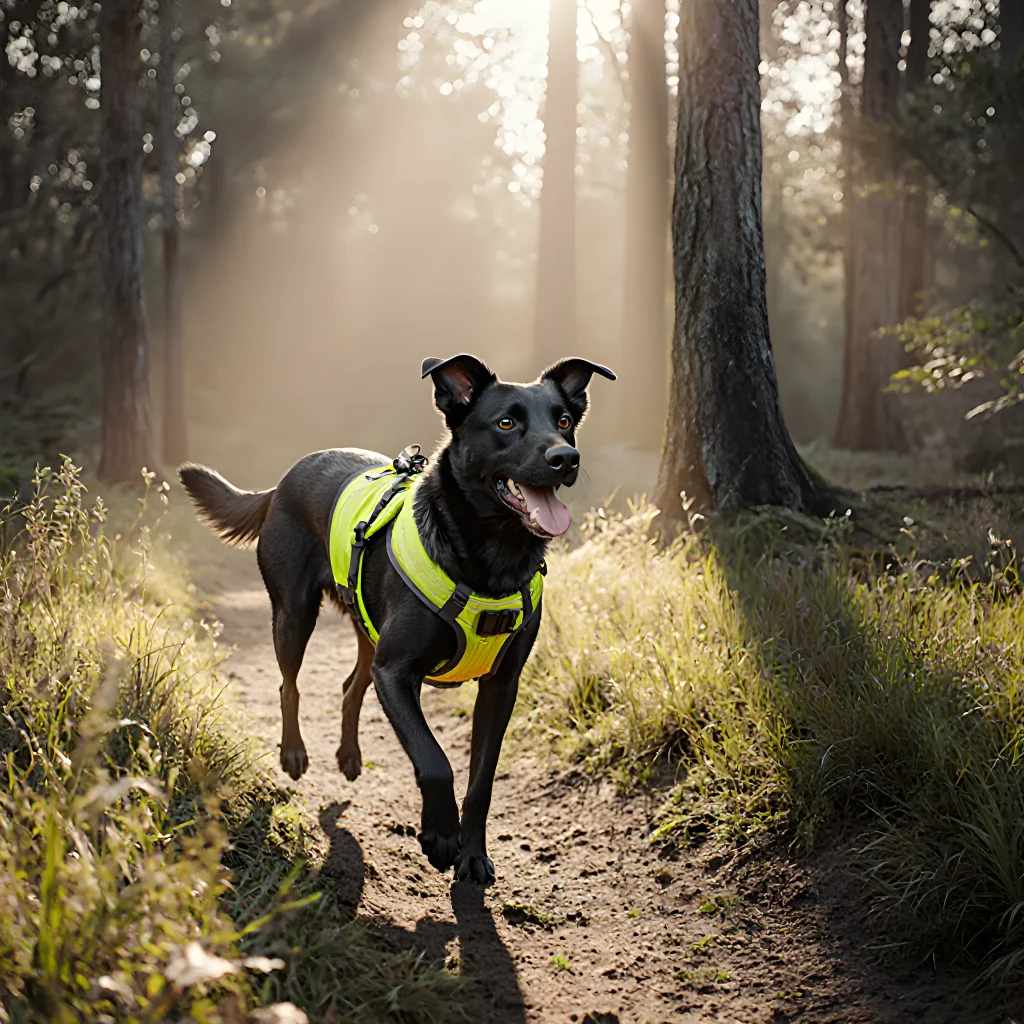
Pack Your Pup for Adventure
Sizzling Trails: Must‑Have Items for the Ultimate Dog Expedition
Table of Contents
- Introduction to Road Trip Packing for Dogs
- Planning Your Route and Timing
- Choosing the Right Vehicle and Seat Protection
- Essential Documents and Identification
- Health and Vaccination Records
- Food, Water, and Feeding Schedule
- Comfort Items: Beds, Blankets, and Toys
- Safety Gear: Harnesses, Leashes, and ID Tags
- First Aid Kit for Dogs
- Cleaning Supplies and Waste Disposal
- Entertainment and Stimulation on the Road
- Emergency Contacts and Vet Locations
- Travel Insurance and Liability Coverage
- Conclusion: Making the Journey Safe and Enjoyable
- FAQ – Frequently Asked Questions
Introduction to Road Trip Packing for Dogs
When you’re planning a road trip with your four‑legged friend, the last thing you want is to be scrambling for a missing item at a rest stop. A Road Trip Packing Checklist for Dogs turns an overwhelming list of “things I might need” into a clear, actionable plan. It ensures safety, comfort, and peace of mind for both you and your pup.
Key Benefits of Using a Checklist
- Reduces Stress: Knowing exactly what’s in the trunk eliminates last‑minute panic.
- Saves Time: You can pack efficiently, focusing on essentials first.
- Prevents Oversights: Items like ID tags or a spare leash are easy to forget without a list.
- Helps with Budgeting: See what you already own vs. what needs to be purchased.
How to Build Your Custom Checklist
- Start with the Basics: Food, water, bowls, leash, collar, ID tags, and a first‑aid kit.
- Add Comfort Items: A familiar blanket or toy can ease travel anxiety.
- Consider the Environment: Heat‑proof mats for hot roads, cooling vests for summer, or a warm jacket for cold nights.
- Plan for Emergencies: Copies of vaccination records, a spare microchip scanner, and contact info for nearby vets.
- Review & Update: After each trip, tweak the list based on what worked or was missing.
Practical Packing Tips
- Use a Dedicated Dog Travel Bag: Keeps all items organized and within easy reach.
- Pack in Layers: Place heavier items at the bottom of the trunk, lighter items on top for quick access.
- Secure Loose Items: Use seat belts or cargo nets to prevent distractions while driving.
- Label Everything: Color‑coded tags or a simple “Dog Supplies” label help you locate items instantly.
Sample Road Trip Packing Checklist for Dogs (Excerpt)
| Category | Item | Notes |
|---|---|---|
| Food & Water | Dry kibble, canned food, collapsible bowls | Calculate based on mileage and dog’s appetite. |
| Health & Safety | First‑aid kit, medication, ID tags | Include a copy of recent vet records. |
| Comfort | Blanket, favorite toy, crate pad | Familiar scents reduce anxiety. |
| Travel Gear | Leash, harness, travel seat cover | Ensure the seat cover is secure and fits your car model. |
By integrating a detailed Road Trip Packing Checklist for Dogs into your pre‑travel routine, you’ll transform a potentially chaotic journey into a smooth, enjoyable adventure for both you and your canine companion.
Planning Your Route and Timing
A well‑planned route is the backbone of a smooth dog‑friendly road trip. It lets you balance travel time with rest stops, ensures you’re always in safe terrain for your pup, and helps avoid last‑minute detours that can leave both you and your pet stressed.
1. Map Out Your Stops
- Pet‑Friendly Hotels & Campgrounds: Use resources like PetFriendlyHotels.com or the Google Maps “pet-friendly” filter to locate accommodations that welcome dogs.
- Dog Parks & Trails: Identify parks along your route. Mark them on a paper map or in a GPS app so you can pause for playtime and bathroom breaks.
- Veterinary Clinics: Pin down clinics near each stop. In emergencies, knowing the nearest vet’s location saves precious time.
2. Calculate Driving Time vs. Break Frequency
A general rule: drive no more than 4–5 hours before giving your dog a break. For larger breeds or older dogs, consider shorter intervals (3–4 hours). Use the following template to estimate:
| Distance (mi) | Estimated Driving Time | Recommended Breaks |
|---|---|---|
| 200 | 3 hrs | 1 break – 20 min |
| 400 | 6 hrs | 2 breaks – 30 min each |
| 600 | 9 hrs | 3 breaks – 45 min each |
3. Choose the Best Time of Day
- Morning Starts: Cooler temperatures reduce heat stress, especially in hot climates.
- Avoid Peak Traffic: Leaving before 7 am or after 9 pm keeps you out of rush hour and allows for quieter, more relaxed stops.
- Night Drives: If you must drive at night, keep the windows slightly open for ventilation but ensure your dog is secured in a carrier or seatbelt harness to prevent injury.
4. Plan for Unexpected Delays
Road construction, traffic jams, or weather can extend travel time. Build in buffer days (1–2 extra hours per day) and keep an updated list of alternate routes on your phone.
5. Use Technology Wisely
- Navigational Apps: Google Maps, Waze, or MapQuest allow you to set “pet-friendly” filters or add custom waypoints for dog parks.
- Offline Maps: Download maps of your route in case cell service drops. A simple PDF map with marked stops works well too.
6. Sample Route Planning Checklist (Dog Edition)
- Determine total distance and daily mileage goals.
- Mark pet-friendly lodging and parks on a map.
- Set driving time limits per leg of the trip.
- Schedule breaks: bathroom, water, light exercise.
- Identify nearest vet at each stop.
- Print or save an offline copy of your route plan.
By thoughtfully mapping out where you’ll stop, how long you’ll drive, and when you’ll break for your dog’s needs, you create a safer, more enjoyable journey for everyone on board. Happy travels!
Choosing the Right Vehicle and Seat Protection
When you’re planning a road trip with your canine companion, the first thing to decide is what kind of vehicle will best suit both you and your dog’s needs. A well‑chosen car not only ensures safety but also maximizes comfort for the entire journey.
1. Vehicle Size Matters
- Small cars (e.g., compact hatchbacks): Great for short trips or city drives. However, if you have a larger dog or plan to bring additional gear, the space may become cramped quickly.
- Midsize SUVs: Offer more cargo room and often come with rear‑seat “dog doors” that let pets hop in without stepping over the seat belt. They also provide better headroom for taller dogs.
- Large SUVs or 4‑wheel drives: Ideal for long trips, off‑road adventures, or when you need to transport multiple animals and equipment. The ample cargo area allows for a dedicated dog bed or crate without compromising passenger space.
2. Seat Protection Options
Protecting the upholstery from fur, dirt, and accidental spills is essential. Here are the most common solutions:
| Protection Type | Pros | Cons | Best For |
|---|---|---|---|
| Dog Seat Covers (fabric or vinyl) | Easy to install, removable, washable. | May not be waterproof if not high‑quality. | All dog sizes; especially good for short trips. |
| Dog Car Seats (with harness) | Provides a dedicated spot, reduces motion sickness. | Requires training and can be bulky. | Small to medium dogs who prefer to sit upright. |
| Dog Crates (with seat belt attachment) | Maximum safety in case of sudden stops. | Can feel restrictive for some pets. | Large or nervous dogs; long road trips. |
| Floor Mats with Velcro | Keeps fur off the seats, easy to clean. | Doesn’t protect upholstery if the dog climbs onto it. | Dog owners who want a simple solution for small pets. |
3. Practical Tips for Installation
- Measure First: Before purchasing any seat cover or crate, measure the backseat dimensions (height, width, and depth). Most manufacturers provide size charts.
- Use Seat Belt Anchors: Secure covers or crates with the car’s built‑in seat belt anchors to prevent sliding during turns.
- Ventilation: If your dog will be on the backseat, ensure there are windows or a sunroof open for airflow. Consider installing a pet fan or vented canopy for extra comfort.
- Test Run: Take a short drive first to observe how your dog reacts to the new setup. Check for any distractions (e.g., straps that might snag on ears).
4. Safety Checklist for Dogs in the Vehicle
- Secure Harness: A seat belt harness or a properly fitted crate keeps your dog safe during sudden stops.
- No Loose Items: Keep toys, water bottles, and leashes secured to avoid choking hazards.
- Temperature Control: Never leave a dog in a parked car. Use sunshades and keep windows slightly ajar for airflow.
- Regular Breaks: Every 2–3 hours, stop to allow your dog to stretch, hydrate, and relieve themselves.
5. Example Setup: A Midsize SUV with a Fabric Seat Cover
For a family of four with a medium‑sized Labrador, a midsize SUV works well. Here’s how to set it up:
- Install a high‑quality vinyl seat cover that fits the rear seats snugly.
- Attach a dog harness to the car’s seat belt anchor and fasten it to your Labrador’s collar or harness.
- Place a lightweight dog crate on the floor behind the backseat, secured with a seat belt for added safety.
- Use a water bottle holder on the console and a small pet fan under the rear window for ventilation.
This configuration keeps fur off the seats, protects the upholstery, and ensures your dog’s safety while allowing you to enjoy the road trip with minimal hassle.
Essential Documents and Identification
A road trip with your dog isn’t just about packing snacks and toys – it’s also a legal and safety matter. Having the right paperwork on hand ensures you’re prepared for veterinary visits, crossing state lines, or unexpected emergencies.
1. Proof of Vaccinations
- Rabies Certificate: Most states require a current rabies vaccination record. Keep the original certificate and a digital copy on your phone.
- Core Vaccination Records: Include distemper, parvovirus, hepatitis, and leptospirosis if applicable.
2. Health Check & Vet Visit Record
Before a long drive, schedule a vet visit to confirm your dog is fit for travel. Bring the full health history and any recent test results (e.g., blood work, X‑rays). If you’re traveling across borders, some countries require a health certificate issued within 10 days of entry.
3. Identification Tags & Microchip Information
- Collar Tag: Include your name, phone number, and the dog’s name.
- Microchip Number: Keep a record of the chip ID and the company that registered it. Some pet insurance policies require this information for claims.
4. Pet Insurance & Liability Forms
If you have travel or pet insurance, bring policy details and claim forms. Also check if your rental car company requires a liability waiver when traveling with pets.
5. Emergency Contact Sheet
- Primary Vet: Name, address, phone number.
- Emergency Vet Clinic: Locations along your route (use Google Maps or a pre‑compiled list).
- Local Animal Control: In case of accidents or lost pets.
6. Travel Permit & Border Crossing Papers
Some states and countries require permits for dogs traveling in or out of the jurisdiction. Check the USDA, state agriculture department, or embassy websites for up‑to‑date regulations.
7. Digital Backup Strategy
- Store PDFs of all documents on a cloud service (Google Drive, Dropbox).
- Create an email draft addressed to yourself with the attachments for quick access.
- Use a dedicated pet app that syncs your records across devices.
Practical Tips
- Pack a “Doggie Emergency Kit”: Include copies of all documents, a printed map, and a USB drive with digital files.
- Keep Documents Accessible: Store them in a waterproof pouch inside the car’s glove compartment or seat pocket.
- Label Everything: Use color‑coded tabs or sticky notes so you can quickly locate specific papers during stops.
By ensuring all essential documents and identification are organized, documented, and readily available, you’ll give yourself peace of mind and keep your canine companion safe throughout the journey.
Health and Vaccination Records
When you’re preparing a road trip packing checklist for dogs, one of the most critical items to include is a comprehensive set of health and vaccination records. These documents not only protect your pet’s well‑being during travel but also ensure you comply with local regulations, veterinary requirements, and emergency protocols.
Why You Need Them
- Proof of Vaccination: Many states, cities, and even certain hotels or campgrounds require up-to-date shots for dogs. Having a copy on hand avoids last‑minute rejections.
- Medical History Reference: If your dog experiences an illness or injury while on the road, a detailed medical record speeds up diagnosis and treatment.
- Travel Insurance & Liability: Some pet travel insurance policies require proof of recent health checks before coverage is granted.
What to Include in Your Checklist
- Owner Information
- Name, address, phone number, and email.
- Emergency contact (e.g., a trusted friend or family member).
- Dog’s Identification Details
- Microchip number and the company that issued it.
- Name, breed, age, weight, and any distinctive markings.
- Current collar tags with your contact info.
- Vaccination Records
- Rabies: Date of administration and expiration date (usually 1 year for puppies, 3 years for adults).
- Deworming: Last dewormer dose and recommended schedule.
- Distemper, Parvovirus, Hepatitis, Bordetella: Dates and any booster requirements.
- Health Check Certificates
- A recent (within the last 30 days) veterinary exam note confirming your dog is fit for travel.
- Any special medication or dietary notes, such as prescription drugs or allergy information.
- Travel‑Specific Documentation
- If you’re crossing state lines or traveling internationally (e.g., to Canada), include any required health permits or quarantine certificates.
- Proof of pet insurance, if applicable.
Practical Tips for Managing Records
- Digital Backup: Scan all documents and store them in a secure cloud folder (Google Drive, Dropbox). Keep a PDF copy on your phone or tablet.
- Physical Copy: Pack a waterproof folder with the originals. Place it in an easily accessible spot in your vehicle—ideally near your seat for quick reference.
- Update Regularly: Schedule a vet visit at least once every six months, especially if you’re planning frequent trips.
- Label Everything: Use clear headings and bold fonts to make each section instantly recognizable in case of an emergency.
- Check Local Regulations: Some parks or pet-friendly hotels have specific vaccination requirements. Verify these before departure.
Example Packing List Entry
Health & Vaccination Records
- Owner Info (Name, Address, Phone)
- Dog ID: Microchip #123456, Name Max, Breed Labrador, Age 2
- Rabies Shot – Administered 03/15/2025, Expiry 03/14/2028
- Distemper/Parvo – Last shot 02/10/2025
- Deworming – Last dose 01/20/2025
- Vet Exam Note – Fit for travel (Date: 04/01/2025)
- Travel Insurance PDF – Policy #ABC123
Keeping these records organized and readily available not only gives you peace of mind but also ensures that your dog’s health is safeguarded throughout the journey. Happy travels!
Food, Water, and Feeding Schedule
A well‑planned feeding routine is the backbone of a safe and enjoyable road trip with your dog. Below you’ll find a step‑by‑step guide on what to pack, how to schedule meals, and tips for keeping your canine companion hydrated and happy during long drives.
1. What to Pack
- Dry Food: Bring enough kibble for the entire trip plus a 10‑15% safety margin in case of delays or detours. A good rule of thumb is one cup per 20 lbs of body weight per day.
- Wet Food (Optional): If your dog prefers canned food, pack it in airtight containers or reusable freezer bags to keep it fresh.
- Special Diets: For dogs on prescription diets, bring the exact quantity prescribed and a copy of the vet’s instructions for dosage adjustments during travel.
- Dog Food Containers: Use sturdy, leak‑proof bowls or collapsible silicone bowls that fold flat when empty. Consider a bowl with a built‑in water reservoir to reduce refilling.
- Water Supply: Pack at least 1 gallon of bottled water per dog for the first day and add extra for longer trips. A portable water dispenser or water bottle with a detachable cup is handy for quick refills.
- Travel Treats & Chews: Include a few low‑calorie treats for rewarding good behavior during stops.
2. Feeding Schedule During the Trip
- Pre‑Trip Meal (1–2 hours before departure): Feed your dog a regular portion of dry food to avoid an empty stomach but not so much that they feel sluggish.
- First Stop (every 4–6 hours): Offer a small snack or half the daily ration if the drive is long. Use this time for a quick bathroom break and a short walk.
- Second Stop (mid‑trip): Provide another snack or a light meal, especially if you’re heading to a new destination where food options may be limited.
- Final Meal (1–2 hours before arrival): Serve the remaining portion of their daily food. This helps keep them satisfied without overloading their stomach near bedtime.
Tip: If your dog is on a strict feeding schedule, use a timer or phone reminder to stay consistent and avoid accidental overfeeding.
3. Hydration Management
- Fill the water bottle before each stop; keep it in an easily accessible spot.
- Avoid giving large amounts of water right before or after a long drive—this can lead to discomfort or accidents inside the vehicle.
- For dogs prone to dehydration (e.g., breeds like Greyhounds or those with medical conditions), consider adding electrolytes to their water. Use dog‑safe electrolyte powders or consult your vet for recommendations.
4. Practical Tips & Common Pitfalls
- No “Dog Food in the Seat” Policy: Keep food out of reach to prevent spills and distractions. Store it in a separate compartment or bag.
- Temperature Control: Use insulated containers for both dry and wet food, especially during hot weather.
- Check Food Expiry Dates: Always verify that canned or pre‑packed foods are within their use‑by dates before loading them into the car.
- Plan for Emergencies: Pack a small “emergency” bag with extra food and water in case of detours, traffic delays, or if you miss a scheduled stop.
5. Sample Packing List (Based on a 48‑Hour Road Trip)
| Item | Description |
|---|---|
| Dry Food | 10 cups (≈250 g per day × 2 days + 15% extra) |
| Wet Food | 3 cans (optional) |
| Dog Food Bowls | 1 collapsible silicone bowl + 1 hard plastic bowl |
| Bottled Water | 2 gallons (≈8 L) per dog |
| Water Bottle with Cup | Portable dispenser |
| Treats & Chews | 1 small bag of low‑calorie treats |
| Food Containers | Leak‑proof ziplock bags for each portion |
| Emergency Food Pack | 5 extra cups of dry food |
By following this structured approach, you’ll keep your dog’s nutrition and hydration on track while minimizing stress for both of you during the adventure.
Comfort Items: Beds, Blankets, and Toys
When you’re preparing a Road Trip Packing Checklist for Dogs, comfort items are essential to keep your pet relaxed and happy during the journey. A familiar bed, a cozy blanket, and engaging toys can make the difference between a stressed dog and one that’s content and calm.
1. Portable Dog Beds
- Inflatable Travel Beds: Lightweight and easy to pack. Just inflate them at your destination or on the road with a small pump. Look for models with non-slip bottoms to keep the bed in place on car seats.
- Folding Pet Hammocks: These can be hung from the back of the seat or the ceiling rail, giving dogs a raised sleeping area that’s off the floor and away from motion.
- Soft Blankets with Built‑in Cushions: If your dog prefers something more like a traditional bed, pack a thick blanket that folds into a compact shape. Some blankets come with a hidden pillow inside for extra support.
2. Cozy Blankets
- Thermal Fleece: Ideal for cooler climates or early morning drives when the car might be chilly. The fleece traps heat and feels soft against your dog’s skin.
- Water‑Resistant Covers: In case of unexpected rain or a spill in the car, having a blanket that can be wiped down quickly is a lifesaver.
- Brand‑Name “Doggy” Blankets with Odor Control: Many pet stores offer blankets treated with antimicrobial agents to keep them fresh during long trips.
3. Engaging Toys
- Chewable Plush Toys: A durable plush stuffed with a squeaker can occupy your dog’s attention and provide comfort. Ensure it’s not too large to avoid choking hazards.
- Interactive Treat Dispensers: Toys that release treats slowly keep dogs mentally stimulated and reduce boredom during stops.
- Soft Balls or Ropes: If you have space in the trunk, a small ball can be tossed at your dog for quick play sessions between breaks. Ropes are great for tug‑of‑war, which is excellent for tiring out energy before long drives.
Practical Packing Tips
- Pack in a Reusable Tote: Keep all comfort items together in a lightweight tote that can be opened easily during stops. Label it “Comfort Zone” for quick identification.
- Test Before the Trip: Bring your dog’s bed or blanket home and let them use it to ensure they’re comfortable with its texture and size before you hit the road.
- Rotate Toys: Pack a few different toys so you can rotate them during the trip, preventing any single item from losing interest.
- Use a Pet Seat Cover: Lay your blanket over a seat cover to protect upholstery and give your dog a consistent surface to lie on.
By thoughtfully selecting beds, blankets, and toys, you’ll create a personalized comfort zone for your dog that helps reduce anxiety, keeps them safe from motion sickness, and turns the road trip into an enjoyable adventure for both of you.
Safety Gear: Harnesses, Leashes, and ID Tags
When you’re planning a road trip with your canine companion, the first line of defense against accidents or lost pets is reliable safety gear. A good harness, sturdy leash, and up‑to‑date ID tags not only keep your dog secure but also give you peace of mind while cruising down unfamiliar highways.
Choosing the Right Harness
- Fit Matters: Measure your dog’s chest circumference (just behind the front legs) and choose a harness that allows two fingers to slip between the strap and the body. A snug but not tight fit prevents chafing and ensures control.
- Types of Harnesses:
- Front‑clip harnesses (e.g., Ruffwear Front Range) reduce pulling by redirecting the dog’s momentum back toward you.
- Back‑clip harnesses (e.g., Kurgo Tru-Fit) are ideal for dogs that run in circles, as they keep the leash at the rear and prevent tangling.
- Material & Comfort: Look for breathable mesh panels for heat‑exposed routes and padded chest plates for added comfort during long drives.
Selecting a Leash
A leash is your dog’s tether to the vehicle. Here are key considerations:
- Length: A 4–6 foot leash gives enough room for the dog to look around without risking loose ends that could become a hazard.
- Durability: Opt for nylon or braided leather with reinforced stitching. Check the leash’s weight limit (usually indicated on the tag) and make sure it exceeds your dog’s body weight by at least 10–20 lb.
- Attachment Points: Use a seat‑belt harness attachment or a “dog car seat” that clips onto the vehicle’s existing safety system. This keeps the leash secured even if you’re traveling in an SUV with high seats.
ID Tags & Microchips
Even if your dog is on a leash, accidents happen—especially during stops or detours. Make sure your pet’s identity is unmistakable:
- ID Tag Essentials:
- Name and owner phone number (preferably the same number you use for emergencies).
- Current address (optional, but helpful if a local vet or shelter needs to contact you).
- Microchip ID number (displayed on the tag so anyone can quickly check the chip’s database).
- Tag Placement: Mount the tag on a collar that fits snugly but comfortably. Replace it every 12–18 months to keep contact information up to date.
- Microchip Registration: Verify that your pet’s microchip is registered in your name and that the database has the latest phone number and address. Update immediately after any move or change of phone line.
Practical Packing Checklist
Below is a quick reference you can add to your Road Trip Packing Checklist for Dogs:
| Item | Quantity | Notes |
|---|---|---|
| Dog Harness (front‑clip or back‑clip) | 1–2 (one for the main dog, one spare if you have multiple dogs) | Check fit before departure |
| Leash (4–6 ft, durable) | 1–2 | Attach to seat belt or dog car seat |
| ID Tag(s) with updated info | 2 (one on collar, one spare) | Include microchip number |
| Microchip Registry Card | 1 | Keep in your glove compartment |
By equipping yourself with the right harness, leash, and ID tags—and by double‑checking that everything fits properly—you’ll create a safe environment for both you and your furry travel buddy. Safe travels!
First Aid Kit for Dogs
A well‑equipped first aid kit is a must-have for any dog owner planning a road trip. It helps you respond quickly to injuries or emergencies, reducing stress for both you and your pet. Below is a comprehensive list of items to include in your canine first aid kit, along with practical tips on how to use them.
Essential Supplies
- Bandages & Gauze:
- Assorted sizes of sterile gauze pads for covering wounds.
- Adhesive bandage strips (e.g., Vet-Tape) to secure gauze in place.
- Non‑stick dressings if your dog has sensitive skin or a large wound.
- Antiseptic Solutions:
- Povidone‑iodine wipes for cleaning minor cuts and abrasions.
- Alcohol swabs (70% isopropyl) for disinfecting surfaces before applying dressings.
- A small bottle of chlorhexidine or an equivalent antiseptic spray.
- Tweezers & Scissors:
- Small, sharp tweezers to remove splinters, burrs, or foreign objects.
- A pair of clean scissors (preferably with a rounded tip) for trimming gauze and cutting bandage ties.
- Thermal Blanket:
- An emergency thermal blanket or a lightweight, insulated sheet to keep your dog warm in case of shock or exposure to cold temperatures.
- Analgesics (Veterinarian‑prescribed only):
- Always store any prescription pain medication in a secure, childproof container and keep it out of reach of children or other pets.
- Water & Hydration:
- A small, collapsible water bowl for drinking.
- A bottle of oral rehydration solution (ORS) in case your dog becomes dehydrated from heat or illness.
- Emergency Contact Sheet:
- Print a list with your vet’s phone number, the nearest emergency animal hospital, and any other relevant contacts.
- First Aid Manual or Quick‑Reference Guide:
- Keep a laminated copy of a dog first aid guide (e.g., American Veterinary Medical Association – AVMA) for quick reference during an emergency.
Practical Usage Tips
- Check the Kit Regularly: Inspect bandages, gauze, and medications every month. Replace any expired or compromised items before your trip.
- Label All Items: Use clear labels (e.g., “Bandage – Small,” “Antiseptic Wipes”) to save time in a stressful situation.
- Practice Basic First Aid: Take a short online course or attend a local workshop on canine first aid. Knowing how to clean a wound, apply a bandage, and recognize signs of shock can make all the difference.
- Keep It Accessible: Store the kit in an easily reachable location in your vehicle—preferably within arm’s reach from the driver’s seat or in the glove compartment. Use a sturdy, waterproof bag to protect contents from dirt and moisture.
- Know When to Call a Vet: If you encounter any of the following, seek professional help immediately:
- Severe bleeding that won’t stop after applying pressure for 10–15 minutes.
- Suspected broken bones or obvious deformities.
- Poor breathing or difficulty swallowing.
- Ingestion of toxic substances (e.g., chocolate, xylitol, antifreeze).
Sample First Aid Kit Checklist for Your Road Trip
| Item | Quantity |
|---|---|
| Sterile gauze pads (various sizes) | 10 |
| Adhesive bandage strips (Vet‑Tape) | 20 |
| Povidone‑iodine wipes | 5 |
| Alcohol swabs (70%) | 10 |
| Tweezers | 1 pair |
| Scissors (rounded tip) | 1 pair |
| Thermal blanket | 1 |
| Prescription analgesics (if applicable) | As prescribed |
| Collapsible water bowl | 1 |
| Oral rehydration solution (ORS) bottle | 1 |
| Emergency contact sheet | 1 copy |
| First aid manual/quick‑reference guide | 1 copy |
By preparing a comprehensive first aid kit and familiarizing yourself with its contents, you’ll be better equipped to handle any unforeseen health issues your dog may face during the journey. Safe travels!
Cleaning Supplies and Waste Disposal
Keeping your dog’s waste under control during a road trip is essential for the health of everyone on board, for the environment, and for maintaining a comfortable cabin. Below is a detailed guide on what to pack, how to use it properly, and best practices for disposing of waste responsibly.
1. Essential Cleaning Supplies
- Poop Bags: Opt for biodegradable or compostable bags (e.g., Earth Rated, Bissell) that can be tied securely to prevent leaks.
- Wet Wipes or Pet‑Safe Hand Sanitizer: Use a pet‑friendly wipe or sanitizer after handling waste. Avoid wipes with harmful chemicals like parabens or alcohol that could irritate your dog’s skin.
- Disposable Gloves: A pair of nitrile gloves for handling waste, especially if you’re on a long drive and will need to pause frequently.
- Trash Bags (Heavy‑Duty): For storing used poop bags until you find a disposal point. Look for double‑layered bags that can handle the weight of wet waste.
- Cleaning Spray: A pet‑safe, non‑toxic spray to clean up any accidental spills in the car or on surfaces.
2. Practical Packing Tips
- Pack in a Dedicated Box: Keep all waste‑related items in one sealable plastic container or small bag to avoid cross‑contamination with food or toys.
- Label the Container: Write “Poop Bags & Clean‑Up Kit” on the box so you can locate it quickly during stops.
- Carry Extra Supplies: Dogs may produce more waste than expected, especially if they’re excited or stressed. Pack at least 2–3 times the estimated number of bags for your trip.
3. Waste Disposal Procedures
- Use Designated Pet Waste Stations: Many parks, campgrounds, and rest areas provide pet waste stations with bins or bags. Always use these instead of leaving waste in the environment.
- Double‑Bag for Outdoor Disposal: If you must dispose of waste outside (e.g., at a campsite), place the used bag inside a second trash bag before throwing it into the dumpster to prevent odors and leakage.
- Follow “Leave No Trace” Principles: In wilderness areas, pack out all pet waste. Store it in a sealable container until you reach a disposal point or designated dumping area.
4. Special Situations & Examples
Example 1: Short City Break (2‑Day Trip)
- Pack 10 poop bags, a small container of wipes, and a single pair of gloves.
- Use the city’s pet waste stations at rest stops or parks.
Example 2: Remote National Park Adventure (5‑Day Trip)
- Pack 25 poop bags, a larger container of wipes, two pairs of gloves, and a heavy-duty trash bag.
- Store waste in the heavy-duty bag until you find an official dump or use a designated “pack‑out” station.
5. Quick Checklist for Every Stop
- Pull over safely.
- Let your dog relieve themselves.
- Pick up the waste with a bag, tie it securely.
- Dispose of the bag in an approved location.
- Clean hands or wipe down surfaces if necessary.
By preparing these supplies and following responsible disposal methods, you’ll keep your road trip enjoyable for everyone while protecting wildlife and maintaining clean travel environments.
Entertainment and Stimulation on the Road
Keeping your dog mentally stimulated during a long drive is as important as staying physically comfortable. A bored pup can become anxious, destructive, or develop separation‑related behaviors. Below are practical ideas—many of which align with items you’ll find in a typical road trip packing checklist for dogs—to keep your canine companion engaged and happy.
1. Interactive Toys & Chews
- Toy Ball: A lightweight, soft ball that can be tossed in the back seat or used for a quick game of fetch before you hit the road.
- Puzzle Feeders: Small, collapsible puzzle toys that release kibble or treats when manipulated. These keep your dog’s mind occupied while the car moves.
- Chew Bones & Durable Toys: A good chew can calm nerves. Choose a size appropriate for your dog's breed and ensure it won’t break into small pieces that could be swallowed.
2. Scented Items & Familiar Smells
Dogs rely heavily on scent to orient themselves. Bring along:
- A blanket or towel with your dog’s scent (or a familiar bedding item).
- A small piece of your clothing—especially if you’ve been traveling together for a while.
- Optional: A low‑odor, pet‑safe scented spray to lightly mist the car interior. Avoid strong fragrances that might trigger nausea.
3. Audio & Music
Some dogs respond positively to calming music or specially curated canine playlists. You can play:
- Classical or soft instrumental tracks—these often reduce stress levels in pets.
- Nature sounds (rain, forest ambience) if your dog seems drawn to environmental noises.
- Audio cues from a pet‑specific “dog radio” app that plays soothing tones and occasional barking triggers.
4. Regular Breaks & Exercise
Even the best entertainment plan can’t replace real exercise:
- Every 2–3 hours: Stop for a short walk or give your dog an opportunity to stretch.
- Use a leash and harness—never let your dog roam freely in a moving vehicle.
- Carry a collapsible water bowl and refill after each stop to keep hydration on track.
5. Treat‑Dispensing Games
Distribute treats strategically to maintain engagement:
- Hidden Treats: Slip small pieces into your dog’s favorite toys or under a seat cushion.
- Slow-Feeder Bowl: Place a slow feeder in the back seat for a calm, measured snack session.
6. Training & Commands Review
Use the trip to reinforce basic commands—sit, stay, heel, and recall. A mentally engaged dog is less likely to become distracted or anxious:
- Positive Reinforcement: Reward with treats or praise for obeying commands.
- Keep training sessions brief (5–10 minutes) to avoid overstimulation.
7. Comfort Items & Physical Support
Comfort can reduce anxiety and improve focus:
- Dog Seat Belt or Harness System: Ensure your dog is safely restrained while still comfortable.
- A small, supportive pillow or cushion—especially for larger breeds—to prevent back strain during long drives.
8. Avoid Over‑Stimulation
Too many toys or constant activity can be counterproductive:
- Select 1–2 primary entertainment items for the trip to avoid overstimulation.
- Watch your dog’s body language—if they’re restless, a brief walk may help reset their focus.
Checklist Snapshot (Entertainment Section)
| Item | Purpose |
|---|---|
| Toy Ball | Pre‑trip play & distraction. |
| Puzzle Feeder | Mental stimulation during drive. |
| Chew Bone | Stress relief & oral health. |
| Scented Blanket | Familiarity & calm. |
| Dog‑Friendly Music Playlist | Reduces anxiety. |
| Collapsible Water Bowl | Hydration at stops. |
By thoughtfully integrating these entertainment and stimulation strategies, you’ll help your dog stay relaxed, focused, and joyful throughout the journey. Safe travels!
Emergency Contacts and Vet Locations
Before you hit the road, make sure your furry friend has a list of emergency contacts and nearby veterinary clinics in case something unexpected happens. This section will walk you through what to include, how to format it for quick reference, and give practical tips on choosing the best locations along your route.
1. Essential Information to Include
- Local Animal Hospital: Name, address, phone number, hours of operation.
- 24‑Hour Veterinary Clinic: Many towns have a round‑the‑clock facility; include the contact details and whether they accept pets from out of state.
- Pet Poison Control Hotline: (e.g., 1‑800‑222‑1222). This number is crucial if your dog ingests something harmful.
- Emergency Veterinary Services: If you’re traveling through remote areas, list any emergency services that provide mobile vet care or can be called for urgent transport.
- Pet‑Friendly Gas Stations & Rest Stops: Mark the ones with pet relief areas and quick access to water.
2. How to Find Vet Locations Along Your Route
- Use Google Maps or Waze: Search for “veterinary clinic” or “animal hospital” in the cities you’ll pass through.
- Check Veterinary Association Websites: The American Veterinary Medical Association (AVMA) and state veterinary boards often provide directories of licensed clinics.
- Ask Your Dog’s Current Vet: They may have recommended nearby facilities for travelers.
- Read Trip‑Related Forums: Websites like Rover, Chewy, or Reddit’s r/dogs can offer real‑world recommendations from other pet owners.
3. Sample Template
Print this sheet and keep it in your car’s glove compartment. Use a waterproof folder if you’re heading into wet weather.
| Location | Address | Phone | Hours | Notes |
|---|---|---|---|---|
| Sunnyvale Animal Hospital | 1234 Pet Lane, Sunnyvale, CA 94086 | (408) 555‑0123 | Mon‑Fri 8am–6pm, Sat 9am–5pm | Boarding available |
| 24‑Hour Vet Care – Fresno | 567 Animal Ave., Fresno, CA 93710 | (559) 555‑0456 | Open 24/7 | Accepts out‑of‑state pets |
| Pet Poison Control Hotline | N/A | (1) 800‑222‑1222 | 24/7 | Call immediately if ingestion suspected |
4. Practical Tips for the Road
- Keep a Digital Backup: Store the list in your phone or cloud storage (e.g., Google Drive, iCloud) so you can access it even if paper is lost.
- Update Regularly: Vet locations may close or change hours. Refresh your list at least once a month.
- Plan Ahead for Remote Areas: If you’ll be in wilderness regions, research mobile vet clinics and emergency evacuation routes.
- Carry a Small First‑Aid Kit: Include items like gauze, antiseptic wipes, and a copy of your dog’s medical records.
5. Quick Reference Card (Optional)
Create a laminated card with the most critical contacts at eye level in the driver seat—so you can glance without taking your eyes off the road.
With these resources organized and accessible, you’ll be better prepared to handle any unexpected situation while enjoying your dog’s favorite road‑trip adventure.
Travel Insurance and Liability Coverage
When you hit the open road with your canine companion, it’s easy to focus on the adventure itself and overlook a critical piece of protection: travel insurance that covers both you and your pet. A well‑structured policy can safeguard against unexpected veterinary bills, trip cancellations, lost luggage, and even liability for damages caused by your dog while traveling.
Why You Need It on a Dog Road Trip
- Unexpected Vet Costs: Accidents happen. A broken leg or an allergic reaction can be expensive, especially in unfamiliar areas.
- Trip Disruptions: Weather delays, car breakdowns, or health issues may force you to cancel or reroute your trip. Travel insurance can reimburse non‑refundable expenses.
- Luggage & Pet Gear Loss: Lost or stolen pet supplies (food, meds, bedding) can leave you stranded.
- Liability Coverage: If your dog bites someone or damages property during the trip, liability insurance protects you from legal costs and settlements.
Key Features to Look For
- Pet Medical Coverage: Minimum $10,000 per incident for emergency care. Check if routine check‑ups are included.
- Trip Cancellation & Interruption: Reimbursement up to the cost of non‑refundable tickets and prepaid lodging.
- Luggage Protection: Coverage for lost, delayed, or damaged pet gear (up to $1,000).
- Liability Limits: A minimum of $500,000 per incident is recommended for high‑risk areas.
- 24/7 Assistance Hotline: Immediate support in case of emergencies or lost pets.
Practical Tips for Selecting a Policy
- Read the fine print: Some policies exclude pre‑existing conditions or certain breeds.
- Check for “no claim bonus” perks that reduce premiums after a claim-free period.
- Compare riders: Add pet coverage to your existing travel policy if available; it may be cheaper than a standalone pet plan.
- Verify the insurer’s network of veterinarians along major highways or in popular destinations.
Road Trip Packing Checklist for Dogs (Insurance‑Ready Edition)
| Item | Description | Insurance Relevance |
|---|---|---|
| Pet ID Tag & Microchip Info | Label with owner’s contact and vet details. | Helps locate your dog if lost; may be required for claim processing. |
| Veterinary Records (digital backup) | Vaccination certificates, medical history. | Necessary for insurance approval and coverage of pre‑existing conditions. |
| Prescription Medications | Bring enough for the entire trip plus a few extra days. | Insurance may cover emergency meds; keep receipts for claims. |
| First Aid Kit (pet‑specific) | Chemical bandages, tweezers, gauze. | Reduces need to seek urgent care; may be covered by policy if used for minor injuries. |
| Food & Water Supplies | High‑energy treats, dry/wet food, collapsible bowl. | Luggage loss coverage can reimburse these items. |
| Comfort Items (blanket, toy) | Familiar scents reduce anxiety. | Replacement may be covered under luggage protection if lost. |
| Travel Crate/Seat Belt Harness | Secure and comfortable for long drives. | Policy may require proper restraint for coverage of accidents. |
By pairing a comprehensive travel insurance plan with a well‑organized packing list, you’ll ensure that both your journey and your dog’s safety are protected. Enjoy the open road knowing that in case something goes wrong, you have financial coverage to keep the adventure on track.
Conclusion: Making the Journey Safe and Enjoyable
Ensuring a Safe and Enjoyable Journey for Your Furry Companion
- Pre‑Trip Vet Visit: Schedule a health checkup at least two weeks before departure to confirm vaccinations are up to date, discuss any medication schedules, and obtain a vet’s travel clearance.
- Comfortable Identification: Attach an updated microchip and keep ID tags on your dog’s collar. In case of loss, the chances of a quick reunion increase dramatically.
- Secure Travel Arrangement: Whether you’re using a crate or a seat belt harness, ensure it fits snugly in the vehicle. Test the restraint at home before hitting the road to avoid any last‑minute adjustments.
- Temperature Management: Dogs are more susceptible to heatstroke than humans. Keep windows slightly open for airflow, use a sunshade on the windshield, and never leave your pet unattended in a parked vehicle.
- Hydration & Nutrition: Pack a collapsible water bowl, bottled water, and dog‑friendly snacks. For longer drives, schedule stops every 2–3 hours to let your pup stretch, relieve itself, and drink.
- Packing Essentials Checklist (quick recap):
- Crate or carrier with bedding
- Food & water bowls + supplies
- Leash, harness, and ID tags
- Toy(s) for distraction
- First‑aid kit (including any prescription meds)
- Waste bags, cleaning wipes, and a small trash bag
- Travel documents: vet card, microchip registration, travel insurance info
- Comfort items: favorite blanket or toy
- Sunshade for windows or a reflective seat cover
- Cooling mat or gel pad for hot days
During the Trip:
- Frequent Breaks: Even if your dog seems content, give it time to walk around and relieve itself. A calm pup is a happy pup.
- Monitor Stress Signs: Whining, pacing, or drooling can indicate anxiety or discomfort. If you notice these behaviors, consider slowing the pace, offering water, or giving a quick play break.
- Keep Toys & Treats Accessible: A small bag of treats in the glove compartment can be used to calm your dog during unexpected stops or when the vehicle is idling for a long time.
After Arrival:
- Settle into a safe, shaded area before letting your dog roam freely. This helps prevent heat stress and allows your pet to acclimate to new surroundings.
- Continue the pre‑trip routine: regular meals, walks, and playtime. Consistency eases the transition back to everyday life.
- Inspect for any signs of travel fatigue or injury. If anything seems off—such as limping, unusual drooling, or lethargy—contact a local vet promptly.
By combining thorough preparation with mindful in‑road practices, you’ll not only safeguard your dog’s health but also create memorable, joyful moments along every mile of the journey. Happy travels!
FAQ – Frequently Asked Questions
-
What are the essential items I should pack for my dog on a road trip?
The core of any good packing list includes:
- Food & Water: Bring enough dry food (or canned if your pet prefers) to last 24–48 hours, plus a collapsible bowl and an extra water bottle. A reusable water container with a built‑in filter is handy for long trips.
- Leash & Harness: A sturdy leash (3–4 ft) and a well-fitting harness are mandatory for safety on the road and in case you need to pull your dog out of the car.
- First‑Aid Kit: Include gauze, vet‑approved antiseptic wipes, tweezers, a small pair of scissors, and any prescription meds. A copy of your pet’s medical record is invaluable if an emergency arises.
- Toys & Comfort Items: Bring one or two favorite toys (chewable, squeaky) and a blanket or bed that smells like home to reduce anxiety.
- Identification & Microchip Info: Keep a photo of your dog, the microchip number, and an up‑to‑date ID tag in a waterproof pouch. Also carry a copy of the pet’s vaccination records.
-
How do I keep my dog cool during hot summer drives?
Temperature control is crucial:
- Ventilation: Keep windows slightly open or use a vent fan to circulate air. If you’re in an SUV, park with the rear seats folded down so the car’s interior stays cooler.
- Cooling Mats & Vests: Place a cooling mat on the back seat and consider a reflective cooling vest for breeds with short coats or thin skin.
- Hydration Stations: Stop every 2–3 hours to offer fresh water. A spill‑proof water bowl that can be attached to the seat is ideal for long drives.
- Avoid Direct Sunlight: Use a sunshade on the windshield and, if possible, drive during cooler parts of the day (early morning or late afternoon).
-
What should I do if my dog gets anxious in the car?
Anxiety can be managed with a combination of preparation and in‑trip techniques:
- Pre‑Trip Familiarization: Take short practice drives (5–10 min) to get your dog used to being inside the vehicle.
- Comforting Scents: Bring a blanket or towel that carries the scent of home. This helps create a sense of safety.
- Calming Aids: Consider natural calming treats (e.g., CBD, melatonin) or anxiety wraps if your vet approves.
- Short Breaks: Stop frequently to let the dog stretch and relieve itself. Keep the stops brief but regular—every 30–45 minutes works well for most dogs.
-
Is it safe to travel with a puppy?
Puppies are more delicate, so extra care is needed:
- Vaccination Check: Ensure all core vaccinations (parvovirus, distemper, etc.) are up‑to‑date. Many pet hotels require proof.
- Heat Sensitivity: Puppies have trouble regulating body temperature; use a puppy‑specific cooling vest and avoid driving during peak heat.
- Crate Comfort: A well-ventilated crate with bedding reduces stress. Place the crate on the back seat or in the trunk if it’s cool enough.
- Frequent Bathroom Breaks: Puppies need to relieve themselves often; plan stops every 1–2 hours.
-
What should I pack if my dog has medical conditions?
Medical needs require a tailored list:
- Prescription Meds: Pack enough medication for the entire trip plus an extra day's supply, in their original containers with clear labeling.
- Special Diet Foods: Bring any prescribed diet food or supplements. Keep them separate from regular kibble to avoid confusion.
- Emergency Contact Sheet: Include your vet’s phone number, a nearby emergency clinic, and the contact details of a trusted friend who can help if you’re unable to reach a professional.
-
How do I choose the right travel crate?
Key factors:
- Size: Your dog should be able to stand, turn around, and lie down comfortably. Measure length, height, and width before buying.
- Ventilation: Look for crates with multiple air vents or a mesh top to keep the interior airy.
- Security: The crate should lock securely in the vehicle. Many models have a built‑in latch that attaches to the seat belt.
- Durability & Cleaning: Choose a hard plastic or metal crate for safety, but ensure it’s easy to wipe down with disinfectant wipes.
-
What should I do if my dog vomits or shows signs of illness during the trip?
Immediate actions:
- Stop Safely: Pull over to a shaded area and keep the vehicle’s windows open for ventilation.
- Assess Symptoms: Check for lethargy, diarrhea, coughing, or breathing difficulties. If any severe symptoms appear, contact your vet immediately.
Categories
- AI & Enrichment Play
- Broiler Farming
- Broiler Farming Tips
- Canine Wellness & Longevity
- Cat
- Cat & Human Connection
- Cat Adoption & Rescue
- Cat Breeds
- Cat Breeds & Personalities
- Cat Care & Health
- Cat Grooming & Hygiene
- Cat Lifestyle & Environment
- Cat Myths & History
- Cat Nutrition & Diet
- Cat Products & Reviews
- Cat Training & Behavior
- Comparison
- Consumer Awareness
- Dog
- Dog Accessories & Products
- Dog Adoption & Rescue
- Dog Breed & Lifestyle Trends
- Dog Breeding & Puppies
- Dog Entertainment & Media
- Dog Fashion & Trends
- Dog Fun & Lifestyle
- Dog Grooming & Hygiene
- Dog History & Culture
- Dog Myths, Science & Future Tech
- Dog News & Trends
- Dog Nutrition & Food
- Dog Psychology & Emotions
- Dog Safety & Security
- Dog Sports & Activities
- Dog Technology & Innovation
- Dog Training for Modern Owners
- Dog Travel & Adventure
- Dog Travel, Adventure & Culture
- Economic and Market Insights
- Educational Content
- FAQs
- Feeding Alternatives
- Festivals & Seasonal Ideas
- Fun & Entertainment
- General Knowledge
- General Pig Farming
- Health & Disease Management
- Housing and Environment
- Kittens
- Market Insights
- Miscellaneous
- Miscellaneous
- Motivational
- pig
- Pig Breeding
- Pig Breeds
- Pig Farming Stories and Inspiration
- Pig Health and Care
- Pig Nutrition
- Pig Products
- Profitability & Business
- Puppy Care
- Puppy Predictable Topics Reinvented
- Regional Focus
- Rescue & Adoption Buzz
- Senior Cats
- Senior Dog Care
- Smart Dog Tech & Gadgets
- Sustainability
- Sustainable & Eco-Friendly Dog Products
- Tech & Innovations
- Working & Service Dogs
- Broiler Feed66 products
- Country Feed33 products
- Pig Feed66 products
- Product22 products
- Raw Materials99 products
Products
-
 Soya Doc (Soyabean Meal)
₹2,449.00 – ₹2,699.00Price range: ₹2,449.00 through ₹2,699.00Rated 0 out of 5
Soya Doc (Soyabean Meal)
₹2,449.00 – ₹2,699.00Price range: ₹2,449.00 through ₹2,699.00Rated 0 out of 5 -
 Farm Fresh Eggs
₹10.00 – ₹15.00Price range: ₹10.00 through ₹15.00Rated 0 out of 5
Farm Fresh Eggs
₹10.00 – ₹15.00Price range: ₹10.00 through ₹15.00Rated 0 out of 5 -
 LAYER COUNTRY FEED
₹1,549.00 – ₹1,649.00Price range: ₹1,549.00 through ₹1,649.00Rated 0 out of 5
LAYER COUNTRY FEED
₹1,549.00 – ₹1,649.00Price range: ₹1,549.00 through ₹1,649.00Rated 0 out of 5 -
 FATTENING BROILER FEED
₹2,299.00 – ₹2,349.00Price range: ₹2,299.00 through ₹2,349.00Rated 0 out of 5
FATTENING BROILER FEED
₹2,299.00 – ₹2,349.00Price range: ₹2,299.00 through ₹2,349.00Rated 0 out of 5 -
 FINISHER BROILER FEED
₹2,199.00 – ₹2,299.00Price range: ₹2,199.00 through ₹2,299.00Rated 0 out of 5
FINISHER BROILER FEED
₹2,199.00 – ₹2,299.00Price range: ₹2,199.00 through ₹2,299.00Rated 0 out of 5 -
 STARTER COUNTRY FEED
₹1,699.00 – ₹1,799.00Price range: ₹1,699.00 through ₹1,799.00Rated 0 out of 5
STARTER COUNTRY FEED
₹1,699.00 – ₹1,799.00Price range: ₹1,699.00 through ₹1,799.00Rated 0 out of 5 -
 COUNTER BROILER FEED
₹1,199.00 – ₹1,299.00Price range: ₹1,199.00 through ₹1,299.00Rated 0 out of 5
COUNTER BROILER FEED
₹1,199.00 – ₹1,299.00Price range: ₹1,199.00 through ₹1,299.00Rated 0 out of 5 -
 Fish Meal
₹1,999.00 – ₹2,999.00Price range: ₹1,999.00 through ₹2,999.00Rated 0 out of 5
Fish Meal
₹1,999.00 – ₹2,999.00Price range: ₹1,999.00 through ₹2,999.00Rated 0 out of 5 -
 Pre Starter Broiler Feed
₹2,399.00 – ₹2,499.00Price range: ₹2,399.00 through ₹2,499.00Rated 0 out of 5
Pre Starter Broiler Feed
₹2,399.00 – ₹2,499.00Price range: ₹2,399.00 through ₹2,499.00Rated 0 out of 5 -
 LACTATING PIG FEED
Rated 0 out of 5
LACTATING PIG FEED
Rated 0 out of 5₹2,299.00Original price was: ₹2,299.00.₹1,740.00Current price is: ₹1,740.00.