
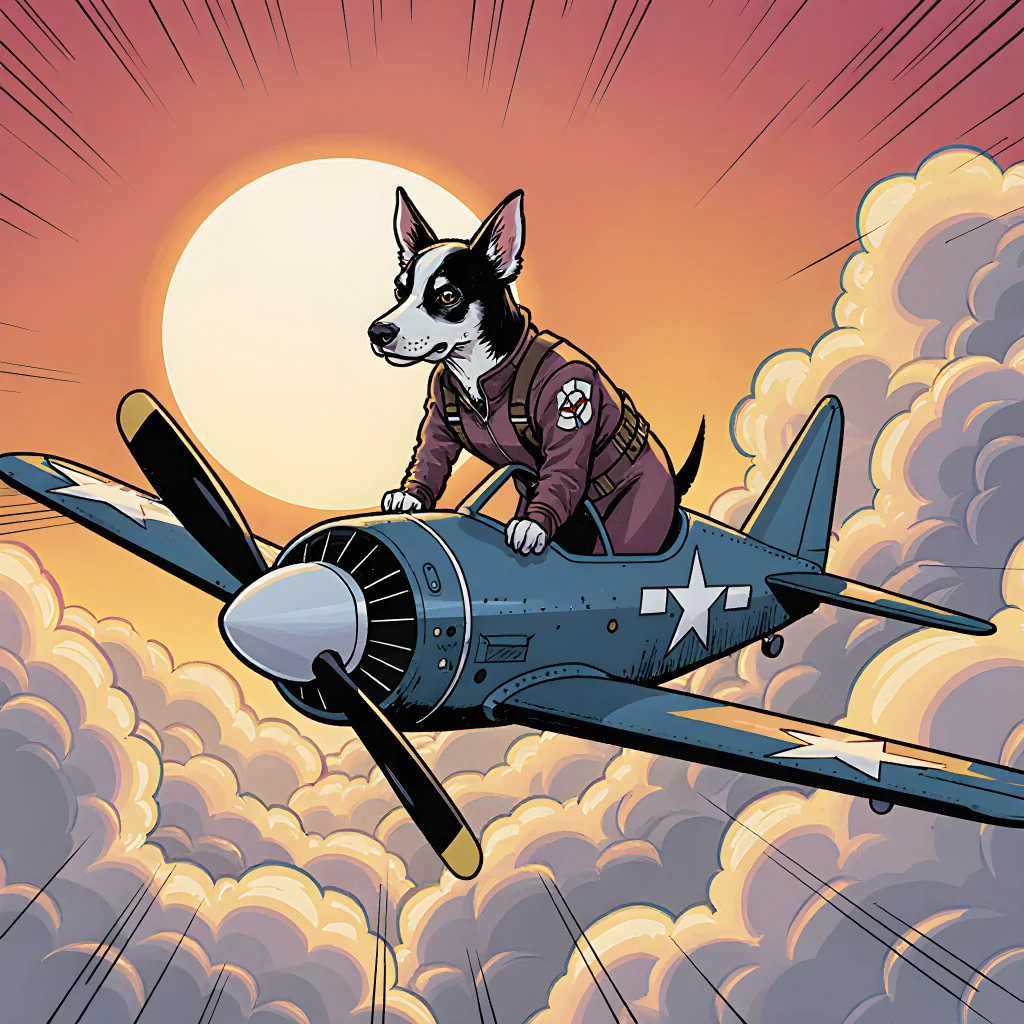
Dog pilots soar into the future!
Skybound Snouts: A Pioneering Path to Safe Dog Piloting
Table of Contents
- Introduction: Why Air Travel with Dogs Matters
- Choosing the Right Airline for Pet Travelers
- Pre-Flight Health Checks and Veterinary Documentation
- Understanding Cabin vs. Cargo Options
- Packing Essentials: Crate, Food, and Comfort Items
- Traveling with Small Breeds: Size Limits and Fees
- Traveling with Large or Heavy Breeds: Regulations and Costs
- Managing Stress: Calming Techniques for Your Dog
- Temperature Control and Climate Considerations
- On-Board Etiquette: Interacting with Crew and Other Passengers
- Arrival Procedures: Customs, Baggage Claim, and Pet Check‑in
- Safety Tips for Long-Haul Flights
- Handling Emergencies: First Aid and Medical Support on Board
- Conclusion: Making the Journey Enjoyable for Both of You
- FAQ: Quick Answers to Common Questions
Introduction: Why Air Travel with Dogs Matters
For many pet owners, the decision to fly with a canine companion is more than just a logistical choice—it’s an emotional commitment that reflects the bond you share. Whether your dog accompanies you on business trips, holiday adventures, or relocation moves, understanding why air travel matters can help you prepare better and ensure a safe, comfortable experience for both of you.
1. The Convenience Factor
- Speed of Travel: Flights cover thousands of miles in hours that would take days by car or train. This is especially valuable when visiting distant family or attending time‑sensitive events.
- Reduced Stress on the Dog: Long drives can be exhausting for pets, causing anxiety and fatigue. Flying cuts down travel time significantly, giving your dog more rest before and after the journey.
2. Health & Safety Considerations
Airlines enforce strict health protocols that help safeguard your dog’s well‑being:
- Pre‑flight Veterinary Checks: Many carriers require a recent veterinary certificate confirming vaccinations and overall fitness.
- Controlled Environment: Cabin temperature, humidity levels, and limited exposure to road traffic reduce the risk of heatstroke or motion sickness.
3. Legal & Regulatory Compliance
International travel often involves complex paperwork—import permits, microchip registration, and rabies certificates. By flying with your dog, you can:
- Keep all documentation in a single location.
- Use airline staff to verify compliance at check‑in, minimizing the chance of fines or denied entry.
4. Emotional Bonding & Mental Health
Pets are known to reduce stress and anxiety in their owners. Having your dog by your side during flights can:
- Provide a sense of continuity in unfamiliar surroundings.
- Help you maintain emotional stability, especially on long-haul trips.
5. Practical Tips for Successful Air Travel
- Choose the Right Carrier: Opt for airline‑approved crates that meet size and ventilation standards.
- Acclimate Your Dog: Let your dog spend time in the crate before travel to reduce anxiety.
- Hydration & Feeding Schedule: Feed a light meal 2–3 hours before departure, and provide water during layovers.
- Documentation Checklist: Keep copies of vaccination records, health certificates, and microchip details in both digital and hard‑copy formats.
In short, flying with your dog isn’t just about convenience—it’s a strategic choice that protects your pet’s health, ensures regulatory compliance, and preserves the emotional connection you share. By understanding these factors and preparing thoroughly, you can transform what might seem like a daunting task into a smooth, stress‑free journey for both of you.
Choosing the Right Airline for Pet Travelers
If you’re planning a trip with your canine companion, picking an airline that prioritizes pet safety and comfort is just as important as booking your own seat. Below are key factors to consider, real‑world examples, and actionable tips that will help you make an informed decision.
1. Look for Pet-Friendly Policies
- In-Cabin vs Cargo: Many airlines allow small dogs (≤20 lb/9 kg) to travel in the cabin, which reduces stress and exposure to temperature extremes.
- Pet Fees: Compare fees across carriers. Some airlines charge a flat rate per pet, while others assess based on weight or destination.
- Documentation Requirements: Verify that the airline accepts U.S. veterinary health certificates (or equivalent) and understand any vaccination record mandates.
2. Evaluate Onboard Amenities
Airlines differ in how they accommodate pets during flight. Consider:
- Ventilation & Temperature Control: Look for carriers that provide proper airflow and avoid hot or cold spots.
- Pet Crate Support: Some airlines supply sturdy, airline‑approved crates; others require you to bring your own. Check crate dimensions and weight limits.
- In-Flight Services: Certain carriers offer pet-friendly snacks or water access during the flight—an added comfort for longer journeys.
3. Research Flight Duration & Timing
Longer flights increase the risk of dehydration, anxiety, and temperature fluctuations. If possible, book non‑stop routes or select airlines that offer more frequent layovers to give your dog a chance to stretch (if traveling in cabin). For cargo flights, choose carriers with shorter transit times.
4. Check for Airport Pet Facilities
Large hubs often have pet relief areas, kennels, or even dedicated lounges. Airlines that partner with these facilities can provide a smoother pre‑flight experience.
5. Read Recent Reviews & Testimonials
- Use forums like Reddit r/Pets or TravelingWithDogs.com to gauge real traveler experiences.
- Check the airline’s own social media for any recent complaints about pet handling.
6. Practical Example: Comparing Two Major Carriers
| Feature | Airline A (e.g., Delta) | Airline B (e.g., United) |
|---|---|---|
| In-Cabin Pet Fee | $125 per flight segment | $100 per flight segment |
| Cargo Pet Fee | $200 for flights >5 hrs | $180 for flights >5 hrs |
| Pet Crate Policy | Must use airline‑approved crate; 20 lb max | Allows custom crates up to 25 lb |
| Temperature Control in Cargo | Air‑conditioned cargo hold (±10 °C) | Standard temperature; no active control |
| Pet Relief Areas at Hub Airports | Available at 15 hubs worldwide | Only 8 hubs |
7. Final Checklist Before Booking
- Confirm the airline’s pet policy in writing (email or official PDF).
- Book a seat for your dog if traveling in cabin; reserve cargo space otherwise.
- Prepare an up‑to‑date health certificate and vaccination records.
- Pack a small bag with water, treats, a leash, and a familiar blanket.
- Arrive at the airport early (at least 2 hrs for domestic, 3 hrs for international).
By carefully assessing these factors and planning ahead, you’ll ensure that both you and your four‑legged friend have a safe, comfortable, and stress‑free journey.
Pre-Flight Health Checks and Veterinary Documentation
Before you even book your flight, the first thing you should do is schedule a comprehensive veterinary visit for your dog. Airlines require up-to-date health certificates, vaccination records, and sometimes specific test results. The goal of these pre‑flight checks is to ensure that your pet is fit for travel, reduce the risk of disease transmission, and comply with international regulations.
1. Scheduling a Vet Visit
- Timing: Schedule the appointment at least 10–14 days before departure. This gives you ample time to complete any required tests or vaccinations and obtain the official health certificate.
- What to Bring: Your dog’s vaccination records, a clean photo of your pet (useful for identification in case of loss), and a list of medications if applicable.
2. Core Health Checks
The vet will perform the following routine examinations:
- Physical Exam: Check weight, temperature, heart rate, respiration, and overall demeanor.
- Parasite Screening: Confirm that your dog is free of ticks, fleas, and internal parasites. If a parasite treatment was administered within the last 12 months, bring proof (e.g., medication bottle).
- Vaccination Verification: Ensure core vaccines are up‑to‑date: rabies, distemper, parvovirus, adenovirus, and any regional requirements such as leptospirosis or Bordetella.
3. Specific Tests for International Flights
Many countries require additional documentation beyond a standard health certificate:
- Rabies Antibody Titer Test: Some destinations (e.g., Singapore, Japan) mandate a blood test proving sufficient rabies antibody levels. Schedule this at least 30 days before travel.
- Microchip Implantation: If your dog isn’t already microchipped, the vet will implant an ISO‑11784/11785 compliant chip. The chip ID must be recorded on the health certificate.
- Bloodwork and X‑rays: For dogs with chronic conditions or those that are older, airlines may request recent blood panels or chest X‑rays to rule out respiratory issues.
4. The Health Certificate (Veterinary Medical Record)
The certificate is the cornerstone of your pet’s travel paperwork. Key points:
- Validity Period: Most airlines accept a health certificate issued within the last 10 days (or 30 days for certain vaccines). Check your airline’s specific timeframe.
- Required Information: Dog’s name, breed, age, sex, microchip number, vaccination dates, and any medical conditions. The vet must sign and stamp the document.
- Copies: Keep at least three copies: one for the airline, one for customs/immigration, and one for your personal records.
5. Example Checklist for a Typical International Flight
- Book flight and confirm pet policy with airline.
- Schedule vet visit 12–14 days before departure.
- Obtain updated rabies vaccine (if required).
- Complete microchip implantation if not already done.
- Get a health certificate signed by the vet within 10 days of flight.
- Print and double‑check all documentation against airline requirements.
6. Practical Tips for a Smooth Process
- Keep Records Digital: Scan your health certificate and vaccination records; upload them to the airline’s online system if possible.
- Label Your Pet’s Carrier: Include your name, address, phone number, and a “Live Animal” sticker. Attach a copy of the microchip ID on the carrier.
- Arrive Early at the Airport: Give yourself extra time for check‑in, pet screening, and any last‑minute paperwork.
- Follow Airline’s Pre‑Flight Instructions: Some carriers recommend fasting your dog for a certain period before boarding. Verify these guidelines ahead of time.
By carefully completing pre‑flight health checks and gathering all necessary veterinary documentation, you’ll not only satisfy airline regulations but also ensure your dog travels safely and comfortably.
Understanding Cabin vs. Cargo Options
Traveling securely with dogs by air requires a clear understanding of the two main accommodation options: cabin (in‑flight) and cargo (checked). Each has its own set of benefits, restrictions, and best‑practice guidelines. Below is an in‑depth look at both options, complete with real‑world examples and practical advice to help you decide which route is safest for your pet.
1. Cabin: Bringing Your Dog on the Plane
- Definition: The dog flies in the same cabin as passengers, usually inside a carrier that fits under the seat.
- Eligibility: Typically limited to small breeds (often <25 lb or 11 kg) and carriers that meet airline size restrictions.
- Pros:**
- Immediate access for you to check on your dog, offer reassurance, and provide water.
- No temperature variations—your pet stays in a controlled environment.
- Reduced risk of injury from cargo handling or extreme temperatures.
- Cons:**
- Limited space may cause stress if the dog is uncomfortable in a confined carrier for hours.
- Some airlines charge additional fees per cabin pet (often $125–$200).
- Traveling with a dog on a full flight can be noisy and chaotic.
- Practical Tips:**
- Pre‑flight vet check: Ensure your dog is healthy, up to date on vaccinations, and has a recent health certificate if required.
- Carrier prep: Use a carrier that meets the airline’s dimensions (e.g., 18" × 14" × 8") and line it with an absorbent pad. Test the carrier in your home to gauge comfort.
- Labeling: Attach a waterproof tag with contact info, dog’s name, species, and any medical details (e.g., “Diabetic”).
- Hydration & food: Offer water before boarding; avoid large meals 4–6 hours prior to departure. Pack a small snack if your dog needs it.
- Calming aids: Consider a pheromone spray or a light‑weight calming vest, but check airline policies first.
2. Cargo: Sending Your Dog in the Baggage Hold
- Definition: The dog travels in a temperature‑controlled cargo hold, usually inside a reinforced carrier with ventilation and secure locks.
- Eligibility: Larger dogs or those that cannot comfortably fit into cabin restrictions; some airlines allow pets up to 100 lb (45 kg).
- Pros:**
- No weight limit on most airlines, so you can bring bigger breeds.
- Less noise and fewer disruptions compared to the cabin.
- Many carriers have specialized pet cargo divisions with trained staff.
- Cons:**
- Potential temperature fluctuations, especially during layovers or in extreme climates.
- Less direct supervision; you cannot check on your dog until arrival.
- Higher cost for pet‑cargo services (often $200–$400 plus fuel surcharges).
- Practical Tips:**
- Carrier selection: Use a hard‑shell carrier that meets the International Air Transport Association (IATA) pet transport guidelines. Include secure latches and ventilation.
- Ventilation & temperature control: Add a small insulated pad or cooler with ice packs (non‑freezing). Ensure the carrier has at least one vent that can be opened for airflow.
- Labeling & documentation: Attach a durable tag, and include a copy of your dog’s health certificate. Some airlines require a microchip scan; ensure it’s up to date.
- Water & food: Place a spill‑proof water bowl in the carrier. Provide a small meal at least 4–6 hours before departure, and consider giving a light snack on the plane if you’re traveling with a cabin pet.
- Pre‑flight check‑in: Arrive early to allow staff to handle the cargo process. Verify that your dog’s name and flight details are correctly logged in the system.
3. Making the Decision: Key Factors to Consider
| Factor | Cabin | Cargo |
|---|---|---|
| Weight limit | Usually <25 lb (11 kg) | No strict weight limit, often up to 100 lb (45 kg) |
| Temperature control | Stable cabin temperature | Potential fluctuations; use insulated carriers |
| Stress level | Can be noisy but supervised | Quieter, but no direct supervision |
| Cost | $125–$200 per pet |
Packing Essentials: Crate, Food, and Comfort Items
A properly sized crate is the cornerstone of a safe flight for your dog. Airlines typically require that the crate be fully ventilated, leak‑proof, and sturdy enough to withstand rough handling. Here’s how to choose and prepare it:
- Measure accurately. Use a tape measure to record length (front-to-back), width (side-to-side), and height. Add 2–3 inches to each dimension for comfort, but keep the total volume within airline limits (usually 18‑36 cubic feet).
- Check airline specs. Major carriers list their crate requirements on their websites; some allow “soft” crates if they meet size and safety criteria.
- Label clearly. Attach a tag with your name, address, phone number, and the dog’s name. Include an emergency contact in case the crate is misplaced.
- Test it at home. Place a familiar blanket or toy inside and let your dog explore. If they can stand, turn around, and lie down comfortably, the size is right.
Practical Advice
- Bring a dog‑friendly travel crate that’s certified for airline use (e.g., IATA‑approved).
- Line the crate with an absorbent pad and secure it to the seat or floor of the cargo hold using a seat belt attachment, if available.
- Pack a small “first aid” kit: gauze, a quick‑release leash, and a copy of your dog’s medical records.
Maintaining hydration and nutrition during flight reduces stress and prevents health issues. Plan ahead to keep feeding simple yet effective.
- Pre‑flight meal. Feed a light, low‑fat dinner 12–14 hours before departure to avoid nausea. Avoid high‑fiber foods that can cause gas.
- Hydration. Provide fresh water in a spill‑proof bowl or a collapsible travel bottle. Bring an extra bottle in case the original gets misplaced.
- Onboard feeding. Most airlines allow dogs to be fed during flight, but you must keep the food in the crate and not feed directly from your hand unless the airline permits it.
Practical Advice
- Use a collapsible silicone water bowl that can be sealed and easily cleaned.
- If your dog is on medication, pack the exact dosage in an insulated container to keep it at the right temperature.
- Label food containers with “Dog Food” and avoid human foods that could cause digestive upset.
A familiar scent or texture can calm a nervous dog during a flight. Bring items that trigger positive associations.
- Favorite blanket or bedding. Use the same material your dog sleeps on at home. The smell helps reduce anxiety.
- Toy or chew. Choose a safe, non‑breakable toy (e.g., rubber tug) that encourages play and distracts from the unfamiliar environment.
- Calming aids. Consider a pheromone spray (Adaptil) or a calming collar if your dog is prone to flight anxiety. Check with the airline about any restrictions on scent sprays.
Practical Advice
- Pack comfort items in the crate’s top, ensuring they are secure but not obstructing airflow.
- If your dog is anxious, schedule a pre‑flight walk to expend energy and reduce restlessness.
- Keep the crate door closed during takeoff and landing; only open it when instructed by airline staff or if you’re in the cabin with your pet.
- Verify crate dimensions against airline limits.
- Ensure all food, water, and comfort items are packed securely.
- Attach identification tags and a copy of medical records to the crate.
- Confirm pet policy with the airline one week before departure.
- Arrive early at the airport (at least 3 hours for international flights).
By meticulously preparing your dog’s crate, food, and comfort items, you’ll help ensure a safe, stress‑free journey that keeps both you and your four‑legged companion happy.
Traveling with Small Breeds: Size Limits and Fees
When planning a flight for your tiny companion, the first thing you’ll encounter is the airline’s size limits. These rules are in place to ensure safety and comfort for both pets and passengers. Below we break down what you need to know about the typical size restrictions, how they vary across carriers, and the fees associated with bringing your small dog aboard.
1. Understanding Size Limits
- Cabin (Carry‑on) Pet: Most major U.S. airlines allow a small dog to travel in the cabin if its combined weight (pet + carrier) does not exceed 20–23 lbs (9–10 kg). The carrier must fit under the seat and meet specific dimensions, usually no more than 18” x 14” x 8” (45 cm × 35 cm × 20 cm).
- Checked‑in Pet: If your dog is too large for cabin travel but still small enough to fit in the cargo hold, airlines typically allow pets weighing up to 40–50 lbs (18–23 kg) in a ventilated crate. The maximum dimensions vary by carrier and aircraft type.
- Pet Passengers in Economy vs. Business: Some airlines permit larger pet carriers on business class flights where space is more generous, sometimes extending the limit to 30 lbs (13.6 kg).
2. Common Fee Structures
The cost of traveling with a small dog can differ significantly based on airline policy, route length, and cabin vs. cargo choice.
| Airline | Cabin Pet Fee (One‑Way) | Cargo Pet Fee (One‑Way) | Notes |
|---|---|---|---|
| Delta Air Lines | $125 | $200 | Cabin pet must be in a carrier; cargo fee includes crate. |
| American Airlines | $95 | $160 | Carry‑on allowed on domestic flights only. |
| United Airlines | $125 | $250 | Cargo fee includes mandatory crate and ventilation. |
| JetBlue | $100 | $200 | No cabin pets on international routes. |
3. Practical Tips for Small Breeds
- Book Early: Many airlines cap the number of cabin pets per flight (often 4–6). Reserving your spot early ensures you secure a seat for your dog.
- Check the Carrier Requirements: Even if your dog fits within weight limits, the carrier must meet strict size and ventilation criteria. Use a certified pet travel crate that is airline‑approved.
- Pre‑flight Vet Check: Some carriers require a health certificate issued within 10 days of departure, especially for cargo flights. This document confirms your dog is free from contagious diseases and fit to fly.
- Use “Pet Friendly” Routes: If you’re traveling internationally, opt for airlines that list “pet friendly” on their website; they often provide clearer guidance on fees and limits.
- Plan for the Weather: Small dogs are more susceptible to temperature extremes. Choose flights with shorter durations during hot or cold seasons, and avoid overnight international flights if possible.
4. Sample Booking Scenario: A Miniature Schnauzer on a Domestic Flight
Pet Name: “Buster” (10 lbs)
Carrier Weight: 5 lbs
Total Weight: 15 lbs – well under the 20‑lb cabin limit.
- Book a seat on Delta’s domestic flight from Chicago to San Francisco. Reserve a cabin pet spot by contacting customer service 7 days before departure.
- Pay the $125 cabin fee online during booking.
- At the airport, arrive 90 minutes early to check in your dog and carrier at the Delta Pet Center.
- Place Buster’s carrier under the seat; keep a leash attached for security during takeoff and landing.
5. What If Your Dog Exceeds Cabin Limits?
If your small breed falls outside cabin limits but still qualifies for cargo, you’ll need to:
- Select an airline that offers pet cargo service. Many carriers now provide dedicated pet cargo sections with climate control.
- Purchase a ventilated crate meeting the airline’s specifications (typically 18” x 14” x 10”).
- Pay the cargo fee, which may be higher than cabin fees due to handling and storage costs.
- Consider using a pet shipping service like PetRelocation or Airpets if you’re traveling internationally; they handle paperwork, crate procurement, and pre‑flight vet checks.
6. Final Checklist Before You Fly
- Confirm pet weight & carrier dimensions with the airline’s latest guidelines.
- Obtain a health certificate (if required).
- Label the crate with your contact info, “Live Animal,” and “Fragile.”
- Pack a small bag of familiar items: favorite toy, blanket, a few treats, and a bowl for water.
- Check in at least 2 hours before departure for international flights or 90 minutes for domestic.
By understanding the size limits, fee structures, and best practices outlined above, you can confidently plan your next trip
Traveling with Large or Heavy Breeds: Regulations and Costs
When traveling by air with a large or heavy dog (typically over 20 kg/44 lb), airlines treat the animal as checked baggage rather than a cabin pet. This means:
- Weight limits: Most carriers allow up to 35–50 kg (77–110 lb) per dog, but some restrict it to 20–25 kg for safety reasons.
- Size restrictions: The crate must fit in the cargo hold and not exceed 100 cm (39.4 in) in any dimension. Airlines often require a standardized crate with reinforced walls and an air‑lock door.
- Documentation: A health certificate issued within 10 days of travel, proof of rabies vaccination, and a microchip registration (ISO 11784/11785) are mandatory. Some airlines also require a Pet Travel Permit for certain countries.
- Temperature control: Cargo holds can reach extreme temperatures; airlines provide climate‑controlled compartments for pets. Check the carrier’s policy and book the “pet transport” service well in advance.
The cost of flying a large dog is typically higher than that for smaller pets because of additional handling, crate fees, and potential overnight stays. A typical price structure looks like this:
| Item | Description | Estimated Cost (USD) |
|---|---|---|
| Crate fee | Standard 20 kg crate | $30–$50 |
| Pet transport service | Includes handling and temperature control | $100–$250 |
| Overnight stay (if needed) | In a pet‑friendly hotel or airline’s cargo facility | $80–$150 per night |
| Health certificate and paperwork | Veterinary visit + translation services | $50–$100 |
- Book early: Airlines cap the number of pets per flight. Reserve your spot at least 4–6 weeks in advance.
- Choose a reputable crate: Use an airline‑approved, ISO 9001 certified crate with a secure latch and sufficient ventilation.
- Acclimate your dog: Spend several short walks in the crate before travel to reduce anxiety. Attach familiar blankets or toys inside.
- Hydration strategy: Place a water bottle on a collapsible tray that can be sealed and secured. Avoid feeding large meals 4–6 hours before departure.
- Label clearly: Include your name, address, phone number, destination city, and the phrase “Live Animal” in both English and the local language of the arrival country.
- Check for exemptions: Some airlines allow small dogs (under 20 kg) to fly as cabin pets if you pay an extra fee. Verify before booking.
- Arrive early: Give yourself at least 3–4 hours before departure to handle check‑in, crate inspection, and any last‑minute paperwork.
- Post‑flight care: Plan a quiet space for your dog to rest immediately upon arrival. Keep the crate open only when you’re ready to re‑introduce them to the new environment.
Step 1 – Preparation: The owner obtained an ISO‑approved crate, microchipped the dog, and had a health certificate issued 7 days before departure.
Step 2 – Booking: Using Travel Securely with Dogs by Air, they booked the pet transport service on British Airways. The total cost was $380 (crates + handling).
Step 3 – Check‑in: Arrived at JFK 4 hours before flight, completed paperwork, and had the crate inspected by airline staff.
Result: The dog arrived in London’s Heathrow cargo hold safely, rested overnight in a climate‑controlled zone, and was delivered to the owner’s hotel the next morning without any health issues.
Managing Stress: Calming Techniques for Your Dog
Traveling with your dog can be an exciting adventure, but it also brings a fair amount of stress—both for you and the animal. When flying, the combination of loud noises, unfamiliar scents, cramped spaces, and the uncertainty of new environments can trigger anxiety in even the most well‑behaved pets. Below are proven techniques that help keep your dog calm during the entire journey, from pre‑flight preparation to arrival at your destination.
1. Pre‑Flight Preparation
- Familiarize with the carrier: Let your dog explore the travel crate or carrier in a calm setting. Place familiar bedding, a favorite toy, and a piece of clothing that smells like you inside. This turns an intimidating box into a safe space.
- Exercise before departure: A well‑exercised dog is more likely to rest during the flight. Aim for a brisk walk or a short play session 2–3 hours before boarding.
- Consult your vet: Discuss any anxiety medication, such as midazolam or trazodone, and obtain an up‑to‑date health certificate if required by airlines.
2. During the Flight
- Use calming scents: A few drops of synthetic dog pheromone spray (e.g., Adaptil) can help reduce cortisol levels. Apply it around the carrier’s entrance, not directly on your pet.
- Keep a consistent routine: Feed your dog at the same time as usual and give them their favorite chew or treat during take‑off and landing to maintain normalcy.
- Limit stimulation: Turn off bright lights if possible, close curtains, and keep music at a low volume. Some dogs thrive with white noise; consider a small portable speaker playing calming tones.
3. Post‑Arrival Strategies
- Immediate relief: Once you exit the aircraft, give your dog a chance to stretch and walk around in a safe area before heading into the hotel or rental car.
- Re‑establish routine: Feed at regular times, provide fresh water, and schedule a short walk to help reset their internal clock.
4. Practical Examples
Case Study: Bella the Border Collie (12 lbs)
- Pre‑flight: Bella’s owner placed a fleece blanket and her favorite squeaky toy in the carrier. She exercised for 30 minutes before heading to the airport.
- During flight: The airline allowed a small bag of Adaptil spray. Bella stayed calm, chewing on her toy during takeoff and landing.
- Arrival: At the hotel, Bella was let out in the courtyard for a 10‑minute walk before settling into her room with water and a light snack.
5. Tips for Different Breeds
| Breed Group | Key Stressors | Calming Strategy |
|---|---|---|
| Large Breeds (e.g., Great Danes) | Space restriction, noise sensitivity | Use a larger carrier with ventilation; play low‑volume classical music. |
| Small Breeds (e.g., Chihuahuas) | Separation anxiety, overheating | Carry a small blanket; use an insulated carrier to keep temperature stable. |
| Scent Hounds (e.g., Bloodhounds) | Strong odors, unfamiliar scents | Wrap the carrier in a towel with familiar scent; avoid strong perfumes around the pet. |
By combining these practical steps with patience and observation, you can transform air travel into a less stressful experience for your canine companion. Remember that each dog is unique—what works for one may not work for another, so be prepared to adapt as needed.
Temperature Control and Climate Considerations
When flying with a canine companion, the temperature inside the cabin can fluctuate dramatically depending on season, aircraft type, and flight duration. Even though most commercial jets maintain a relatively stable climate, small variations can have outsized effects on your dog’s comfort and safety.
1. Understanding Cabin Temperature
- Typical Range: Most airlines regulate cabin temperature between 68°F (20°C) and 78°F (26°C). However, this range can shift if the plane is flying at high altitude or during a long-haul flight.
- Altitude Effects: At cruising altitudes (~35,000 ft), external temperatures drop to –40°F (–40°C). While the cabin remains heated, rapid changes in pressure and temperature can cause discomfort for pets with respiratory issues.
- Seasonal Variations: In winter flights, pilots may set a lower thermostat to conserve energy, while summer flights might push temperatures higher. Always check with your airline’s cabin crew about the current setting before boarding.
2. Recognizing Signs of Temperature Stress in Dogs
Dogs do not communicate discomfort as clearly as humans. Watch for:
- Excessive panting or rapid breathing (especially when the cabin is warm)
- Shivering, trembling, or visible gooseflesh (indicating cold stress)
- Restlessness, pacing in the crate, or attempts to climb out of the carrier
- Drooling, vomiting, or lethargy after a brief period in flight
3. Practical Tips for Temperature Management
- Choose the Right Carrier: Use carriers with breathable mesh panels if you anticipate cooler temperatures. For warmer climates, opt for carriers with ventilation and avoid direct sunlight exposure.
- Layer Your Dog’s Bedding: Pack a lightweight blanket or towel that can be added or removed to adjust warmth. Avoid heavy blankets that could become a choking hazard in case of sudden temperature shifts.
- Hydration Matters: Offer small amounts of water before boarding and during layovers. Use a spill-proof bowl or a portable hydration system specifically designed for pets.
- Temperature-Responsive Accessories:
- Cooling Vests: For hot climates, a cooling vest with gel packs can keep your dog’s body temperature down.
- Heat Packs: In colder flights, pre-charged heat packs (non-heat generating) placed under the blanket can provide gentle warmth without risking overheating.
- Timing Your Flight: Whenever possible, book flights that depart during cooler parts of the day—early morning or late evening—to reduce temperature extremes inside the cabin.
4. Working with Airline Staff
Before departure, inform the flight attendants about your dog’s medical history and any sensitivity to temperature changes. They can:
- Provide a seat in a less trafficked area of the cabin where airflow is more consistent.
- Offer additional blankets or cooling packs if available.
- Adjust their own clothing and behavior (e.g., staying calm) to create a stable environment for your pet.
5. Post-Flight Care
After landing, give your dog a chance to stretch and drink water in a shaded area if the temperature outside is extreme. Check for signs of thermal stress before re-entering a heated vehicle or a warm apartment.
Bottom line: By anticipating cabin temperature changes, recognizing early signs of distress, and equipping yourself with the right gear, you can ensure your dog remains comfortable—and safe—throughout the entire flight.
On-Board Etiquette: Interacting with Crew and Other Passengers
When traveling by air with a dog, the cabin experience is shared by everyone—from airline staff to fellow travelers. Your conduct on the plane not only reflects on you but also influences how smoothly the flight proceeds. Below are practical guidelines that help maintain harmony, reduce stress for your pet, and ensure a pleasant journey for all.
1. Communicate Clearly with Flight Attendants
- Ask early. Inform cabin crew of your dog’s presence before boarding or when you are requested to do so. This allows them to anticipate any special needs (e.g., extra water, a dedicated seat).
- Use simple phrases. “My dog is in the carrier,” “He/she has been trained,” or “I need an aisle seat” convey essential information quickly.
- Show documentation. Present vaccination records and any required health certificates. Many airlines will ask for proof of a rabies shot, especially if you’re traveling internationally.
2. Respect Cabin Space
- Choose the right seat. For small dogs that can fit under the seat, an aisle or window seat gives more room and easier access for both of you.
- Avoid touching your dog’s carrier. Passengers may be allergic or simply uncomfortable. Keep your pet inside the carrier unless it is safe to let it out during a lay‑over.
- Keep noise minimal. A calm voice and gentle movements reduce agitation for both passengers and crew.
3. Manage Your Dog’s Behavior
- Pre‑flight exercise. A short walk or play session before boarding helps burn excess energy, making your dog calmer during the flight.
- Use a calming collar or spray. Products such as pheromone diffusers (e.g., Adaptil) can ease anxiety without affecting other passengers.
- Have treats on hand. Small, non‑messy rewards for good behavior reinforce positive interactions with crew and other travelers.
4. Offer Assistance to Crew When Needed
- If the flight attendant asks if you need help moving your dog into or out of a seat, respond politely: “Yes please, thank you.”
- Should the crew request that you keep your dog’s carrier closed at all times, comply immediately to avoid any safety concerns.
- If you notice a fellow passenger struggling with their own pet (e.g., an anxious dog), offering a brief word of encouragement can foster goodwill. A simple “It’s okay; we’re all in this together” goes a long way.
5. Be Mindful During In‑Flight Service
- When cabin crew offers food or water, politely decline if your dog is not allowed to eat during the flight—most airlines prohibit pets from eating on board.
- Keep any pet toys or accessories in a small bag that can be stored under the seat or in the overhead bin. This prevents them from falling into other passengers’ space.
6. Plan for Lay‑overs and Airport Lounges
- When you’re allowed to take your dog out of its carrier, choose a quiet corner of the lounge or designated pet area if available.
- Keep your dog’s water bottle handy—many airports now have pet hydration stations. A small collapsible bowl can be easily carried.
- If your airline has a “pet relief” policy, follow it closely. Some carriers allow pets to exit the cabin for short periods; always keep them on a leash and within sight.
7. After Arrival: Thank Your Crew
- A heartfelt thank‑you or a small note of appreciation can strengthen your relationship with airline staff, which may help in future travels.
- If you encountered an issue—such as a delayed pet carrier—communicate calmly and seek resolution through the airline’s customer service channels.
By adhering to these etiquette guidelines, you create a respectful environment for everyone on board. A calm dog, attentive owner, and cooperative crew make for a smoother flight and a more enjoyable travel experience for all passengers.
Arrival Procedures: Customs, Baggage Claim, and Pet Check‑in
Once you land at your destination airport, the next steps are crucial to ensure a smooth transition for both you and your canine companion. Below is a step-by-step guide that covers customs clearance, baggage claim, and pet check‑in processes tailored specifically for dog travelers.
Customs Clearance
- Documentation Ready: Have your dog’s health certificate, microchip registration, vaccination records (especially rabies), and any import permits at hand. Most countries require a vet‑issued Health Certificate issued within 10 days of travel.
- Declare Your Pet: When filling out the customs declaration form, explicitly state that you are bringing a dog. Many airports have a dedicated “Pet Declaration” box to avoid confusion.
- Inspection: Be prepared for an inspection by customs officials. They may ask to see your documentation and occasionally check the pet’s health status on arrival.
- Paying Duties (if applicable): In some jurisdictions, you might need to pay import duties or taxes on pet supplies. Keep a copy of receipts for any purchased items during transit as they may be required.
Tip: Call the destination country’s veterinary authority ahead of time to confirm current requirements; regulations can change, especially post‑COVID.
Baggage Claim
- Locate the Correct Carousel: Most airlines display separate carousels for pet carriers and checked luggage. If you’re unsure, ask a gate agent or consult the airline’s signage.
- Check Your Carrier’s Condition: Inspect your dog’s carrier for any damage or leaks before letting them exit. A secure, well‑ventilated container is essential to prevent stress.
- Immediate Transfer: Once you retrieve the carrier, transfer it directly to a pre‑arranged pet-friendly transport service (e.g., airport shuttle, rideshare with dog‑friendly options) rather than leaving it unattended.
- Re‑check if Necessary: Some airports require that pets be re‑checked into a secure holding area before the final flight to destination. Verify this procedure during customs clearance.
Example: At JFK, pet carriers are collected on Carousel 5. From there, you can hop onto the airport’s dedicated dog shuttle that takes you straight to your hotel’s pet‑friendly room.
Pet Check‑In (Final Transit)
- Confirm Arrival Gate: Some airlines direct pets to a specific gate or holding area. Ensure you’re heading in the right direction.
- Secure Holding Facility: If your pet is not traveling on the same flight, it will be placed in a secure kennel. Check that the facility meets animal welfare standards (adequate ventilation, temperature control).
- Re‑boarding Process: When boarding the final leg of your journey, you’ll often go through a separate pet check‑in desk. Present your pet’s documents again and confirm the flight details.
- Post-Arrival Care: Once at your destination, retrieve your dog from the holding facility promptly. Use a leash and keep your dog in a calm environment until you’re ready to move on.
Practical Advice: Bring a familiar blanket or toy inside the carrier; the scent can help reduce anxiety during the transfer between airports.
Quick Arrival Checklist
- Health Certificate & Vaccination Records
- Microchip registration details
- Import permit (if required)
- Pet carrier compliant with airline regulations
- Dog food, water bowl, leash, and waste bags
- Copies of all documents in case of loss
Following these steps carefully will help you navigate the arrival process smoothly, ensuring that both you and your dog are ready to enjoy the rest of your trip without unnecessary stress.
Safety Tips for Long-Haul Flights
Flying with a dog on a long‑haul flight can be stressful, but careful planning and knowledge of airline policies can make the journey smooth and safe. Below are detailed safety tips that cover everything from pre‑flight preparation to what to do once you land.
1. Choose an Airline That Supports Pet Travel
- Pet Policies: Check each airline’s pet policy on their website or by calling customer service. Look for details about crate size limits, fees, and whether the dog can fly in the cabin or must be checked as cargo.
- Reputation: Read recent reviews from other pet owners to gauge how well the airline handles animals during long flights.
2. Book Early and Secure Your Spot
- Most airlines allow a limited number of pets per flight, so book as soon as possible.
- If your dog will be in the cabin, confirm that you can reserve an extra seat or a pet carrier that fits under the seat.
3. Prepare the Crate According to Regulations
The crate is essentially your dog’s airplane for the flight. Make sure it meets the following:
- Size: The dog should be able to stand, turn around, and lie down comfortably.
- Ventilation: Crates must have at least one air vent on each side. For cargo flights, double‑vented crates are required.
- Secure Latches: Use a lock that the airline can open in case of emergency.
4. Vaccinations & Health Documentation
- Bring a recent (within 10 days) health certificate signed by your vet, stating the dog is fit for travel.
- Keep copies of all vaccinations, especially rabies and any required microchip registration.
- If traveling to a country with specific entry requirements, obtain the necessary permits or import certificates ahead of time.
5. Hydration & Feeding Strategy
Long flights can be dehydrating for pets. Use these guidelines:
- Water: Offer water at least once an hour if your dog is in the cabin. For cargo, ask the airline whether they provide water.
- Food: Feed a light meal a few hours before departure to reduce nausea but avoid large meals that can cause vomiting during turbulence.
6. Comfort Items & Familiarity
- Place a familiar blanket or toy in the crate to soothe anxiety.
- Use a travel collar with ID tags and attach a microchip tag if possible.
- Consider a calming aid such as a pheromone spray, but only after consulting your vet.
7. During the Flight
- Cabin Dogs: Keep the dog in the carrier under the seat for the entire flight. Never let it roam free inside the cabin unless specifically allowed by the airline.
- Cargo Dogs: If your dog is in cargo, request a “pet‑friendly” flight where the aircraft’s temperature and ventilation are monitored.
- Monitor for signs of distress—lethargy, excessive drooling, or pacing—and inform the cabin crew if you suspect any issues.
8. Arrival & Unloading
- If your dog is in cargo, stay near the gate until it has been released. Some airlines offer a “pet lounge” where you can meet your pet promptly.
- Check that the crate’s latch is secure before leaving the airport. If you notice any damage or distress, report it immediately.
9. Post‑Flight Care
After a long journey, give your dog time to recover:
- Let them walk in a safe, quiet area for at least 10–15 minutes.
- Provide fresh water and a light meal once they’ve settled.
- Monitor for any signs of illness—vomiting, diarrhea, or lethargy—and seek veterinary care if needed.
10. Emergency Preparedness
- Carry a small first‑aid kit: gauze, antiseptic wipes, and a few minutes of your vet’s emergency contact number.
- Keep a copy of the airline’s pet emergency protocol in case you need to request help during the flight.
By following these steps, you’ll reduce stress for both you and your dog while ensuring a safe and comfortable long‑haul travel experience. Safe travels!
Handling Emergencies: First Aid and Medical Support on Board
Even with the best planning, unforeseen medical situations can arise during a flight. Having a clear emergency plan, knowing how to respond quickly, and being equipped with essential supplies can make all the difference for you and your canine companion.
1. Pre‑Flight Checklist
- Medical Records: Bring a copy of both your own and your dog’s most recent medical records, including vaccination history, medication prescriptions, and any known allergies.
- Emergency Contacts: Write down the phone numbers for your primary veterinarian, an on‑board flight crew member (if possible), and the nearest emergency veterinary clinic at your destination.
- First Aid Kit: Pack a compact kit that includes:
- Bandages of various sizes
- Antiseptic wipes and ointment
- Scissors, tweezers, and safety pins
- Digital thermometer (small or disposable)
- Small plastic bag for disposal of contaminated items
- Medication: If your dog is on prescription medication, carry enough to last the entire journey plus a few extra days in case of delays.
2. Recognizing Common On‑Board Emergencies
| Symptom | Possible Cause | Immediate Action |
|---|---|---|
| Vomiting or diarrhea | Motion sickness, stress, dietary indiscretion | Hold your dog gently, offer water in small sips, and observe for worsening signs. If symptoms persist >30 minutes, contact the flight crew. |
| Difficulty breathing or wheezing | Allergic reaction, asthma, anxiety | Keep your dog calm, remove any possible irritants (e.g., scented products), and request assistance from the crew. Administer prescribed bronchodilator if available. |
| Seizure activity | Epilepsy, heat stroke, metabolic imbalance | Place your dog in a safe position (on their side), keep the head slightly lowered, and avoid restraining them. Inform the crew immediately. |
| Severe pain or limping | Injury, sprain, bone fracture | Stabilize the limb without moving it excessively, apply a cold compress if available, and notify the crew for possible medical assistance. |
3. Working with Flight Crew Members
The cabin crew is trained to handle general emergencies but may not be equipped for veterinary incidents. Approach them calmly and clearly explain:
- Your dog’s name, age, breed, and any relevant medical history.
- Symptoms you have observed.
- The supplies you have in your first aid kit.
Many airlines will allow a quick check‑in of the pet and may provide a private space for basic care. If the situation escalates, they can request medical assistance from the flight doctor or delay the landing if necessary.
4. Post‑Flight Veterinary Care
- Schedule an appointment with your regular vet as soon as possible to review any incidents that occurred during travel.
- Keep a log of symptoms, treatments given, and the flight timeline—this information is invaluable for diagnosing potential issues like jet lag or exposure to new allergens.
5. Practical Tips & Real‑World Scenarios
Scenario A – Motion Sickness:
Your dog shows signs of nausea before takeoff. You give them a small amount of their prescribed anti‑nausea medication and offer water in a shallow dish. During the flight, you keep your dog’s head down to reduce stimulation. When the plane lands, you schedule a vet visit to rule out any underlying conditions.
Scenario B – Heat Stroke:
During a long haul over a hot region, your dog’s breathing becomes rapid and their tongue is pink. You immediately place them in the cooler part of the cabin, offer water, and apply a cool compress to the neck. The crew assists by opening the overhead bin for airflow. After landing, you take your dog to a vet where they receive IV fluids.
6. Summary Checklist
- Medical records & emergency contacts
- Compact first aid kit + prescription meds
- Recognize symptoms & know immediate actions
- Communicate clearly with flight crew
- Follow up with a vet post‑flight
Preparedness, quick recognition of signs, and effective communication are your best tools for ensuring both you and your dog remain safe during air travel.
Conclusion: Making the Journey Enjoyable for Both of You
When you and your canine companion take to the skies, the experience can be smooth and pleasant if you plan ahead and keep a few key principles in mind. Below are practical tips, real‑world examples, and actionable advice that will help transform an anxious flight into a relaxed adventure for both of you.
1. Pre‑Flight Preparation
- Vet Visit & Health Check: Schedule a checkup at least 30 days before departure. Bring the dog’s vaccination record, microchip registration, and any required health certificates for international travel.
- Microchip & ID Updates: Ensure your dog’s microchip is registered with up‑to‑date contact details. Attach a clear collar tag with your phone number and the airline’s pet service contact.
- Travel Crate Conditioning: Let your dog explore the crate weeks in advance. Use familiar bedding, favorite toys, and treat rewards to associate positive experiences with the container.
2. Choosing the Right Airline & Seat
Not all airlines offer the same pet policies. Research the following before booking:
- Pet Fee Structure: Some carriers charge per pound or per trip; others cap a flat rate.
- In‑Cabin vs Cargo Options: Small dogs (under 20 lb) may fly in-cabin, which reduces stress and gives you more control over the environment.
- Seat Location: If flying in-cabin, select a seat with extra legroom or near the galley for easy access to water.
3. Onboard Comfort & Safety
Once aboard, keep your dog calm and secure:
- Hydration Station: Attach a spill‑proof water bottle to the seat or bring a collapsible bowl. Offer water every hour.
- Temperature Control: Use a lightweight travel blanket that covers the crate and provides insulation against cabin temperature swings.
- Noise Management: Play gentle music or use white noise to mask sudden announcements and reduce anxiety.
4. Managing Flight Stress
Every dog reacts differently to flight stimuli. Here are techniques proven to help:
- Desensitization Training: Practice short “mock flights” at home—sit in the car with the crate, play airplane sounds, and reward calm behavior.
- Calming Aids: Consider pheromone diffusers (e.g., Adaptil), natural supplements (like L‑tryptophan), or a light blanket that mimics the weight of your presence.
- Pre‑Flight Routine: Stick to familiar feeding times and exercise before departure. A tired dog is usually calmer during the flight.
5. After Landing: Reacclimation
The journey doesn’t end at touchdown. Follow these steps to ease your dog back into the new environment:
- Immediate Refresh: Offer a small, cool water bowl and a light walk in a quiet area of the airport.
- Re‑establish Routine: Feed at regular intervals, keep the crate near your seat for short periods to allow familiar smells.
- Check for Injury or Illness: Inspect for signs of discomfort—licking, trembling, or unusual gait. If any concerns arise, seek veterinary care promptly.
6. Real‑World Success Stories
Case Study: Bella the Border Collie
“We flew from New York to London with Bella in a small carrier. By pre‑conditioning her crate and giving her a calming collar, she slept through the entire flight. We used an Adaptil diffuser and offered water every hour. Upon arrival, Bella was eager to explore the new city—no signs of jet lag.” – Laura & Mike
Case Study: Max the Beagle
“Max had a mild anxiety episode during takeoff. We kept his crate close to our seat, used white noise, and offered a small chew toy. After landing, we took him for a quick walk around the terminal, and he quickly settled down.” – Sarah
7. Bottom Line: The Checklist Summary
- Vet visit & microchip registration.
- Crate conditioning and travel supplies.
- Select the best airline and seat for your dog’s size.
- Onboard hydration, temperature control, and noise management.
- Desensitization training and calming aids.
- Post‑flight care: water, walk, routine re‑establishment.
By approaching each phase—pre‑flight, onboard, and post‑arrival—with thoughtful preparation and empathy for your dog’s needs, you’ll create a positive travel experience that strengthens the bond between you. Remember: the journey is just as important as the destination when it comes to traveling securely with dogs by air.
FAQ: Quick Answers to Common Questions
- What are the airline requirements for traveling with a dog in the cabin?
-
The exact rules vary by carrier, but most airlines allow small dogs (≤ 20 lb/9 kg) to travel in the cabin if they fit comfortably inside a carrier that can be stowed under the seat. Typical requirements include:
- Carrier size: 18–24 in. long × 14–16 in. wide × 10–12 in. high (check each airline).
- Weight limit for the carrier + dog combined: usually 20–25 lb (9–11 kg).
- Proof of up‑to‑date rabies vaccination and a health certificate issued within 10 days of departure.
- Reservation in advance – many airlines cap the number of pets per flight.
- Can I bring my dog in the cargo hold?
-
Yes, but it’s a different set of rules. The cargo hold is climate controlled on most commercial aircraft, yet you must:
- Use an airline‑approved crate that meets the International Air Transport Association (IATA) size and safety standards.
- Provide sufficient ventilation and cushioning; avoid long flights over 6 hours for small dogs.
- Have a recent veterinary exam, vaccination records, and a health certificate.
- Pay an additional fee—often higher than the cabin pet fare.
- What should I pack for my dog’s comfort during the flight?
-
A well‑planned bag can make a big difference:
- Food & water: Bring dry kibble or small portions of canned food, plus a collapsible bowl and bottled water.
- Leash & harness: For pre- and post‑flight walks.
- Comfort items: A familiar blanket or toy to reduce anxiety.
- Medication: Any prescribed medication, plus a small first‑aid kit (bandages, tweezers).
- Documentation: Health certificate, vaccination records, and a copy of the airline’s pet policy.
- How do I prepare my dog for takeoff and landing?
-
Take these steps to keep your dog calm:
- Exercise the dog before boarding— a tired pup is less likely to panic.
- Use a calming collar or pheromone spray (e.g., Adaptil) if recommended by your vet.
- Keep the carrier covered with a lightweight blanket during takeoff/landing; sudden changes in pressure can cause discomfort.
- Avoid feeding large meals right before flight—feed 2–3 hours prior to departure.
- What should I do if my dog gets anxious during the flight?
-
If your dog shows signs of distress (whining, pacing, drooling), contact the cabin crew immediately. They can:
- Check the carrier for ventilation and temperature.
- Offer a brief walk around the cabin if allowed.
- Provide a small treat or water.
For frequent flyers, consider training with a professional dog trainer or using anxiety‑reducing medication under veterinary supervision.
- Are there any health risks for my dog during air travel?
-
The most common concerns are:
- Respiratory issues: Dogs with asthma or heart disease should consult a vet before flying.
- Dehydration: Provide water and avoid prolonged fasting.
- Temperature extremes: Avoid flights during extreme heat or cold; use insulated carriers.
- What are the best dog breeds for air travel?
-
Small to medium‑sized breeds that stay calm in confined spaces work best. Examples include:
- Labrador Retriever (small size)
- Cocker Spaniel
- French Bulldog
- Pug (watch for breathing issues)
- Boston Terrier
- How can I ensure my dog’s safety if the plane experiences turbulence?
-
The key is secure containment:
- Make sure the carrier is tightly latched and positioned under the seat.
- Use a “dog harness” that attaches to the carrier’s top, preventing it from shifting.
- Keep your dog inside the carrier during all phases of flight—takeoff, landing, and turbulence.
- Do I need a pet insurance policy for traveling?
-
While not mandatory, travel‑specific pet insurance can cover:
- Lost or stolen pets.
- Unexpected veterinary care en route.
- Trip cancellations due to pet health issues.
- Where can I find the most up‑to‑date airline pet policies?
-
Always check directly with the airline’s website or customer service. Look for sections titled “Pets & Travel” or “Traveling with Animals.” Keep a printed copy of the policy handy during your trip.
Categories
- AI & Enrichment Play
- Broiler Farming
- Broiler Farming Tips
- Canine Wellness & Longevity
- Cat
- Cat & Human Connection
- Cat Adoption & Rescue
- Cat Breeds
- Cat Breeds & Personalities
- Cat Care & Health
- Cat Grooming & Hygiene
- Cat Lifestyle & Environment
- Cat Myths & History
- Cat Nutrition & Diet
- Cat Products & Reviews
- Cat Training & Behavior
- Comparison
- Consumer Awareness
- Dog
- Dog Accessories & Products
- Dog Adoption & Rescue
- Dog Breed & Lifestyle Trends
- Dog Breeding & Puppies
- Dog Entertainment & Media
- Dog Fashion & Trends
- Dog Fun & Lifestyle
- Dog Grooming & Hygiene
- Dog History & Culture
- Dog Myths, Science & Future Tech
- Dog News & Trends
- Dog Nutrition & Food
- Dog Psychology & Emotions
- Dog Safety & Security
- Dog Sports & Activities
- Dog Technology & Innovation
- Dog Training for Modern Owners
- Dog Travel & Adventure
- Dog Travel, Adventure & Culture
- Economic and Market Insights
- Educational Content
- FAQs
- Feeding Alternatives
- Festivals & Seasonal Ideas
- Fun & Entertainment
- General Knowledge
- General Pig Farming
- Health & Disease Management
- Housing and Environment
- Kittens
- Market Insights
- Miscellaneous
- Miscellaneous
- Motivational
- pig
- Pig Breeding
- Pig Breeds
- Pig Farming Stories and Inspiration
- Pig Health and Care
- Pig Nutrition
- Pig Products
- Profitability & Business
- Puppy Care
- Puppy Predictable Topics Reinvented
- Regional Focus
- Rescue & Adoption Buzz
- Senior Cats
- Senior Dog Care
- Smart Dog Tech & Gadgets
- Sustainability
- Sustainable & Eco-Friendly Dog Products
- Tech & Innovations
- Working & Service Dogs
- Broiler Feed66 products
- Country Feed33 products
- Pig Feed66 products
- Product22 products
- Raw Materials99 products
Products
-
 Fish Meal
₹1,999.00 – ₹2,999.00Price range: ₹1,999.00 through ₹2,999.00Rated 0 out of 5
Fish Meal
₹1,999.00 – ₹2,999.00Price range: ₹1,999.00 through ₹2,999.00Rated 0 out of 5 -
 FATTENING BROILER FEED
₹2,299.00 – ₹2,349.00Price range: ₹2,299.00 through ₹2,349.00Rated 0 out of 5
FATTENING BROILER FEED
₹2,299.00 – ₹2,349.00Price range: ₹2,299.00 through ₹2,349.00Rated 0 out of 5 -
 LAYER COUNTRY FEED
₹1,549.00 – ₹1,649.00Price range: ₹1,549.00 through ₹1,649.00Rated 0 out of 5
LAYER COUNTRY FEED
₹1,549.00 – ₹1,649.00Price range: ₹1,549.00 through ₹1,649.00Rated 0 out of 5 -
 COUNTER BROILER FEED
₹1,199.00 – ₹1,299.00Price range: ₹1,199.00 through ₹1,299.00Rated 0 out of 5
COUNTER BROILER FEED
₹1,199.00 – ₹1,299.00Price range: ₹1,199.00 through ₹1,299.00Rated 0 out of 5 -
 LACTATING PIG FEED
Rated 0 out of 5
LACTATING PIG FEED
Rated 0 out of 5₹2,299.00Original price was: ₹2,299.00.₹1,740.00Current price is: ₹1,740.00. -
 Maize
Rated 0 out of 5
Maize
Rated 0 out of 5₹1,650.00Original price was: ₹1,650.00.₹1,300.00Current price is: ₹1,300.00. -
 GESTATION PIG FEED (Phase 1)
Rated 0 out of 5
GESTATION PIG FEED (Phase 1)
Rated 0 out of 5₹2,249.00Original price was: ₹2,249.00.₹1,699.00Current price is: ₹1,699.00. -
 Pre Starter Broiler Feed
₹2,399.00 – ₹2,499.00Price range: ₹2,399.00 through ₹2,499.00Rated 0 out of 5
Pre Starter Broiler Feed
₹2,399.00 – ₹2,499.00Price range: ₹2,399.00 through ₹2,499.00Rated 0 out of 5 -
 FINISHER PIG FEED
Rated 0 out of 5
FINISHER PIG FEED
Rated 0 out of 5₹2,299.00Original price was: ₹2,299.00.₹1,749.00Current price is: ₹1,749.00. -
 Broiler Premix
Rated 0 out of 5
Broiler Premix
Rated 0 out of 5₹820.00Original price was: ₹820.00.₹699.00Current price is: ₹699.00.